Every year on the 15th of March, Hungary commemorates one of the most important moments in its history: the beginning of the Revolution of 1848.

It is a day when Hungarian flags appear across Budapest, red-white-green cockades are pinned to jackets, and the city remembers the courage of those who demanded freedom.

But this national holiday is not only about remembering a historical event. It is about remembering a moment when words, ideas, and determination changed the course of a nation’s history.

The Day the Revolution Began

The events of the 15th of March, 1848 began in Pest with a group of young intellectuals known as the March Youth. Among them was the poet Sándor Petőfi, whose passionate poem Nemzeti Dal (National Song) became the voice of the revolution.

Standing before a growing crowd, Petőfi recited the poem beginning with the powerful words:

“Talpra magyar, hí a haza!”
“Rise up, Hungarians, the homeland calls!”

The poem captured the spirit of the moment. Inspired by revolutionary movements spreading across Europe in 1848, the crowd demanded political reform and national independence. Their demands were summarized in a document known as the Twelve Points, which called for:

  • freedom of the press

  • equality before the law

  • a Hungarian government independent from Vienna

  • civil rights and national sovereignty

  • the end of feudal privileges

Remarkably, the revolution in Pest began without violence. Printing presses produced copies of the Twelve Points without censorship, crowds gathered peacefully, and political prisoners were freed.

For a brief moment, it seemed that a new chapter of Hungarian history had begun.

The Hungarian Flag and the Cockade

One of the most recognizable symbols of the revolution was the red-white-green tricolour, the Hungarian national flag.

These colours had appeared earlier in Hungarian history, but during the revolution they became a powerful symbol of unity and national identity.

Even today, on March 15, many Hungarians wear a cockade made from these colours — a small circular ribbon pinned to clothing. This tradition connects modern Hungary with the revolutionaries of 1848 who wore the same symbol of patriotism.

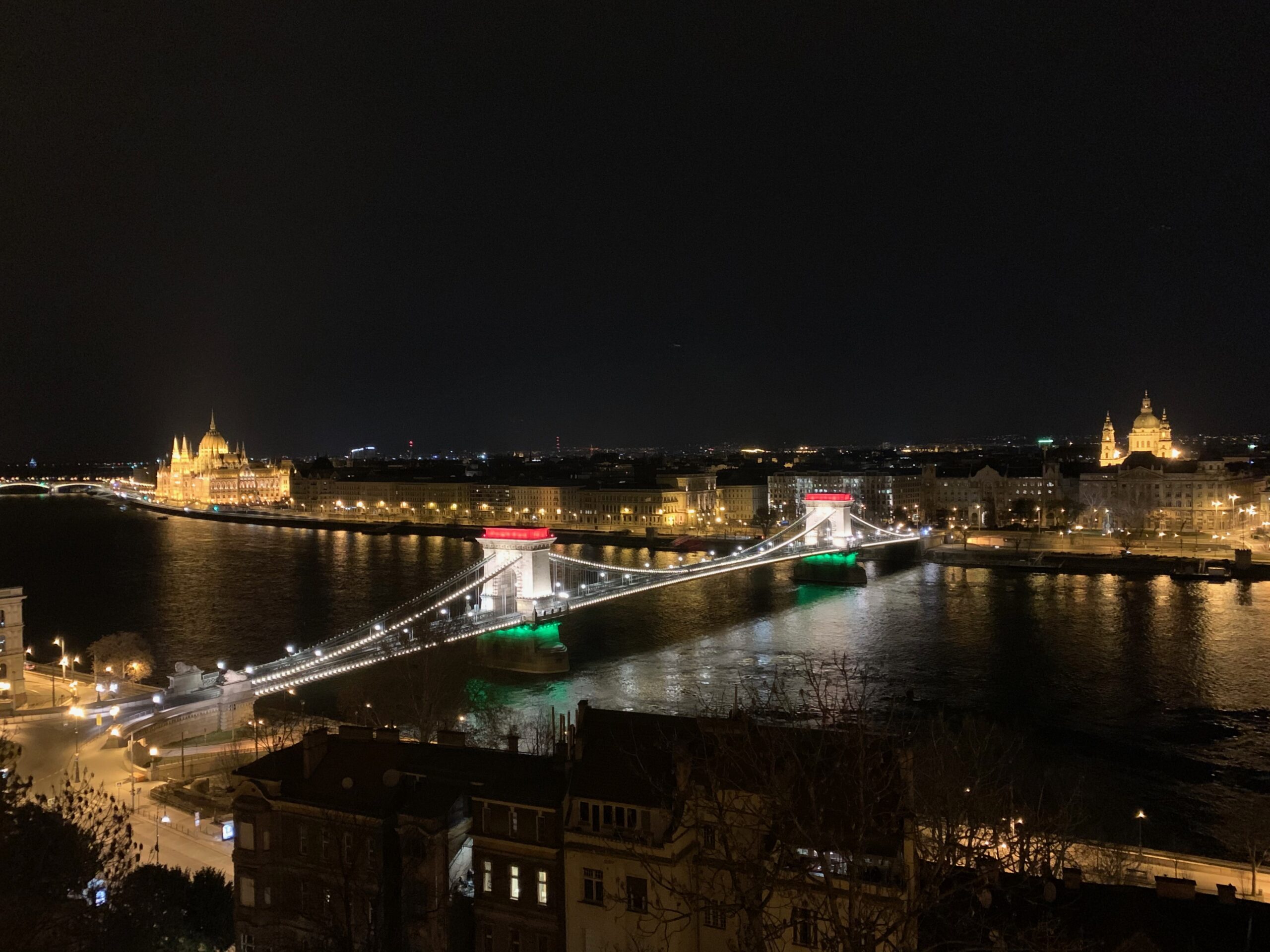
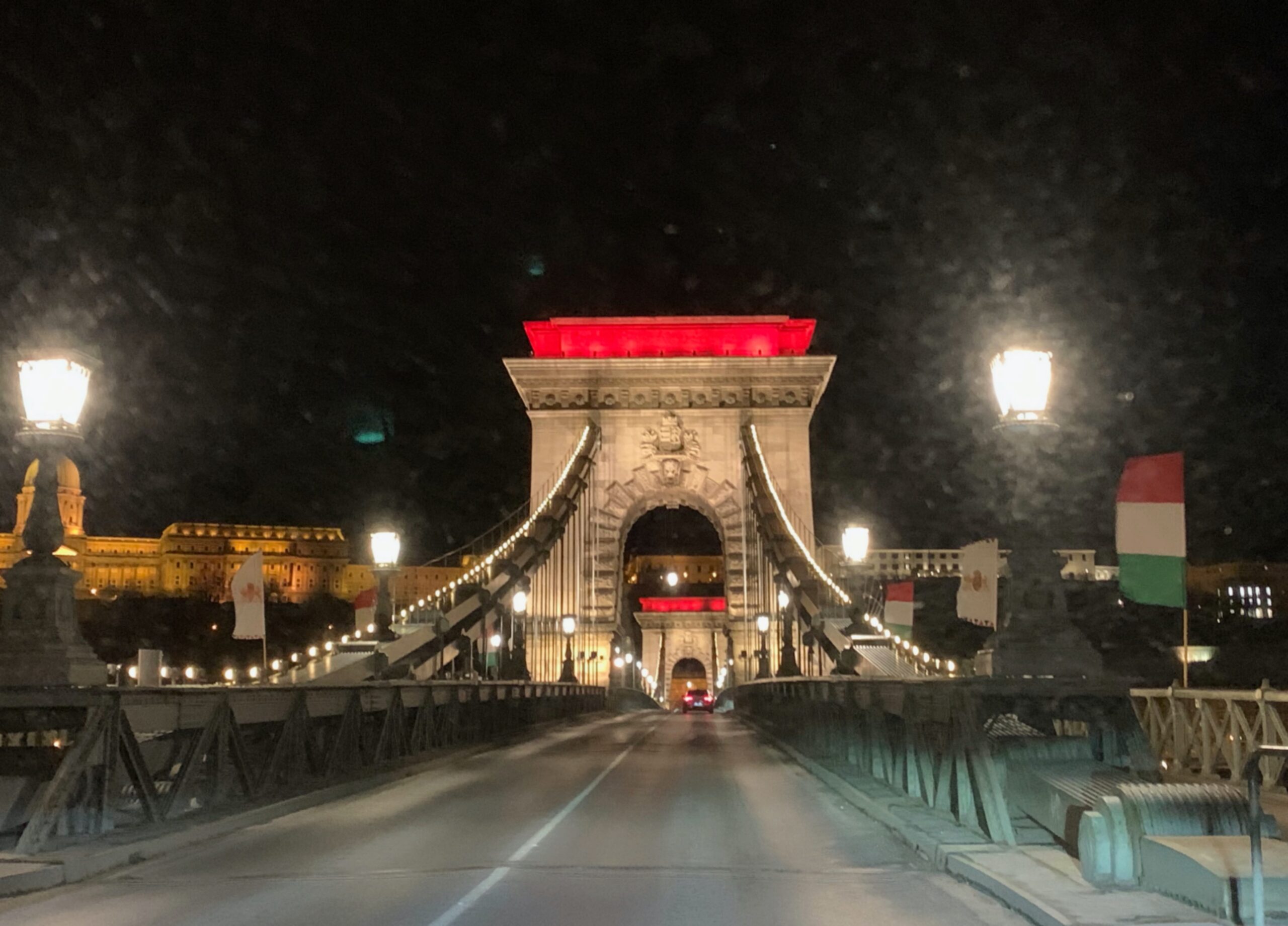
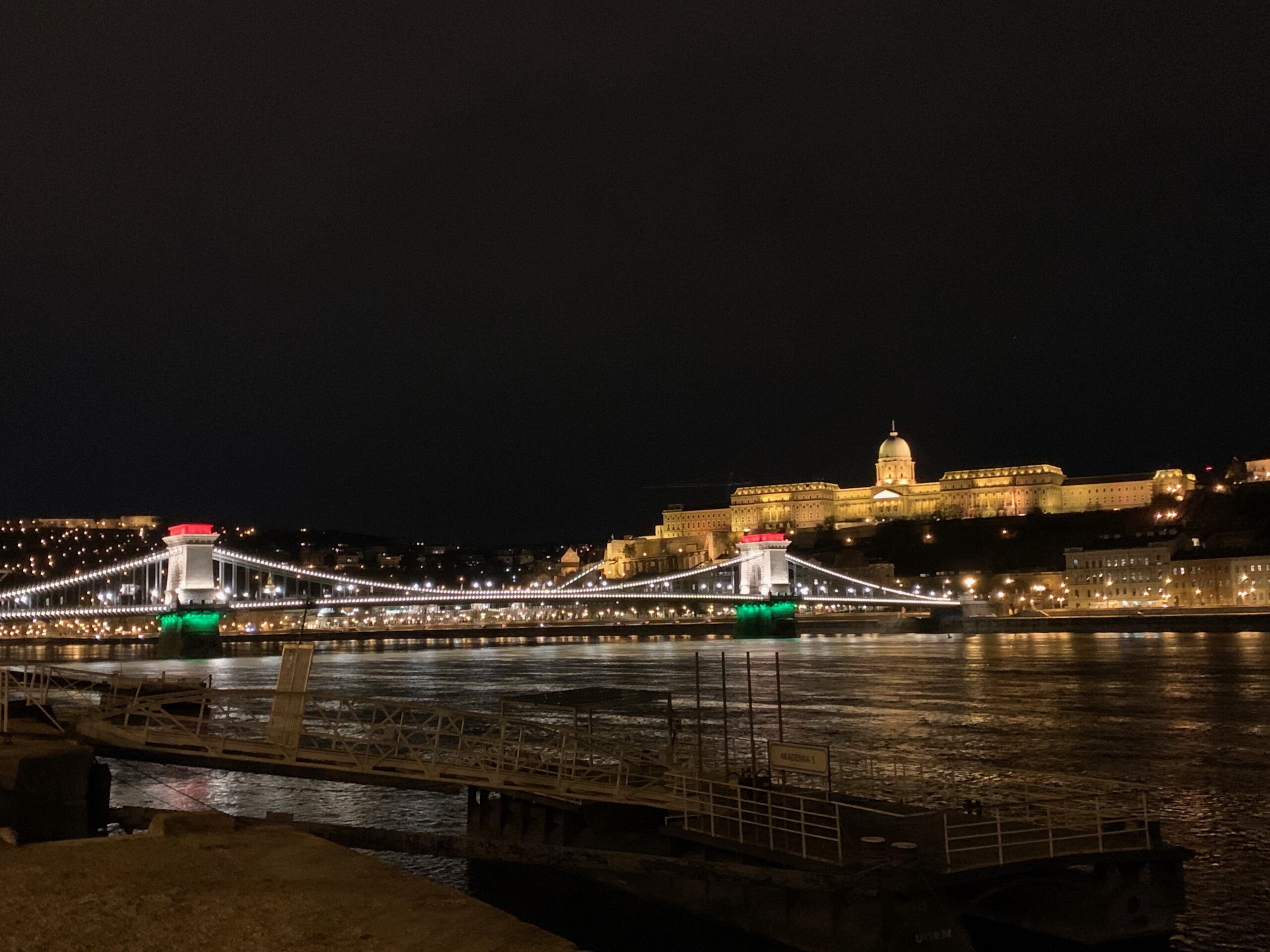
Walking through Budapest on this day, you see flags hanging from historic buildings, bridges, and balconies across the city.

The red, white, and green colours remind people not only of the past, but also of the enduring importance of freedom. The three colours of the Hungarian flag tell a story of their own: red symbolises the blood and passion of those who fought for freedom, white represents honesty and integrity, and green reflects hope for the nation’s future.

The Revolution and Its Legacy

Although the revolution eventually led to a war with the Habsburg Empire and was ultimately suppressed in 1849, its ideals continued to shape Hungarian identity.

Many of the political and social reforms demanded in 1848 eventually became reality. More importantly, the revolution became a lasting symbol of the Hungarian desire for independence and self-determination.

Hungarian history includes several moments when people stood up for freedom.

One of the most powerful examples was the 1956 uprising against Soviet rule, another event that deeply shaped modern Budapest and the national memory.

Understanding these moments helps visitors see Budapest not only as a beautiful city, but also as a place where history was lived with extraordinary courage.

Experiencing the 15th of March in Budapest

If you happen to visit Budapest around the 15th of March, you will see a very special atmosphere in the city.

Public squares host commemorations, historic locations connected to the revolution are visited by locals, and Hungarian flags appear everywhere. The holiday is both festive and reflective — a quiet but powerful reminder of the ideals that shaped the country.

For visitors interested in the deeper layers of Hungarian history, these stories often come alive when walking through the city itself. Many of the historic streets connected to Budapest’s past — including areas like the Jewish Quarter — reveal how layers of history shaped the city we see today.

Many of the places connected to Hungary’s struggles for freedom can still be seen today — from the streets where the revolution began to the monuments remembering later events such as the 1956 uprising. Fortunately, many of these historic sites are easy to reach thanks to Budapest’s excellent public transportation system, which makes exploring the city simple for visitors.

Why This History Matters Today

One of the most moving aspects of the 15th of March is that the revolution was not only fought with weapons.

It was fought with poetry, ideas, and courage. The words spoken in the streets of Pest in 1848 continue to echo through Hungarian history, reminding people that freedom often begins with the courage to imagine a different future.

Every Hungarian flag displayed on this day carries that message forward. Whenever I walk through Budapest on the 15th of March, I can’t help wondering what the young revolutionaries of 1848 would expect from us today. Reading the Twelve Points, it is striking how timeless their message remains. The ideals of freedom, equality before the law, and responsible government still resonate deeply, reminding us that the spirit of 1848 continues to challenge and inspire every generation.

Budapest is a city where history is not only remembered — it is lived in its streets, squares, and stories. If you would like to explore these layers of history while discovering the city with a local guide, I would be delighted to show you around on one of my private tours.

March 15 Budapest 🇭🇺 Nemzeti Menet | Hungary’s National Day

Today is a national holiday in Hungary, we celebrate the outbreak of the revolution of 1848-1849.

Today we celebrate our national independence, the freedom of speech, the freedom of press and we remember the heroism and the courage of the young Hungarians who became united to confront and fight the oppressors.

I hope that the spirit of the revolution lives on in the Hungarian soul and we never give up fighting for the values our ancestors had been fighting for 173 years ago.