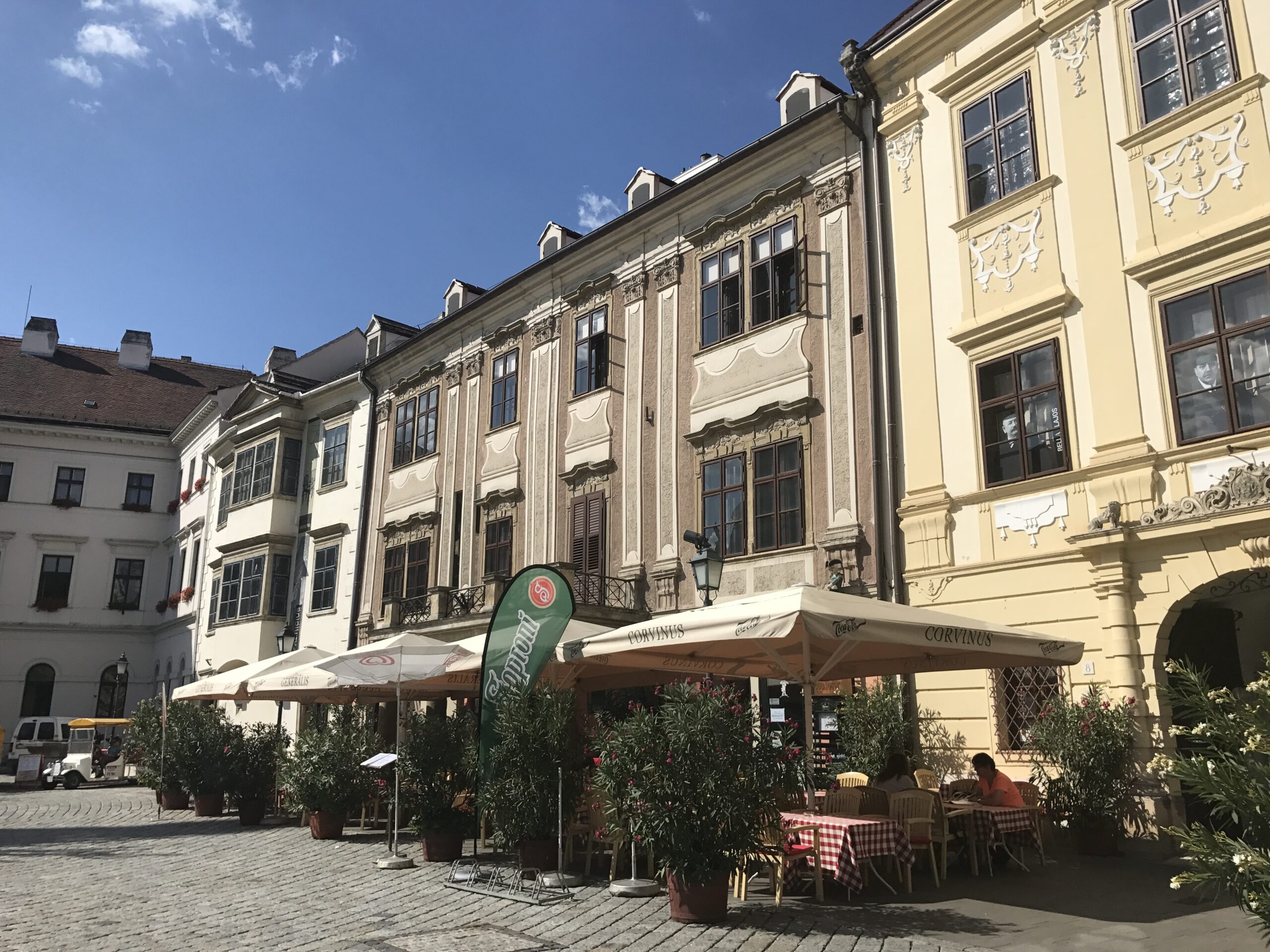
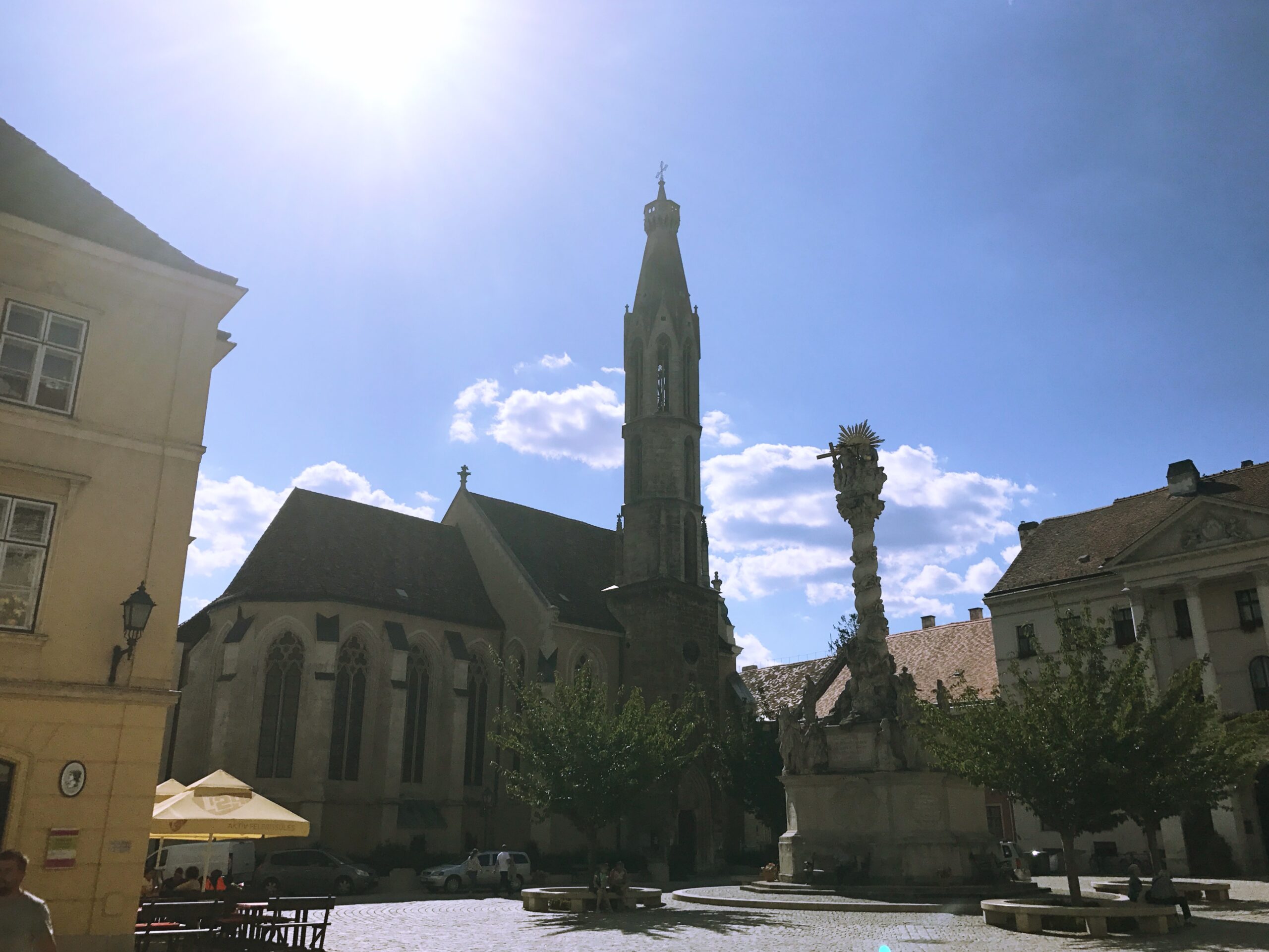
Located near the Austrian border, Sopron has quickly become one of my guests’ most loved day-trip destinations in western Hungary — and it’s easy to see why. Rich in medieval heritage and elegant Baroque architecture, Sopron is a beautifully preserved town that feels both intimate and historically layered.

After guiding several tours in northern Hungary, Sopron naturally became part of my Győr and Sopron private tour, combining two of the region’s most charming historic towns in one memorable itinerary.

Why Sopron Is Called “The Most Loyal Town”

Sopron is often referred to as Hungary’s “most loyal” town, a title earned after World War I. When two-thirds of Hungary’s territory were detached from the country, Sopron’s citizens were offered Austrian citizenship in a referendum.

In 1921, the people of Sopron voted to remain Hungarian — a decision that is still commemorated every year and remains a strong part of the town’s identity and local pride.

Medieval Churches and the Iconic Fire Tower

A guided walk through Sopron reveals architectural treasures from multiple eras. Highlights include:

  • 13th-century churches featuring Romanesque and Gothic elements

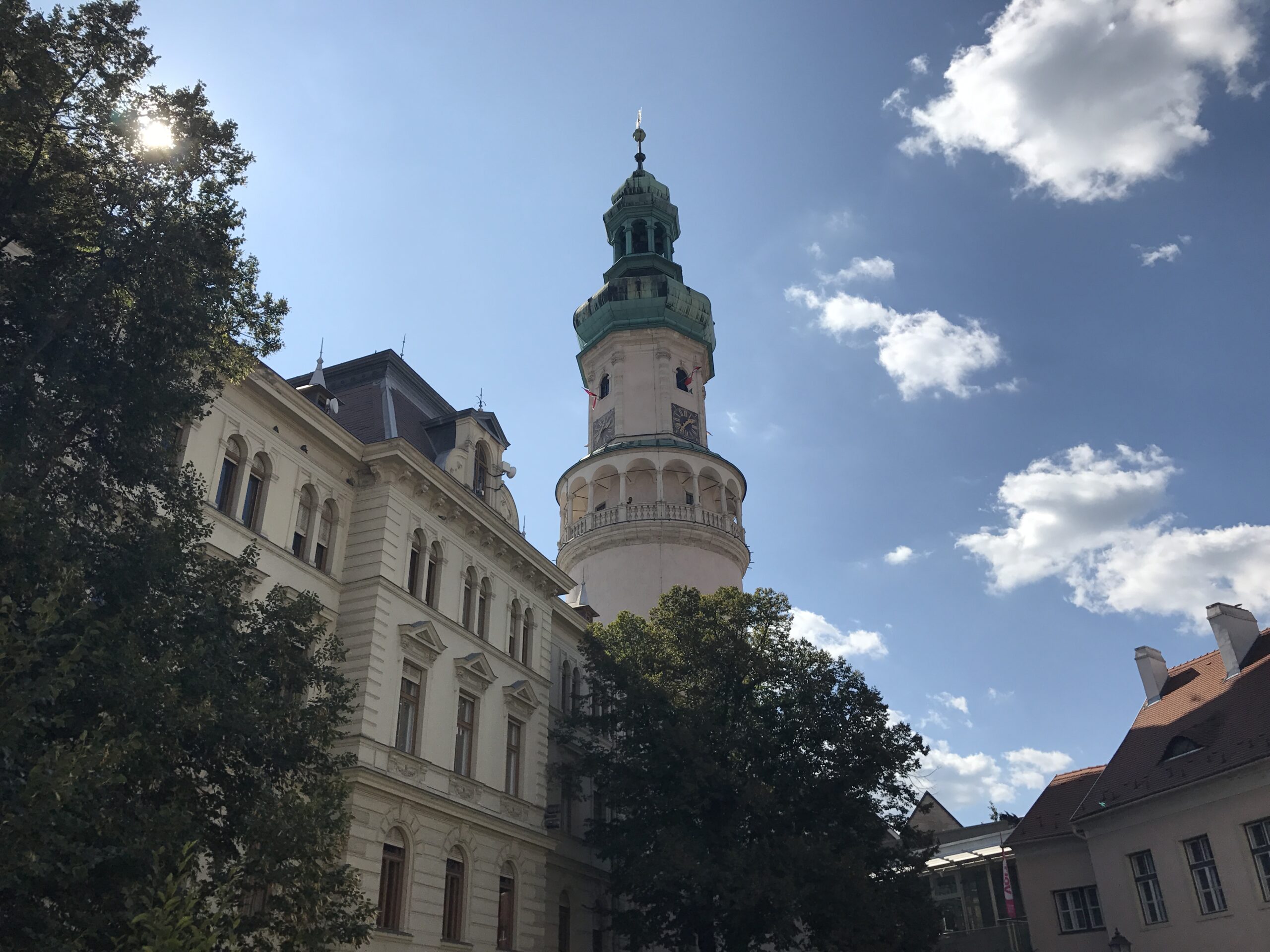
  • the iconic Fire Tower, the symbol of the town since the 17th century

  • elegant 18th-century Baroque townhouses lining narrow streets and hidden courtyards

From the top of the Fire Tower, visitors are rewarded with panoramic views over Sopron’s rooftops and the surrounding countryside.

Kings, Composers, and Roman Roots

Sopron’s streets have hosted remarkable historical figures. During the tour, you’ll see:

  • where Matthias Corvinus stayed while besieging Vienna in 1482

  • buildings associated with concerts given by Franz Liszt in the 19th century

Beneath the medieval and Baroque layers lie even older foundations. Sopron was built on the remains of a Roman settlement, and visitors can still see the ruins of the ancient Roman town hall and market, offering a fascinating glimpse into the city’s earliest past.

Visiting Sopron on a Private Tour

Sopron is an ideal destination for travelers interested in:

  • medieval and Baroque architecture

  • Hungarian history beyond Budapest

  • quiet, walkable historic towns

  • meaningful countryside experiences

It pairs perfectly with a visit to Győr, making the Győr and Sopron tour a well-balanced journey through western Hungary’s cultural highlights.


Budapest Memento Park is one of the most unusual and thought-provoking attractions in Budapest. Often described as an exhibition “in the shadow of Stalin’s boots,” this open-air museum offers a powerful insight into Hungary’s Communist past and the ideology that shaped public life for decades.

A visit here is not just about statues — it’s about understanding history, memory, and how societies deal with difficult legacies.

Why Memento Park Exists

After the political changes of 1989, Communist monuments were removed from Budapest’s streets. For many Hungarians, these statues were painful reminders of dictatorship, oppression, and the cult of personality surrounding Communist leaders.

While some locals supported destroying them altogether, a different solution was chosen. Selected monuments were relocated to a dedicated statue park in the 22nd district of Budapest, where they could be recontextualized rather than erased.

The conceptual designer of the park famously stated that the park is not about the statues or the sculptors, but rather a critique of the ideology that used monumental art as a symbol of absolute power.

Monumental Art and Communist Ideology

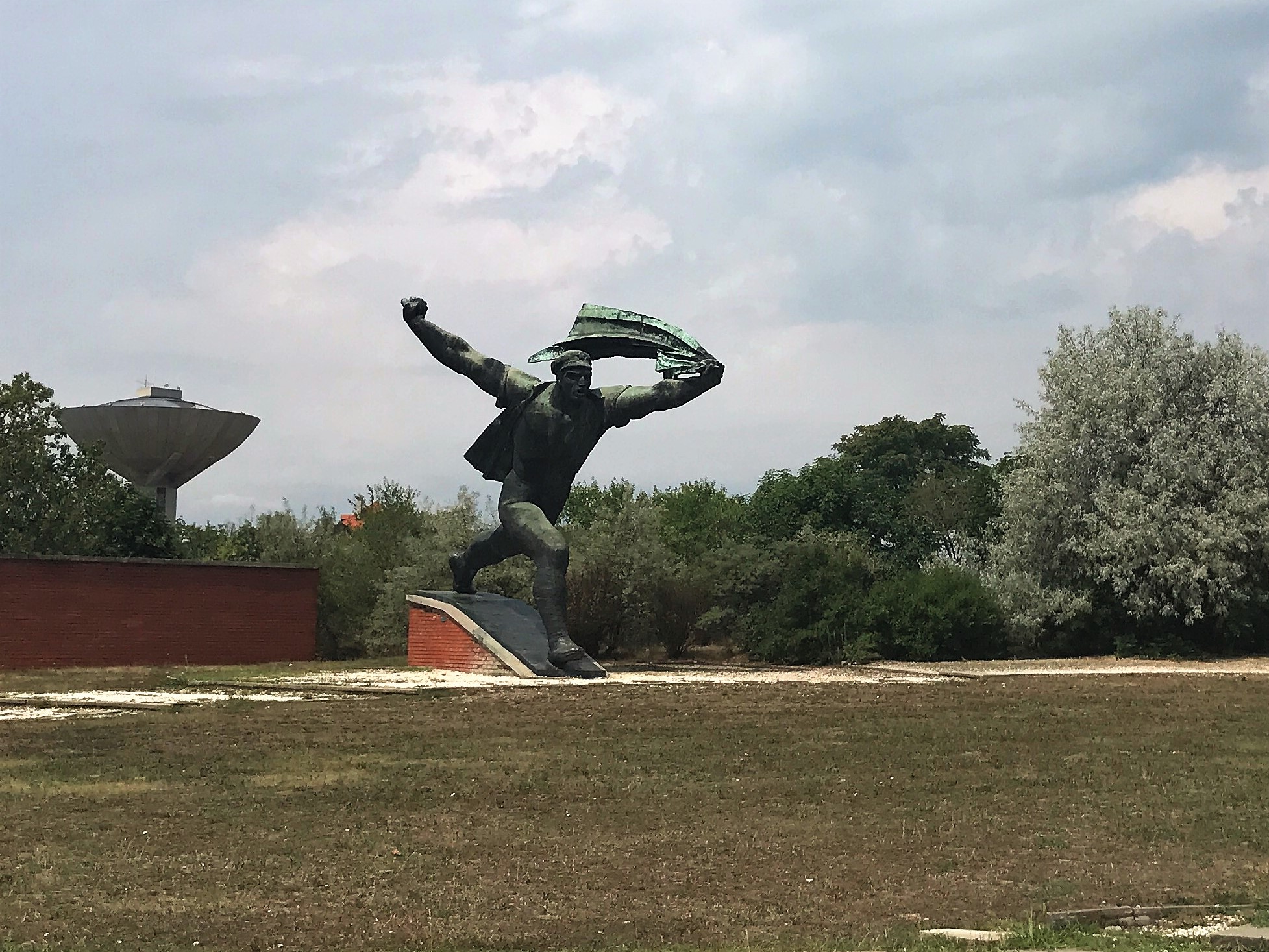
Walking through Memento Park, visitors encounter statues that once dominated public squares — heroic figures meant to be admired and obeyed by the proletariat. The exaggerated scale and dramatic poses reflect the monumentality of Communist-era art, whose purpose was to create new political idols.

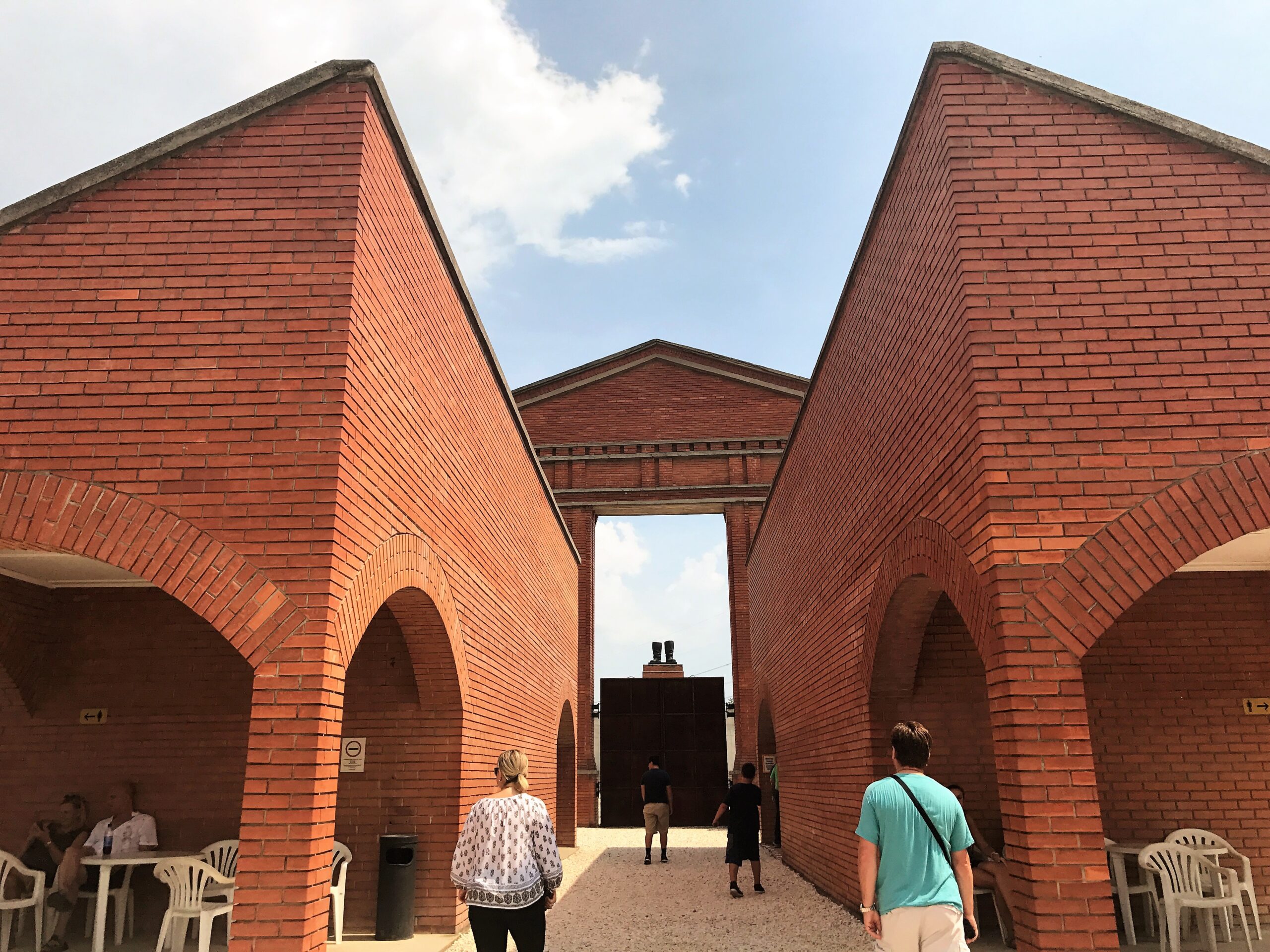
One of the most striking symbols is the pair of Stalin’s boots, all that remains of a gigantic statue torn down during the Hungarian Revolution of 1956. The boots have since become one of the park’s most iconic and haunting images.

A Personal Perspective

I remember many of these statues standing on Budapest’s streets. They even had nicknames, and people created ironic or humorous stories about them — subtle acts of resistance in a tightly controlled society.

During my Communist and thematic tours, I love sharing these personal memories alongside historical context. I explain:

  • why certain monuments were removed

  • how propaganda worked through public art

  • what everyday life was like under Communism

  • and why Memento Park remains relevant today

Although the Communist era officially ended over three decades ago, its legacy is still close enough to feel personal — and far enough away to be examined critically.

Visiting Memento Park Today

A visit to Memento Park is especially rewarding for travelers interested in:

  • 20th-century European history

  • life behind the Iron Curtain

  • political symbolism and propaganda

  • alternative, off-the-beaten-path sights in Budapest

It’s a powerful addition to a Budapest Communist tour and a place that often sparks meaningful conversations long after the visit ends.