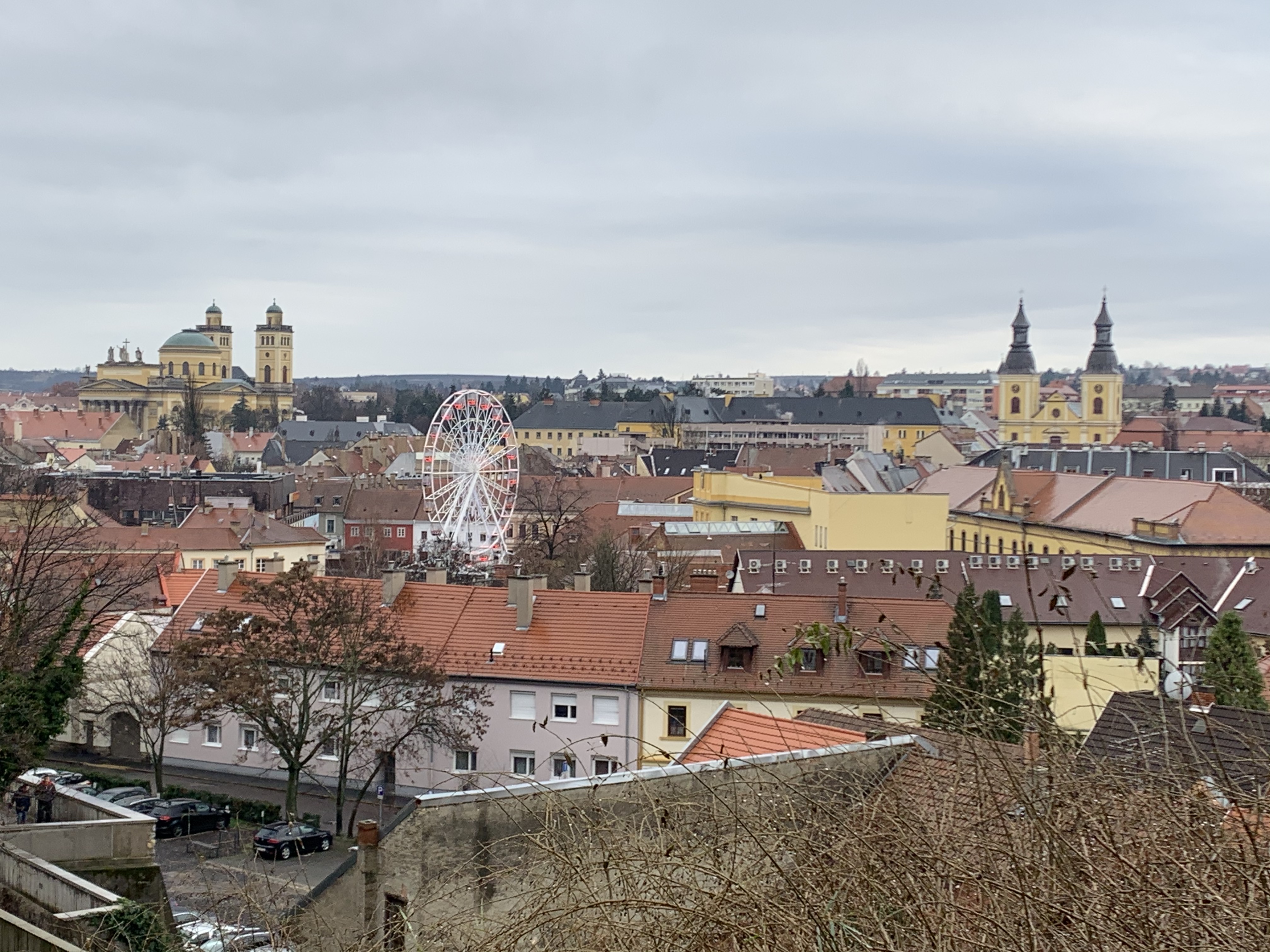
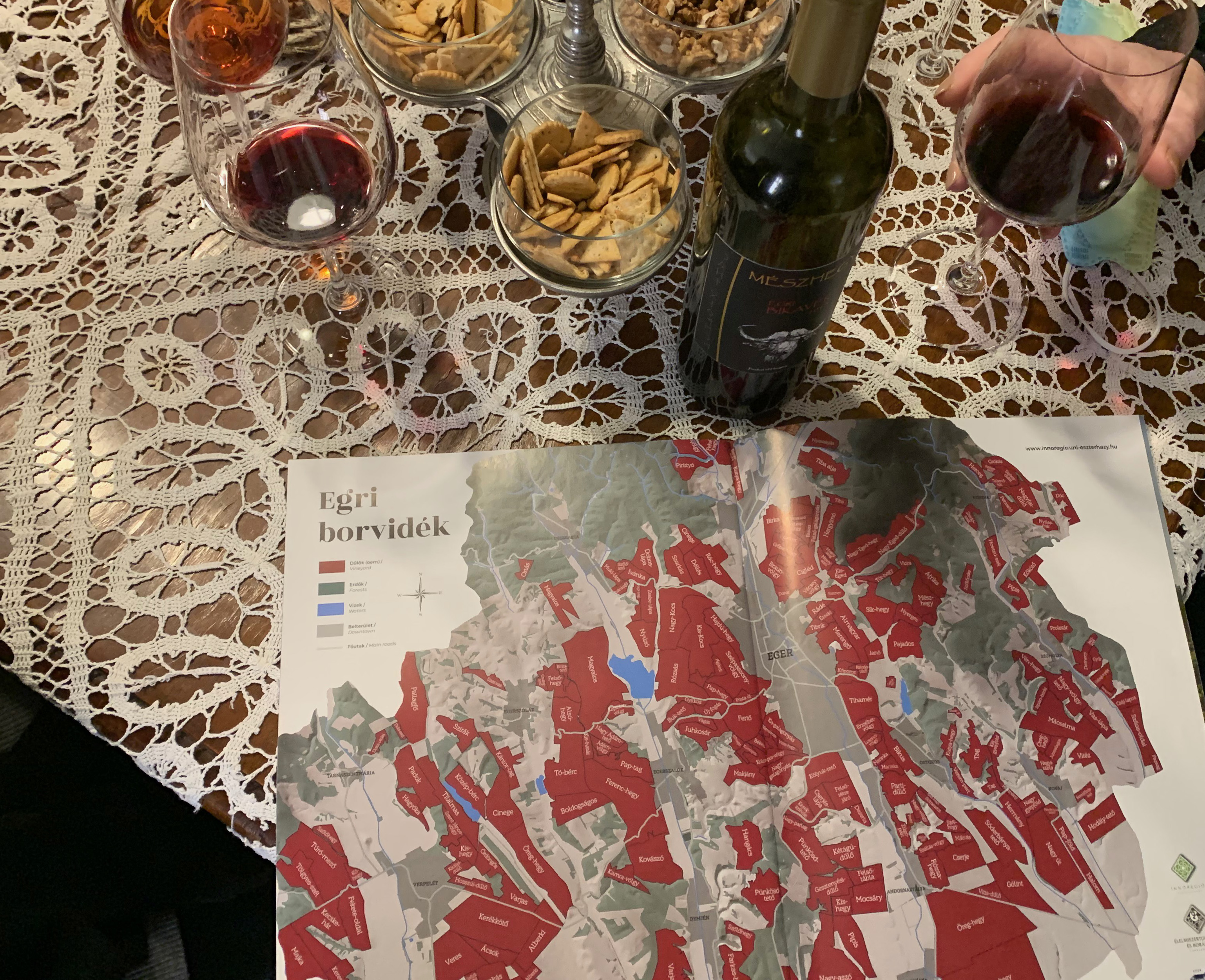
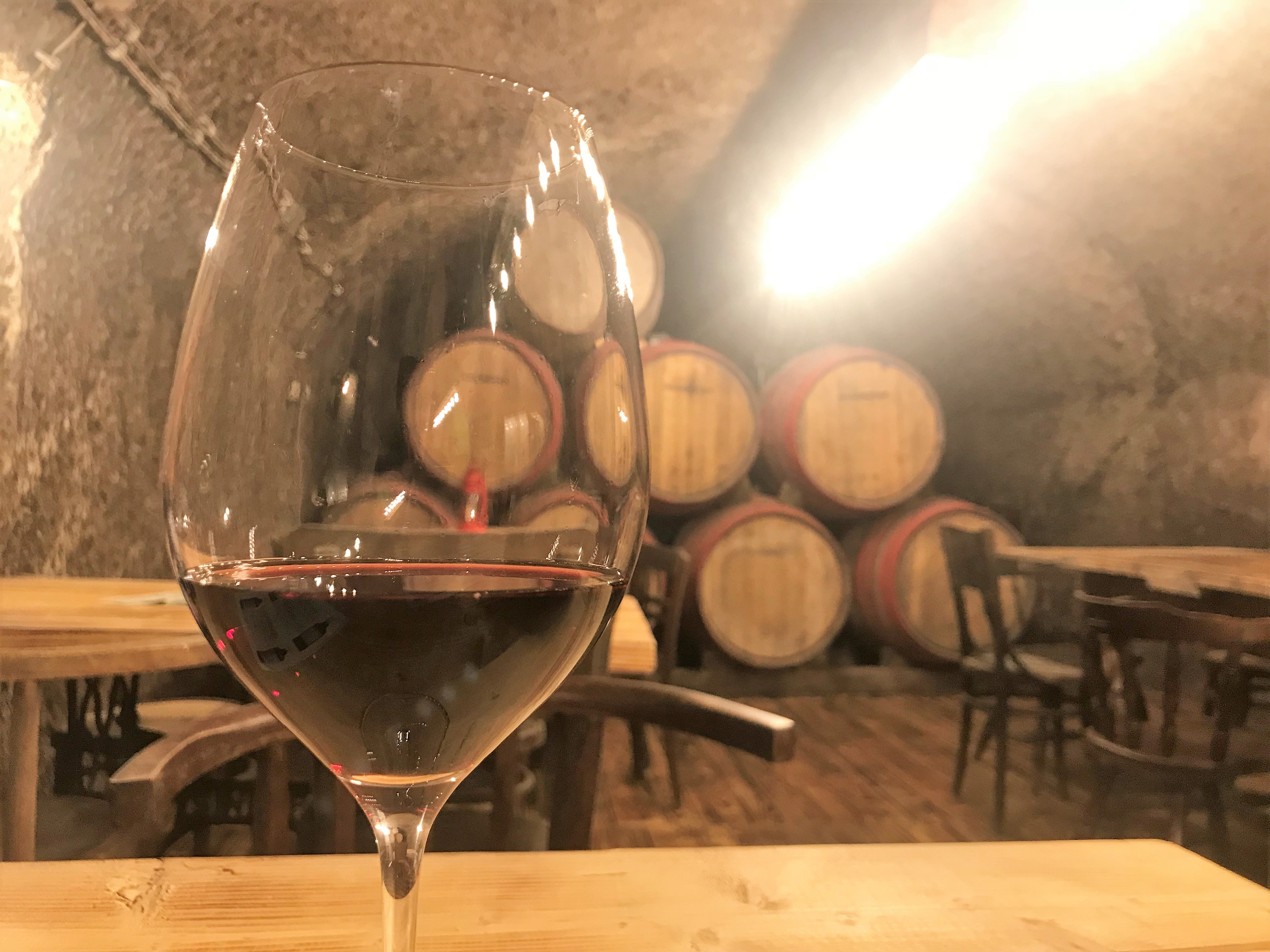
You might have noticed that the Eger Wine Tour is one of my favourite daytrips from Budapest. I love Eger, it’s a charming little town with beautiful Baroque architecture and its castle is still considered as a national symbol of Hungarian patriotism. The tour is topped by wine tasting both in the city centre and in the Valley of the Beautiful Woman, where you can taste Bull’s Blood, the local cuvée.

The weather is getting more and more beautiful day by day so we enjoyed our time in Eger in beautiful sunshine and I can tell you that everybody loved the red wines we tasted. I hope I’ll have the chance to go back to Eger many times this year.

Set in the City Park of Budapest, the House of Hungarian Music is one of the city’s most exciting contemporary cultural spaces. Both the building and the exhibitions inside are designed to surprise, inspire, and invite visitors to experience music in a completely new way.

From the moment you approach it through the trees, it’s clear that this is not a traditional museum.

A futuristic landmark in the park

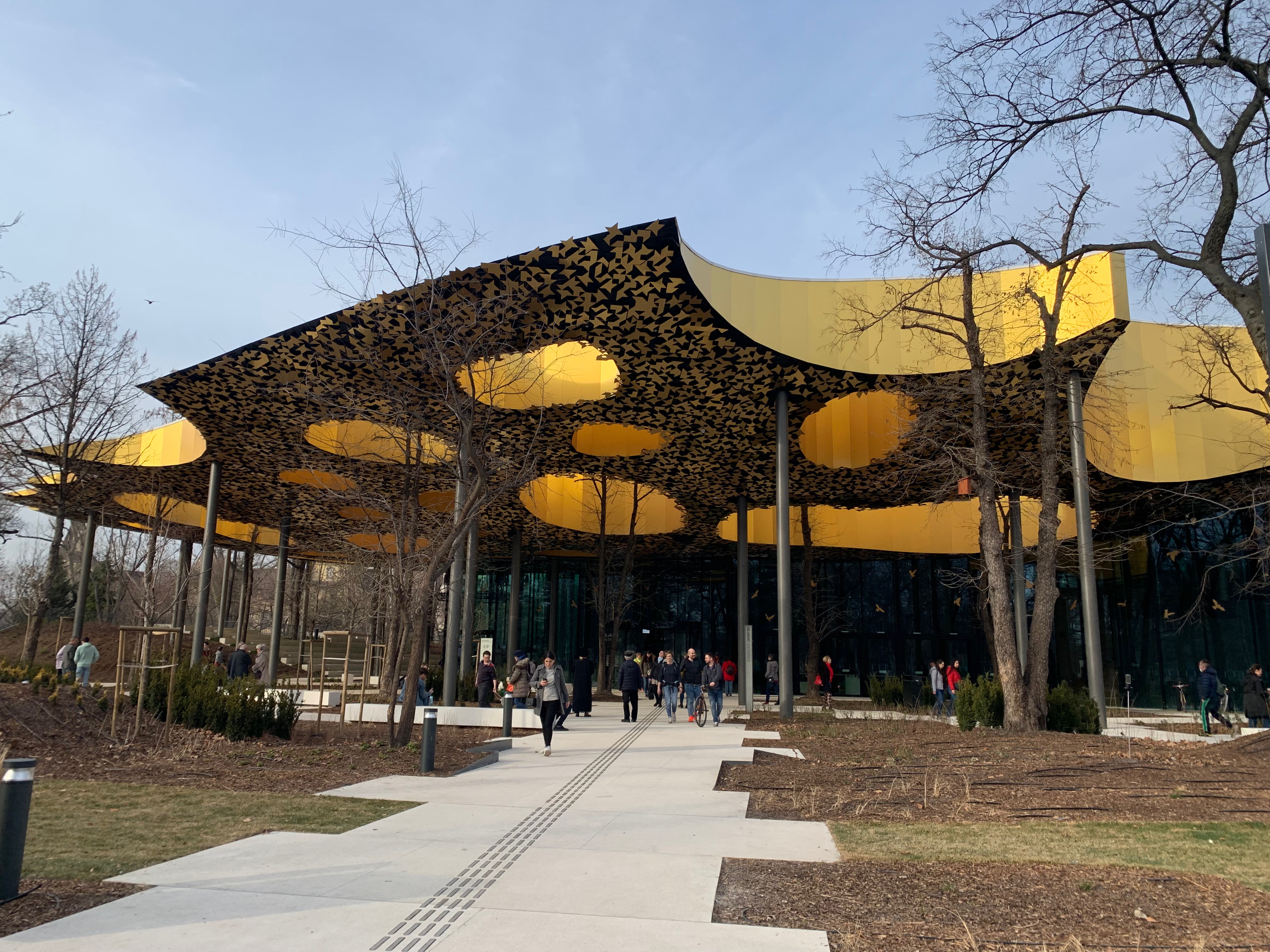
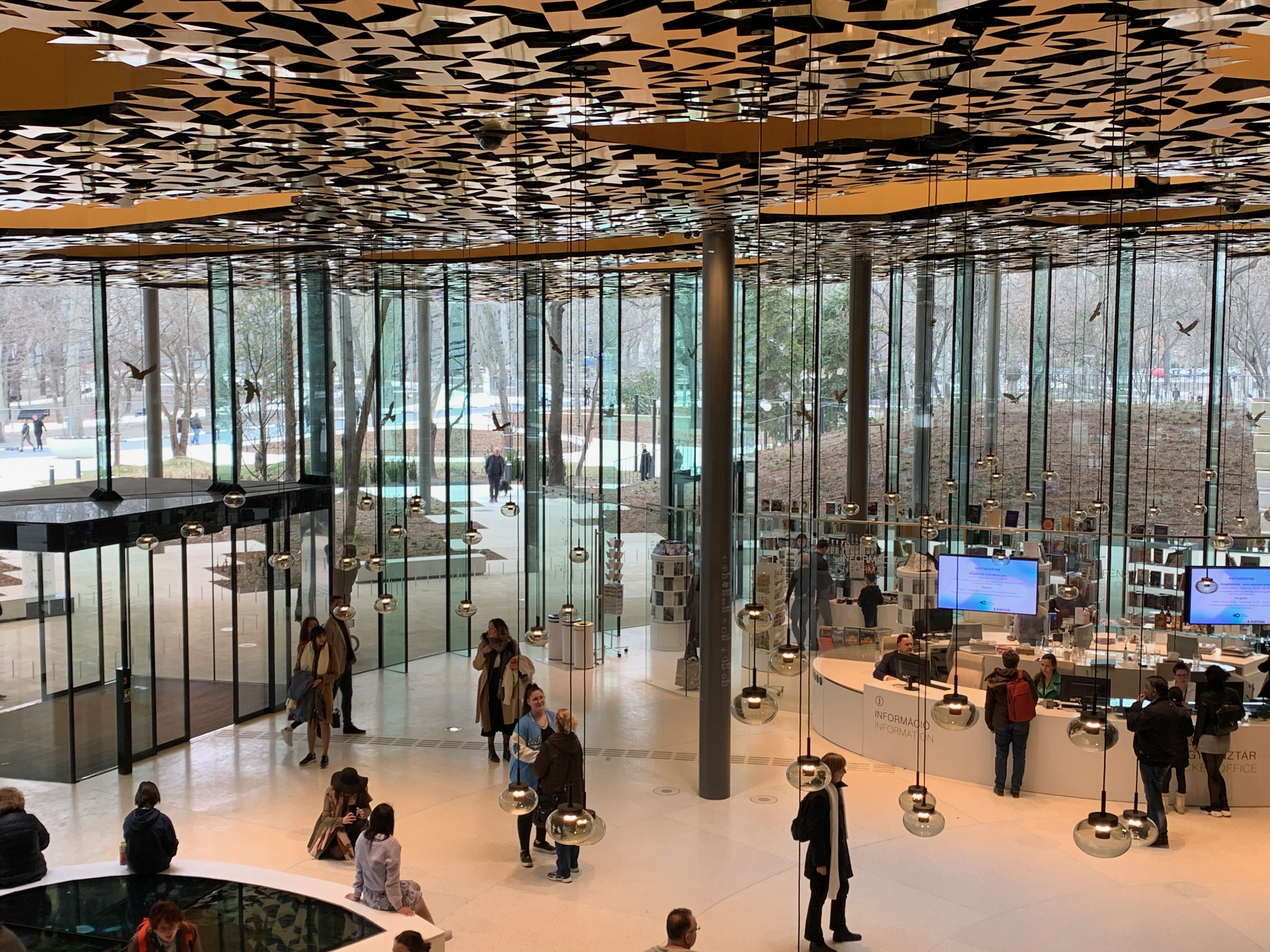
The building was designed by Japanese architect Sou Fujimoto, and its appearance is as bold as its concept. With its flowing forms and unusual silhouette, it almost feels like an ornate spaceship that has gently landed among the trees of City Park.

One of its most striking features is the series of 12-metre-high glass walls, which blur the boundary between inside and outside. Hundreds of golden, stylised leaf motifs decorate both the exterior and interior, creating the impression of a shimmering golden forest. On sunny days, the light reflects beautifully on each leaf, making the entire structure feel alive.

A building growing out of the park

What I love most about the House of Hungarian Music is how organic it feels. Despite its contemporary design, the building doesn’t dominate its surroundings — instead, it seems to grow out of the park itself.

The main architectural concept was to integrate the building into the natural environment of City Park, and this idea is present everywhere. The sweeping roofline echoes the movement of tree canopies, while the vast glass surfaces reflect the greenery around them. Trees, plants, and landscaped paths flow naturally around the structure, blurring the line between architecture and nature.

Even the everyday elements — paths, benches, and nearby walkways — feel intentionally woven into the setting. Walking around the building, it never feels isolated or imposing; rather, it becomes part of the park’s rhythm, changing character with the light, the seasons, and the movement of people around it.

This harmony between nature, movement, and music is what makes the House of Hungarian Music truly special — and it’s the detail that stays with me the longest.

An immersive musical experience

Inside, the museum invites visitors to experience music with all their senses.

One of the highlights is the Sound Dome, where a unique audio-visual show surrounds you with music and sound coming from all directions. As the layers gradually come together, the experience feels almost experimental — like witnessing a carefully crafted musical reaction unfolding in real time.

Beyond the dome, the permanent exhibition takes visitors on a journey through Hungarian music across different periods and styles. This is not a museum you rush through: interactive elements, listening stations, and thematic spaces easily keep visitors engaged for hours.

Music lovers should plan to spend 2–3 hours exploring the exhibitions and installations.

Visiting the House of Hungarian Music

The House of Hungarian Music can be visited independently, and guided visits are sometimes available. As it is a very popular attraction, opening hours and ticket availability can vary, especially during weekends or school holidays.

If you’d like to include it in your Budapest itinerary, I recommend planning ahead. I’m happy to advise on timing and how best to combine it with nearby sights in City Park.

Part of a customised Budapest itinerary

The House of Hungarian Music fits beautifully into:

  • Cultural and contemporary architecture tours

  • Music-focused itineraries

  • Customised private tours that combine historic Budapest with modern highlights

It also pairs well with other City Park landmarks, making it an easy and rewarding stop during a relaxed day in this part of the city.

A modern must-see in Budapest

Innovative, immersive, and visually striking, the House of Hungarian Music offers a fresh perspective on Hungary’s rich musical heritage. Whether you are deeply passionate about music or simply curious to experience something different, this museum is one of Budapest’s most memorable modern attractions.

If you’d like help planning a visit or building a personalised itinerary that includes the House of Hungarian Music, feel free to get in touch.
 

Last week we had the chance to meet and cook with chef Zita from BORGANIKA. Zita has an amazing gastro space in Klauzál market in the Jewish district. She offers cooking classes, all sorts of gastro events and she also hosts private dinners. She is amazing and is truly in love with Hungarian culture and food, all of my guests were fascinated by this unique culinary experience.

We cooked green pea soup, chicken paprikas with nokedli and strudel, it was a lot of fun, we enjoyed cooking and eating together and we also tasted some great Hungarian wines.

It’s a great experience for smaller and larger groups and her enthusiasm and professionalism will most probably brighten your day and contribute to an amazing Budapest experience.

Private cooking class at Borganika

The lake Balaton is the number one destination of Hungarians in the summer months. It’s the greatest freshwater lake in Central Europe and is famous for its wine regions, cute little villages, beautiful castles and of course the magnificent views over the lake.

You can book the tour or contact me for further details. I’ll make sure to include in the itinerary all the sights you would like to see.

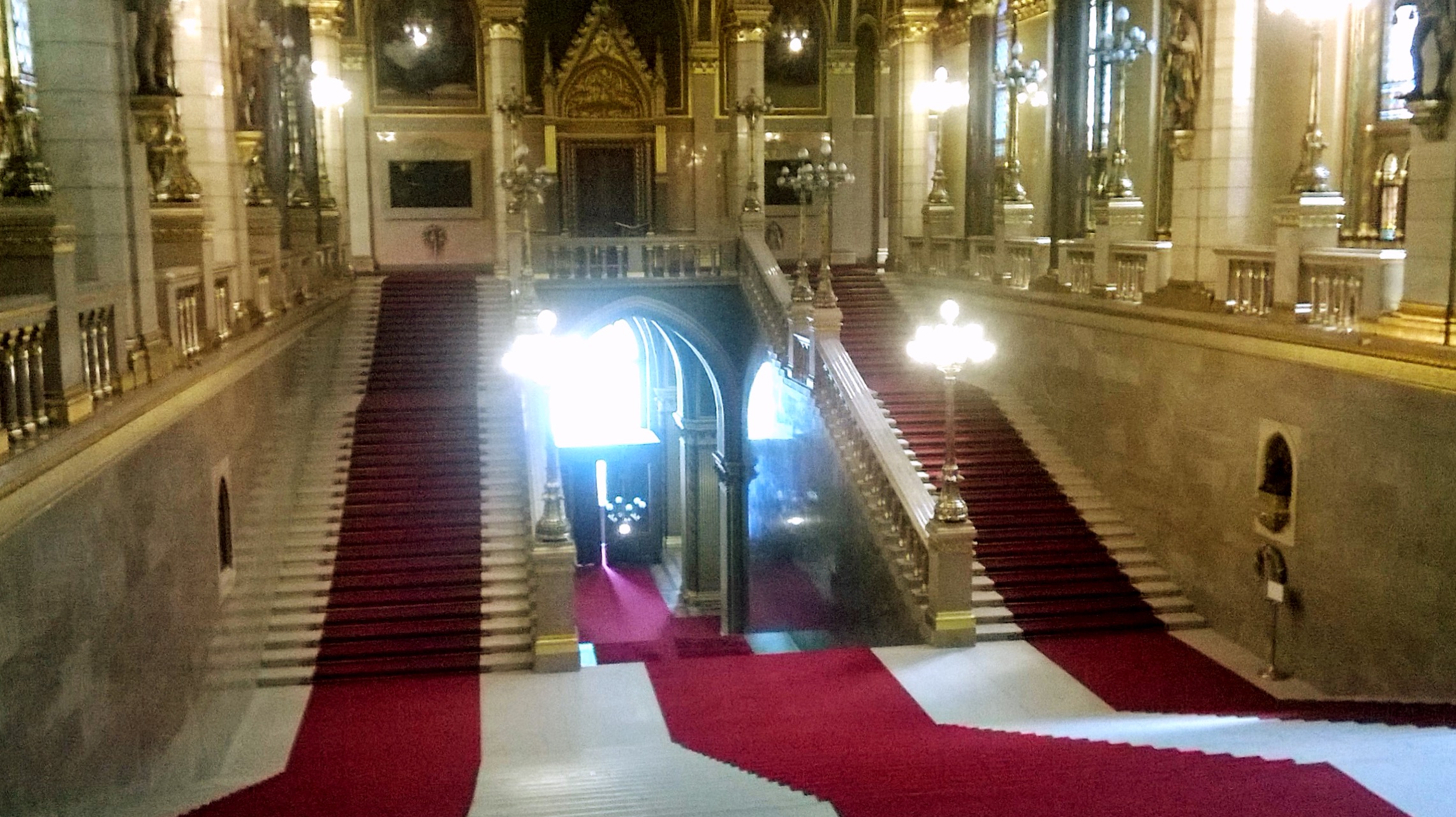
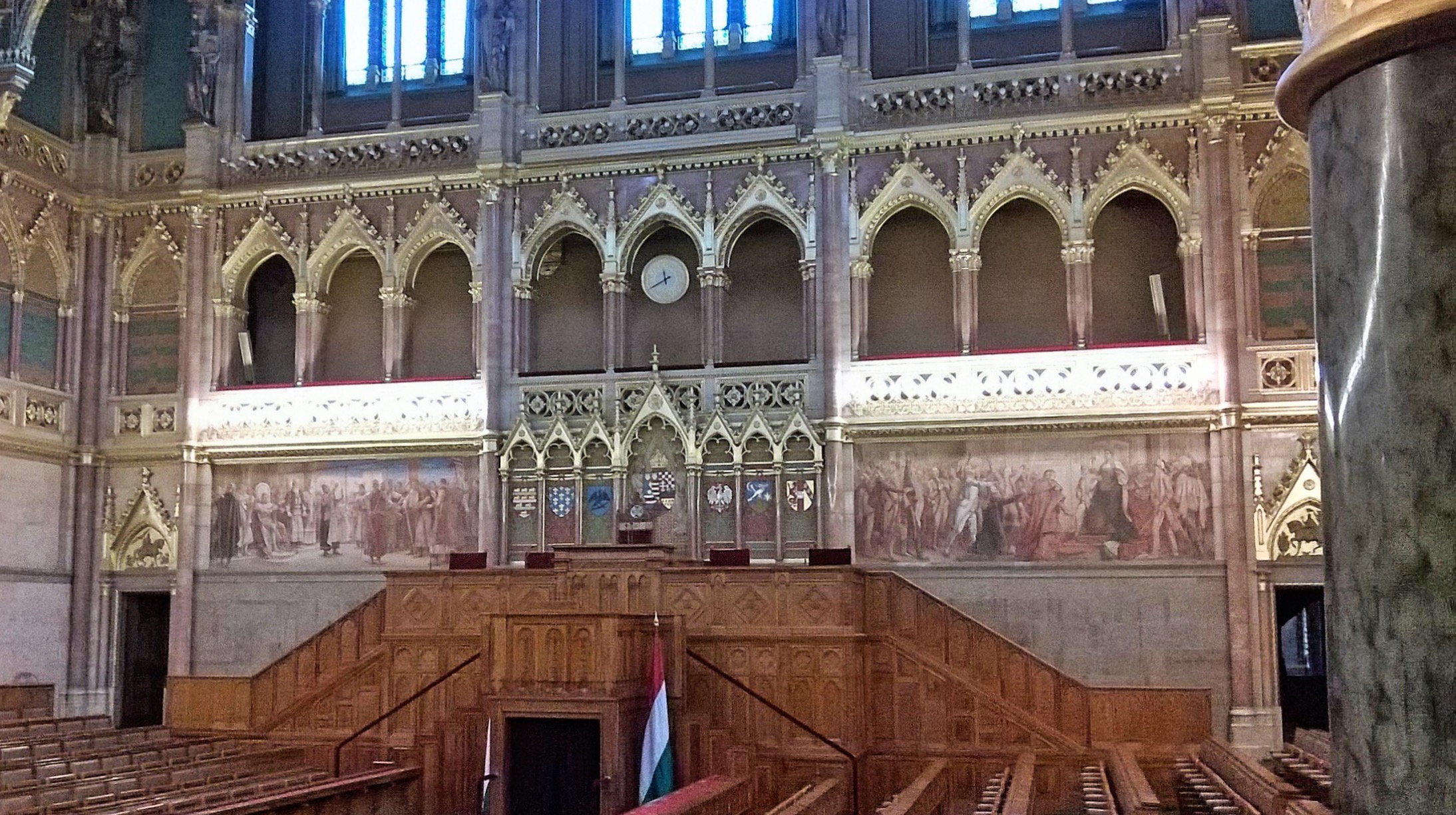
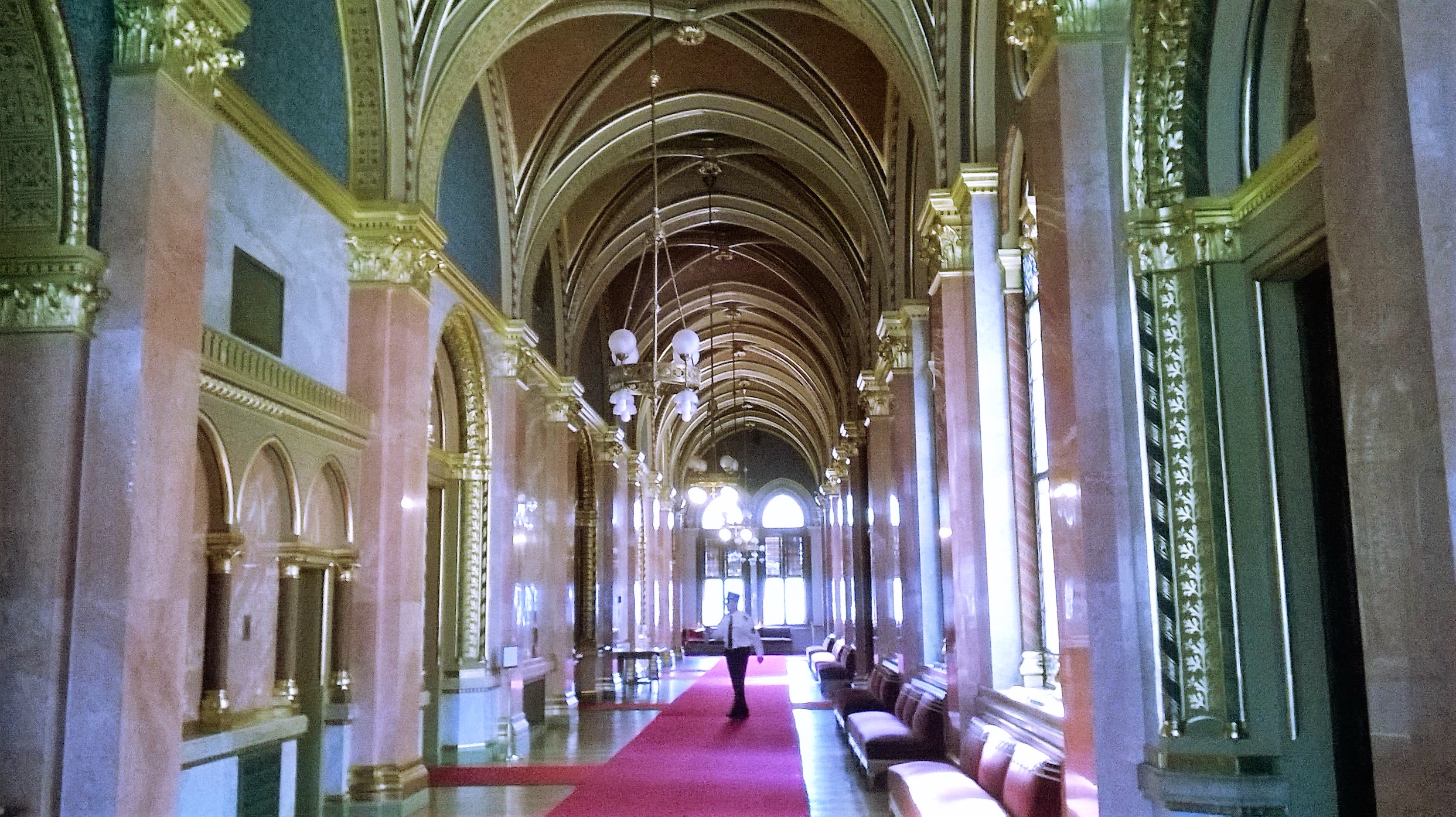
Great news from Budapest: from the 14th of May the fascinating building of the Parliament of Hungary can be visited again, there are tours every day between 9.00 AM and 3.00 PM. What’s more important is that the ticket prices have been reduced by 50%:

EU citizens: HUF 1600 / person

non-EU citizens: HUF 3200 / person

I think it’s a great opportunity to visit the Parliament now, I often tell that this really is one of the most spectacular buildings of Beautiful Budapest and definitely is a must-see when you visit my city.

As for now the COVID regulations are very strict: “The House of Parliament is open for visitors with an immunity certificate or immunity certificate application as well as for minors under their supervision; after their body temperatures are taken. The use of hand sanitisers installed in the Parliament building and the Visitor Centre is mandatory. Wearing a mask covering the nose and mouth is recommended. Please observe the social distancing rule and keep a 1.5-metre distance from others. Visits are to be undertaken on the sole responsibility of the visitors.”

The only problem is that it’s impossible for individuals to book a tour in advance, tickets can only be purchased on the spot on the day of the visit. I’m an official Tour Guide partner of the Parliament Visitor Center with special permissions so if you book a Full-day tour with Parliament visit with me I can book your Parliament tickets in advance. The Parliament visit can be incorporated in other tours, too, just let me know about your preferences!

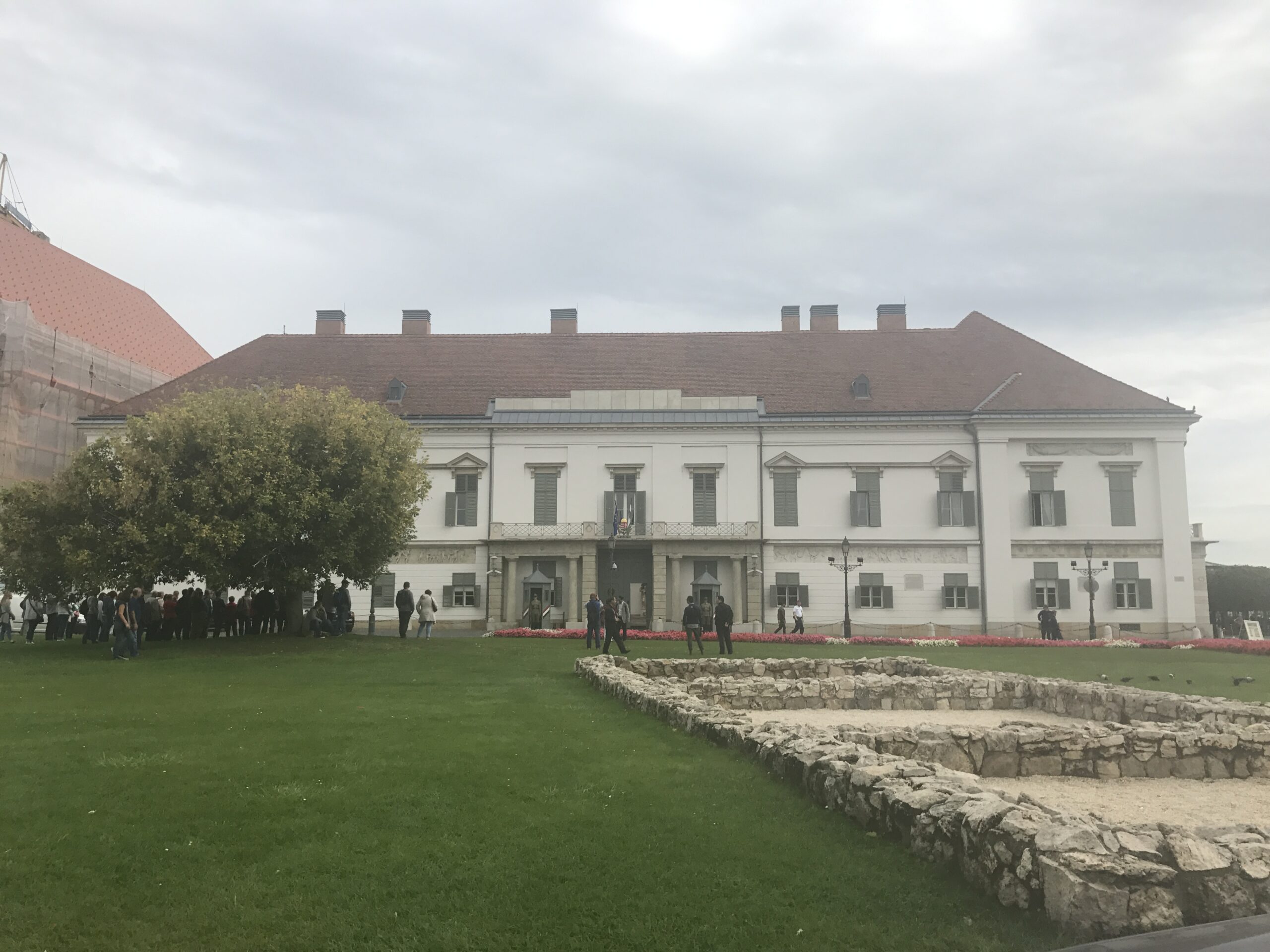
Located in the heart of the Buda Castle District, Sándor Palace is one of Budapest’s most elegant yet often overlooked landmarks. Standing just steps away from Buda Castle, the palace serves as the offices of the President of Hungary, combining political importance with refined architectural beauty.

From Aristocratic Home to Presidential Palace

Sándor Palace was built in the early 19th century as a noble residence and soon became one of the most prestigious addresses in Buda. Over the decades, it served various purposes, including government offices and ministerial residences.

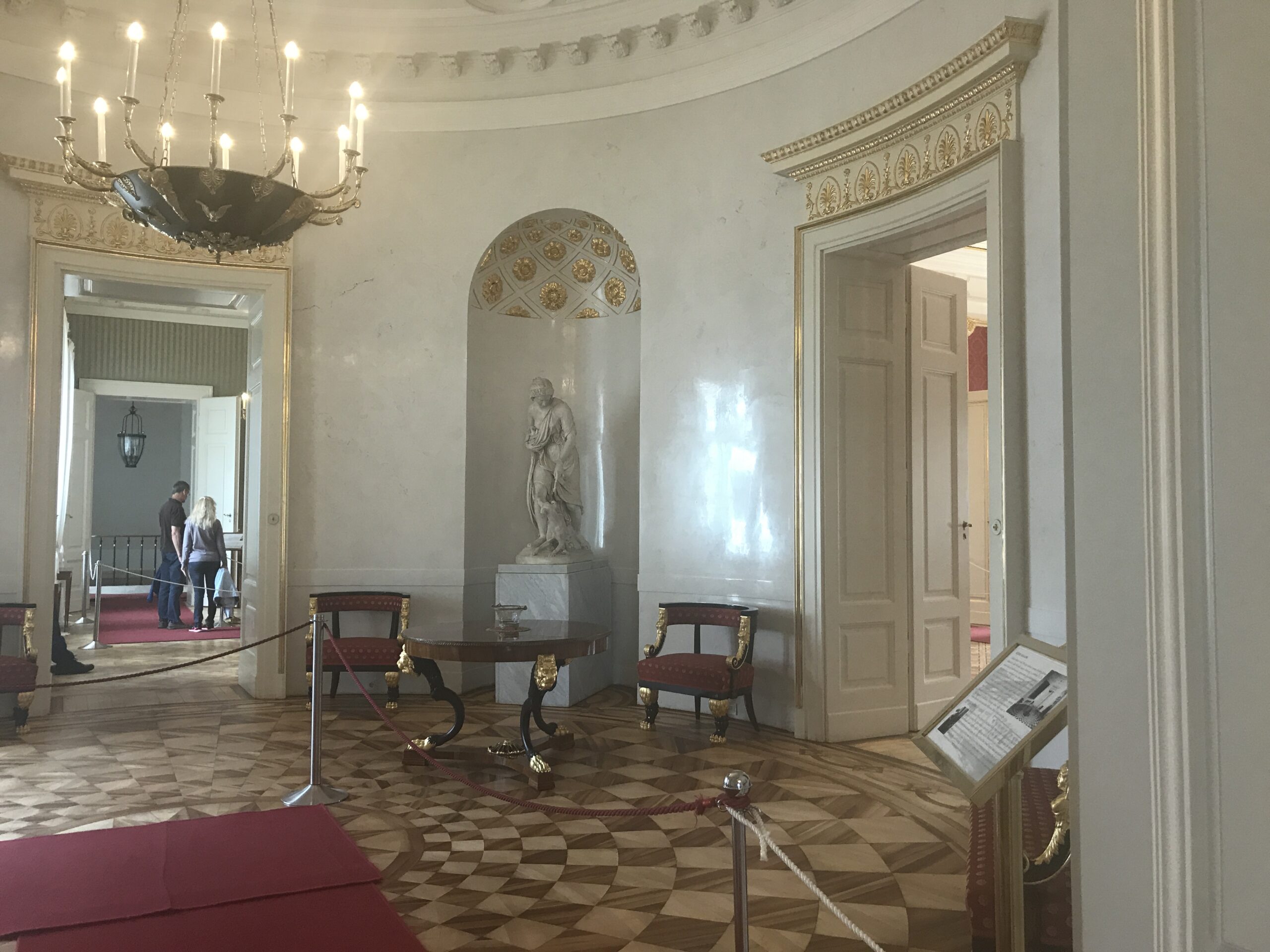
The building suffered heavy damage during World War II and remained neglected for decades during the Communist era. Its careful restoration after the political changes restored the palace to its former elegance, and today it once again plays a central role in Hungarian public life.

Architecture and Atmosphere

The palace is a fine example of Neo-Classical architecture, with a restrained yet harmonious façade that fits perfectly into the Castle District’s historic surroundings. While the interior is not generally open to the public, the exterior alone makes it a worthwhile stop during a Castle Hill walk.

One of the highlights for visitors is the changing of the guards, which takes place regularly in front of the palace and adds a ceremonial touch to the quiet square.

Sándor Palace on a Guided Tour

During a guided walk through the Castle District, Sándor Palace offers an excellent opportunity to talk about:

  • Hungary’s modern political system

  • the transition from monarchy to republic

  • life in the Castle District past and present

  • the contrast between royal, aristocratic, and presidential power

Its location makes it an easy and natural stop on a Budapest city tour or a thematic history walk.

Why Include Sándor Palace in Your Itinerary?

Sándor Palace is ideal for travelers who enjoy:

  • elegant architecture without crowds

  • political and modern Hungarian history

  • hidden landmarks beyond the usual highlights

  • quiet corners of the Castle District

It adds depth and context to any visit to Buda Castle.

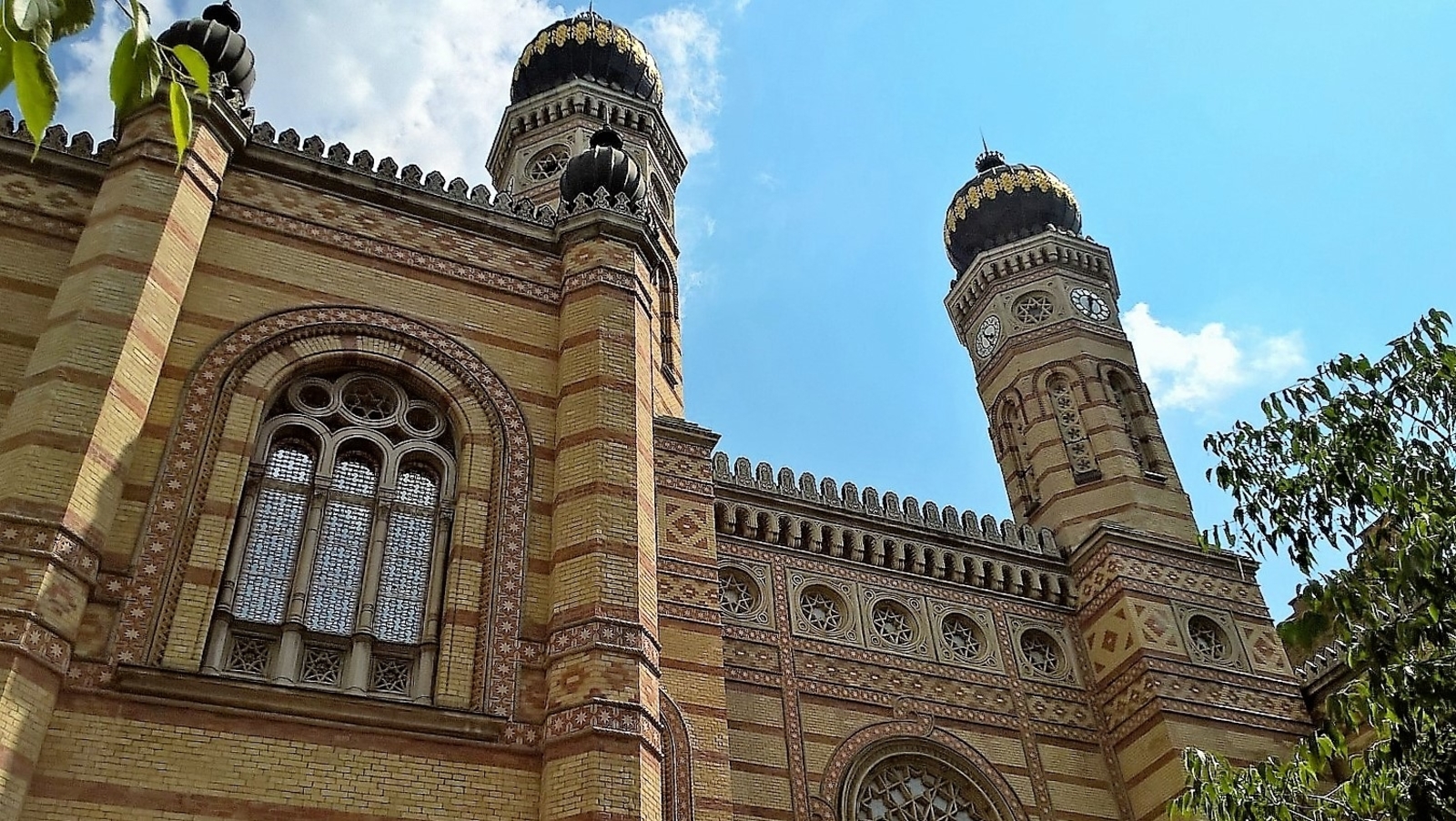
One of the most striking and meaningful landmarks in Budapest is the Great Synagogue, often referred to as the Dohány Street Synagogue. With its distinctive appearance and deep historical significance, it is a place that leaves a lasting impression on nearly every visitor.

Located in the heart of the former Jewish Quarter, the Great Synagogue is not only the largest synagogue in Europe, but also one of the most important cultural and religious centers of the Jewish community in Budapest.

A Unique Architectural Language

From the outside, the Great Synagogue looks unlike any other religious building in the city. Its Moorish Revival style—with colourful brickwork, onion-shaped domes, and decorative arches—often reminds visitors of a mosque.

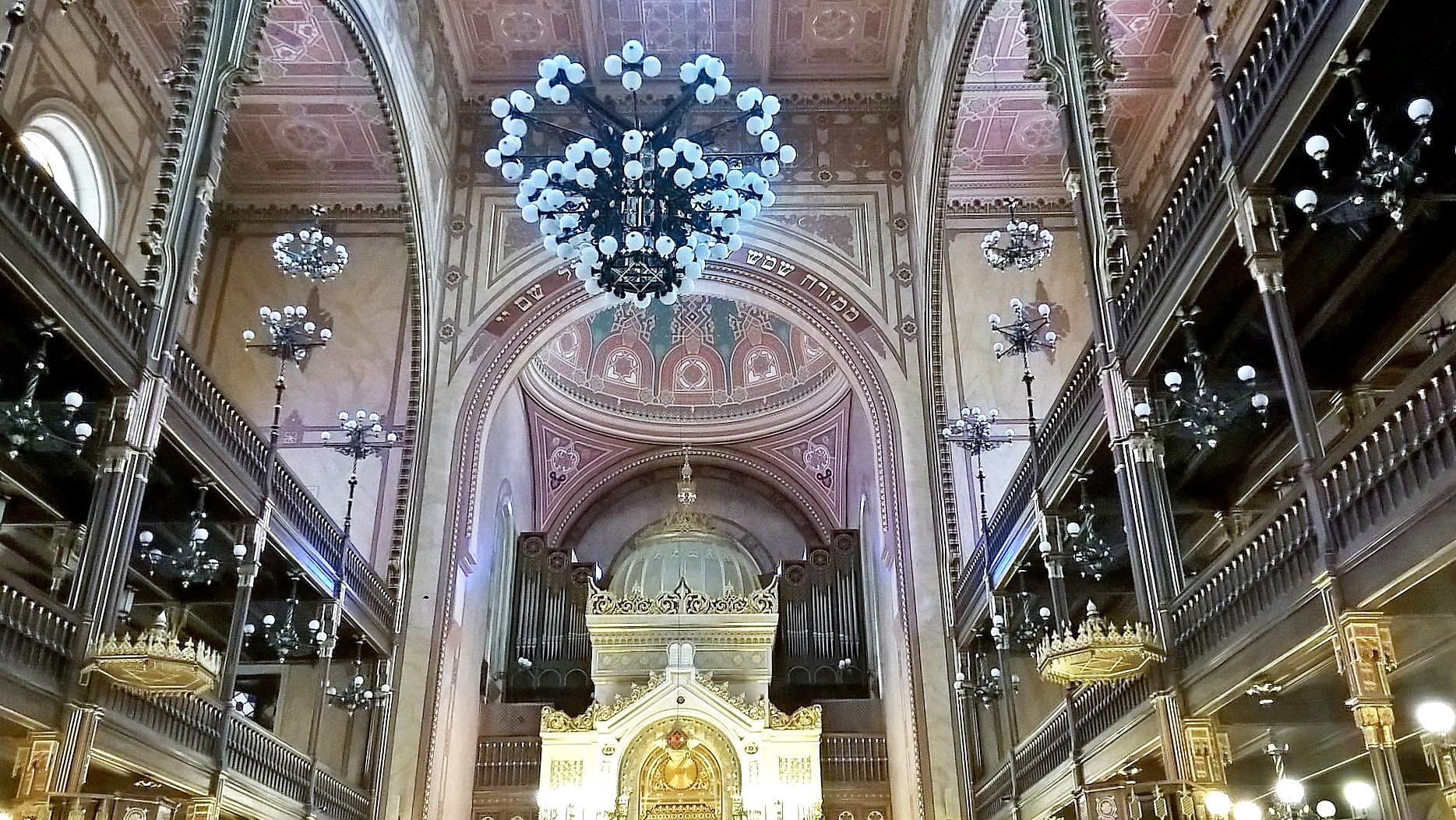
Step inside, however, and the atmosphere changes. The interior layout, seating arrangement, and monumental scale feel closer to that of a Christian church, reflecting the unique approach of 19th-century synagogue architecture. This blend of influences makes the building architecturally fascinating and entirely unique within Budapest.

More Than a Place of Worship

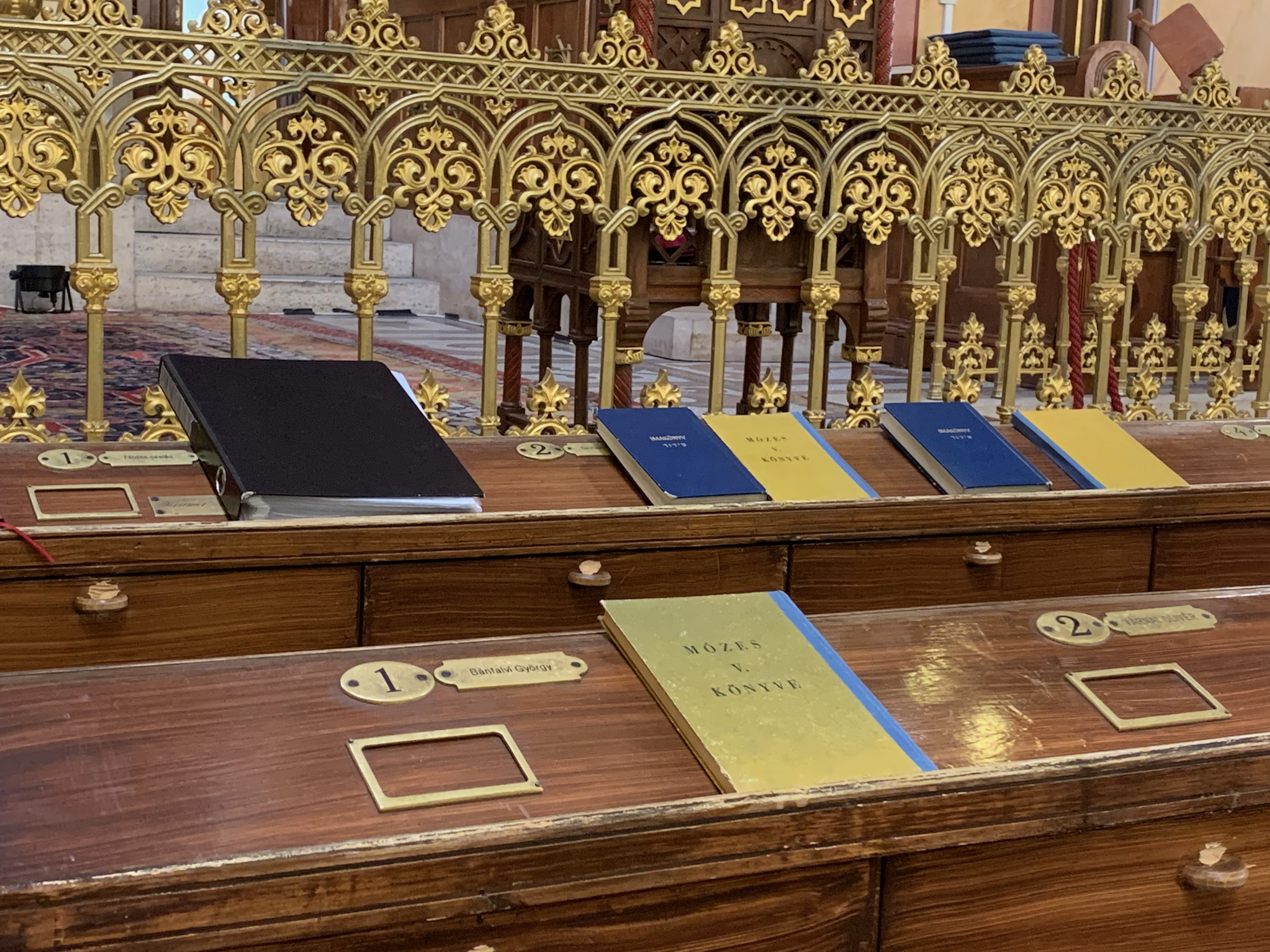
The Great Synagogue complex is much more than a single building. Visitors are encouraged to explore the Jewish Museum, which shares a wall with the synagogue and offers insight into Jewish life, traditions, and history in Hungary.

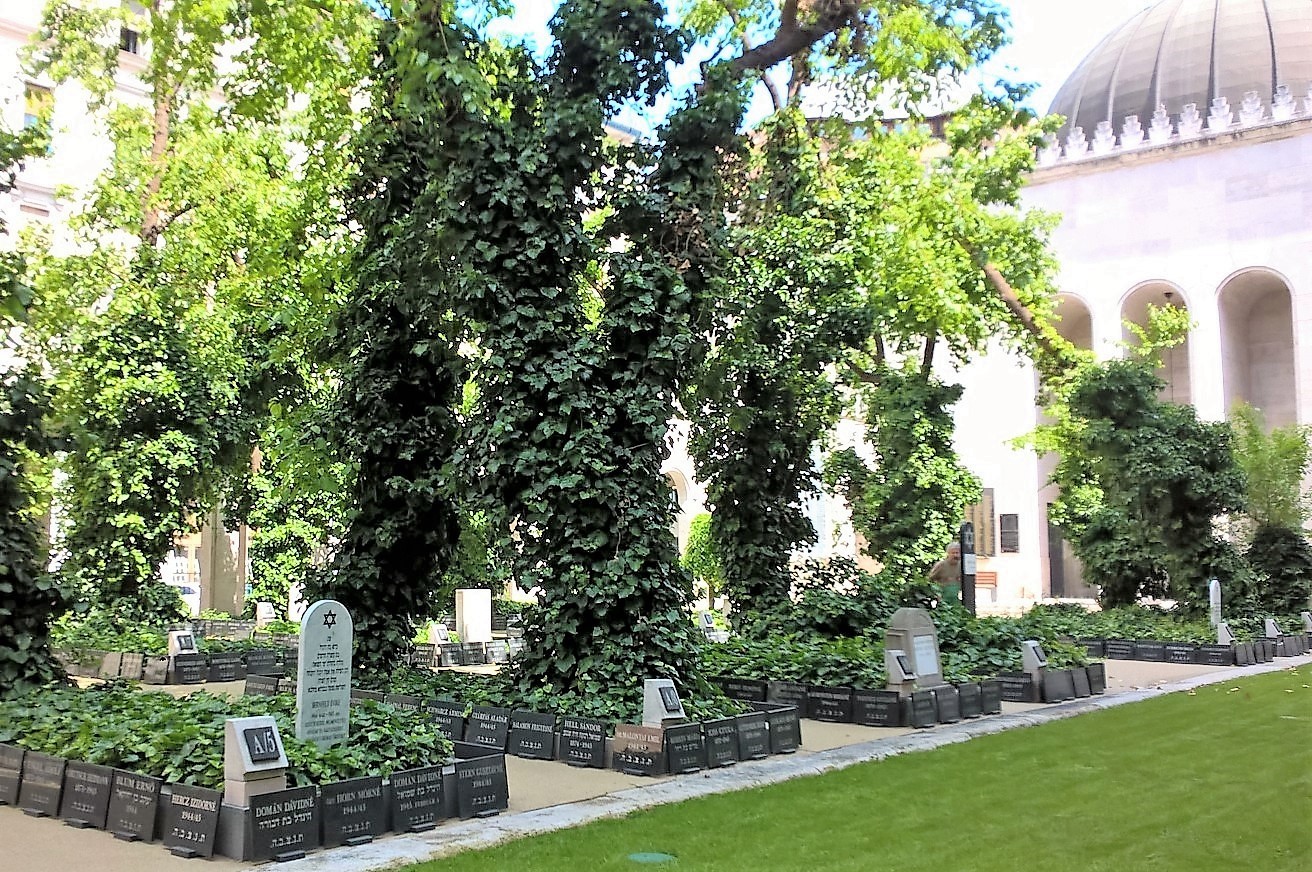
Behind the synagogue lies a quiet garden and memorial area, home to deeply moving Holocaust memorials. These spaces invite reflection and remembrance, adding emotional depth to the visit and helping visitors understand the profound impact of 20th-century history on the local Jewish community.

An Essential Stop in the Jewish Quarter

The synagogue stands at the centre of what was once one of Europe’s most vibrant Jewish neighbourhoods. Exploring the surrounding streets reveals layers of history—from everyday life before World War II to the tragic events of the Holocaust, and the revival of the district in recent decades.

This broader context is what makes a visit especially meaningful. On my Jewish Quarter walk, the Great Synagogue is not just a standalone monument, but part of a larger story about Budapest, memory, resilience, and identity.

Visiting With Context

While the building itself is extraordinary, understanding its background adds greatly to the experience. The symbolism, architectural choices, and memorial spaces all carry stories that are easy to miss without explanation.

If you’d like to explore the Great Synagogue and its neighborhood as part of a private tour or a Jewish Quarter walk, I’d be happy to guide you through both the visible beauty and the deeper historical layers of this remarkable place.

A Danube Bend day trip from Budapest is the perfect way to experience countryside landscapes, historic towns, and riverside views — all within easy reach of the capital.

This route follows the gentle curve of the Danube as it turns south toward Budapest, revealing castles, basilicas, and colourful small towns along the way.

Esztergom – Where Hungarian History Begins

Our first stop is Esztergom, once the capital of medieval Hungary and still the spiritual heart of the country.

The town is dominated by Hungary’s largest church, the Esztergom Basilica, whose massive dome shapes the skyline. Inside, visitors discover layers of history — from monumental 19th-century architecture to a beautifully preserved Renaissance chapel dating back to the 16th century.

For those who enjoy panoramic views, climbing to the top of the Basilica rewards you with sweeping vistas over the Danube, the surrounding hills, and the Slovak border beyond.

Visegrád – Medieval Views over the Danube

Next, the journey continues to Visegrád, one of the smallest towns in Hungary, yet one of the most historically important.

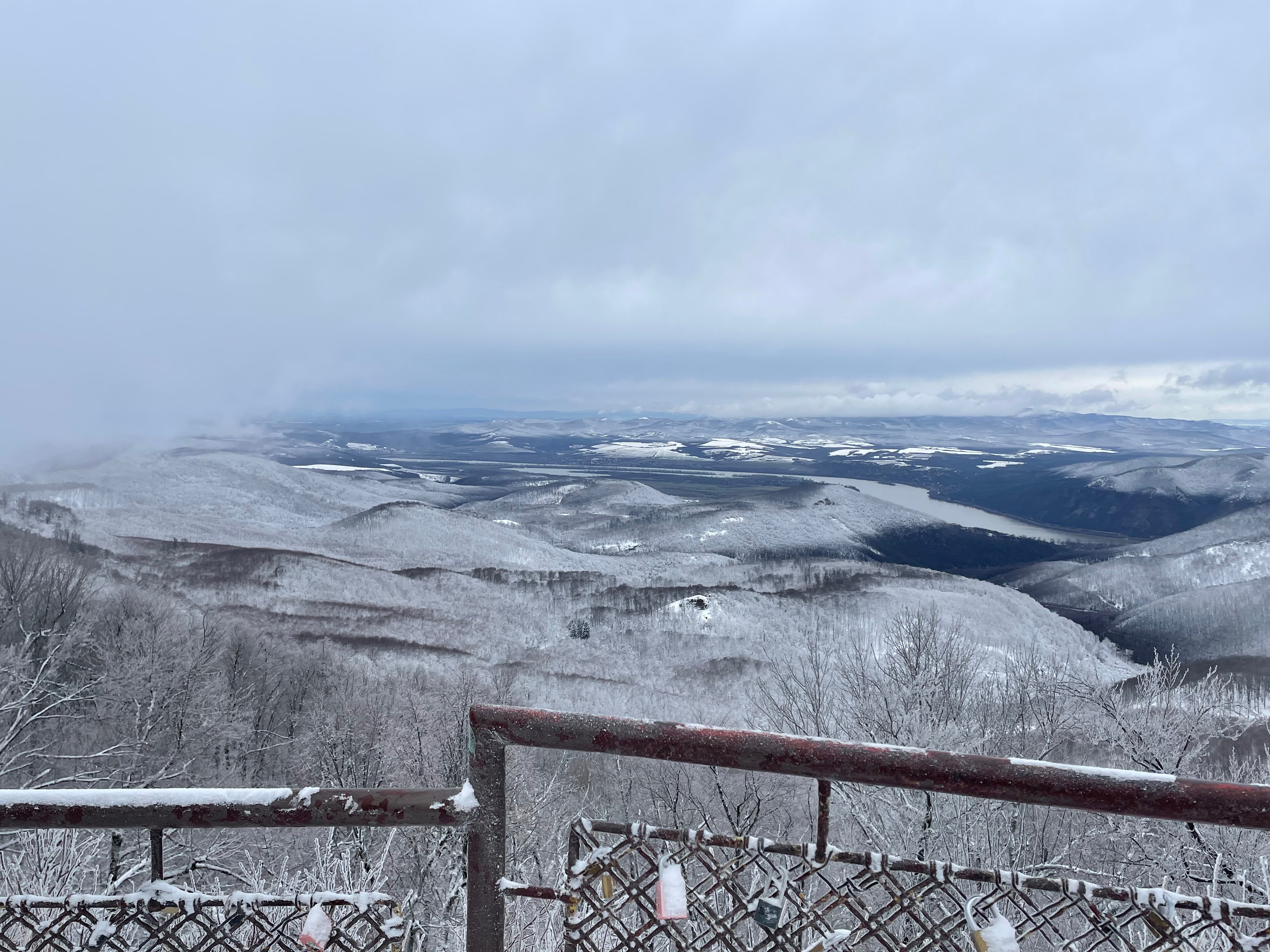
Perched high above the river, the ruins of the 13th-century castle offer what many consider the best viewpoint in the Danube Bend. From here, the river’s dramatic curve is fully revealed — a scene that has inspired travellers, artists, and photographers for centuries.

Exploring the castle ruins brings medieval Hungary to life, combining royal history with unforgettable natural scenery.

Szentendre – Art, Colour & Small-Town Charm

The final stop of the Danube Bend tour is Szentendre, a charming riverside town known for its artistic atmosphere.

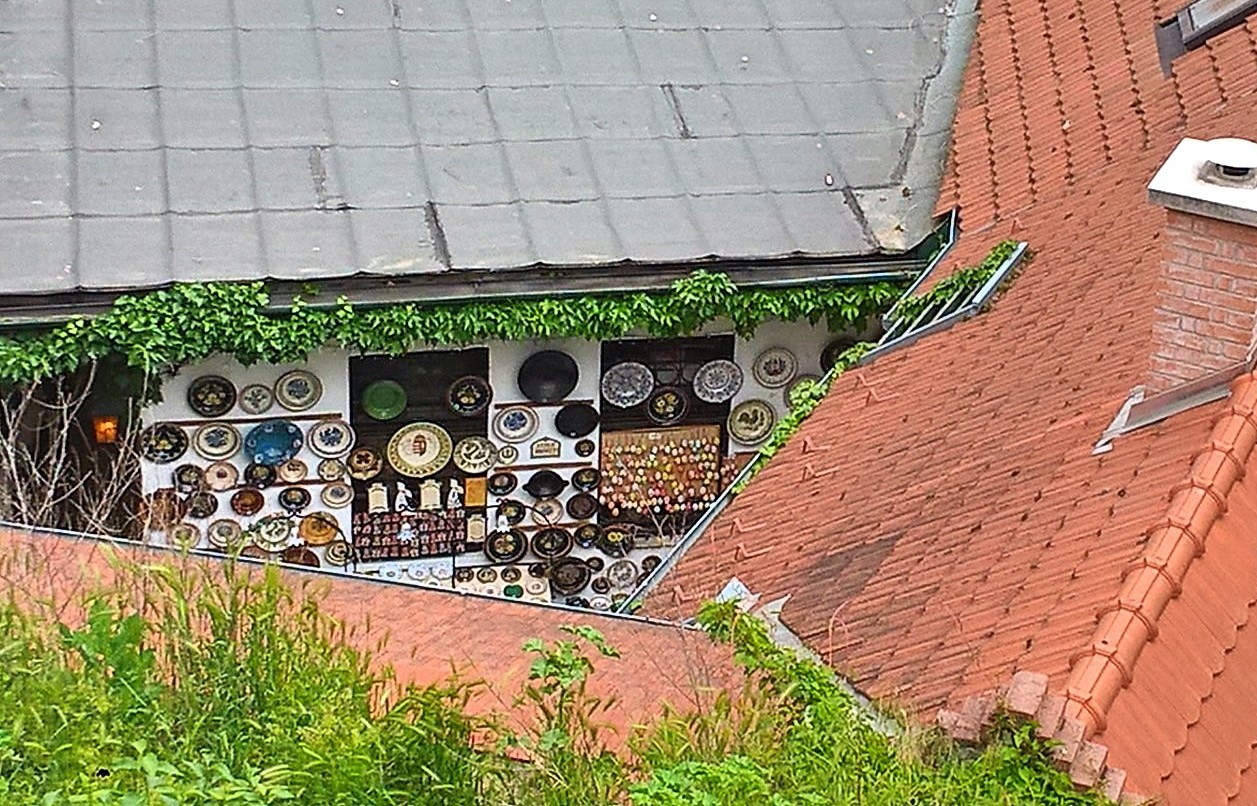
With its cobblestoned streets, pastel-colored houses, cozy cafés, and independent galleries, Szentendre feels relaxed and welcoming. It has long attracted artists and creatives, giving the town a distinctly Mediterranean mood despite its Central European location.

Visitors can enjoy free time to wander, browse art shops, taste local sweets — including the famous marzipan creations — or simply sit down for a coffee and watch town life unfold.

When conditions and time allow, returning to Budapest by boat adds a memorable finale to the day.

Why Choose a Danube Bend Day Trip from Budapest?

A day trip from Budapest to the Danube Bend offers an ideal balance of:

  • historic landmarks

  • scenic river landscapes

  • relaxed small-town exploration

Without long travel times, you can experience three very different sides of Hungary in one well-paced day — making this one of the most popular and rewarding countryside excursions from Budapest.

If you’re looking for a private Danube Bend tour from Budapest that focuses on atmosphere, history, and local insight rather than rushing from sight to sight, this route offers a beautiful introduction to Hungary beyond the capital. Feel free to let me know may you need more details!

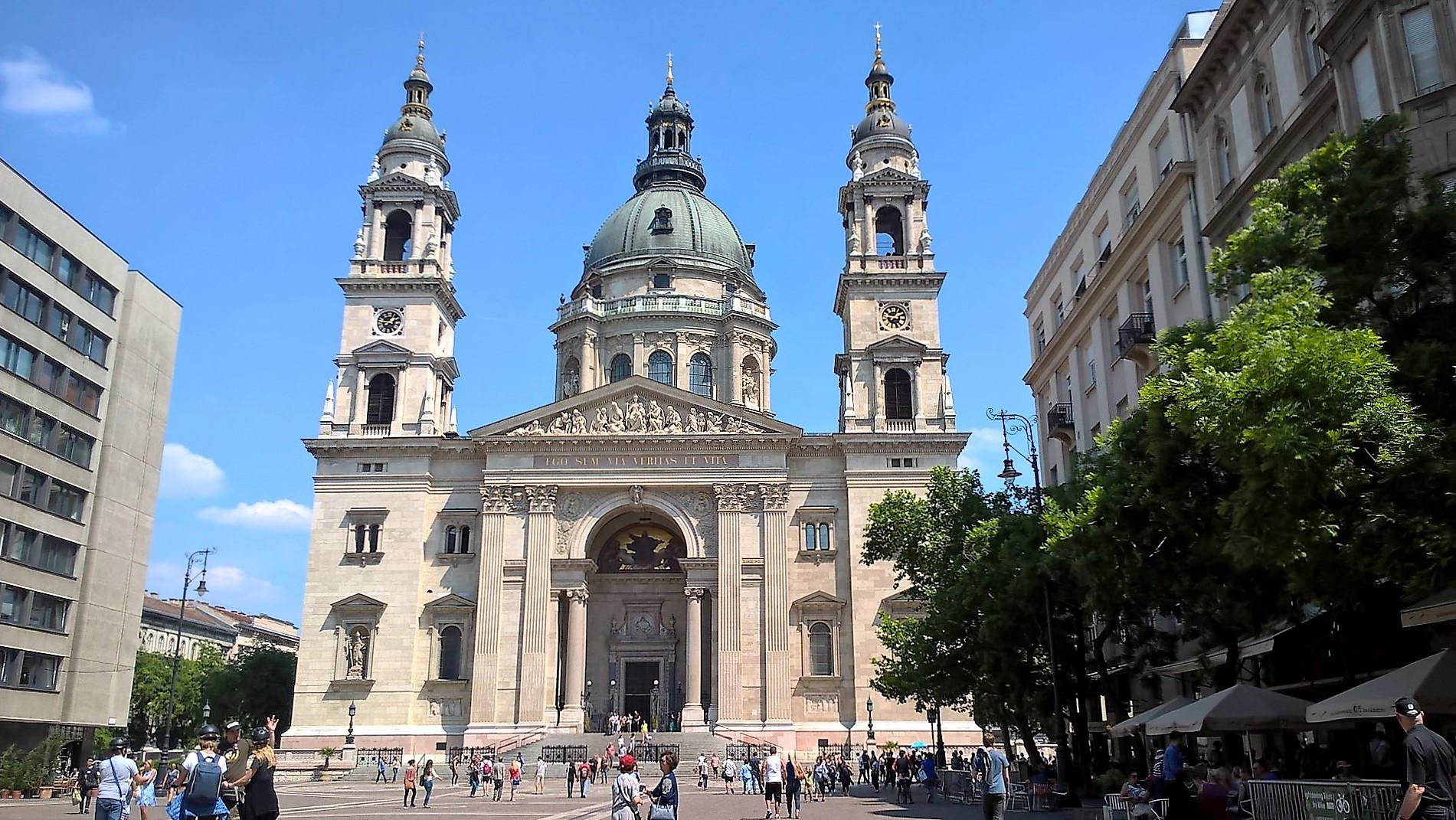
Dominating the skyline of Budapest, St. Stephen’s Basilica is one of the city’s most important landmarks—and a building that reveals something new every time you visit.

It is the largest church in Budapest and the third largest in Hungary, both a spiritual center and a powerful symbol of Hungarian history. Whether admired from the outside, explored inside, or viewed from above, the Basilica is an essential stop on any walk through the heart of the city.

A Church Built Over Generations

Construction of St. Stephen’s Basilica took more than 54 years, and the long building process is reflected in its architectural richness. The final result combines elements of Baroque, Neo-Renaissance, and Classicism, shaped by the visions of three different architects.

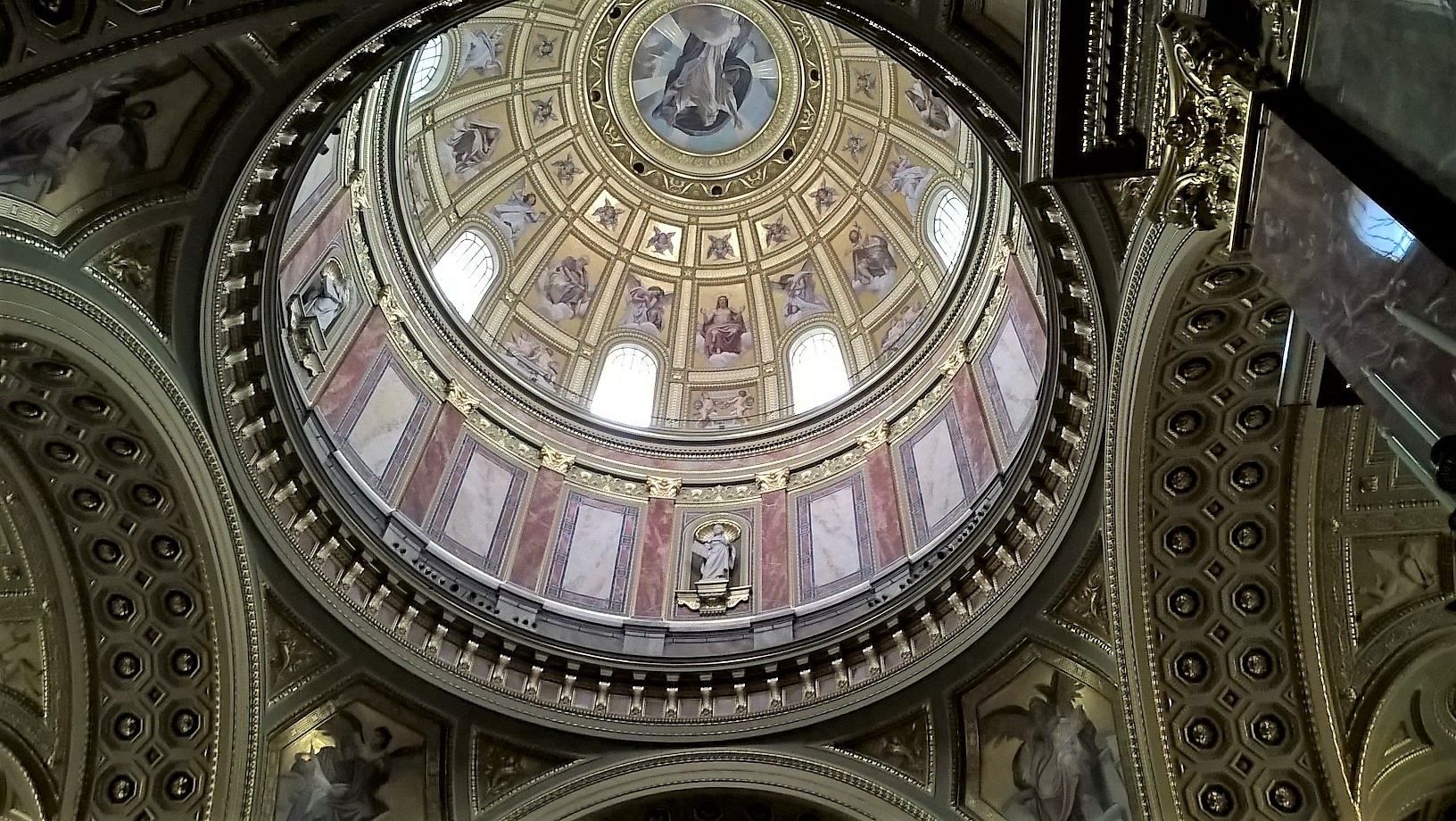
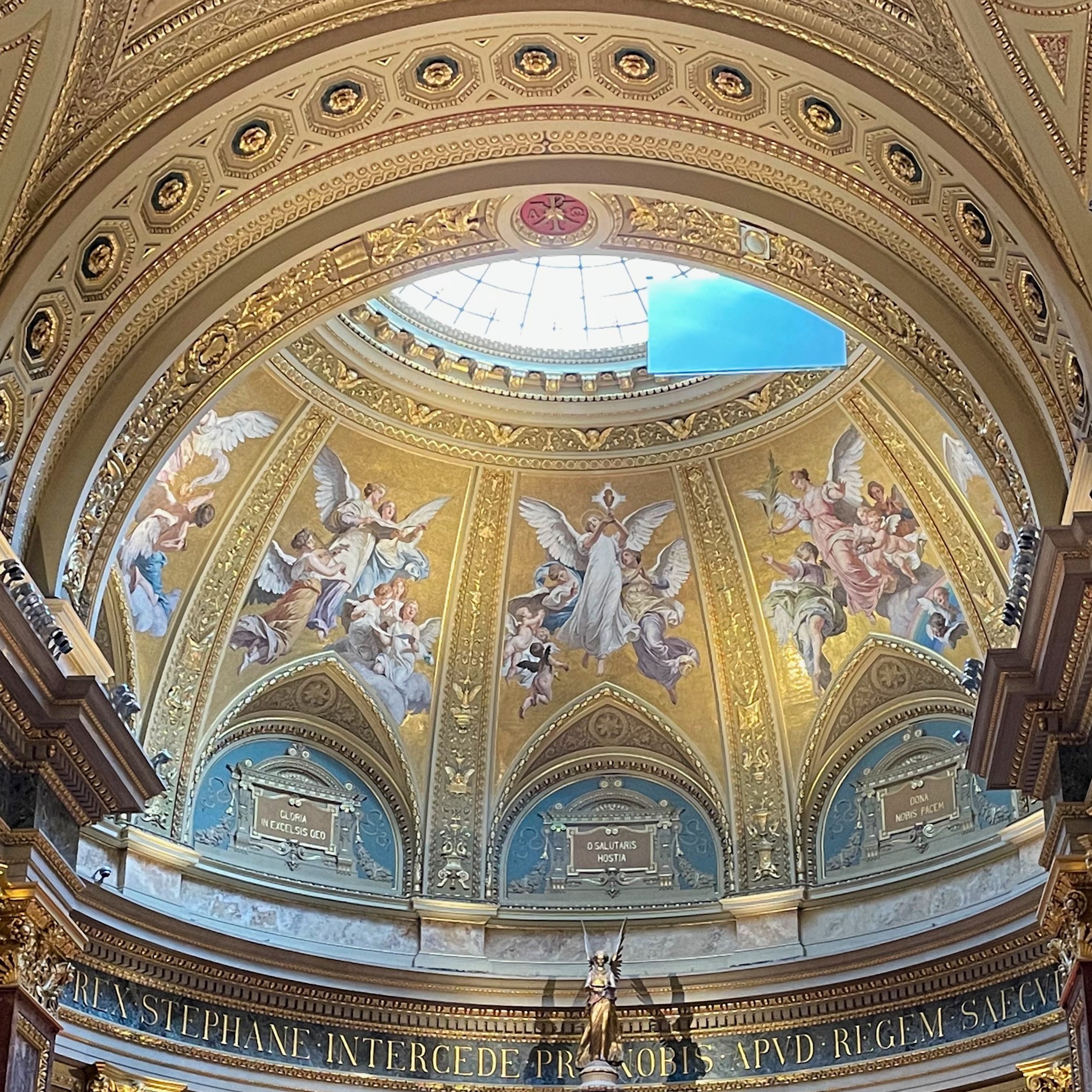
From the outside, the symmetrical façade and towering dome create a sense of balance and grandeur. Inside, the atmosphere shifts to one of quiet opulence: red marble columns, richly decorated chapels, mosaics, and ornaments highlighted with 22-carat gold make this the most lavishly decorated church in Budapest.

A Living Part of the City

Despite its monumental appearance, the Basilica is very much a working church. Regular services, wedding ceremonies, and organ concerts take place here, and the building plays an active role in both religious and cultural life.

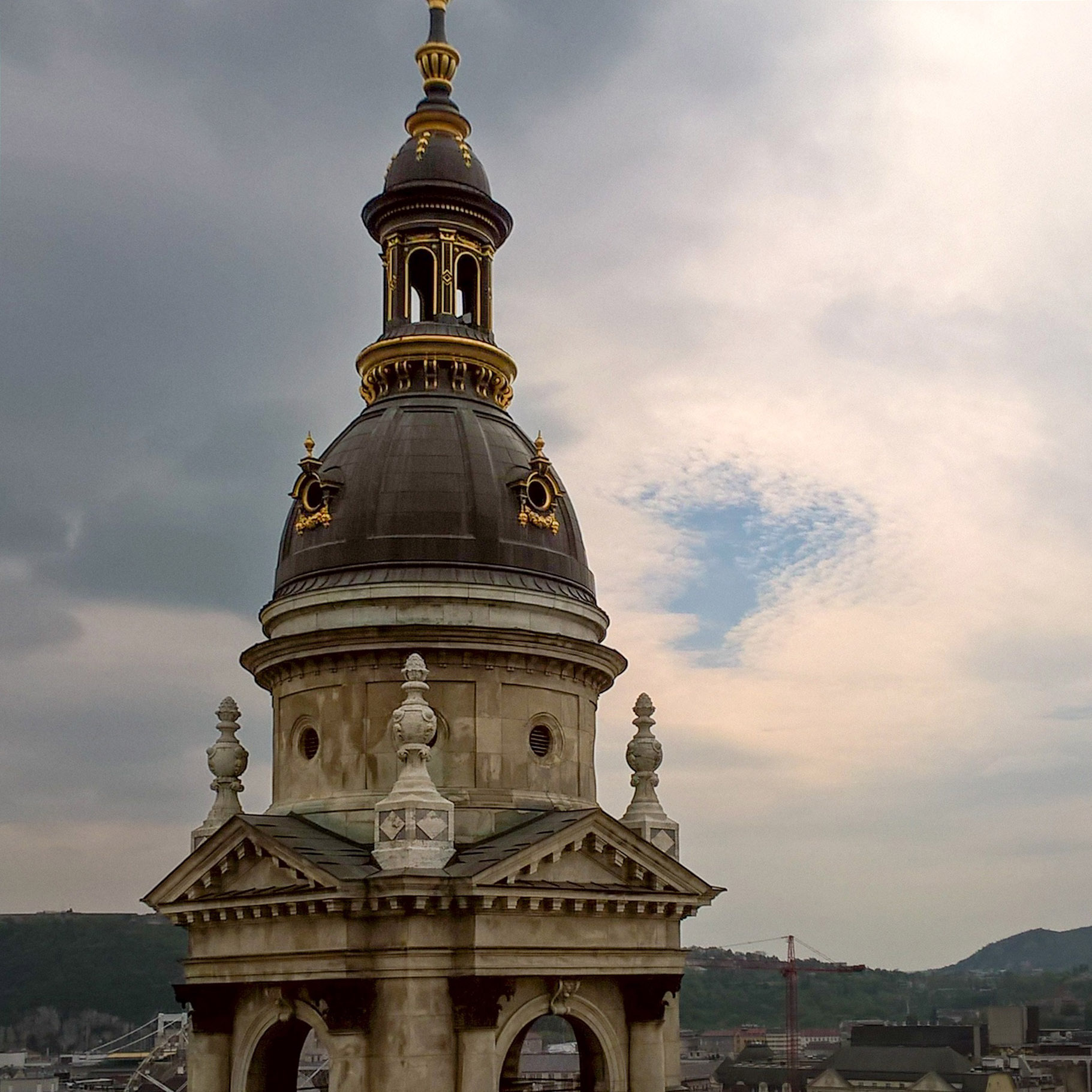
One of the most memorable experiences is ascending to the dome—either by climbing the steps or using the elevator. From the top, you’re rewarded with one of the finest panoramic views over the Pest side of Budapest, with rooftops, boulevards, and landmarks unfolding beneath you.

Hungary’s Most Important Relic

St. Stephen’s Basilica is not only architecturally impressive; it also houses one of Hungary’s most treasured national relics: the Holy Right—the mummified right hand of Saint Stephen of Hungary, the country’s first king and founder of the Hungarian state.

This nearly 1,000-year-old relic is deeply symbolic and plays a central role in national celebrations, especially on St. Stephen’s Day in August. Even for visitors without a religious background, understanding its significance offers valuable insight into Hungarian history and identity.

A Key Stop on a Pest Walk

Because of its central location, St. Stephen’s Basilica fits naturally into many Budapest walking tours. But the building is best appreciated in context—through the surrounding streets, squares, and stories that explain how this part of the city developed.

On my private tours, the Basilica is more than just a photo stop. It becomes a gateway to conversations about architecture, religion, everyday life, and the layers of history that shaped modern Budapest. Each visit is adapted to the interests and pace of my guests, whether they’re drawn to history, culture, or simply the beauty of the city.

Why St. Stephen’s Basilica Belongs on Every Visit

Few places in Budapest combine grandeur, history, spirituality, and everyday life as seamlessly as St. Stephen’s Basilica. It’s a landmark you can admire from afar—but one that truly comes alive when you step inside and explore its surroundings.

If you’d like to discover the Basilica and its neighborhood as part of a fully customisable private tour or a Budapest walking tour, I’d be delighted to show you this iconic building through local stories and personal insights.

Pre-cruise post-cruise Budapest experience is something many river cruise travellers look for when their journey starts or ends in Budapest. Budapest is one of the highlights of any Danube itinerary, and for good reason—but time spent in the city during a cruise is often limited.

River cruise companies usually include a general sightseeing tour, designed to give a broad overview of Budapest in a short amount of time. While this is a great introduction, many travellers soon realise that they’ve only scratched the surface.

That’s when they start asking a very common question:
“Can we see more—without repeating what we’ve already done?”

Seeing Beyond the Standard Cruise Tour

The answer is a definite yes. Budapest has layers of history, culture, and everyday life that simply don’t fit into a standard cruise excursion. Having guided many of these official sightseeing tours myself, I know exactly what they include—and, just as importantly, what they leave out.

This makes it easy to design pre-cruise or post-cruise experiences that feel fresh, personal, and genuinely different.

Tailored Experiences Before or After Your Cruise

Depending on how much time you have and what interests you most, I can recommend:

Whether you arrive a day early or stay on after your cruise ends, these experiences are designed to complement—not compete with—your river cruise.

Ideal Shore Excursions for Curious Travelers

Pre-cruise and post-cruise experiences are especially popular with travellers who enjoy:

  • Slower-paced, in-depth exploration

  • Context and storytelling rather than checklist sightseeing

  • Flexibility and personal attention

  • Seeing places most cruise groups don’t reach

Instead of repeating highlights, you’ll discover the Budapest that locals know—through stories, neighborhoods, and carefully chosen routes.

A Seamless Addition to Your Cruise Itinerary

If you’re planning a river cruise that starts or ends in Budapest and would like to make the most of your time here, I’d be happy to help you plan a private pre- or post-cruise experience that fits seamlessly into your journey.

Budapest deserves more than just a few hours—and with a little extra time, it can easily become one of the most memorable stops of your entire cruise.