Sustainable tourism in Budapest is about finding a balance between welcoming visitors and preserving the city as a liveable home for those who call it their own.

I spend most of my days walking through Budapest and travelling around Hungary. It’s wonderful to see how many people are curious about my country and eager to experience its culture, history, and everyday life. Tourism brings energy, jobs, and opportunities—and for that, I’m truly grateful.

At the same time, the growing number of visitors can feel overwhelming. Some parts of the city are under constant pressure, and local life is slowly being pushed aside. Sustainable tourism is about finding a balance: creating meaningful experiences for travellers while preserving the city as a liveable place for those who call it home.

Small choices make a big difference

If you’d like your visit to Budapest to be enjoyable, authentic, and respectful, here are a few ideas worth considering:

  • Support local businesses. Choose locally owned cafés and restaurants, buy from small artisans, and consider hiring a local guide who truly knows the city.

  • Walk and use public transportation. Budapest is a walkable city, and its public transport system is excellent. Exploring on foot helps you slow down and notice everyday details you would otherwise miss.

  • Look beyond guidebooks. Instead of ticking off “must-see” lists, allow space for spontaneous discoveries and quieter neighbourhoods.

  • Avoid overcrowded places at peak times. When certain baths, museums, bars, or restaurants become overwhelmed, locals are often pushed out of their own favourite spots.

  • Travel with consideration. Simply put, don’t do anything here that you wouldn’t do at home.

Why private tours can be a sustainable choice

Private, customised tours naturally support sustainable tourism. They move at a human pace, avoid unnecessary crowds, and adapt to your interests rather than forcing you through a rigid itinerary. They also support local professionals directly and encourage a deeper connection with the city beyond its most famous landmarks.

For me, guiding is not just about showing highlights—it’s about sharing Budapest in a way that respects its rhythm, its people, and its everyday life. When travel is thoughtful, everyone benefits: visitors, locals, and the city itself.

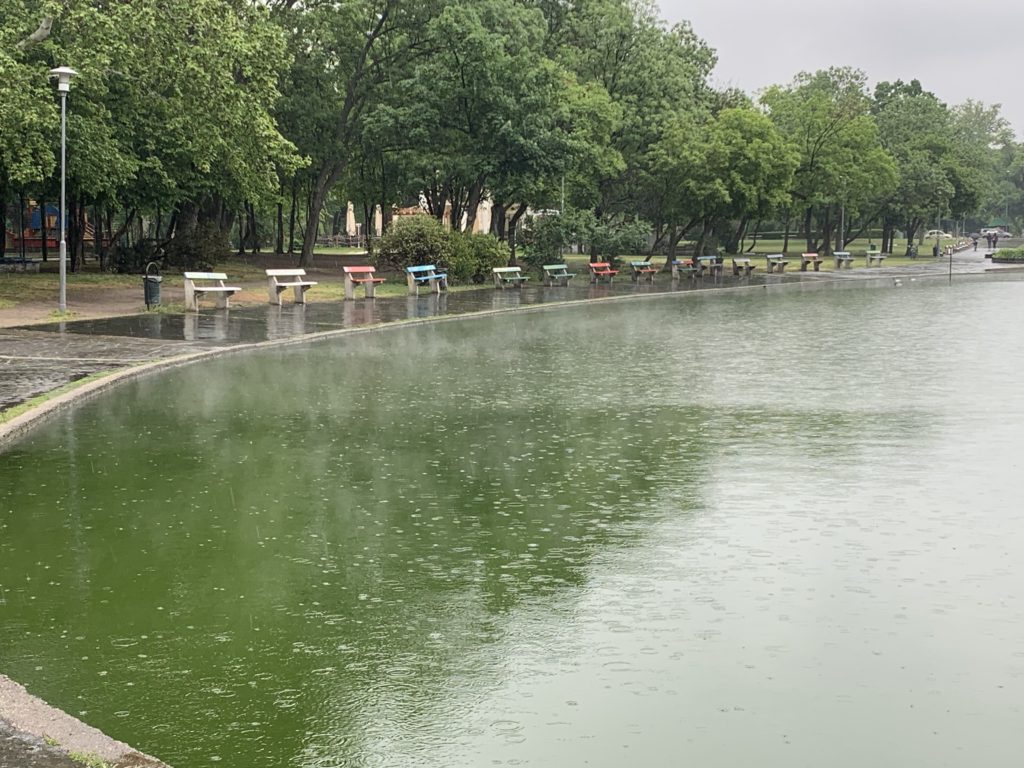
That’s a Hungarian saying, that’s probably how Hungarians try to find some comfort when they can’t see the sun for weeks. Budapest really is beautiful all year around but it shows most of its splendor in the sun.

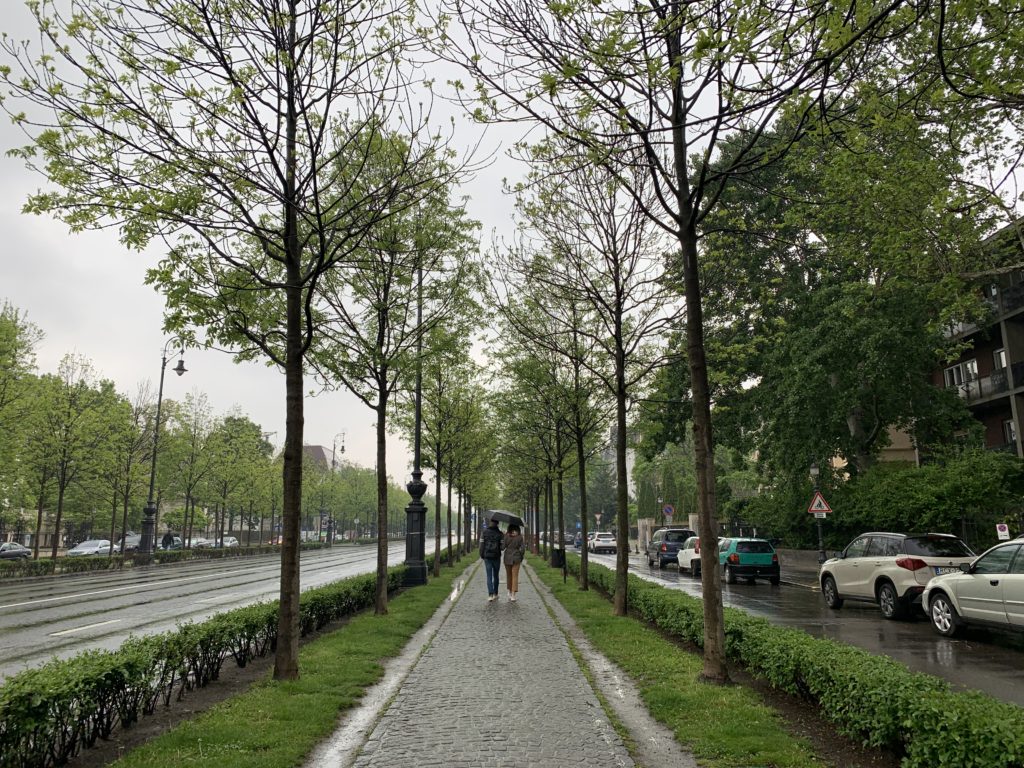
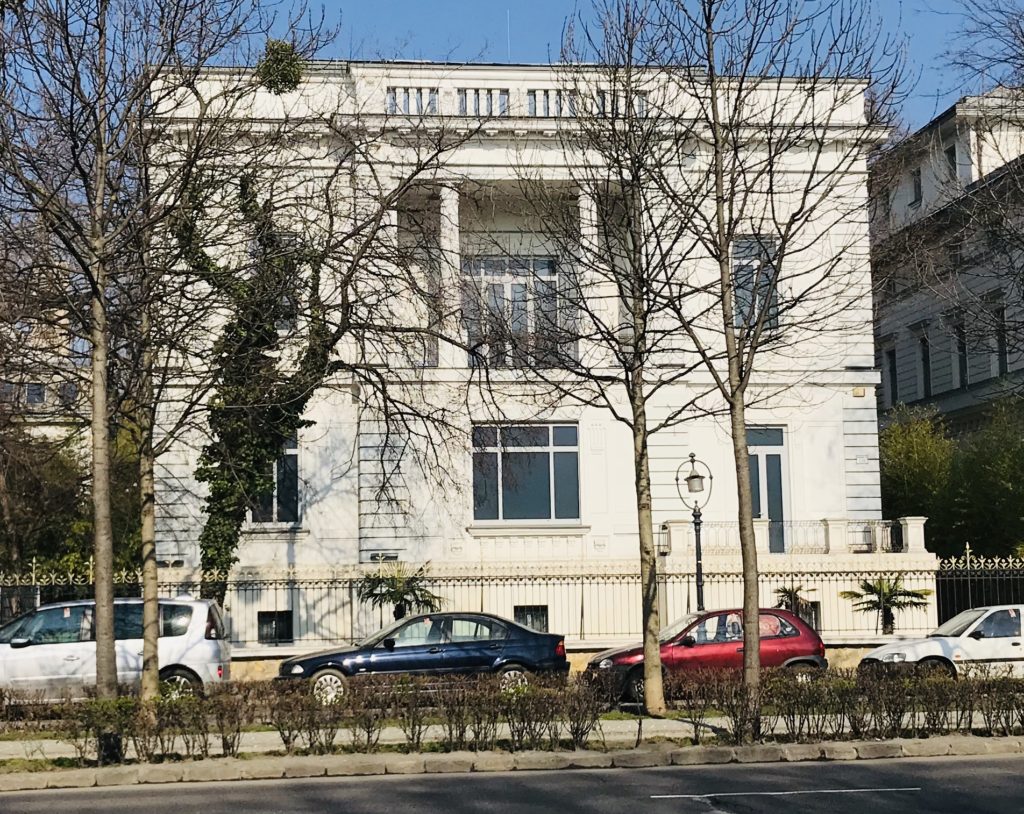
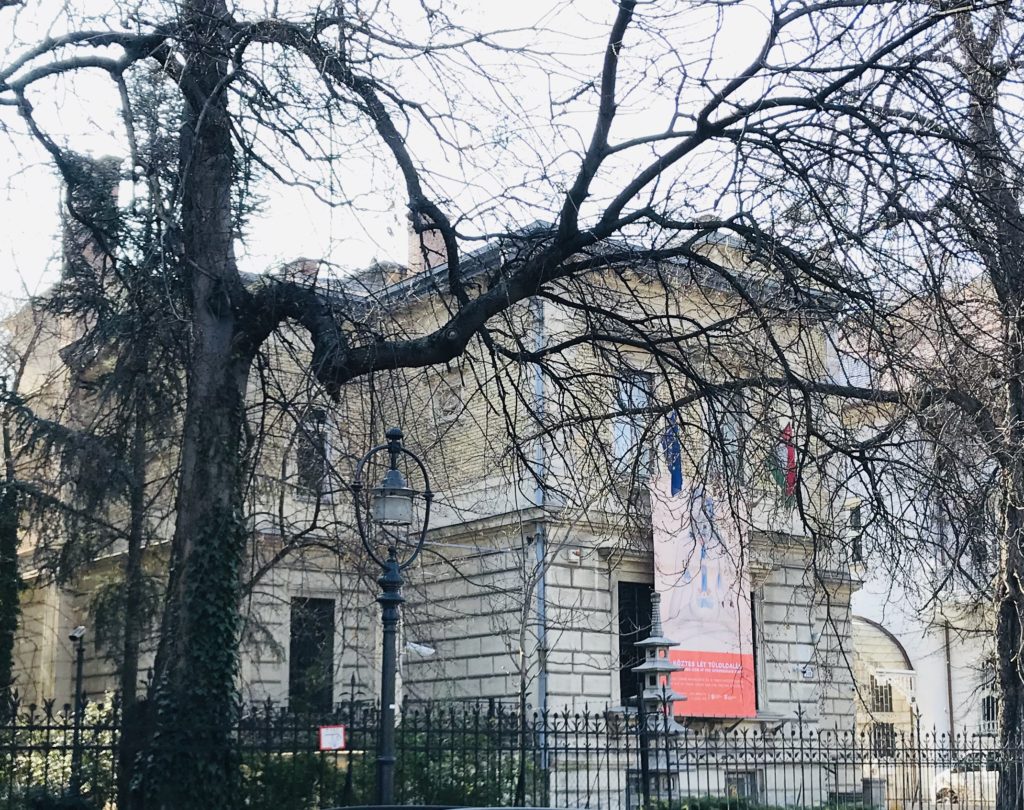
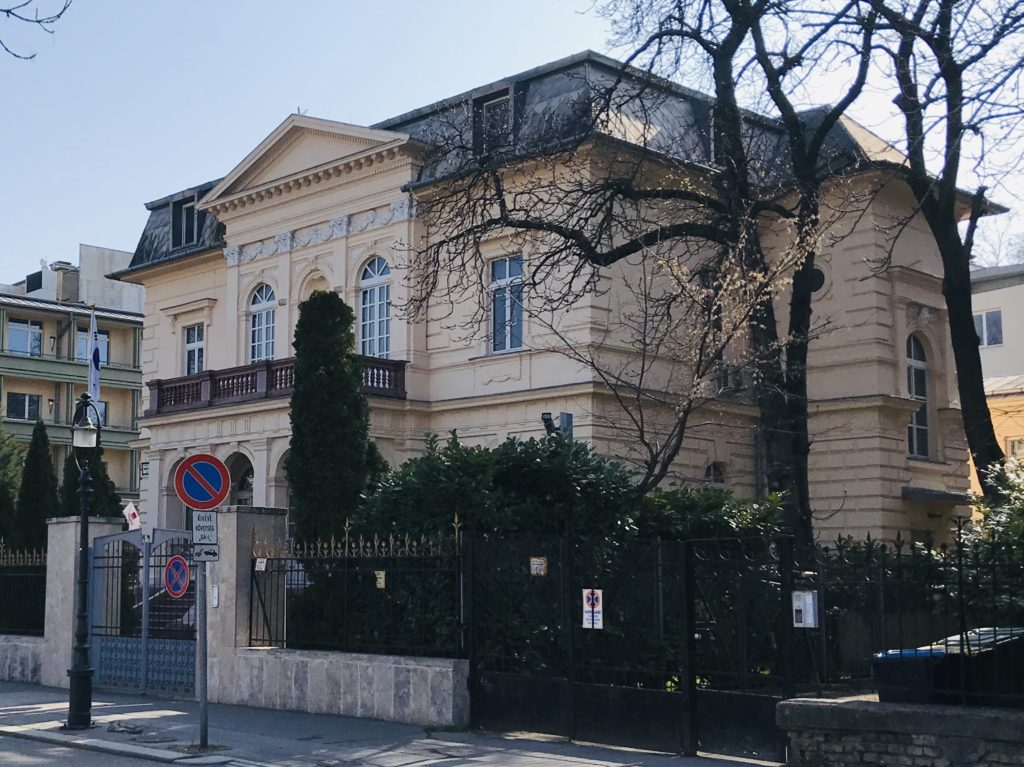
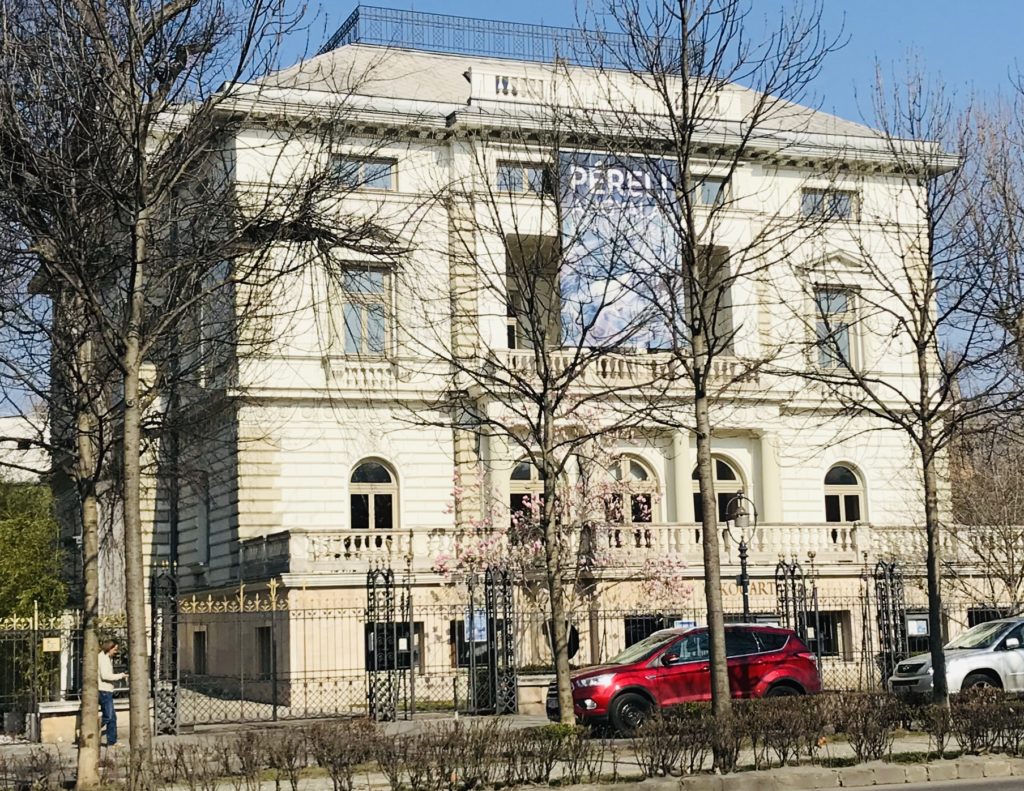
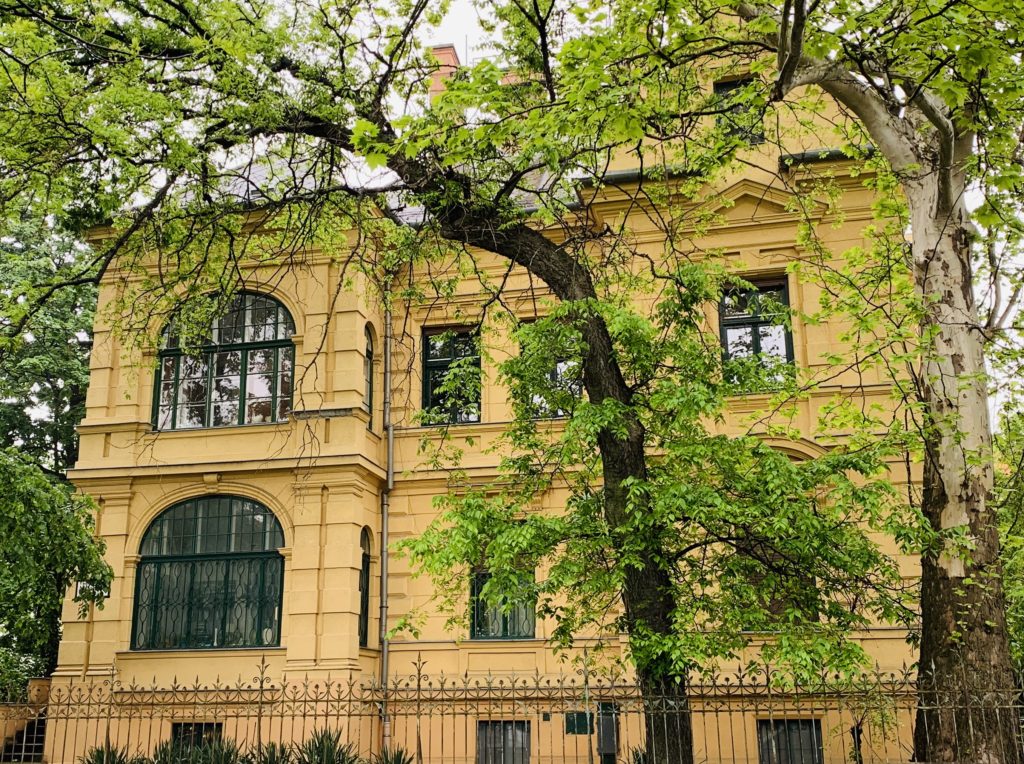
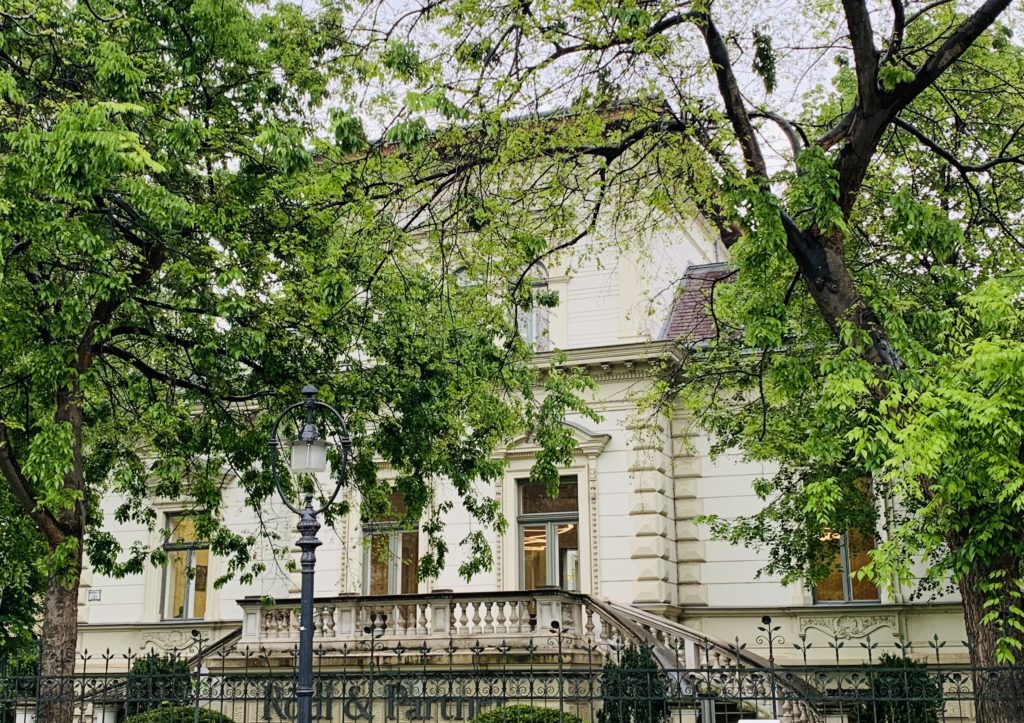
Walking along Andrássy Avenue feels like stepping back into the golden age of Budapest. Lined with elegant 19th-century villas and grand palaces, this iconic boulevard tells the story of a city at the height of its confidence, wealth, and ambition.

Originally, these buildings were constructed as single-family homes for aristocrats, industrialists, and influential figures of the Austro-Hungarian Empire. Many of them were designed by the same architects, which gives Andrássy Avenue its remarkably harmonious appearance. Behind the ornate façades lie stories of old wealth, social life, and a refined urban lifestyle that shaped modern Budapest.

Today, Andrássy Avenue is not only one of the city’s most beautiful streets but also a key part of any Budapest sightseeing experience. As a UNESCO World Heritage Site, it connects the city centre with Heroes’ Square and showcases some of Budapest’s finest architecture, cultural institutions, and historic residences along the way.

Exploring Andrássy Avenue is about more than admiring façades—it’s about understanding the people who lived here and the era they represented. I’m always happy to include this walk in my private, customised Budapest tours, sharing the hidden details and personal stories that bring these elegant buildings to life.