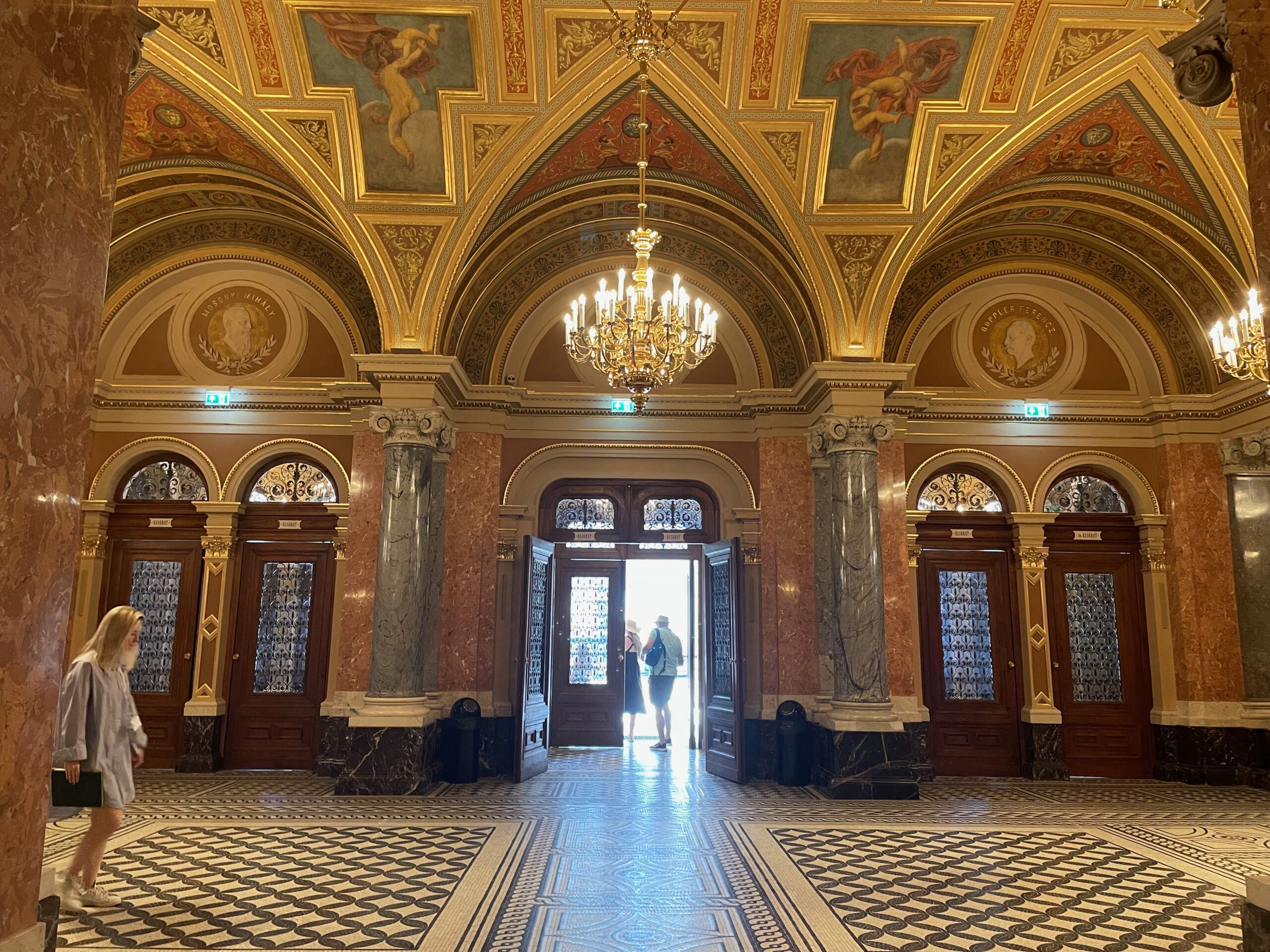
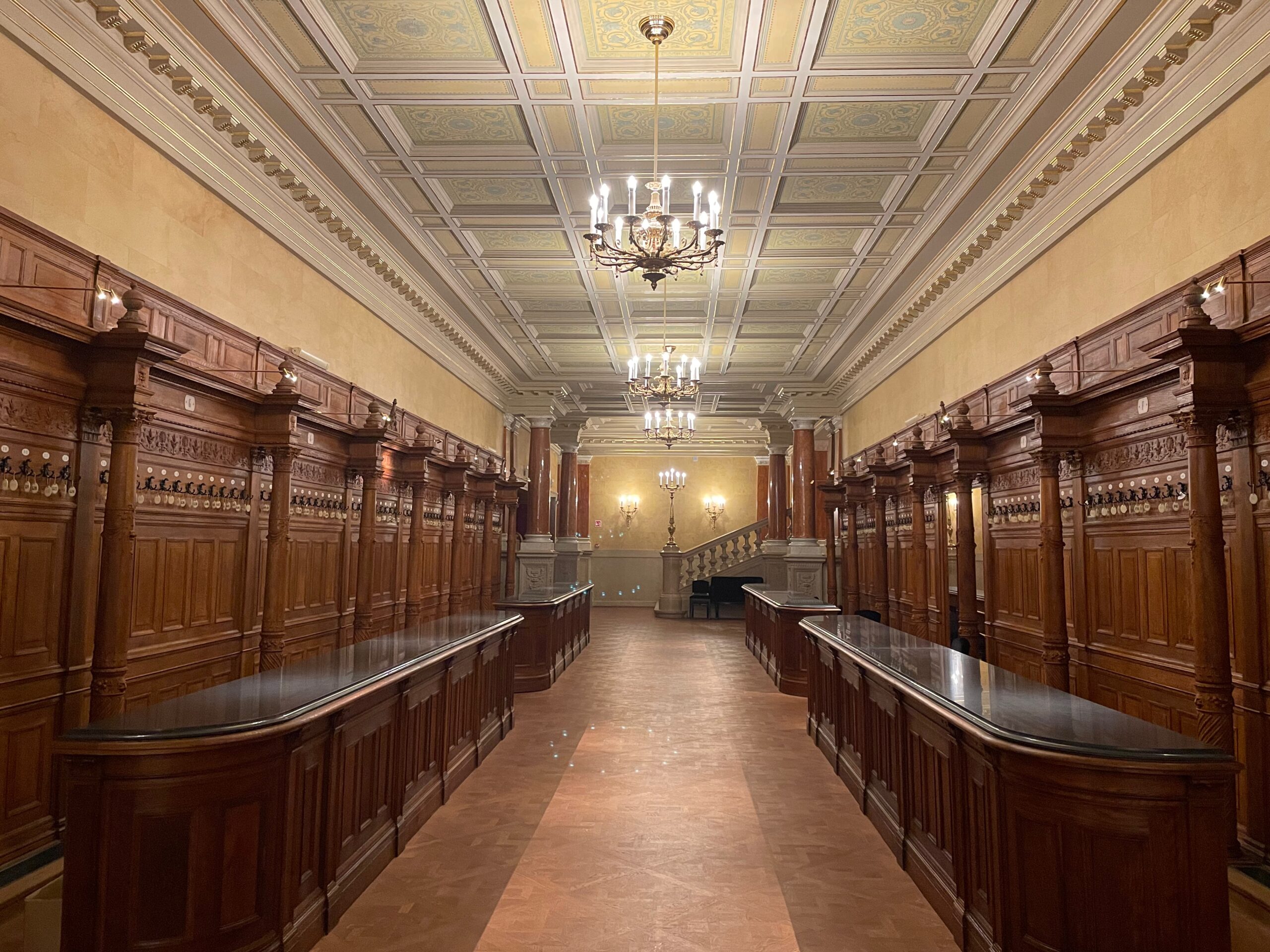
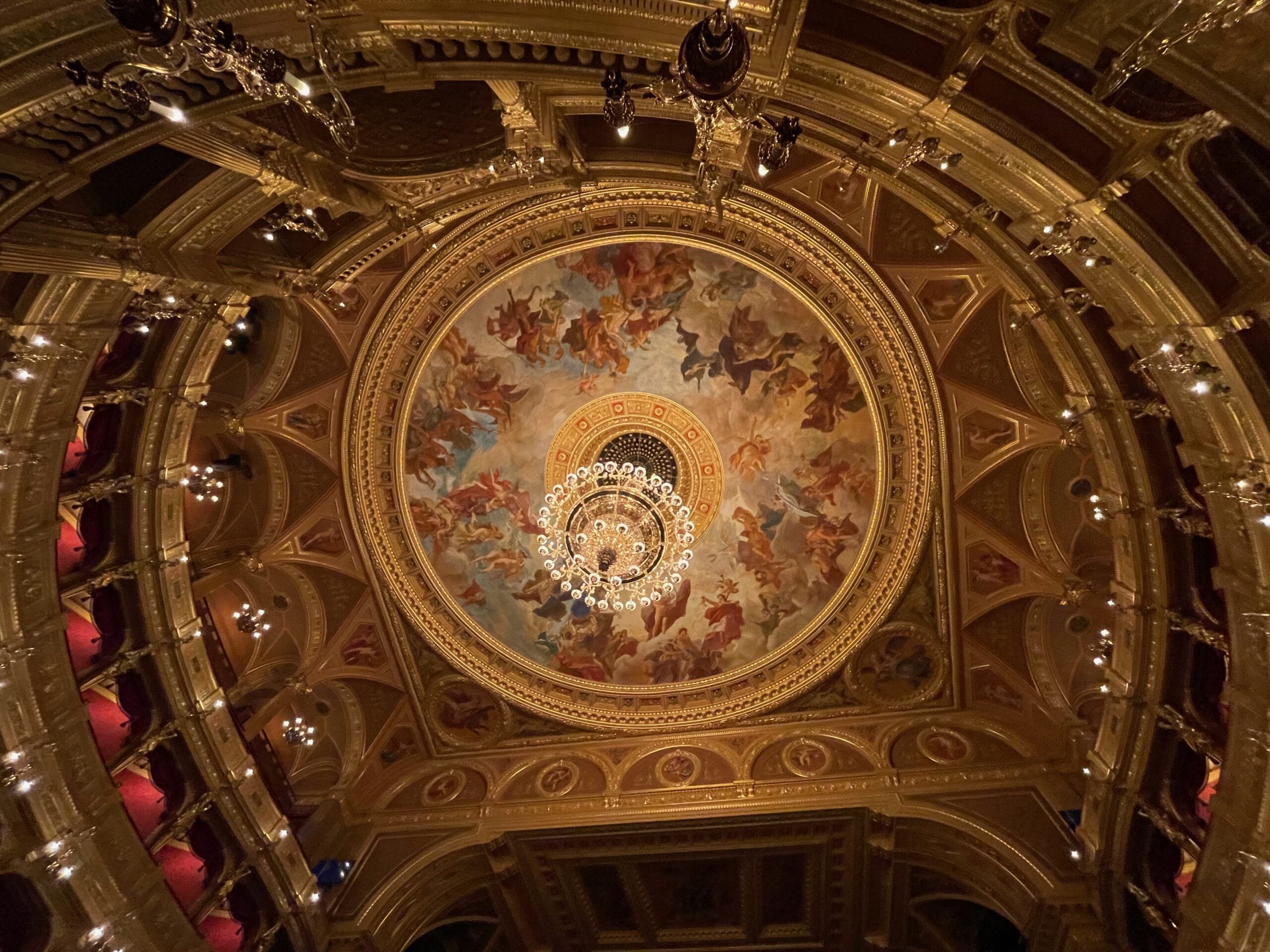
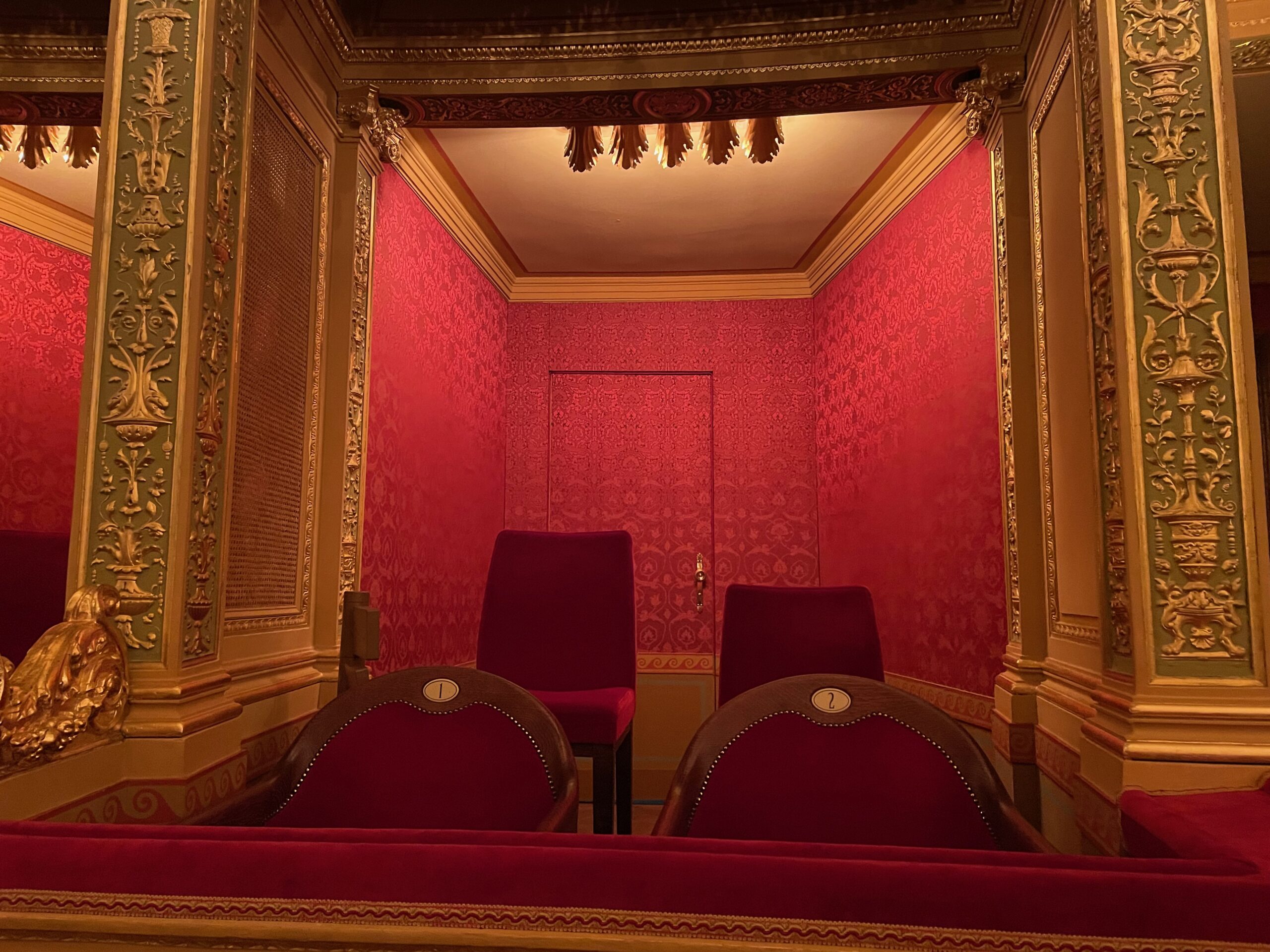
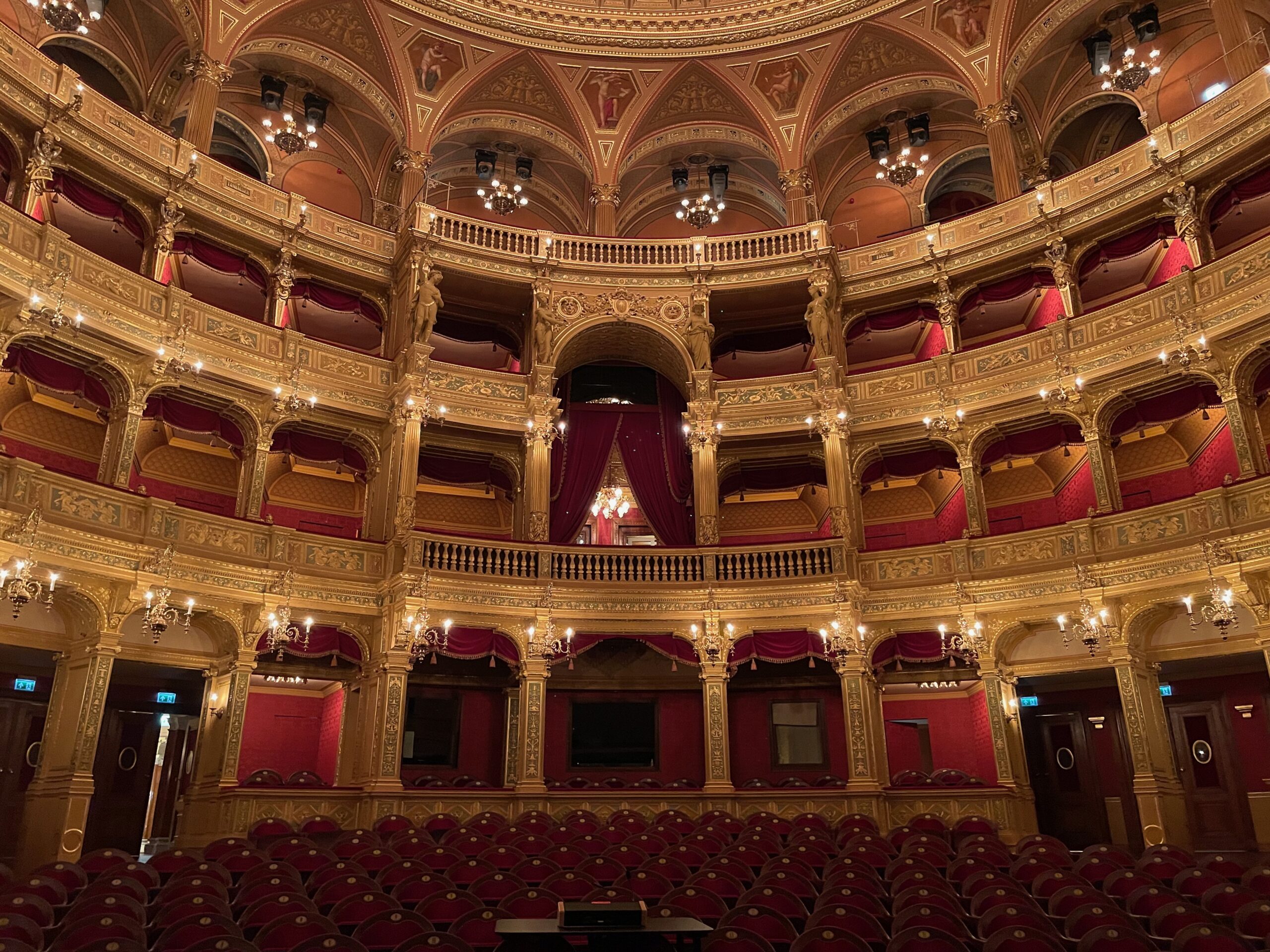
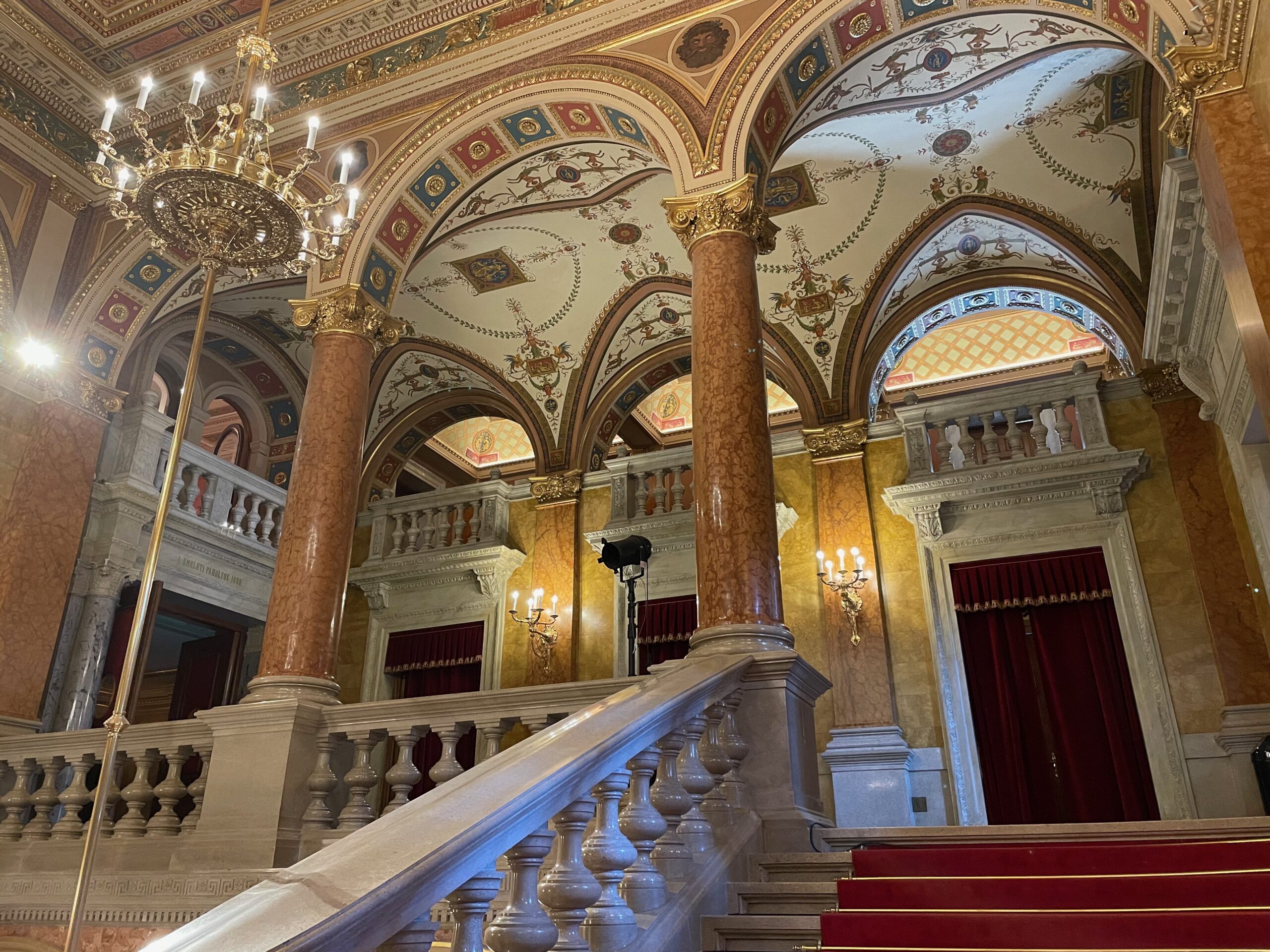
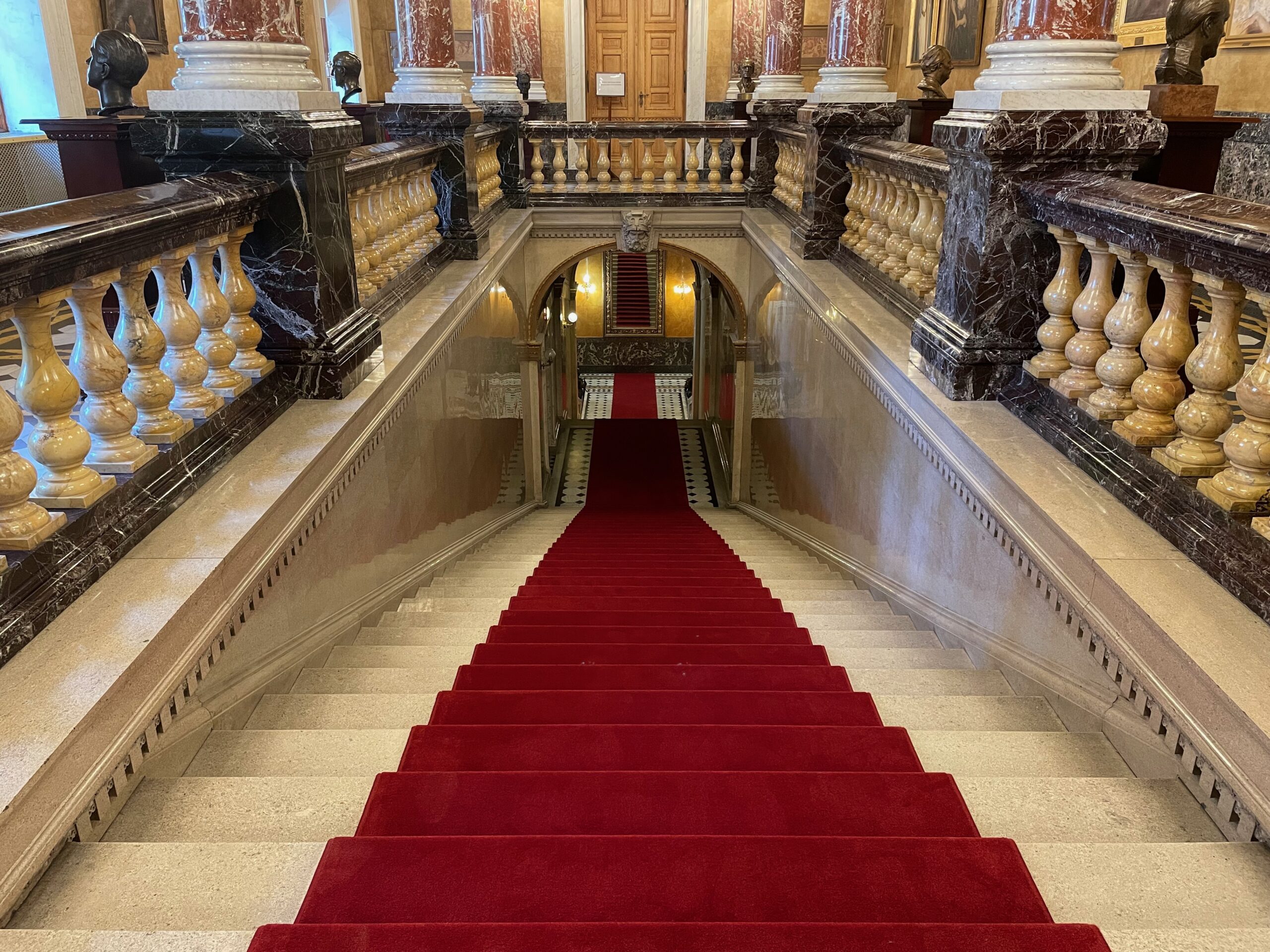
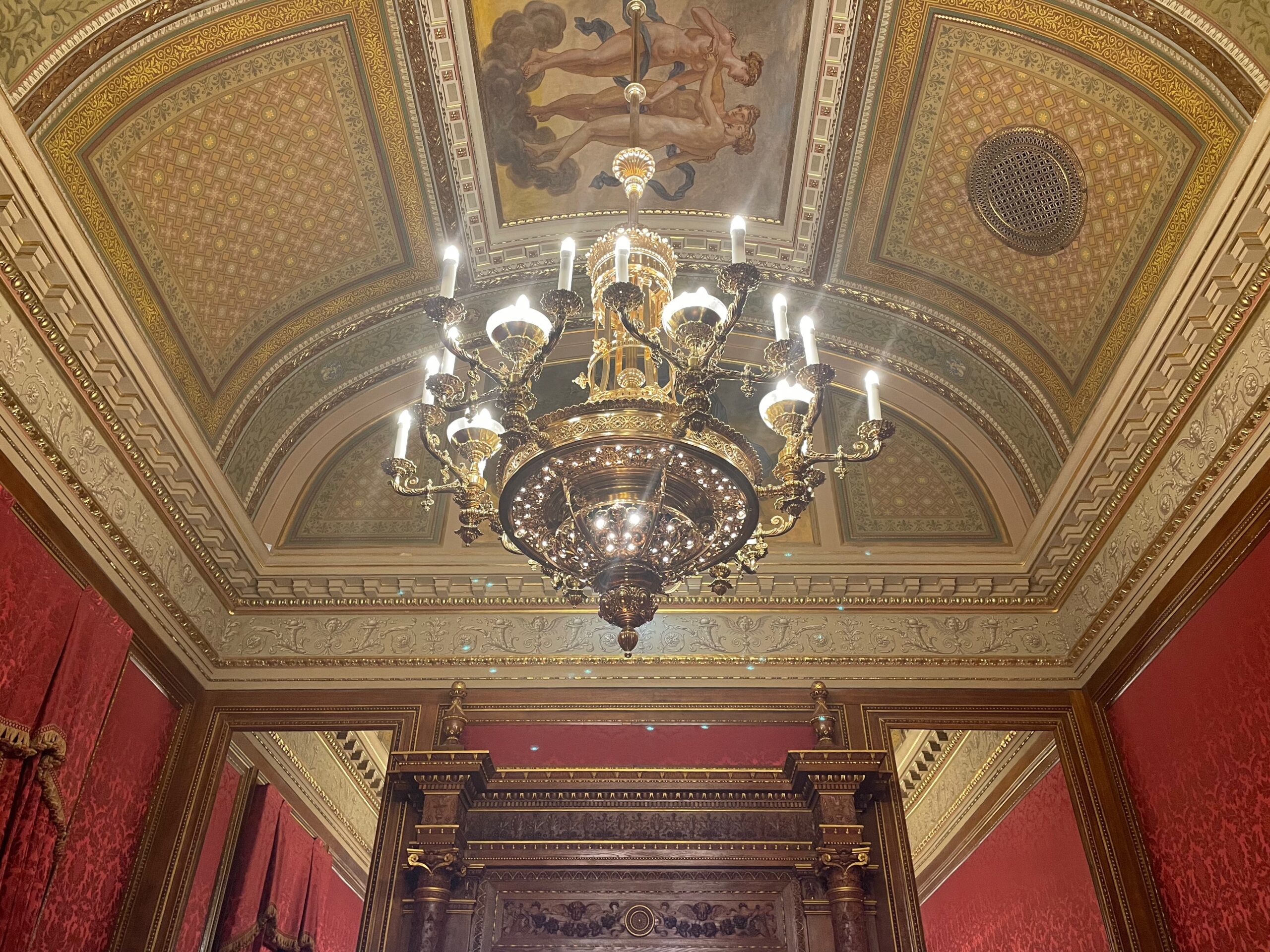
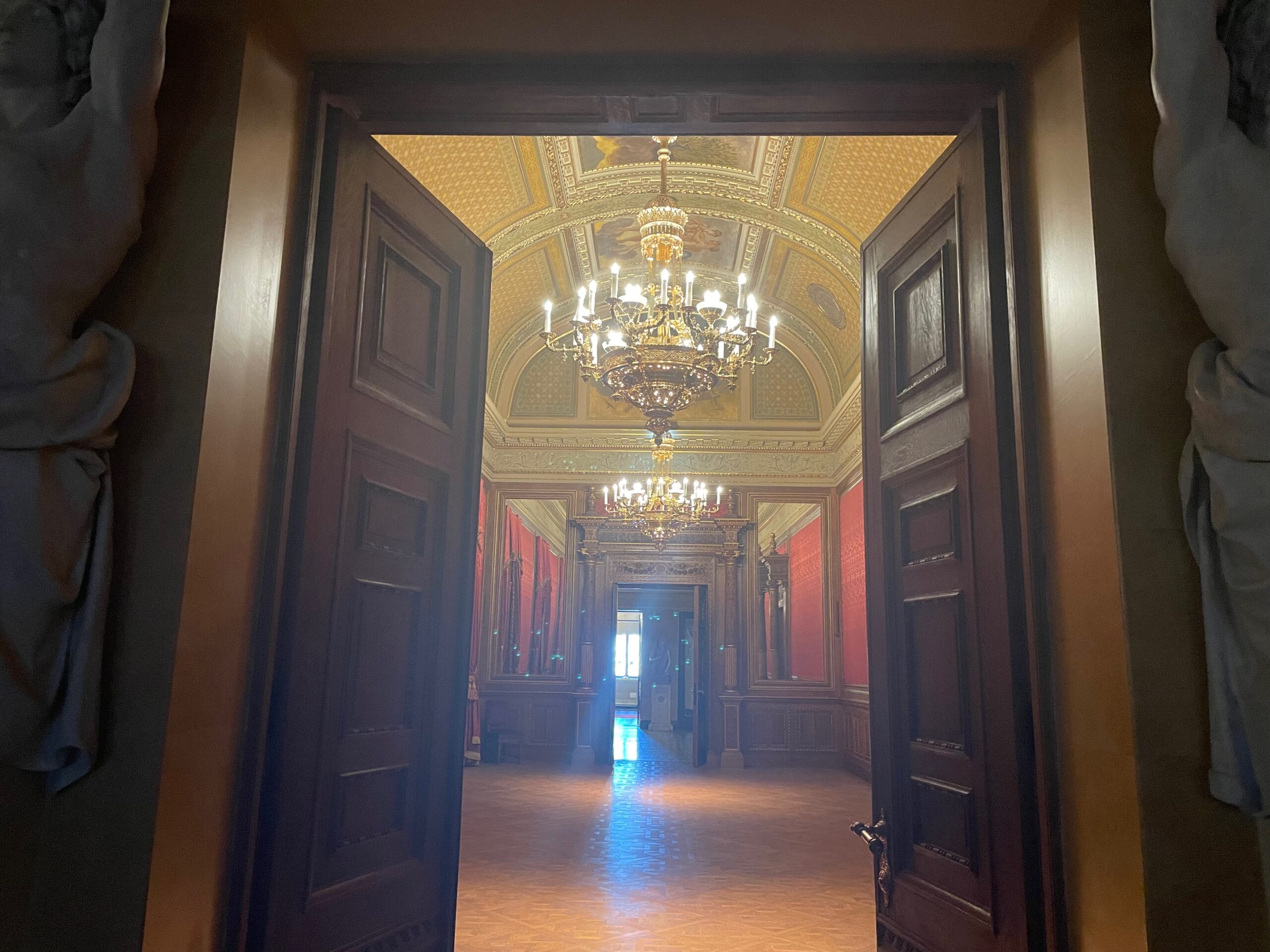
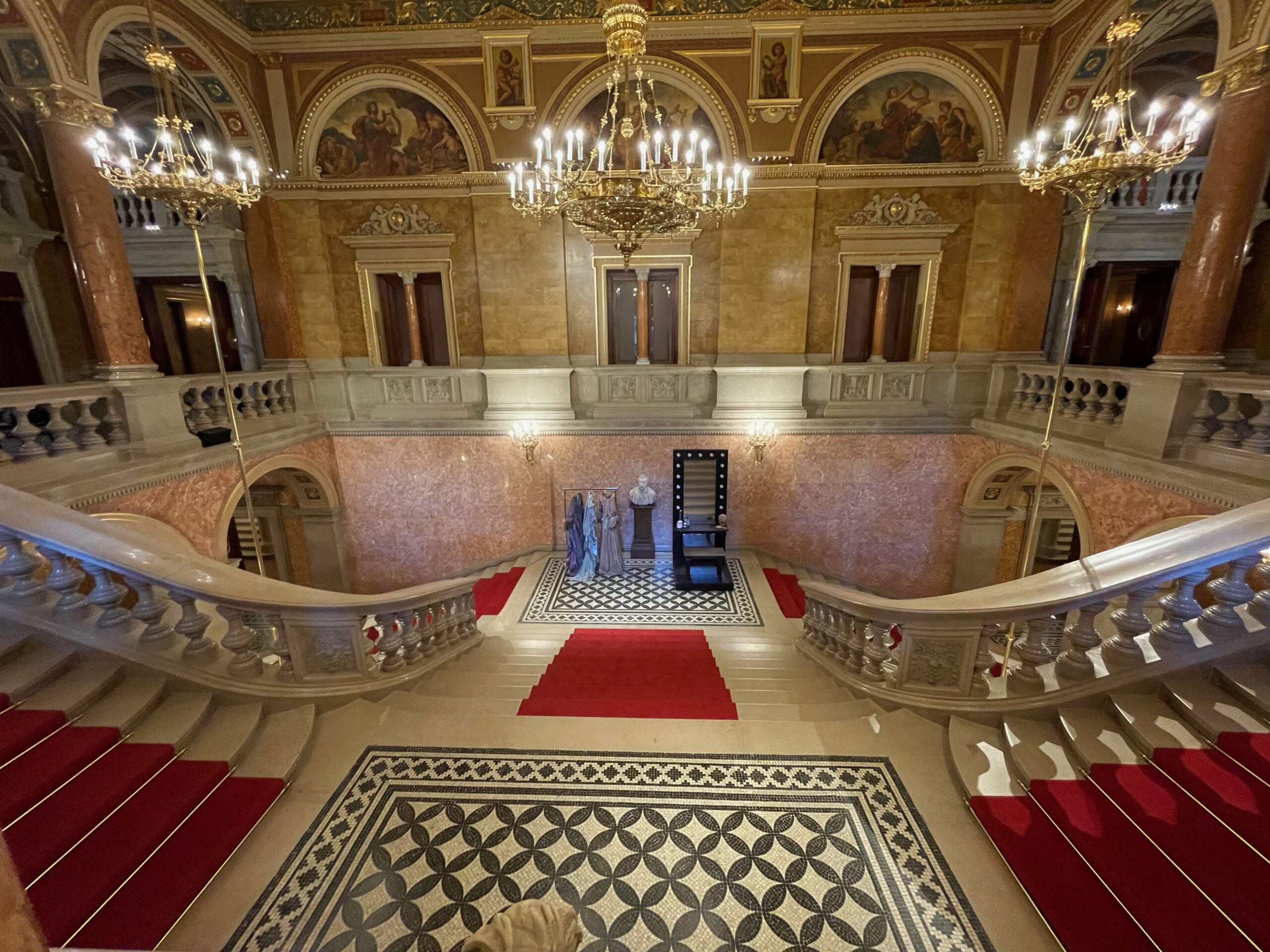
I've had the chance to visit the interior of the State Opera House shortly after it reopened after long years of renovation works. The interior is just magnificent. I've always felt overwhelmed by the style and grandeur of the building, and I wasn't disappointed. I love the colours, the smells, the amazing Neo-Renaissance design and ornaments. Visiting the building is like a time travel to the late 1800's. I'd highly recommend to buy a ticket for an evening performance or to buy a ticket to visit the Opera - there are guided tours in English every day at 1.30 PM, 3.00 PM and 4.30 PM. Private tours are also available, please let me know if you're interested, I'm happy to include the Opera visit in a driving or walking tour.
I’ve had the chance to visit the interior of the State Opera House shortly after it reopened after long years of renovation works. The interior is just magnificent. I’ve always felt overwhelmed by the style and grandeur of the building, and I wasn’t disappointed. I love the colours, the smells, the amazing Neo-Renaissance design and ornaments. Visiting the building is like a time travel to the late 1800’s.
I’d highly recommend to buy a ticket for an evening performance or to buy a ticket to visit the Opera – there are guided tours in English every day at 1.30 PM, 3.00 PM and 4.30 PM. Private tours are also available, please let me know if you’re interested, I’m happy to include the Opera visit in a driving or walking tour.
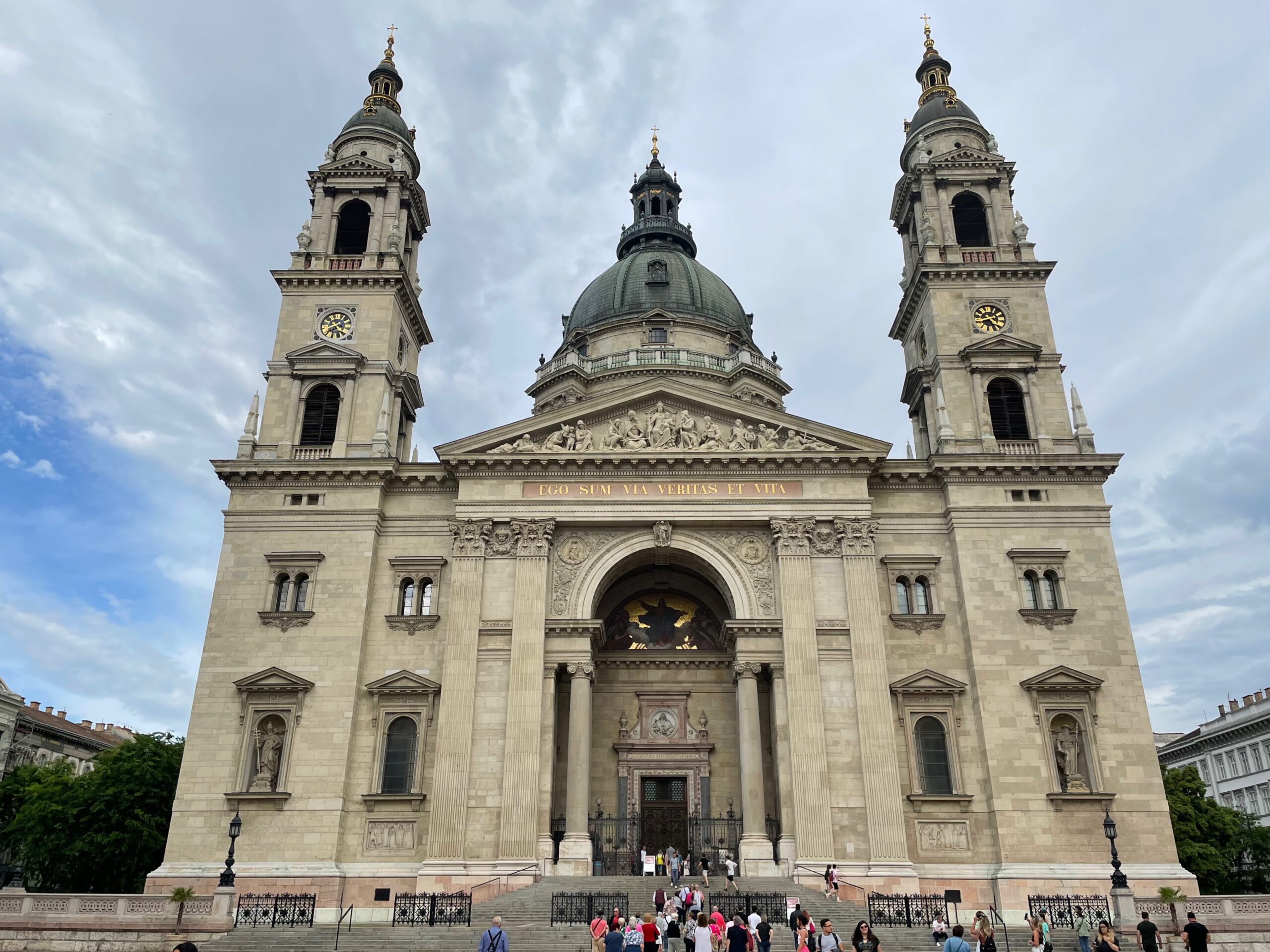
Many of us have been surprised earlier this year to learn that visitors need to buy a ticket to see the interior of St. Stephen's Basilica. So far the general opinion was that the house of God is open for everybody and visitors only had to pay a small amount of donation at the entrance. You need to buy the tickets in advance at the ticket office, which is located to the right of the church. The ticket price is HUF 1.200 (about EUR 3) per person. Be aware that during wedding ceremonies you are only allowed to a small part of the interior and the church is closed for visitors during church services.
Many of us have been surprised earlier this year to learn that visitors need to buy a ticket to see the interior of St. Stephen’s Basilica. So far the general opinion was that the house of God is open for everybody and visitors only had to pay a small amount of donation at the entrance.
You need to buy the tickets in advance at the ticket office, which is located to the right of the church. The ticket price is HUF 1.200 (about EUR 3) per person. Be aware that during wedding ceremonies you are only allowed to a small part of the interior and the church is closed for visitors during church services.
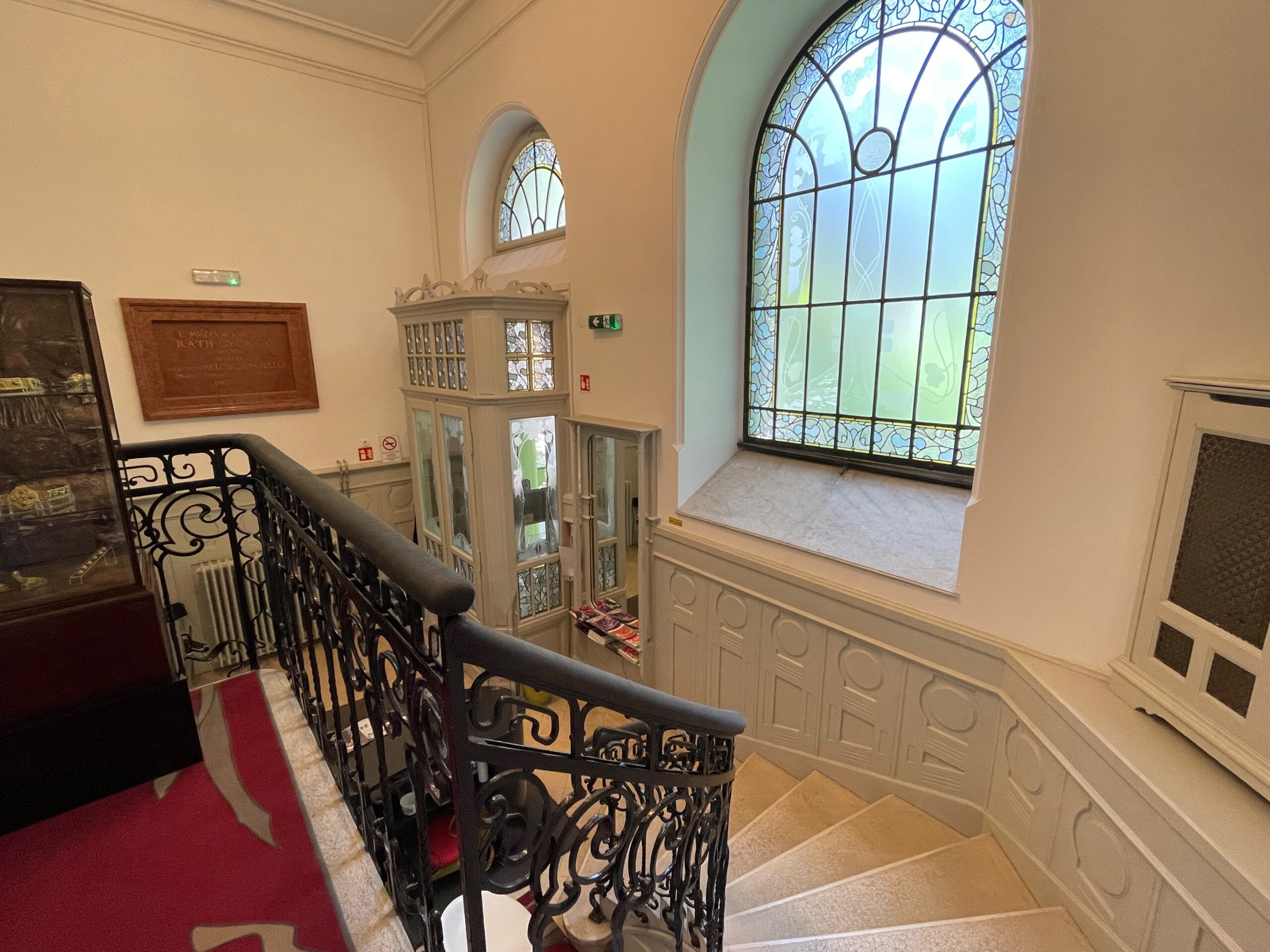
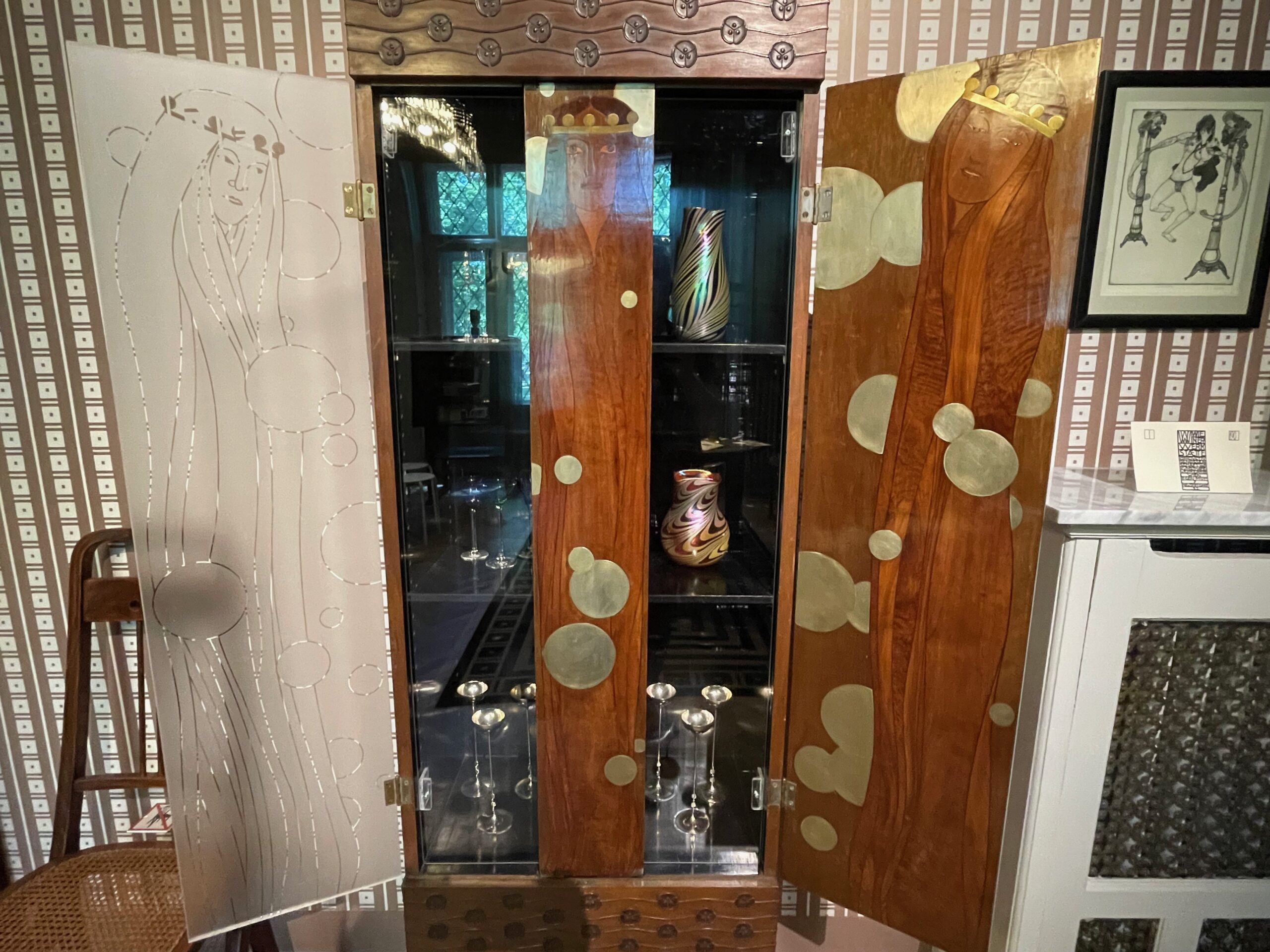
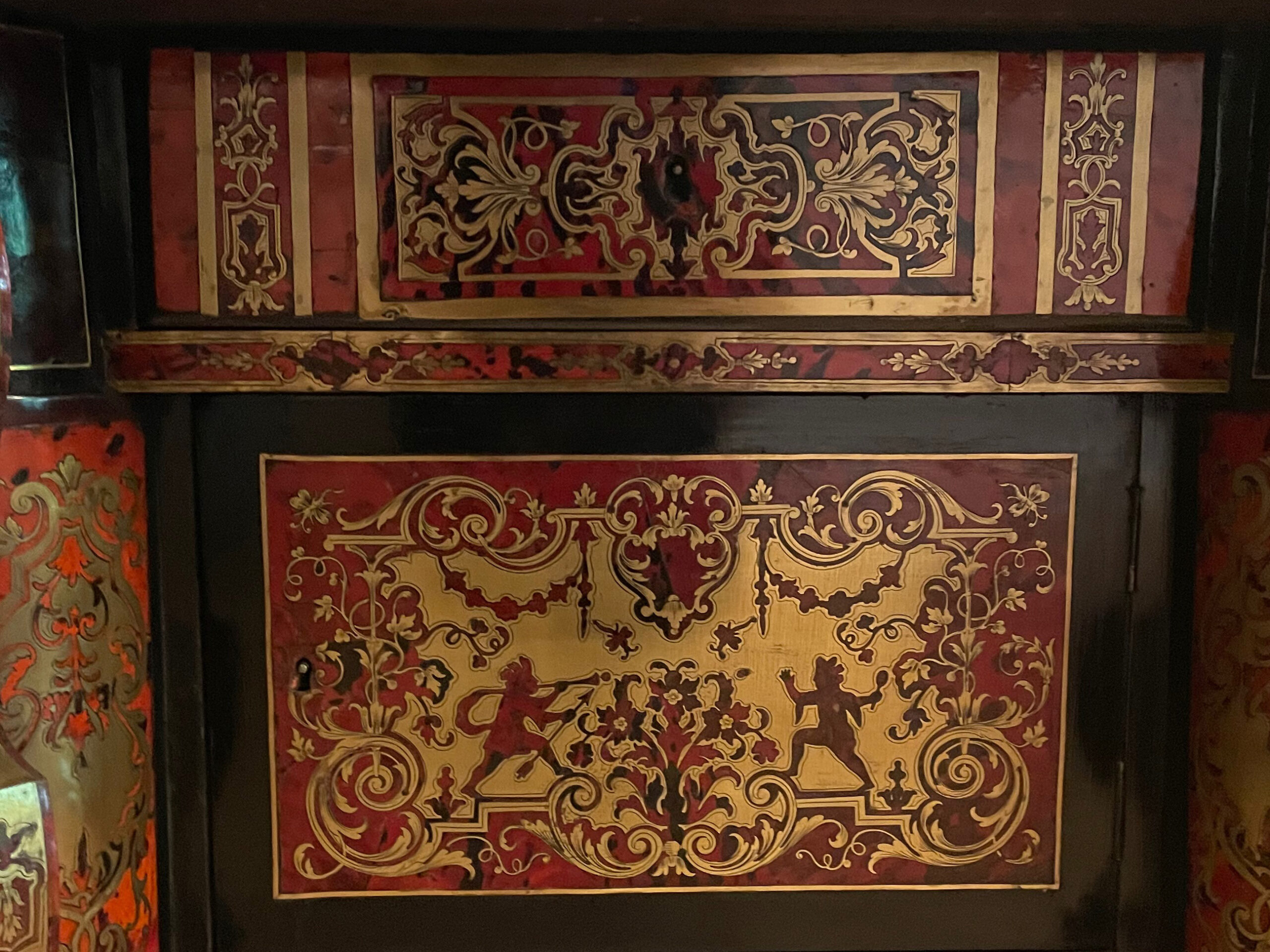
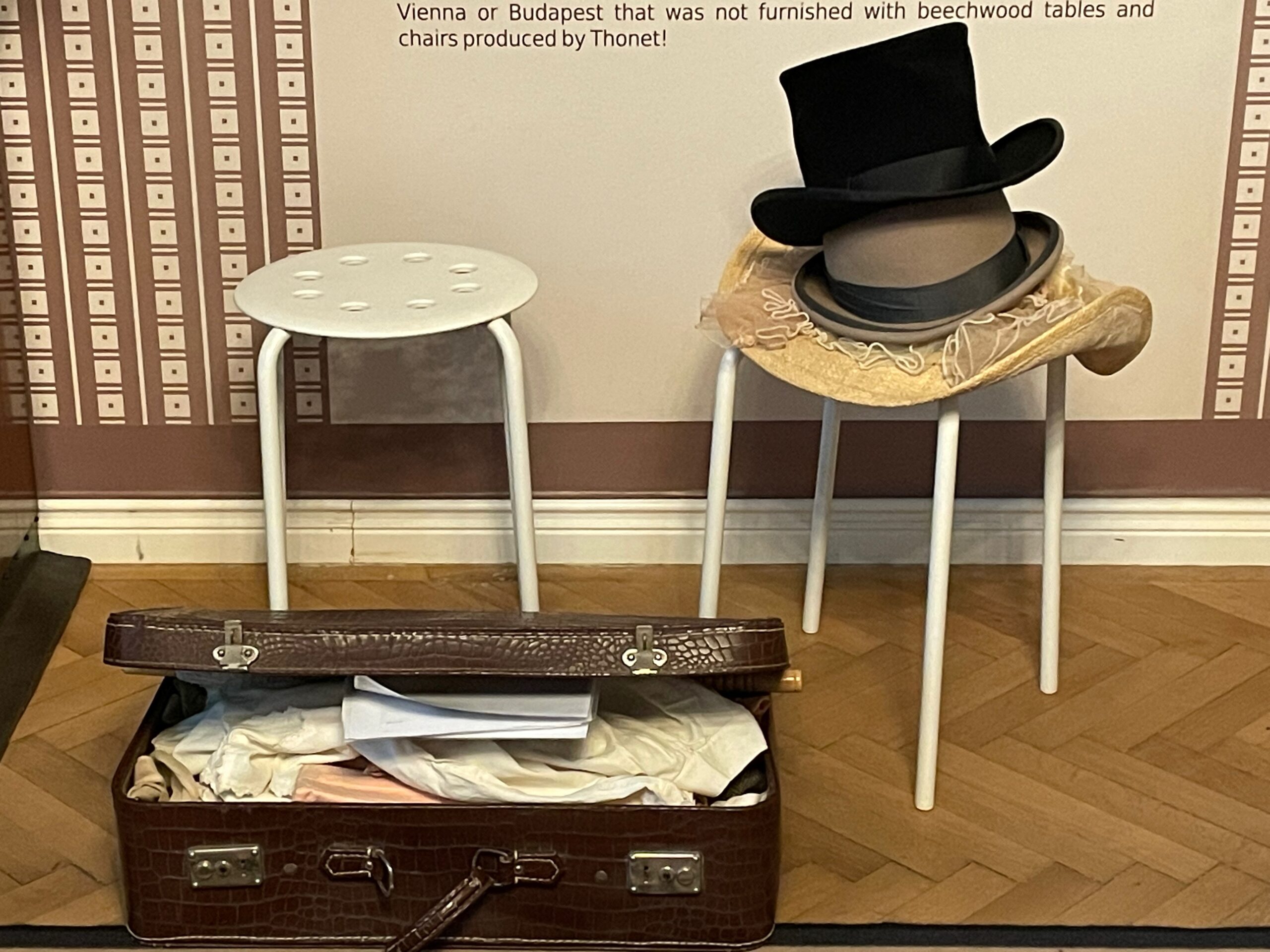
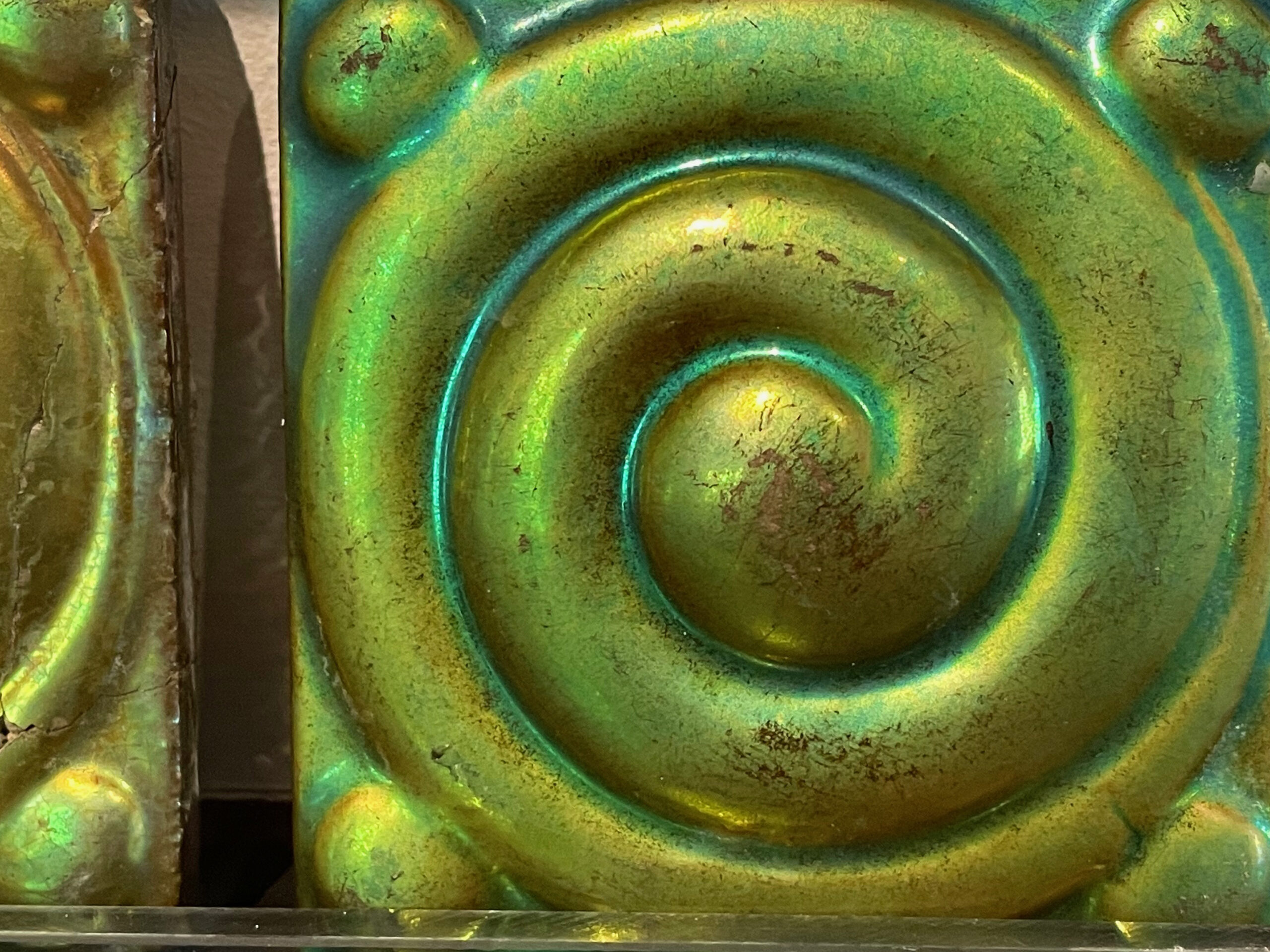
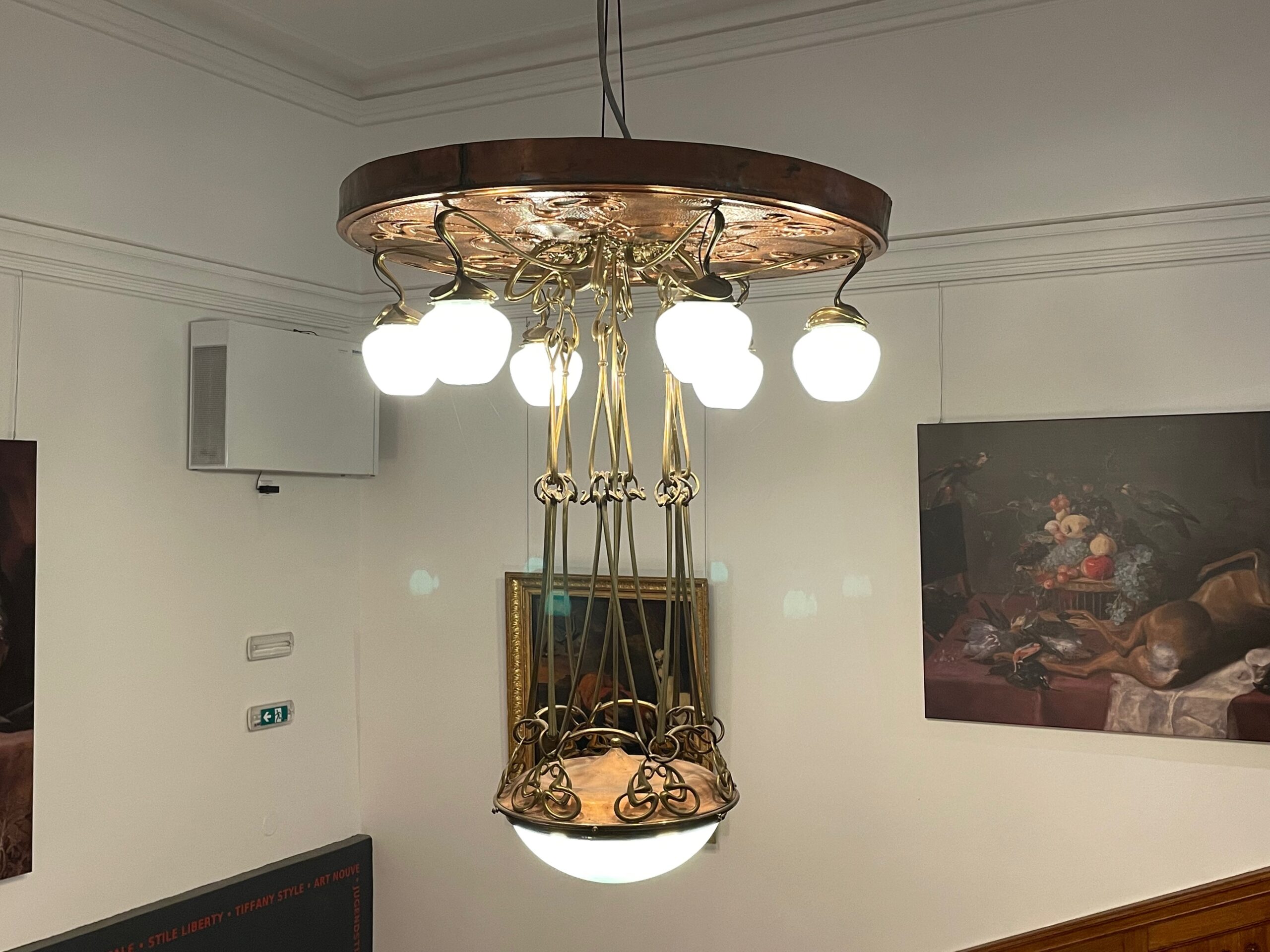
I've had a group of interior design students from the US who booked an Art Nouveau tour with me. I thought they would be interested in seeing the villa of György Ráth, first director general of the Museum of Applied Arts of Budapest. His home is an amazing source of inspiration for art lovers. One really feels like visiting a family with great sense of art and culture. The British, Austrian and French Art Nouveau are all on display and one can also admire the Oriental influence, as well as the Transylvanian roots appearing in Hungarian art at the turn of the century. The 600 pieces of art in the exhibition represent all branches of applied art: jewellery, furnitures, Zsolnay ceramics, Tiffany glassware, amazing paintings and sculptures. The museum is open for the public from Tuesday to Sunday, from 10.00 AM to 6.00 PM.
I’ve had a group of interior design students from the US who booked an Art Nouveau tour with me. I thought they would be interested in seeing the villa of György Ráth, first director general of the Museum of Applied Arts of Budapest.
His home is an amazing source of inspiration for art lovers. One really feels like visiting a family with great sense of art and culture. The British, Austrian and French Art Nouveau are all on display and one can also admire the Oriental influence, as well as the Transylvanian roots appearing in Hungarian art at the turn of the century. The 600 pieces of art in the exhibition represent all branches of applied art: jewellery, furnitures, Zsolnay ceramics, Tiffany glassware, amazing paintings and sculptures.
The museum is open for the public from Tuesday to Sunday, from 10.00 AM to 6.00 PM.