Some of you know how much I love this time of the year, I love the smells and the colours of spring and I’m fascinated by the blossom of the cherry trees all along Tóth Árpád sétány in the Buda Castle district. Walk with me to see more!
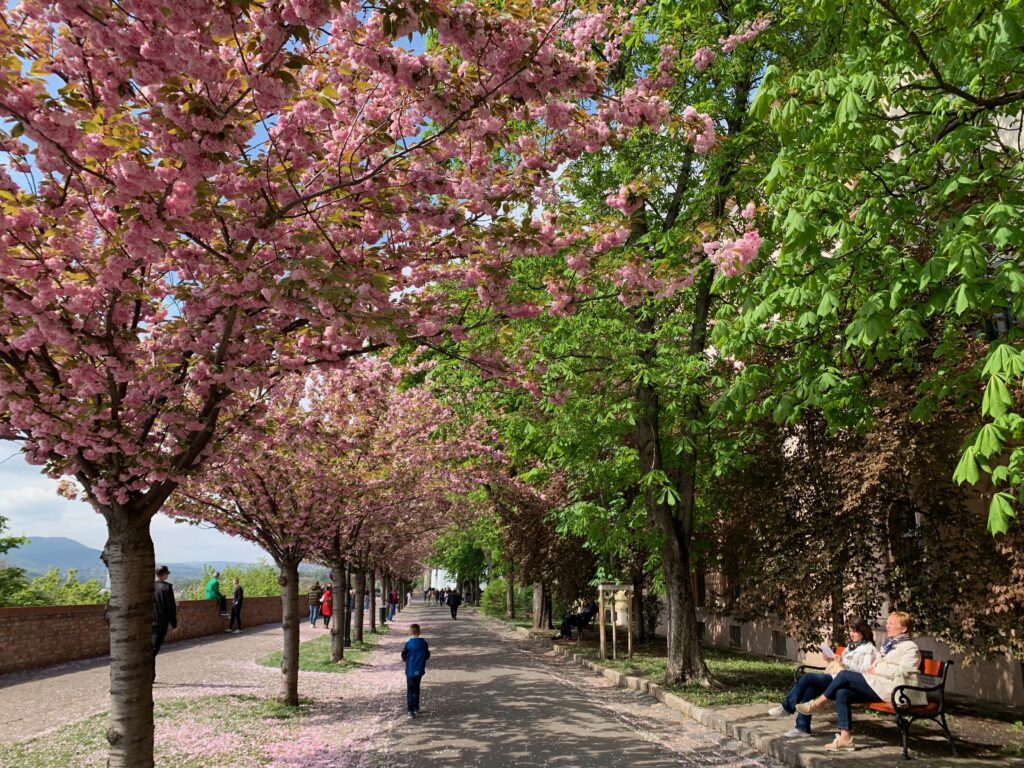
Some of you know how much I love this time of the year, I love the smells and the colours of spring and I’m fascinated by the blossom of the cherry trees all along Tóth Árpád sétány in the Buda Castle district. Walk with me to see more!
There are a few buildings in Budapest that I genuinely love, and Mai Manó House is definitely one of them. Located just a short walk from Andrássy Avenue, this elegant and slightly whimsical building is full of small details — the kind that reward those who slow down and really look.
We often pass by it while exploring the Pest side of the city, and every time, it feels like discovering it all over again.
Mai Manó House was designed in the 1890s for Mai Manó, the court photographer of Emperor Franz Joseph. As one of the most respected photographers of his time, Mai Manó made sure his profession was proudly reflected in the building itself.
Look closely at the façade and you’ll notice charming details: small angels holding cameras, allegorical figures representing the muses of photography, and richly coloured ceramic tiles that give the building its unique character. The architectural style is Neo-Renaissance, enhanced with floral and animal motifs that add warmth and playfulness to the design.
It’s a façade that doesn’t just decorate the street — it tells a story.
Today, the building functions as the House of Hungarian Photography, hosting both permanent and temporary exhibitions. The exhibitions change regularly, making it a rewarding stop even for repeat visitors.
The interior is just as fascinating as the outside. Elegant staircases, decorative elements, and carefully restored spaces create a calm, inspiring atmosphere — the perfect setting for photography exhibitions that often reflect on history, identity, and contemporary visual culture.
Mai Manó House can be visited, but opening hours may vary depending on exhibitions and events. It’s not a large museum, which makes it ideal as a quiet cultural stop rather than a rushed sightseeing attraction.
It fits particularly well into:
Budapest Art Nouveau and turn-of-the-century walks
Photography- or art-focused itineraries
Customised private tours for visitors looking beyond the usual highlights
If you’d like to include Mai Manó House in your Budapest itinerary, I’m happy to advise on timing and how it can best be combined with nearby sights.
Mai Manó House may not be on every visitor’s list — and that’s exactly what makes it special. For those interested in architecture, photography, and the cultural layers of Budapest, it’s a place that quietly leaves a lasting impression.
If you enjoy discovering Budapest through its stories, details, and creative spaces, this is a stop well worth making.
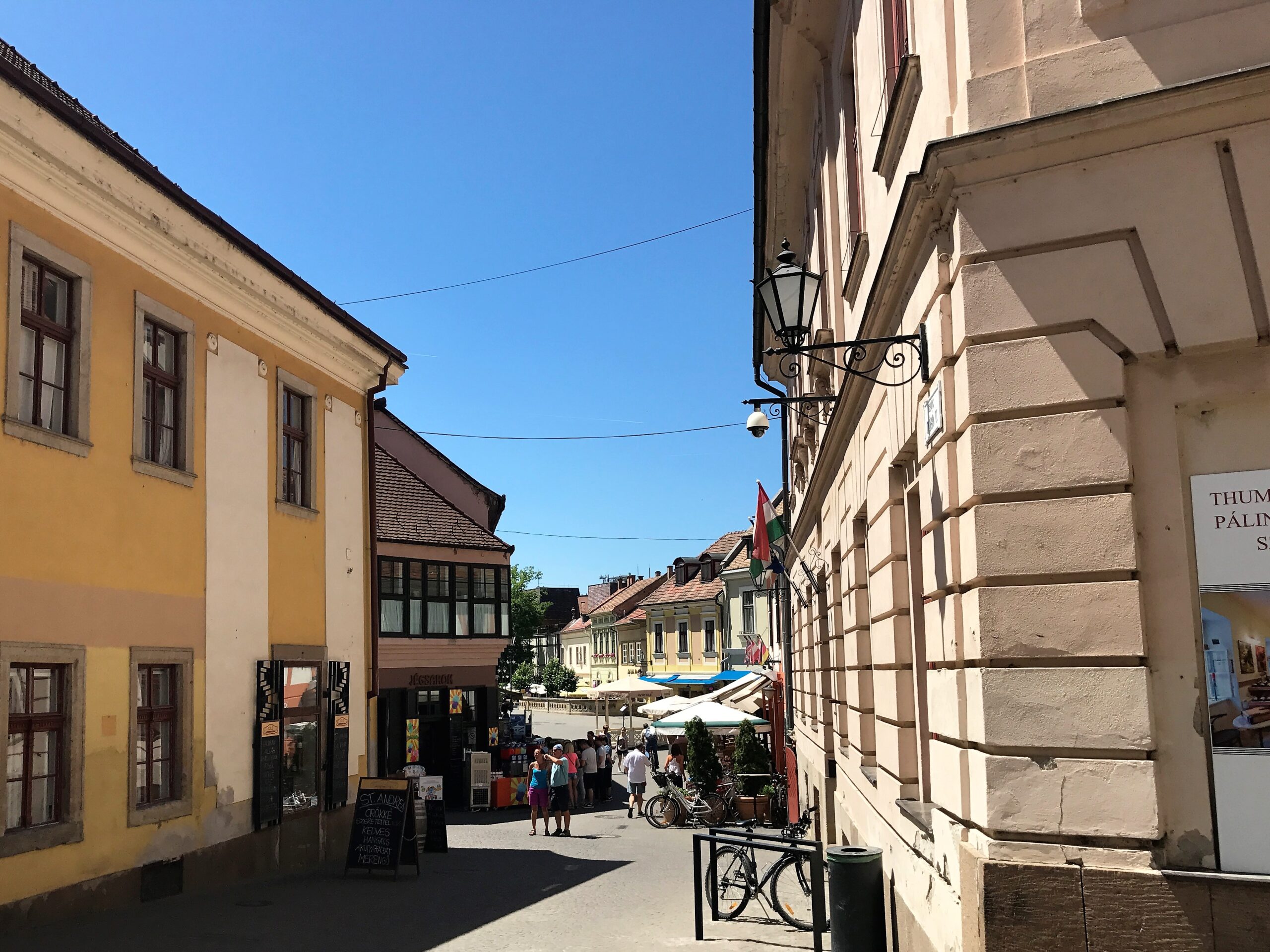
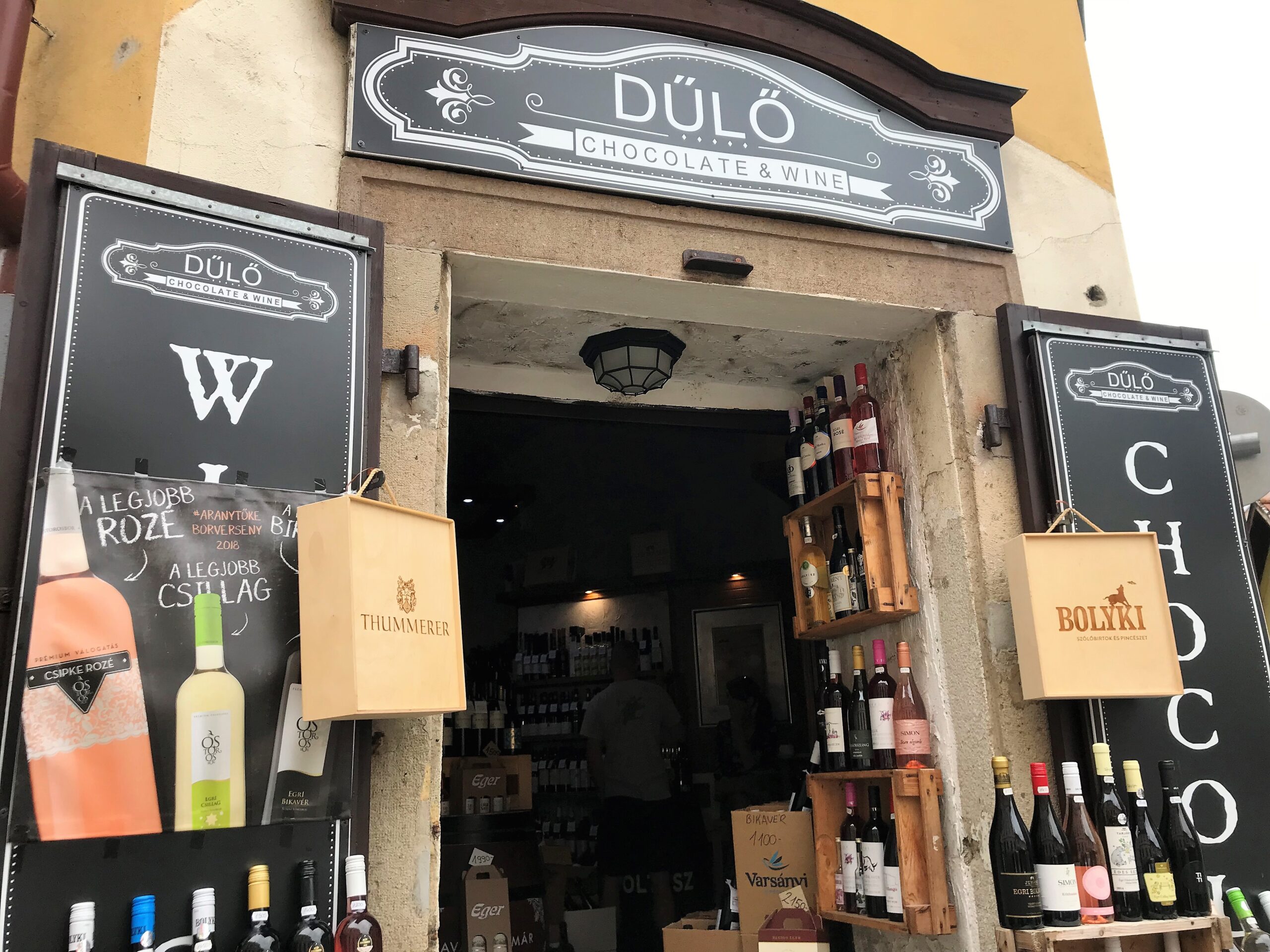
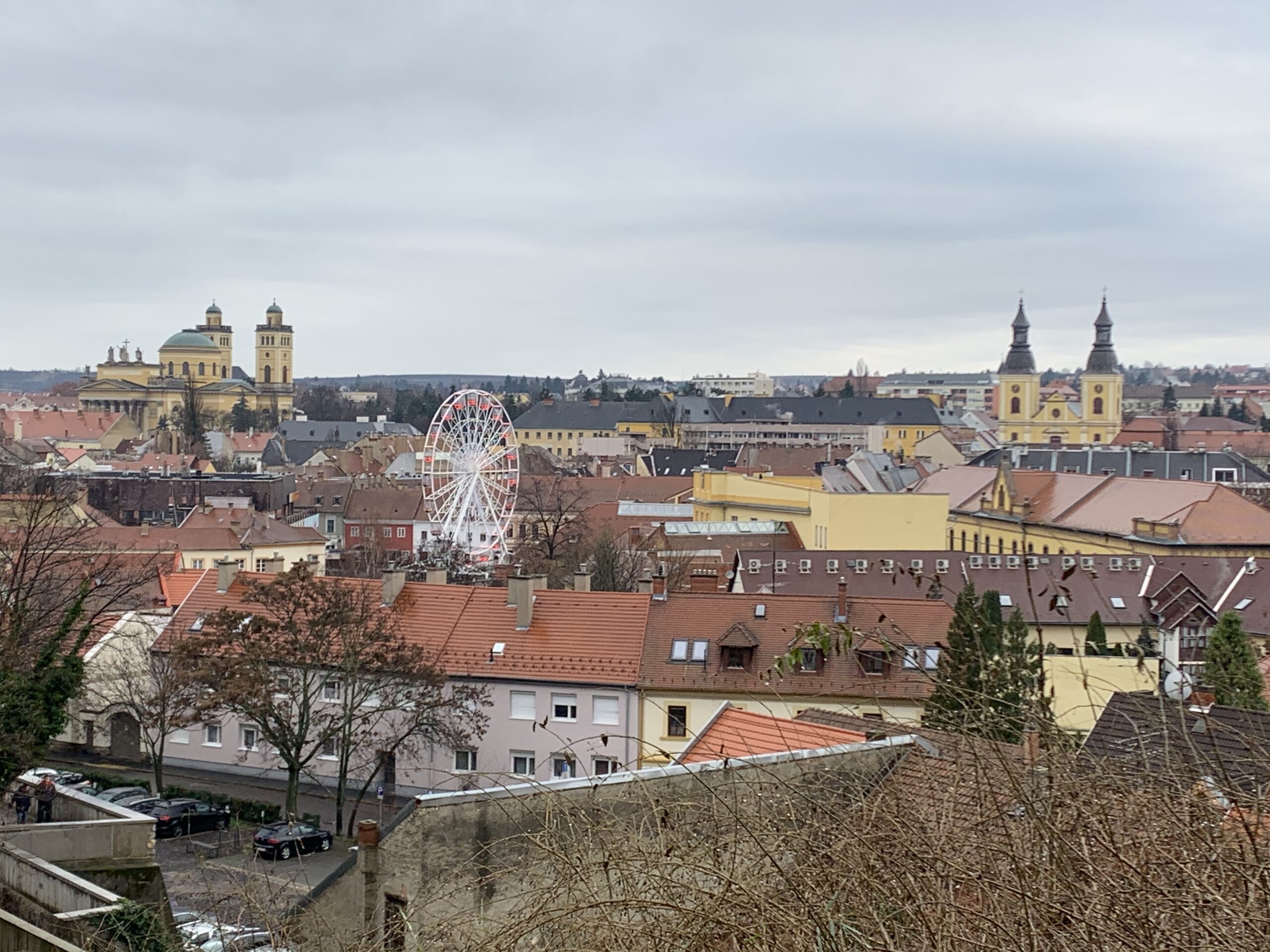
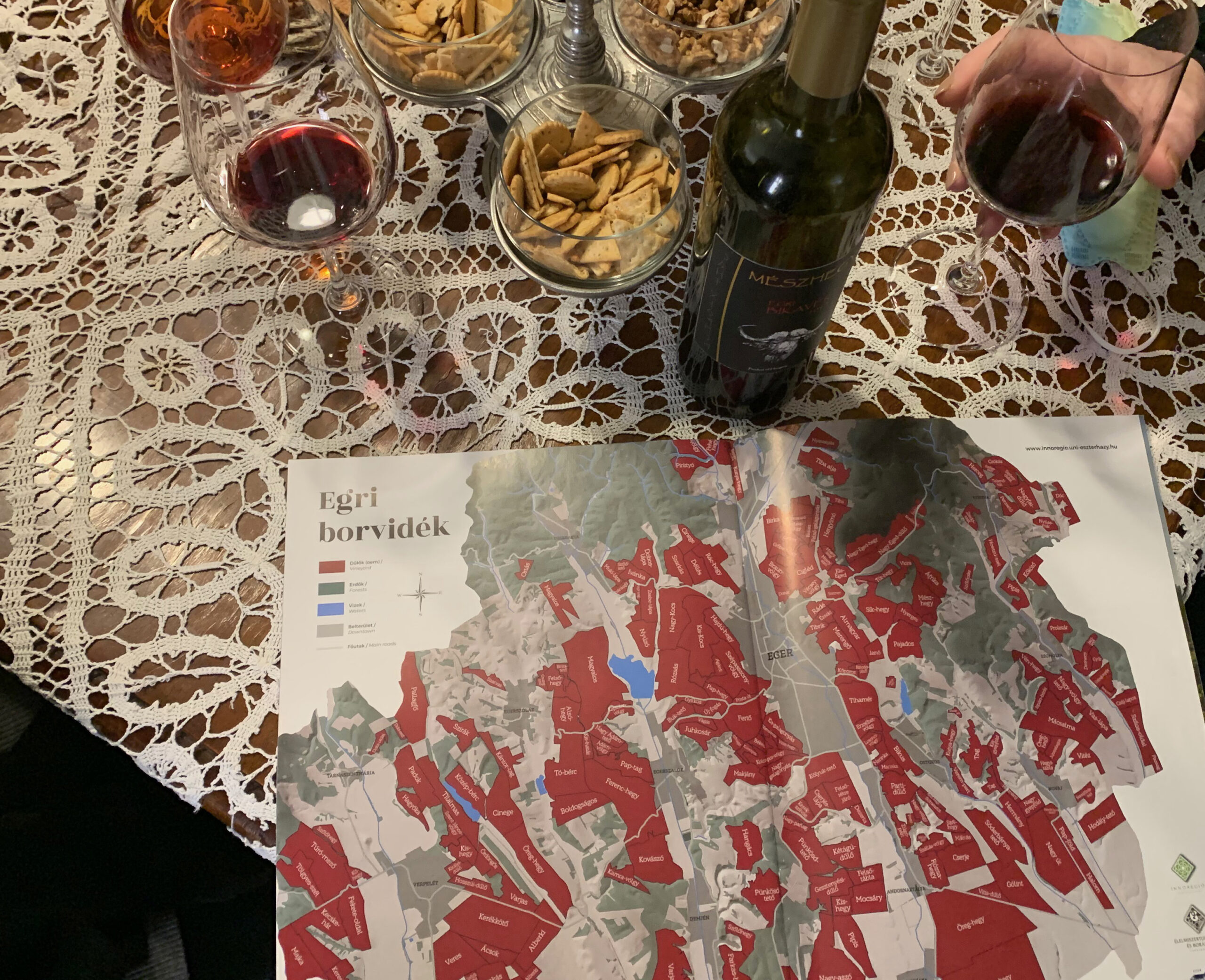
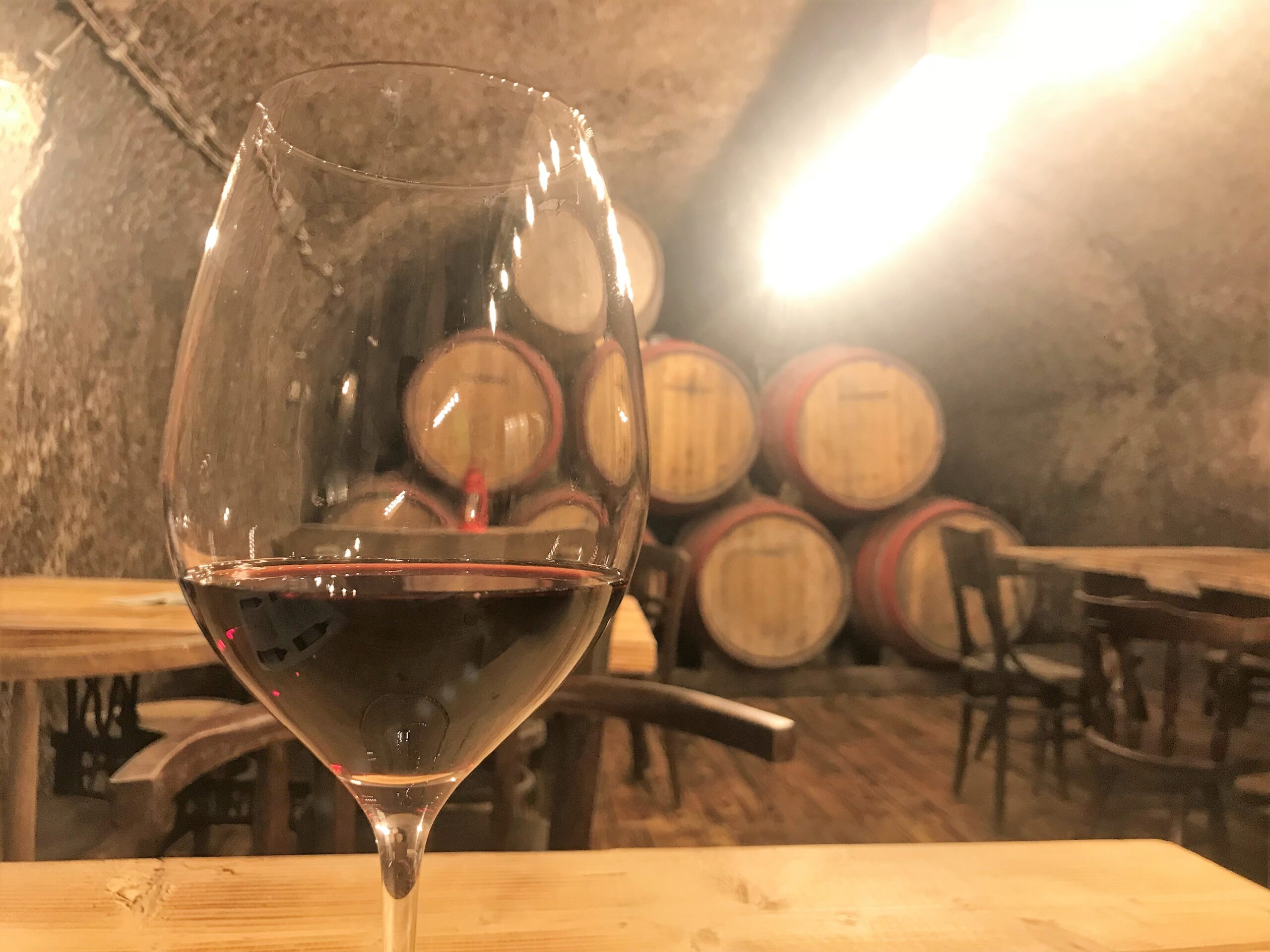
You might have noticed that the Eger Wine Tour is one of my favourite daytrips from Budapest. I love Eger, it’s a charming little town with beautiful Baroque architecture and its castle is still considered as a national symbol of Hungarian patriotism. The tour is topped by wine tasting both in the city centre and in the Valley of the Beautiful Woman, where you can taste Bull’s Blood, the local cuvée.
The weather is getting more and more beautiful day by day so we enjoyed our time in Eger in beautiful sunshine and I can tell you that everybody loved the red wines we tasted. I hope I’ll have the chance to go back to Eger many times this year.