Budapest is full of statues. Some dominate grand squares and riverbanks, while others quietly occupy street corners, stairways, and promenades, waiting to be noticed. Together, they form an open-air museum that reflects Hungary’s history, myths, political turning points, and sense of humor.
Over the years, I’ve started paying closer attention to these sculptures while walking through the city — not as isolated sights, but as storytellers. Some are impossible to miss, others easy to overlook, yet all of them add depth to understanding Budapest beyond its famous landmarks.
This ongoing collection brings together some of the most interesting statues of Budapest: well-known monuments, playful surprises, and symbolic figures that reveal layers of the city many visitors never see.
Playful & Hidden City Statues
Not all statues in Budapest are solemn or monumental. Some of the city’s most beloved sculptures are informal, approachable, and often discovered by accident. These figures invite interaction, photographs, and sometimes a smile — offering a lighter side of Budapest’s urban landscape.
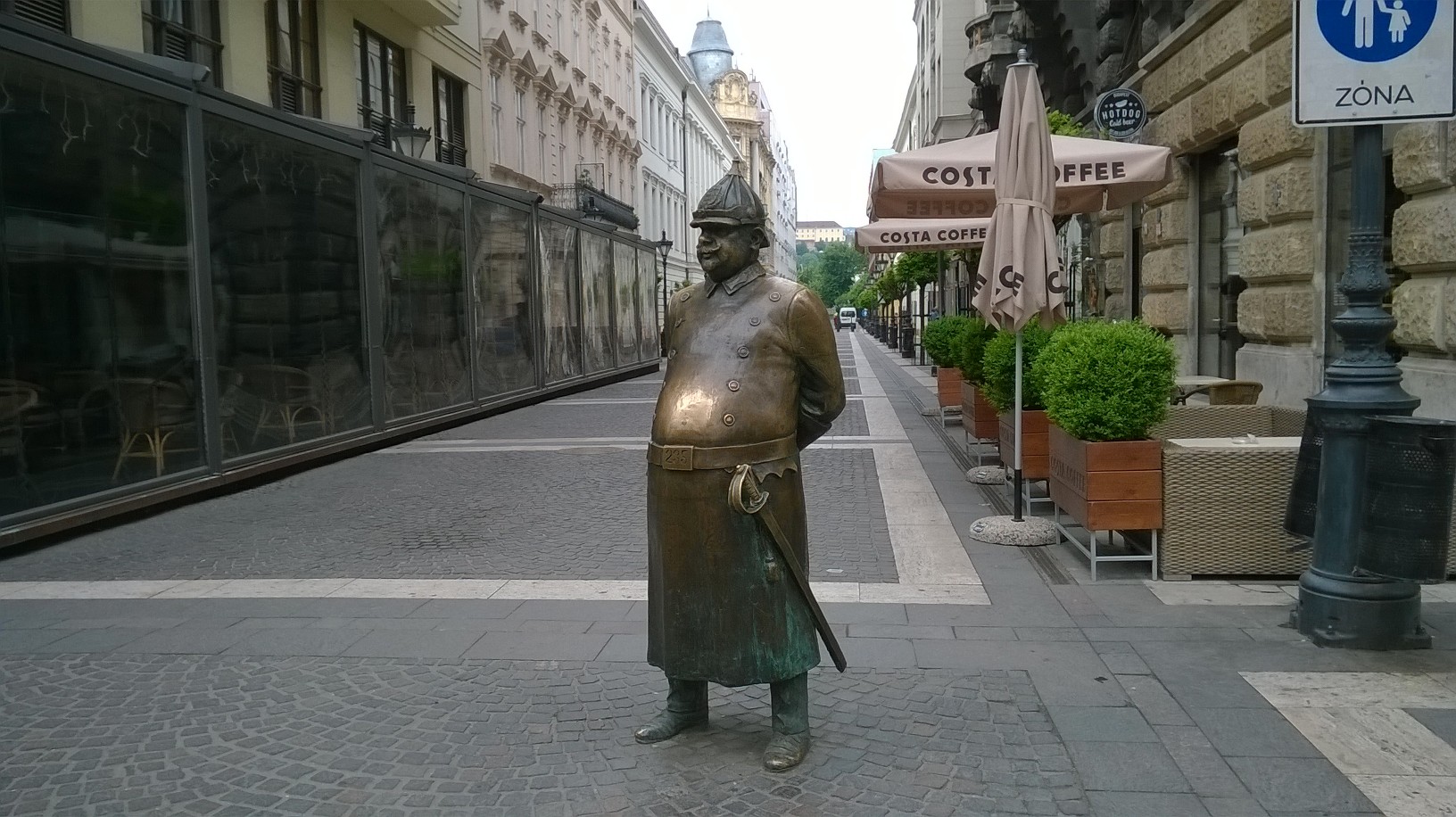
The Fat Policeman
A humorous bronze figure standing near St. Stephen’s Basilica, the Fat Policeman has become one of Budapest’s most photographed statues. Its relaxed posture and exaggerated form make it instantly recognizable, and it perfectly captures the city’s ability to mix history with irony.
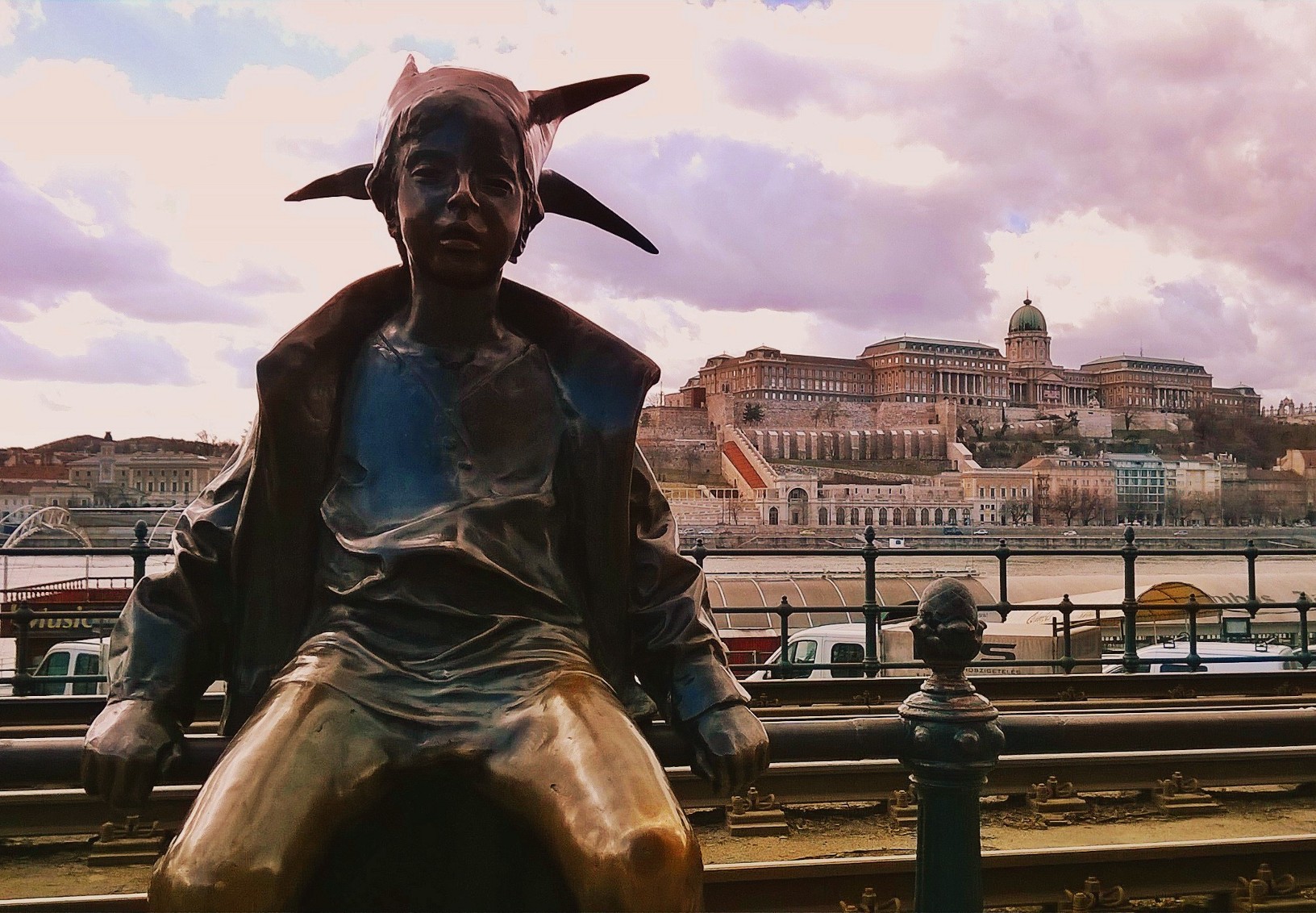
Little Princess
Small in size but big in popularity, the Little Princess sits along the Danube promenade. Inspired by childhood imagination, this statue has become a favorite stop for walkers along the river.
Prince Buda and Princess Pest
This symbolic pair represents the two sides of the city before their unification. Often overlooked, the statue offers a charming reminder of how Budapest came to be.
Historical & Political Monuments
Many statues in Budapest carry much heavier stories. These monuments reflect key historical figures, political eras, and collective memories — sometimes celebratory, sometimes painful.
King Matthias
One of Hungary’s most revered rulers, King Matthias appears in several statues across Budapest. His legacy is closely tied to the country’s golden age and remains deeply embedded in national identity.
Count Gyula Andrássy
A central figure in 19th-century Hungarian politics, Andrássy’s statue reflects the era of reform, modernization, and the Austro-Hungarian Compromise.
Holy Trinity Monument
Found in Buda Castle, this richly decorated column commemorates survival and renewal after devastating plague epidemics. It is both a religious symbol and a historical document carved in stone.
Carl Lutz Memorial
This understated but powerful memorial honors the Swiss diplomat who saved thousands of Hungarian Jews during World War II. It stands as a reminder of moral courage during one of Budapest’s darkest periods.
Stalin’s Boots
All that remains of a once-colossal statue, Stalin’s Boots are among the most symbolic remnants of Hungary’s communist past. Their absence speaks louder than the monument ever did.
Mythical & Symbolic Figures
Some statues draw from legend, mythology, and abstract symbolism rather than specific historical events. These sculptures often blend pagan roots, national identity, and artistic interpretation.
Turul Bird
A mythical creature central to Hungarian origin legends, the Turul appears in multiple locations around the city. It represents strength, protection, and national mythology.
Sphinx
Unusual and unexpected, the Sphinx statue adds a touch of mystery to Budapest’s sculptural landscape. Its presence raises more questions than answers — part of its charm.
0 km Stone
Marking the point from which all road distances in Hungary are measured, the 0 km Stone is both symbolic and practical, quietly anchoring the country’s geography.
Lesser-Known Curiosities
Some statues remain largely unnoticed even by frequent visitors, yet they add richness to the city’s visual and cultural fabric.
Julianus and Gerhardus
This sculpture commemorates medieval monks whose journeys connected Hungary to distant lands. It is a reminder of the country’s early links to the wider European world.
Seeing Budapest Through Its Statues
Taken together, these statues reveal Budapest as a city shaped not only by kings and empires, but also by humor, memory, and symbolism. They reward those who slow down, look closer, and ask questions.
I often point out these sculptures while walking through the city, not as checklist sights, but as conversation starters — details that help make sense of Budapest’s layered past and vibrant present.
This page will continue to grow as more statues and stories are added, forming an evolving portrait of Budapest told through bronze, stone, and imagination.