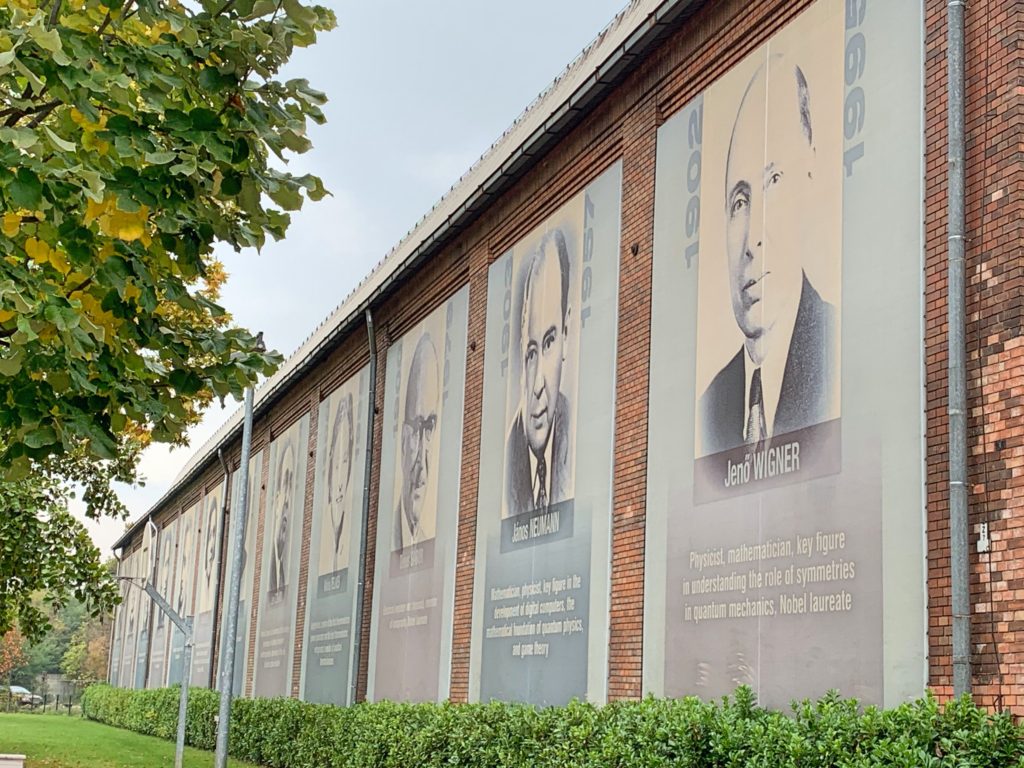
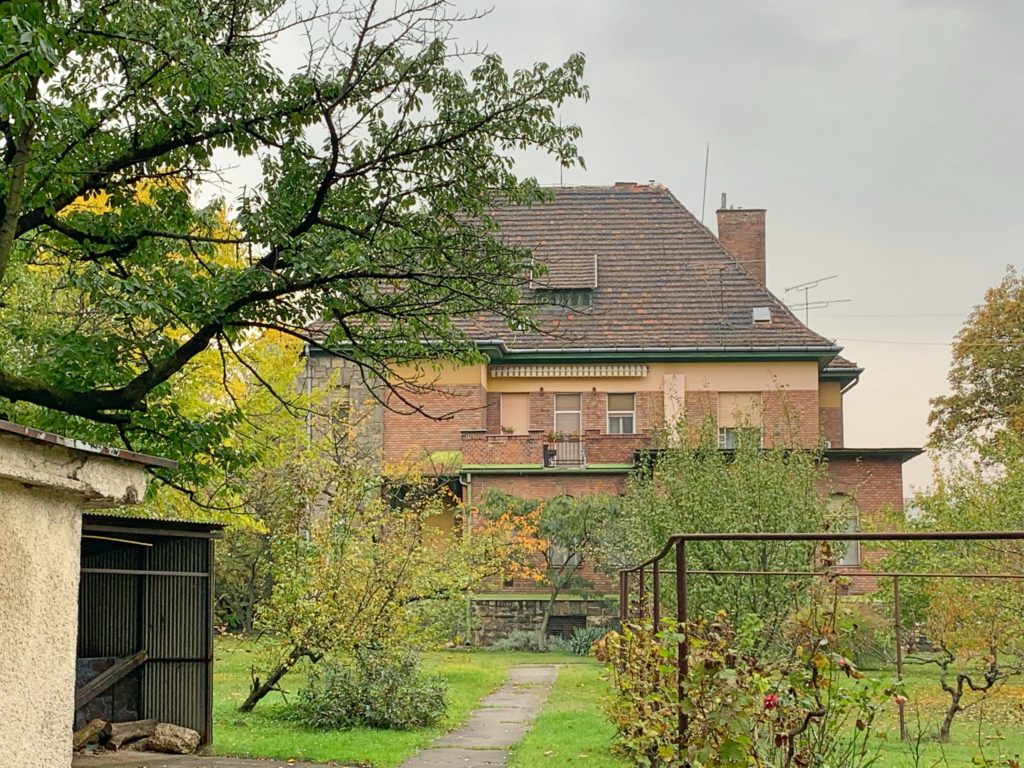
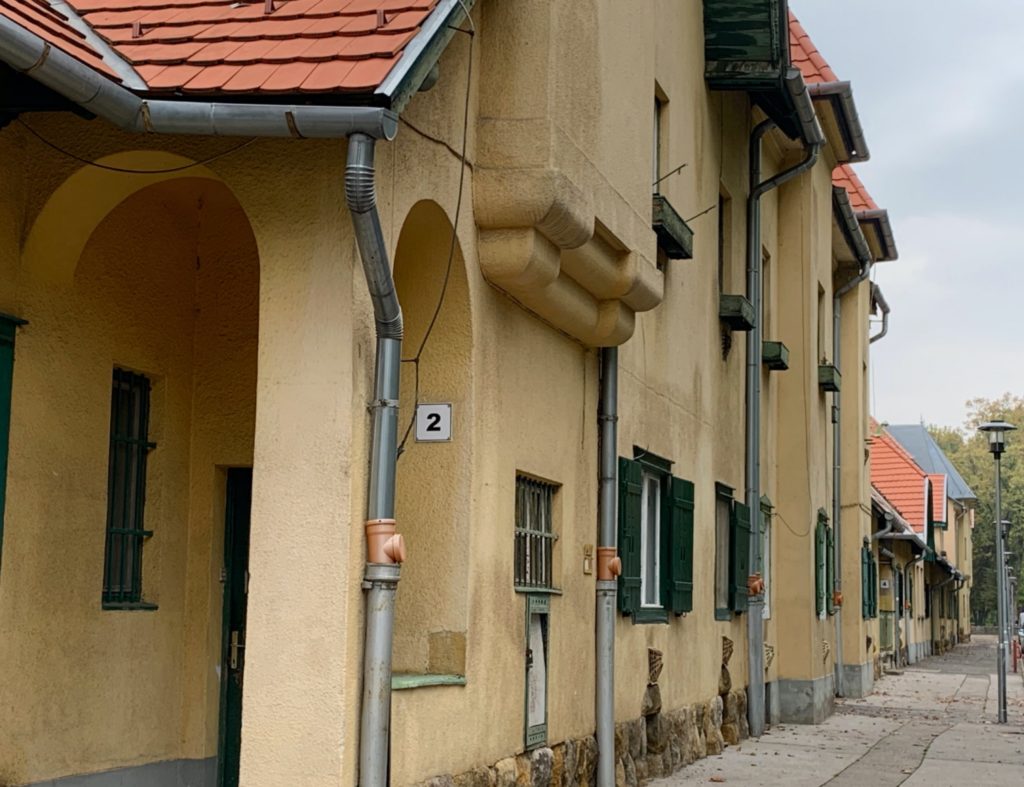
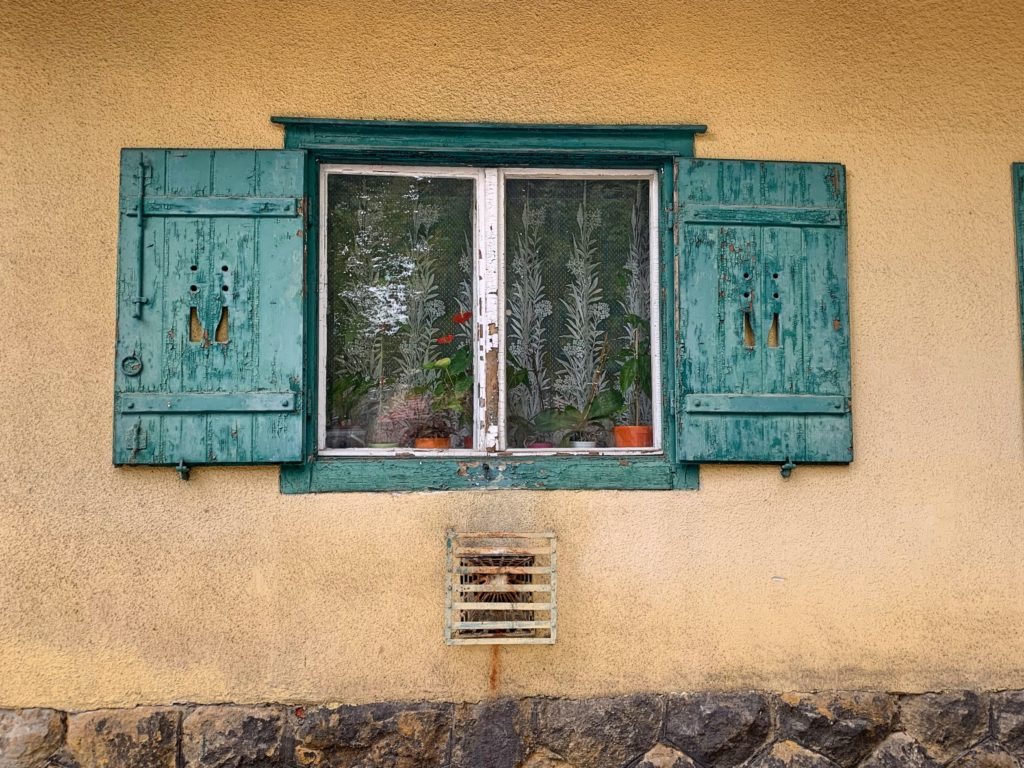
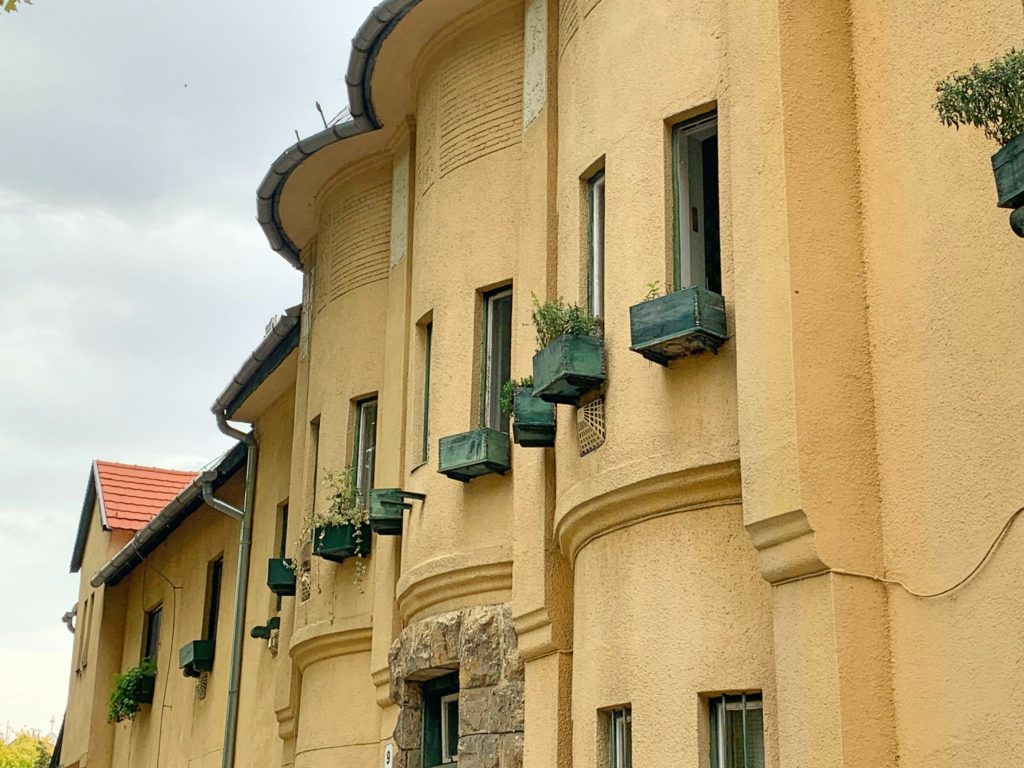
In the early 20th century fuel and lighting gas used in Hungary was manufactured from coal and because of the increasing consumption there was a need for modern, high capacity gas plants. The location of the gas plants was crucial, as they needed road, rail and waterway connection. The Óbuda Gas Works was inaugurated in 1914, it was the most advanced gas factory of the country producing 250 thousand cubic meters of gas every day. In the 1970's natural gas became more accessible and cheaper and Budapest switched to natural gas. The Óbuda gas works was decommissioned in 1984. The factory with its great colours and shapes might remind you of an abandoned castle with its four towers, they originally housed the turbines, control rooms and water towers. What I personally love about the place is that because of the generosity of the original owners of the factory, residential buildings had also been built for the employees, so that they could live close to their workplace. Two locations were created, a villa neighbourhood for managers and a more simple housing estate for the workers. Walking around the early 20th century buildings is like a real time travel. Budapest Urban Exploration: Óbuda Gas WorksBudapest Urban Exploration: Óbuda Gas WorksBudapest Urban Exploration: Óbuda Gas WorksBudapest Urban Exploration: Óbuda Gas WorksBudapest Urban Exploration: Óbuda Gas WorksBudapest Urban Exploration: Óbuda Gas WorksBudapest Urban Exploration: Óbuda Gas WorksBudapest Urban Exploration: Óbuda Gas WorksBudapest Urban Exploration: Óbuda Gas Works A short video shot in the building showing its decoy before it was finally restored a few years ago. https://indavideo.hu/video/A_Gazgyar_belulrol
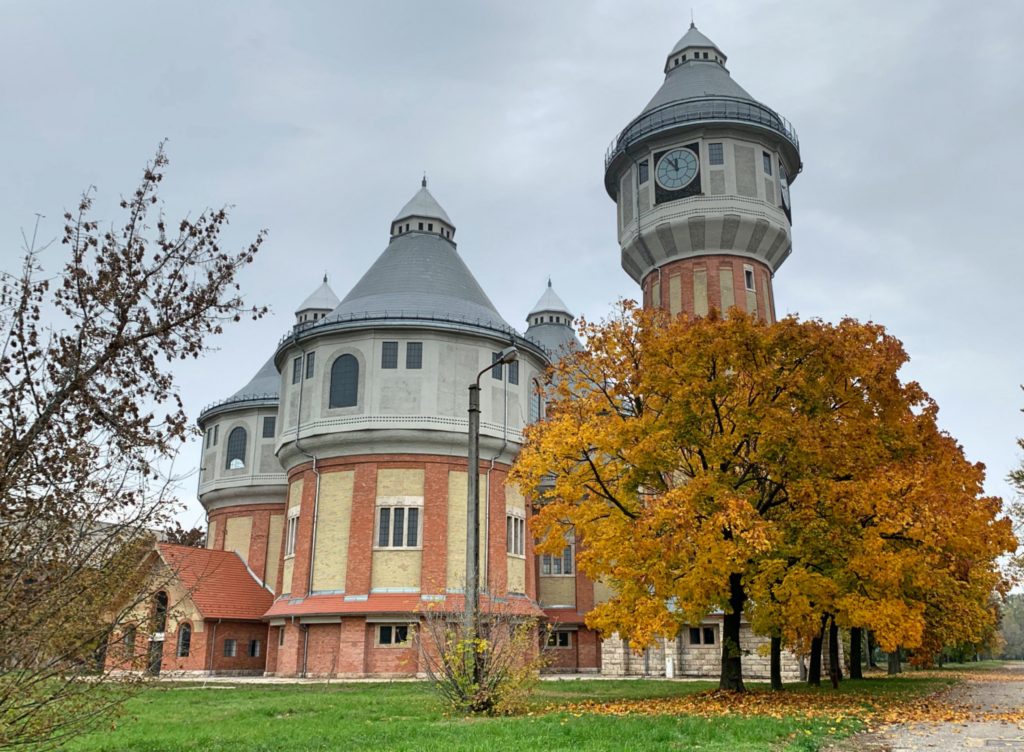
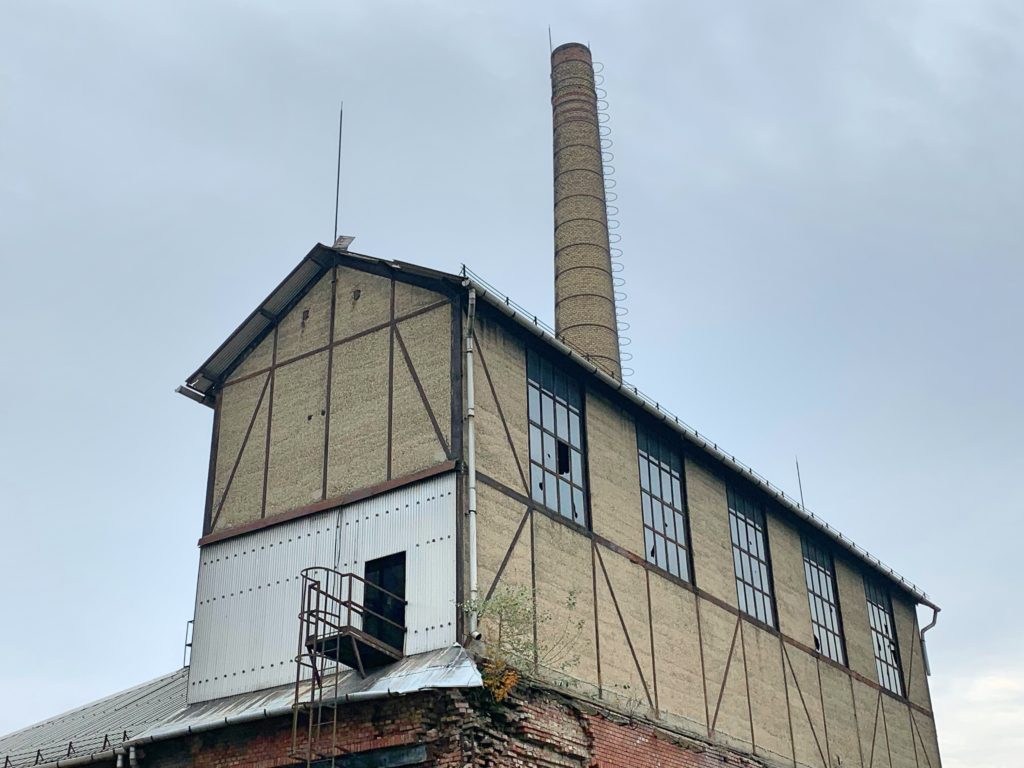
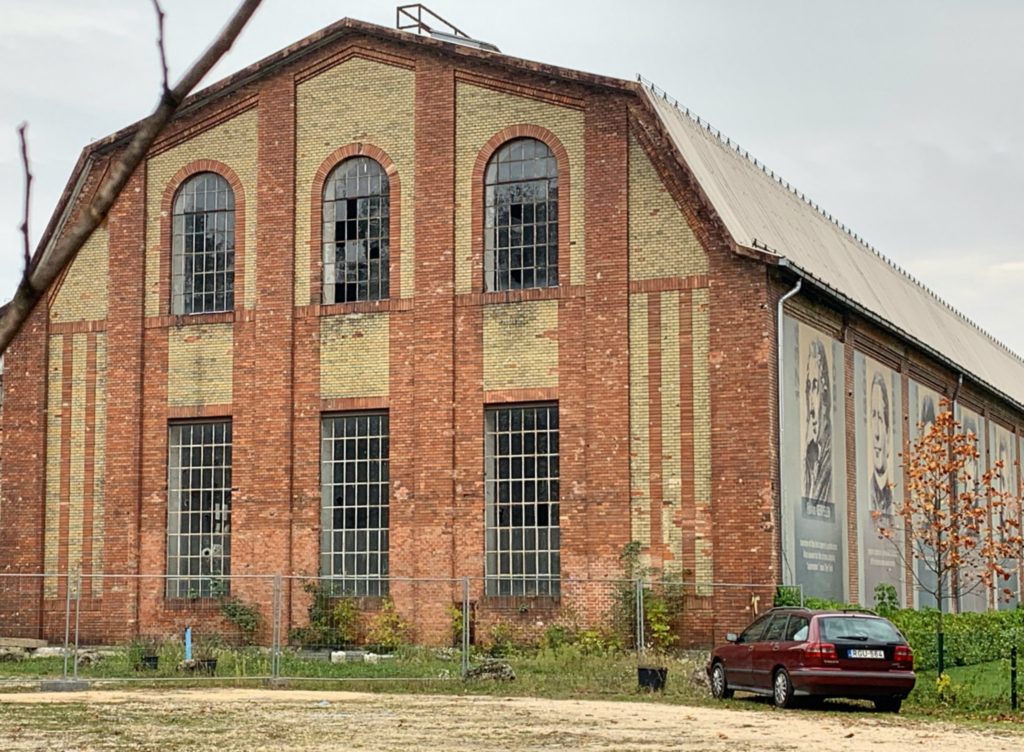
In the early 20th century fuel and lighting gas used in Hungary was manufactured from coal and because of the increasing consumption there was a need for modern, high capacity gas plants. The location of the gas plants was crucial, as they needed road, rail and waterway connection. The Óbuda Gas Works was inaugurated in 1914, it was the most advanced gas factory of the country producing 250 thousand cubic meters of gas every day. In the 1970’s natural gas became more accessible and cheaper and Budapest switched to natural gas. The Óbuda gas works was decommissioned in 1984.
The factory with its great colours and shapes might remind you of an abandoned castle with its four towers, they originally housed the turbines, control rooms and water towers.
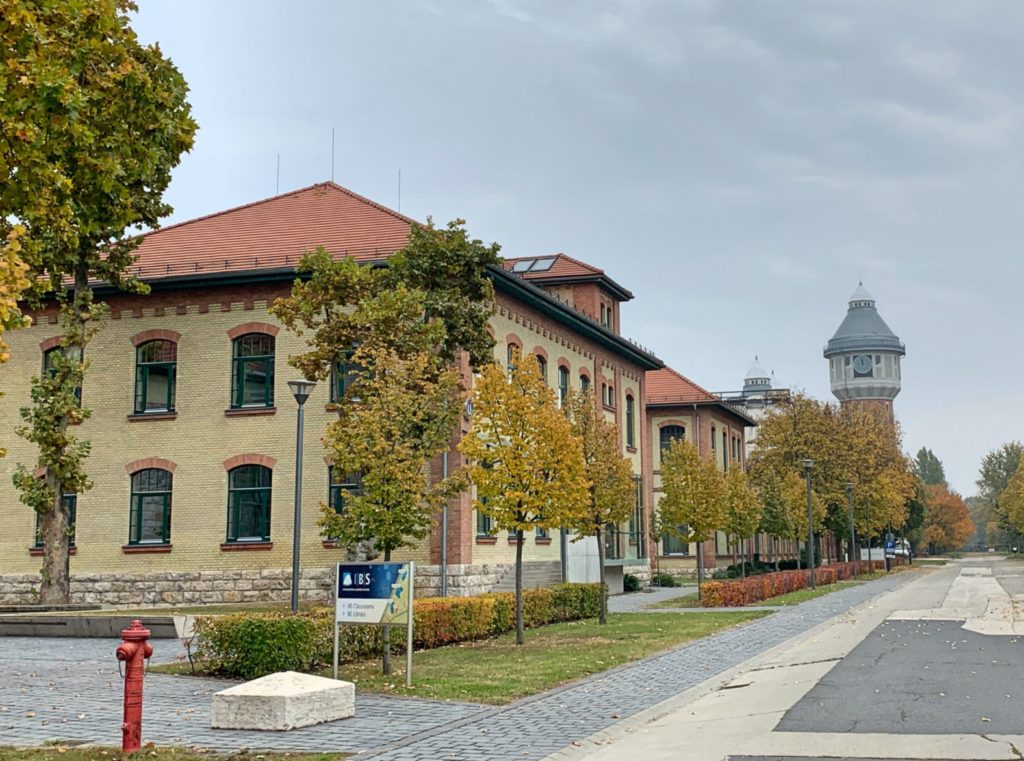
What I personally love about the place is that because of the generosity of the original owners of the factory, residential buildings had also been built for the employees, so that they could live close to their workplace. Two locations were created, a villa neighbourhood for managers and a more simple housing estate for the workers. Walking around the early 20th century buildings is like a real time travel.
Budapest Urban Exploration: Óbuda Gas Works
Budapest Urban Exploration: Óbuda Gas Works
Budapest Urban Exploration: Óbuda Gas Works
Budapest Urban Exploration: Óbuda Gas Works
Budapest Urban Exploration: Óbuda Gas Works
Budapest Urban Exploration: Óbuda Gas Works
Budapest Urban Exploration: Óbuda Gas Works
Budapest Urban Exploration: Óbuda Gas Works
Budapest Urban Exploration: Óbuda Gas Works
A short video shot in the building showing its decoy before it was finally restored a few years ago.
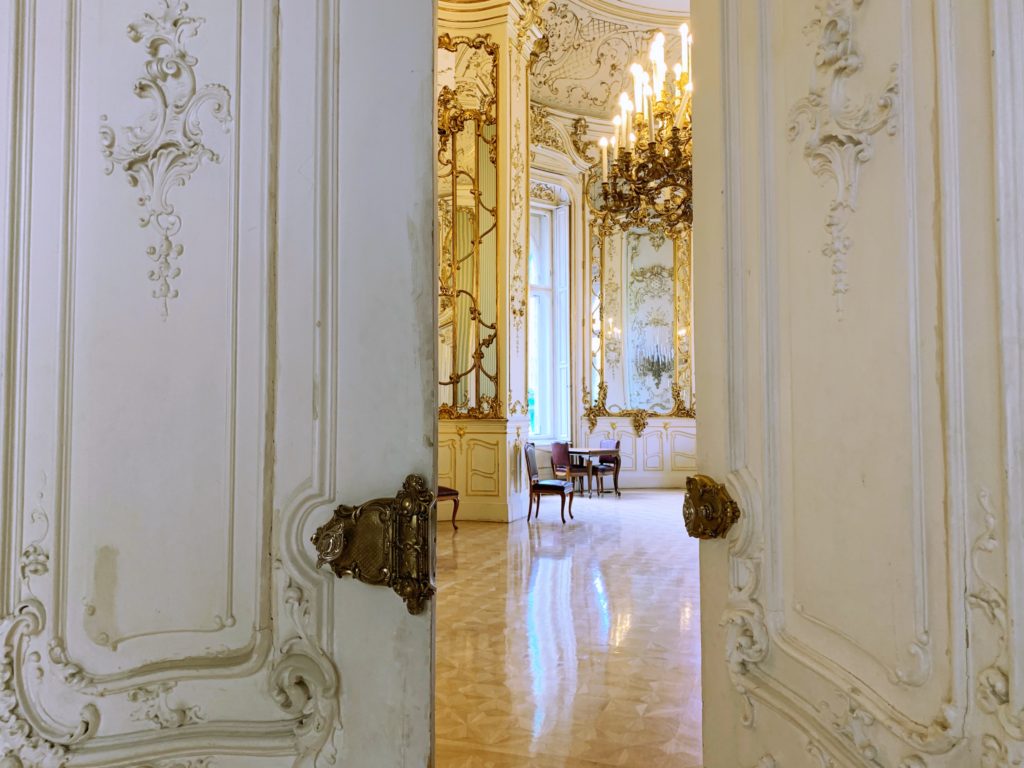
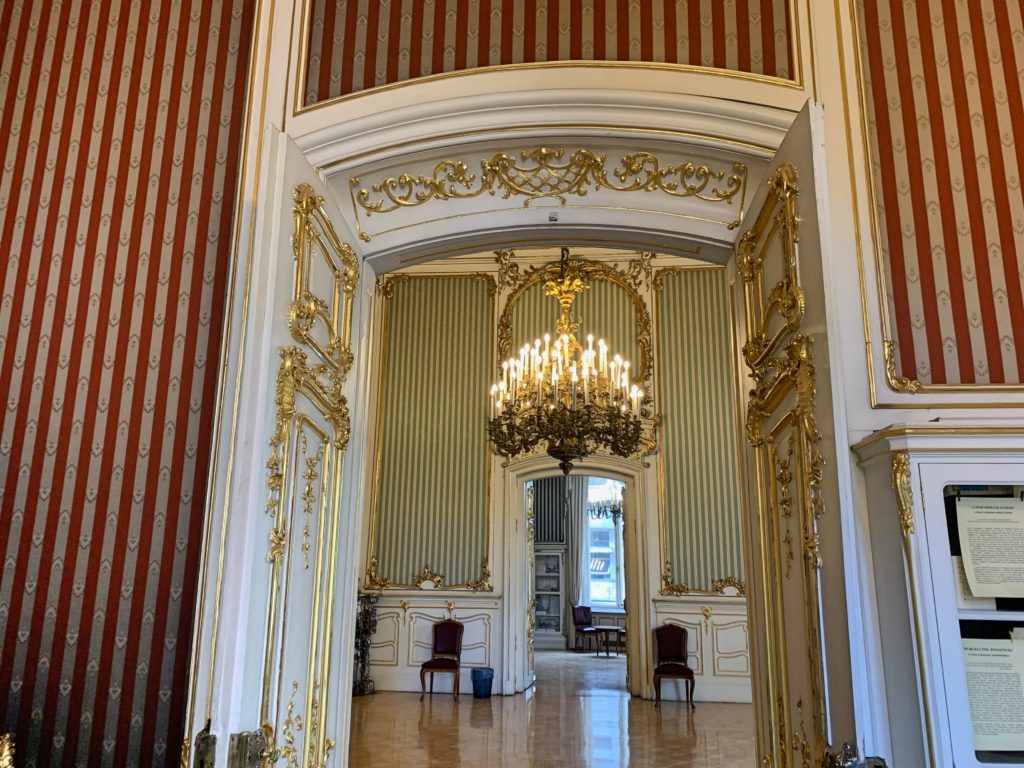
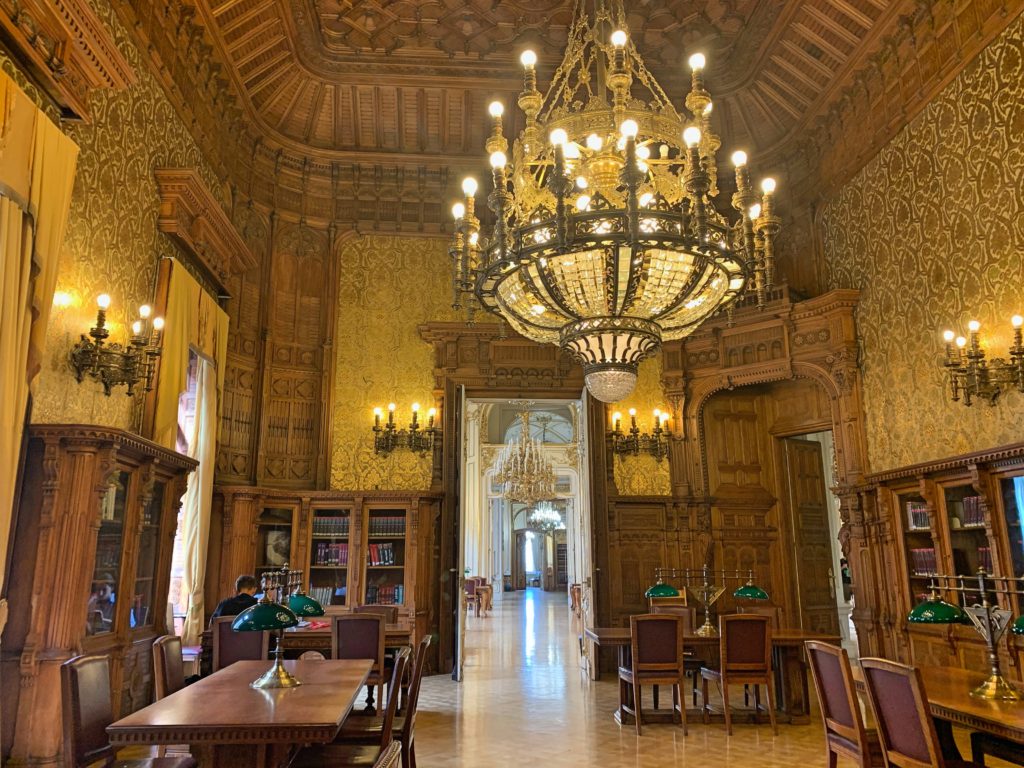
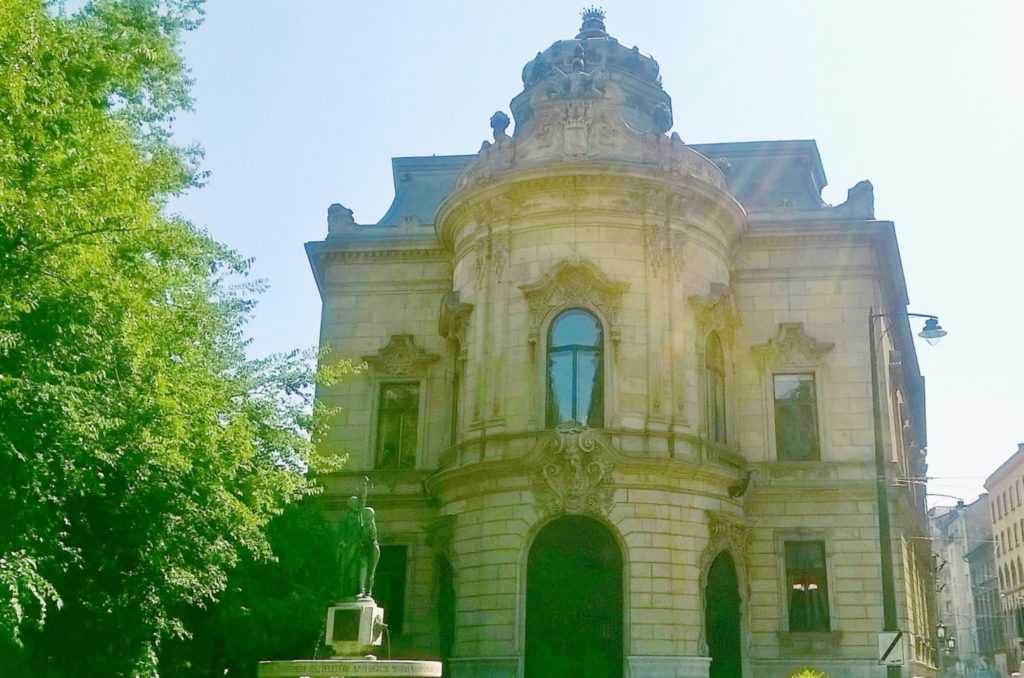
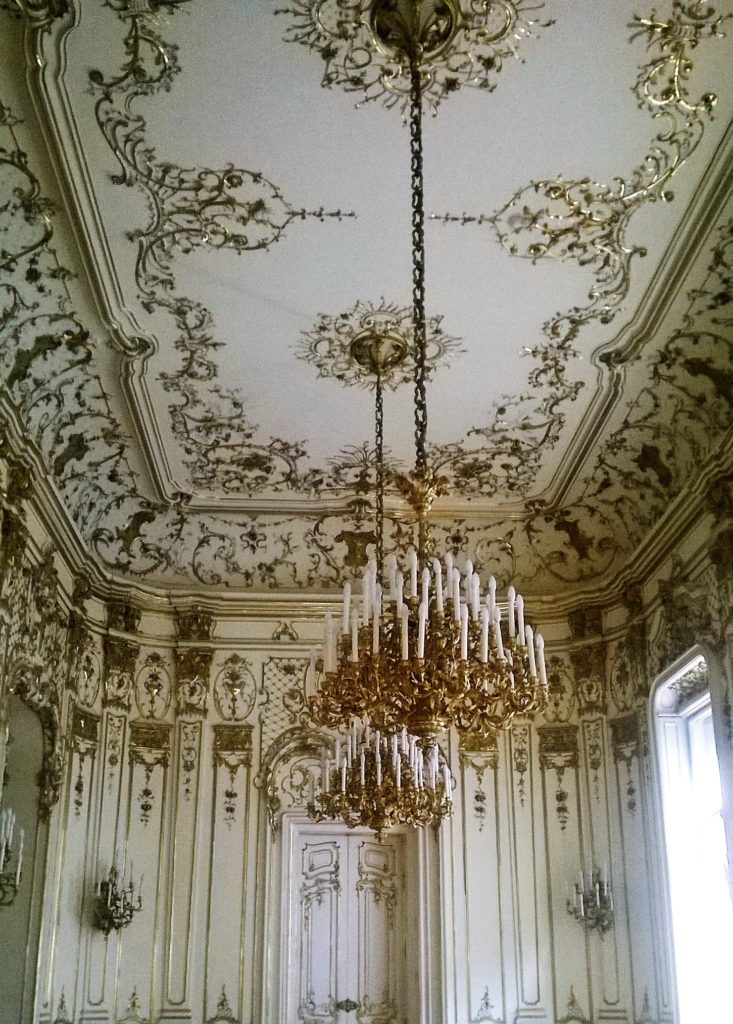
The home of the wealthy Wenckheim family, a jewellery box in the Palace Quarter of Budapest, the central building of the Budapest Metropolitan Library and an absolutely popular filming location: the Wenckheim Palace. The palace is from 1889 and was built in Neo-Baroque style for the family of count Frigyes Wenckheim and his wife Krisztina Wenckheim (yes, they were first cousins). Count Wenckheim was a rich landowner and Member of the Parliament. The building has always been considered one of the most beautiful palaces of the 8th district of Budapest. Its dance hall is beautifully ornate and spacious, it could - and probably did - accommodate 500 guests at a time. The Wenckheim family was famous for their elegant and magnificent receptions and balls, even Emperor Franz Joseph was one of the illustrious guests. The central building of the Budapest Metropolitan Library opened here in 1931 and it soon became a popular place for students, researchers and academics spending long hours in the historical halls. Many Hollywood movies were also filmed in the Wenckheim Palace, including "𝑹𝒆𝒅 𝑺𝒑𝒂𝒓𝒓𝒐𝒘", "𝑻𝒉𝒆 𝑨𝒍𝒊𝒆𝒏𝒊𝒔𝒕", "𝑺𝒑𝒚" and "𝑻𝒉𝒆 𝑷𝒉𝒂𝒏𝒕𝒐𝒎 𝒐𝒇 𝒕𝒉𝒆 𝑶𝒑𝒆𝒓𝒂". Wenckheim Palace BudapestWenckheim Palace BudapestWenckheim Palace BudapestWenckheim Palace BudapestWenckheim Palace BudapestWenckheim Palace Budapest
The home of the wealthy Wenckheim family, a jewellery box in the Palace Quarter of Budapest, the central building of the Budapest Metropolitan Library and an absolutely popular filming location: the Wenckheim Palace.
The palace is from 1889 and was built in Neo-Baroque style for the family of count Frigyes Wenckheim and his wife Krisztina Wenckheim (yes, they were first cousins). Count Wenckheim was a rich landowner and Member of the Parliament. The building has always been considered one of the most beautiful palaces of the 8th district of Budapest. Its dance hall is beautifully ornate and spacious, it could – and probably did – accommodate 500 guests at a time. The Wenckheim family was famous for their elegant and magnificent receptions and balls, even Emperor Franz Joseph was one of the illustrious guests.
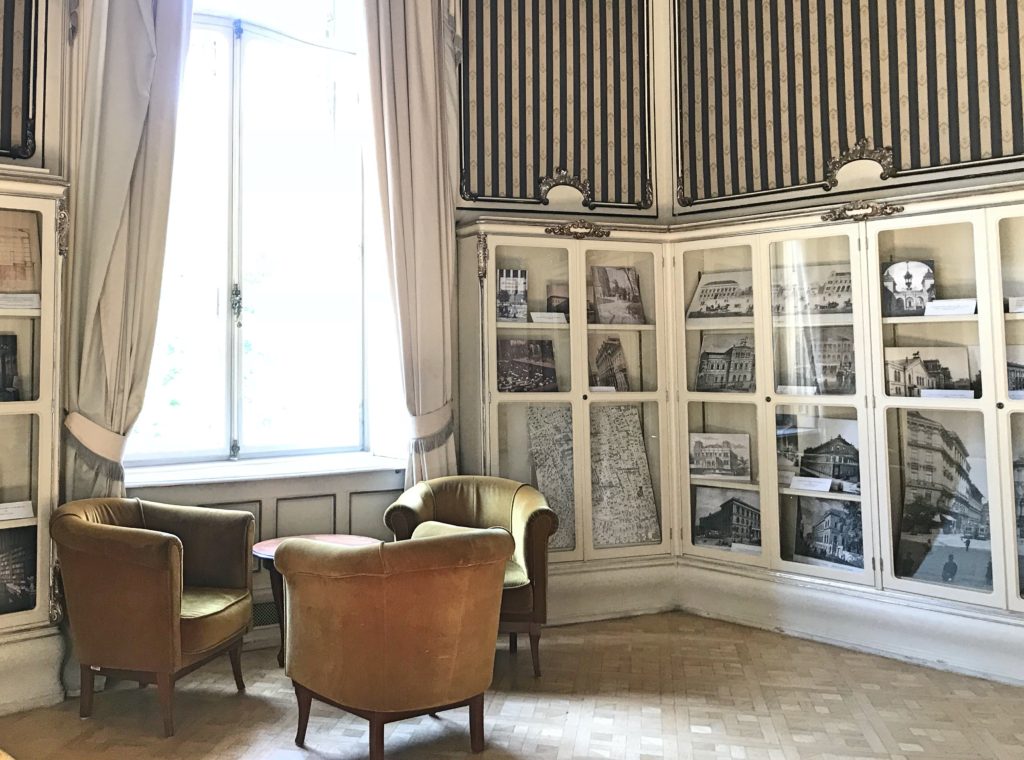
The central building of the Budapest Metropolitan Library opened here in 1931 and it soon became a popular place for students, researchers and academics spending long hours in the historical halls.
Many Hollywood movies were also filmed in the Wenckheim Palace, including “𝑹𝒆𝒅 𝑺𝒑𝒂𝒓𝒓𝒐𝒘”, “𝑻𝒉𝒆 𝑨𝒍𝒊𝒆𝒏𝒊𝒔𝒕”, “𝑺𝒑𝒚” and “𝑻𝒉𝒆 𝑷𝒉𝒂𝒏𝒕𝒐𝒎 𝒐𝒇 𝒕𝒉𝒆 𝑶𝒑𝒆𝒓𝒂”.
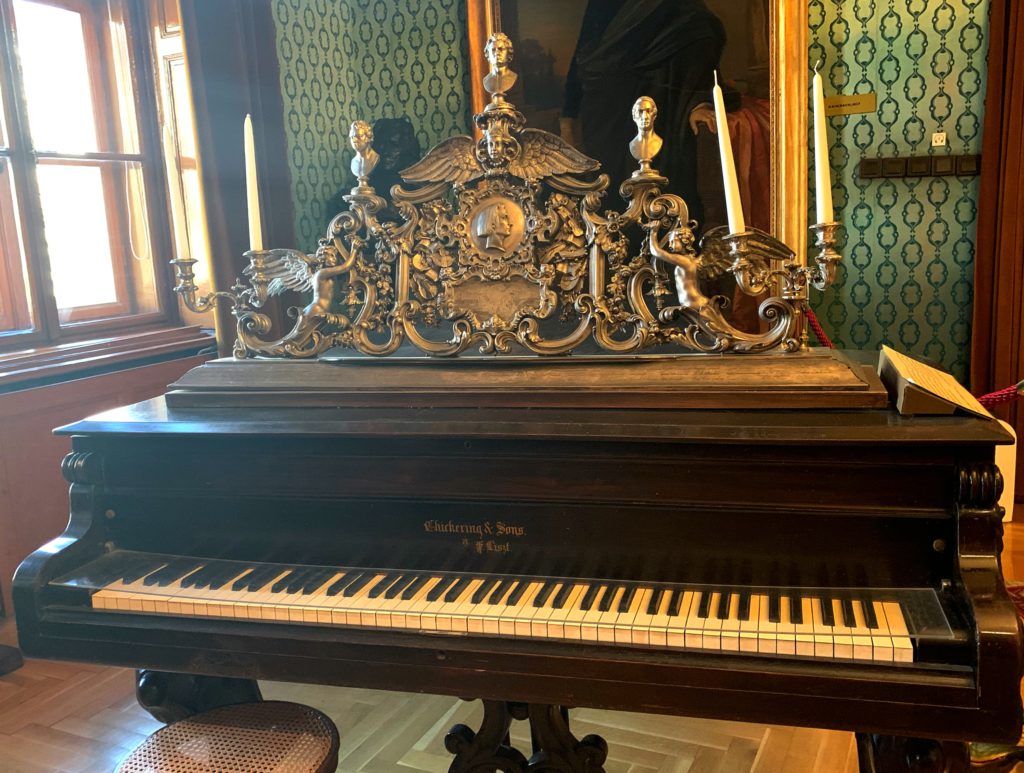
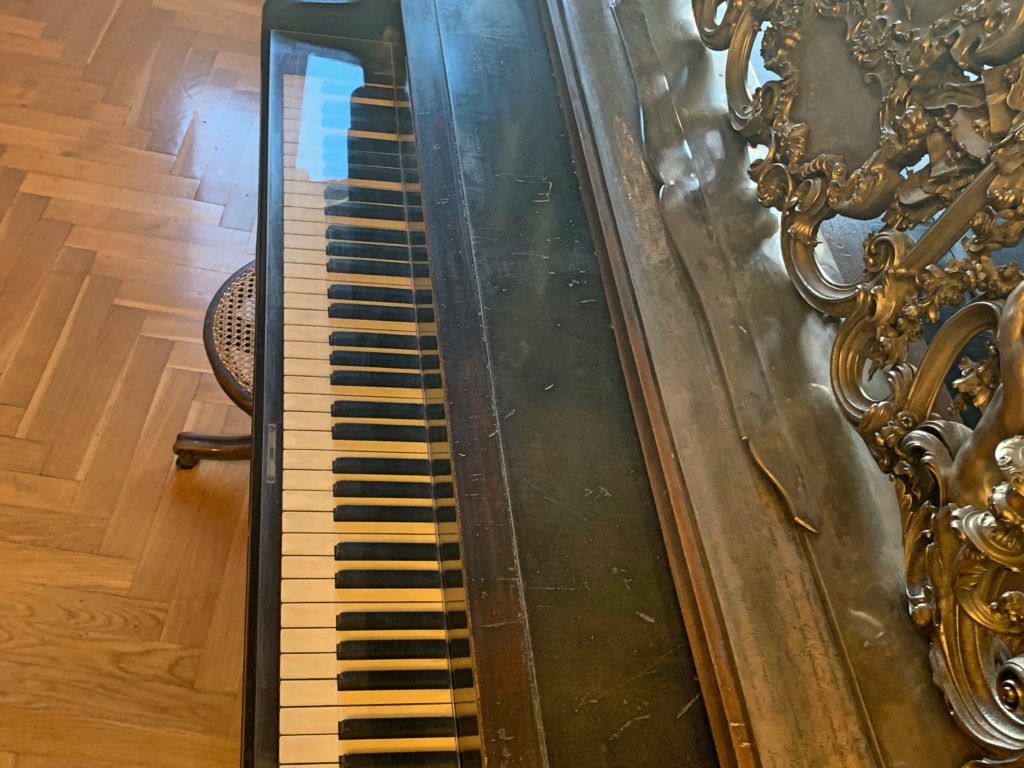
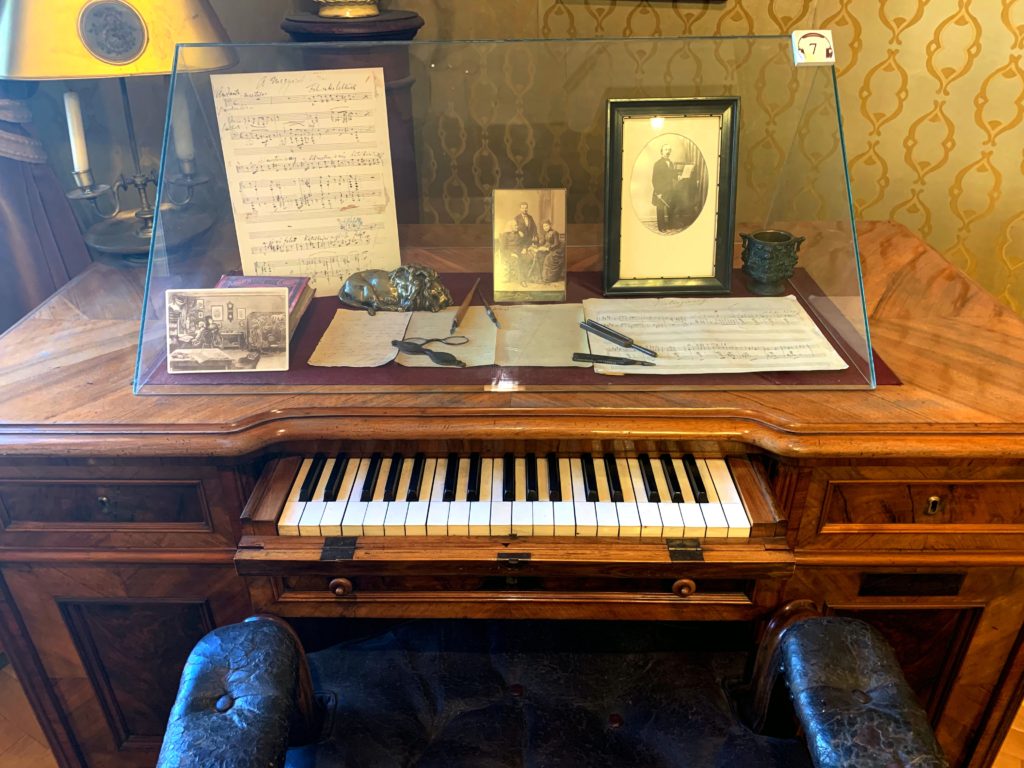
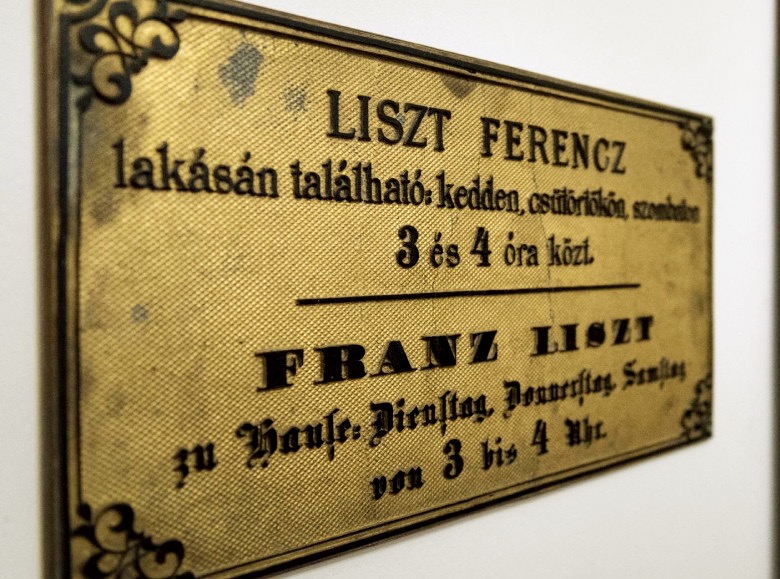
The Budapest home of Liszt is surprisingly modest with only two rooms, one of them serving as bedroom and study at the same time but it's nevertheless full of treasures. The Budapest home of the one and only Hungarian composer universally renowned as one of the greatests of the 19th century was on the elegant Andrássy avenue. His home is a museum now and it's a remarkably valuable collection of objects: personal items and amazing instruments of music. My favourite piece is a music composing desk with a built-in three-octave piano keyboard, specially designed for Liszt in the 1870's. I also love the ornate music stand that Liszt received as a gift in 1858 and thanked it by saying: "I wish to produce soon some works worthy of being offered as an homage to the three patrons of music: Beethoven, Weber and Schubert" - whose busts decorate the wonderful piece. Although Liszt only welcomed visitors in his home on Tuesday, Thursday and Saturday afternoons, the museum is open to visitors every day except Sundays. Ferenc Liszt Memorial Museum BudapestFerenc Liszt Memorial Museum BudapestFerenc Liszt Memorial Museum BudapestFerenc Liszt Memorial Museum Budapest
The Budapest home of Liszt is surprisingly modest with only two rooms, one of them serving as bedroom and study at the same time but it’s nevertheless full of treasures. The Budapest home of the one and only Hungarian composer universally renowned as one of the greatests of the 19th century was on the elegant Andrássy avenue.
His home is a museum now and it’s a remarkably valuable collection of objects: personal items and amazing instruments of music. My favourite piece is a music composing desk with a built-in three-octave piano keyboard, specially designed for Liszt in the 1870’s. I also love the ornate music stand that Liszt received as a gift in 1858 and thanked it by saying: “I wish to produce soon some works worthy of being offered as an homage to the three patrons of music: Beethoven, Weber and Schubert” – whose busts decorate the wonderful piece.
Although Liszt only welcomed visitors in his home on Tuesday, Thursday and Saturday afternoons, the museum is open to visitors every day except Sundays.
I'm aware that some of you were planning to visit Budapest in November and December and decided to cancel or postpone your visit, although it's hard to see what we can expect the next weeks and months and the government's actions are also hard to anticipate. Yes, we've been experiencing the resurgence of the COVID-19 virus since the middle of August after successfully slowing the outbreaks earlier in the year. The last time I shared information about the numbers was in June, four months ago there were 3892 confirmed cases and 527 people died. As of today, there are 31480 confirmed cases (+ 700%) and 833 people died (+60%). Because of the limited testing capacities we are not sure about the accuracy of these numbers but they are worrying nevertheless. Because of the increasing numbers many countries around the world advise their nationals against all but essential international travel to Hungary. Lockdowns and other strict measures to protect public health were imposed quickly in spring and that led to record low number of registered cases and deaths. This is a very different situation now, as the government refuses to re-impose strict health measures and at the same time to offer financial help to businesses badly affected by COVID-19. A personal note: self employed tour guides can't expect any help from the government, financial or other. So, here are the rules: physical distancing of 1,5 meters is to be kept, face masks (medical or textile masks that cover the nose and mouth) are mandatory in shops, in taxis, on public transport and at public transport stations, in theatres, cinemas and shopping malls,restaurants, cafés and bars are to close at 11.00 PM. And here are the rules about entering Hungary (from the 1st of September until further notice): only Hungarian citizens and
I’m aware that some of you were planning to visit Budapest in November and December and decided to cancel or postpone your visit, although it’s hard to see what we can expect the next weeks and months and the government’s actions are also hard to anticipate.
Yes, we’ve been experiencing the resurgence of the COVID-19 virus since the middle of August after successfully slowing the outbreaks earlier in the year. The last time I shared information about the numbers was in June, four months ago there were 3892 confirmed cases and 527 people died. As of today, there are 31480 confirmed cases (+ 700%) and 833 people died (+60%). Because of the limited testing capacities we are not sure about the accuracy of these numbers but they are worrying nevertheless. Because of the increasing numbers many countries around the world advise their nationals against all but essential international travel to Hungary.
Lockdowns and other strict measures to protect public health were imposed quickly in spring and that led to record low number of registered cases and deaths. This is a very different situation now, as the government refuses to re-impose strict health measures and at the same time to offer financial help to businesses badly affected by COVID-19. A personal note: self employed tour guides can’t expect any help from the government, financial or other.
So, here are the rules:
physical distancing of 1,5 meters is to be kept,
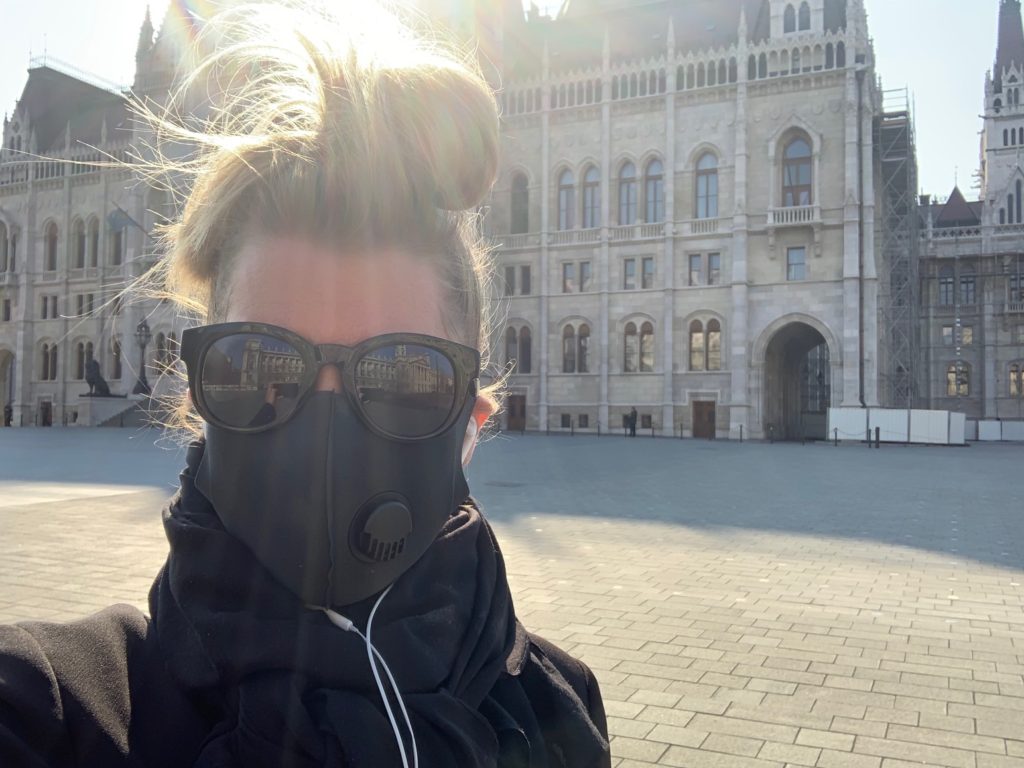
face masks (medical or textile masks that cover the nose and mouth) are mandatory in shops, in taxis, on public transport and at public transport stations, in theatres, cinemas and shopping malls,
restaurants, cafés and bars are to close at 11.00 PM.
And here are the rules about entering Hungary (from the 1st of September until further notice):
only Hungarian citizens and foreign citizens who have a permanent Hungarian residence permit can enter Hungary in passenger traffic and they are subject to home quarantine for 10 days,
foreign citizens are not allowed to enter Hungary, (entry into Hungary from the Czech Republic, Poland and Slovakia is regulated separately), the exceptions:
foreign citizens who arrive to Hungary for international sports or cultural events can enter Hungary without restriction (they must have a negative PCR test result performed within 3 days prior to entry and an authentic ticket for the sports or cultural event),
foreign citizens studying in Hungary or participating in family events might be exempted from the prohibition,
foreign citizens who arrive to Hungary to perform some business or economic activity are also exempted from the prohibition.
So, if you’re coming to Budapest for either sports, cultural or business reasons, don’t hesitate to get in touch to discuss the options of a 100% safe Social Distancing tour, believe me, Budapest is so beautiful, it’s safe and most of the sights and attractions are entirely deserted.
And, don’t forget about Virtual Tours, a great live, personal experience to visit Budapest from the comfort of your armchair and to support Budapest tourism.
As always, stay safe, stay healthy and stay happy!