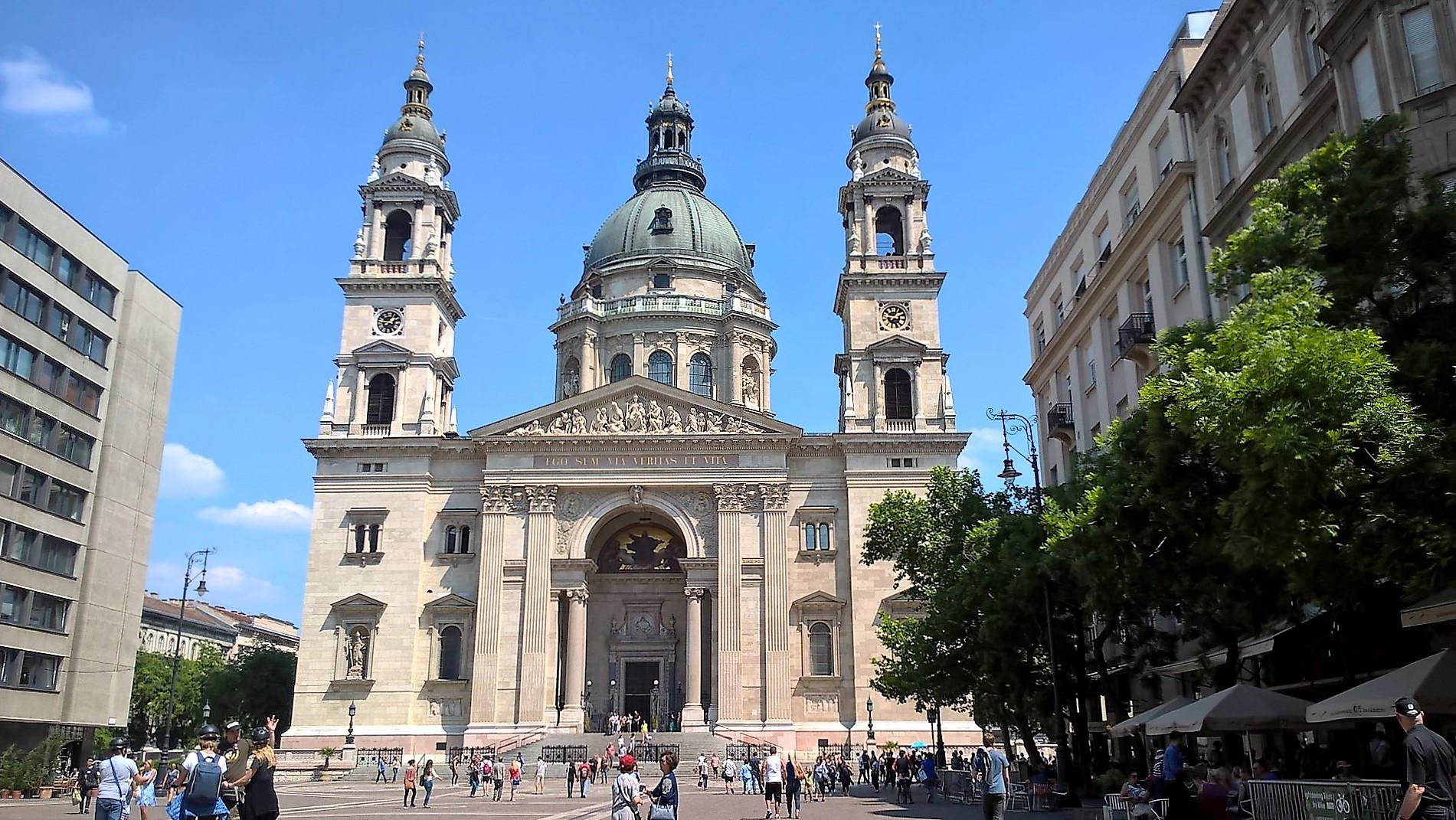
Dominating the skyline of Budapest, St. Stephen’s Basilica is one of the city’s most important landmarks—and a building that reveals something new every time you visit.

It is the largest church in Budapest and the third largest in Hungary, both a spiritual center and a powerful symbol of Hungarian history. Whether admired from the outside, explored inside, or viewed from above, the Basilica is an essential stop on any walk through the heart of the city.

A Church Built Over Generations

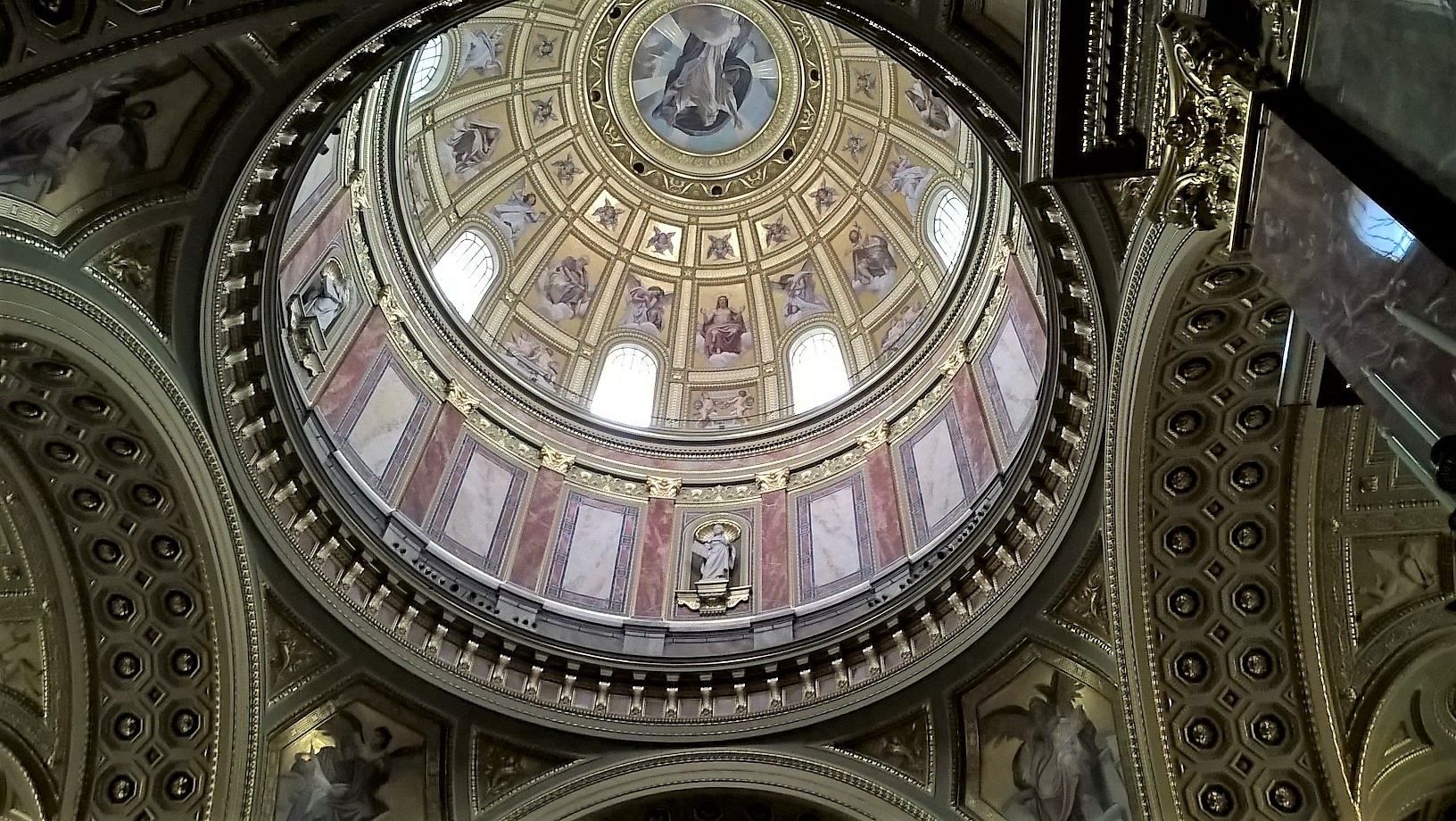
Construction of St. Stephen’s Basilica took more than 54 years, and the long building process is reflected in its architectural richness. The final result combines elements of Baroque, Neo-Renaissance, and Classicism, shaped by the visions of three different architects.

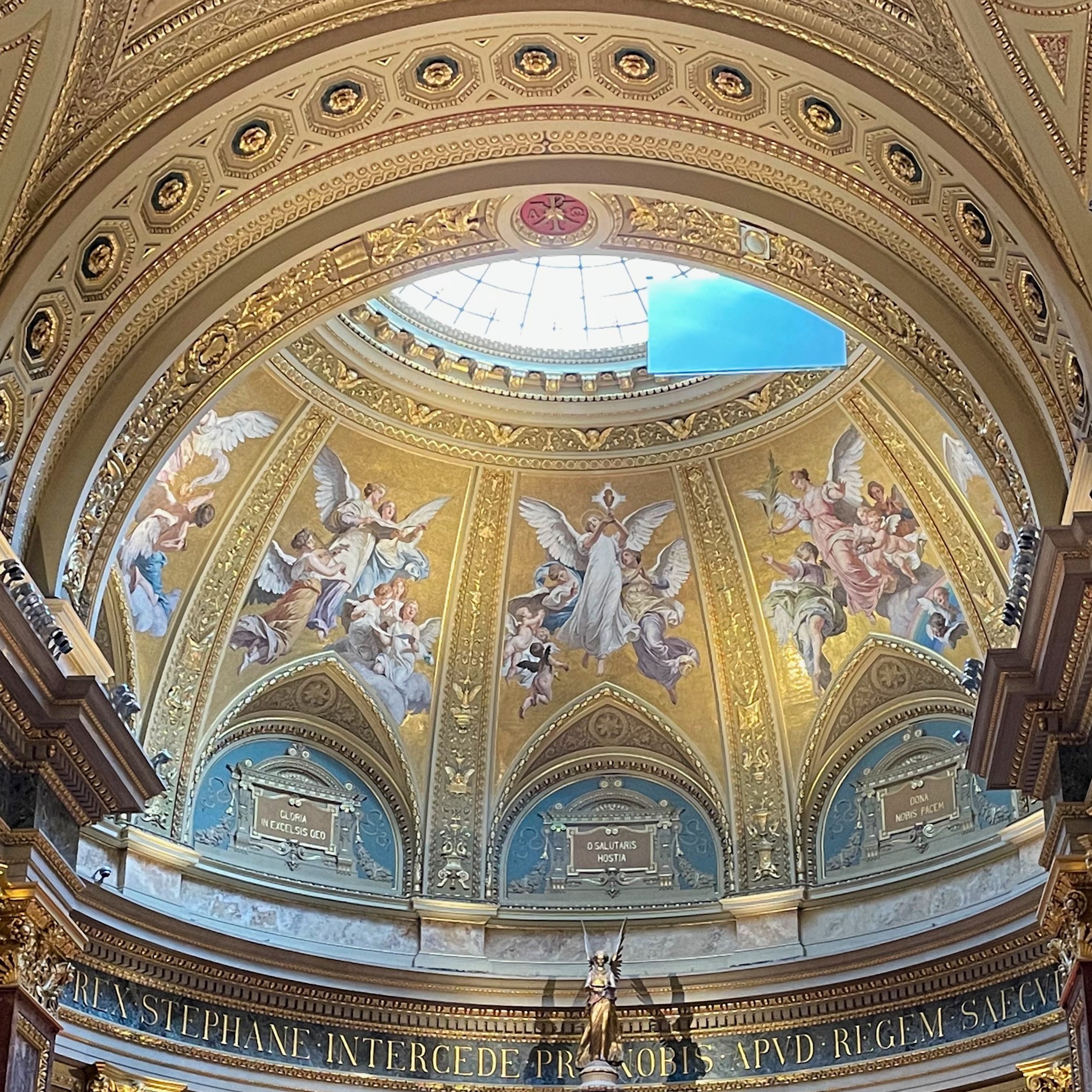
From the outside, the symmetrical façade and towering dome create a sense of balance and grandeur. Inside, the atmosphere shifts to one of quiet opulence: red marble columns, richly decorated chapels, mosaics, and ornaments highlighted with 22-carat gold make this the most lavishly decorated church in Budapest.

A Living Part of the City

Despite its monumental appearance, the Basilica is very much a working church. Regular services, wedding ceremonies, and organ concerts take place here, and the building plays an active role in both religious and cultural life.

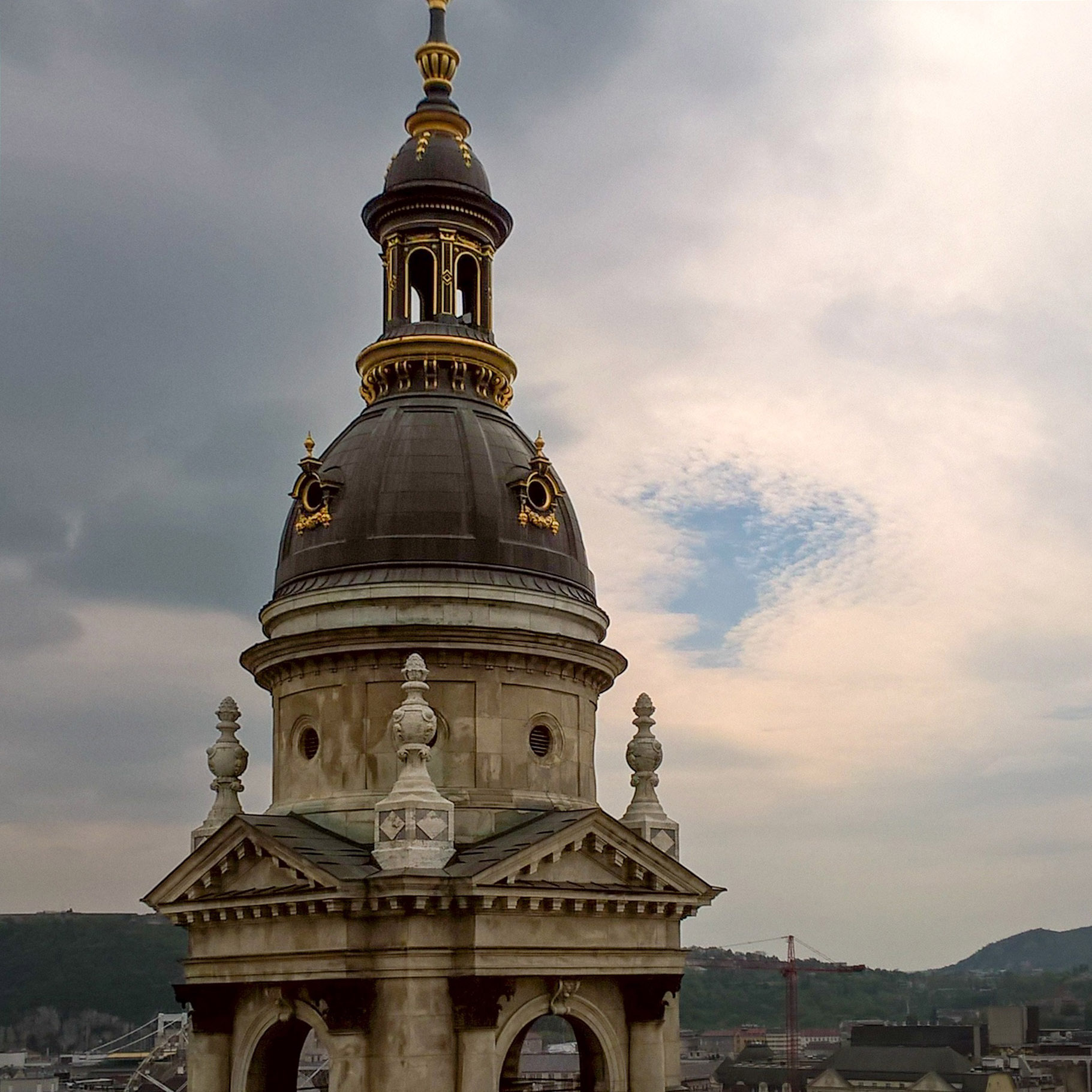
One of the most memorable experiences is ascending to the dome—either by climbing the steps or using the elevator. From the top, you’re rewarded with one of the finest panoramic views over the Pest side of Budapest, with rooftops, boulevards, and landmarks unfolding beneath you.

Hungary’s Most Important Relic

St. Stephen’s Basilica is not only architecturally impressive; it also houses one of Hungary’s most treasured national relics: the Holy Right—the mummified right hand of Saint Stephen of Hungary, the country’s first king and founder of the Hungarian state.

This nearly 1,000-year-old relic is deeply symbolic and plays a central role in national celebrations, especially on St. Stephen’s Day in August. Even for visitors without a religious background, understanding its significance offers valuable insight into Hungarian history and identity.

A Key Stop on a Pest Walk

Because of its central location, St. Stephen’s Basilica fits naturally into many Budapest walking tours. But the building is best appreciated in context—through the surrounding streets, squares, and stories that explain how this part of the city developed.

On my private tours, the Basilica is more than just a photo stop. It becomes a gateway to conversations about architecture, religion, everyday life, and the layers of history that shaped modern Budapest. Each visit is adapted to the interests and pace of my guests, whether they’re drawn to history, culture, or simply the beauty of the city.

Why St. Stephen’s Basilica Belongs on Every Visit

Few places in Budapest combine grandeur, history, spirituality, and everyday life as seamlessly as St. Stephen’s Basilica. It’s a landmark you can admire from afar—but one that truly comes alive when you step inside and explore its surroundings.

If you’d like to discover the Basilica and its neighborhood as part of a fully customisable private tour or a Budapest walking tour, I’d be delighted to show you this iconic building through local stories and personal insights.
The Budapest coffeehouse culture is more than 150 years old, and for generations cafés have been the beating heart of intellectual life, creativity, and social connection. These were not places for a quick espresso and takeaway cup, but living rooms of the city—spaces where people met to talk, debate, dream, write, and sometimes even change history.

Coffee in Budapest is never just about coffee.

Coffeehouses as the Soul of Budapest

In the late 19th and early 20th centuries, Budapest coffeehouses were places where writers, poets, journalists, and artists spent hours every day. Many of them practically lived there. Coffeehouses provided warmth, light, newspapers, ink, conversation, and inspiration—often all night long.

Legend has it that one Hungarian writer famously stole the keys of his favourite café and threw them into the Danube, ensuring the coffeehouse would stay open 24 hours a day. Whether entirely true or slightly exaggerated, the story perfectly captures how essential these places were to everyday life.

Even politics found its way into cafés. One of the most important moments of the Hungarian War of Independence began not on a battlefield, but with young revolutionaries gathering in a Pest coffeehouse, fuelled by coffee, ideas, and enthusiasm.

Grand Cafés and Everyday Rituals

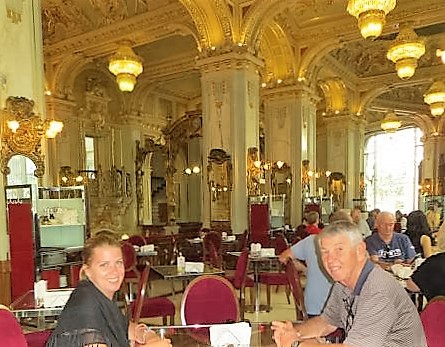
Budapest’s historic coffeehouses are famous for their elegant interiors: chandeliers, marble tables, mirrors, plush seating, and a sense of faded grandeur that still feels alive today. Some cafés became symbols of luxury and refinement, others of literary life or bohemian freedom—but all shared the same role as social spaces.

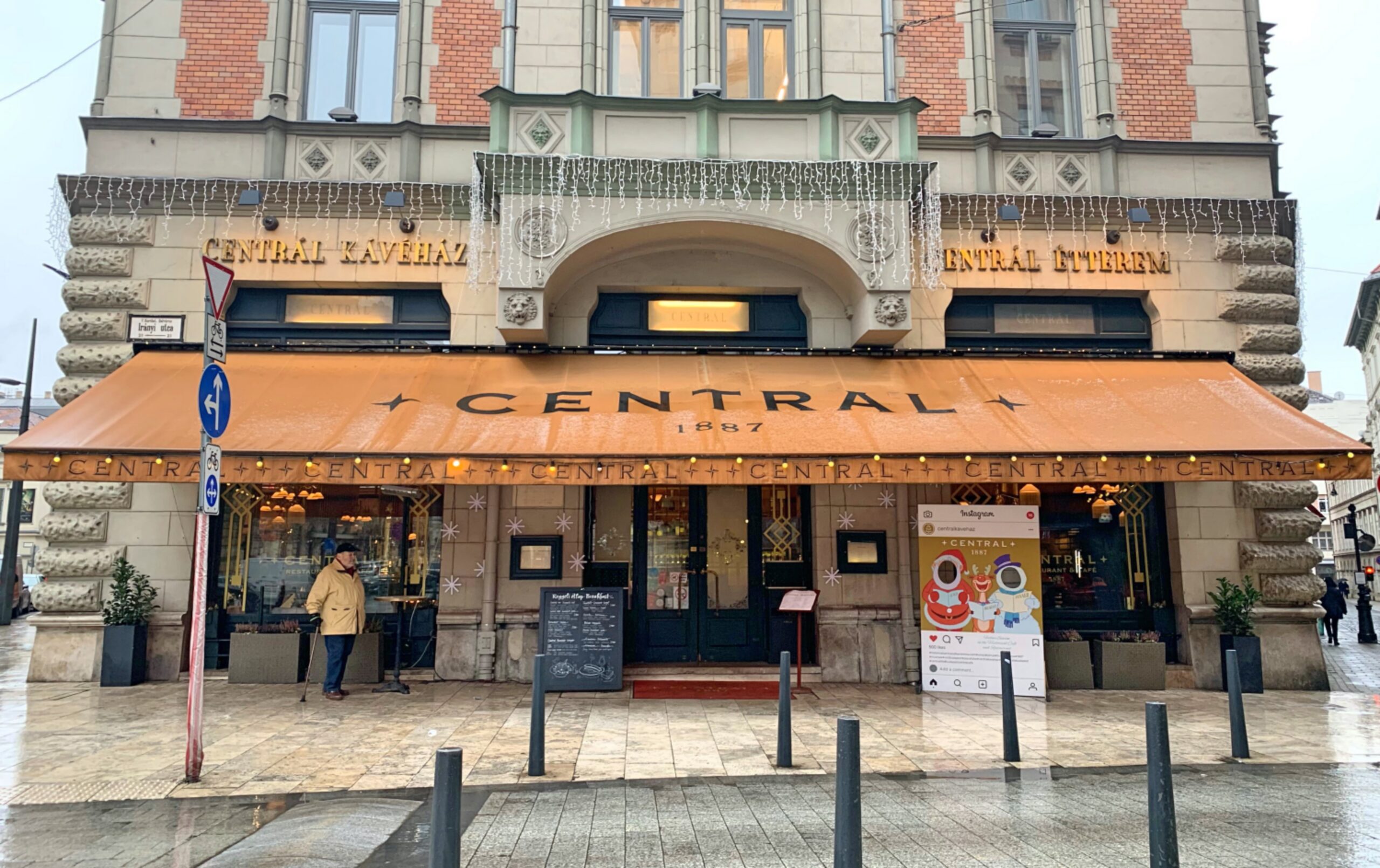
If you’d like to explore individual cafés in more detail, you can read more about some of the city’s most iconic places:

Each of these cafés tells a slightly different story—but together, they form the unique coffeehouse culture that still defines Budapest today.

Experiencing Coffeehouse Culture Today

What makes Budapest cafés special is that they are not just museums of the past. Locals still meet here to talk, read, work, and linger. Sitting down for coffee is an experience meant to be enjoyed slowly, ideally with a slice of cake and no rush to leave.

This is why coffeehouses fit so naturally into my Budapest Foodie Tour. Exploring the city through its cafés allows you to understand Budapest not only through sights, but through tastes, stories, and everyday rituals.

A Taste of Budapest Beyond Sightseeing

Whether you’re visiting for the first time or returning to the city, taking time for a café stop is one of the best ways to connect with Budapest’s atmosphere. Coffeehouses reveal how the city thinks, remembers, and relaxes.

So enjoy our coffee.
Enjoy the special atmosphere of Budapest cafés.
And if you’d like to discover the best places—historic and contemporary alike—I’d be delighted to show them to you on a Foodie Tour designed around your interests.


The Jewish Quarter Budapest is where past and present meet: vibrant cafés and street art beside synagogues and memorials. It’s hip, busy and full of surprises—but also a place of remembrance. Here’s what to see on a thoughtful walk—and how to explore with a private guide.

Highlights at a glance

The synagogue “triangle”

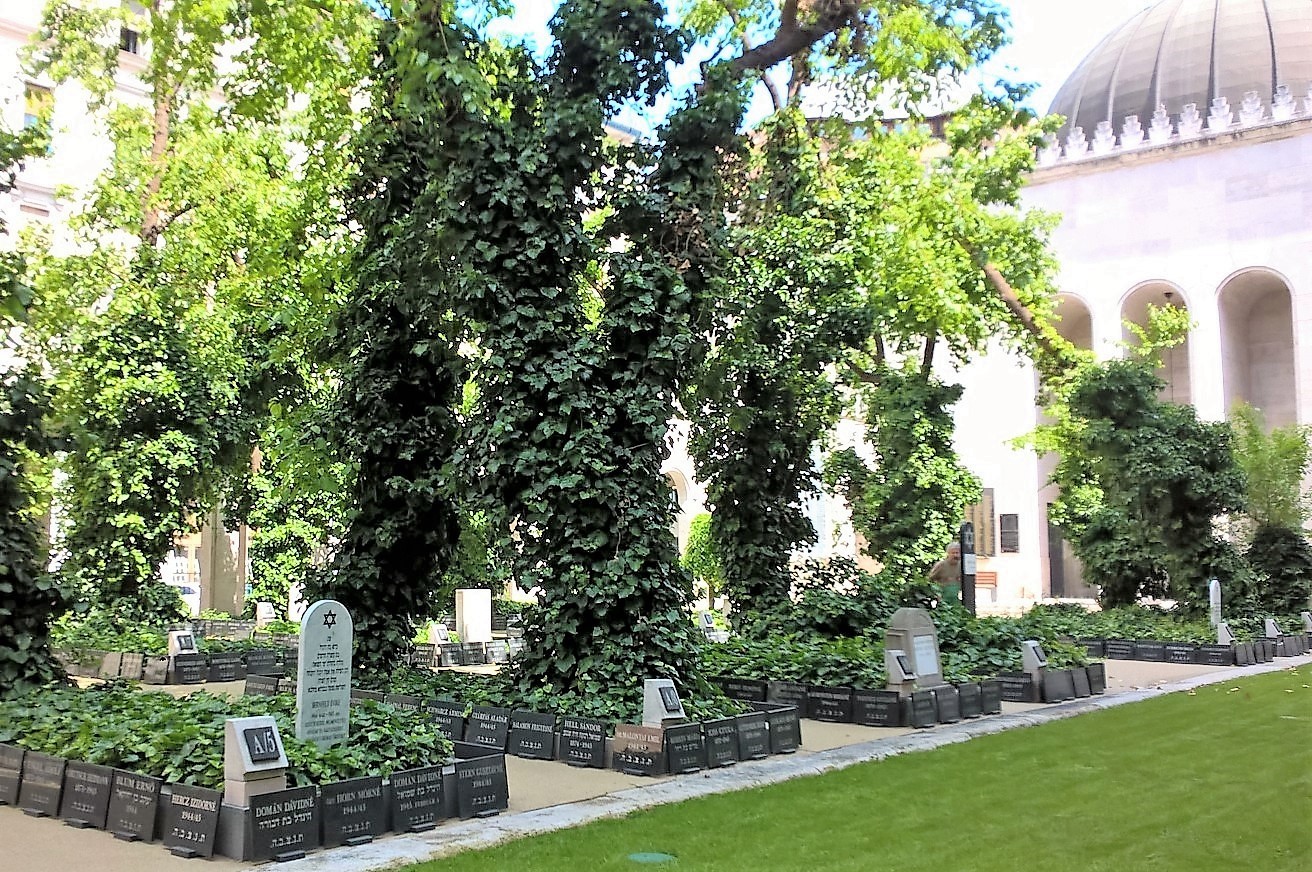
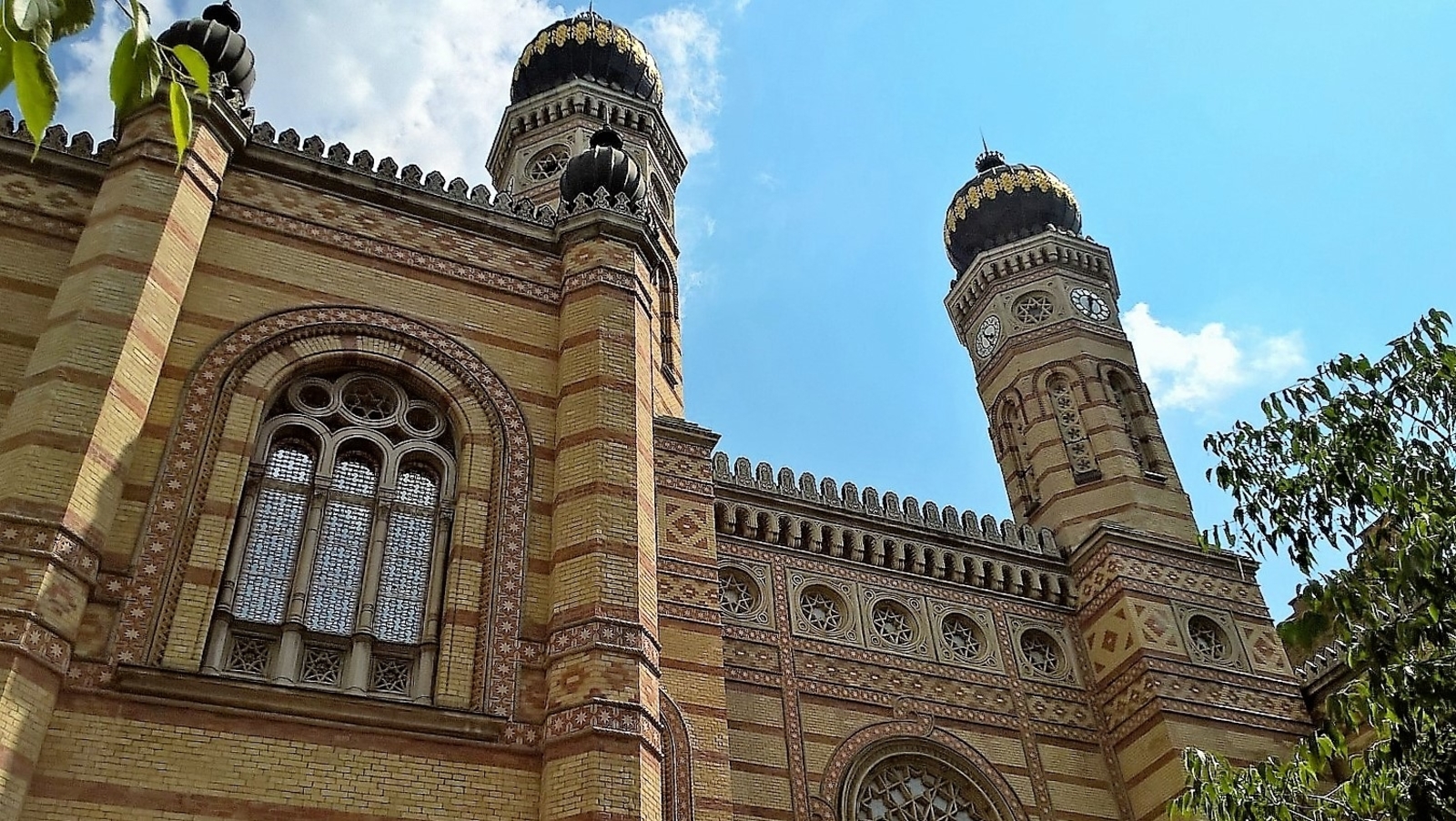
Start at the Great (Dohány Street) Synagogue, one of the largest in the world, with its Moorish Revival façade and peaceful courtyard. Continue to the beautifully restored Rumbach Street Synagogue and the colourful, Art Nouveau-inspired Kazinczy Street Synagogue (limited opening hours). Interior visits are possible—just check opening times or join a private Jewish Quarter tour for a smoother experience.

Remembrance in the neighborhood

During WWII, the area became the Budapest ghetto. You can still find a short section of the former ghetto wall and several memorials that honour victims and rescuers. I approach these sites with care, sharing context and personal stories that make history easier to grasp without overwhelming younger visitors.

Ruin pubs, cafés and street art

Today’s Quarter is also a creative hub. Ruin pubs and courtyard cafés bring life to once-empty buildings; murals and small galleries pop up on side streets. Between stops, I like to detour for a coffee or a slice of flódni and point out small architectural details many miss.

A reflective ending by the river

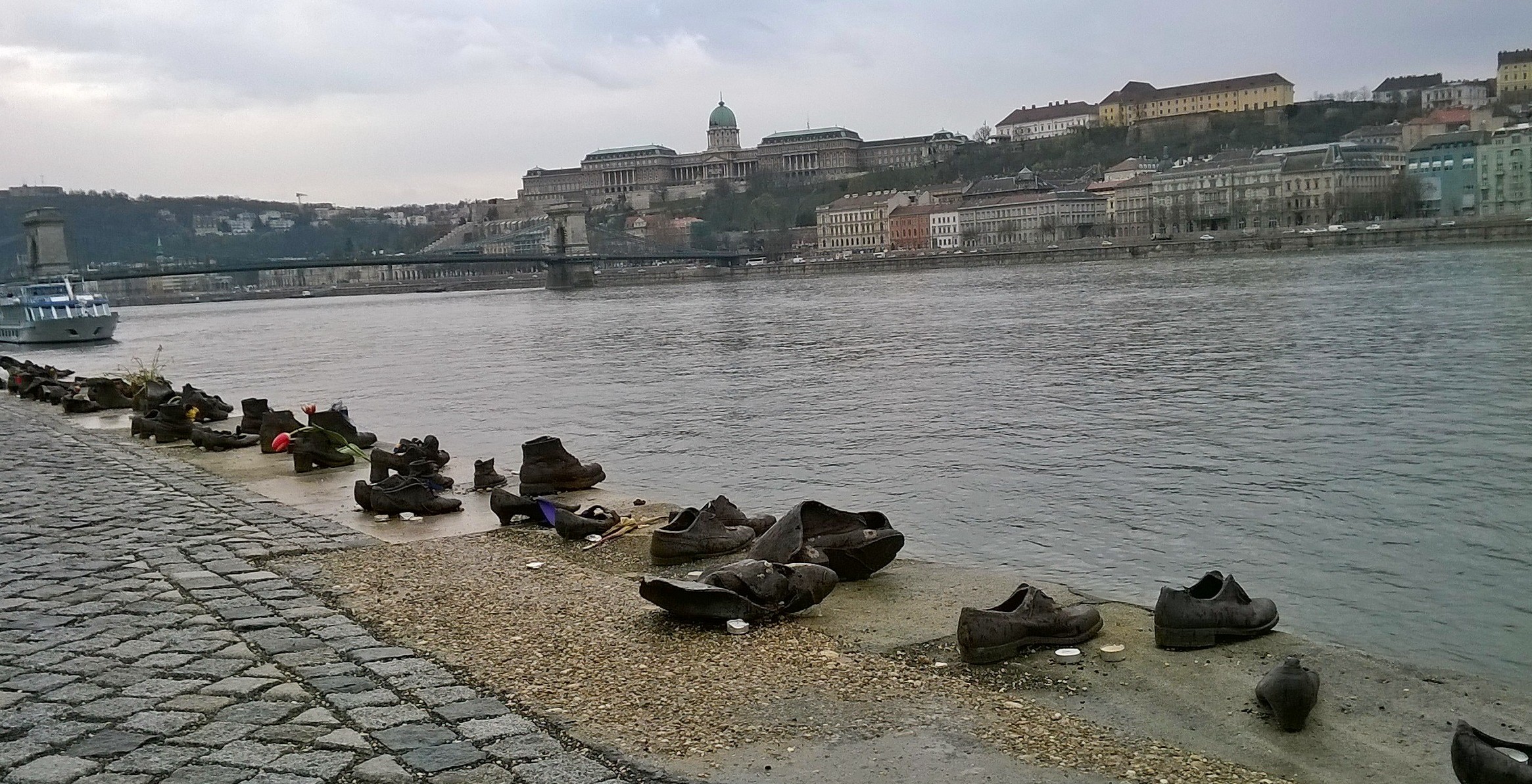
I often end this walk at the Shoes on the Danube Bank memorial. Simple and powerful, it’s a moment to pause after a day filled with stories.

Practical tips

  • Timing: Mornings are quieter; evenings are lively. Synagogues are closed on Saturday!

  • Pace & access: Flat route with frequent stops; easy to adapt for most visitors.

  • Inside visits: Synagogue interiors on request; entry tickets are separate (see the Great Synagogue’s opening hours).

  • Dress & respect: Synagogues are active places of worship—modest attire helps.

  • Private option: Prefer a tailored route at your pace? Book a private Jewish Quarter tour in English or French.

Explore the Jewish Quarter of Budapest with a private guide

Want deeper stories and stress-free logistics? I guide private tours for your group only (prices cover up to 4 people; ask for larger groups). If booking looks unavailable—or if you run into any issues—please contact me and I’ll try to accommodate.

👉 Book your private Jewish Quarter tour (4 hours; flexible start)