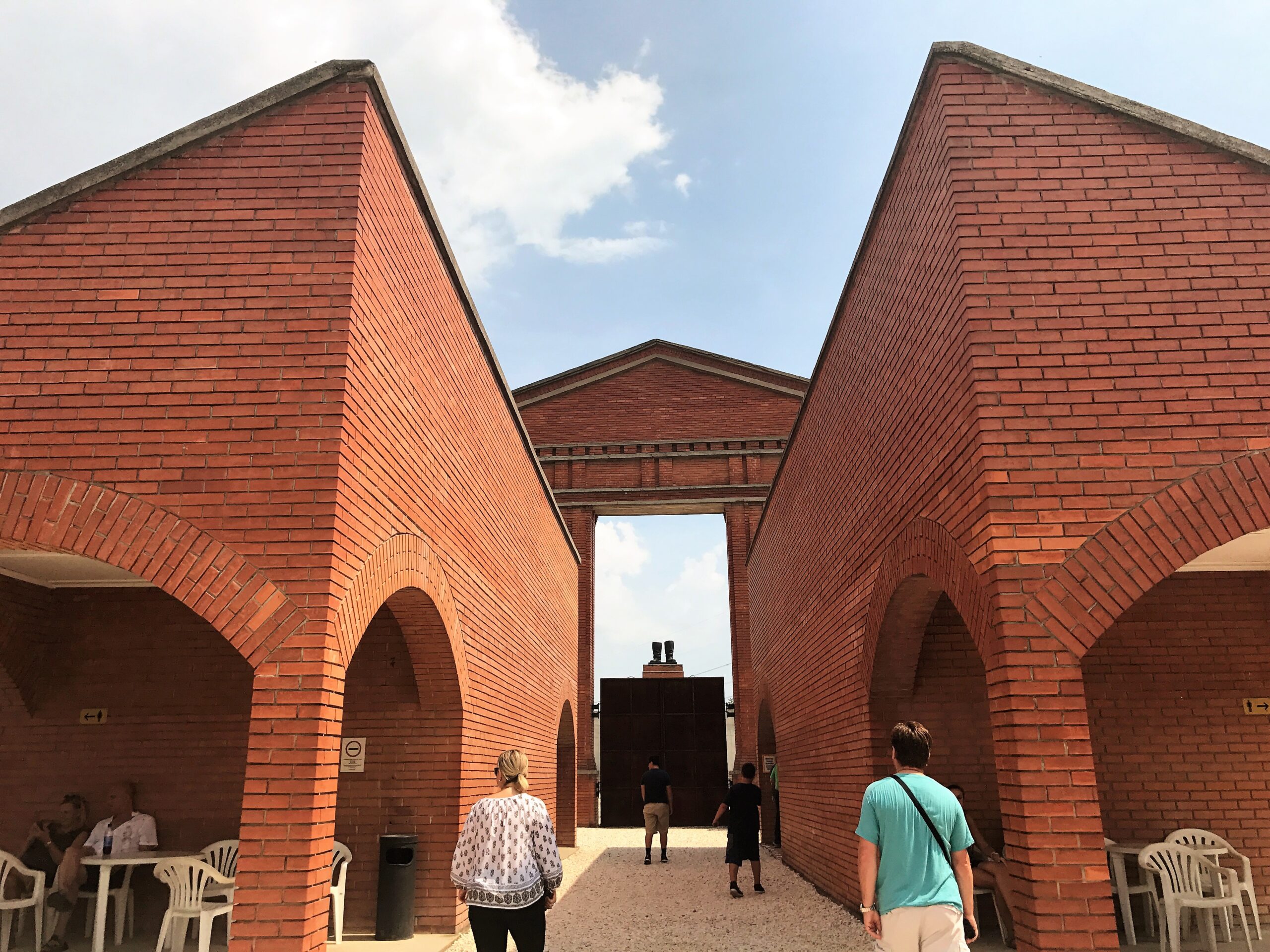
Budapest Memento Park is one of the most unusual and thought-provoking attractions in Budapest. Often described as an exhibition “in the shadow of Stalin’s boots,” this open-air museum offers a powerful insight into Hungary’s Communist past and the ideology that shaped public life for decades.

A visit here is not just about statues — it’s about understanding history, memory, and how societies deal with difficult legacies.

Why Memento Park Exists

After the political changes of 1989, Communist monuments were removed from Budapest’s streets. For many Hungarians, these statues were painful reminders of dictatorship, oppression, and the cult of personality surrounding Communist leaders.

While some locals supported destroying them altogether, a different solution was chosen. Selected monuments were relocated to a dedicated statue park in the 22nd district of Budapest, where they could be recontextualized rather than erased.

The conceptual designer of the park famously stated that the park is not about the statues or the sculptors, but rather a critique of the ideology that used monumental art as a symbol of absolute power.

Monumental Art and Communist Ideology

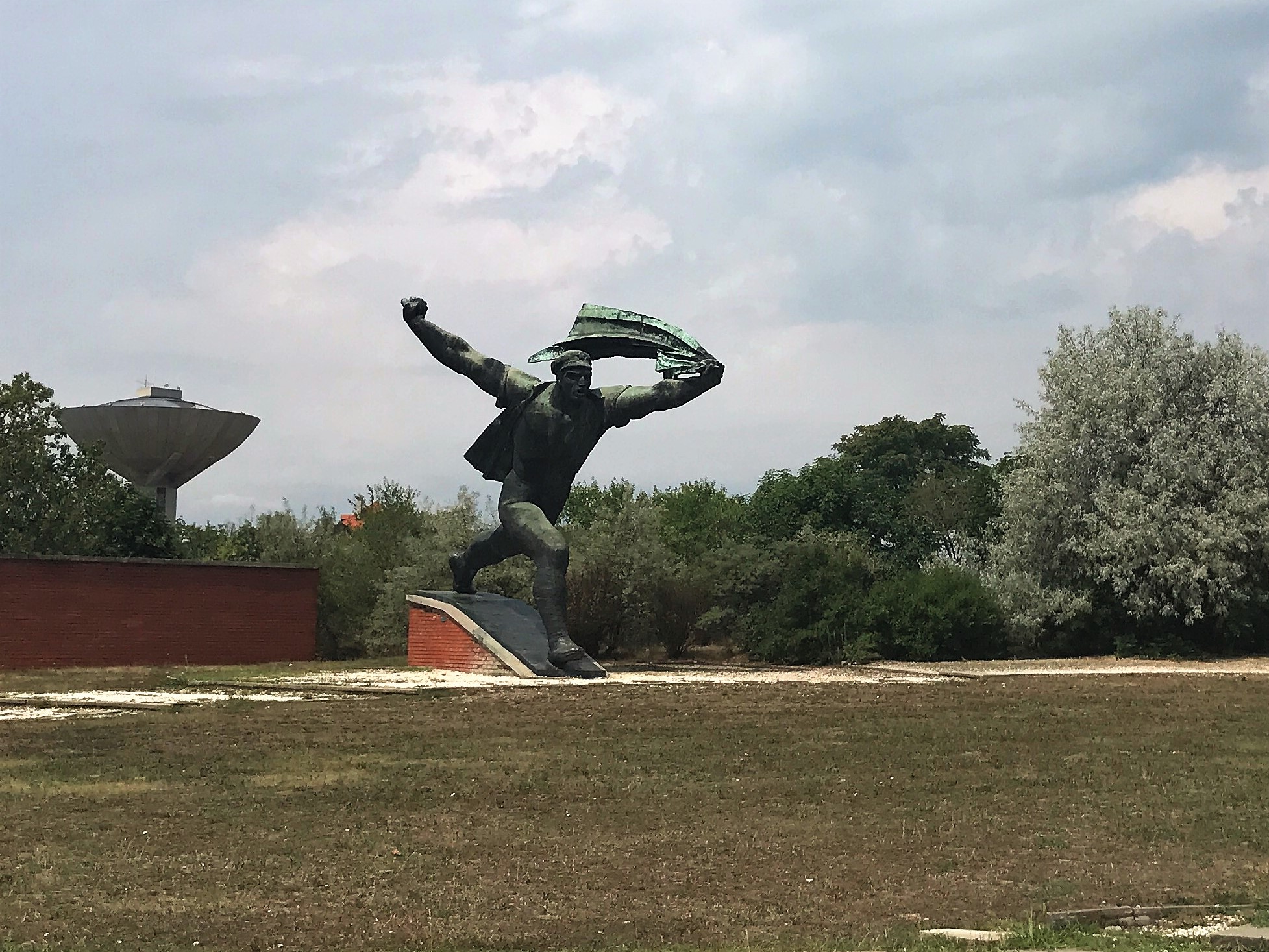
Walking through Memento Park, visitors encounter statues that once dominated public squares — heroic figures meant to be admired and obeyed by the proletariat. The exaggerated scale and dramatic poses reflect the monumentality of Communist-era art, whose purpose was to create new political idols.

One of the most striking symbols is the pair of Stalin’s boots, all that remains of a gigantic statue torn down during the Hungarian Revolution of 1956. The boots have since become one of the park’s most iconic and haunting images.

A Personal Perspective

I remember many of these statues standing on Budapest’s streets. They even had nicknames, and people created ironic or humorous stories about them — subtle acts of resistance in a tightly controlled society.

During my Communist and thematic tours, I love sharing these personal memories alongside historical context. I explain:

  • why certain monuments were removed

  • how propaganda worked through public art

  • what everyday life was like under Communism

  • and why Memento Park remains relevant today

Although the Communist era officially ended over three decades ago, its legacy is still close enough to feel personal — and far enough away to be examined critically.

Visiting Memento Park Today

A visit to Memento Park is especially rewarding for travelers interested in:

  • 20th-century European history

  • life behind the Iron Curtain

  • political symbolism and propaganda

  • alternative, off-the-beaten-path sights in Budapest

It’s a powerful addition to a Budapest Communist tour and a place that often sparks meaningful conversations long after the visit ends.

The Budapest coffeehouse culture is more than 150 years old, and for generations cafés have been the beating heart of intellectual life, creativity, and social connection. These were not places for a quick espresso and takeaway cup, but living rooms of the city—spaces where people met to talk, debate, dream, write, and sometimes even change history.

Coffee in Budapest is never just about coffee.

Coffeehouses as the Soul of Budapest

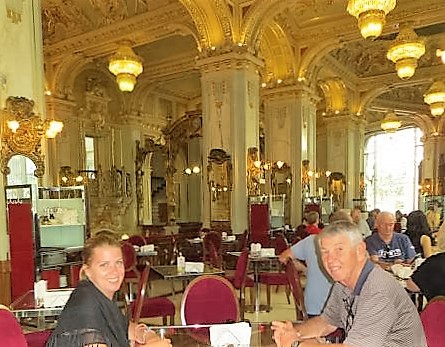
In the late 19th and early 20th centuries, Budapest coffeehouses were places where writers, poets, journalists, and artists spent hours every day. Many of them practically lived there. Coffeehouses provided warmth, light, newspapers, ink, conversation, and inspiration—often all night long.

Legend has it that one Hungarian writer famously stole the keys of his favourite café and threw them into the Danube, ensuring the coffeehouse would stay open 24 hours a day. Whether entirely true or slightly exaggerated, the story perfectly captures how essential these places were to everyday life.

Even politics found its way into cafés. One of the most important moments of the Hungarian War of Independence began not on a battlefield, but with young revolutionaries gathering in a Pest coffeehouse, fuelled by coffee, ideas, and enthusiasm.

Grand Cafés and Everyday Rituals

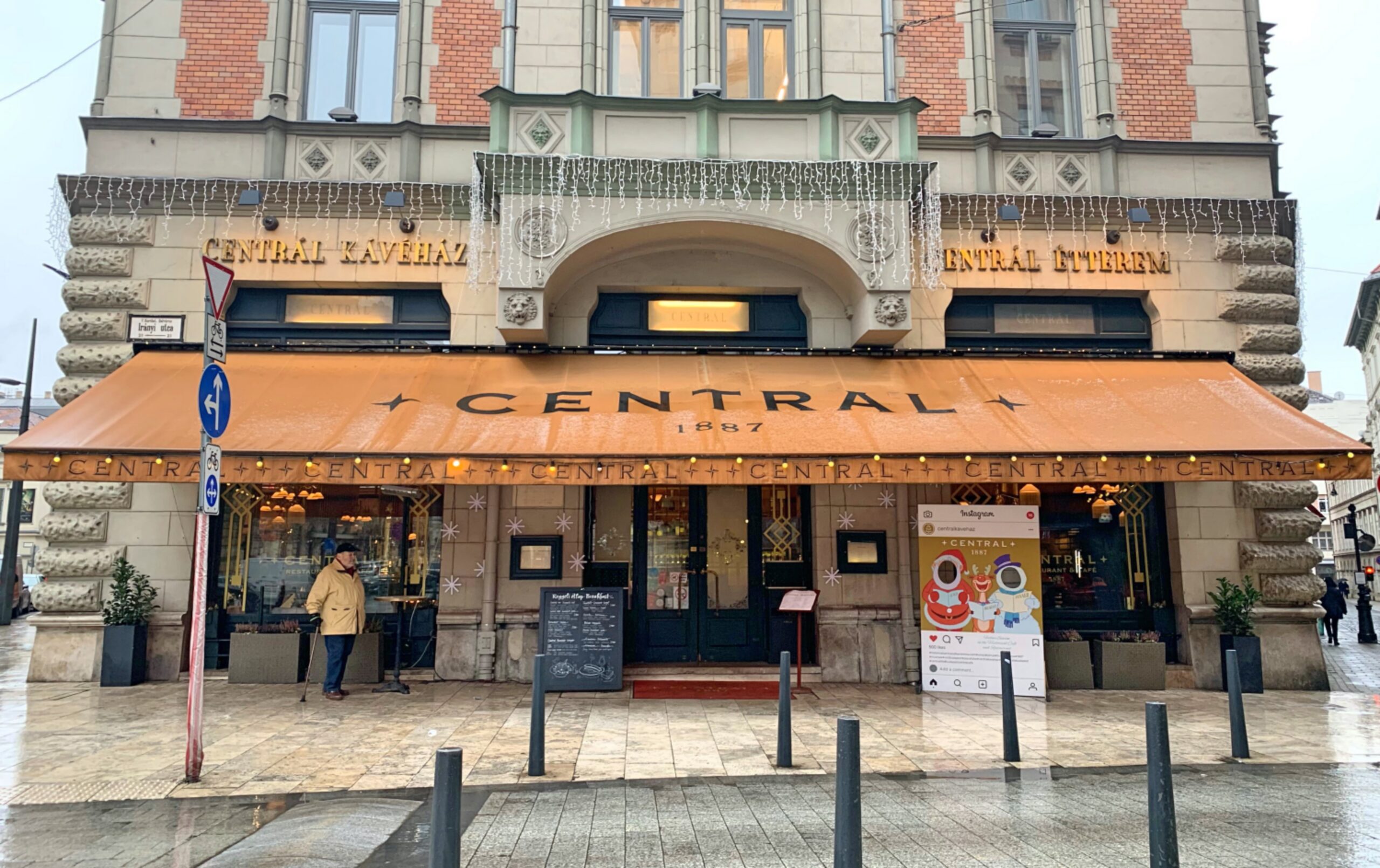
Budapest’s historic coffeehouses are famous for their elegant interiors: chandeliers, marble tables, mirrors, plush seating, and a sense of faded grandeur that still feels alive today. Some cafés became symbols of luxury and refinement, others of literary life or bohemian freedom—but all shared the same role as social spaces.

If you’d like to explore individual cafés in more detail, you can read more about some of the city’s most iconic places:

Each of these cafés tells a slightly different story—but together, they form the unique coffeehouse culture that still defines Budapest today.

Experiencing Coffeehouse Culture Today

What makes Budapest cafés special is that they are not just museums of the past. Locals still meet here to talk, read, work, and linger. Sitting down for coffee is an experience meant to be enjoyed slowly, ideally with a slice of cake and no rush to leave.

This is why coffeehouses fit so naturally into my Budapest Foodie Tour. Exploring the city through its cafés allows you to understand Budapest not only through sights, but through tastes, stories, and everyday rituals.

A Taste of Budapest Beyond Sightseeing

Whether you’re visiting for the first time or returning to the city, taking time for a café stop is one of the best ways to connect with Budapest’s atmosphere. Coffeehouses reveal how the city thinks, remembers, and relaxes.

So enjoy our coffee.
Enjoy the special atmosphere of Budapest cafés.
And if you’d like to discover the best places—historic and contemporary alike—I’d be delighted to show them to you on a Foodie Tour designed around your interests.


The Jewish Quarter Budapest is where past and present meet: vibrant cafés and street art beside synagogues and memorials. It’s hip, busy and full of surprises—but also a place of remembrance. Here’s what to see on a thoughtful walk—and how to explore with a private guide.

Highlights at a glance

The synagogue “triangle”

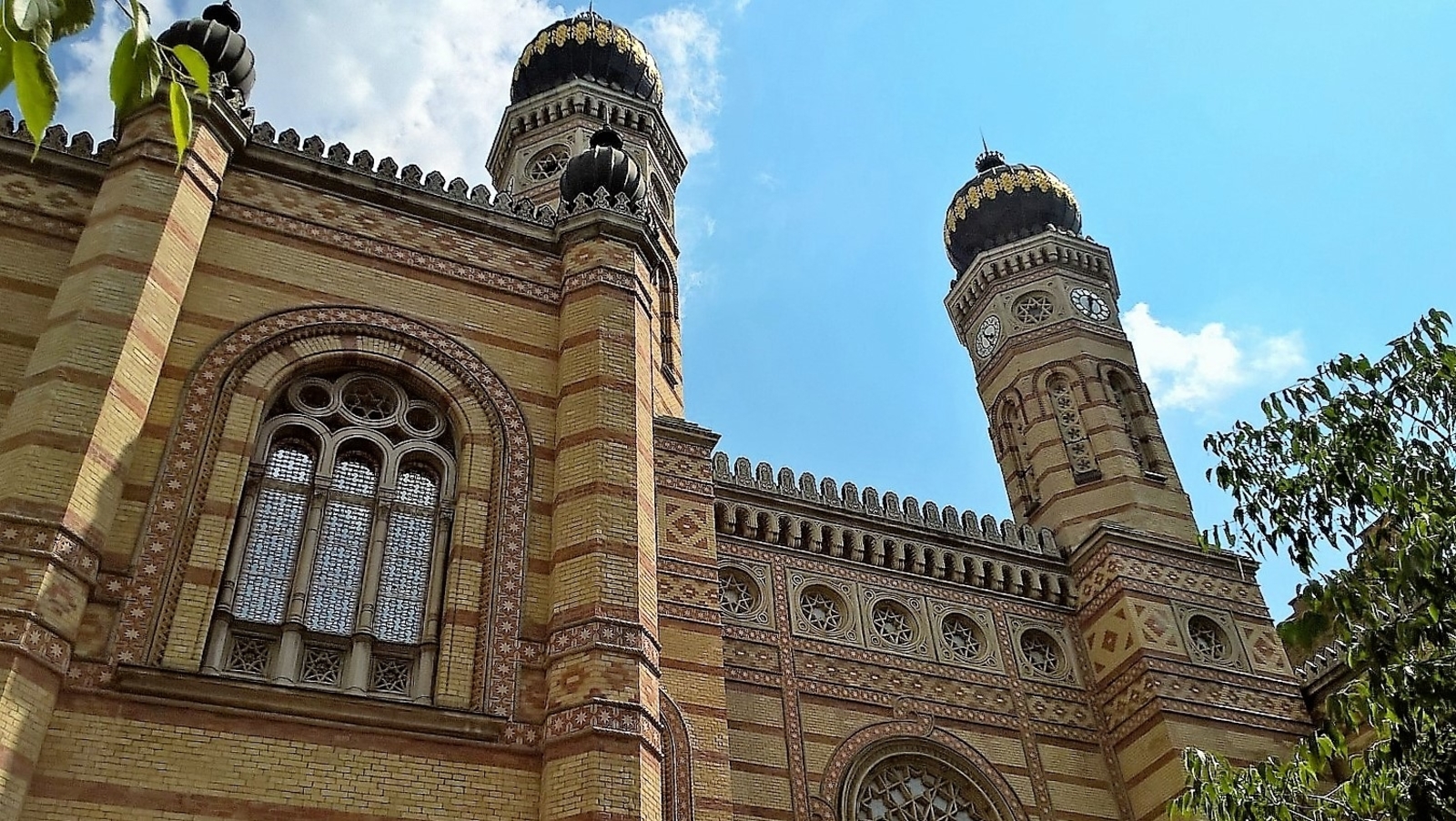
Start at the Great (Dohány Street) Synagogue, one of the largest in the world, with its Moorish Revival façade and peaceful courtyard. Continue to the beautifully restored Rumbach Street Synagogue and the colourful, Art Nouveau-inspired Kazinczy Street Synagogue (limited opening hours). Interior visits are possible—just check opening times or join a private Jewish Quarter tour for a smoother experience.

Remembrance in the neighborhood

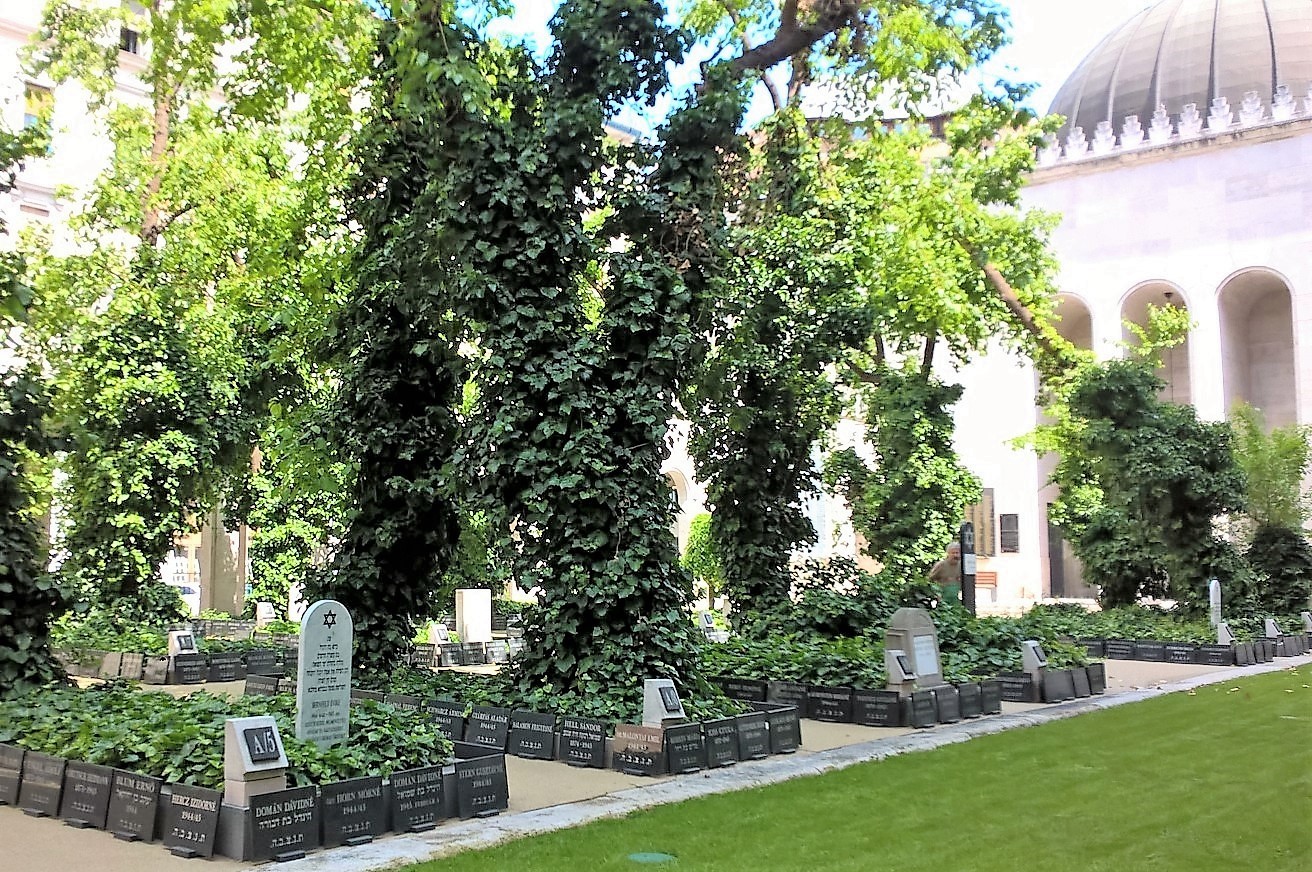
During WWII, the area became the Budapest ghetto. You can still find a short section of the former ghetto wall and several memorials that honour victims and rescuers. I approach these sites with care, sharing context and personal stories that make history easier to grasp without overwhelming younger visitors.

Ruin pubs, cafés and street art

Today’s Quarter is also a creative hub. Ruin pubs and courtyard cafés bring life to once-empty buildings; murals and small galleries pop up on side streets. Between stops, I like to detour for a coffee or a slice of flódni and point out small architectural details many miss.

A reflective ending by the river

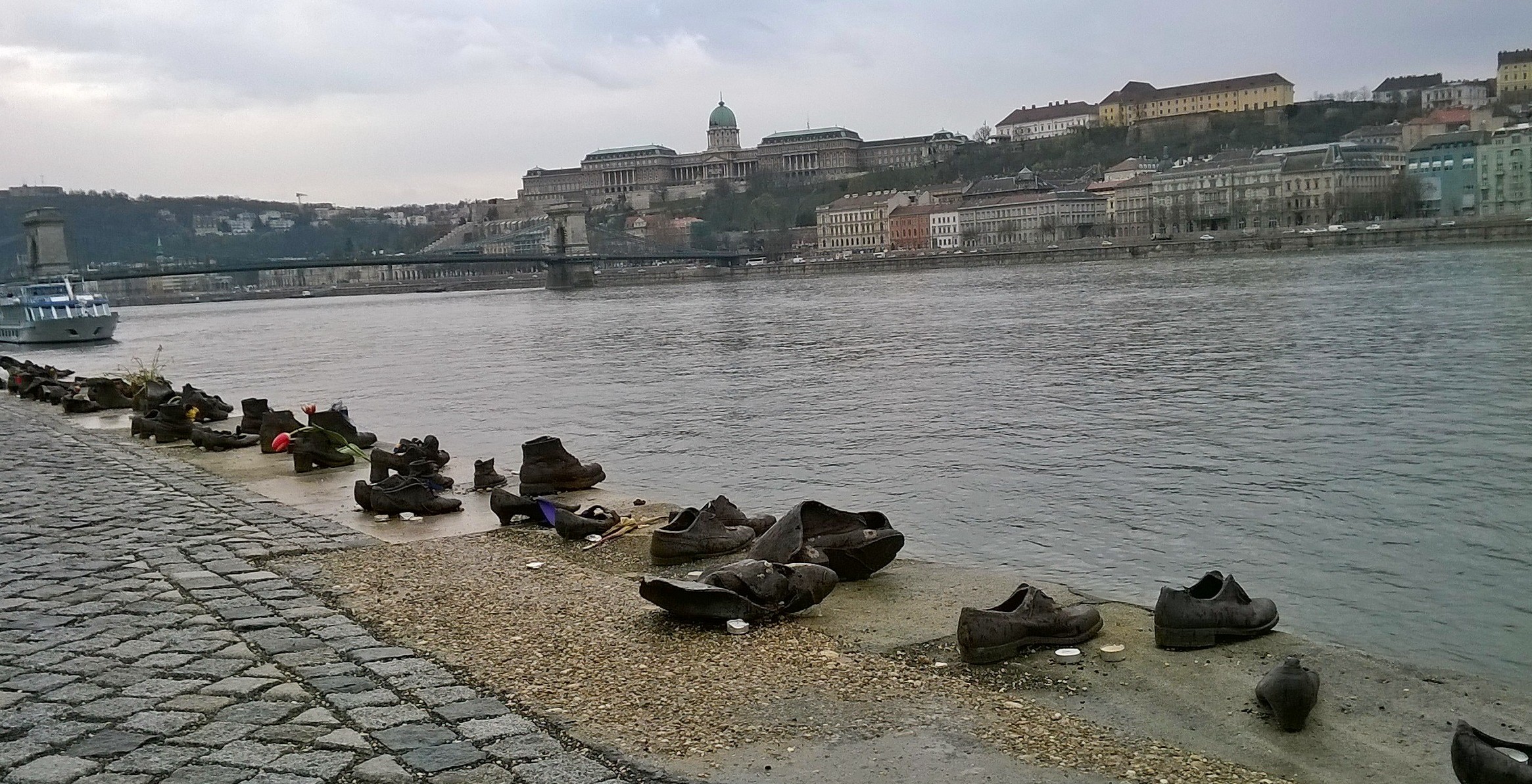
I often end this walk at the Shoes on the Danube Bank memorial. Simple and powerful, it’s a moment to pause after a day filled with stories.

Practical tips

  • Timing: Mornings are quieter; evenings are lively. Synagogues are closed on Saturday!

  • Pace & access: Flat route with frequent stops; easy to adapt for most visitors.

  • Inside visits: Synagogue interiors on request; entry tickets are separate (see the Great Synagogue’s opening hours).

  • Dress & respect: Synagogues are active places of worship—modest attire helps.

  • Private option: Prefer a tailored route at your pace? Book a private Jewish Quarter tour in English or French.

Explore the Jewish Quarter of Budapest with a private guide

Want deeper stories and stress-free logistics? I guide private tours for your group only (prices cover up to 4 people; ask for larger groups). If booking looks unavailable—or if you run into any issues—please contact me and I’ll try to accommodate.

👉 Book your private Jewish Quarter tour (4 hours; flexible start)


Pre-cruise post-cruise Budapest experience is something many river cruise travellers look for when their journey starts or ends in Budapest. Budapest is one of the highlights of any Danube itinerary, and for good reason—but time spent in the city during a cruise is often limited.

River cruise companies usually include a general sightseeing tour, designed to give a broad overview of Budapest in a short amount of time. While this is a great introduction, many travellers soon realise that they’ve only scratched the surface.

That’s when they start asking a very common question:
“Can we see more—without repeating what we’ve already done?”

Seeing Beyond the Standard Cruise Tour

The answer is a definite yes. Budapest has layers of history, culture, and everyday life that simply don’t fit into a standard cruise excursion. Having guided many of these official sightseeing tours myself, I know exactly what they include—and, just as importantly, what they leave out.

This makes it easy to design pre-cruise or post-cruise experiences that feel fresh, personal, and genuinely different.

Tailored Experiences Before or After Your Cruise

Depending on how much time you have and what interests you most, I can recommend:

Whether you arrive a day early or stay on after your cruise ends, these experiences are designed to complement—not compete with—your river cruise.

Ideal Shore Excursions for Curious Travelers

Pre-cruise and post-cruise experiences are especially popular with travellers who enjoy:

  • Slower-paced, in-depth exploration

  • Context and storytelling rather than checklist sightseeing

  • Flexibility and personal attention

  • Seeing places most cruise groups don’t reach

Instead of repeating highlights, you’ll discover the Budapest that locals know—through stories, neighborhoods, and carefully chosen routes.

A Seamless Addition to Your Cruise Itinerary

If you’re planning a river cruise that starts or ends in Budapest and would like to make the most of your time here, I’d be happy to help you plan a private pre- or post-cruise experience that fits seamlessly into your journey.

Budapest deserves more than just a few hours—and with a little extra time, it can easily become one of the most memorable stops of your entire cruise.

For many visitors, Hungarian food comes with a single, vivid image: red, hearty, and fiery hot.
There’s some truth in that — but it’s only a small part of the story.

Hungarian cuisine is deeply shaped by history, geography, and everyday life, and once you look beyond stereotypes, it reveals an unexpectedly rich and varied food culture.

Paprika: More Than Just Heat

Paprika is, without question, the defining spice of Hungarian cooking. Sweet, smoked, mild, or hot, it brings colour and depth rather than just heat — and it’s used with far more nuance than most people expect.

Interestingly, this essential ingredient only became central to Hungarian cuisine after the Ottoman period. What began as an imported spice gradually turned into a national symbol, shaping flavors that today feel inseparable from Hungarian identity.

A Cuisine Best Discovered Bite by Bite

Eating Hungarian isn’t about one iconic dish — it’s about many small, memorable tastes.

When visiting Hungary, some of the most authentic food experiences happen in everyday places:

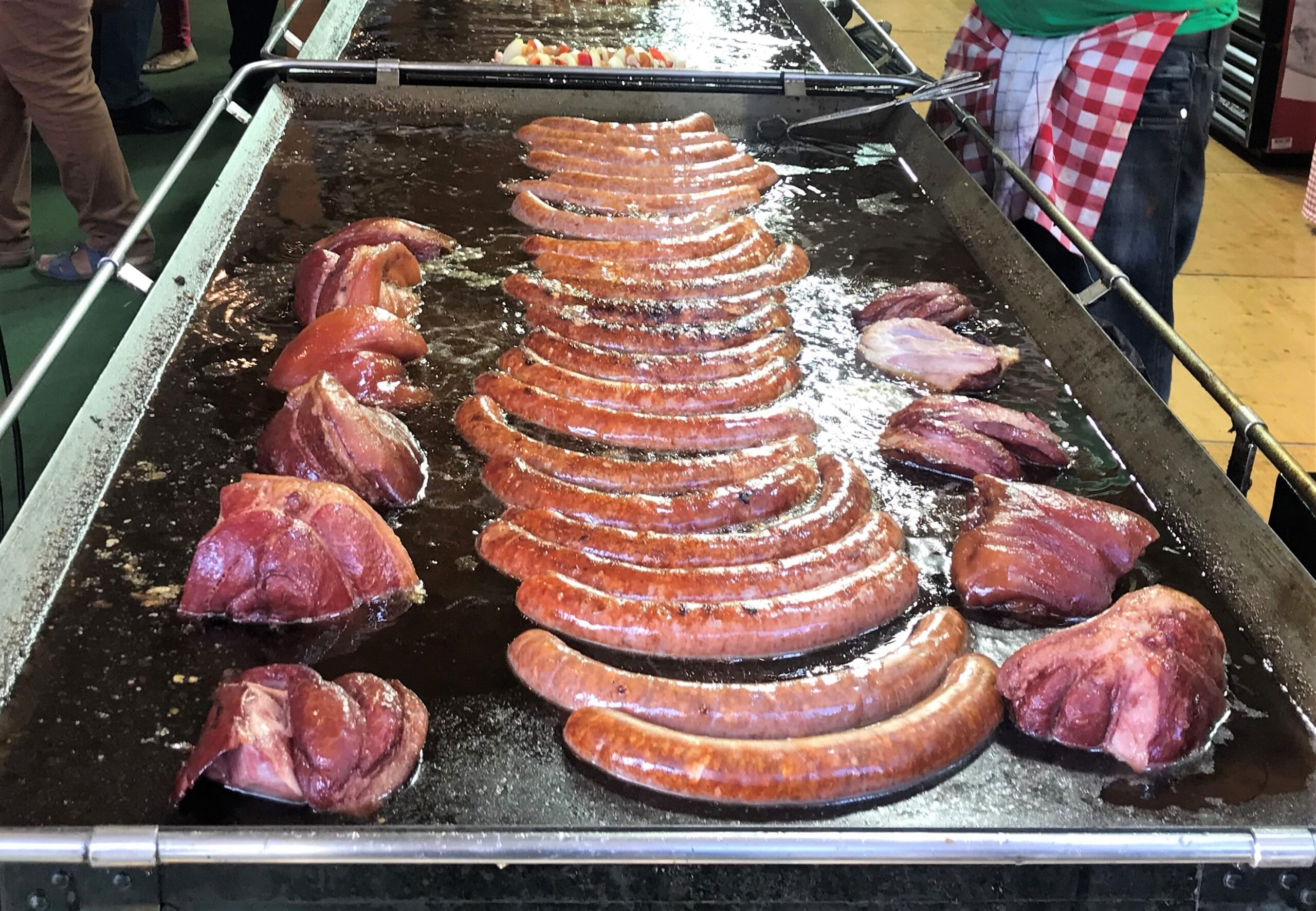
  • Butcher shops, where fresh sausages and simple hot dogs are enjoyed standing at the counter

  • Traditional cafés, some over a century old, where cakes and pastries are as important as conversation

  • Bakeries, filled with the smell of warm dough early in the morning

  • Open-air cooking, where goulash simmers slowly in a cauldron over an open fire

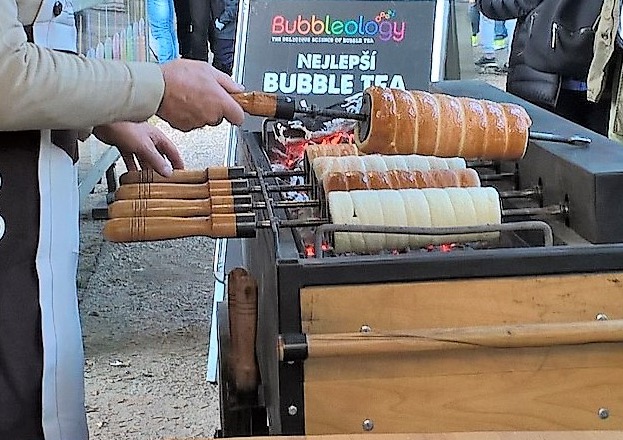
  • Street food favorites, like lángos — golden, deep-fried, and endlessly customizable

  • Sweet stops, from artisan ice cream to handcrafted chocolate and strudel

  • Pickled vegetables, which balance rich dishes with acidity and crunch

Each bite reflects a mix of rural traditions, urban habits, and seasonal rhythms.

Eating Also Means Drinking

There’s an old Hungarian saying: those who eat must also drink — and food here is rarely separated from wine.

Hungary’s wine culture is as old as its cuisine, with styles ranging from light and refreshing to deep and complex. Sharing food without a glass of wine nearby would feel incomplete, whether at a festive table or a simple neighbourhood spot.

Why Hungarian Food Is Best Experienced with Context

What makes Hungarian cuisine truly memorable isn’t just flavour — it’s the stories behind the dishes, the traditions, and the places where locals actually eat.

Understanding why something is cooked a certain way, when it’s traditionally eaten, and how it fits into daily life transforms food from something you consume into something you experience.

If you’re curious to explore Hungarian food beyond the obvious dishes, I always enjoy introducing guests to local flavours during my Budapest Foodie Tour.

It’s not about rushing from one stop to the next, but about tasting, understanding, and enjoying Hungarian cuisine in a relaxed, authentic way. If that sounds like your kind of experience, feel free to get in touch — I’d be happy to help you discover Budapest through its food.