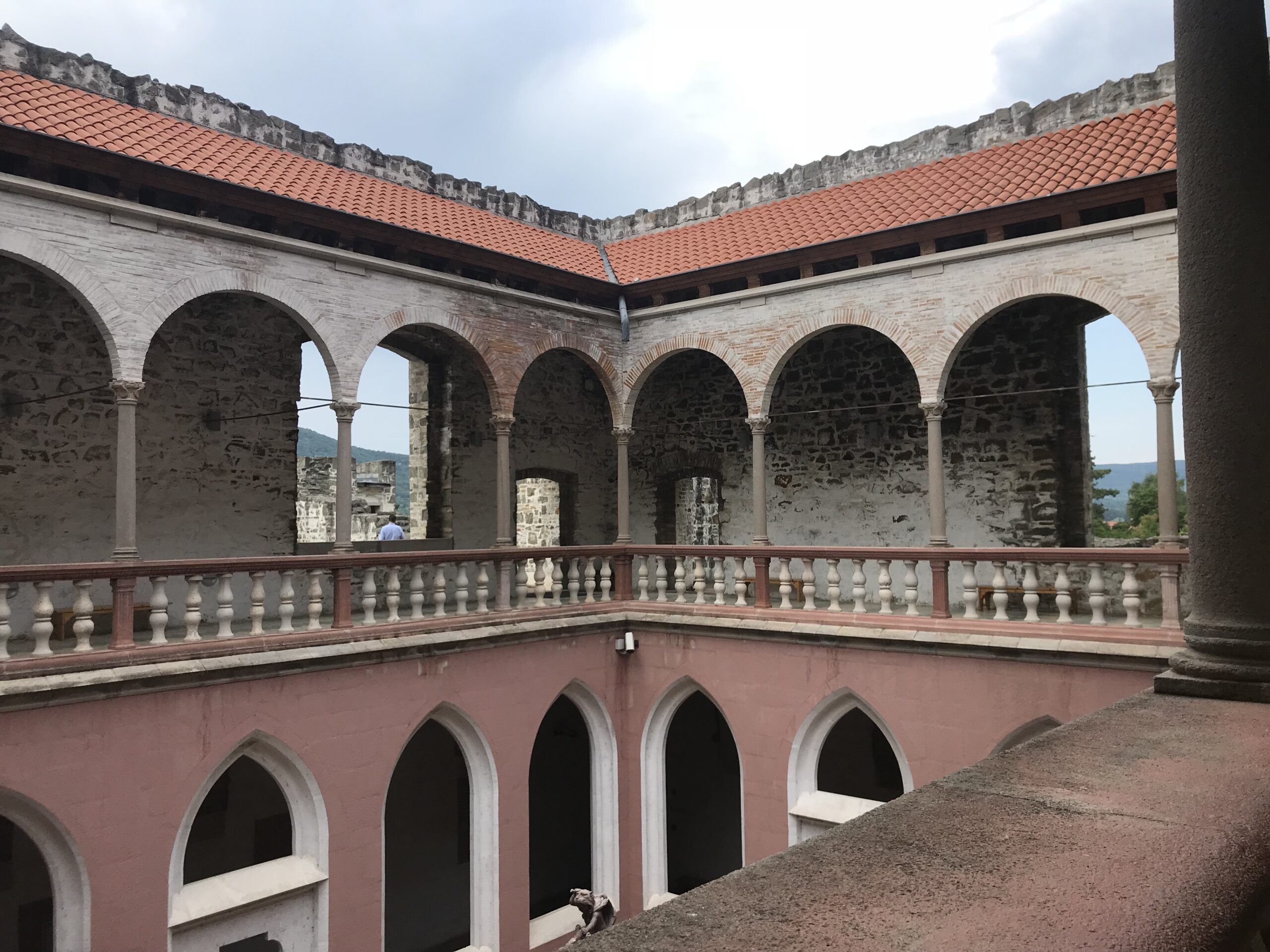
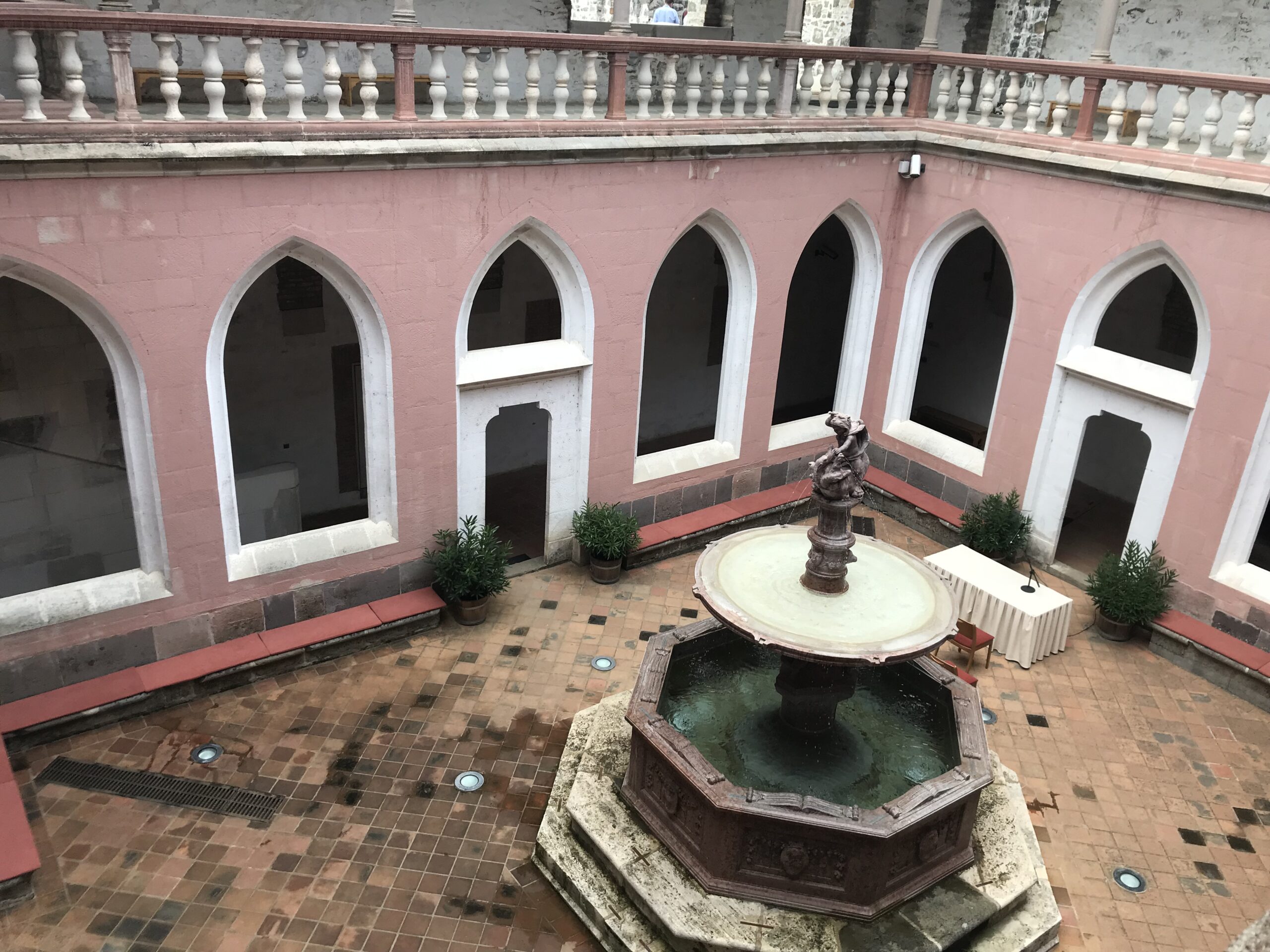
The Royal Palace of Visegrád is one of the most fascinating stops in the Danube Bend and a highlight I always try to include when touring the area. Together with the Upper Castle, the palace forms a remarkable castle complex that offers insight into how Hungarian royalty lived at the height of their power.

Located above the Danube, in the historic town of Visegrád, this palace allows visitors to step directly into the world of 15th-century royal life.

From ruins to royal splendour

The fact that we can admire the palace today is thanks to the work of a passionate Hungarian archaeologist, who discovered the ruins hidden beneath an orchard. Thanks to decades of archaeological research and careful reconstruction, the palace has been brought back to life as a stunning example of Gothic and Renaissance architecture.

We owe a great deal to the archaeologists and historians who recreated the lavish interiors, gardens, and fountains that once impressed visiting dignitaries from across Europe.

A royal residence fit for King Matthias

The original stone residence, built in the 14th century, was relatively modest — just under 5,000 square feet. However, under the reign of Matthias Corvinus, the palace was transformed into a spectacular royal residence with around 350 rooms.

According to legend, during grand celebrations in the 15th century, marble fountains flowed with red wine — a detail that perfectly captures the wealth and prestige of the Hungarian royal court at the time.

What to see in the Royal Palace of Visegrád

Today, visitors can explore:

  • elegant Gothic cloisters

  • a refined Renaissance loggia

  • reconstructed living quarters of Hungarian kings and queens

  • decorative fountains and palace gardens

  • original artefacts and relics from the Middle Ages

The palace is beautifully laid out and easy to explore, making it both educational and visually impressive.

Visiting the Royal Palace on a Danube Bend tour

The Royal Palace of Visegrád is an essential stop on many Danube Bend day trips and works especially well as part of a private countryside tour from Budapest. Combined with the Upper Castle and views over the Danube, it offers a perfect balance of history, architecture, and scenery.


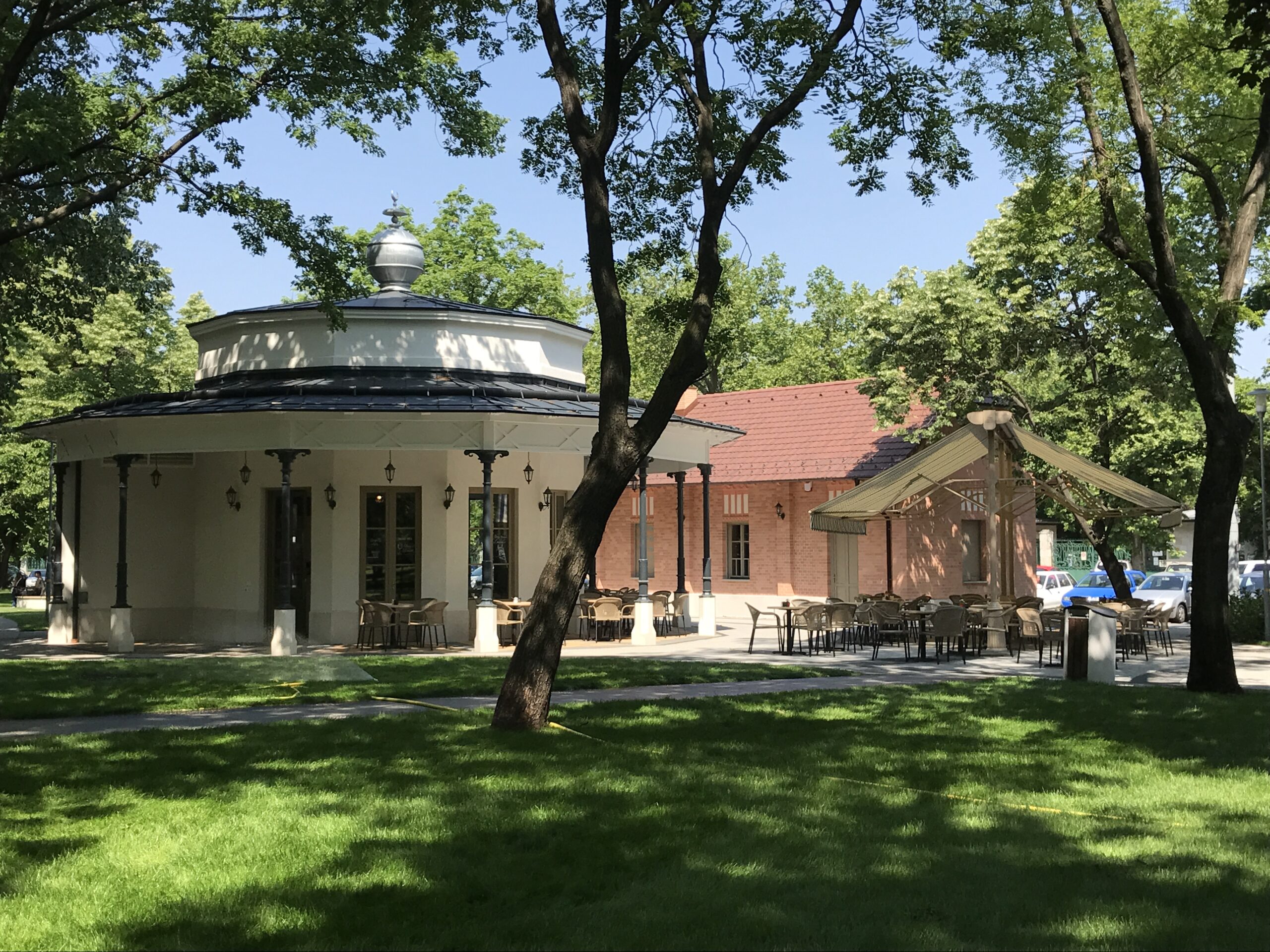
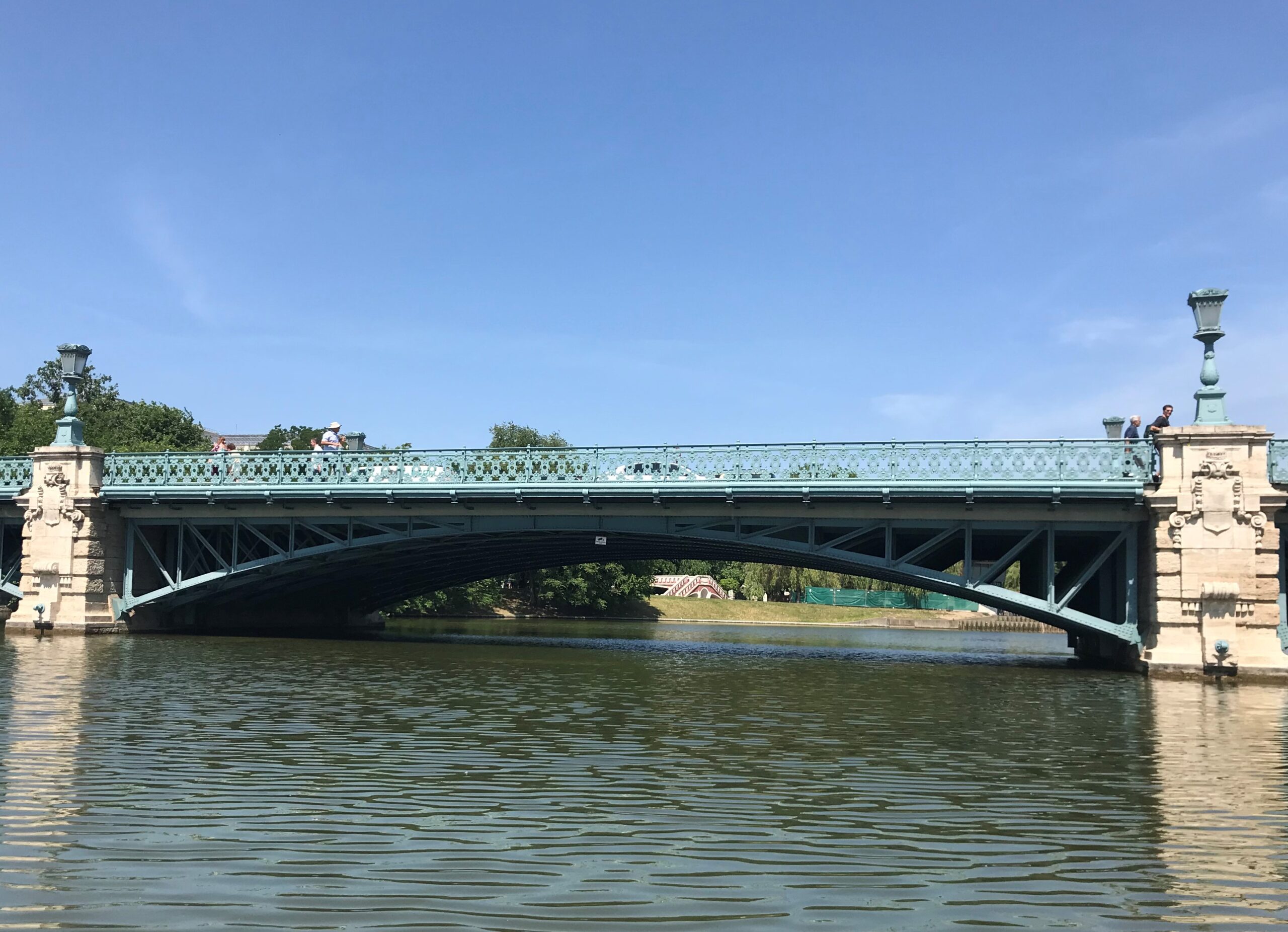
City Park (Városliget) is the second-largest park in Budapest and without question one of the locals’ favourite places to relax. Located at the end of Andrássy Avenue, this vast green space is a perfect mix of nature, culture, leisure, and iconic sights — all in the heart of Pest.

Whether you’re visiting Budapest for the first time or returning for a longer stay, City Park offers something for every pace and interest.

What to see and do in City Park

There are so many things to do in Városliget that it easily fills several hours — or even an entire afternoon. Highlights include:

  • the Budapest Zoo, over 150 years old and one of the oldest zoos in the world

  • the City Circus, a unique cultural institution popular with families

  • the famous Széchenyi Thermal Bath, where you can soak in warm outdoor pools year-round

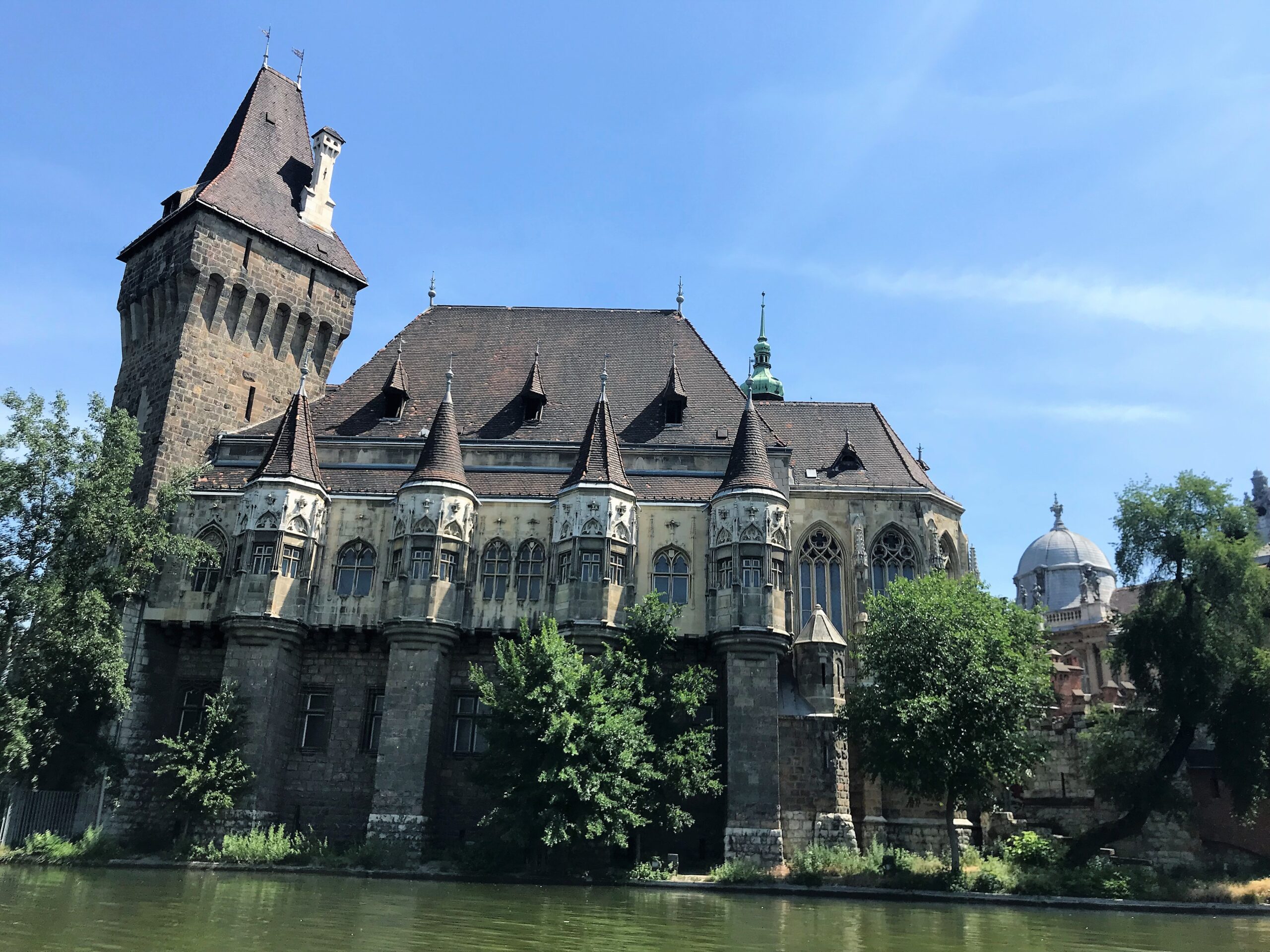
  • Vajdahunyad Castle, showcasing a fascinating mix of architectural styles

  • the park’s lake, perfect for a boat ride in summer or ice skating in winter

Of course, City Park is also ideal for simpler pleasures: a picnic under the trees, a relaxed walk, or just watching local life unfold.

City Park as part of Budapest sightseeing tours

Thanks to its location, size, and variety, City Park is included in many of my Budapest walking and driving tours. It works beautifully as a stop that combines history, architecture, and everyday local life — all in one place.

Whether paired with Andrássy Avenue, Heroes’ Square, or the thermal baths, Városliget adds a refreshing, green balance to a sightseeing itinerary.

A local tip for visiting City Park

City Park is enjoyable in every season, but it’s especially lovely in spring and summer, when the trees are in full leaf and locals spend long afternoons outdoors. If you’d like to explore it at a relaxed pace or include specific highlights, it can easily be adapted as part of a customised walking or driving tour.

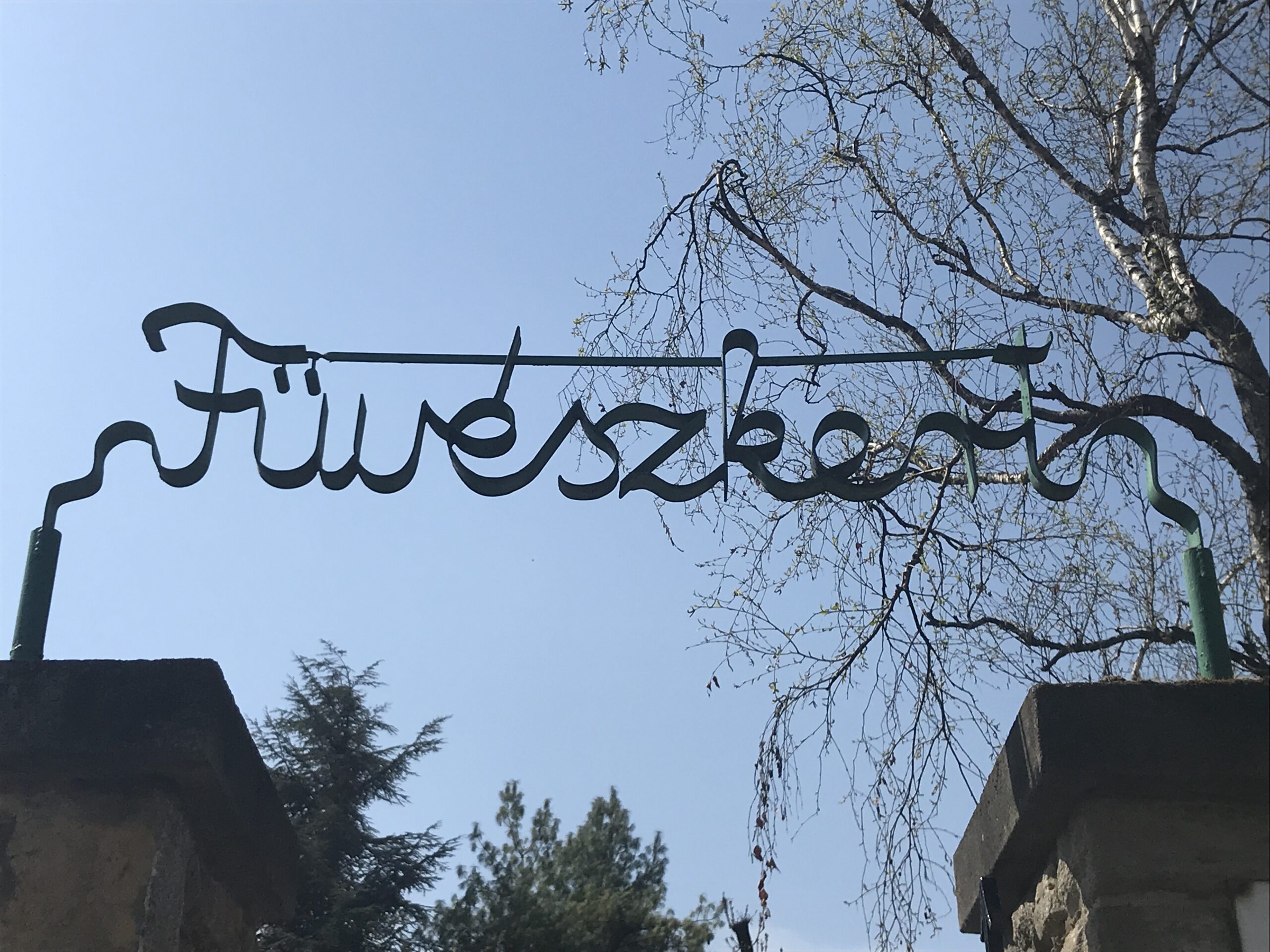
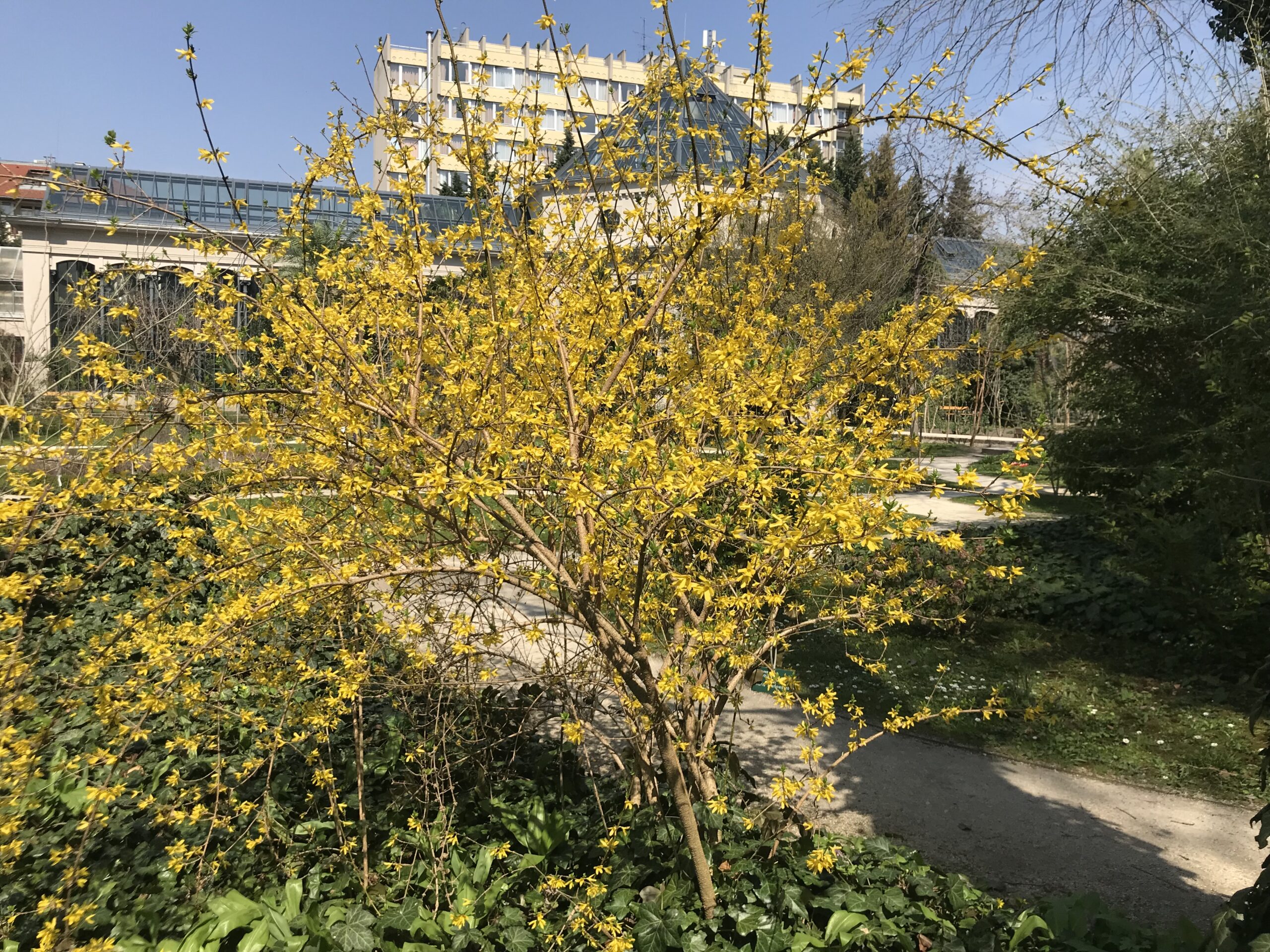
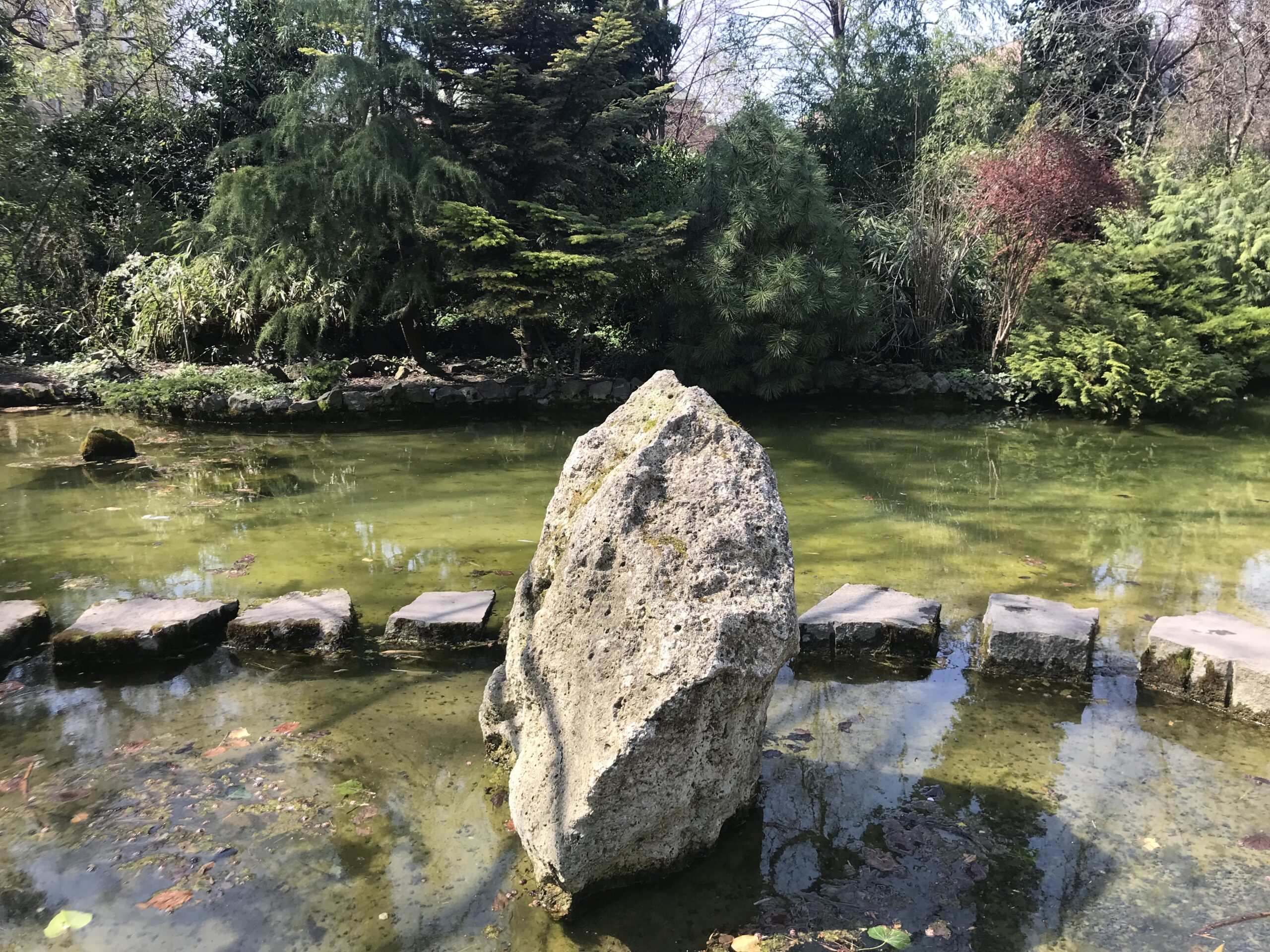
Budapest Füvészkert may look difficult to pronounce at first — but it’s absolutely worth getting to know. Tucked away in Budapest’s 8th district, this peaceful botanical garden is one of the city’s most underrated sights and a true hidden gem for visitors looking beyond the usual landmarks.

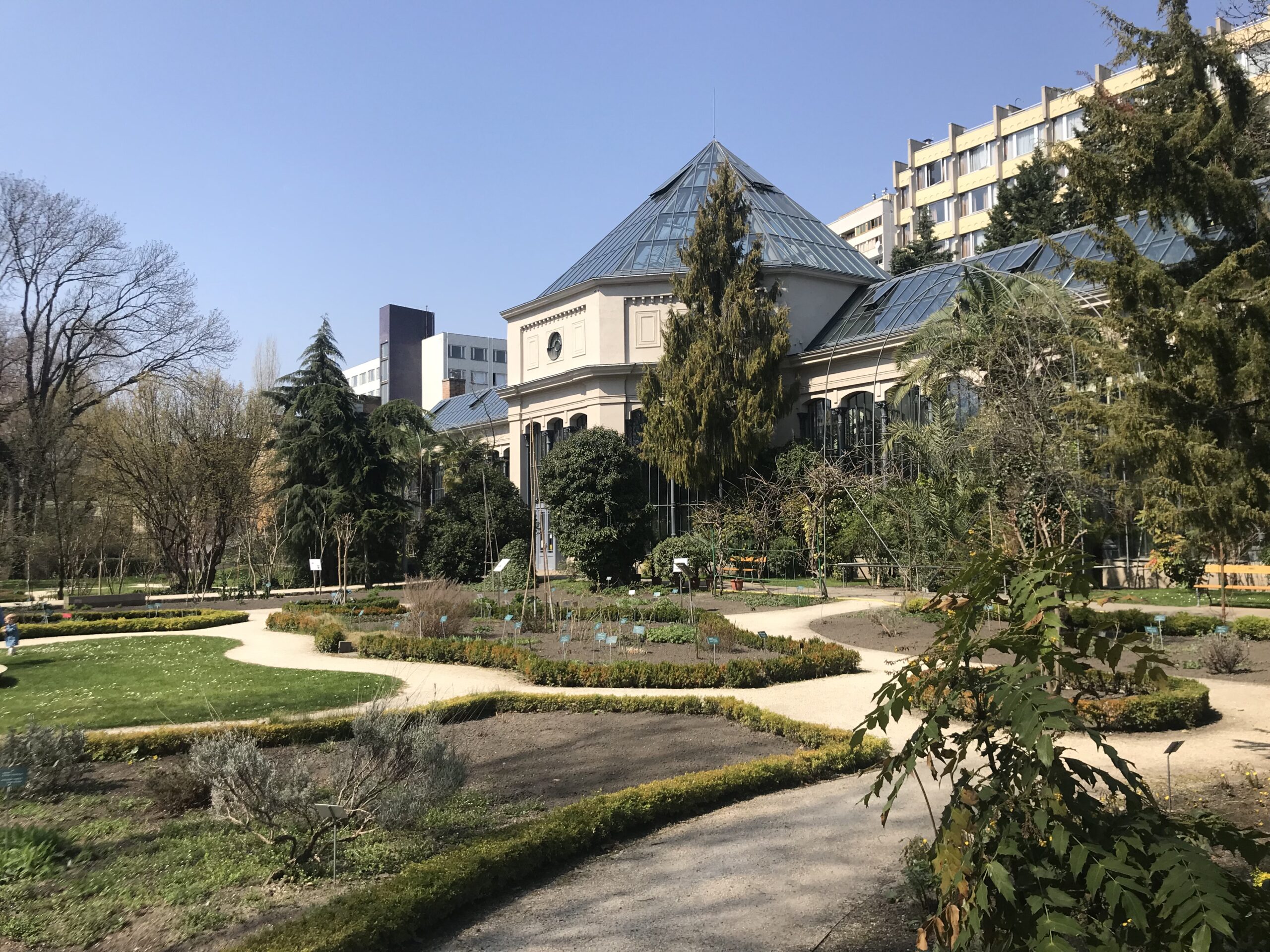
Founded in the 1770s, Füvészkert is the oldest botanical garden in Budapest. Despite its compact size — around three acres — it’s home to more than 7,000 plant species, making it surprisingly rich and diverse.

One of its most remarkable residents is a 150-year-old Chinese ginkgo tree, the oldest tree in the garden and a quiet witness to centuries of change around it.

What to see inside Füvészkert

Walking through Füvészkert feels like stepping into several different climates in the middle of the city. Highlights include:

  • the Palm House, filled with tropical and subtropical plants

  • the Victoria Glass House, home to the impressive Amazonian water lily

  • extensive collections of palms, cacti, bromeliads, and orchids

It’s a calm, beautifully maintained space — ideal for slowing down, especially on warm summer days or during a quieter afternoon of sightseeing.

Füvészkert and Hungarian literature

Füvészkert also holds a special place in Hungarian culture. It is one of the key locations in The Paul Street Boys (Pál utcai fiúk), the famous novel by Ferenc Molnár that generations of Hungarians grow up reading. For locals, this literary connection adds an extra emotional layer to an already atmospheric place.

Is Füvészkert included in Budapest tours?

Füvészkert isn’t usually part of standard sightseeing tours, but it can be a wonderful addition to a customised itinerary, especially for travellers interested in gardens, literature, or quieter, off-the-beaten-path experiences.

If you’re exploring Budapest beyond the highlights — or simply need a peaceful break from the city — Füvészkert is well worth a visit.