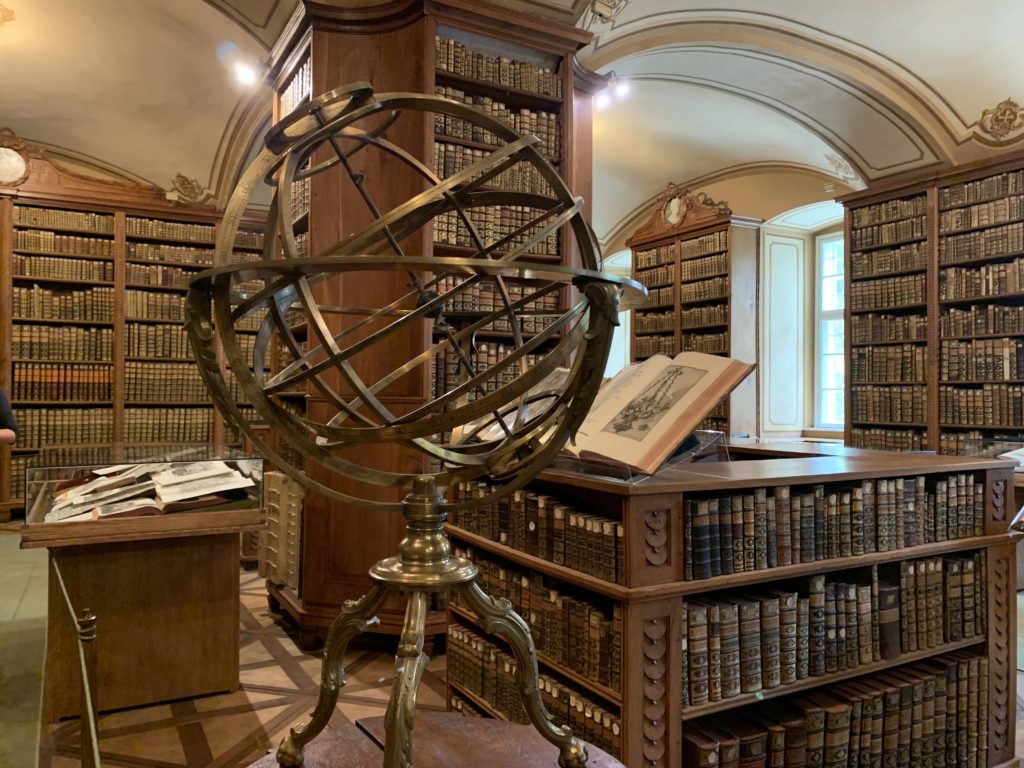
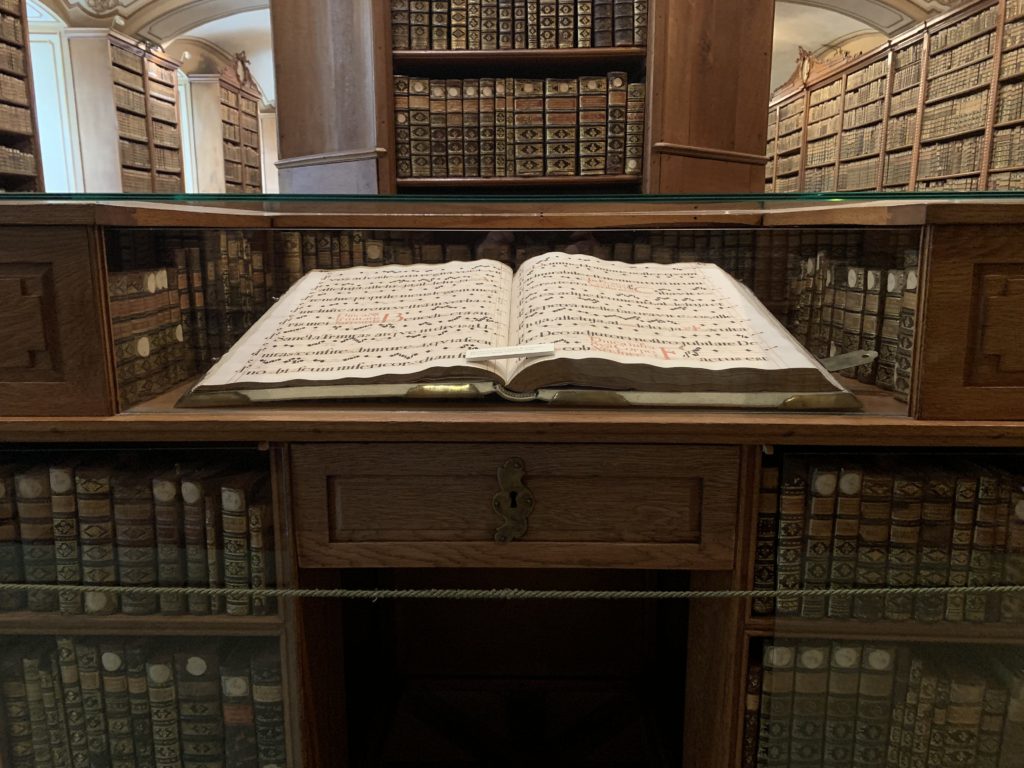
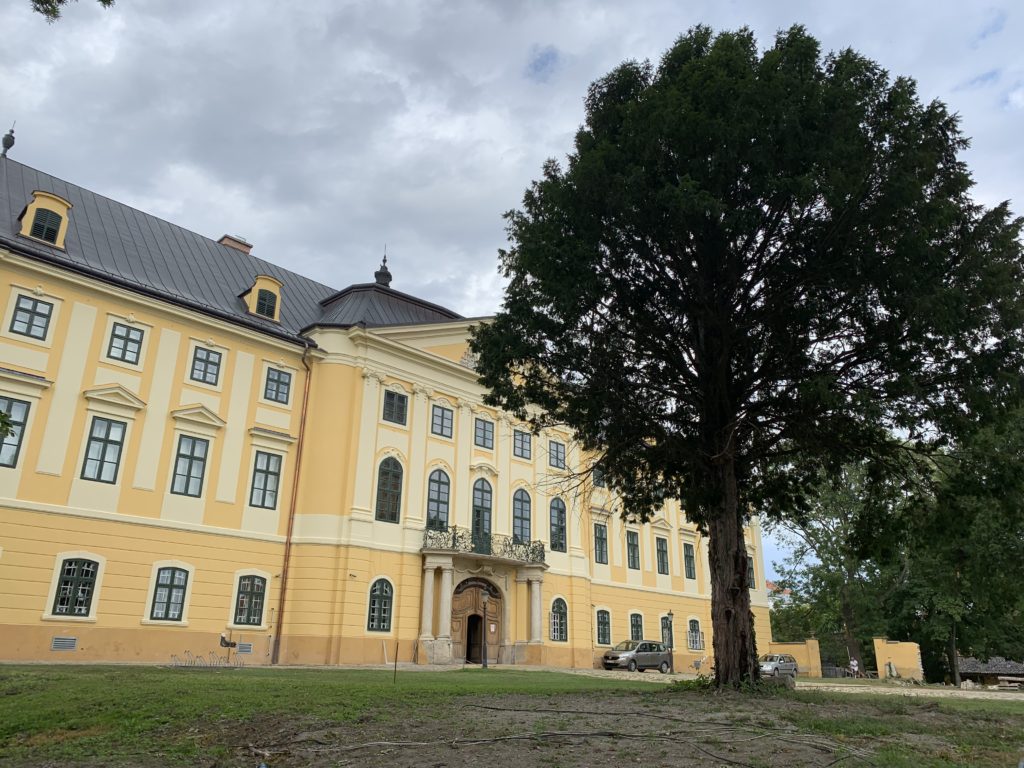
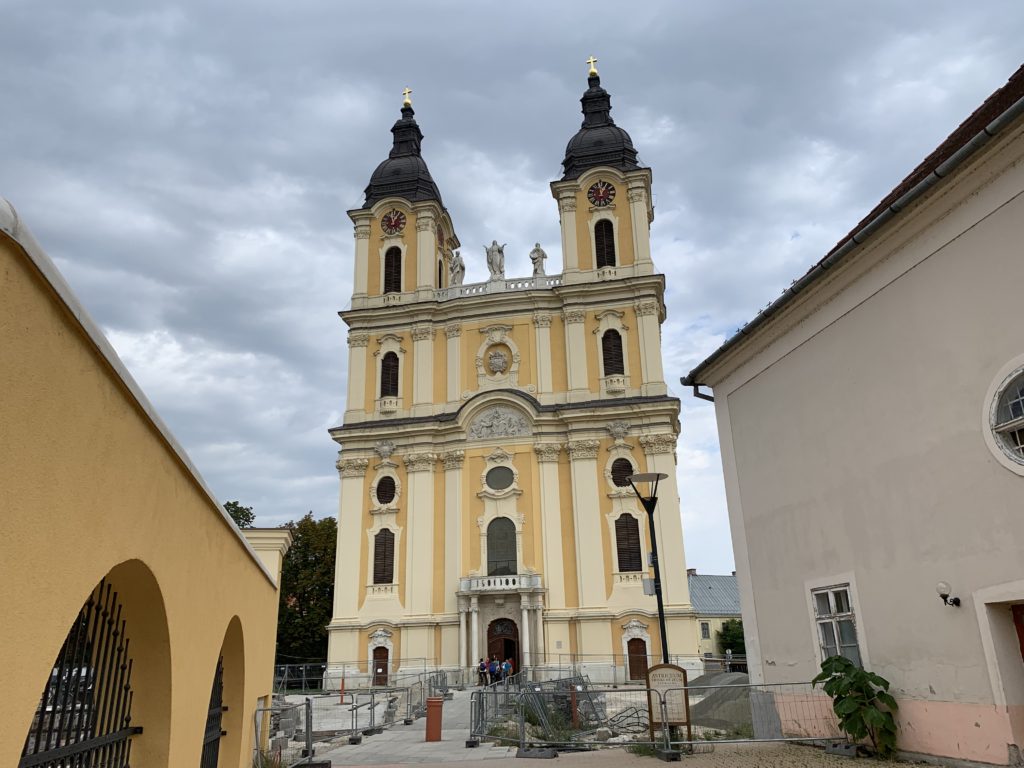
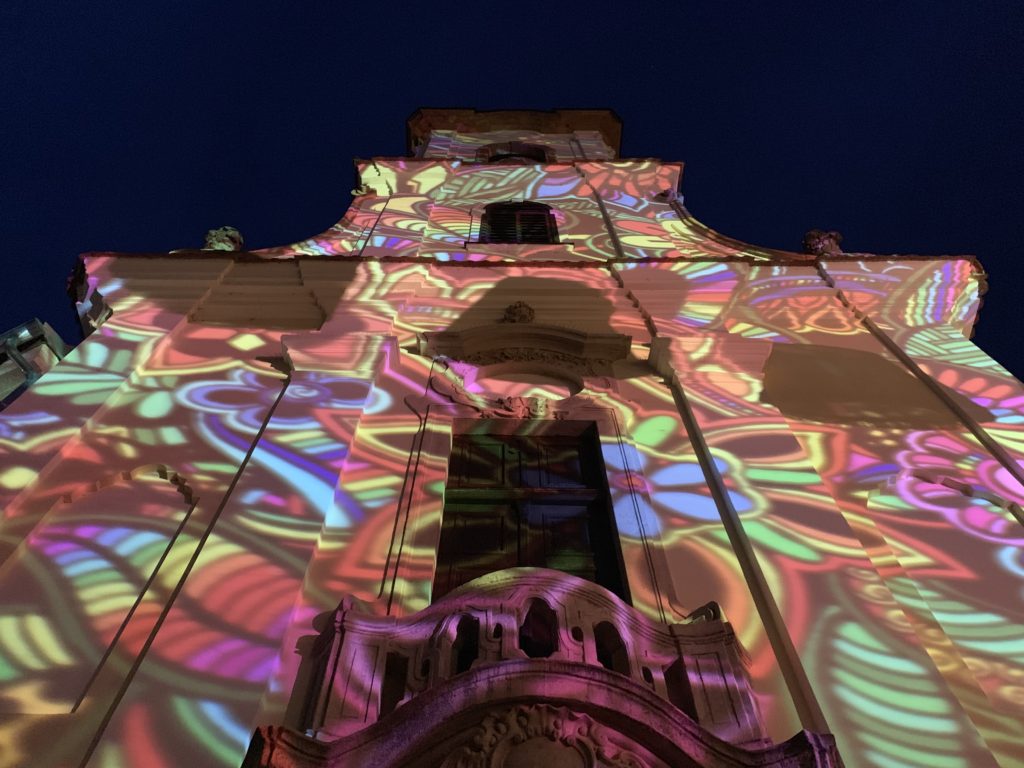
The reason why I love family researches a lot, is because it’s always a great experience to do the research and to find out more about my travellers’ relatives and family who were originally from Hungary. The other reason is that we usually go to beautiful Hungarian villages and towns to see where and how the family members lived 100 or 200 years ago.

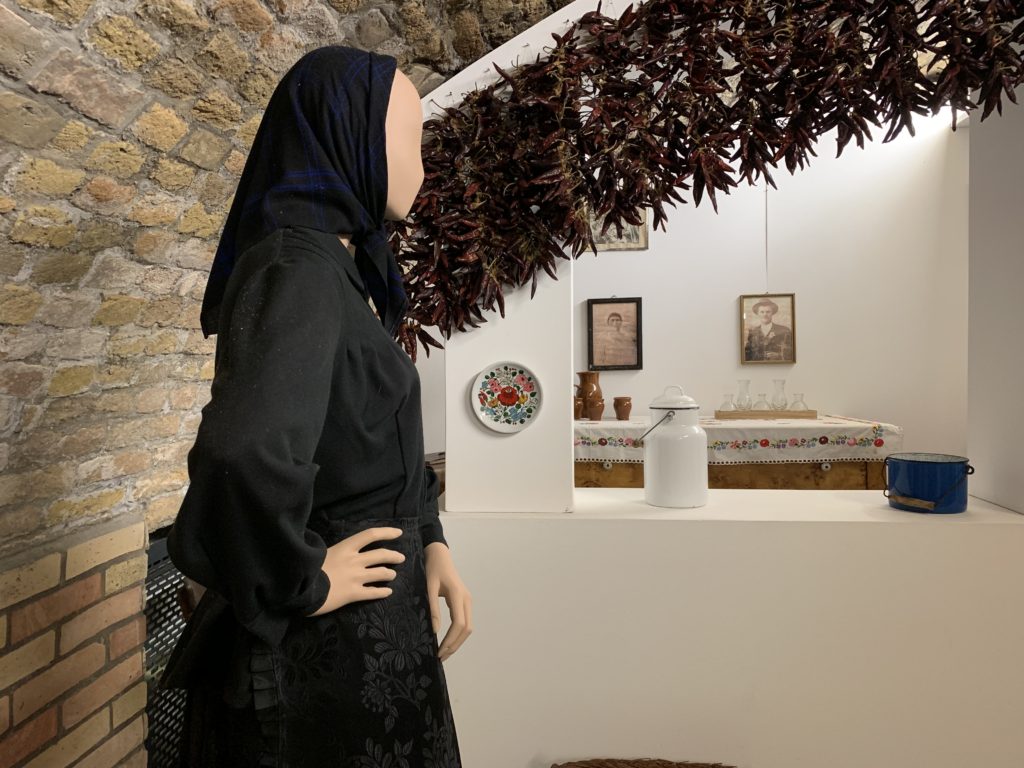
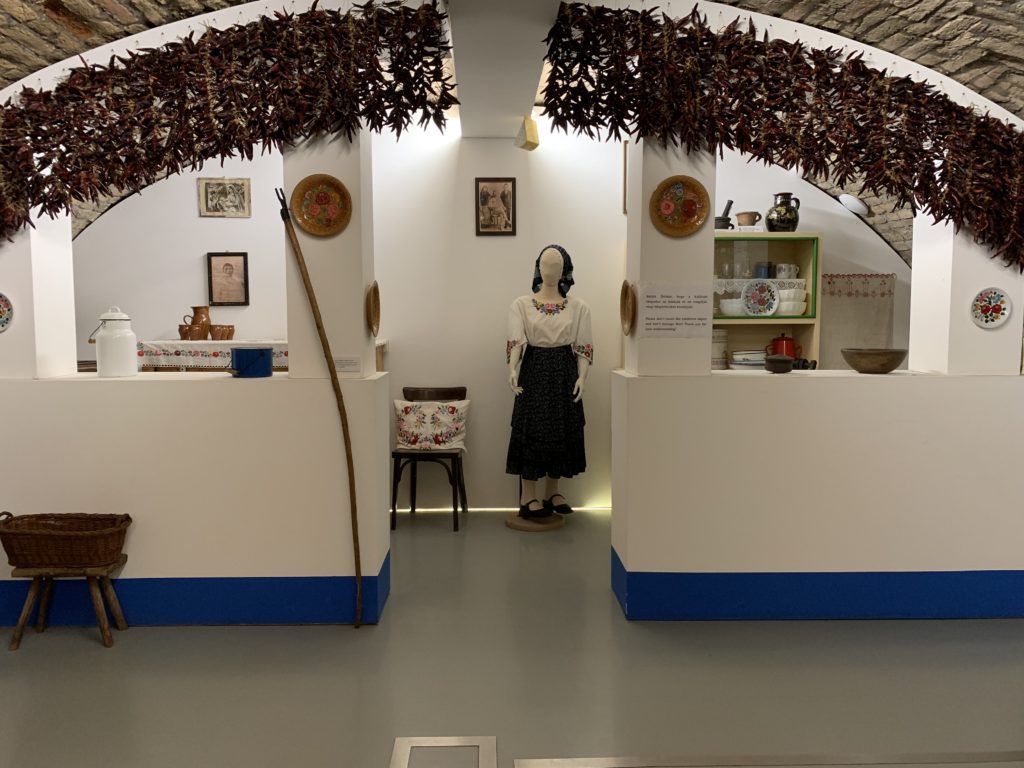
Last week we visited the town of Kalocsa which isn’t just another cute little Hungarian town but it’s also famous for the local paprika. We went to see the local Paprika Museum to find out more about the most popular Hungarian spice.
 

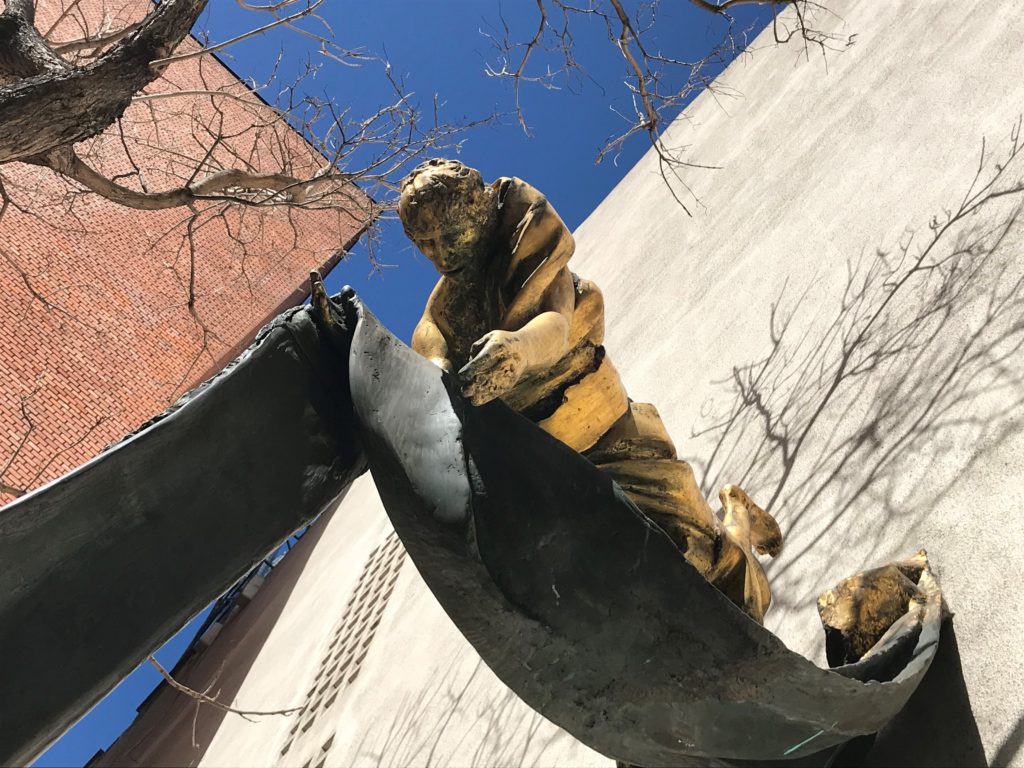
Tucked away on a quiet stretch of Dob utca in Budapest, near the lively Gozsdu Courtyard, stands a moving and quietly powerful monument: the Carl Lutz Memorial. It commemorates one of the most extraordinary humanitarian efforts in Budapest during the Second World War.

This statue is part of my ongoing Statues of Budapest series, which explores how public monuments reflect the city’s most difficult — and most meaningful — chapters.

Who was Carl Lutz?

Carl Lutz served as Vice-Consul of the Swiss Embassy in Budapest during the German occupation. Between 1942 and 1945, he used his diplomatic position, ingenuity, and moral courage to save tens of thousands of Hungarian Jewsfrom deportation and death.

By issuing protective documents, establishing safe houses, and repeatedly defying Nazi and Arrow Cross authorities, Lutz became one of the most effective rescuers in Holocaust history.

The meaning of the memorial

The Carl Lutz Memorial does not overwhelm with size or drama. Instead, it invites reflection. Placed in the heart of what was once the Jewish ghetto, its location is as important as the statue itself.

Here, remembrance is woven directly into everyday life — a reminder that courage and humanity existed even in the darkest moments of the city’s past.

Why this statue matters today

In a neighborhood now known for cafés, bars, and cultural life, the Carl Lutz Memorial anchors the Jewish Quarter in its historical reality. It asks visitors to pause, remember, and understand that the stories of survival here are real, personal, and recent.

This memorial often becomes one of the most meaningful stops on my Jewish Quarter walk, where we explore not only architecture and everyday life, but also the human stories behind the streets.

Explore more: The Carl Lutz Memorial is part of my Statues of Budapest collection, featuring monuments that reveal the city’s layered and often complex history.

Statue commemorating Carl Lutz, Swiss diplomat and Holocaust rescuer, in Budapest


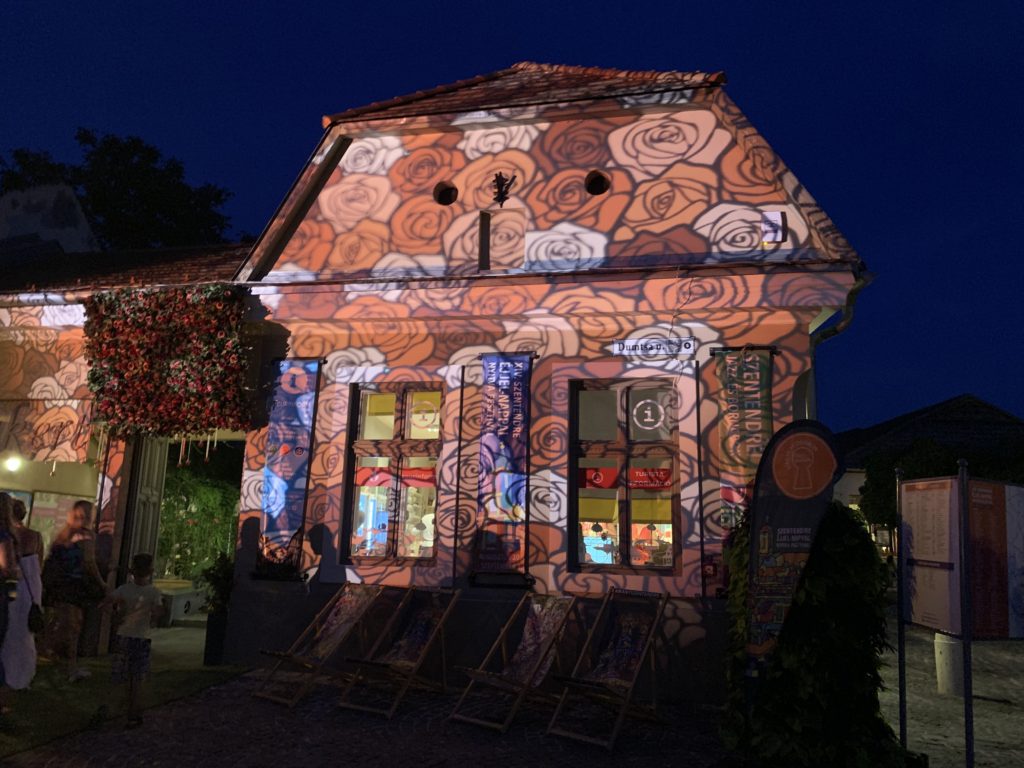
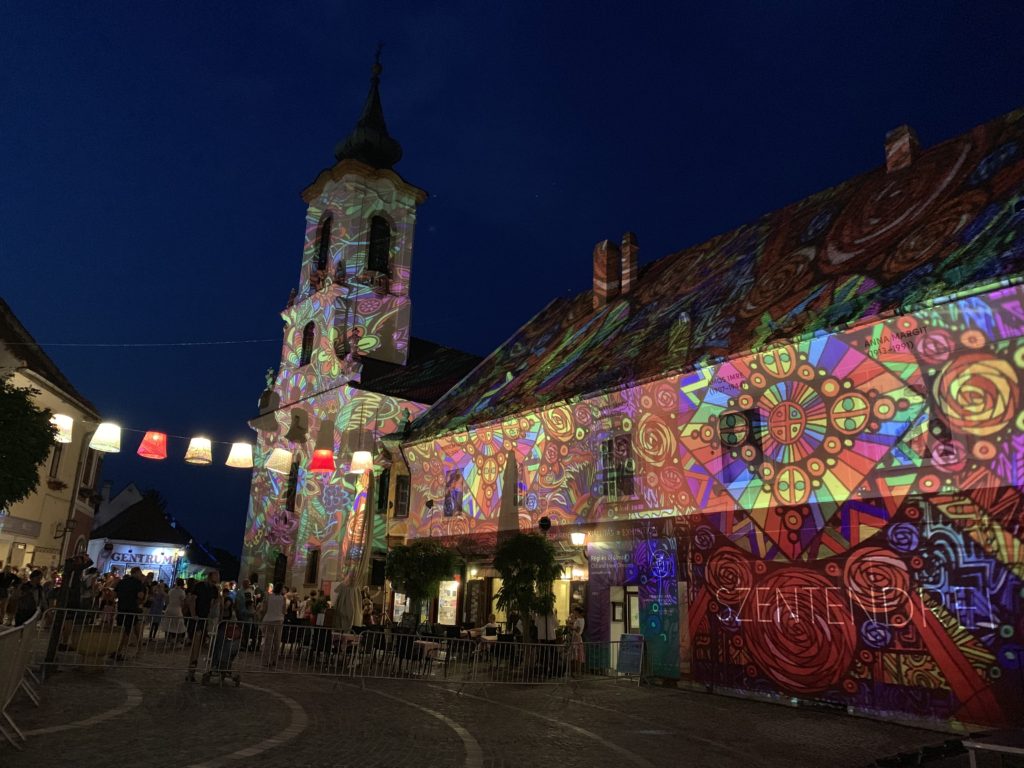
Szentendre is a little postcard village, one of the three villages we visit on the Danube Bend tour. It’s a very short drive from Budapest and is equally popular among tourists and locals.

This weekend was very special, the entire village was beautifully lit up for the Light Festival. A truly amazing end-of-the-summer wonderland.