Herend porcelain is more than just fine china — it’s a living piece of Hungarian cultural heritage. Located in the small town of Herend, about 1.5 hours from Budapest, the factory has been producing hand-painted porcelain since 1826. Today it’s one of the most famous porcelain makers in the world, treasured by collectors, royals, and anyone who appreciates timeless craftsmanship. A Walk Through the Factory On a factory tour, you’ll see every step of the porcelain-making process. Skilled artisans shape the pieces, then pass them on to painters who spend hours — sometimes days — adding delicate patterns by hand. Finally, the porcelain is glazed and fired, creating that distinctive shine. Every brushstroke is unique, which means no two Herend pieces are ever exactly the same. My Favourite Pattern — The Rothschild Of all the designs, my personal favourite is the Rothschild pattern. It was created in the 19th century for the famous banking family and features colourful songbirds perched on leafy branches. The design was inspired by a romantic story: birds returning a lost pearl necklace in the Rothschild garden. To me, it perfectly combines elegance with a touch of playfulness. The Herend Museum & Shop After your tour, you can visit the Herend Porcelain Museum, where historic pieces are on display — from rare royal commissions to everyday designs that have stood the test of time. The shop next door is a dream for collectors: you’ll find everything from traditional tea sets to modern pieces. Visiting Tips 📍 Location: Herend, Hungary 🚆 Travel: About 1.5–2 hours from Budapest by car or train 🎟️ Tours: Offered in several languages, including English 🏺 Tickets include: A guided factory tour, entry to the museum, and a short introductory film Why Visit Herend? Herend porcelain is part of Hungary’s living heritage. A
Herend porcelain is more than just fine china — it’s a living piece of Hungarian cultural heritage. Located in the small town of Herend, about 1.5 hours from Budapest, the factory has been producing hand-painted porcelain since 1826. Today it’s one of the most famous porcelain makers in the world, treasured by collectors, royals, and anyone who appreciates timeless craftsmanship.
A Walk Through the Factory
On a factory tour, you’ll see every step of the porcelain-making process. Skilled artisans shape the pieces, then pass them on to painters who spend hours — sometimes days — adding delicate patterns by hand. Finally, the porcelain is glazed and fired, creating that distinctive shine.
Every brushstroke is unique, which means no two Herend pieces are ever exactly the same.
My Favourite Pattern — The Rothschild
Of all the designs, my personal favourite is the Rothschild pattern. It was created in the 19th century for the famous banking family and features colourful songbirds perched on leafy branches. The design was inspired by a romantic story: birds returning a lost pearl necklace in the Rothschild garden.
To me, it perfectly combines elegance with a touch of playfulness.
The Herend Museum & Shop
After your tour, you can visit the Herend Porcelain Museum, where historic pieces are on display — from rare royal commissions to everyday designs that have stood the test of time. The shop next door is a dream for collectors: you’ll find everything from traditional tea sets to modern pieces.
Visiting Tips
📍 Location: Herend, Hungary
🚆 Travel: About 1.5–2 hours from Budapest by car or train
🎟️ Tours: Offered in several languages, including English
🏺 Tickets include: A guided factory tour, entry to the museum, and a short introductory film
Why Visit Herend?
Herend porcelain is part of Hungary’s living heritage. A visit here isn’t just about beautiful ceramics — it’s about meeting the people who keep centuries-old traditions alive.
If you’d like to include Herend in your trip, I offer a private guided tour or can tailor a custom tour that combines the factory visit with other highlights of the region.
📌 Follow me on Instagram for more Hungarian travel and café tips!
Summer in Budapest is magical—but let’s be honest, it can get hot. Here are eight ways to enjoy a true coolcation in Budapest. Luckily, locals know exactly how to handle it. Instead of hiding inside, we embrace the season in the most refreshing ways possible. If you’re planning a visit and want to stay cool while soaking up the city’s charm, this guide is for you. 1. Chill Out in the Shade of Historic Parks Budapest’s tree-lined parks are natural air conditioners. Head to Károlyi Kert (my personal favourite spot) or City Park (Városliget) for shaded walkways, a lake, and peaceful spots to relax. Margaret Island is another favourite, right in the middle of the Danube—perfect for a picnic or a nap under ancient trees. For a hilltop breeze and forest paths, try Normafa, a local escape into nature with stunning views. 2. Stay Hydrated at Budapest’s Public Drinking Fountains You don’t have to carry gallons of water around town. Budapest has dozens of public drinking fountains, many of them tucked into parks and squares. Keep a refillable bottle with you and look out for these small, life-saving oases—often beautifully designed and easy to miss if you’re not paying attention. 3. Hit the Beach—Yes, in Budapest! Craving a beach day? Budapest has a few surprising options. At Római-part, the relaxed riverside area in northern Buda, you can dip your toes in the Danube, lounge in the shade, or sip drinks at waterside bars. Kopaszi-gát, on the south side of the city, offers a modern take with grassy lawns, stylish cafes, and urban beach vibes. For a full pool day, head to Palatinus Strand on Margaret Island. 4. Sip a Fröccs, Hungary’s Favorite Summer Drink When the sun hits its peak, Hungarians reach for a fröccs: a light, fizzy mix of wine
Summer in Budapest is magical—but let’s be honest, it can get hot. Here are eight ways to enjoy a true coolcation in Budapest. Luckily, locals know exactly how to handle it. Instead of hiding inside, we embrace the season in the most refreshing ways possible. If you’re planning a visit and want to stay cool while soaking up the city’s charm, this guide is for you.
1. Chill Out in the Shade of Historic Parks
Budapest’s tree-lined parks are natural air conditioners. Head to Károlyi Kert (my personal favourite spot) orCity Park (Városliget) for shaded walkways, a lake, and peaceful spots to relax. Margaret Island is another favourite, right in the middle of the Danube—perfect for a picnic or a nap under ancient trees. For a hilltop breeze and forest paths, try Normafa, a local escape into nature with stunning views.
2. Stay Hydrated at Budapest’s Public Drinking Fountains
You don’t have to carry gallons of water around town. Budapest has dozens of public drinking fountains, many of them tucked into parks and squares. Keep a refillable bottle with you and look out for these small, life-saving oases—often beautifully designed and easy to miss if you’re not paying attention.
3. Hit the Beach—Yes, in Budapest!
Craving a beach day? Budapest has a few surprising options. At Római-part, the relaxed riverside area in northern Buda, you can dip your toes in the Danube, lounge in the shade, or sip drinks at waterside bars. Kopaszi-gát, on the south side of the city, offers a modern take with grassy lawns, stylish cafes, and urban beach vibes. For a full pool day, head to Palatinus Strand on Margaret Island.
4. Sip a Fröccs, Hungary’s Favorite Summer Drink
When the sun hits its peak, Hungarians reach for a fröccs: a light, fizzy mix of wine and sparkling water. It’s refreshing, customizable, and a total Budapest essential. You can try it at bars like Fröccsterasz, Élesztő, or any cozy neighborhood spot. Want to order like a local? Try a kisfröccs (small spritz) or hosszúlépés (“long step”) depending on your ratio preference.
5. Treat Yourself to Artisan Gelato
Ice cream is a must in Budapest summers—but go beyond the touristy rose cones. Head to Cioccolatte for award-winning flavours. Fragola is beloved for rotating fruit sorbets and Hungarian specialties like túró (sweet cottage cheese). For something more traditional, visit Artigiana Gelati on the Buda side.
6. Walk Through a Cloud: Mist Gates in the City
As you stroll through the city, especially around Erzsébet tér, Deák tér, or near the Bálna, you might stumble into a mist gate: a dreamy cloud of chilled vapor that cools you instantly. Kids love them, adults secretly love them, and they make for great slow-motion videos.
7. Too Hot? Go Underground
Budapest has a whole world beneath the surface—and it stays cool all year round. Here’s your underground checklist:
Hospital in the Rock: a WWII emergency center turned Cold War museum
Cave Church: spiritual and silent, carved into Gellért Hill
Pál-völgyi & Szemlő-hegyi Caves: natural limestone formations, tours at 10-12°C
Bring a light jacket—you’ll be glad you did.
8. Soak in the Golden Hour by the Danube
Evenings in Budapest are pure magic. As the heat fades, locals flock to the riverbanks. Watch the sunset behind Parliament, stroll across the Liberty Bridge, or sip something cool on a rooftop terrace. It’s the perfect way to end a heat-filled day: slow, golden, and full of atmosphere.
Final Thoughts: Your Budapest Coolcation Starts Here
Summer doesn’t have to mean sticky sidewalks and sunburns. In Budapest, it means shady parks, fizzy drinks, misty streets, and underground adventures. Whether you’re lounging at the beach, walking through a cloud of mist, or escaping into a cave, there’s always a refreshing way to enjoy the city.
Hungarian Kids' Favourite: the Dobos Cake As a kid growing up in Budapest, I truly believed the Dobos cake (Dobos torta) was named after drummers—because that glossy caramel top is so crunchy, you could literally drum on it. Dobos means “drummer” in Hungarian, and in my world, it made perfect sense. Little did I know at the time that József C. Dobos, the master confectioner and inventor of this iconic cake, simply lent his name to one of Hungary’s most famous pastries. His creation debuted in 1885, at the National Exhibition in Budapest, won over Emperor Franz Joseph I and Empress Elisabeth, and quickly became a symbol of elegance and innovation in confectionery. What Makes the Dobos Cake So Special In 1884, Dobos set out to create a cake that would last longer than most pastries, in a time before refrigeration. He layered six thin sponge cakes with rich chocolate buttercream, coated the sides with nuts, and crowned it with a shiny caramel crust. That hard top wasn’t just decorative—it sealed in freshness and made long‑distance shipping possible. The final product was minimalistic yet elegant—a departure from the lacy pastries of the era. The unusual combination of sponge, buttercream, and caramel earned the cake a permanent place in European culinary history. In 1906, Dobos generously released the recipe to the local pastry guild, ensuring its legacy for generations. Why Our Childhood Misbelief Was Perfect That crunchy caramel top was so distinct, even adults joked that it looked—and sounded—like a drum. Tapping it with a finger gave a crisp, satisfying crack. I’ve heard many fellow locals say they once thought Dobos literally meant “drummer cake.” That childhood myth made every bite feel a bit like play, and I still smile thinking of those memories. My Favourite Spot: Művész Kávéház When I
Hungarian Kids’ Favourite: the Dobos Cake
As a kid growing up in Budapest, I truly believed the Dobos cake (Dobos torta) was named after drummers—because that glossy caramel top is so crunchy, you could literally drum on it. Dobos means “drummer” in Hungarian, and in my world, it made perfect sense.
Little did I know at the time that József C. Dobos, the master confectioner and inventor of this iconic cake, simply lent his name to one of Hungary’s most famous pastries. His creation debuted in 1885, at the National Exhibition in Budapest, won over Emperor Franz Joseph I and Empress Elisabeth, and quickly became a symbol of elegance and innovation in confectionery.
What Makes the Dobos Cake So Special
In 1884, Dobos set out to create a cake that would last longer than most pastries, in a time before refrigeration. He layered six thin sponge cakes with rich chocolate buttercream, coated the sides with nuts, and crowned it with a shiny caramel crust. That hard top wasn’t just decorative—it sealed in freshness and made long‑distance shipping possible.
The final product was minimalistic yet elegant—a departure from the lacy pastries of the era. The unusual combination of sponge, buttercream, and caramel earned the cake a permanent place in European culinary history. In 1906, Dobos generously released the recipe to the local pastry guild, ensuring its legacy for generations.
Why Our Childhood Misbelief Was Perfect
That crunchy caramel top was so distinct, even adults joked that it looked—and sounded—like a drum. Tapping it with a finger gave a crisp, satisfying crack. I’ve heard many fellow locals say they once thought Dobos literally meant “drummer cake.” That childhood myth made every bite feel a bit like play, and I still smile thinking of those memories.
My Favourite Spot: Művész Kávéház
When I want to relive that sugary nostalgia, I head to Művész Kávéház, located on Andrássy Avenue—Budapest’s elegant boulevard, lined with neo‑Renaissance mansions and steeped in café culture. Founded in 1898, Művész was a beloved haunt for artists and intellectuals, and its interiors still reflect that bohemian grandeur.
There, the Dobos is served exactly as tradition intended: crisp caramel, tender sponge, rich buttercream—and you’re invited to tap it gently before diving in. The ambiance, the history, the taste—it’s one of those perfect moments I love creating with guests on my foodie tours of Budapest.
Why I Share This Story on My Tours
Whenever I bring guests to Művész not just for a cake, but for the story behind it:
The infamous childhood myth everyone laughed at.
The real history of József Dobos and the cake’s European fame.
The sensory experience: tap the caramel, taste the layers, feel its place in Budapest’s café legacy.
It’s these layered stories—much like the layers of the cake—that make Budapest feel alive and personal for visitors.
Final Thoughts
So next time you see a slice of Dobos cake glistening under café lights, you don’t just eat it—you drum it. It’s a small gesture that connects childhood wonder, historic pride, and Budapest’s irresistible sweetness. Also, have a look at my tours or reach out if you have questions!
Tag someone you’d tap it with… and keep the tradition going.
Avoid the most common tourist mistakes with these local Budapest metro tips — from ticket validation to which tram has the best view. Budapest’s metro system is not only a fast and affordable way to get around — it’s a piece of European history. But if you’re new to the city, navigating the underground can be trickier than it seems. These Budapest metro tips will help you use the system confidently, avoid fines, and even enjoy the ride like a local. As a local tour guide and frequent metro rider, I’ve put together this quick guide to help you use the Budapest metro like a pro — no stress, no fines, and no getting lost. One of the most important Budapest metro tips? Always Validate Your Ticket Always validate your paper ticket before boarding — even if you've already purchased it. Use the small orange (or sometimes red) machines near the escalators or on the platform. If you don’t? You could be fined on the spot by one of Budapest’s famously stealthy ticket inspectors. Fine can be as much as 60 EUR, so it really is not worth the risk. Local tip: If you use a 24-hour, 72-hour, or weekly travel pass, you don’t need to validate it — just keep it with you. The Escalators Are No Joke Some metro lines — especially the red M2 and blue M3 — have long, fast-moving escalators that can surprise you. They move at high speed and descend steeply, especially in deeper stations like Kossuth Lajos tér or Nyugati pályaudvar. Hold the handrail, stand on the right, and enjoy the ride. It’s almost like a mini rollercoaster! Take a Ride on the Historic Yellow M1 Line Budapest’s yellow M1 line, known as the Millennium Underground, is the first underground railway in continental Europe.
Avoid the most common tourist mistakes with these local Budapest metro tips — from ticket validation to which tram has the best view.
Budapest’s metro system is not only a fast and affordable way to get around — it’s a piece of European history. But if you’re new to the city, navigating the underground can be trickier than it seems. These Budapest metro tips will help you use the system confidently, avoid fines, and even enjoy the ride like a local.
As a local tour guide and frequent metro rider, I’ve put together this quick guide to help you use the Budapest metro like a pro — no stress, no fines, and no getting lost.
One of the most important Budapest metro tips? Always Validate Your Ticket
Always validate your paper ticket before boarding — even if you’ve already purchased it. Use the small orange (or sometimes red) machines near the escalators or on the platform.
If you don’t? You could be fined on the spot by one of Budapest’s famously stealthy ticket inspectors. Fine can be as much as 60 EUR, so it really is not worth the risk.
Local tip: If you use a 24-hour, 72-hour, or weekly travel pass, you don’t need to validate it — just keep it with you.
The Escalators Are No Joke
Some metro lines — especially the red M2 and blue M3 — have long, fast-moving escalators that can surprise you. They move at high speed and descend steeply, especially in deeper stations like Kossuth Lajos tér or Nyugati pályaudvar.
Hold the handrail, stand on the right, and enjoy the ride. It’s almost like a mini rollercoaster!
Take a Ride on the Historic Yellow M1 Line
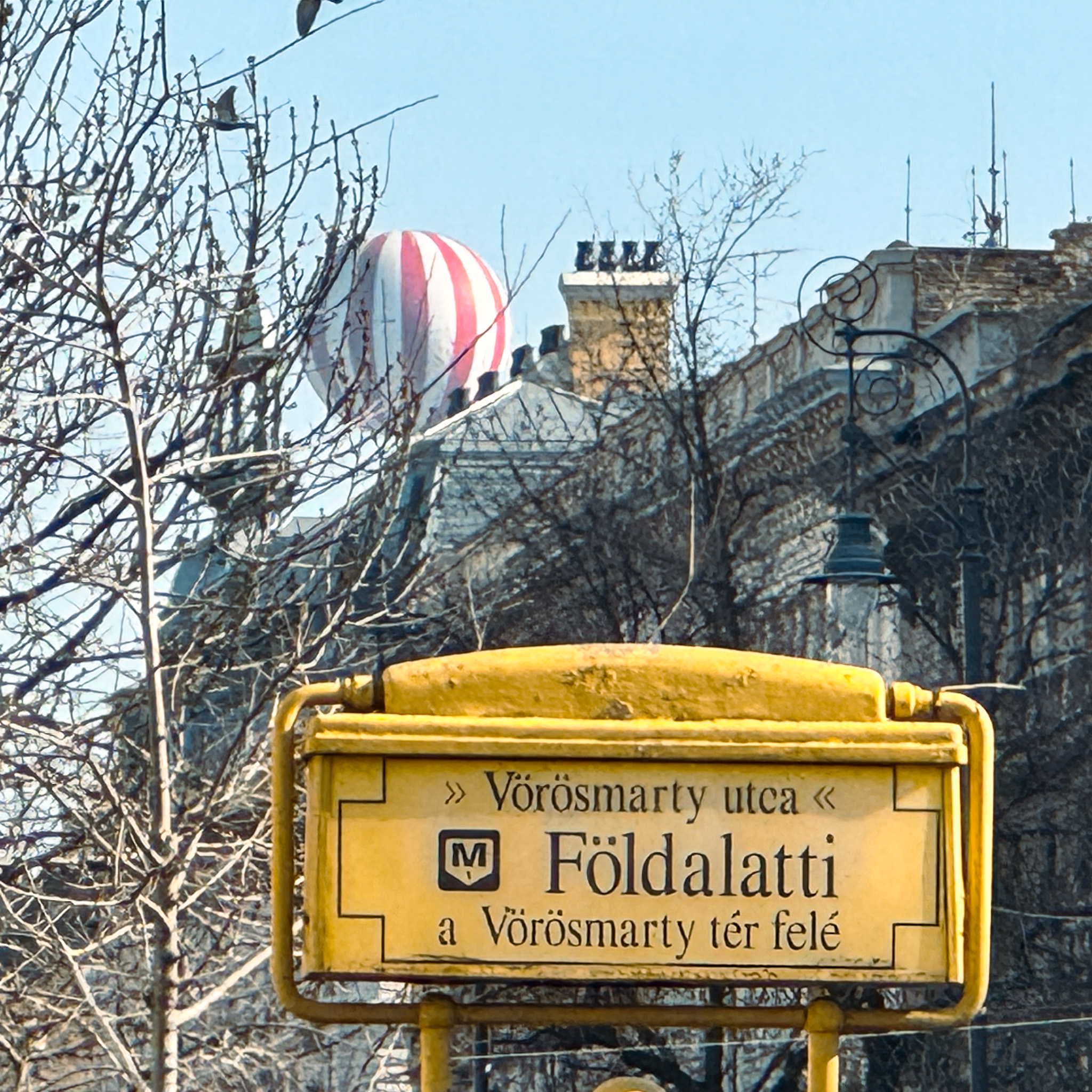
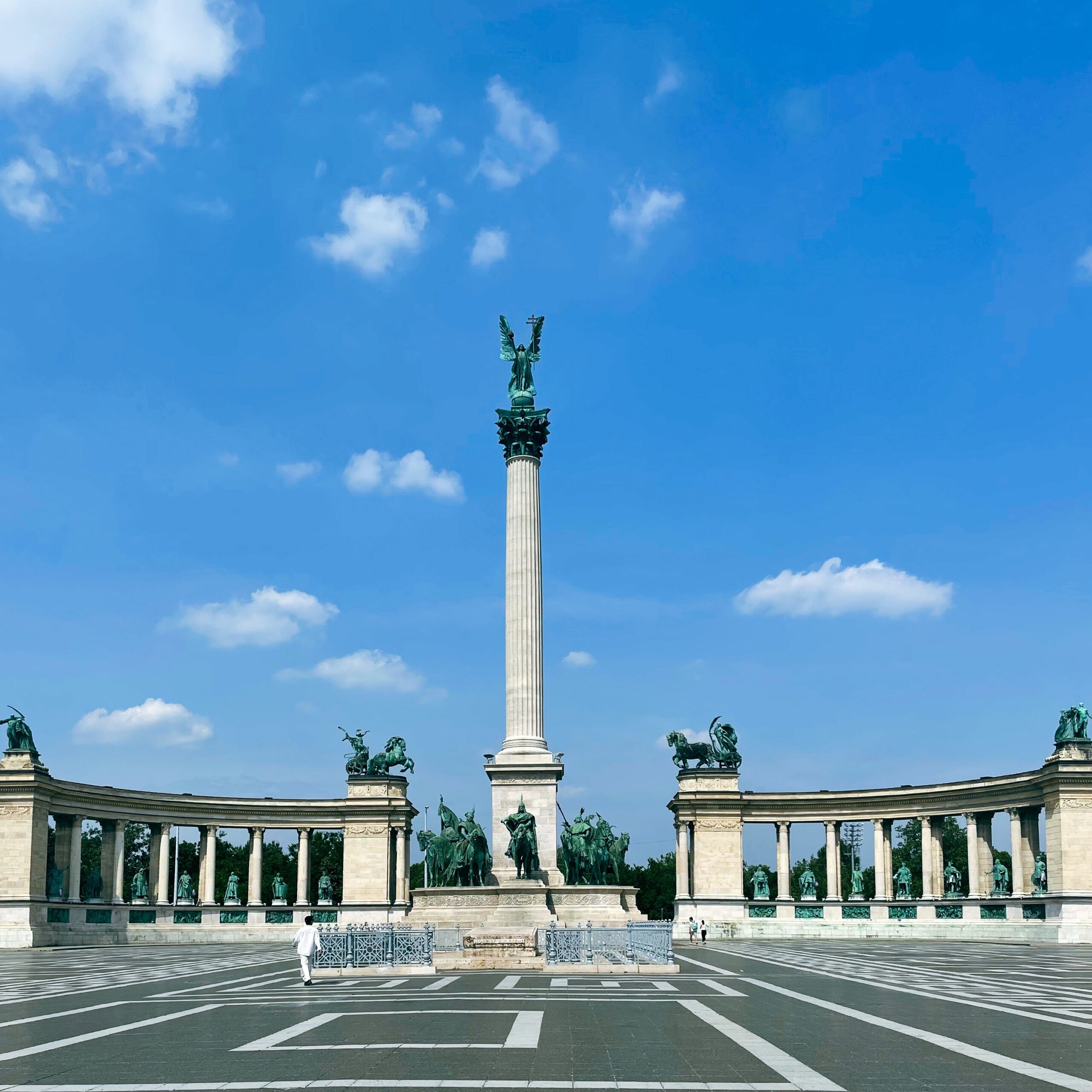
Budapest’s yellow M1 line, known as the Millennium Underground, is the first underground railway in continental Europe. It runs just under Andrássy Avenue and connects Heroes’ Square to Vörösmarty tér.
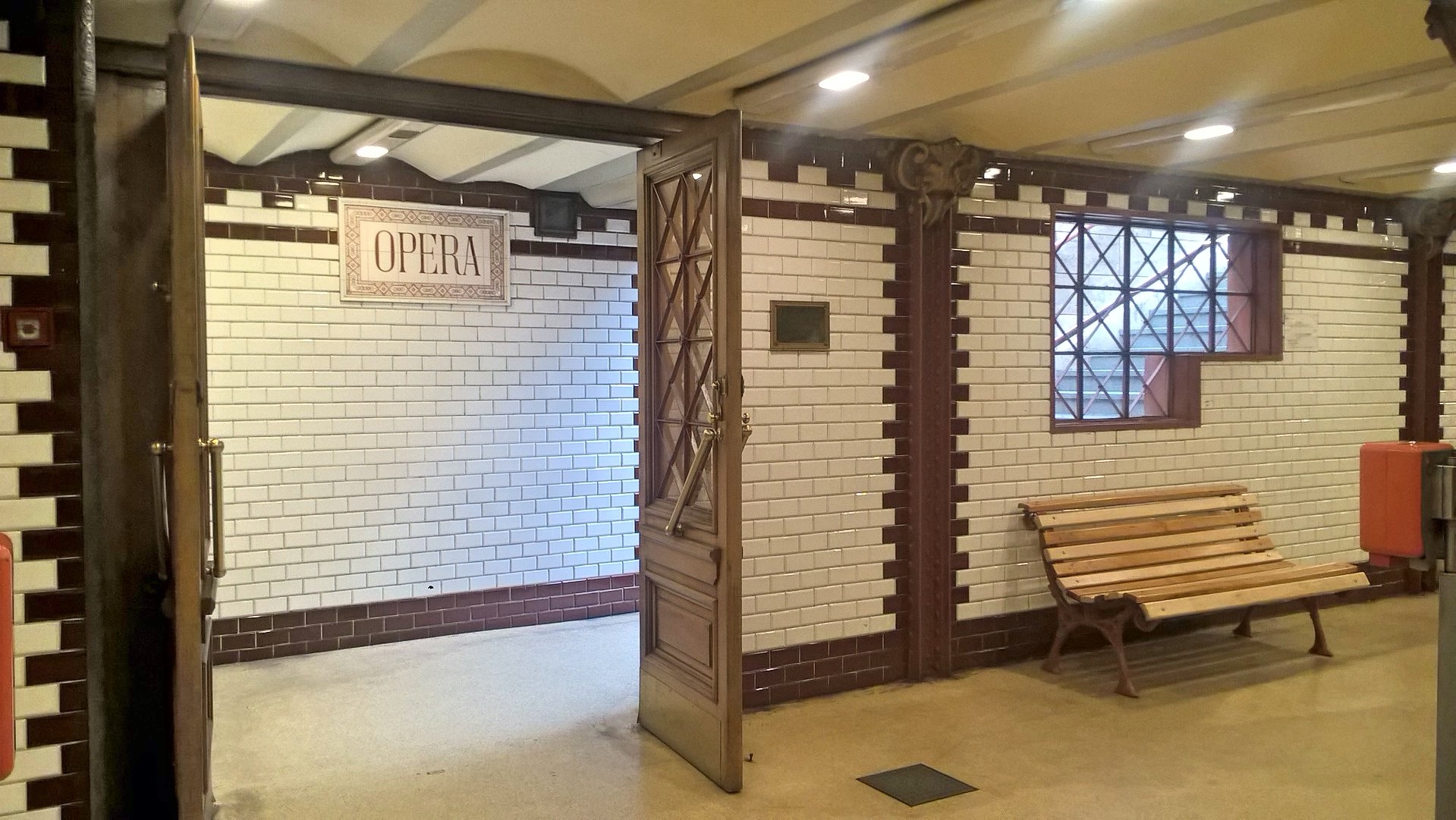
With its tiled stations, wooden interior panels, and charming old-world feel, riding the M1 is like stepping back in time.
Don’t miss: Opera Station — it’s the most photogenic stop on the line!
Skip the Metro for a Scenic Tram Ride
While the metro is efficient, sometimes you’re better off above ground — especially for sightseeing.
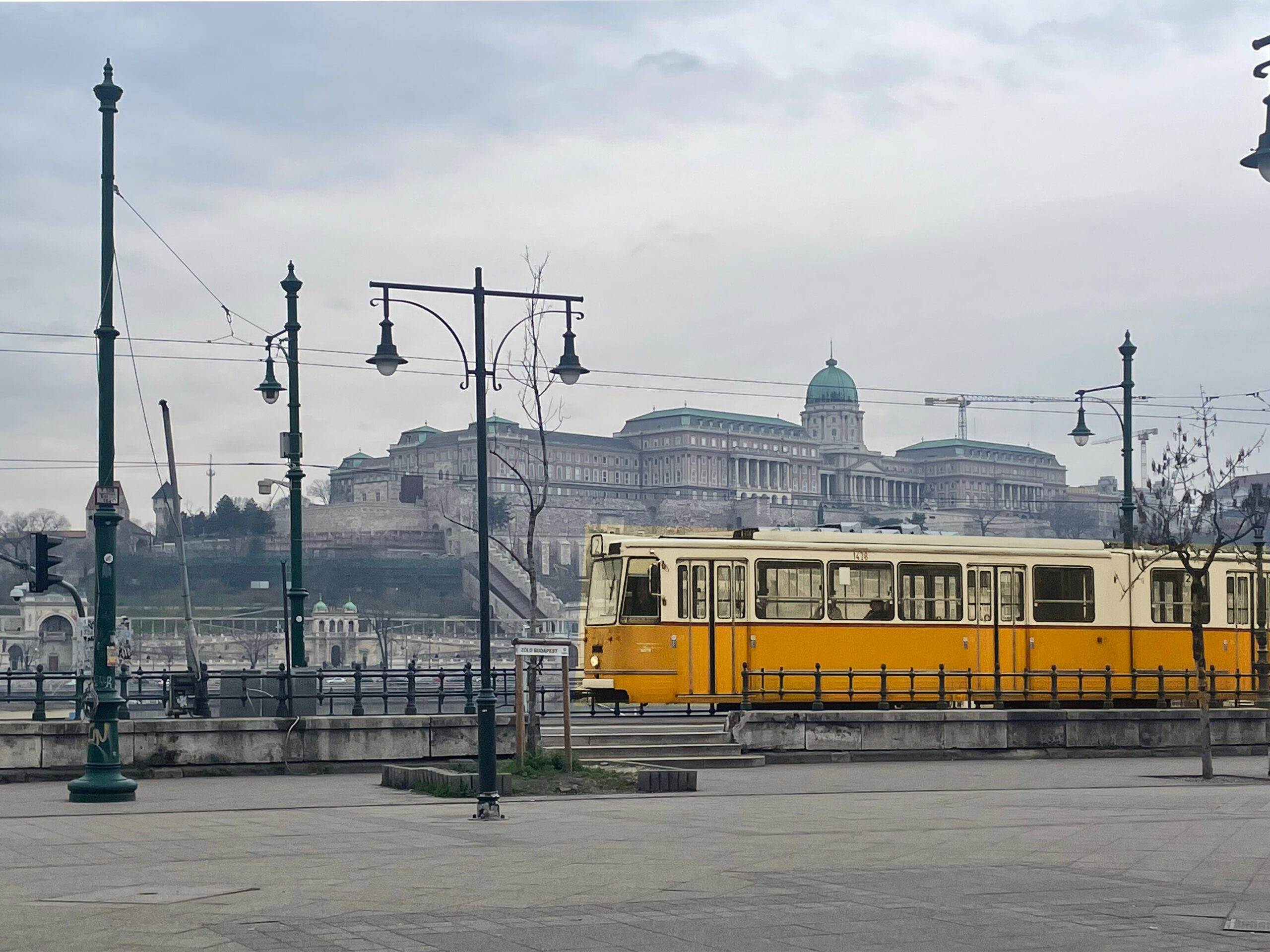
My favorite? Tram 2, which glides along the Danube on the Pest side and offers unforgettable views of Parliament, Buda Castle, and the Chain Bridge. It’s like a moving postcard!
Best route: Jászai Mari tér to Fővám tér Best time: Golden hour or just after sunset
Get a Travel Pass
If you plan to use public transport more than a few times a day, a 24-hour, 72-hour, or 7-day BKK pass is a much better deal than buying single tickets.
These passes cover all metros, trams, buses, and even the suburban HÉV trains within city limits.
Download the BudapestGO appfor real-time transit updates in English.
Metro runs approx. 4:30 AM to 12:30 PM.
Stand on the right side of escalators; the left is for walking.
No food or loud calls on metro cars — it’s considered impolite.
Some older stations don’t have elevators — plan ahead if you need one.
Want to Explore Budapest Like a Local?
I include these kinds of travel tips — and many more! — on my private walking tours of Budapest. Whether it’s your first time or your fifth, I’ll help you discover the city beyond the guidebooks.
Save this post for your trip or share it with someone planning to visit Budapest. And if you’ve had your own metro misadventure, let me know in the comments — I’ve heard some good ones!
Sometimes, the best views in Budapest don’t come with a crowd Hidden above the city, tucked between trees and stone paths, there’s a quiet secret garden with a view that will stop you in your tracks — Mansfeld Péter Park. Locals love it. Tourists rarely find it. And the short, romantic walk to get there makes the moment even more unforgettable. A Walk Worth Taking to a secret garden To reach this secret garden, you’ll follow a gentle hike through the winding streets of Buda. It’s not a difficult walk — but it feels like a storybook path, lined with quiet villas, staircases, and leafy alleys. It only takes about 15 minutes, but once you arrive, you’ll feel like you’ve left the city far behind. Why Mansfeld Péter Park Is So Special Mansfeld Péter Park is more than just peaceful. It offers one of the most breathtaking and underrated views of the Hungarian Parliament — and unlike the popular spots in Pest, you won’t be surrounded by crowds or street noise. It’s a place where I love to finish my days to enjoy the quiet beauty of Budapest, not just the busy sights. Locals bring dogs. Couples bring wine. I bring stories. Who Was Mansfeld Péter? This hidden gem carries a powerful story. The park is named after Péter Mansfeld, one of the youngest heroes of the 1956 Hungarian Revolution. He was just 18 years old when he was executed by the regime for his part in resisting Soviet forces. There’s a simple but meaningful memorial here — and standing at the edge of the park, looking out toward Parliament, you feel the quiet presence of history. From Your Guide I sometimes end my private tours right here — especially if my guests are looking for something more peaceful, more
Sometimes, the best views in Budapest don’t come with a crowd
Hidden above the city, tucked between trees and stone paths, there’s a quiet secret garden with a view that will stop you in your tracks — Mansfeld Péter Park.
Locals love it. Tourists rarely find it. And the short, romantic walk to get there makes the moment even more unforgettable.
A Walk Worth Taking to a secret garden
To reach this secret garden, you’ll follow a gentle hike through the winding streets of Buda. It’s not a difficult walk — but it feels like a storybook path, lined with quiet villas, staircases, and leafy alleys. It only takes about 15 minutes, but once you arrive, you’ll feel like you’ve left the city far behind.
Why Mansfeld Péter Park Is So Special
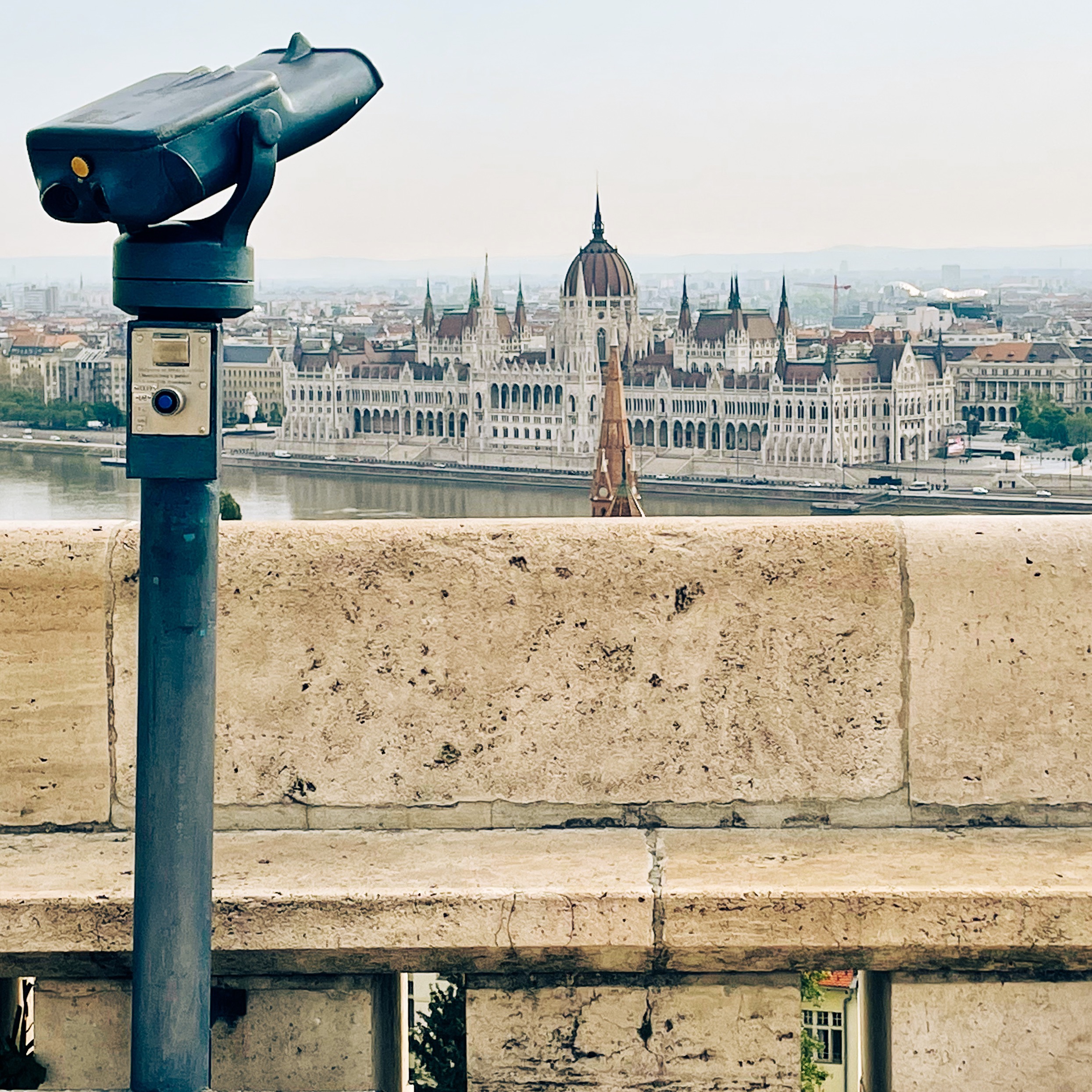
Mansfeld Péter Park is more than just peaceful. It offers one of the most breathtaking and underrated views of the Hungarian Parliament — and unlike the popular spots in Pest, you won’t be surrounded by crowds or street noise. It’s a place where I love to finish my days to enjoy the quiet beauty of Budapest, not just the busy sights. Locals bring dogs. Couples bring wine. I bring stories.
Who Was Mansfeld Péter?
This hidden gem carries a powerful story. The park is named after Péter Mansfeld, one of the youngest heroes of the 1956 Hungarian Revolution. He was just 18 years old when he was executed by the regime for his part in resisting Soviet forces.
There’s a simple but meaningful memorial here — and standing at the edge of the park, looking out toward Parliament, you feel the quiet presence of history.
From Your Guide
I sometimes end my private tours right here — especially if my guests are looking for something more peaceful, more personal, and more unforgettable. This is where Budapest whispers instead of shouts. And I never leave without taking one last photo of the river.
Local Tip to explore a secret garden
Come in the late afternoon for the golden light — when the Parliament glows across the Danube and the trees rustle softly in the breeze. It’s ideal for couples, solo travellers, photographers, and anyone who just wants to pause and breathe.
Want to explore it with me?
This secret garden is one of many hidden gems I might include in my private Budapest tours— always custom-tailored to your pace, interests, and curiosity. If you want to see the quieter, more authentic side of Budapest — I’d love to guide you there. Contact me for more details about my private tours, or simply to ask a question. Let’s plan something unforgettable.
If you loved this quiet corner of the city, you might enjoy discovering even more green spaces, hikes, and hidden viewpoints. Check out this list of outdoor programs in Budapest. It’s a great way to plan your time between sightseeing and slow moments in nature.
Most visitors cross it. Few know its story. The Chain Bridge isn’t just a beautiful structure connecting Buda and Pest — it’s the bridge that changed Hungary. Before it existed, winter ice and ferry delays separated the two sides of the Danube. One tragic moment turned that inconvenience into a bold vision: to build a permanent connection that would unite a city — and a nation. It all started with a funeral In 1820, Count István Széchenyi — one of Hungary’s greatest reformers — missed his father’s funeral. The ferry couldn’t cross the river due to bad weather, and there was no bridge to take him from Pest to Buda. Heartbroken and frustrated, he made a promise: Hungary would have a bridge that connected both sides year-round. That promise became the Széchenyi Chain Bridge. Building the Chain Bridge Budapest: A Marvel of Engineering When construction began in the 1830s, the Chain Bridge was one of the most ambitious civil engineering projects in Europe. It was designed by English engineer William Tierney Clark and built by Adam Clark, a Scottish engineer (and namesake of Clark Ádám tér on the Buda side). It officially opened in 1849 and became the first permanent bridge across the Danube in Hungary. Its suspension design was cutting-edge at the time — and symbolised progress, unity, and independence. Chain Bridge Budapest: The Lion Legend & Missing Tongues Four massive stone lions guard the entrances of the bridge. There’s a popular urban legend that the sculptor, János Marschalkó, forgot to carve tongues on them — and, in his shame, jumped into the Danube. The truth? The lions do have tongues. They're just not visible unless you look very closely from above. This myth has survived for generations — and it’s one of the stories I love sharing on
Most visitors cross it. Few know its story.
The Chain Bridge isn’t just a beautiful structure connecting Buda and Pest — it’s the bridge that changed Hungary. Before it existed, winter ice and ferry delays separated the two sides of the Danube. One tragic moment turned that inconvenience into a bold vision: to build a permanent connection that would unite a city — and a nation.
It all started with a funeral
In 1820, Count István Széchenyi — one of Hungary’s greatest reformers — missed his father’s funeral. The ferry couldn’t cross the river due to bad weather, and there was no bridge to take him from Pest to Buda. Heartbroken and frustrated, he made a promise: Hungary would have a bridge that connected both sides year-round. That promise became the Széchenyi Chain Bridge.
Building the Chain Bridge Budapest: A Marvel of Engineering
When construction began in the 1830s, the Chain Bridge was one of the most ambitious civil engineering projects in Europe. It was designed by English engineer William Tierney Clark and built by Adam Clark, a Scottish engineer (and namesake of Clark Ádám tér on the Buda side).
It officially opened in 1849 and became the first permanent bridge across the Danube in Hungary. Its suspension design was cutting-edge at the time — and symbolised progress, unity, and independence.
Chain Bridge Budapest: The Lion Legend & Missing Tongues
Four massive stone lions guard the entrances of the bridge. There’s a popular urban legend that the sculptor, János Marschalkó, forgot to carve tongues on them — and, in his shame, jumped into the Danube.
The truth? The lions do have tongues. They’re just not visible unless you look very closely from above.
This myth has survived for generations — and it’s one of the stories I love sharing on my tours. Budapest has a knack for hiding the truth in plain sight.
How the Chain Bridge Budapest Survived War and Reborn
In 1945, during World War II, retreating German troops destroyed the bridge along with all others in Budapest. Only the stone pillars remained. But just like the city itself, the bridge rose again. It was carefully reconstructed and reopened in 1949 — exactly 100 years after its original inauguration.
From your private tour guide
Whenever I guide a walking tour across the Chain Bridge, I pause in the middle and encourage my guests to look both ways. Behind us, Buda Castle rises like a fortress. Ahead, Parliament glows on the Pest side. This bridge isn’t just a route — it’s a symbol of resilience. Of connection. Of Budapest’s unbreakable spirit.
Local tip
Visit just before sunset to catch the golden glow on the river and buildings. And after dark, the bridge is beautifully lit — a perfect, romantic walk for couples or a quiet pause for solo travelers.
Want to explore it with me?
I include the Chain Bridge in many of my private walking tours— and always tailor the experience to your pace, interests, and curiosity. If you’d like to hear more stories like this in person, I’d love to show you the real Budapest.
Fisherman’s Bastion is without a doubt one of the most photographed and iconic sights in Budapest. Perched high on Castle Hill, this fairytale-like terrace offers breathtaking panoramic views over the Danube, the Hungarian Parliament, and the entire Pest side of the city. Its whimsical turrets, staircases, and white-stone arches draw visitors from around the world — and once you see it, you’ll understand why. What makes Fisherman’s Bastion truly special is how photogenic and inviting it is from every angle. Whether you’re capturing the early morning light, the towers framed by the neighbouring Matthias Church, or simply walking beneath its arches, each view offers something new. It’s one of those rare places that feels different every time you visit. To fully experience this magical spot, I recommend joining my Buda Castle Walk — a private tour that explores the history, legends, and hidden corners of the castle district. If you prefer a broader look at the city that includes this highlight, my Full-Day Budapest Tour by Car also includes a scenic stop at Fisherman’s Bastion with plenty of time to explore. Don't hesitate to contact me for more details or ideas! Originally built in the late 1800s to celebrate 1,000 years of Hungary, the Bastion is more about beauty than battle — a tribute to the fishermen who once protected this stretch of the medieval walls. Today, it’s a peaceful, inspiring place to slow down and take in the soul of Budapest. Personal tip: If you’d like to take photos like me, with no people in them, it’s best to visit early in the morning — it’s when the Bastion is at its quietest and most magical. Curious about the Bastion’s story? This History Tools article dives deep into its medieval defense roots, the fishermen’s role, the Neo‑Romanesque design by
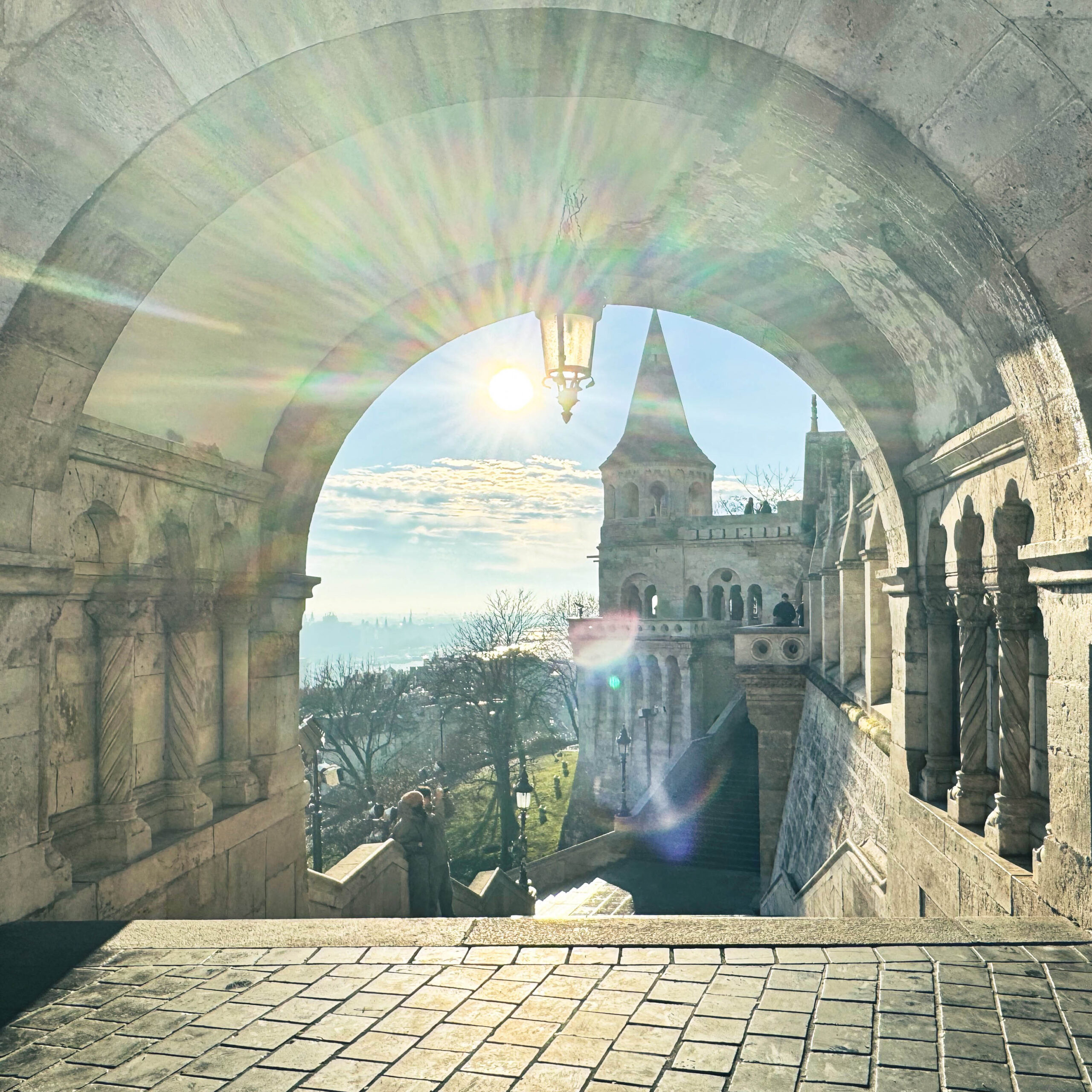
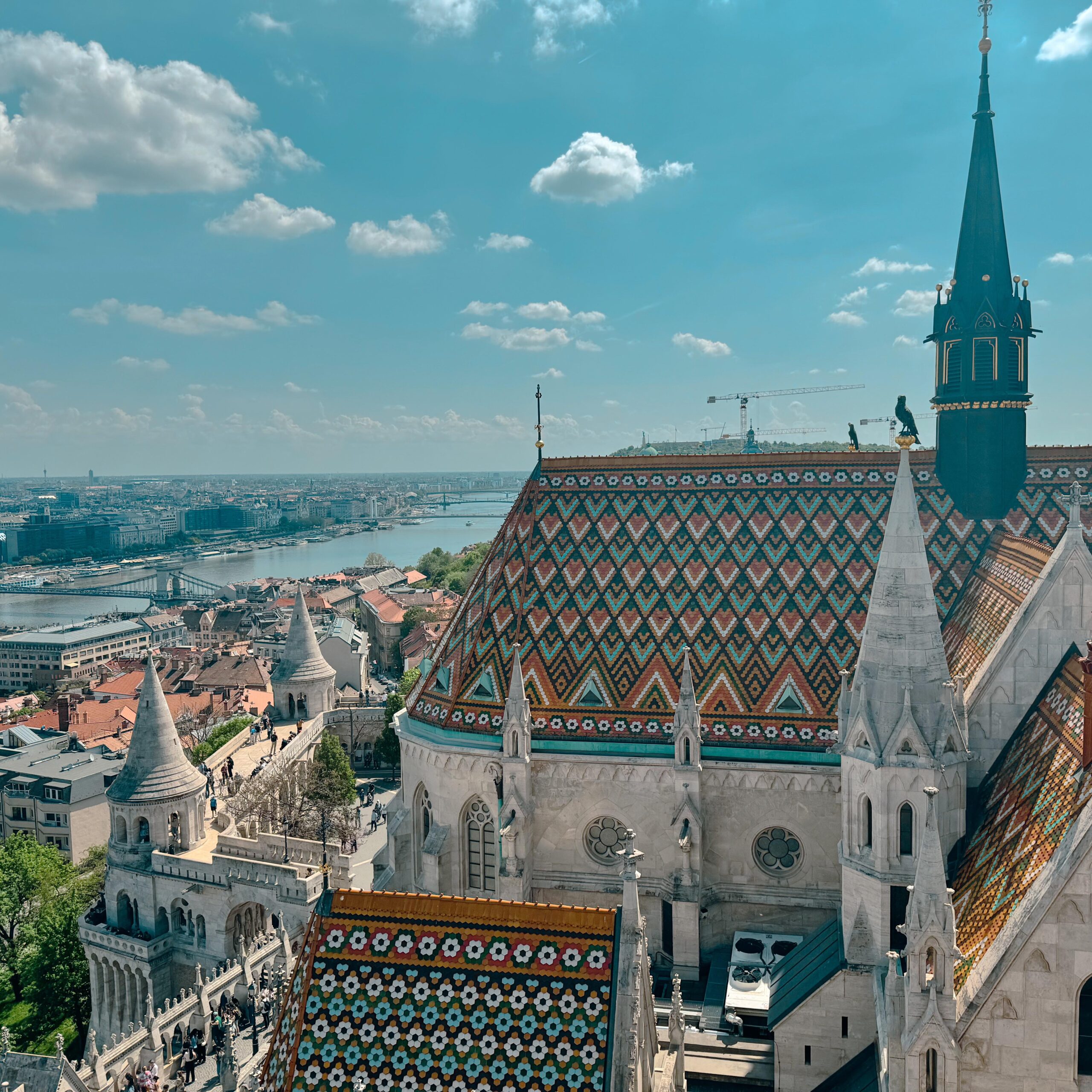
Fisherman’s Bastion is without a doubt one of the most photographed and iconic sights in Budapest. Perched high on Castle Hill, this fairytale-like terrace offers breathtaking panoramic views over the Danube, the Hungarian Parliament, and the entire Pest side of the city. Its whimsical turrets, staircases, and white-stone arches draw visitors from around the world — and once you see it, you’ll understand why.
What makes Fisherman’s Bastion truly special is how photogenic and inviting it is from every angle. Whether you’re capturing the early morning light, the towers framed by the neighbouring Matthias Church, or simply walking beneath its arches, each view offers something new. It’s one of those rare places that feels different every time you visit.
To fully experience this magical spot, I recommend joining my Buda Castle Walk — a private tour that explores the history, legends, and hidden corners of the castle district. If you prefer a broader look at the city that includes this highlight, my Full-Day Budapest Tour by Car also includes a scenic stop at Fisherman’s Bastion with plenty of time to explore. Don’t hesitate to contact me for more details or ideas!
Originally built in the late 1800s to celebrate 1,000 years of Hungary, the Bastion is more about beauty than battle — a tribute to the fishermen who once protected this stretch of the medieval walls. Today, it’s a peaceful, inspiring place to slow down and take in the soul of Budapest.
Personal tip: If you’d like to take photos like me, with no people in them, it’s best to visit early in the morning — it’s when the Bastion is at its quietest and most magical.
Curious about the Bastion’s story? This History Tools article dives deep into its medieval defense roots, the fishermen’s role, the Neo‑Romanesque design by Frigyes Schulek, and the significance of its seven symbolic towers.
There’s something truly magical about Budapest that never fades, no matter how many times I walk its streets. From the golden light of sunrise over the Danube to the glow of Parliament at night, every hour brings a new kind of beauty. I love capturing these moments—quiet alleys, bustling markets, soft reflections on the river—each one telling a part of the city’s story. Taking photos and videos here isn’t just about visuals; it’s about emotion, rhythm, and the atmosphere of everyday life. With every shot, I try to preserve the feeling of being here: the laughter from a café, the hush in a church, the buzz of trams gliding by. Creating this video is my way of sharing that energy, that intimacy, that wonder. Budapest always gives me something new to fall in love with—and I hope you feel a bit of that in every frame. https://www.youtube.com/shorts/FF69rCGD9a4
There’s something truly magical about Budapest that never fades, no matter how many times I walk its streets. From the golden light of sunrise over the Danube to the glow of Parliament at night, every hour brings a new kind of beauty. I love capturing these moments—quiet alleys, bustling markets, soft reflections on the river—each one telling a part of the city’s story.
Taking photos and videos here isn’t just about visuals; it’s about emotion, rhythm, and the atmosphere of everyday life. With every shot, I try to preserve the feeling of being here: the laughter from a café, the hush in a church, the buzz of trams gliding by. Creating this video is my way of sharing that energy, that intimacy, that wonder. Budapest always gives me something new to fall in love with—and I hope you feel a bit of that in every frame.
As a private Budapest tour guide, I’ve had the joy of leading over 2,000 tours in this incredible city—and I can honestly say that every single one has been special. No two tours are ever the same—because no two travellers are ever the same. That’s what makes being a private Budapest tour guide so rewarding. Some come for the history, others for the food and wine, and many are simply curious to understand what makes this city so magical. From Strangers to Friends Whether it’s a half-day stroll through Pest or a full-day adventure across both sides of the Danube, something remarkable always happens. We start as strangers, but somehow, by the end of the tour, we’re sharing stories like old friends. There’s a closeness that naturally forms when walking through streets filled with meaning and memory. As a result, these moments stay with me long after the tour is over. Budapest Through My Eyes Every corner I show holds personal significance—these aren’t just stops on a route; they’re part of my life in Budapest. For example the grandeur of Andrássy Avenue while the quiet courtyards of the Jewish Quarter still feel like hidden gems. The Magic of a Shared Experience I love seeing the city through fresh eyes again and again. Watching someone fall in love with Budapest—often without even realising it—is one of the best parts of my job. In fact, I especially love that moment when I catch the first sparkle in their eyes, when I know the city has started to work its magic on them. Of course, it’s not just about sharing facts—though of course, I share plenty! It’s about creating an experience that reflects each guest’s curiosity, energy, and pace. Tailored Tours, Every Time Some guests want slow, thoughtful conversations about architecture and culture; others
As a private Budapest tour guide, I’ve had the joy of leading over 2,000 tours in this incredible city—and I can honestly say that every single one has been special. No two tours are ever the same—because no two travellers are ever the same. That’s what makes being a private Budapest tour guide so rewarding.
Some come for the history, others for the food and wine, and many are simply curious to understand what makes this city so magical.
We start as strangers, but somehow, by the end of the tour, we’re sharing stories like old friends. There’s a closeness that naturally forms when walking through streets filled with meaning and memory. As a result, these moments stay with me long after the tour is over.
Budapest Through My Eyes
Every corner I show holds personal significance—these aren’t just stops on a route; they’re part of my life in Budapest. For example the grandeur of Andrássy Avenue while the quiet courtyards of the Jewish Quarter still feel like hidden gems.
The Magic of a Shared Experience
I love seeing the city through fresh eyes again and again. Watching someone fall in love with Budapest—often without even realising it—is one of the best parts of my job. In fact, I especially love that moment when I catch the first sparkle in their eyes, when I know the city has started to work its magic on them.
Of course, it’s not just about sharing facts—though of course, I share plenty! It’s about creating an experience that reflects each guest’s curiosity, energy, and pace.
Tailored Tours, Every Time
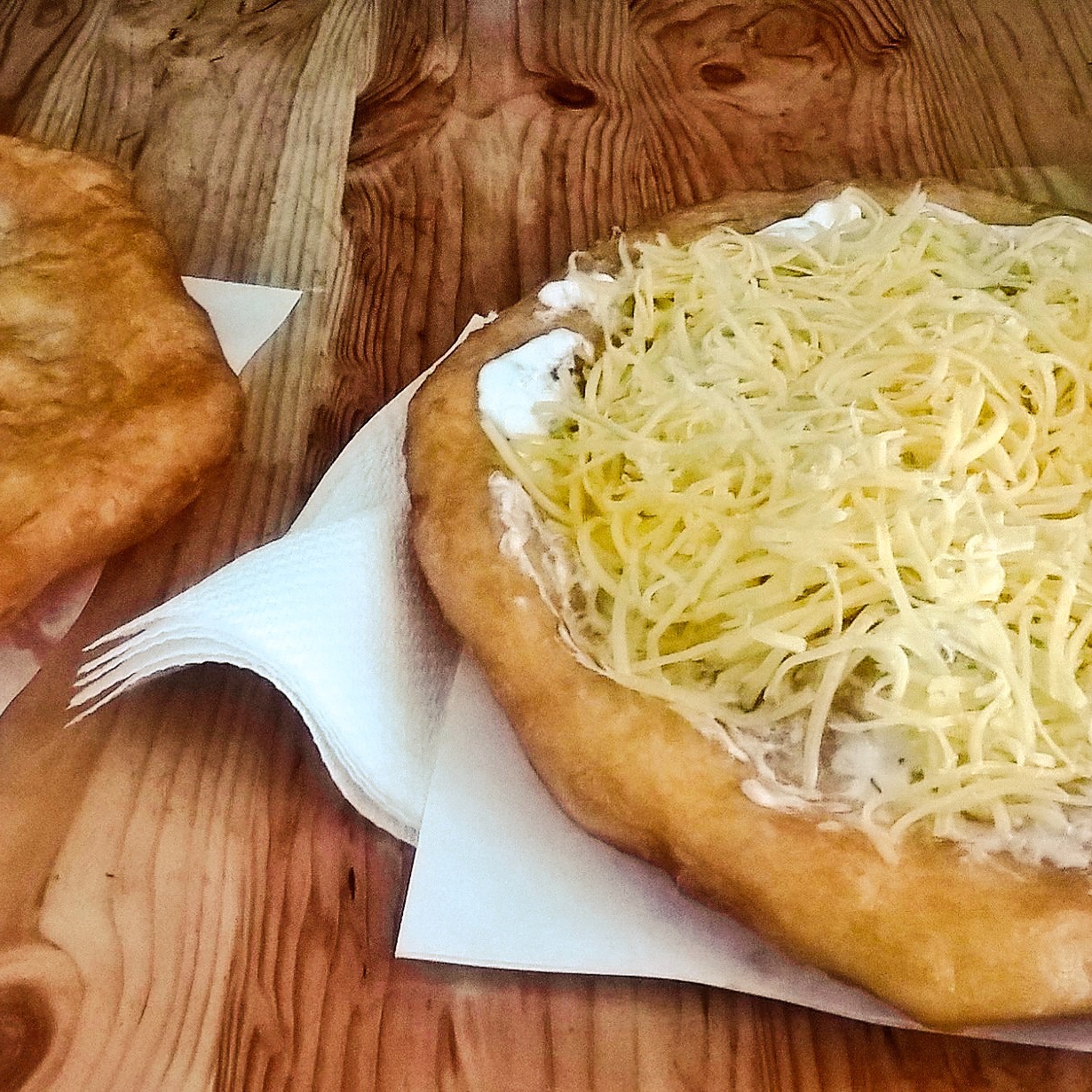
Some guests want slow, thoughtful conversations about architecture and culture; others are eager to try lángos at the market or sip some sparkling wine in Etyek. Either way, I’m here for all of it.
These moments—spontaneous, personal, and often funny—make each tour unforgettable for me too. After all, that’s what makes being a private Budapest tour guide so rewarding.
Budapest is always changing, but it never loses its beauty. And after all these years, I still feel incredibly lucky to call it home—and to share it with others.
Let Me Show You Around
If you’re planning a trip, I’d be honoured to show you around the city that I love. Whether you’re after history, food, or just a warm local connection, consider booking with a private Budapest tour guide who truly knows the heart of the city.
The past few weeks have been filled with unforgettable moments shared with wonderful guests on my food and wine tours across Hungary. From tasting delicious local wines in wine cellars to wandering through bustling markets in Budapest, it’s been a joy to introduce travellers to the authentic flavours of this beautiful country. Every private tour brings new connections, unique stories, and plenty of delicious discoveries. I’ve gathered a few short clips to share the atmosphere and magic of these recent experiences—full of laughter, learning, and of course, lots of wine! Whether you're looking for a city-based adventure or a countryside escape, there's something for every kind of traveller. If you’re feeling inspired, here are a few tours you might enjoy:🍷 The Budapest Culinary & Etyek Wine Tour blends urban food culture with a scenic vineyard visit – a true taste of both worlds.🥖 The Budapest Foodie Tour is perfect for curious eaters wanting to dive into local flavors and hidden gems.🍇 And the Eger and Wine Tour is a beautiful day trip that combines history, countryside charm, and some of Hungary’s best reds. You can find all the details and book your next experience here:👉 https://lovefromhungary.com/tour-category/private-hungary-budapest-food-wine-tours/ Looking forward to sharing a table with you soon!
The past few weeks have been filled with unforgettable moments shared with wonderful guests on my food and wine tours across Hungary. From tasting delicious local wines in wine cellars to wandering through bustling markets in Budapest, it’s been a joy to introduce travellers to the authentic flavours of this beautiful country. Every private tour brings new connections, unique stories, and plenty of delicious discoveries.
I’ve gathered a few short clips to share the atmosphere and magic of these recent experiences—full of laughter, learning, and of course, lots of wine! Whether you’re looking for a city-based adventure or a countryside escape, there’s something for every kind of traveller.
If you’re feeling inspired, here are a few tours you might enjoy: 🍷 The Budapest Culinary & Etyek Wine Tour blends urban food culture with a scenic vineyard visit – a true taste of both worlds. 🥖 The Budapest Foodie Tour is perfect for curious eaters wanting to dive into local flavors and hidden gems. 🍇 And the Eger and Wine Tour is a beautiful day trip that combines history, countryside charm, and some of Hungary’s best reds.