Beautiful Budapest Stories: Wenckheim Palace
- Destinations, General, Reviews
- Beautiful Budapest Stories, Budapest architecture, Budapest tour, film location, Library, private guide, Wenckheim Palace
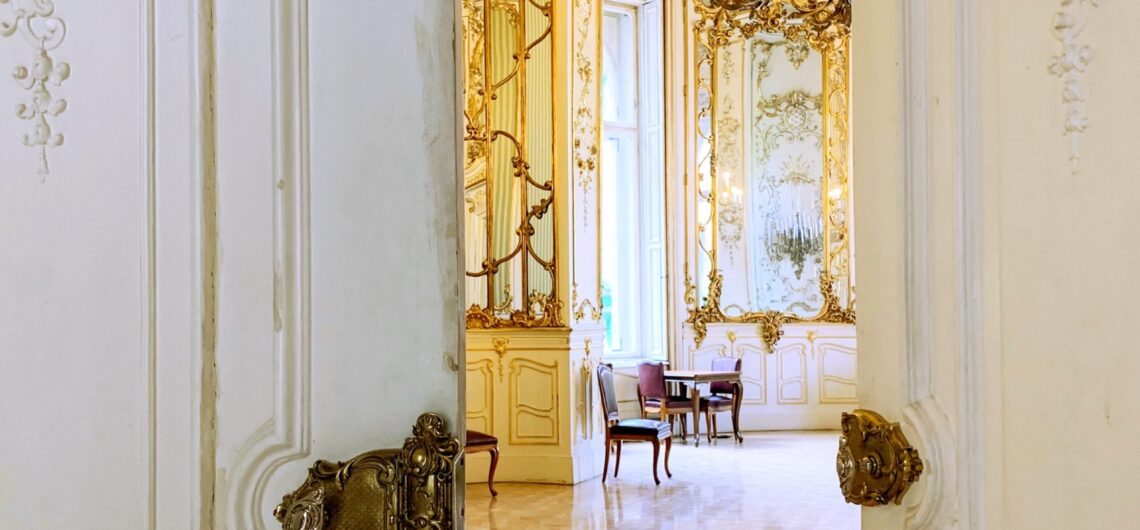
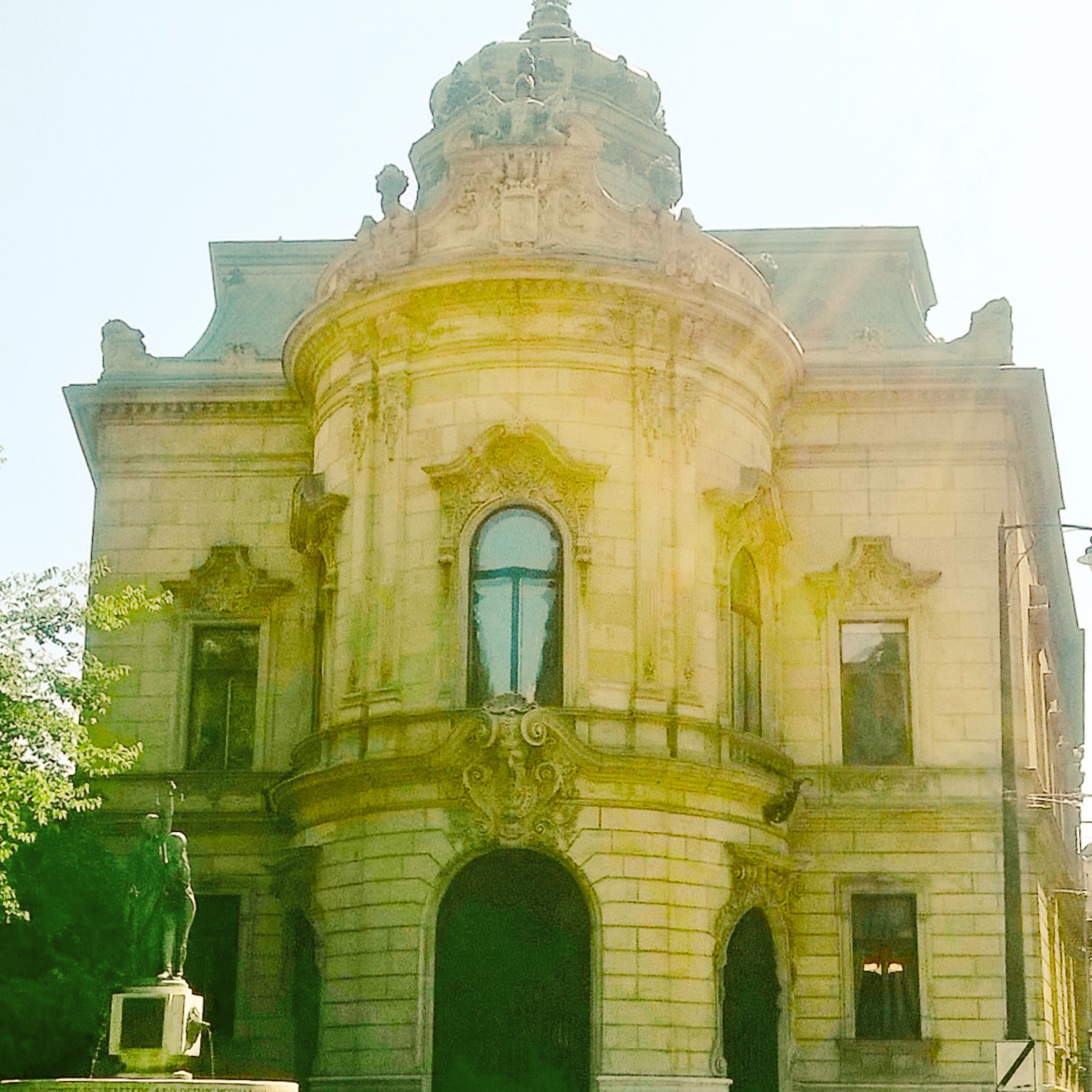
The Wenckheim Palace Budapest story begins quietly—behind heavy doors, beneath chandeliers, and far from the noise of the city outside.
Some buildings in Budapest impress from the outside. Others reveal themselves slowly, once you step inside and let the silence, the light, and the details do the talking. Wenckheim Palace belongs firmly to the second category—a true jewel box hidden in the Palace Quarter.
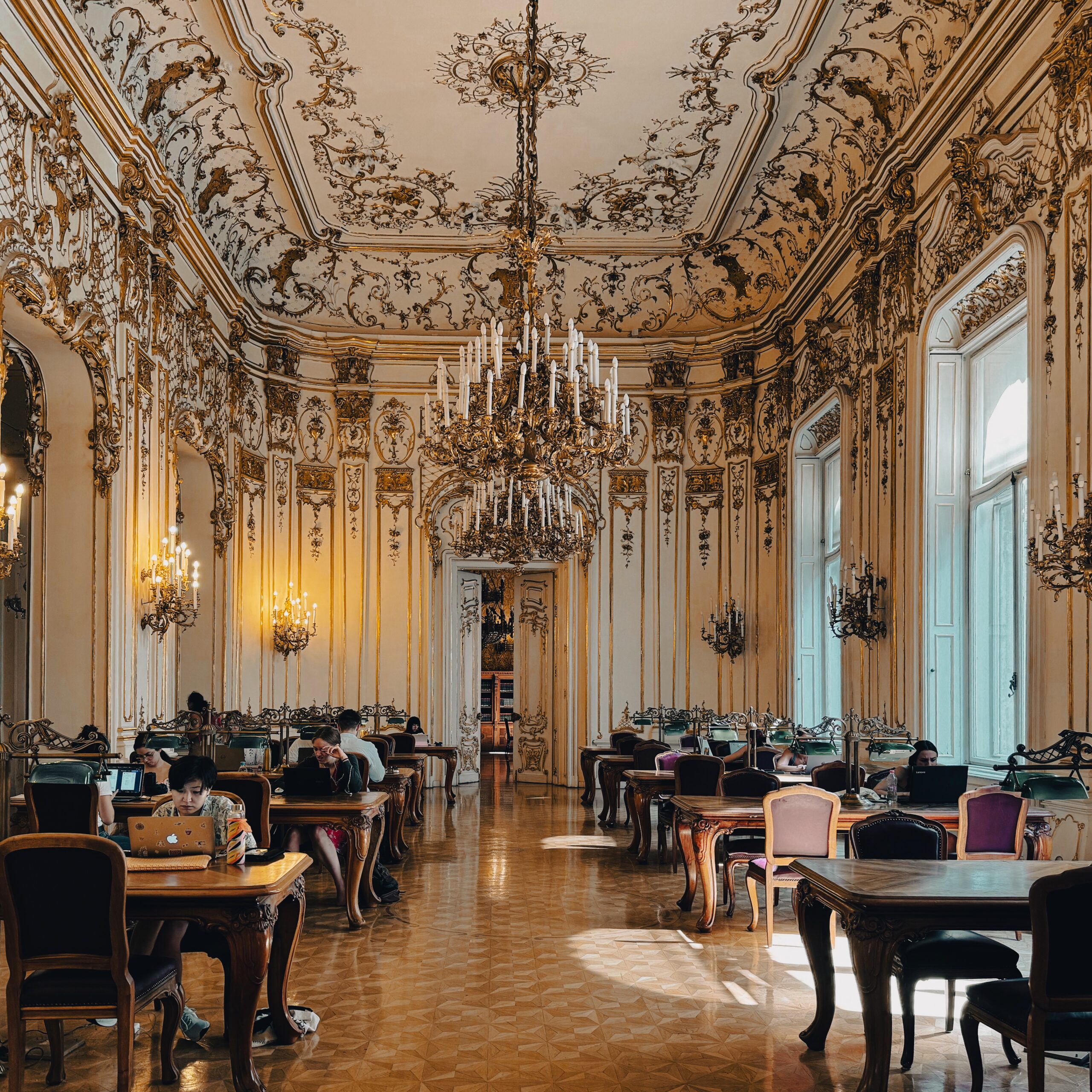
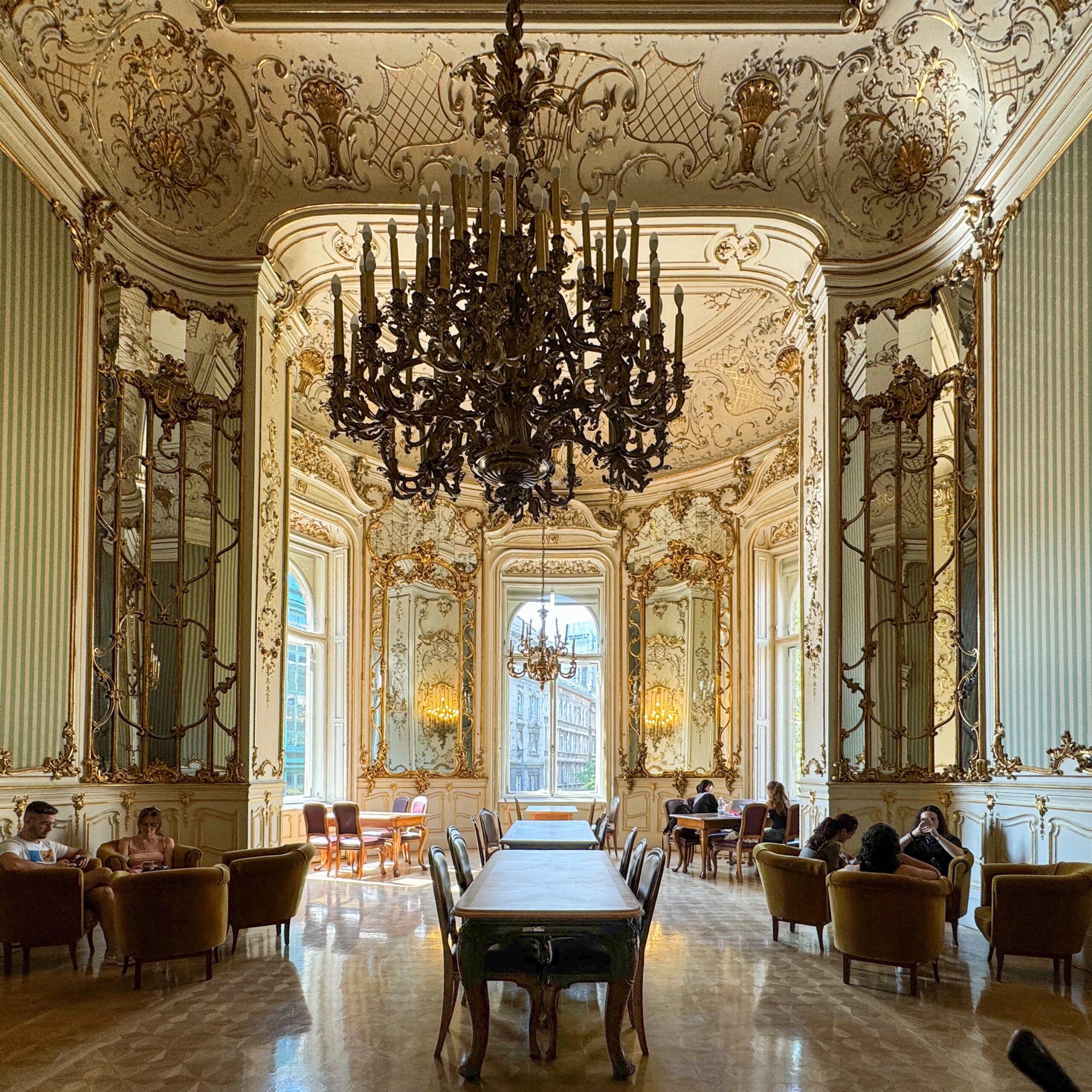
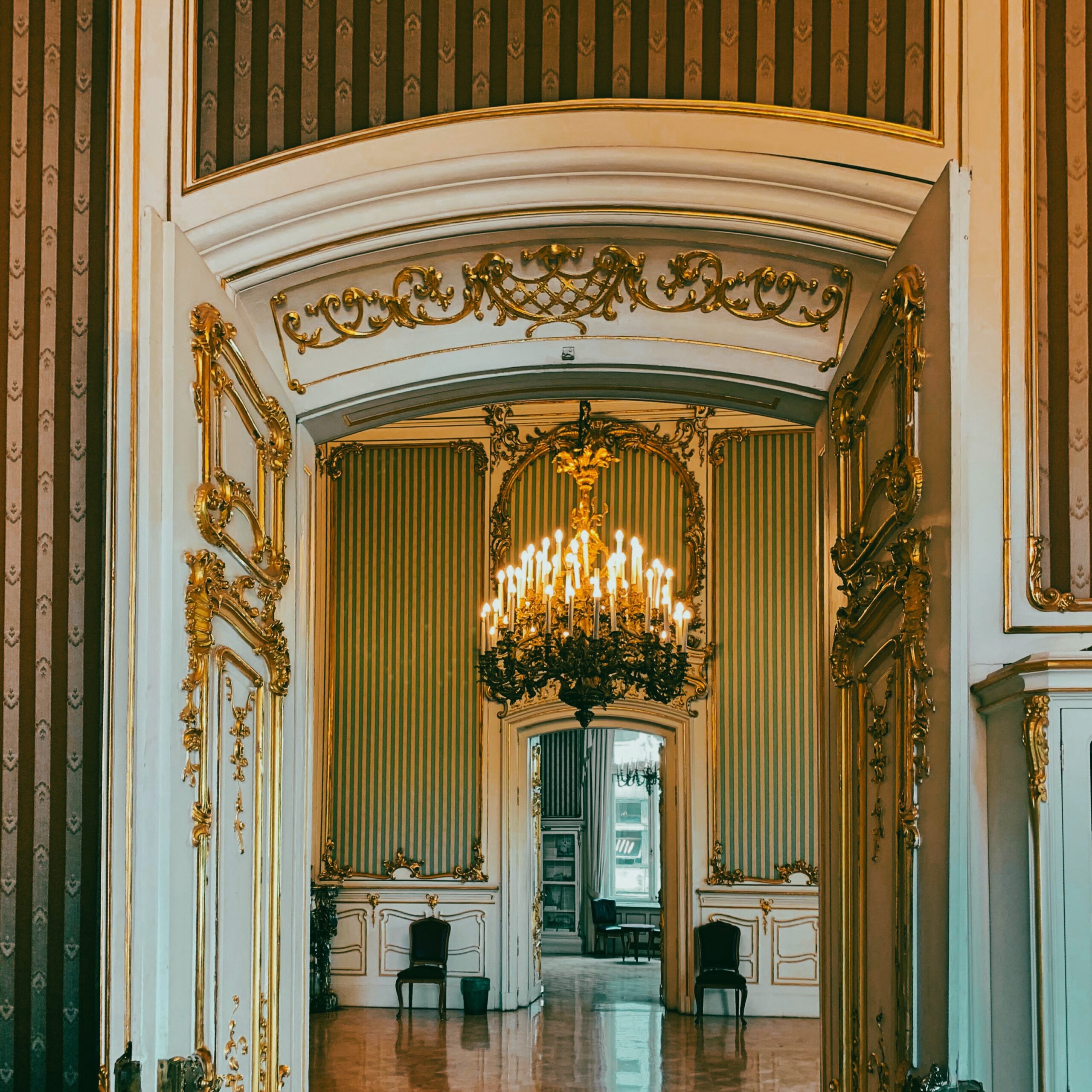
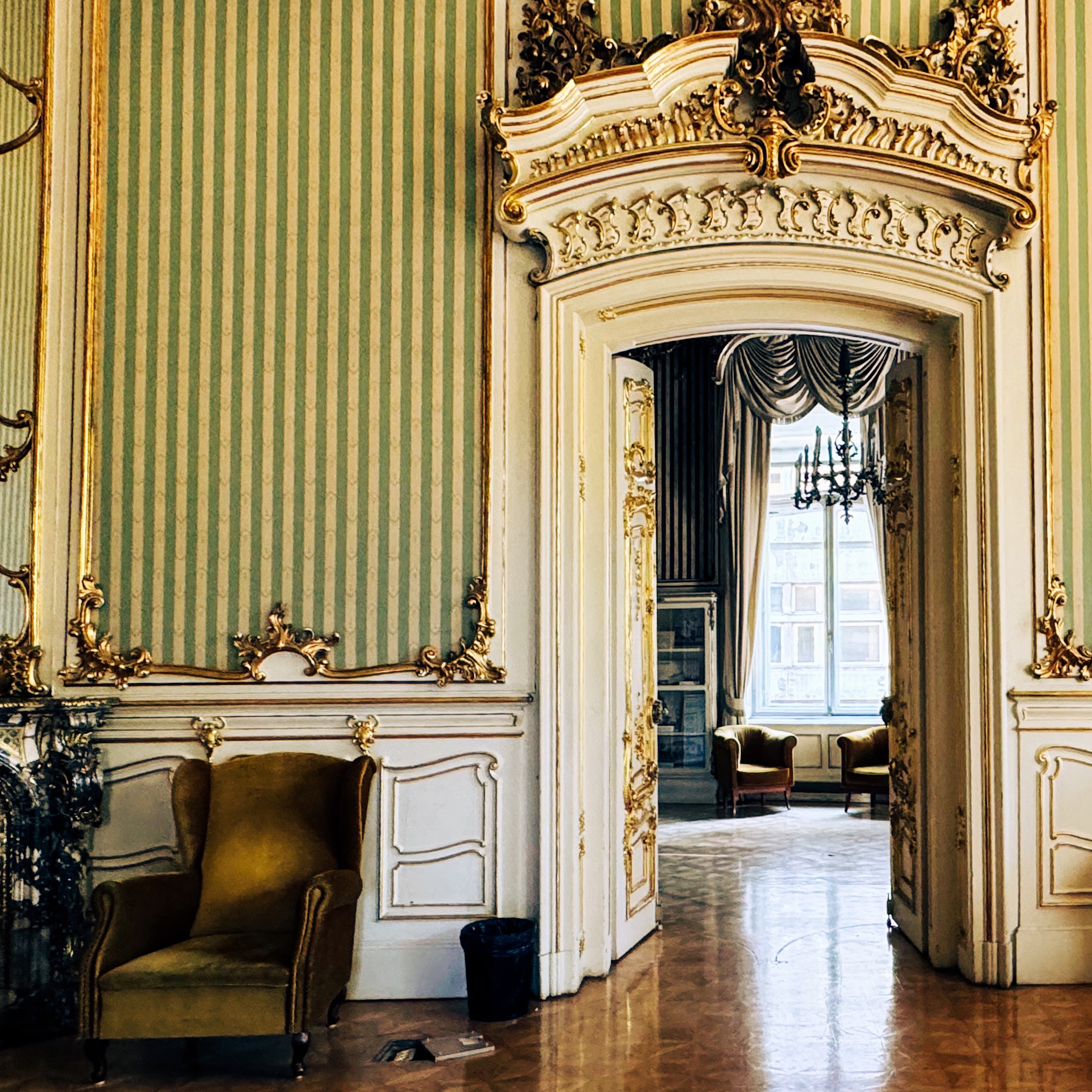
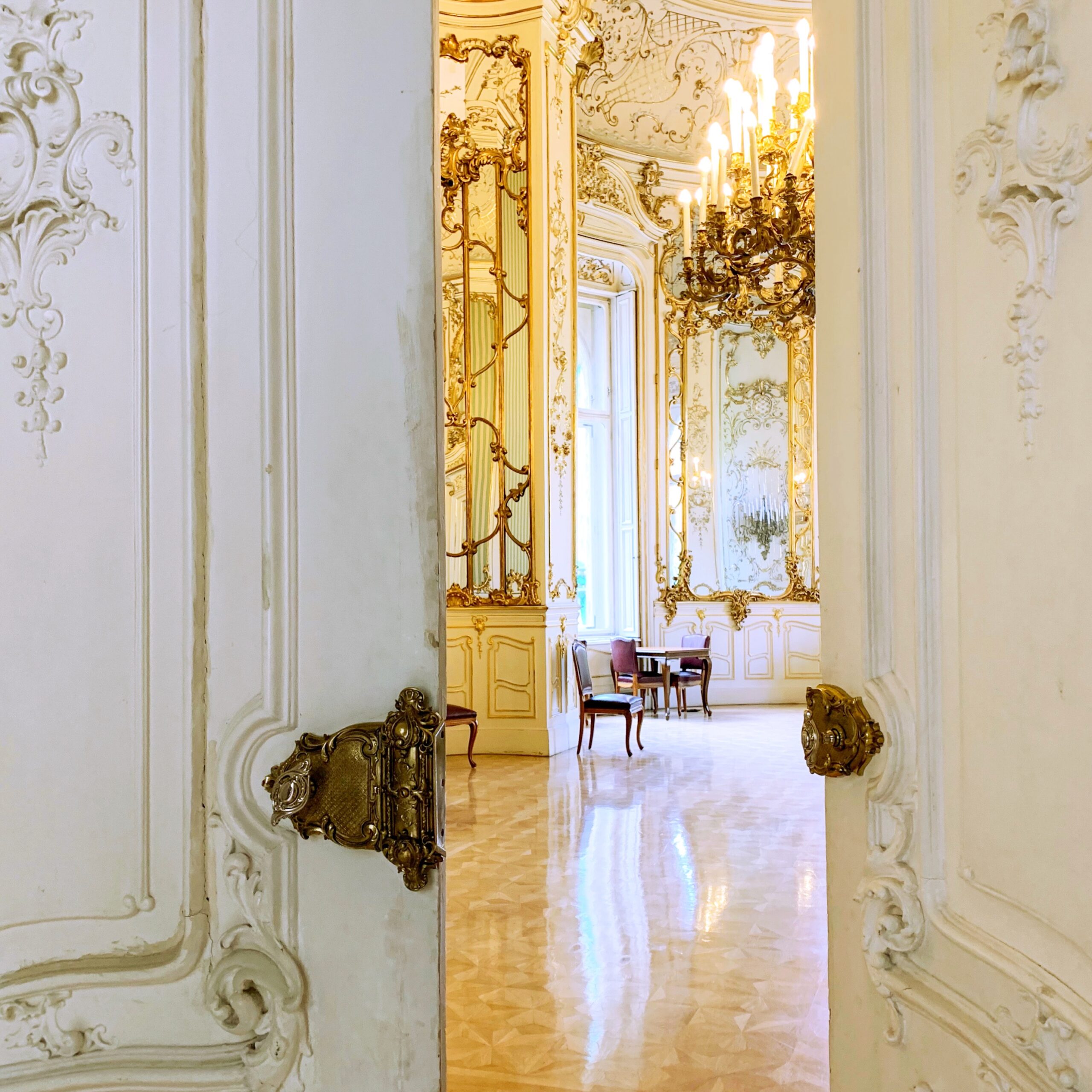
Built in 1889, the palace was commissioned by Count Frigyes Wenckheim and his wife, Krisztina Wenckheim (yes, they were first cousins), and designed by architect Artúr Meinig. Behind its Neo-Baroque façade, the interiors unfold in an elegant Louis XV style, rich with gilded details, carved woodwork, and soft symmetry. Count Wenckheim was a wealthy landowner and a Member of Parliament, and his Budapest residence quickly became one of the most admired palaces of the 8th district.
At the heart of the building lies the grand ballroom—ornate, luminous, and surprisingly vast. It could easily host up to 500 guests, and it almost certainly did. The Wenckheim family was known for their magnificent receptions and glittering balls, attended by the elite of the era, including Franz Joseph, Emperor of Austria and King of Hungary. One can still imagine the music, the movement, and the carefully choreographed elegance of late-19th-century high society lingering in the space.
But the Wenckheim Palace story in Budapest is not only one of architecture and aristocratic glamour—it is also rich in drama. The family’s history was so full of passion, scandal, and unexpected turns that it inspired Jókai Mór, one of Hungary’s greatest novelists. Elements of the Wenckheim legacy found their way into his famous novel A Hungarian Nabob, blurring the line between literature and real life in a way that feels quintessentially Budapest.
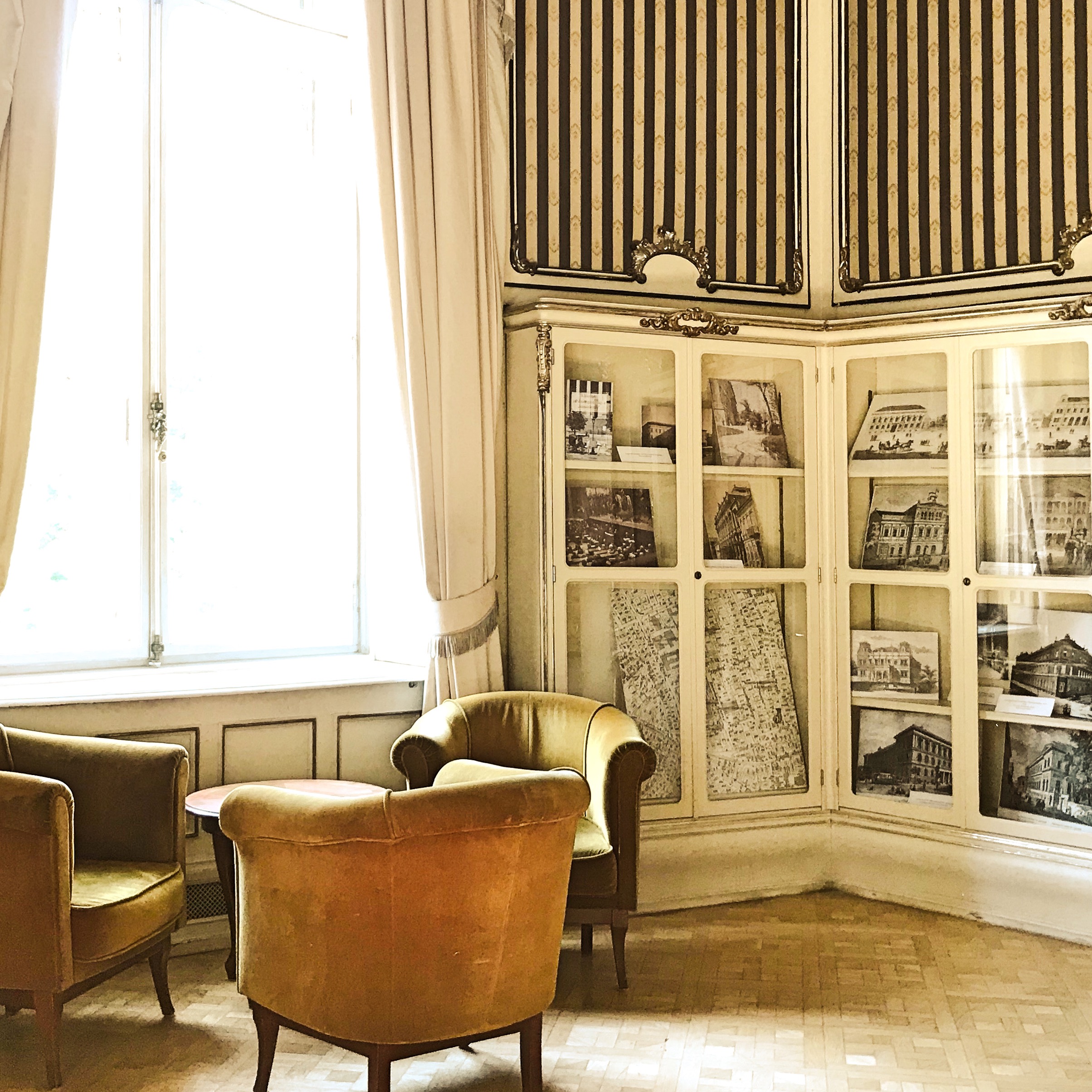
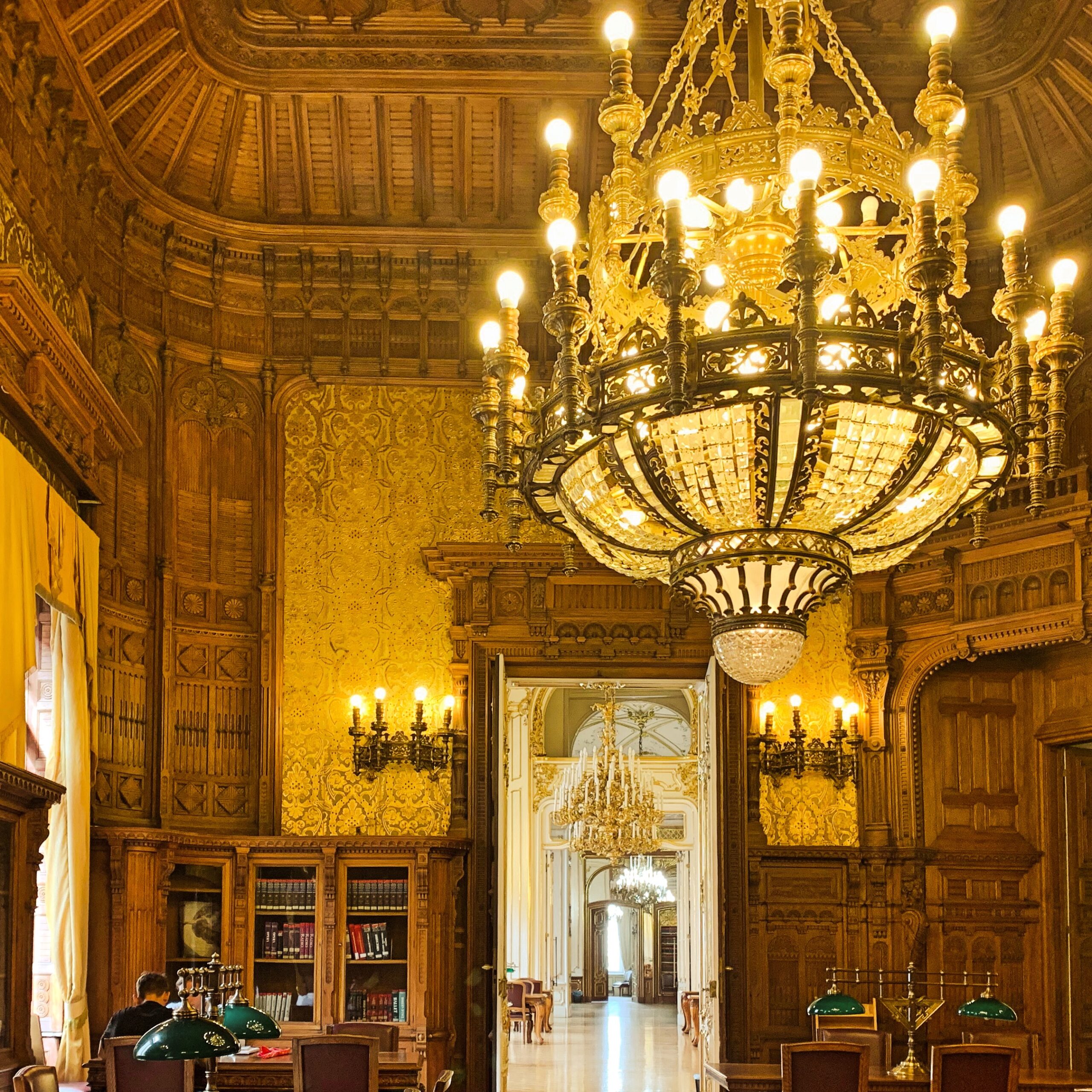
After Count Wenckheim’s death in 1912, the palace gradually lost its private function and was sold to the city in 1927. A new chapter began in 1931, when it became the central building of the Budapest Metropolitan Library. Since then, the palace has lived a wonderfully dual life: a former aristocratic residence where chandeliers now shine over reading desks, and quiet concentration has replaced the sound of orchestras.
Today, students, researchers, and curious visitors move through the same halls that once hosted lavish balls. The contrast is part of the magic—and perhaps the reason filmmakers are so drawn to the building. Wenckheim Palace has appeared in international productions such as Red Sparrow, The Alienist, Spy, and The Phantom of the Opera.
Wenckheim Palace is one of those places where Budapest’s layers come together effortlessly—aristocratic ambition, literary echoes, everyday life, and cinematic allure, all under one roof. It’s not just a building you visit; it’s a story you quietly step into.
If you’re planning your visit and wondering how to include Wenckheim Palace in your itinerary, you may find my Must-See guide to Wenckheim Palace useful. If you’d like to experience Wenckheim Palace as part of a personalised Budapest walk, I’m always happy to weave it into a tour—because places like this are best discovered through their stories.