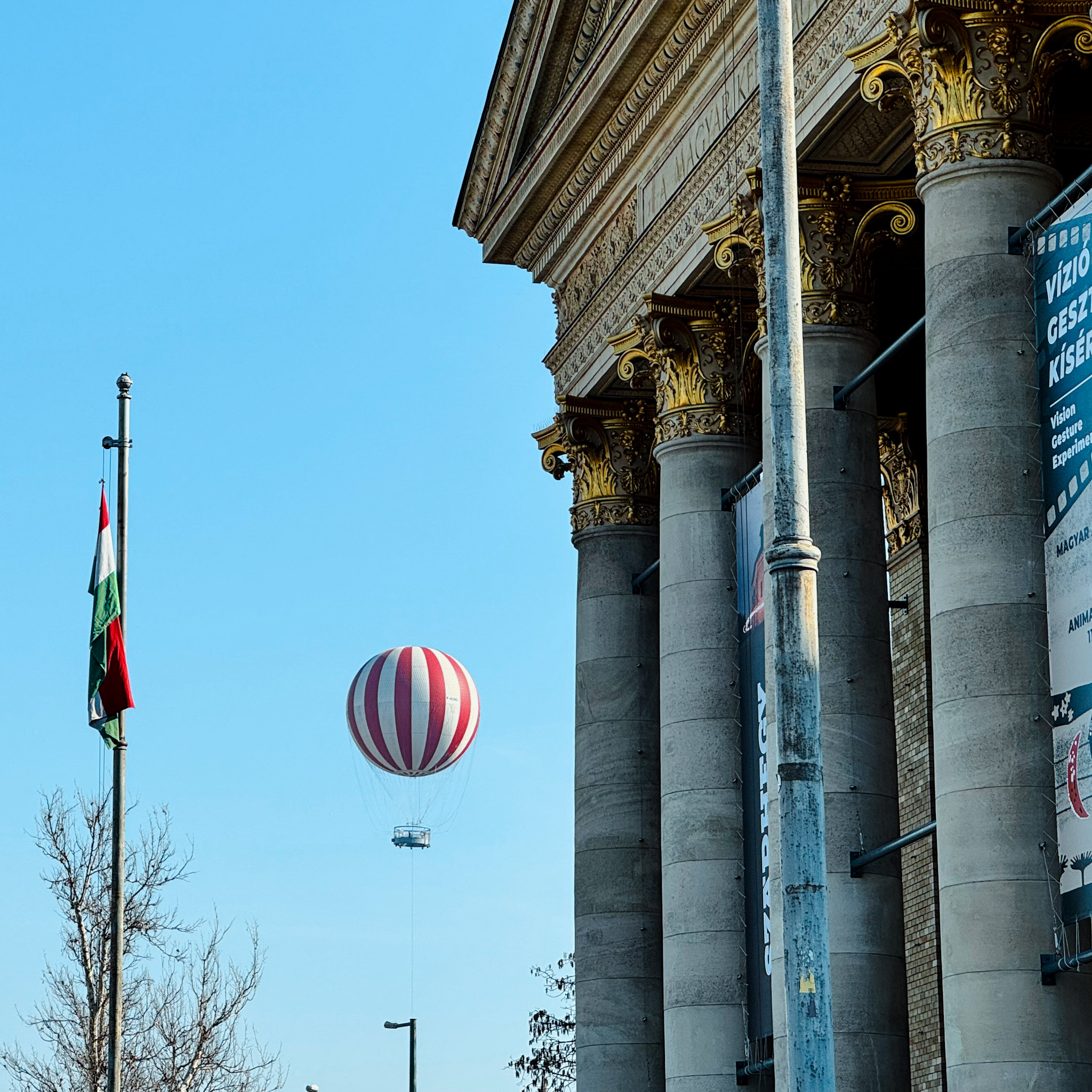
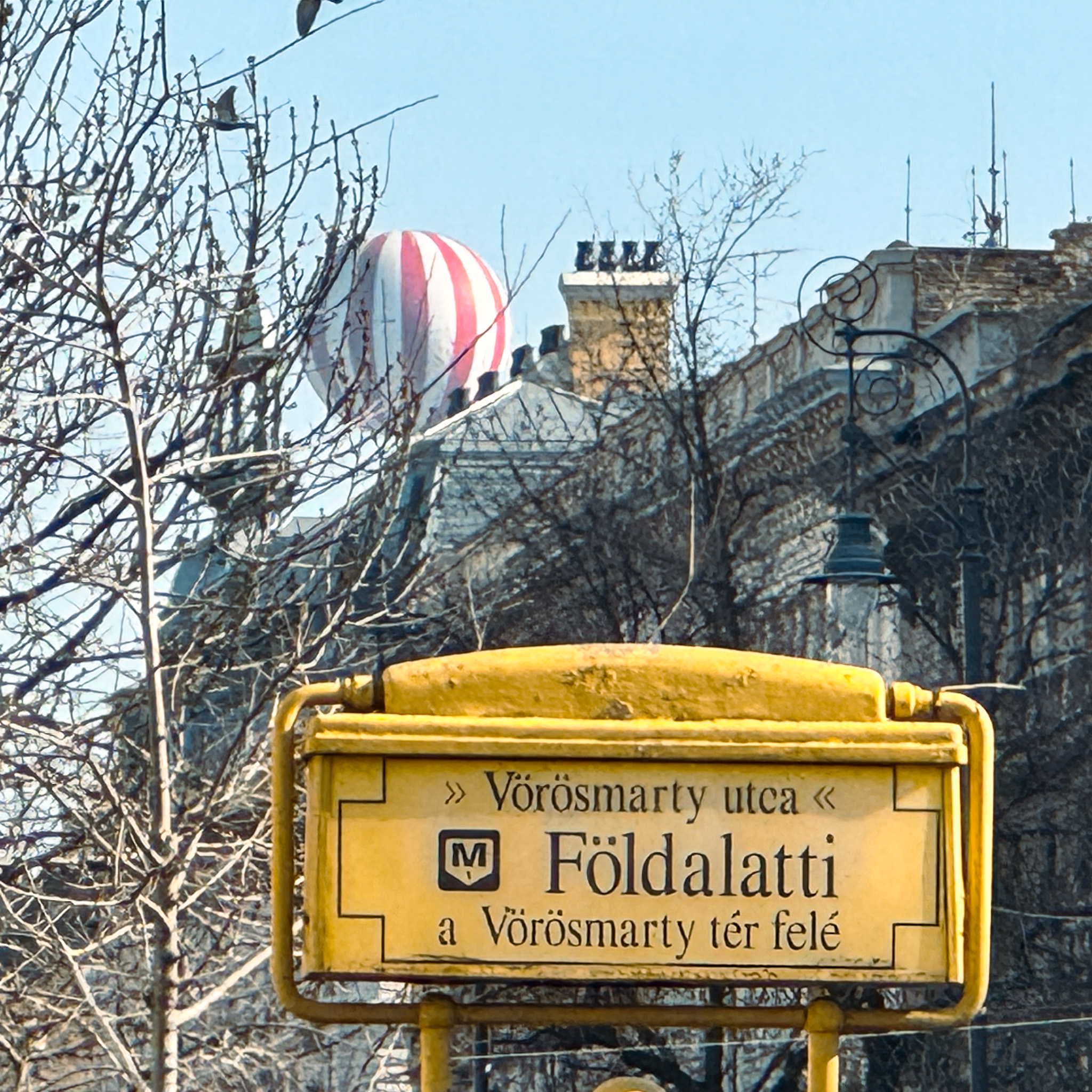
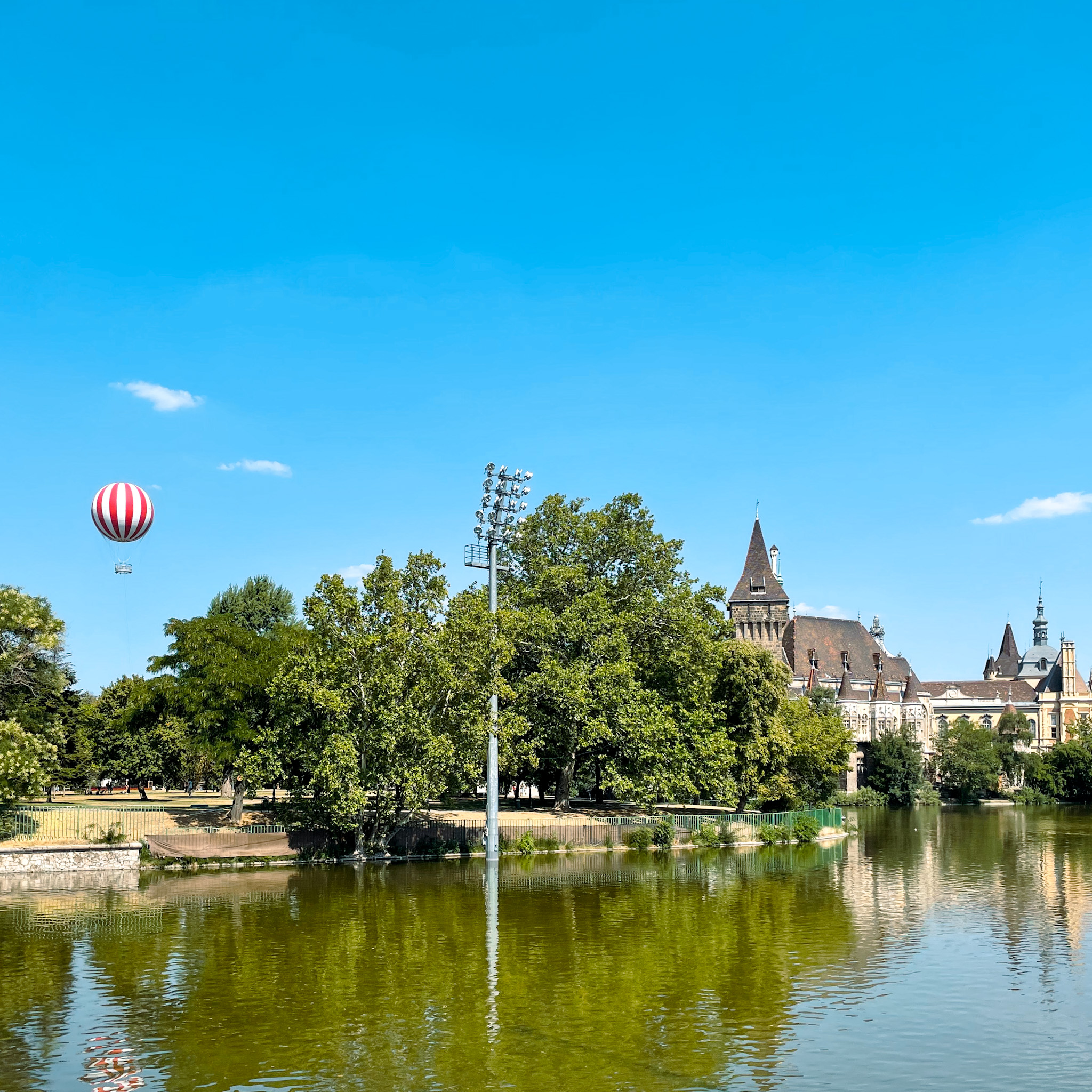
The red and white stripes of the Budapest hot air balloon create a striking visual that catches the eye from various vantage points across Budapest, visitors are often wondering what it is.

The hot air balloon in City Park offers a unique and breathtaking way to experience Budapest. Rising high above the park, it provides stunning panoramic views of the city’s iconic landmarks, including Heroes Square, Vajdahunyad Castle, and the peaceful expanse of the park itself. This exhilarating experience allows visitors to see Budapest from a completely different perspective, making it a must-do activity for anyone seeking adventure and beautiful vistas.

Visitors might not know that the original version of the hot air balloon first took people to the sky in 1896, it was one of the major attractions of the Millennium celebrations in the City Park, so that people could admire the celebrations from a birds’ eyes view. The creators wanted to pay homage to Hungarian painter Pál Szinyei Merse, it looks very similar to the hot air balloon painted by Szinyei Merse, the original painting is in the National Gallery. The painting was created in 1878, and it is one of his most famous works and a key piece in Hungarian art history. The painting depicts a colourful hot air balloon soaring through the sky over a beautiful, serene landscape, capturing both the grandeur and the delicacy of the moment. Szinyei Merse, known for his mastery in capturing light and nature, uses vibrant colours and dynamic composition to convey the excitement and elegance of flight.

The hot air balloon is impossible to miss, as it stands tall against the backdrop of Budapest’s skyline. From iconic landmarks like Buda Castle and the Parliament, visitors can spot the colourful balloon flying high above the city. Its vibrant presence offers a unique visual contrast to the city’s historic architecture, making it an unforgettable sight for anyone exploring Budapest. Whether from the Chain Bridge or Fisherman’s Bastion, the balloon serves as a constant reminder of the adventure waiting just below in the park.
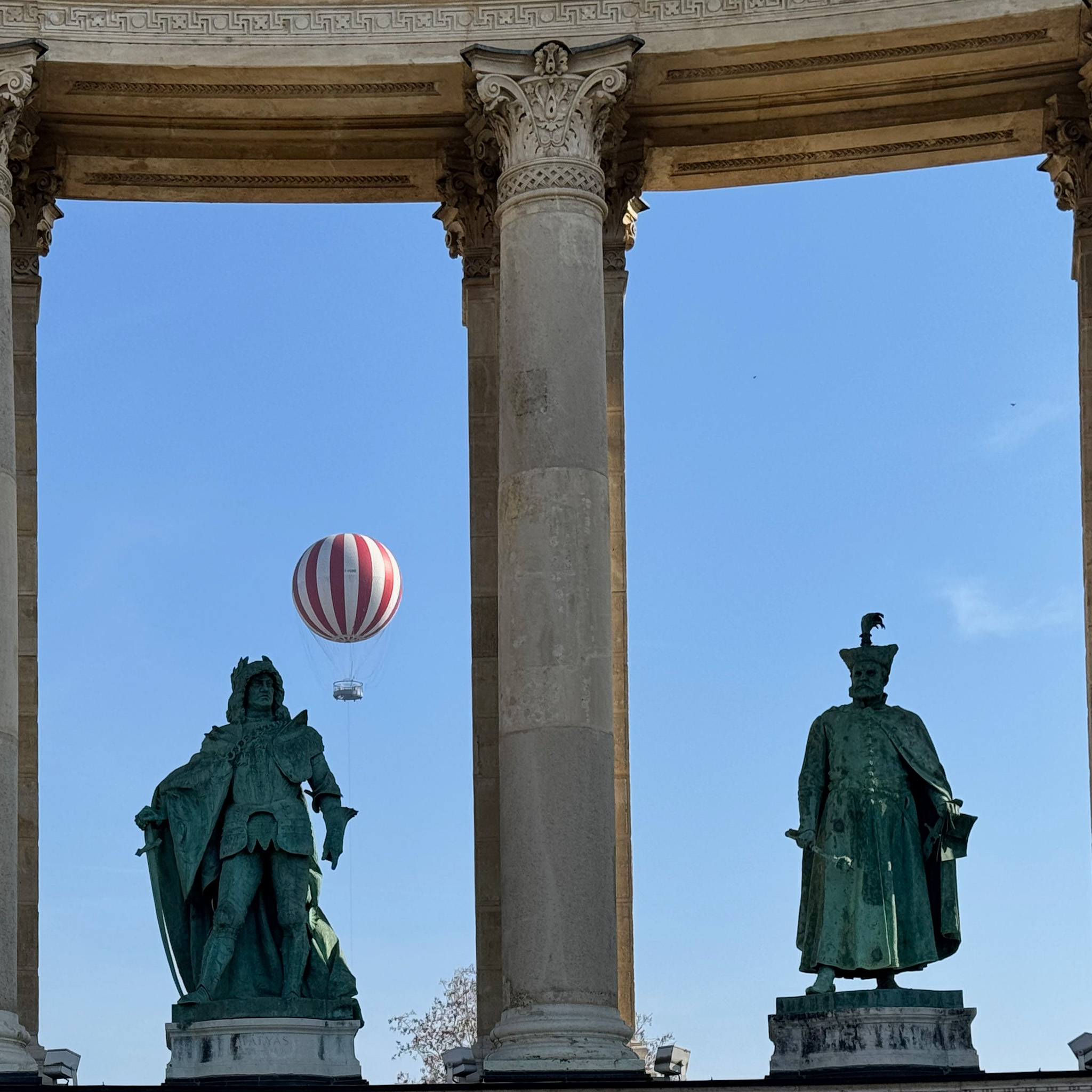
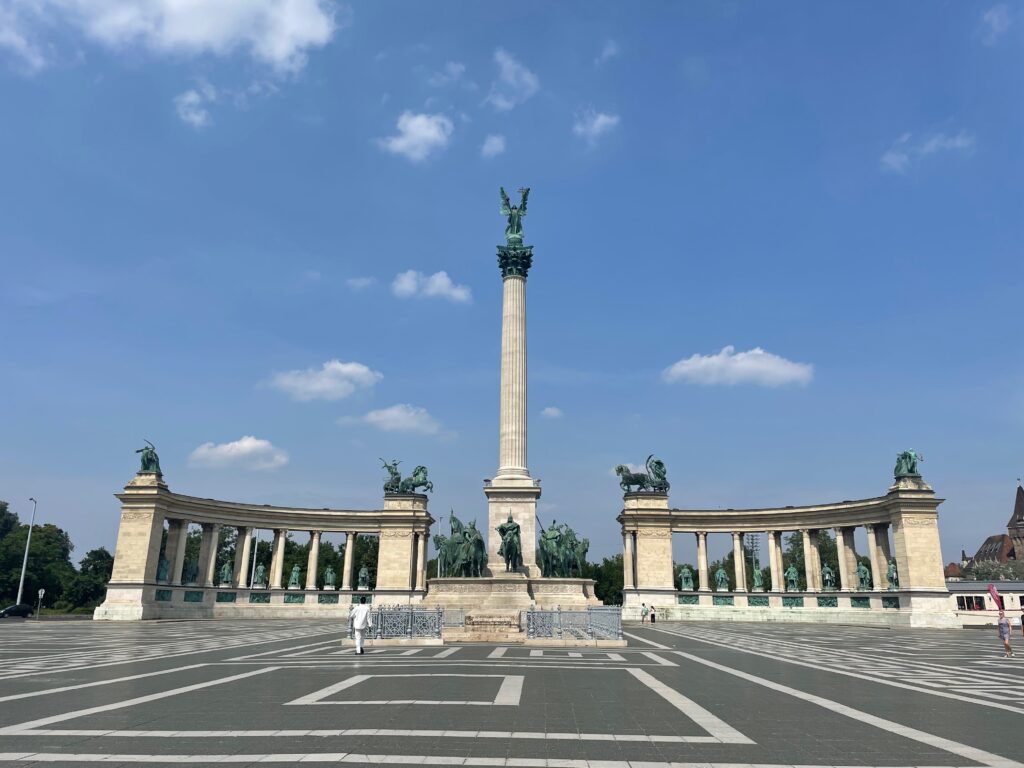
Heroes’ Square truly is the alpha and omega of Budapest sightseeing. Almost every walking or driving tour passes through here — and for good reason. Monumental, symbolic, and visually striking, this grand square tells the story of Hungary in stone and bronze.

At the heart of Heroes’ Square stands the Millennium Monument, crowned by the Archangel Gabriel and surrounded by statues of Hungary’s most important historical leaders. From the arrival of the Magyar tribes in the 9th century to the great kings and national heroes, the entire sweep of Hungarian history unfolds here in a single, powerful composition.

But Heroes’ Square is not only about the past — it’s also a gateway.

The square marks the ceremonial end of Andrássy Avenue, one of Budapest’s most elegant streets, and the entrance to City Park, one of the city’s largest and most loved green spaces. Just a few steps beyond the monuments, Budapest opens up into a world of leisure and culture.

From here, you can easily reach:

  • Vajdahunyad Castle, with its fairytale mix of architectural styles

  • Széchenyi Thermal Bath, one of Europe’s largest spa complexes

  • Budapest Zoo, one of the oldest zoos in the world

  • the City Park lake, ice skating rink, museums, circus, and excellent playgrounds for children

Heroes’ Square is rarely quiet. It’s usually alive with visitors, locals, tour groups, and photographers — which makes moments of stillness here especially precious. Seeing the square empty and peaceful, as it was this morning, is a reminder of its timeless, almost theatrical beauty.

As a local guide, I always say this: if you want to understand Budapest, start at Heroes’ Square. It sets the tone for the city — proud, complex, layered, and deeply connected to its history — while inviting you forward into one of its most enjoyable districts.

Heroes’ Square is included in most of my customised walking and driving tours, often paired with Andrássy Avenue and City Park. It’s a perfect starting point for discovering how history, everyday life, and grand architecture come together in Budapest.

Heroes square, Budapest

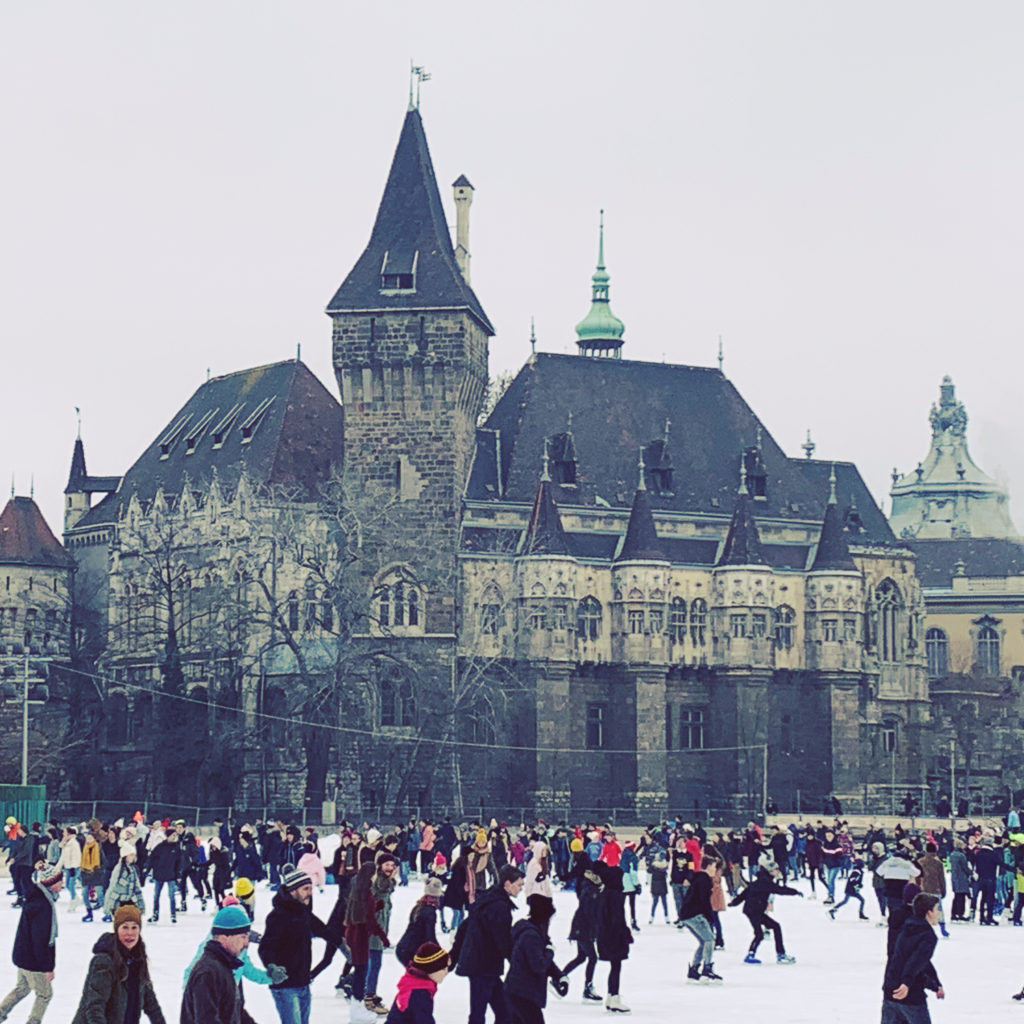
Budapest in the winter is rather grey and foggy. Also, it’s very cold, so there are only a few outdoor programs locals enjoy doing from early December to the end of February. One of those programs is ice skating in the City Park, it’s great fun and the ice skating rink is usually very busy on weekends.


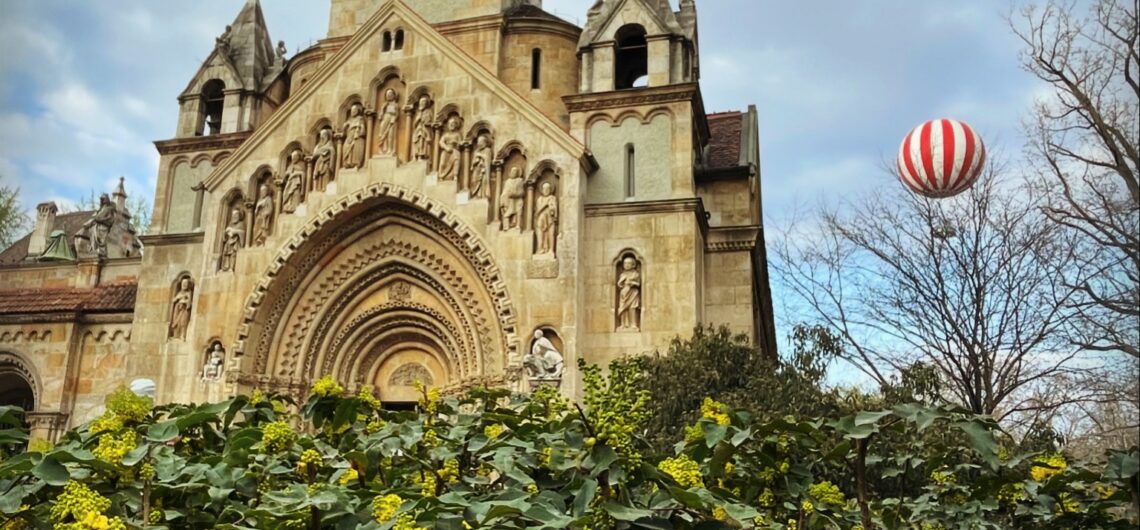
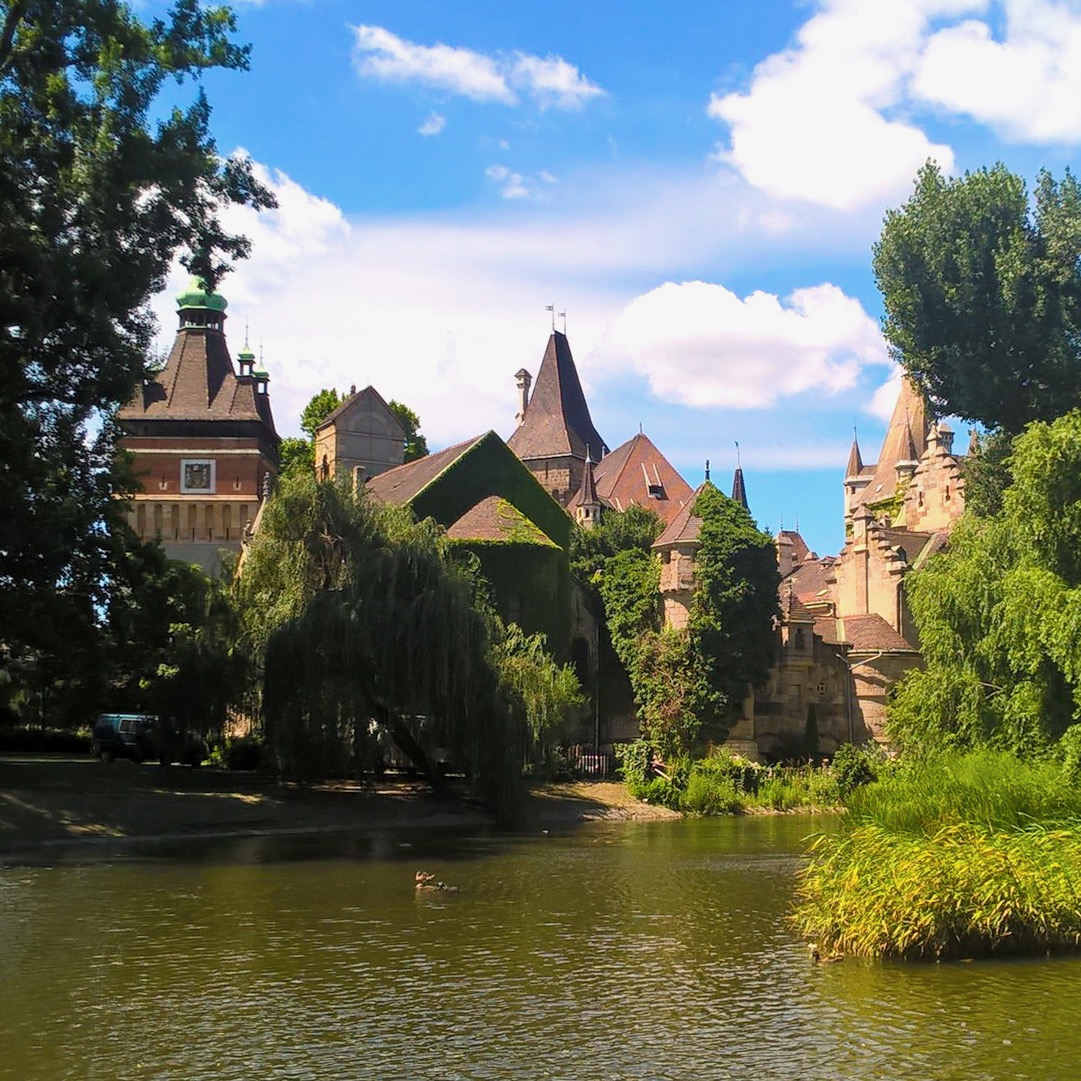
Vajdahunyad Castle in Budapest is one of city’s most distinctive and beloved landmarks, beautifully tucked away in City Park. A visit here feels like stepping into a storybook — yet the castle’s origins are firmly rooted in Hungarian history.

The castle was originally built as a temporary structure for the 1896 Millennium Exhibition, created to showcase Hungary’s rich architectural heritage in a single complex. Its success exceeded all expectations, and after the exhibition ended, the decision was made to rebuild Vajdahunyad Castle in a permanent form — allowing future generations to enjoy it.

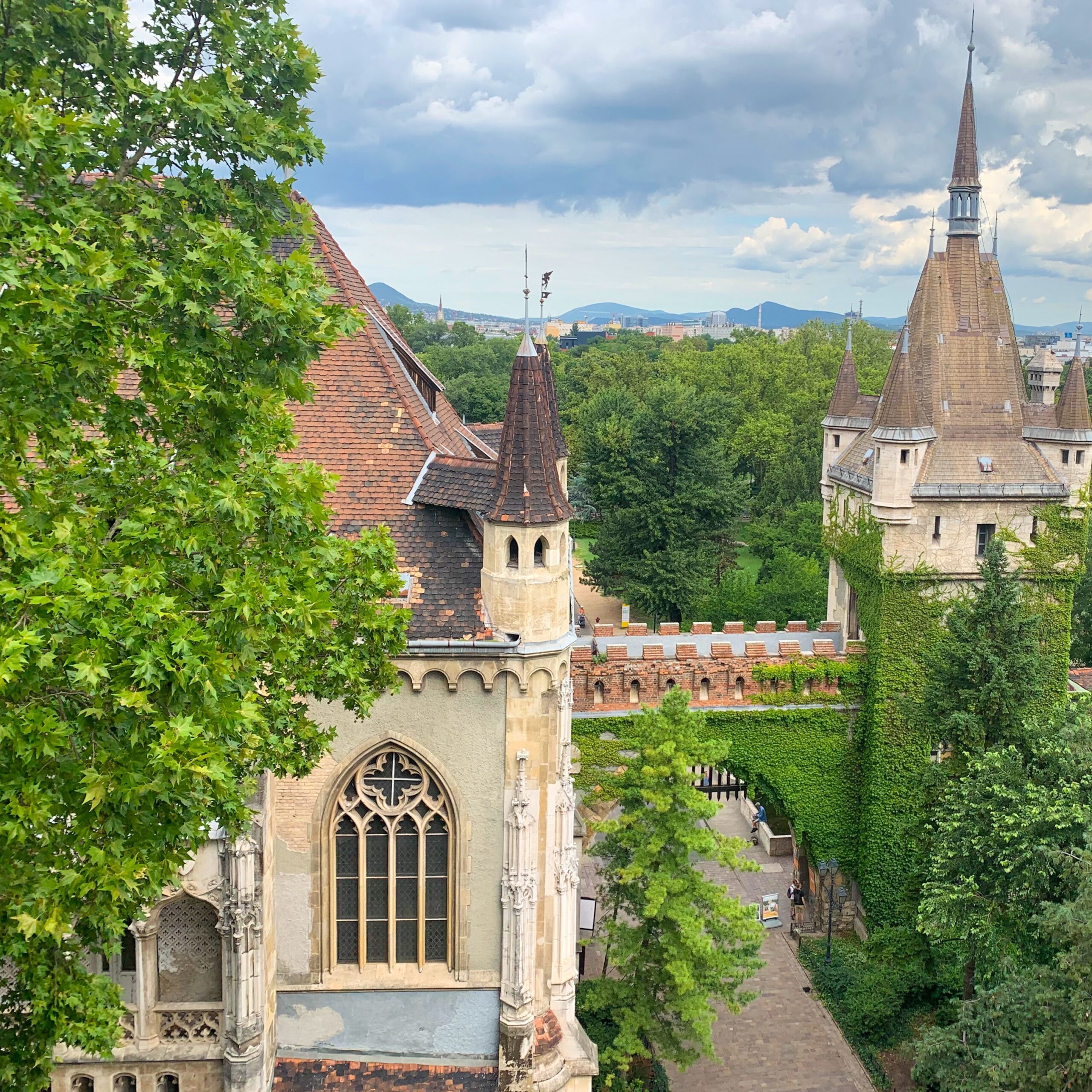
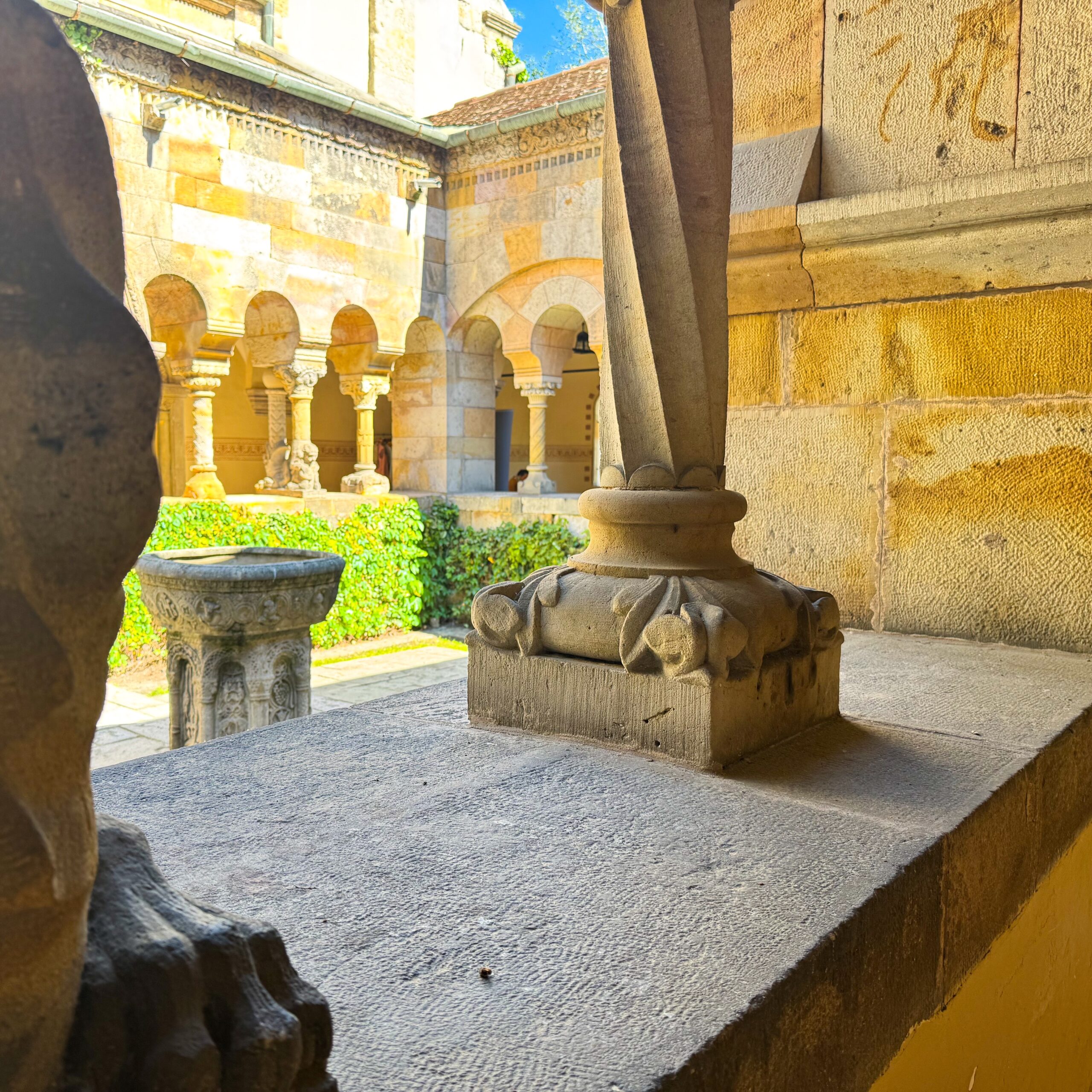
What makes Vajdahunyad Castle truly special is its unique blend of architectural styles. Romanesque, Gothic, Renaissance, and Baroque elements appear side by side, representing famous buildings from across the historic Kingdom of Hungary. As you walk through the courtyards, over the bridge, and along the lake, each section reveals a different mood — and endless photo opportunities.

Today, Vajdahunyad Castle is one of the most visited attractions in Budapest. It also frequently appears as a filming location, so keen-eyed visitors may recognise it from international films and series. Inside, the castle houses the Museum of Hungarian Agriculture, while the surrounding grounds invite relaxed walks in every season.

Vajdahunyad Castle is included in many of my Budapest walking and driving tours, often paired with Heroes’ Square, Andrássy Avenue, and other highlights of City Park. It’s a place where architecture, history, and everyday local life meet — and one I’m always happy to introduce to visitors.

If you’d like to explore Vajdahunyad Castle as part of a customised private tour, feel free to get in touch.

City Park (Városliget) is the second-largest park in Budapest and without question one of the locals’ favourite places to relax. Located at the end of Andrássy Avenue, this vast green space is a perfect mix of nature, culture, leisure, and iconic sights — all in the heart of Pest.

Whether you’re visiting Budapest for the first time or returning for a longer stay, City Park offers something for every pace and interest.

What to see and do in City Park

There are so many things to do in Városliget that it easily fills several hours — or even an entire afternoon. Highlights include:

  • the Budapest Zoo, over 150 years old and one of the oldest zoos in the world

  • the City Circus, a unique cultural institution popular with families

  • the famous Széchenyi Thermal Bath, where you can soak in warm outdoor pools year-round

  • Vajdahunyad Castle, showcasing a fascinating mix of architectural styles

  • the park’s lake, perfect for a boat ride in summer or ice skating in winter

Of course, City Park is also ideal for simpler pleasures: a picnic under the trees, a relaxed walk, or just watching local life unfold.

City Park as part of Budapest sightseeing tours

Thanks to its location, size, and variety, City Park is included in many of my Budapest walking and driving tours. It works beautifully as a stop that combines history, architecture, and everyday local life — all in one place.

Whether paired with Andrássy Avenue, Heroes’ Square, or the thermal baths, Városliget adds a refreshing, green balance to a sightseeing itinerary.

A local tip for visiting City Park

City Park is enjoyable in every season, but it’s especially lovely in spring and summer, when the trees are in full leaf and locals spend long afternoons outdoors. If you’d like to explore it at a relaxed pace or include specific highlights, it can easily be adapted as part of a customised walking or driving tour.