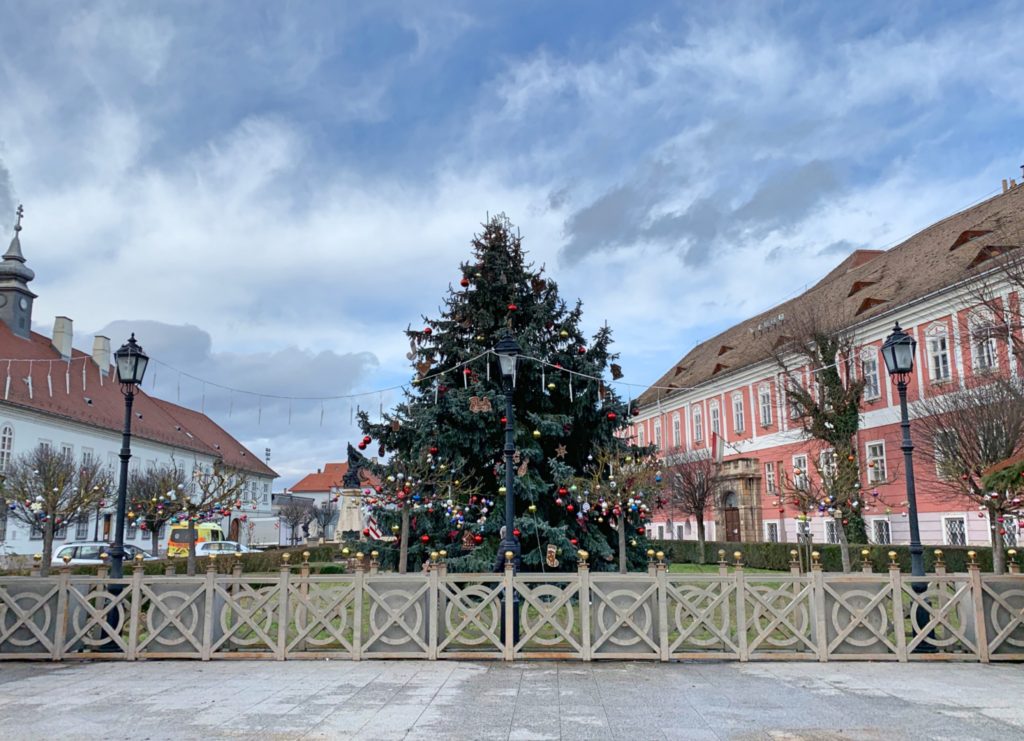
On the very last day of the year after the very last virtual tour of the year I’m wishing you a very happy new year from my Beautiful Budapest. I hope all your dreams come true in 2021! #budapest #beautifulbudapest#tourguide #travelguide #virtualtour#happynewyear #BUEK#boldogujevet #2021
The golden age of Budapest’s famous coffeehouses was at the end of the 19th and the beginning of the 20th century. Today, we are once again experiencing a true renaissance of coffeehouse culture — and Budapest remains a wonderful city for anyone who enjoys coffee, cake, and history. Hungarians have always loved their coffee, and visitors quickly discover that cafés here are much more than simple places to drink an espresso. I wrote more about this deep-rooted tradition in my main key article, We Love Our Coffee – And Our Coffeehouses, Too, where I explore why coffeehouses have played such an important role in Budapest life for generations. On my Budapest Foodie Tour, we always try to include different cafés, so travelers can taste excellent Hungarian coffee and cakes while learning about the fascinating stories behind these historic places. Central Café Budapest Central Café is located in the heart of downtown Pest, close to the Elizabeth Bridge, and was once considered the coffeehouse of writers and journalists. At the turn of the 19th and 20th centuries, the surrounding neighbourhood was filled with newspaper offices and editorial rooms, making Central a natural meeting point for intellectuals. Writers spent long days — and often nights — in the café, writing articles, debating politics and economics, and exchanging the latest gossip. One of the most famous local legends tells the story of a writer who treated Central as his second home, keeping personal belongings there, including a bathrobe and his medicine. Today, Central Café remains one of the best historic cafés in Budapest for those interested in literary history and classic coffeehouse atmosphere. When you visit, there is one thing you absolutely should not miss: Rákóczi Túrós, a traditional Hungarian cake made with cottage cheese and topped with a light meringue. It pairs
The golden age of Budapest’s famous coffeehouses was at the end of the 19th and the beginning of the 20th century. Today, we are once again experiencing a true renaissance of coffeehouse culture — and Budapest remains a wonderful city for anyone who enjoys coffee, cake, and history.
Hungarians have always loved their coffee, and visitors quickly discover that cafés here are much more than simple places to drink an espresso. I wrote more about this deep-rooted tradition in my main key article, We Love Our Coffee – And Our Coffeehouses, Too, where I explore why coffeehouses have played such an important role in Budapest life for generations.
On my Budapest Foodie Tour, we always try to include different cafés, so travelers can taste excellent Hungarian coffee and cakes while learning about the fascinating stories behind these historic places.
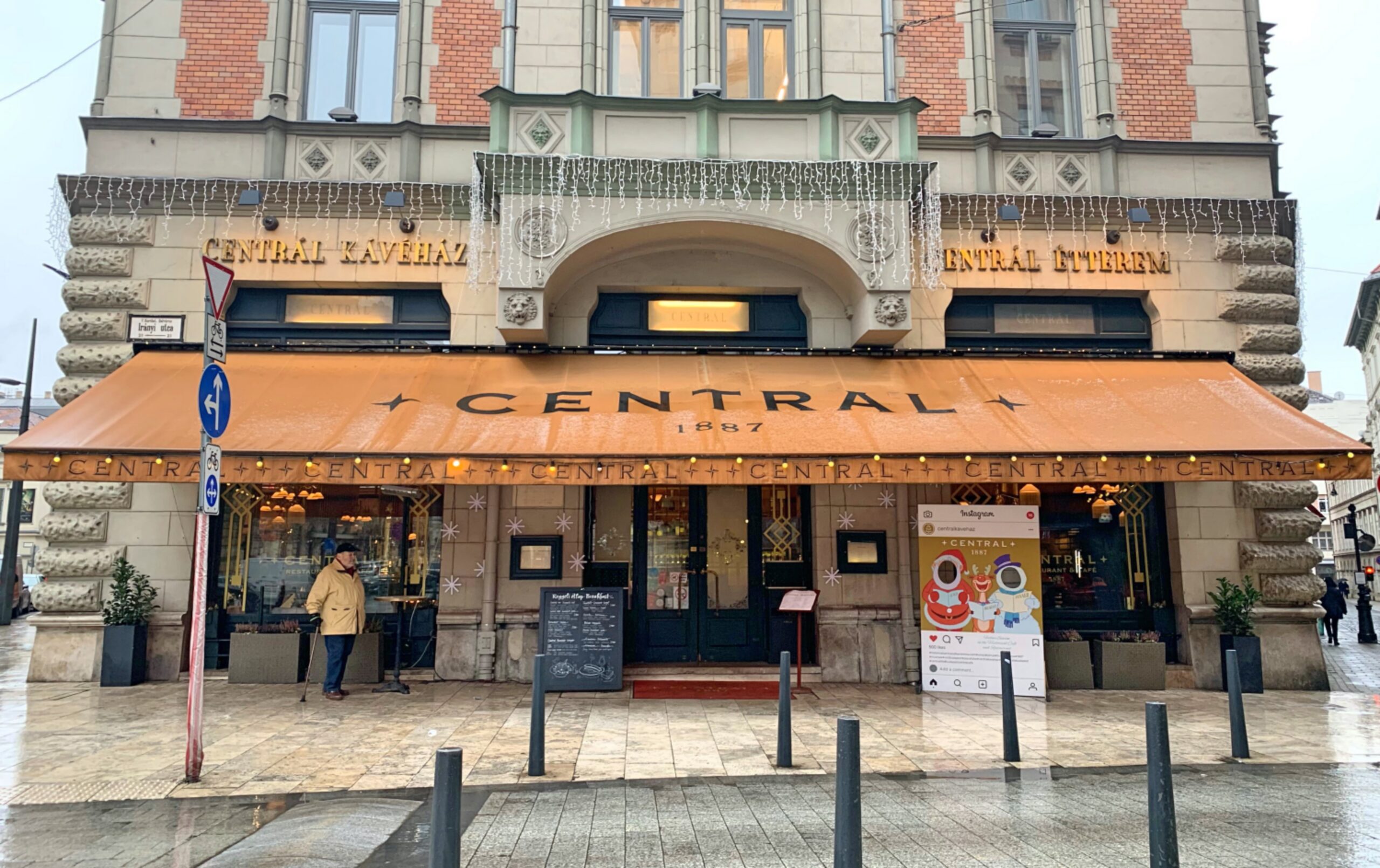
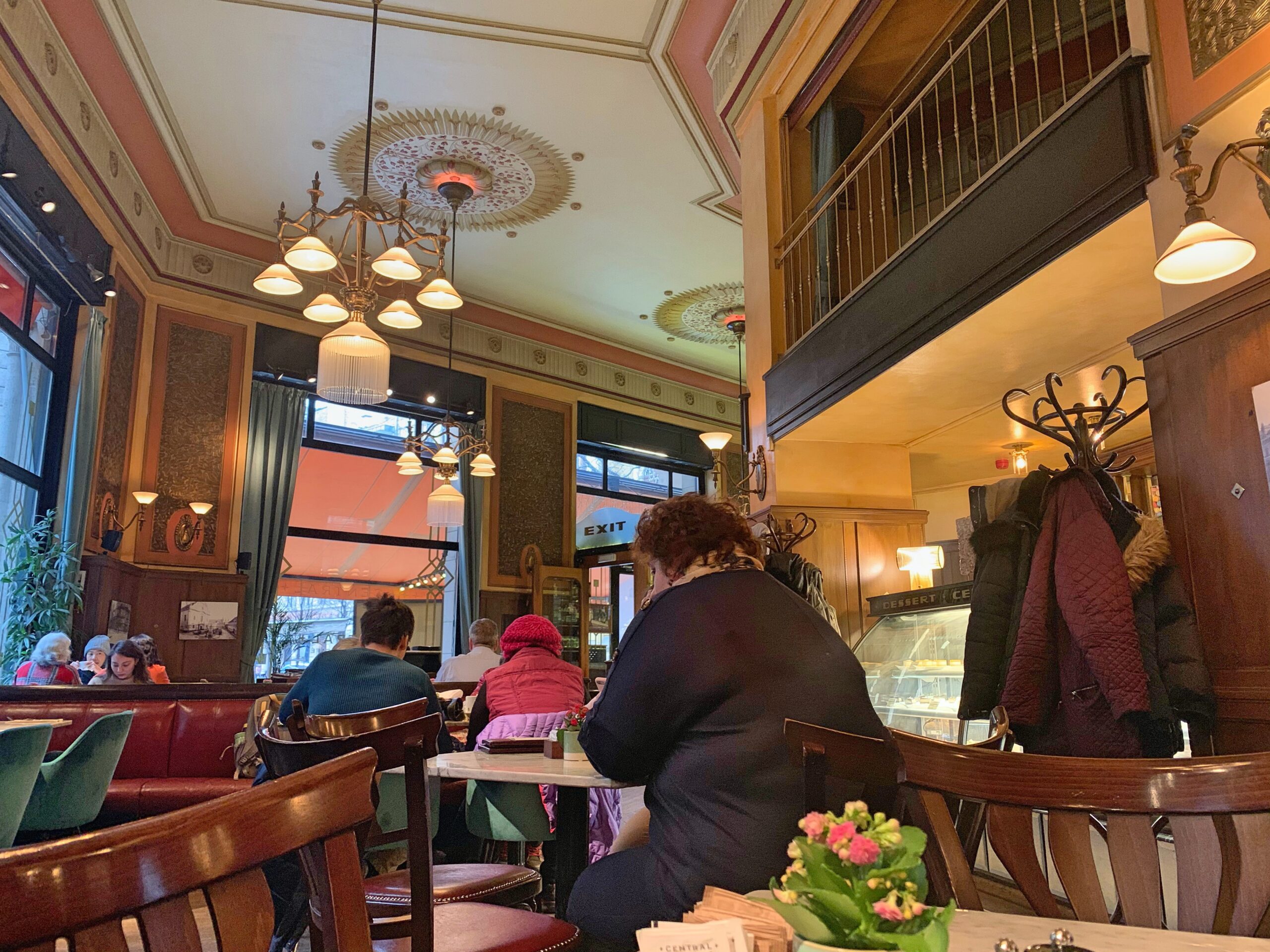
Central Café Budapest
Central Café is located in the heart of downtown Pest, close to the Elizabeth Bridge, and was once considered the coffeehouse of writers and journalists. At the turn of the 19th and 20th centuries, the surrounding neighbourhood was filled with newspaper offices and editorial rooms, making Central a natural meeting point for intellectuals.
Writers spent long days — and often nights — in the café, writing articles, debating politics and economics, and exchanging the latest gossip. One of the most famous local legends tells the story of a writer who treated Central as his second home, keeping personal belongings there, including a bathrobe and his medicine.
Today, Central Café remains one of the best historic cafés in Budapest for those interested in literary history and classic coffeehouse atmosphere. When you visit, there is one thing you absolutely should not miss: Rákóczi Túrós, a traditional Hungarian cake made with cottage cheese and topped with a light meringue. It pairs beautifully with an espresso or cappuccino and is always one of my favourite recommendations on foodie tours.
Exploring Budapest Cafés on a Food Tour
If you would like to experience Central Café — along with other historic coffeehouses — in a wider context, you might enjoy joining one of my Budapest Foodie Tours, where coffee, cakes, and local stories come together in a relaxed and authentic way.
Another statue with a quiet kind of magic, the Little Princess is one of Budapest’s most beloved and photographed sculptures. Perched gracefully on the railings of the Danube Promenade, she watches the river flow past with a dreamy, childlike calm. Created in 1989 by Hungarian sculptor László Marton, the bronze figure depicts a young girl wearing a playful paper crown and a simple robe. The statue was inspired by the artist’s own daughter, captured in a moment of childhood imagination as she played dress-up at home. With her knees bent and her expression lost somewhere between curiosity and wonder, the Little Princess feels both intimate and universal — a small figure with an outsized emotional presence. A small statue with a powerful setting Despite her modest size, the Little Princess sits in one of Budapest’s most iconic locations. Behind her rise the Danube, Buda Castle, and the city’s elegant skyline, creating a contrast that makes her feel even more special. People passing along the promenade often stop instinctively — to take a photo, to sit beside her, or simply to pause for a moment. She has a way of slowing the city down. A local tradition: make a wish According to local tradition, rubbing the Little Princess’s knees brings good luck. Those who believe in her magic say the key is to make a wish with a truly childlike heart. Whether you believe in wishes or not, the ritual itself is part of the statue’s charm — a small act of hope in the middle of a busy city. Why the Little Princess matters The Little Princess is more than a photo opportunity. She’s a gentle reminder of imagination, innocence, and the importance of holding on to wonder, even as we grow older. Among Budapest’s grand monuments and historic statues,
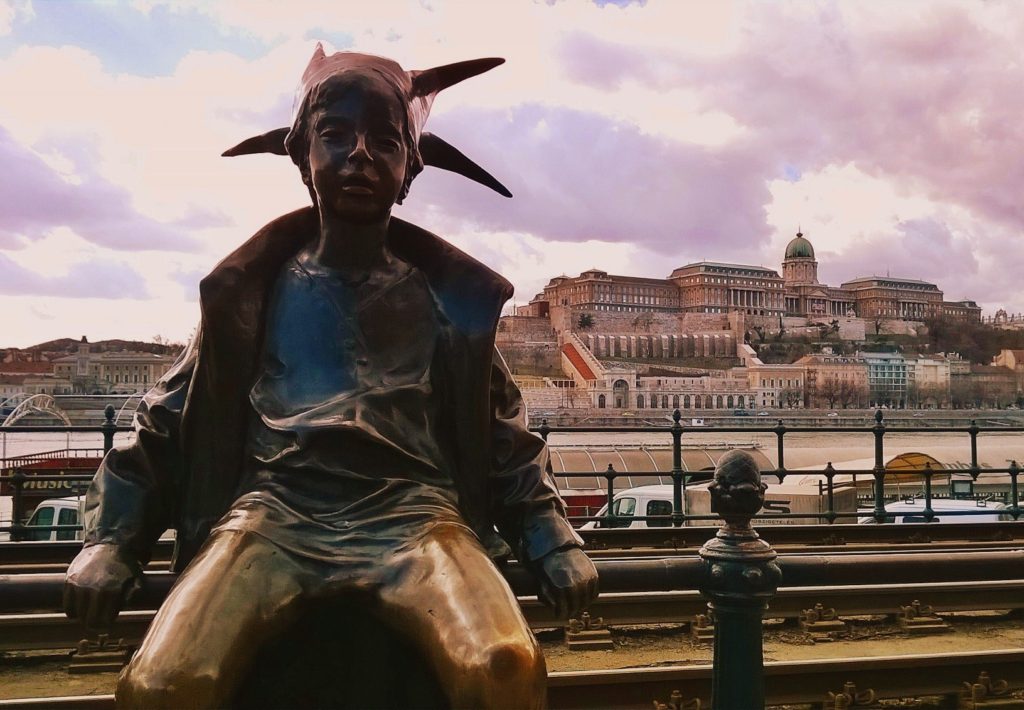
Another statue with a quiet kind of magic, the Little Princess is one of Budapest’s most beloved and photographed sculptures. Perched gracefully on the railings of the Danube Promenade, she watches the river flow past with a dreamy, childlike calm.
Created in 1989 by Hungarian sculptor László Marton, the bronze figure depicts a young girl wearing a playful paper crown and a simple robe. The statue was inspired by the artist’s own daughter, captured in a moment of childhood imagination as she played dress-up at home.
With her knees bent and her expression lost somewhere between curiosity and wonder, the Little Princess feels both intimate and universal — a small figure with an outsized emotional presence.
A small statue with a powerful setting
Despite her modest size, the Little Princess sits in one of Budapest’s most iconic locations. Behind her rise the Danube, Buda Castle, and the city’s elegant skyline, creating a contrast that makes her feel even more special.
People passing along the promenade often stop instinctively — to take a photo, to sit beside her, or simply to pause for a moment. She has a way of slowing the city down.
A local tradition: make a wish
According to local tradition, rubbing the Little Princess’s knees brings good luck. Those who believe in her magic say the key is to make a wish with a truly childlike heart.
Whether you believe in wishes or not, the ritual itself is part of the statue’s charm — a small act of hope in the middle of a busy city.
Why the Little Princess matters
The Little Princess is more than a photo opportunity. She’s a gentle reminder of imagination, innocence, and the importance of holding on to wonder, even as we grow older.
Among Budapest’s grand monuments and historic statues, she offers something rare: a quiet, heartfelt moment for anyone who chooses to notice her.
You’ll find the Little Princess near the Danube, close to the Marriott Hotel, sitting patiently on the railing — ready to listen.
Explore more: The Little Princess is part of my ongoing Statues of Budapest series, featuring both famous monuments and easily missed gems across the city.
The Little Princess statue sitting on the railing of the Danube Promenade in Budapest
In the early 20th century fuel and lighting gas used in Hungary was manufactured from coal and because of the increasing consumption there was a need for modern, high capacity gas plants. The location of the gas plants was crucial, as they needed road, rail and waterway connection. The Óbuda Gas Works was inaugurated in 1914, it was the most advanced gas factory of the country producing 250 thousand cubic meters of gas every day. In the 1970's natural gas became more accessible and cheaper and Budapest switched to natural gas. The Óbuda gas works was decommissioned in 1984. The factory with its great colours and shapes might remind you of an abandoned castle with its four towers, they originally housed the turbines, control rooms and water towers. What I personally love about the place is that because of the generosity of the original owners of the factory, residential buildings had also been built for the employees, so that they could live close to their workplace. Two locations were created, a villa neighbourhood for managers and a more simple housing estate for the workers. Walking around the early 20th century buildings is like a real time travel.
In the early 20th century fuel and lighting gas used in Hungary was manufactured from coal and because of the increasing consumption there was a need for modern, high capacity gas plants. The location of the gas plants was crucial, as they needed road, rail and waterway connection. The Óbuda Gas Works was inaugurated in 1914, it was the most advanced gas factory of the country producing 250 thousand cubic meters of gas every day. In the 1970’s natural gas became more accessible and cheaper and Budapest switched to natural gas. The Óbuda gas works was decommissioned in 1984.
The factory with its great colours and shapes might remind you of an abandoned castle with its four towers, they originally housed the turbines, control rooms and water towers.
What I personally love about the place is that because of the generosity of the original owners of the factory, residential buildings had also been built for the employees, so that they could live close to their workplace. Two locations were created, a villa neighbourhood for managers and a more simple housing estate for the workers. Walking around the early 20th century buildings is like a real time travel.
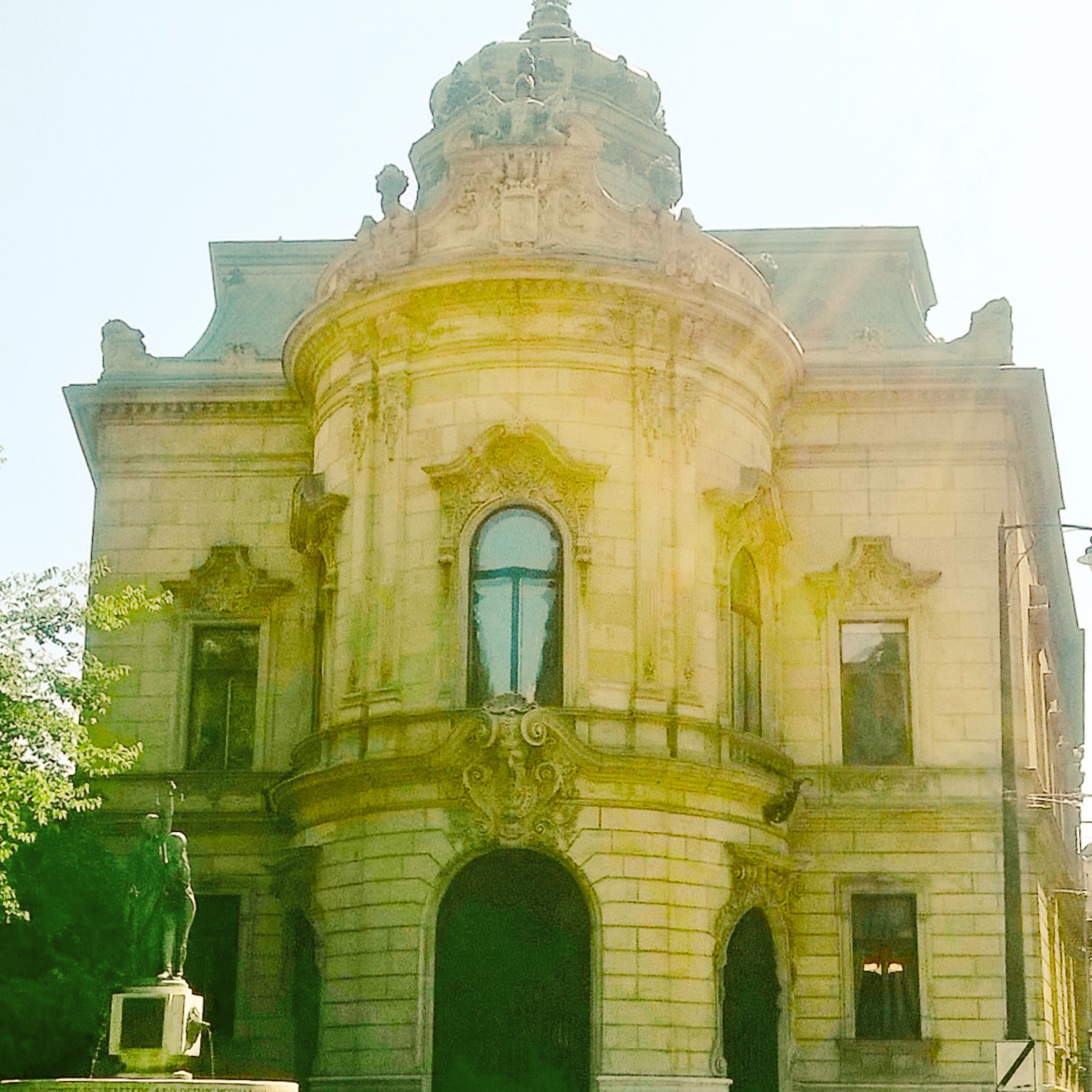
Located on the edge of Budapest’s elegant Palace Quarter, Wenckheim Palace is one of those places that often surprises visitors. Just steps away from busy streets, it offers a calm, richly decorated interior that feels worlds apart from the surrounding city—and that’s exactly what makes it so special. Built in 1889, the palace was commissioned by Count Frigyes Wenckheim and his wife, Krisztina Wenckheim, and designed by architect Artúr Meinig. The Neo-Baroque exterior gives way to lavish interiors decorated in Louis XV style, reflecting the wealth and refined taste of Budapest’s late-19th-century aristocracy. At the time, Wenckheim Palace was considered one of the most beautiful private residences of the 8th district. The highlight of the building is its magnificent ballroom. Spacious, light-filled, and richly ornamented, it could easily accommodate up to 500 guests. The Wenckheim family was known for their elegant receptions and social events, welcoming members of the political and aristocratic elite—including Franz Joseph, Emperor of Austria and King of Hungary. After Count Wenckheim’s death in 1912, the palace was sold to the city in 1927, and a few years later it began a new chapter. In 1931, it became the central building of the Budapest Metropolitan Library. Today, this unique function allows visitors to experience an authentic aristocratic interior while the building remains very much part of everyday Budapest life. One of the palace’s great advantages is accessibility. The main halls can usually be visited during library opening hours. That said, occasional closures do happen due to filming, special events, or the summer break. Good to Know Before You Go Easy access: Wenckheim Palace can usually be visited during the opening hours of the Budapest Metropolitan Library, making it one of the easiest historic palaces to see from the inside without advance booking. Best timing: Late mornings or
Located on the edge of Budapest’s elegant Palace Quarter, Wenckheim Palace is one of those places that often surprises visitors. Just steps away from busy streets, it offers a calm, richly decorated interior that feels worlds apart from the surrounding city—and that’s exactly what makes it so special.
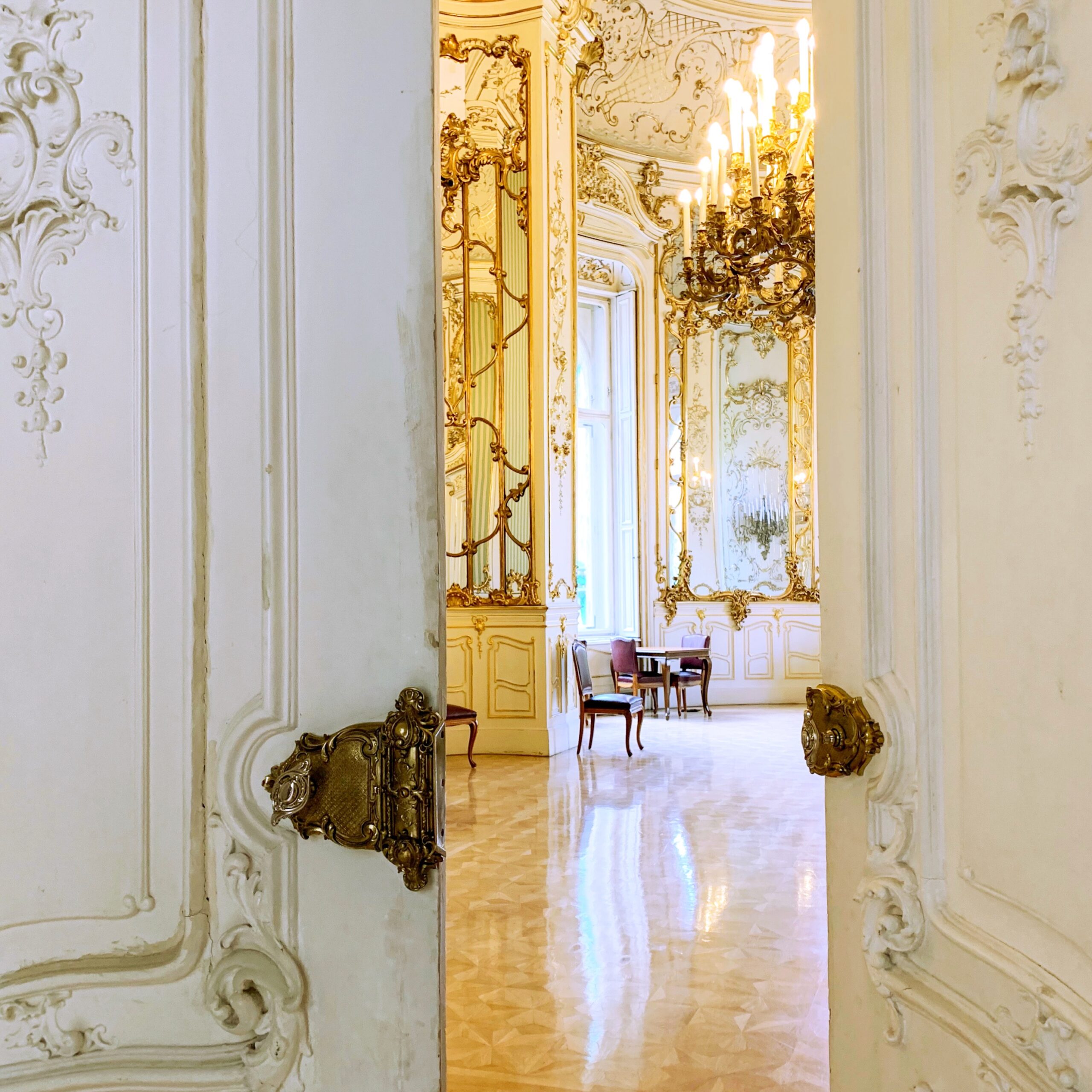
Built in 1889, the palace was commissioned by Count Frigyes Wenckheim and his wife, Krisztina Wenckheim, and designed by architect Artúr Meinig. The Neo-Baroque exterior gives way to lavish interiors decorated in Louis XV style, reflecting the wealth and refined taste of Budapest’s late-19th-century aristocracy. At the time, Wenckheim Palace was considered one of the most beautiful private residences of the 8th district.
The highlight of the building is its magnificent ballroom. Spacious, light-filled, and richly ornamented, it could easily accommodate up to 500 guests. The Wenckheim family was known for their elegant receptions and social events, welcoming members of the political and aristocratic elite—including Franz Joseph, Emperor of Austria and King of Hungary.
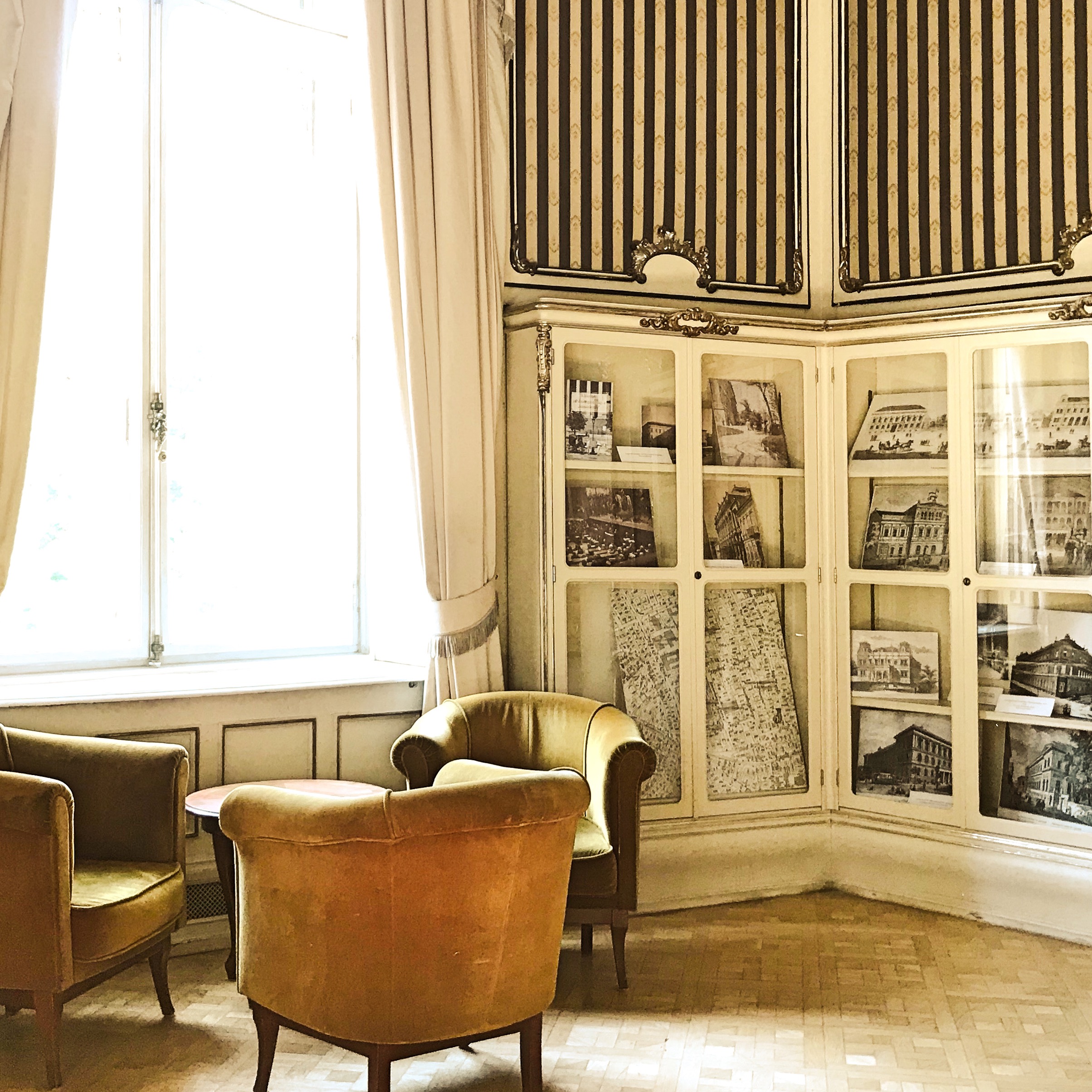
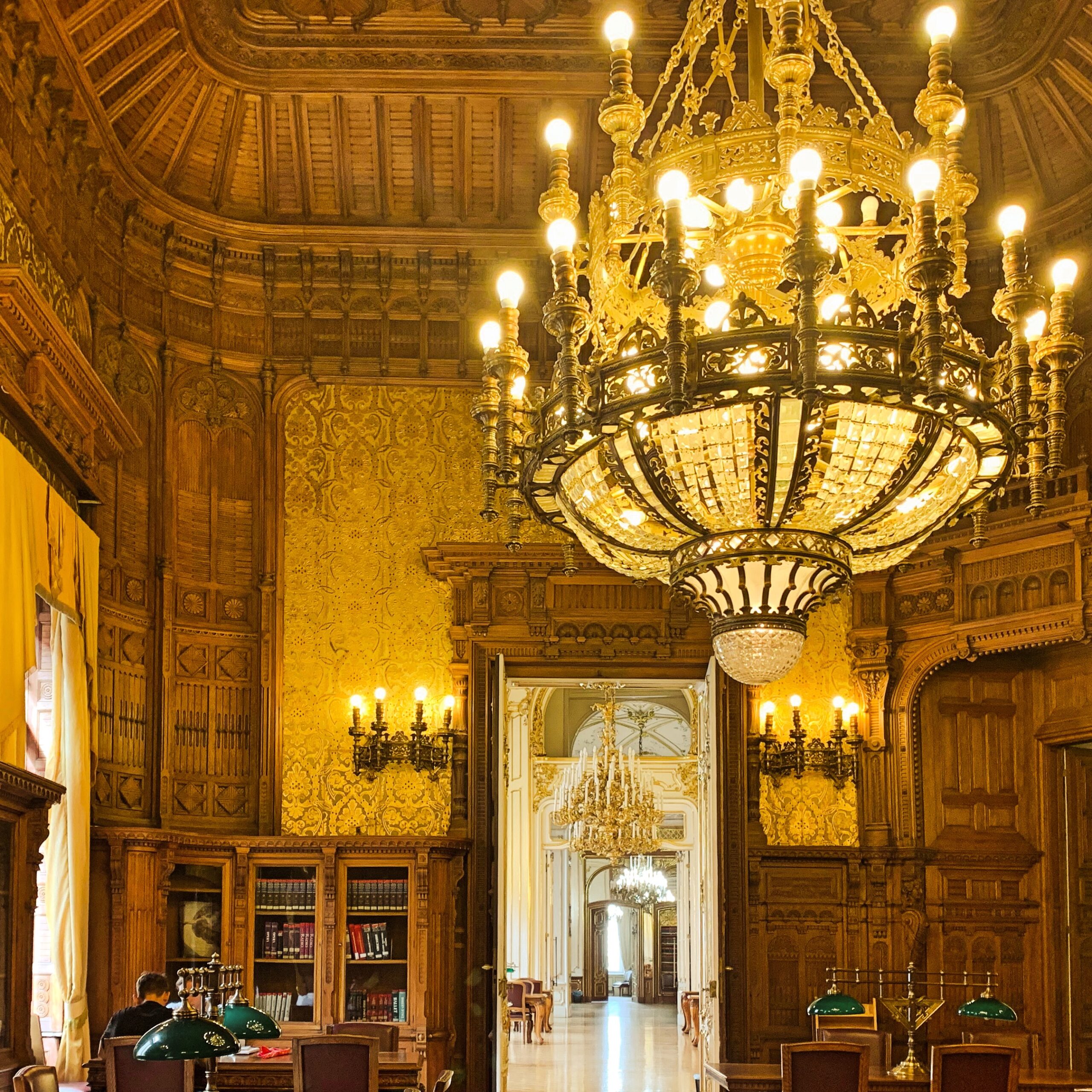
After Count Wenckheim’s death in 1912, the palace was sold to the city in 1927, and a few years later it began a new chapter. In 1931, it became the central building of the Budapest Metropolitan Library. Today, this unique function allows visitors to experience an authentic aristocratic interior while the building remains very much part of everyday Budapest life.
One of the palace’s great advantages is accessibility. The main halls can usually be visited during library opening hours. That said, occasional closures do happen due to filming, special events, or the summer break.
Good to Know Before You Go
Easy access: Wenckheim Palace can usually be visited during the opening hours of the Budapest Metropolitan Library, making it one of the easiest historic palaces to see from the inside without advance booking.
Best timing: Late mornings or early afternoons on weekdays are usually the quietest, offering the best chance to enjoy the interiors without crowds.
Possible closures: Parts of the palace may occasionally be closed due to filming, special events, or during the summer school break—worth keeping in mind if this is a highlight of your visit.
Photography: Discreet photography is generally allowed, but flash and tripods are not.
Who it’s ideal for: A great stop for visitors interested in architecture, film locations, libraries, or travellers looking for an elegant yet relaxed indoor visit.
How to include it: Wenckheim Palace fits naturally into a Palace Quarter walk or can be combined with nearby sights on a longer city tour.
Wenckheim Palace is also a popular filming location. Its interiors have appeared in several international productions, including Red Sparrow, The Alienist, Spy, and The Phantom of the Opera.
Elegant yet approachable, central yet surprisingly peaceful, Wenckheim Palace is an excellent stop on a Budapest walking or driving tour—especially for visitors interested in architecture, film locations, or simply experiencing a lesser-known side of the city’s aristocratic past.
If you enjoy discovering the stories behind Budapest’s buildings, you might also like my Beautiful Budapest Stories piece on Wenckheim Palace, where I focus more on atmosphere and hidden details.
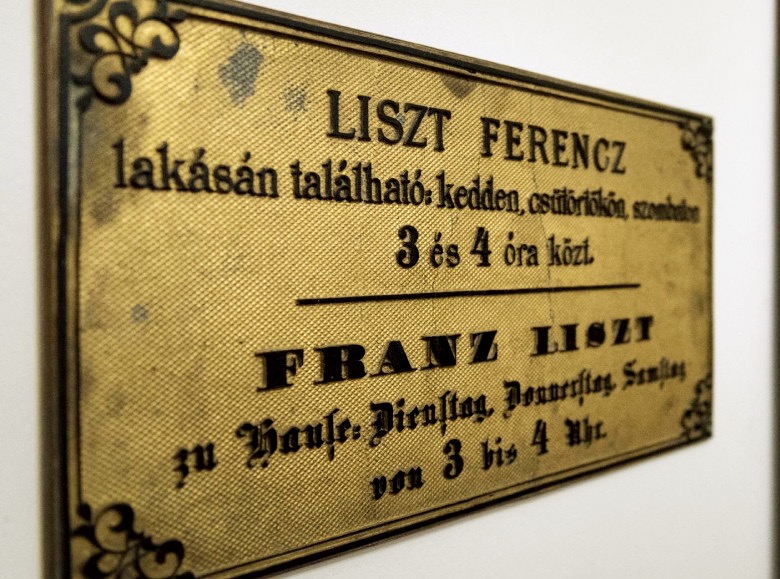
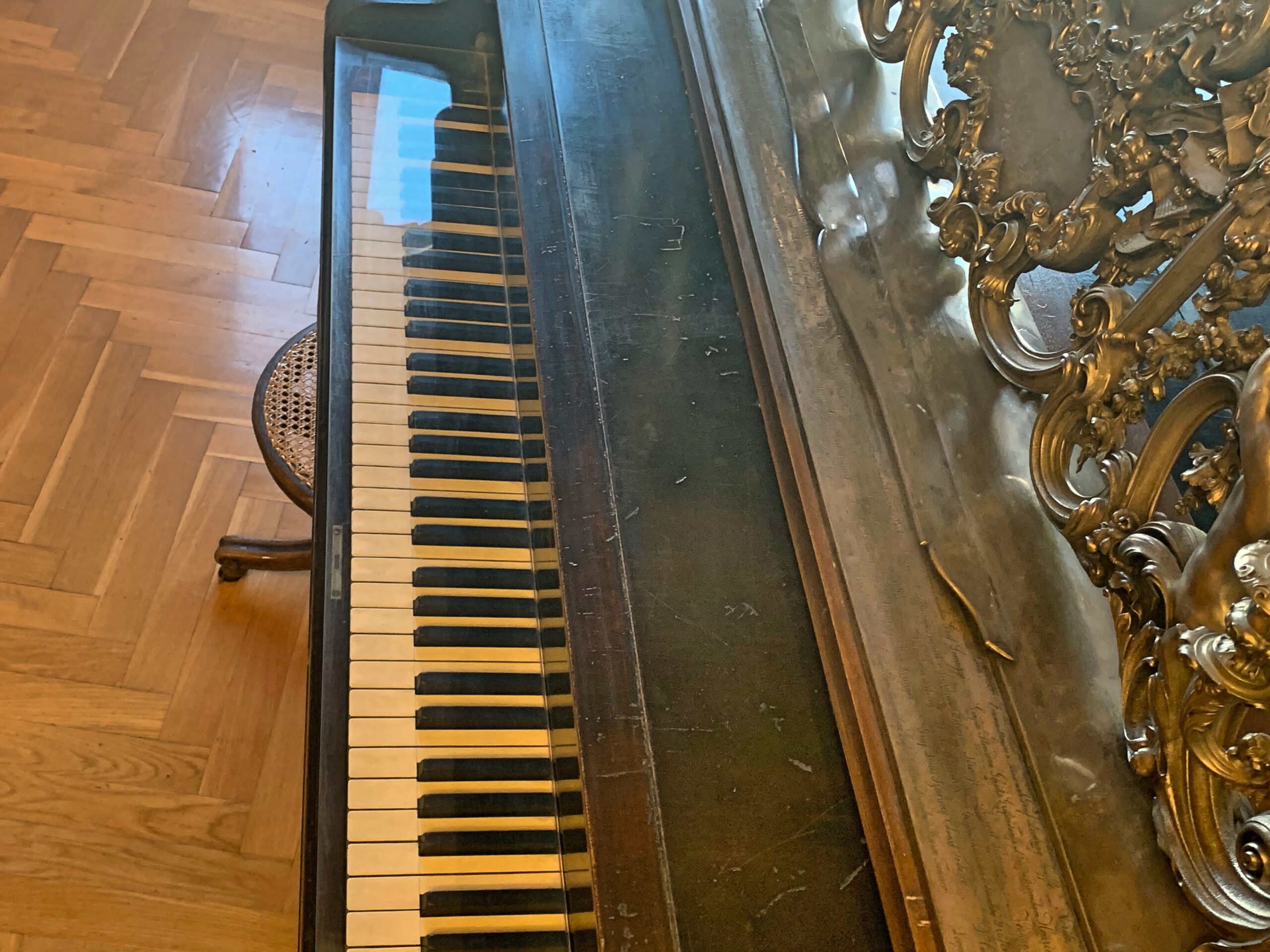
The Budapest home of Liszt is surprisingly modest with only two rooms, one of them serving as bedroom and study at the same time but it's nevertheless full of treasures. The Budapest home of the one and only Hungarian composer universally renowned as one of the greatests of the 19th century was on the elegant Andrássy avenue. His home is a museum now and it's a remarkably valuable collection of objects: personal items and amazing instruments of music. My favourite piece is a music composing desk with a built-in three-octave piano keyboard, specially designed for Liszt in the 1870's. I also love the ornate music stand that Liszt received as a gift in 1858 and thanked it by saying: "I wish to produce soon some works worthy of being offered as an homage to the three patrons of music: Beethoven, Weber and Schubert" - whose busts decorate the wonderful piece. Although Liszt only welcomed visitors in his home on Tuesday, Thursday and Saturday afternoons, the museum is open to visitors every day except Sundays.
The Budapest home of Liszt is surprisingly modest with only two rooms, one of them serving as bedroom and study at the same time but it’s nevertheless full of treasures. The Budapest home of the one and only Hungarian composer universally renowned as one of the greatests of the 19th century was on the elegant Andrássy avenue.
His home is a museum now and it’s a remarkably valuable collection of objects: personal items and amazing instruments of music. My favourite piece is a music composing desk with a built-in three-octave piano keyboard, specially designed for Liszt in the 1870’s. I also love the ornate music stand that Liszt received as a gift in 1858 and thanked it by saying: “I wish to produce soon some works worthy of being offered as an homage to the three patrons of music: Beethoven, Weber and Schubert” – whose busts decorate the wonderful piece.
Although Liszt only welcomed visitors in his home on Tuesday, Thursday and Saturday afternoons, the museum is open to visitors every day except Sundays.
Vác is a cute little town on the left bank of the Danube, it's some 25 minutes drive from Budapest. The visit of Vác can be included in a customised Danube Bend day trip. It's such a beautiful Baroque jewellery box, I strongly recommend a short visit. We had been fortunate to tour Vác with my travellers before the borders of Hungary got closed again on the 1st of September. The mummified remains of 265 people were found in 1994 in the crypt of the Dominican church, they had been laid to rest in hand painted, wooden coffins in the 18th and 19th centuries. The bodies didn't decompose but were mummified naturally because of the favourable air conditions and dry settings. The findings were extraordinary and not only because it's a veritable gold mine for ethnographers about 18th century Hungarian everyday life and funeral traditions. It's also a fantastic source for medical researches, a large number of tests have been performed by scientists on the mummified remains related to tuberculosis, HIV researches and they could also confirm C section had been performed as early as in the 18th century in Hungary. The coffins are simply beautiful, all colourful, all hand-painted, all prepared with a lot of care, it's very much like the fascinating celebration of life and death in a small Vác museum.
Vác is a cute little town on the left bank of the Danube, it’s some 25 minutes drive from Budapest. The visit of Vác can be included in a customised Danube Bend day trip. It’s such a beautiful Baroque jewellery box, I strongly recommend a short visit. We had been fortunate to tour Vác with my travellers before the borders of Hungary got closed again on the 1st of September.
The mummified remains of 265 people were found in 1994 in the crypt of the Dominican church, they had been laid to rest in hand painted, wooden coffins in the 18th and 19th centuries. The bodies didn’t decompose but were mummified naturally because of the favourable air conditions and dry settings.
The findings were extraordinary and not only because it’s a veritable gold mine for ethnographers about 18th century Hungarian everyday life and funeral traditions. It’s also a fantastic source for medical researches, a large number of tests have been performed by scientists on the mummified remains related to tuberculosis, HIV researches and they could also confirm C section had been performed as early as in the 18th century in Hungary.
The coffins are simply beautiful, all colourful, all hand-painted, all prepared with a lot of care, it’s very much like the fascinating celebration of life and death in a small Vác museum.
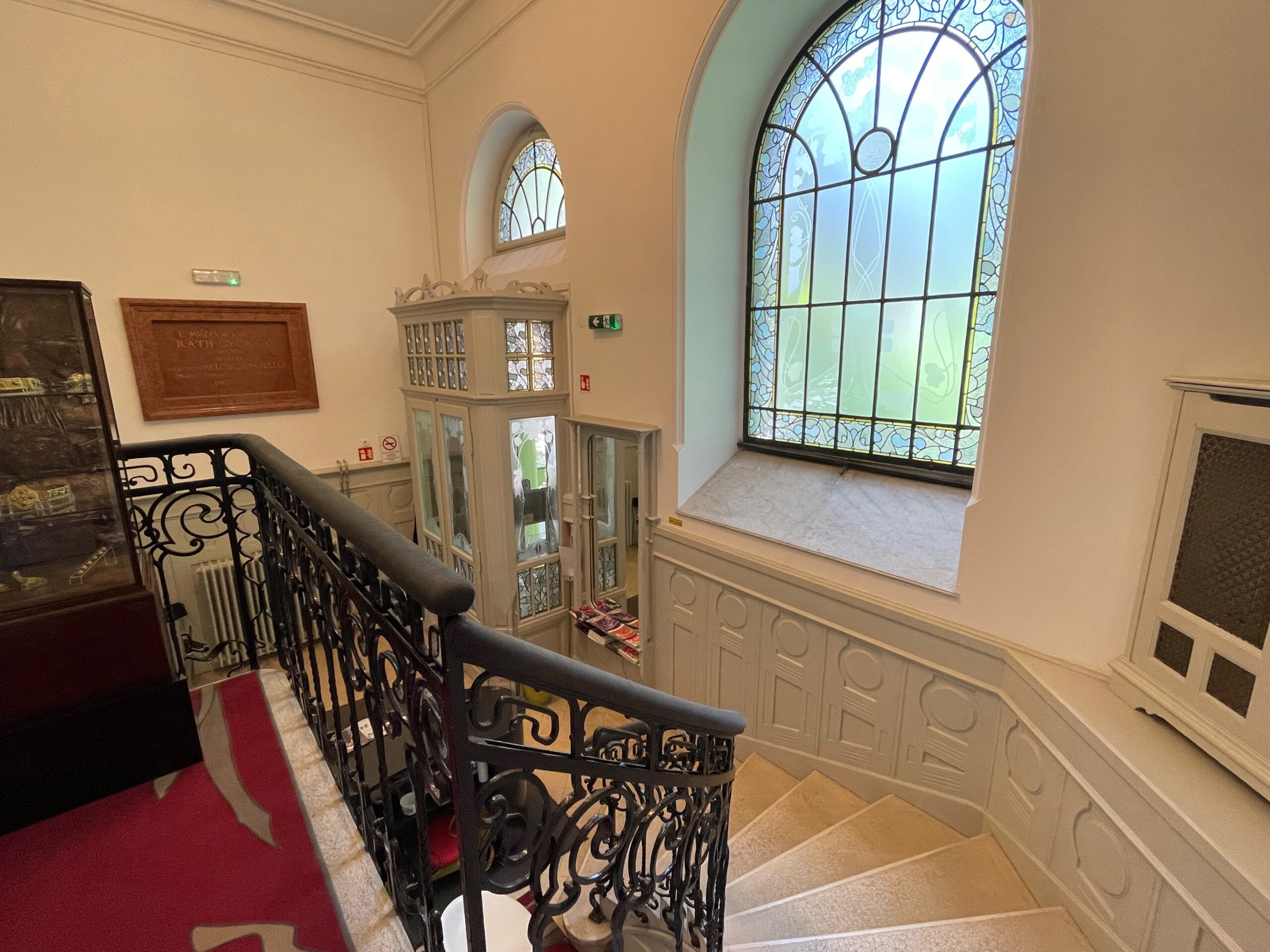
I’m a huge admirer of the Hungarian Art Nouveau movement, and I’m always proud to show travellers some of Budapest’s most beautiful Art Nouveau buildings. For me, the former home of György Ráth, the first director of the Museum of Applied Arts, is a true jewellery box — both the building itself and the artworks and furniture on display are absolutely unique. Originally built as the Ráth family home, the villa today houses the permanent exhibition “Art Nouveau – A Hungarian Perspective.” Every room feels different, yet perfectly harmonious. The furniture, textiles, ceramics, and artworks were selected and arranged with such care that visiting the villa feels like stepping into the private world of a cultured, well-travelled family. Walking through the rooms is an intimate experience — like visiting an elderly relative whose home is filled with authentic objects, each telling its own story. Nothing feels staged or distant; everything feels lived-in, warm, and deeply personal. Tips for your Ráth György Villa Visit When visiting the villa, don’t forget to take a walk along Városligeti fasor, one of Budapest’s most elegant avenues, lined with fascinating Art Nouveau villas. It’s the perfect continuation of the experience and an often-overlooked highlight of the City Park area. If you’re fascinated by Art Nouveau, this villa is a beautiful stop to include in a custom Art Nouveau walking tour of Budapest.
I’m a huge admirer of the Hungarian Art Nouveau movement, and I’m always proud to show travellers some of Budapest’s most beautiful Art Nouveau buildings. For me, the former home of György Ráth, the first director of the Museum of Applied Arts, is a true jewellery box — both the building itself and the artworks and furniture on display are absolutely unique.
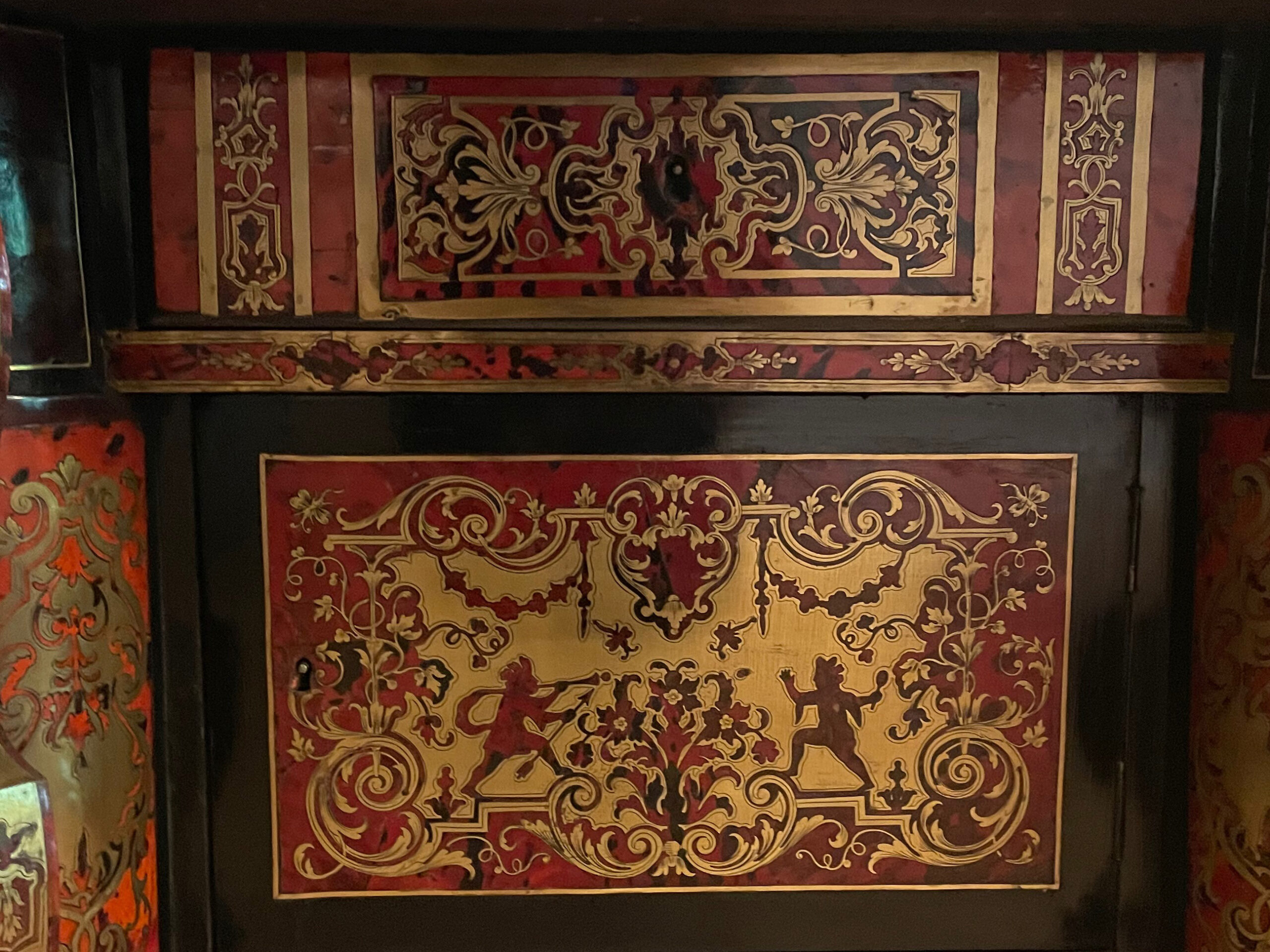
Originally built as the Ráth family home, the villa today houses the permanent exhibition “Art Nouveau – A Hungarian Perspective.” Every room feels different, yet perfectly harmonious. The furniture, textiles, ceramics, and artworks were selected and arranged with such care that visiting the villa feels like stepping into the private world of a cultured, well-travelled family.
Walking through the rooms is an intimate experience — like visiting an elderly relative whose home is filled with authentic objects, each telling its own story. Nothing feels staged or distant; everything feels lived-in, warm, and deeply personal.
Tips for your Ráth György Villa Visit
When visiting the villa, don’t forget to take a walk along Városligeti fasor, one of Budapest’s most elegant avenues, lined with fascinating Art Nouveau villas. It’s the perfect continuation of the experience and an often-overlooked highlight of the City Park area.
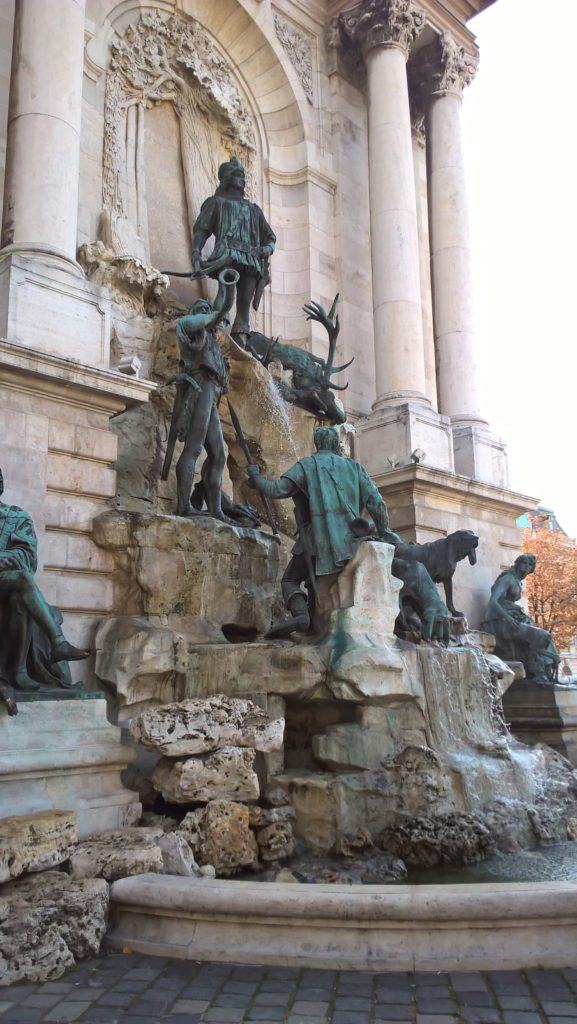
One of the most impressive statues in Budapest is the King Matthias Fountain, located in the Royal Palace of the Buda Castle District. Monumental, theatrical, and rich in symbolism, it portrays King Matthias — Hungary’s great Renaissance ruler — in a moment of triumph and drama. This fountain is part of my ongoing Statues of Budapest series, which explores how monuments tell stories far beyond what first meets the eye. A king on the hunt At the centre of the composition stands King Matthias, depicted during a hunt. It is a traditional symbol of royal power, leadership, and control over nature. Surrounded by courtiers and hunting dogs, the scene feels almost cinematic, carved in stone against the walls of the palace. The statue reflects how Matthias wished to be remembered: strong, charismatic, and unquestionably king. A hidden love story Look more closely, and the fountain reveals a second narrative. At the lower level of the composition stands a young woman, often identified as Ilonka, a figure from Hungarian folklore. According to legend, she fell in love with the king without knowing his true identity. This quiet, almost melancholic detail adds emotional depth to the monument. It transforms the fountain from a celebration of power into a layered story of love. It's about longing, and human vulnerability — a reminder that even great kings were not untouched by romance. Where history and storytelling meet Set within the Buda Castle complex, the Matthias Fountain is impossible to ignore, yet many visitors miss its deeper meaning. It perfectly represents how Budapest uses public art to combine history, legend, and national identity in a single visual narrative. If you’d like to uncover more stories like this — including the legends behind the statues and the lives of the people they depict — this fountain
One of the most impressive statues in Budapest is the King Matthias Fountain, located in the Royal Palace of the Buda Castle District. Monumental, theatrical, and rich in symbolism, it portrays King Matthias — Hungary’s great Renaissance ruler — in a moment of triumph and drama.
This fountain is part of my ongoing Statues of Budapest series, which explores how monuments tell stories far beyond what first meets the eye.
A king on the hunt
At the centre of the composition stands King Matthias, depicted during a hunt. It is a traditional symbol of royal power, leadership, and control over nature. Surrounded by courtiers and hunting dogs, the scene feels almost cinematic, carved in stone against the walls of the palace.
The statue reflects how Matthias wished to be remembered: strong, charismatic, and unquestionably king.
A hidden love story
Look more closely, and the fountain reveals a second narrative. At the lower level of the composition stands a young woman, often identified as Ilonka, a figure from Hungarian folklore. According to legend, she fell in love with the king without knowing his true identity.
This quiet, almost melancholic detail adds emotional depth to the monument. It transforms the fountain from a celebration of power into a layered story of love. It’s about longing, and human vulnerability — a reminder that even great kings were not untouched by romance.
Where history and storytelling meet
Set within the Buda Castle complex, the Matthias Fountain is impossible to ignore, yet many visitors miss its deeper meaning. It perfectly represents how Budapest uses public art to combine history, legend, and national identity in a single visual narrative.
If you’d like to uncover more stories like this — including the legends behind the statues and the lives of the people they depict — this fountain is one of the highlights I often discuss on my Buda Castle walk, where history becomes personal and alive.
Explore more: King Matthias is featured in my broader Statues of Budapest collection, showcasing the city’s most meaningful monuments and hidden details.
The Matthias Fountain depicting King Matthias at the Royal Palace in Buda Castle, Budapest