Right in the middle of the Danube lies Margaret Island, the largest and most beloved green space in Budapest. Today it’s a peaceful park, but its past is anything but ordinary. This island was once home to medieval monasteries, a place of isolation for lepers, and later the refuge of Princess Margaret, who gave up her royal life to live here in devotion. These layers of history add a quiet depth to a place that locals now treasure simply for its beauty and calm. It’s no surprise that Margaret Island is a firm favourite among Budapesters. I usually avoid comparing places, but if I had to explain it to first-time visitors, I’d say it’s our very own Central Park — greener, calmer, and surrounded by water. Why it’s not always on my tours (but often recommended) Margaret Island isn’t usually included in my standard tours, simply because it’s a bit of a walk from the historic city centre. That said, whenever we do include it — as part of a customised walking or driving itinerary — guests always love it. It feels like discovering a different side of Budapest: quieter, more local, and very much off the beaten path. That’s why I especially recommend visiting in late spring and summer, when the gardens are in full bloom and the island truly comes alive. The best way to explore Margaret Island One of my favourite ways to discover the island is by renting one of the special group bicycles that can seat up to six people. It’s fun, relaxed, and perfect for covering more ground without rushing. I suggest starting at the southern end and making your way north. Along the way, don’t miss: the serene Japanese Garden the colourful Rose Garden the small zoo, especially lovely for families the iconic
Right in the middle of the Danube lies Margaret Island, the largest and most beloved green space in Budapest. Today it’s a peaceful park, but its past is anything but ordinary.
This island was once home to medieval monasteries, a place of isolation for lepers, and later the refuge of Princess Margaret, who gave up her royal life to live here in devotion. These layers of history add a quiet depth to a place that locals now treasure simply for its beauty and calm.
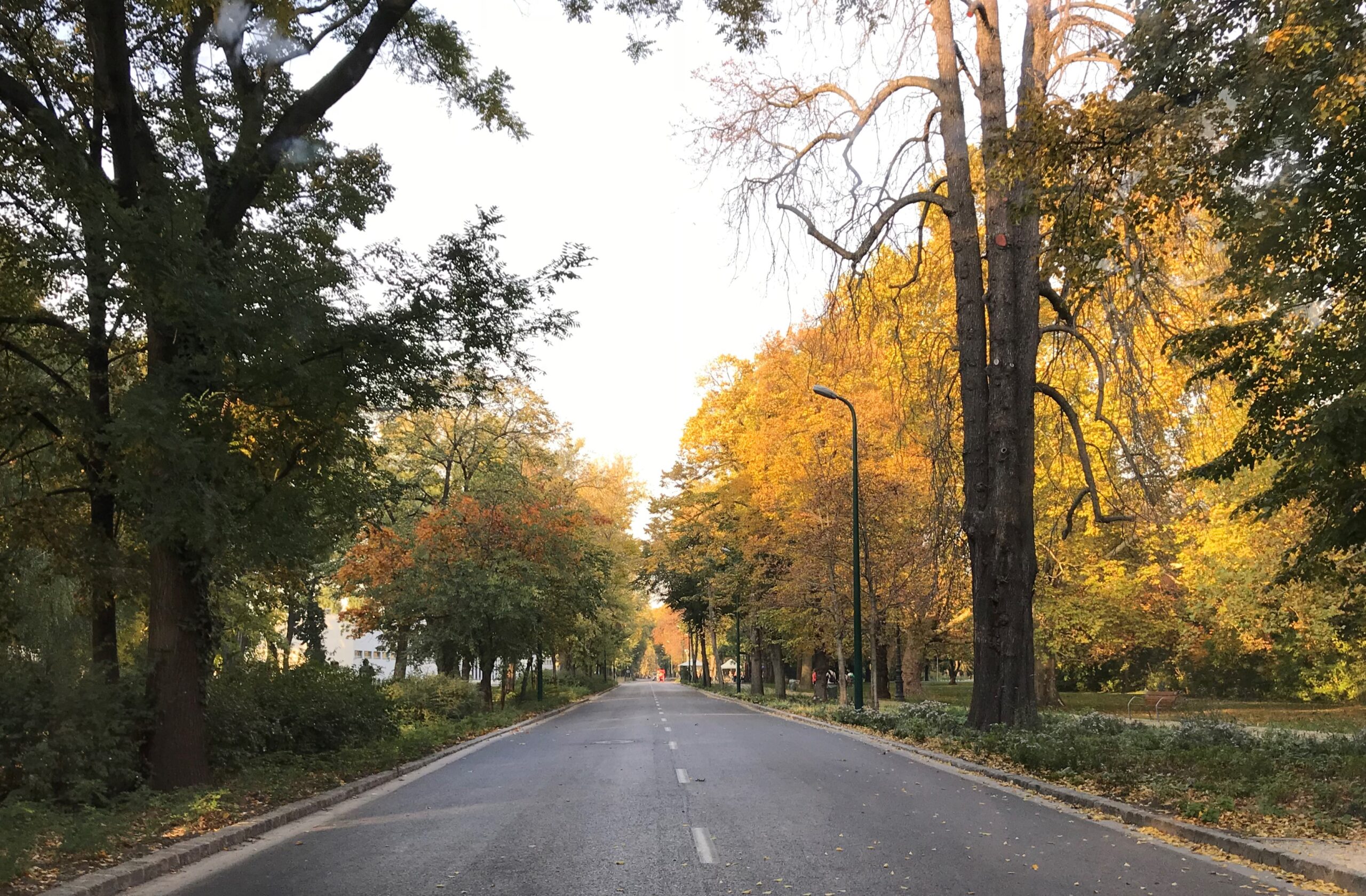
It’s no surprise that Margaret Island is a firm favourite among Budapesters. I usually avoid comparing places, but if I had to explain it to first-time visitors, I’d say it’s our very own Central Park — greener, calmer, and surrounded by water.
Why it’s not always on my tours (but often recommended)
Margaret Island isn’t usually included in my standard tours, simply because it’s a bit of a walk from the historic city centre. That said, whenever we do include it — as part of a customised walking or driving itinerary — guests always love it. It feels like discovering a different side of Budapest: quieter, more local, and very much off the beaten path.
That’s why I especially recommend visiting in late spring and summer, when the gardens are in full bloom and the island truly comes alive.
The best way to explore Margaret Island
One of my favourite ways to discover the island is by renting one of the special group bicycles that can seat up to six people. It’s fun, relaxed, and perfect for covering more ground without rushing.
I suggest starting at the southern end and making your way north. Along the way, don’t miss:
-
the serene Japanese Garden
-
the colourful Rose Garden
-
the small zoo, especially lovely for families
-
the iconic Water Tower
-
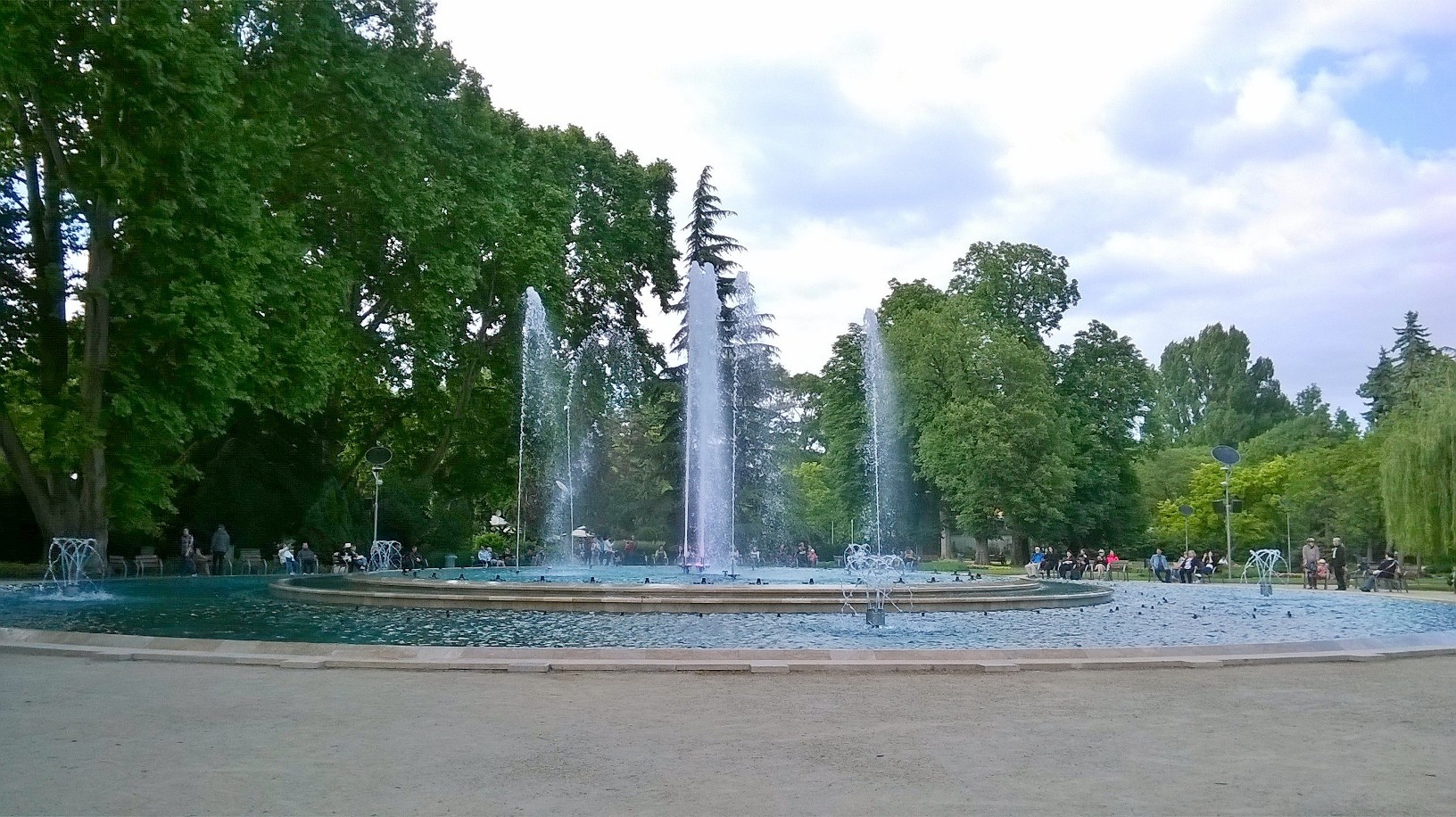
and, of course, the Musical Fountain, where it’s worth stopping to simply sit, listen, and enjoy the atmosphere
Margaret Island may not be on every itinerary, but it’s one of those places that stays with you — a green pause in the middle of the city, and a glimpse into how Budapesters like to slow down and enjoy life.
If you’d like to include Margaret Island in a customised walking or driving tour, I’m always happy to adapt the route.