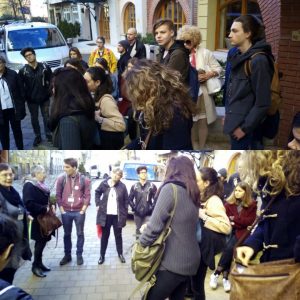
We had the most exciting tour today about the Hungarian Samizdat press. I had the privilege to work with Közgazdasági Politechnikum in this great project: Building Democratic Europe Together – http://budet.poli.hu/
My tour’s focus was the illegal, uncensored production, publishing and distribution of books and articles which couldn’t have been published in the Communist regime. It was all about conspiracy, clandestine operations and about how the state and state security tried to liquidate the entire movement, but more importantly my tour was about the desire to exercise free speech and free press, essential pillars of our new democracy.

It was great to see the enthusiasm of both students and teachers and I’m very proud to have been part of it.


My two greatest passions are tour guiding and photography. I’ve been involved in photography in a way or another my entire adult life and I always try to catch the beauty I see walking around Budapest every day. Some of my pictures are on Instagram, too.


I’m the extremely proud winner of Travel and Hospitality Awards’ Private Tour Company – of the Year 2018 in Hungary. This is an award I appreciate a lot and it’s also a great feedback showing that my guests are happy with my services as their private Budapest tour guide. It’s time to celebrate!
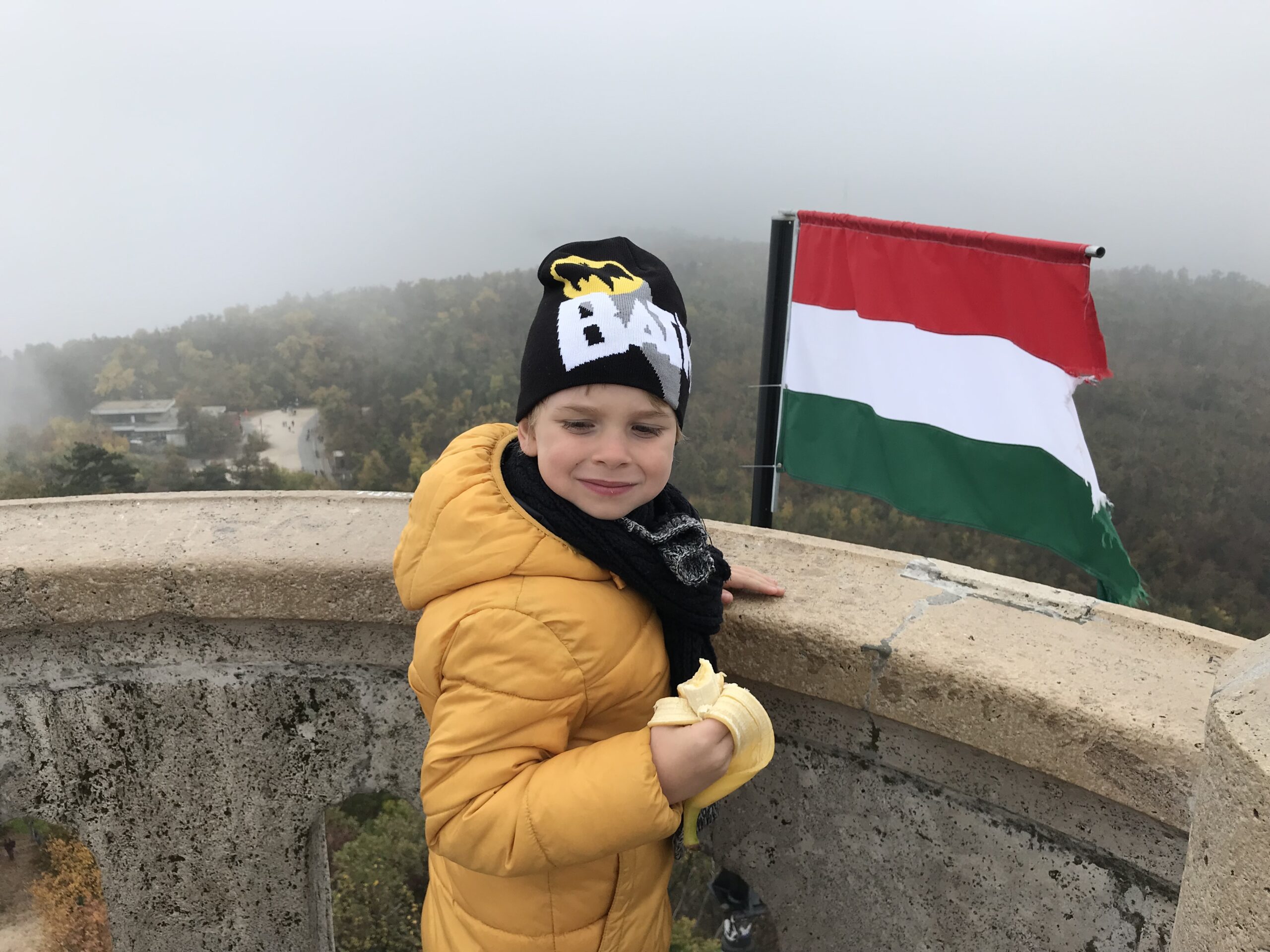
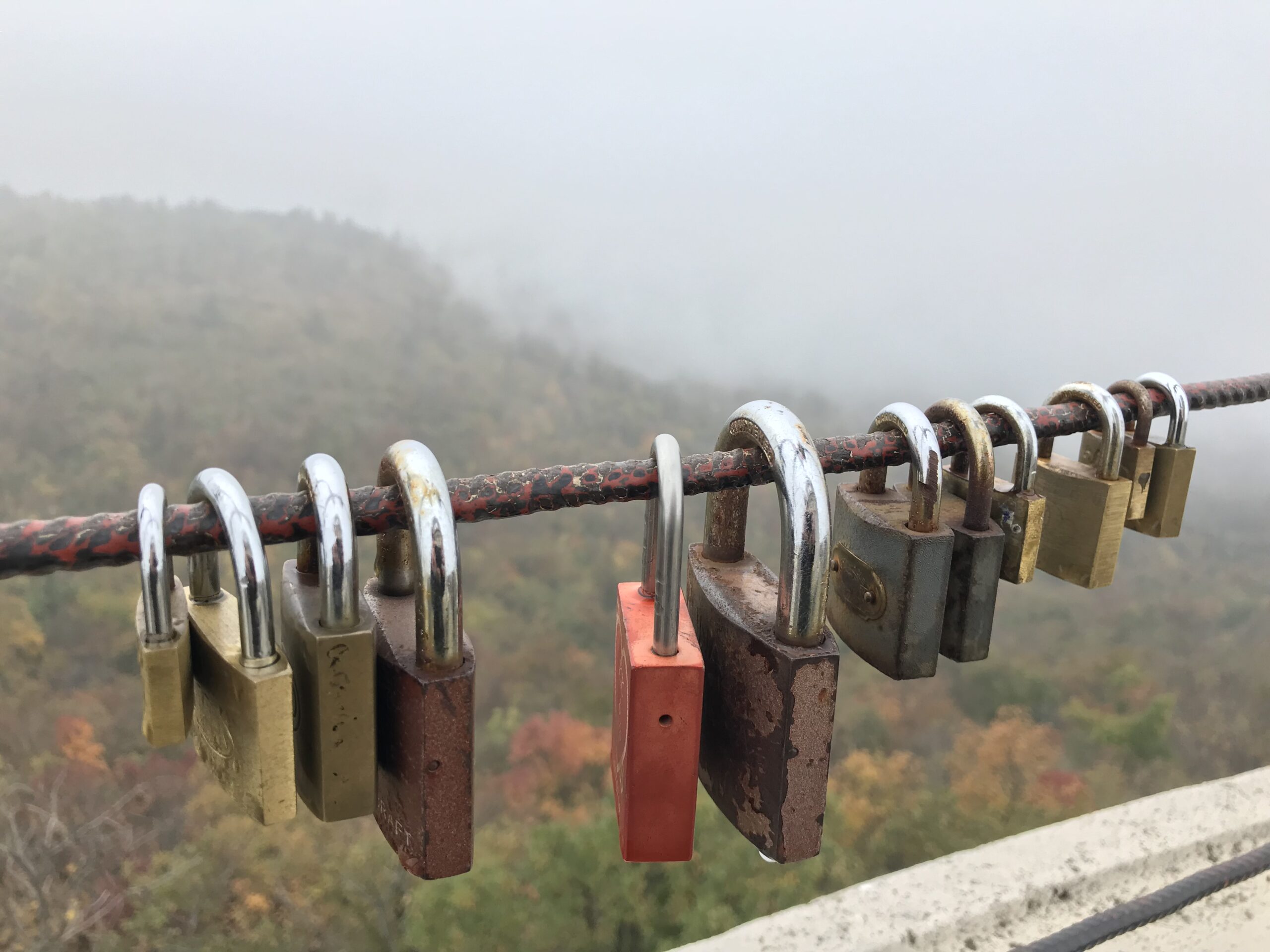
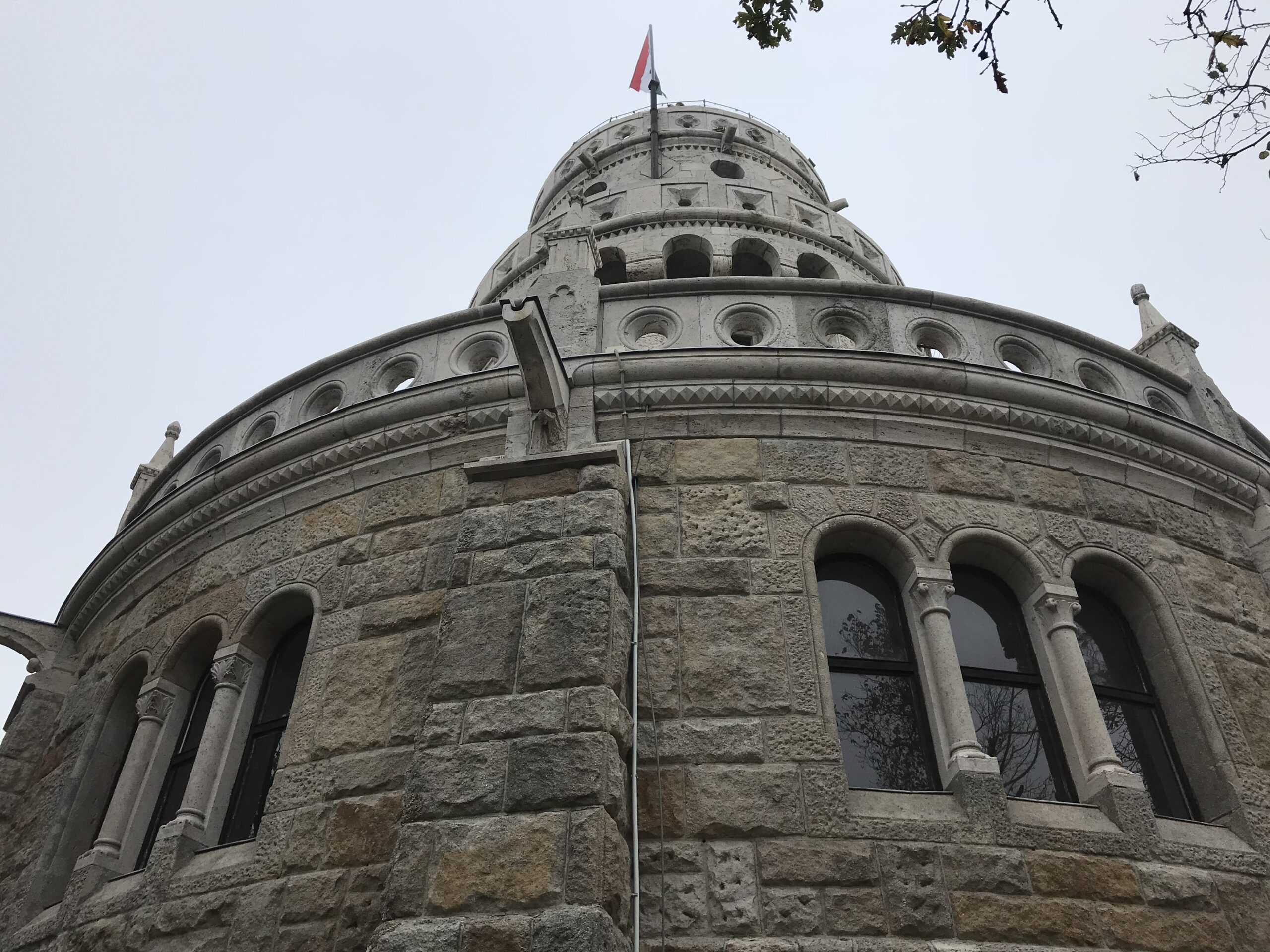
We decided to celebrate the National Day by hiking around the beautiful Buda hills. We hoped to enjoy some splendid view over Budapest from the top of the Elisabeth tower but couldn’t wait until the fog eventually lifted. It was a beautiful day shared with many other hikers who visited the area despite the sad weather.


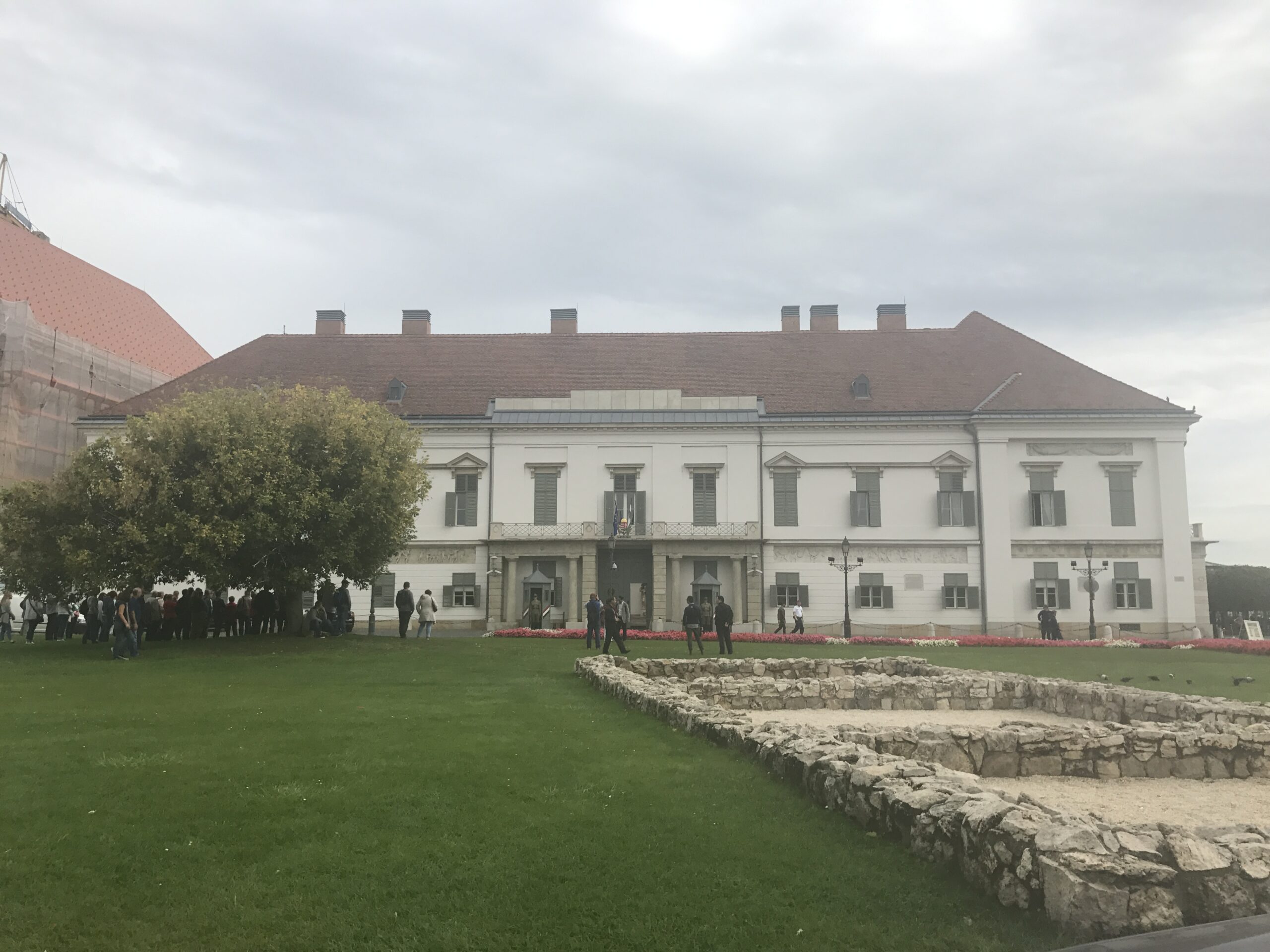
Located in the heart of the Buda Castle District, Sándor Palace is one of Budapest’s most elegant yet often overlooked landmarks. Standing just steps away from Buda Castle, the palace serves as the offices of the President of Hungary, combining political importance with refined architectural beauty.

From Aristocratic Home to Presidential Palace

Sándor Palace was built in the early 19th century as a noble residence and soon became one of the most prestigious addresses in Buda. Over the decades, it served various purposes, including government offices and ministerial residences.

The building suffered heavy damage during World War II and remained neglected for decades during the Communist era. Its careful restoration after the political changes restored the palace to its former elegance, and today it once again plays a central role in Hungarian public life.

Architecture and Atmosphere

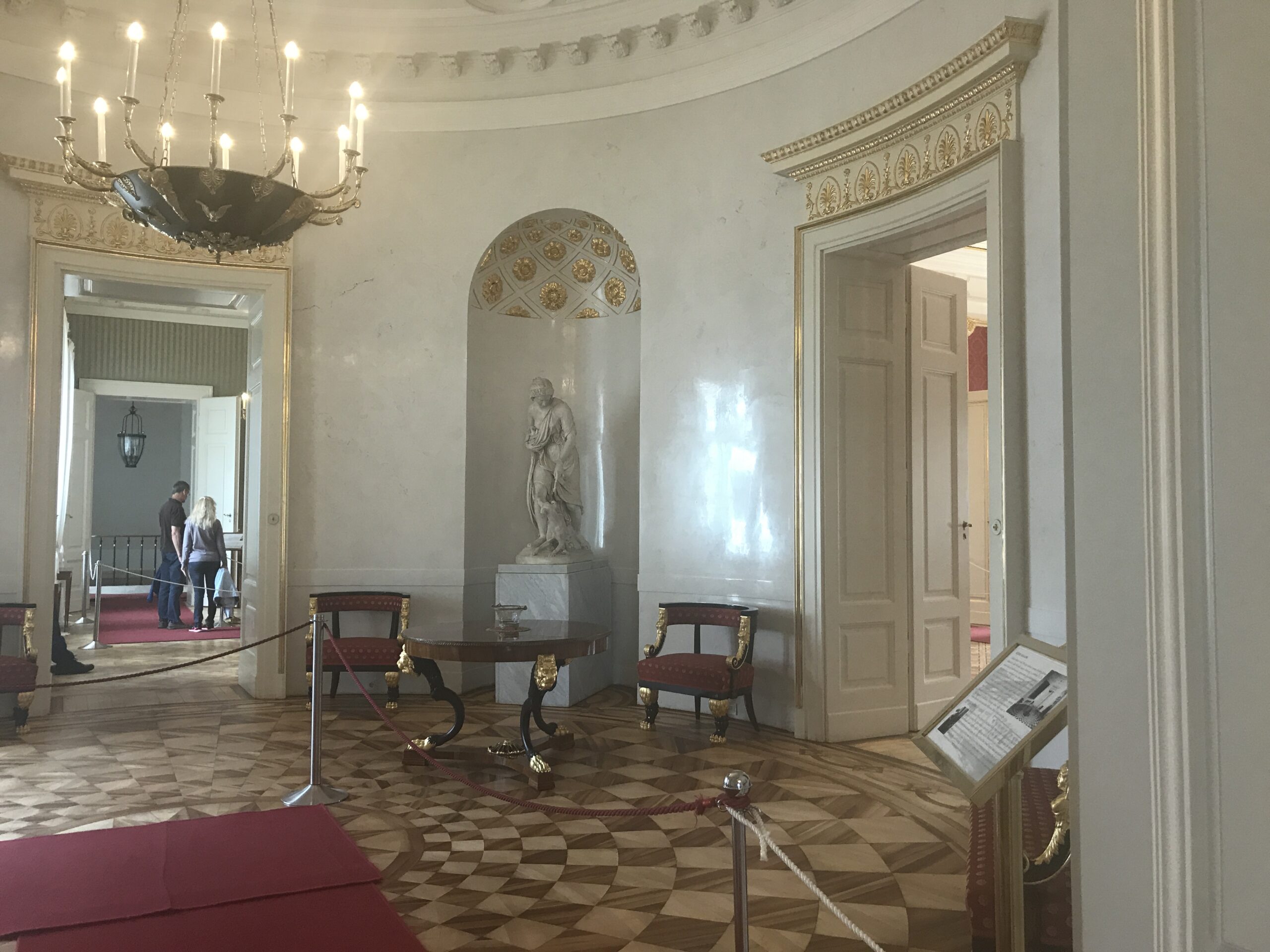
The palace is a fine example of Neo-Classical architecture, with a restrained yet harmonious façade that fits perfectly into the Castle District’s historic surroundings. While the interior is not generally open to the public, the exterior alone makes it a worthwhile stop during a Castle Hill walk.

One of the highlights for visitors is the changing of the guards, which takes place regularly in front of the palace and adds a ceremonial touch to the quiet square.

Sándor Palace on a Guided Tour

During a guided walk through the Castle District, Sándor Palace offers an excellent opportunity to talk about:

  • Hungary’s modern political system

  • the transition from monarchy to republic

  • life in the Castle District past and present

  • the contrast between royal, aristocratic, and presidential power

Its location makes it an easy and natural stop on a Budapest city tour or a thematic history walk.

Why Include Sándor Palace in Your Itinerary?

Sándor Palace is ideal for travelers who enjoy:

  • elegant architecture without crowds

  • political and modern Hungarian history

  • hidden landmarks beyond the usual highlights

  • quiet corners of the Castle District

It adds depth and context to any visit to Buda Castle.

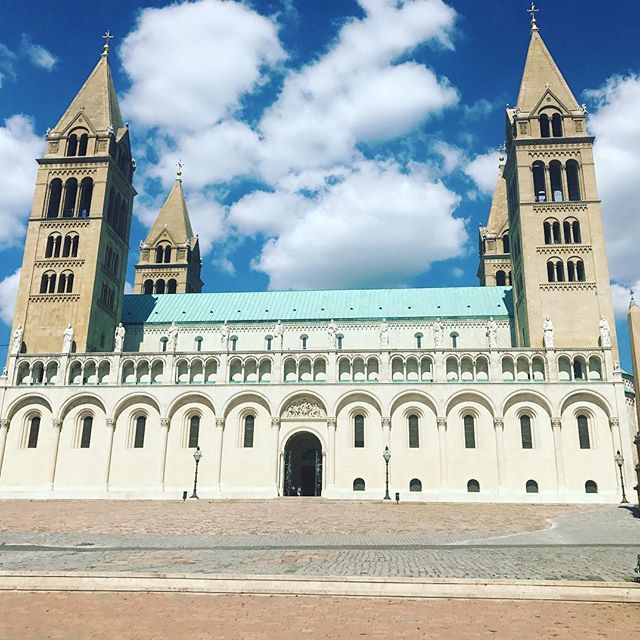
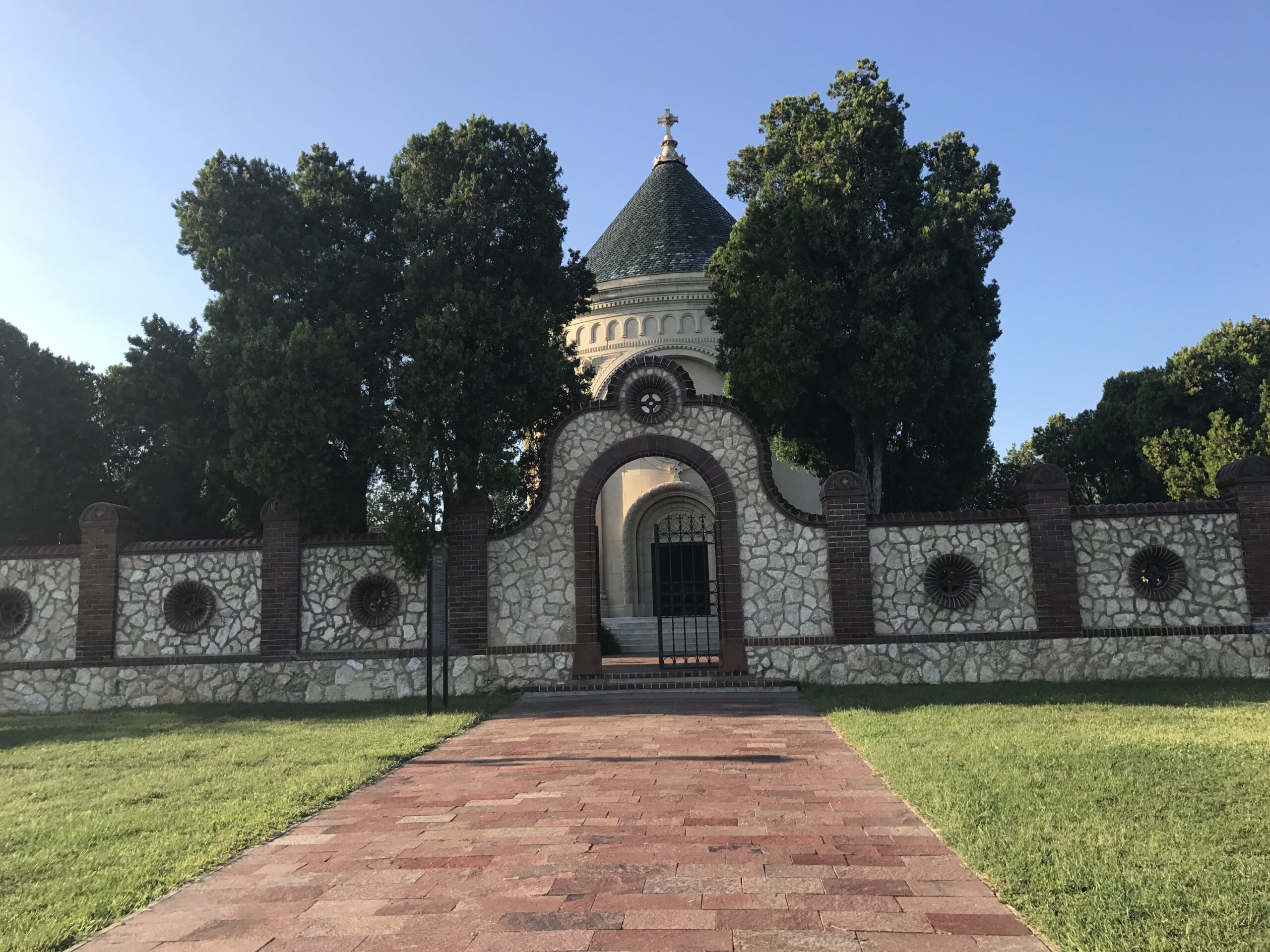
Yes, Pécs is one of my favorite destinations so I’d like to encourage you to book a tour at your earliest convenience. Once you have a look at the pictures below I’m sure you’ll fall in love with the city, too.

Pécs is very unique because the entire Hungarian history is on display in the city’s architecture, spirit and charm. You can learn so much while just walking around the cobblestoned streets.

We start the tour discovering the 1700-year-old Early Christian Necropolis, the well preserved burial chambers of the Romans fron the 4th century. We continue in the 11th century Basilica on Dóm square, an important symbol of the continuous fight of the Hungarians for Christianity. We tour the ruins of the Turkish baths, the only Turkish age mosque in Hungary that has remained intact together with its minaret and the 13th century Catholic church converted into a mosque in the 1540’s and reconverted into a Catholic church in the 1680’s. I’m sure you’ll be surprised to notice the special combination of the Muslim crescent moon and the Christian cross topping the church, reminding us of the peaceful coexistence of different religions. We admire the harmonious Baroque architecture and also have a look at the Vasarely museum.

After the city tour I take you to the Zsolnay quarter, the completely renovated and restored Zsolnay factory buildings where the most beautiful Hungarian porcelain and ceramic products have been manufactured since 1853.


We visited this cute little village last week as it was part of a family research I was working on for my guests arriving from Australia. I’ve never been to Szentkút before but I’m very much impressed by this enormous pilgrimage site, it’s just too bad it was deserted this part of the year. I understand it’s much more crowded in August when open air masses are held for hundreds of thousands of people.

The fountains have been famous for their healing power for some 700 years now and is declared a National Shrine since 2006.


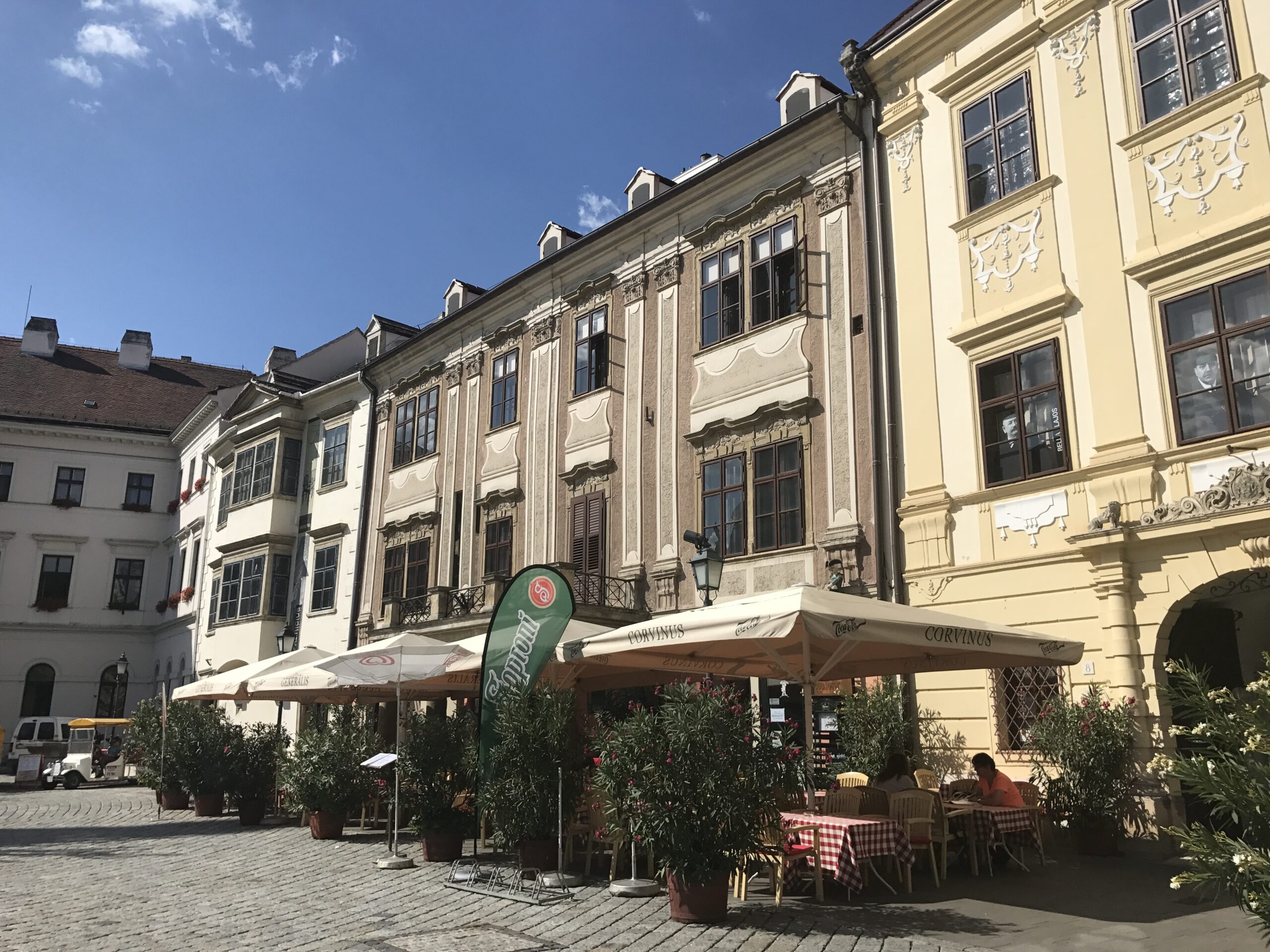
Located near the Austrian border, Sopron has quickly become one of my guests’ most loved day-trip destinations in western Hungary — and it’s easy to see why. Rich in medieval heritage and elegant Baroque architecture, Sopron is a beautifully preserved town that feels both intimate and historically layered.

After guiding several tours in northern Hungary, Sopron naturally became part of my Győr and Sopron private tour, combining two of the region’s most charming historic towns in one memorable itinerary.

Why Sopron Is Called “The Most Loyal Town”

Sopron is often referred to as Hungary’s “most loyal” town, a title earned after World War I. When two-thirds of Hungary’s territory were detached from the country, Sopron’s citizens were offered Austrian citizenship in a referendum.

In 1921, the people of Sopron voted to remain Hungarian — a decision that is still commemorated every year and remains a strong part of the town’s identity and local pride.

Medieval Churches and the Iconic Fire Tower

A guided walk through Sopron reveals architectural treasures from multiple eras. Highlights include:

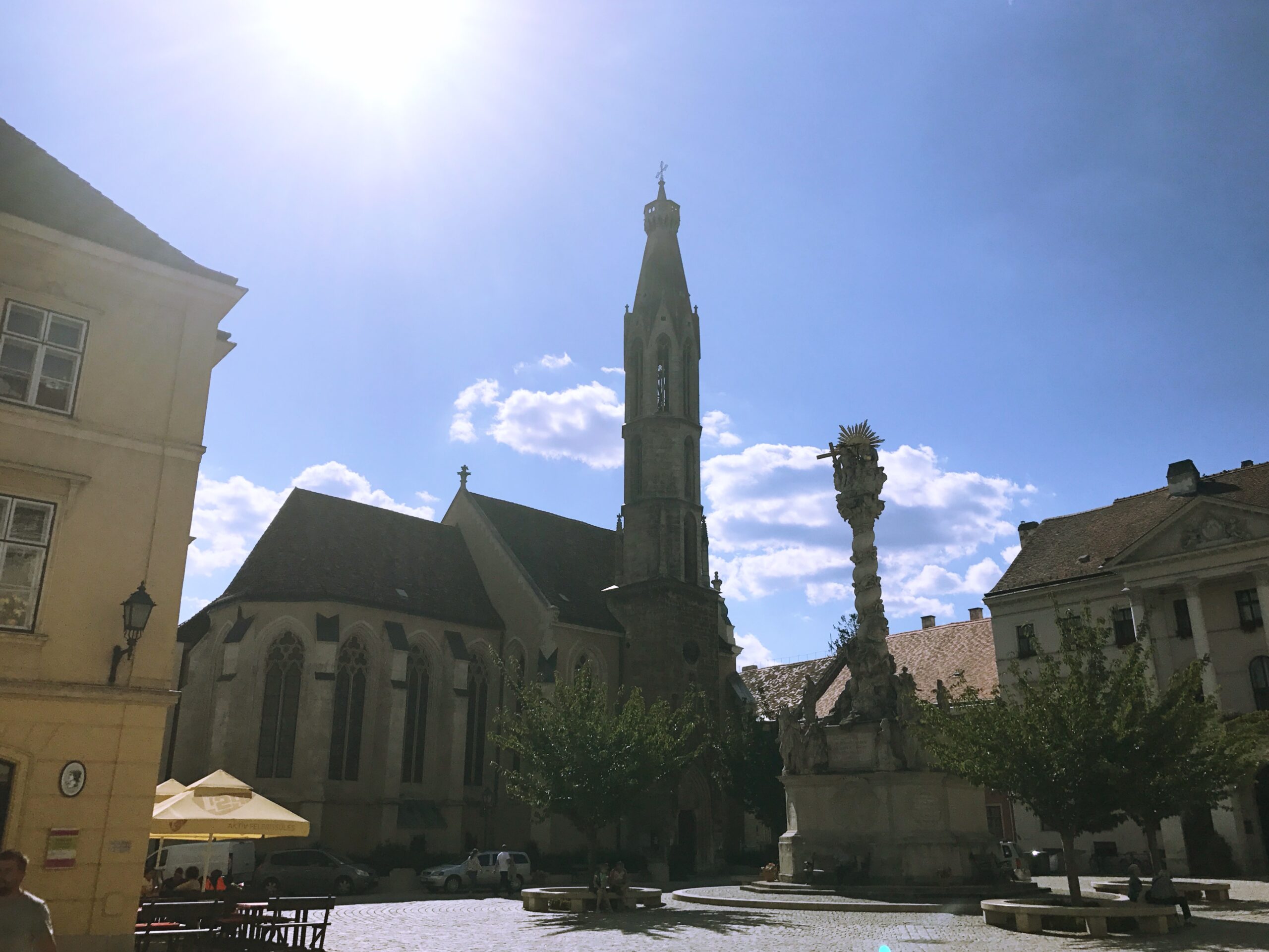
  • 13th-century churches featuring Romanesque and Gothic elements

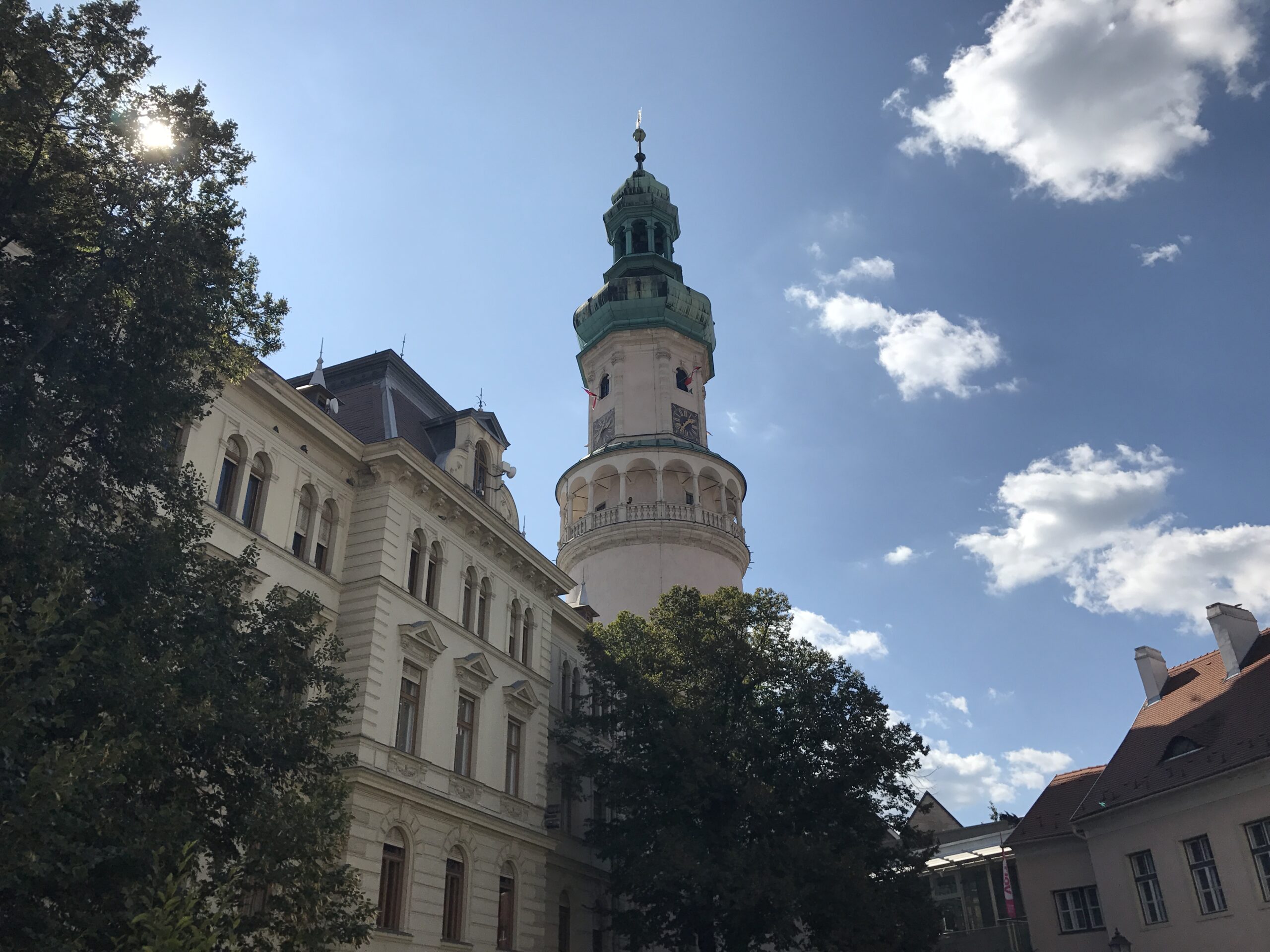
  • the iconic Fire Tower, the symbol of the town since the 17th century

  • elegant 18th-century Baroque townhouses lining narrow streets and hidden courtyards

From the top of the Fire Tower, visitors are rewarded with panoramic views over Sopron’s rooftops and the surrounding countryside.

Kings, Composers, and Roman Roots

Sopron’s streets have hosted remarkable historical figures. During the tour, you’ll see:

  • where Matthias Corvinus stayed while besieging Vienna in 1482

  • buildings associated with concerts given by Franz Liszt in the 19th century

Beneath the medieval and Baroque layers lie even older foundations. Sopron was built on the remains of a Roman settlement, and visitors can still see the ruins of the ancient Roman town hall and market, offering a fascinating glimpse into the city’s earliest past.

Visiting Sopron on a Private Tour

Sopron is an ideal destination for travelers interested in:

  • medieval and Baroque architecture

  • Hungarian history beyond Budapest

  • quiet, walkable historic towns

  • meaningful countryside experiences

It pairs perfectly with a visit to Győr, making the Győr and Sopron tour a well-balanced journey through western Hungary’s cultural highlights.


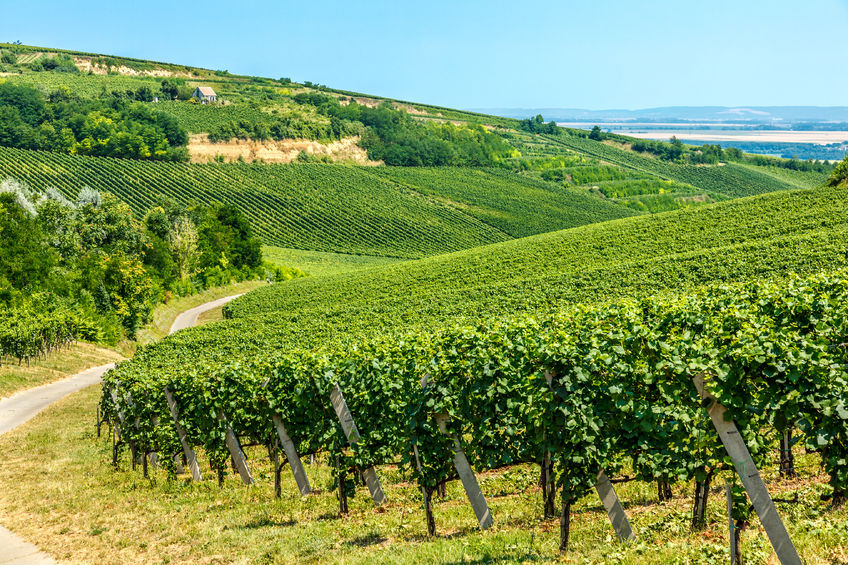
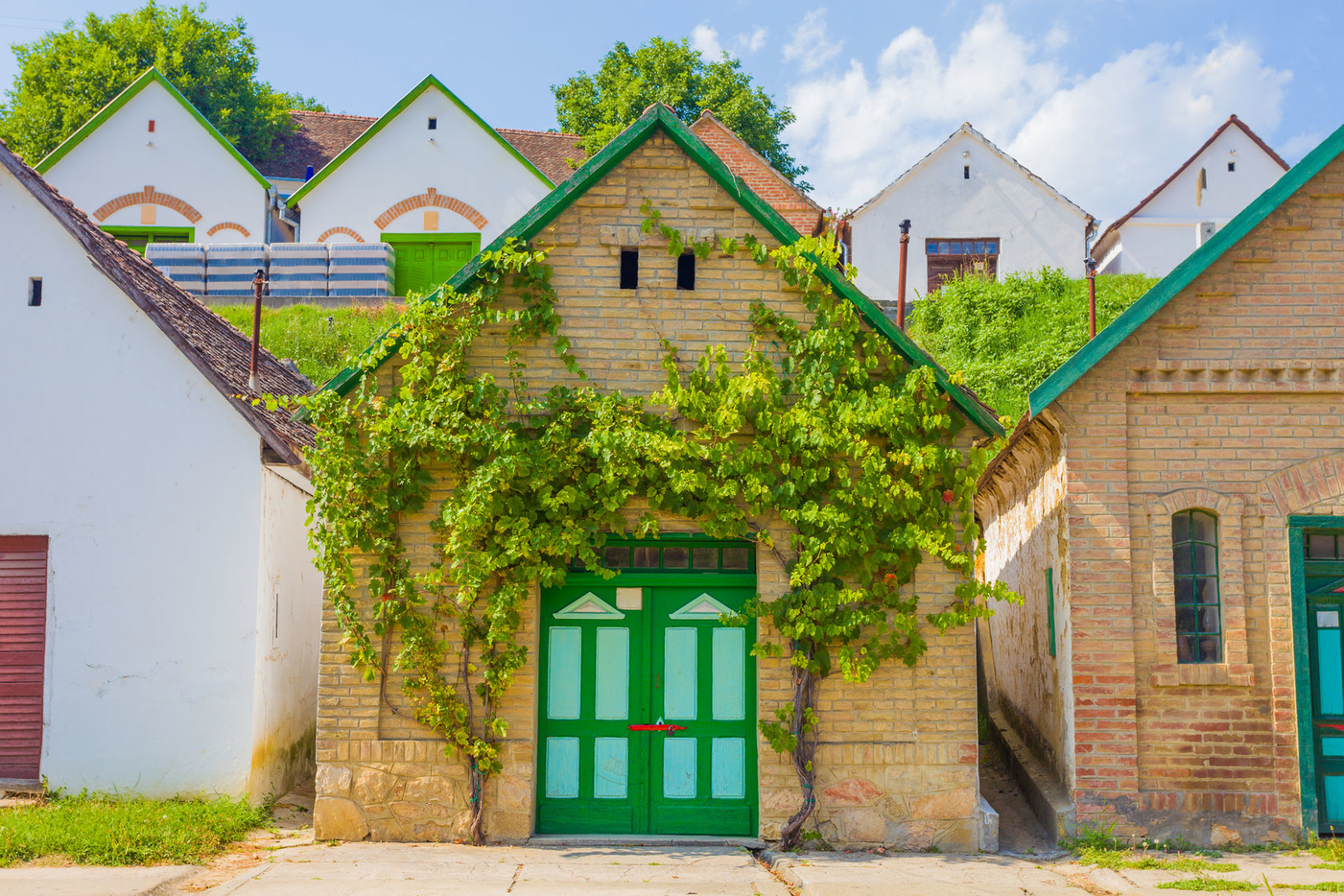
Often considered the most beautiful wine region in Hungary, the Villány Wine Region is famous for its high-quality red and rosé wines, scenic vineyard-covered hills, and outstanding wineries. Located in southern Hungary, Villány is the country’s leading destination for wine tourism and a perfect addition to a Pécs and Villány day tour.

Hungary’s Premier Red Wine Destination

At the heart of the region lies the Villány Wine Trail (Villányi Borút), the first official wine route in Hungary, created to showcase local producers, cellars, and traditions.

If you’d like to explore this region in depth, the Pécs and Villány Tour by Car offers an ideal combination of culture, history, and wine.

Climate and Geography: Ideal Conditions for Wine

The Villány wine region covers approximately 1,800 hectares and enjoys a sub-Mediterranean climate, unusual in Hungary. Summers are hot, winters are mild, and the area benefits from abundant sunshine throughout the year.

The southernmost mountain range of Hungary shelters the vineyards from cool northern winds, creating optimal conditions for ripening grapes — especially red varieties.

A Wine Region with Ancient Roots

Archaeological excavations show that the Romans cultivated grapes here over 2,000 years ago. Hungarian winemaking in the area likely began as early as the 11th century, around the 1060s.

Villány experienced its first golden age in the early 19th century, following the arrival of German settlers. They introduced advanced agricultural techniques and new grape varieties, including Kékoportó, which remains one of the region’s signature grapes today.

From Nationalization to Modern Excellence

During the second half of the 20th century, Villány’s vineyards were nationalized. Large-scale, quantity-focused production left a visible legacy: wide vine rows and low-density plantations designed for heavy machinery.

Today, these contrast clearly with privately owned vineyards, where quality-driven, small-scale production dominates. The revival of craftsmanship and terroir-focused winemaking has played a key role in Villány’s international success.

Villány Grape Varieties and Wines

The Villány wine region is best known for its structured reds, but also produces elegant whites. Key grape varieties include:

  • Kékoportó

  • Kékfrankos

  • Cabernet Sauvignon

  • Hárslevelű

  • Italian Riesling

  • Leányka

Award-Winning Winemakers

Villány winemakers are among the most successful in Hungary, frequently earning top honors at national and international wine competitions. Local producers and cellars have received the titles “Wine Producer of the Year” and “Wine Cellar of the Year” on multiple occasions — clear proof of the region’s prestige.

Visiting Villány on a Private Tour

Villány pairs beautifully with a visit to Pécs, one of Hungary’s most atmospheric historic cities. Together, they create a perfect wine, culture, and gastronomy experience in southern Hungary.

The Pécs and Villány wine tour is ideal for travelers interested in:

  • Hungarian wines and winemaking traditions

  • Scenic countryside and vineyard landscapes

  • Boutique wineries and cellar visits


One of Hungary’s Most Famous Crafts

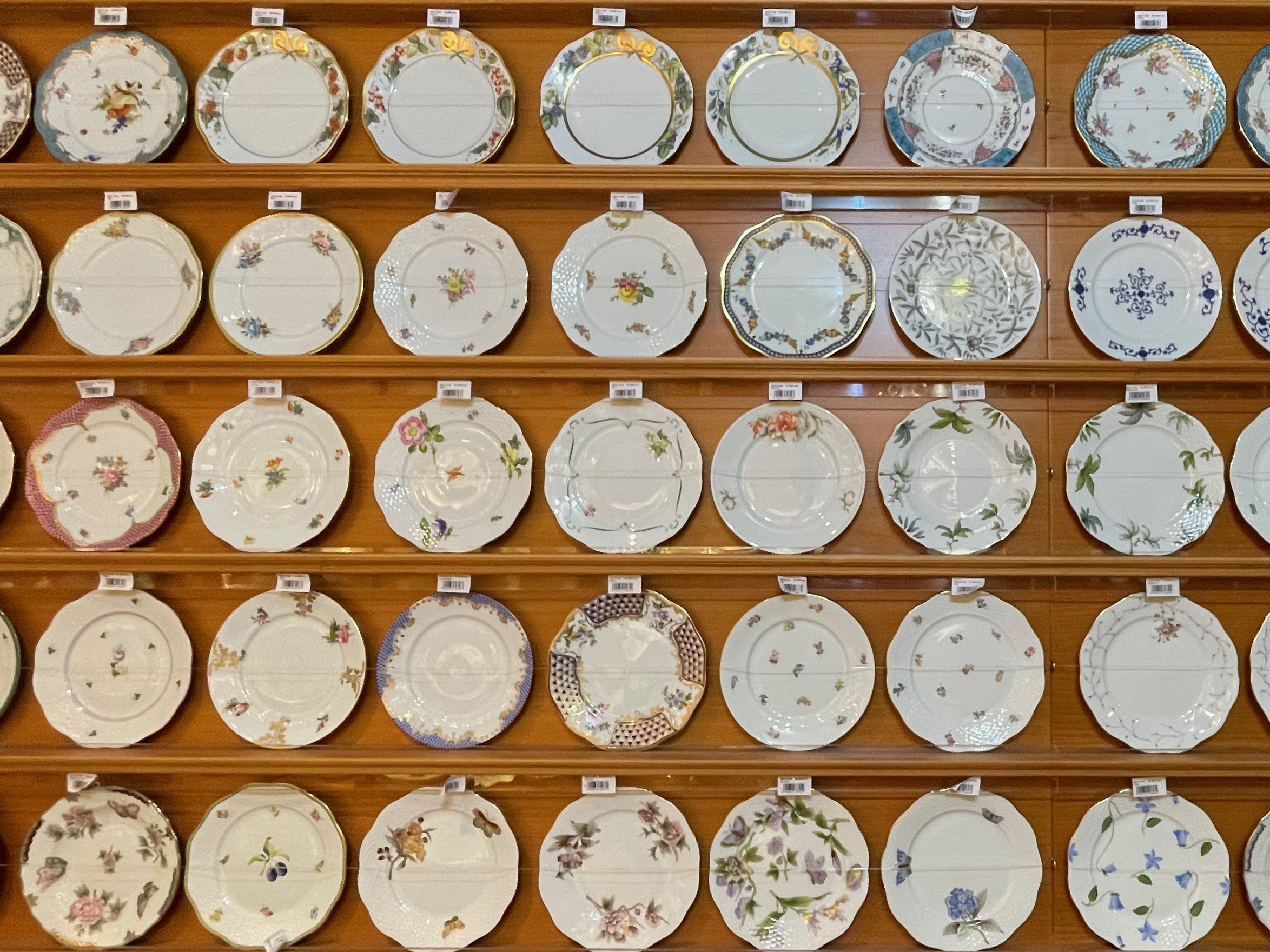
Hungary is internationally renowned for its porcelain production, and Herend porcelain is without doubt its most prestigious name. Founded nearly 200 years ago, the Herend Porcelain Factory continues to produce exquisite, hand-painted porcelain admired by collectors and royal households worldwide.

The factory is located in the small village of Herend, near Veszprém, making it a wonderful cultural stop on a countryside journey or a Lake Balaton tour.

A Porcelain Loved by Royalty

Herend porcelain has won numerous awards at international exhibitions. Its most famous moment came at the Great Exhibition of the Works of Industry of All Nations, where a beautifully decorated dinner set caught the attention of Queen Victoria.

She ordered a full porcelain service for herself, and the pattern was named “Viktória” in her honour — a design that remains one of Herend’s most iconic collections today.

Visiting the Herend Porcelain Museum

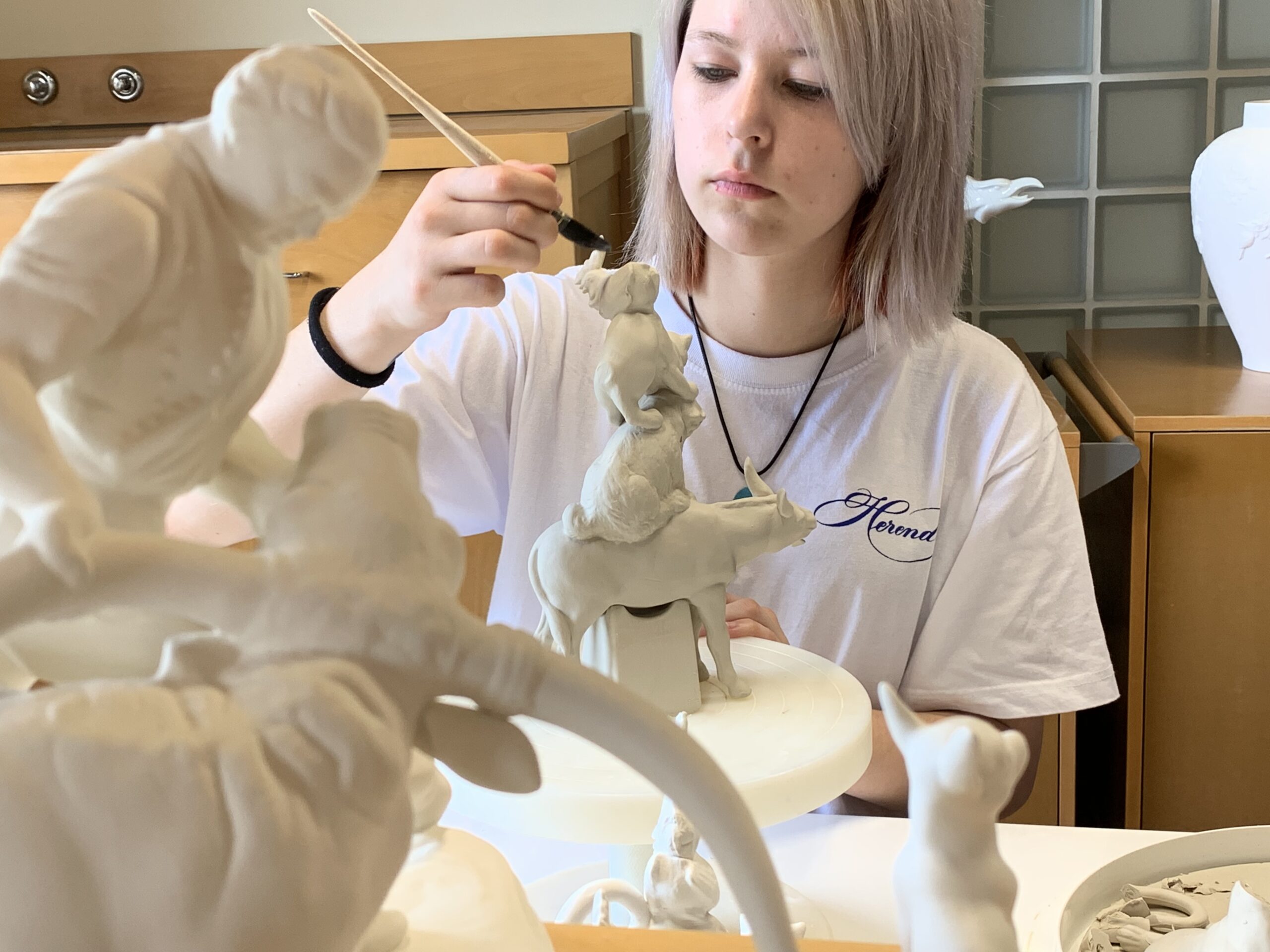
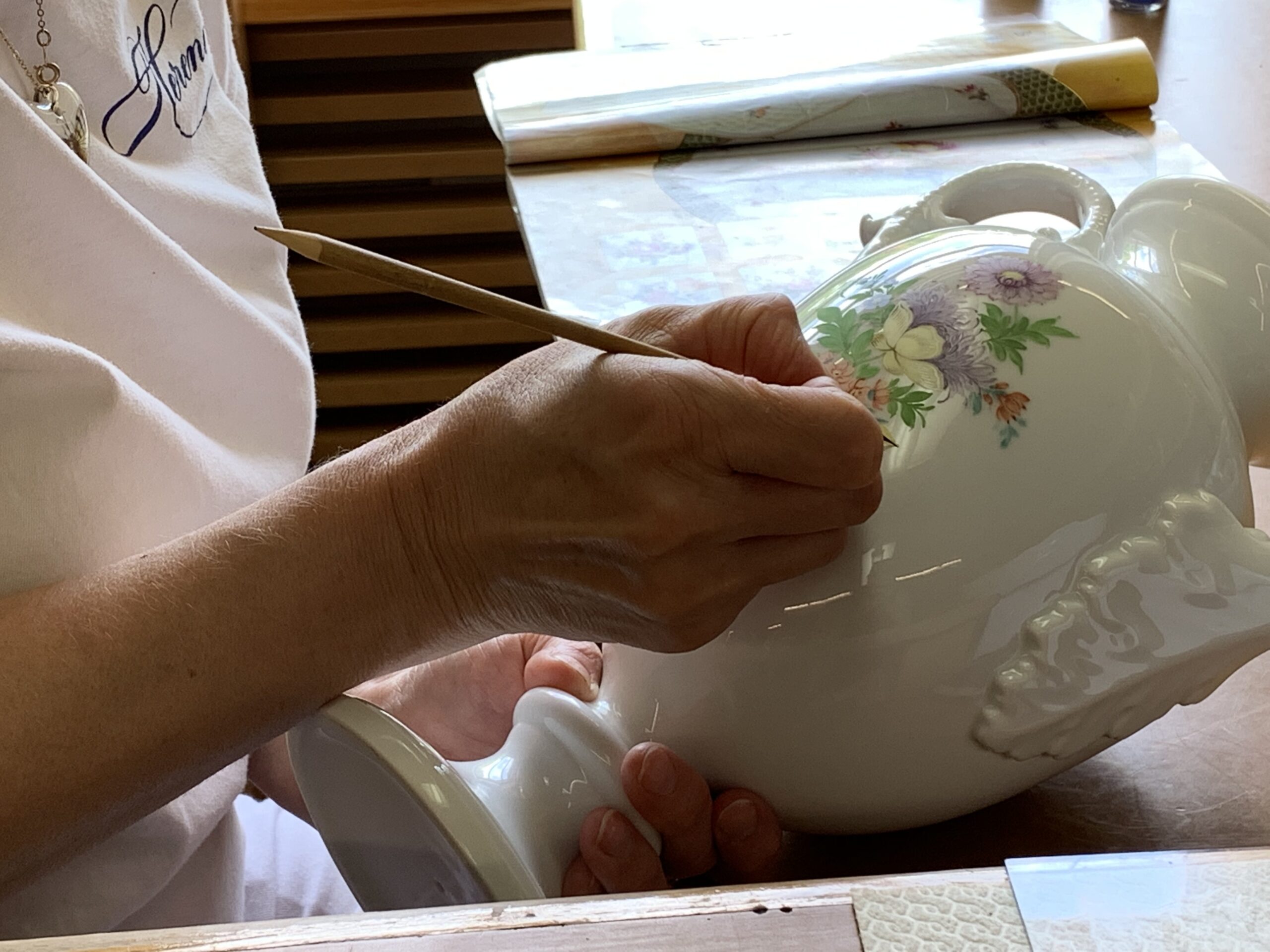
A visit to the Herend Porcelain Museum offers a fascinating behind-the-scenes look at how these delicate masterpieces are created.

One of the highlights is the Mini-Manufactory, where visitors can follow each step of the production process through a series of rooms:

  • preparation of plaster casts

  • shaping and piercing the porcelain

  • delicate flower making

  • hand-painting and gilding techniques

Seeing the artisans at work truly brings home why Herend porcelain is considered a luxury craft rather than mass production.

Coffee or Tea Served in Herend Porcelain

After the museum visit, guests are invited to enjoy a coffee or tea served in genuine Herend porcelain — a charming and memorable detail that perfectly completes the experience.

Including Herend in a Private Tour

I’m happy to include a Herend Porcelain Factory visit as part of:

The Herend visit pairs beautifully with historic towns, scenic viewpoints, and wine or food stops around Lake Balaton. If you’re interested in Hungarian craftsmanship, history, and elegant traditions, Herend is an unforgettable stop.