There’s something truly magical about Budapest that never fades, no matter how many times I walk its streets. From the golden light of sunrise over the Danube to the glow of Parliament at night, every hour brings a new kind of beauty. I love capturing these moments—quiet alleys, bustling markets, soft reflections on the river—each one telling a part of the city’s story.

Taking photos and videos here isn’t just about visuals; it’s about emotion, rhythm, and the atmosphere of everyday life. With every shot, I try to preserve the feeling of being here: the laughter from a café, the hush in a church, the buzz of trams gliding by. Creating this video is my way of sharing that energy, that intimacy, that wonder. Budapest always gives me something new to fall in love with—and I hope you feel a bit of that in every frame.

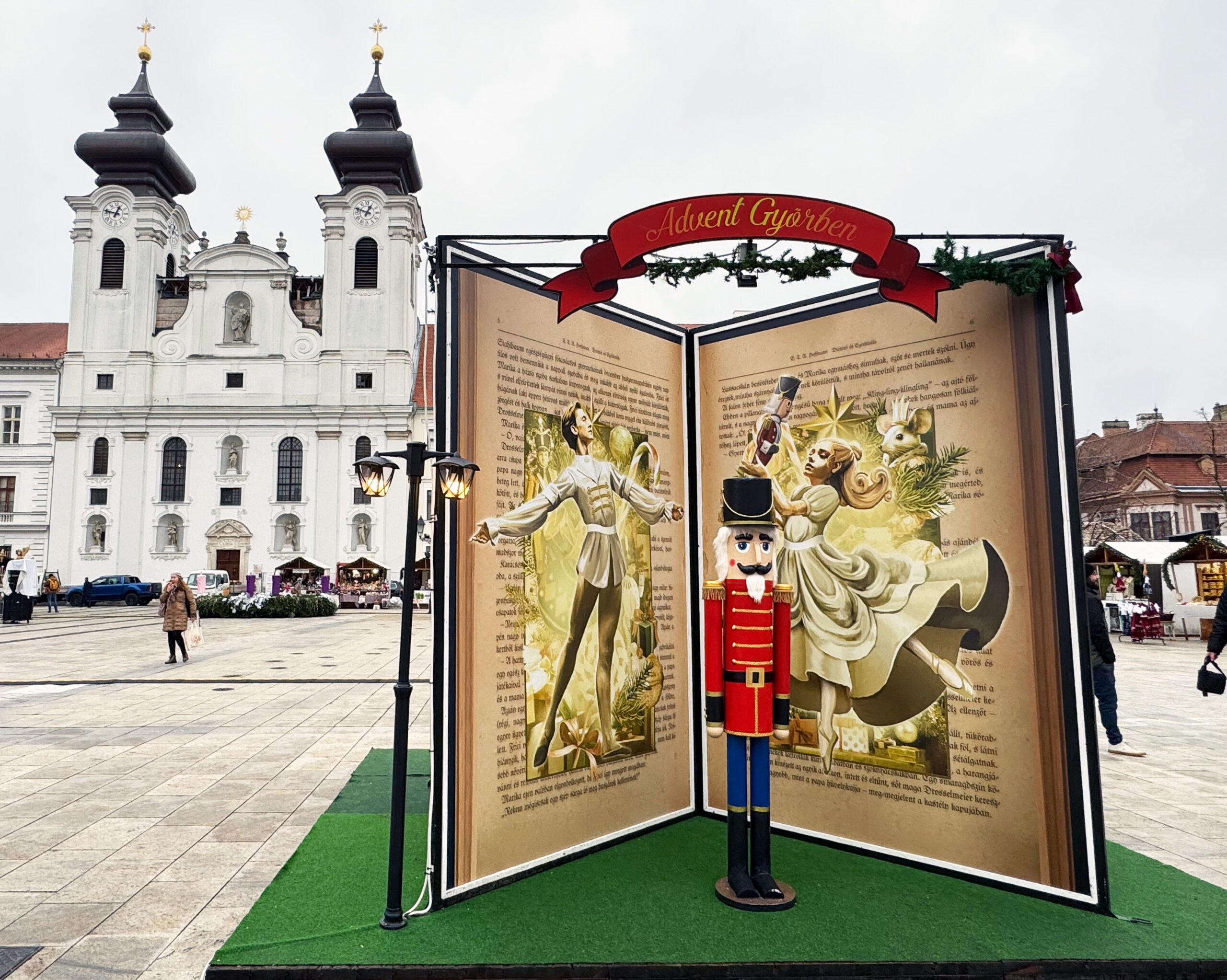
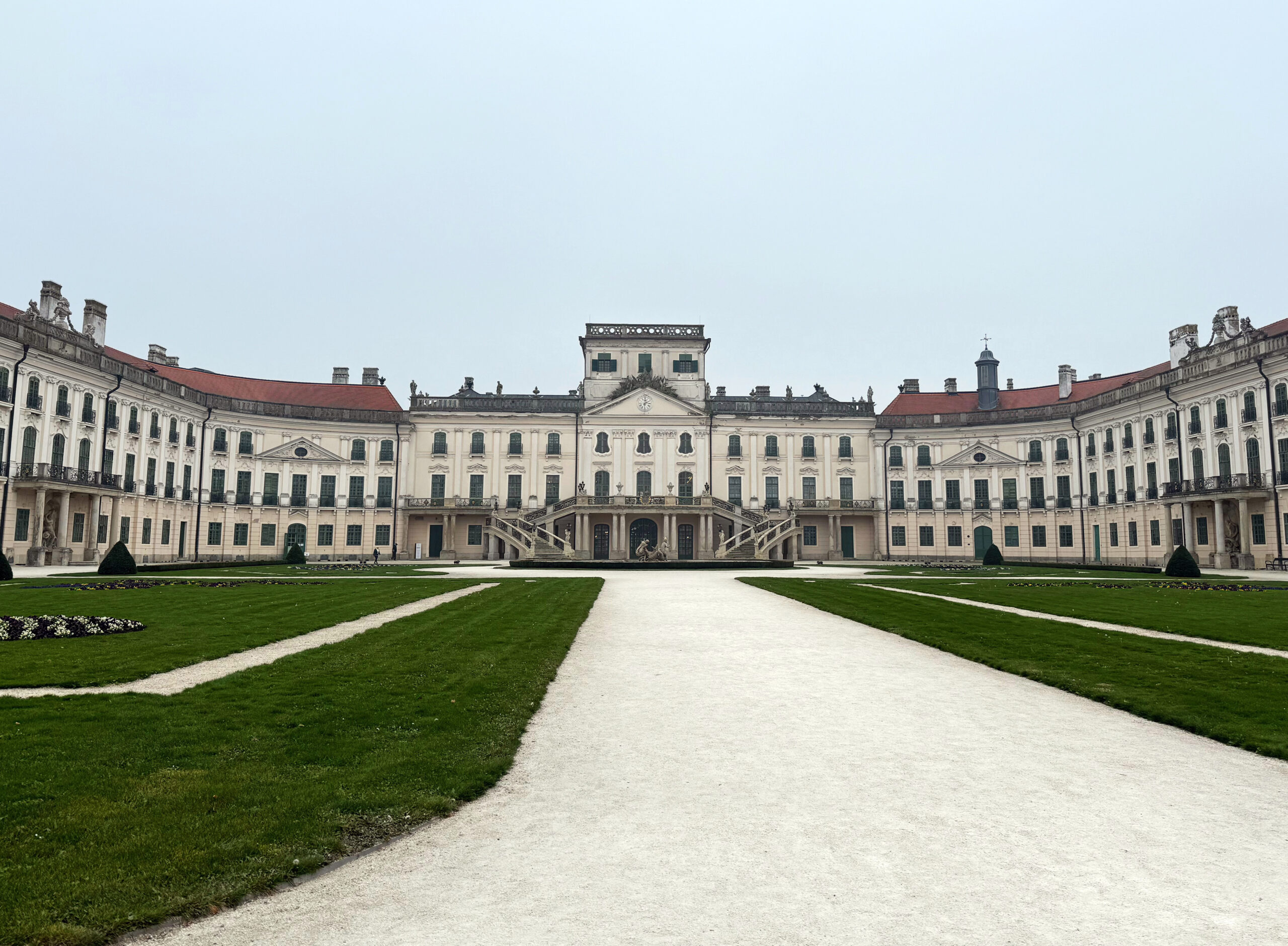
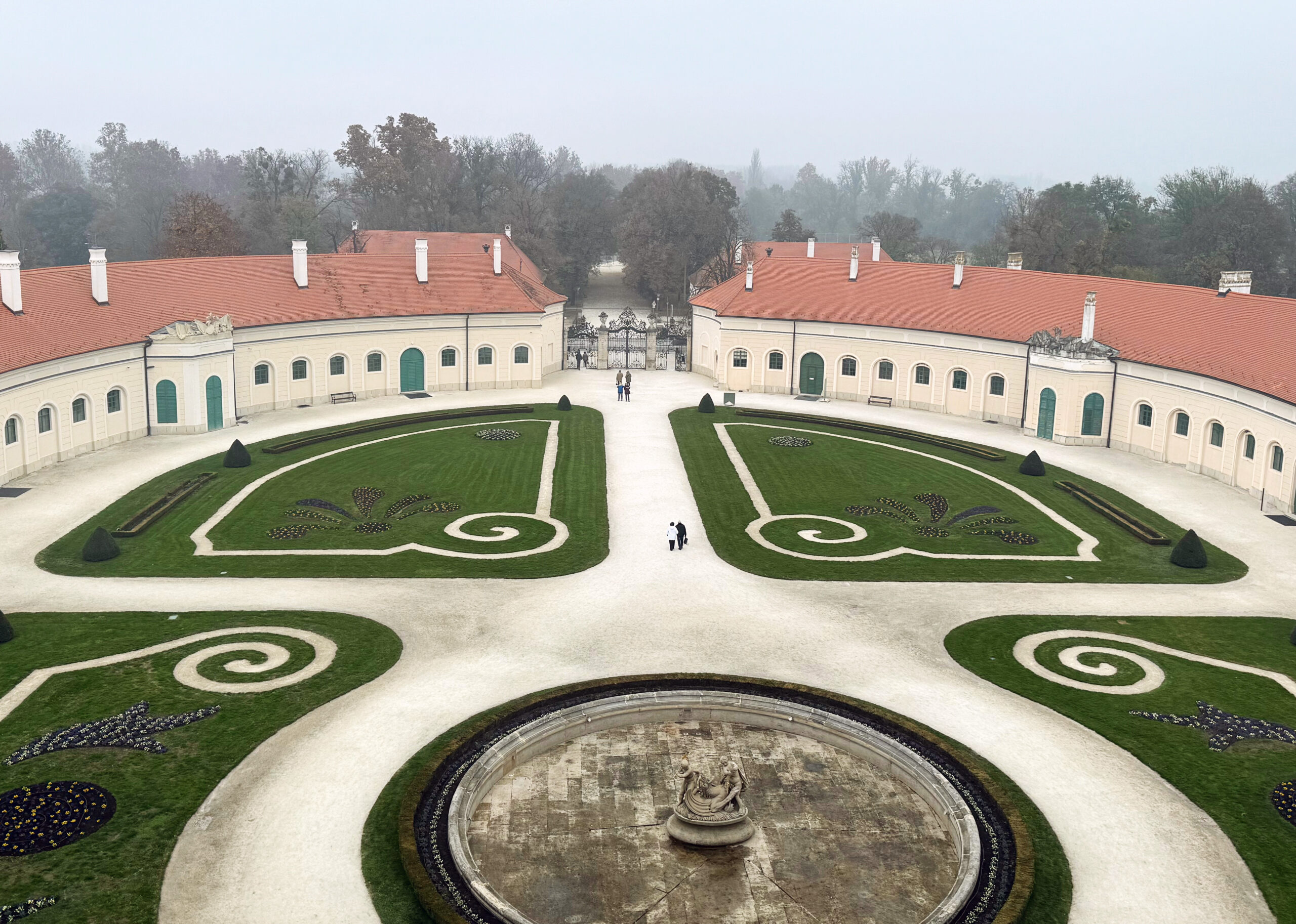
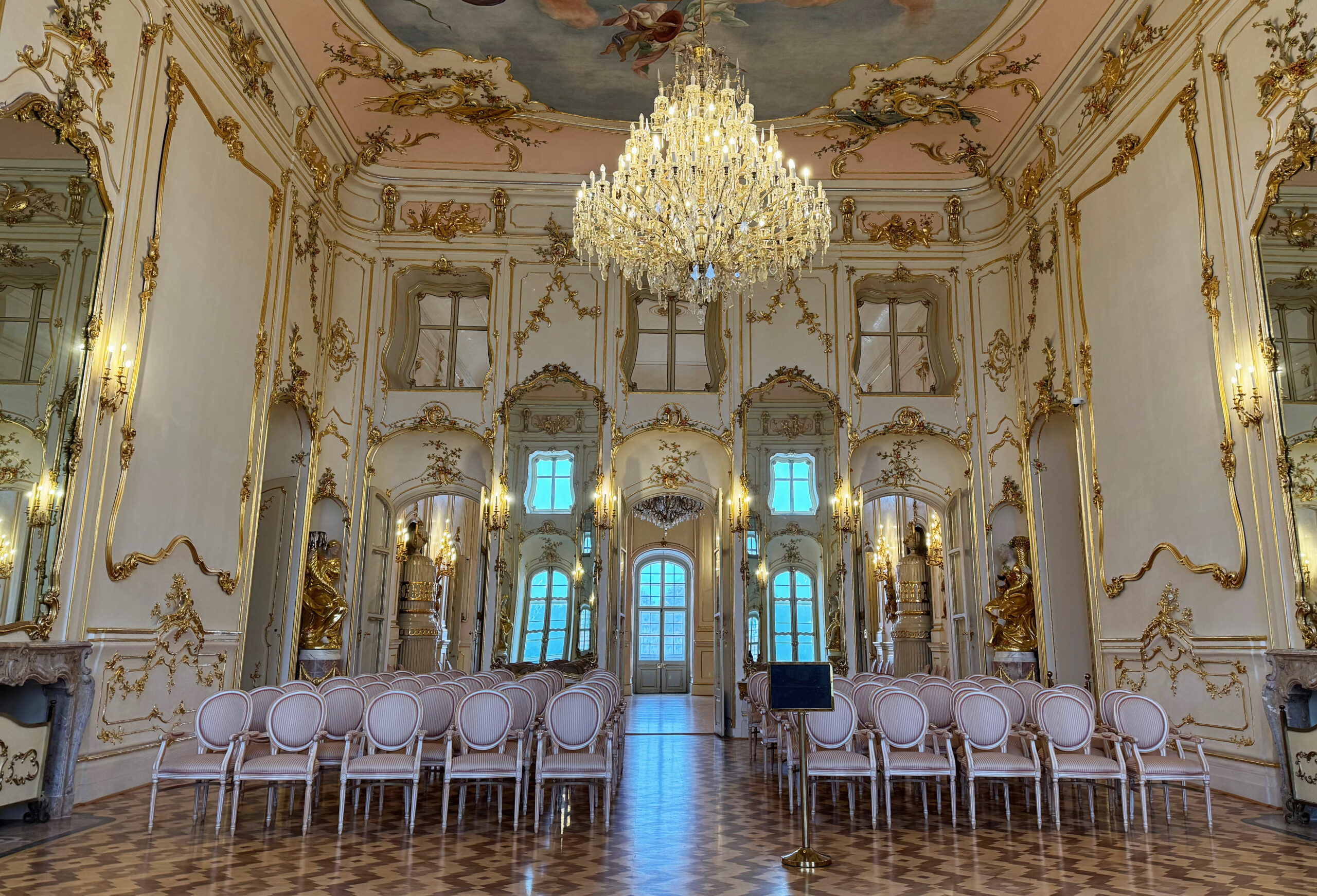
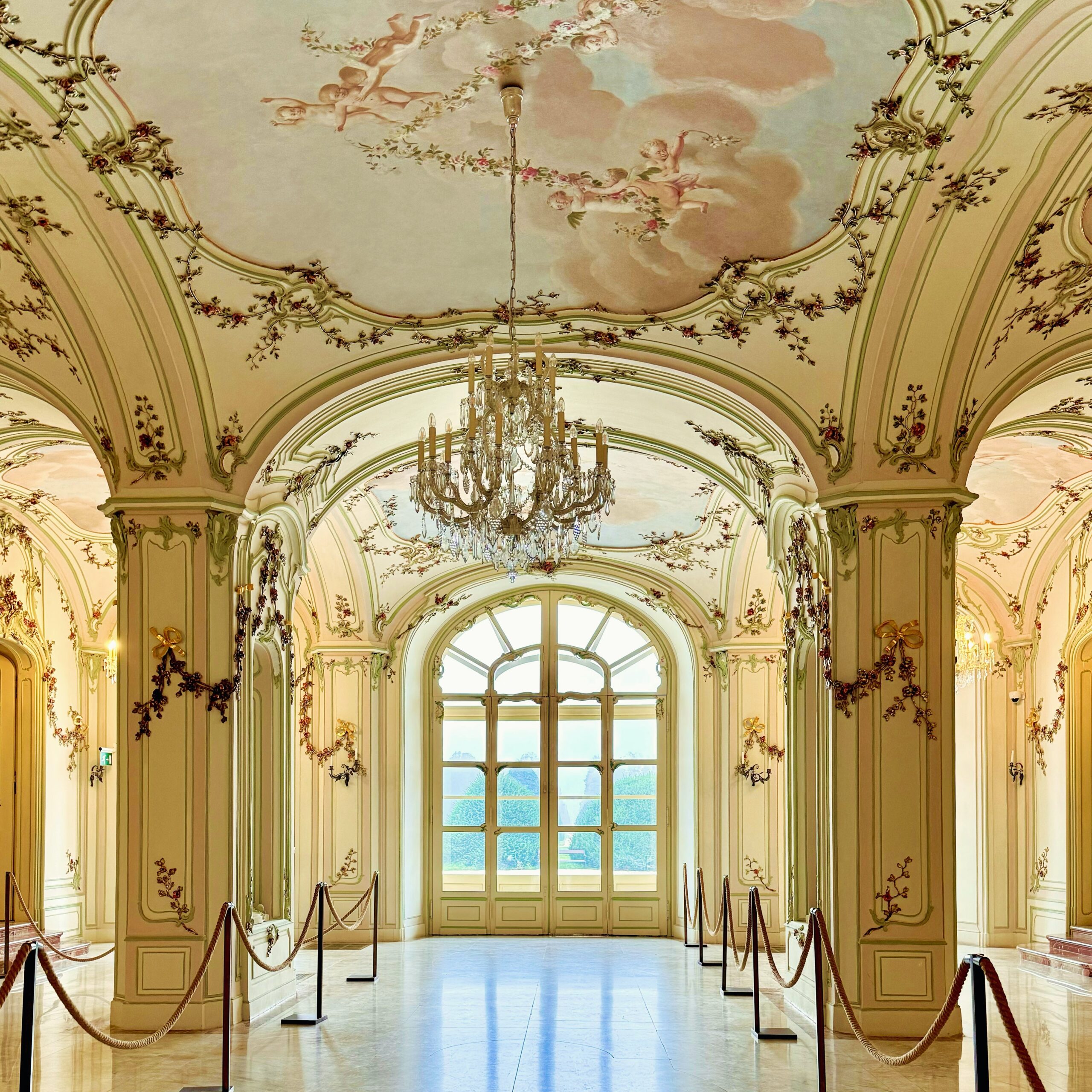
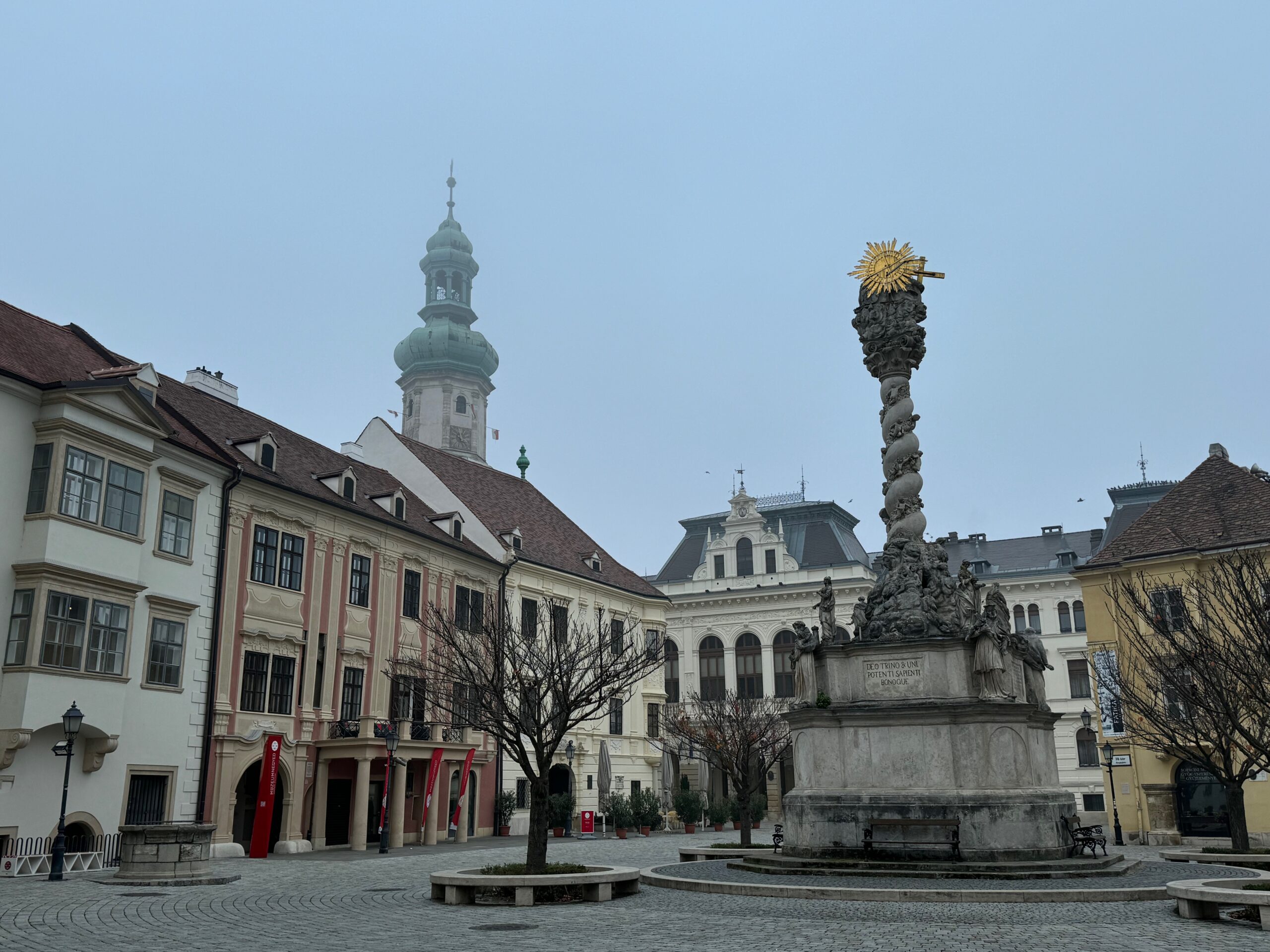
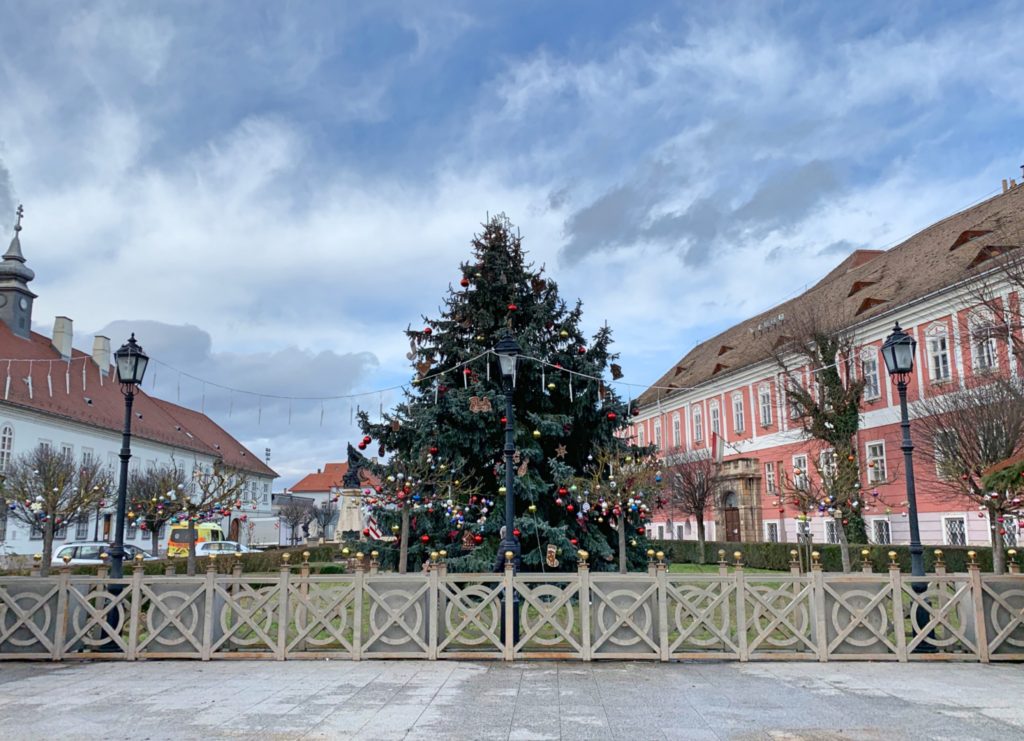
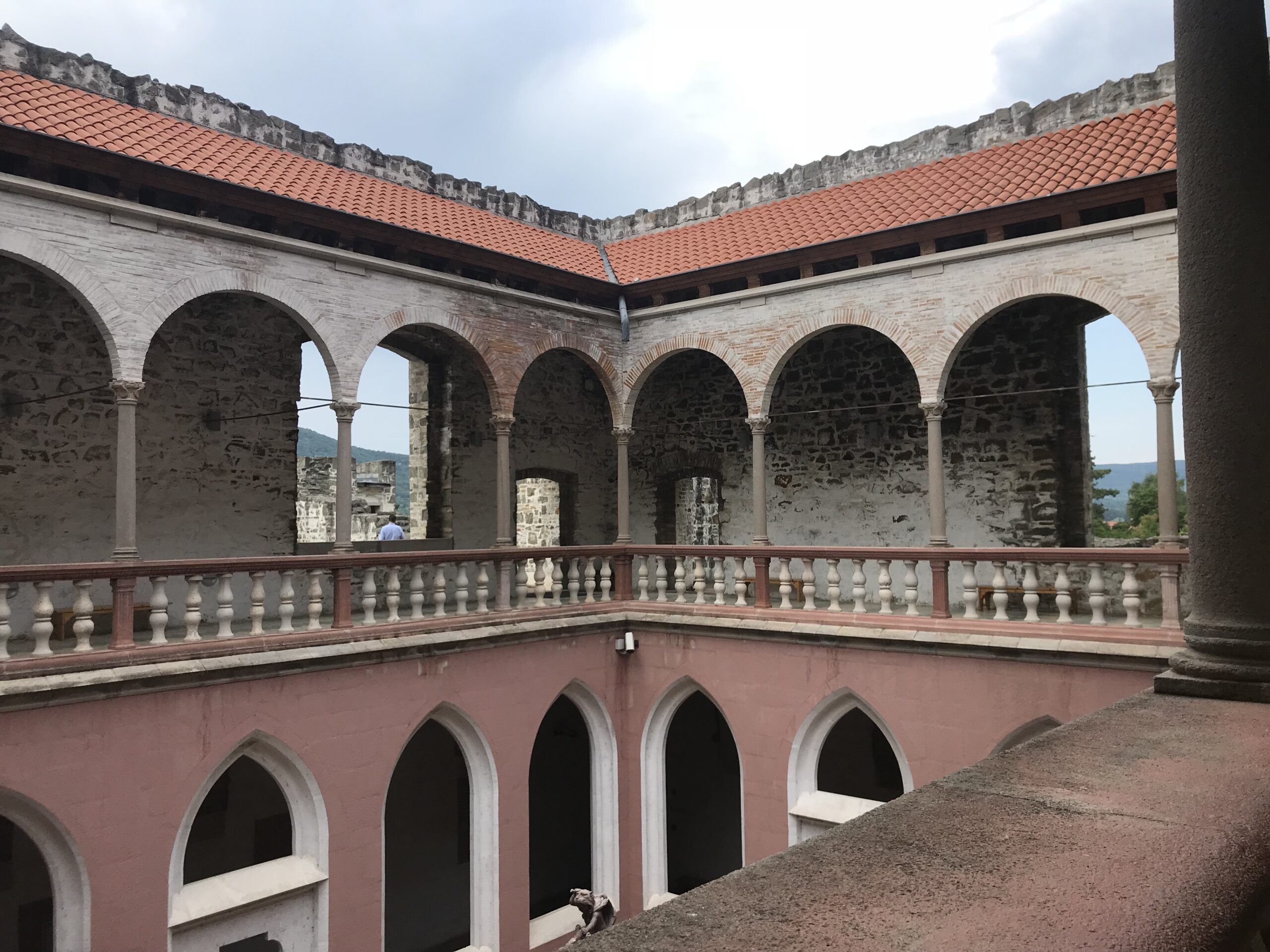
Győr, Sopron and other beautiful towns of Hungary are a longer drive from Budapest, so unfortunately this is not my most popular tour. That is why it is always a special treat to travel near the Austrian border to explore the Baroque architecture, local culture and local food. The weather was not ideal, however, the fog made the towns look even more magical and special. We also had time to visit the absolutely exquisite Esterházy Palace in Fertőd, which I think is the number one attraction in Hungary (it really is a tough race). Thank you for the great experience and I cannot wait to take more people to Győr, Fertőd and Sopron!

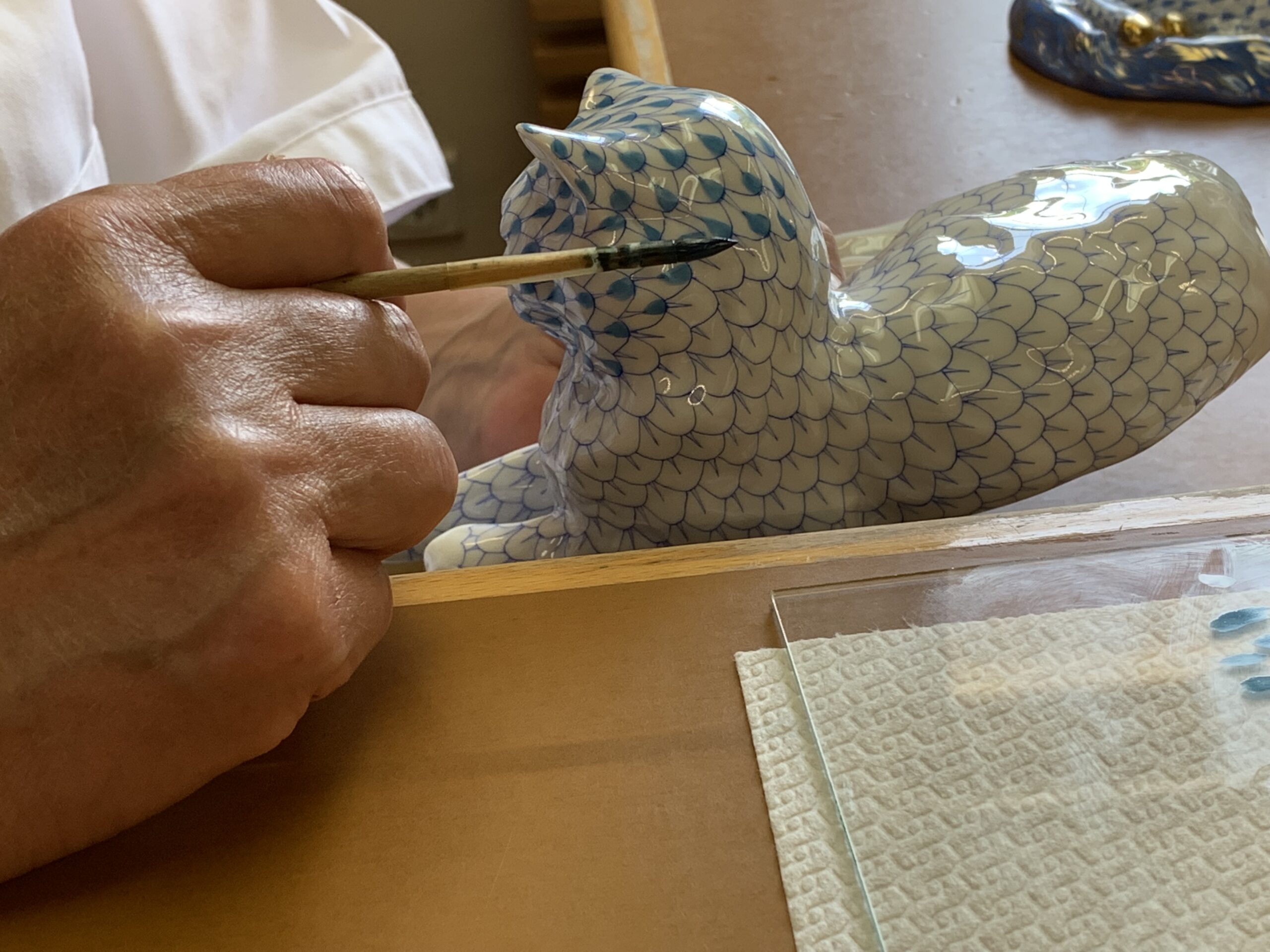
This Private Herend Porcelain Factory Tour from Budapest offers a refined half-day experience into one of Hungary’s most elegant and iconic crafts. If you love craftsmanship, design, and stories hidden behind beautiful objects, this private tour to the Herend Porcelain Factory is a truly special experience.

Although I’ve been offering this visit for several years as part of custom itineraries, it felt like the right moment to make it a standalone tour — because Herend deserves it.

I’ll be honest: I’m genuinely in love with Herend porcelain. It’s unique, elegant, timeless, and unmistakably Hungarian. And every single traveller I’ve taken here so far has been fascinated by what they see.

What makes this tour special?

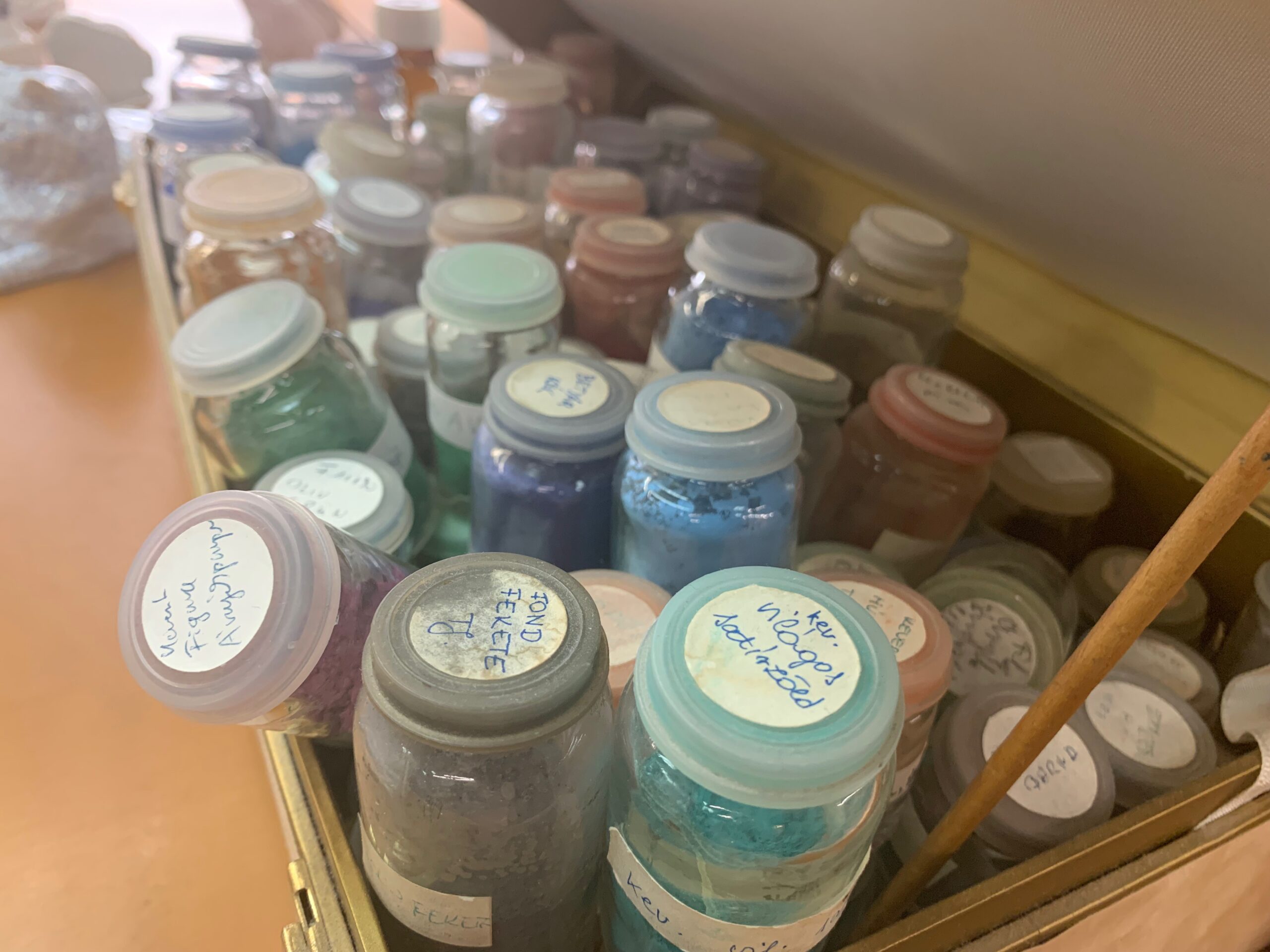
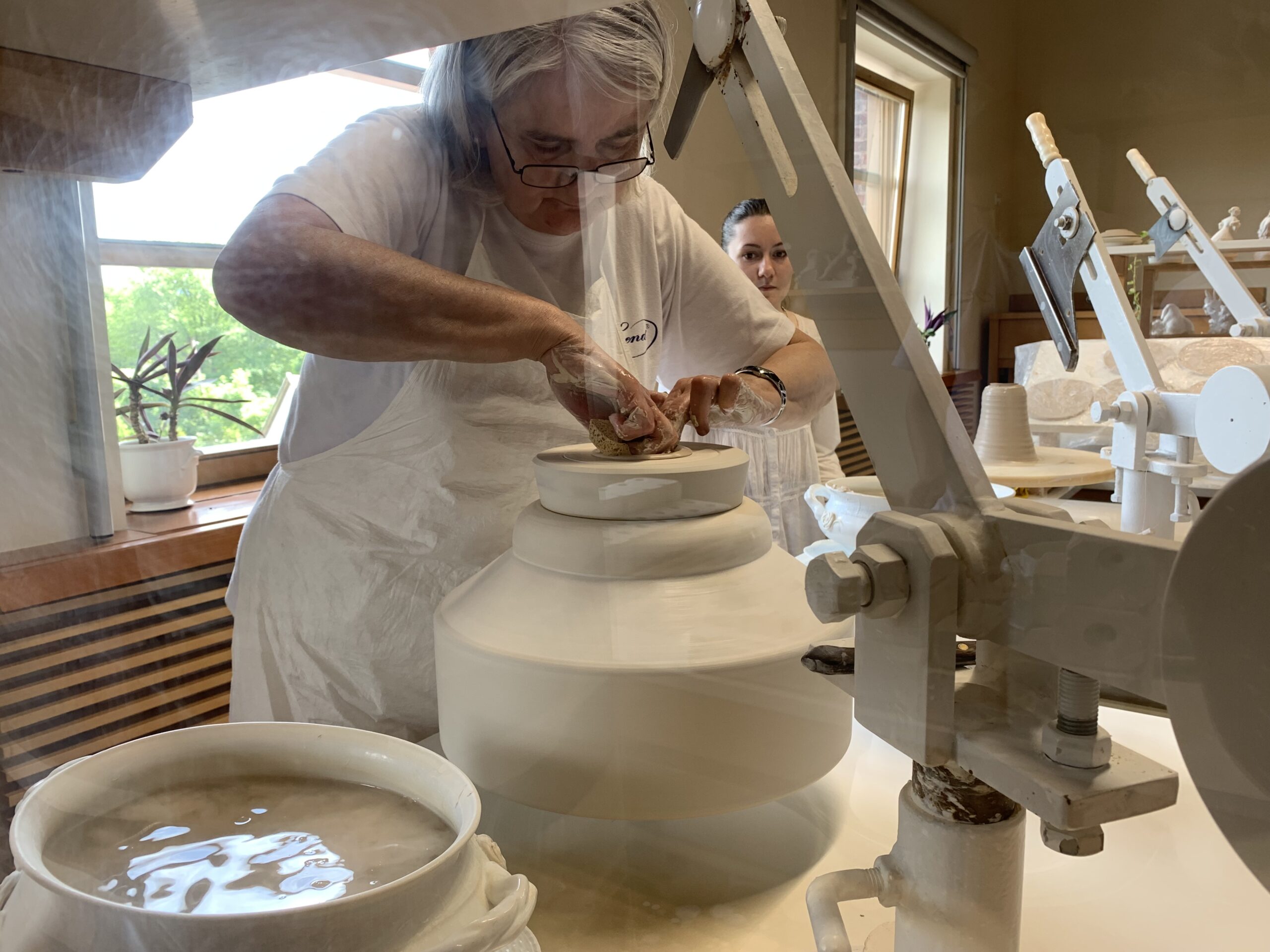
Herend is not a factory in the modern, industrial sense. It’s a living manufactory, where everything is still made by hand using techniques passed down through generations.

During the visit, you’ll discover:

  • the different stages of porcelain production

  • the delicate work of hand-painting and gilding

  • the incredible precision behind even the smallest details

Seeing the artisans at work makes it clear why Herend porcelain is considered luxury craftsmanship rather than mass production.

Tour details at a glance

  • Duration: approx. 6 hours

  • Departure: from Budapest (private transportation)

  • Includes:

    • private transportation

    • visit to the Herend Porcelain Factory and Museum

    • free time in the shop

  • Style: private, relaxed, unhurried

This tour can also be combined with other countryside stops on request.

Availability – important to know

Available from April to October only

The Mini-Manufactory is closed during the winter months, which is why this tour is seasonal. I always recommend booking well in advance for spring and summer dates.

Is this tour right for you?

This experience is perfect if you:

  • enjoy design, decorative arts, and craftsmanship

  • are curious about Hungarian cultural heritage

  • prefer meaningful, behind-the-scenes experiences

  • value quality over rushing from sight to sight

No prior knowledge of porcelain is needed — just curiosity.

Booking & questions

If you’d like to book the Private Herend Porcelain Factory Tour from Budapest, or if you’d like to customise it (for example, combining it with Lake Balaton or Veszprém), feel free to get in touch.

I’m always happy to help you plan a tour that fits your interests and travel style.

👉 Book the tour here
👉 Contact me with questions


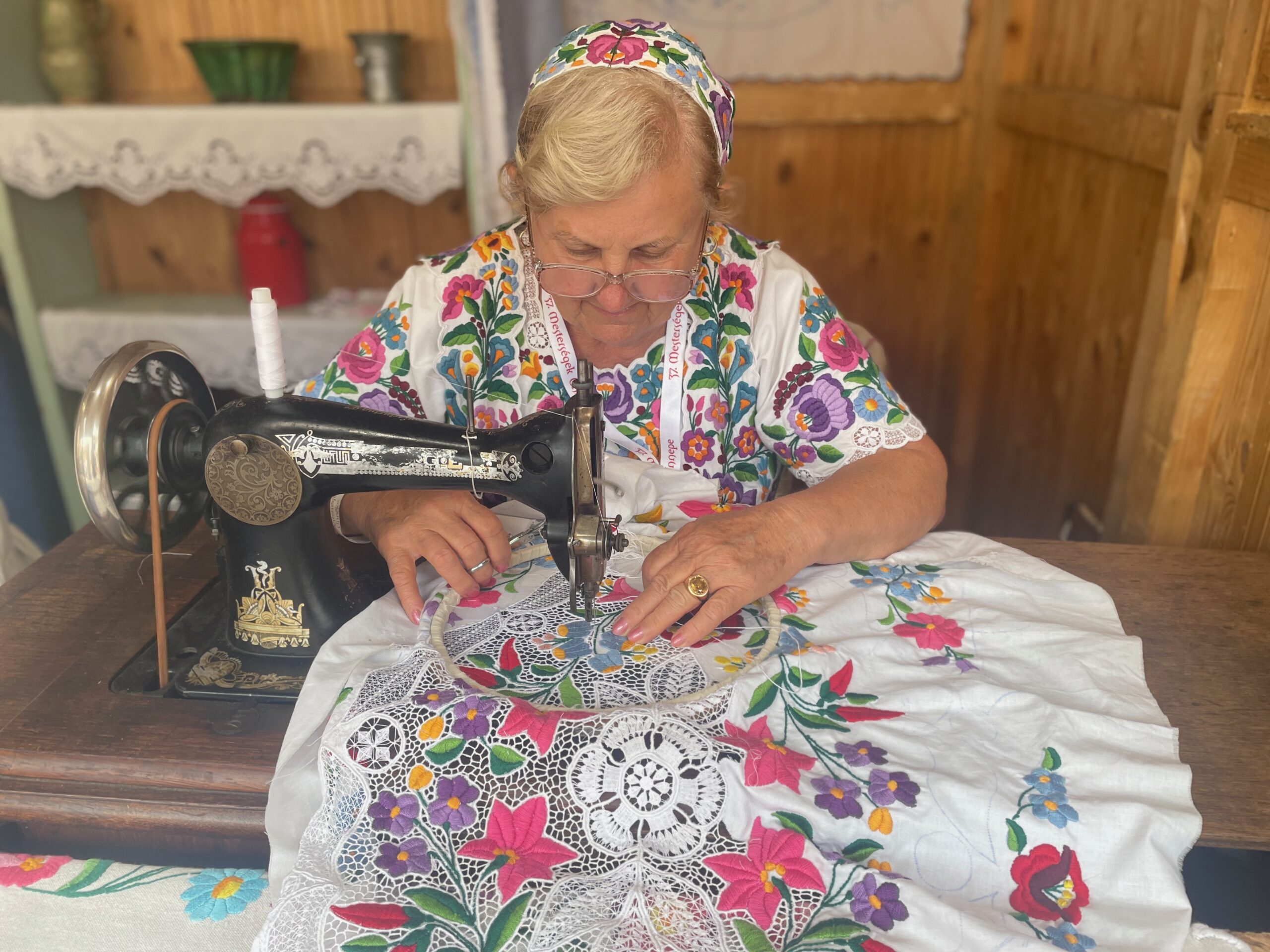
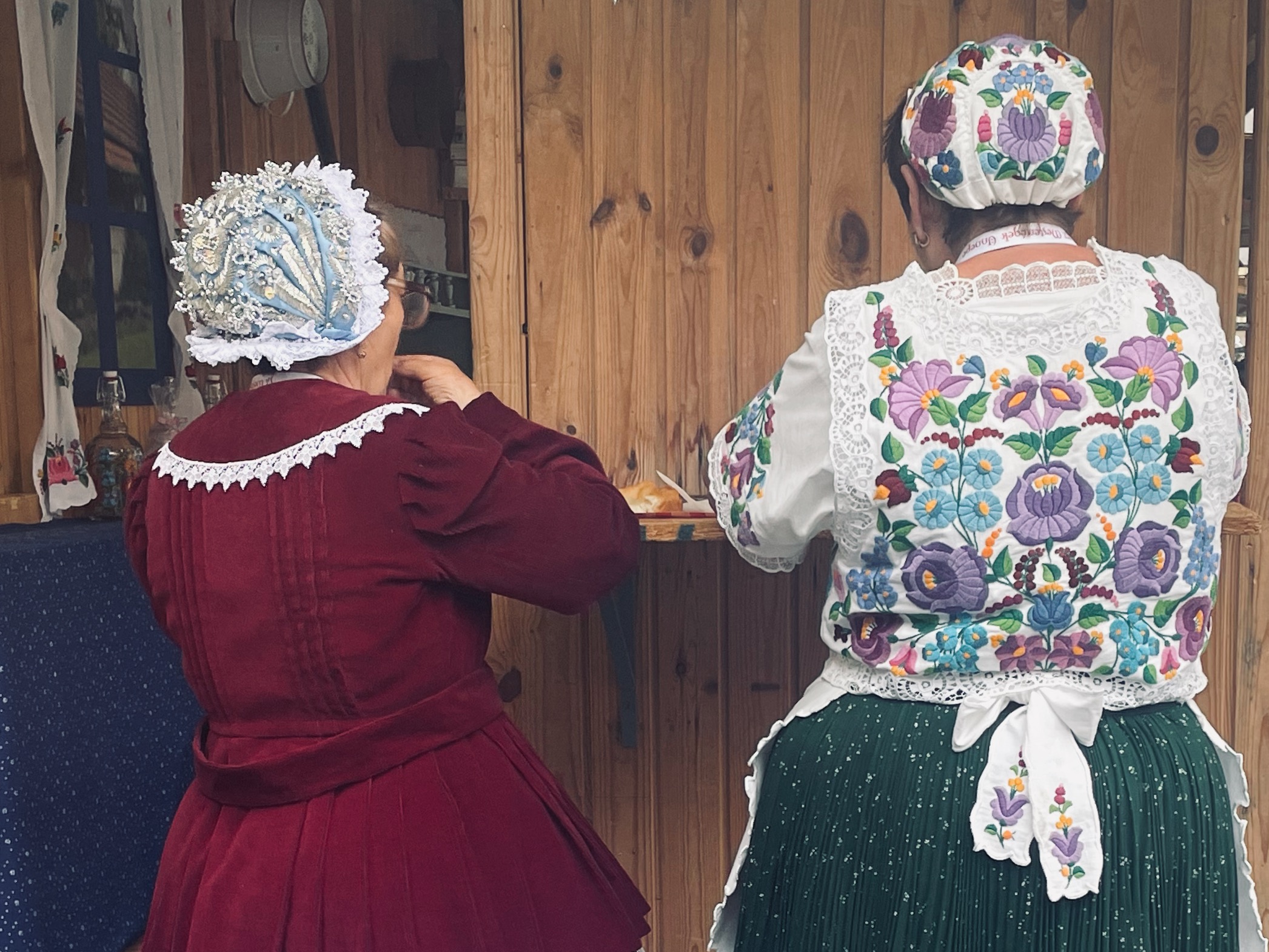
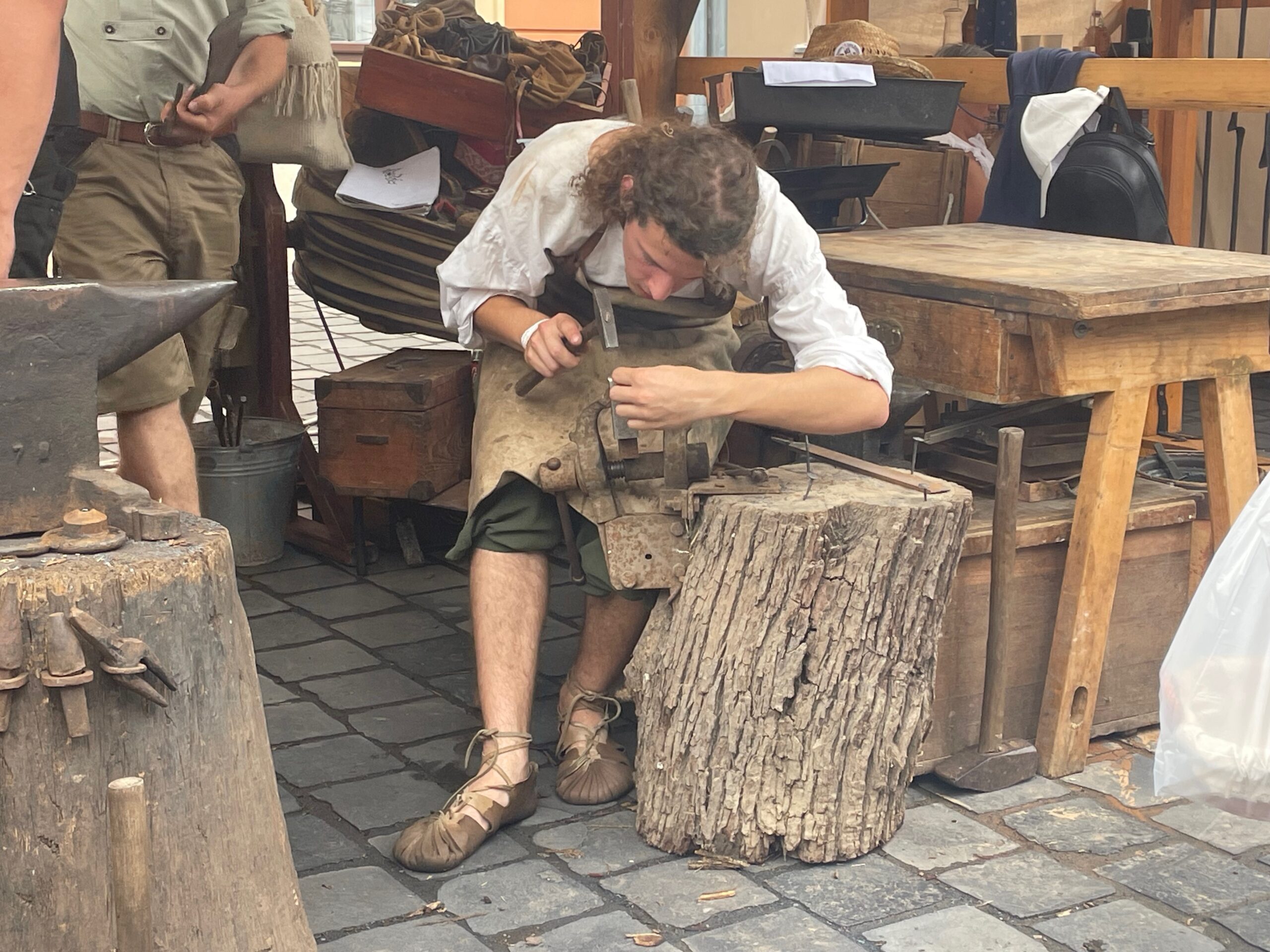
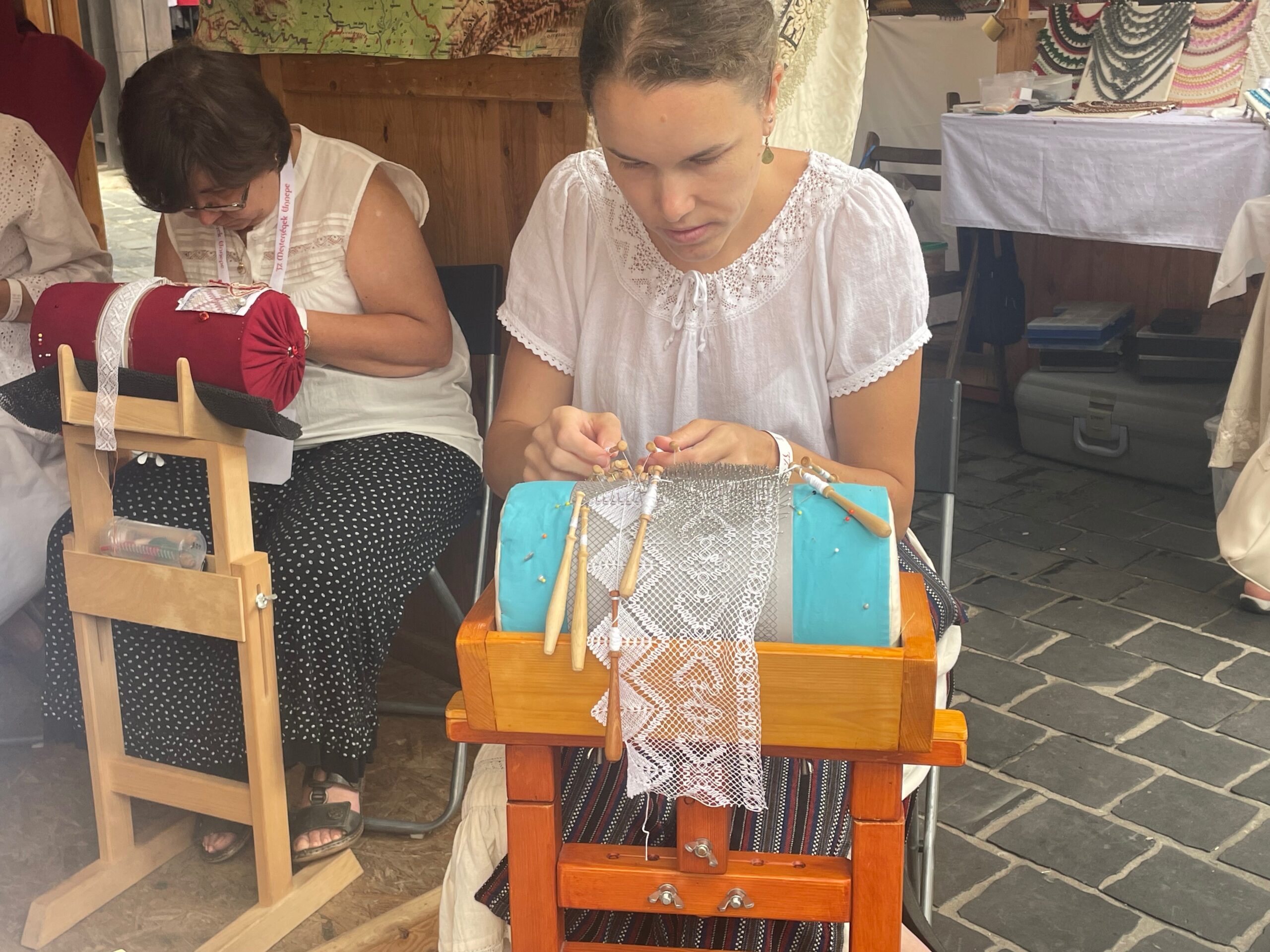
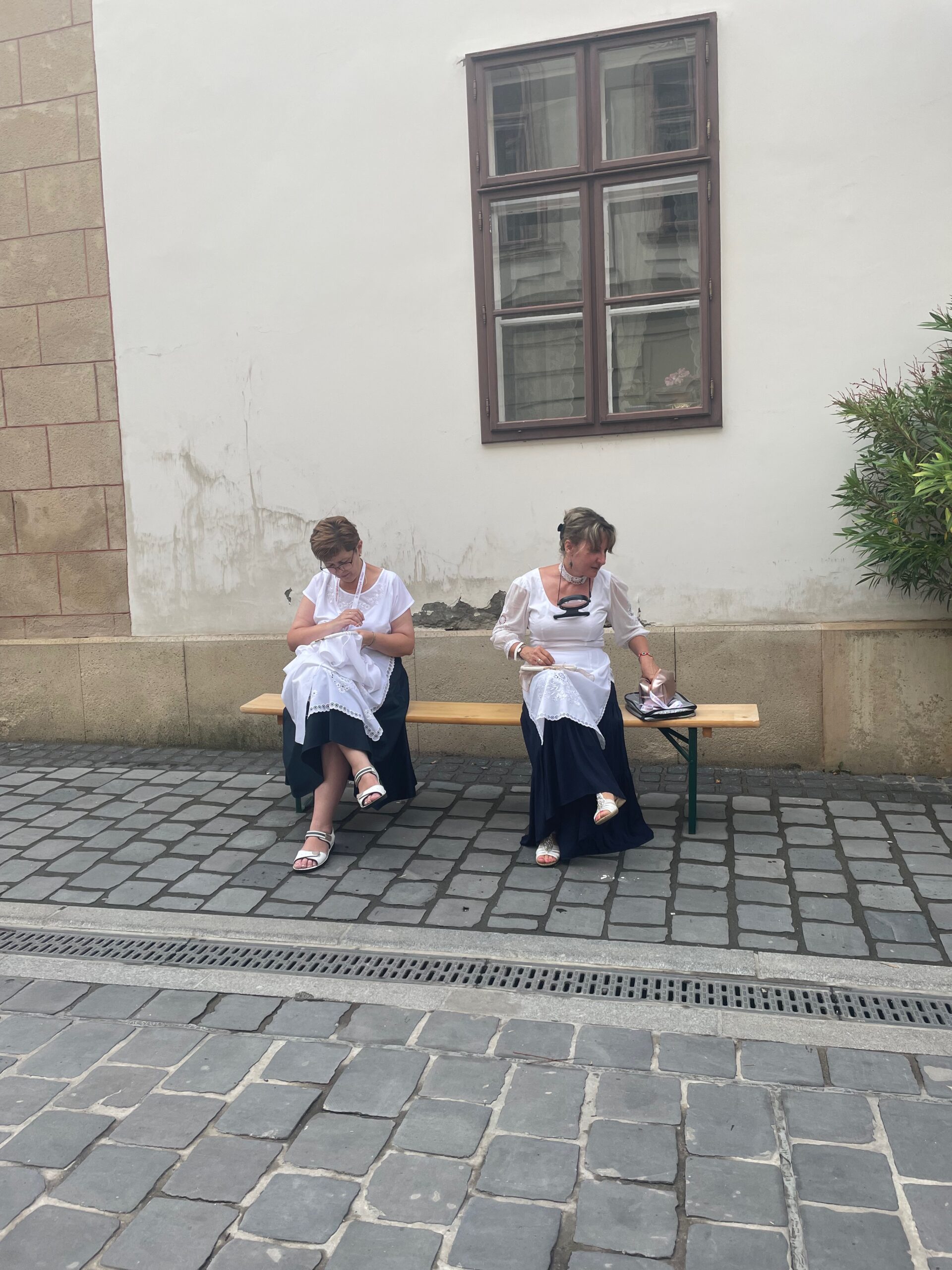
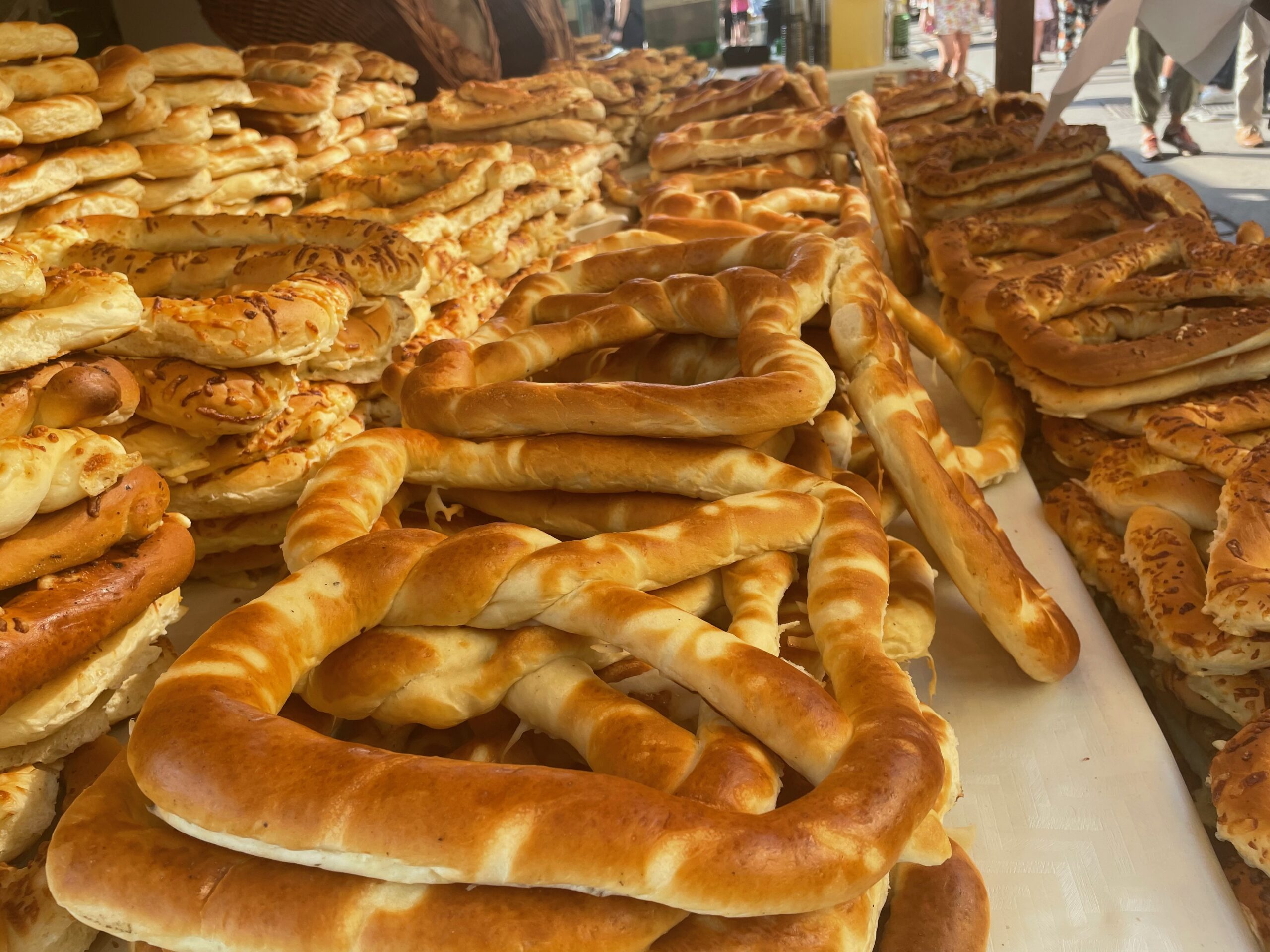
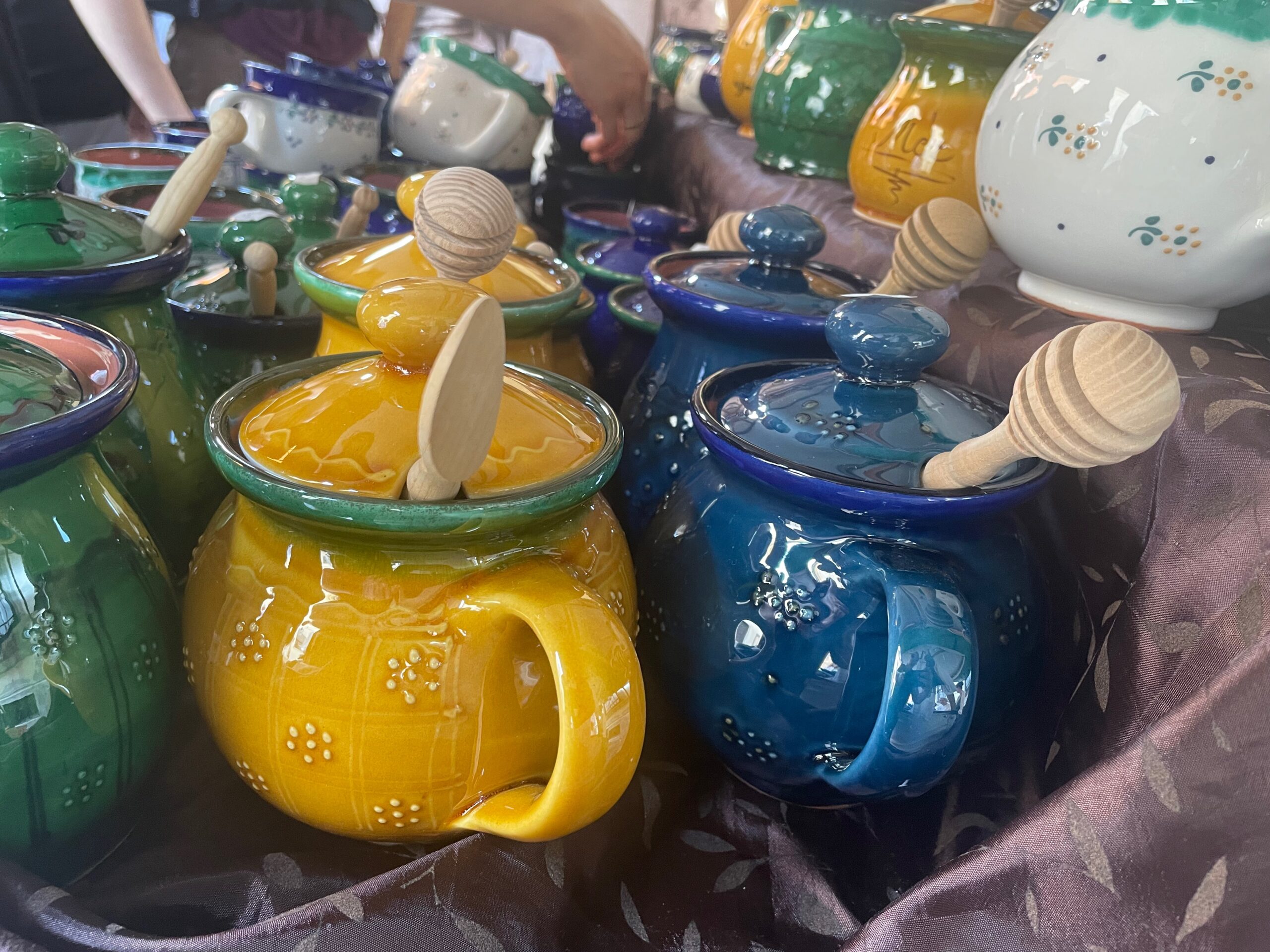
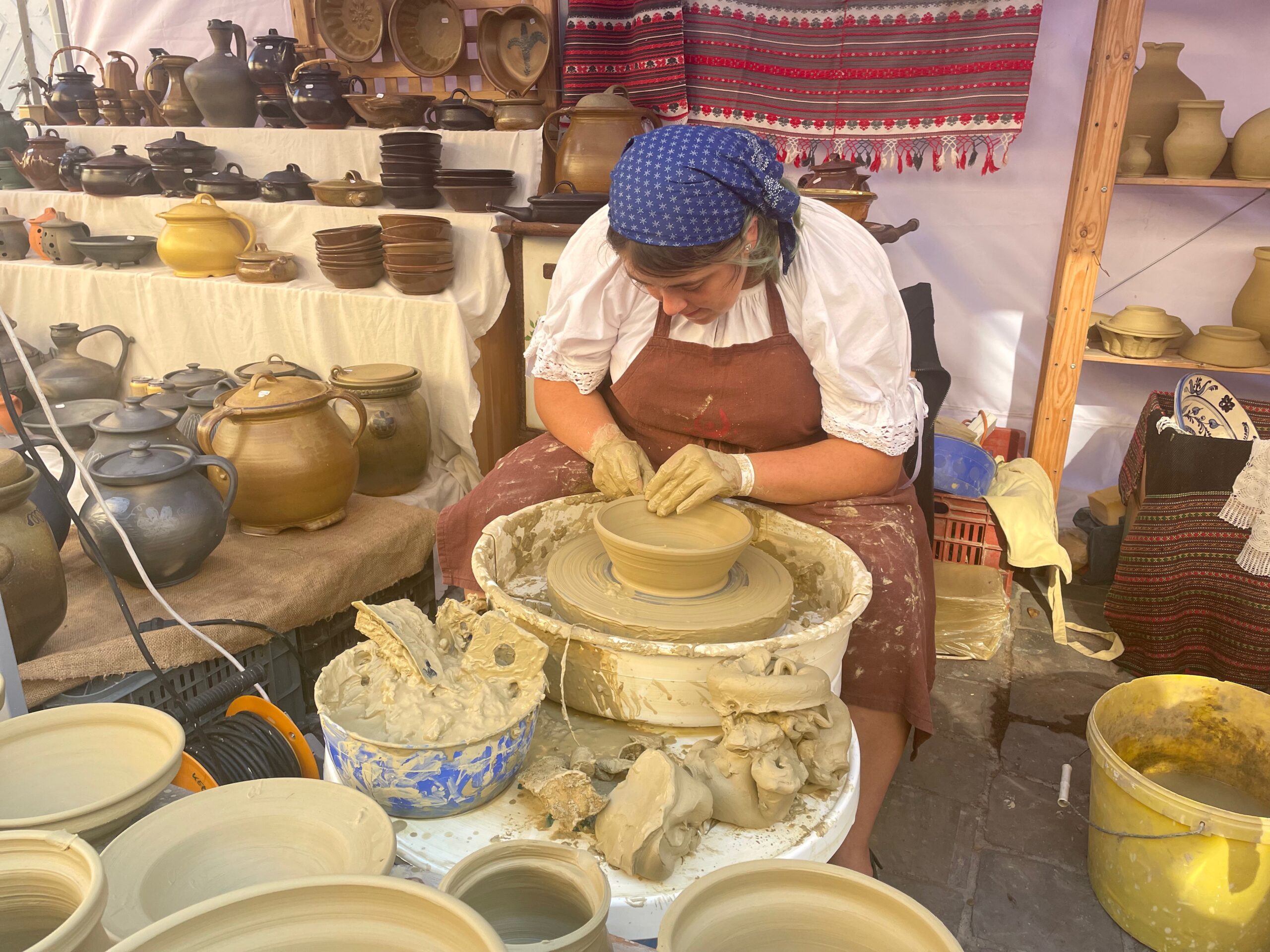
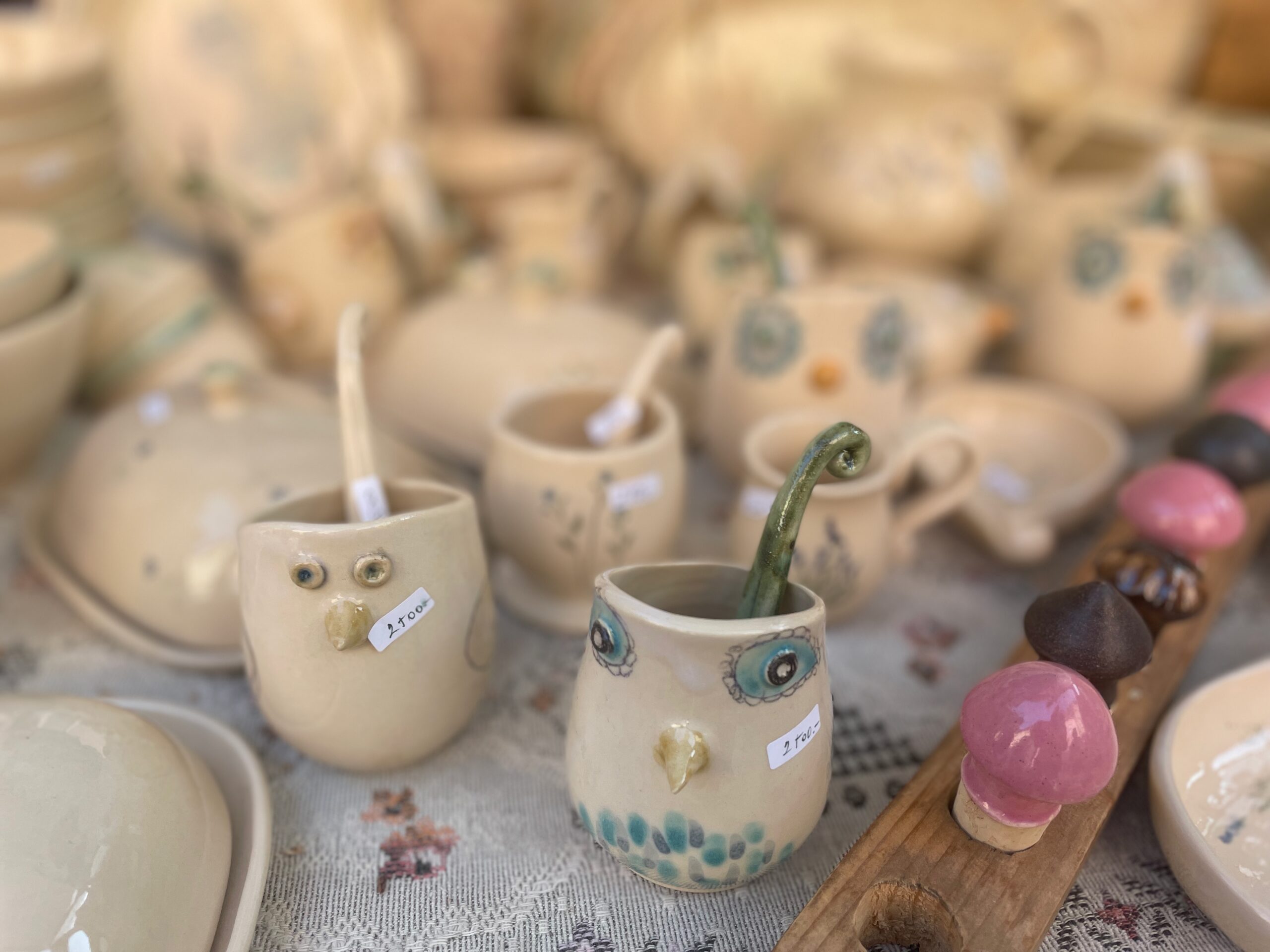
Every year, at the end of August some of the great Hungarian folk artists have a special opportunity to put on display their talent and products: the folk art festival in the Buda Castle district. Visitors can watch and also participate in activities, such as sewing, lace or embroidery making, wood carving and many more. It’s a great occasion to meet local craftsmen and craftswomen, observe their techniques and tricks and also to buy local folk products. I loved the little old ladies teaching me sewing, trust me, they are very patient with visitors much less talented and experienced than they are.


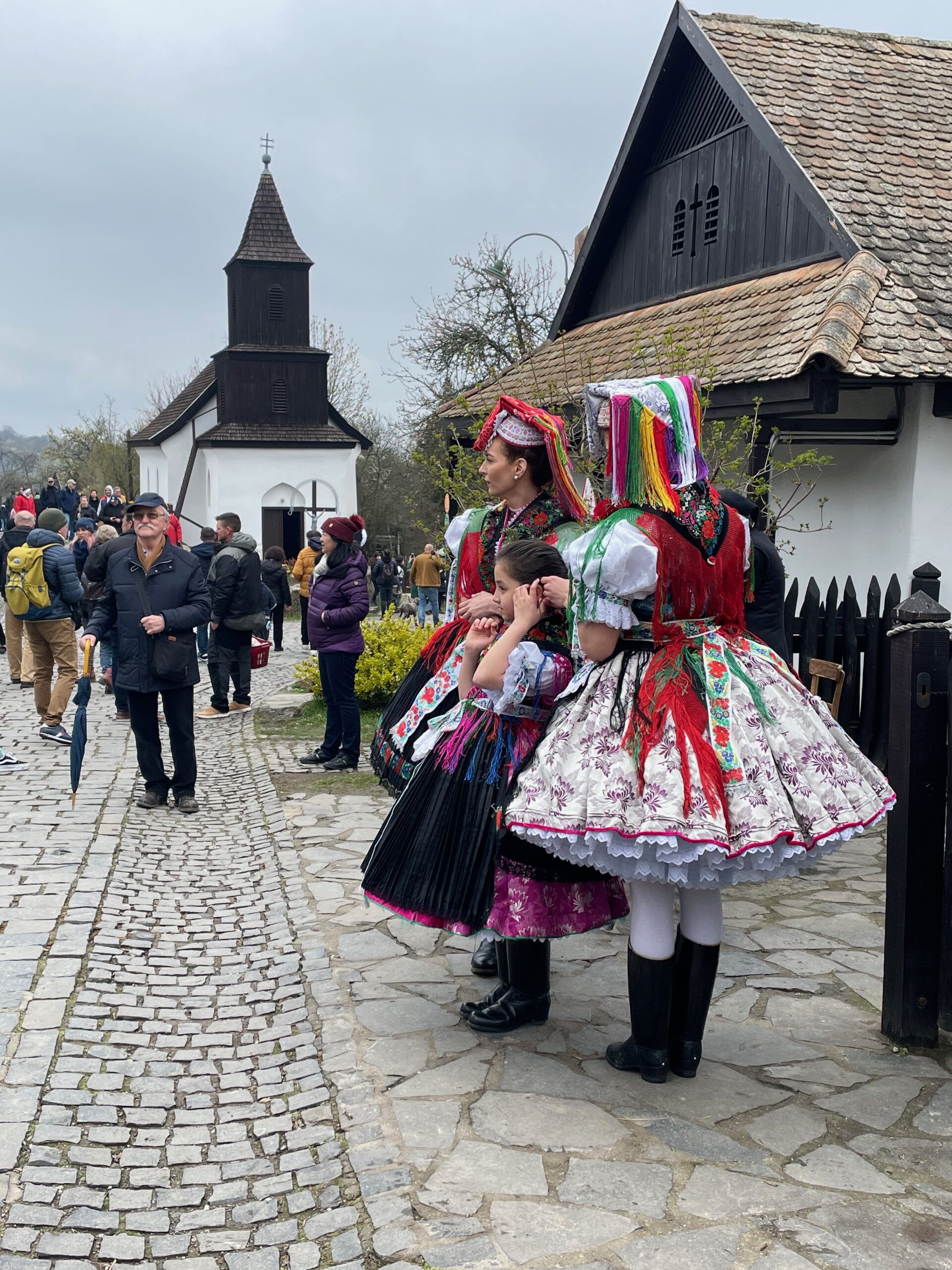
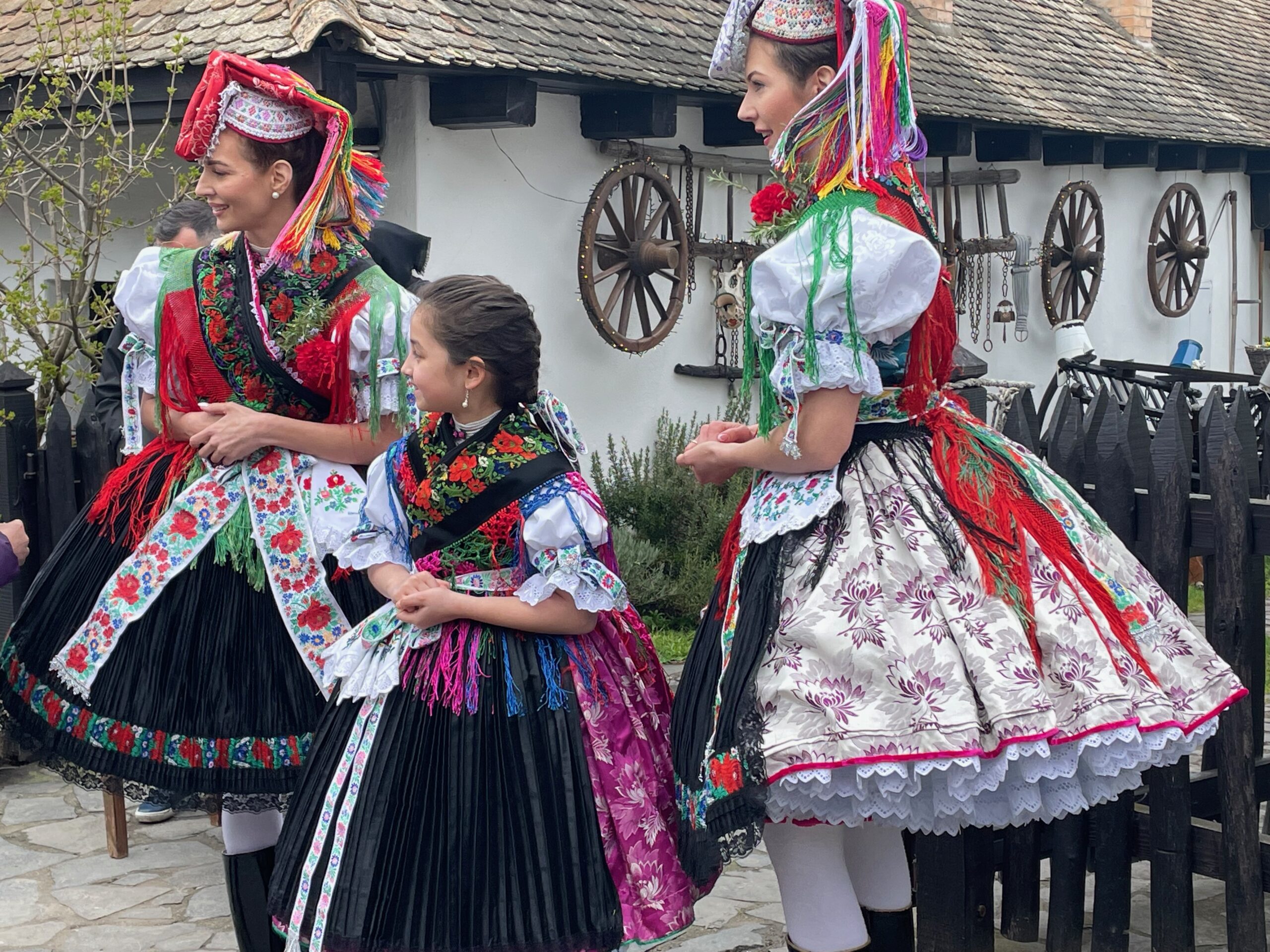
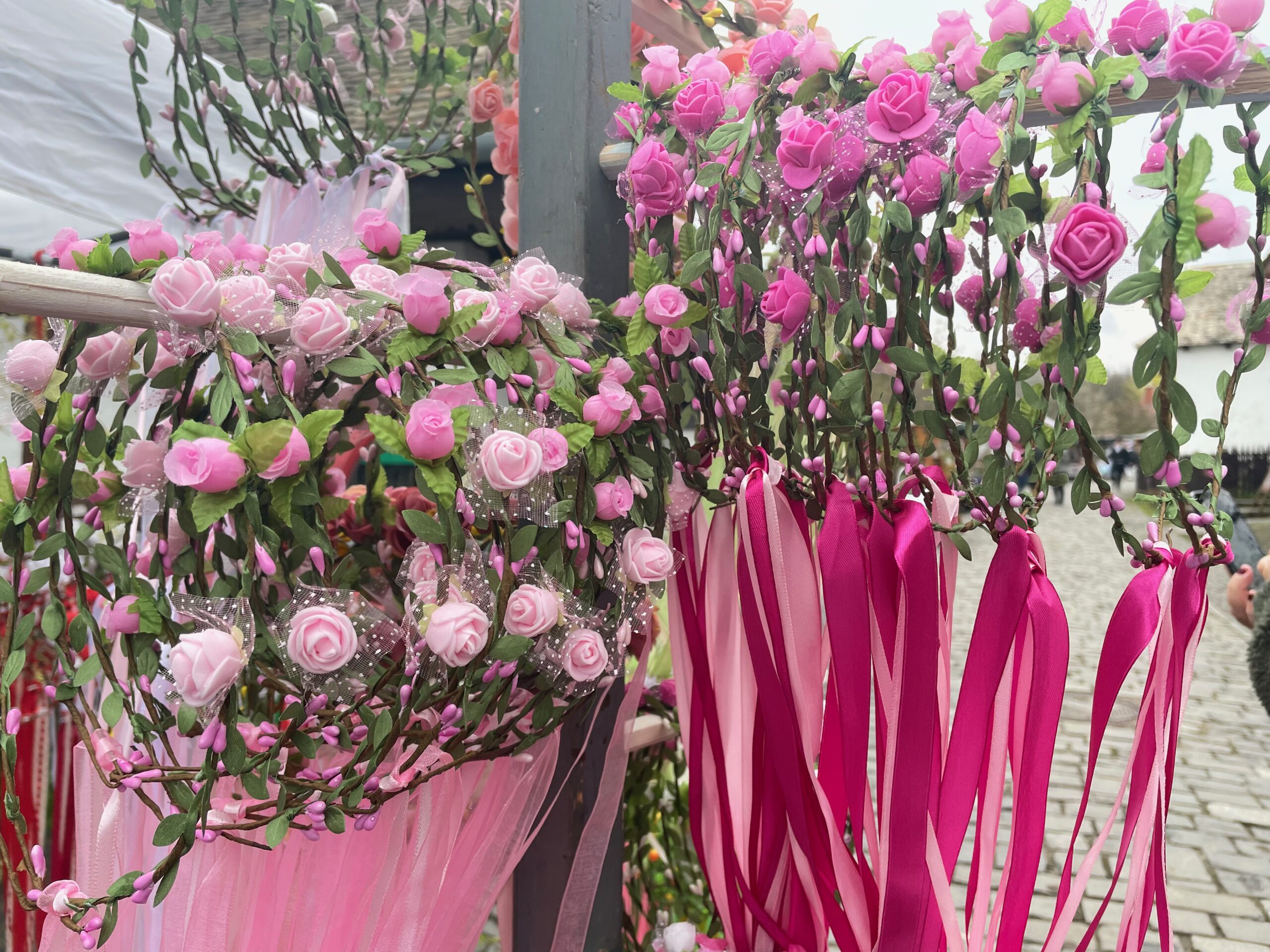
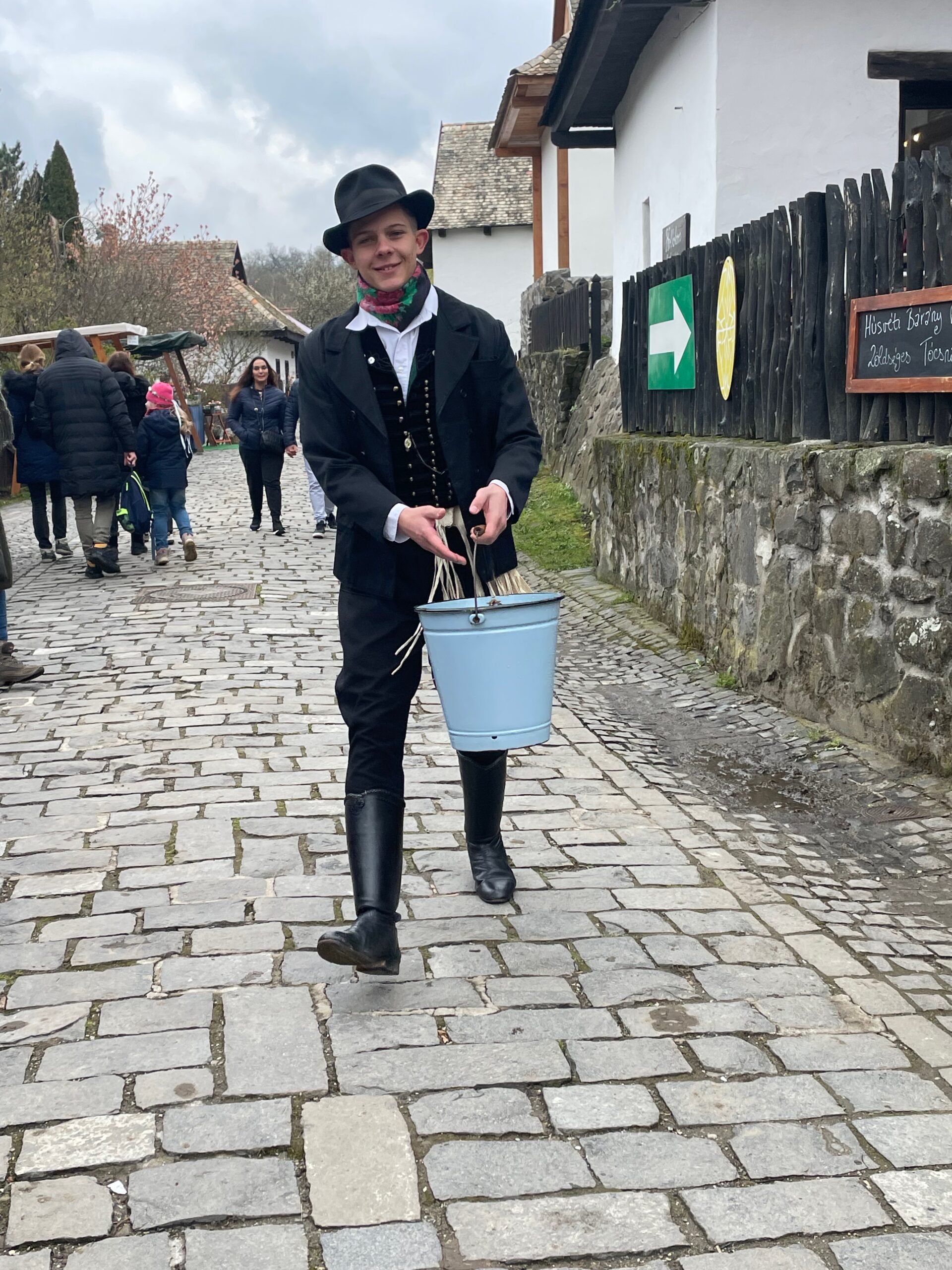
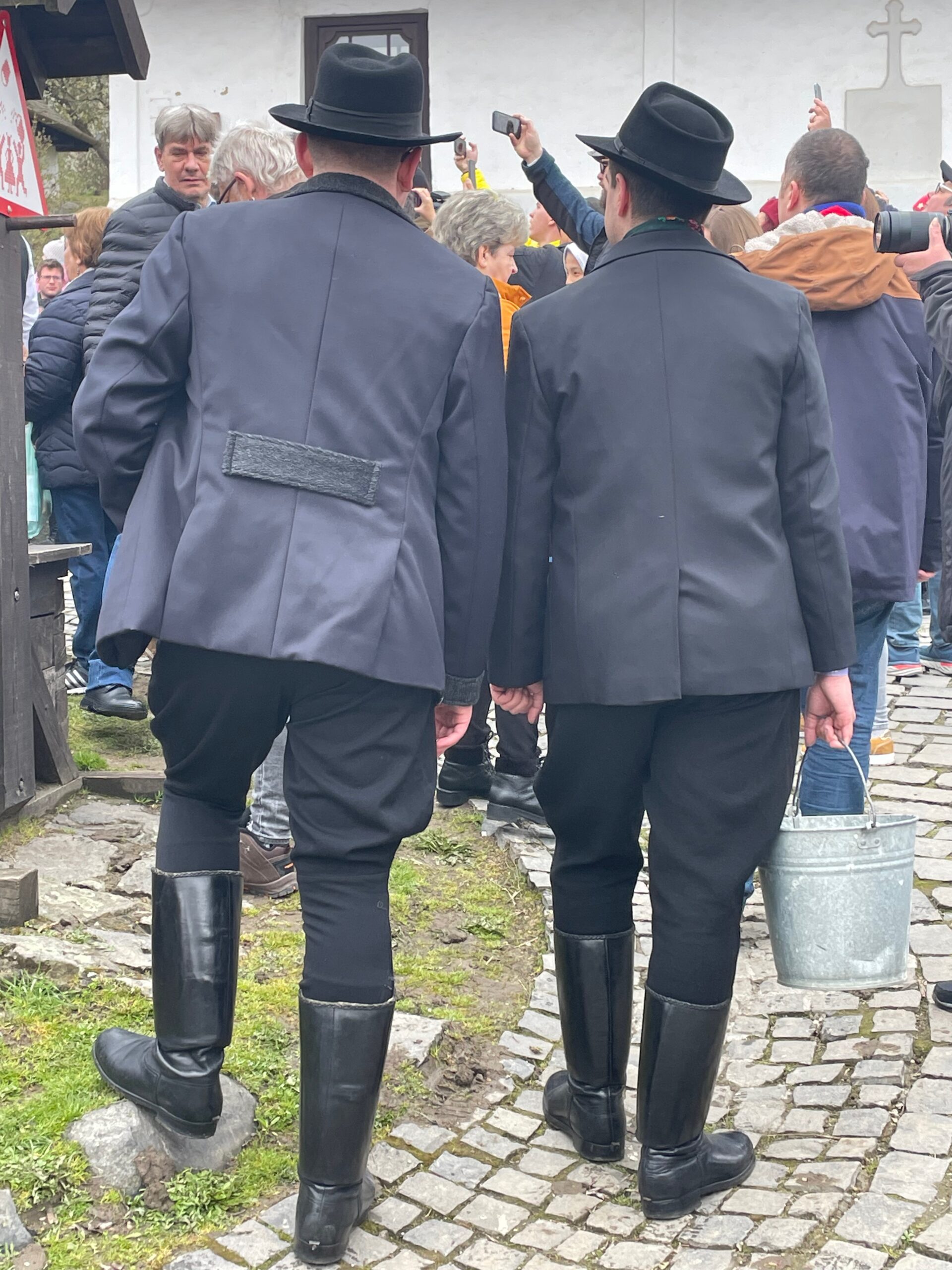
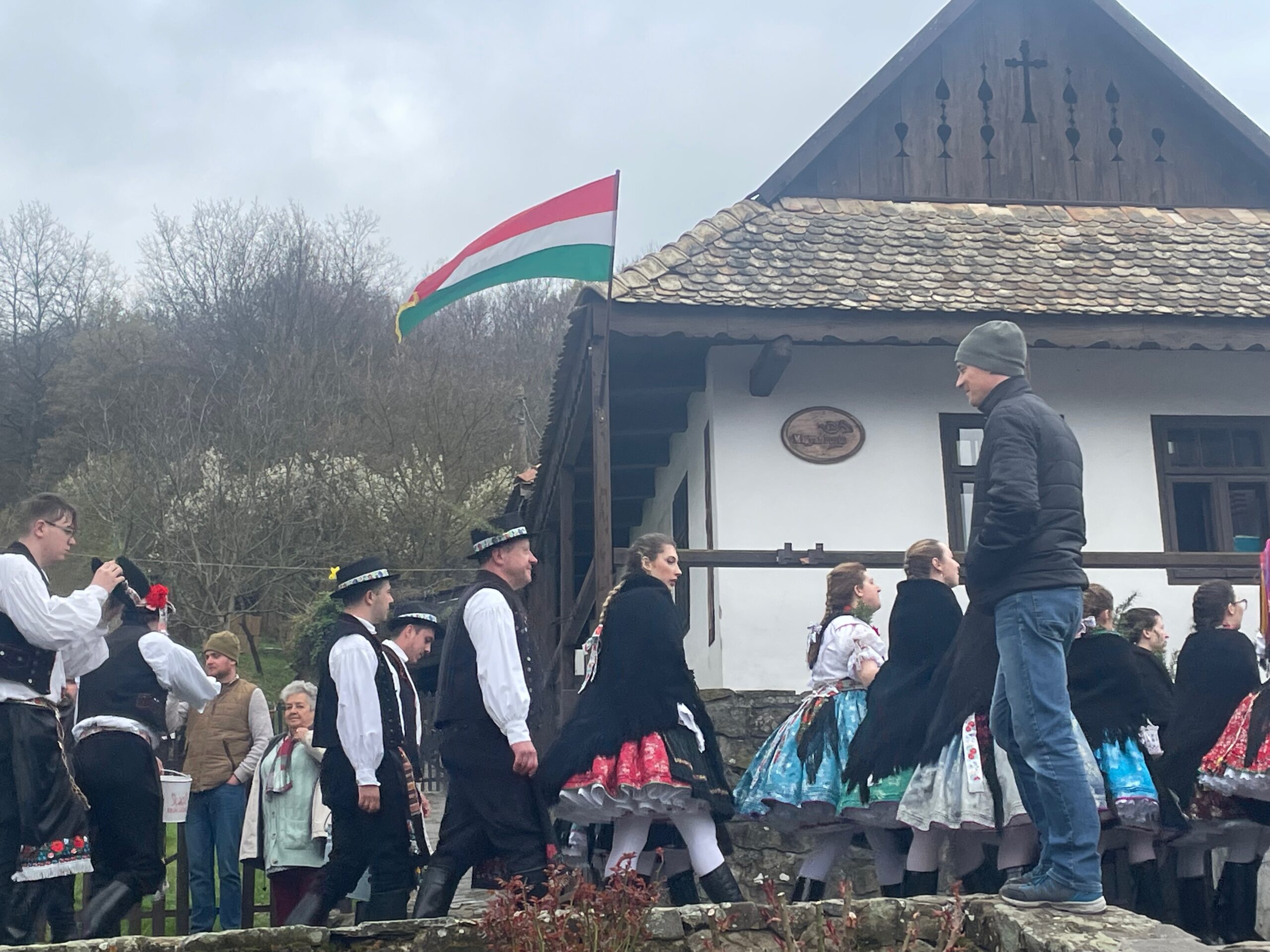
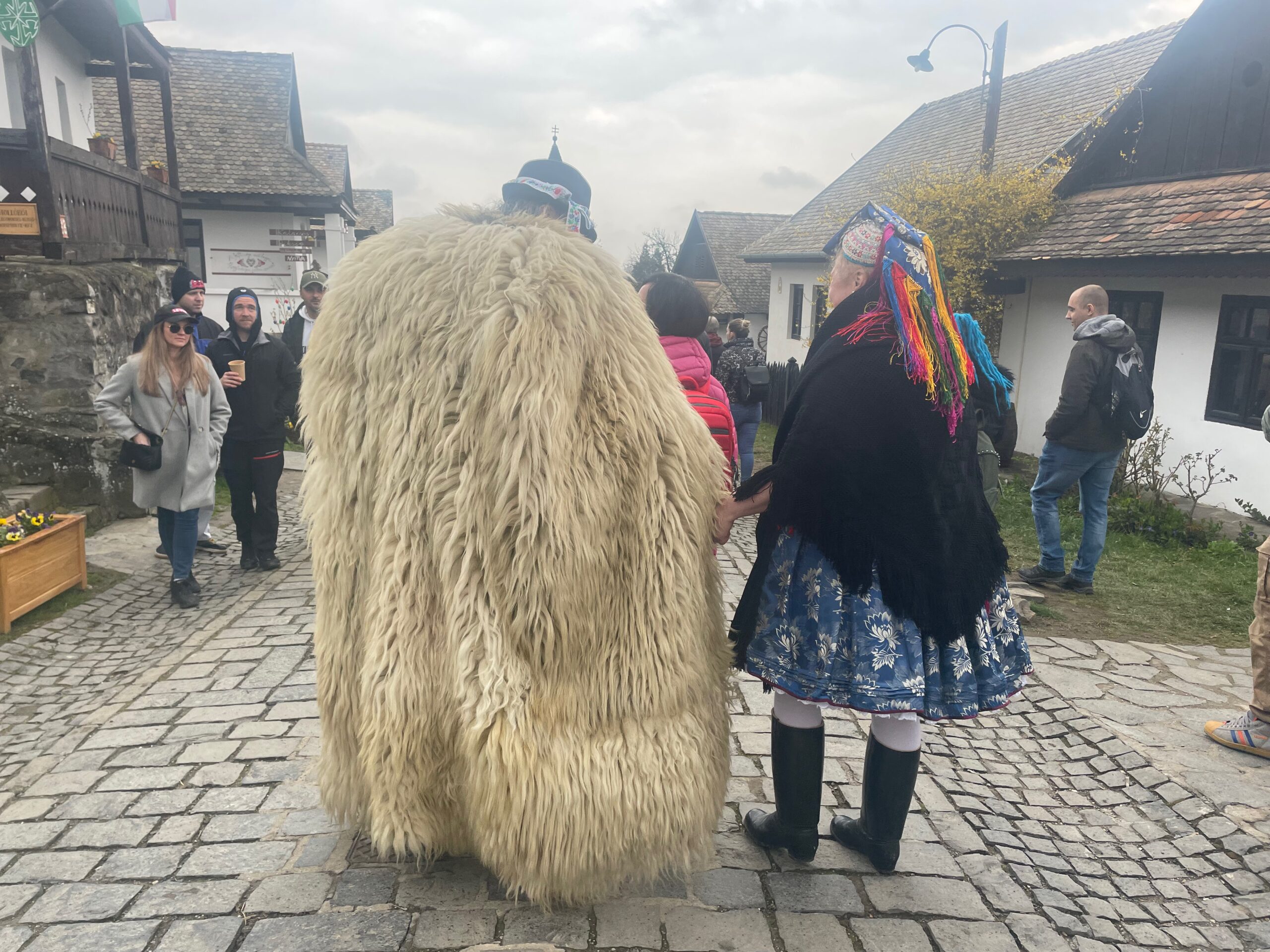
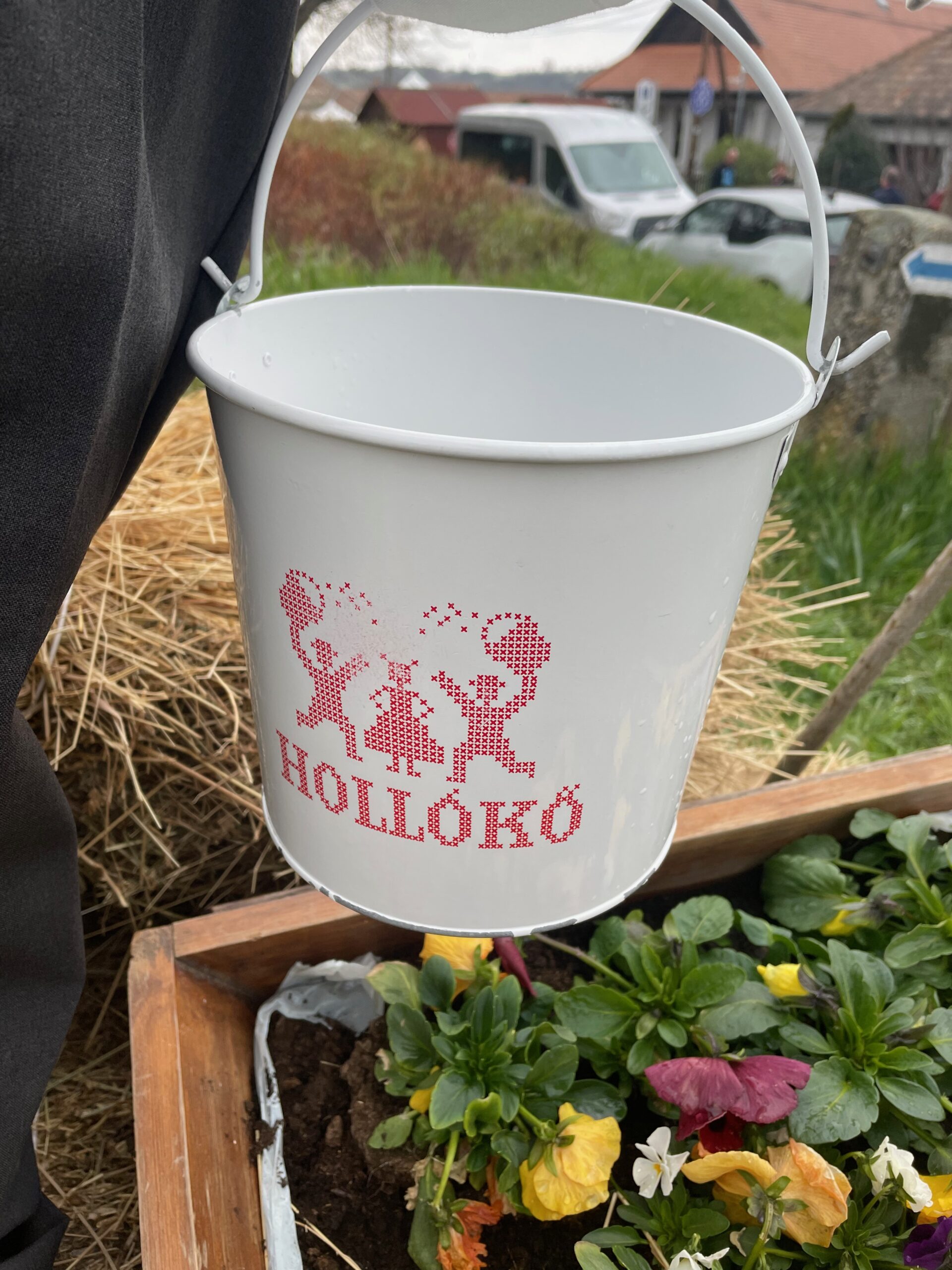
I was very lucky this Easter Monday because I could take my travellers to Hollókő, one of the cutest and most traditional Hungarian villages where people still cherish old traditions. Most of the village people are beautifully dressed up in locally designed costumes.  There is music, great food and drinks, plenty of locally crafted products.

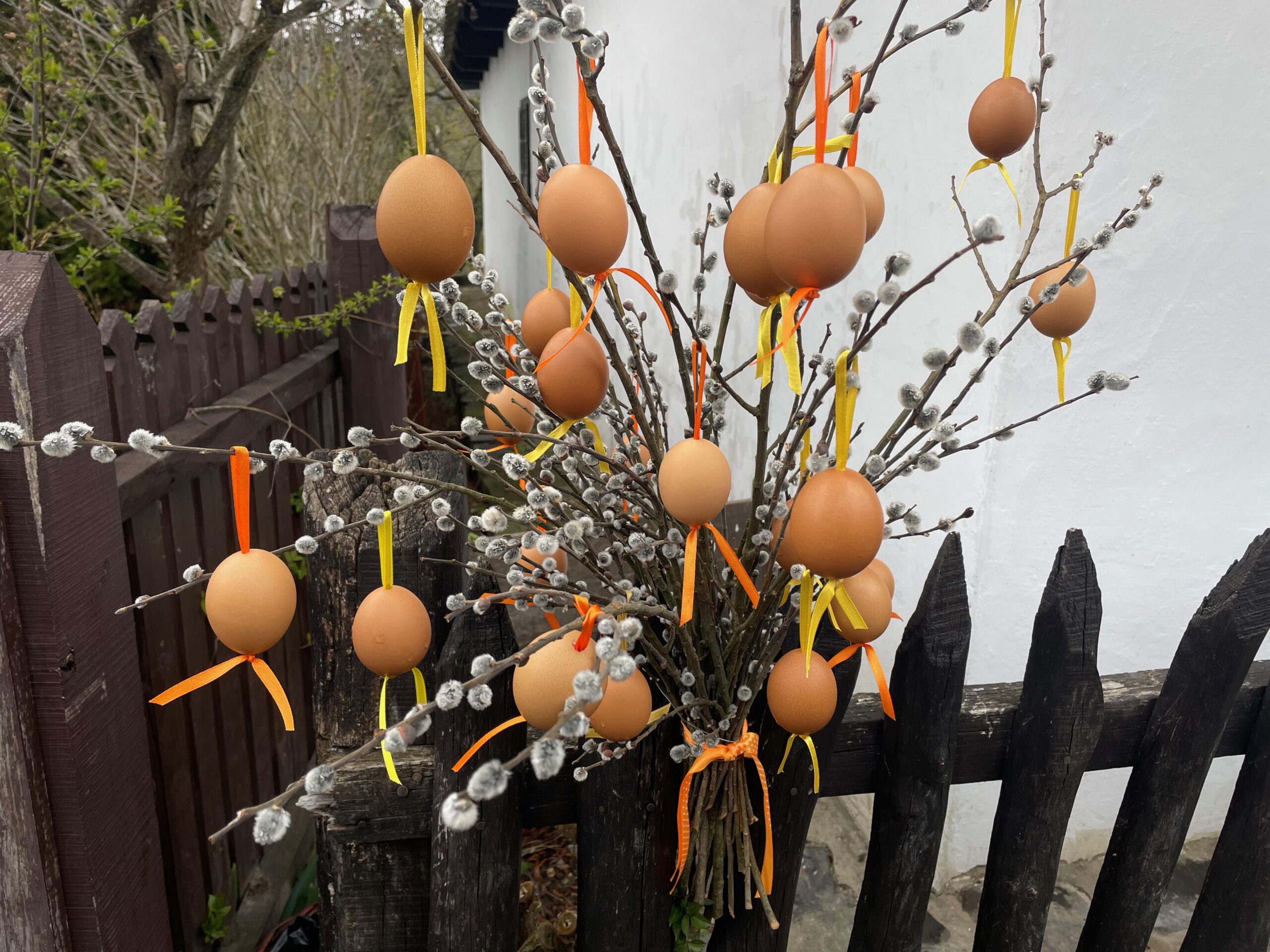
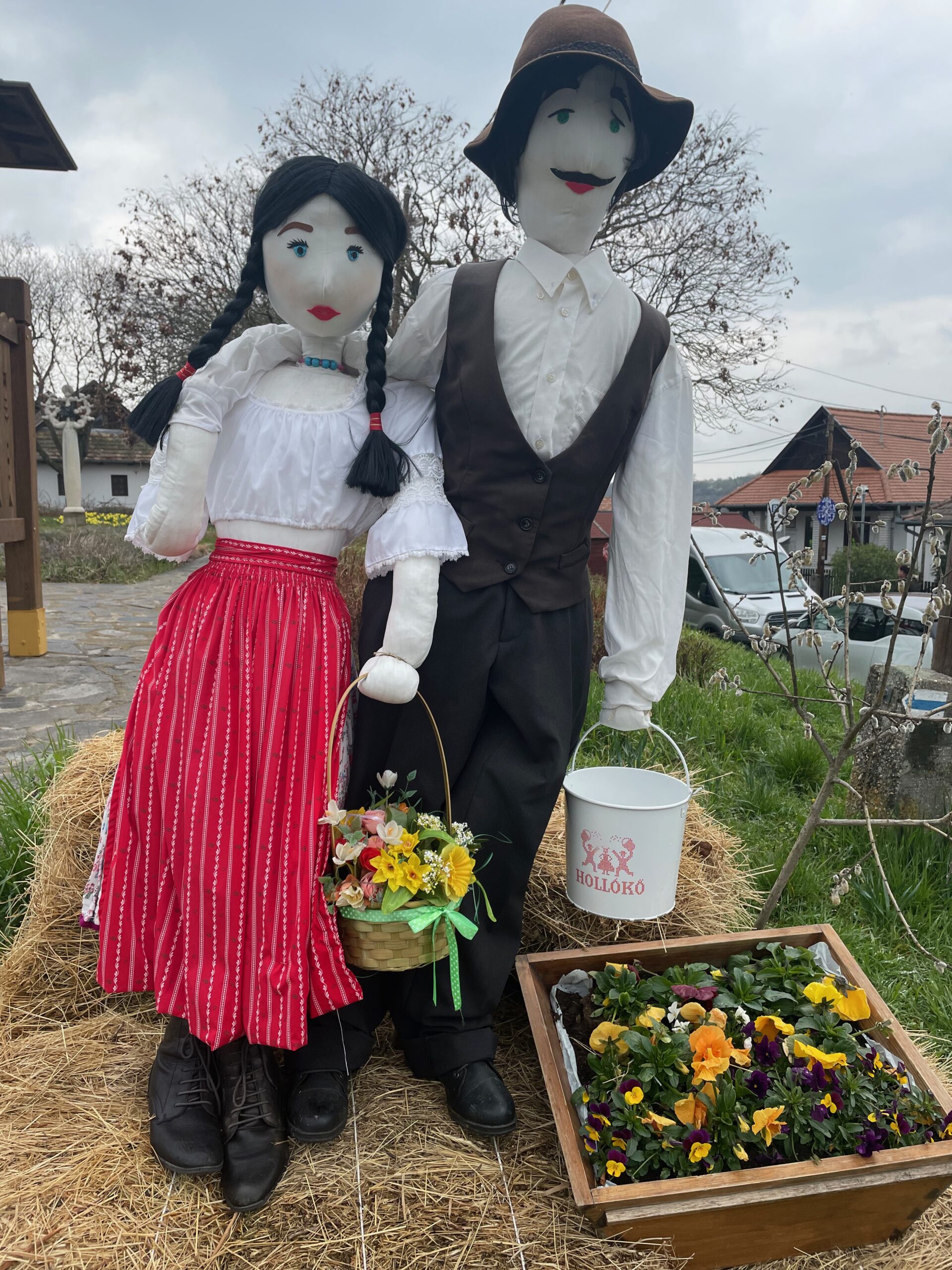
One can also participate in the festivities. The most cherished Hungarian Easter tradition is the “watering”, young men tossing buckets of cold water on girls, to keep them fresh all year long. In exchange they are given hand painted and decorated Easter eggs. Visiting tourists might also get wet if they don’t avoid young men carrying buckets of water :).

Hollókő is a very special village all year around, it was a very special treat to be there and celebrate Easter with locals. Book a tour with me, so that I can tell you more about the village and its traditions!


It’s always nice to watch the fireworks from the balcony – the advantages of living on a beautiful hill in Buda. St. Stephen’s Day (20th of August) is a national holiday in Hungary and the day’s celebrations are crowned every year by amazing fireworks at night.

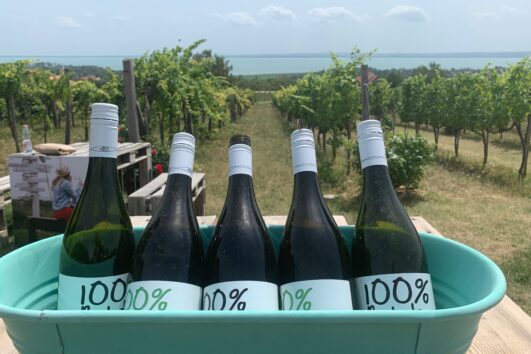
The lake Balaton is the number one destination of Hungarians in the summer months. It’s the greatest freshwater lake in Central Europe and is famous for its wine regions, cute little villages, beautiful castles and of course the magnificent views over the lake.

You can book the tour or contact me for further details. I’ll make sure to include in the itinerary all the sights you would like to see.

Trianon Memorial Budapest – a delicate subject I’m happy to discuss privately

The Trianon Memorial of Budapest (also known as the Memorial of National Unity or Solidarity / Nemzeti Összetartozás Emlékhelye) was inaugurated in 2020 to mark the 100th anniversary of the treaty signed at the Grand Trianon Palace in Versailles on June 4, 1920. I’ve hesitated to write about it because it’s deeply personal for many—and it often comes up on my Communist Budapest private walking tours. This post shares my perspective and invites respectful conversation in a private tour setting.

Quick context: What the Treaty of Trianon meant for Hungary

After World War I, Hungary lost about two-thirds of its pre-war territory and a significant portion of its ethnic Hungarian population found themselves outside the new borders. From the early 1920s, Hungarian politics frequently pursued revision of the settlement—one of several factors that later aligned the country with the wrong side in World War II. Whether the treaty was “fair” is still passionately debated today; what’s clear is the enduring emotional impact.

Where it is and what you’ll see

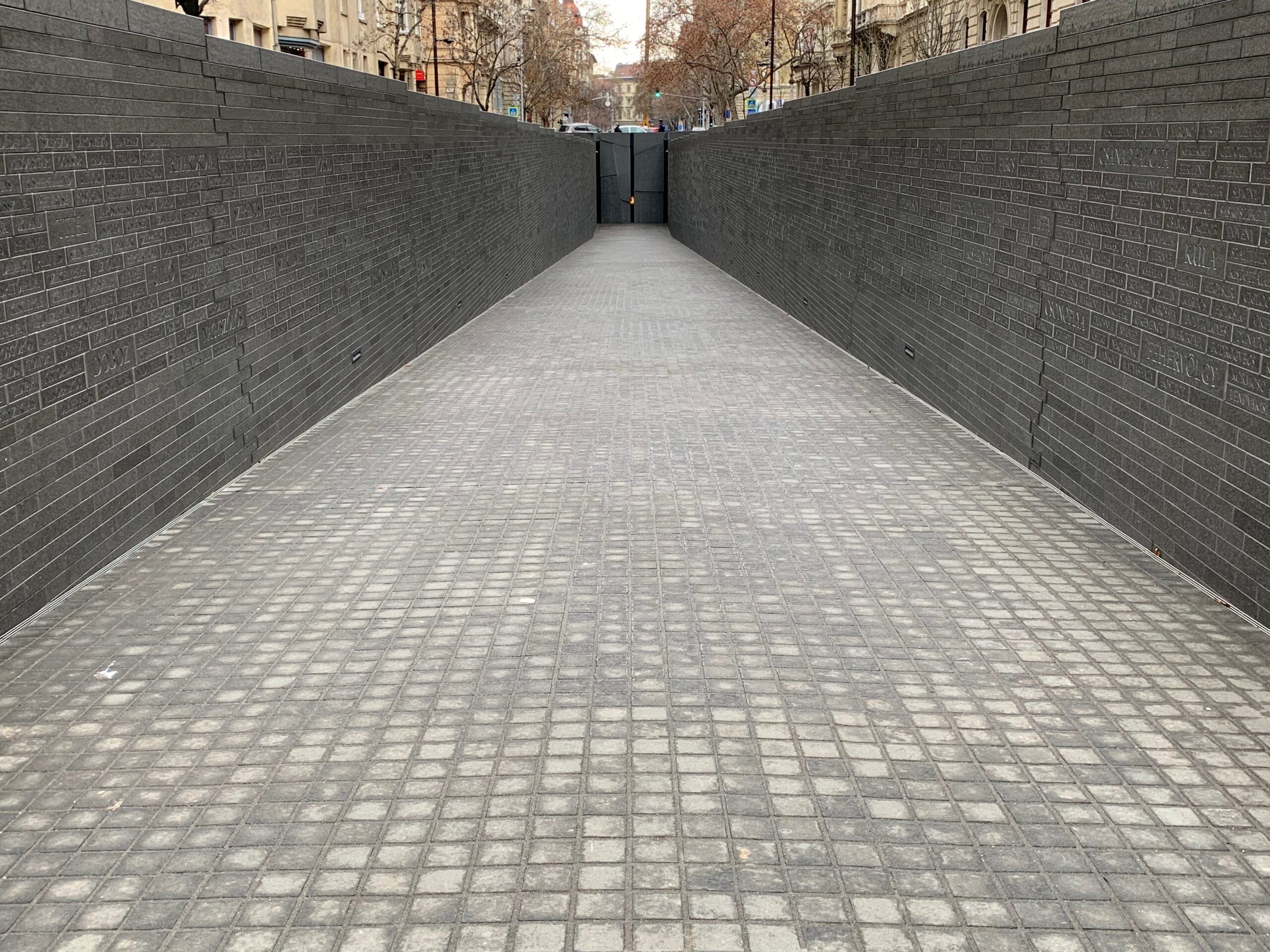
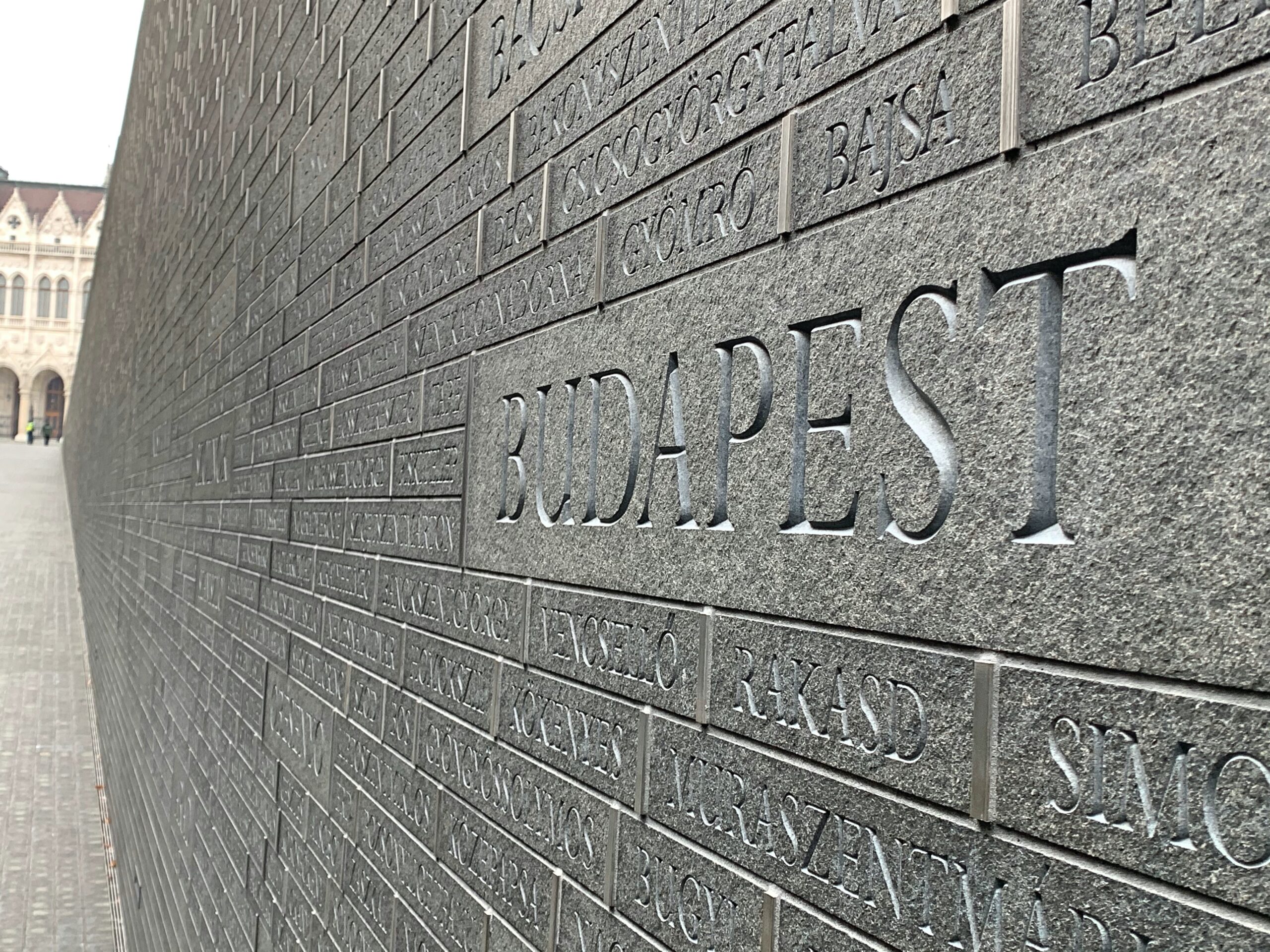
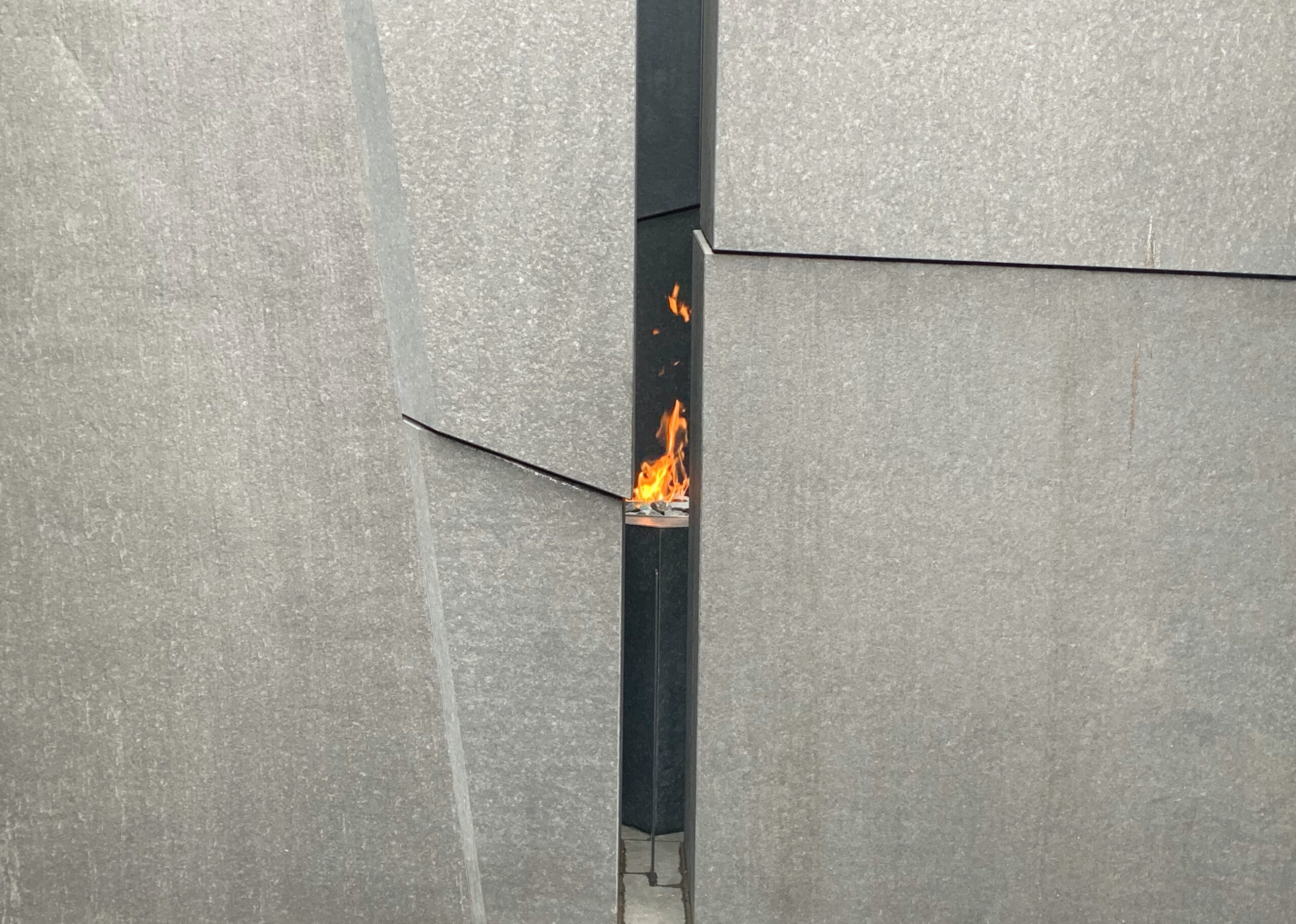
You’ll find the memorial on Kossuth Lajos Square, directly across from the Hungarian Parliament. The design is dark and somber: a roughly 100-meter descending passage with the names of thousands of Hungarian towns and villages that were once part of the country, engraved into metal panels. It’s intentionally austere and heavy—a place of mourning rather than celebration.

My take (with respect for all viewpoints)

  • What I value: The comprehensive roll call of place-names makes history tangible. It’s powerful to recognize communities by name rather than abstract numbers.

  • What I struggle with: The design ends in a dead end. As a guide and as a Hungarian, I believe our history is a continuum—we carry loss, but we also move forward. I miss a visual cue of continuity or hope. Our story did not end in 1920.

I share this not to settle the debate, but to explain why the memorial can feel emotionally closed to some visitors while profoundly validating to others.

Practical visiting tips

  • Location: Kossuth Lajos tér (M2 metro: Kossuth Lajos tér)

  • Cost: Free, open air

  • When to go: Early morning or at dusk for quieter reflection and softer light

  • Accessibility: The passage is gently sloped but still below street level; take care in wet weather

Want to unpack this topic with context and care?

This subject is complex and sensitive. On my private Communist Budapest walking tour, we create space for thoughtful questions about Trianon, interwar politics, memory culture, and how these narratives shaped the communist period and everyday life. If you’d like a respectful, nuanced discussion tailored to your interests, I’m happy to guide it.

Book a private tour

Send me your preferred date and interests, and I’ll suggest an itinerary starting from Kossuth Lajos Square or your hotel.

FAQs

Is the Trianon Memorial political?
It’s a site of memory, and like many memorials, it’s read through different political and personal lenses. That’s part of why it’s controversial.

Why “Trianon” if it happened in Versailles?
The treaty defining Hungary’s new borders was signed in the Grand Trianon Palace, part of the Versailles complex—hence “Treaty of Trianon.”

Is it suitable for children?
Yes, with context. The design and subject matter are somber; older children often engage well with the historical discussion.
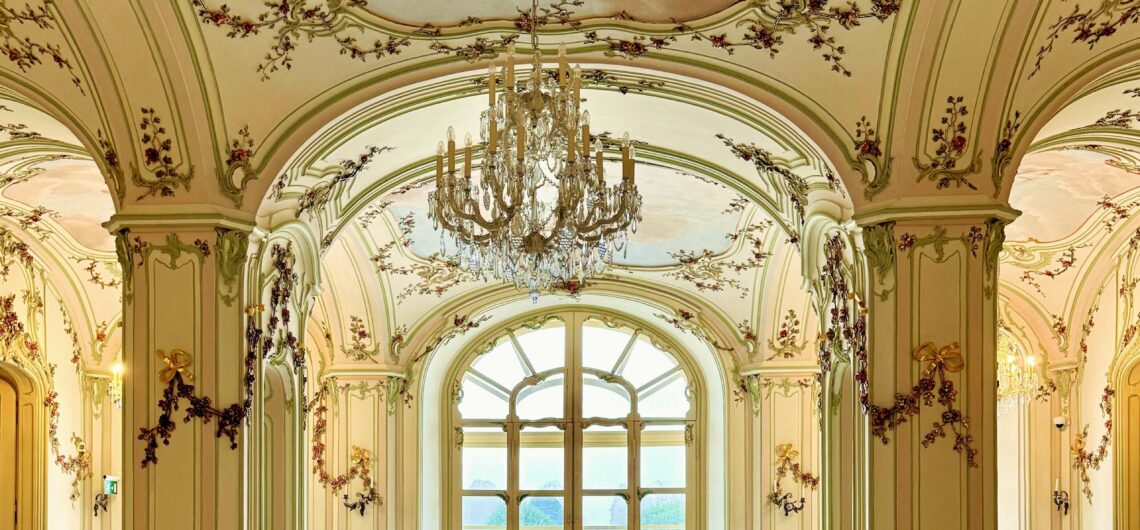
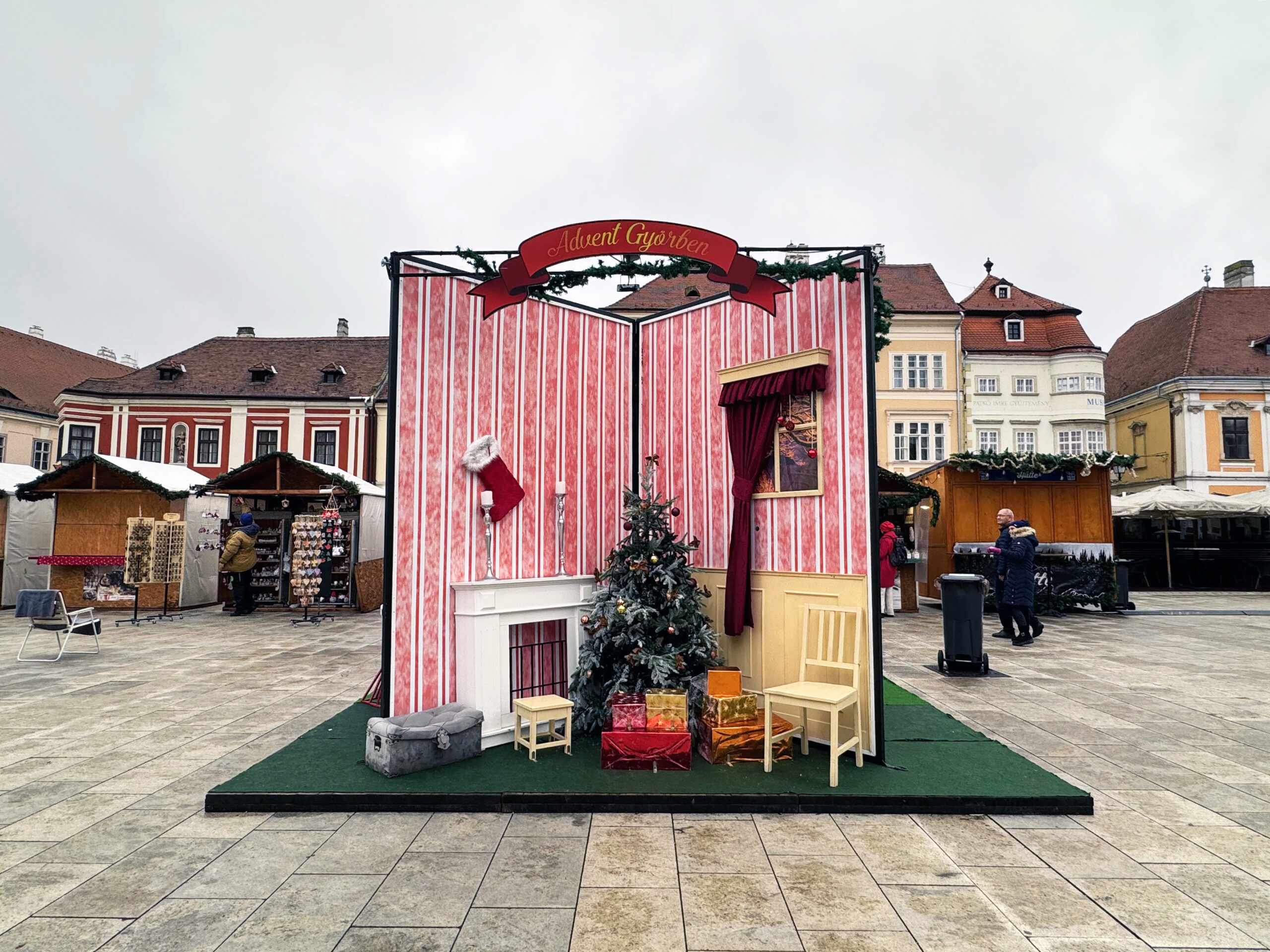
 

The Royal Palace of Visegrád is one of the most fascinating stops in the Danube Bend and a highlight I always try to include when touring the area. Together with the Upper Castle, the palace forms a remarkable castle complex that offers insight into how Hungarian royalty lived at the height of their power.
Located above the Danube, in the historic town of Visegrád, this palace allows visitors to step directly into the world of 15th-century royal life.

From ruins to royal splendour

The fact that we can admire the palace today is thanks to the work of a passionate Hungarian archaeologist, who discovered the ruins hidden beneath an orchard. Thanks to decades of archaeological research and careful reconstruction, the palace has been brought back to life as a stunning example of Gothic and Renaissance architecture.

We owe a great deal to the archaeologists and historians who recreated the lavish interiors, gardens, and fountains that once impressed visiting dignitaries from across Europe.

A royal residence fit for King Matthias

The original stone residence, built in the 14th century, was relatively modest — just under 5,000 square feet. However, under the reign of Matthias Corvinus, the palace was transformed into a spectacular royal residence with around 350 rooms.

According to legend, during grand celebrations in the 15th century, marble fountains flowed with red wine — a detail that perfectly captures the wealth and prestige of the Hungarian royal court at the time.

What to see in the Royal Palace of Visegrád

Today, visitors can explore:

  • elegant Gothic cloisters

  • a refined Renaissance loggia

  • reconstructed living quarters of Hungarian kings and queens

  • decorative fountains and palace gardens

  • original artefacts and relics from the Middle Ages

The palace is beautifully laid out and easy to explore, making it both educational and visually impressive.

Visiting the Royal Palace on a Danube Bend tour

The Royal Palace of Visegrád is an essential stop on many Danube Bend day trips and works especially well as part of a private countryside tour from Budapest. Combined with the Upper Castle and views over the Danube, it offers a perfect balance of history, architecture, and scenery.