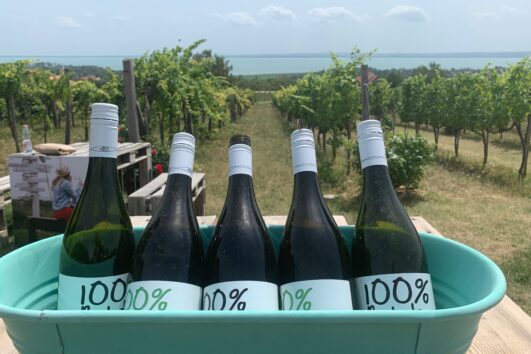
The lake Balaton is the number one destination of Hungarians in the summer months. It’s the greatest freshwater lake in Central Europe and is famous for its wine regions, cute little villages, beautiful castles and of course the magnificent views over the lake.

You can book the tour or contact me for further details. I’ll make sure to include in the itinerary all the sights you would like to see.

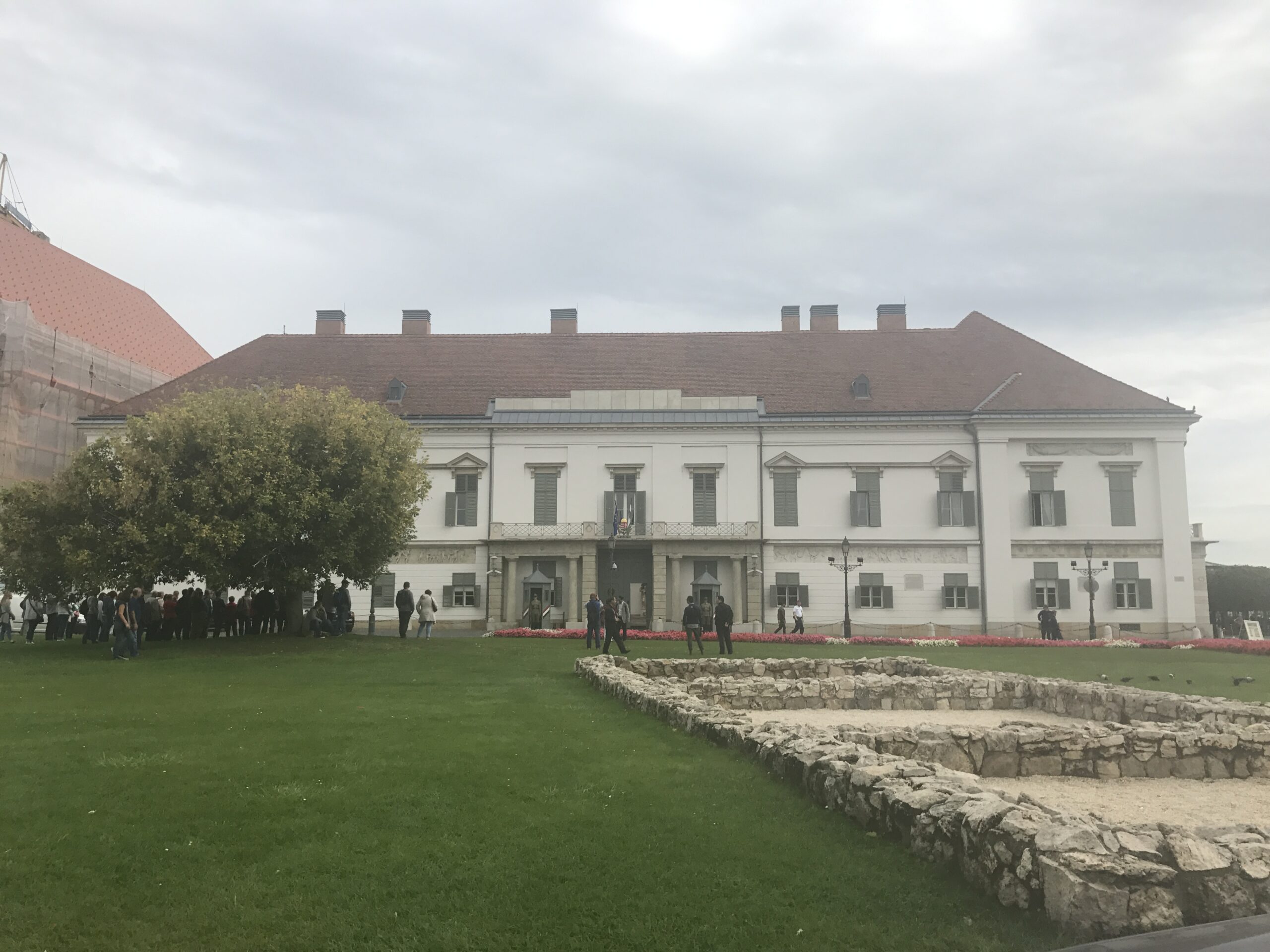
Located in the heart of the Buda Castle District, Sándor Palace is one of Budapest’s most elegant yet often overlooked landmarks. Standing just steps away from Buda Castle, the palace serves as the offices of the President of Hungary, combining political importance with refined architectural beauty.

From Aristocratic Home to Presidential Palace

Sándor Palace was built in the early 19th century as a noble residence and soon became one of the most prestigious addresses in Buda. Over the decades, it served various purposes, including government offices and ministerial residences.

The building suffered heavy damage during World War II and remained neglected for decades during the Communist era. Its careful restoration after the political changes restored the palace to its former elegance, and today it once again plays a central role in Hungarian public life.

Architecture and Atmosphere

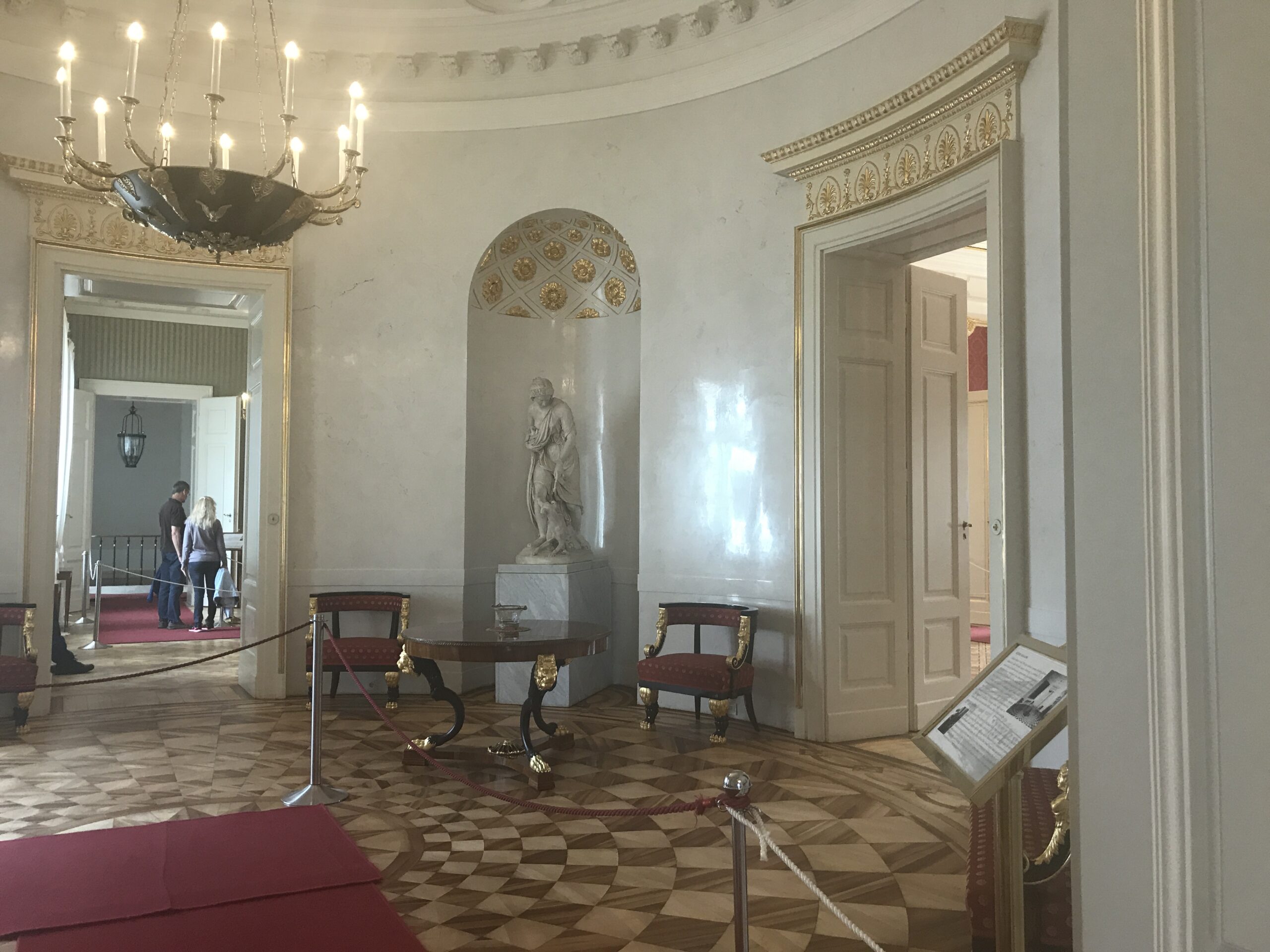
The palace is a fine example of Neo-Classical architecture, with a restrained yet harmonious façade that fits perfectly into the Castle District’s historic surroundings. While the interior is not generally open to the public, the exterior alone makes it a worthwhile stop during a Castle Hill walk.

One of the highlights for visitors is the changing of the guards, which takes place regularly in front of the palace and adds a ceremonial touch to the quiet square.

Sándor Palace on a Guided Tour

During a guided walk through the Castle District, Sándor Palace offers an excellent opportunity to talk about:

  • Hungary’s modern political system

  • the transition from monarchy to republic

  • life in the Castle District past and present

  • the contrast between royal, aristocratic, and presidential power

Its location makes it an easy and natural stop on a Budapest city tour or a thematic history walk.

Why Include Sándor Palace in Your Itinerary?

Sándor Palace is ideal for travelers who enjoy:

  • elegant architecture without crowds

  • political and modern Hungarian history

  • hidden landmarks beyond the usual highlights

  • quiet corners of the Castle District

It adds depth and context to any visit to Buda Castle.

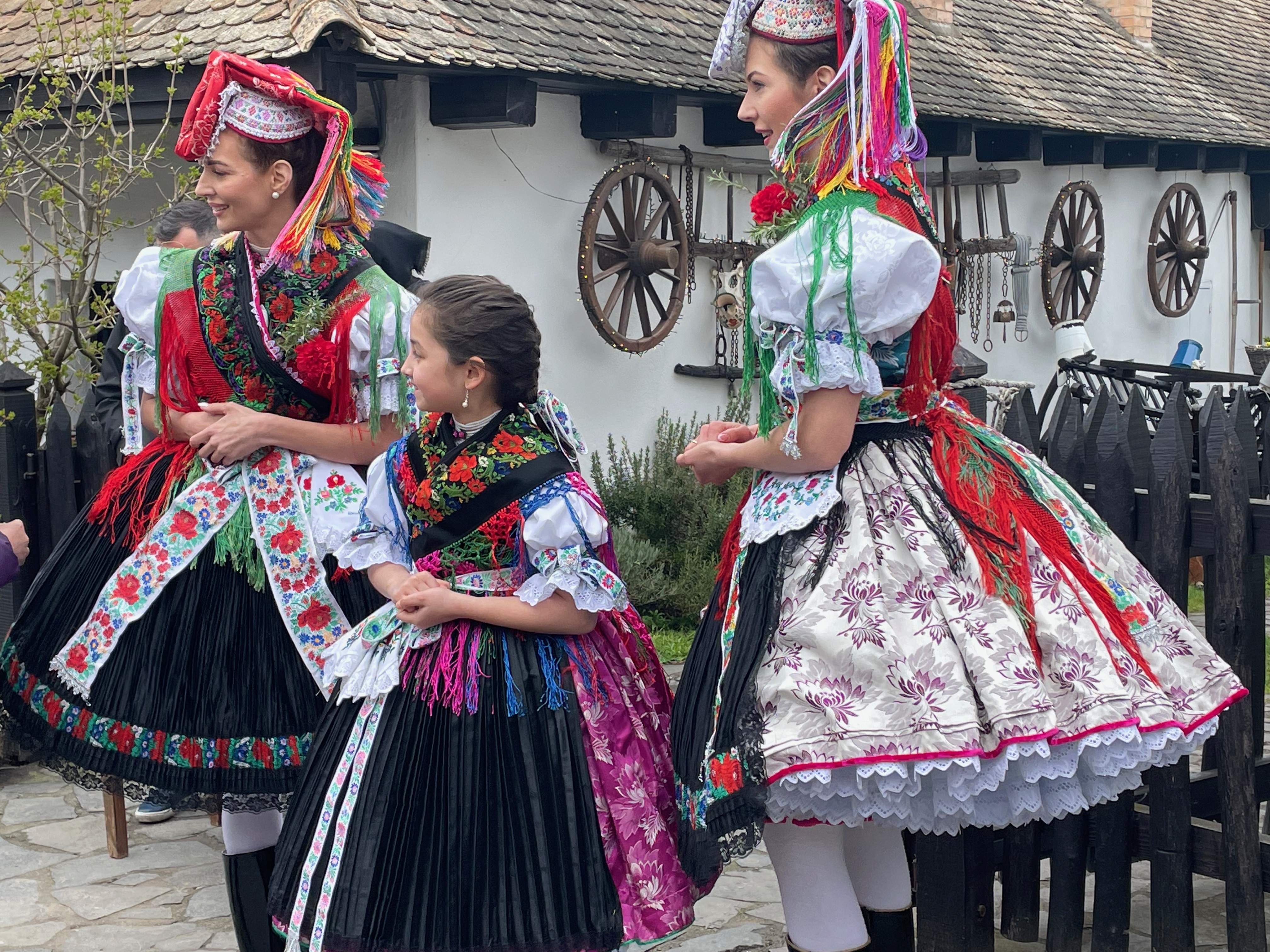
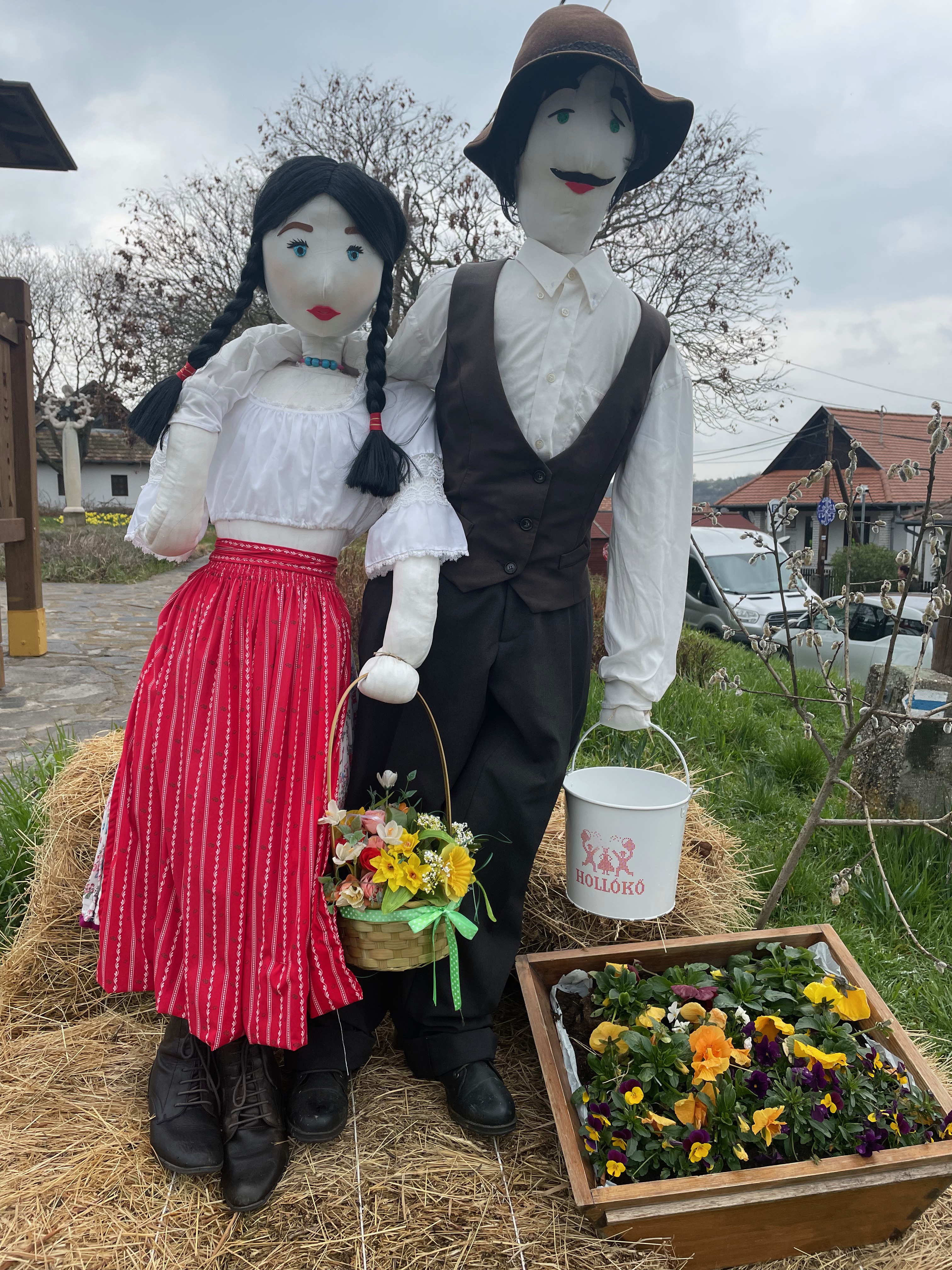
Hungary is home to many colourful folk customs, and the most playful Hungarian Easter tradition is locsolás, the Easter Monday ritual of watering. This unique custom, still practiced today, brings together humour, symbolism, and centuries-old beliefs about renewal and fertility. Celebrating Easter in Hungary is a truly memorable experience.

A Hungarian Easter tradition: Locsolás

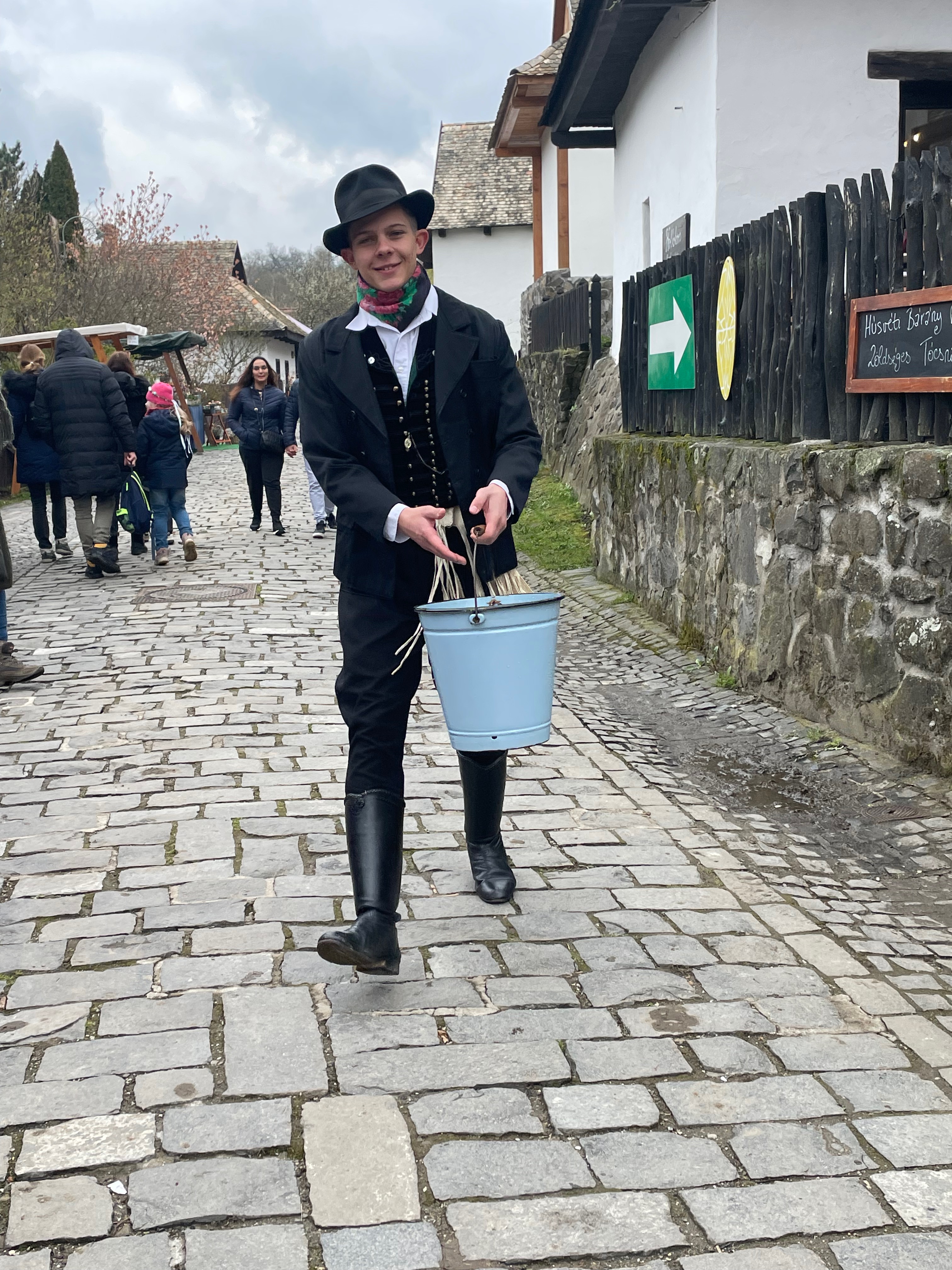
Locsolás takes place on Easter Monday, when men traditionally visit female relatives, friends, and neighbours to sprinkle them with water — or, more commonly today, perfume.

According to old beliefs, water symbolises purification, renewal, and fertility, and the ritual was meant to keep women fresh, healthy, and beautiful throughout the year.

From Buckets of Water to Perfume Bottles

While today most men politely use a splash of perfume, the tradition was once far more dramatic. Just a few decades ago, girls were often doused with large buckets of ice-cold water, sometimes outdoors, to much screaming and laughter.

Thankfully, modern locsolás is gentler — and much more comfortable.

Eggs in Exchange – a local Easter tradition

As a thank-you, women traditionally give men decorated Easter eggs, often hand-painted using folk motifs and traditional techniques. These eggs remain one of the most recognisable symbols of Hungarian Easter celebrations.

A Playful Tradition Still Alive Today

Locsolás is a joyful mix of humour, symbolism, and community spirit. While it’s mostly practiced within families and small communities today, it remains a beloved part of Easter in Hungary. Also, it is a charming reminder of how folklore continues to shape everyday life.


Hungarians have a well-known sweet tooth, and among the many beloved treats, marzipan holds a special place. This smooth almond paste appears not only in cakes and pastries, but also in something far more unexpected: tiny — and sometimes life-size — works of art. In Hungary, marzipan is not just something you eat. It’s something you admire.

When Michael Jackson Meets the Hungarian Parliament

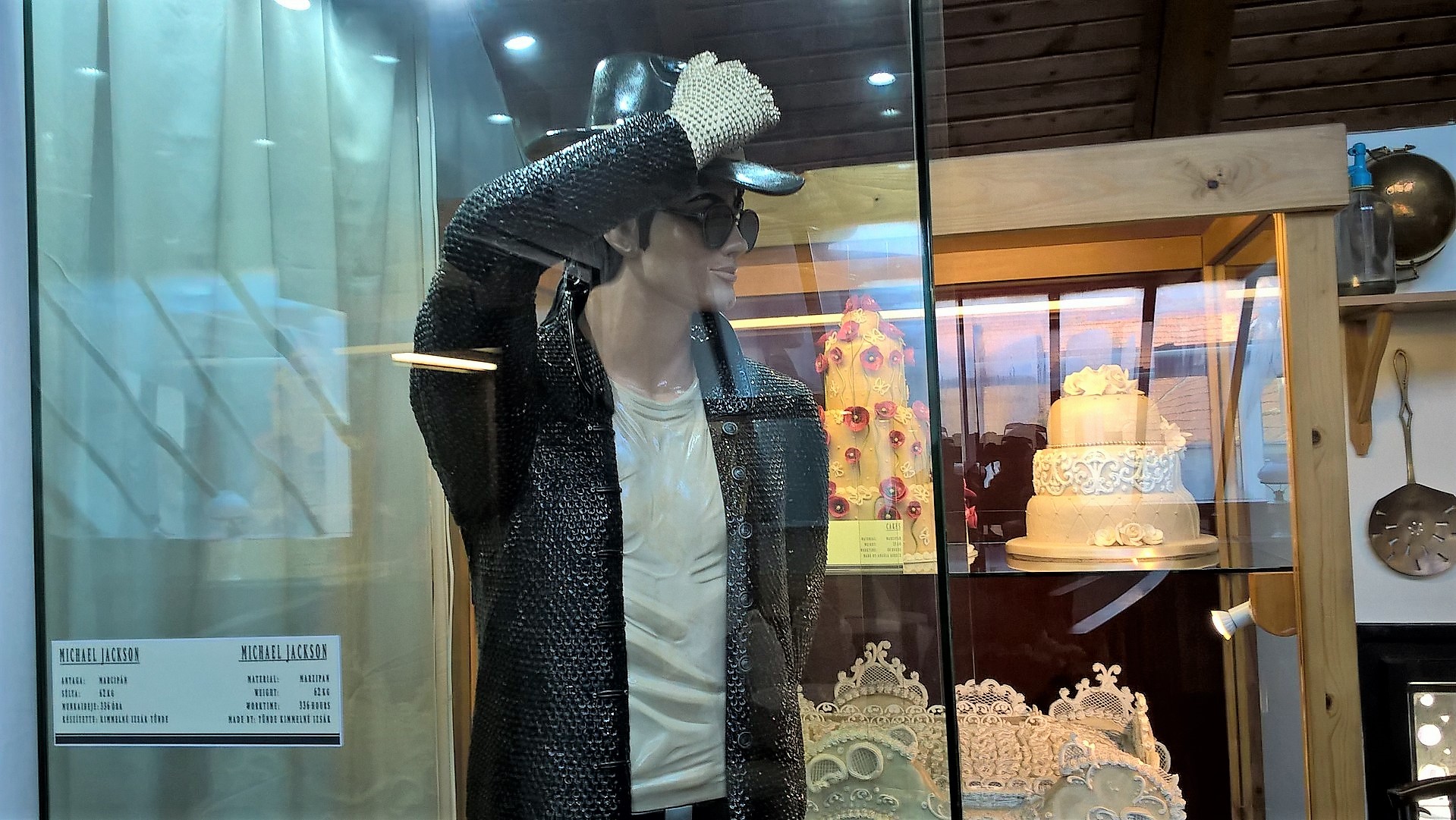
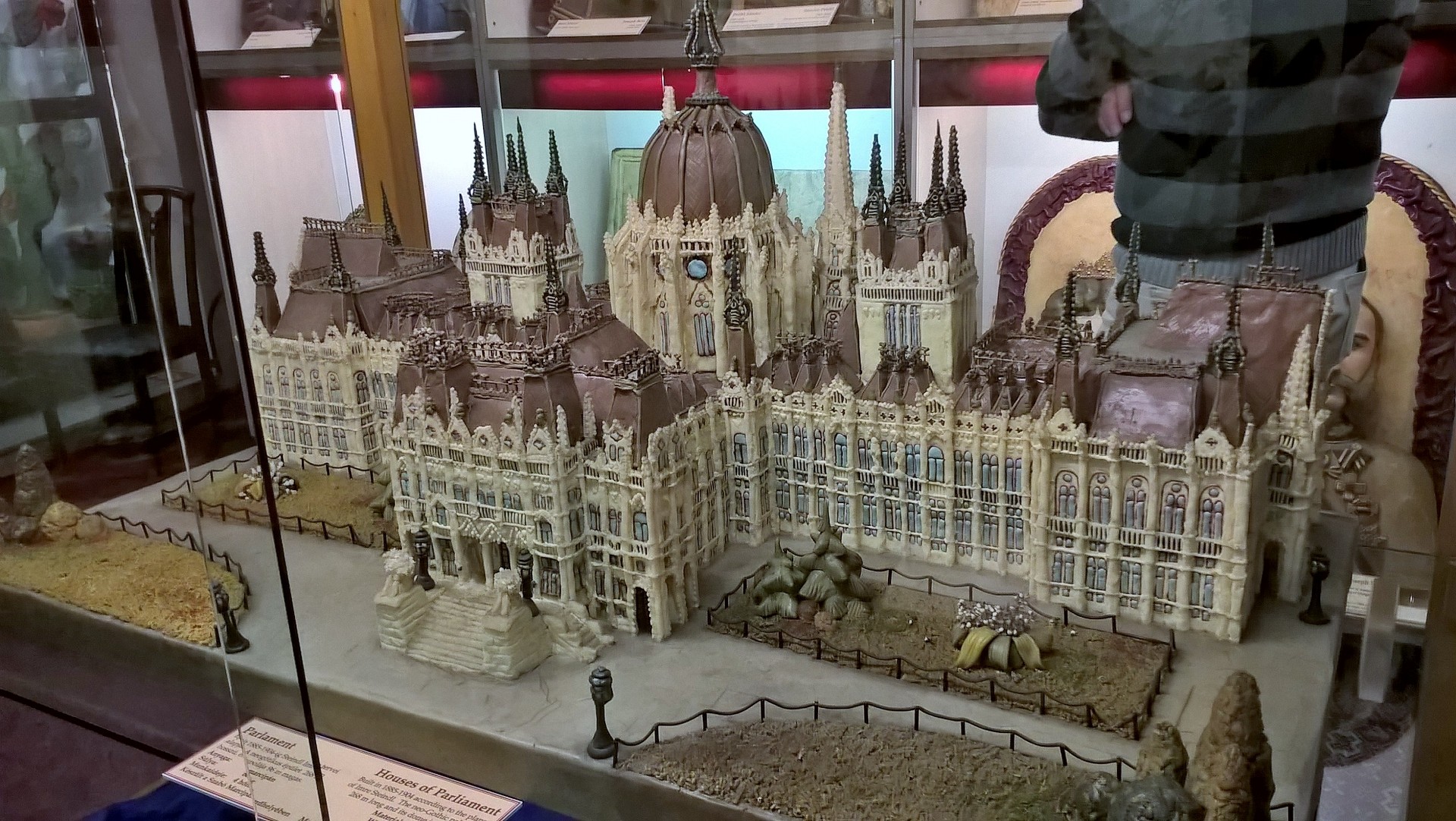
So, what do Michael Jackson and the Hungarian Parliament building have in common? In Szentendre, the answer is simple: they can both be made of marzipan.

The Szentendre Marzipan Museum is one of the most unusual — and sweetest — museums in Hungary. Located in the heart of Szentendre, it displays dozens of marzipan sculptures ranging from famous Hungarian historical figures to international celebrities and iconic buildings.

Some of the figures are small and intricate, others surprisingly large — all made with astonishing detail and patience.

More Than a Museum: A Working Atelier

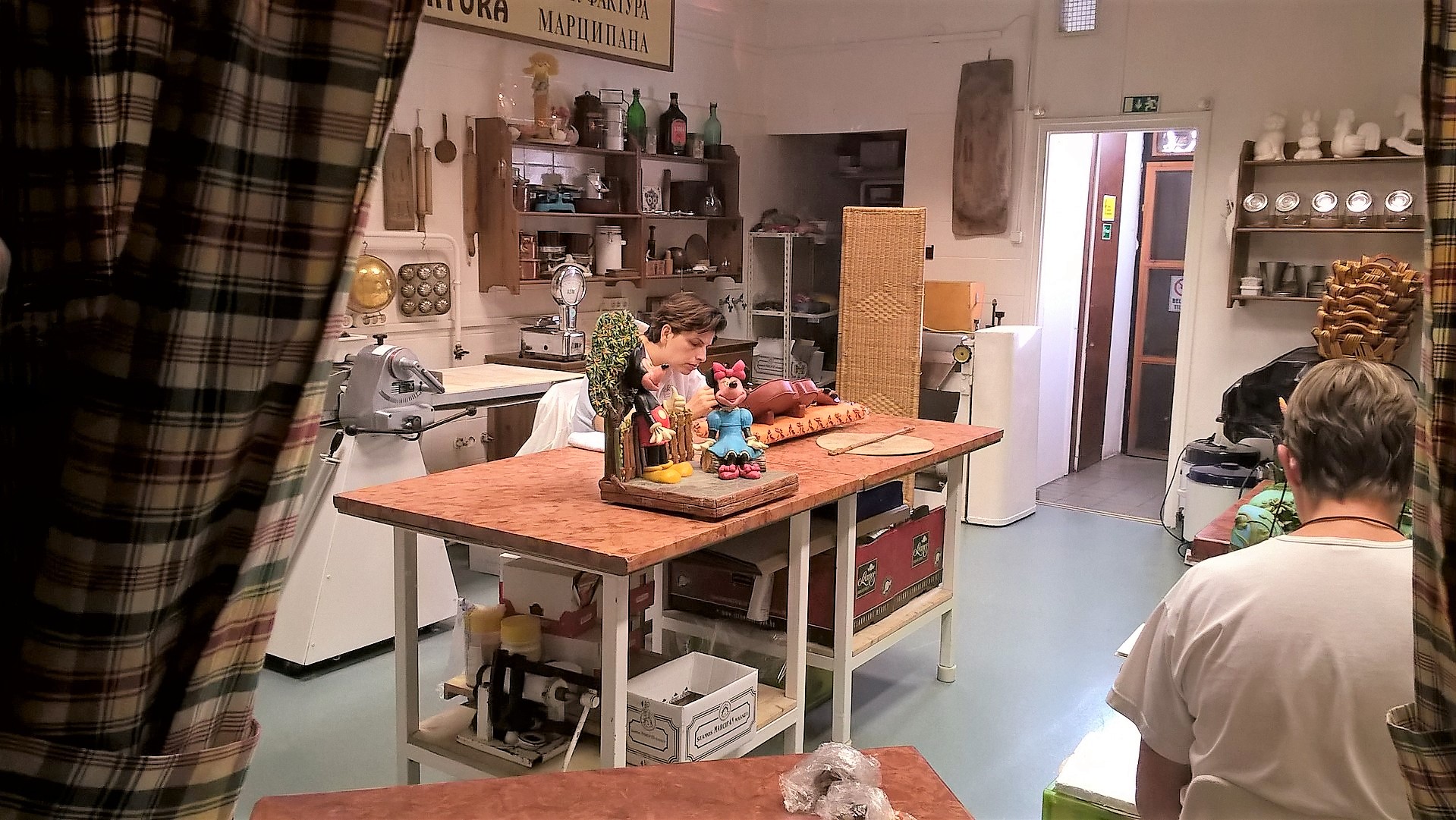
What makes the Szentendre Marzipan Museum especially engaging is that it’s not just a static exhibition. Visitors can also peek into the atelier, where new marzipan figures are still being created by hand.

Watching the process gives a new appreciation for the craft behind these playful sculptures — and for the amount of time and skill required to turn sugar and almonds into recognizable faces, buildings, and scenes.

A Small Museum with Big Personality

The Marzipan Museum is not large, but that’s part of its charm. It fits perfectly into a relaxed stroll through Szentendre, adding a lighthearted and slightly quirky stop between galleries, cafés, and cobblestoned streets.

And of course, no visit is complete without stepping into the small shop at the end, where you can buy beautifully made marzipan sweets — far too pretty to eat… at least at first.

The Marzipan Museum is one of those small surprises I’m always happy to include when showing guests around Szentendre. It’s also a delightful stop on my Danube Bend  and Szentendre tours, especially for travellers who enjoy local traditions with a playful twist.

If you’d like to explore Szentendre — from its art scene to its sweetest corners — feel free to get in touch, and we can shape a day that suits your interests and pace.
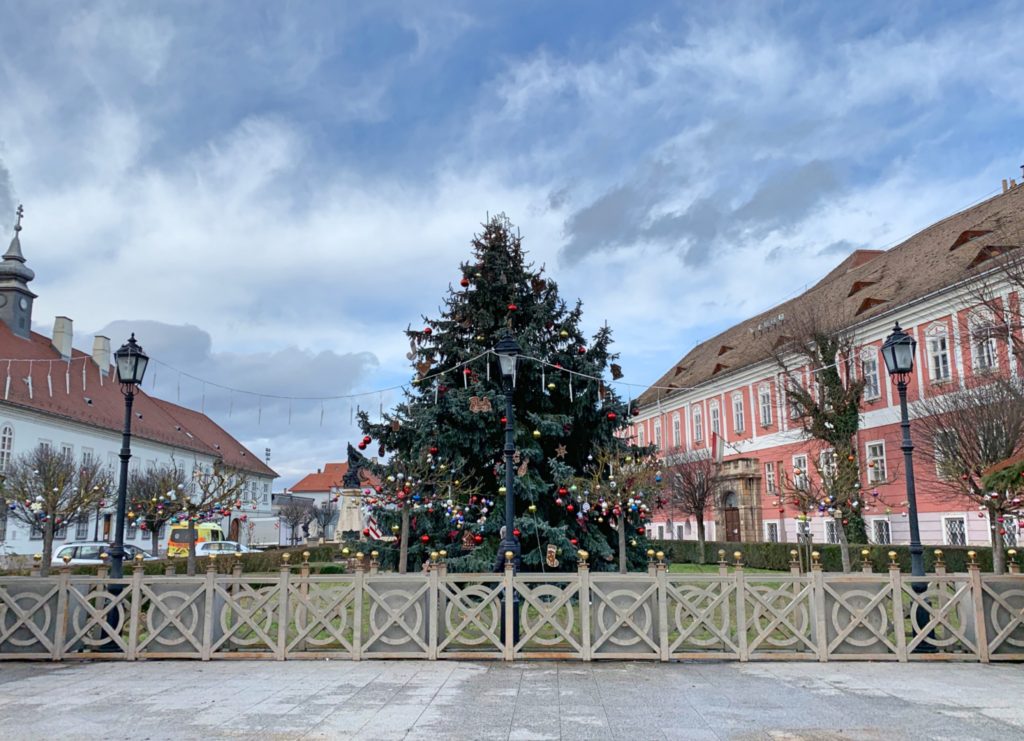
 

Halloween stands for ‘All Hallows’ Evening’ , the night before the Christian ‘All Saints’ Day’. Although Halloween with all the pumpking carving and trick-or-treating is getting more and more popular in Hungary, still, we celebrate traditionally the two following days; All Saints’ Day and All Souls’ Day.

All Saints’ Day is the day of all of the saint souls, who are not mentioned in the calendar by name. It’s a National Holiday in Hungary, probably because all work has been forbidden on this day for centuries, because of the respect for the dead. According to folk tradition, during the night between All Saints’ Day, and All Souls’ Day deceased go to the house of their loved ones. That’s why in the villages an extra plate was placed on the table, with bread, salt and water on it.

All Souls’ Day is to commemorate and remember one’s beloved ones who had passed away. Local cemeteries are usually crowded and beautiful with tons of fresh flowers, candles and lampions.

Yesterday we celebrated the 60th anniversary of Hungary’s revolution against the Communist dictartorship, the presence of the Soviet troops and the Stalinist totalitarianism.

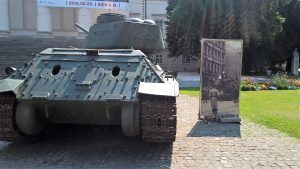
My father was 5 years old in 1956. This is his story. He was abbout to accompany his uncle to bring a radio to some friends. There were fights all over the streets, all around the city. My father and his uncle tried to get from the city center to another district of Pest. When they reached the Liberty bridge my father spotted a huge tank at the Pest side of the bridge. He was frightened. But then, he saw that there was a piece of cloth stuffed in the muzzle of the tank. He was relieved. He said to himself that he wasn’t going to die that day.

Let me tell you more, book the Communist Budapest Walk!