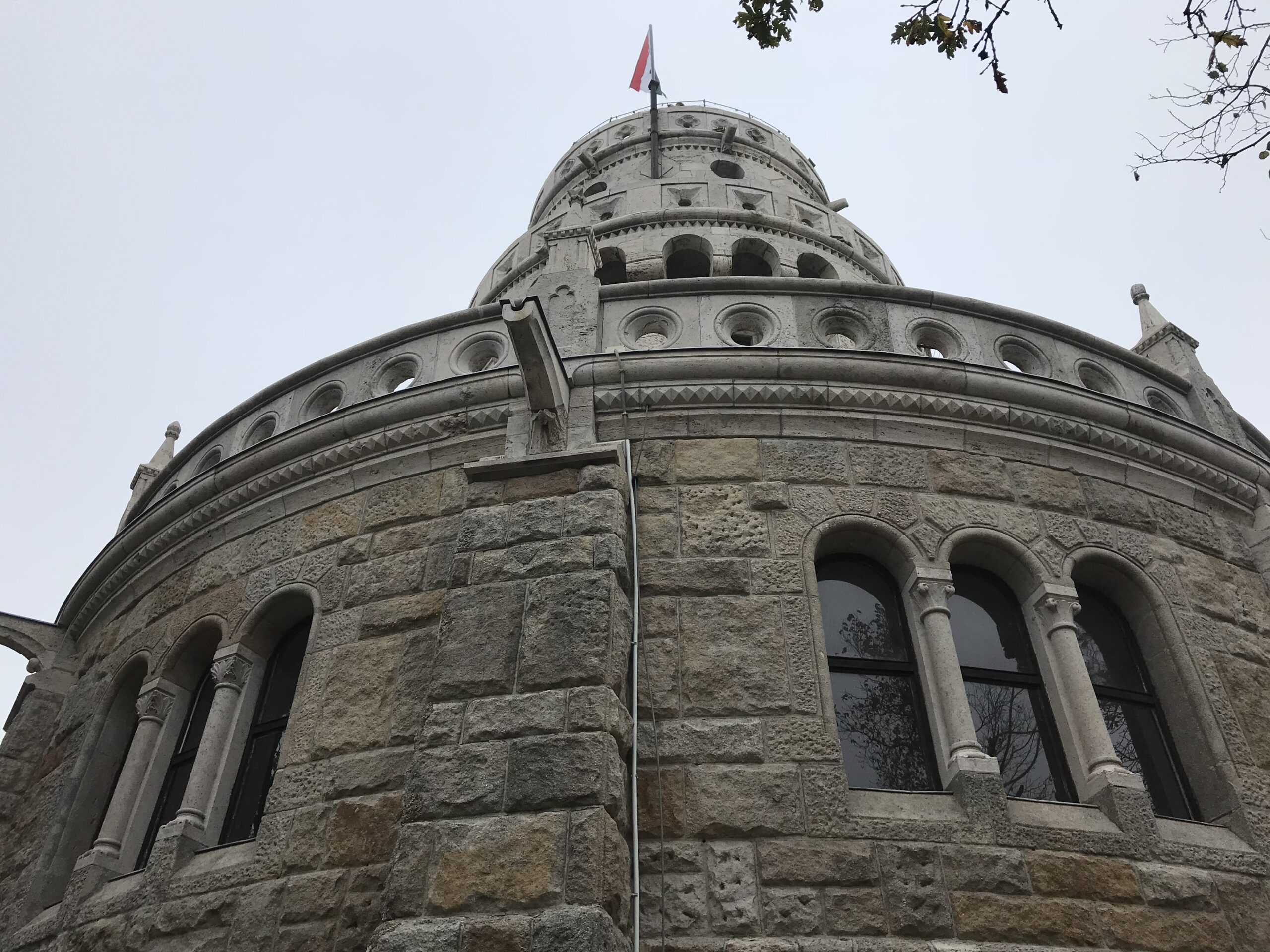
Wishing you a very happy and prosperous new year from the top of the Fisherman’s Bastion in Budapest.
Wishing you a very happy and prosperous new year from the top of the Fisherman’s Bastion in Budapest.
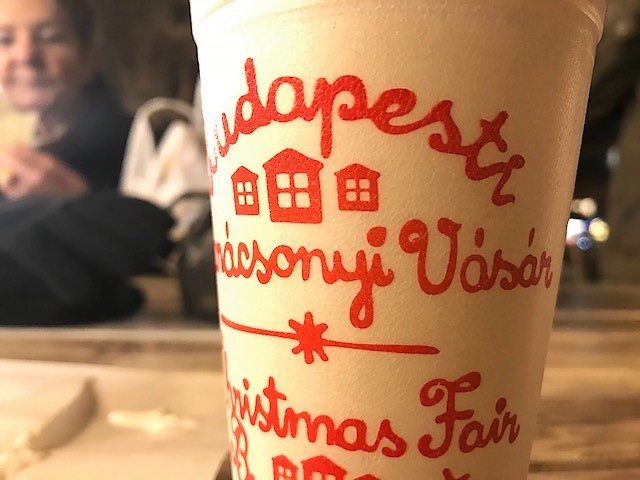
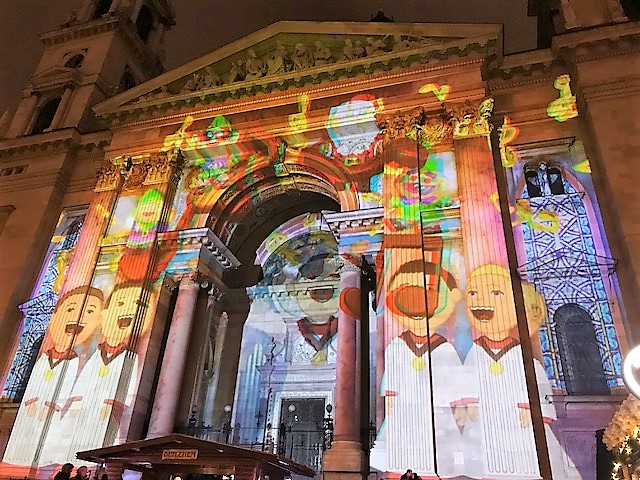
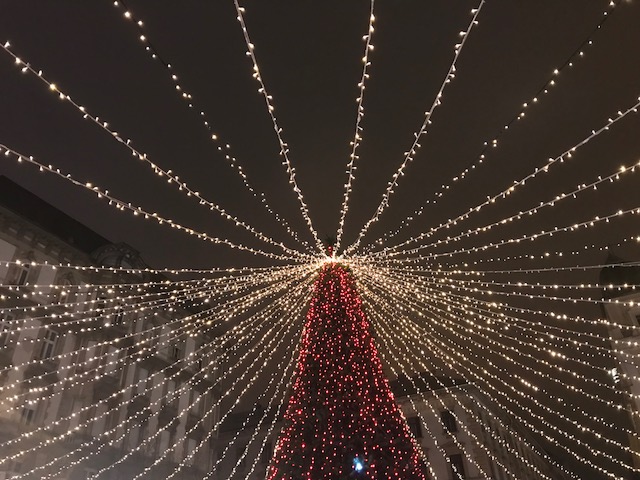
The truly amazing atmosphere of Budapest during the Christmas holidays, all the beautiful lights, gold and glitter of the city I love so much.
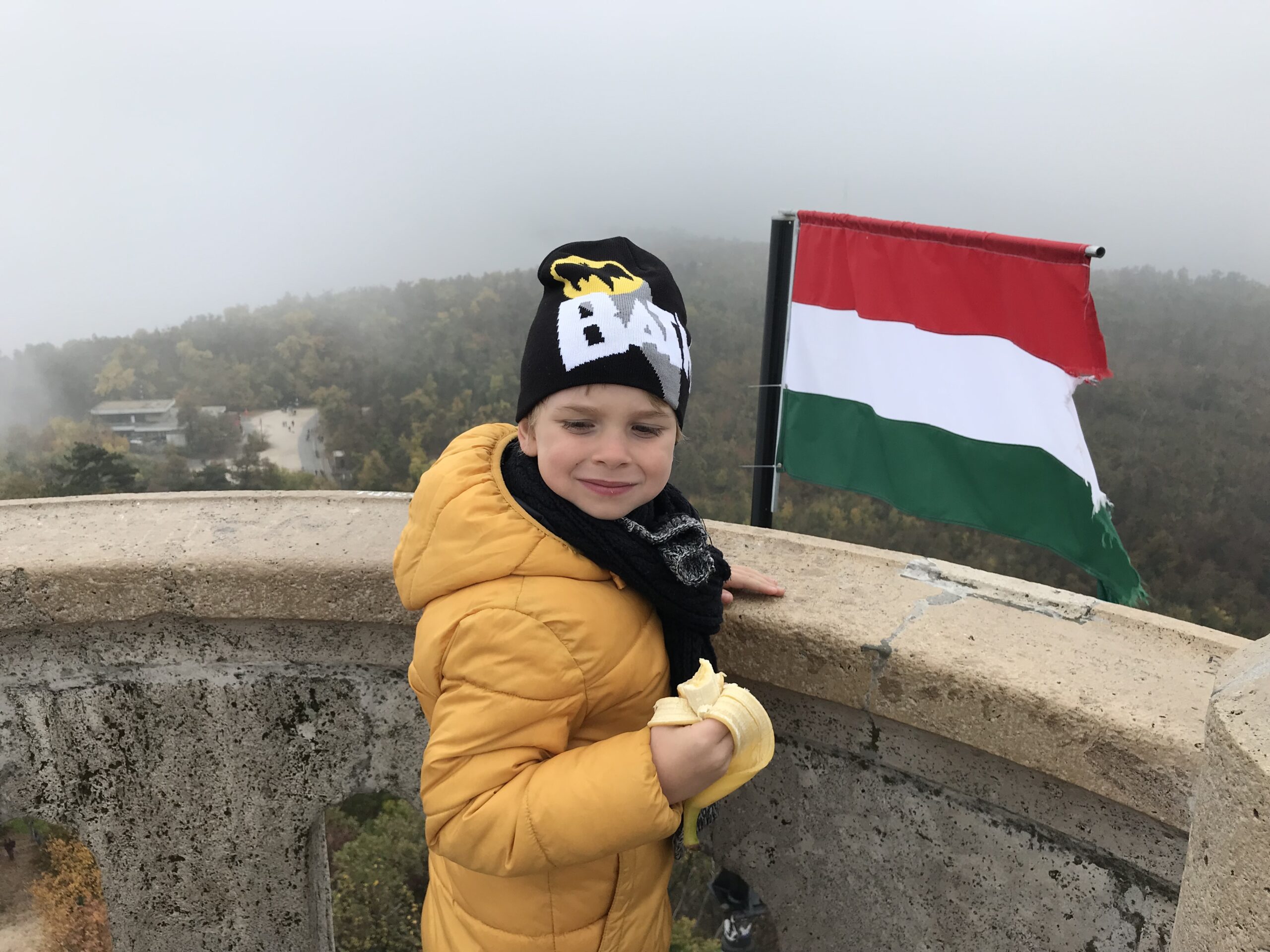
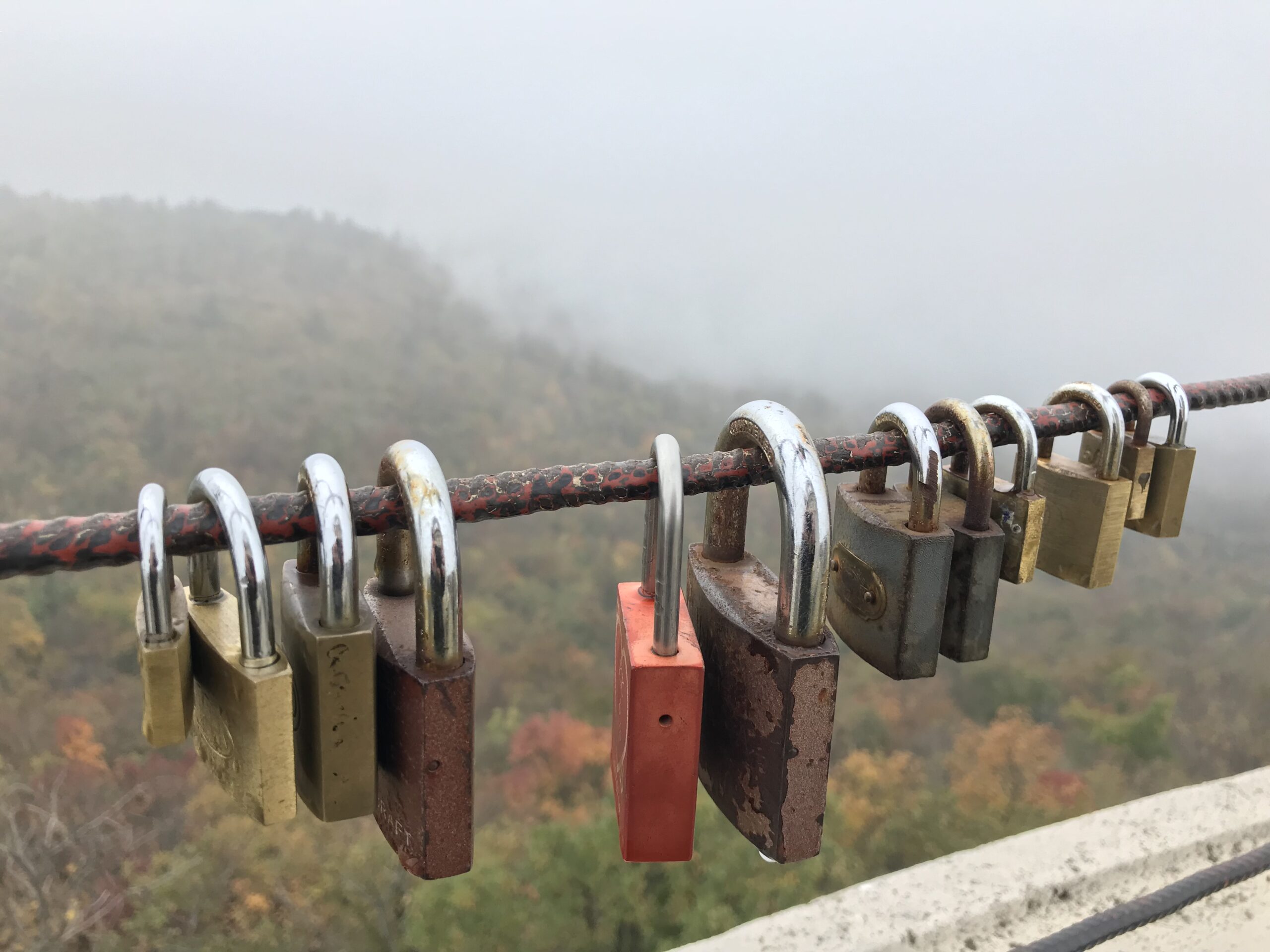
We decided to celebrate the National Day by hiking around the beautiful Buda hills. We hoped to enjoy some splendid view over Budapest from the top of the Elisabeth tower but couldn’t wait until the fog eventually lifted. It was a beautiful day shared with many other hikers who visited the area despite the sad weather.
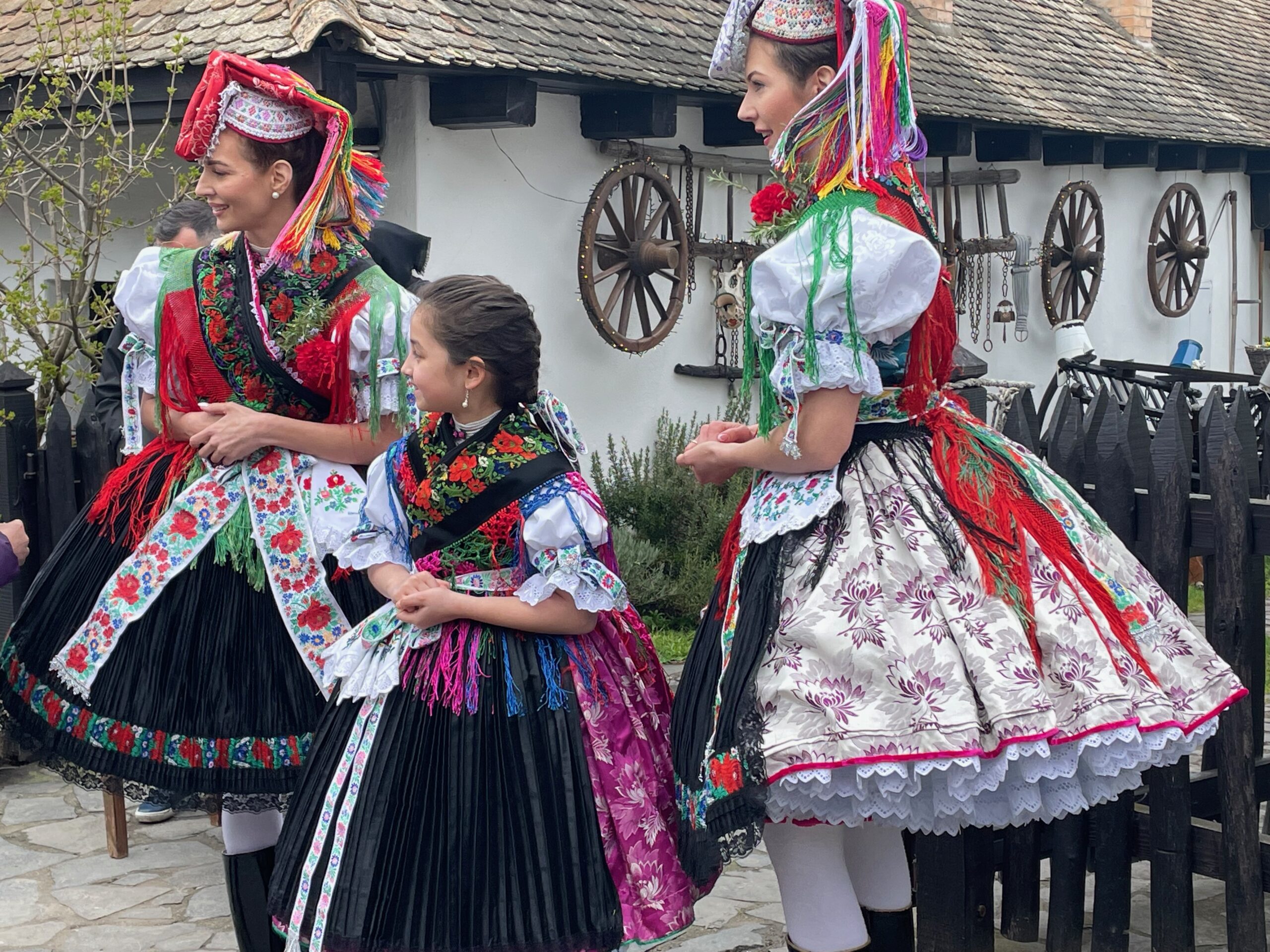
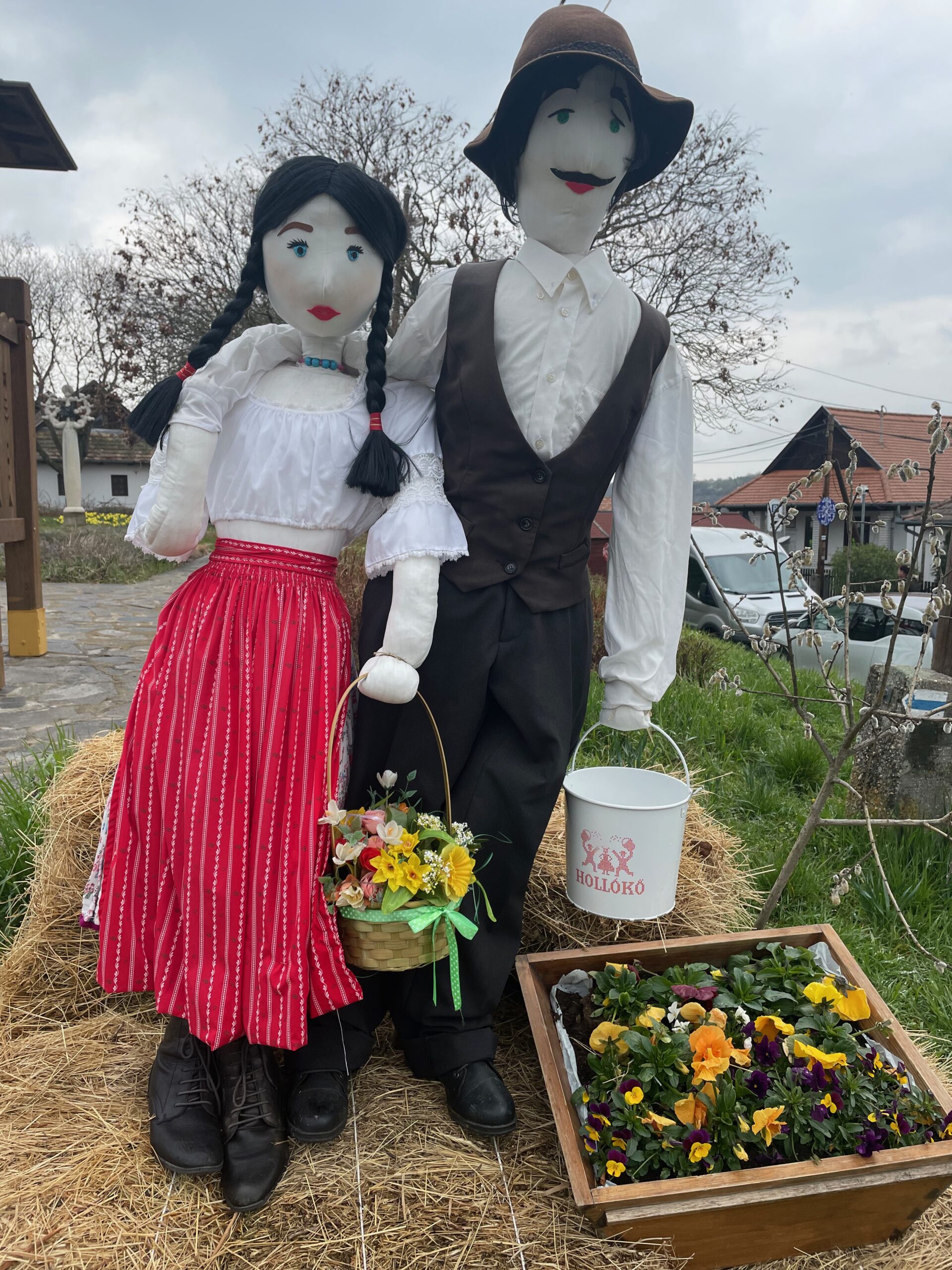
Hungary is home to many colourful folk customs, and the most playful Hungarian Easter tradition is locsolás, the Easter Monday ritual of watering. This unique custom, still practiced today, brings together humour, symbolism, and centuries-old beliefs about renewal and fertility. Celebrating Easter in Hungary is a truly memorable experience.
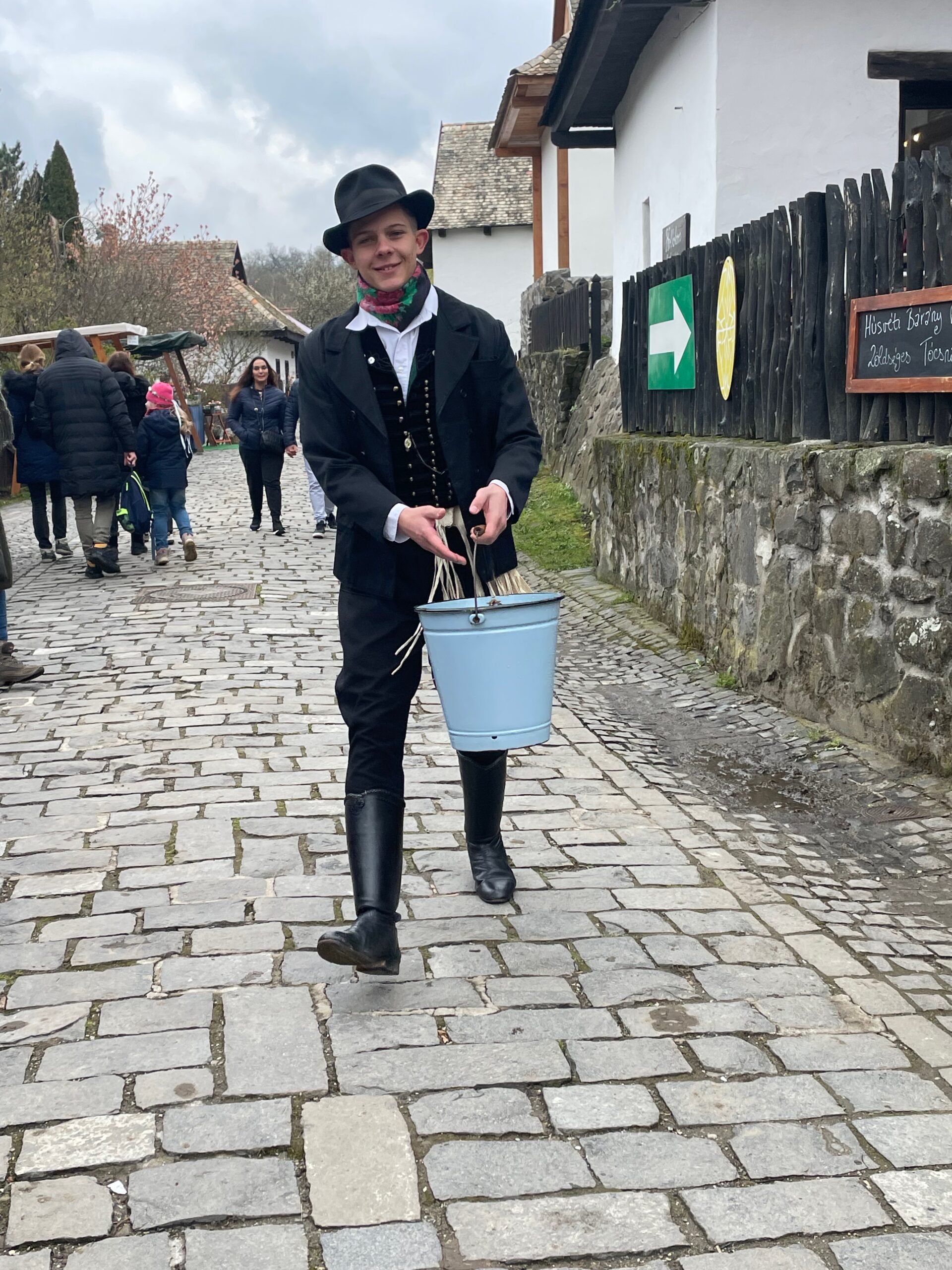
Locsolás takes place on Easter Monday, when men traditionally visit female relatives, friends, and neighbours to sprinkle them with water — or, more commonly today, perfume.
According to old beliefs, water symbolises purification, renewal, and fertility, and the ritual was meant to keep women fresh, healthy, and beautiful throughout the year.
While today most men politely use a splash of perfume, the tradition was once far more dramatic. Just a few decades ago, girls were often doused with large buckets of ice-cold water, sometimes outdoors, to much screaming and laughter.
Thankfully, modern locsolás is gentler — and much more comfortable.
As a thank-you, women traditionally give men decorated Easter eggs, often hand-painted using folk motifs and traditional techniques. These eggs remain one of the most recognisable symbols of Hungarian Easter celebrations.
Locsolás is a joyful mix of humour, symbolism, and community spirit. While it’s mostly practiced within families and small communities today, it remains a beloved part of Easter in Hungary. Also, it is a charming reminder of how folklore continues to shape everyday life.
Halloween stands for ‘All Hallows’ Evening’ , the night before the Christian ‘All Saints’ Day’. Although Halloween with all the pumpking carving and trick-or-treating is getting more and more popular in Hungary, still, we celebrate traditionally the two following days; All Saints’ Day and All Souls’ Day.
All Saints’ Day is the day of all of the saint souls, who are not mentioned in the calendar by name. It’s a National Holiday in Hungary, probably because all work has been forbidden on this day for centuries, because of the respect for the dead. According to folk tradition, during the night between All Saints’ Day, and All Souls’ Day deceased go to the house of their loved ones. That’s why in the villages an extra plate was placed on the table, with bread, salt and water on it.
All Souls’ Day is to commemorate and remember one’s beloved ones who had passed away. Local cemeteries are usually crowded and beautiful with tons of fresh flowers, candles and lampions.