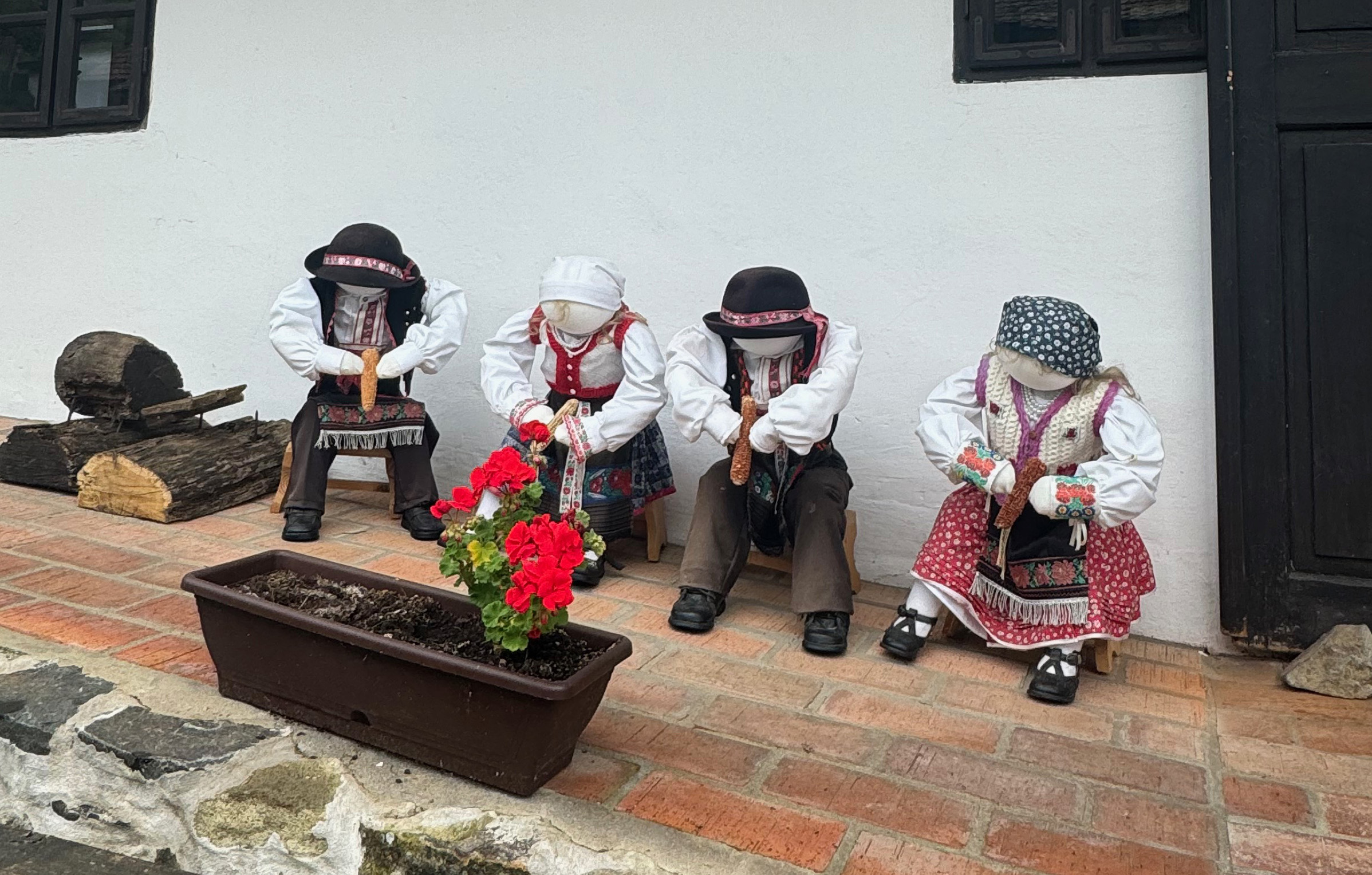
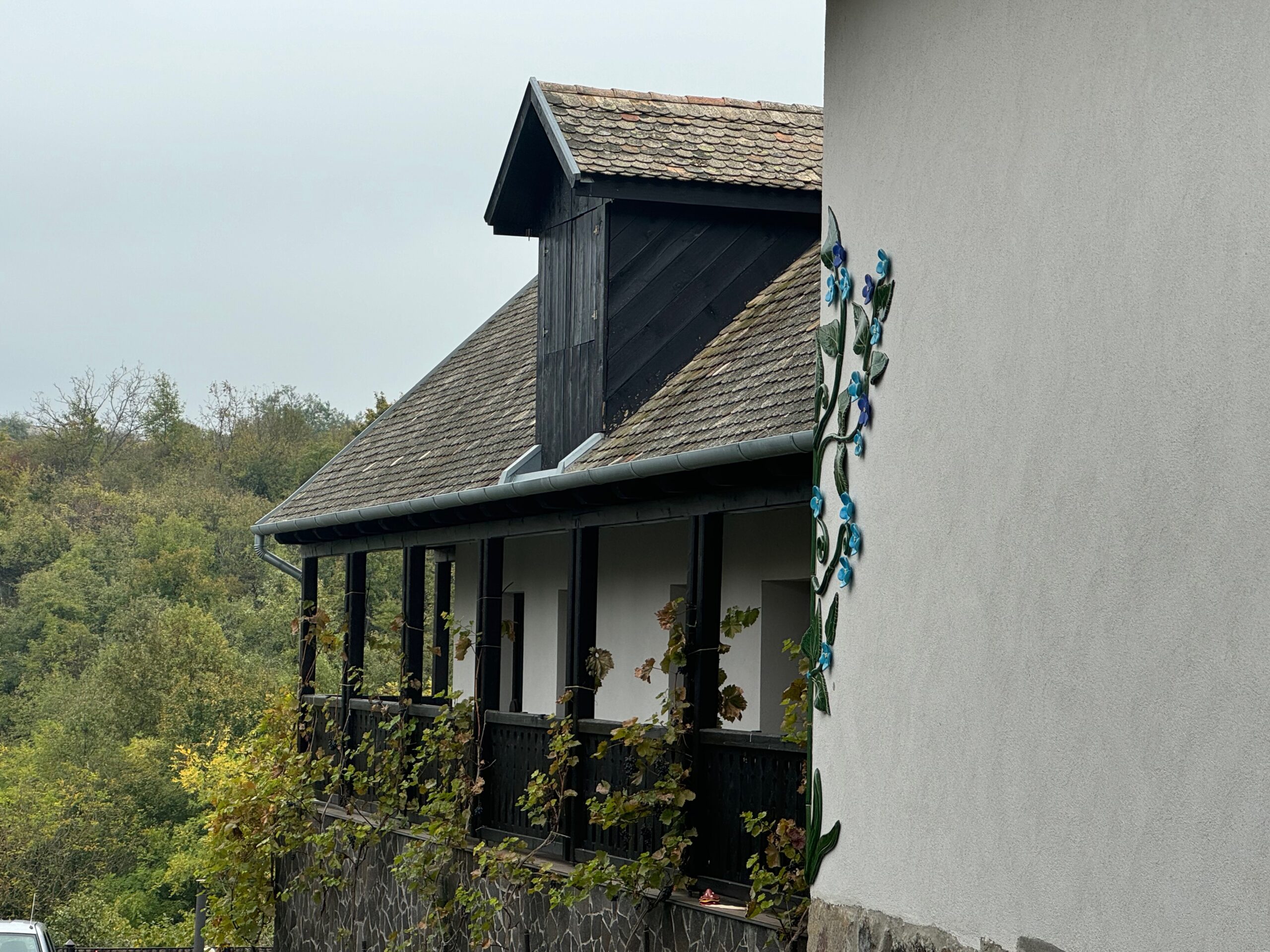
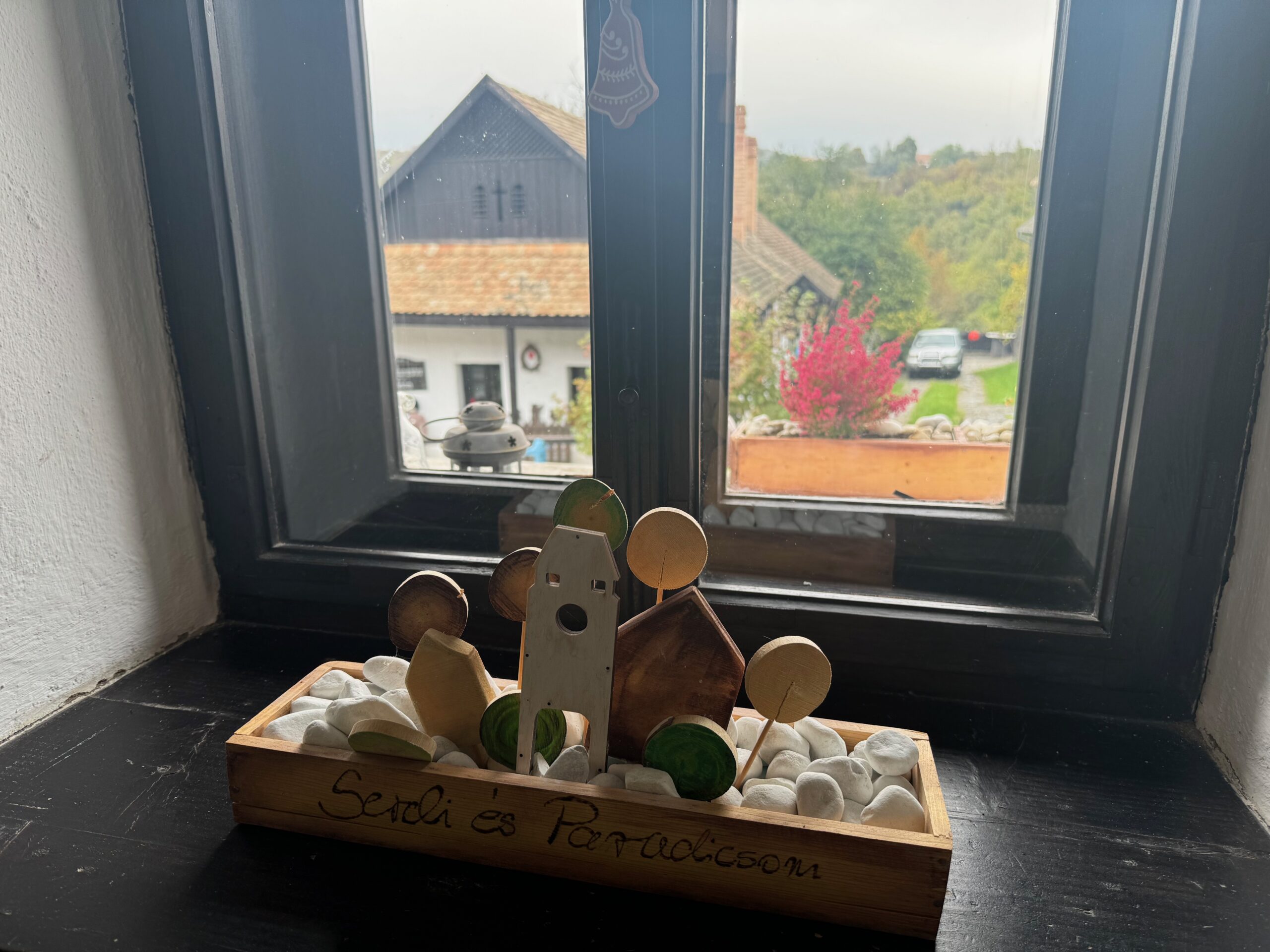
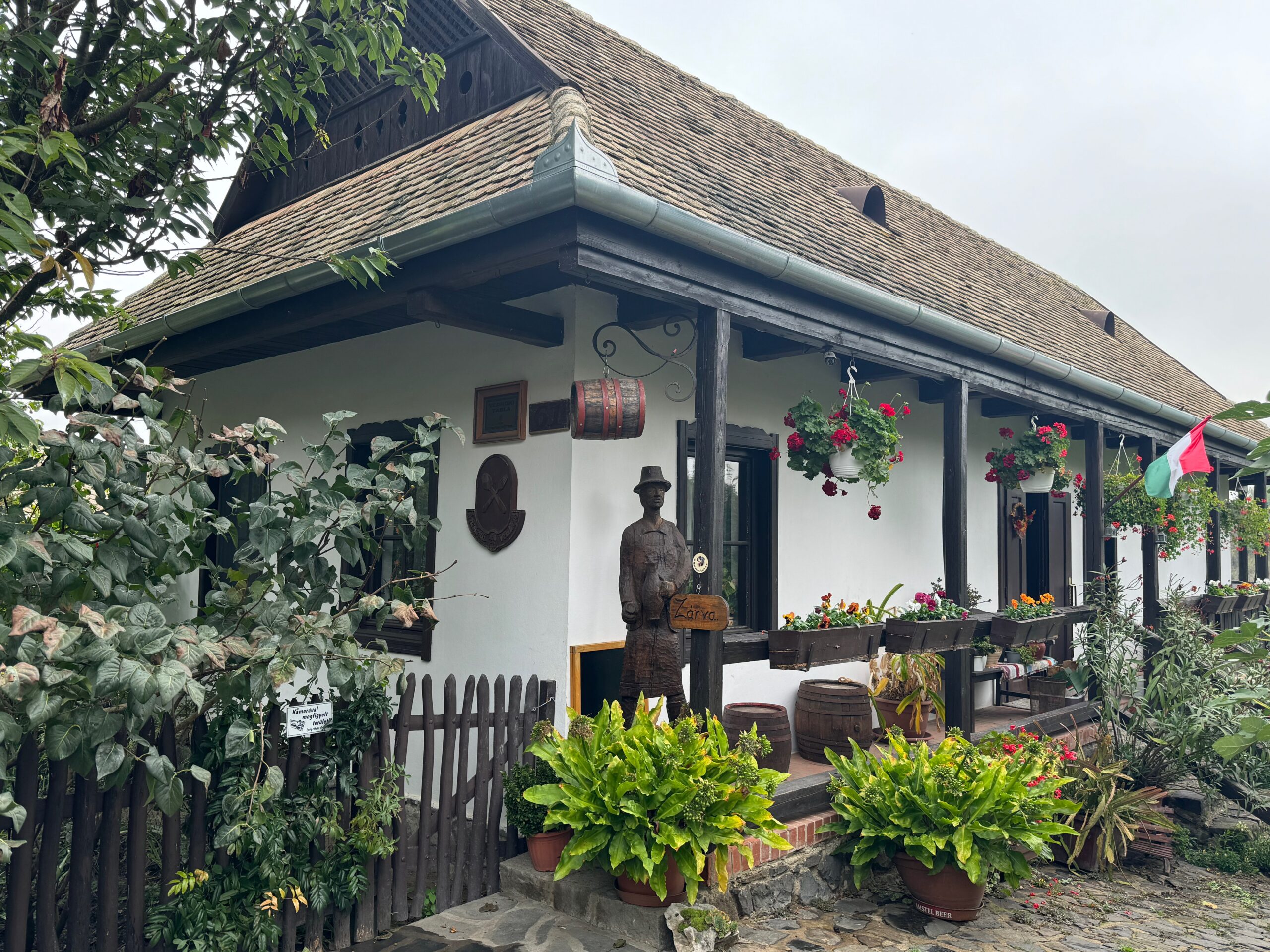
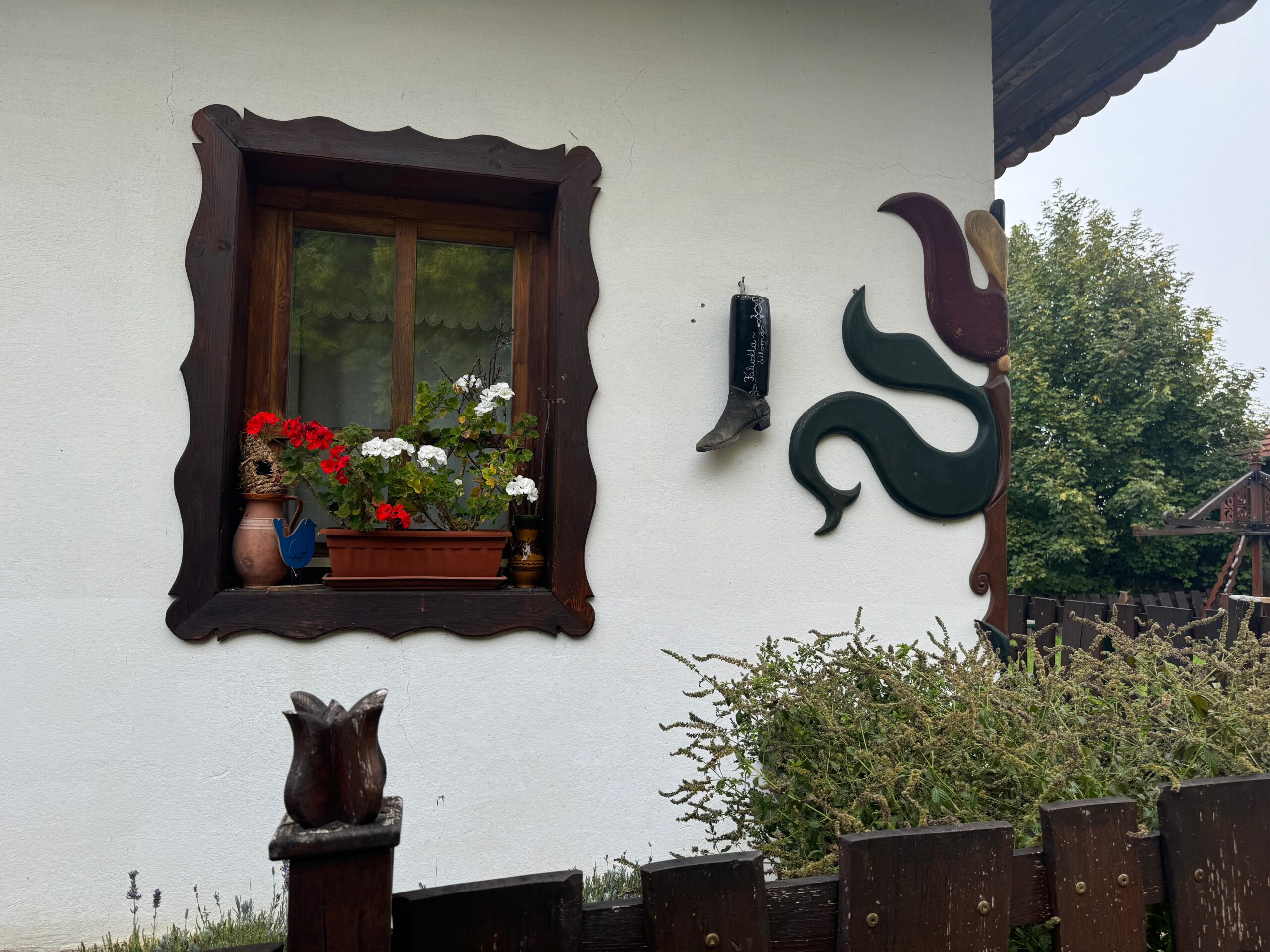
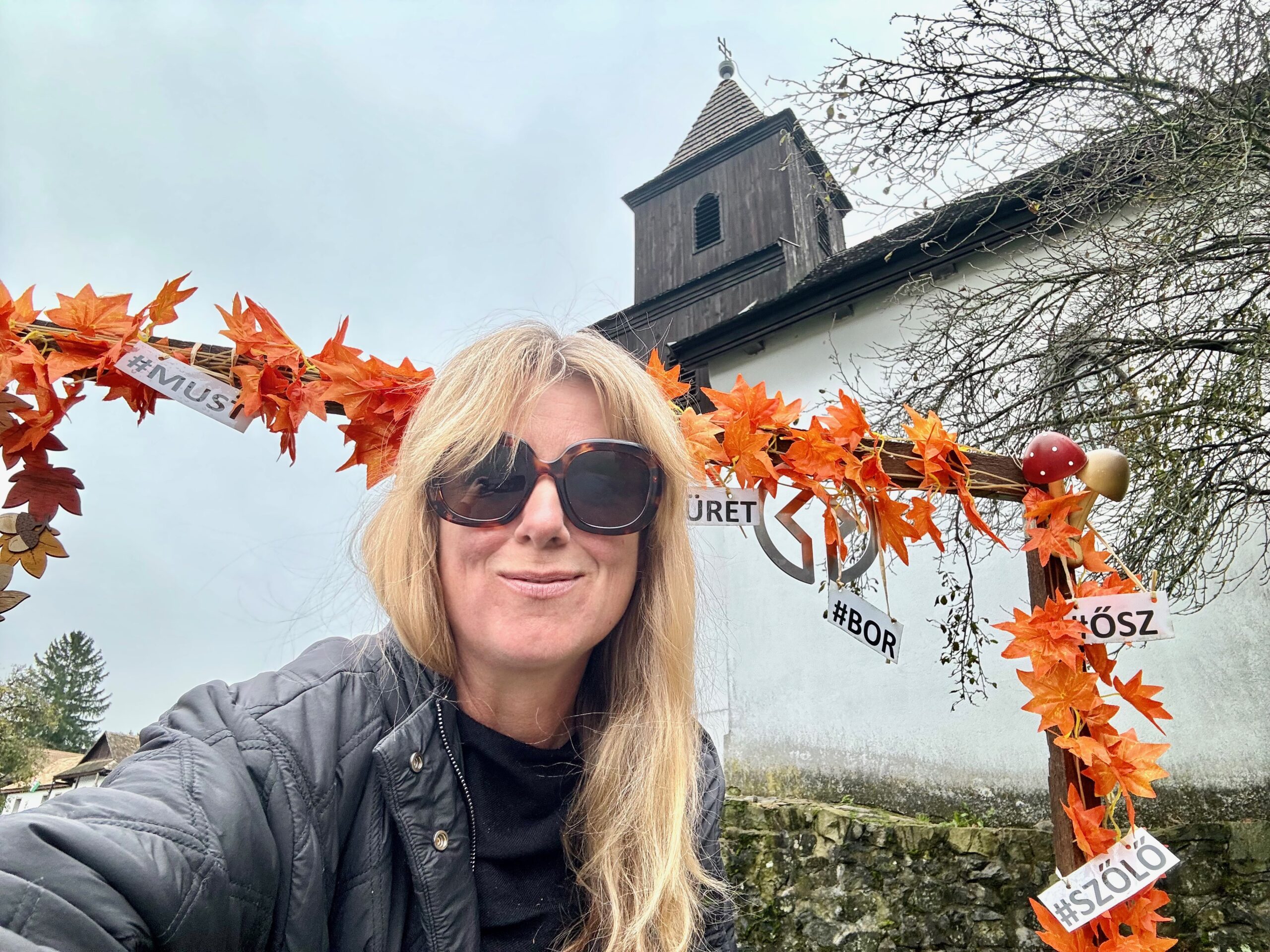
The reason why I love the Gödöllő and Hollókő tour is because it is a great opportunity to explore the magnificent Hungarian Baroque architecture, urban and rural, exquisite and ordinary. It is not just a travel back in time, it is also a great way to learn more about Hungarian culture and about the life of our predecessors, the lifestyle that defined our everyday life and culture today. In addition, you will have the chance to meet some very friendly local people who cherish the local traditions and try to keep them alive. I have more pictures for you of the Gödöllő palace and Hollókő.

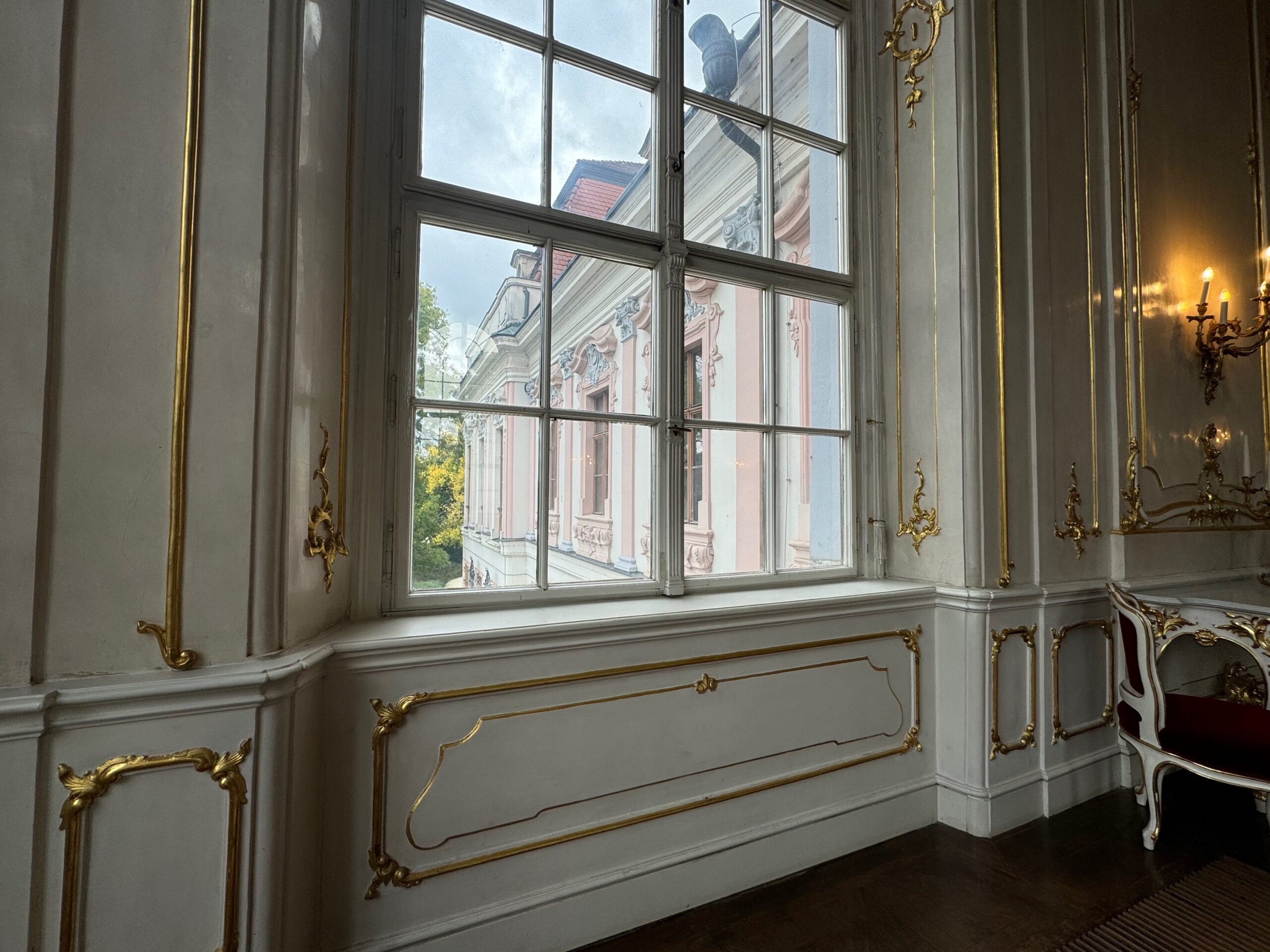
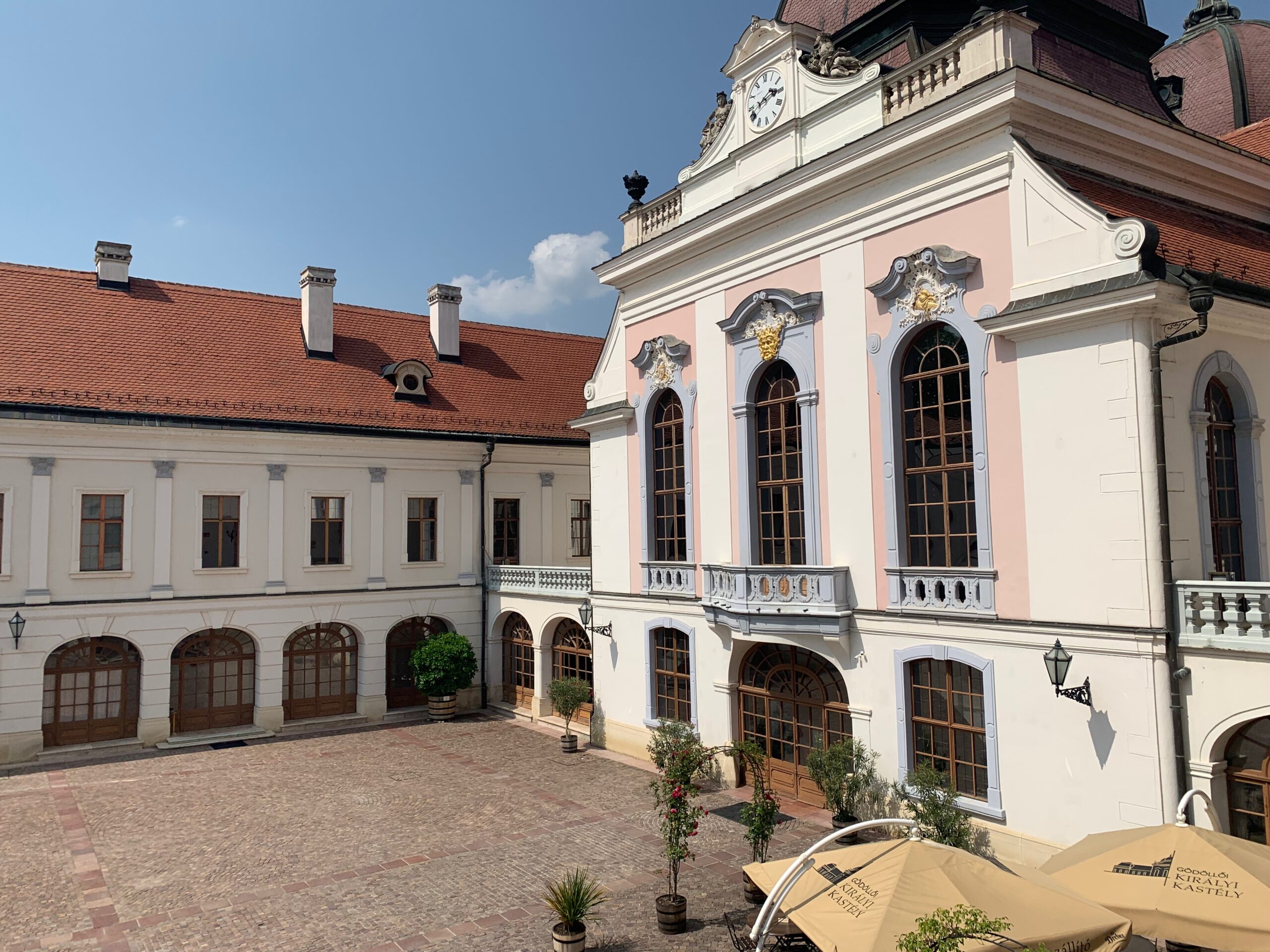
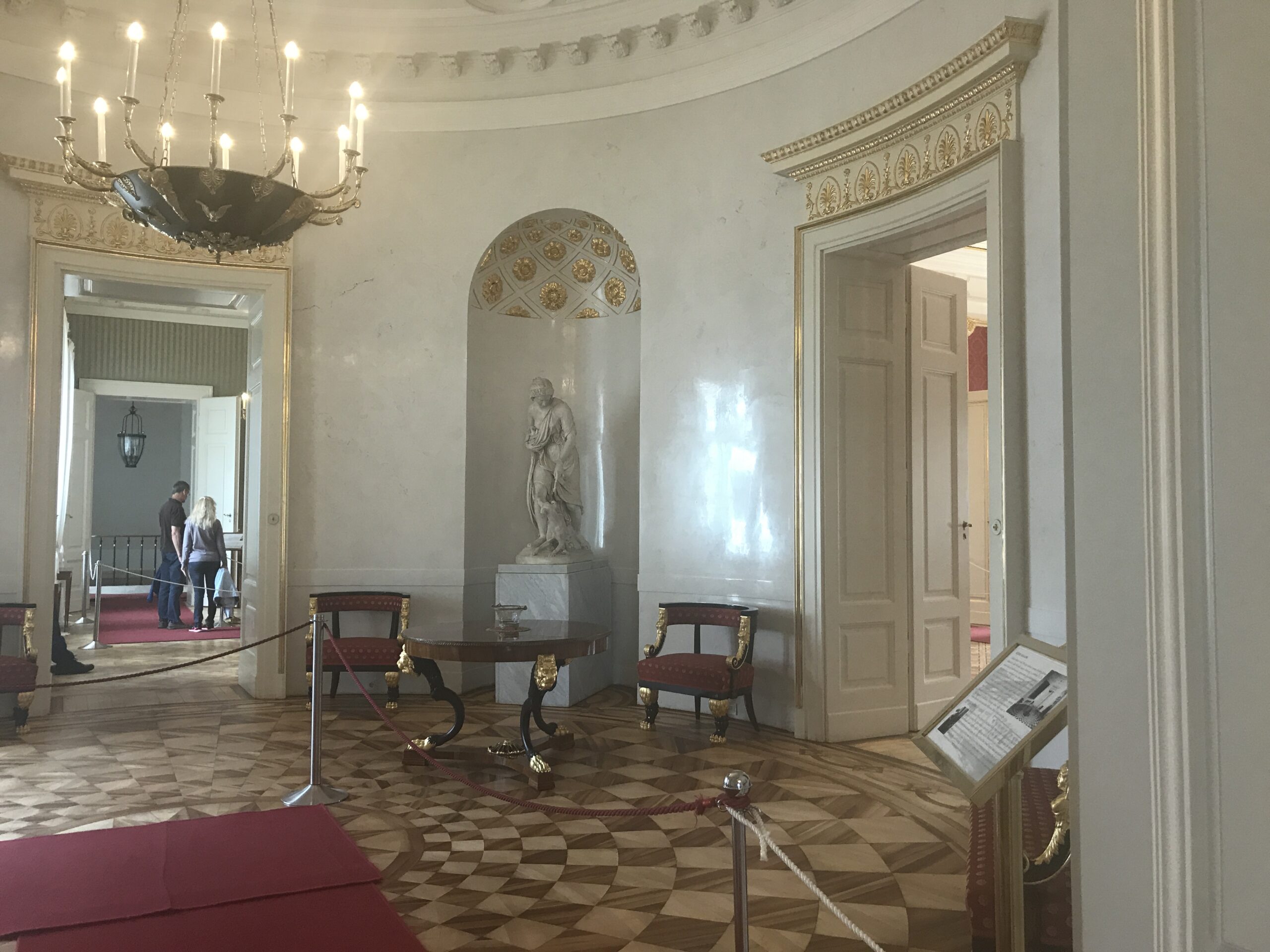
I would like to share with you this little video I took last weekend when we visited the Gödöllő Palace. This beautiful Baroque palace from the 18th century is included in my Gödöllő and Hollókő tour and the visit is always a special experience. I very much love being lost in the past, in history, it’s a real time travel and history comes to life.
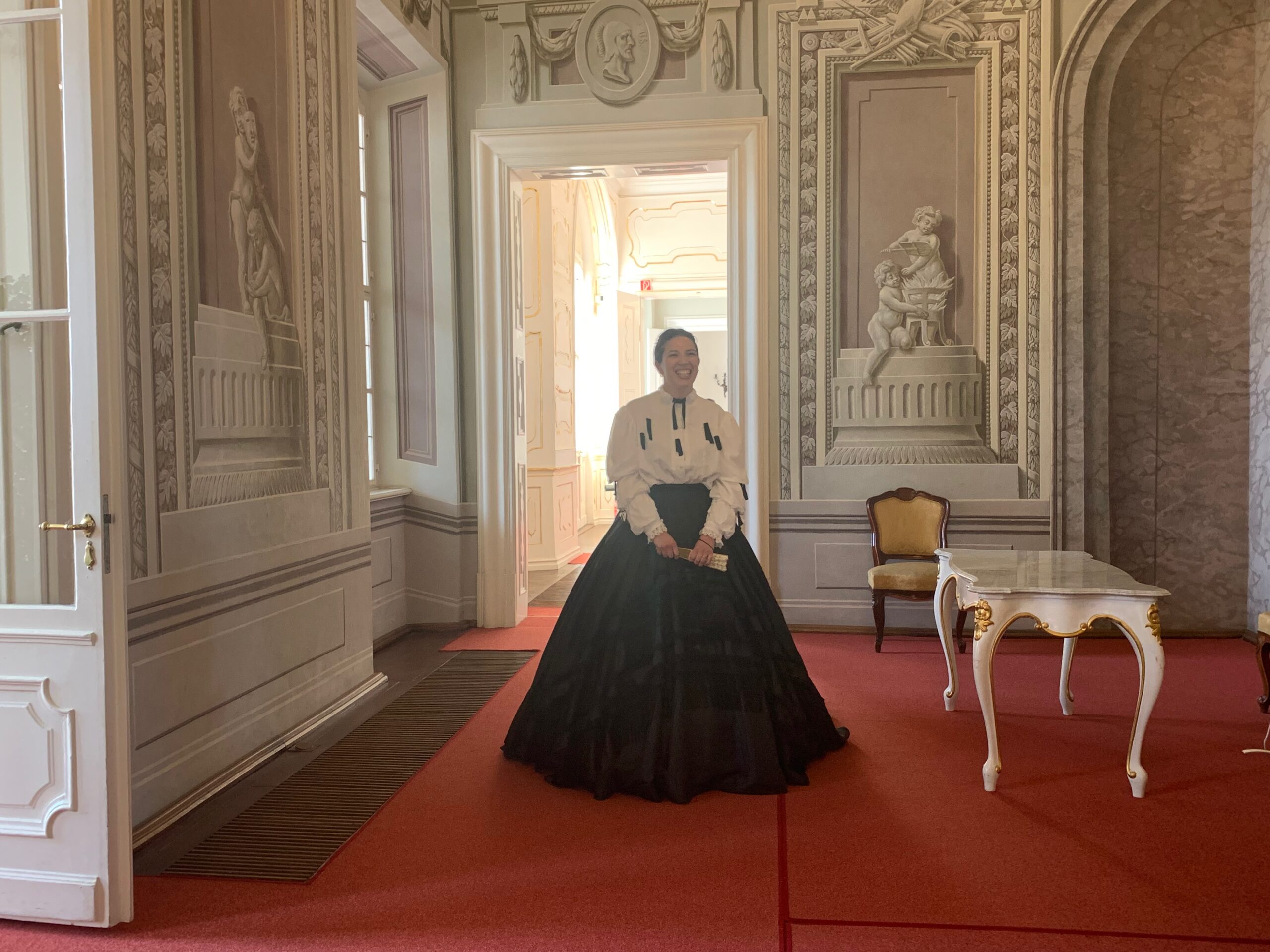
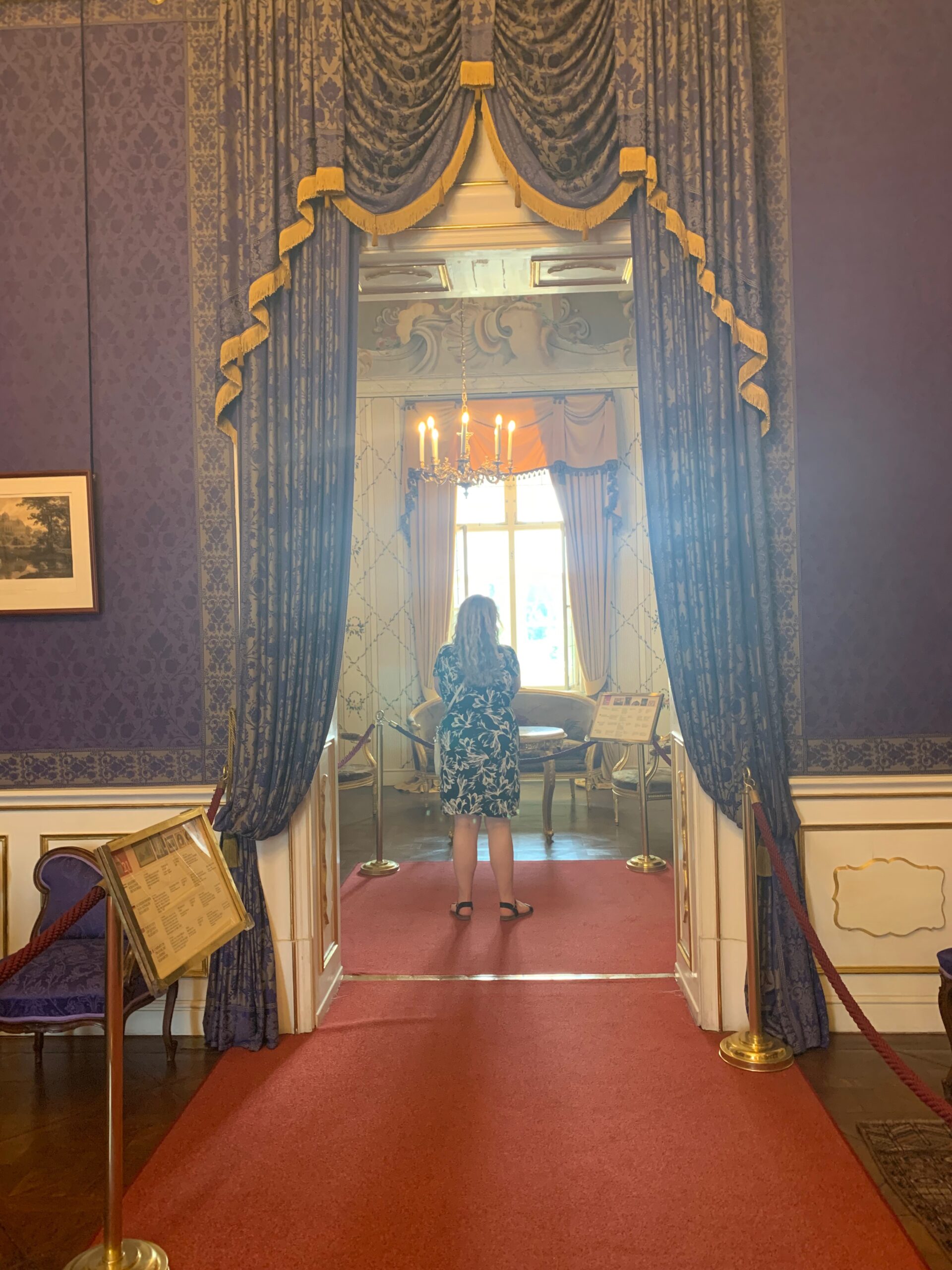
I love my Gödöllő-Hollókő tour for many reasons, one of those being that I’m truly fascinated by the beauty of the Baroque Palace of Gödöllő. There are so many things to fall in love with: the architecture, the style, the colours, the details. It really is special because throughout the tour one has the impression to travel back in time to the 19th century.
On our very last visit earlier this month we were being guided by Queen Sissi – the wife of the Austrian Emperor Franz Josef which has made our tour even more remarkable.
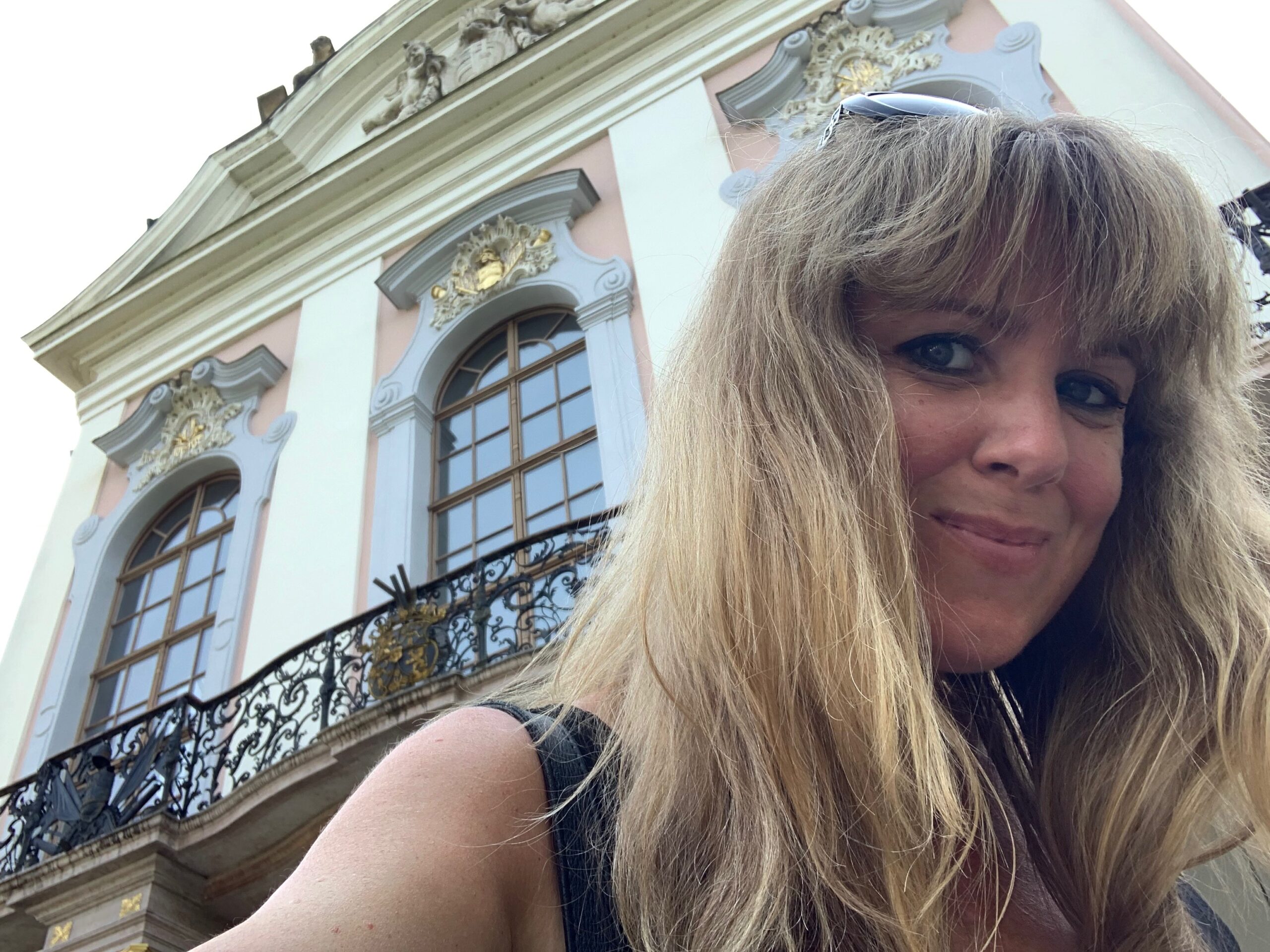
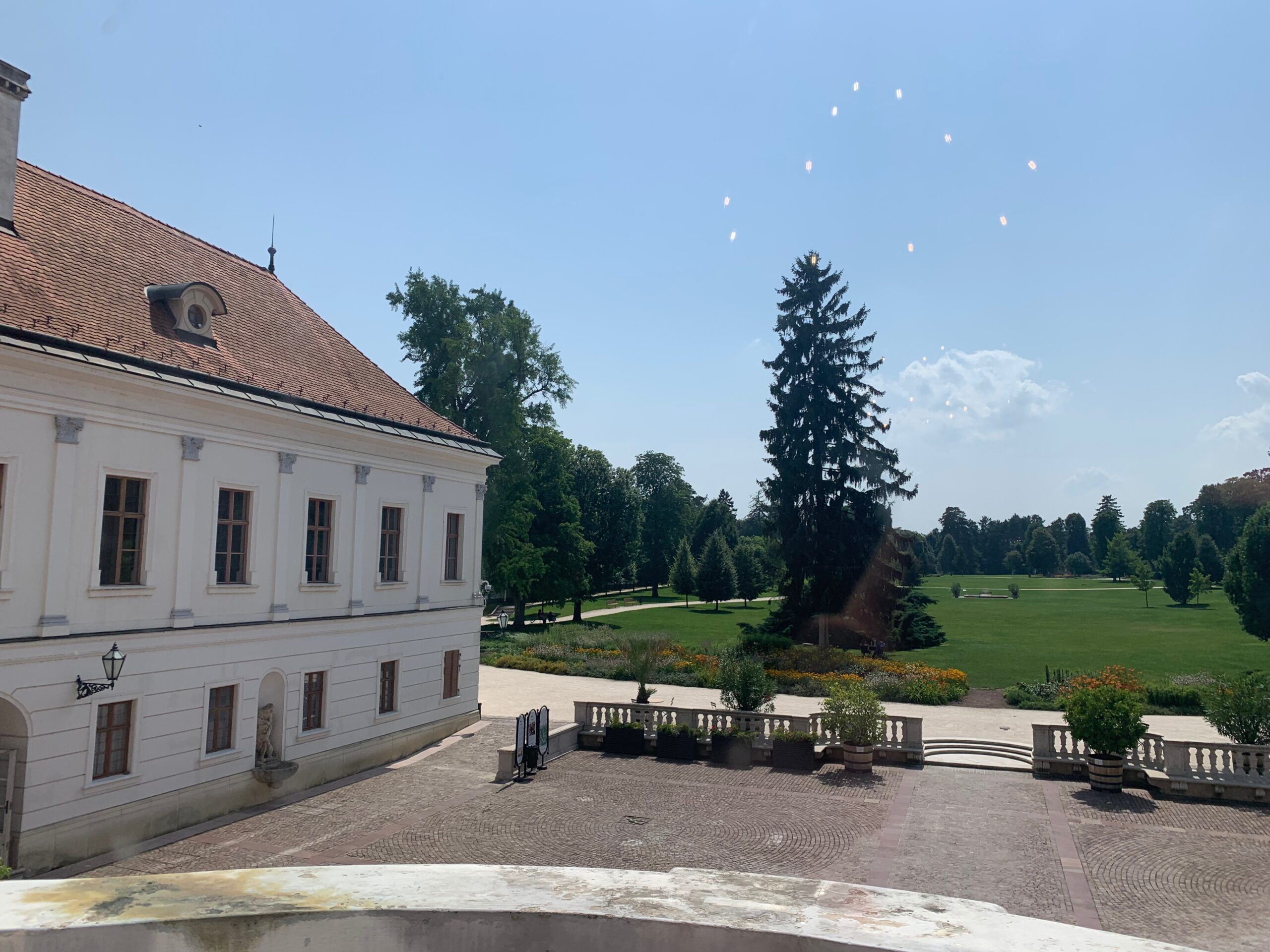

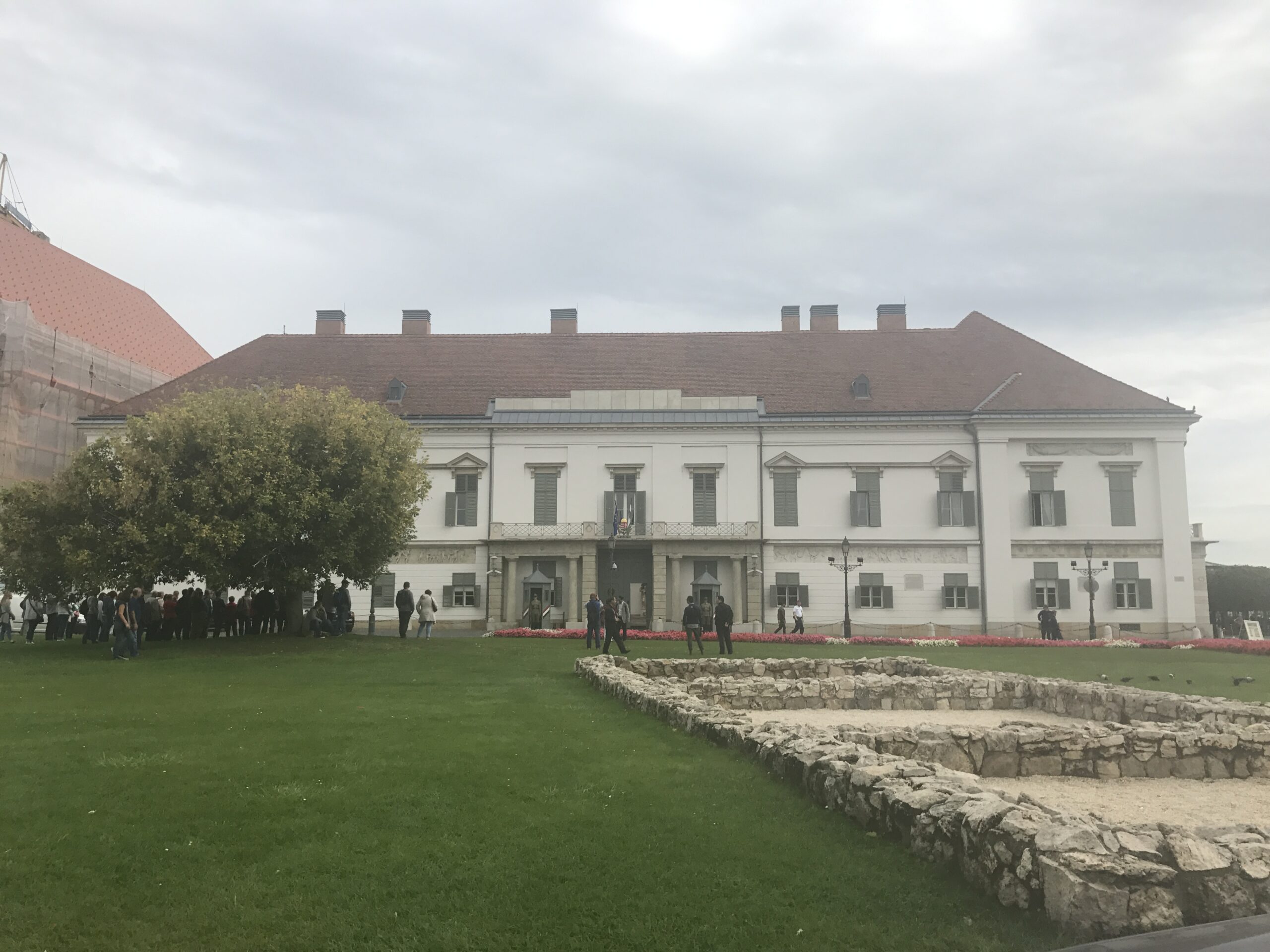
Located in the heart of the Buda Castle District, Sándor Palace is one of Budapest’s most elegant yet often overlooked landmarks. Standing just steps away from Buda Castle, the palace serves as the offices of the President of Hungary, combining political importance with refined architectural beauty.
From Aristocratic Home to Presidential Palace
Sándor Palace was built in the early 19th century as a noble residence and soon became one of the most prestigious addresses in Buda. Over the decades, it served various purposes, including government offices and ministerial residences.
The building suffered heavy damage during World War II and remained neglected for decades during the Communist era. Its careful restoration after the political changes restored the palace to its former elegance, and today it once again plays a central role in Hungarian public life.
Architecture and Atmosphere
The palace is a fine example of Neo-Classical architecture, with a restrained yet harmonious façade that fits perfectly into the Castle District’s historic surroundings. While the interior is not generally open to the public, the exterior alone makes it a worthwhile stop during a Castle Hill walk.
One of the highlights for visitors is the changing of the guards, which takes place regularly in front of the palace and adds a ceremonial touch to the quiet square.
Sándor Palace on a Guided Tour
During a guided walk through the Castle District, Sándor Palace offers an excellent opportunity to talk about:
-
Hungary’s modern political system
-
the transition from monarchy to republic
-
life in the Castle District past and present
-
the contrast between royal, aristocratic, and presidential power
Its location makes it an easy and natural stop on a Budapest city tour or a thematic history walk.
Why Include Sándor Palace in Your Itinerary?
Sándor Palace is ideal for travelers who enjoy:
-
elegant architecture without crowds
-
political and modern Hungarian history
-
hidden landmarks beyond the usual highlights
-
quiet corners of the Castle District
It adds depth and context to any visit to Buda Castle.
Located near the Austrian border, Sopron has quickly become one of my guests’ most loved day-trip destinations in western Hungary — and it’s easy to see why. Rich in medieval heritage and elegant Baroque architecture, Sopron is a beautifully preserved town that feels both intimate and historically layered.
After guiding several tours in northern Hungary, Sopron naturally became part of my Győr and Sopron private tour, combining two of the region’s most charming historic towns in one memorable itinerary.
Why Sopron Is Called “The Most Loyal Town”
Sopron is often referred to as Hungary’s “most loyal” town, a title earned after World War I. When two-thirds of Hungary’s territory were detached from the country, Sopron’s citizens were offered Austrian citizenship in a referendum.
In 1921, the people of Sopron voted to remain Hungarian — a decision that is still commemorated every year and remains a strong part of the town’s identity and local pride.
Medieval Churches and the Iconic Fire Tower
A guided walk through Sopron reveals architectural treasures from multiple eras. Highlights include:
-
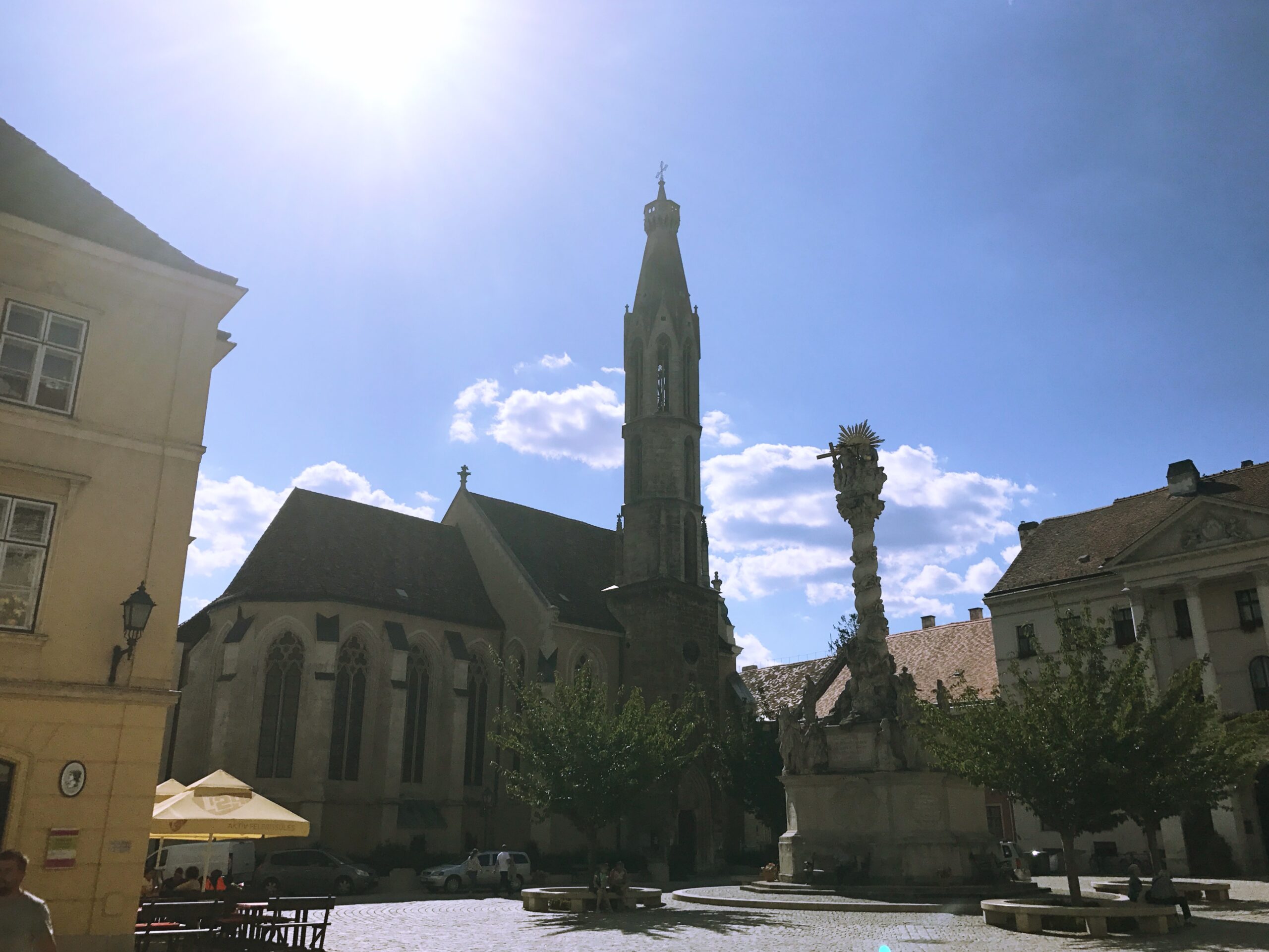
13th-century churches featuring Romanesque and Gothic elements
-
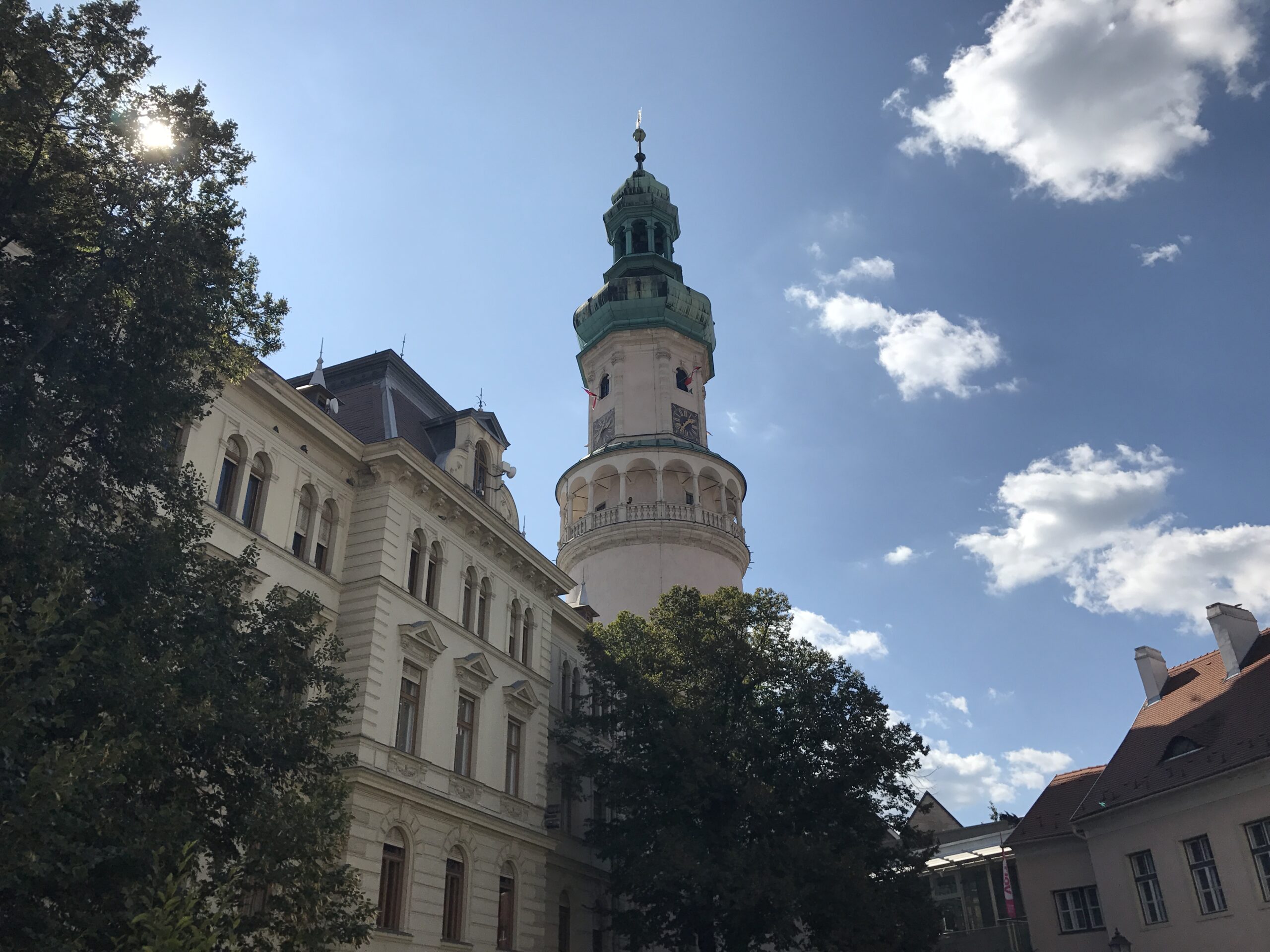
the iconic Fire Tower, the symbol of the town since the 17th century
-
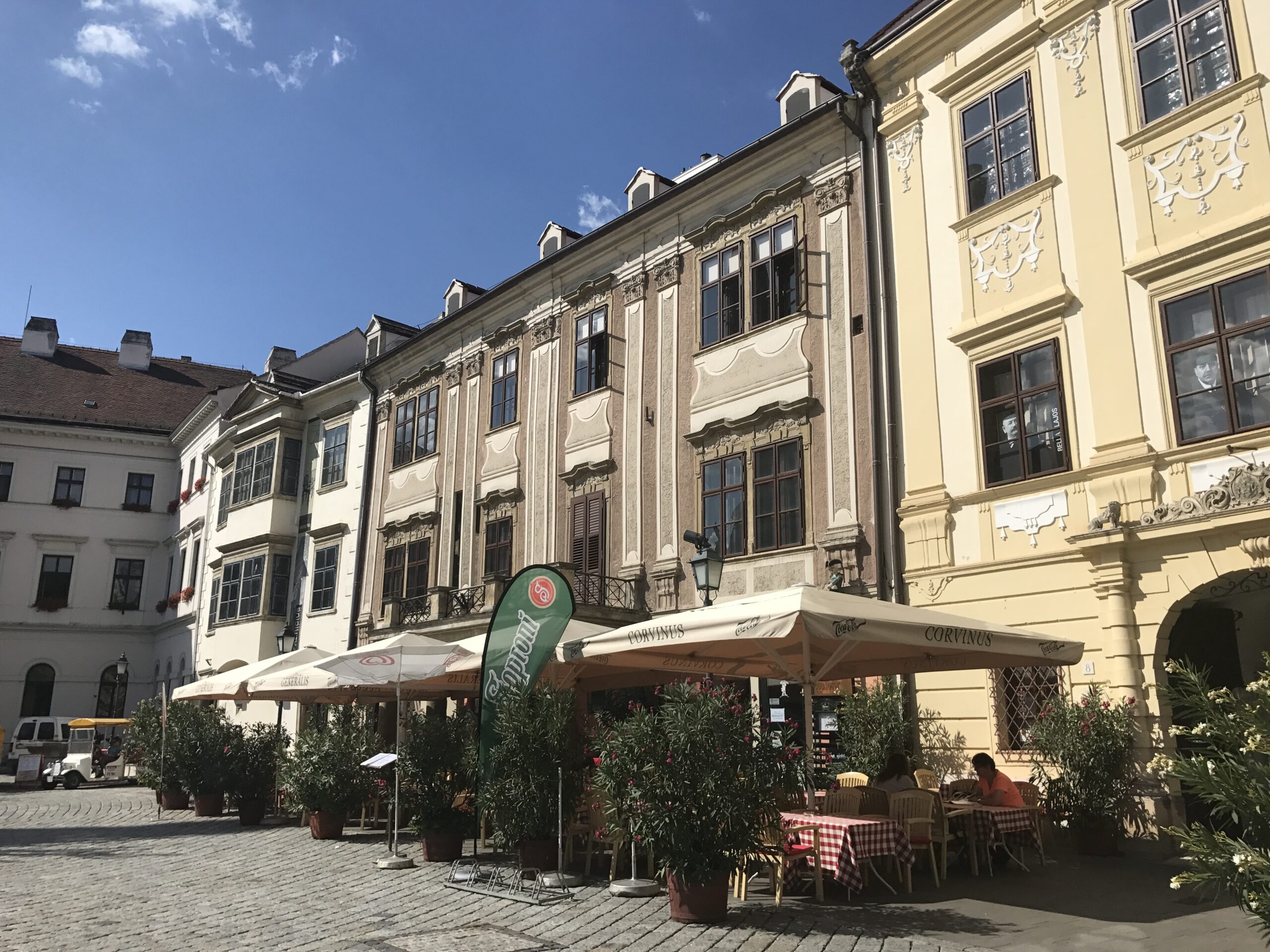
elegant 18th-century Baroque townhouses lining narrow streets and hidden courtyards
From the top of the Fire Tower, visitors are rewarded with panoramic views over Sopron’s rooftops and the surrounding countryside.
Kings, Composers, and Roman Roots
Sopron’s streets have hosted remarkable historical figures. During the tour, you’ll see:
-
where Matthias Corvinus stayed while besieging Vienna in 1482
-
buildings associated with concerts given by Franz Liszt in the 19th century
Beneath the medieval and Baroque layers lie even older foundations. Sopron was built on the remains of a Roman settlement, and visitors can still see the ruins of the ancient Roman town hall and market, offering a fascinating glimpse into the city’s earliest past.
Visiting Sopron on a Private Tour
Sopron is an ideal destination for travelers interested in:
-
medieval and Baroque architecture
-
Hungarian history beyond Budapest
-
quiet, walkable historic towns
-
meaningful countryside experiences
It pairs perfectly with a visit to Győr, making the Győr and Sopron tour a well-balanced journey through western Hungary’s cultural highlights.