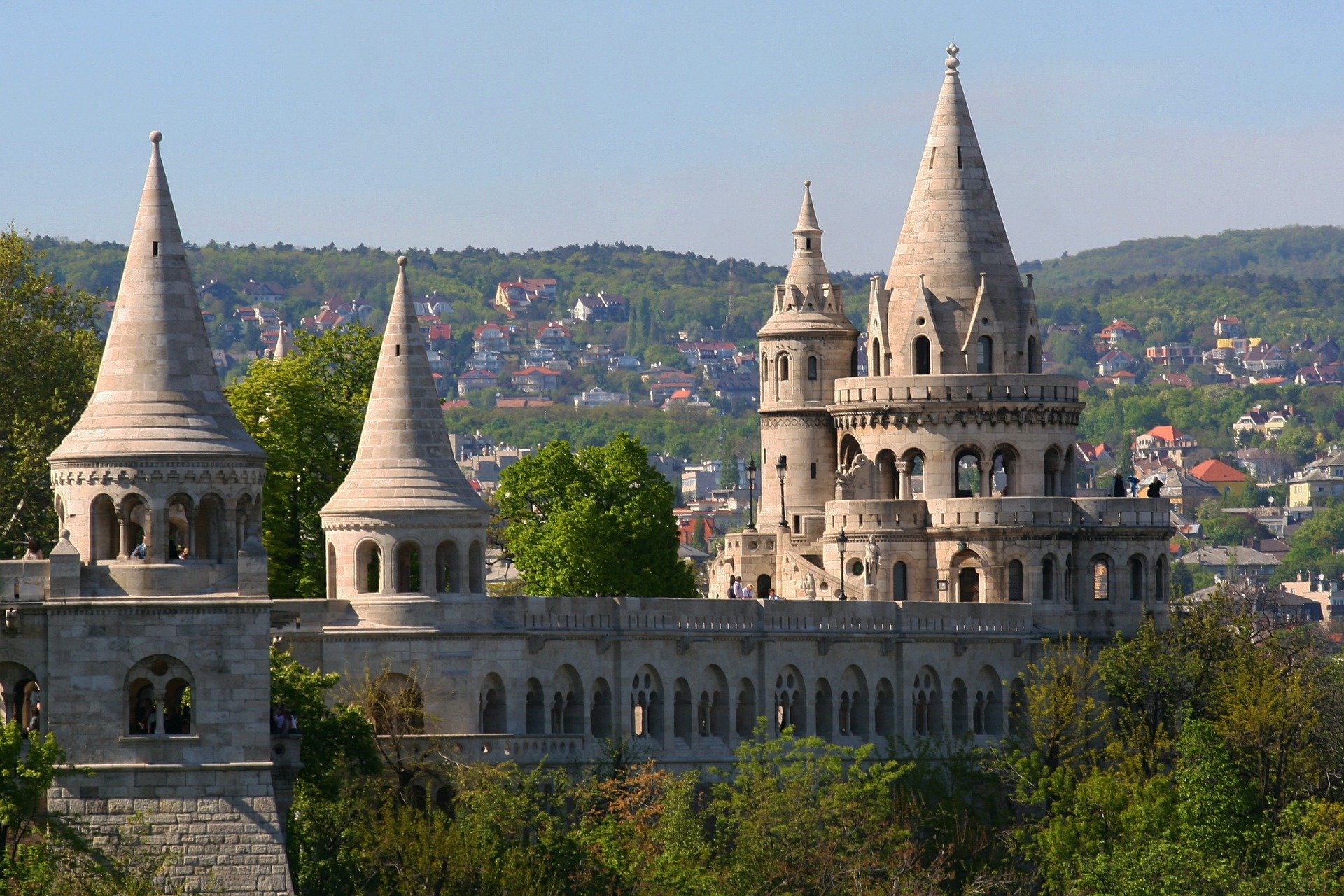
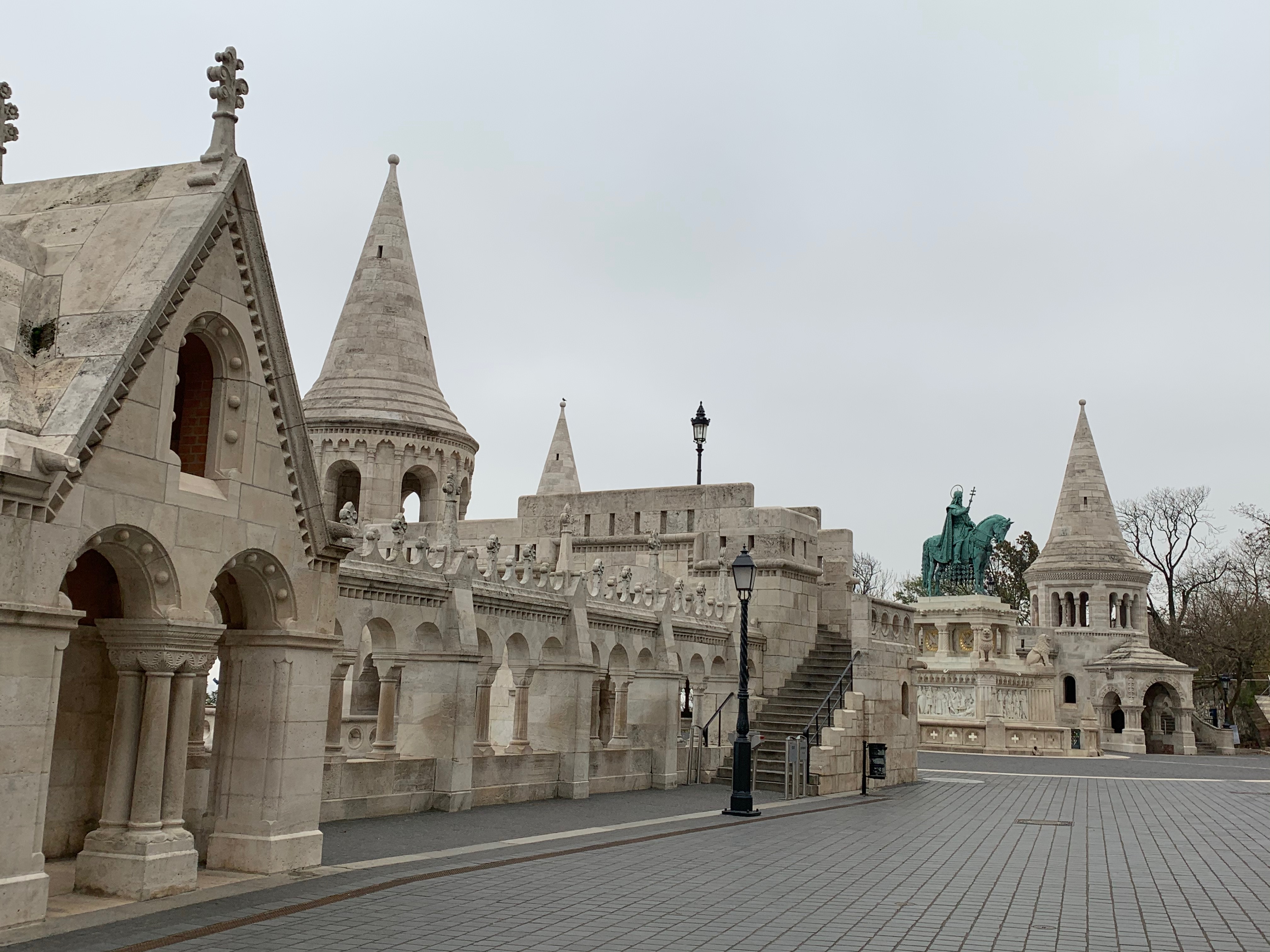
If you’re searching for unique selfie spots in Budapest, you’ve come to the right place. Of course, the city is famous for its postcard-perfect views of the Parliament, Chain Bridge, and Fisherman’s Bastion — but if you’re looking for something different, modern, and a little unexpected, this guide is for you.

Here are six selfie spots that bring out the city’s creative side, from colourful murals to futuristic architecture.

Jewish Quarter Murals – Colourful & Playful

The old Jewish Quarter is full of life — not only in its cafés and ruin bars but also on its walls. Many buildings are decorated with large murals that change from time to time, making each photo unique. They’re bold, vibrant, and the perfect backdrop if you want a splash of colour in your Budapest memories.

Pro tip: Explore Kazinczy Street and its side streets for the best mural finds.

House of Music – Organic & Flowing

Set in City Park, the House of Music is one of Budapest’s newest and most impressive buildings. Its wavy, perforated roof looks like it grew out of the trees, blending architecture with nature. A dream location if you’re looking for something modern yet organic.

Pro tip: Visit during the golden hour — the light through the trees adds a magical touch.

Filatorigát Graffitis – Urban & Creative

By the suburban railway station at Filatorigát, you’ll find Budapest’s biggest open-air graffiti wall. It’s raw, ever-changing, and bursting with creativity. The perfect spot if you’re into street art or want a truly urban background.

Pro tip: Check it out on weekends when local artists often add new works.

Bálna (“The Whale”) – Geometric & Edgy

This glass-and-steel building on the Danube is impossible to miss. Its sharp angles and striking design make it one of the most eye-catching modern landmarks in Budapest. Geometric, edgy, and bold — ideal for a dramatic selfie.

Pro tip: Step inside for unique angles and reflections.

Hajógyári Sziget – Industrial & Raw

Best known as the site of the Sziget Festival, this island also has some quirky industrial corners. Old structures, pipes, and urban details provide a cool contrast to the city’s historic architecture. Perfect if you want something unusual and gritty.

Pro tip: Pair your visit with a walk along the Danube or a picnic in the park areas of the island.

MÜPA – Palace of Arts – Futuristic & Elegant

MÜPA is one of Budapest’s main cultural hubs, and its building is just as impressive as the performances inside. With its glass walls and striking lines, it’s a futuristic and elegant selfie spot that works day and night.

Pro tip: Visit in the evening when the building is beautifully lit.

Final Thoughts about Unique Selfie Spots in Budapest

Budapest is more than its classic sights. These modern, colourful, and sometimes quirky locations are perfect if you want your photos to stand out. Whether you’re drawn to colourful murals, organic architecture, urban graffiti, edgy glass buildings, raw industrial corners, or futuristic elegance, there’s a selfie spot waiting for you.

Want to discover even more hidden and unique selfie spots in Budapest? Follow me on Instagram, and book a private tour with me — I’ll show you the best photo backdrops and authentic local experiences in the city. Contact me here to plan your tour!

Budapest is magical at any time of day, but after sunset, the city transforms into something truly unforgettable, that is Budapest at night for you. The golden domes and bridges light up, the Danube sparkles with reflections, and the streets come alive with locals and visitors enjoying food, drinks, and vibrant nightlife. Whether you’re looking for romance, culture, or just a good time, Budapest at night has it all.

Why Budapest at Night is Special

  • Golden Danube Reflections – Both riverbanks are part of a UNESCO World Heritage site, and at night the view becomes pure magic.

  • Fairy-tale Landmarks – The Parliament glows like a palace, the Chain Bridge twinkles, and Fisherman’s Bastion looks straight out of a storybook.

  • Lively Atmosphere – Cafés, ruin pubs, and wine bars buzz with energy late into the night.

  • Safe & Walkable – The historic center is compact and safe, making it perfect for evening strolls.

Top Experiences After Dark

1. The Parliament & Chain Bridge Lit Up

The most iconic postcard view of Budapest. From either side of the Danube, the glowing Parliament and illuminated Chain Bridge create a breathtaking panorama.

2. Evening Walk or Danube River Cruise

A stroll along the Danube Promenade is always a treat, but for the ultimate night experience, hop on a Danube Legend river cruise. You’ll float past the Parliament, Buda Castle, and the bridges shimmering in gold.

3. Ruin Pubs & Wine Bars in the Jewish Quarter

Budapest is famous for its ruin pubs—quirky bars built inside abandoned buildings and courtyards. For a more refined evening, try a Hungarian wine tasting at Doblo Wine Bar, my favourite in the Jewish Quarter.

4. Gellért Hill & the Citadel Views

For those who don’t mind a short climb, the reward is one of the most spectacular panoramic views of Budapest by night. The entire city glitters at your feet.

5. Night Trams & Metros (Bonus Tip)

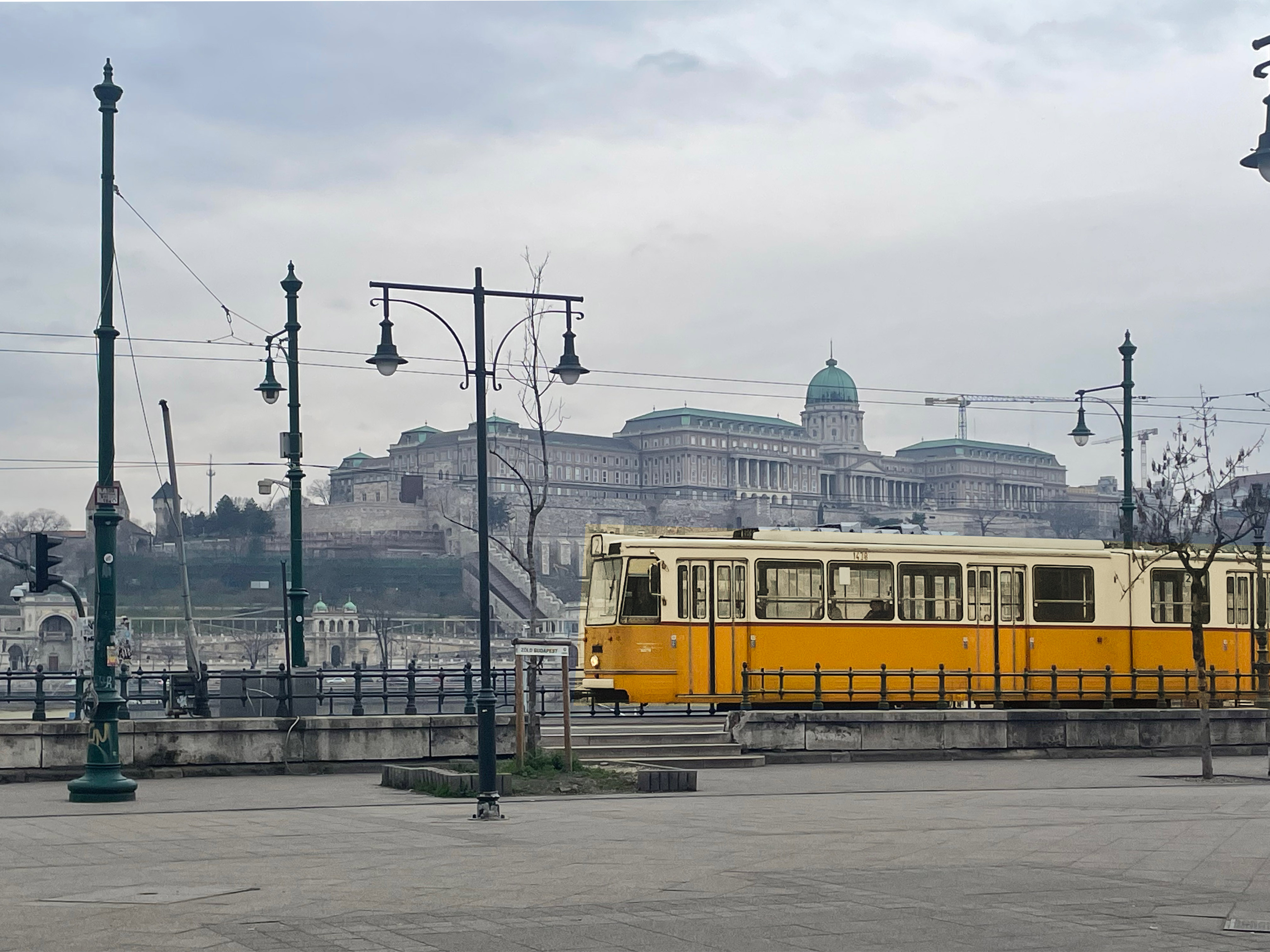
Budapest’s public transport is not just practical—it’s scenic, too. Tram 2 along the Danube is often called one of the world’s most beautiful tram rides, and it’s especially magical after dark.

Practical Tips for Enjoying Budapest at Night

  • Best Time for Photos: Start at blue hour (just after sunset) for the perfect golden glow, then stay as the city lights come on.

  • Safety: Central Budapest is generally very safe, even at night. Just keep an eye on your belongings in crowded bars.

  • Photography: Bring a tripod or use a steady surface for night shots.

  • What to Wear: Even in summer, evenings by the Danube can be breezy, so a light jacket is handy.

Final Thoughts

Budapest truly shines after dark. Whether you’re sipping wine in the Jewish Quarter, cruising the Danube, or watching the Parliament sparkle from Fisherman’s Bastion, the city offers a unique and unforgettable nighttime experience. Reach out if you have questions or would like to learn more about Budapest or private tours!

So next time you’re here, don’t call it a night too early—that’s when Budapest is just getting started.

Looking for the perfect Budapest café? The city’s coffee culture is as rich as its history, offering everything from cozy book-filled corners to elegant, chandelier-lit spaces. As a local guide and coffee lover, I’ve chosen four Budapest cafés that each have a completely different atmosphere — so no matter your mood, you’ll find a place to enjoy a great cup of coffee.

1. Massolit Books & Café Budapest — Cozy & Quiet

If you’re dreaming of a Budapest café where you can truly relax, head to Massolit Books & Café in the Jewish Quarter. Part English-language bookstore, part café, it’s a warm, inviting spot with shelves of books and a peaceful little garden.

This café is perfect for reading, journaling, or simply escaping the city buzz for a while. Order a coffee or a pot of tea, pair it with homemade cake, and let the hours pass by.

Local tip: Browse their second-hand book selection — you might find the perfect travel read.

2. Lumen Café — Creative & Local

For a Budapest café with a strong local vibe, Lumen Café in the Palotanegyed (District VIII) is a must. It’s a gathering place for artists, students, and anyone who loves a creative, slightly bohemian atmosphere.

Set around a courtyard, Lumen also doubles as a cultural space, hosting exhibitions, talks, and music events. The coffee is excellent, but the real draw is its friendly, creative energy.

Local tip: Try one of their seasonal specialties, like hibiscus soda in summer or a spiced latte in winter.

3. Madal Café — Trendy & Buzzing

Madal Café is one of the most popular Budapest cafés among locals and visitors alike. Known for its third-wave coffee and minimalist design, it’s perfect for meeting friends, working remotely, or simply enjoying people-watching in the heart of the city.

The coffee here is ethically sourced and consistently great — their flat white is a top choice. With multiple locations, the one at Király utca is especially bright and inviting.

Local tip: Their matcha latte is an excellent alternative if you’re not in the mood for coffee.

Művész Kávéház — Elegant & Timeless

If you want a Budapest café with history and elegance, visit Művész Kávéház on Andrássy Avenue, right across from the Hungarian State Opera House. This iconic café has been serving guests since the late 19th century and still boasts chandeliers, marble tables, and an old-world charm that’s hard to resist.

It’s the perfect place for a slow coffee paired with a slice of Dobos torte or Sacher cake.

Local tip: Ask for a table by the window to enjoy one of the most beautiful streets in Budapest.

Final Thoughts on Budapest Cafés

Budapest’s café culture offers something for everyone — from quiet reading corners to bustling creative hubs and elegant classics. These four Budapest cafés are my personal favourites, and each one is worth visiting for its unique atmosphere. Book a foodie tour with me if you’re interested in learning more!

📌 Follow me on Instagram for more Budapest café tips

📌 Watch my video version here:

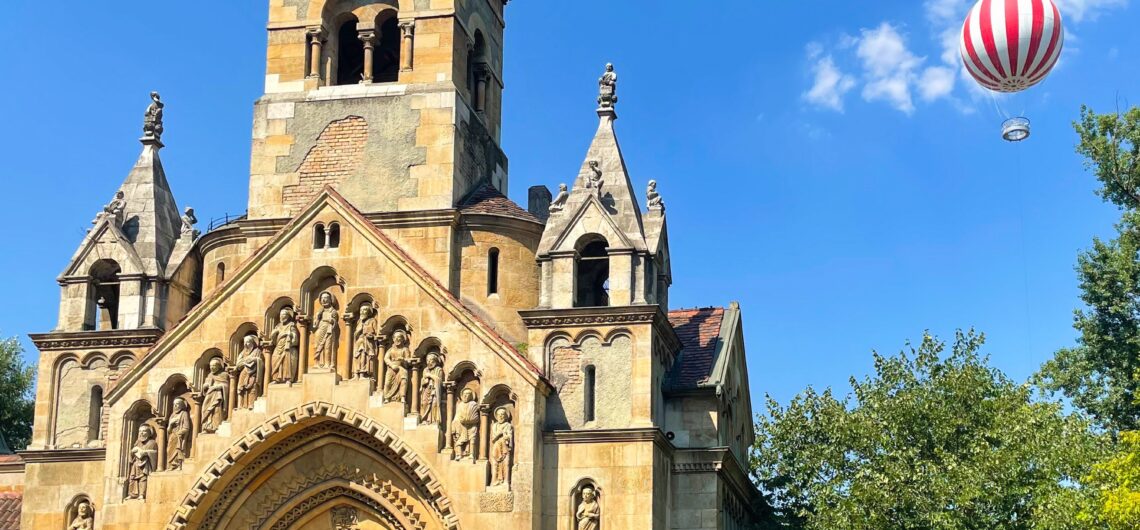
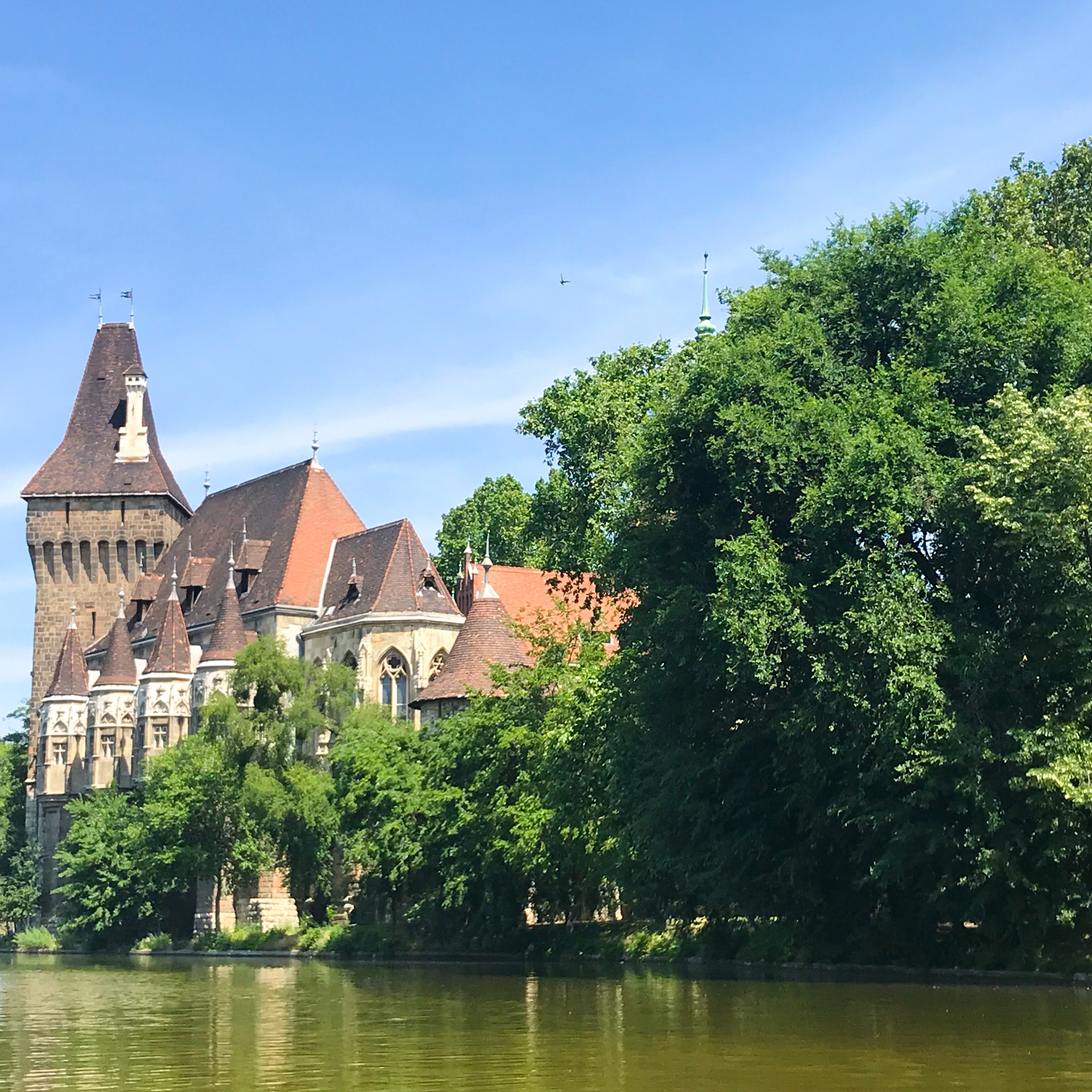
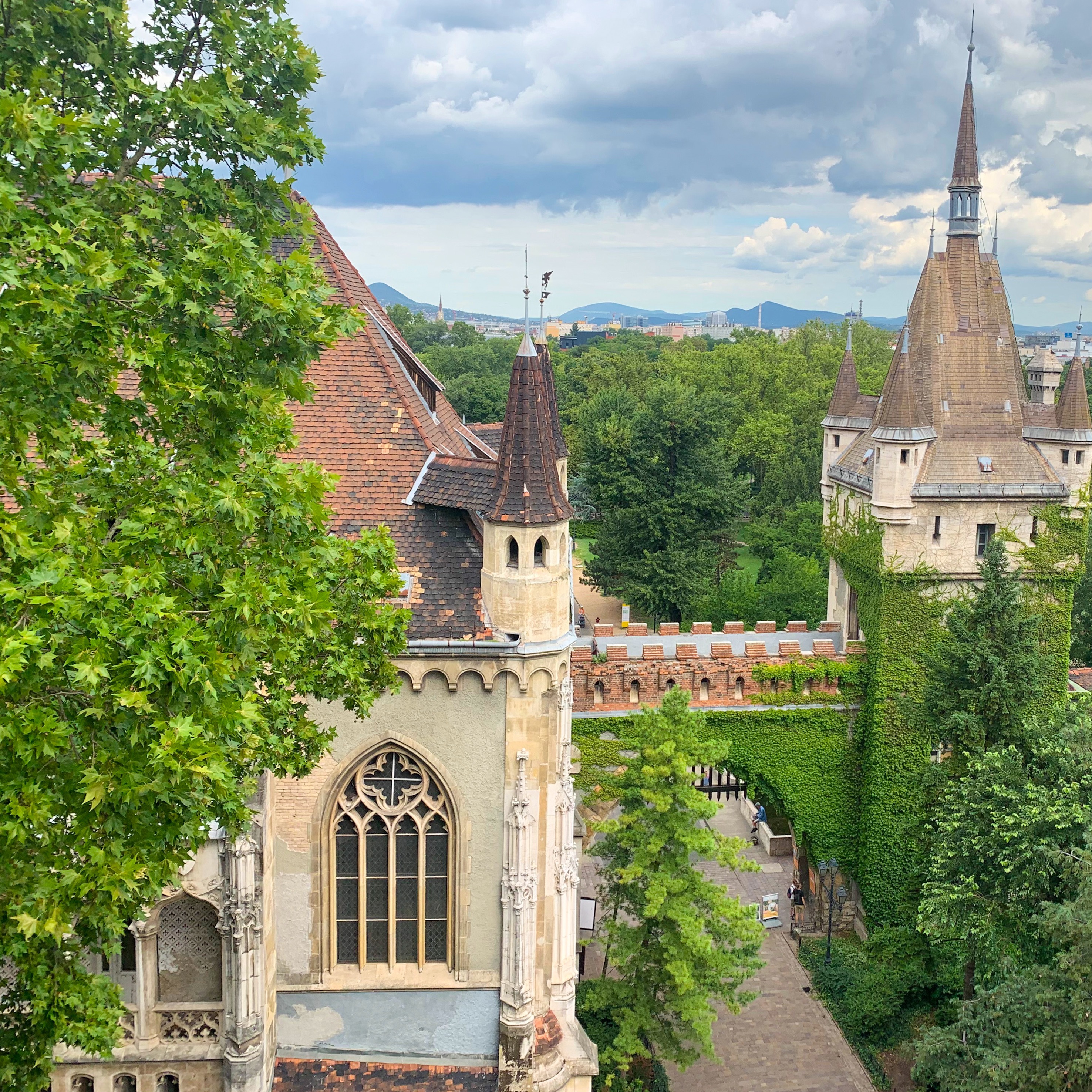
Tucked away in Budapest’s City Park, Vajdahunyad Castle is one of the city’s most charming and photogenic landmarks. Originally built in 1896 for the Millennium Exhibition, the castle showcases a mix of architectural styles — Romanesque, Gothic, Renaissance, and Baroque — all in one fairytale-like complex. It was designed to represent the diverse architectural heritage of Hungary, and walking through its grounds feels like stepping into different centuries.

From the front, the Gothic towers and arched windows echo the legendary Transylvanian castle of the same name. A walk around the back reveals peaceful courtyards, ivy-covered walls, and stunning reflections on the lake. Each angle offers a new photo opportunity, whether you’re standing on the bridge or capturing the castle through the trees.

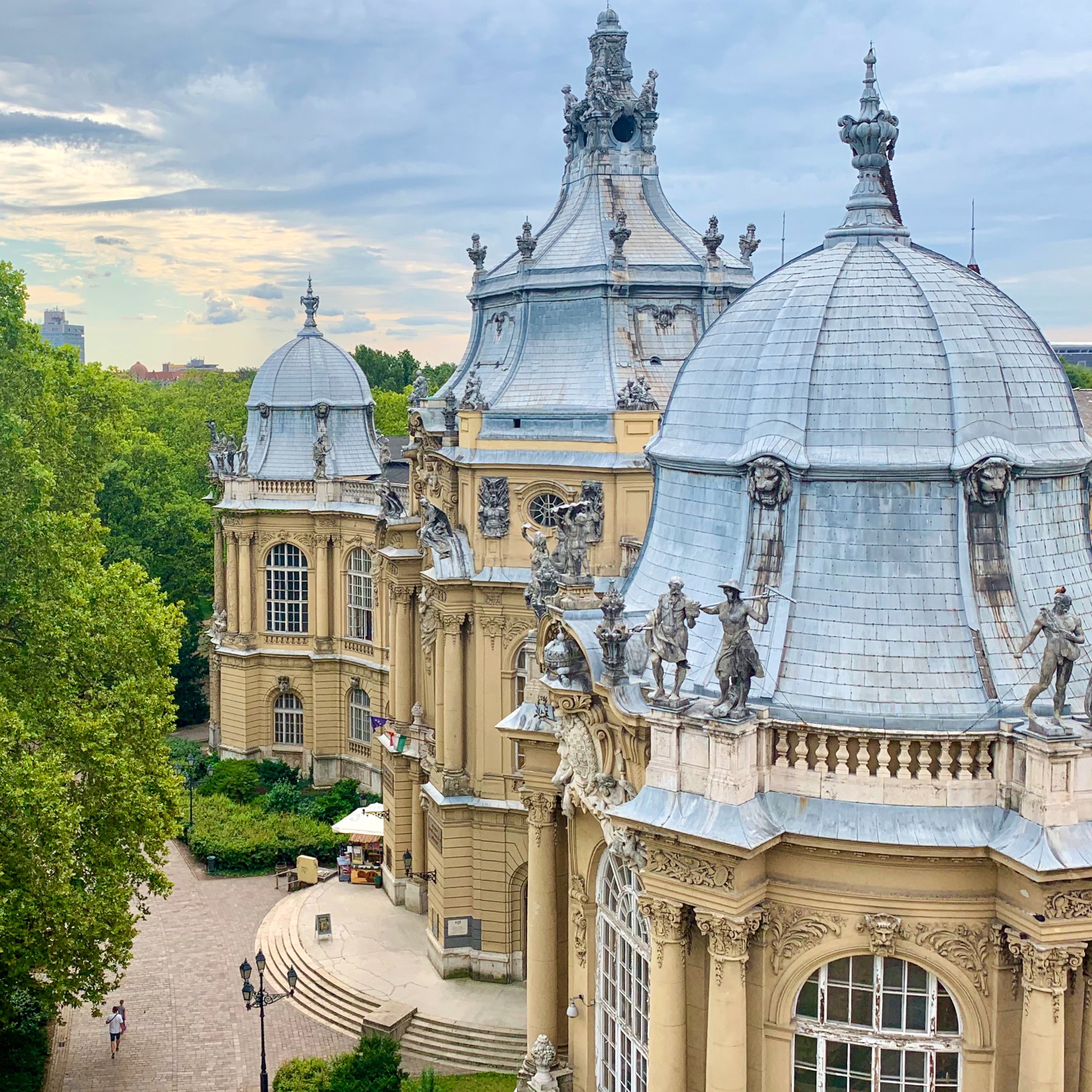
Vajdahunyad Castle isn’t just a photogenic site—it also houses Hungary’s Museum of Agriculture, the largest of its kind in Europe. Visitors can explore both the architectural beauty and fascinating exhibits inside. A guided tour brings the whole story to life, connecting history, legend, and daily life in Hungary. Inside, the Museum of Hungarian Agriculture is surprisingly fascinating, and nearby, you’ll find statues of historical figures and a whimsical sculpture of Anonymous, the medieval chronicler.

For a truly magical view over Vajdahunyad Castle, don’t miss the chance to climb the castle’s tower or take a ride in the hot air balloon in City Park. Both options offer a unique perspective of this storybook landmark and its stunning surroundings. It’s an unforgettable way to see Budapest from above — peaceful, panoramic, and perfect for photos!

To truly appreciate Vajdahunyad Castle’s stories and its place in Budapest’s cultural landscape, I recommend joining a customised walking or driving tour. I’d love to show you around — book your experience here: https://lovefromhungary.com/fully-customisable-budapest-private-tours/

Learn more about the history of Vajdahunyad Castle on the Agricultural Museum’s official site.

Guiding tours around Beautiful Budapest, I cannot help but snap random moments that are catching my eye. From the vibrant street art to the hidden alleyways, there’s magic in every corner. Sometimes the best shots come when you’re not looking for them at all. This city is full of surprises, and I’m so grateful for every photo I get to capture along the way. Here’s to the joy of spontaneous exploration and the stories each photo tells! Spring is coming, days are getting longer and there is no greater joy than exploring this wonderful city.

Book a tour with me so that you can see some of these attractions and many more! All the private tours are fully customisable, based on your interests and preferences.

Street art in Budapest has always been of great significance. Art is not only what we see, it is not only made to please the eyes, artists seek to convey meaningful messages, art can communicate ideas and feelings. Art can be interpreted in so many different ways and it also is a great source to understand a nation’s culture and spirit. During the communist era Hungarians have developed a sixth sense to decode messages hidden in art, literature and music, messages that communist censorship tried to cancel.

Contemporary street art in Budapest is playful, symbolic and it makes you think. Storytelling is still the most important function, together with aesthetics but we see the concept changing, we recognise new language, new shapes, new design and new forms. And we welcome the new creators with innovative ideas.

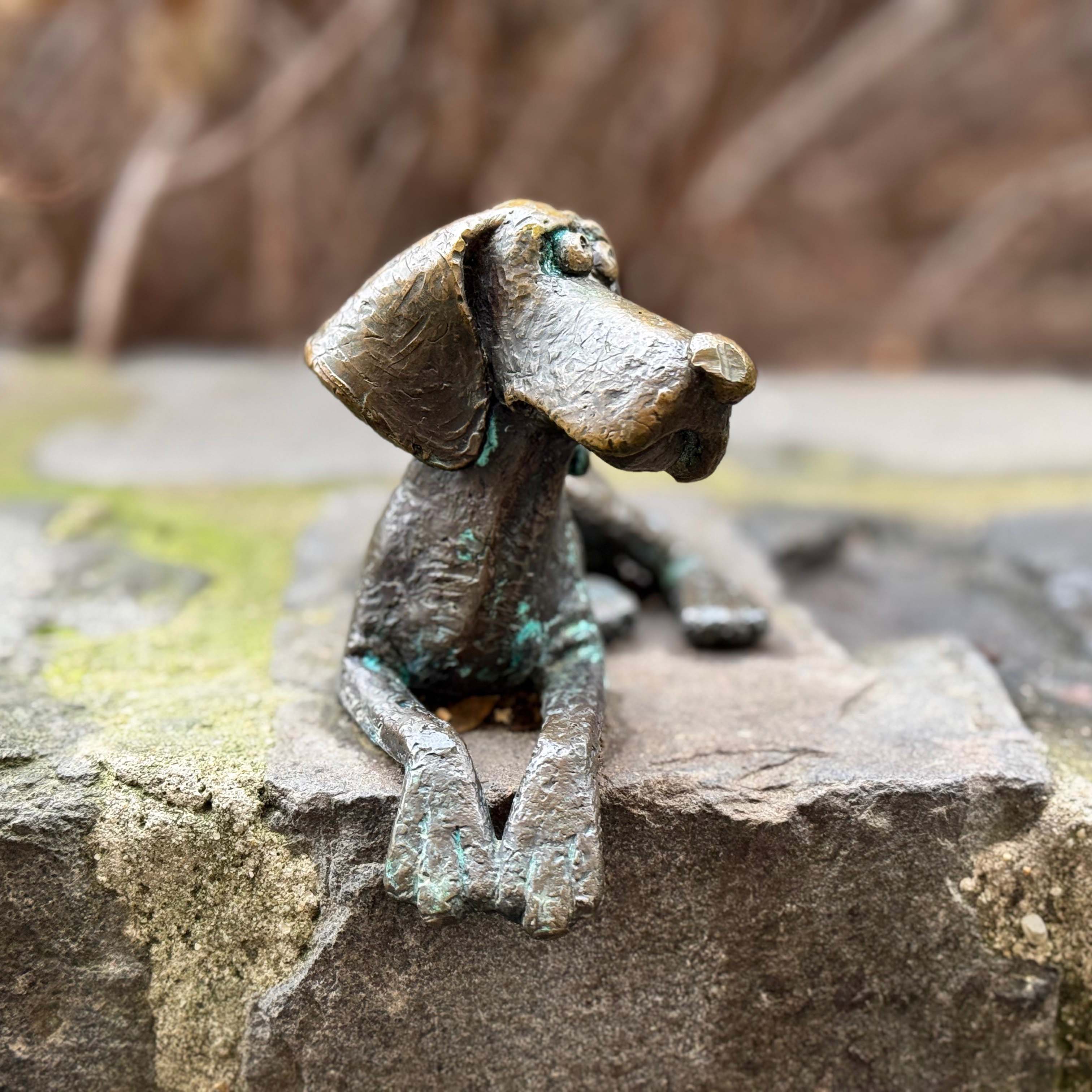
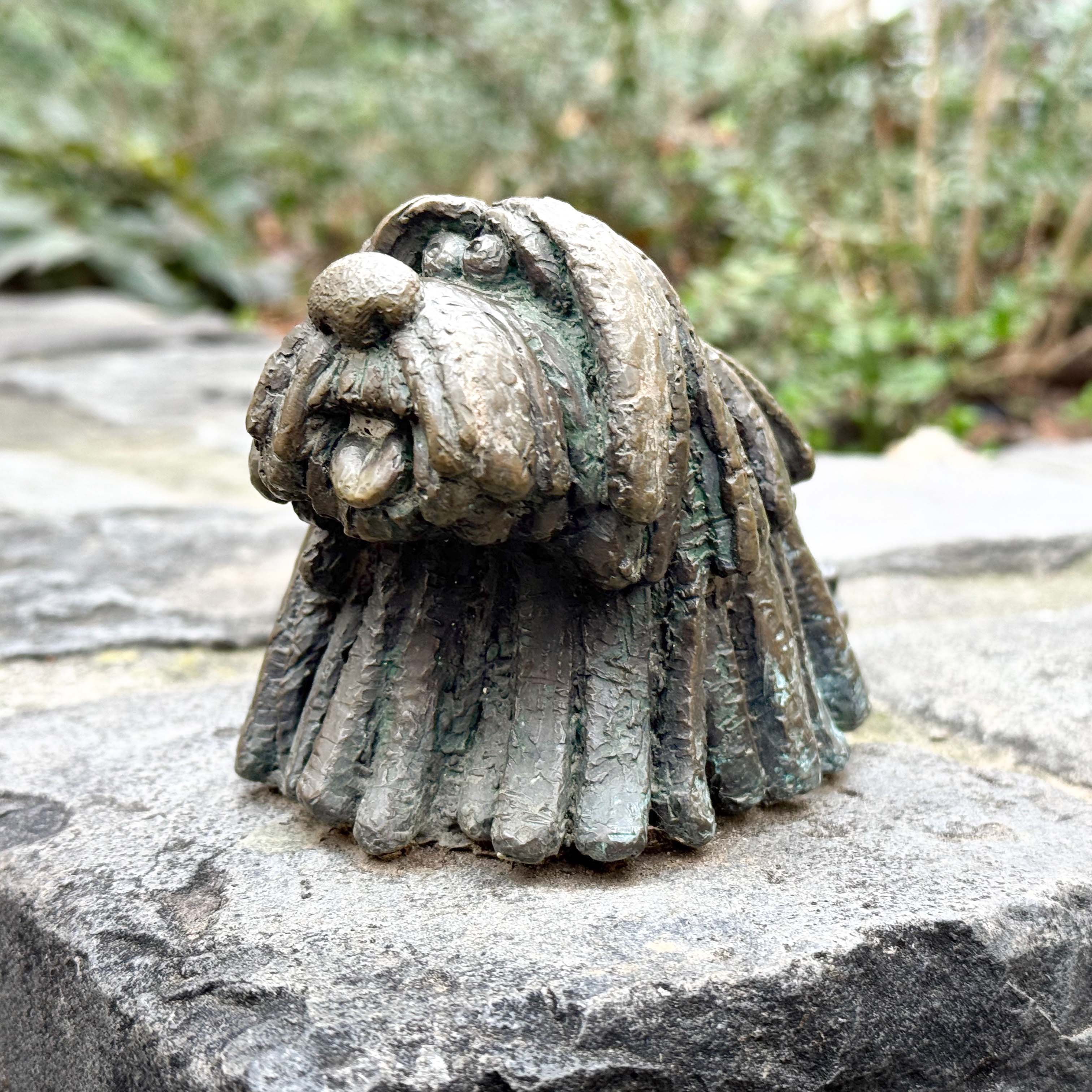
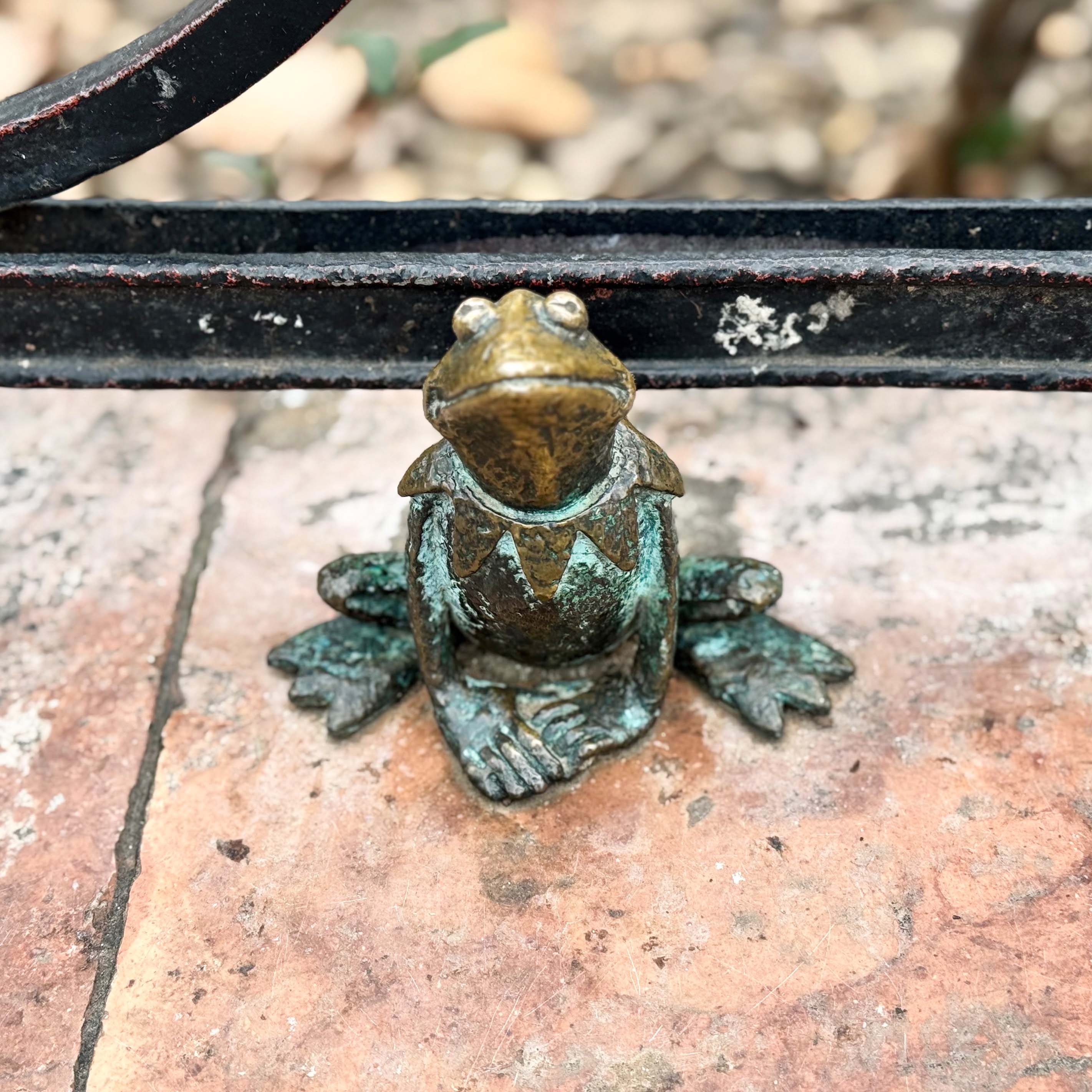
Mykhailo Kolodko is a young artist of the new generation. He was born in Ukraine, studied monumental sculpture at the Lviv Academy of Arts and moved to Hungary with his family in 2017. Although he studied and was originally interested in monumental art, he became popular for his mini-sculptures both in Uzhhorod, Ukraine and in Budapest. His opinion is that the time of centrally planned and determined art is over, art today should reflect the interests of the artists and the people. His self definition and inspiration is that “even in small form it is possible to depict monumental idea”.

Locals tend to call his art guerrilla sculpture, as the bronze mini-statues pop up unexpectedly at public spaces without permission. Everybody loves treasure hunting, so it is no surprise that the statuettes quickly gained popularity to such extent that certain pieces were stolen. Others are treated as humans and people often dress them up in the cold winter months. They are small, about 10-15 cm each, the concept is that large-scale statues are also created in small size first, also, Kolodko says that the small size gives him a lot of advantages in speed, mobility, value and confidence.

I love the symbolism of Kolodko’s art. Long forgotten cartoon characters or fairy tale heroes are resurrected, historical moments are revived, other pieces pay homage to famous Hungarian people. The statuette itself, its location, its appearance, they all tell you a story. There are quite a few of them located in the city centre of Budapest and I’m happy to introduce them to you on a Budapest tour. Here are a few of my favourite Kolodko mini-sculptures:

  • The Sad Tank is a Russian tank facing Parliament that reminds us of the 1956 revolution, the muzzle of the tank is down and is of the shape of an elephant trunk indicating the war is over (2017).
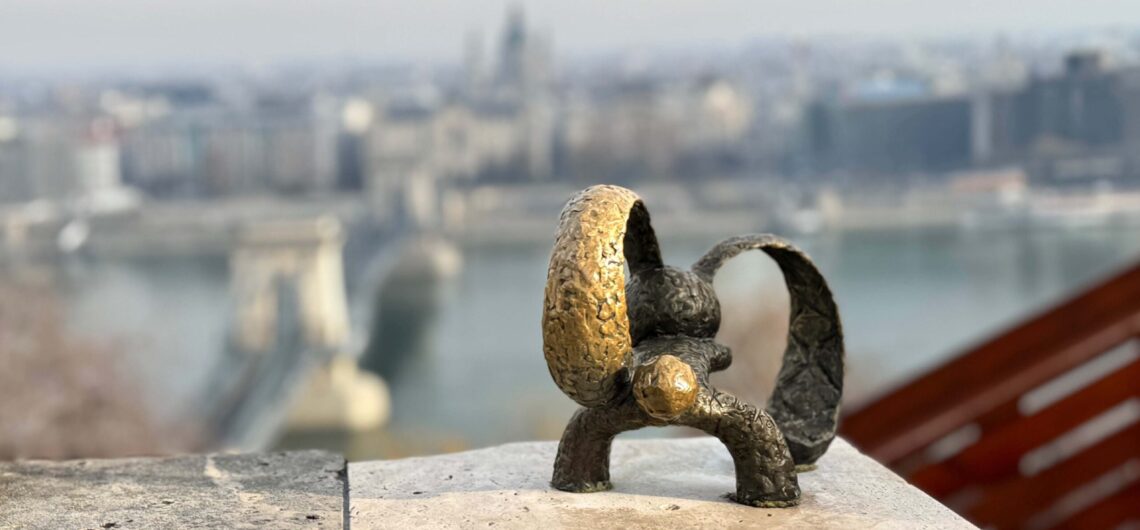
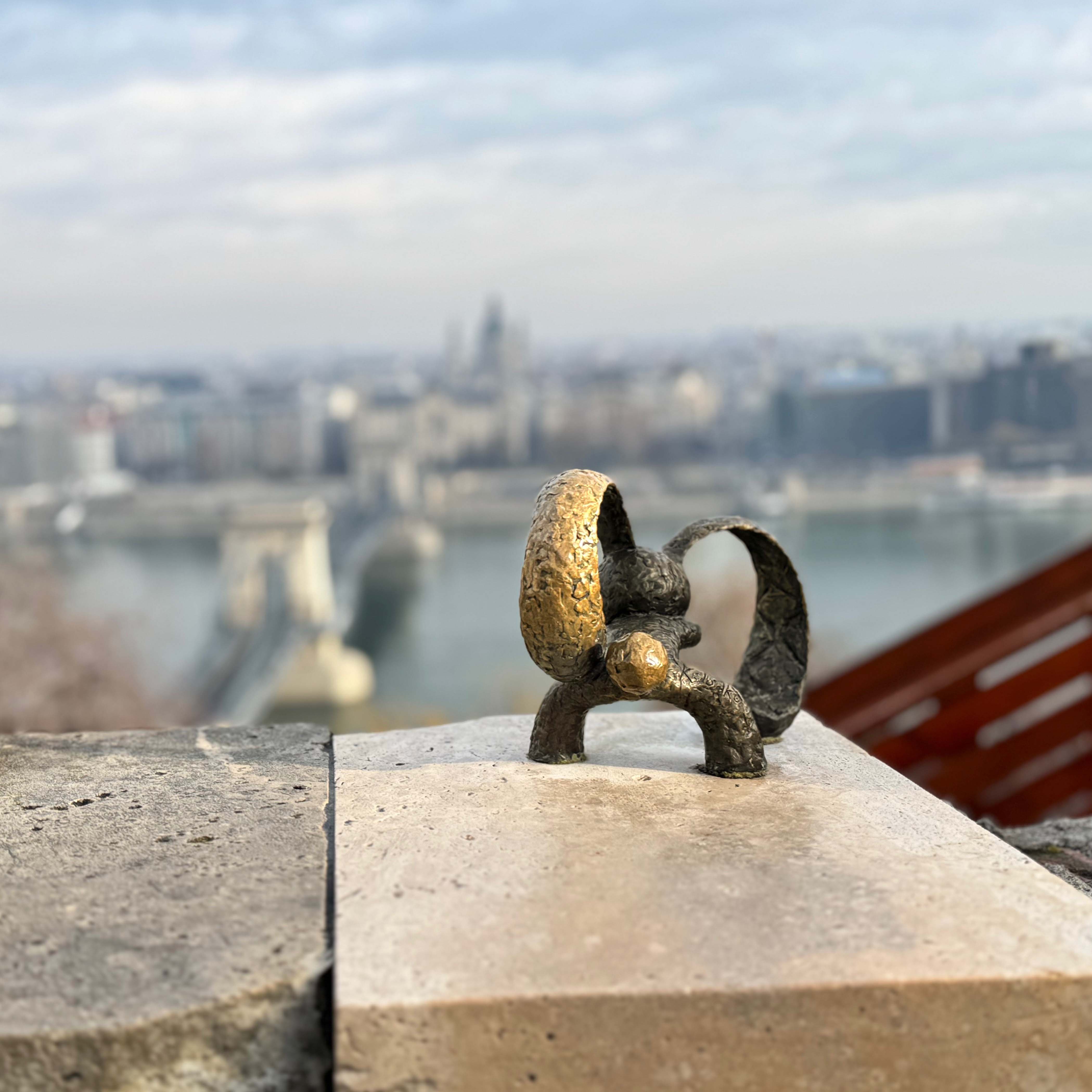
  • The Rabbit with the Checkered Ears is the main character of a very popular Hungarian animated children’s series in the 1970’s. The rabbit is located on top of Castle hill and is enjoying the UNESCO protected Budapest panorama (2018).
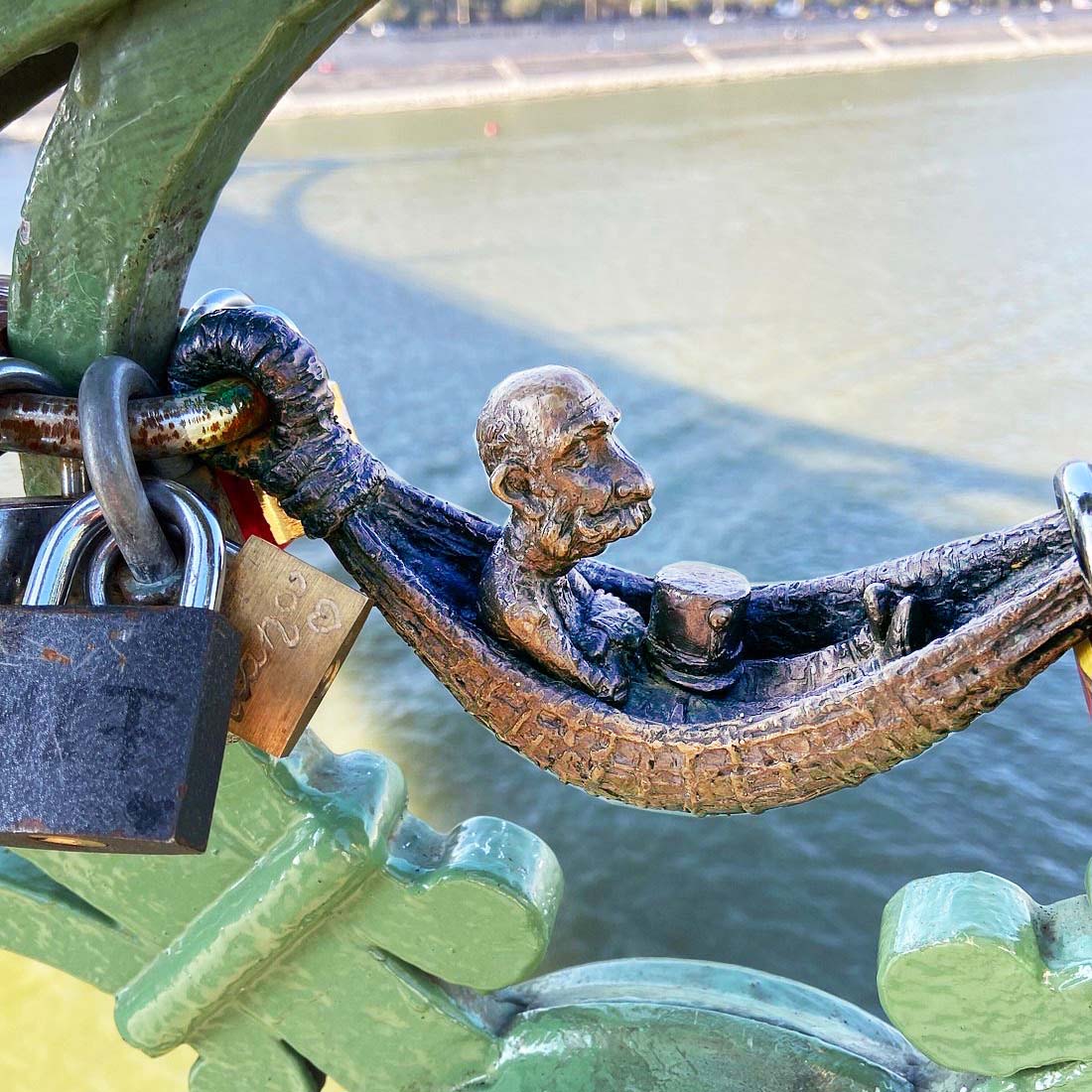
  • Emperor Franz Joseph in a Hammock is a great metaphor of the emperor re-conquering in a peaceful way the Liberty bridge that was originally named after him (2021)
  • There Was Only One Dog Fair in Buda, a very popular folk tale taking us back to the time of Hungarian king Matthias. There are many folk tales inspired by the great king and about how he always rewarded the good people and punished the bad. You can recognise the Hungarian breeds like the puli and the vizsla.
  • Kermit the Frog from the Muppet Show is sitting in front of the former headquarters of the Hungarian national television.

I wish you good luck to locate as many Kolodko statues as you can, it is not always easy because of their size, in Hungary you can find them in Budapest, Vác, Veszprém, Tihany and Eger, they might pop up in other countries as well, like Italy or Germany. You can learn more about Mykhailo Kolodko and his art here and find out more about his mini-statues on Facebook.


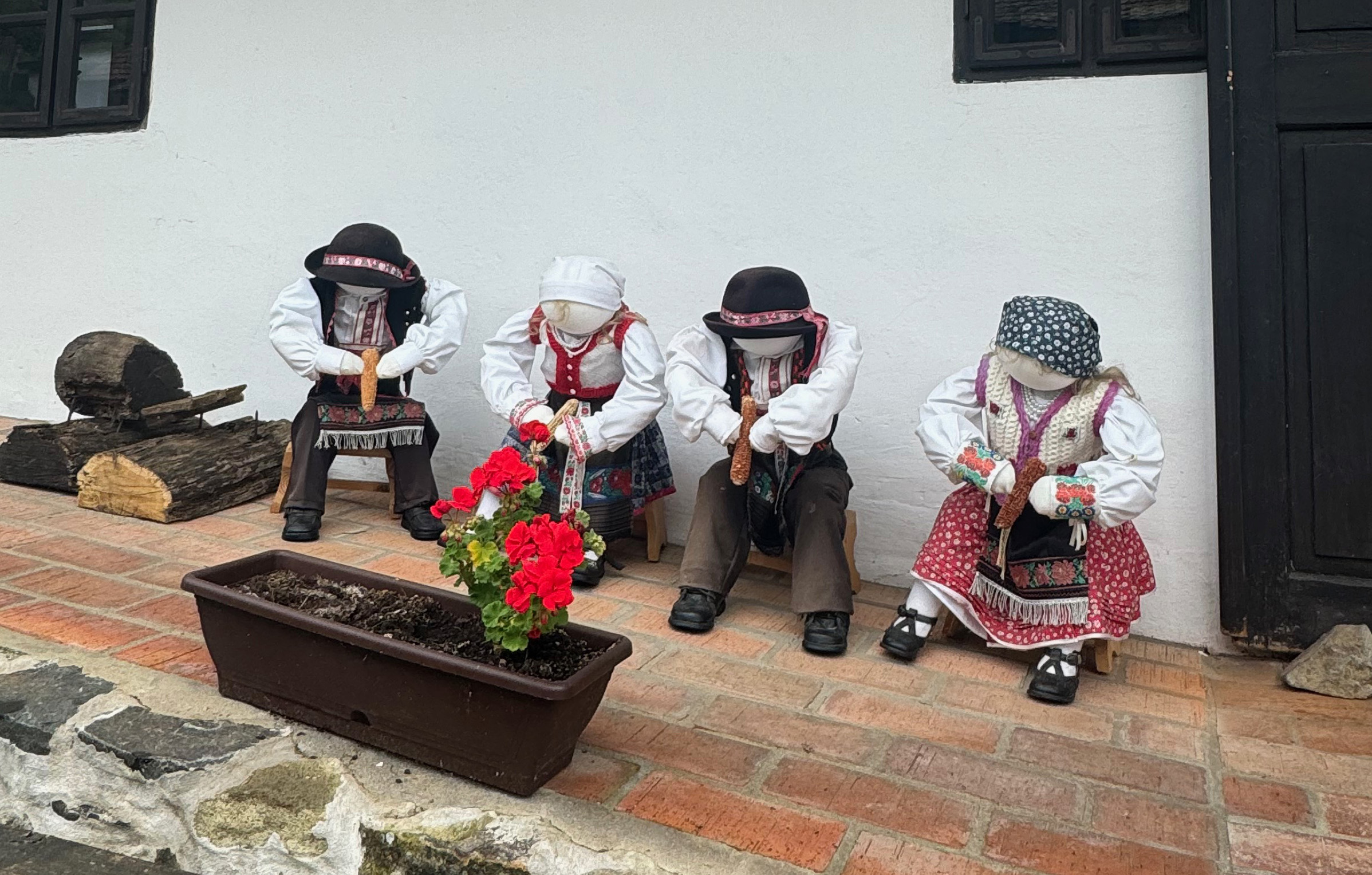
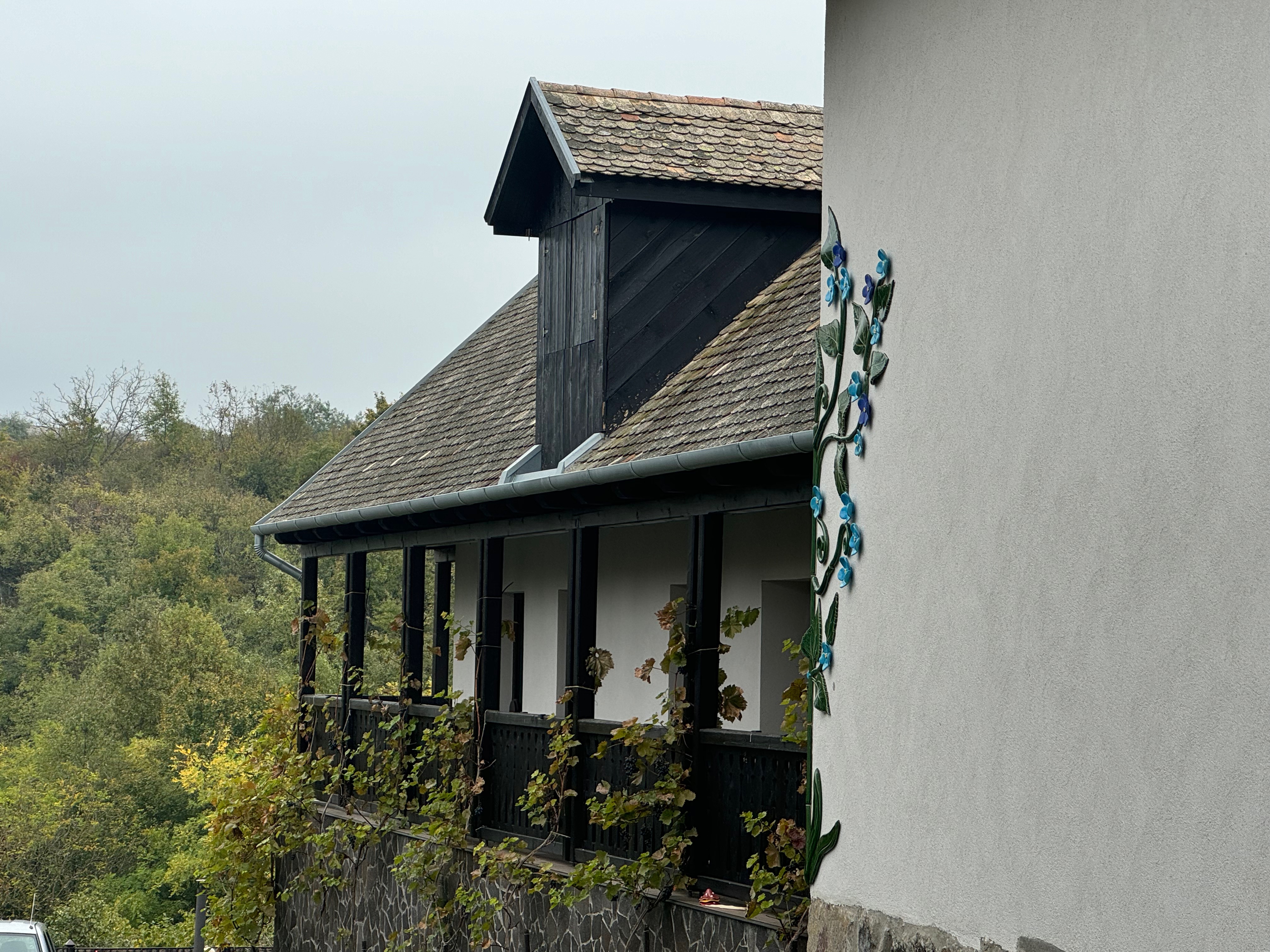
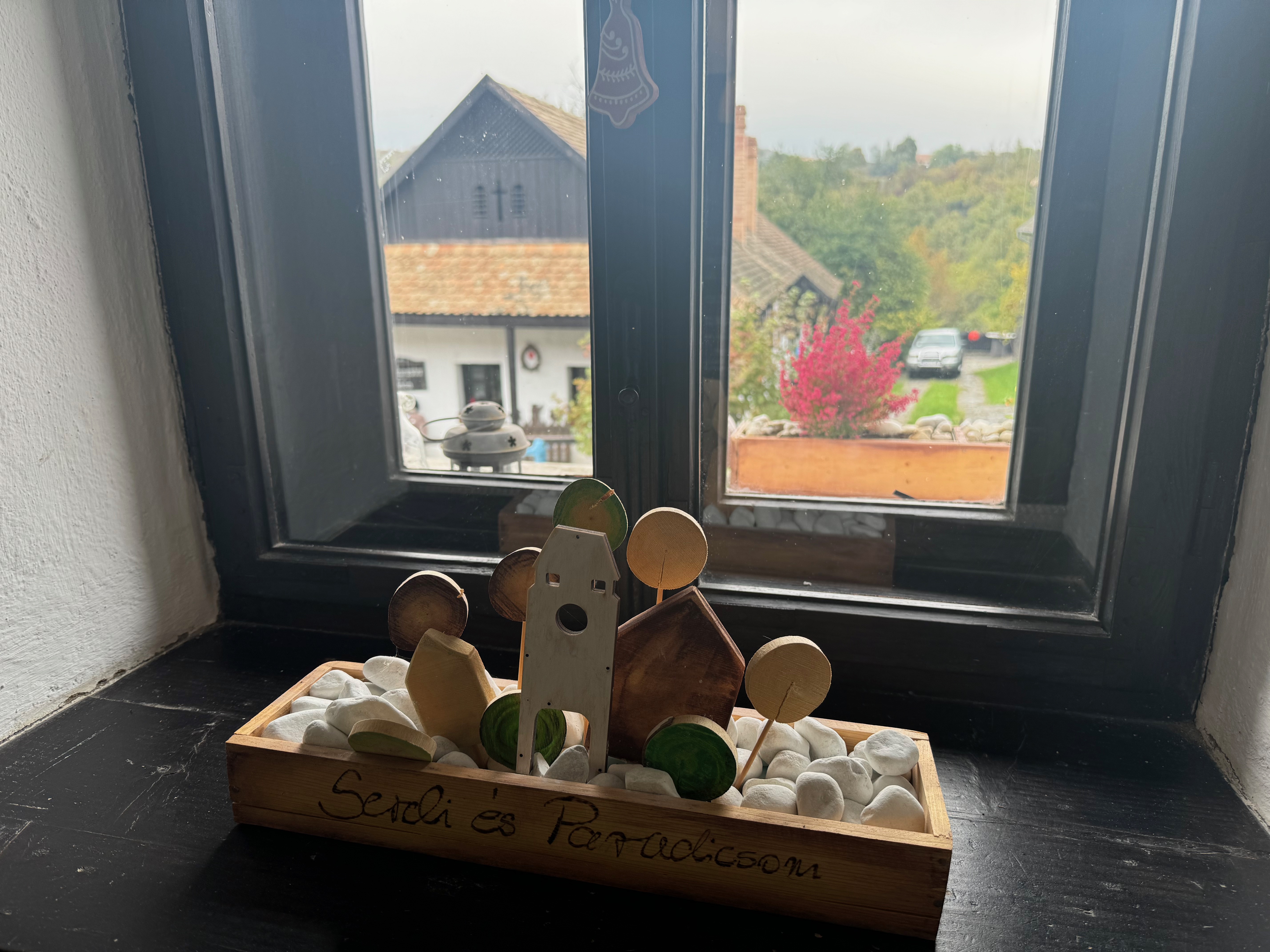
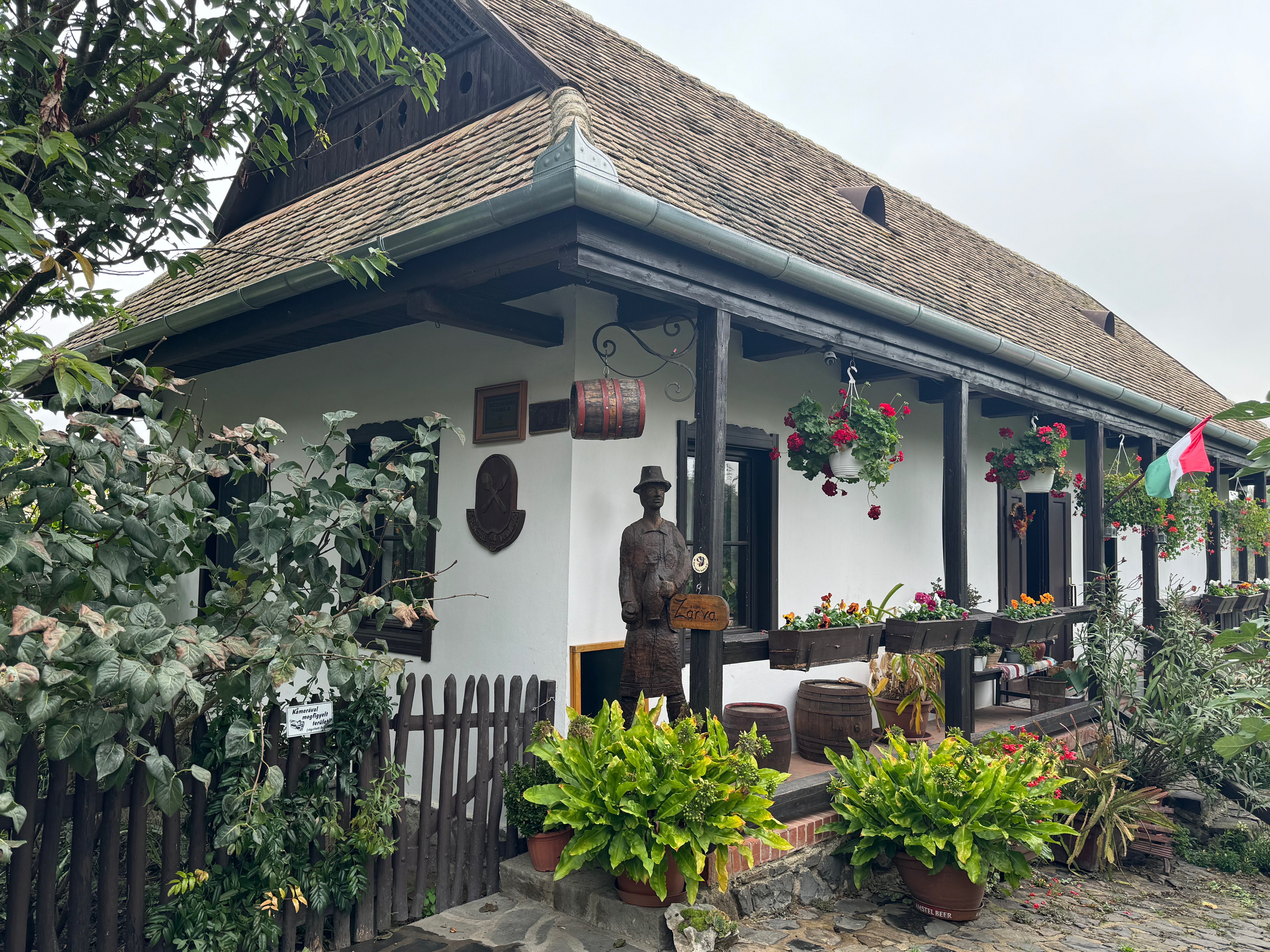
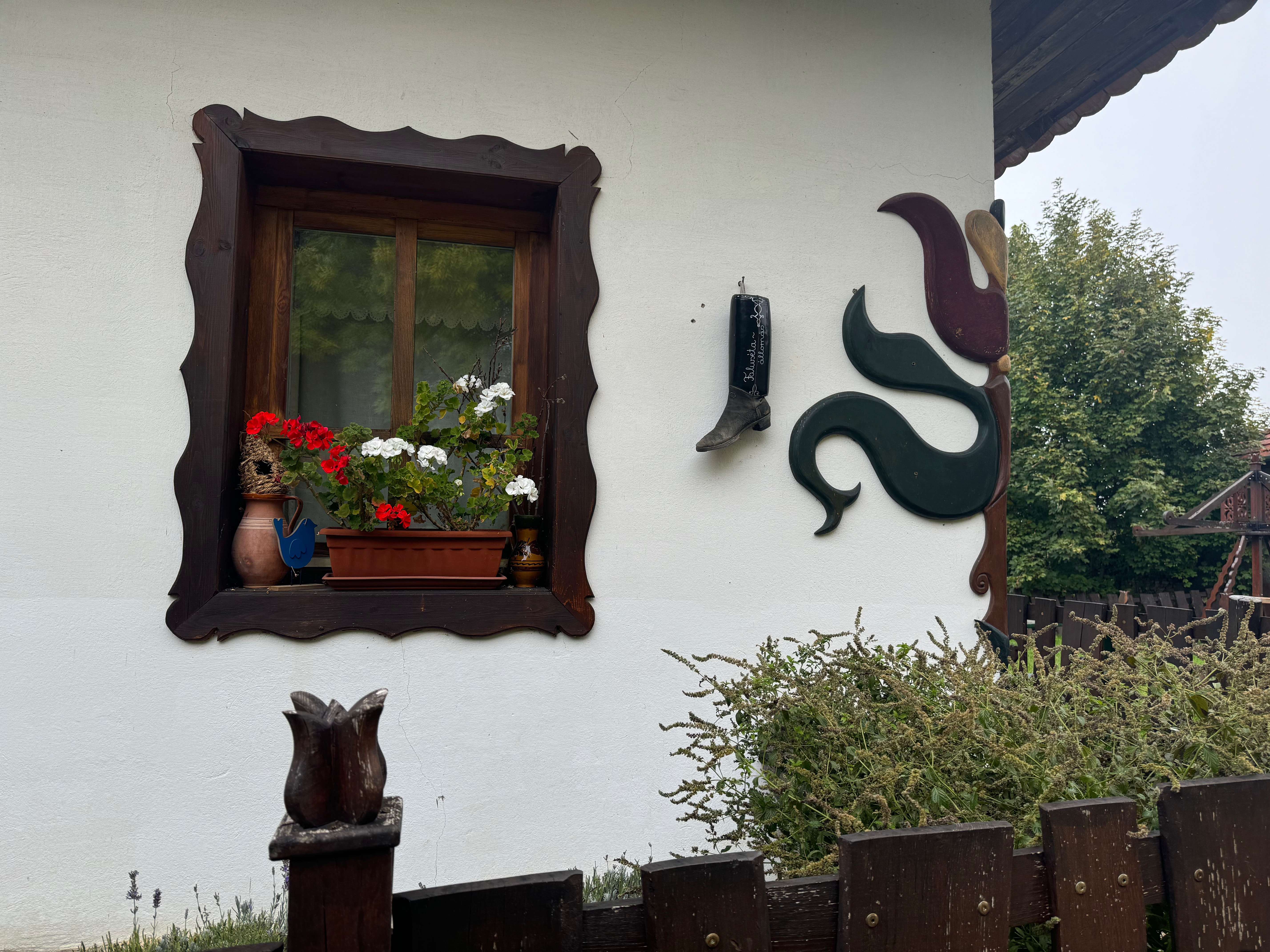
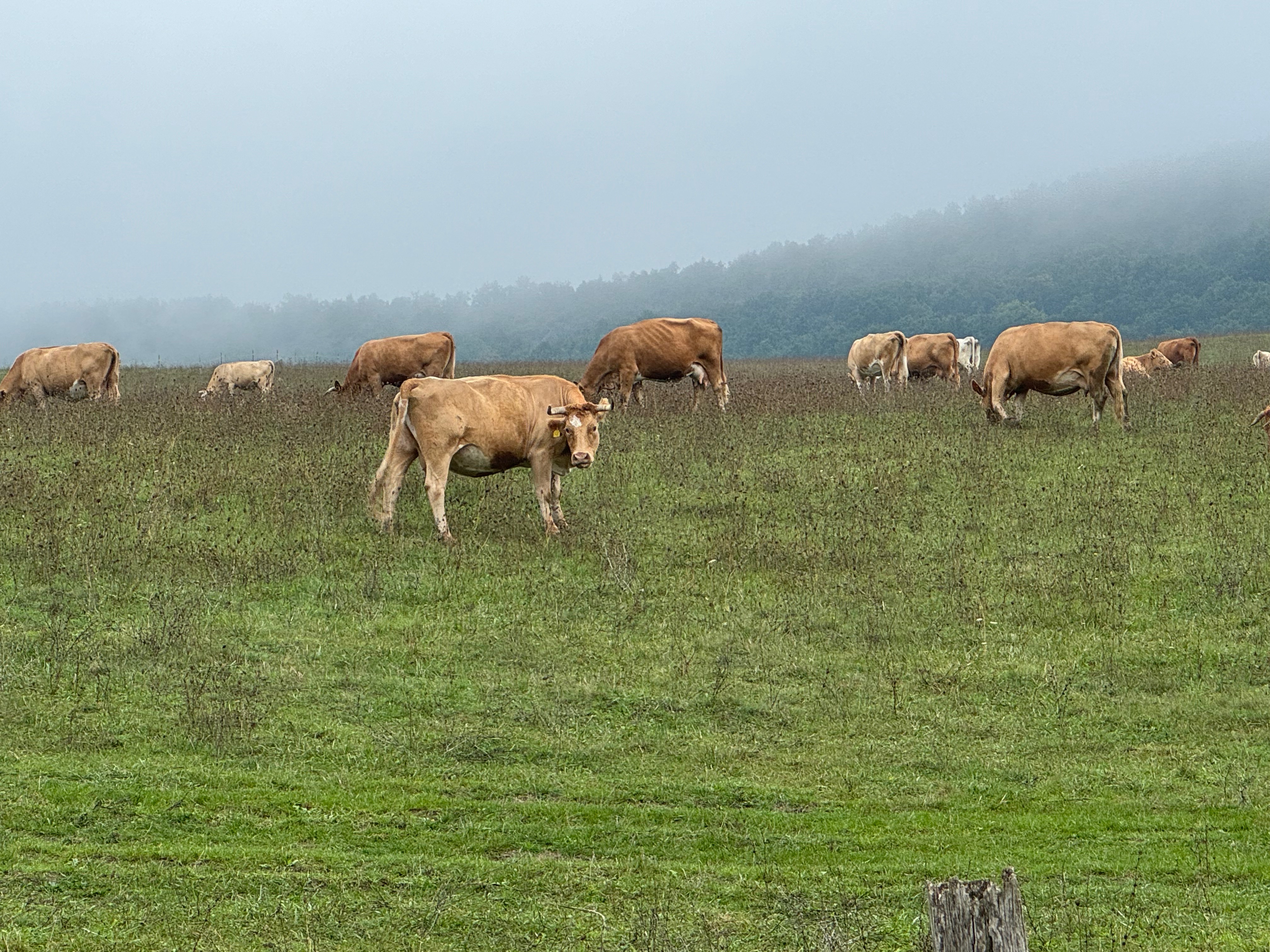
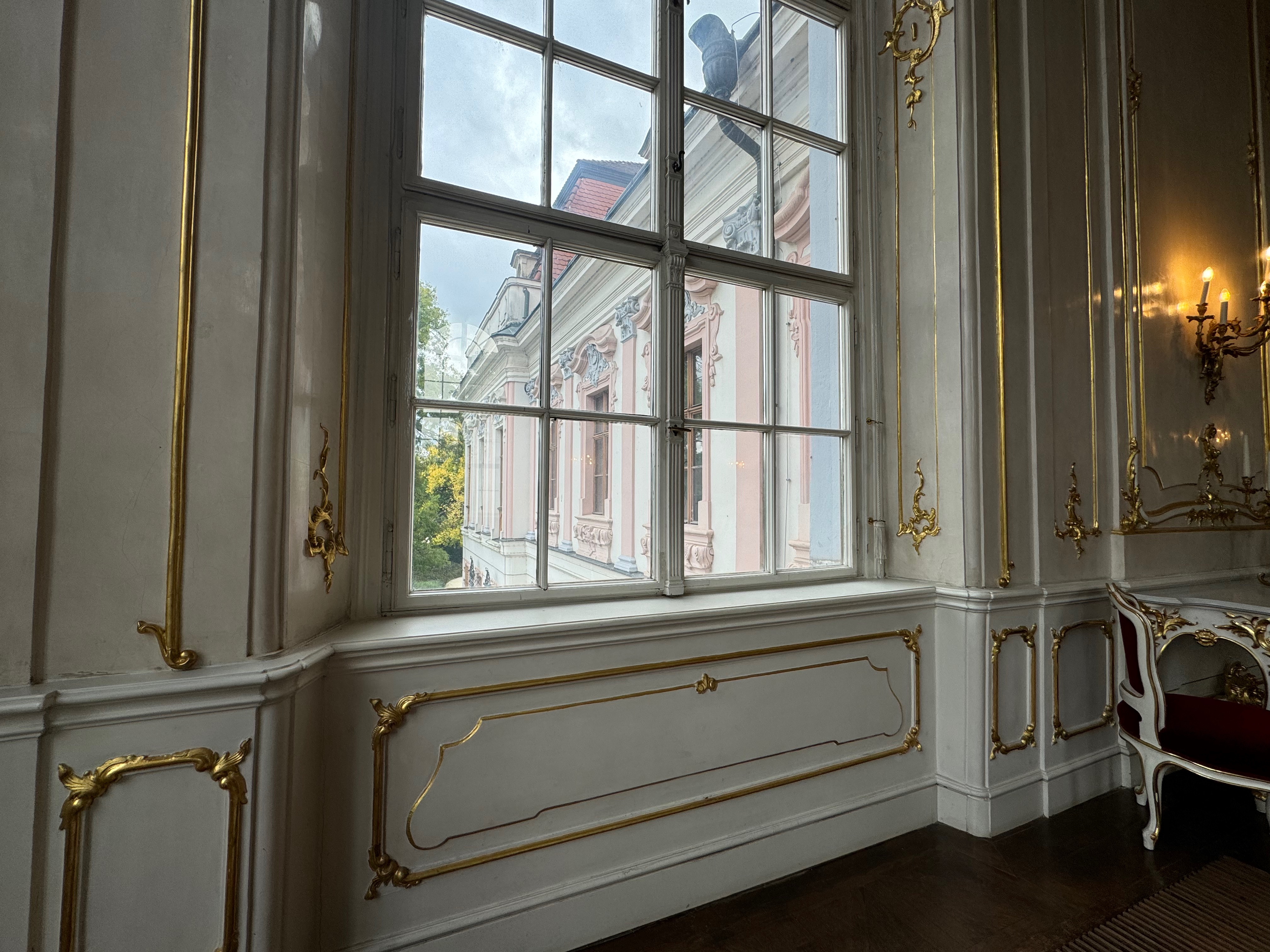
The reason why I love the Gödöllő and Hollókő tour is because it is a great opportunity to explore the magnificent Hungarian Baroque architecture, urban and rural, exquisite and ordinary. It is not just a travel back in time, it is also a great way to learn more about Hungarian culture and about the life of our predecessors, the lifestyle that defined our everyday life and culture today. In addition, you will have the chance to meet some very friendly local people who cherish the local traditions and try to keep them alive. I have more pictures for you of the Gödöllő palace and Hollókő.

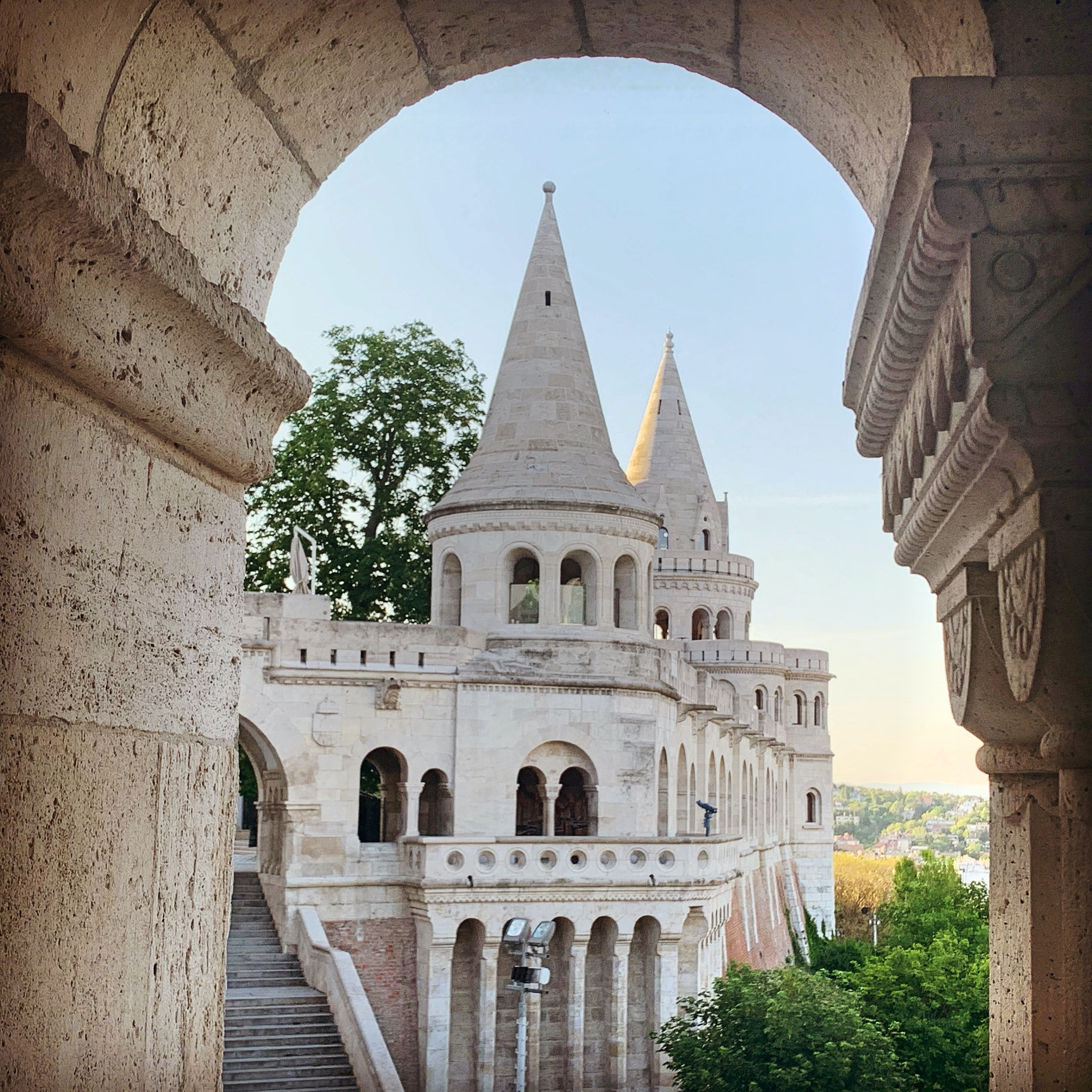
Fisherman’s Bastion seasons reveal how this iconic Budapest landmark transforms from spring blossoms to winter calm throughout the year.

There are very few places in Budapest that feel completely different throughout the year — and Fisherman’s Bastion is one of them. Thanks to my private Budapest tours, I visit this iconic spot almost every day, in every season, and it never looks the same twice.

Whether you’re visiting in spring blossoms, summer sunshine, autumn colours, or winter snow, Fisherman’s Bastion always offers something special.

Spring Atmosphere

Spring brings fresh greenery, soft light, and a calm, hopeful atmosphere to the Buda Castle District. Trees begin to bloom around the Bastion, and the views over the Danube feel especially crisp and clear. It’s a wonderful time for relaxed walks, gentle light for photography, and fewer crowds than in high summer.

Summer Vibes

In summer, Fisherman’s Bastion is at its liveliest. Long daylight hours, blue skies, and warm evenings make it one of Budapest’s most popular viewpoints. The terraces buzz with visitors, musicians, and travellers soaking in the views — especially at sunset, when the city glows golden.

Early mornings or late evenings are ideal if you want to enjoy summer without the busiest crowds.

Autumn Colours

Autumn is one of my personal favourites. The surrounding hills turn shades of gold and rust, the air becomes cooler, and the light softens beautifully. It’s a peaceful, photogenic season that feels slower and more local — perfect for travellers who enjoy atmosphere as much as views.
Winter at Fisherman’s Bastion

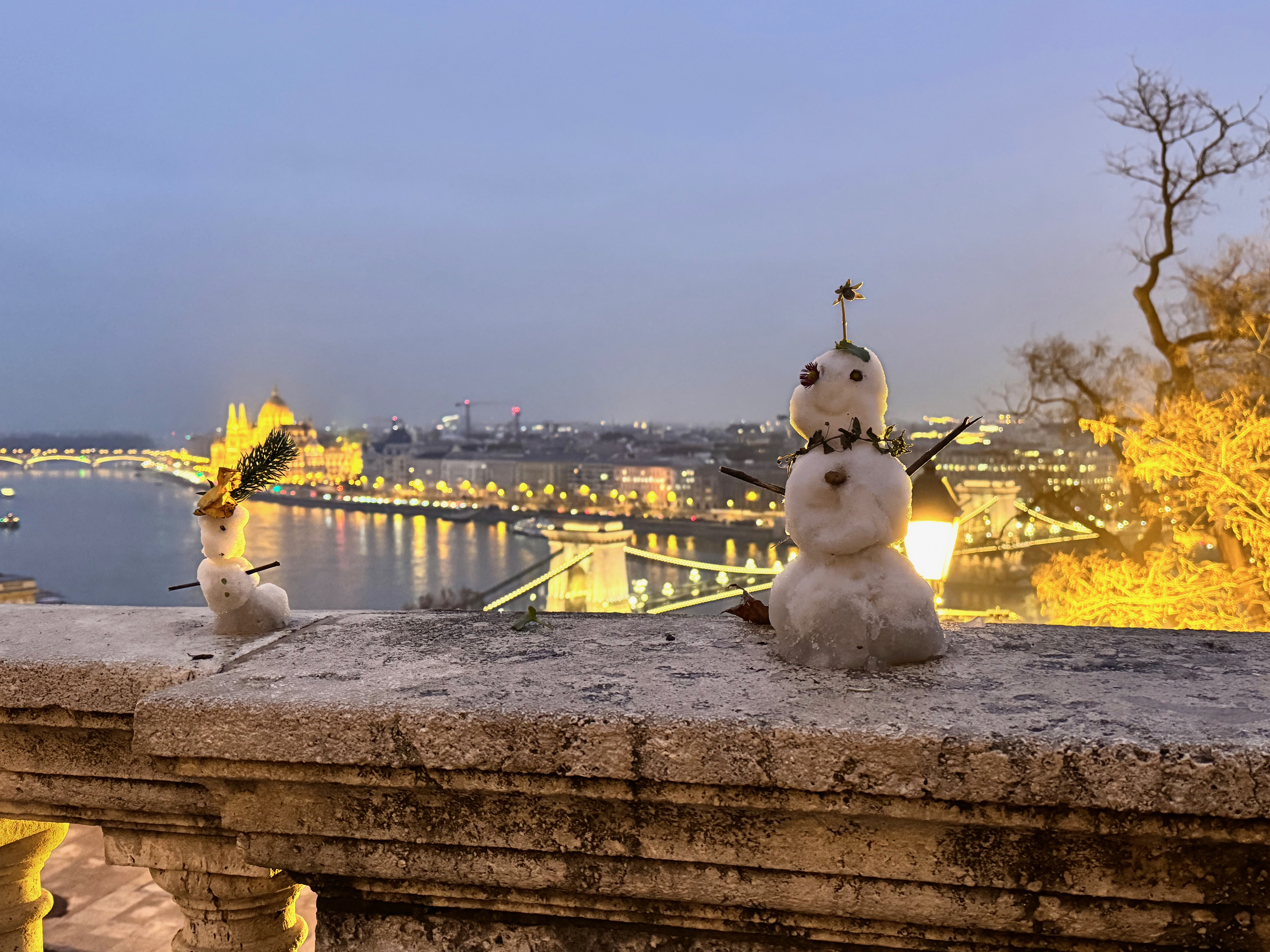
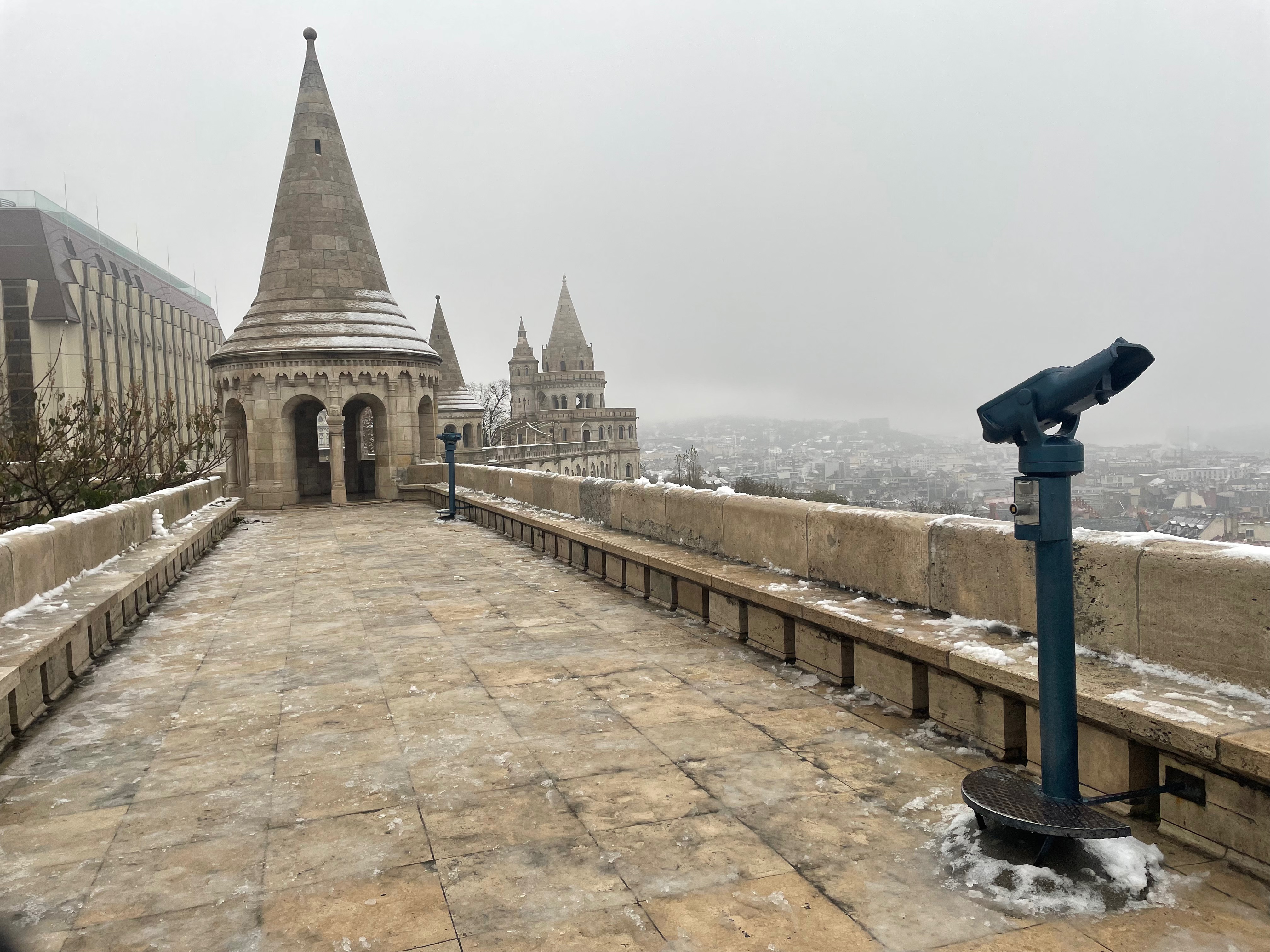
Winter transforms Fisherman’s Bastion into something almost magical. On frosty mornings — or rare snowy days — the white stone towers blend into the winter landscape, creating a fairytale scene. There are fewer visitors, the air is crisp, and Budapest feels quieter and more intimate.

What’s the best season to visit Fisherman’s Bastion?

The beauty of Fisherman’s Bastion is that there is no bad season — only different moods. Each time of year offers:

  • changing light and colours

  • a different crowd level

  • a unique atmosphere

That’s why I always tell my guests: the best time to visit is when you’re here.

If you’d like to understand why this spot is considered one of Budapest’s highlights — and how to experience it for the first time — start with my main guide:
👉 A Must-See: Fisherman’s Bastion

And if you want to experience it at the right time of day, with local insight and hidden details, Fisherman’s Bastion is part of my Buda Castle Walk and can also be included in my private Budapest tours.

My travellers always ask me which baths are the best, which one they should go to. There are plenty, they are all different. You can book the Budapest Baths tour with me so that you can get more ideas about the Budapest baths and their history. Here is a little video for you to show what you can expect when you go to Széchenyi baths in the City Park:
You can reserve tickets online in advance if you’d like to skip the line.