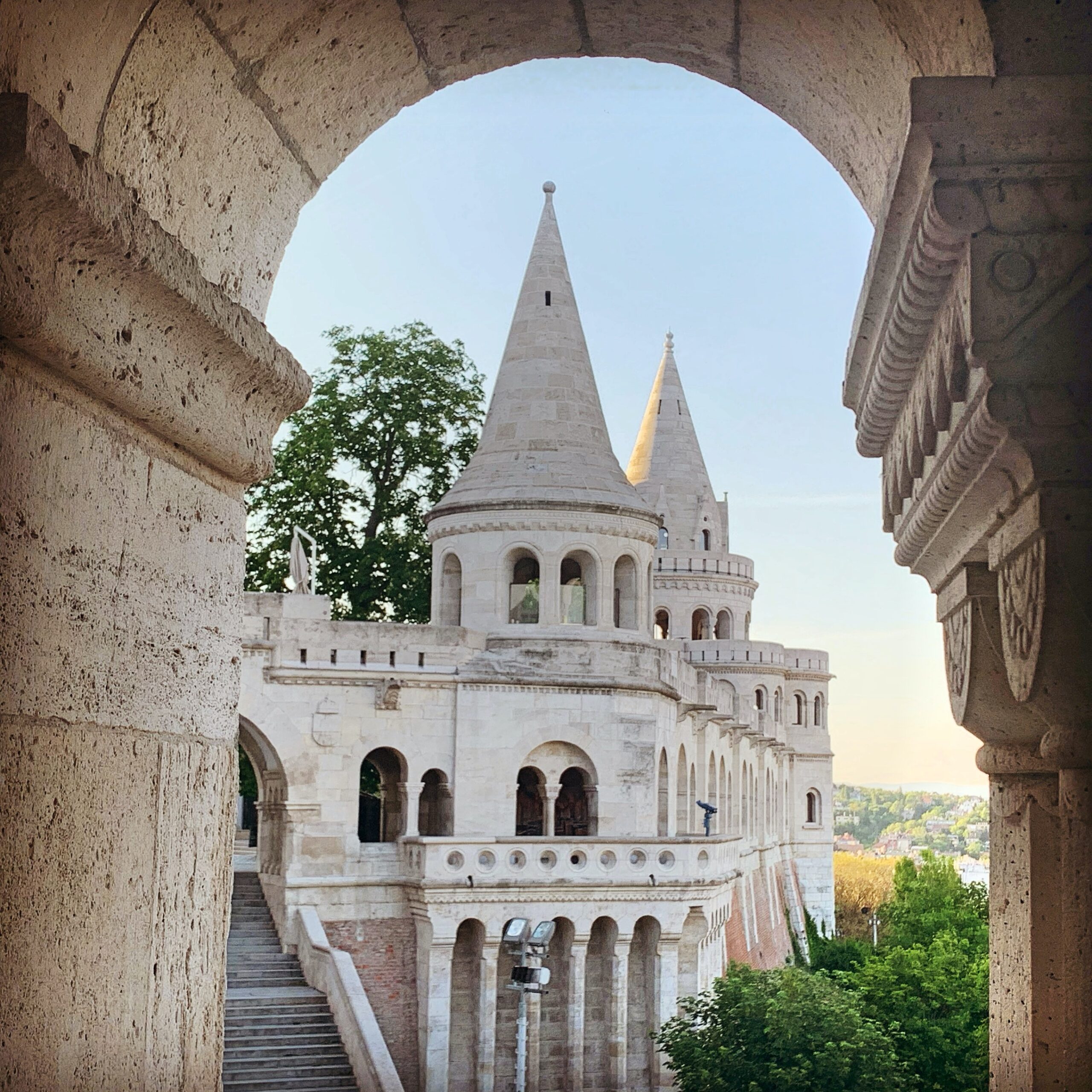
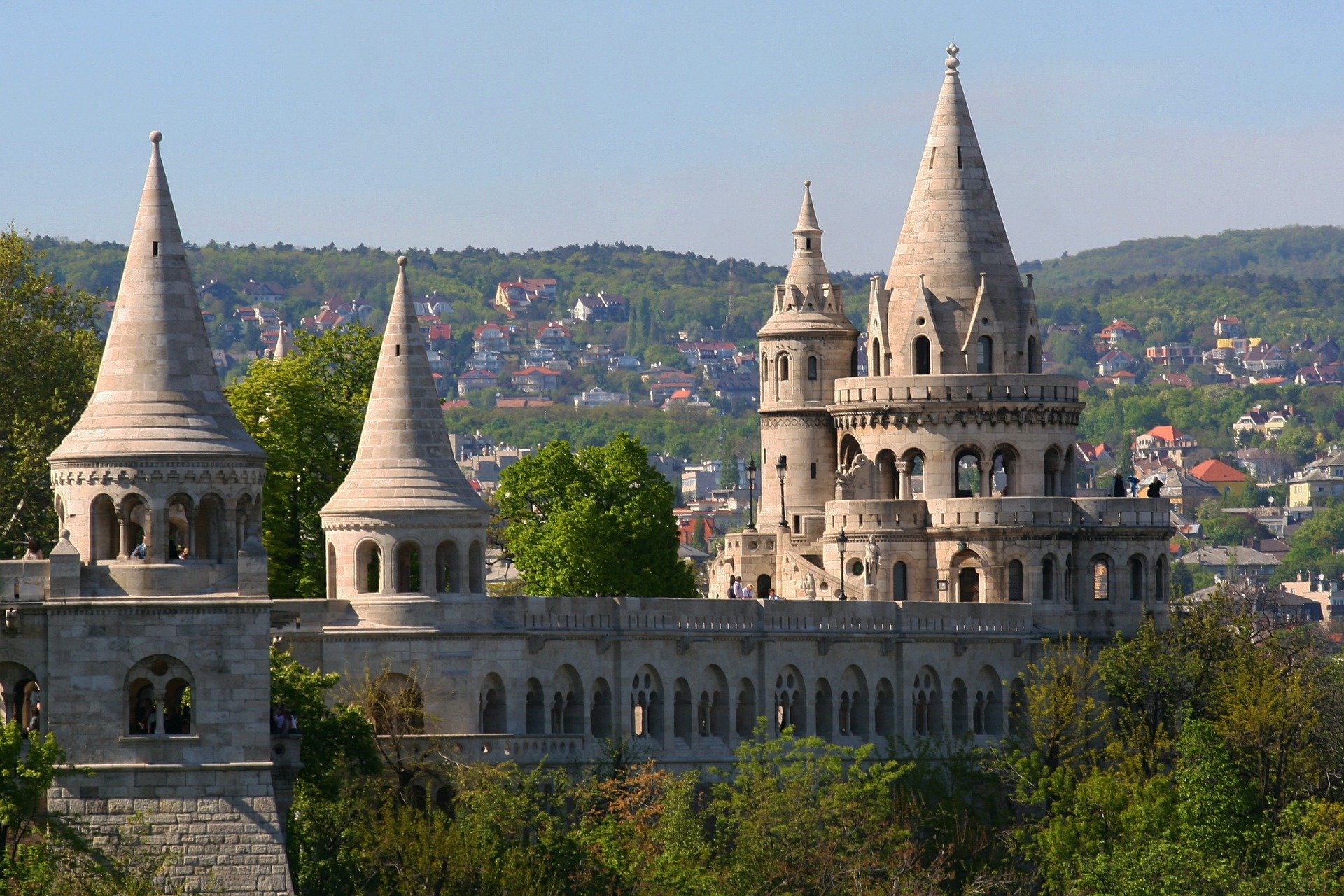
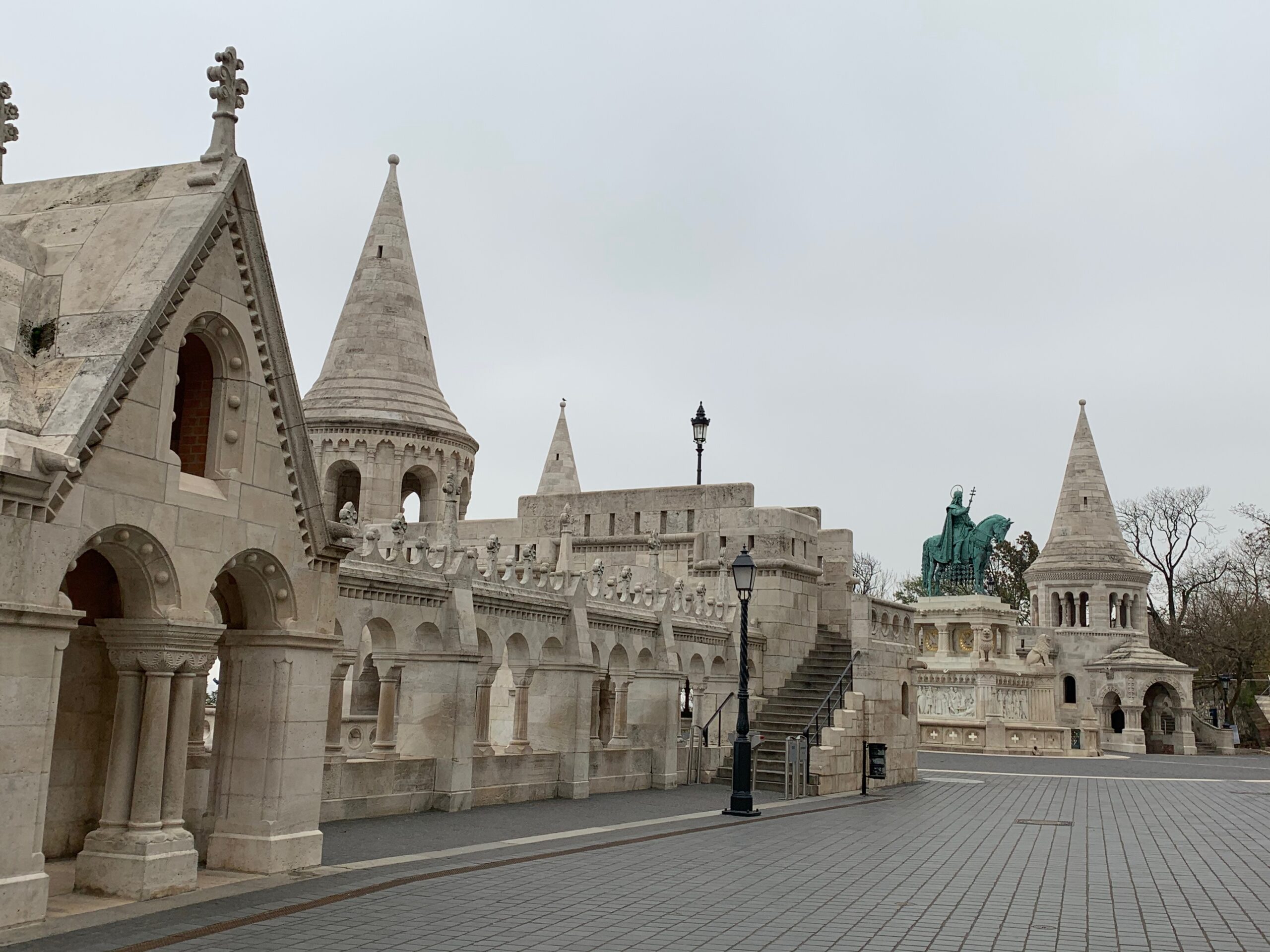
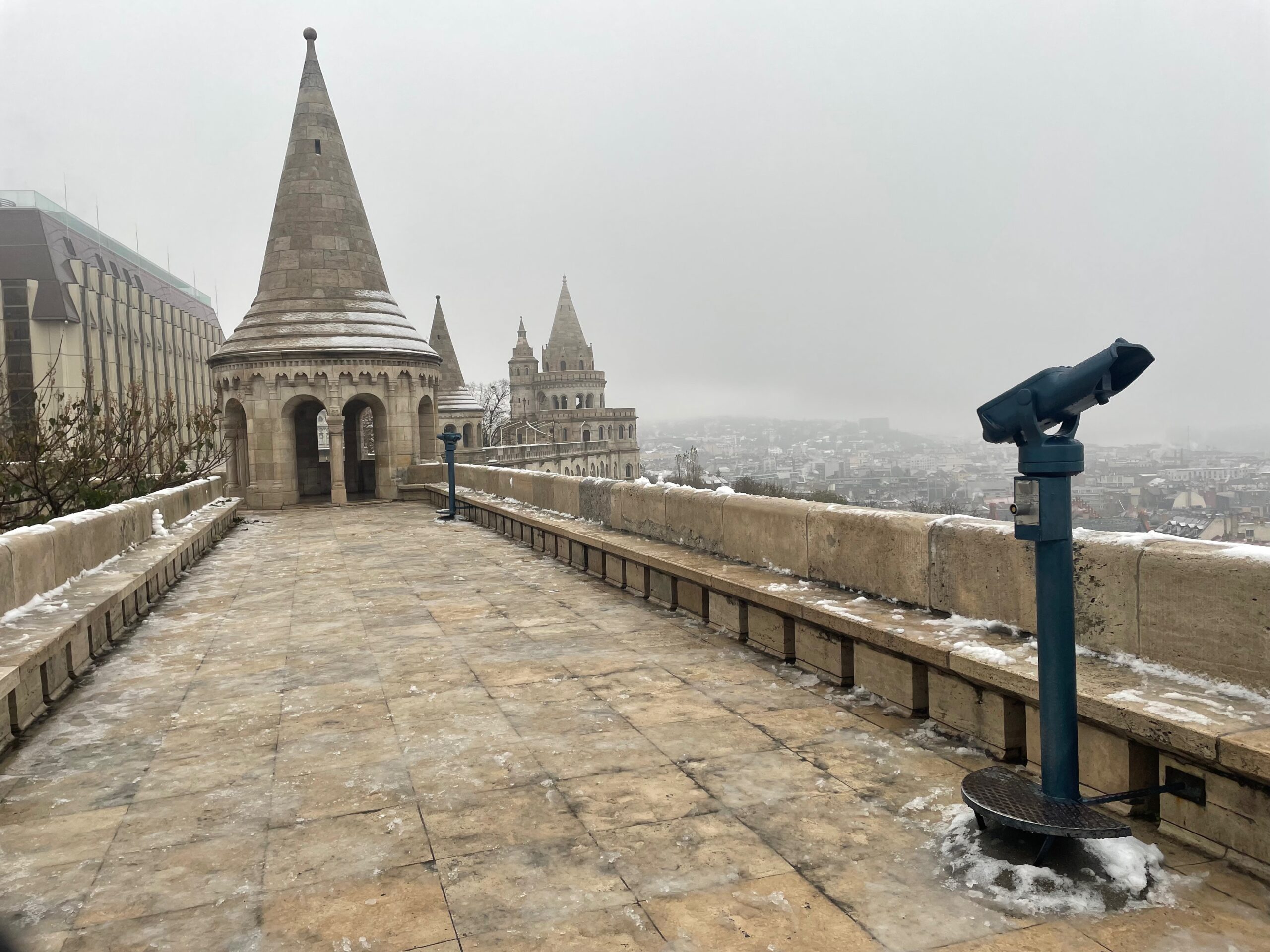
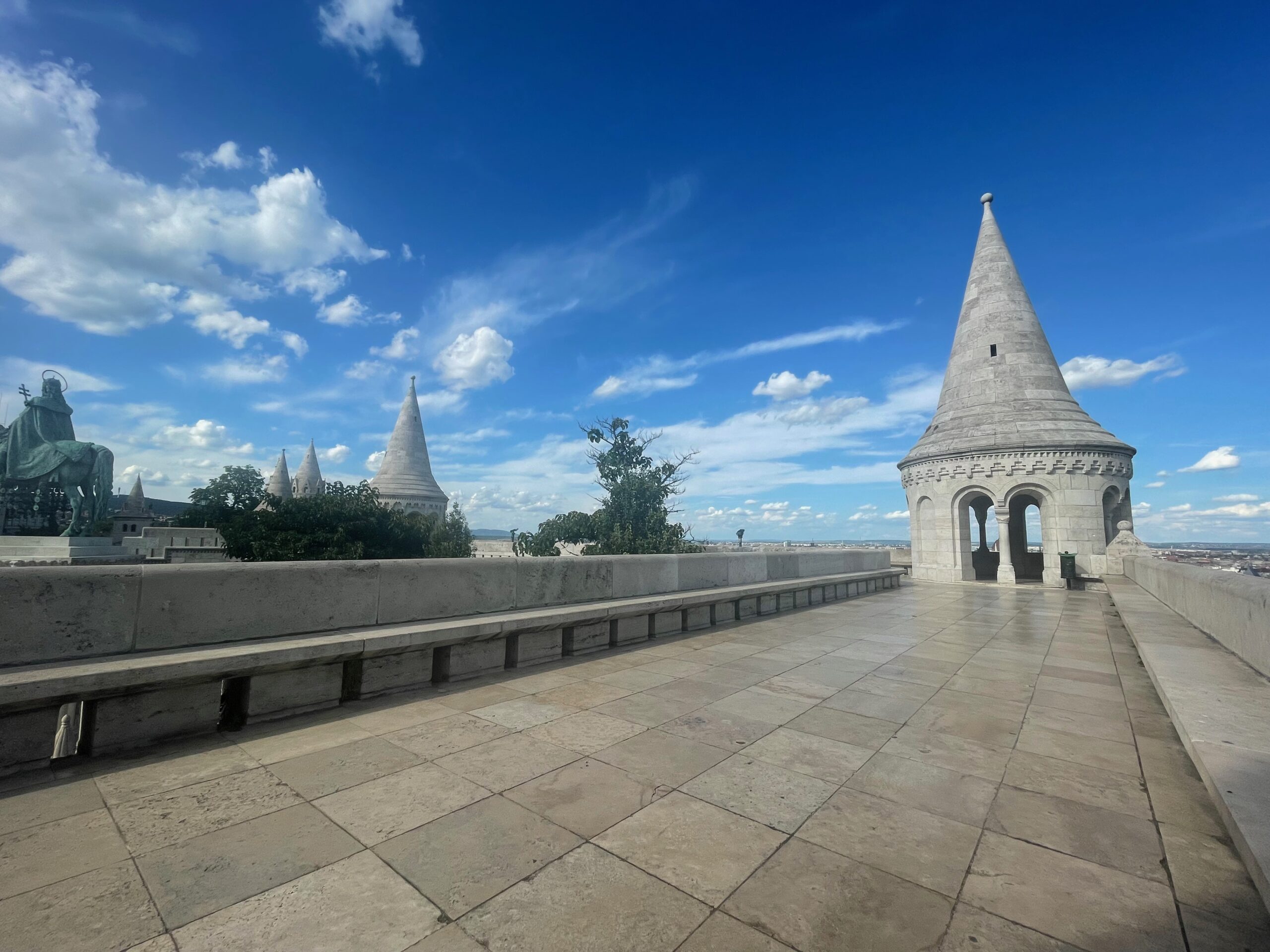
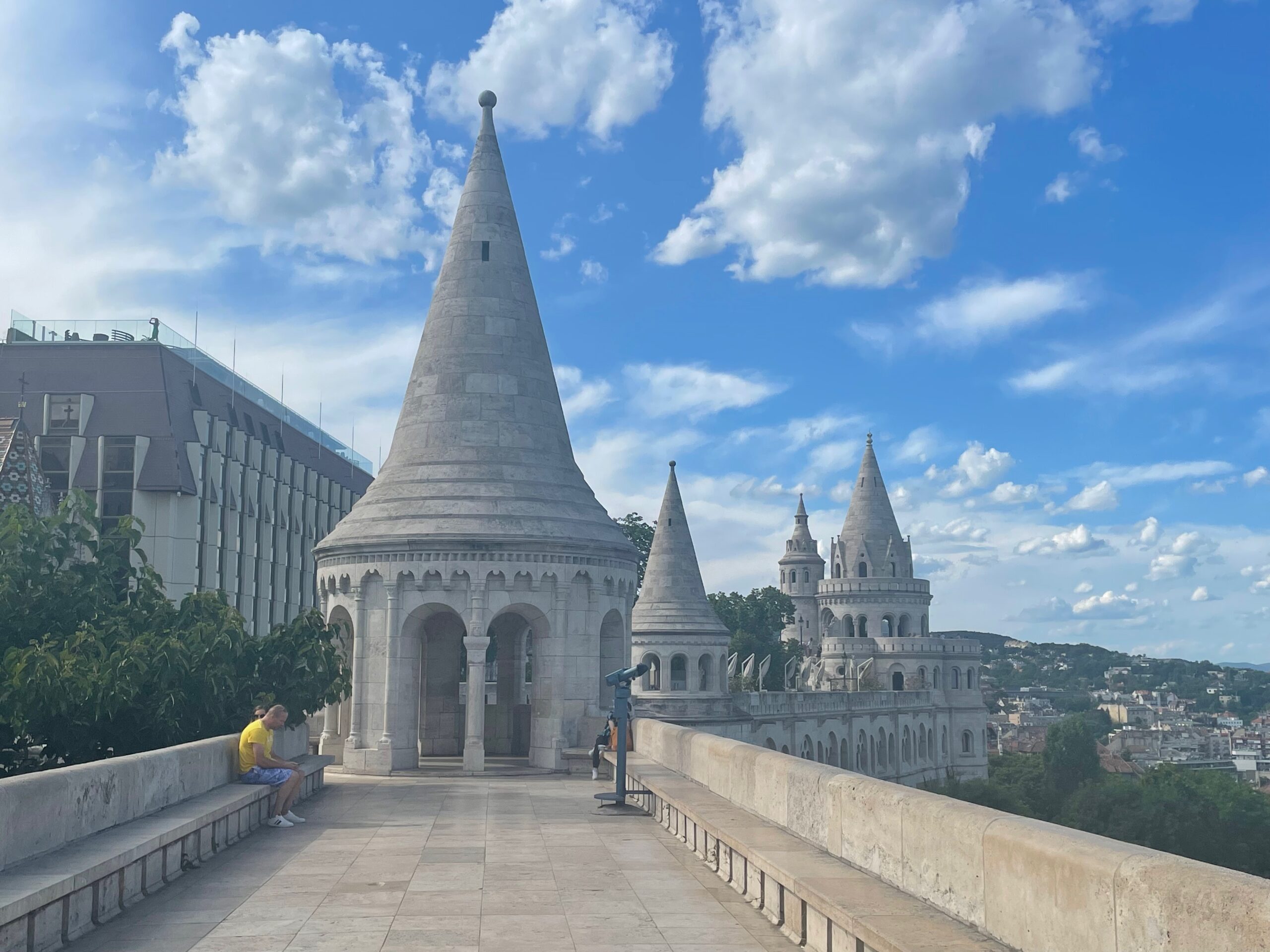
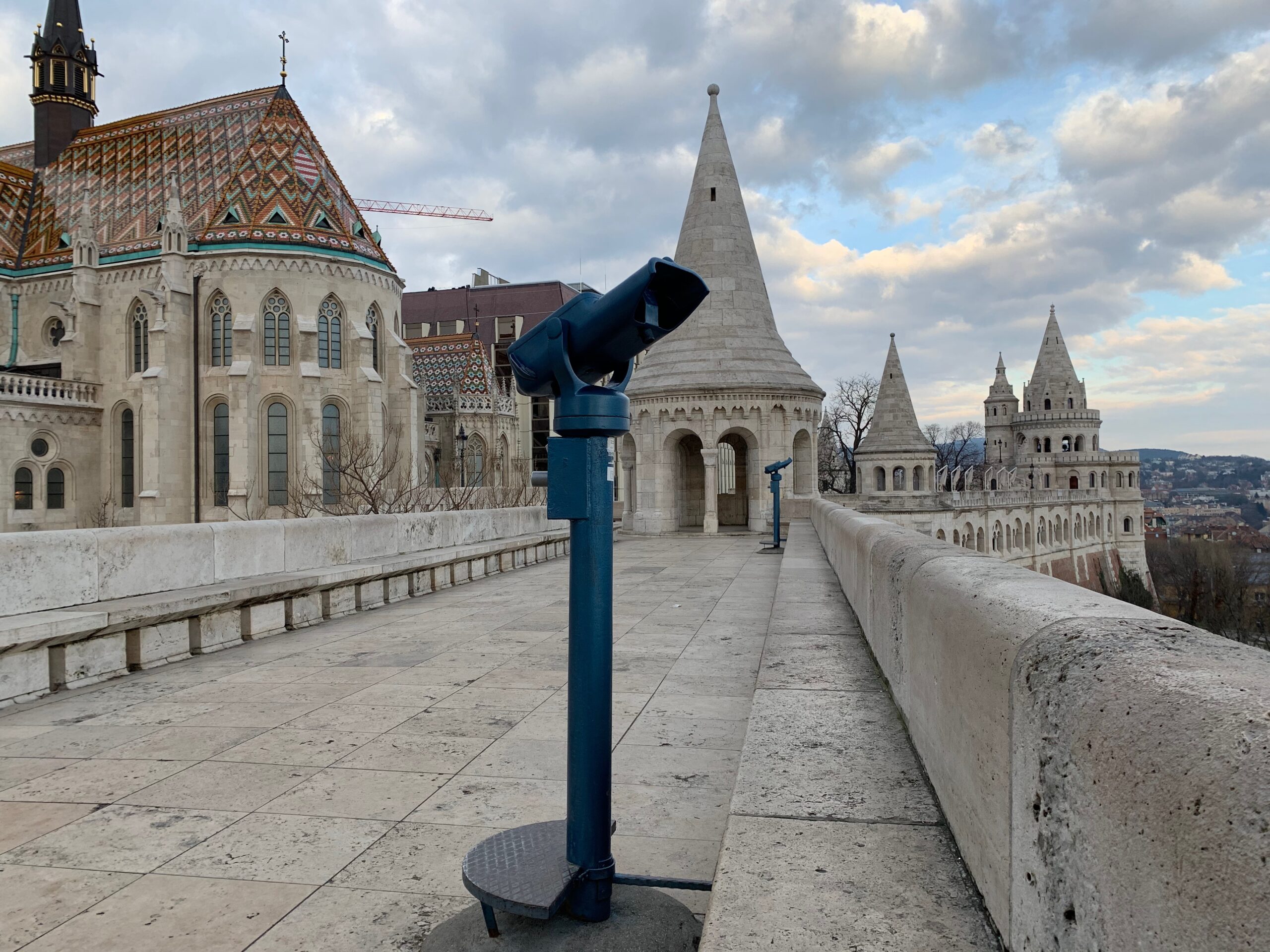
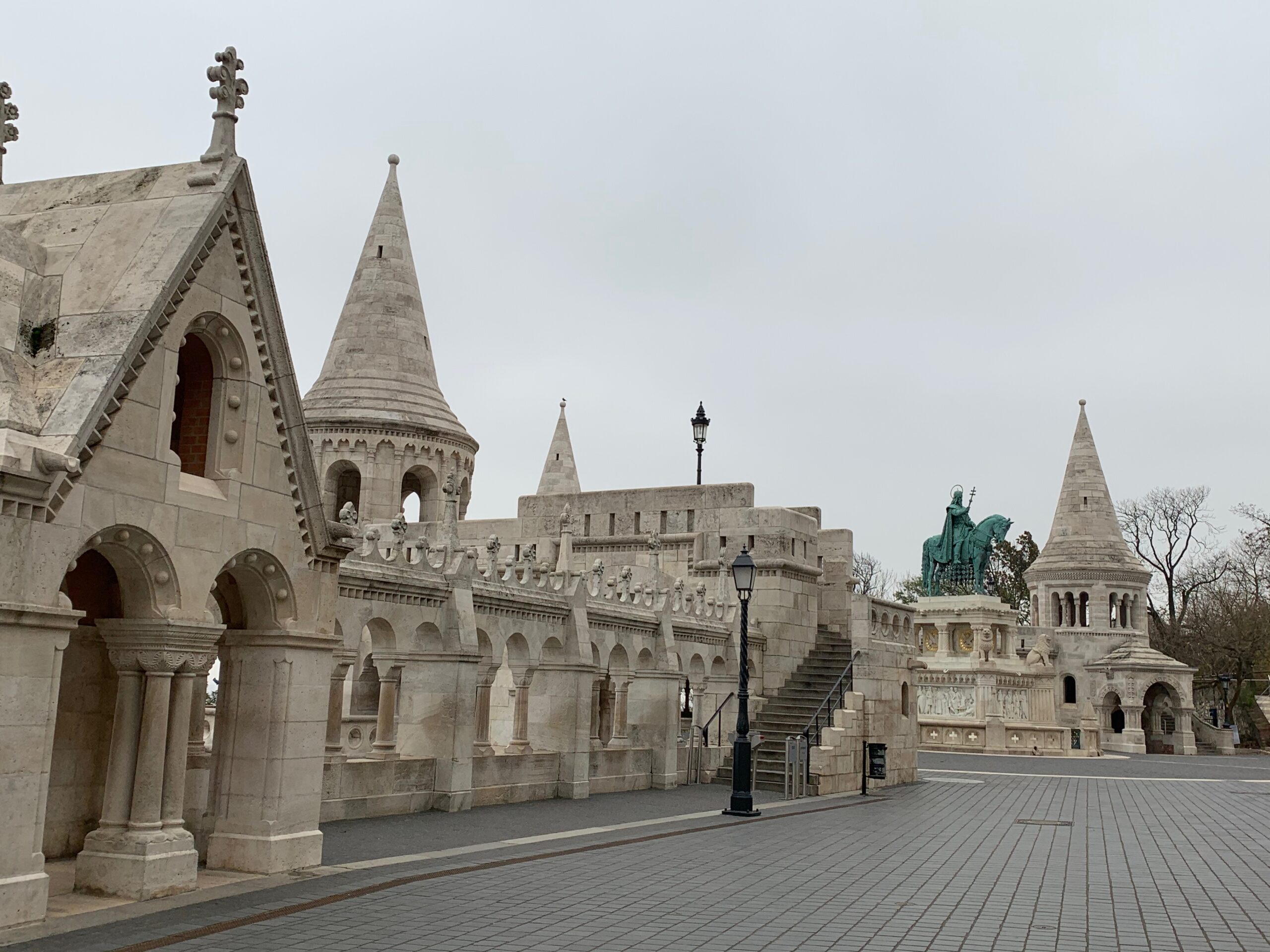
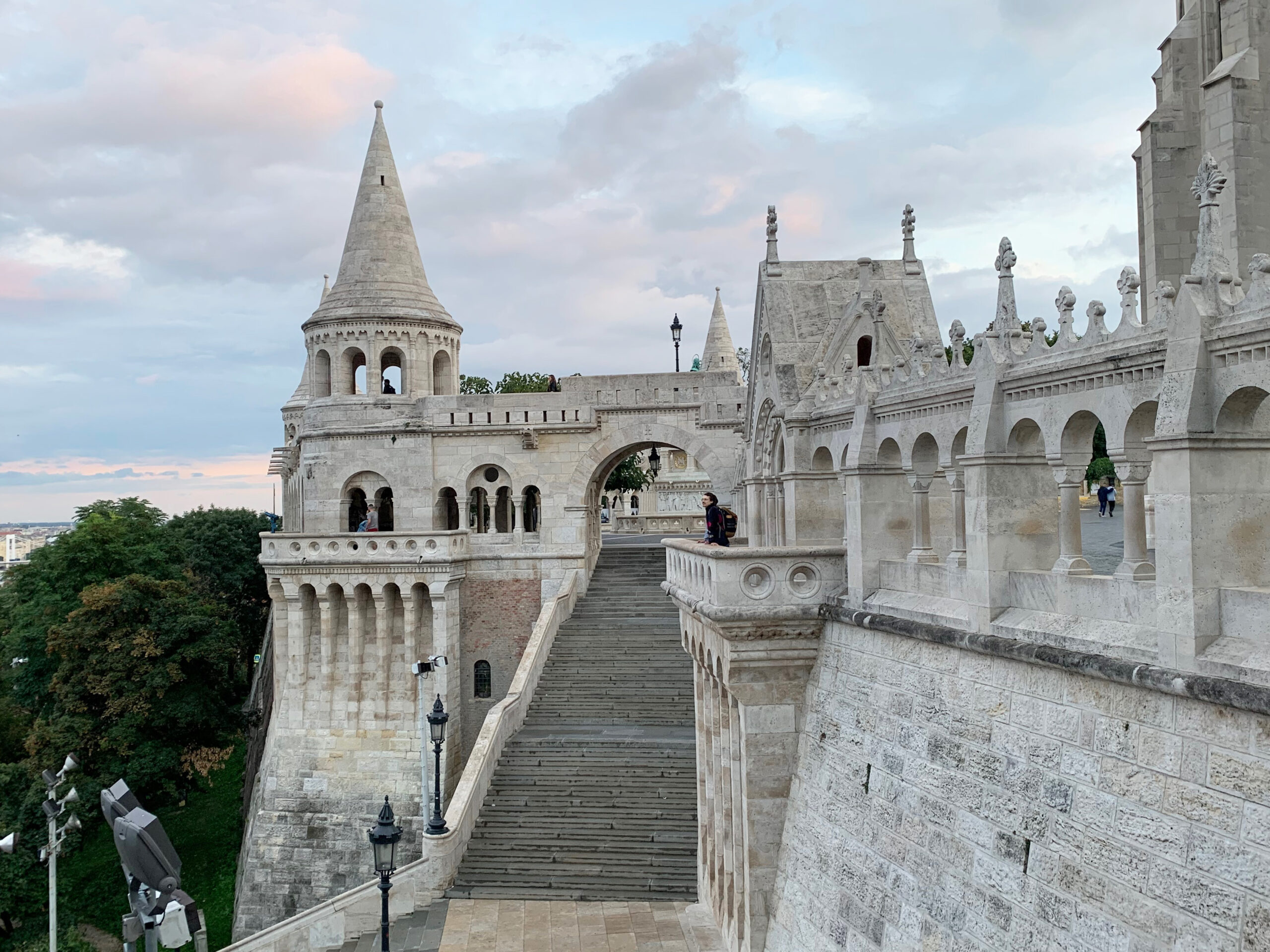
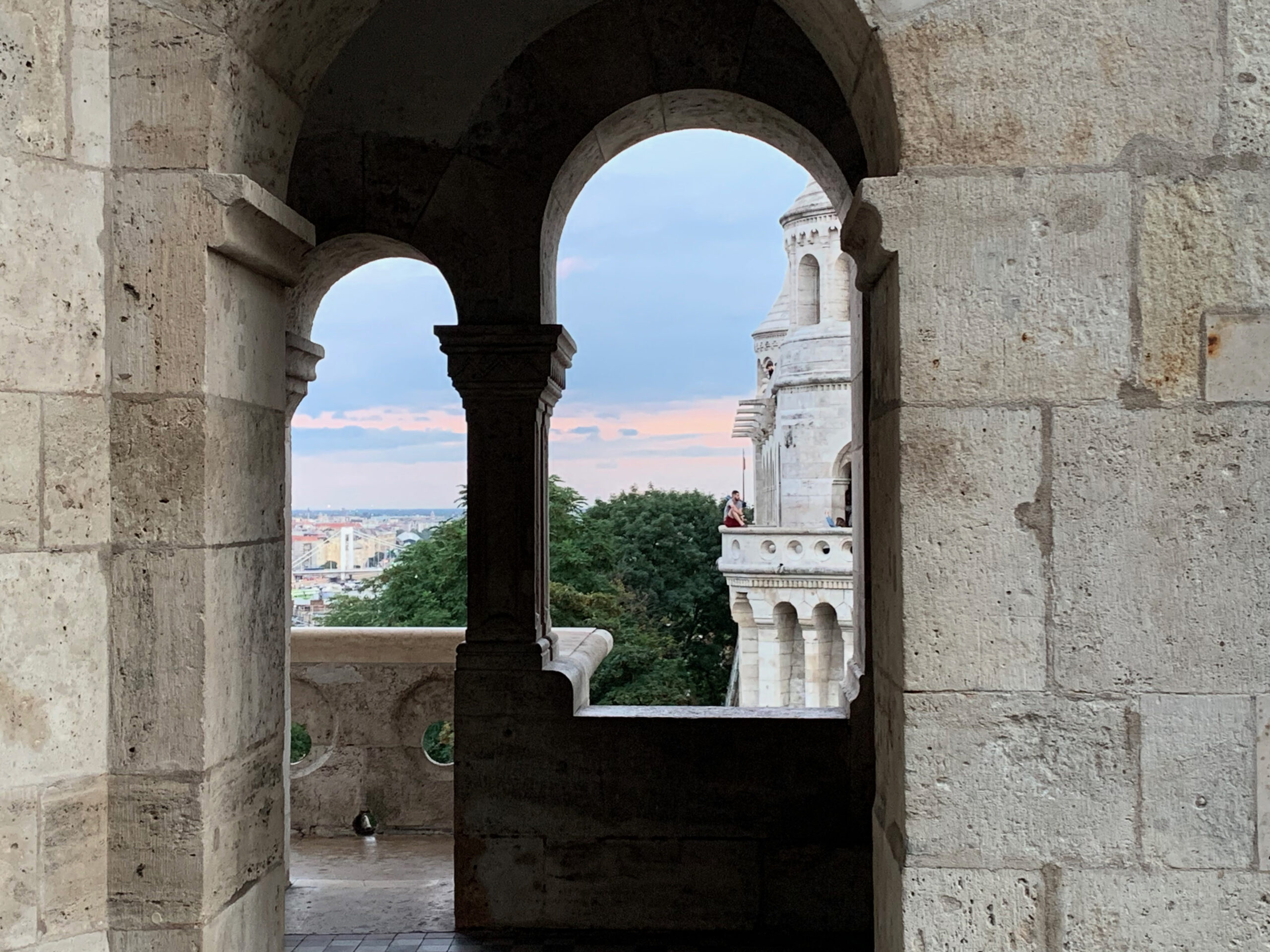
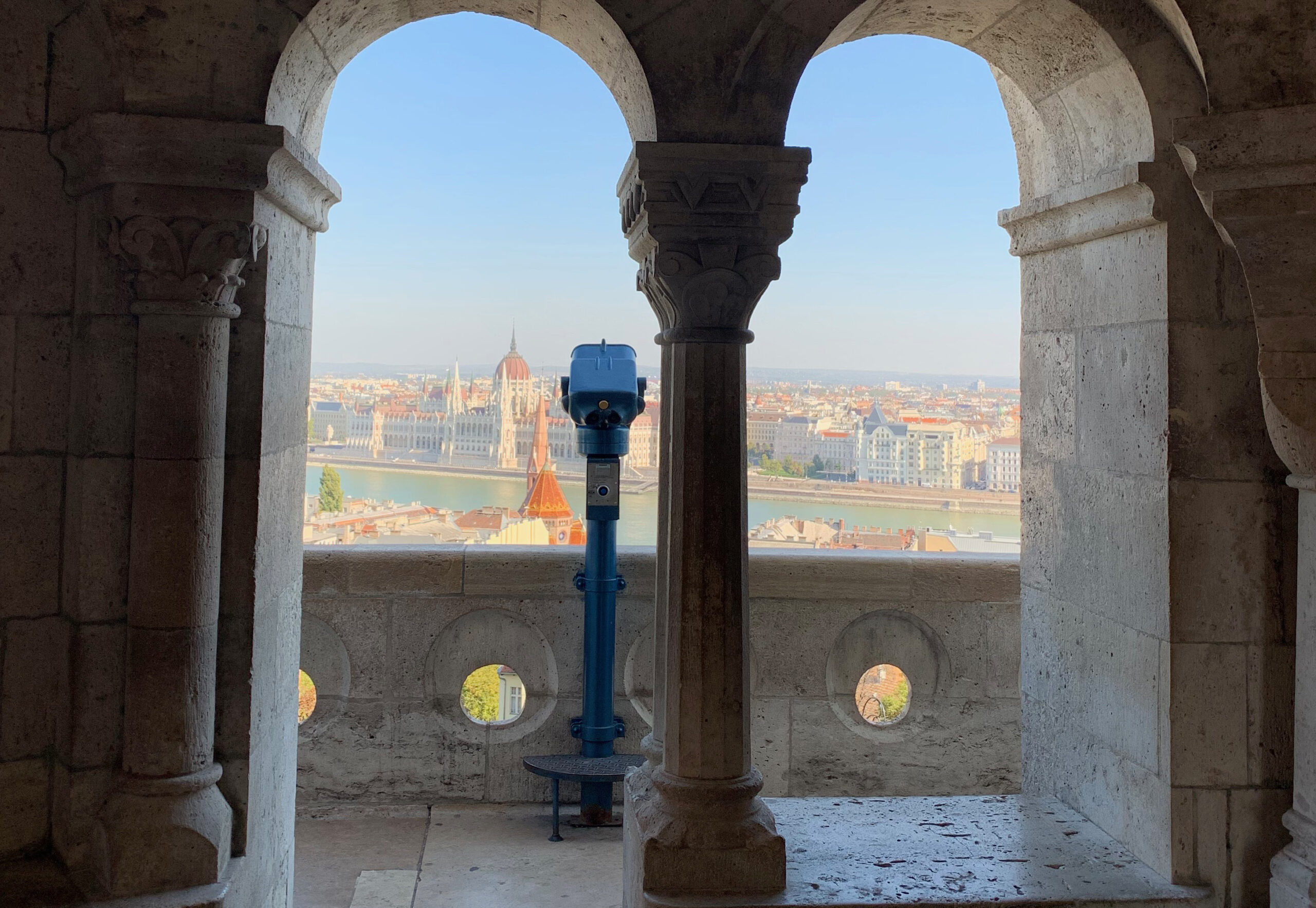
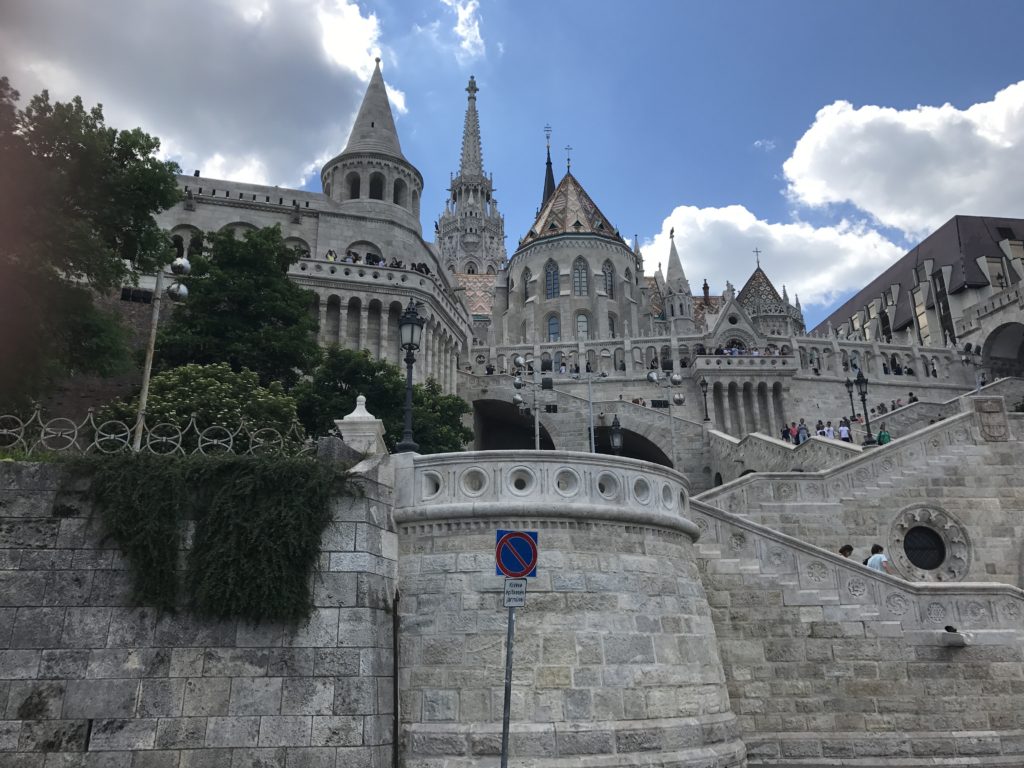
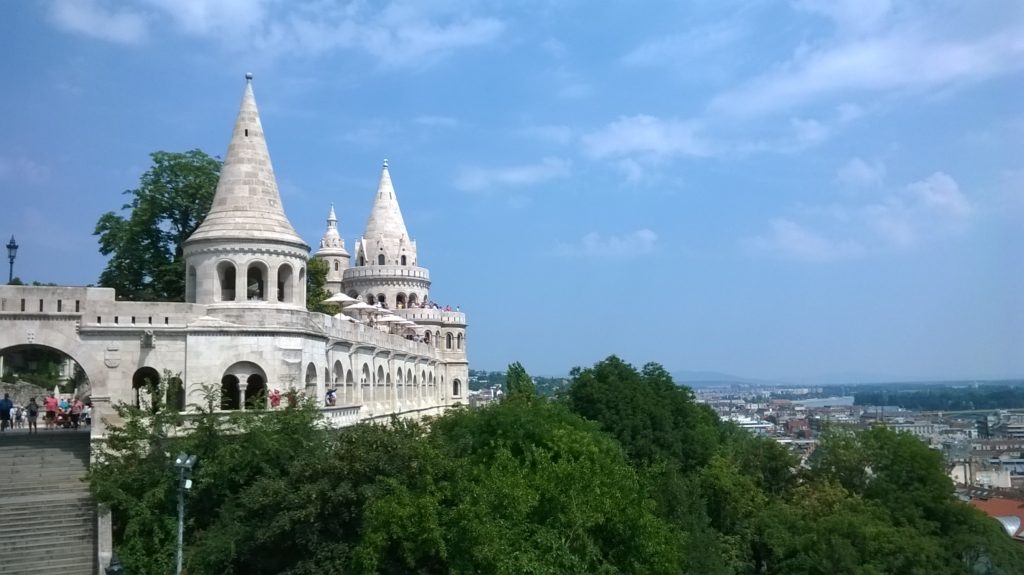
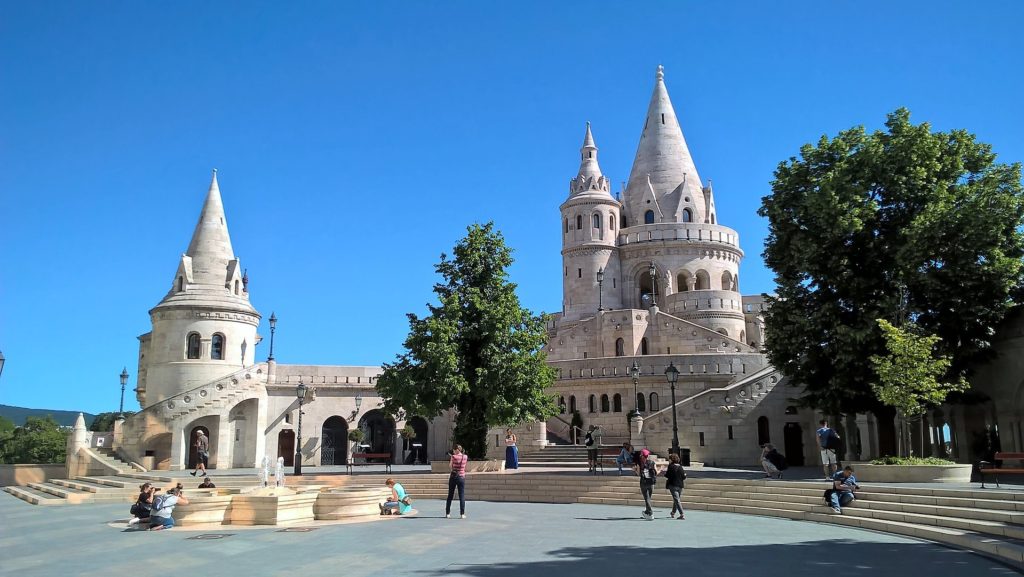
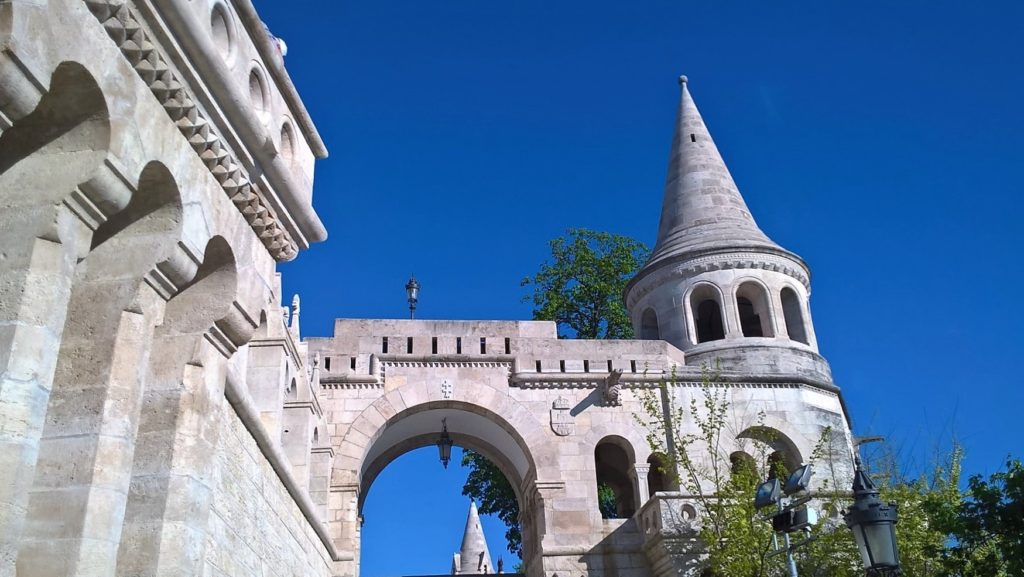
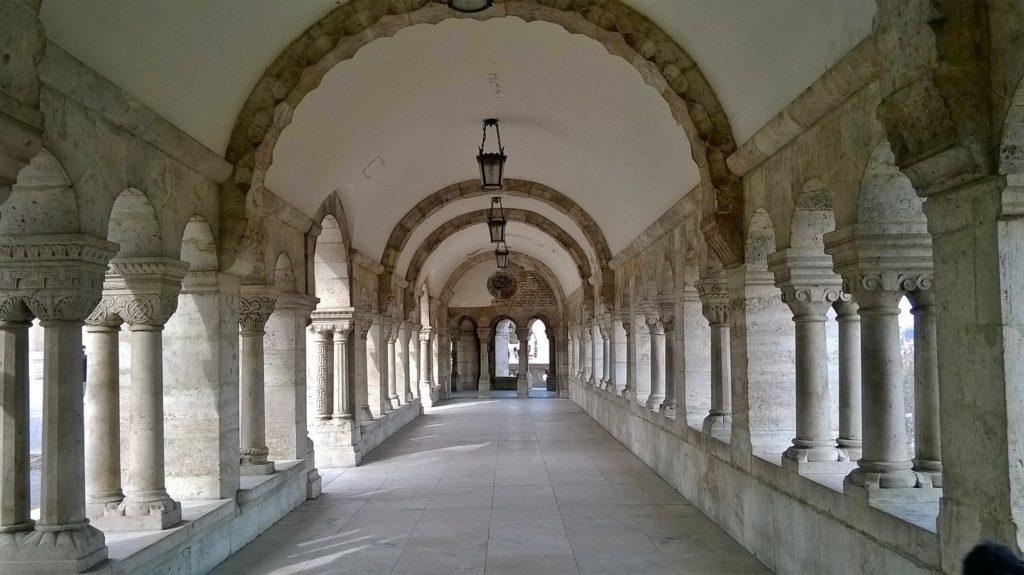
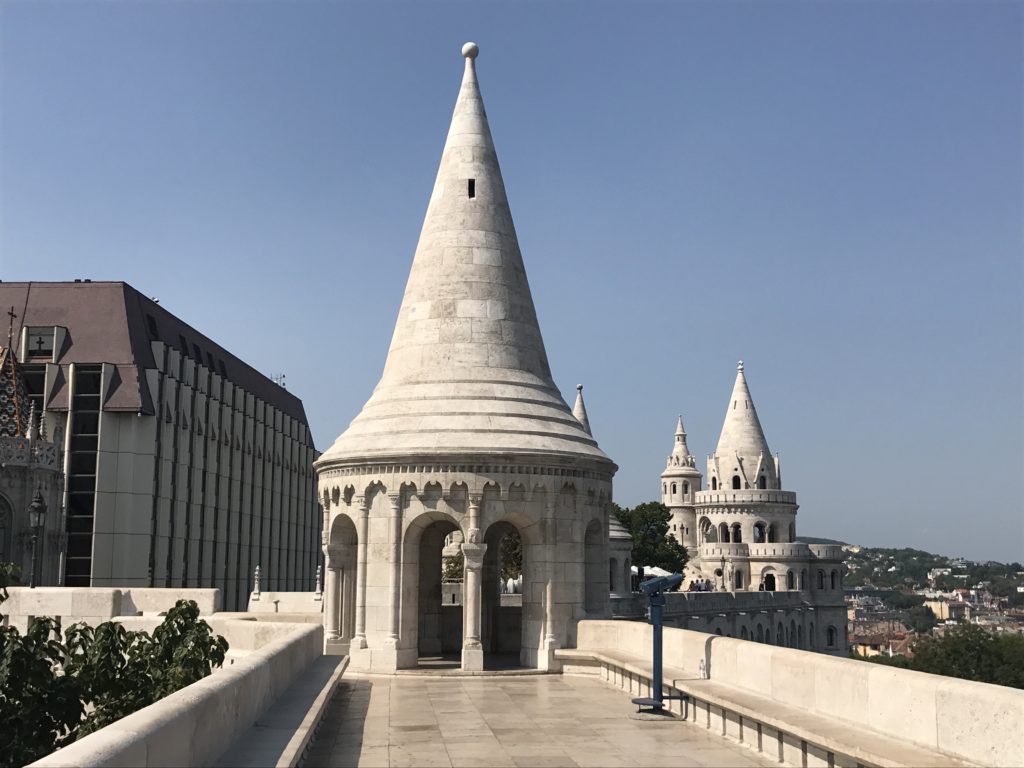
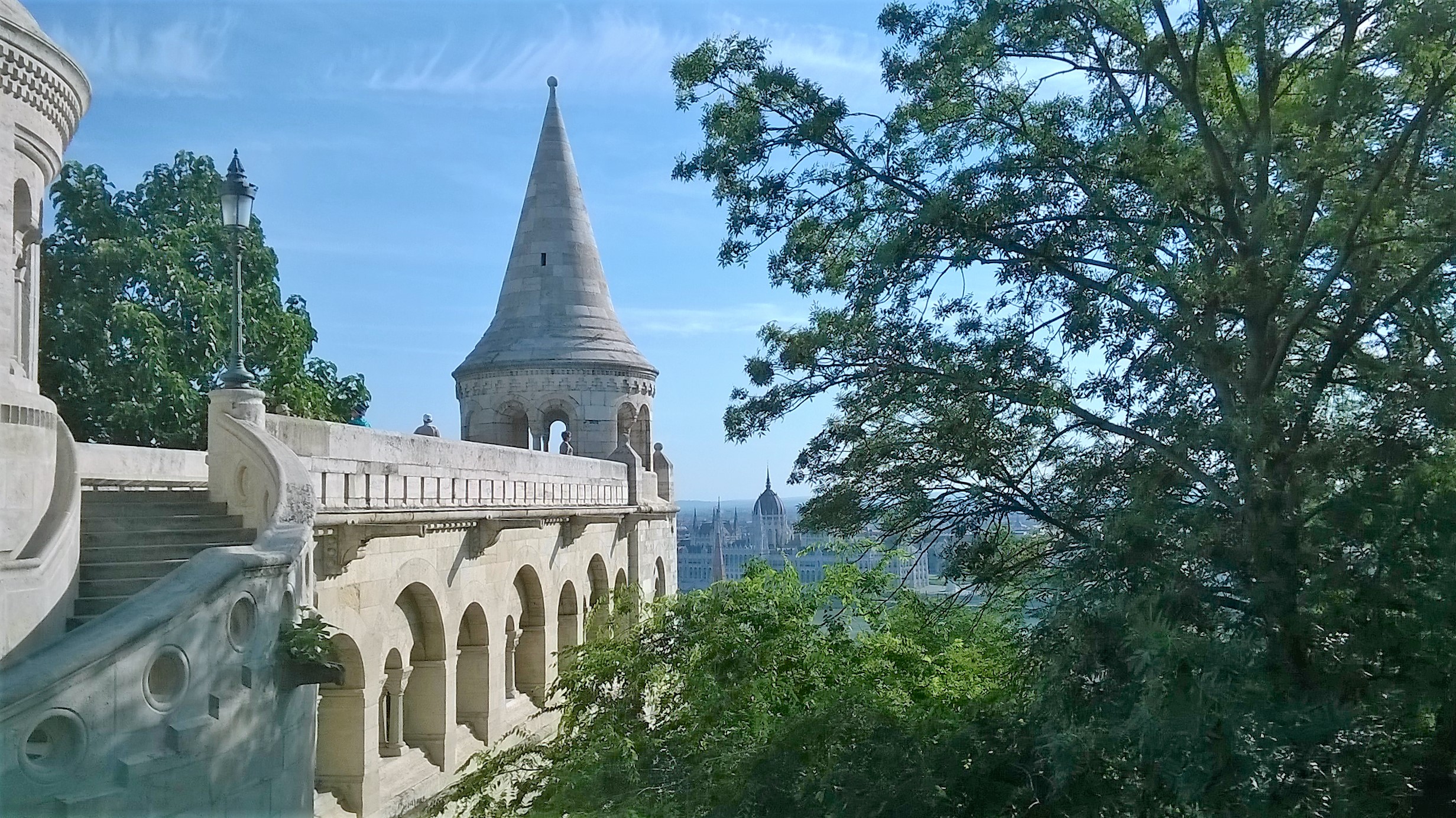
Fisherman’s Bastion is without a doubt one of the most photographed and iconic sights in Budapest. Perched high on Castle Hill, this fairytale-like terrace offers breathtaking panoramic views over the Danube, the Hungarian Parliament, and the entire Pest side of the city. Its whimsical turrets, staircases, and white-stone arches draw visitors from around the world — and once you see it, you’ll understand why.

What makes Fisherman’s Bastion truly special is how photogenic and inviting it is from every angle. Whether you’re capturing the early morning light, the towers framed by the neighbouring Matthias Church, or simply walking beneath its arches, each view offers something new. It’s one of those rare places that feels different every time you visit.

To fully experience this magical spot, I recommend joining my Buda Castle Walk — a private tour that explores the history, legends, and hidden corners of the castle district. If you prefer a broader look at the city that includes this highlight, my Full-Day Budapest Tour by Car also includes a scenic stop at Fisherman’s Bastion with plenty of time to explore. Don’t hesitate to contact me for more details or ideas!

Originally built in the late 1800s to celebrate 1,000 years of Hungary, the Bastion is more about beauty than battle — a tribute to the fishermen who once protected this stretch of the medieval walls. Today, it’s a peaceful, inspiring place to slow down and take in the soul of Budapest.

Personal tip: If you’d like to take photos like me, with no people in them, it’s best to visit early in the morning — it’s when the Bastion is at its quietest and most magical.

Curious about the Bastion’s story? This History Tools article dives deep into its medieval defense roots, the fishermen’s role, the Neo‑Romanesque design by Frigyes Schulek, and the significance of its seven symbolic towers.

Fisherman’s Bastion seasons reveal how this iconic Budapest landmark transforms from spring blossoms to winter calm throughout the year.

There are very few places in Budapest that feel completely different throughout the year — and Fisherman’s Bastion is one of them. Thanks to my private Budapest tours, I visit this iconic spot almost every day, in every season, and it never looks the same twice.

Whether you’re visiting in spring blossoms, summer sunshine, autumn colours, or winter snow, Fisherman’s Bastion always offers something special.

Spring Atmosphere

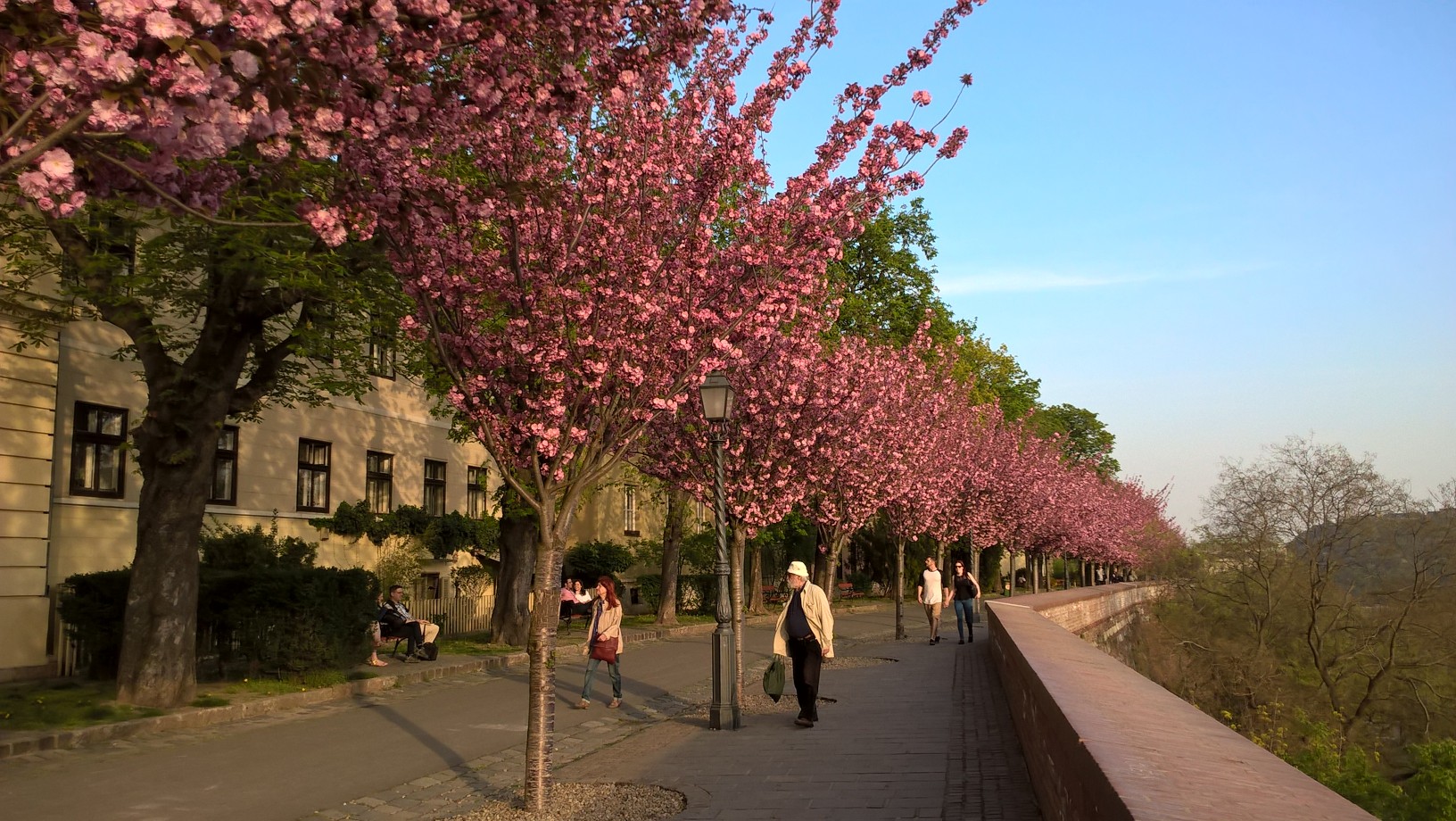
Spring brings fresh greenery, soft light, and a calm, hopeful atmosphere to the Buda Castle District. Trees begin to bloom around the Bastion, and the views over the Danube feel especially crisp and clear. It’s a wonderful time for relaxed walks, gentle light for photography, and fewer crowds than in high summer.

Summer Vibes

In summer, Fisherman’s Bastion is at its liveliest. Long daylight hours, blue skies, and warm evenings make it one of Budapest’s most popular viewpoints. The terraces buzz with visitors, musicians, and travellers soaking in the views — especially at sunset, when the city glows golden.

Early mornings or late evenings are ideal if you want to enjoy summer without the busiest crowds.

Autumn Colours

Autumn is one of my personal favourites. The surrounding hills turn shades of gold and rust, the air becomes cooler, and the light softens beautifully. It’s a peaceful, photogenic season that feels slower and more local — perfect for travellers who enjoy atmosphere as much as views.

Winter at Fisherman’s Bastion

Winter transforms Fisherman’s Bastion into something almost magical. On frosty mornings — or rare snowy days — the white stone towers blend into the winter landscape, creating a fairytale scene. There are fewer visitors, the air is crisp, and Budapest feels quieter and more intimate.

What’s the best season to visit Fisherman’s Bastion?

The beauty of Fisherman’s Bastion is that there is no bad season — only different moods. Each time of year offers:

  • changing light and colours

  • a different crowd level

  • a unique atmosphere

That’s why I always tell my guests: the best time to visit is when you’re here.

If you’d like to understand why this spot is considered one of Budapest’s highlights — and how to experience it for the first time — start with my main guide:
👉 A Must-See: Fisherman’s Bastion

And if you want to experience it at the right time of day, with local insight and hidden details, Fisherman’s Bastion is part of my Buda Castle Walk and can also be included in my private Budapest tours.

Perched high above the Danube on Castle Hill, Fisherman’s Bastion is one of Budapest’s most iconic and enchanting landmarks. With its fairytale-like towers, sweeping terraces, and breathtaking views over the Pest side of the city, it’s a place that leaves a lasting impression on first-time visitors and returning travellers alike.

What is Fisherman’s Bastion?

Despite its castle-like appearance, Fisherman’s Bastion was never built for defense. Constructed between 1895 and 1902, it replaced part of the medieval town walls of Buda and was designed as a panoramic lookout terrace. Its Neo-Romanesque style was chosen to complement the neighbouring Matthias Church, creating one of the most beautiful architectural ensembles in the city.

The Bastion features seven ornate towers, symbolizing the seven Hungarian tribes who settled in the Carpathian Basin in 896 — a key moment in Hungarian history.

Why is it called Fisherman’s Bastion?

The name comes from the guild of fishermen who, in the Middle Ages, were responsible for defending this section of the city walls. Today, instead of guarding Budapest, the Bastion offers one of the best viewpoints in the city — especially towards the Hungarian Parliament Building across the river.

The views

From the terraces, you’ll enjoy a stunning panorama of:

  • the Danube River

  • the Pest skyline

  • Margaret Island

  • the Parliament building

  • bridges stretching across the city

It’s beautiful at any time of day, but the atmosphere changes constantly with the light, weather, and seasons — which is why I never get tired of visiting it.

Visiting tips from a local guide

  • Upper terrace: Part of the Bastion requires a small entrance fee, and I highly recommend going up — the view is worth it. Tickets can be bought on-site or online.

  • Best time to visit: Early morning is the quietest and most magical, especially if you love photography.

  • Accessibility: Easy to reach on foot within the Buda Castle District, or as part of a guided walk or driving tour.

How to experience it with me

Fisherman’s Bastion is a highlight of my Buda Castle Walk, where I share not only the history, but also the hidden details, legends, and best photo angles. It can also be included in my private Budapest city tours by car, making it an effortless and memorable stop.

If you’re visiting Budapest for the first time, Fisherman’s Bastion is truly a must-see — not just for the views, but for the atmosphere, history, and sense of timeless beauty it offers.

One of my favourite moments of the day is when the street lights of Budapest are switched off just a few minutes before sunrise. Eventually the best place to film it from is the very top of the Fisherman’s Bastion.


The Buda Castle District is the oldest part of Buda and one of the most atmospheric areas of Budapest. Built high on Castle Hill, it has been the political, religious, and strategic heart of the city since the Middle Ages. Long before Budapest became a unified capital, Buda was already an important royal center. By the mid-13th century, the hilltop was crowned with fortifications, a medieval town, and a royal residence — setting the foundations for the historic district we explore today.

Not a “Real” Castle — and That’s the Story

One small but important clarification often surprises visitors: the Buda Castle District is not a single intact medieval castle.

The original Gothic and Renaissance royal palace — once home to Hungarian kings — was largely destroyed during the wars of the 17th century. What survives today are fragments, foundations, and stories. Some of these remains can be seen in the Budapest History Museum, while much of the medieval castle still lies hidden beneath the ground.

What you see above ground today is mostly the result of later rebuilding — especially the grand 18th-century Baroque palace, which now dominates the hilltop.

Walking Through Centuries

One of the best ways to experience the district is simply on foot. As you walk uphill along former ramparts and quiet lanes, the layers of history gradually reveal themselves.

The Baroque palace complex today houses major cultural institutions, including the Hungarian National Gallery, while the surrounding streets form the historic old town of Buda.

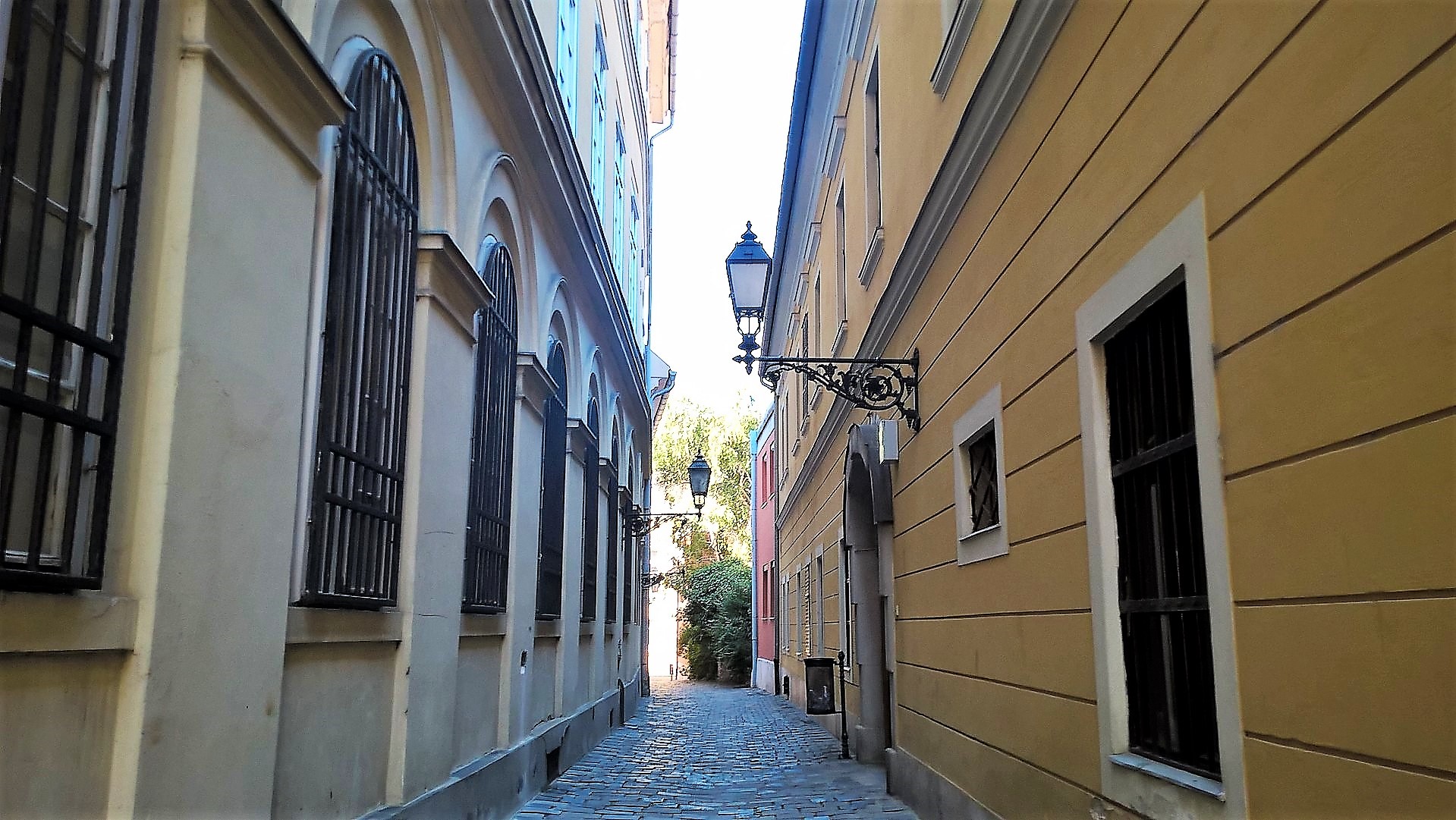
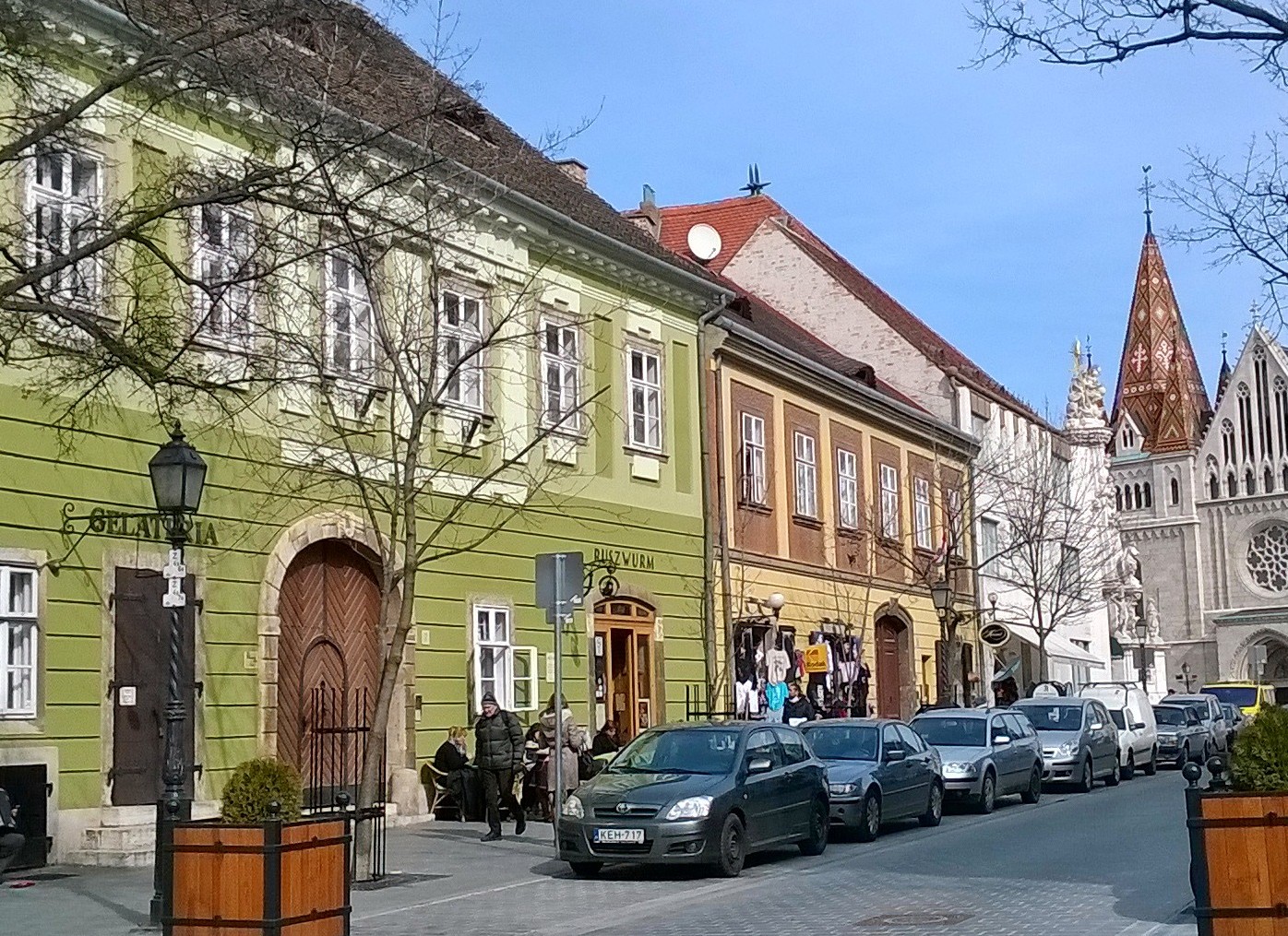
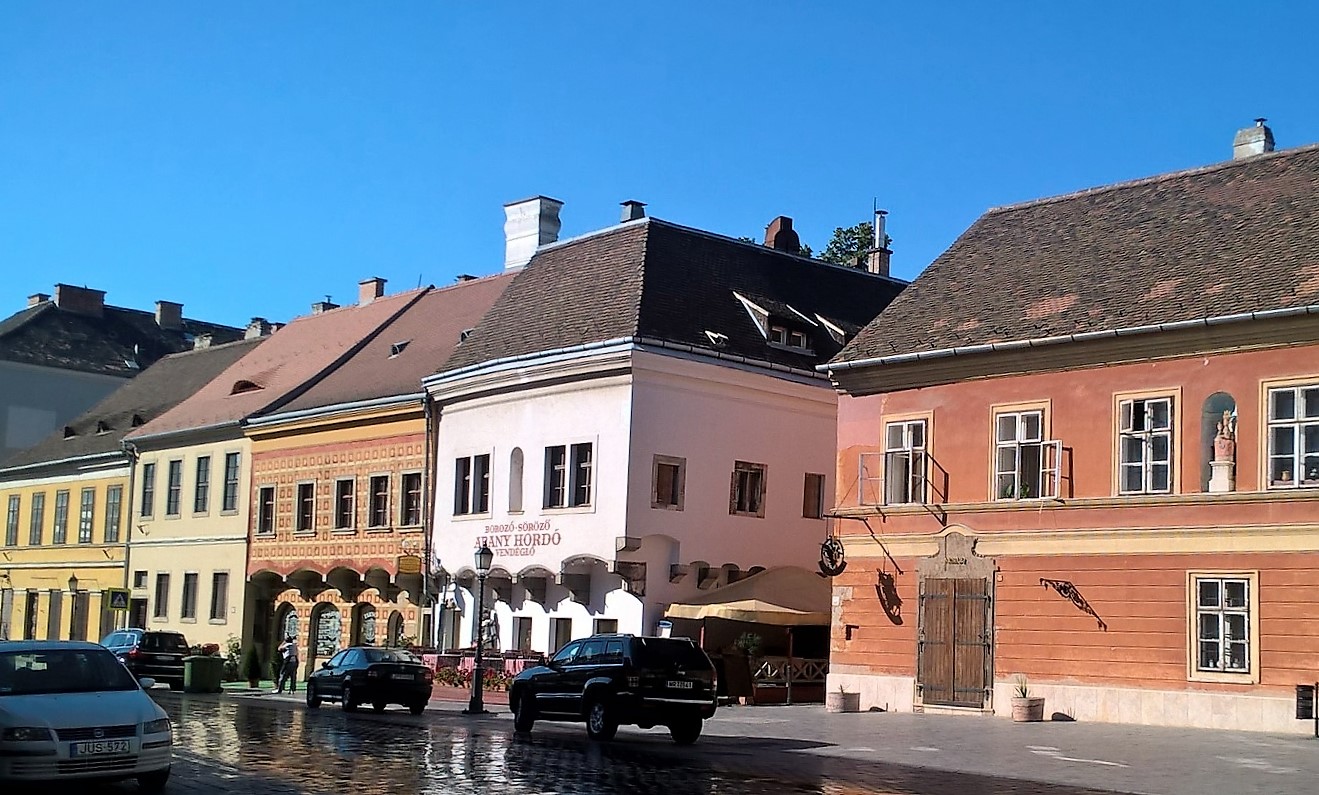
Cobblestoned streets, pastel façades, and hidden courtyards lead naturally toward one of the district’s most iconic landmarks: Matthias Church.

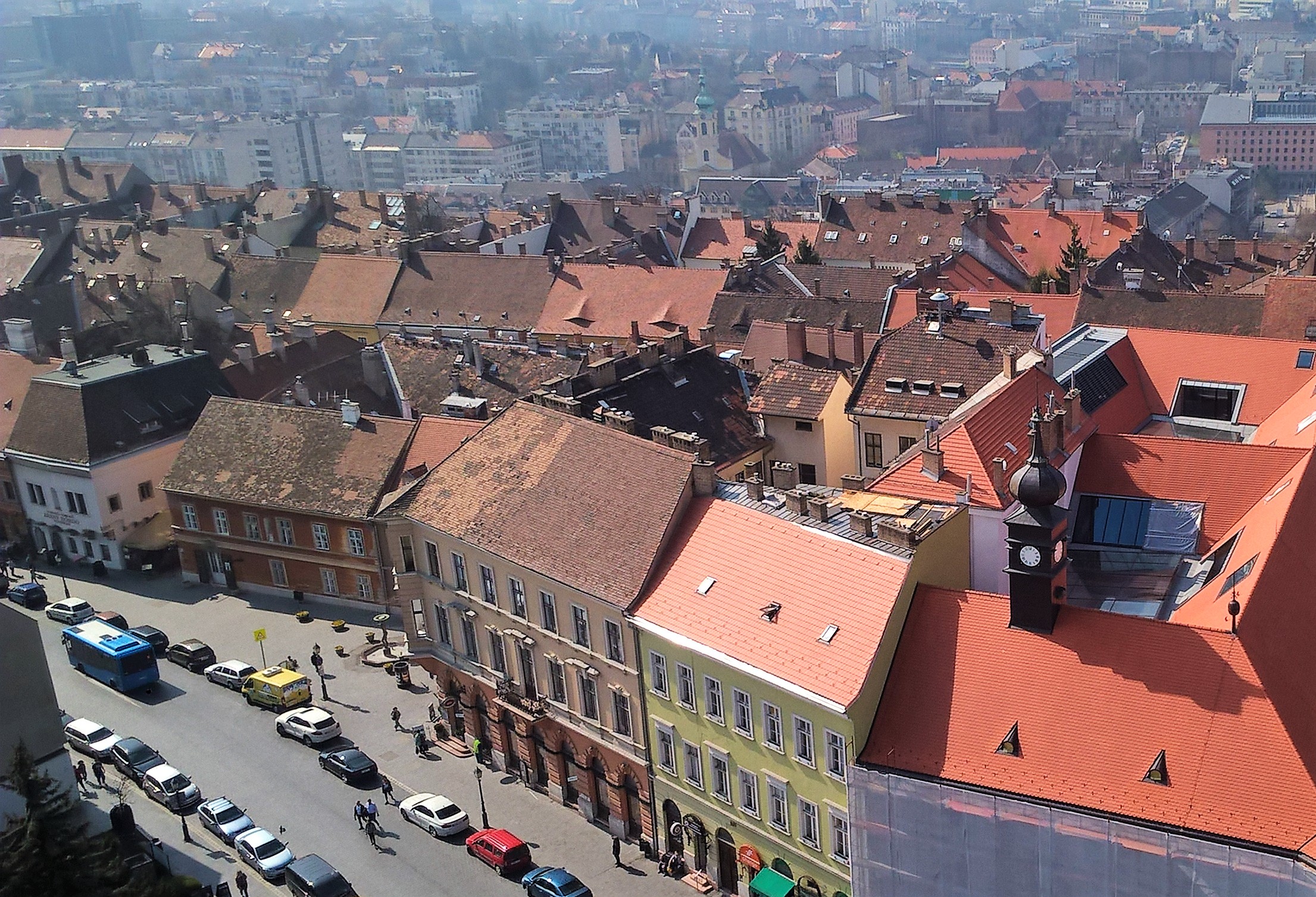
For those willing to climb higher, the church tower rewards you with one of the finest panoramic views over Budapest — a perspective that makes the city’s geography instantly clear.

Views That Define Budapest

Just a few steps away, the Fisherman’s Bastion offers one of the most famous panoramas in Hungary.

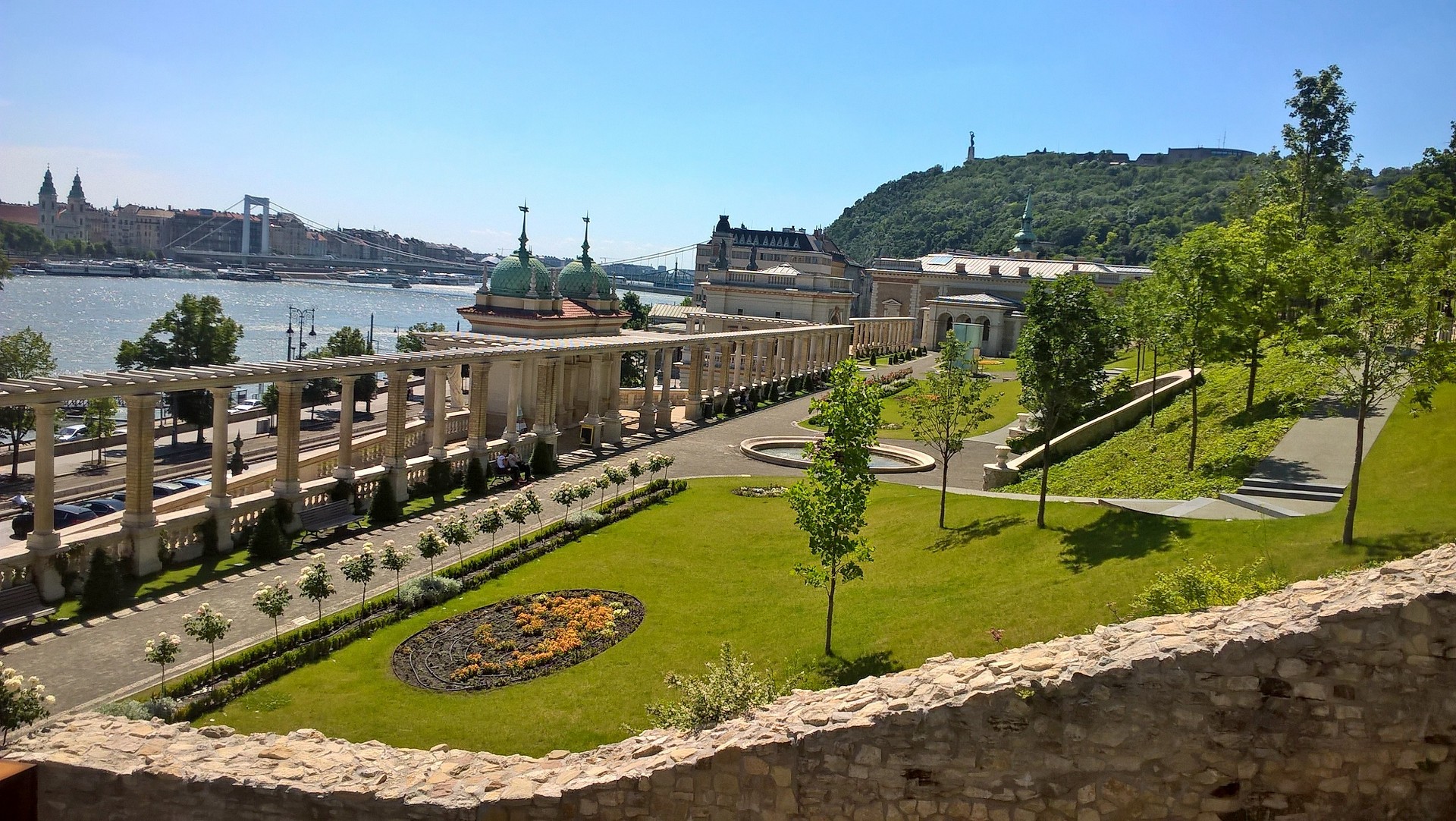
From its terraces, the view opens across the Danube to the Pest side, with the Hungarian Parliament building perfectly framed below. It’s a moment that connects medieval Buda with 19th-century Pest — and helps explain why this hill has always been so important.

The Civilian Town and Forgotten Quarters

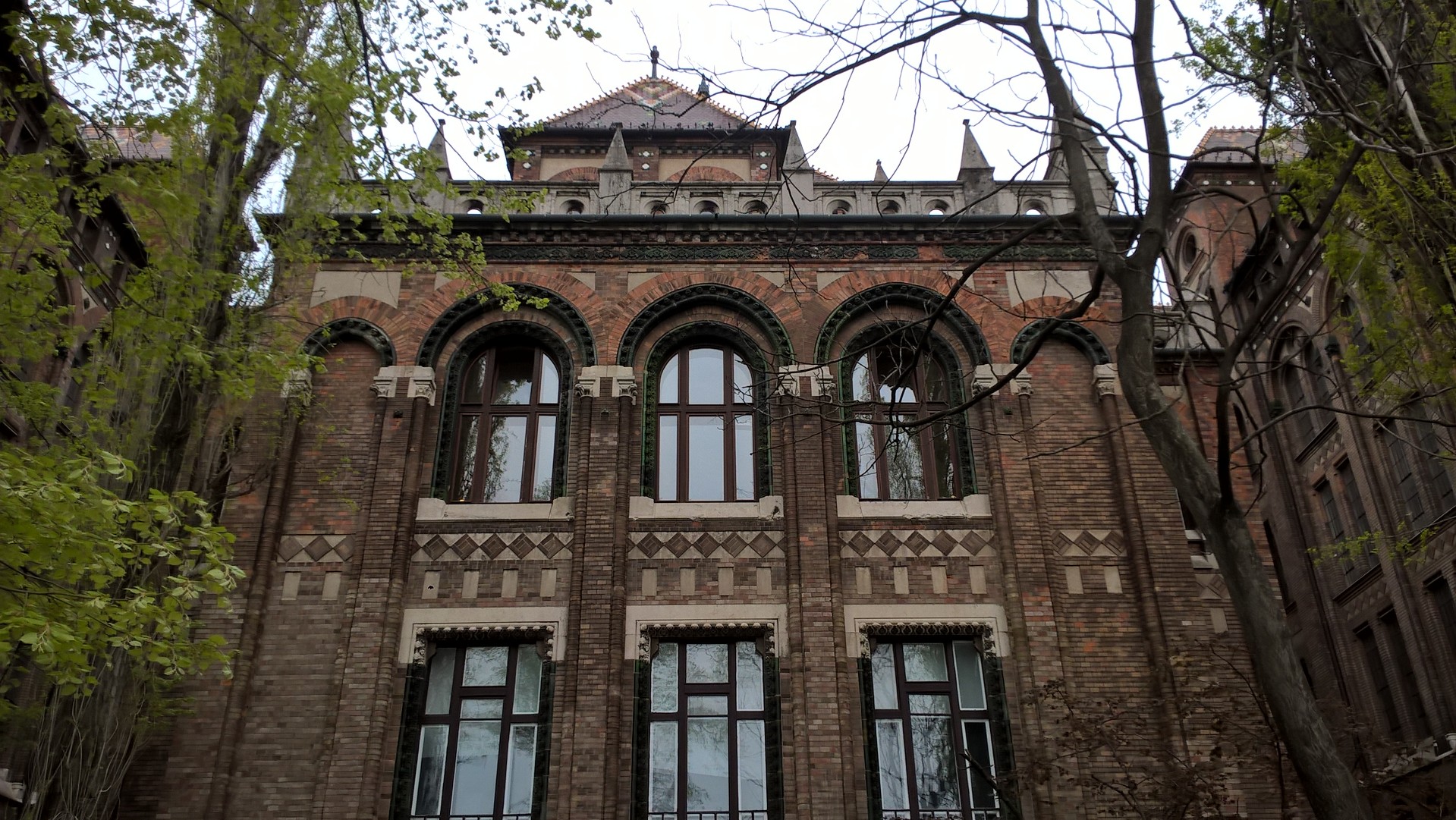
Beyond the postcard views, the district also tells quieter stories. Walking through the former civilian town, you encounter elegant residences, the striking architecture of the Hungarian National Archives, and traces of communities that once lived side by side here — including the old Jewish quarter of Buda.

These streets feel calmer, more residential, and often reveal details that are easy to miss without context.

A City Beneath the City

Perhaps the most surprising fact about the Buda Castle District lies underground.

Beneath the streets stretches a 12-kilometer-long network of caves and cellars, used over centuries for storage, shelter, and survival. Today, parts of this underground world can be explored through two very different museums.

The Hospital in the Rock served as a military hospital during World War II and later as a nuclear bunker during the Cold War.
The Labyrinth of Buda Castle offers a more theatrical experience — with legends, shadows, and even a brush with Dracula.

The Buda Castle District reveals its true character when explored slowly and with context — beyond just the highlights.

I’d be happy to show you both the famous landmarks and the quieter corners during one of my Budapest walking tours, always adapting the walk to your interests and pace. If you’d like to discover the district through stories, viewpoints, and hidden details, feel free to get in touch.