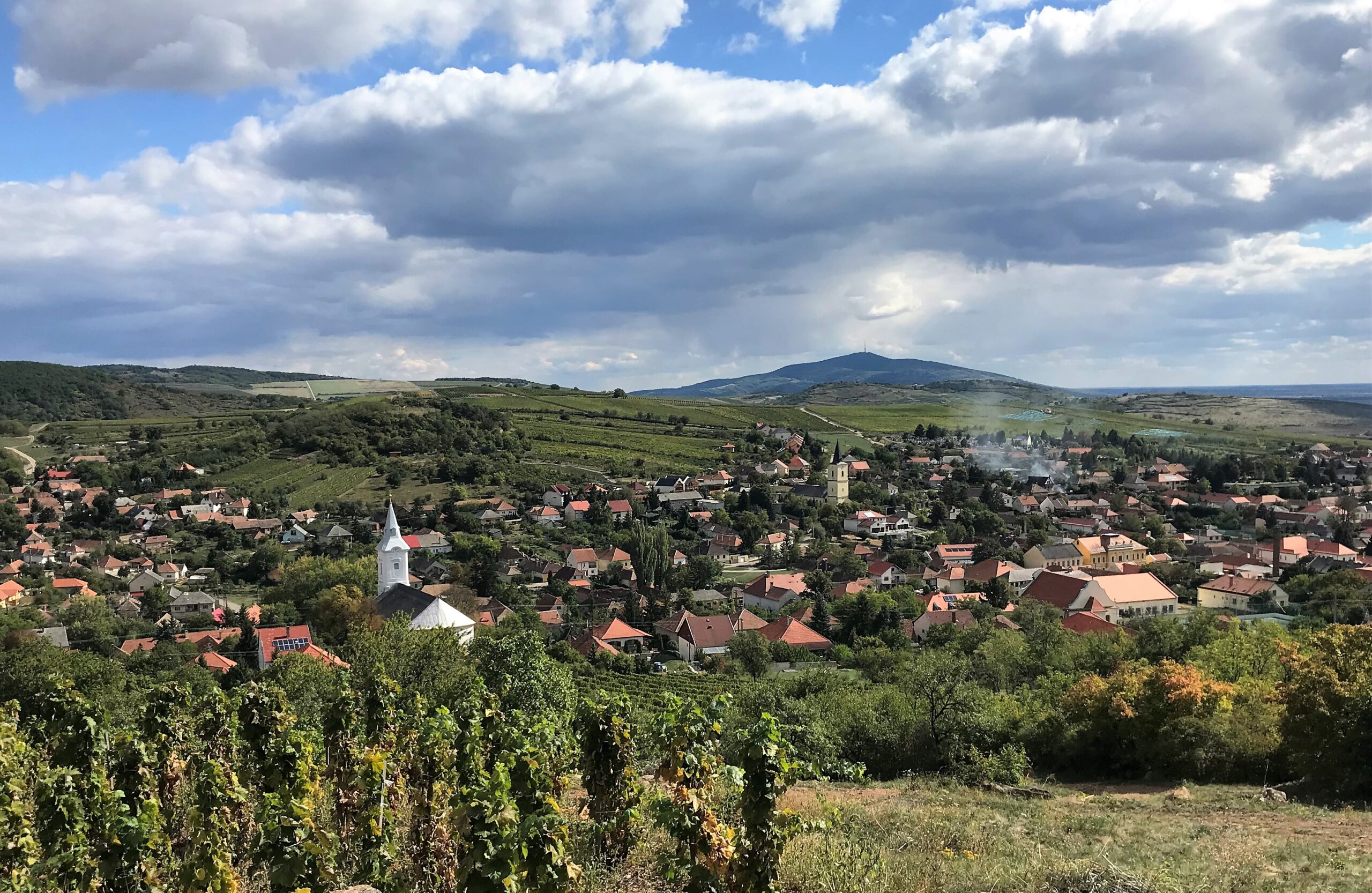
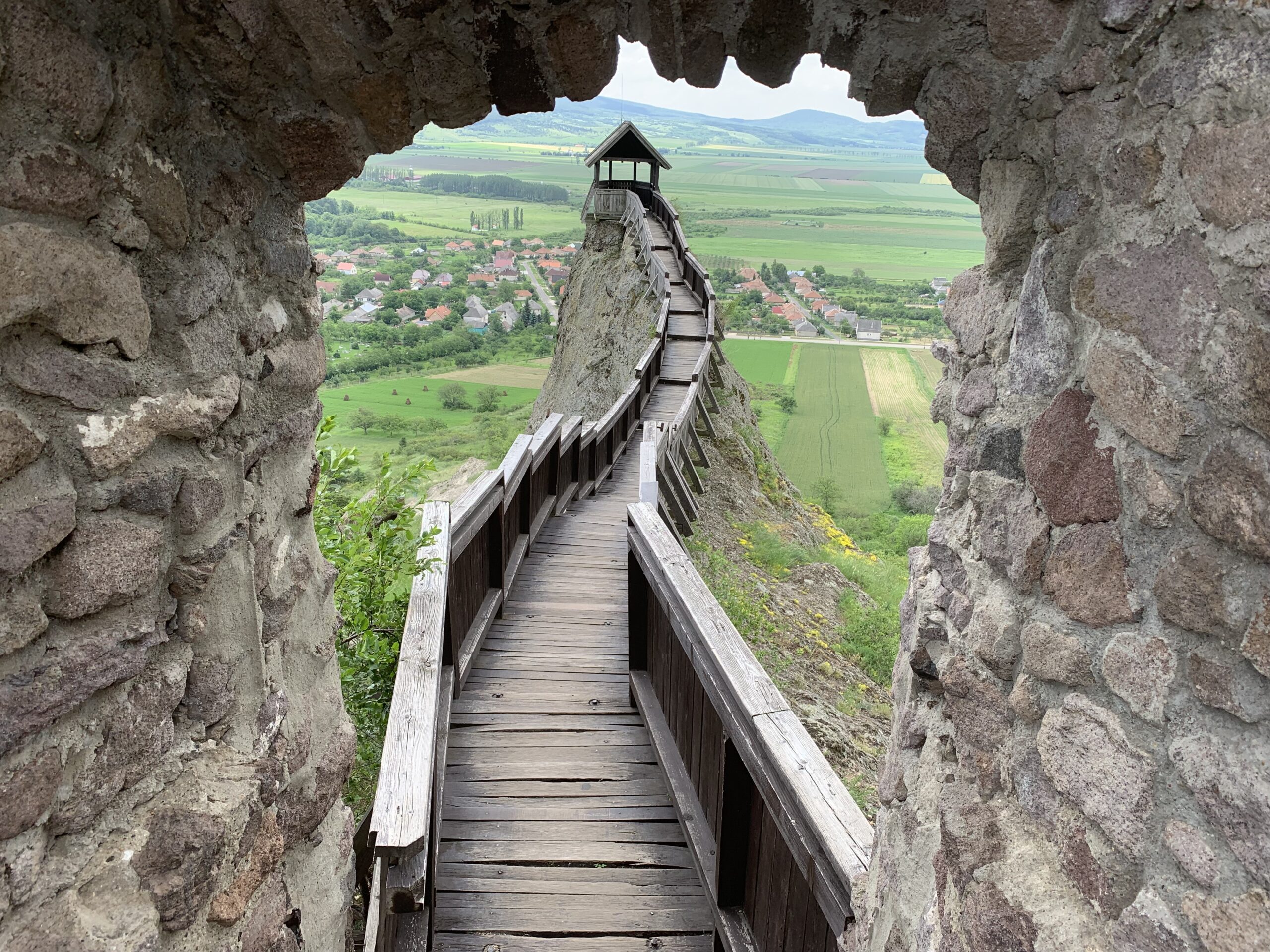
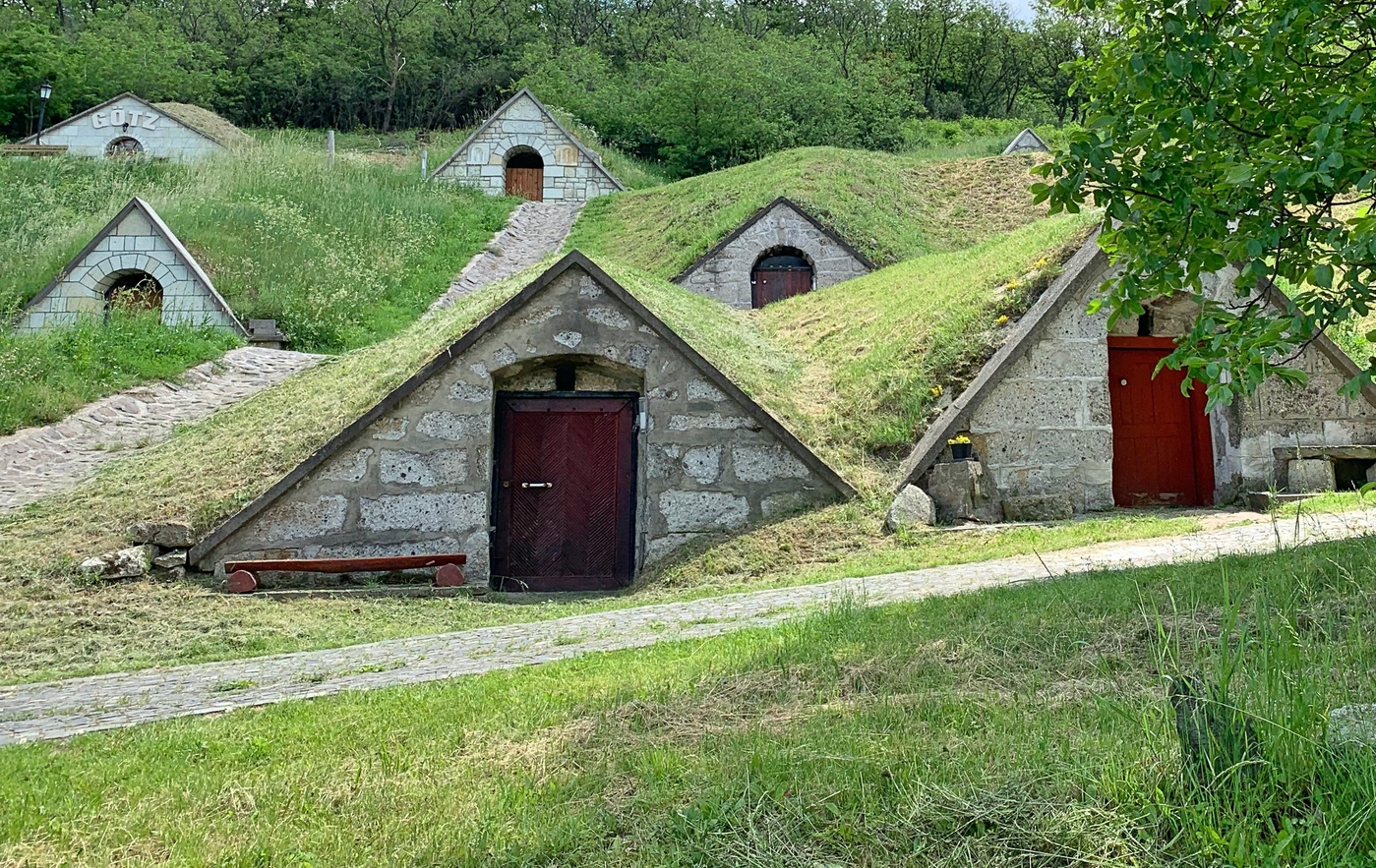
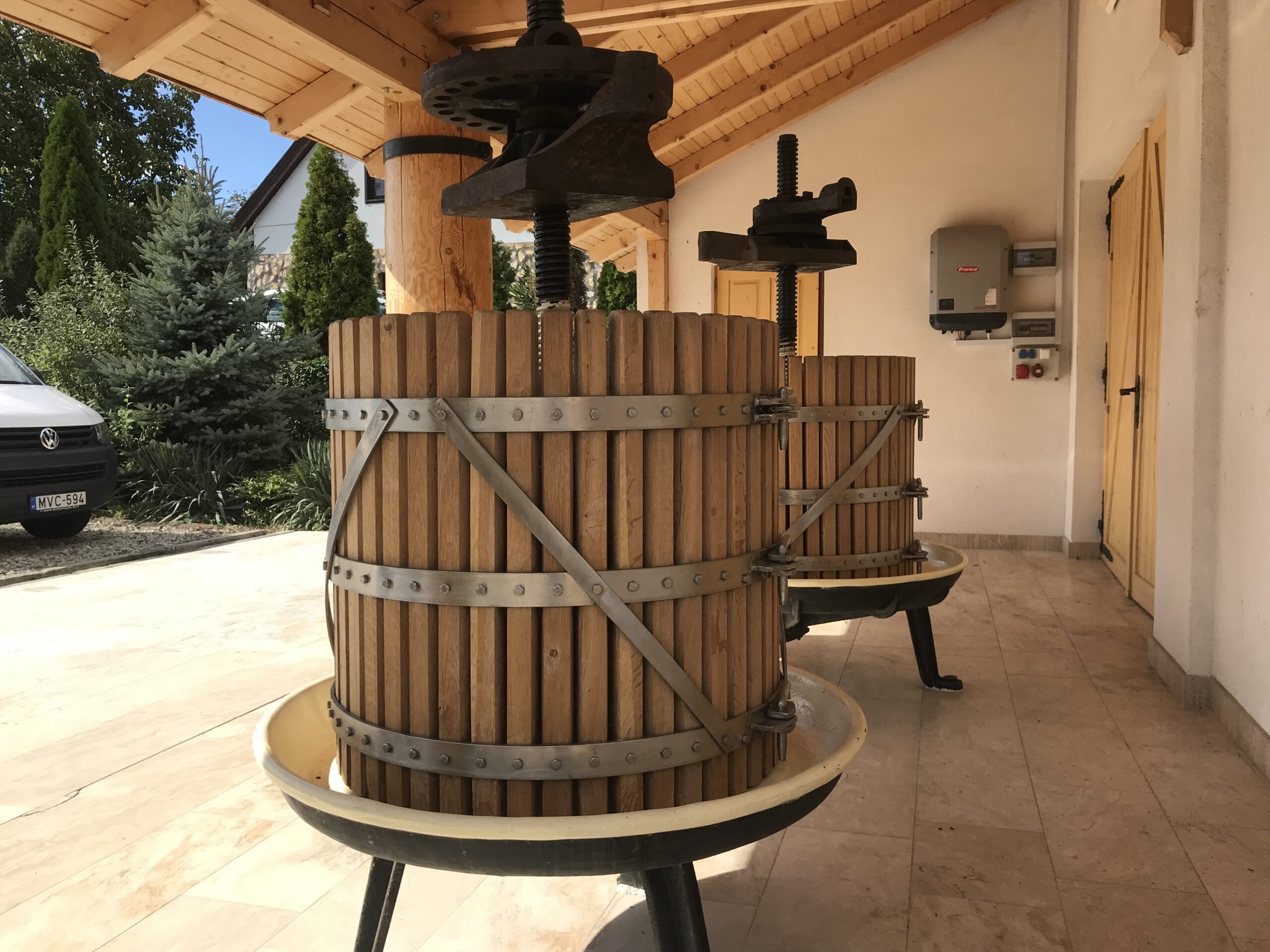
We were lucky enough to visit the Tokaj wine region last week, this is one of my favourite tours. We were able to sample some truly amazing wine in Tokaj and Mád, visited the fairytale castle of Boldogkő, saw a beautiful rainbow over the vineyards and had also the chance to see the Mád synagogue.

This was a tour to remember, I hope I can show more and more travellers this beautiful part of Hungary.


If you are planning a day trip from Budapest, the Danube Bend is one of the most rewarding regions to explore — and the Upper Castle of Visegrád (Citadel) is without question one of its highlights.

The Danube Bend tour is one of my most popular private tours, as it combines three very different villages along the Danube River, each with its own character, history, and atmosphere. Among them, Visegrád stands out for its dramatic hilltop fortress and breathtaking panoramic views.

A Fortress Born After Invasion

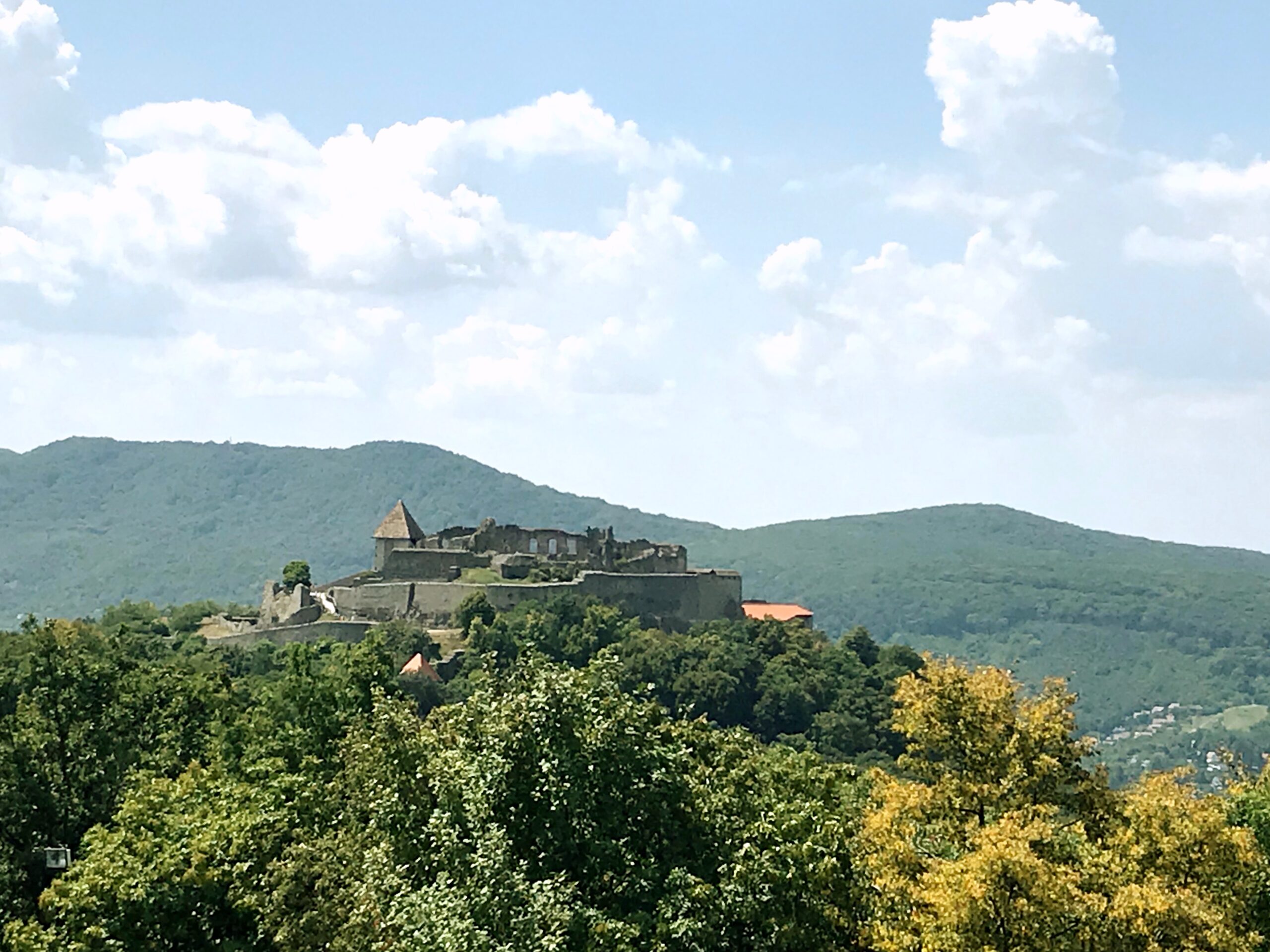
Visegrád is best known for two historic sites: the Royal Palace and the Upper Castle, both part of a vast system of fortifications built in the 13th century. These defenses were constructed after the devastating Mongol invasion, when Hungary began reinforcing strategically important locations throughout the kingdom.

Perched high above the river, the Upper Castle was designed not only for defense, but also as a safe refuge. According to historical sources, its construction was financed by the wife of King Béla IV, and the site originally served as a place of protection and seclusion.

What You Can See Today

Today, visitors can walk among the impressive remains of the thick stone walls and towers, gaining a real sense of medieval military architecture. The climb up to the citadel is rewarded generously: from the top, the view over the Danube Bend is one of the most iconic panoramas in Hungary.

On a clear day, you can see the river making its dramatic curve between forested hills, with small towns and villages dotting the landscape below. It is an ideal spot for photography — and one of my favorite places to pause during a private tour.

Why Visit the Upper Castle of Visegrád?

  • One of the best panoramic viewpoints in Hungary

  • A key site for understanding medieval Hungarian history

  • Perfectly combined with nearby towns on a Danube Bend day trip

  • Easily accessible from Budapest, yet surrounded by nature

Visiting Visegrád on a Private Tour

The Upper Castle of Visegrád fits beautifully into a full-day Danube Bend itinerary. Visiting with a private guide allows you to move at your own pace, avoid unnecessary crowds, and understand the historical context behind what you are seeing — not just admire the view.

If you are interested in exploring Visegrád together with other highlights of the Danube Bend, this stop is an essential and unforgettable part of the journey.

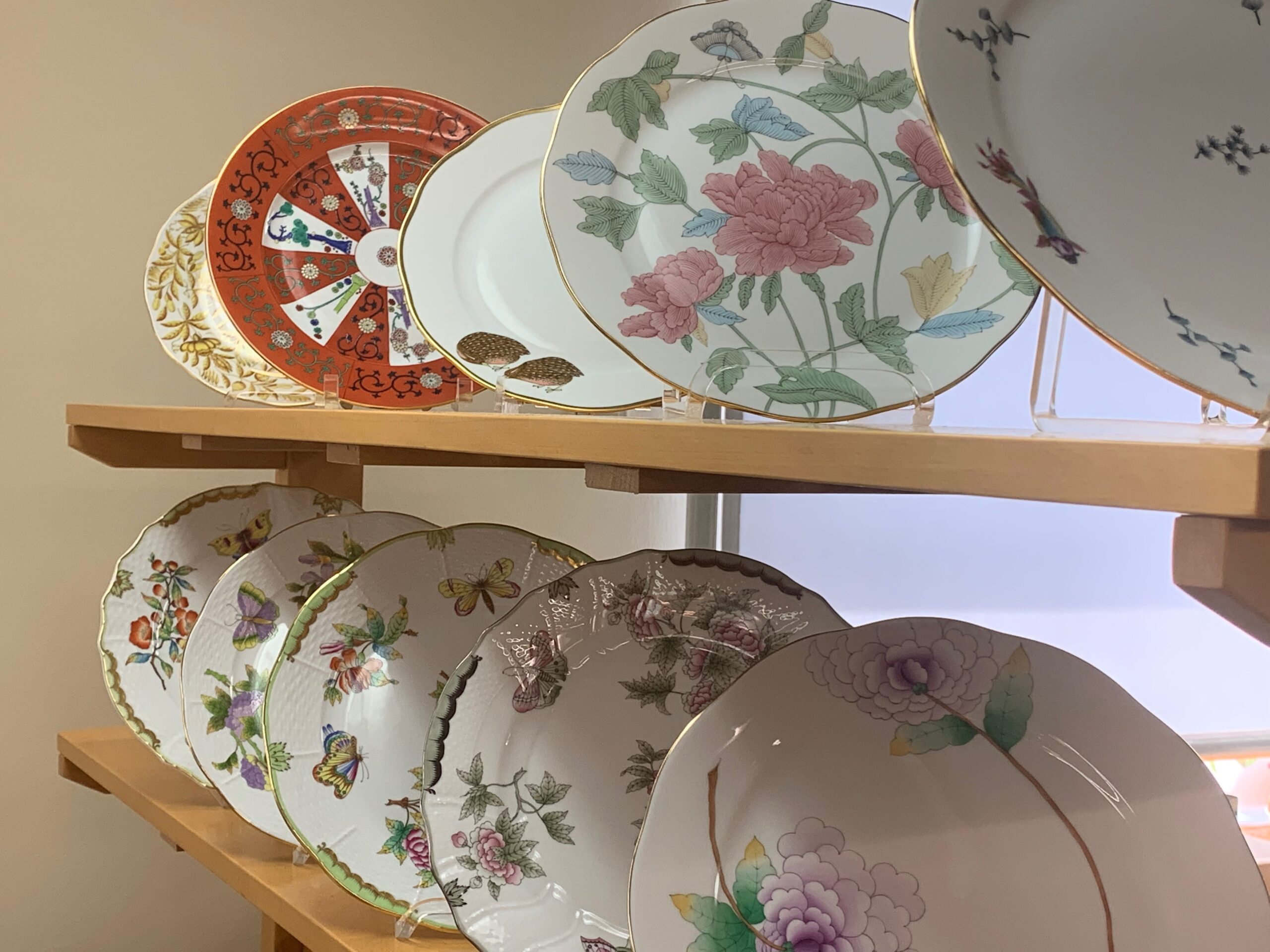
Herend porcelain patterns are more than decorative motifs — they reflect centuries of aristocratic taste, royal patronage, and a deep understanding of colour, function, and craftsmanship.

Visiting the Herend Porcelain Factory is not only about seeing how porcelain is made — it’s also about discovering a fascinating visual language shaped by aristocracy, royal taste, colour symbolism, and function.

Over the years, Herend has created hundreds of patterns, each with its own story. Some were designed for royal courts, others for noble families, and many were adapted to different uses, from grand dining rooms to intimate tea rituals.

Porcelain for Royalty and Aristocracy

One of the most famous Herend designs is the Viktória pattern, created in the 19th century after Queen Victoria admired a richly decorated dinner service at an international exhibition. She ordered a full set for herself, and the pattern was named in her honour.

The design is elaborate and colourful, featuring butterflies and floral motifs inspired by the Far East — a style that perfectly matched aristocratic taste at the time. These pieces were meant to impress: large dining tables, formal occasions, and prestigious interiors.

Similarly, many early Herend patterns were created with noble households in mind, where porcelain was not only functional but also a symbol of status and refinement.

Colour as Identity

Colour plays a key role in Herend porcelain. Certain patterns are immediately recognisable by their palette:

  • Rich greens and golds often reflect classical elegance

  • Deep blues suggest formality and tradition

  • Softer pastel tones create a lighter, more intimate feeling

These colour choices weren’t random — they were carefully selected to suit interiors, table settings, and the expectations of high-society clients. Even today, visitors are often surprised by how modern some of these historic colour combinations feel.

Patterns Designed for Function

Not all Herend designs were created for grand banquets. Some patterns were developed specifically for tea and coffee sets, where smaller motifs and lighter decoration feel more appropriate.

A wonderful example is the Apponyi pattern, originally created as a simplified version of a more elaborate design. Its central floral motif makes it perfect for smaller items like cups, saucers, and dessert plates — elegant without being overwhelming.

This thoughtful relationship between decoration and function is one of the reasons Herend porcelain feels so timeless.

A Living Tradition

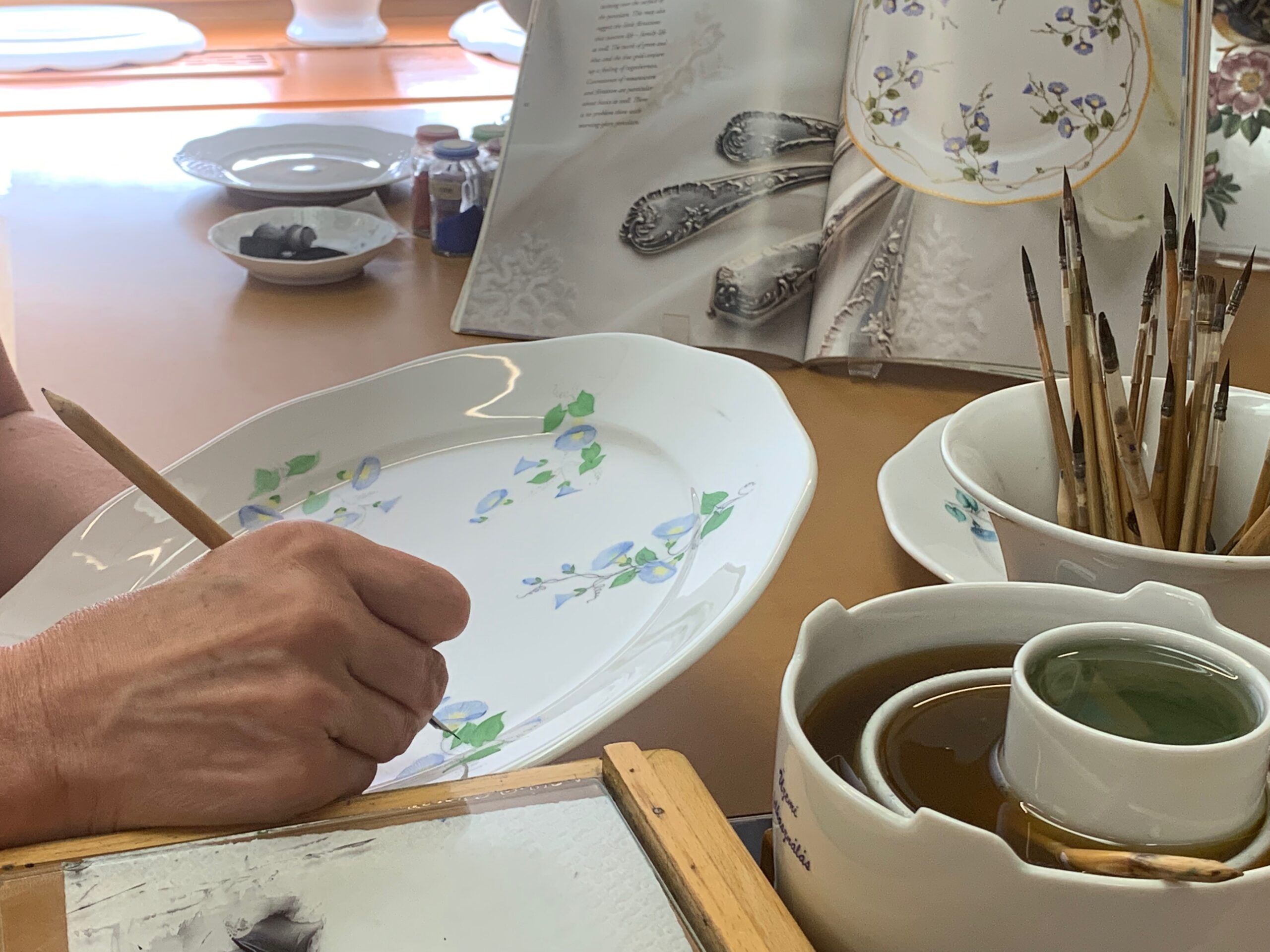
What makes Herend truly special is that these patterns are still hand-painted today, using techniques passed down through generations. While fashions change, the balance between beauty, symbolism, and usability remains the same.

Each piece tells a story — not only about craftsmanship, but also about the people and traditions that shaped it.

If you’re interested in Hungarian applied arts, design history, or simply beautiful objects with meaning, discovering Herend patterns adds a whole new layer to a factory visit. I often include Herend as part of a Lake Balaton or countryside private tour, where it fits beautifully alongside historic towns, landscapes, and regional gastronomy.
 

My favorite part of the year Budapest is getting more colorful and beautiful ever day. This is cherry blossom in the Buda Castle District. Come and see for yourself!


Budapest Christmas markets transform the city each winter into a festive wonderland filled with lights, seasonal flavours, and local traditions.

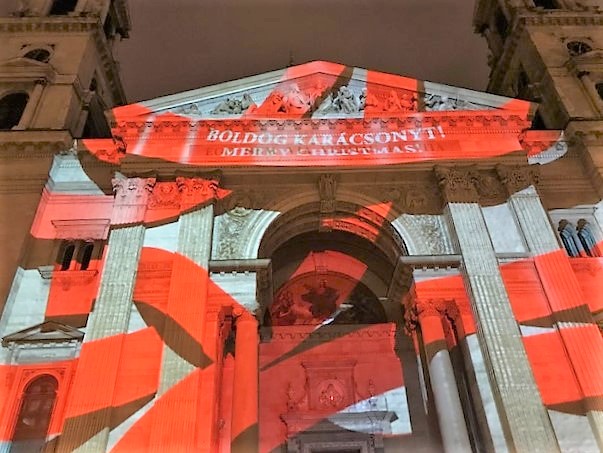
Every year, hundreds of thousands of travellers vote for their favourite Christmas markets across Europe. In 2018, one of Budapest’s most beloved festive spots received an exceptional honour: the Advent Feast at St. Stephen’s Basilica was voted the second best Christmas market in Europe by European Best Destinations.

Anyone who has visited this market will immediately understand why it ranked so highly. Set against the stunning backdrop of the Basilica, the atmosphere is unmistakably festive. The market focuses on what Budapest does best at Christmas: comforting seasonal food and drinks, beautifully crafted local handicrafts, and a warm, welcoming ambiance in the heart of the city.

One of the highlights is the spectacular video mapping show projected onto the main façade of St. Stephen’s Basilica after dark. The illuminated visuals transform the square into a magical winter scene and make this market especially memorable in the evening hours.

And of course, no visit would be complete without sampling traditional treats. Be sure to try a cup of local hot wine and freshly baked chimney cake (kürtőskalács)—arguably the most irresistible flavours of Budapest’s Christmas markets.

The Royal Palace of Visegrád is one of the most fascinating stops in the Danube Bend and a highlight I always try to include when touring the area. Together with the Upper Castle, the palace forms a remarkable castle complex that offers insight into how Hungarian royalty lived at the height of their power.

Located above the Danube, in the historic town of Visegrád, this palace allows visitors to step directly into the world of 15th-century royal life.

From ruins to royal splendour

The fact that we can admire the palace today is thanks to the work of a passionate Hungarian archaeologist, who discovered the ruins hidden beneath an orchard. Thanks to decades of archaeological research and careful reconstruction, the palace has been brought back to life as a stunning example of Gothic and Renaissance architecture.

We owe a great deal to the archaeologists and historians who recreated the lavish interiors, gardens, and fountains that once impressed visiting dignitaries from across Europe.

A royal residence fit for King Matthias

The original stone residence, built in the 14th century, was relatively modest — just under 5,000 square feet. However, under the reign of Matthias Corvinus, the palace was transformed into a spectacular royal residence with around 350 rooms.

According to legend, during grand celebrations in the 15th century, marble fountains flowed with red wine — a detail that perfectly captures the wealth and prestige of the Hungarian royal court at the time.

What to see in the Royal Palace of Visegrád

Today, visitors can explore:

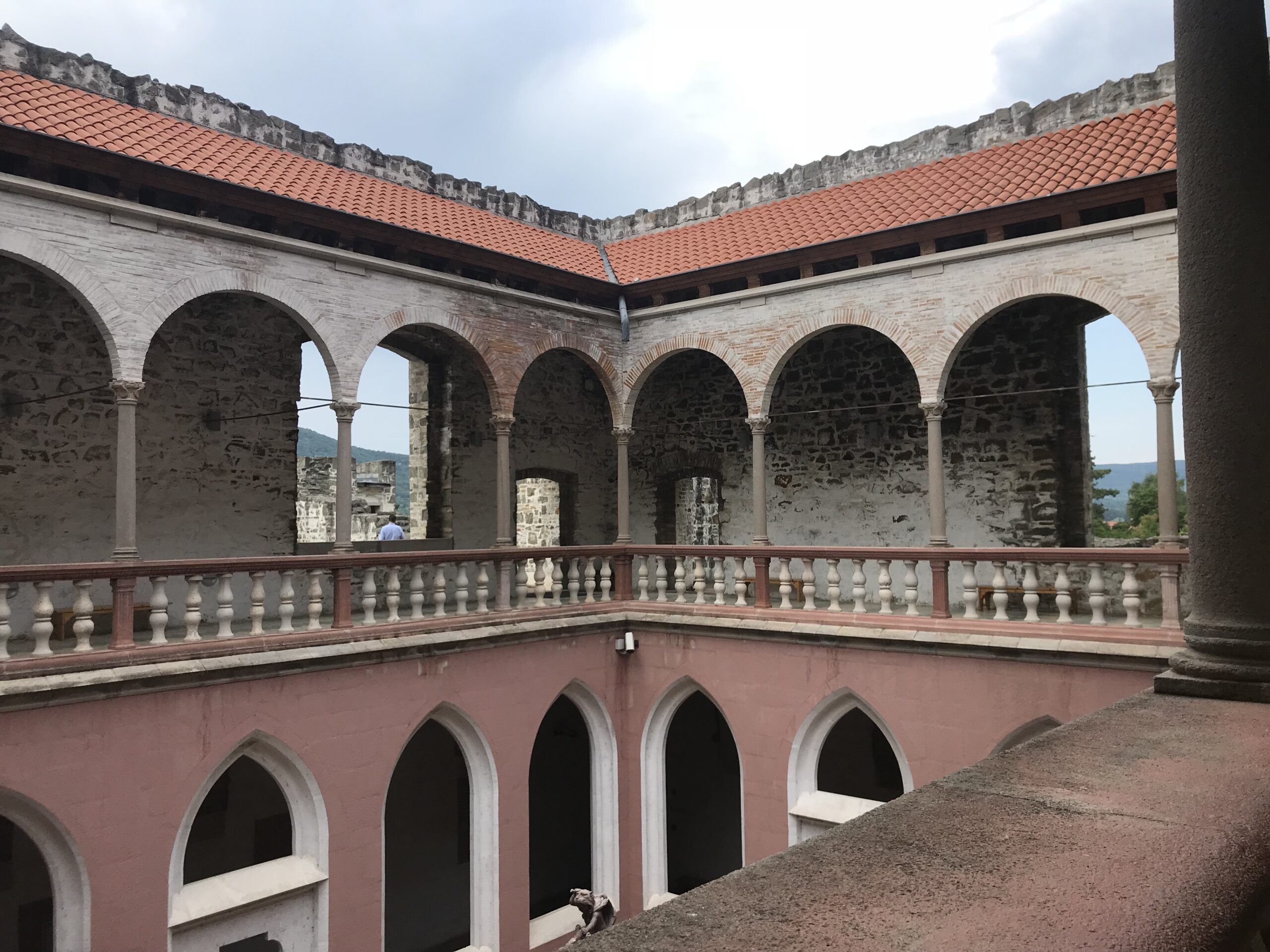
  • elegant Gothic cloisters

  • a refined Renaissance loggia

  • reconstructed living quarters of Hungarian kings and queens

  • decorative fountains and palace gardens

  • original artefacts and relics from the Middle Ages

The palace is beautifully laid out and easy to explore, making it both educational and visually impressive.

Visiting the Royal Palace on a Danube Bend tour

The Royal Palace of Visegrád is an essential stop on many Danube Bend day trips and works especially well as part of a private countryside tour from Budapest. Combined with the Upper Castle and views over the Danube, it offers a perfect balance of history, architecture, and scenery.


I’m the extremely proud winner of Travel and Hospitality Awards’ Private Tour Company – of the Year 2018 in Hungary. This is an award I appreciate a lot and it’s also a great feedback showing that my guests are happy with my services as their private Budapest tour guide. It’s time to celebrate!
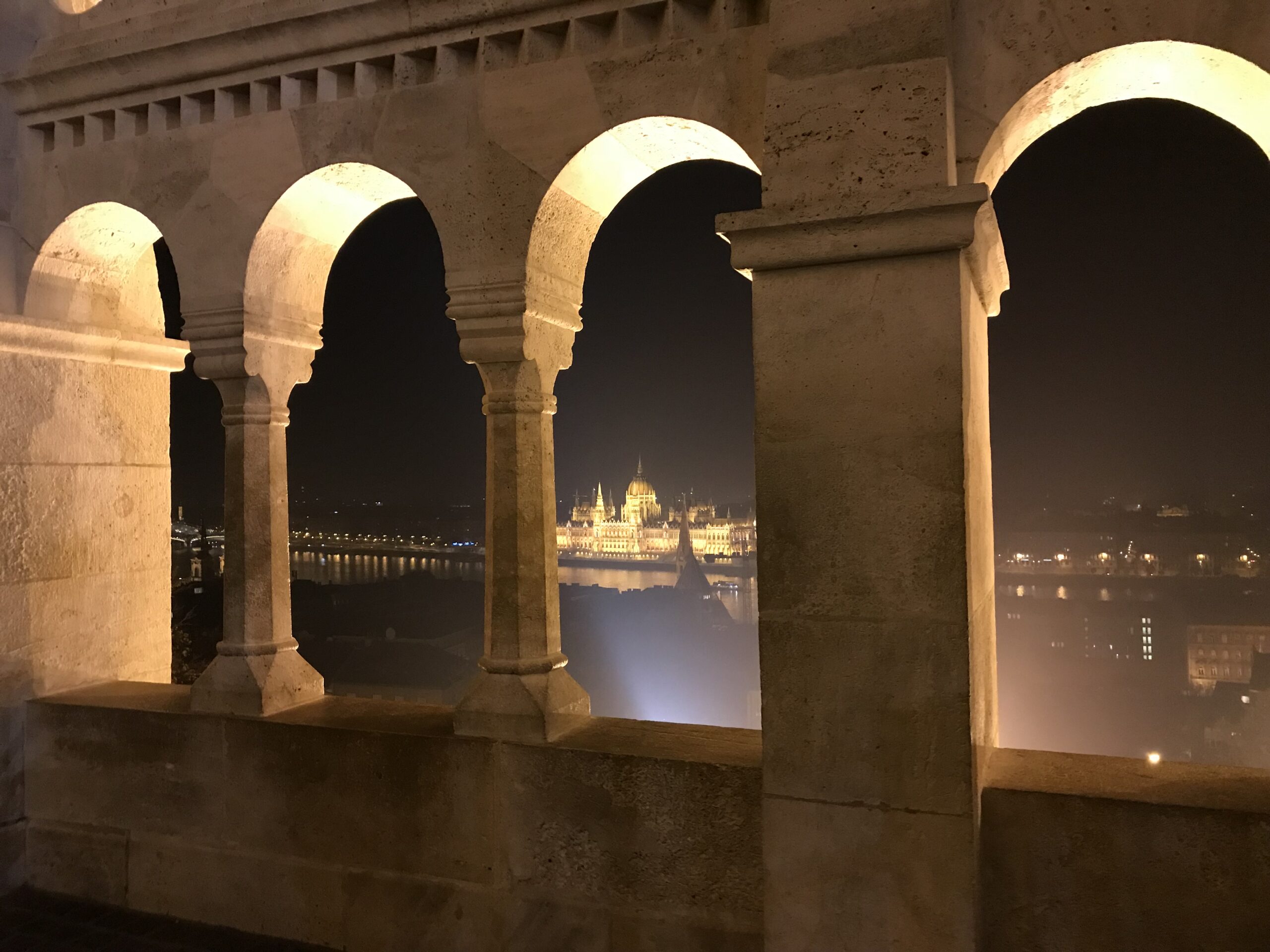

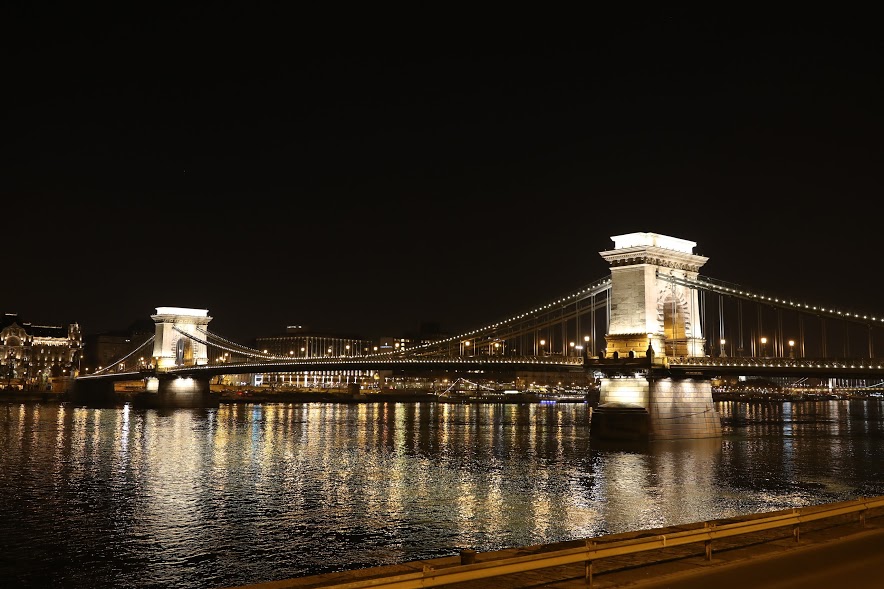
Budapest is beautiful day and night, surprisingly it’s like a totally different town when darkness falls. I enjoy very much walking around Beautiful Budapest when one can enjoy its amazing lights especially looking at them from the Buda hills or from near the Danube River.


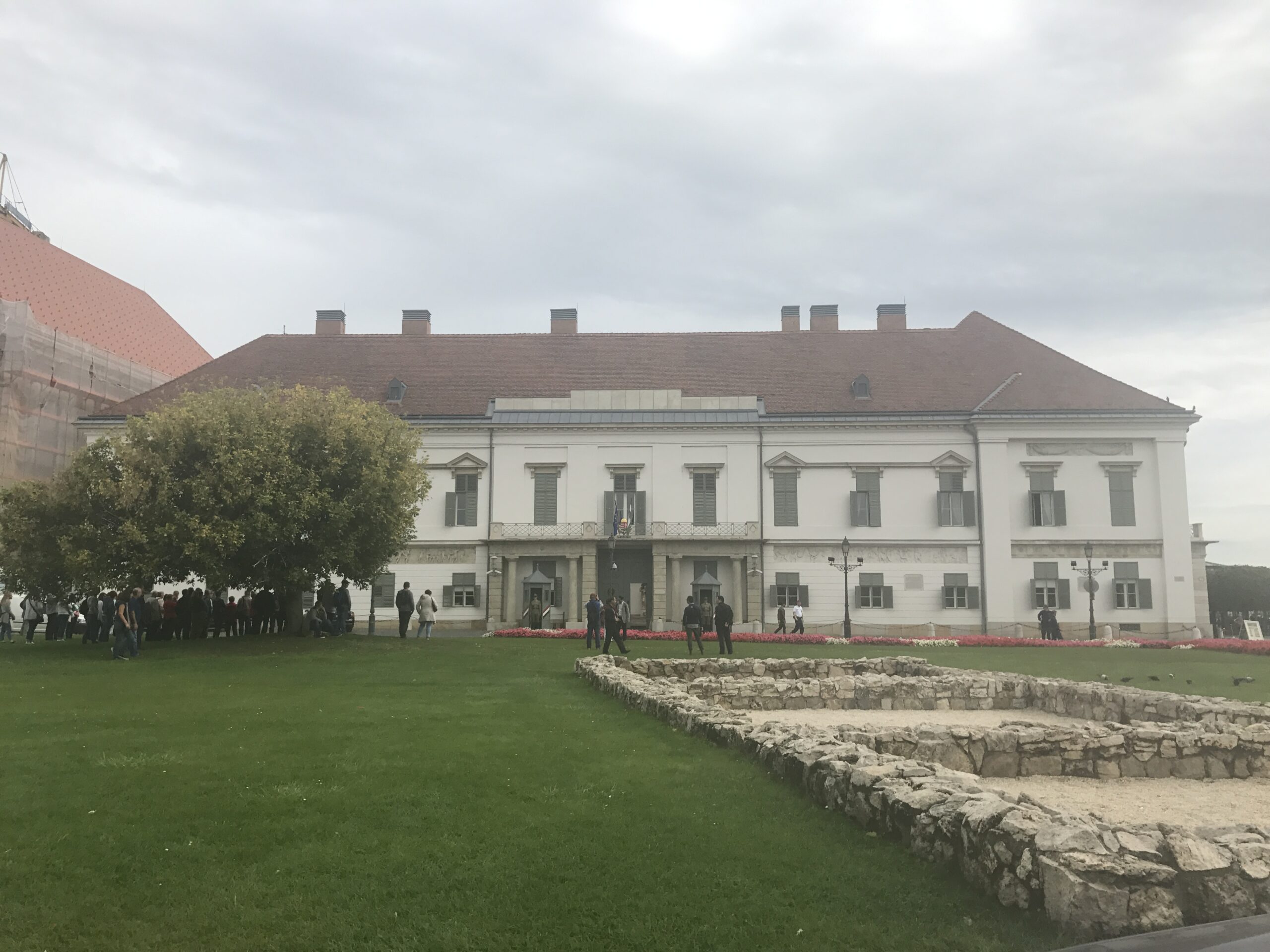
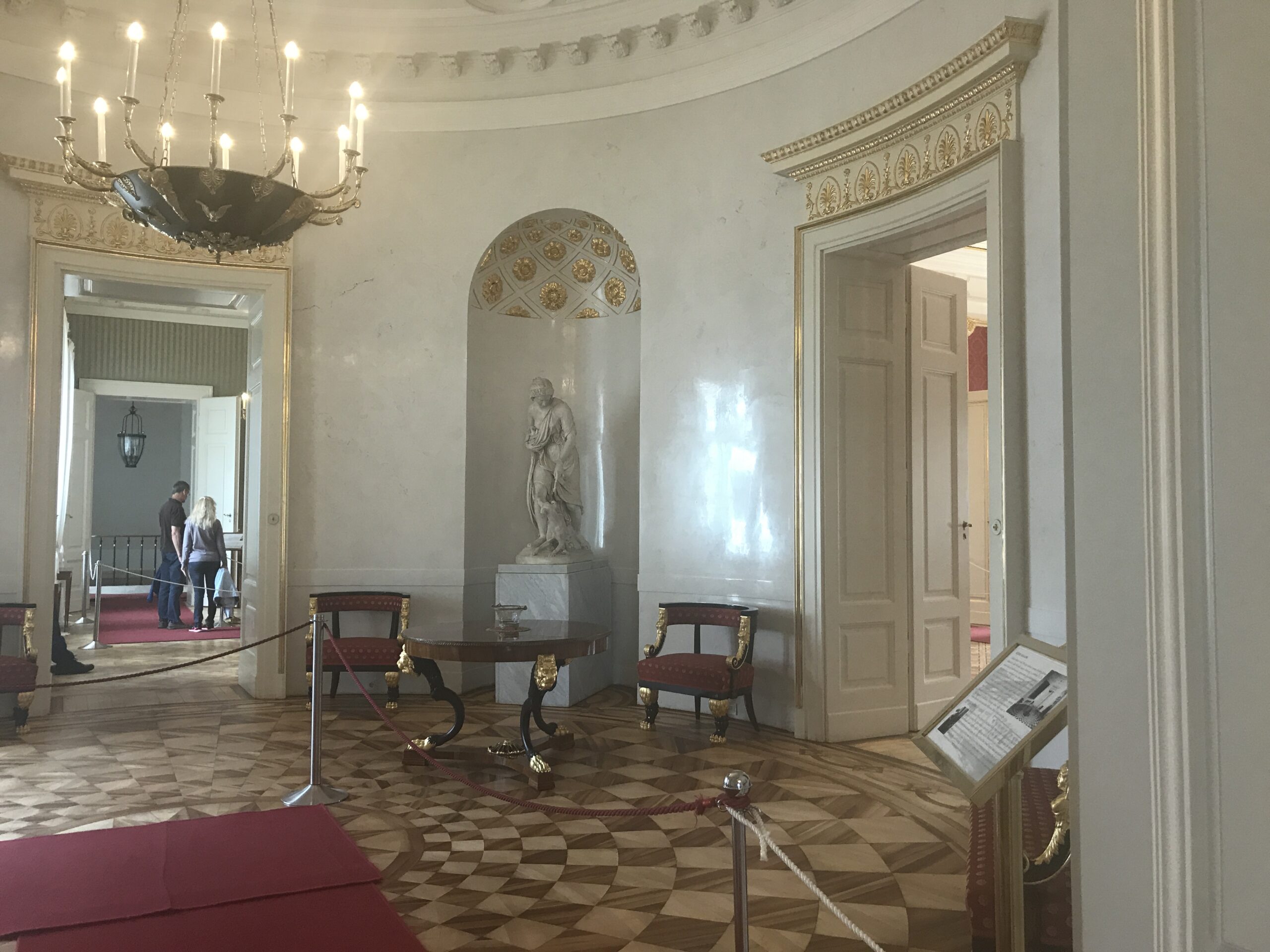
Located in the heart of the Buda Castle District, Sándor Palace is one of Budapest’s most elegant yet often overlooked landmarks. Standing just steps away from Buda Castle, the palace serves as the offices of the President of Hungary, combining political importance with refined architectural beauty.

From Aristocratic Home to Presidential Palace

Sándor Palace was built in the early 19th century as a noble residence and soon became one of the most prestigious addresses in Buda. Over the decades, it served various purposes, including government offices and ministerial residences.

The building suffered heavy damage during World War II and remained neglected for decades during the Communist era. Its careful restoration after the political changes restored the palace to its former elegance, and today it once again plays a central role in Hungarian public life.

Architecture and Atmosphere

The palace is a fine example of Neo-Classical architecture, with a restrained yet harmonious façade that fits perfectly into the Castle District’s historic surroundings. While the interior is not generally open to the public, the exterior alone makes it a worthwhile stop during a Castle Hill walk.

One of the highlights for visitors is the changing of the guards, which takes place regularly in front of the palace and adds a ceremonial touch to the quiet square.

Sándor Palace on a Guided Tour

During a guided walk through the Castle District, Sándor Palace offers an excellent opportunity to talk about:

  • Hungary’s modern political system

  • the transition from monarchy to republic

  • life in the Castle District past and present

  • the contrast between royal, aristocratic, and presidential power

Its location makes it an easy and natural stop on a Budapest city tour or a thematic history walk.

Why Include Sándor Palace in Your Itinerary?

Sándor Palace is ideal for travelers who enjoy:

  • elegant architecture without crowds

  • political and modern Hungarian history

  • hidden landmarks beyond the usual highlights

  • quiet corners of the Castle District

It adds depth and context to any visit to Buda Castle.

Yes, Pécs is one of my favorite destinations so I’d like to encourage you to book a tour at your earliest convenience. Once you have a look at the pictures below I’m sure you’ll fall in love with the city, too.

Pécs is very unique because the entire Hungarian history is on display in the city’s architecture, spirit and charm. You can learn so much while just walking around the cobblestoned streets.

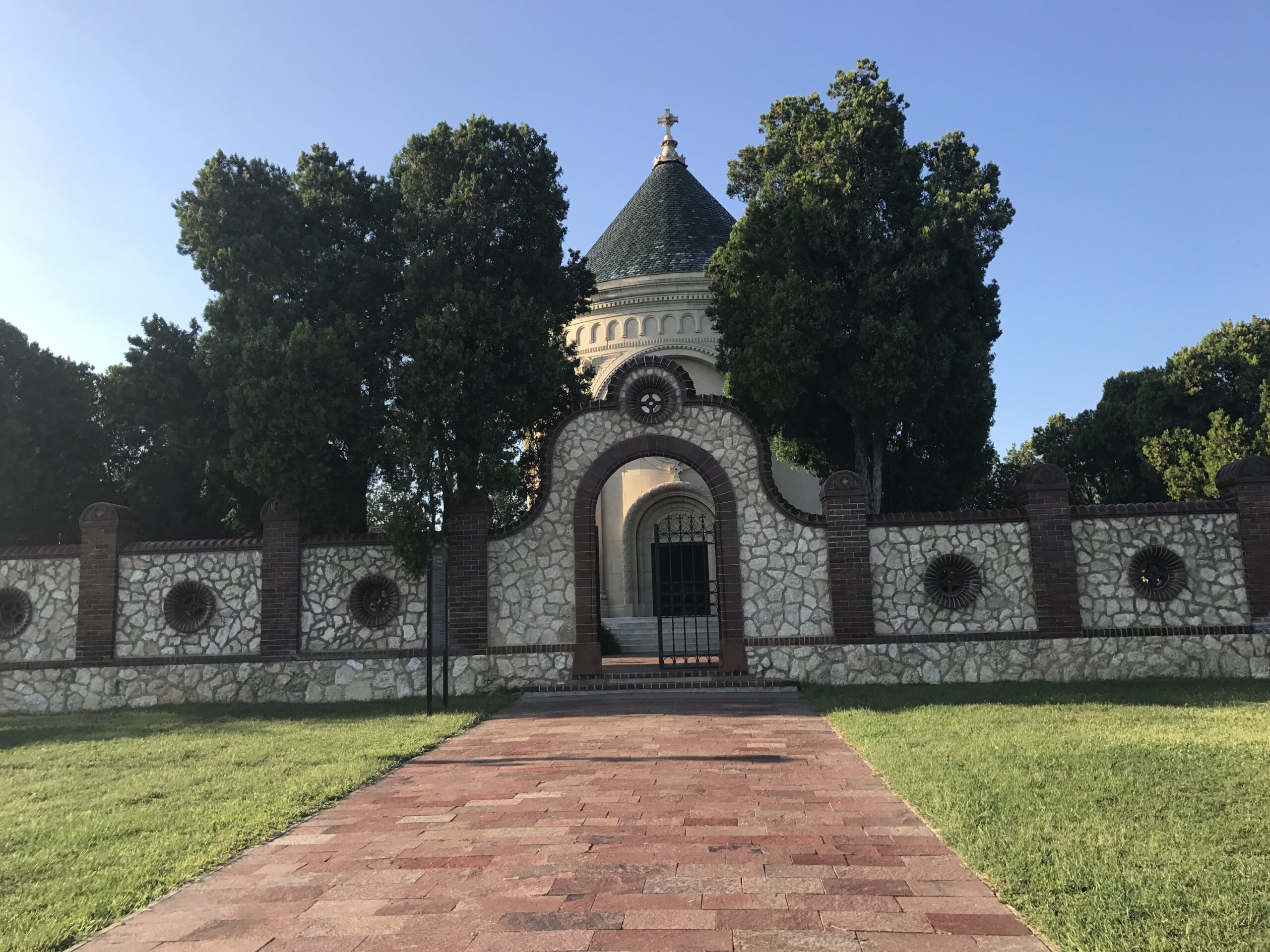
We start the tour discovering the 1700-year-old Early Christian Necropolis, the well preserved burial chambers of the Romans fron the 4th century. We continue in the 11th century Basilica on Dóm square, an important symbol of the continuous fight of the Hungarians for Christianity. We tour the ruins of the Turkish baths, the only Turkish age mosque in Hungary that has remained intact together with its minaret and the 13th century Catholic church converted into a mosque in the 1540’s and reconverted into a Catholic church in the 1680’s. I’m sure you’ll be surprised to notice the special combination of the Muslim crescent moon and the Christian cross topping the church, reminding us of the peaceful coexistence of different religions. We admire the harmonious Baroque architecture and also have a look at the Vasarely museum.

After the city tour I take you to the Zsolnay quarter, the completely renovated and restored Zsolnay factory buildings where the most beautiful Hungarian porcelain and ceramic products have been manufactured since 1853.