If you only have a few hours in Budapest, planning is everything.

The city is full of stunning architecture, rich history, and beautiful viewpoints — but without a clear route, it’s easy to waste time going back and forth.

This guide will help you focus on the essential Budapest highlights, so you can experience the best of the city even on a tight schedule.

1. Heroes’ Square & City Park

Start your visit at one of the most important squares in Hungary: Heroes’ Square. The statues here represent Hungary’s most important historical figures, making it a perfect introduction to the country’s past.

Just behind the square, you’ll find City Park, a green oasis with hidden gems like Vajdahunyad Castle — ideal for a short, relaxed stroll before heading into the city center.

Read more:  A Must-See in Budapest: City Park

2. Andrássy Avenue & the Opera House

From Heroes’ Square, follow Andrássy Avenue, one of Budapest’s most elegant boulevards and a UNESCO World Heritage site. Lined with historic buildings, cafés, and embassies, it leads you straight toward the city center.

On the way, you’ll pass the stunning Hungarian State Opera House, a masterpiece of 19th-century architecture.

Read more: Budapest public transport tips (Metro Line 1 runs here)

3. St. Stephen’s Basilica

Next, head to St. Stephen’s Basilica, the largest Catholic church in Budapest.

The interior is impressive — but if you have time, go up to the dome. The panoramic view offers one of the best perspectives over the city.

Local tip: Visit in the late afternoon for softer light and fewer crowds.

4. The Hungarian Parliament

No visit to Budapest is complete without seeing the Hungarian Parliament Building.

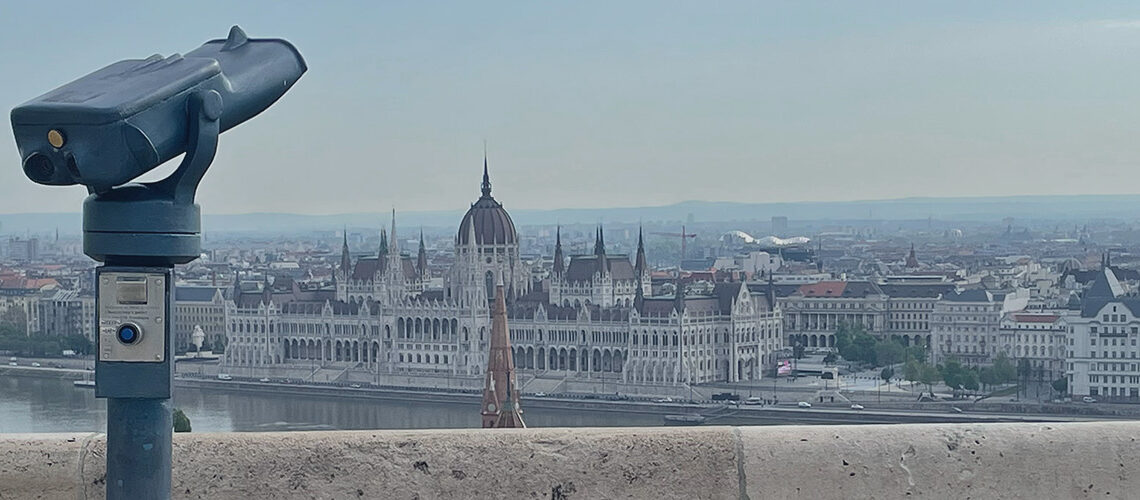
Standing right on the Danube, it’s one of the most iconic buildings in Europe. For the best view, take a short walk along the river — or admire it from the Buda side for a full panoramic perspective.

Read more: A Must-See in Budapest: Houses of Parliament

5. Buda Castle District

Cross the Danube and explore the historic Buda Castle District.

This area feels completely different from Pest — quieter, more atmospheric, and full of history. Wander through cobblestone streets, discover hidden corners, and enjoy some of the best views in Budapest.

Read more: the Buda Castle District.

Can You See All This in a Few Hours?

Yes — but it’s not always as easy as it looks on the map. Distances, hills (especially on the Buda side), and the depth of history at each stop can make it difficult to truly enjoy the experience without rushing.

Want to Make the Most of Your Time?

This route is exactly what I cover in my half-day tours — designed for travelers who want to see the highlights without the stress of planning.

Whether you prefer walking or a more relaxed pace by car, you’ll experience Budapest through stories, local insights, and carefully chosen viewpoints.

Final Thoughts

Budapest is a city that rewards curiosity. Even if you only have a few hours, you can experience its beauty — especially if you focus on the right places. And if you’d like to go beyond the surface, I’d be happy to show you the Budapest I know and love.

Budapest in a Few Hours 🇭🇺 Must-See Highlights

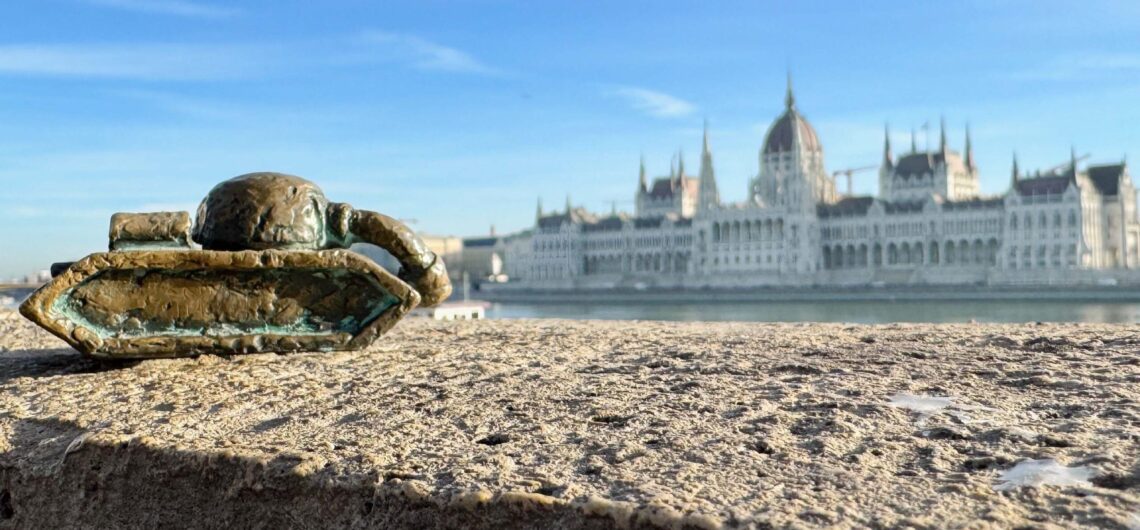
The Budapest mini statues by artist Mihály Kolodko are some of the city’s most delightful hidden surprises. These tiny bronze figures are scattered across Budapest, often in unexpected places, turning a walk through the city into a real-life treasure hunt.

If you’ve walked around Budapest recently, you may have noticed something tiny but very special hiding in unexpected places. They are small — sometimes only a few centimeters tall — but they have become one of Budapest’s most charming modern traditions.

Finding them has turned into a kind of urban treasure hunt for both locals and visitors.

Kolodko originally started placing these statues as a personal artistic project, but today there are dozens of them around the city, often referencing Hungarian culture, history, or pop culture in playful ways.

Some are easier to find than others. A few are right next to famous landmarks, while others are hidden in places you might easily walk past.

If you’re curious where to start, I created a map of the Kolodko mini statues in Budapest that helps you track them down.

But honestly, the fun part is spotting one unexpectedly during a walk around the city.

Once you notice your first Kolodko statue, you’ll probably start looking for them everywhere.

And trust me — after the first one, you can’t stop. Budapest is full of small details most visitors walk past.
If you enjoy discovering these hidden stories, I’d be delighted to show you some of my favourite ones on a private walk through the city.

Kolodko mini statues in Budapest

If you’re wondering what to eat in Budapest, the answer goes far beyond goulash and paprika.

Budapest is often described as one of Europe’s most beautiful cities. Visitors fall in love with the Parliament, the bridges over the Danube, the cafés with their historic interiors.

But what many travellers don’t expect is how memorable the city tastes.

Hungarian food is comforting, generous, and deeply rooted in tradition. Before becoming a private guide, I worked as a photo editor for Hungary’s most popular food magazine — so food has always been part of how I see the world. Today, when I show guests around Budapest, I often say: if you really want to understand this city, taste it.

Because Budapest is not just pretty — it’s delicious.

Comfort Classics

Hungarian cuisine is built on warmth and patience.

A bowl of goulash is more than just a soup. It carries the story of shepherd traditions, open-fire cooking, and Hungary’s love affair with paprika. Slow-simmered meat, vegetables, and that unmistakable deep red colour create something that feels both humble and rich at the same time.

Then there are the sausages — smoky, paprika-spiced, often sliced fresh at the market — and hot lángos, fried until golden and topped with sour cream and cheese. Crisp on the outside, soft inside, slightly indulgent and impossible to resist.

These dishes aren’t trendy. They are timeless. They are the flavours many Hungarians grew up with — recipes passed down from grandparents, cooked slowly, shared around the table.

Market Flavours

If you want to see Hungarian food culture at its most authentic, step into a market.

Markets in Budapest are not just places to shop — they are social spaces, easily accessible by public transport. Stalls overflow with strings of dried paprika, cured meats, cheeses, and colorful savanyúság — the pickled vegetables that bring freshness and balance to richer dishes.

Pickles might not sound exciting at first. But in Hungary, they are essential. Crunchy cabbage, sharp cucumbers, sweet-sour peppers — they cut through the depth of goulash and sausage beautifully. Locals rarely eat without something fresh and tangy on the side.

Wandering through a market, tasting small bites, talking to vendors, noticing what is in season — this is where the city feels alive and unfiltered.

Sweet Finale

No Hungarian food experience ends without something sweet.

Budapest’s café culture carries strong Austro-Hungarian influences, and pastries are part of everyday life — not just special occasions. A slice of strudel with delicate, flaky layers. A rich layered cake in a historic café. Or something simpler, like a warm kakaós csiga — a soft spiral of cocoa and sugar enjoyed with coffee.

Dessert here is not rushed. It’s savoured. It’s an excuse to sit a little longer, to talk, to observe the rhythm of the city.

And often, it becomes the most memorable bite of the day.

Why Food Is the Best Way to Discover Budapest

Architecture impresses. Food connects.

Some of my favourite moments as a guide happen around a table — when visitors stop feeling like tourists and start feeling at home. Sharing bread dipped into goulash. Comparing favourite pastries. Laughing over which pickle surprised them most.

Food slows you down. It invites conversation. It tells stories about history, geography, and everyday life in a way that monuments never can.

Budapest may capture your heart with its beauty, but it stays with you through its flavors.

If you’d like to experience the city beyond the guidebooks — tasting traditional Hungarian dishes, exploring local markets, and discovering the stories behind each bite — I would be happy to share my favorite places with you.

And yes, I always recommend coming hungry.

Frequently Asked Questions

What is the most famous food in Budapest?
Goulash is one of the most iconic Hungarian dishes, along with lángos and traditional pastries like strudel.

Is Hungarian food very spicy?
Hungarian cuisine uses paprika for flavor and depth, but most dishes are not overly spicy.

Budapest Is Not Just Pretty — It’s Delicious

When people ask me about my favourite museums in Budapest, Hospital in the Rock is always at the top of my list—even though it isn’t one of the big, famous institutions you see everywhere. It’s a place hidden deep under Buda Castle, carved into the natural cave system, where history feels raw, honest, and very real.

Hospital in the Rock is one of the most authentic museums in Budapest. Not because it’s pretty (it isn’t). Not because you can take great photos (you can’t). But because the stories here are told with a kind of honesty you rarely find: factual, emotional, unembellished. It’s a place where the past speaks for itself.

Hospital in the Rock: A Museum That Doesn’t Try to Impress—It Simply Tells the Truth

Walking through the entrance hall, you might wonder what’s so special about this place. But once your tour guide leads you underground, you’ll understand immediately.

During World War II and the 1956 revolution, this was a real emergency hospital—small, overcrowded, and constantly in use during the siege of Budapest. Later, during the Cold War, it was expanded into a nuclear fallout shelter, prepared for a future no one wanted to imagine.

There’s nothing staged here. No over‑the‑top dramatics. Just preserved rooms, original equipment, wax figures that quietly show what life looked like in those moments, and stories told with care.

And honestly? That’s why I love it.

The Tour Guides Make All the Difference

Every visit is guided, and the team here is exceptional. They know the museum inside out—not just the facts, but the human side of the story. They speak with warmth, precision, and respect for the people who lived and worked here.

I’ve been many times now, and every guide brings something slightly different: a personal interpretation, a surprising anecdote, or a detail I had never noticed. This museum isn’t just about looking. It’s about listening.

A Powerful Reminder of How the Past Shapes the Present

Hospital in the Rock is emotional—not in a dramatic way, but in a deeply human one. You walk through the old wards and operating rooms, see how people worked under impossible conditions, and suddenly history doesn’t feel distant anymore.

And that’s why I think this place matters today. You learn so much from the past—about resilience, humanity, conflict, and cooperation—that it becomes easier to understand the present… and even imagine the future with more clarity.

A Great Visit in Any Season

One practical advantage that I always mention to my guests: the museum is underground, with a constant temperature around 15–18°C.

That means:

  • perfect for rainy days,
  • perfect for winter,
  • perfect for Budapest’s very hot summers.

Whatever the weather is doing outside, Hospital in the Rock is a comfortable—and fascinating—escape.

Practical Information for Planning Your Visit

Tickets & Pricing

Hospital in the Rock has two different pricing structures: a standard tour ticket and a donation-based ticket. I always recommend choosing the donation option if you can—it supports preservation work, educational programs, and ongoing historical research.

How to buy tickets:

  • Tickets can be purchased at the machines right by the entrance.
  • Card payment only.
  • During high season, tours fill up quickly, so it’s highly recommended to book in advance.

Location: Beneath Buda Castle (entrance at Lovas utca 4/C)
Tours: Guided only, usually every hour (English available + audioguides)
Photography: Not allowed inside the tunnels
Duration: About 60 minutes
Type: History, WWII, Cold War, medical history, underground Budapest

It’s an especially great stop if you’re already exploring Buda Castle, I’m happy to start or finish a tour here, so that you have time to explore.

Why You Shouldn’t Miss It

If you’re looking for a museum that leaves a lasting impression, something outside the usual tourist circuit, Hospital in the Rock is for you. It’s educational, emotional, authentic—and one of the most meaningful places you can visit in Budapest.

For me, it’s a reminder that history isn’t just something in books. It happened here, underground, where you can still feel its echo.

Add Hospital in the Rock to Your Budapest Tour

If you’d like to explore Hospital in the Rock as part of a guided experience, I’d be delighted to include it in your itinerary. It’s a fantastic addition to both my Buda Castle Walking Tour and my Communist Budapest Tour, offering powerful context and a deeper understanding of the city’s past. If you’re interested, just let me know when booking and I’ll tailor the tour to include this unforgettable visit.

Hospital in the Rock is one of Budapest’s most dramatic museums

Rubik’s Cube starts with a jumble of colours — tiny squares twisting over Budapest’s skyline until, suddenly, order appears from chaos. Just like Budapest itself — structured yet endlessly creative — the Rubik’s Cube is a perfect symbol of Hungarian innovation and imagination, a colourful symbol of Hungarian ingenuity.

Invented right here in the Hungarian capital, this colourful cube became one of the most recognized objects in the world. A design so simple it fits in your palm, yet so brilliant it’s captivated minds for half a century.

The Birth of the Rubik’s Cube in Budapest

In 1974, Hungarian architect and professor Ernő Rubik created the first version of the Cube at the Budapest University of Technology. He originally called it the Bűvös Kocka, or Magic Cube. Rubik designed it as a teaching tool to help his students visualize three-dimensional movement. But soon, his puzzle took on a life of its own.

By 1980, after being licensed internationally, it had become a worldwide sensation. Millions of people were twisting, turning, and testing their patience trying to align the cube’s six colourful faces. From a quiet classroom in Budapest to living rooms and classrooms across the globe — the Cube became Hungary’s gift to the world.

The Numbers That Stun

Behind those six colours lies a universe of possibilities. The Rubik’s Cube is one of the most mathematically fascinating objects ever invented — and the stats are mind-blowing:

  • 43,252,003,274,489,856,000 possible configurations — that’s 43 quintillion different ways to mix it up.

  • Only one correct solution.

  • The fastest recorded human solve: 3.13 seconds (by Max Park, 2023).

  • More than 450 million cubes sold worldwide, making it the best-selling toy of all time.

  • The largest cube mosaic ever: 85,794 cubes, set in China in 2019.

  • The youngest official solver: just 8 years old.

  • The average number of moves to solve any scrambled cube: 20 or fewer, known as “God’s Number.”

Whether you’re a puzzle lover, mathematician, or simply curious traveller exploring Budapest, these numbers are a testament to Hungarian creativity at its best.

Hungarian Creativity on Display

Hungary has given the world more than goulash and thermal baths — it’s a country of inventors and dreamers. The Rubik’s Cube joins a long list of Hungarian inventions, from the ballpoint pen and holography to vitamin C and the safety match. You can still explore this legacy in Budapest today:

  • The Hungarian Museum of Science, Technology and Transport has featured Rubik’s Cube exhibits.

  • There’s also a small Rubik’s Cube Museum for die-hard fans and collectors.

And perhaps it’s no surprise that the Cube feels at home here. The city itself is a visual puzzle — Art Nouveau façades, tile patterns, and geometric bridges reflecting perfectly in the Danube’s blue surface.

“From architecture to invention, Budapest is full of patterns waiting to be solved.”

The Final Twist

Next time you see the Danube sparkle or a Cube twist into place, remember — both are symbols of balance and brilliance born in Budapest. Solving a Rubik’s Cube isn’t just about logic and patience. It’s about connecting with a story that began in a creative Hungarian mind and still inspires millions around the world.

So if you’re planning your next trip to Budapest, take a moment to celebrate one of its brightest ideas — one colourful twist at a time.

From Budapest to the World: The Story of the Rubik’s Cube

High above the Danube, tucked away in the quiet streets of Rózsadomb, lies one of Budapest’s most peaceful treasures: Gül Baba’s Tomb. It’s a place most visitors never find — a secret garden filled with roses, history, and calm.

A Hidden Piece of History

The story of Gül Baba’s Tomb stretches back to the 16th century, when the Ottoman Empire ruled Buda.
Gül Baba, a dervish and poet-warrior whose name means “Father of Roses,” was buried here after the Turkish conquest. For centuries the site served as a Muslim burial place, then later became a Jesuit monastery, and even, for a time, the home of a Hungarian architect.

Each chapter added new layers, just like the petals of the roses that still bloom here today.

From the Past to the Present

After years of neglect, the tomb and its gardens were fully restored in 2018, transforming the hilltop into a serene public space. Now visitors can stroll through terraced rose gardens, admire the simple octagonal mausoleum, and enjoy a stunning panoramic view over Pest.

Despite being so close to the city center, it feels miles away from the bustle — a place where you can still hear birds and footsteps instead of traffic.

Why You Should Visit

  • Roses everywhere: fitting for the resting place of the “Father of Roses.”

  • Cultural layers: Ottoman, Christian, and Hungarian heritage intertwined.

  • Beautiful views: especially at sunset, when the domes glow golden.

  • Peace and reflection: perfect for a quiet break during your Budapest explorations.

Whether you come for the history or just to breathe in the scent of roses, Gül Baba’s Tomb offers a side of Budapest that many miss — soft, spiritual, and timeless.

Visiting Info

Address: Mecset utca 14, II district, Budapest
Opening hours: Tuesday to Sunday 9 a.m. – 6 p.m. (check seasonal updates)
Admission: free
How to get there: Take Tram 4 or 6 to Margit híd budai hídfő, then a short, steep walk uphill through leafy streets.

If you’re exploring the city with me, Gül Baba’s Tomb can be a beautiful stop on a custom-designed itinerary — a gentle moment of calm and history that pairs perfectly with a cultural walk through Buda.

Whether you come for the history or just to breathe in the scent of roses, Gül Baba’s Tomb offers a side of Budapest that many miss. Vibes are soft, spiritual, and timeless.

A Peaceful Farewell

Whenever I visit, I’m reminded that Budapest isn’t only about grand buildings and lively cafés. It’s also about quiet corners like this one.
If you ever need a moment to slow down, follow the scent of roses up Rózsadomb. You’ll find a poet’s resting place — and perhaps a little bit of peace for yourself, too. 💛

The Secret Garden of Budapest 🌹 | Gül Baba’s Tomb

Budapest is often called the City of Spas, and with good reason — the city sits on a network of natural hot springs that have been enjoyed since Roman times. Among all the baths, none are quite as legendary as Gellért Baths. With their stunning Art Nouveau architecture, turquoise pools, and steamy atmosphere, they’ve been a favourite of locals and travellers alike for more than a century. If you’re looking for updates on the Gellért Baths renovation, here’s everything you need to know.

Sadly, this Budapest icon is about to close for a while. Starting October 1st, 2025, Gellért Baths will shut their doors for a major 3-year renovation.

Gellért Baths: A Jewel of Art Nouveau

The Gellért Baths first opened in 1918 as part of the famous Gellért Hotel. The design is a masterpiece of Art Nouveau: elegant columns, colorful mosaics, stained glass windows, and a grand central pool that looks more like a cathedral of water than a spa.

Over the decades, the baths have become a symbol of Budapest itself — a place where locals go to relax, heal, and socialise, and where visitors from all over the world come to experience something uniquely Hungarian.

Why the Renovation?

After more than 100 years of almost continuous use, the Gellért Baths are in need of some love. The upcoming renovation will restore the building’s historic beauty while also updating the facilities to meet modern standards.

It’s never easy to say goodbye, even temporarily, but this pause will ensure that future generations can continue to enjoy the magic of Gellért.

My Last Visit

Knowing the closure was coming, I decided to take one last dip. Stepping into the grand central hall, with its soaring columns and sparkling turquoise water, felt more emotional than I expected. The air was thick with steam, the light streaming in through the stained glass, and the water just as soothing as always.

Floating there, I thought about how many people have swum in this very pool since 1918. It felt like being part of history.

One Last Chance

If you’re in Budapest right now, there’s still one final opportunity: Gellért Baths will be open until September 30th, 2025. Don’t miss your chance to enjoy a last soak in this historic treasure before it closes until 2028.

Farewell for Now

It will be strange not to have Gellért Baths as part of Budapest’s daily life for the next three years. But I’m excited to see how the renovation will bring new life to this beloved spa.

Until then, Budapest still has plenty of other baths to enjoy — from the grand Széchenyi Baths to the atmospheric Rudas Baths. But for me, nothing compares to Gellért.

💙 Have you ever been to Gellért Baths? Will you miss it during its renovation?

Farewell, Gellért Baths | Budapest’s Most Beautiful Spa

Looking for the perfect Budapest café? The city’s coffee culture is as rich as its history, offering everything from cozy book-filled corners to elegant, chandelier-lit spaces. As a local guide and coffee lover, I’ve chosen four Budapest cafés that each have a completely different atmosphere — so no matter your mood, you’ll find a place to enjoy a great cup of coffee.

1. Massolit Books & Café Budapest — Cozy & Quiet

If you’re dreaming of a Budapest café where you can truly relax, head to Massolit Books & Café in the Jewish Quarter. Part English-language bookstore, part café, it’s a warm, inviting spot with shelves of books and a peaceful little garden.

This café is perfect for reading, journaling, or simply escaping the city buzz for a while. Order a coffee or a pot of tea, pair it with homemade cake, and let the hours pass by.

Local tip: Browse their second-hand book selection — you might find the perfect travel read.

2. Lumen Café — Creative & Local

For a Budapest café with a strong local vibe, Lumen Café in the Palotanegyed (District VIII) is a must. It’s a gathering place for artists, students, and anyone who loves a creative, slightly bohemian atmosphere.

Set around a courtyard, Lumen also doubles as a cultural space, hosting exhibitions, talks, and music events. The coffee is excellent, but the real draw is its friendly, creative energy.

Local tip: Try one of their seasonal specialties, like hibiscus soda in summer or a spiced latte in winter.

3. Madal Café — Trendy & Buzzing

Madal Café is one of the most popular Budapest cafés among locals and visitors alike. Known for its third-wave coffee and minimalist design, it’s perfect for meeting friends, working remotely, or simply enjoying people-watching in the heart of the city.

The coffee here is ethically sourced and consistently great — their flat white is a top choice. With multiple locations, the one at Király utca is especially bright and inviting.

Local tip: Their matcha latte is an excellent alternative if you’re not in the mood for coffee.

4. Művész Kávéház — Elegant & Timeless

If you want a Budapest café with history and elegance, visit Művész Kávéház on Andrássy Avenue, right across from the Hungarian State Opera House. This iconic café has been serving guests since the late 19th century and still boasts chandeliers, marble tables, and an old-world charm that’s hard to resist.

It’s the perfect place for a slow coffee paired with a slice of Dobos torte or Sacher cake.

Local tip: Ask for a table by the window to enjoy one of the most beautiful streets in Budapest.

Final Thoughts on Budapest Cafés

Budapest’s café culture offers something for everyone — from quiet reading corners to bustling creative hubs and elegant classics. These four Budapest cafés are my personal favourites, and each one is worth visiting for its unique atmosphere. Book a foodie tour with me if you’re interested in learning more!

Follow me on Instagram for more Budapest café tips

Budapest is a city that dazzles with its architectural wonders, and among its many treasures, stained glass windows stand out as one of its most beautiful and intricate forms of artistry. These stunning windows can be found throughout the city, each piece telling a unique story through its vibrant colors and delicate designs. The tradition of stained glass in Budapest dates back centuries, and it continues to be a significant part of the city’s architectural heritage.

One of the best places to appreciate stained glass in Budapest is the majestic Matthias Church. Inside, visitors can marvel at the intricate stained glass windows that depict biblical scenes and saints, all crafted with painstaking detail. The rich colours and light filtering through the glass create a serene atmosphere that enhances the spiritual experience.

Another iconic location to view stained glass is the Hungarian Parliament Building. Here, you’ll find windows that showcase both historical and symbolic themes, blending art with national identity. The craftsmanship of these windows is a testament to the skilled artisans who worked tirelessly to bring these designs to life.

Beyond religious and governmental buildings, stained glass can be found in many of Budapest’s Art Nouveau and eclectic-style buildings. The early 20th century saw a boom in decorative glasswork, with many structures featuring stunning, nature-inspired motifs and modernist designs. These windows not only enhance the beauty of the buildings but also give a glimpse into the cultural and artistic movements of the time. ne of my favourite spots in Budapest is the Róth Miksa Museum, highly recommended for those interested in stunning stained glass art and the city’s history.

For those interested in learning more about this unique art form, the Hungarian National Museum offers exhibitions that explore the history of stained glass in Budapest and Hungary.

Stained glass in Budapest is more than just a decorative feature—it’s a reflection of the city’s rich history, culture, and artistry. Whether in a grand cathedral, a synagogue or a hidden corner of a historic building, these windows offer a glimpse into the soul of the city. So, next time you’re wandering through Budapest, take a moment to look up and appreciate the vibrant world of stained glass that tells a story centuries in the making or join me for a tour to discover more!

St. Stephen’s Basilica is the largest Catholic Church of Budapest and the third largest church of Hungary. After the devastating floods of the Danube river in 1838 local people from the neighbourhood wanted to thank God for saving their lives, and raised a lot of money for the construction of the largest church of the city. Construction works started in 1851 and after multiple unfortunate events (death of two of the church’s architects, a devastating storm when the dome collapsed) it was finally consecrated 54 years later, in 1905. The building is an appealing mix of different styles: Baroque, Classicist and Neo-Renaissance. The artworks (paintings, sculptures and stained glass windows) were all created by Hungarian artists, including Gyula Benczúr, Károly Lotz and Miksa Róth.

The church is dedicated to St. Stephen, the first Christian king of Hungary, the founder of the Catholic Church in Hungary, and the founder of a Christian state. His statue made of Carrara marble is the main altarpiece of the church. The principal relic of the Basilica is the mummified right hand of king Stephen, it is on display in the church hall.

The magnificent views

A panorama terrace was created around the main dome of the Basilica at a height of 65 meters, which is the highest viewpoint in Pest, offering a 360-degree panorama over the city. You can take the stairs (about 300 steps) or the elevators to get to the dome. There is a Holy Mass in English in Mary’s chapel at 6.10 PM on Mondays, Wednesdays and Fridays and at 4.00 PM in the Basilica on Sundays and holidays.

We usually try to include the visit of the interior on the Budapest tours if time permits. You can learn more about the Basilica, visiting hours and ticket prices here.

I am spending a lot of time wondering around my beautiful city, and I am fortunate to see its buildings from all different angles and viewpoints. There’s something alluring about capturing a building from multiple angles; each perspective reveals a new layer of its architecture and character. As I moved around, I saw how the light shifted and how the structure seemed to change, transforming with each viewpoint. It’s a reminder that sometimes, to truly appreciate a subject, you need to step back and see it from every possible angle.