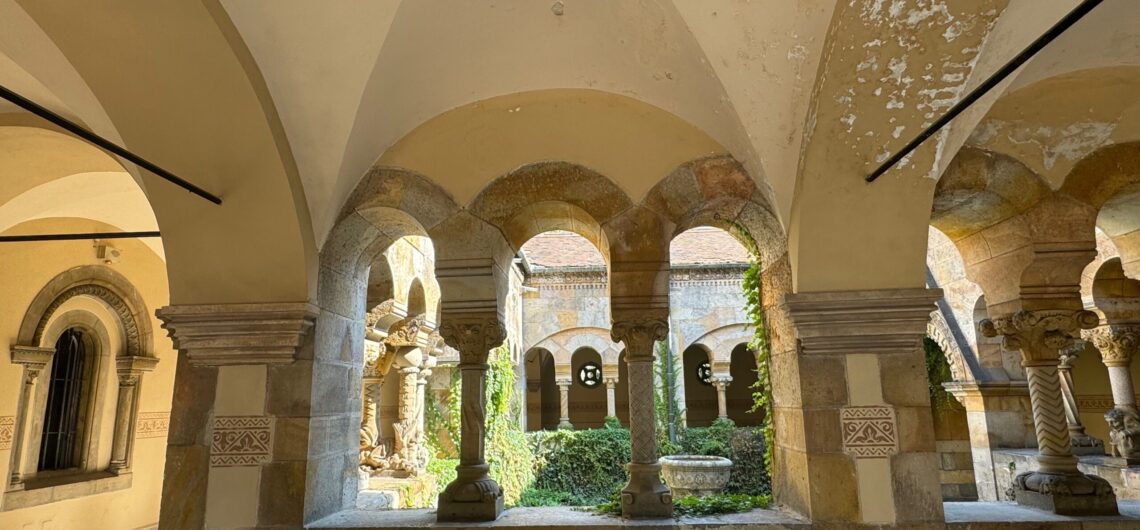
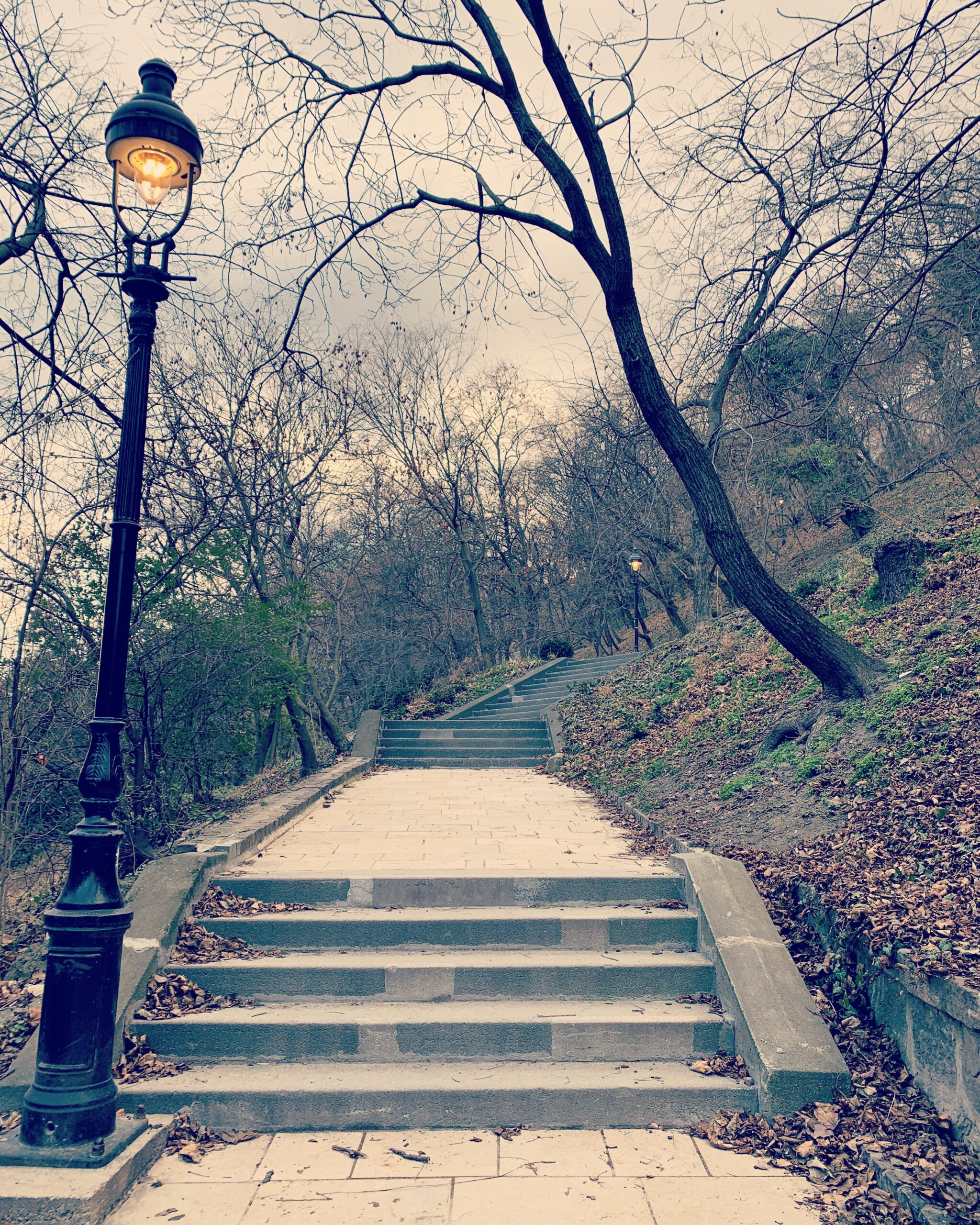
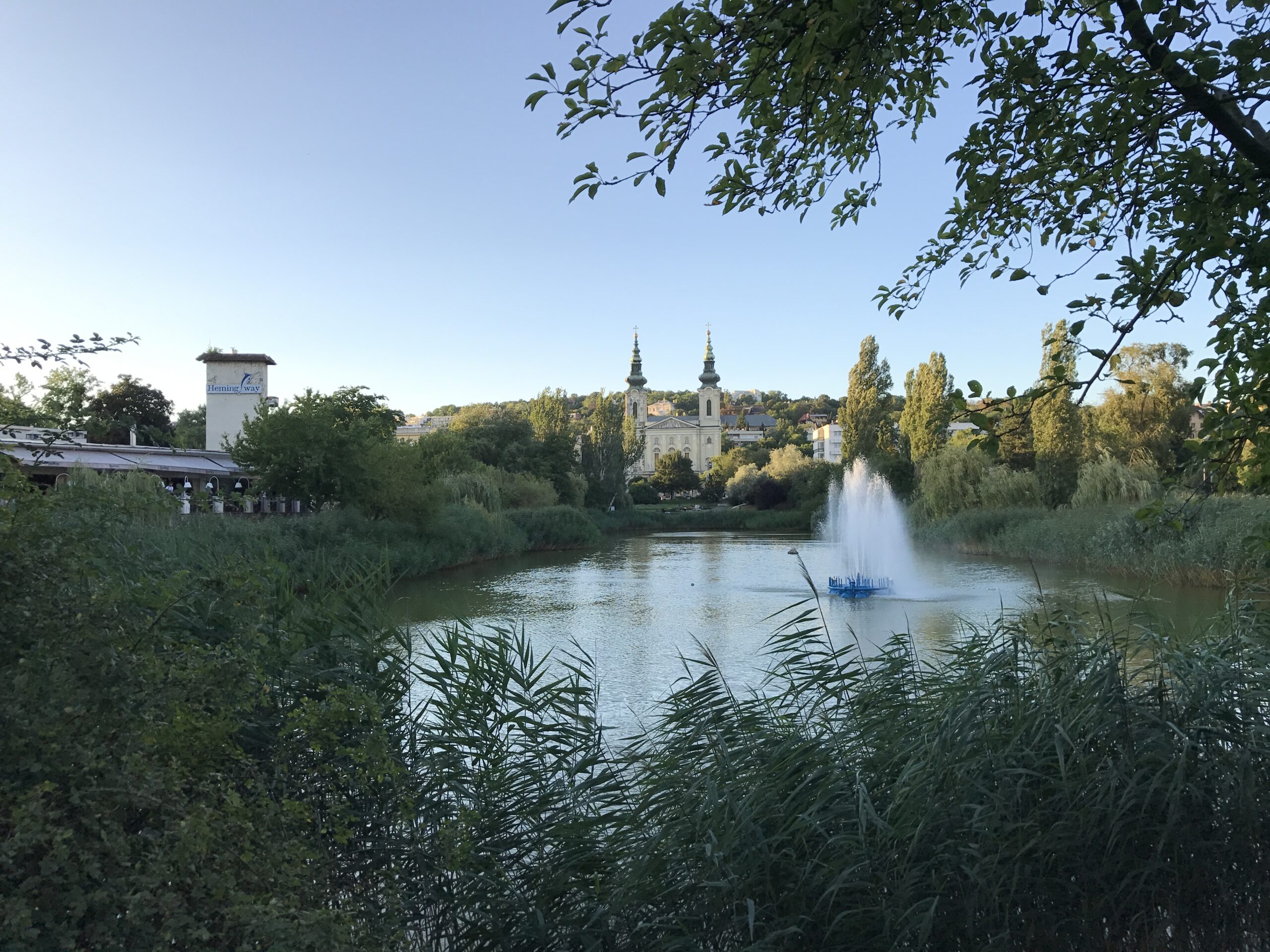
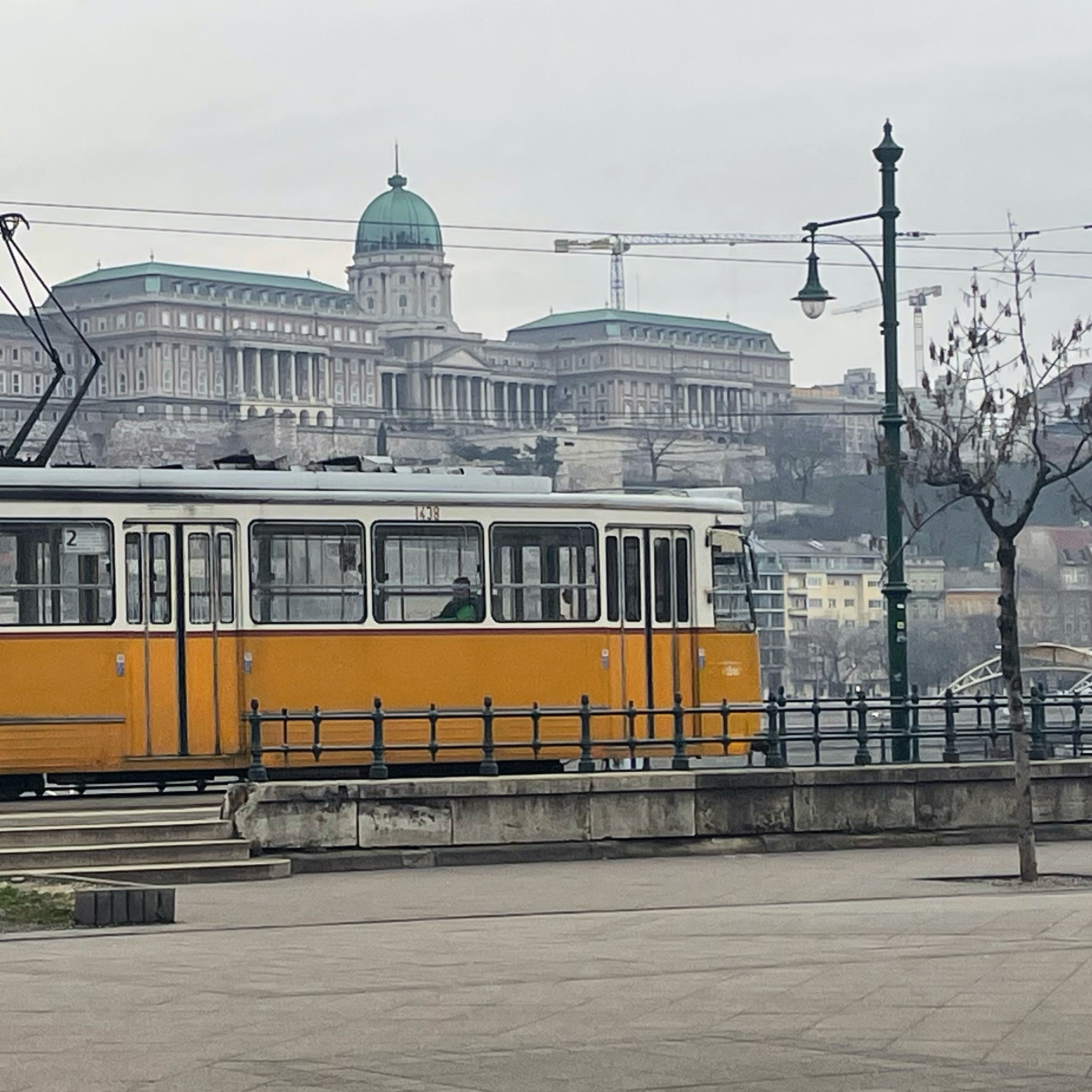
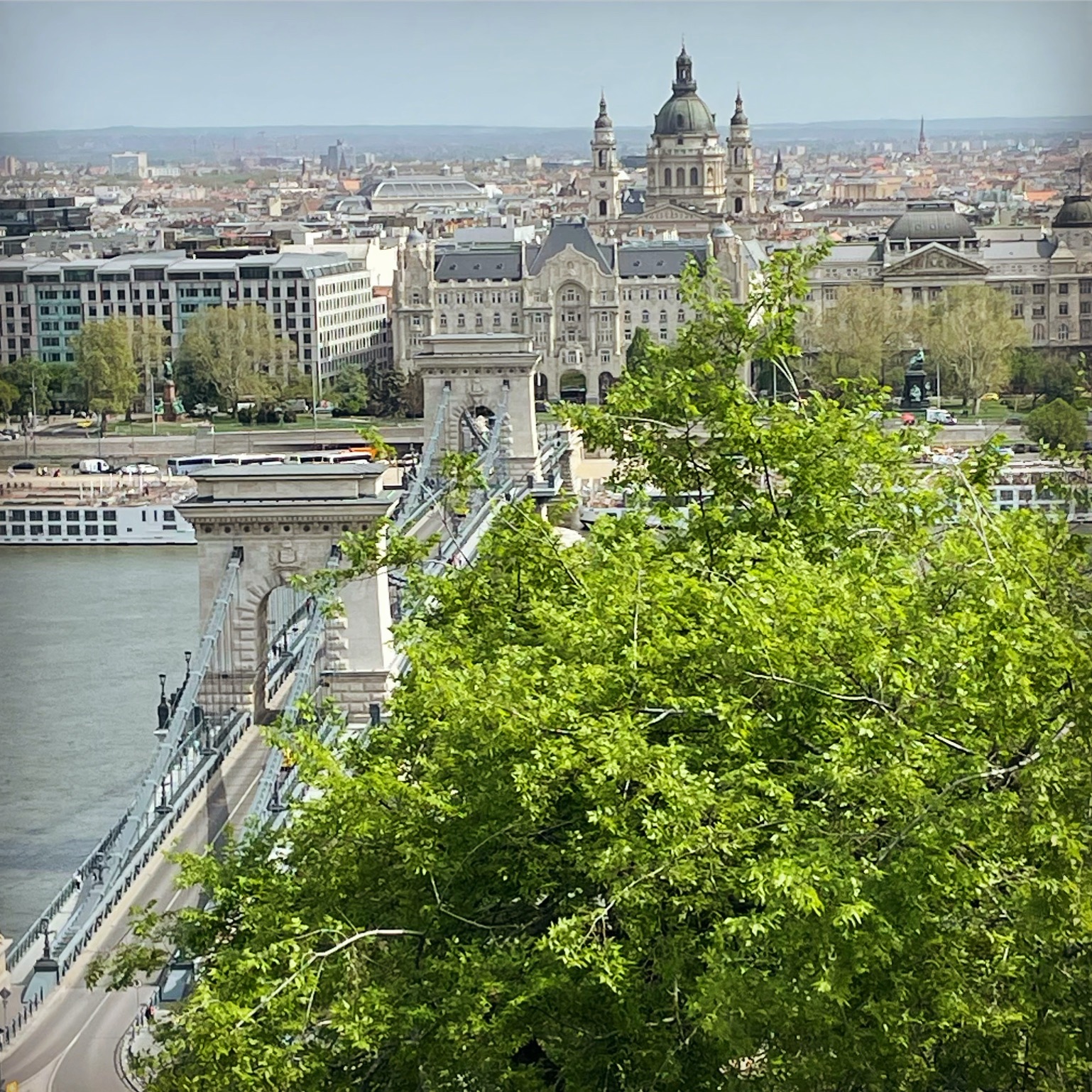
High above the Danube, tucked away in the quiet streets of Rózsadomb, lies one of Budapest’s most peaceful treasures: Gül Baba’s Tomb. It’s a place most visitors never find — a secret garden filled with roses, history, and calm.

A Hidden Piece of History

The story of Gül Baba’s Tomb stretches back to the 16th century, when the Ottoman Empire ruled Buda.
Gül Baba, a dervish and poet-warrior whose name means “Father of Roses,” was buried here after the Turkish conquest. For centuries the site served as a Muslim burial place, then later became a Jesuit monastery, and even, for a time, the home of a Hungarian architect.

Each chapter added new layers, just like the petals of the roses that still bloom here today.

From the Past to the Present

After years of neglect, the tomb and its gardens were fully restored in 2018, transforming the hilltop into a serene public space. Now visitors can stroll through terraced rose gardens, admire the simple octagonal mausoleum, and enjoy a stunning panoramic view over Pest.

Despite being so close to the city center, it feels miles away from the bustle — a place where you can still hear birds and footsteps instead of traffic.

Why You Should Visit

  • Roses everywhere: fitting for the resting place of the “Father of Roses.”

  • Cultural layers: Ottoman, Christian, and Hungarian heritage intertwined.

  • Beautiful views: especially at sunset, when the domes glow golden.

  • Peace and reflection: perfect for a quiet break during your Budapest explorations.

Whether you come for the history or just to breathe in the scent of roses, Gül Baba’s Tomb offers a side of Budapest that many miss — soft, spiritual, and timeless.

Visiting Info

Address: Mecset utca 14, II district, Budapest
Opening hours: Tuesday to Sunday 9 a.m. – 6 p.m. (check seasonal updates)
Admission: free
How to get there: Take Tram 4 or 6 to Margit híd budai hídfő, then a short, steep walk uphill through leafy streets.

If you’re exploring the city with me, Gül Baba’s Tomb can be a beautiful stop on a custom-designed itinerary — a gentle moment of calm and history that pairs perfectly with a cultural walk through Buda.

Whether you come for the history or just to breathe in the scent of roses, Gül Baba’s Tomb offers a side of Budapest that many miss. Vibes are soft, spiritual, and timeless.

A Peaceful Farewell

Whenever I visit, I’m reminded that Budapest isn’t only about grand buildings and lively cafés. It’s also about quiet corners like this one.
If you ever need a moment to slow down, follow the scent of roses up Rózsadomb. You’ll find a poet’s resting place — and perhaps a little bit of peace for yourself, too. 💛

The Secret Garden of Budapest 🌹 | Gül Baba’s Tomb

Budapest is often called the City of Spas, and with good reason — the city sits on a network of natural hot springs that have been enjoyed since Roman times. Among all the baths, none are quite as legendary as Gellért Baths. With their stunning Art Nouveau architecture, turquoise pools, and steamy atmosphere, they’ve been a favourite of locals and travellers alike for more than a century. If you’re looking for updates on the Gellért Baths renovation, here’s everything you need to know.

Sadly, this Budapest icon is about to close for a while. Starting October 1st, 2025, Gellért Baths will shut their doors for a major 3-year renovation.

Gellért Baths: A Jewel of Art Nouveau

The Gellért Baths first opened in 1918 as part of the famous Gellért Hotel. The design is a masterpiece of Art Nouveau: elegant columns, colorful mosaics, stained glass windows, and a grand central pool that looks more like a cathedral of water than a spa.

Over the decades, the baths have become a symbol of Budapest itself — a place where locals go to relax, heal, and socialise, and where visitors from all over the world come to experience something uniquely Hungarian.

Why the Renovation?

After more than 100 years of almost continuous use, the Gellért Baths are in need of some love. The upcoming renovation will restore the building’s historic beauty while also updating the facilities to meet modern standards.

It’s never easy to say goodbye, even temporarily, but this pause will ensure that future generations can continue to enjoy the magic of Gellért.

My Last Visit

Knowing the closure was coming, I decided to take one last dip. Stepping into the grand central hall, with its soaring columns and sparkling turquoise water, felt more emotional than I expected. The air was thick with steam, the light streaming in through the stained glass, and the water just as soothing as always.

Floating there, I thought about how many people have swum in this very pool since 1918. It felt like being part of history.

One Last Chance

If you’re in Budapest right now, there’s still one final opportunity: Gellért Baths will be open until September 30th, 2025. Don’t miss your chance to enjoy a last soak in this historic treasure before it closes until 2028.

Farewell for Now

It will be strange not to have Gellért Baths as part of Budapest’s daily life for the next three years. But I’m excited to see how the renovation will bring new life to this beloved spa.

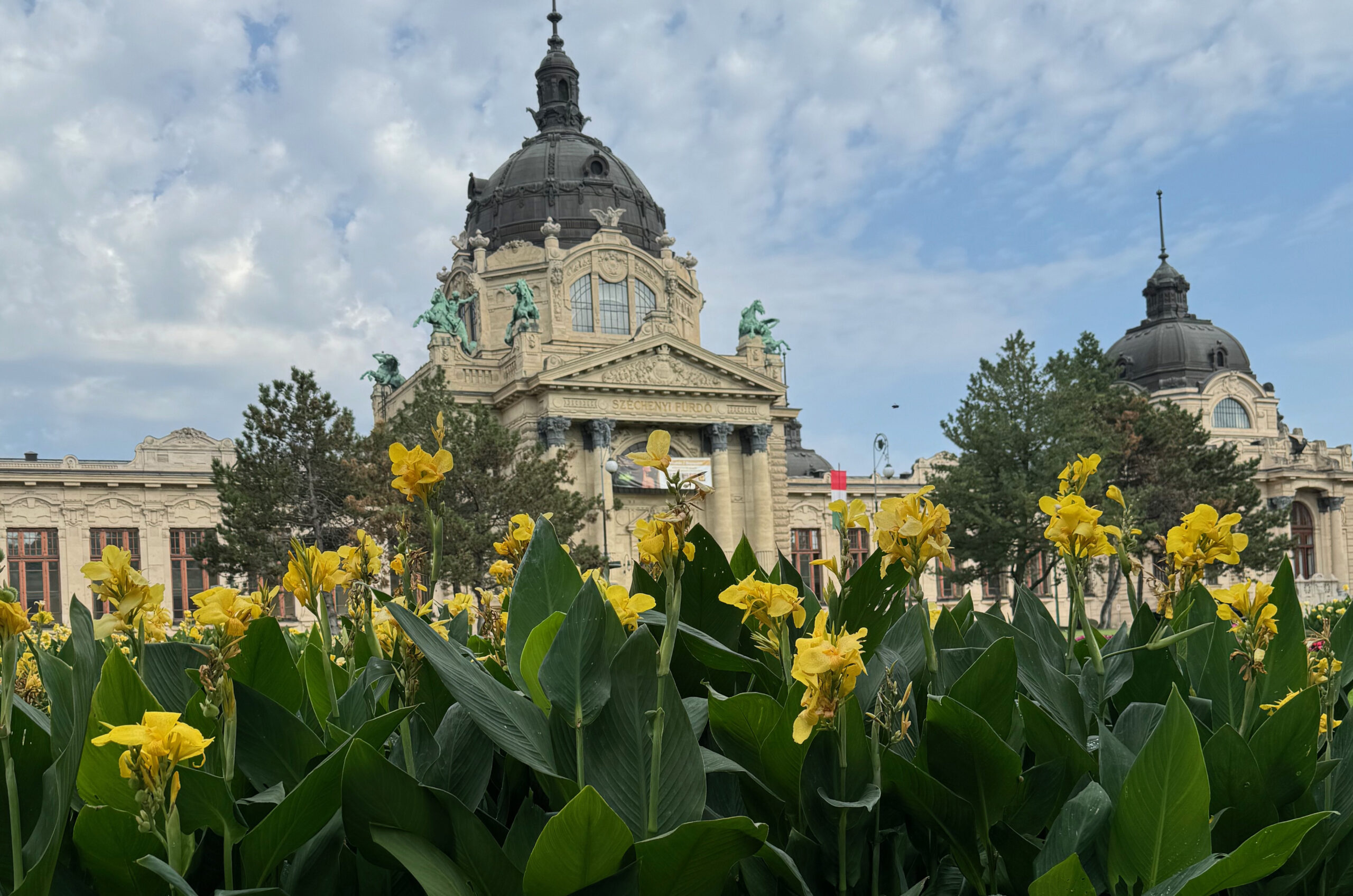
Until then, Budapest still has plenty of other baths to enjoy — from the grand Széchenyi Baths to the atmospheric Rudas Baths. But for me, nothing compares to Gellért.

💙 Have you ever been to Gellért Baths? Will you miss it during its renovation?

Farewell, Gellért Baths | Budapest’s Most Beautiful Spa

Looking for the perfect Budapest café? The city’s coffee culture is as rich as its history, offering everything from cozy book-filled corners to elegant, chandelier-lit spaces. As a local guide and coffee lover, I’ve chosen four Budapest cafés that each have a completely different atmosphere — so no matter your mood, you’ll find a place to enjoy a great cup of coffee.

1. Massolit Books & Café Budapest — Cozy & Quiet

If you’re dreaming of a Budapest café where you can truly relax, head to Massolit Books & Café in the Jewish Quarter. Part English-language bookstore, part café, it’s a warm, inviting spot with shelves of books and a peaceful little garden.

This café is perfect for reading, journaling, or simply escaping the city buzz for a while. Order a coffee or a pot of tea, pair it with homemade cake, and let the hours pass by.

Local tip: Browse their second-hand book selection — you might find the perfect travel read.

2. Lumen Café — Creative & Local

For a Budapest café with a strong local vibe, Lumen Café in the Palotanegyed (District VIII) is a must. It’s a gathering place for artists, students, and anyone who loves a creative, slightly bohemian atmosphere.

Set around a courtyard, Lumen also doubles as a cultural space, hosting exhibitions, talks, and music events. The coffee is excellent, but the real draw is its friendly, creative energy.

Local tip: Try one of their seasonal specialties, like hibiscus soda in summer or a spiced latte in winter.

3. Madal Café — Trendy & Buzzing

Madal Café is one of the most popular Budapest cafés among locals and visitors alike. Known for its third-wave coffee and minimalist design, it’s perfect for meeting friends, working remotely, or simply enjoying people-watching in the heart of the city.

The coffee here is ethically sourced and consistently great — their flat white is a top choice. With multiple locations, the one at Király utca is especially bright and inviting.

Local tip: Their matcha latte is an excellent alternative if you’re not in the mood for coffee.

4. Művész Kávéház — Elegant & Timeless

If you want a Budapest café with history and elegance, visit Művész Kávéház on Andrássy Avenue, right across from the Hungarian State Opera House. This iconic café has been serving guests since the late 19th century and still boasts chandeliers, marble tables, and an old-world charm that’s hard to resist.

It’s the perfect place for a slow coffee paired with a slice of Dobos torte or Sacher cake.

Local tip: Ask for a table by the window to enjoy one of the most beautiful streets in Budapest.

Final Thoughts on Budapest Cafés

Budapest’s café culture offers something for everyone — from quiet reading corners to bustling creative hubs and elegant classics. These four Budapest cafés are my personal favourites, and each one is worth visiting for its unique atmosphere. Book a foodie tour with me if you’re interested in learning more!

Follow me on Instagram for more Budapest café tips

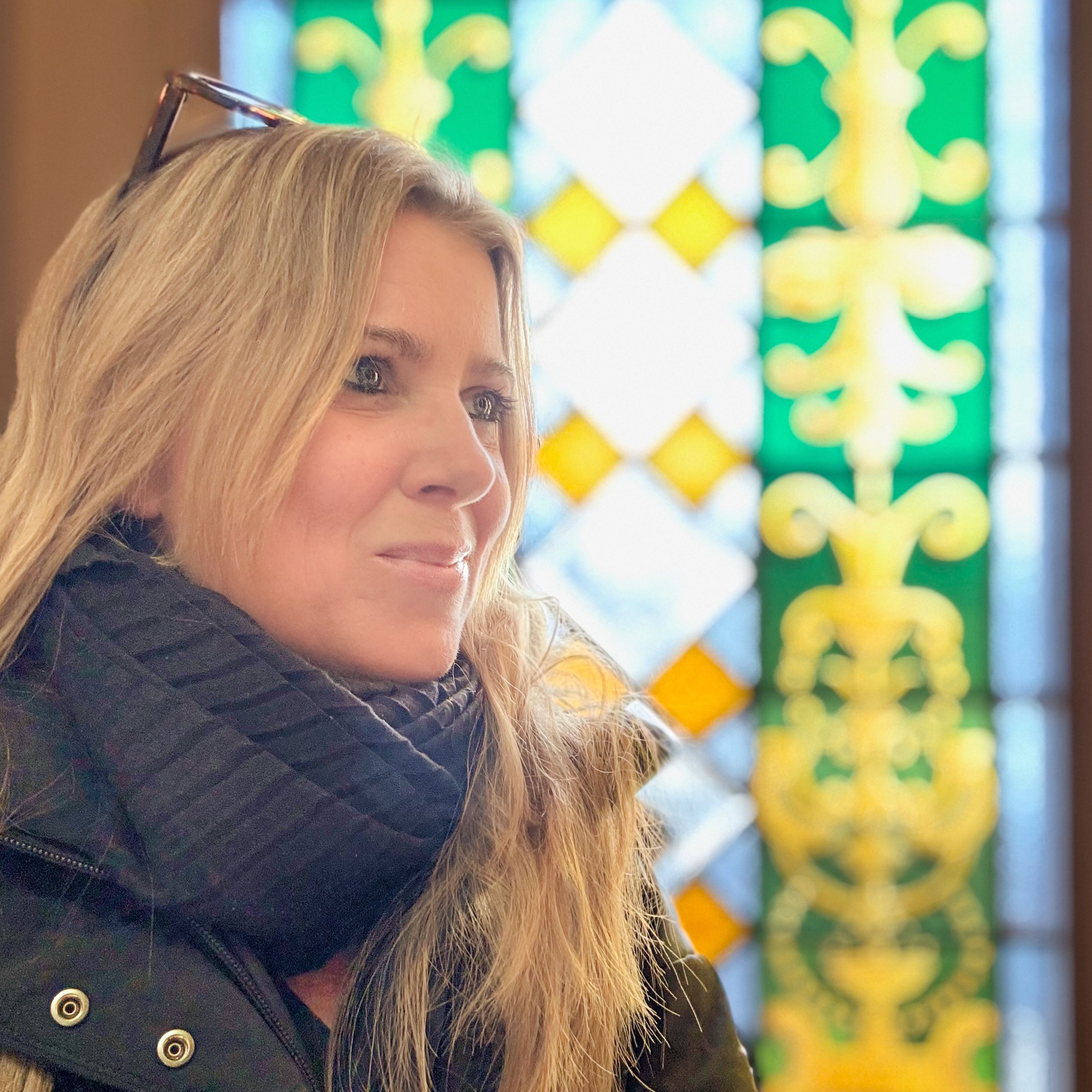
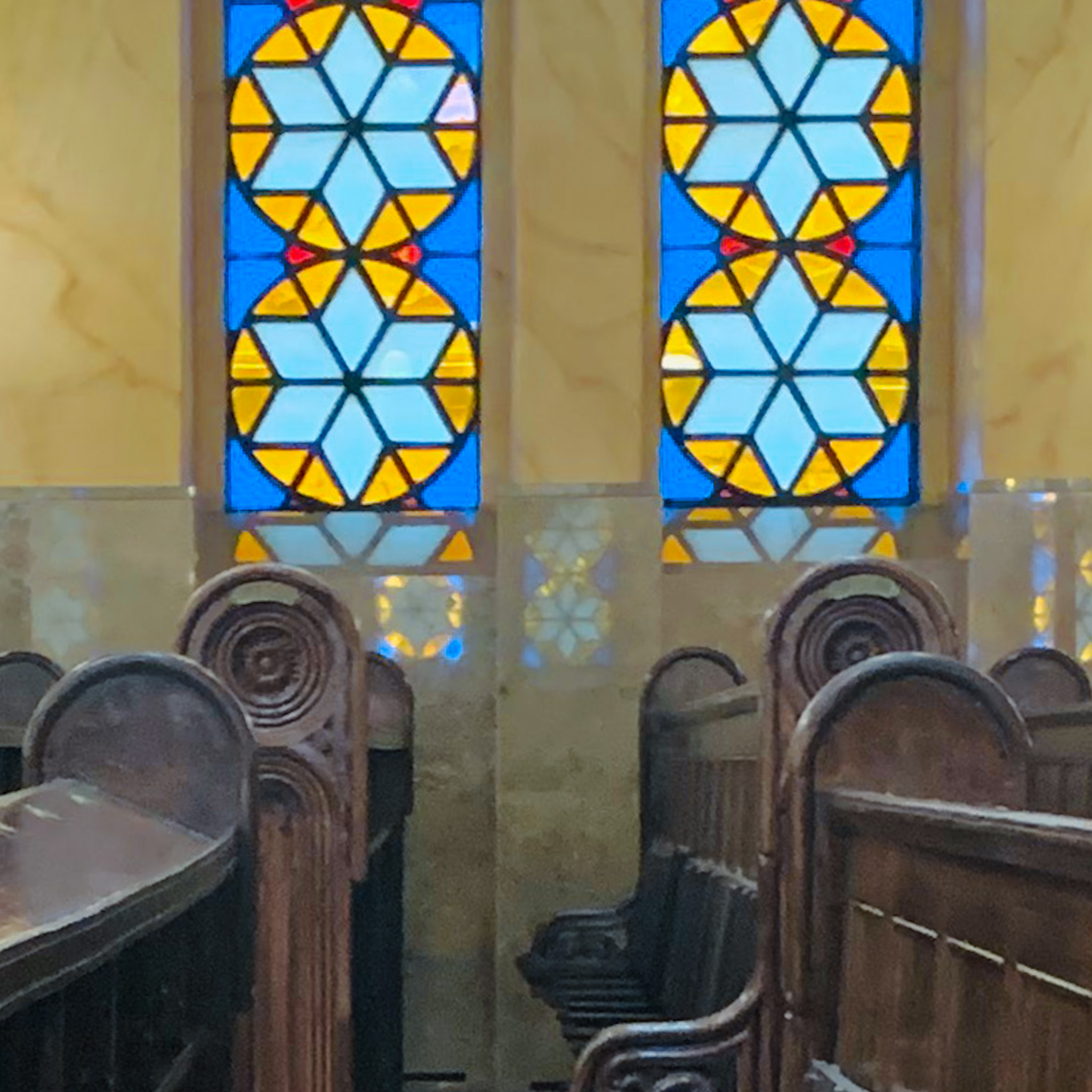
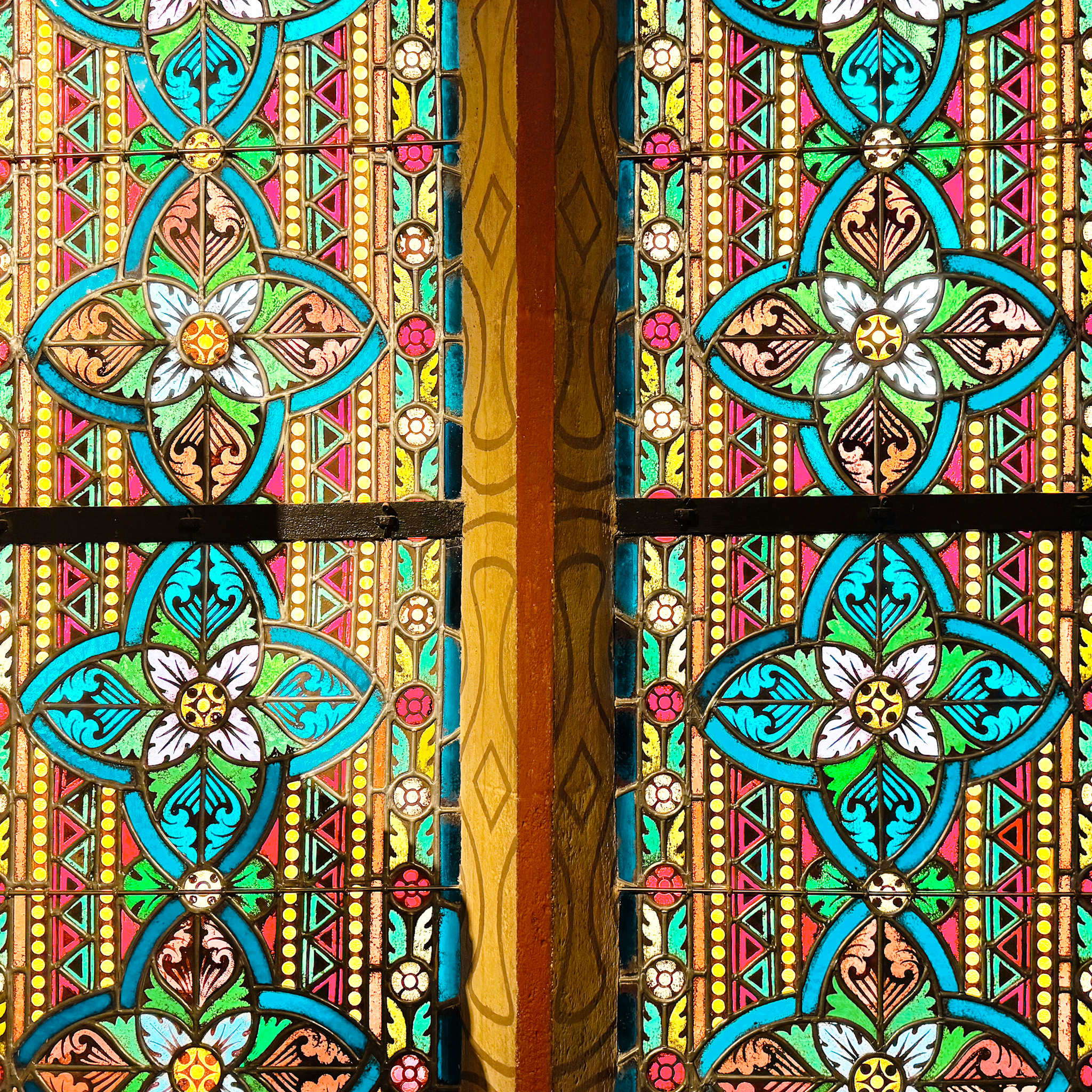
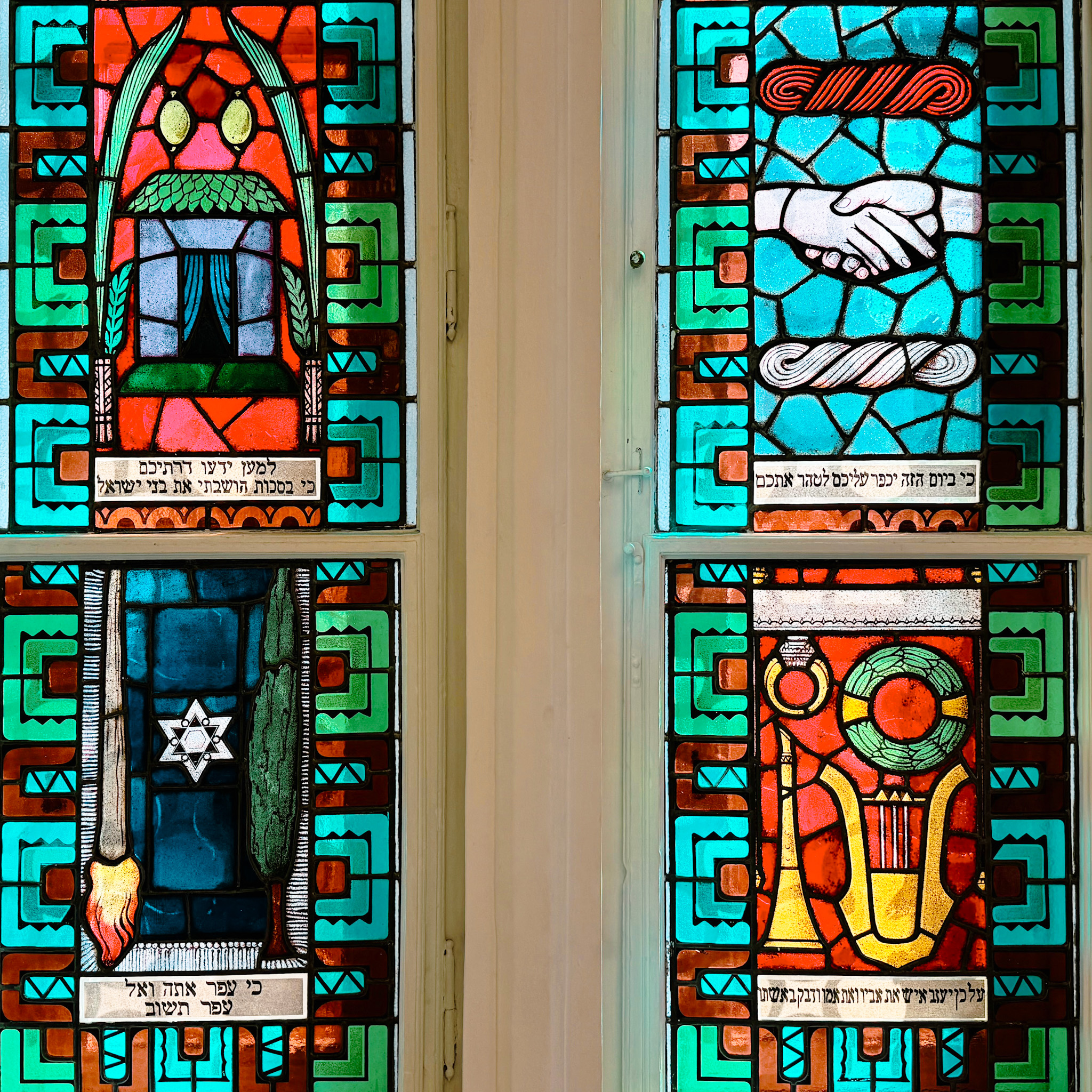
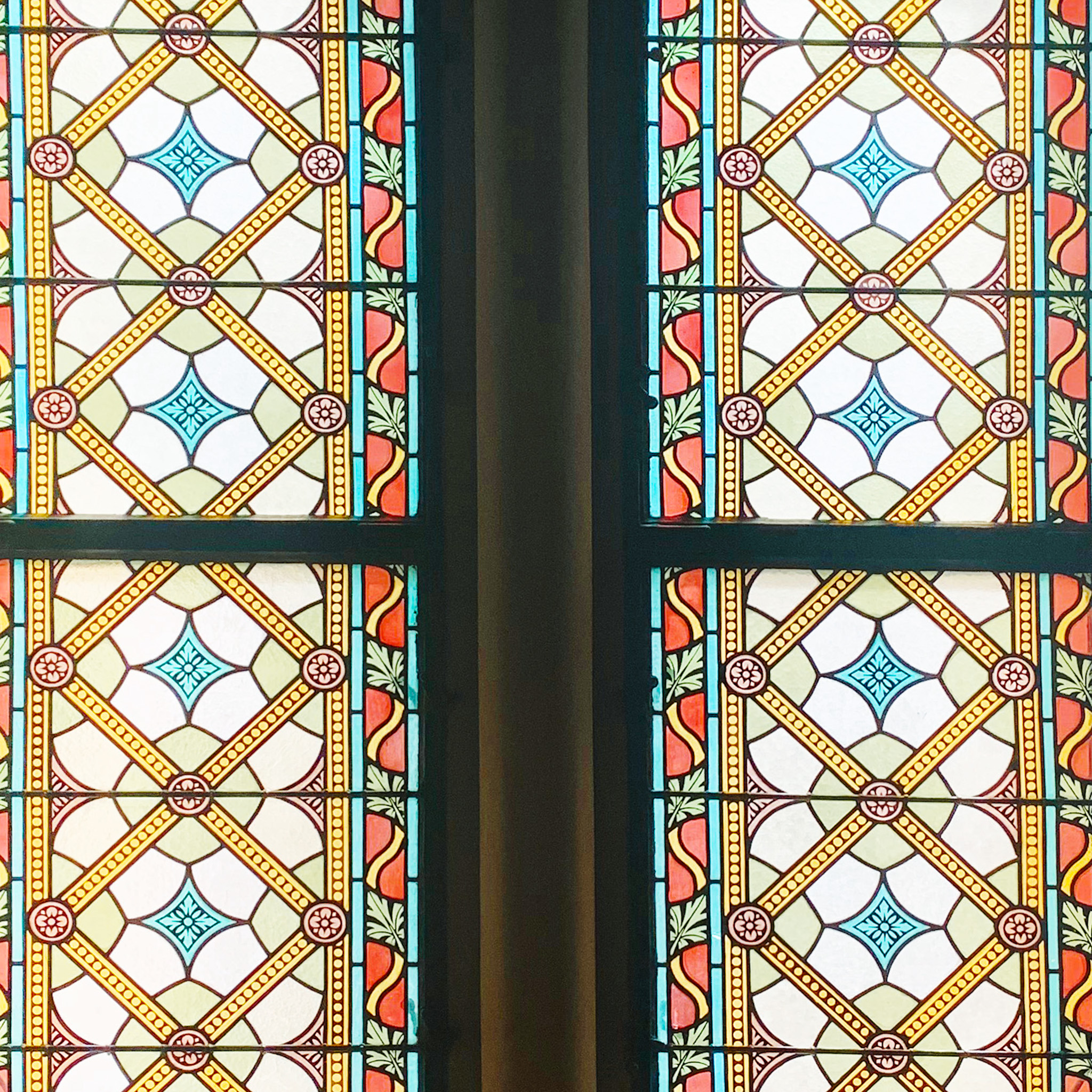
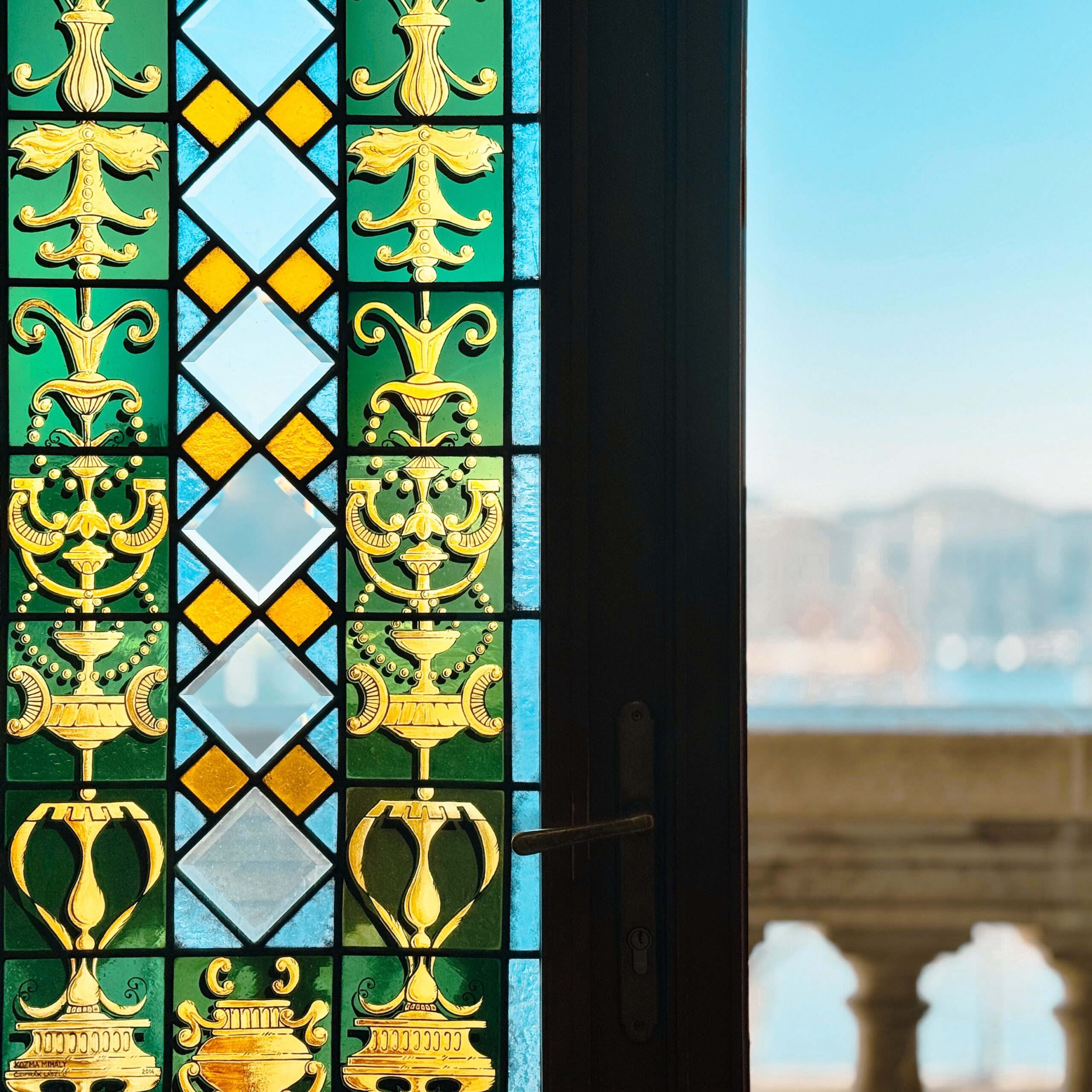
Stained glass in Budapest is one of those details I never get tired of looking for. Sometimes it fills the great windows of a church or an important public building; elsewhere, it appears unexpectedly in a staircase, doorway or private interior. I love the way these windows transform light into colour — but even more, I love the stories they tell about the buildings, artists and period in which they were created.

You can find beautiful decorative glass all over Budapest, from Matthias Church and the Hungarian Parliament to Art Nouveau buildings and smaller, less obvious places. Some of my favourites are the works of Miksa Róth, whose extraordinary glass and mosaics became an important part of Budapest’s architectural identity.

Stained Glass in Matthias Church

Matthias Church is one of the most beautiful places to discover stained-glass in Budapest. The colourful windows are part of an interior where almost every surface seems to have been considered — painted walls, patterned tiles, carved details and filtered light all work together. I have visited the church countless times, but the changing light means the interior never looks quite the same twice.

Historic Windows in the Hungarian Parliament

The Hungarian Parliament offers a very different stained-glass experience. Here, the windows form part of one of Budapest’s grandest historic interiors, surrounded by gilding, decorative painting and rich architectural detail. They are easy to overlook when there is so much else competing for your attention — which is precisely why I always encourage visitors to look beyond the obvious.

The Art Nouveau Years

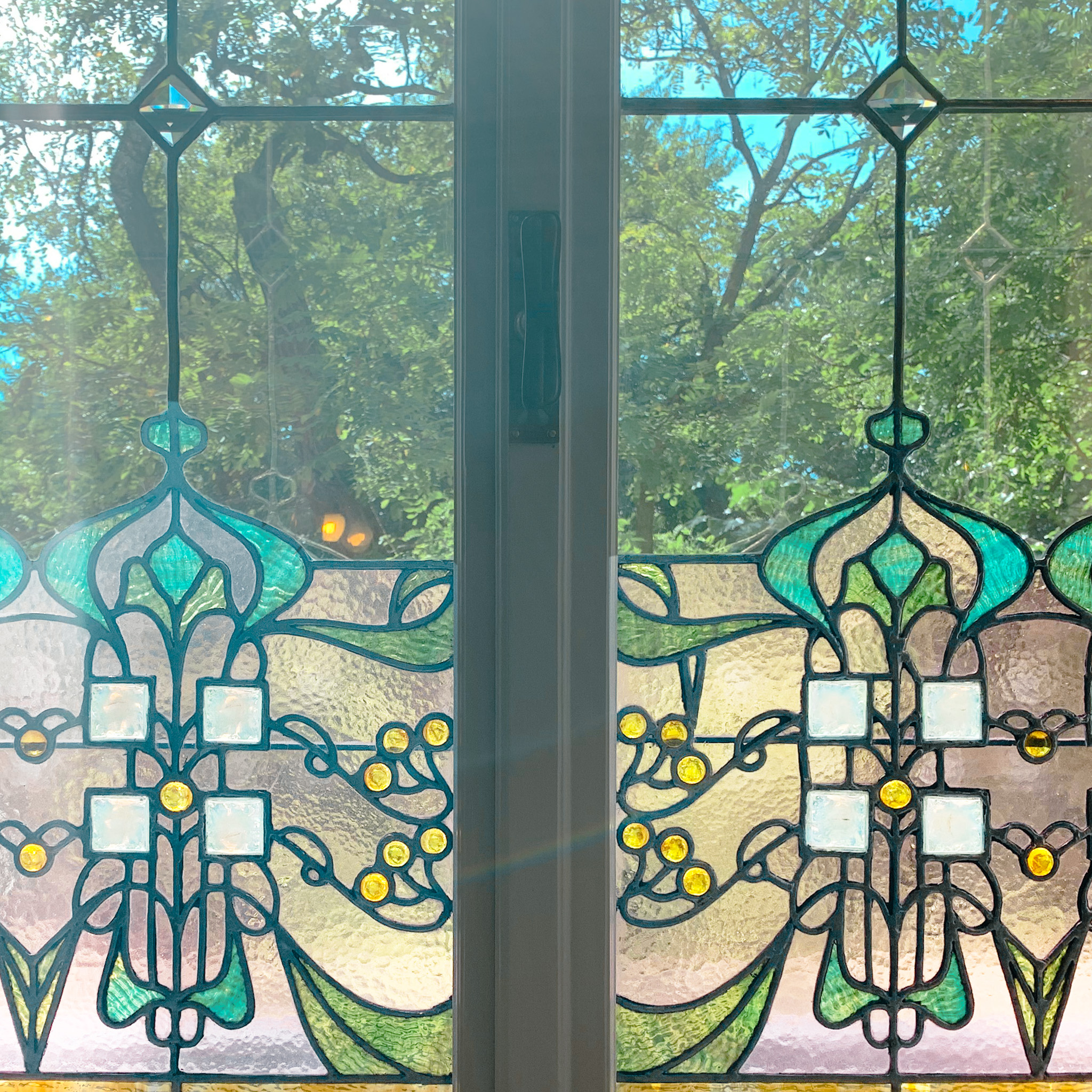
Some of my favourite stained glasswork in Budapest belongs to the Art Nouveau period. Around the turn of the 20th century, glass became an important part of the decorative language of Budapest architecture. Flowers, leaves, birds, flowing lines and rich colours appear in windows, doors and staircases — sometimes in famous buildings, sometimes hidden behind façades you might walk past without a second glance.

This is one of the things I love most about Budapest Art Nouveau: the details are not simply decoration. They often form part of a much larger story told through architecture, craftsmanship and symbolism.

The World of Miksa Róth

For me, one of the most special places to explore this world is the Róth Miksa Memorial House. It is one of my favourite small museums in Budapest and a wonderful place to slow down and look closely at glass away from the city’s grand monumental interiors.

Stained Glass in Budapest’s Synagogues

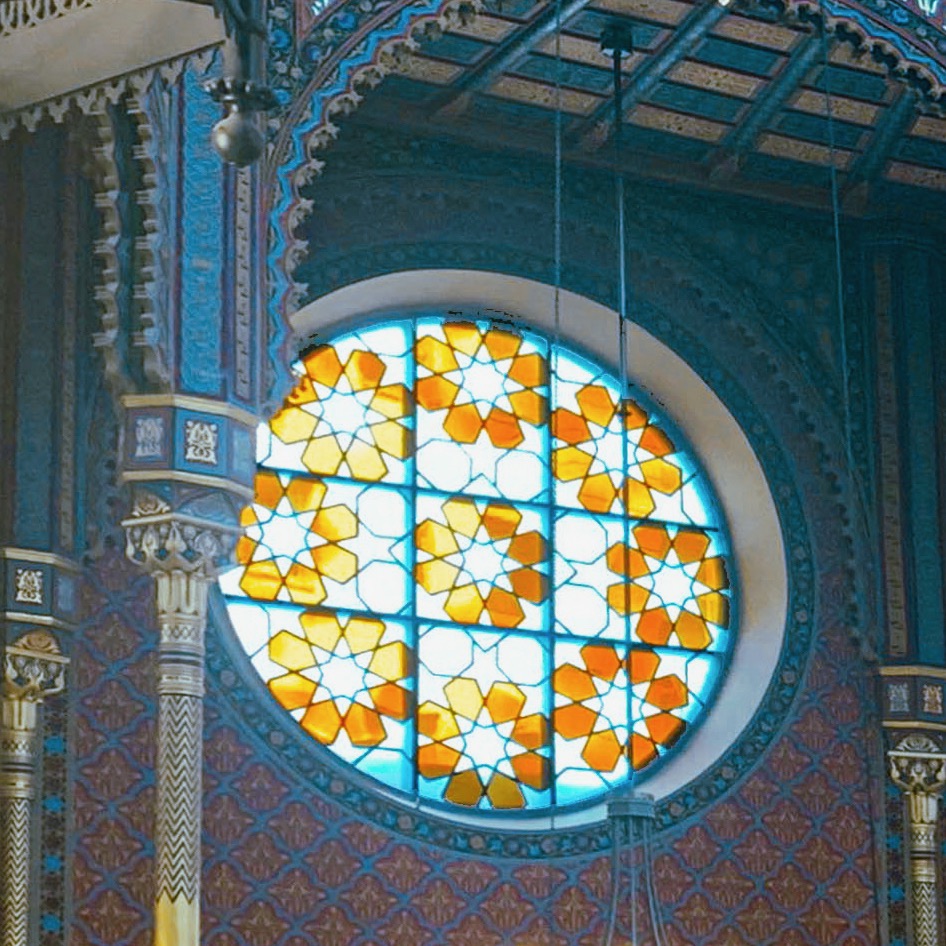
Some of the most striking glasswork in Budapest can also be found in the city’s synagogues. I particularly love how differently colour and light are used in these interiors — from the geometric windows of the Great Synagogue to the extraordinary circular window of the Rumbach Synagogue.

These are places where I often find myself looking at the smaller details as much as the architecture itself. The crafted glass adds another layer of colour, pattern and symbolism. It changes completely as the light moves through the building. You can discover more of the history, architecture and stories of this neighbourhood in my guide to Budapest’s Jewish Quarter.

Looking for Stained Glass in Budapest

The stained glass I enjoy most isn’t necessarily the most famous. Sometimes it’s a magnificent church window; sometimes it’s a colourful detail glimpsed through a doorway or discovered on a staircase. That’s part of the pleasure of looking for colourful glasswork in Budapest. It gives you another reason to slow down and pay attention.

And that is often how I like to show Budapest, too. The great landmarks matter, but some of the city’s best stories are hidden in the details we almost walk past.

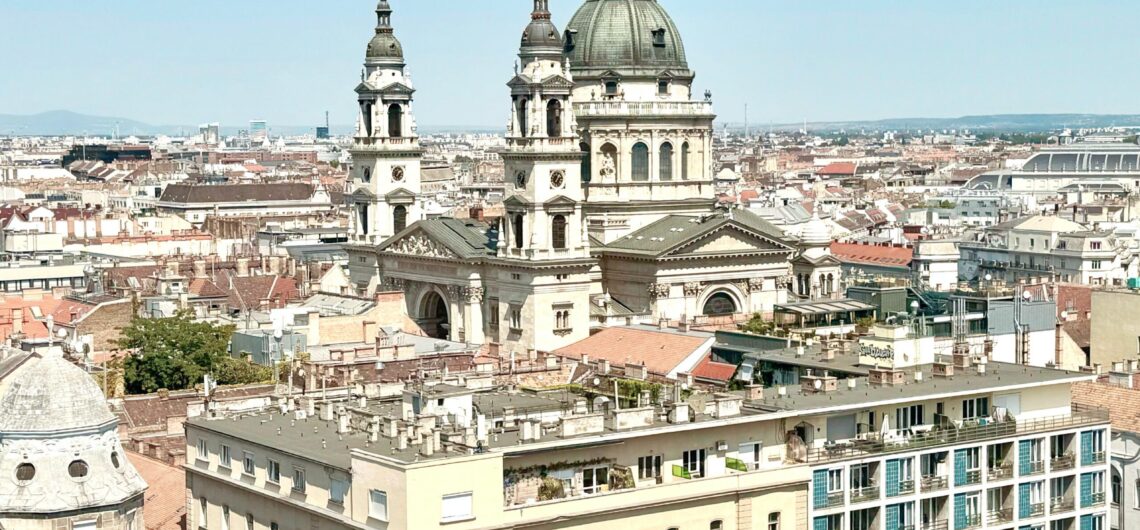
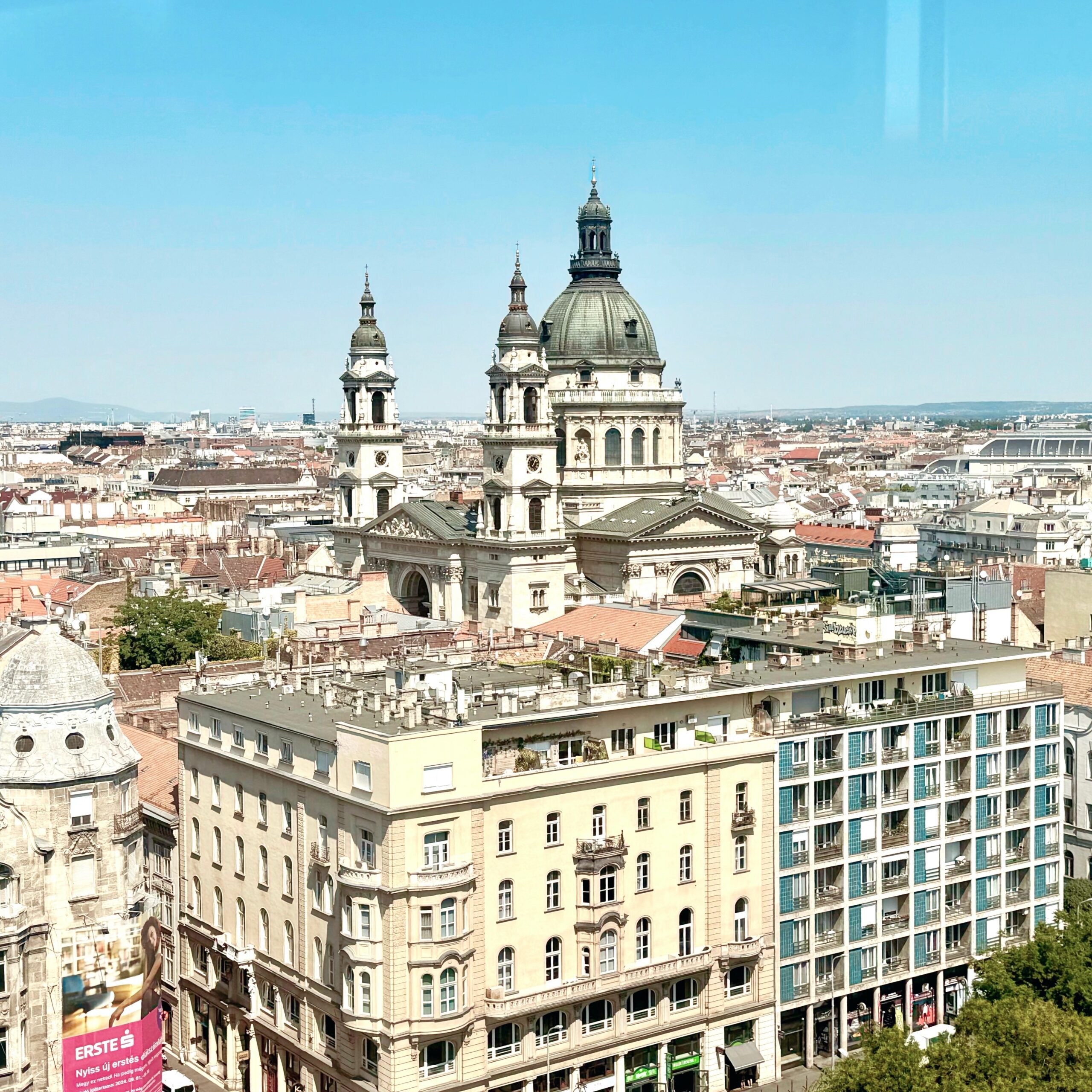
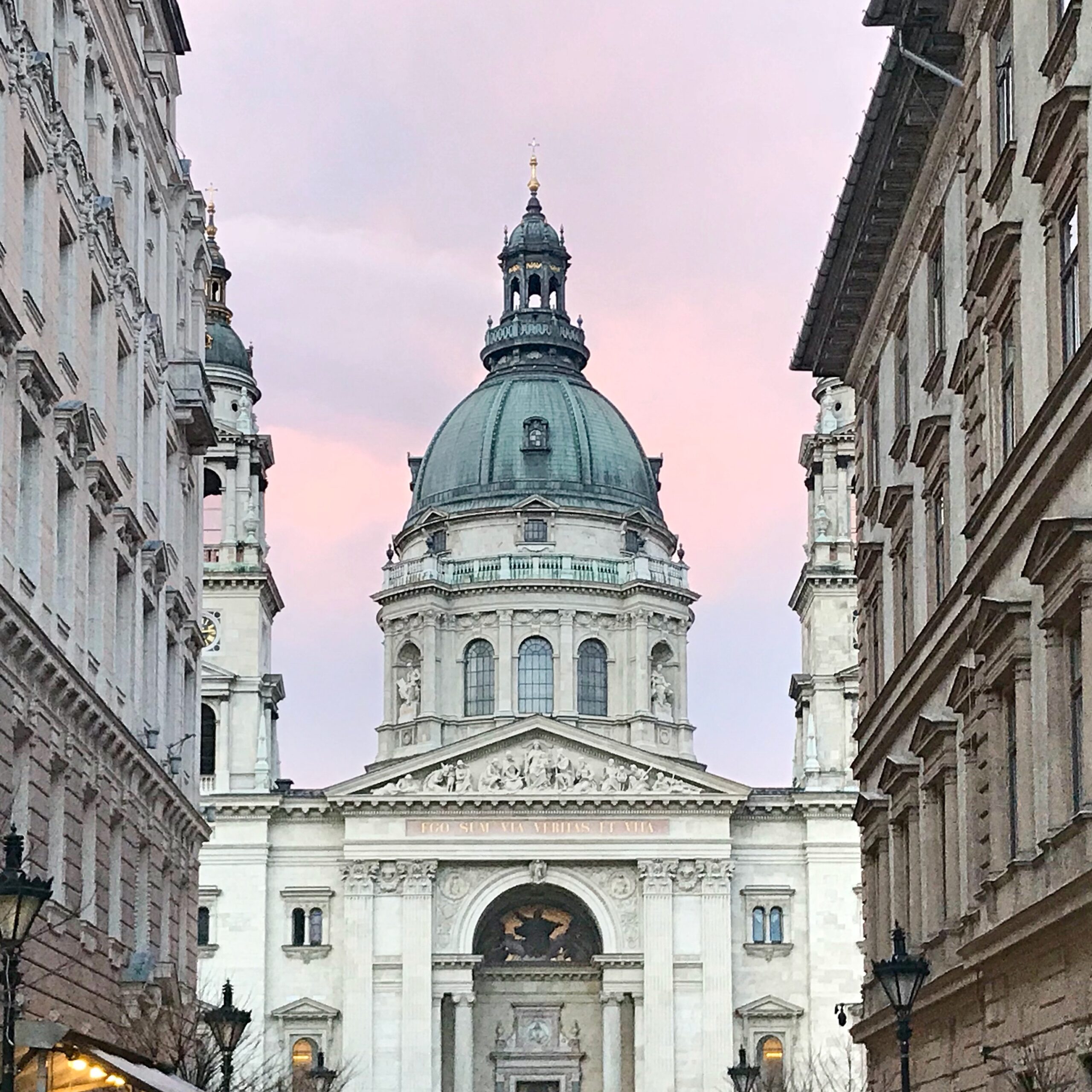
Some of my favourite St Stephen’s Basilica views aren’t the obvious ones. Its monumental dome dominates the Pest skyline, but the building changes remarkably depending on where you see it from.

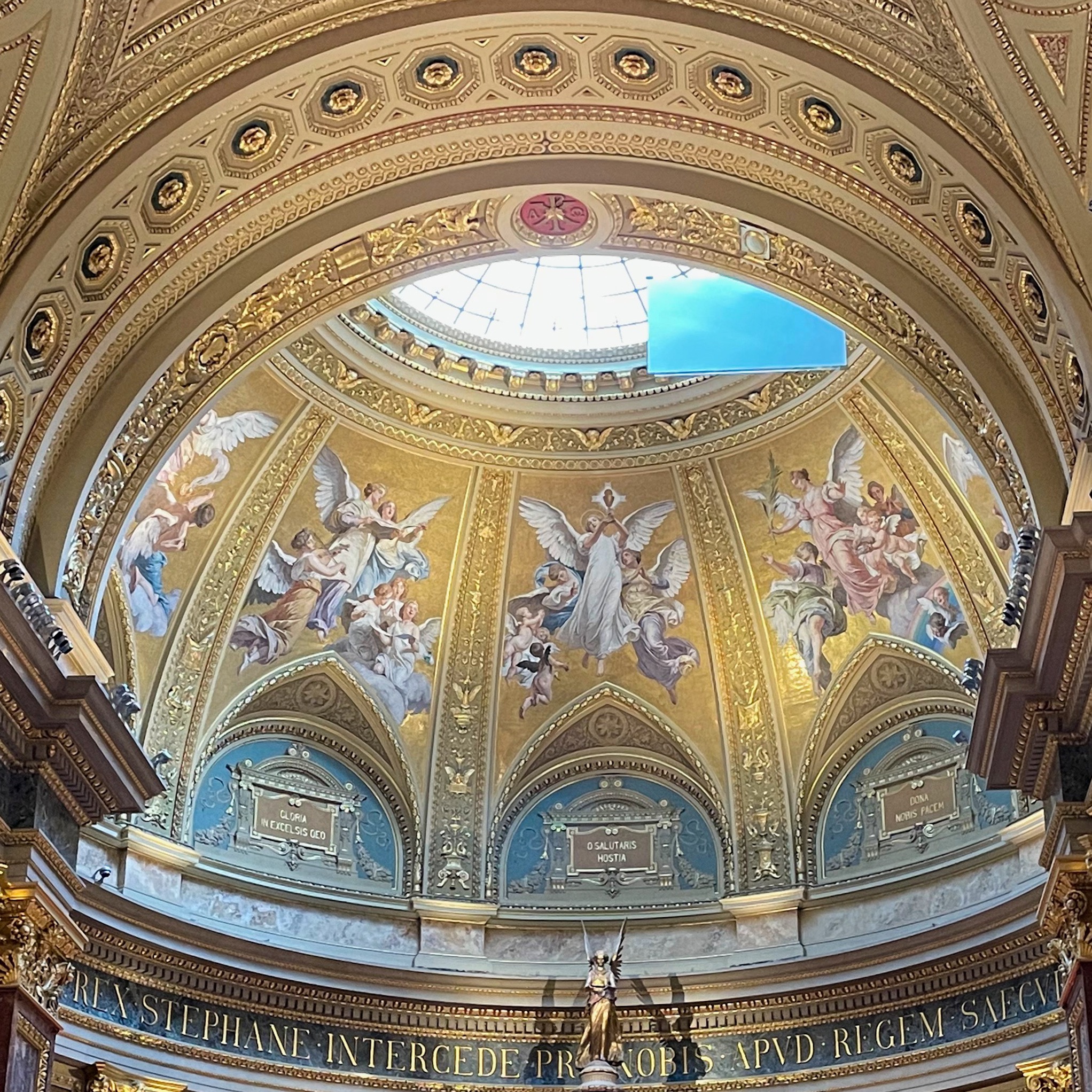
Completed in 1905 after more than half a century of construction, the Basilica combines Baroque, Classicist and Neo-Renaissance elements. Its monumental dome dominates the Pest skyline, while the richly decorated interior contains works by some of Hungary’s best-known artists.

For more about the building’s history, architecture and the Holy Right, read my guide to St Stephen’s Basilica.

My Favourite St Stephen’s Basilica Views

One of the best ways to appreciate the scale of the Basilica is from above. The panoramic terrace around the dome sits 65 metres above the city and offers a spectacular 360-degree view across Budapest.

But some of my favourite perspectives are actually from street level. Walk around the surrounding streets and the Basilica constantly changes. Sometimes the dome appears unexpectedly between buildings; from other angles, the enormous façade suddenly fills the end of a narrow street. The light changes it too — particularly in the early morning and towards the end of the day. It’s part of my favourite walk in Budapest, and even after hundreds of visits, I still find myself looking up when I reach the square.

If time and the itinerary allow, we can also include the Basilica interior on a private tour. You can learn more about the Basilica, visiting hours and ticket prices here.

I spend a lot of time wandering around Budapest, and one of the pleasures of knowing the city so well is seeing familiar buildings from constantly changing angles. St Stephen’s Basilica is a perfect example. Move a few streets away, return at another time of day or simply look up from a different corner, and the building changes. Light reveals details you hadn’t noticed before; the dome appears unexpectedly between rooftops; familiar architecture suddenly feels new again.

It’s one of the reasons I never get tired of walking through Budapest. Sometimes you don’t need to discover a new place — you simply need to look at a familiar one differently.

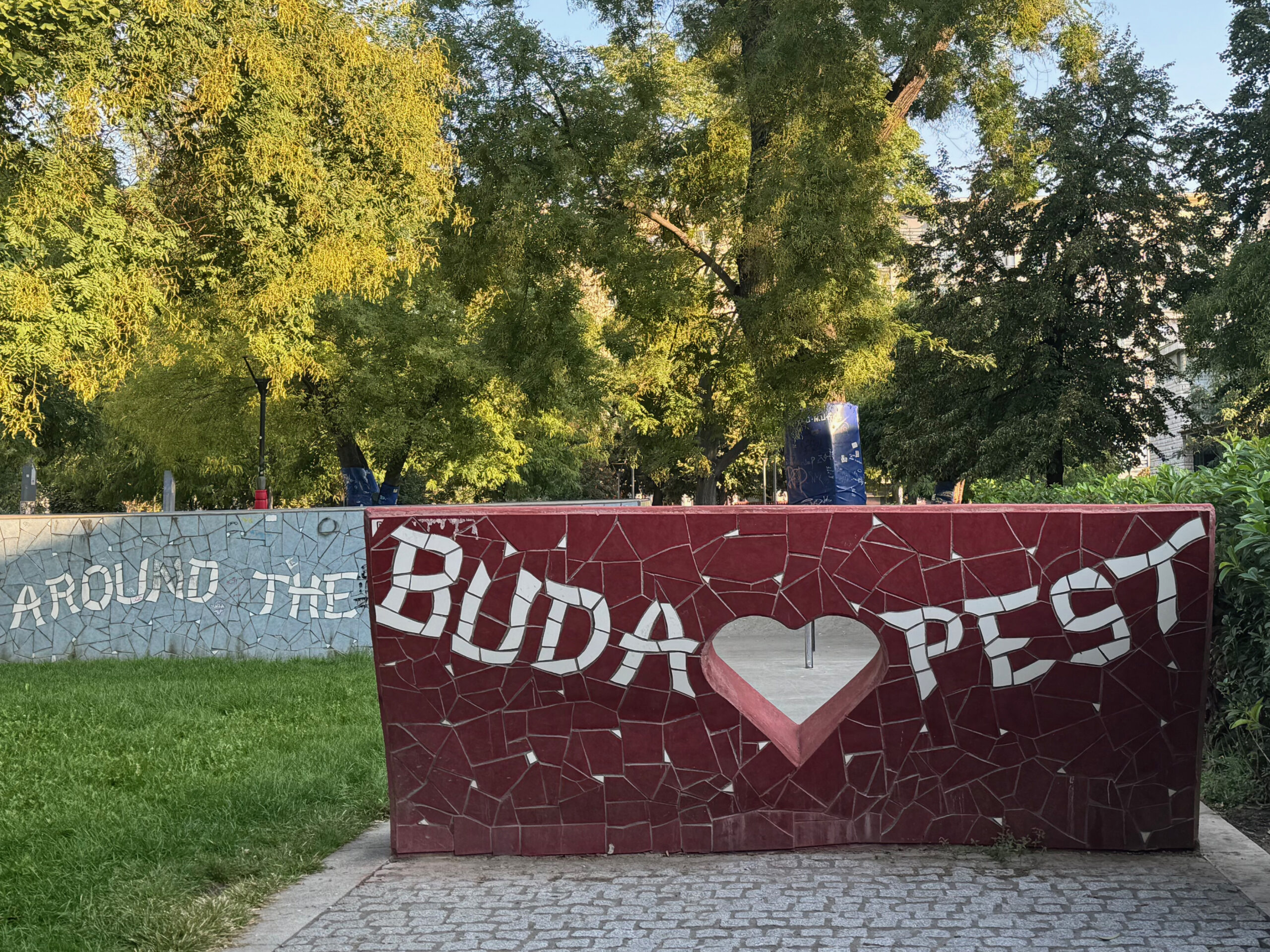
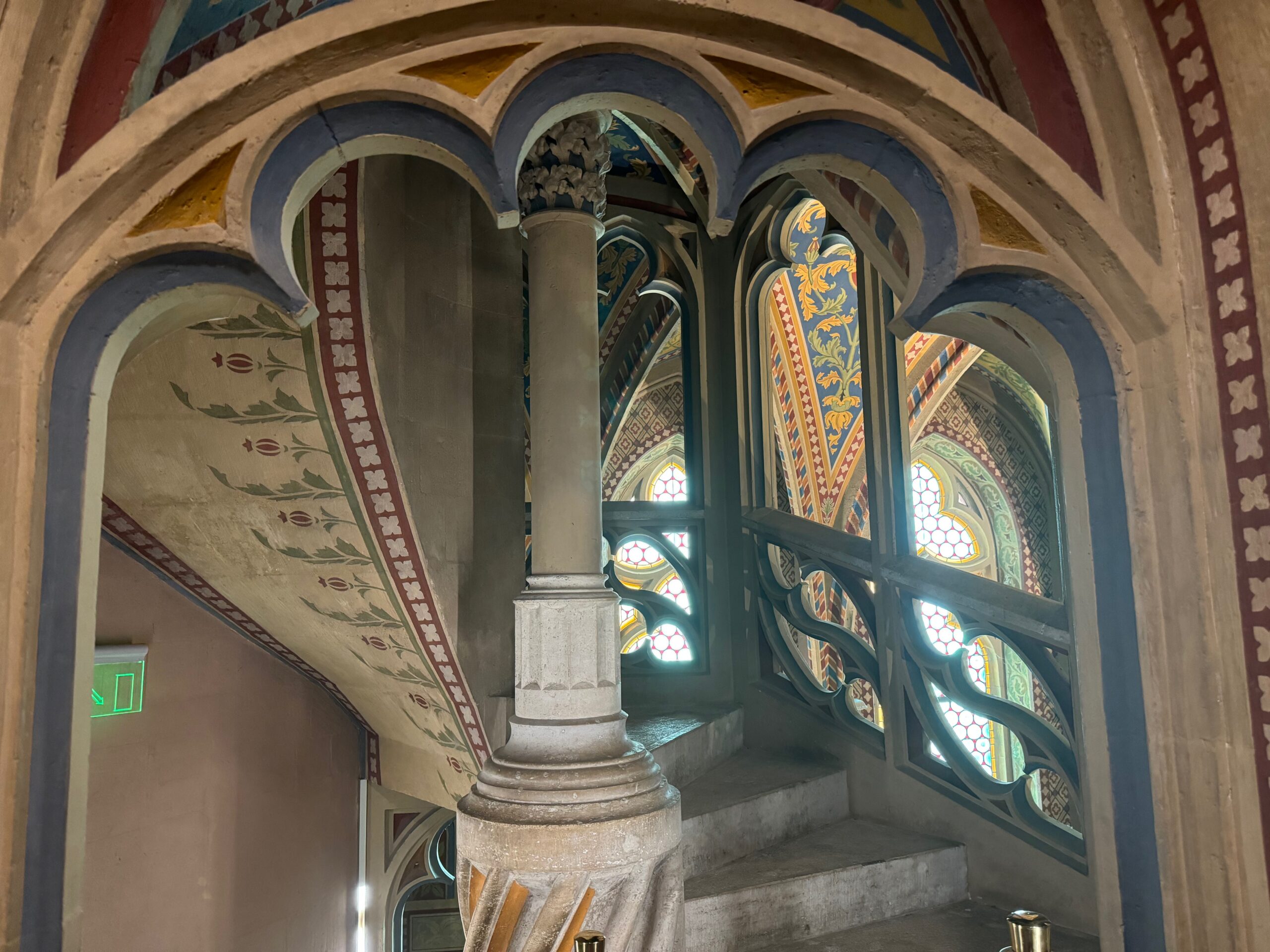
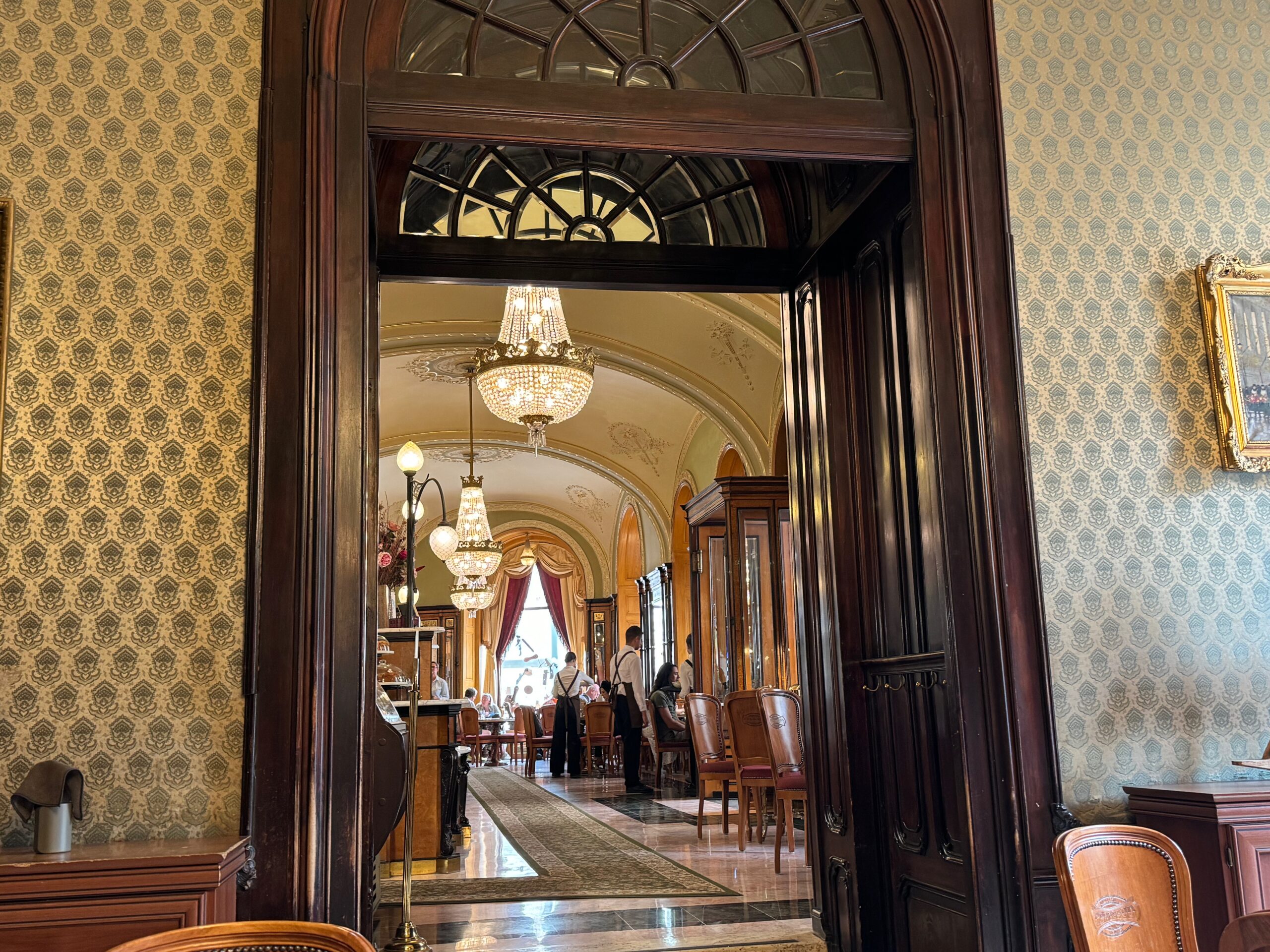
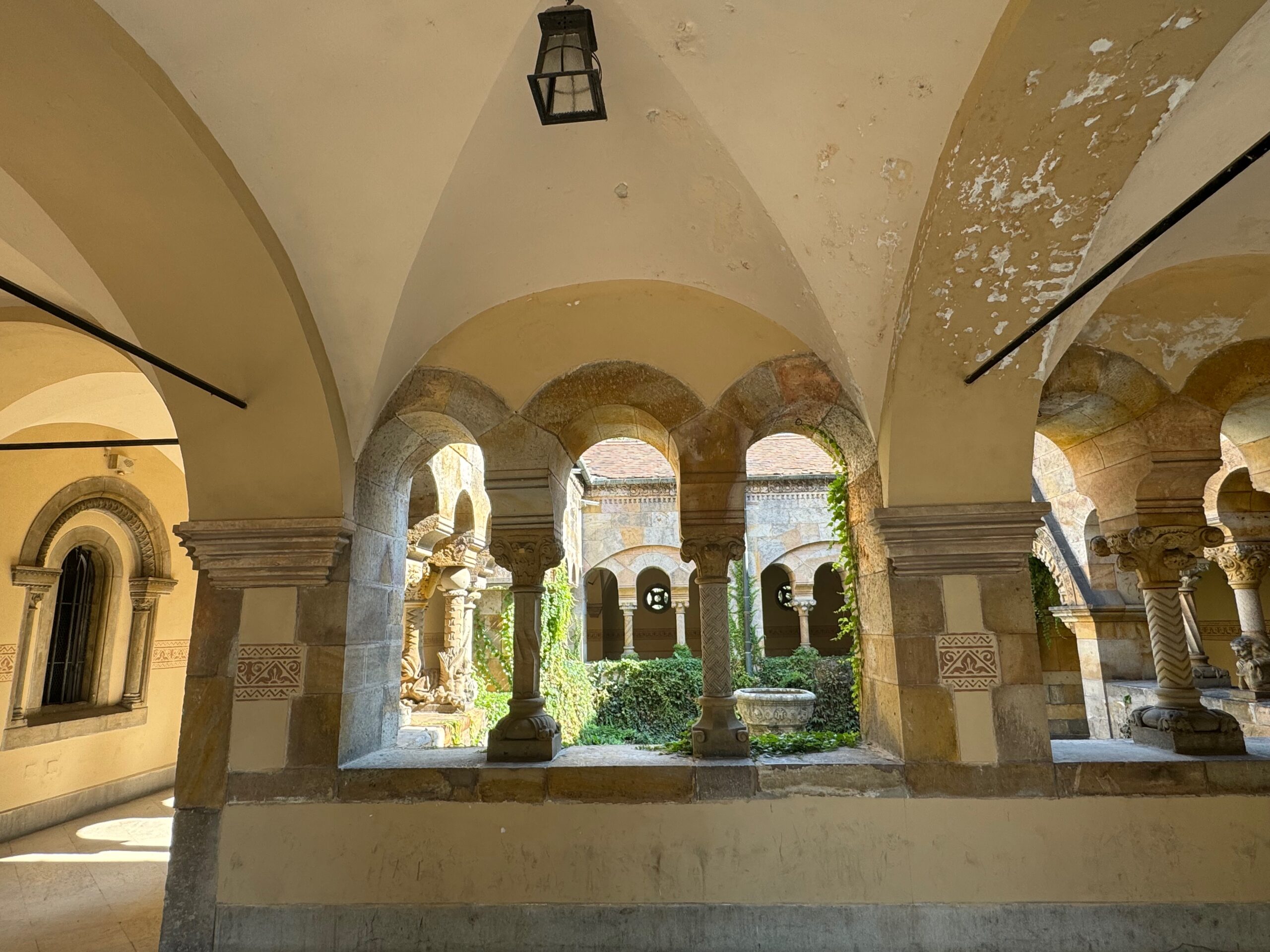
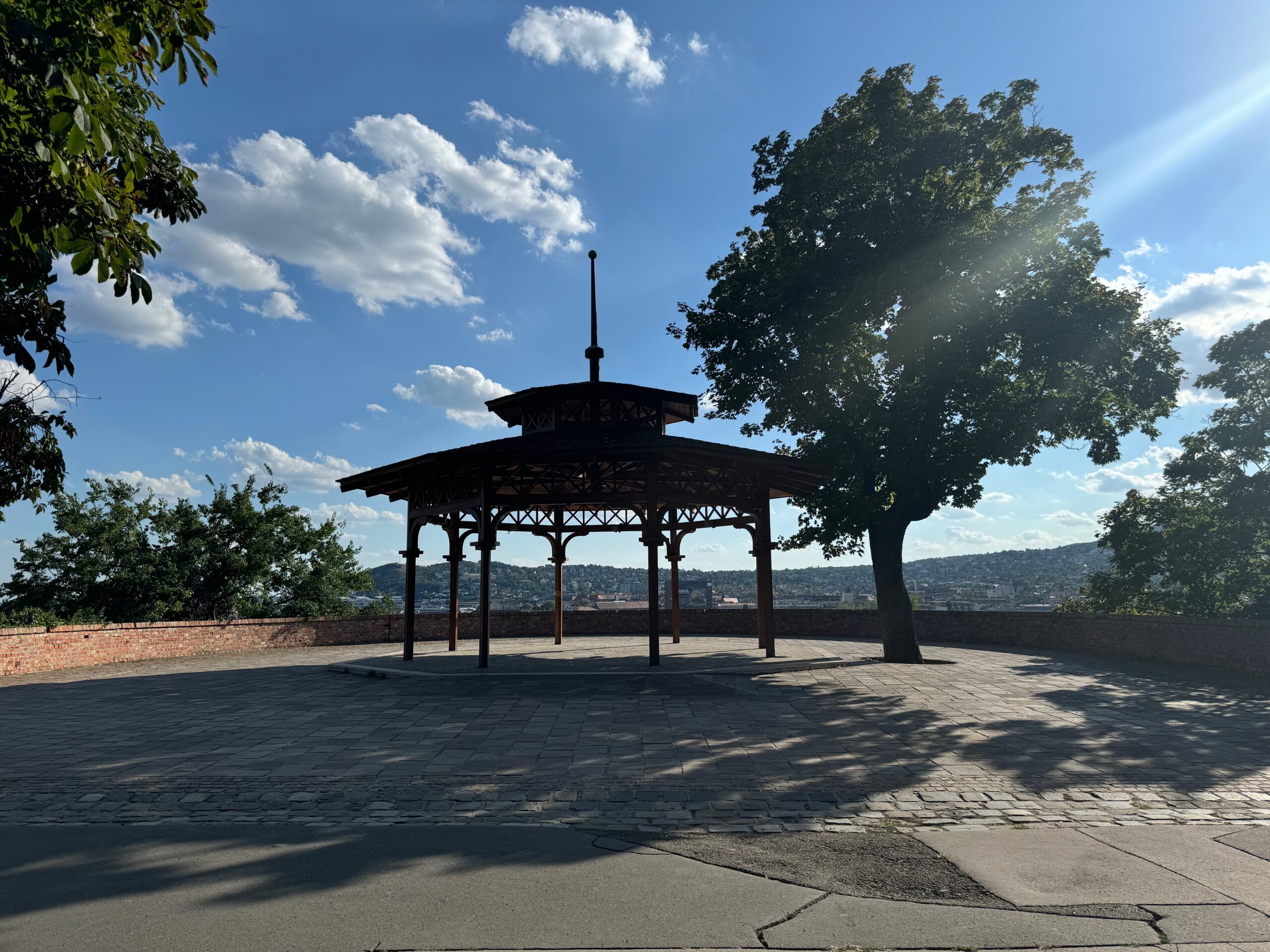
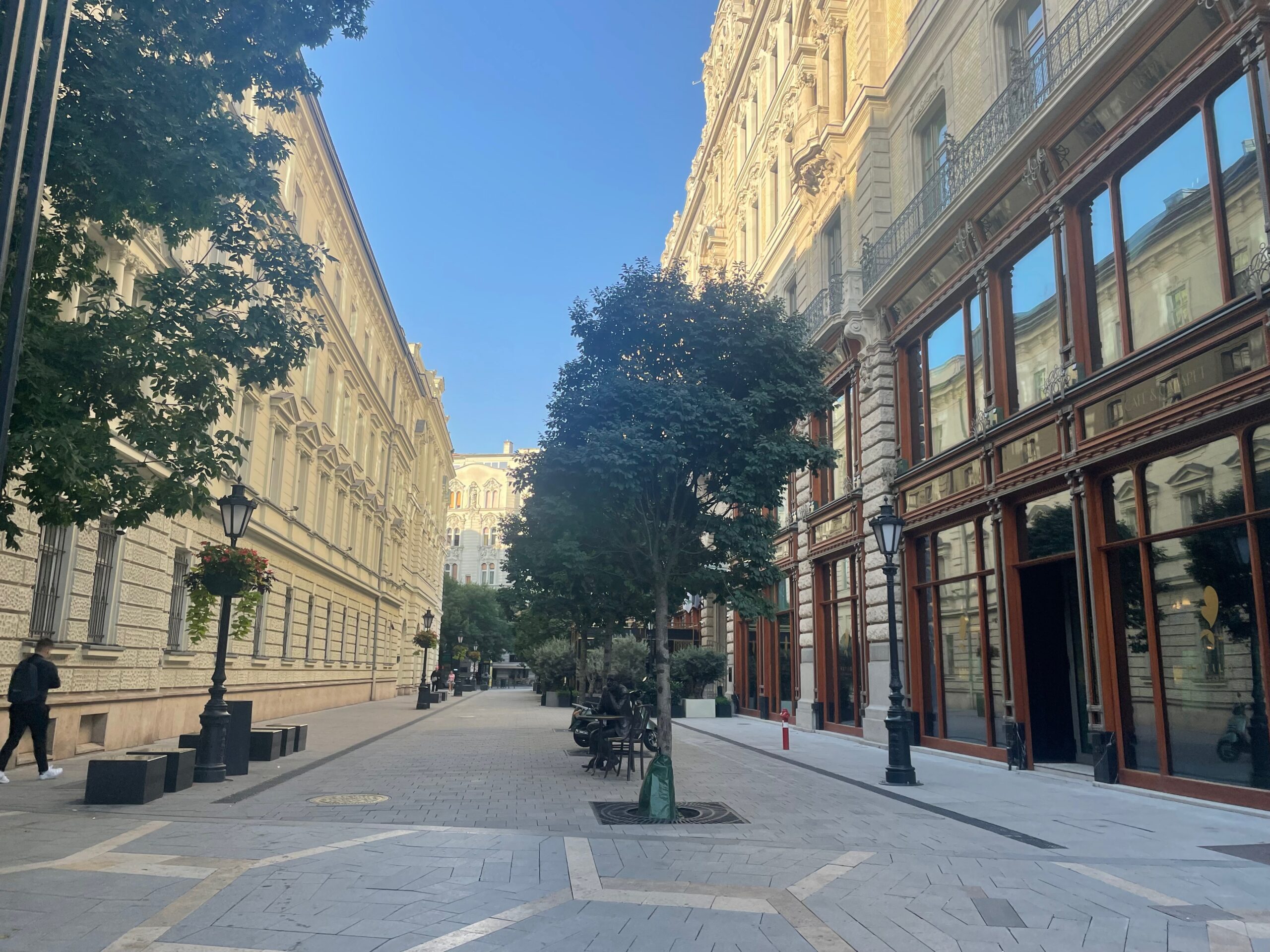
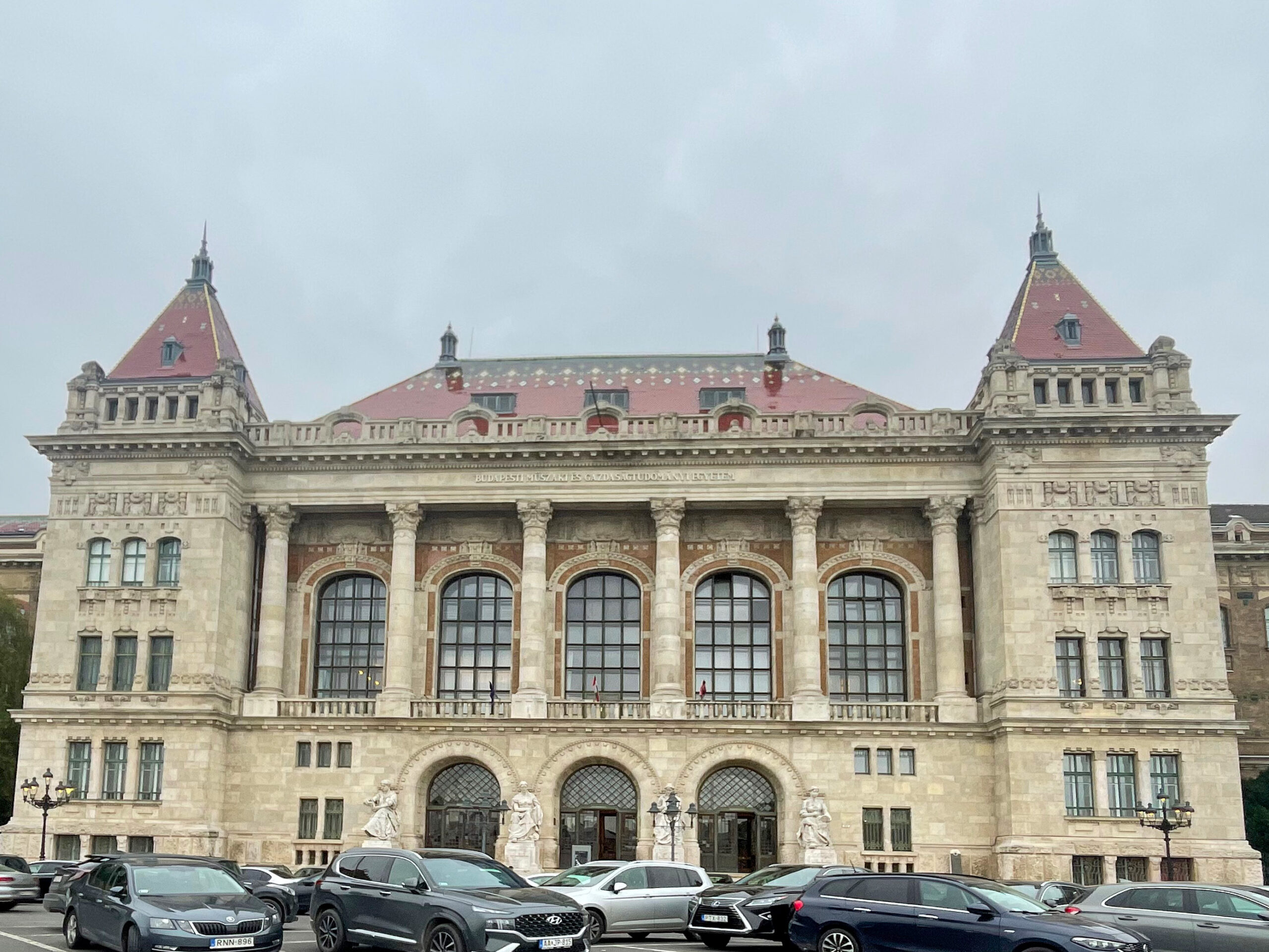
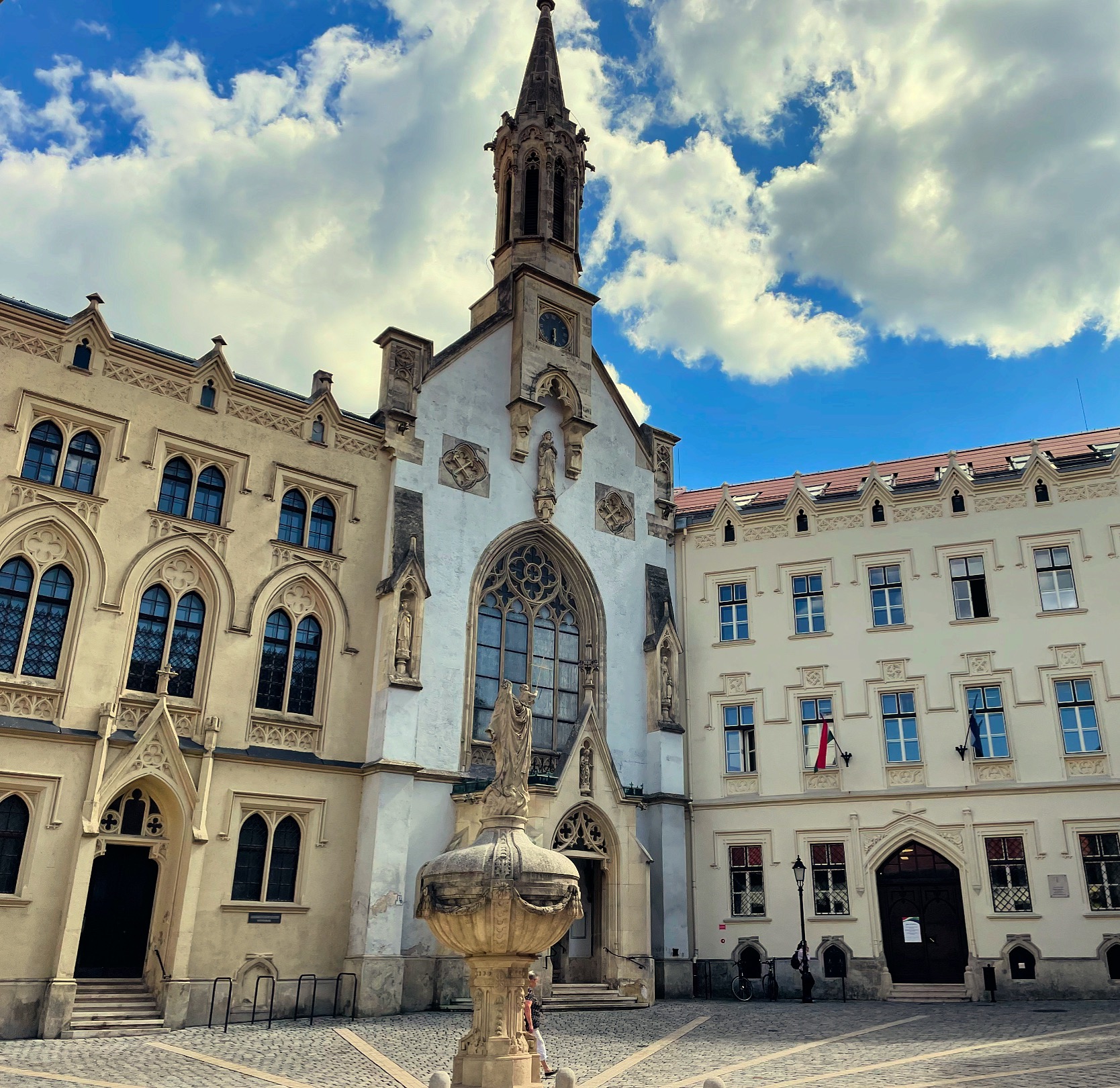
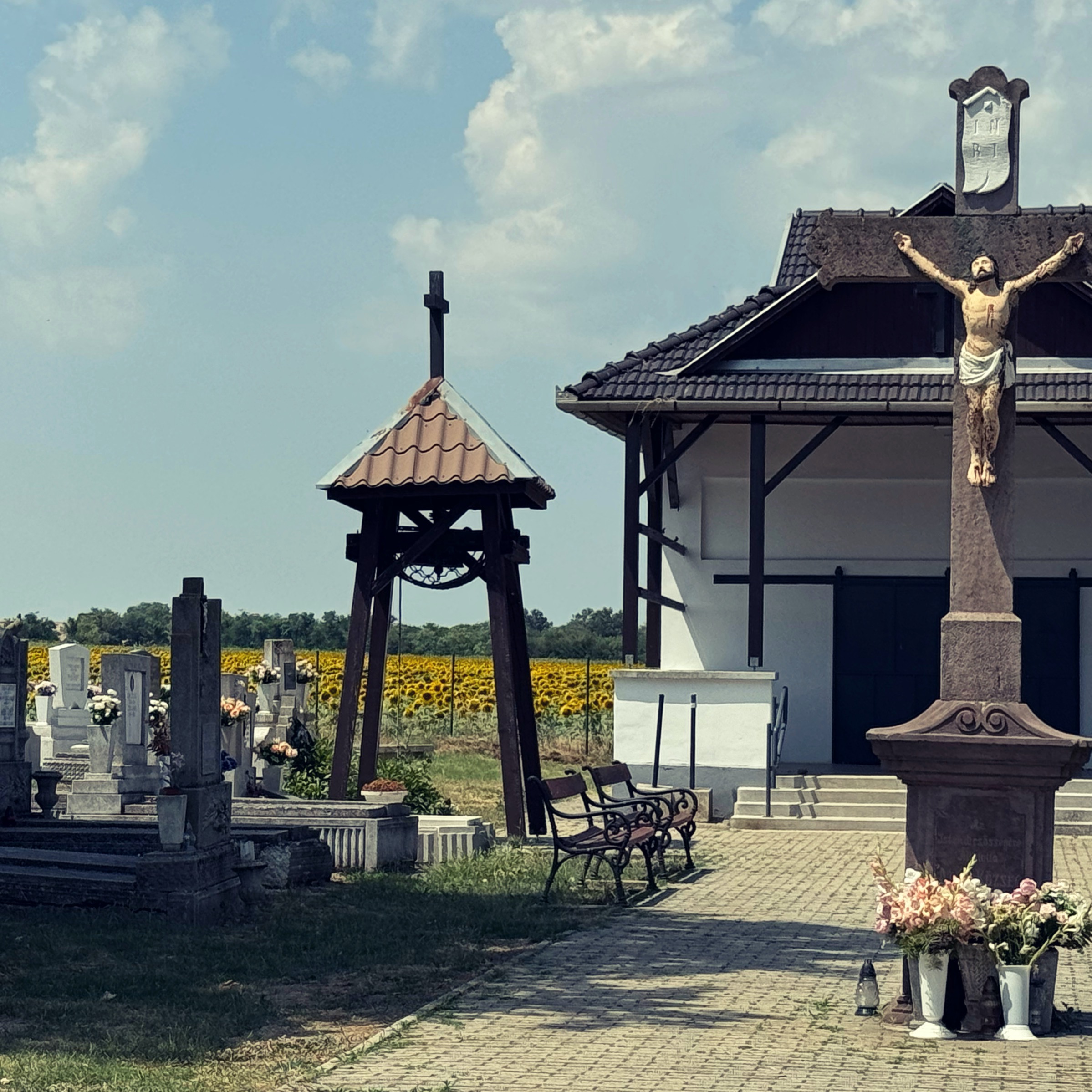
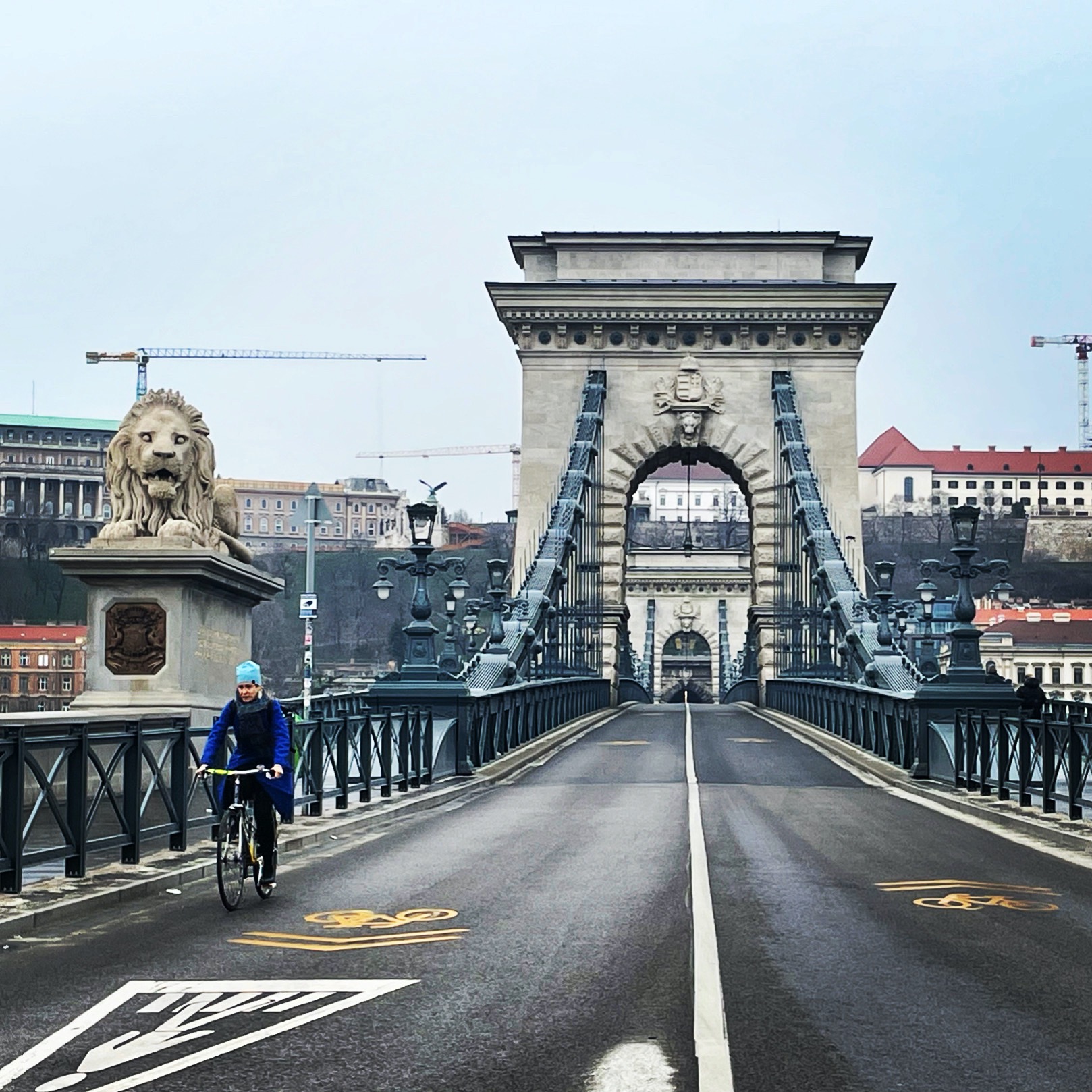
A little photo gallery from the thousands of photographs I’ve been taking while walking around my Beautiful Budapest. These are not the most famous attractions, but some hidden gems that you can discover when you book a tour with me. The reason why I’m sharing these with you is that I very much like the colours, the vibes, the ambience of these places. Feel free to contact me for more details!


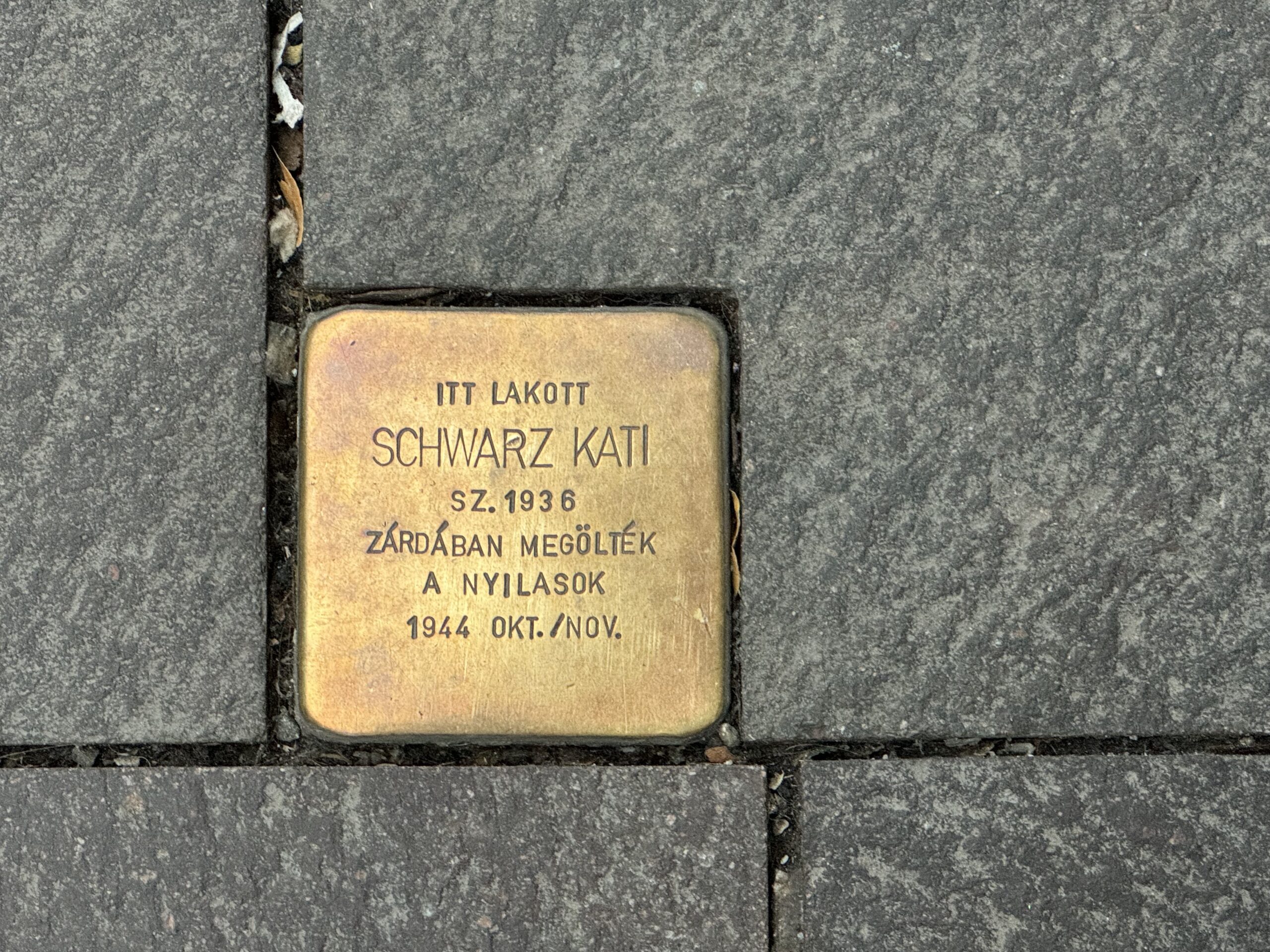
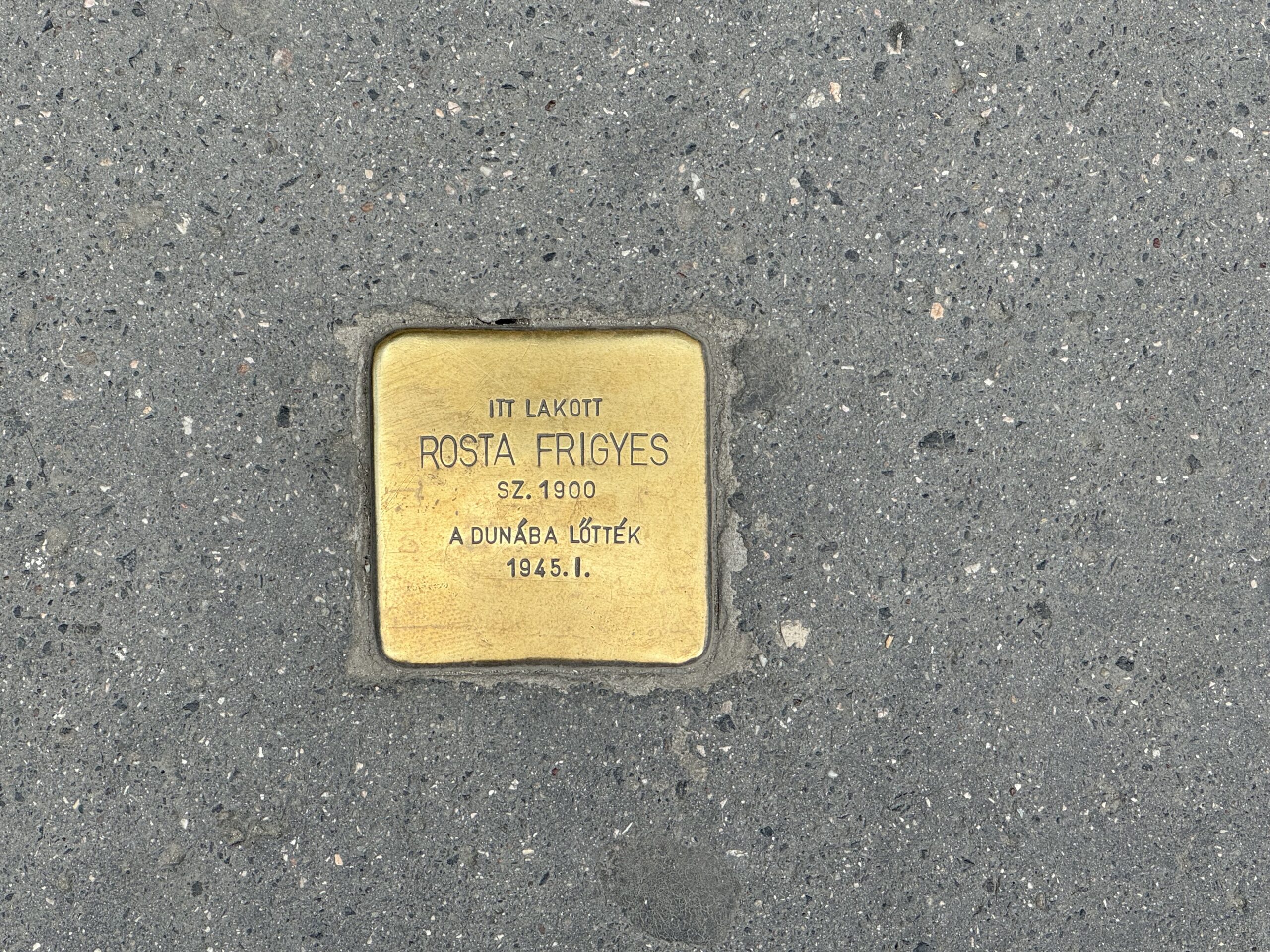
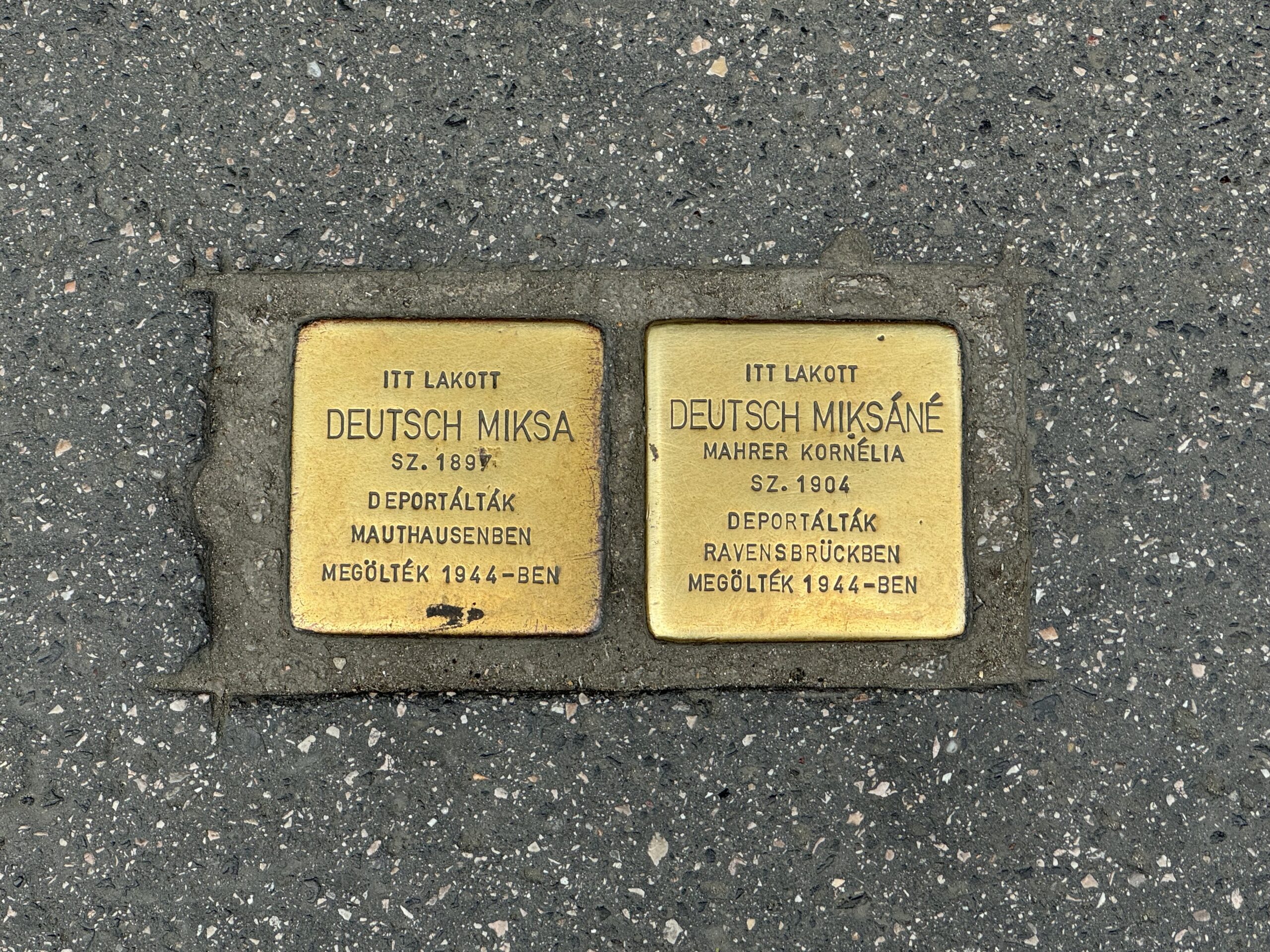
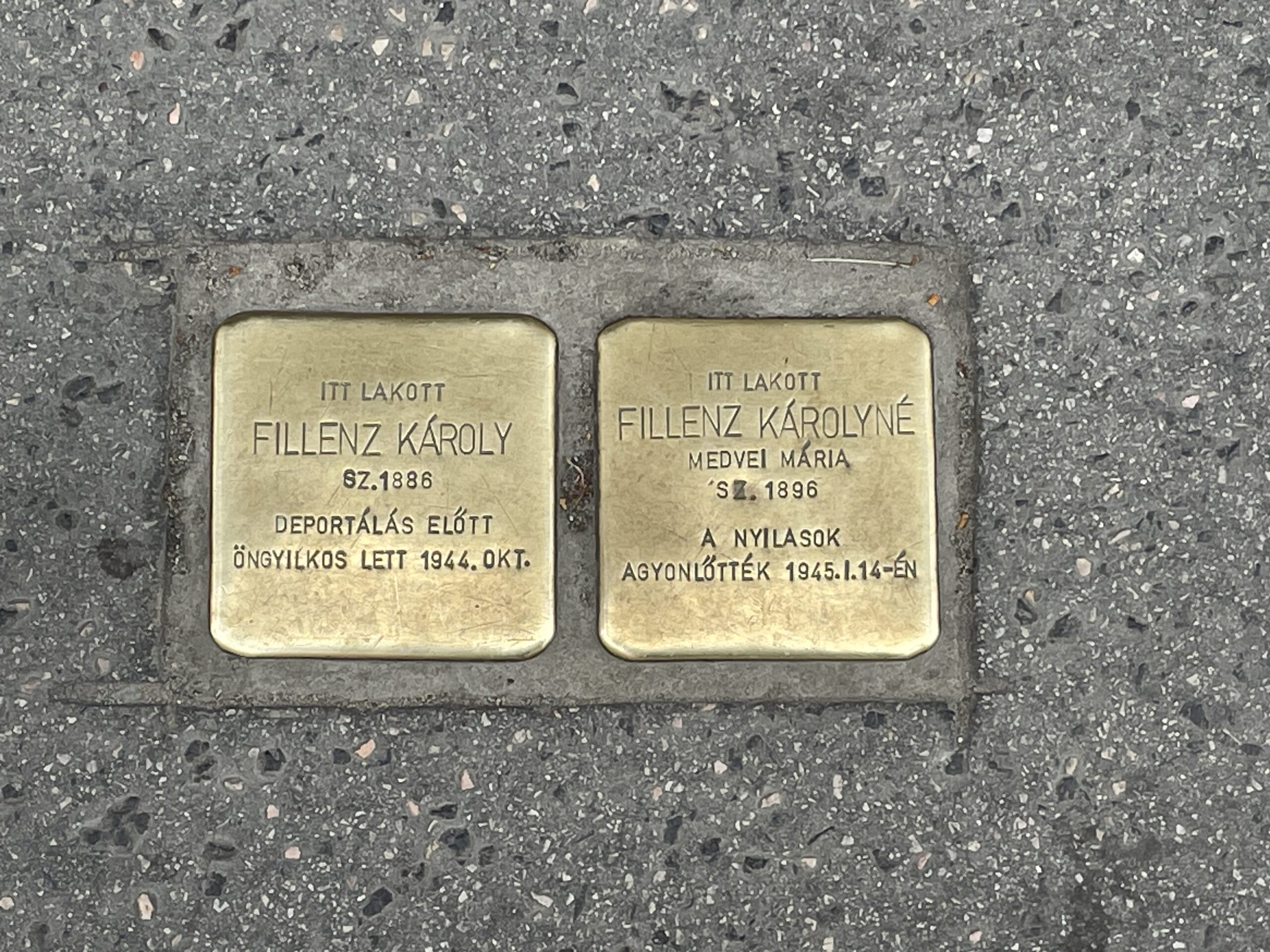
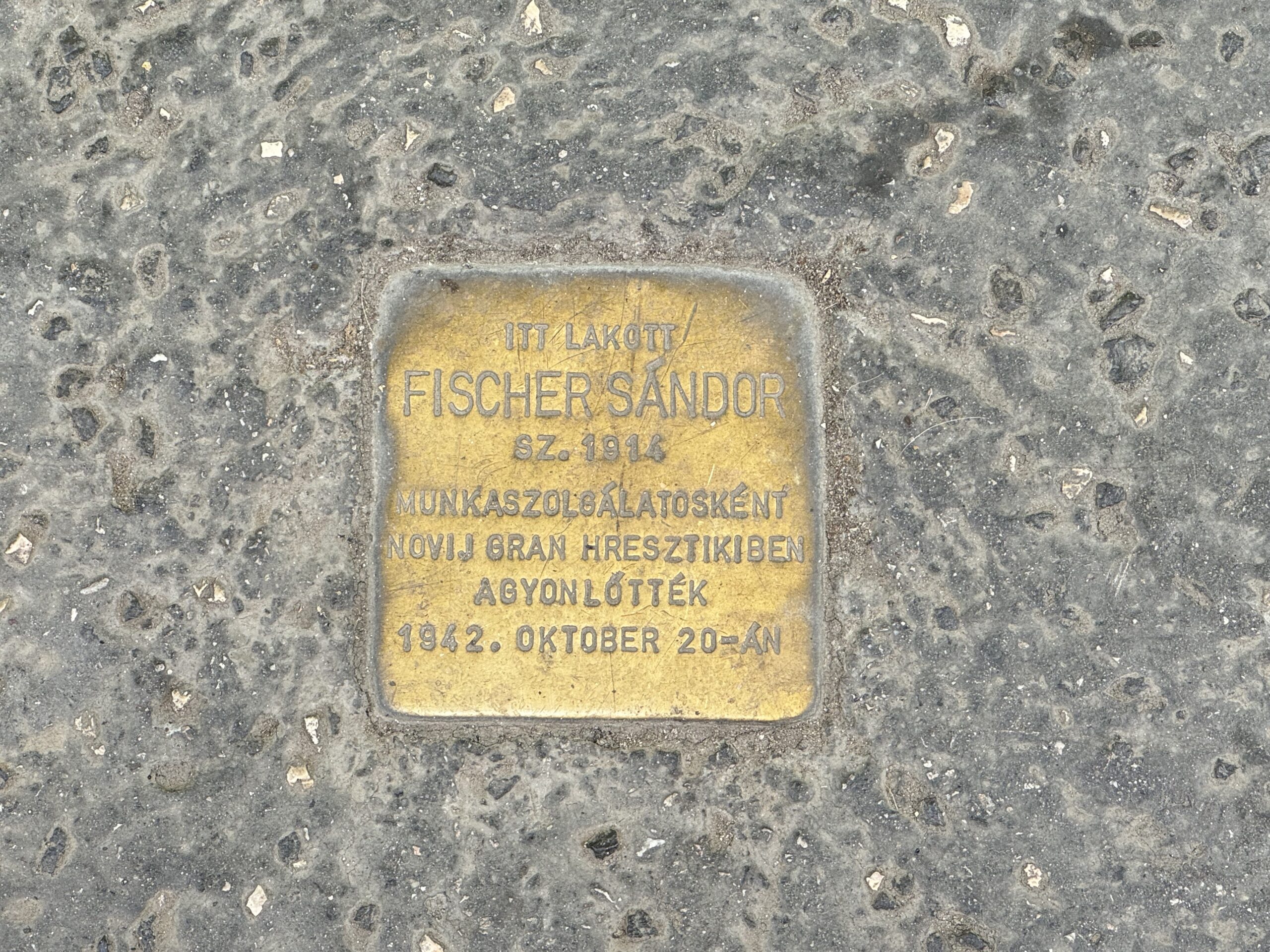
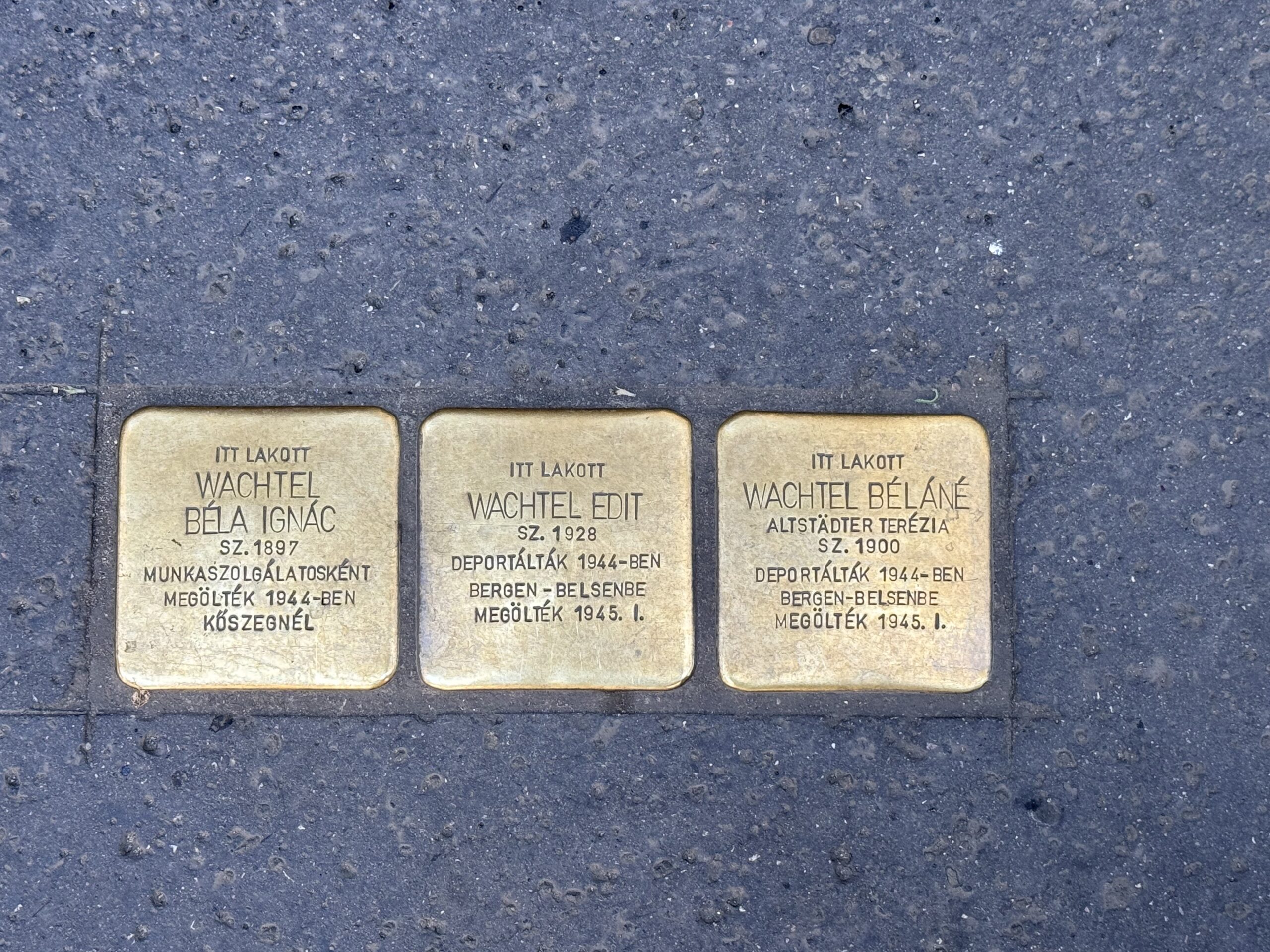
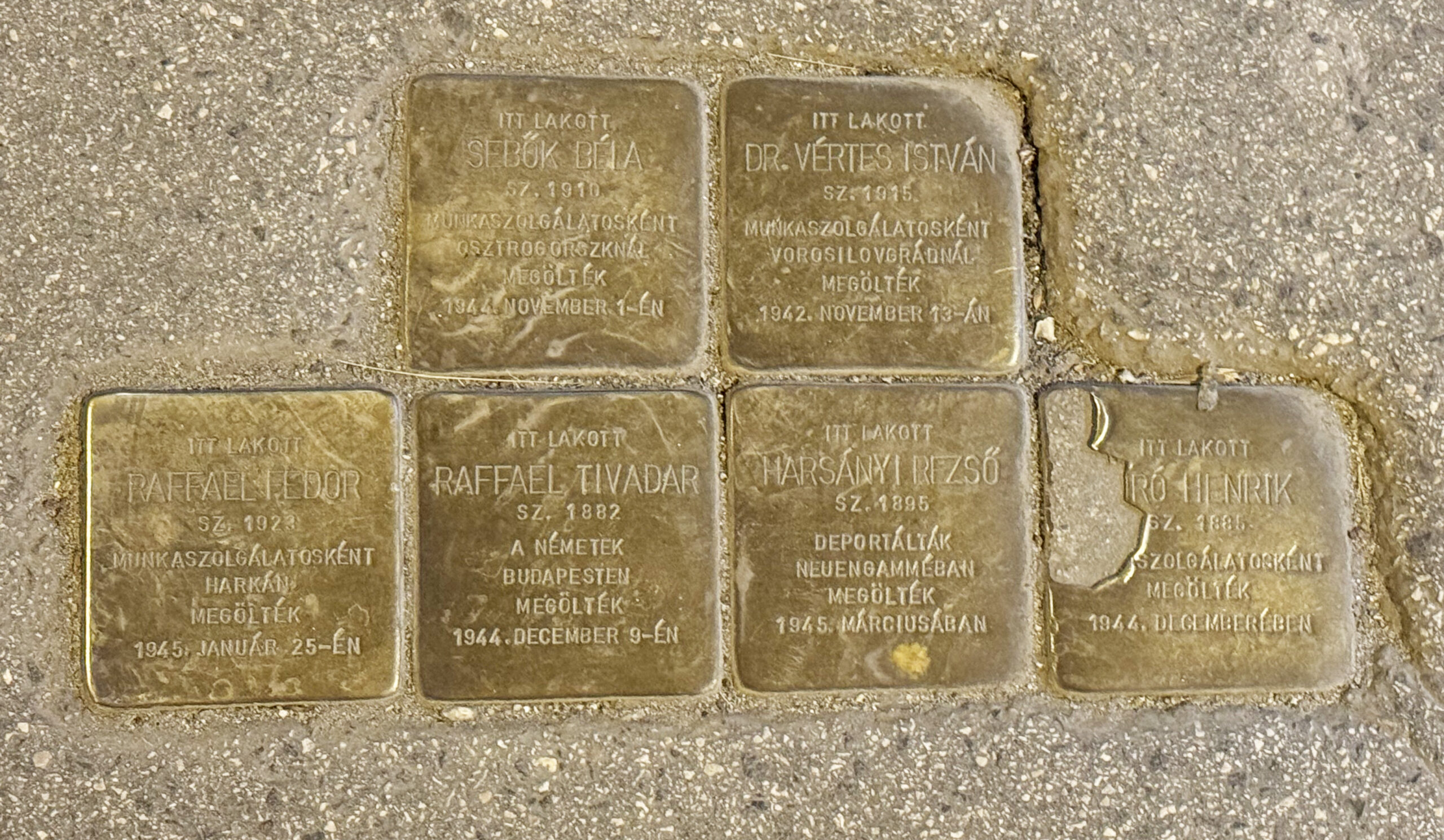
We stumble upon these little brass plaques in the pavement of the streets of Budapest, we see most of them on the Jewish Quarter walking tour. These little plaques remember people who were killed in the Holocaust, placed in the pavement in front of the building they lived, their last address of choice.

I love the idea of never forgetting people. I love how discreet these little plaques are and how they make you think, the actual train of thoughts that can take you much further than intended. I also love that this is probably the largest ever Holocaust memorial, still, you only see little parts of it. The amazing project of Gunter Demnig began in 1996 and about 95,000 plaques have now been placed across Europe. Don’t forget to look “down” sometimes. I can promise you that once you notice a plaque, you’ll all of a sudden see them all. Here is a little gallery of the ones I’ve come across the last couple of days.

A little photo gallery from the thousands of photographs I’ve been taking while walking around my Beautiful Budapest. These are not the most famous attractions, but some hidden gems that you can discover when you book a tour with me. The reason why I’m sharing these with you is that I very much like the colours, the vibes, the ambience of these places. Feel free to contact me for more details!