One of my favourite moments of the day is when the street lights of Budapest are switched off just a few minutes before sunrise. Eventually the best place to film it from is the very top of the Fisherman’s Bastion.
One of my favourite moments of the day is when the street lights of Budapest are switched off just a few minutes before sunrise. Eventually the best place to film it from is the very top of the Fisherman’s Bastion.
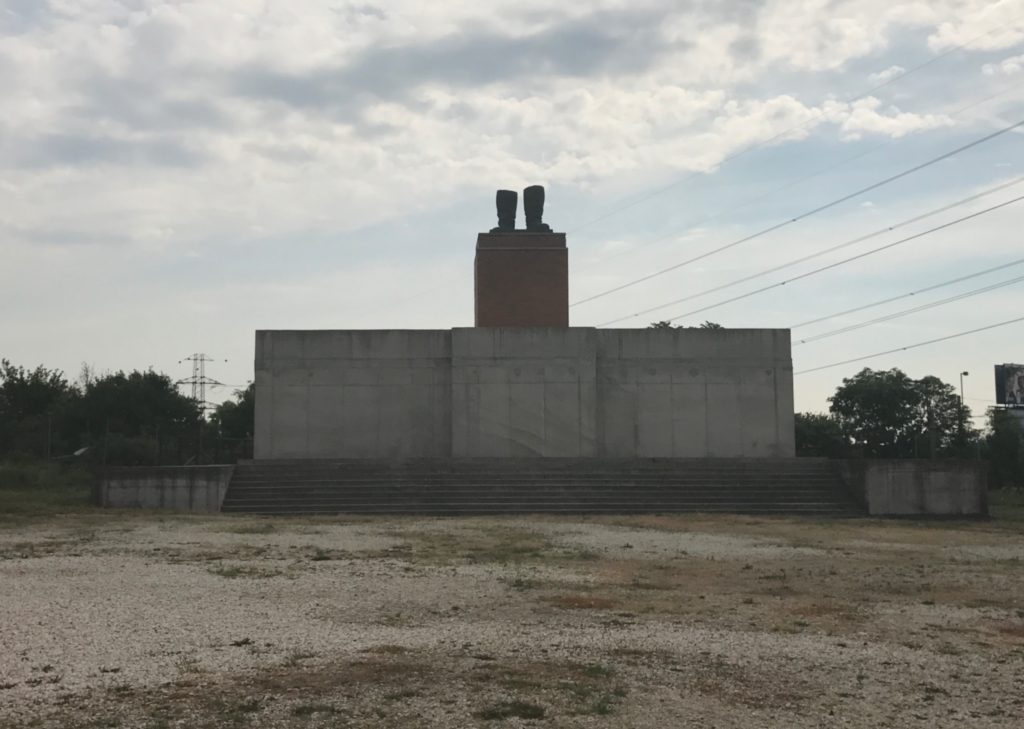
Among Budapest’s statues, few are as striking — or as symbolic — as Stalin’s Boots. What remains today is not a full monument, but a fragment, and that absence is exactly what gives it its power.
This statue is part of my ongoing Statues of Budapest series, which explores how monuments reflect the city’s history, memory, and identity.
In 1951, a giant statue of Joseph Stalin, approximately eight meters high, was erected in Budapest to commemorate his 70th birthday. The monument was intended as a display of loyalty and political obedience during Hungary’s communist era.
Towering over its surroundings, the statue was meant to project authority and permanence.
During the Hungarian Revolution of 1956, protesters tore down the Stalin statue as a powerful act of resistance. The figure itself was destroyed — but the boots remained standing.
This image quickly became iconic: the ruler was gone, but the empty boots were left behind, symbolizing the collapse of imposed power and the rejection of dictatorship.
A replica of Stalin’s Boots can be seen today at the entrance of Memento Park in Buda. The park is dedicated to monuments from Hungary’s socialist period, preserving them as historical documents rather than political symbols.
Seeing the boots outside their original context helps visitors understand how Hungary chose to remember — rather than erase — this chapter of its past.
Unlike traditional statues that glorify individuals, Stalin’s Boots represent absence, resistance, and memory. They tell the story of 1956 without words and remain one of Budapest’s most powerful visual reminders of the communist period.
Explore more: Stalin’s Boots are part of my broader Statues of Budapest collection, featuring monuments that reveal the city’s layered and often complex history.
The Trianon Memorial of Budapest (also known as the Memorial of National Unity or Solidarity / Nemzeti Összetartozás Emlékhelye) was inaugurated in 2020 to mark the 100th anniversary of the treaty signed at the Grand Trianon Palace in Versailles on June 4, 1920. I’ve hesitated to write about it because it’s deeply personal for many—and it often comes up on my Communist Budapest private walking tours. This post shares my perspective and invites respectful conversation in a private tour setting.
After World War I, Hungary lost about two-thirds of its pre-war territory and a significant portion of its ethnic Hungarian population found themselves outside the new borders. From the early 1920s, Hungarian politics frequently pursued revision of the settlement—one of several factors that later aligned the country with the wrong side in World War II. Whether the treaty was “fair” is still passionately debated today; what’s clear is the enduring emotional impact.
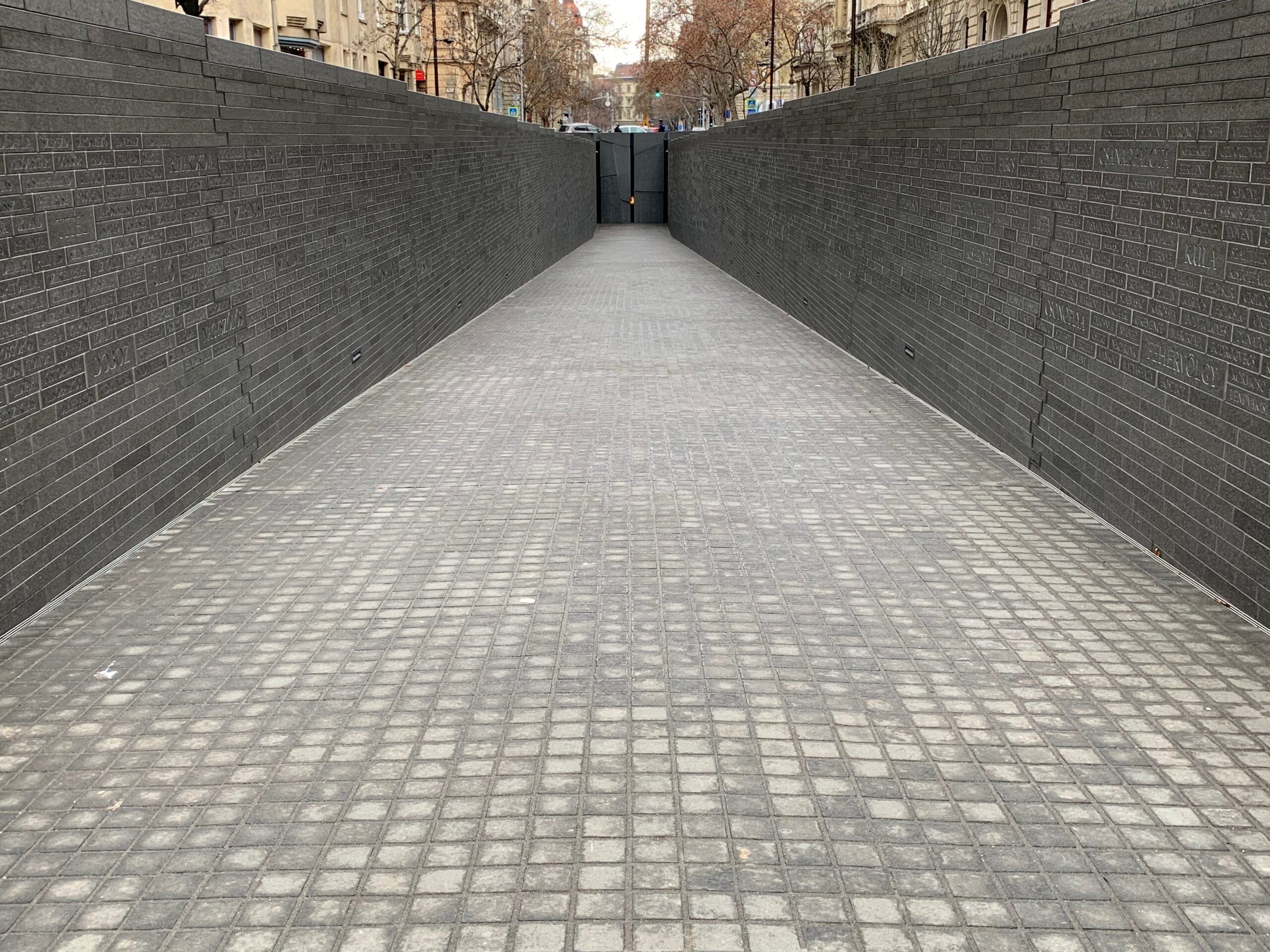
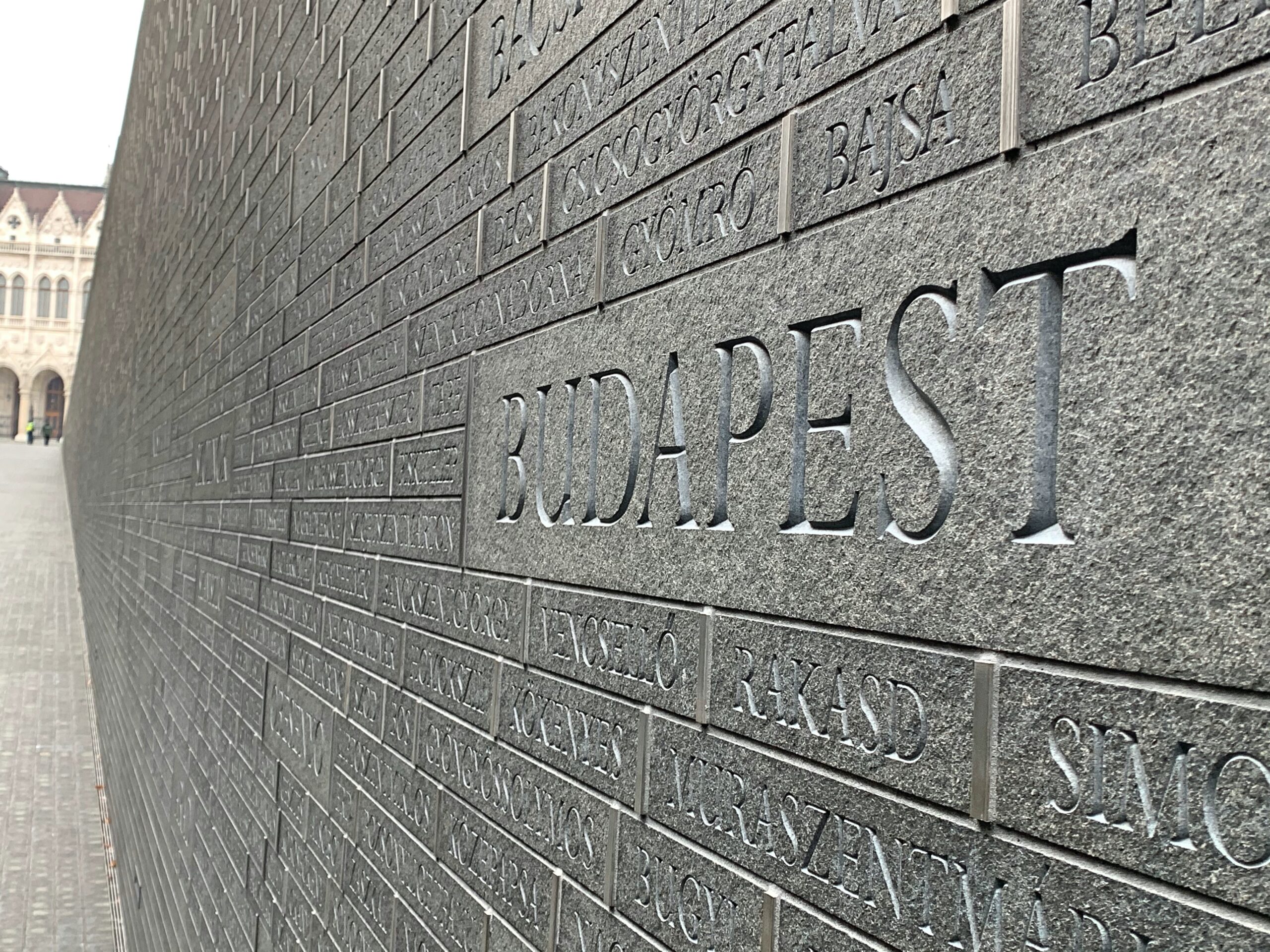
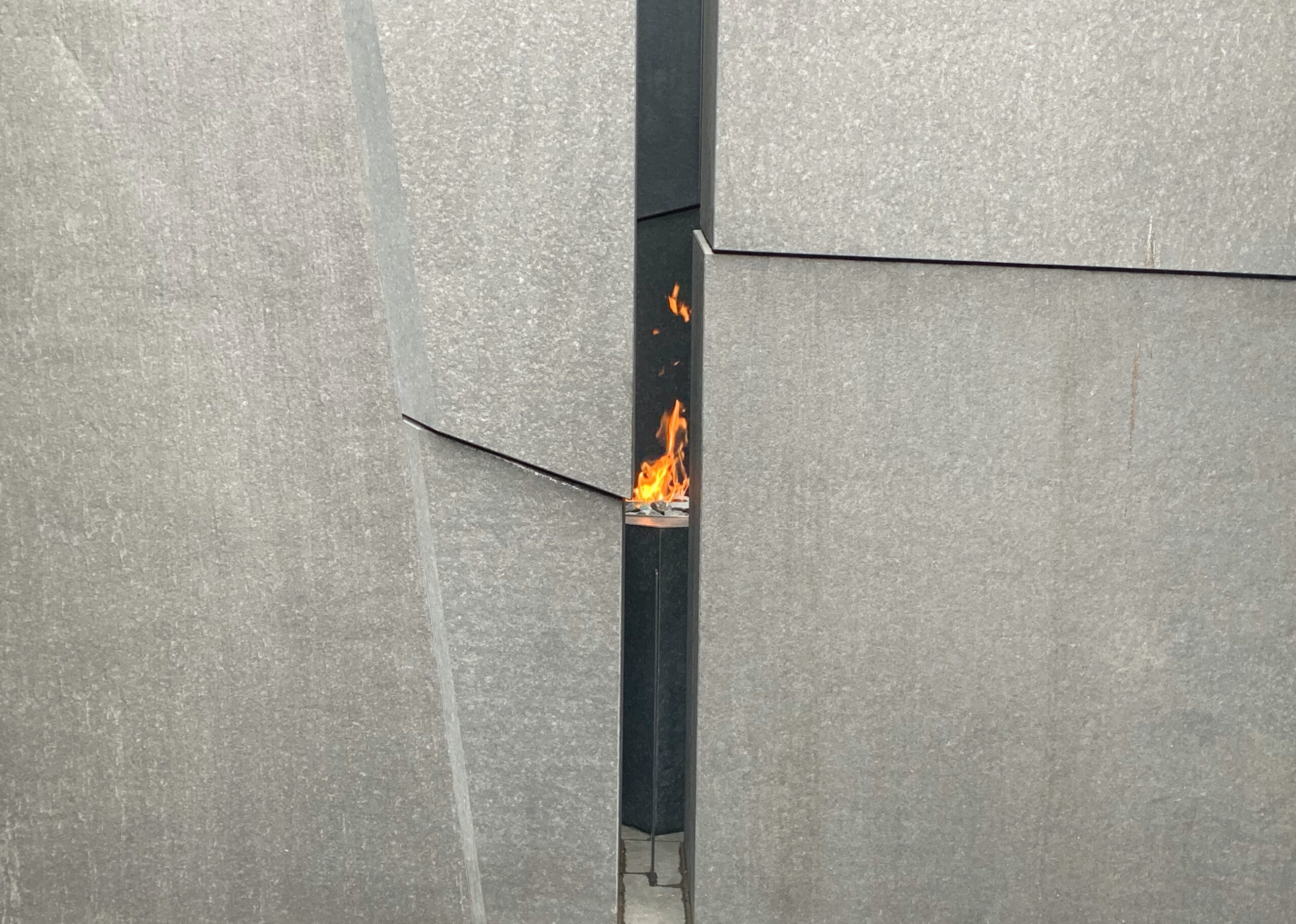
You’ll find the memorial on Kossuth Lajos Square, directly across from the Hungarian Parliament. The design is dark and somber: a roughly 100-meter descending passage with the names of thousands of Hungarian towns and villages that were once part of the country, engraved into metal panels. It’s intentionally austere and heavy—a place of mourning rather than celebration.
What I value: The comprehensive roll call of place-names makes history tangible. It’s powerful to recognize communities by name rather than abstract numbers.
What I struggle with: The design ends in a dead end. As a guide and as a Hungarian, I believe our history is a continuum—we carry loss, but we also move forward. I miss a visual cue of continuity or hope. Our story did not end in 1920.
I share this not to settle the debate, but to explain why the memorial can feel emotionally closed to some visitors while profoundly validating to others.
Location: Kossuth Lajos tér (M2 metro: Kossuth Lajos tér)
Cost: Free, open air
When to go: Early morning or at dusk for quieter reflection and softer light
Accessibility: The passage is gently sloped but still below street level; take care in wet weather
This subject is complex and sensitive. On my private Communist Budapest walking tour, we create space for thoughtful questions about Trianon, interwar politics, memory culture, and how these narratives shaped the communist period and everyday life. If you’d like a respectful, nuanced discussion tailored to your interests, I’m happy to guide it.
Send me your preferred date and interests, and I’ll suggest an itinerary starting from Kossuth Lajos Square or your hotel.
Is the Trianon Memorial political?
It’s a site of memory, and like many memorials, it’s read through different political and personal lenses. That’s part of why it’s controversial.
Why “Trianon” if it happened in Versailles?
The treaty defining Hungary’s new borders was signed in the Grand Trianon Palace, part of the Versailles complex—hence “Treaty of Trianon.”
Is it suitable for children?
Yes, with context. The design and subject matter are somber; older children often engage well with the historical discussion.
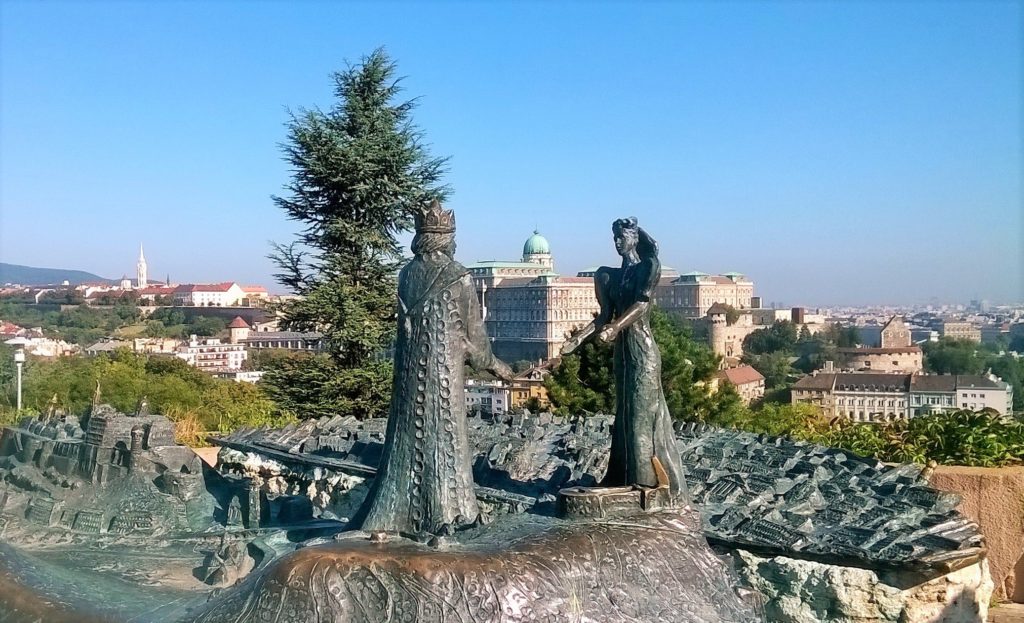
High above the Danube, on Gellért Hill, stands one of Budapest’s most poetic and quietly emotional statues: Prince Buda and Princess Pest. Unlike grand monuments celebrating power or victory, this sculpture tells a story of distance, longing, and separation.
This statue is part of my ongoing Statues of Budapest series, which explores how the city expresses its history and identity through symbolism rather than spectacle.
Prince Buda and Princess Pest represent the two historic halves of the city, once separated by the Danube River. In the statue, they face each other — close enough to see one another, yet permanently apart.
The story is often interpreted as a sad love tale, but it also reflects Budapest’s geography and history: two cities growing side by side, divided by water until their unification in the 19th century.
The sculpture is located on Gellért Hill, near the Garden of Philosophy, a peaceful and contemplative area overlooking the city. The setting adds to the statue’s emotional tone — quiet, reflective, and slightly removed from the bustle below.
Many visitors walk past without realizing the meaning behind the figures, yet once you know the story, it’s difficult to see them as anything other than symbols of the city itself.
Prince Buda and Princess Pest are not historical figures, but they express something deeply real: Budapest’s identity as a city shaped by division, connection, and eventual unity.
It’s a reminder that some of the city’s most meaningful statues are not the most famous ones — but those that quietly echo its soul.
Explore more: This statue is part of my Statues of Budapest collection, featuring famous monuments and hidden gems across Buda and Pest.
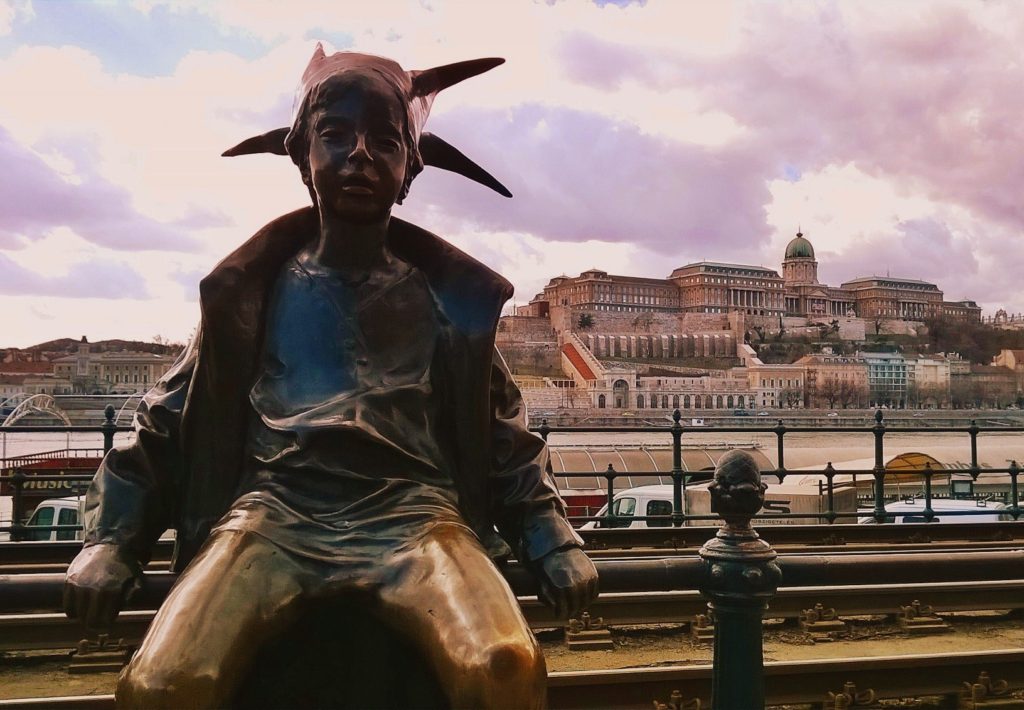
Another statue with a quiet kind of magic, the Little Princess is one of Budapest’s most beloved and photographed sculptures. Perched gracefully on the railings of the Danube Promenade, she watches the river flow past with a dreamy, childlike calm.
Created in 1989 by Hungarian sculptor László Marton, the bronze figure depicts a young girl wearing a playful paper crown and a simple robe. The statue was inspired by the artist’s own daughter, captured in a moment of childhood imagination as she played dress-up at home.
With her knees bent and her expression lost somewhere between curiosity and wonder, the Little Princess feels both intimate and universal — a small figure with an outsized emotional presence.
Despite her modest size, the Little Princess sits in one of Budapest’s most iconic locations. Behind her rise the Danube, Buda Castle, and the city’s elegant skyline, creating a contrast that makes her feel even more special.
People passing along the promenade often stop instinctively — to take a photo, to sit beside her, or simply to pause for a moment. She has a way of slowing the city down.
According to local tradition, rubbing the Little Princess’s knees brings good luck. Those who believe in her magic say the key is to make a wish with a truly childlike heart.
Whether you believe in wishes or not, the ritual itself is part of the statue’s charm — a small act of hope in the middle of a busy city.
The Little Princess is more than a photo opportunity. She’s a gentle reminder of imagination, innocence, and the importance of holding on to wonder, even as we grow older.
Among Budapest’s grand monuments and historic statues, she offers something rare: a quiet, heartfelt moment for anyone who chooses to notice her.
You’ll find the Little Princess near the Danube, close to the Marriott Hotel, sitting patiently on the railing — ready to listen.
Explore more: The Little Princess is part of my ongoing Statues of Budapest series, featuring both famous monuments and easily missed gems across the city.
In the early 20th century fuel and lighting gas used in Hungary was manufactured from coal and because of the increasing consumption there was a need for modern, high capacity gas plants. The location of the gas plants was crucial, as they needed road, rail and waterway connection. The Óbuda Gas Works was inaugurated in 1914, it was the most advanced gas factory of the country producing 250 thousand cubic meters of gas every day. In the 1970’s natural gas became more accessible and cheaper and Budapest switched to natural gas. The Óbuda gas works was decommissioned in 1984.
The factory with its great colours and shapes might remind you of an abandoned castle with its four towers, they originally housed the turbines, control rooms and water towers.
What I personally love about the place is that because of the generosity of the original owners of the factory, residential buildings had also been built for the employees, so that they could live close to their workplace. Two locations were created, a villa neighbourhood for managers and a more simple housing estate for the workers. Walking around the early 20th century buildings is like a real time travel.
The Budapest home of Liszt is surprisingly modest with only two rooms, one of them serving as bedroom and study at the same time but it’s nevertheless full of treasures. The Budapest home of the one and only Hungarian composer universally renowned as one of the greatests of the 19th century was on the elegant Andrássy avenue.
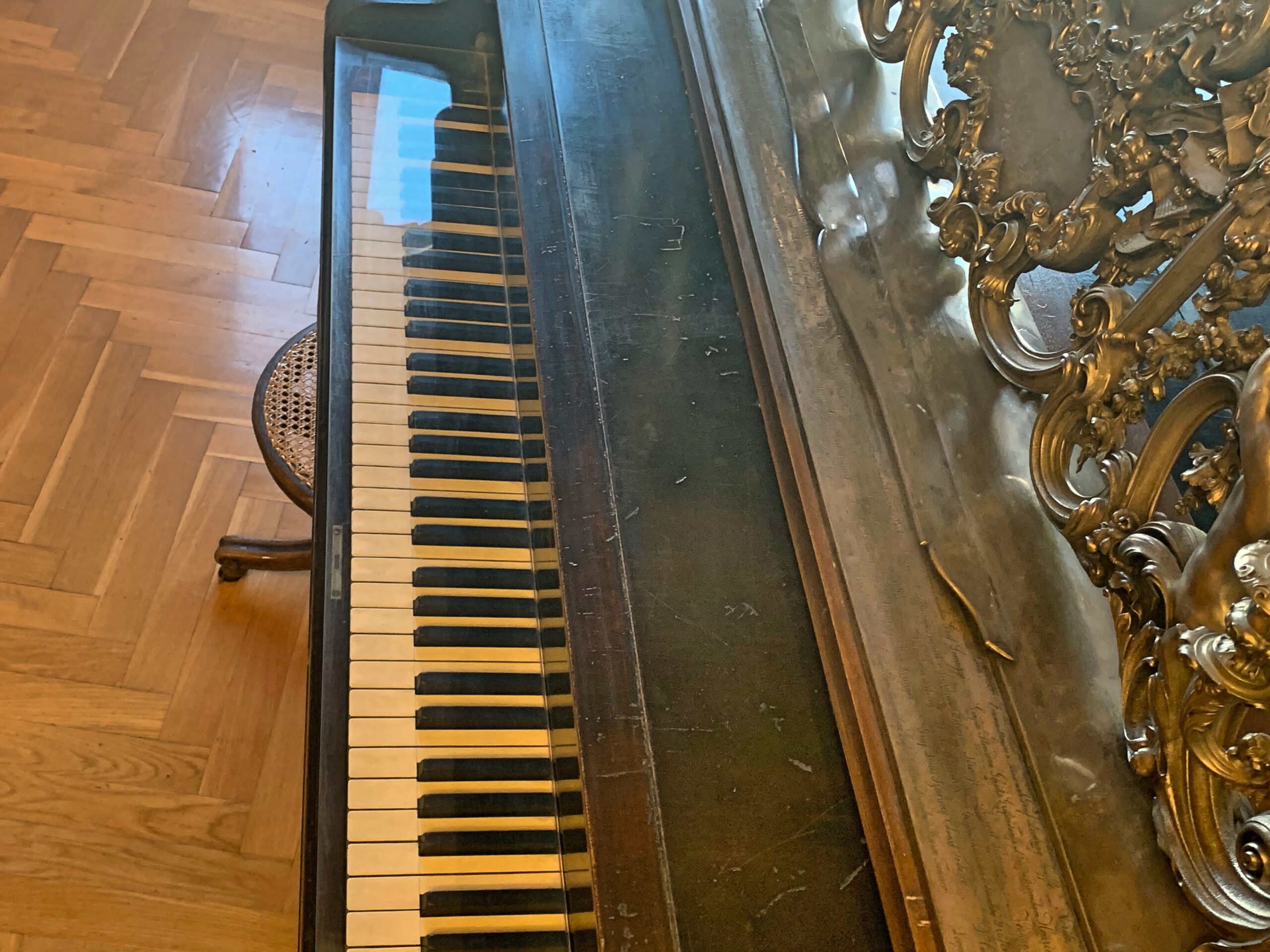
His home is a museum now and it’s a remarkably valuable collection of objects: personal items and amazing instruments of music. My favourite piece is a music composing desk with a built-in three-octave piano keyboard, specially designed for Liszt in the 1870’s. I also love the ornate music stand that Liszt received as a gift in 1858 and thanked it by saying: “I wish to produce soon some works worthy of being offered as an homage to the three patrons of music: Beethoven, Weber and Schubert” – whose busts decorate the wonderful piece.
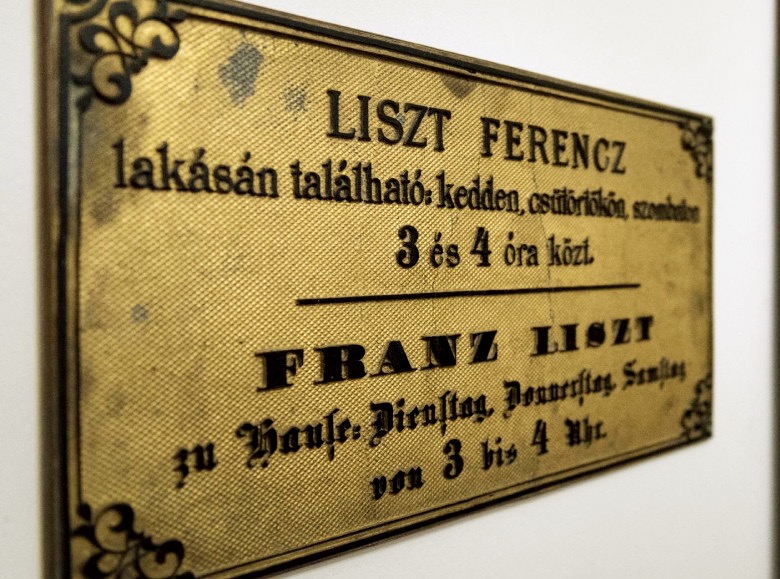
Although Liszt only welcomed visitors in his home on Tuesday, Thursday and Saturday afternoons, the museum is open to visitors every day except Sundays.
Vác is a cute little town on the left bank of the Danube, it’s some 25 minutes drive from Budapest. The visit of Vác can be included in a customised Danube Bend day trip. It’s such a beautiful Baroque jewellery box, I strongly recommend a short visit. We had been fortunate to tour Vác with my travellers before the borders of Hungary got closed again on the 1st of September.
The mummified remains of 265 people were found in 1994 in the crypt of the Dominican church, they had been laid to rest in hand painted, wooden coffins in the 18th and 19th centuries. The bodies didn’t decompose but were mummified naturally because of the favourable air conditions and dry settings.
The findings were extraordinary and not only because it’s a veritable gold mine for ethnographers about 18th century Hungarian everyday life and funeral traditions. It’s also a fantastic source for medical researches, a large number of tests have been performed by scientists on the mummified remains related to tuberculosis, HIV researches and they could also confirm C section had been performed as early as in the 18th century in Hungary.
The coffins are simply beautiful, all colourful, all hand-painted, all prepared with a lot of care, it’s very much like the fascinating celebration of life and death in a small Vác museum.
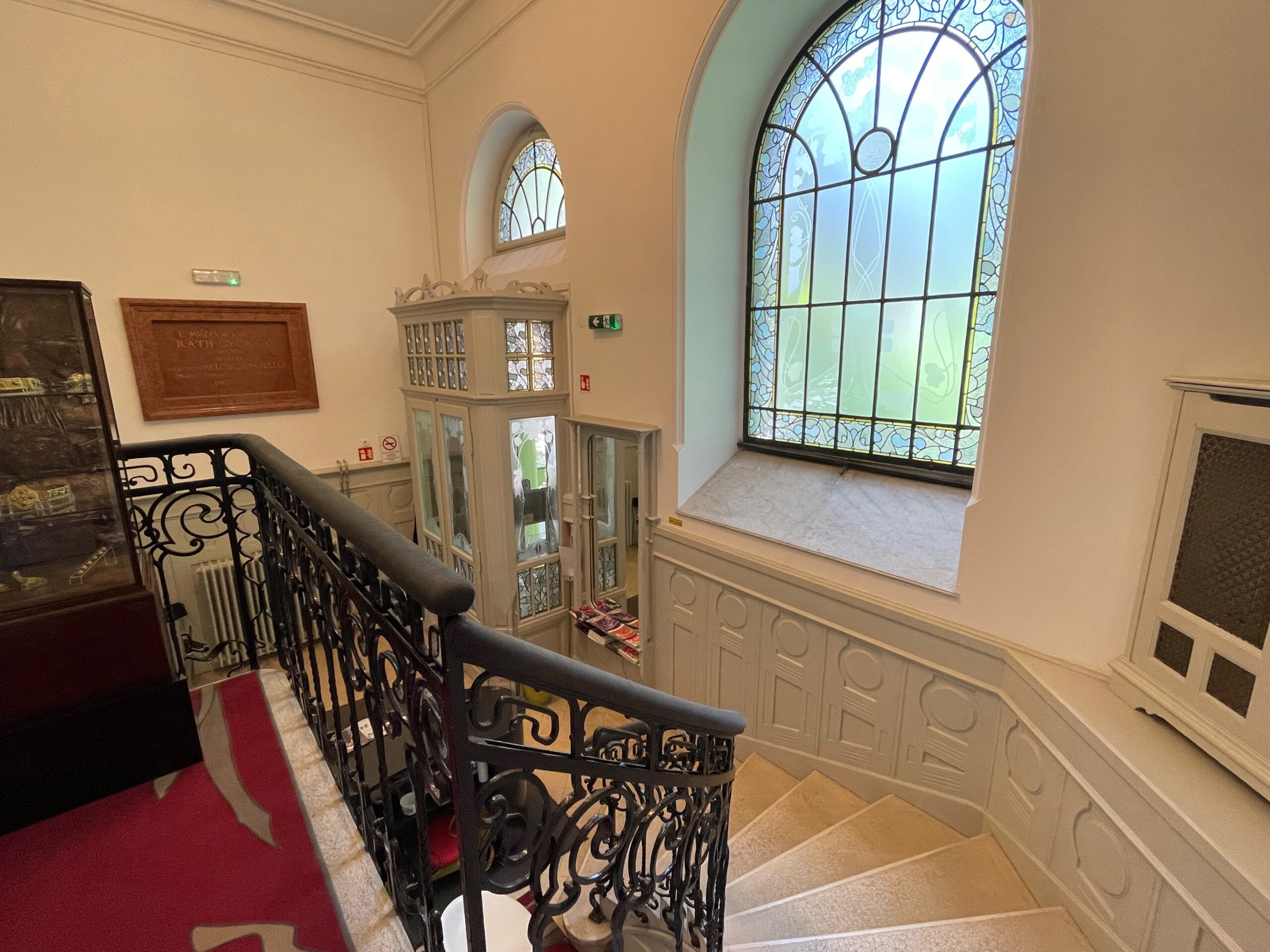
I’m a huge admirer of the Hungarian Art Nouveau movement, and I’m always proud to show travellers some of Budapest’s most beautiful Art Nouveau buildings. For me, the former home of György Ráth, the first director of the Museum of Applied Arts, is a true jewellery box — both the building itself and the artworks and furniture on display are absolutely unique.
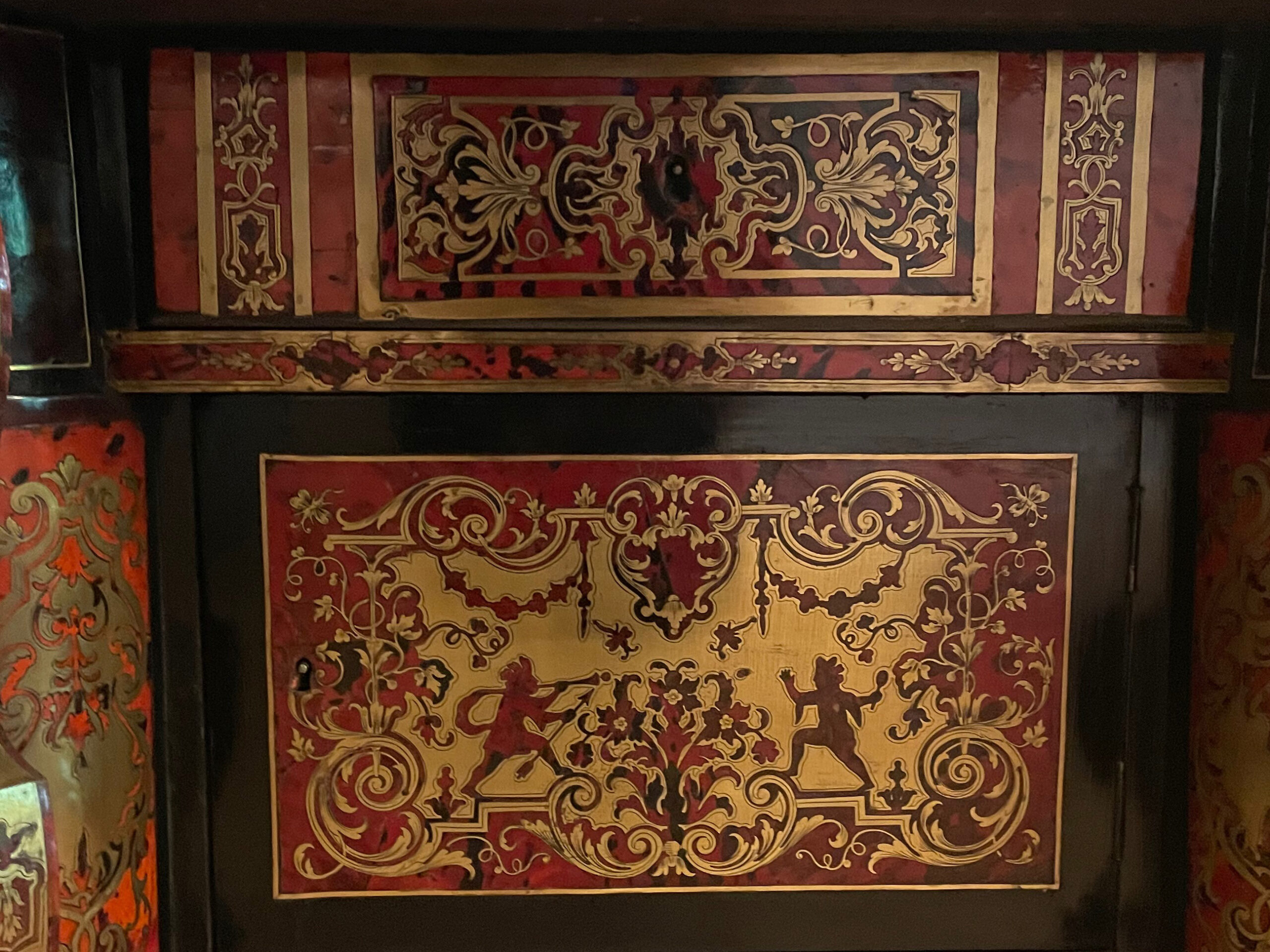
Originally built as the Ráth family home, the villa today houses the permanent exhibition “Art Nouveau – A Hungarian Perspective.” Every room feels different, yet perfectly harmonious. The furniture, textiles, ceramics, and artworks were selected and arranged with such care that visiting the villa feels like stepping into the private world of a cultured, well-travelled family.
Walking through the rooms is an intimate experience — like visiting an elderly relative whose home is filled with authentic objects, each telling its own story. Nothing feels staged or distant; everything feels lived-in, warm, and deeply personal.
When visiting the villa, don’t forget to take a walk along Városligeti fasor, one of Budapest’s most elegant avenues, lined with fascinating Art Nouveau villas. It’s the perfect continuation of the experience and an often-overlooked highlight of the City Park area.
If you’re fascinated by Art Nouveau, this villa is a beautiful stop to include in a custom Art Nouveau walking tour of Budapest.
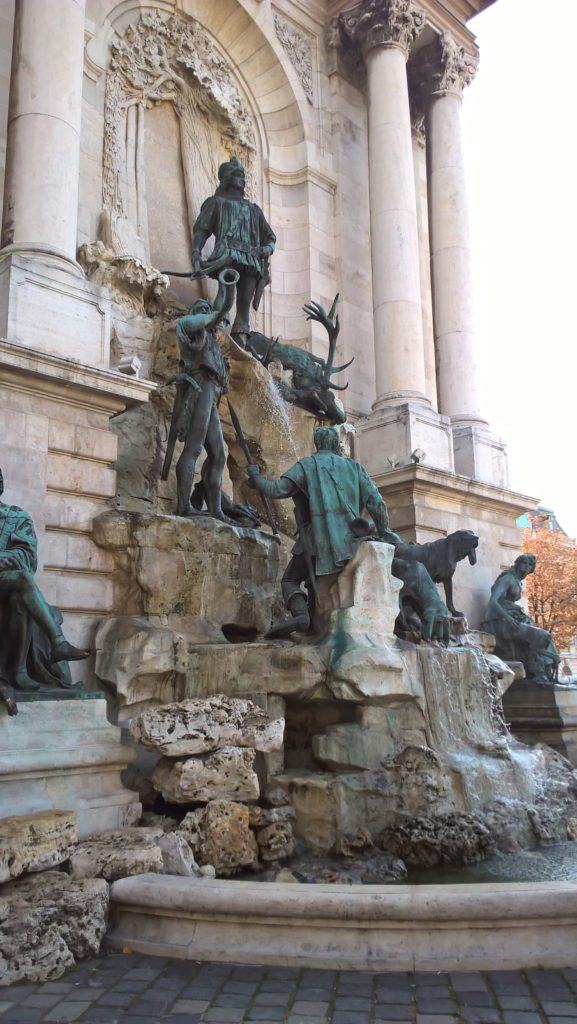
One of the most impressive statues in Budapest is the King Matthias Fountain, located in the Royal Palace of the Buda Castle District. Monumental, theatrical, and rich in symbolism, it portrays King Matthias — Hungary’s great Renaissance ruler — in a moment of triumph and drama.
This fountain is part of my ongoing Statues of Budapest series, which explores how monuments tell stories far beyond what first meets the eye.
At the centre of the composition stands King Matthias, depicted during a hunt. It is a traditional symbol of royal power, leadership, and control over nature. Surrounded by courtiers and hunting dogs, the scene feels almost cinematic, carved in stone against the walls of the palace.
The statue reflects how Matthias wished to be remembered: strong, charismatic, and unquestionably king.
Look more closely, and the fountain reveals a second narrative. At the lower level of the composition stands a young woman, often identified as Ilonka, a figure from Hungarian folklore. According to legend, she fell in love with the king without knowing his true identity.
This quiet, almost melancholic detail adds emotional depth to the monument. It transforms the fountain from a celebration of power into a layered story of love. It’s about longing, and human vulnerability — a reminder that even great kings were not untouched by romance.
Set within the Buda Castle complex, the Matthias Fountain is impossible to ignore, yet many visitors miss its deeper meaning. It perfectly represents how Budapest uses public art to combine history, legend, and national identity in a single visual narrative.
If you’d like to uncover more stories like this — including the legends behind the statues and the lives of the people they depict — this fountain is one of the highlights I often discuss on my Buda Castle walk, where history becomes personal and alive.
Explore more: King Matthias is featured in my broader Statues of Budapest collection, showcasing the city’s most meaningful monuments and hidden details.