As a private Budapest tour guide, I’ve had the joy of leading over 2,000 tours in this incredible city—and I can honestly say that every single one has been special. No two tours are ever the same—because no two travellers are ever the same. That’s what makes being a private Budapest tour guide so rewarding.

Some come for the history, others for the food and wine, and many are simply curious to understand what makes this city so magical.

From Strangers to Friends

Whether it’s a half-day stroll through Pest or a full-day adventure across both sides of the Danube, something remarkable always happens.

We start as strangers, but somehow, by the end of the tour, we’re sharing stories like old friends. There’s a closeness that naturally forms when walking through streets filled with meaning and memory. As a result, these moments stay with me long after the tour is over.

Budapest Through My Eyes

Every corner I show holds personal significance—these aren’t just stops on a route; they’re part of my life in Budapest. For example the grandeur of Andrássy Avenue while the quiet courtyards of the Jewish Quarter still feel like hidden gems.

The Magic of a Shared Experience

I love seeing the city through fresh eyes again and again. Watching someone fall in love with Budapest—often without even realising it—is one of the best parts of my job. In fact, I especially love that moment when I catch the first sparkle in their eyes, when I know the city has started to work its magic on them.

Of course, it’s not just about sharing facts—though of course, I share plenty! It’s about creating an experience that reflects each guest’s curiosity, energy, and pace.

Tailored Tours, Every Time

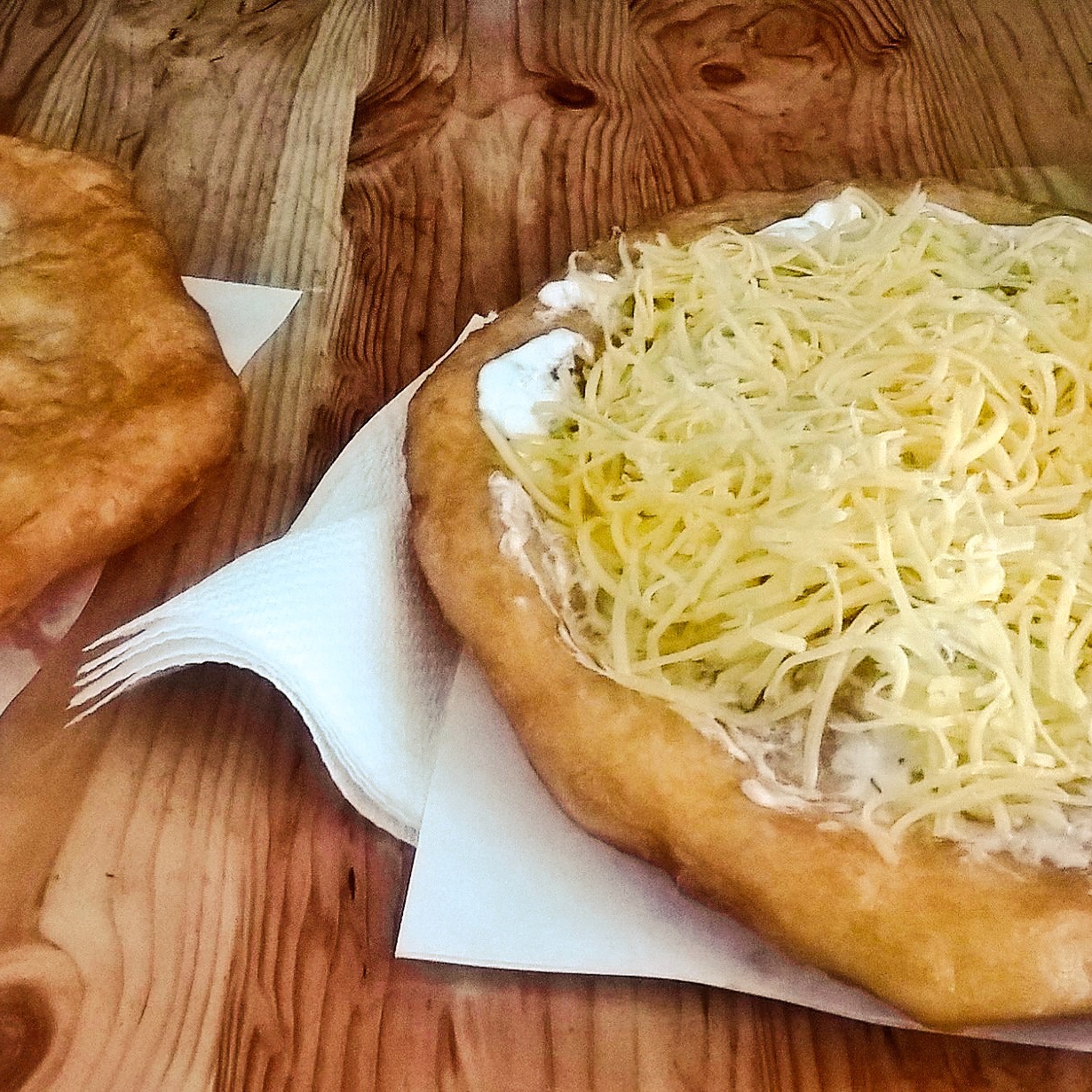
Some guests want slow, thoughtful conversations about architecture and culture; others are eager to try lángos at the market or sip some sparkling wine in Etyek. Either way, I’m here for all of it.

These moments—spontaneous, personal, and often funny—make each tour unforgettable for me too. After all, that’s what makes being a private Budapest tour guide so rewarding.

Budapest is always changing, but it never loses its beauty. And after all these years, I still feel incredibly lucky to call it home—and to share it with others.

Let Me Show You Around

If you’re planning a trip, I’d be honoured to show you around the city that I love. Whether you’re after history, food, or just a warm local connection, consider booking with a private Budapest tour guide who truly knows the heart of the city.

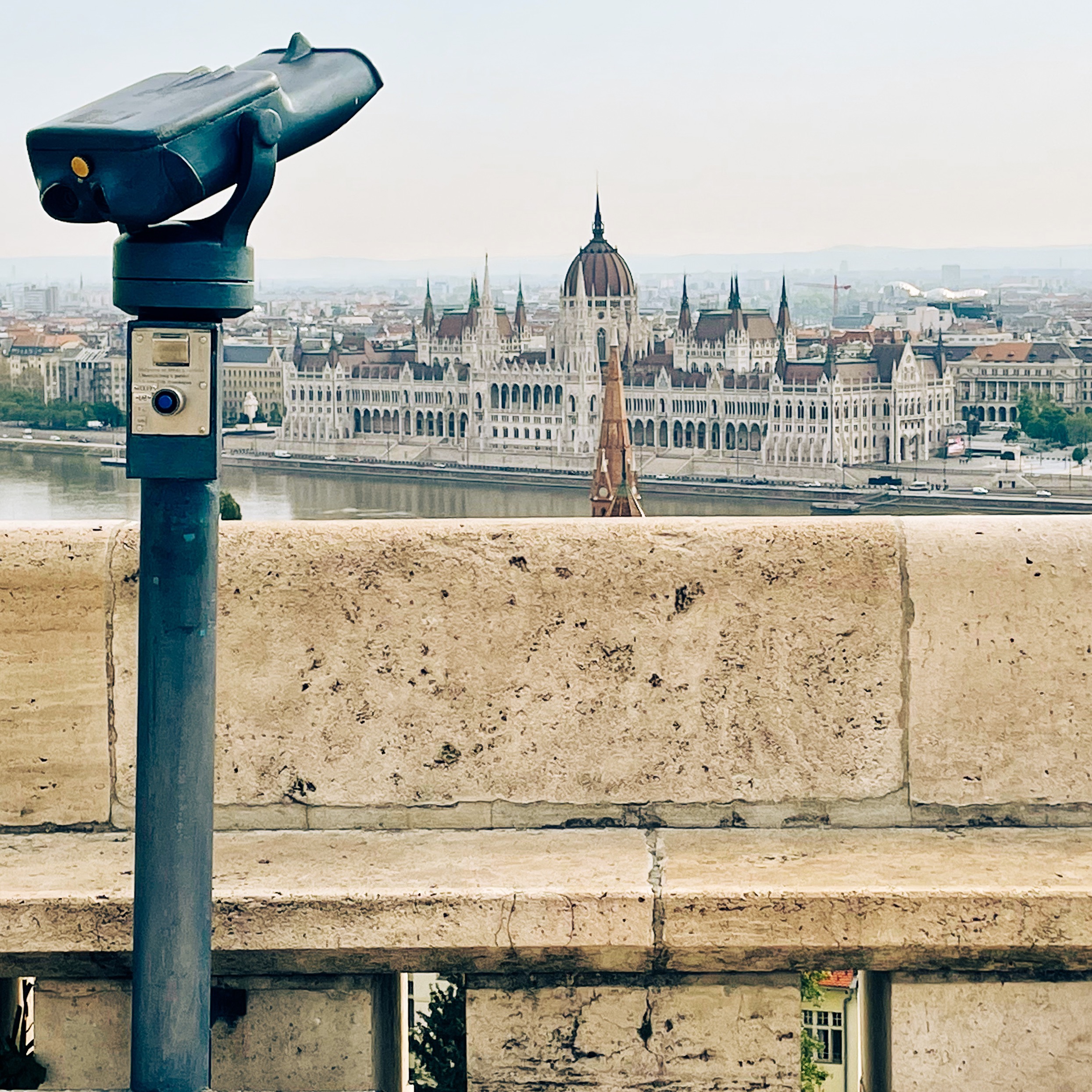
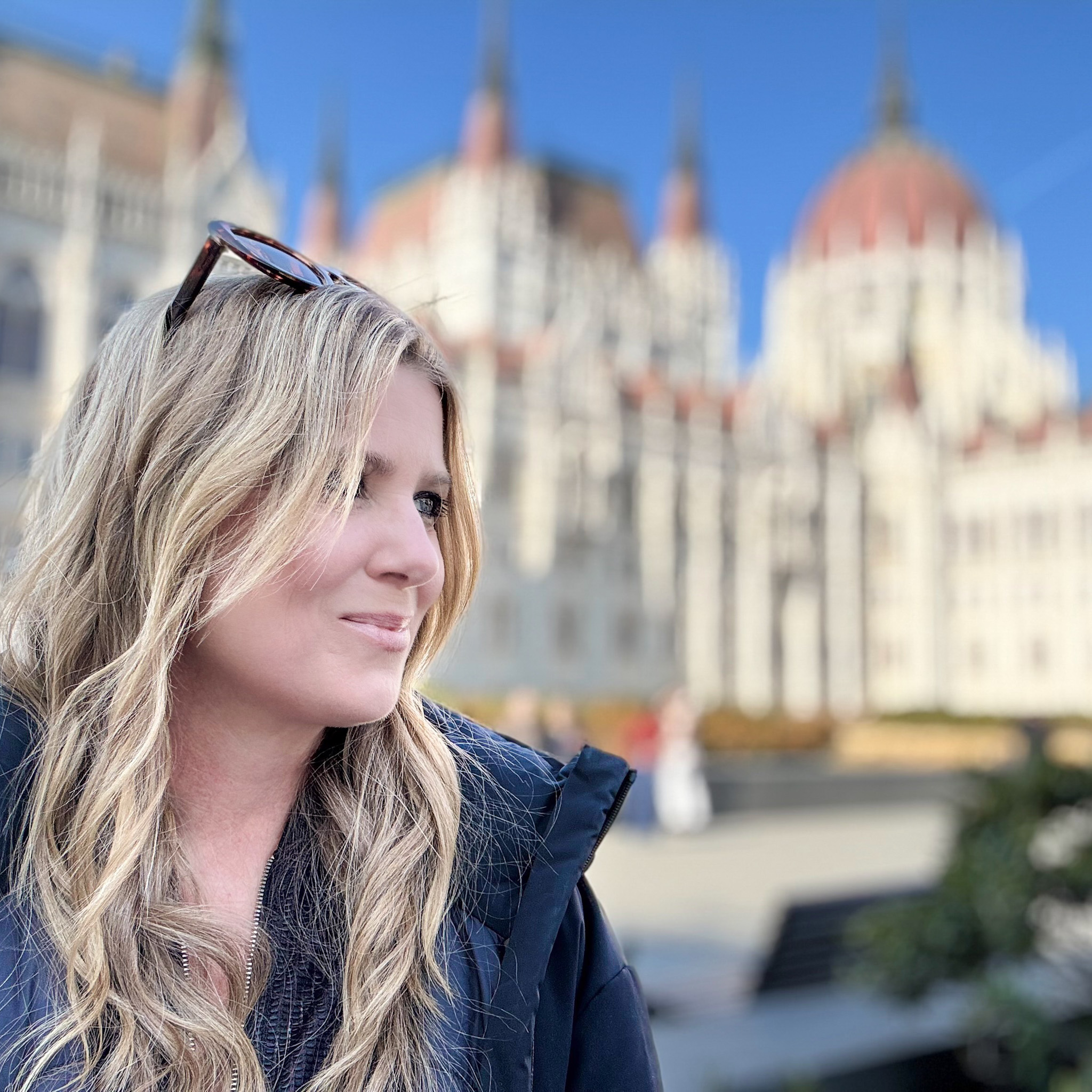
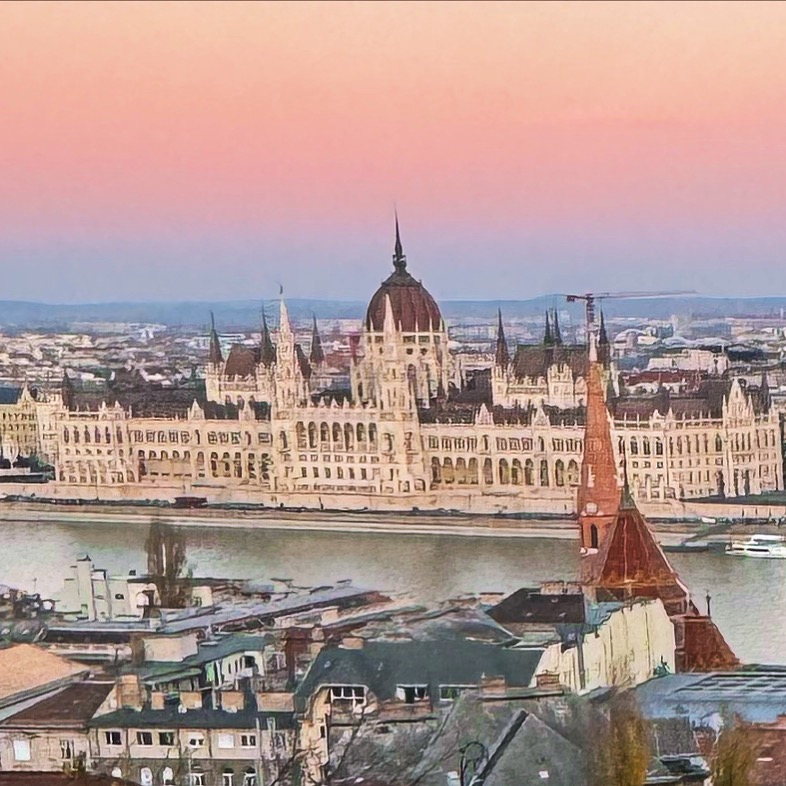
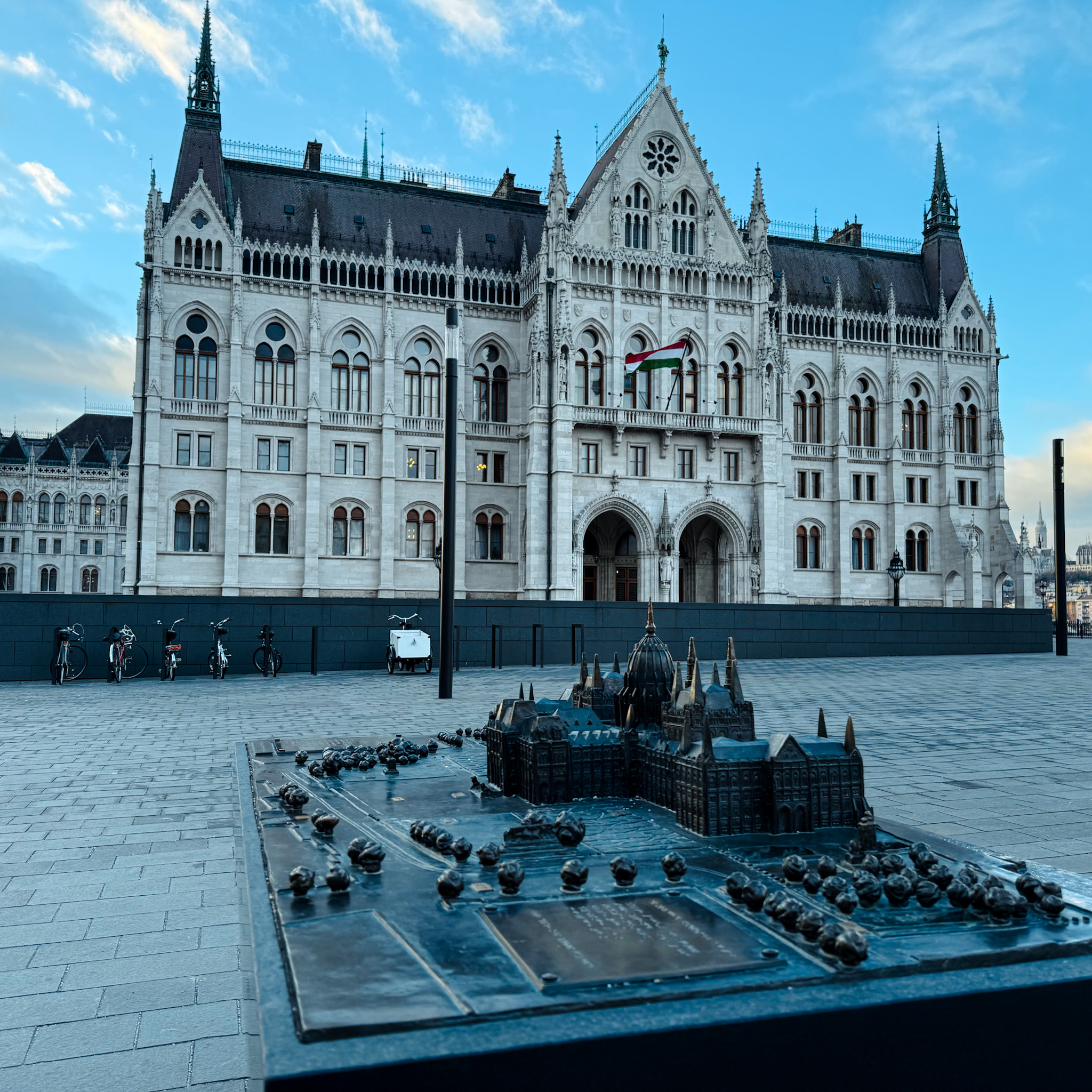
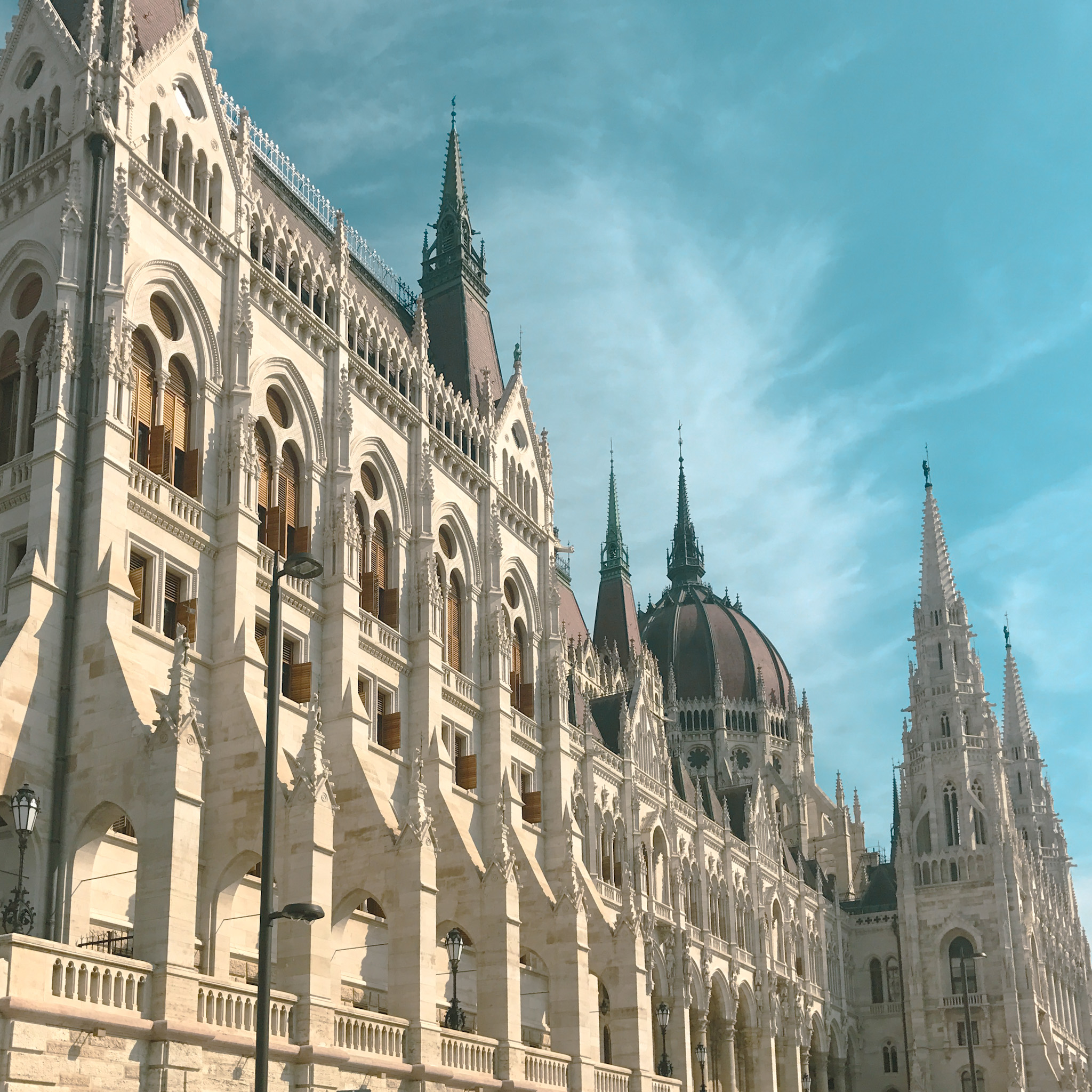
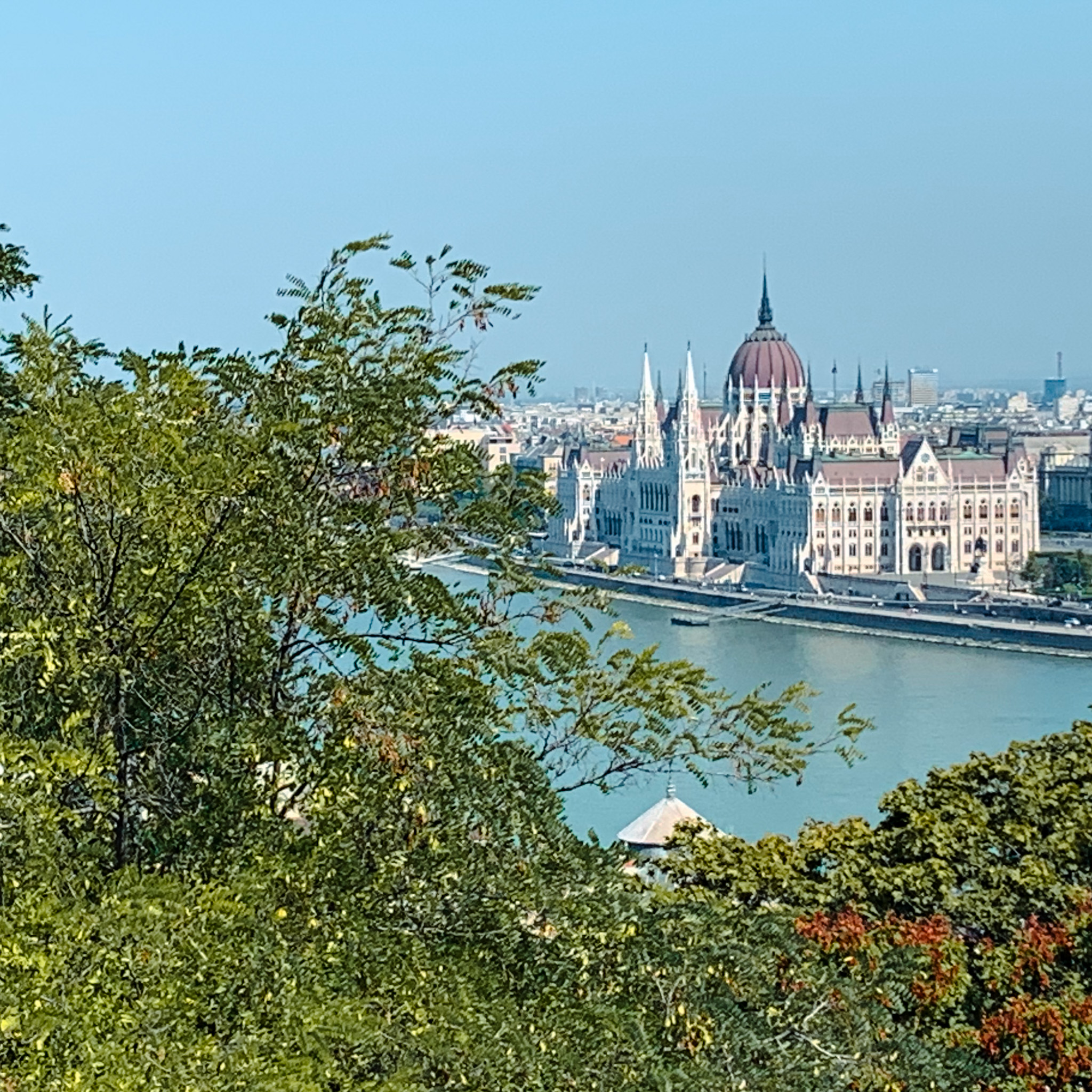
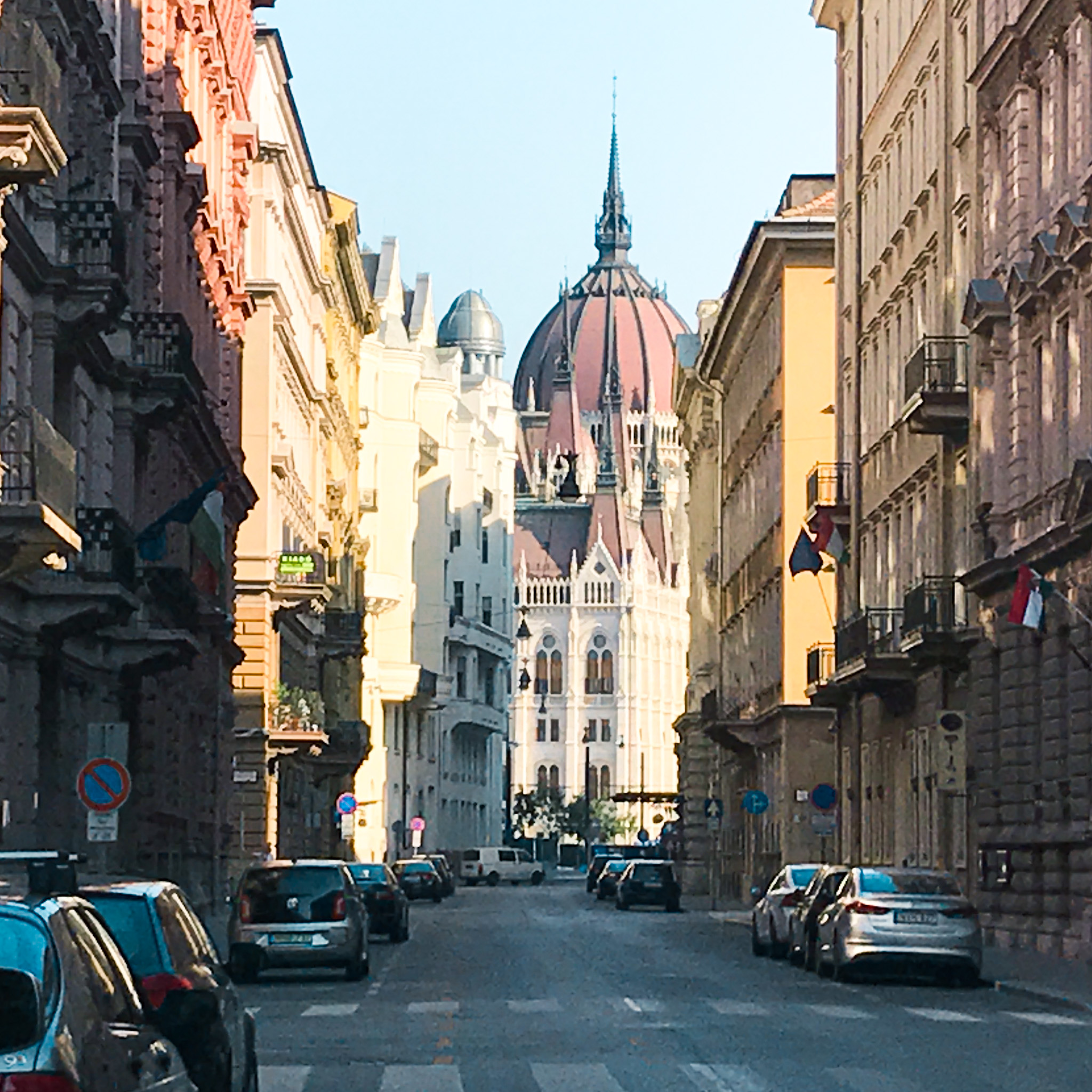
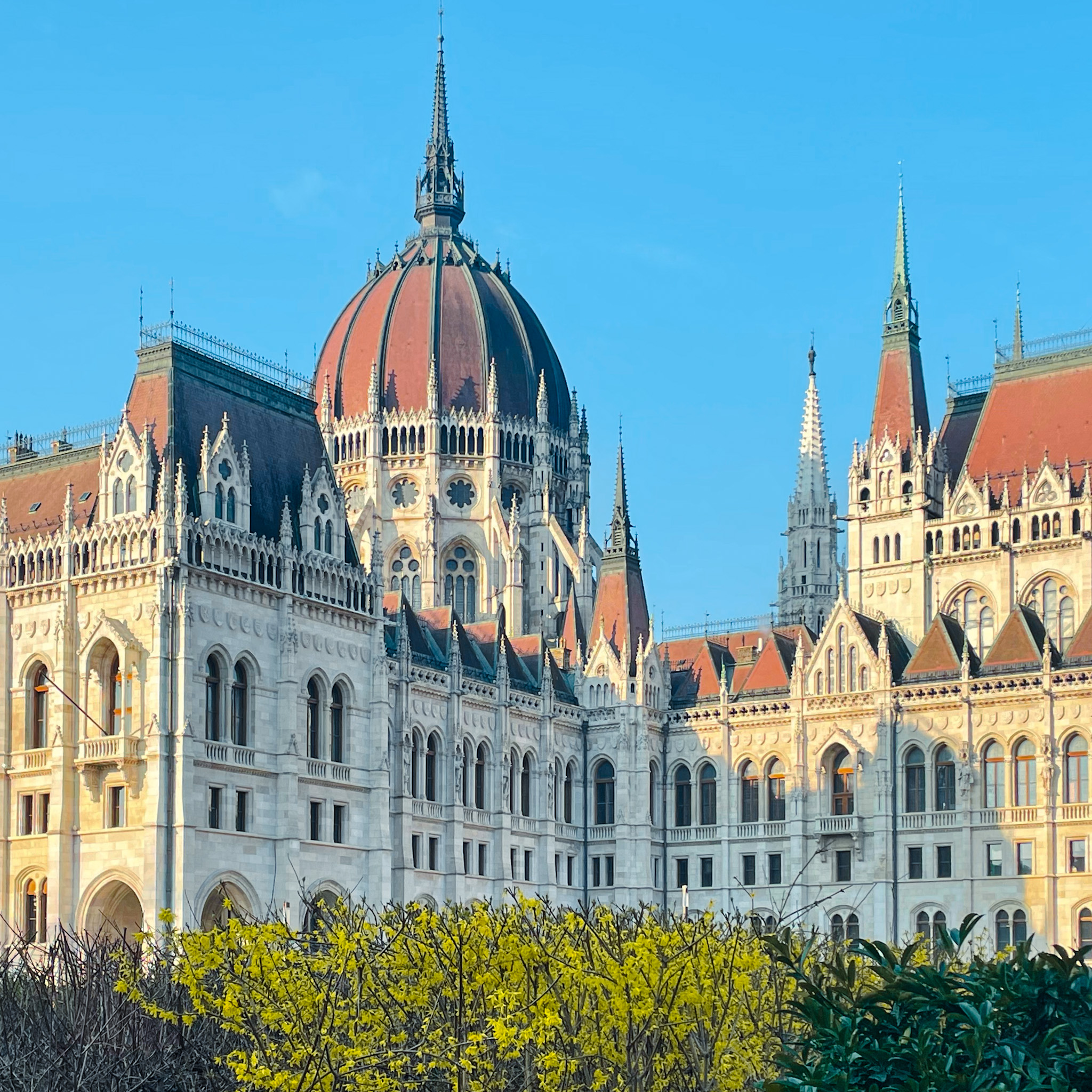
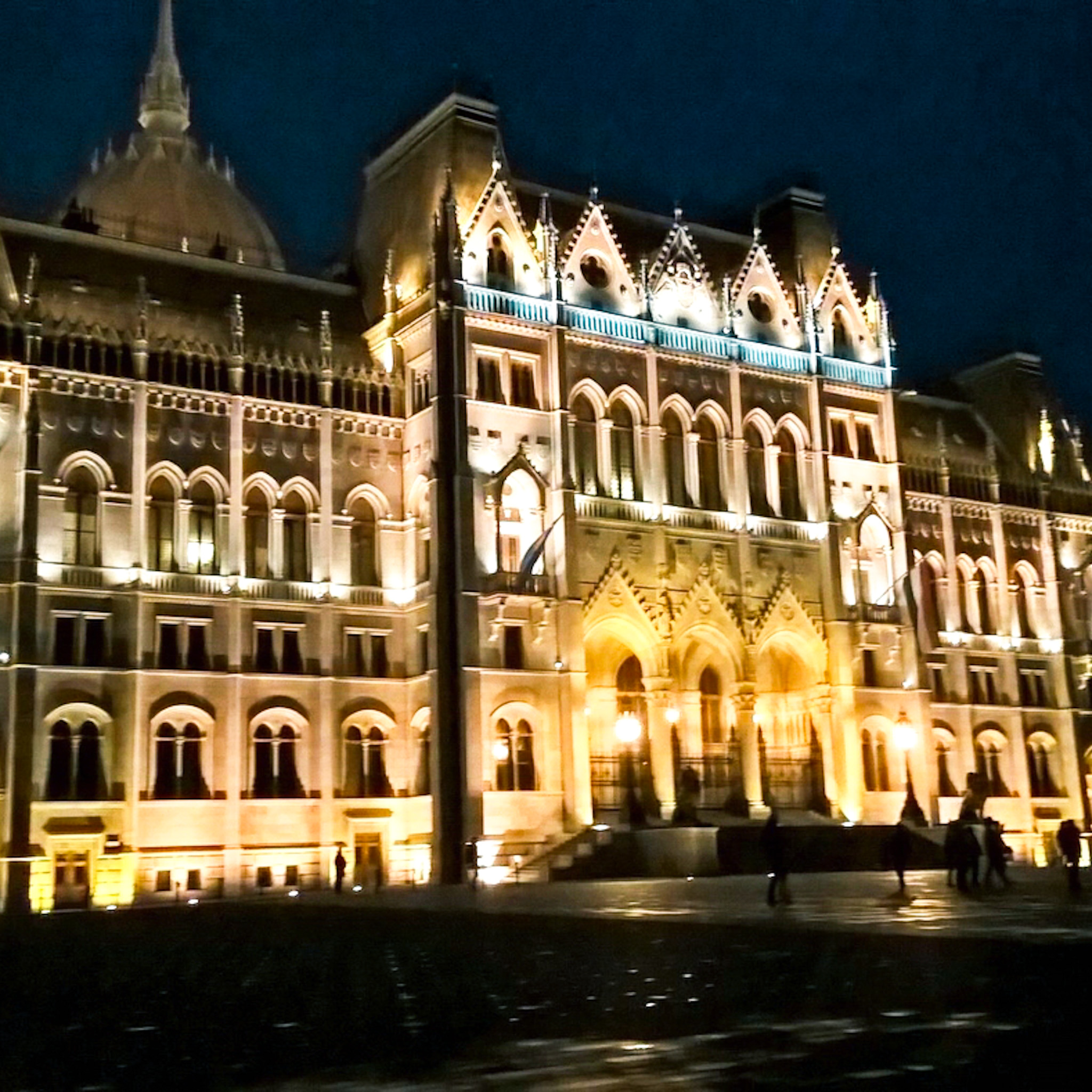
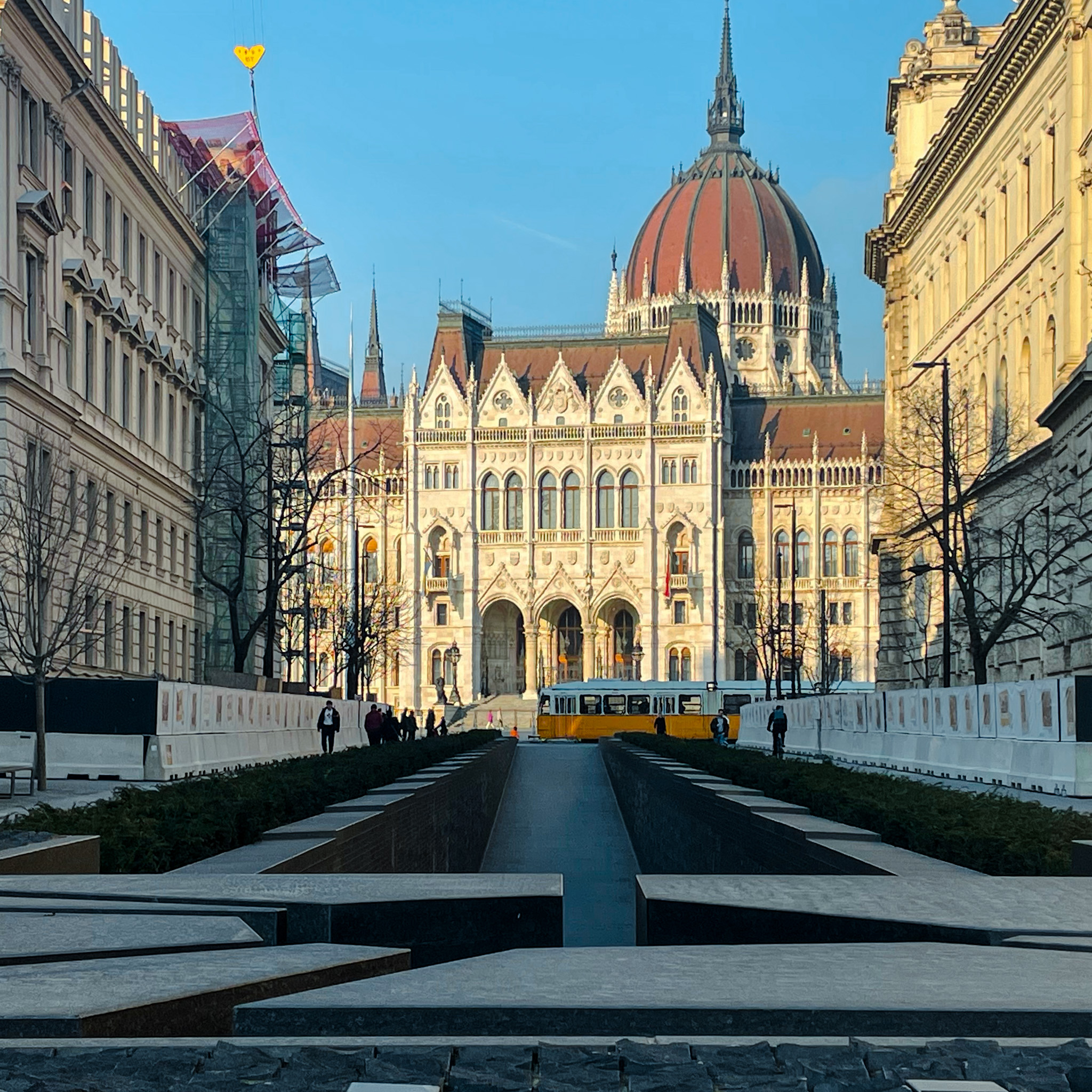
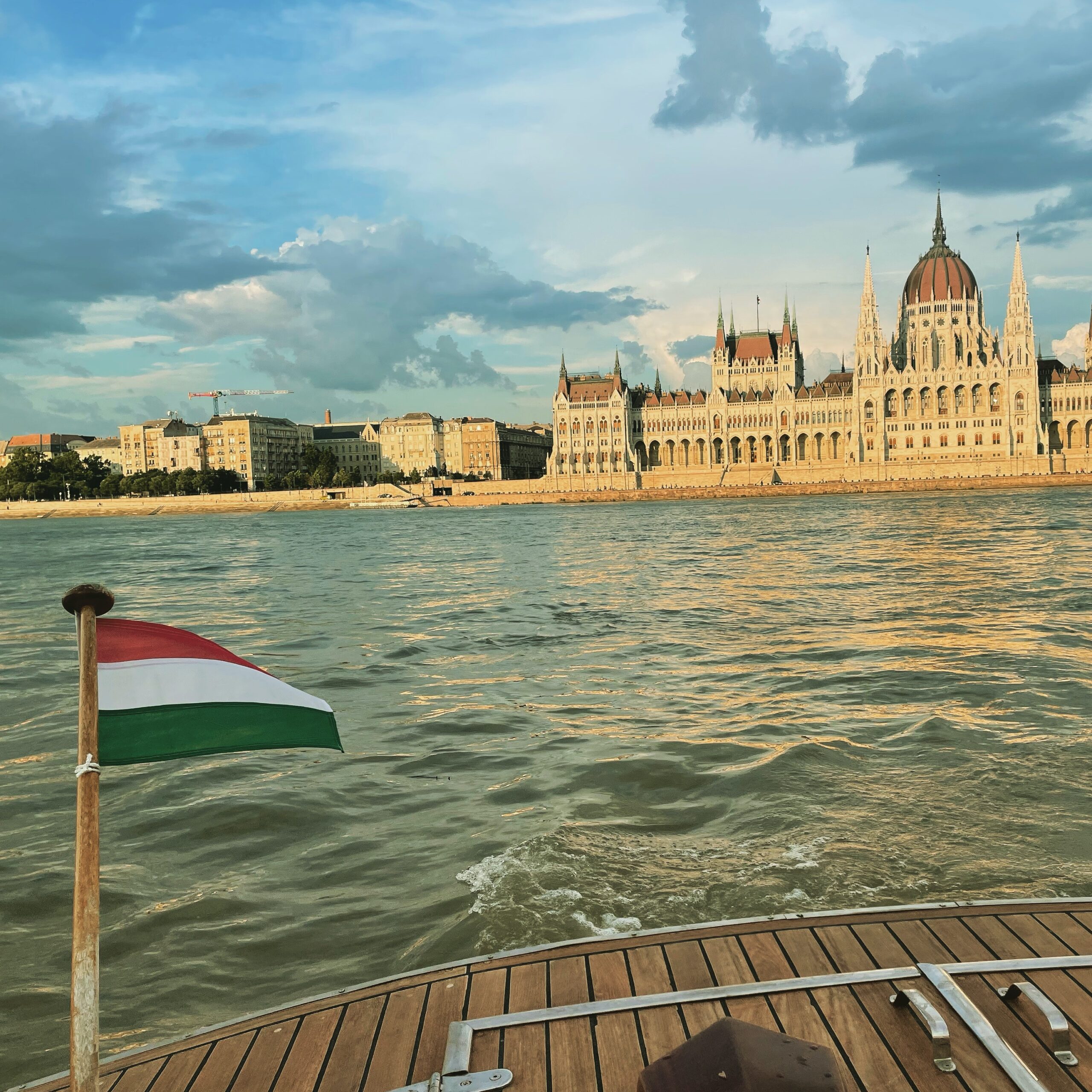
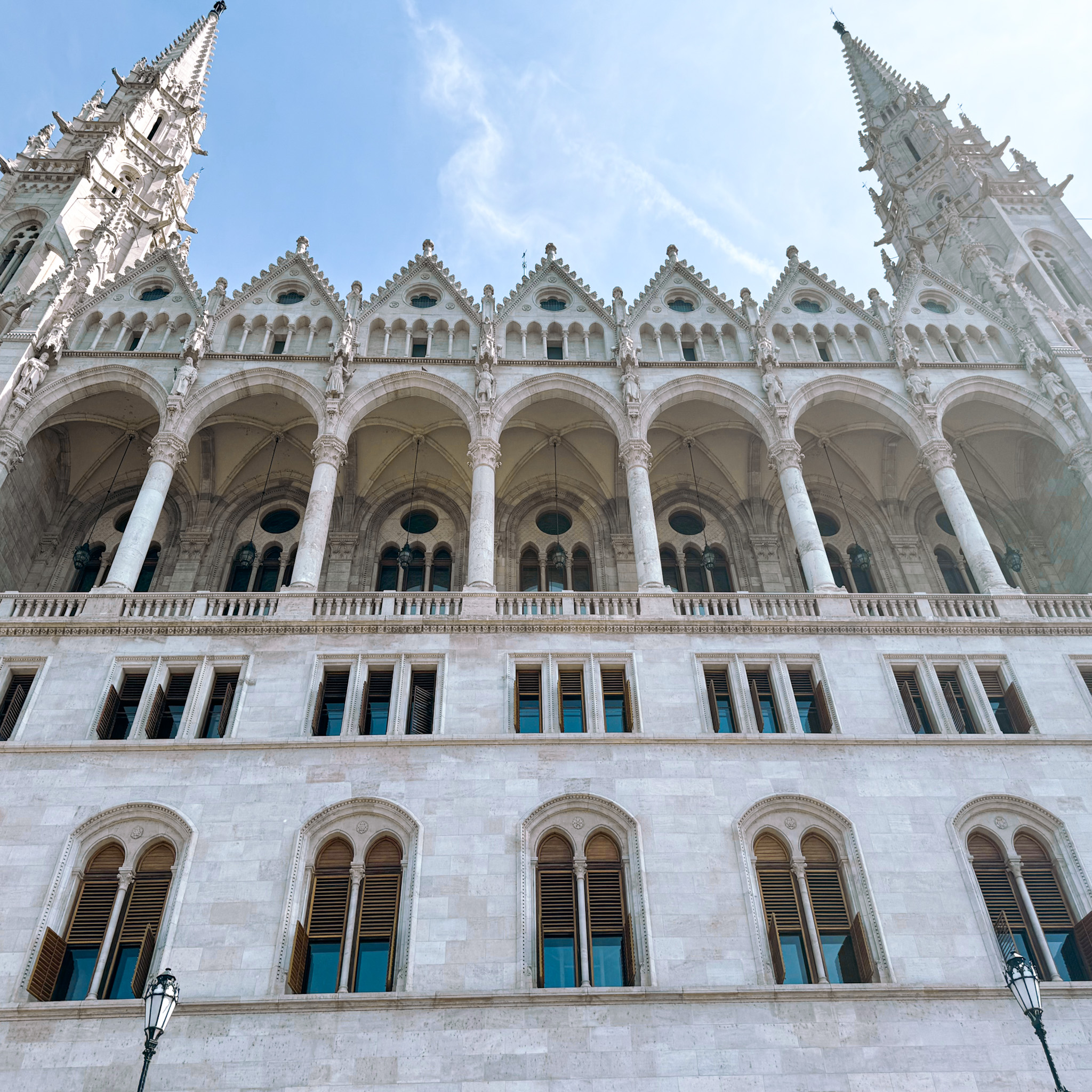
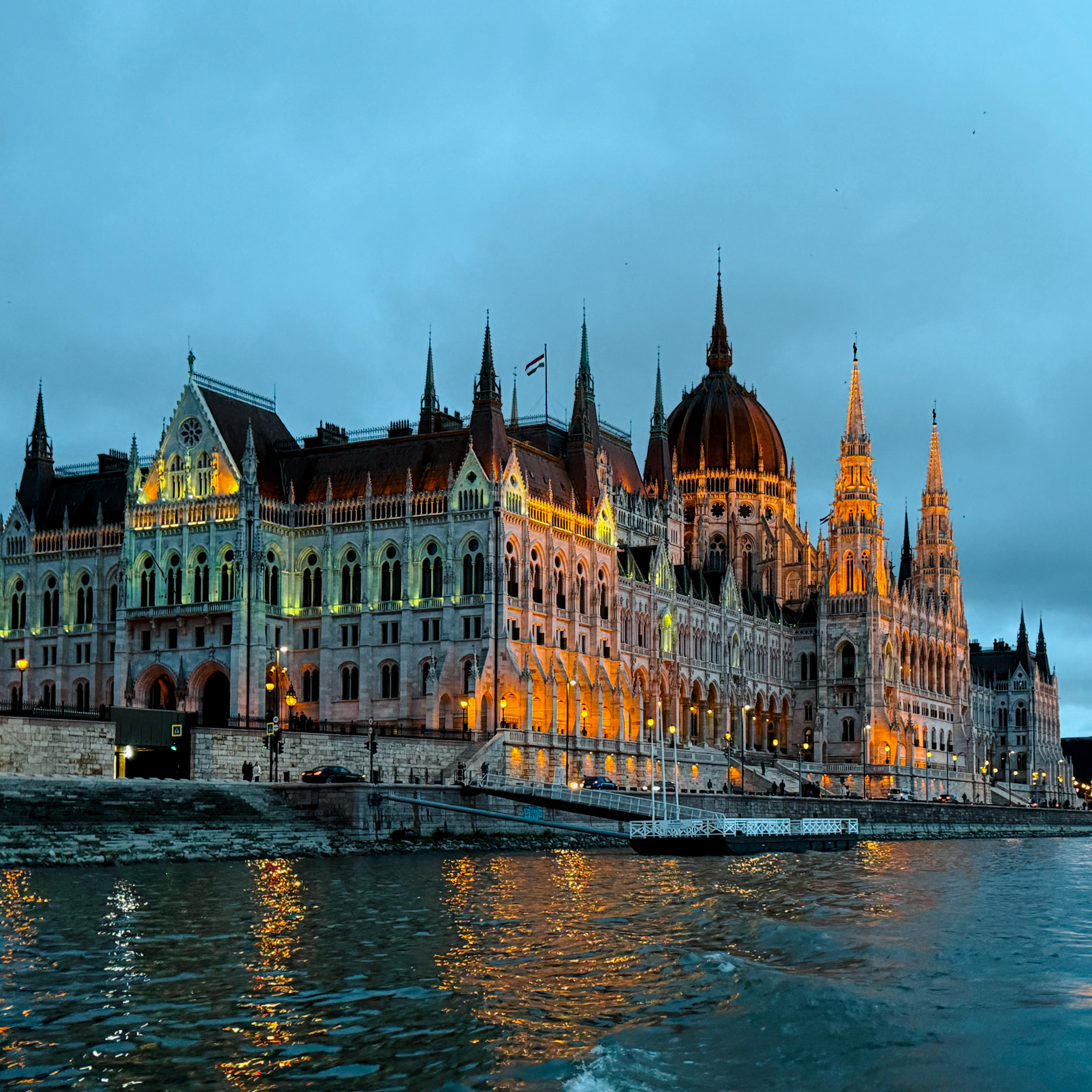
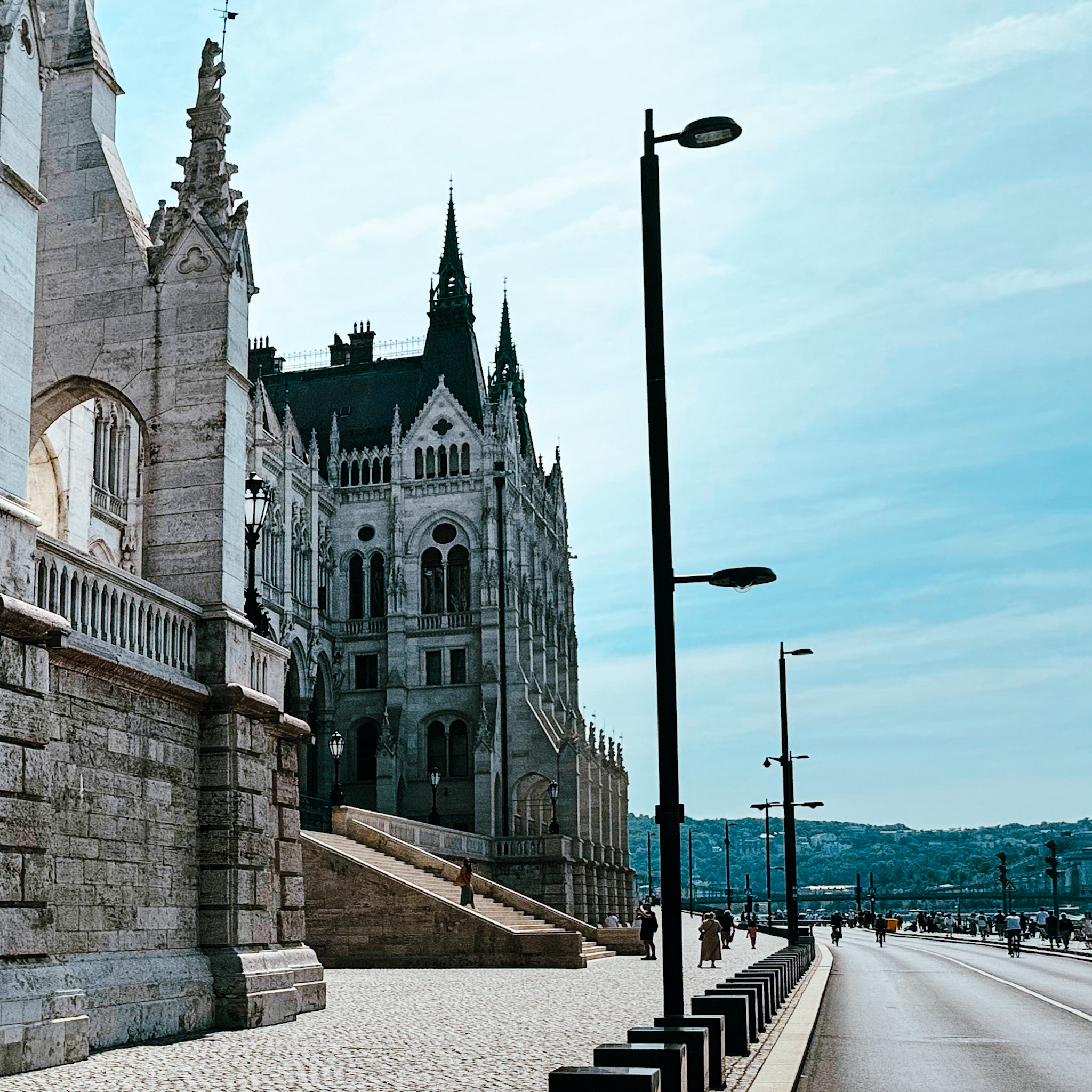
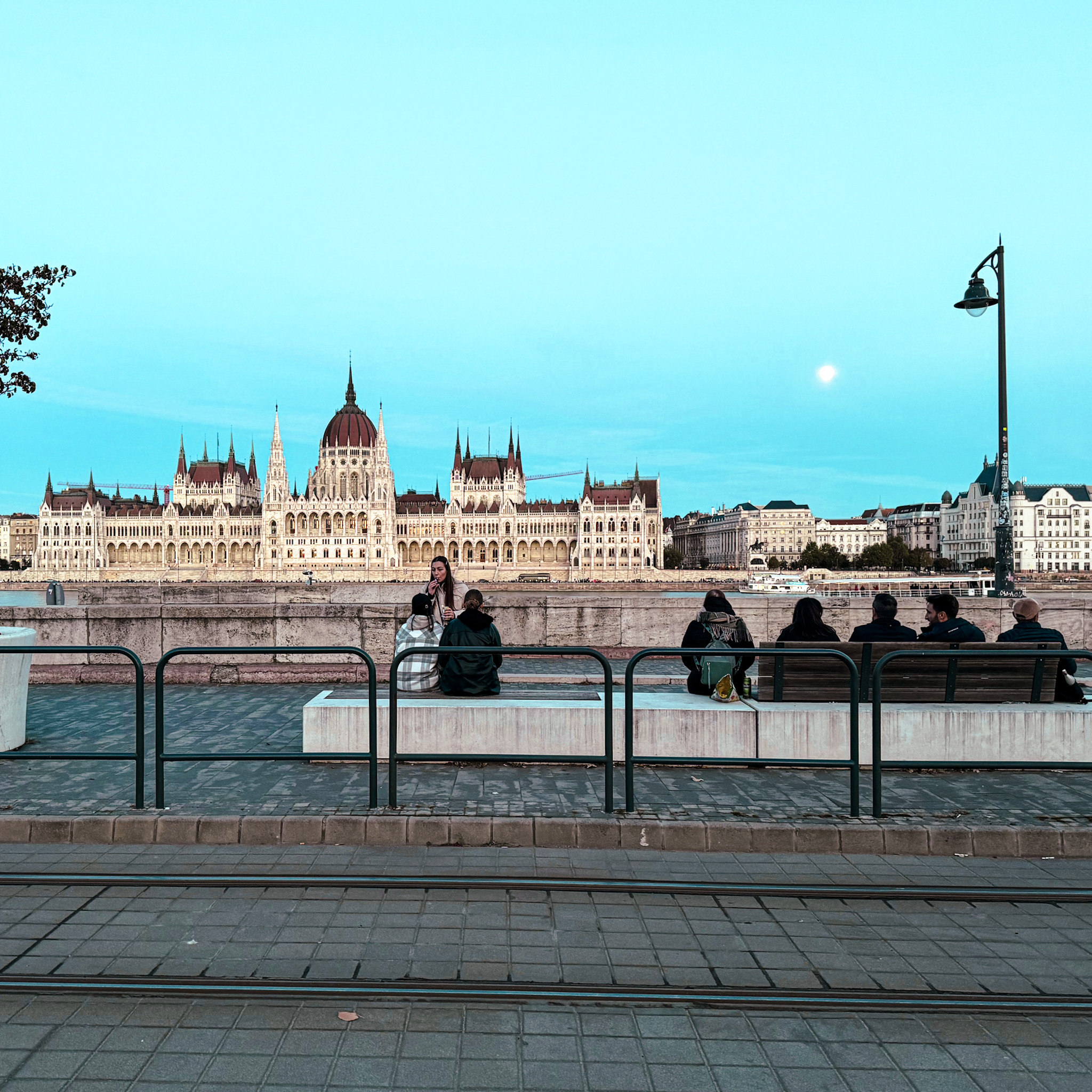
Budapest Parliament Building is one of the most iconic landmarks in Europe, offering stunning views from various angles. Admiring a building from different angles unveils new perspectives and highlights details often overlooked from a single viewpoint. Each shift in position allows for a deeper appreciation of its design, offering unique opportunities to capture its beauty in fresh, unexpected ways.

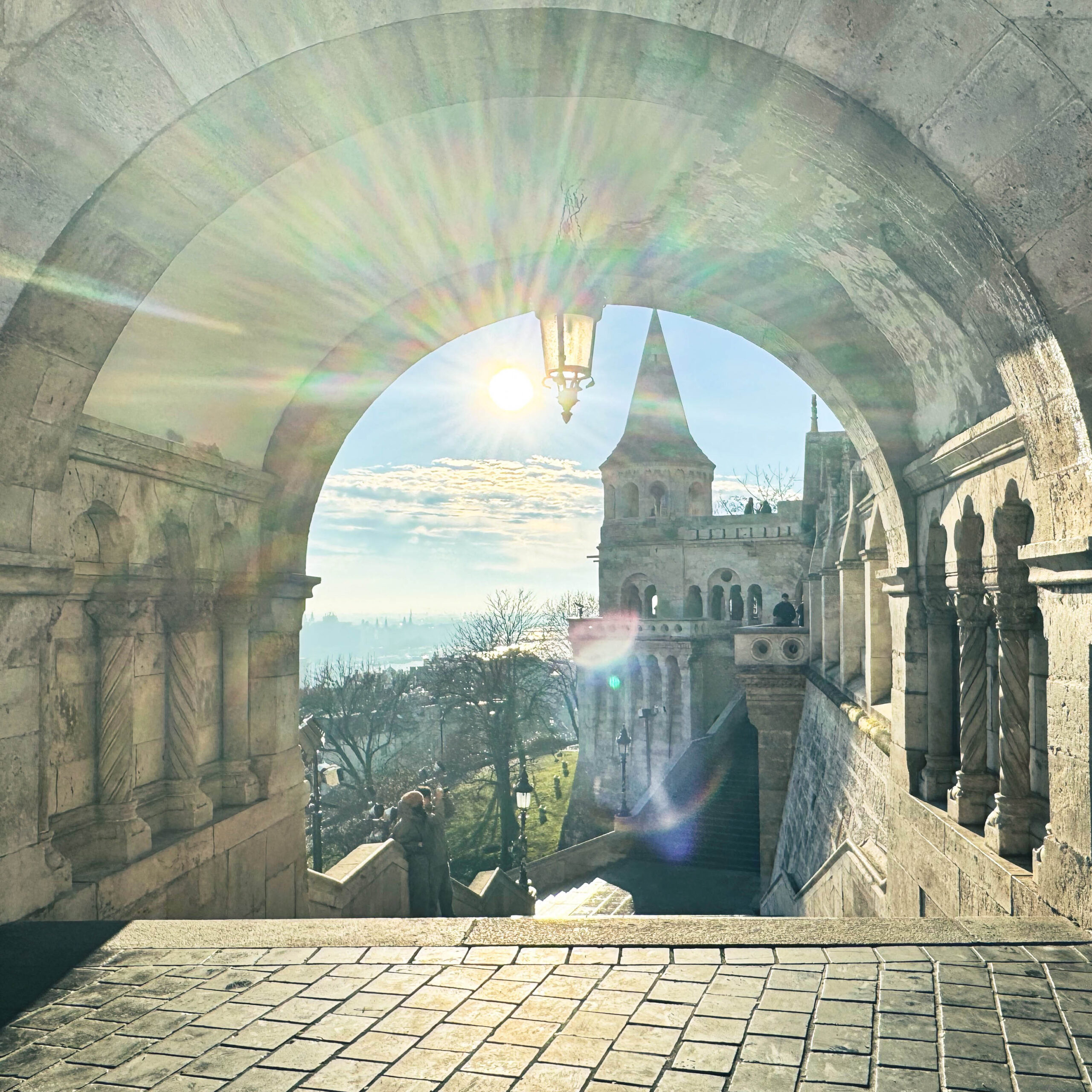
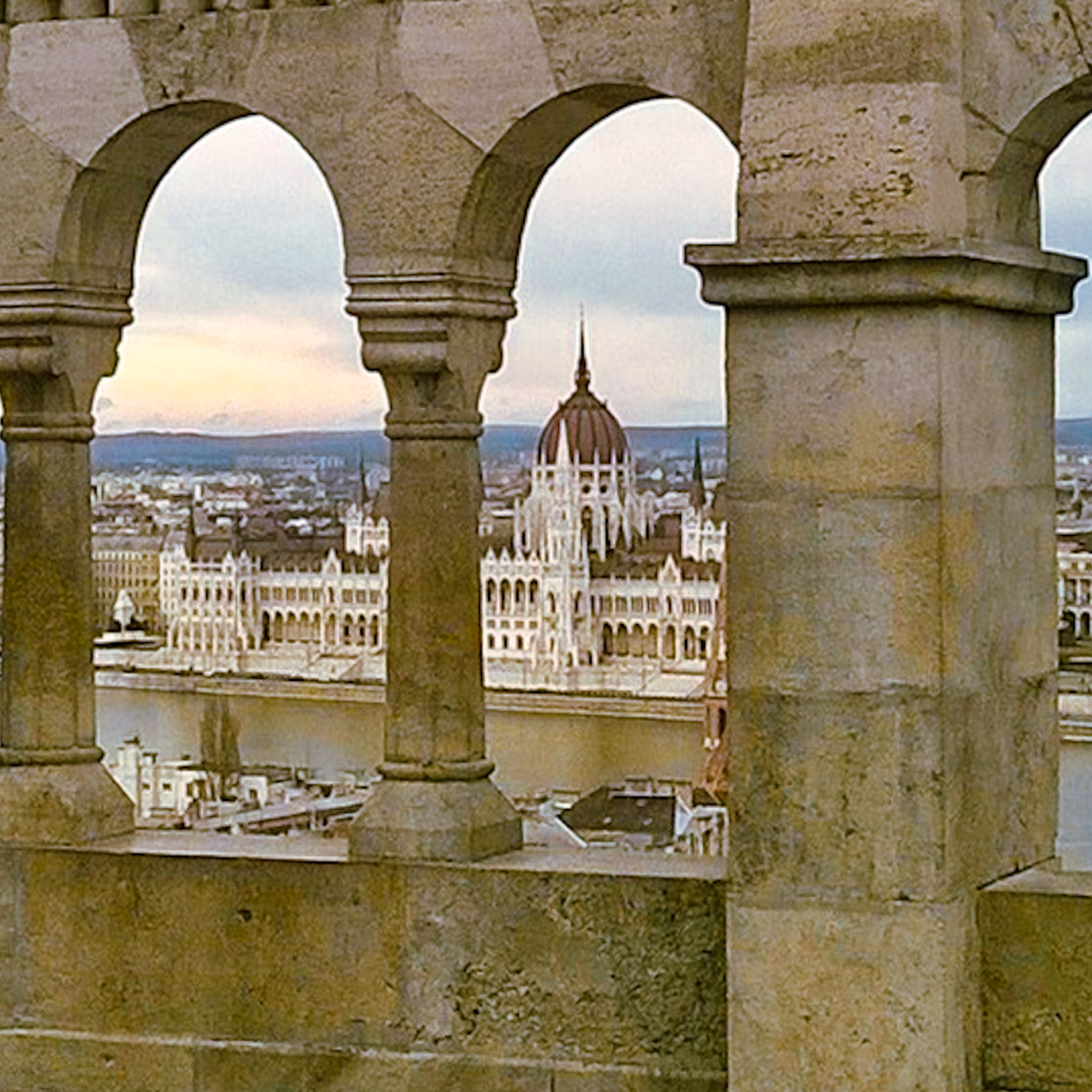
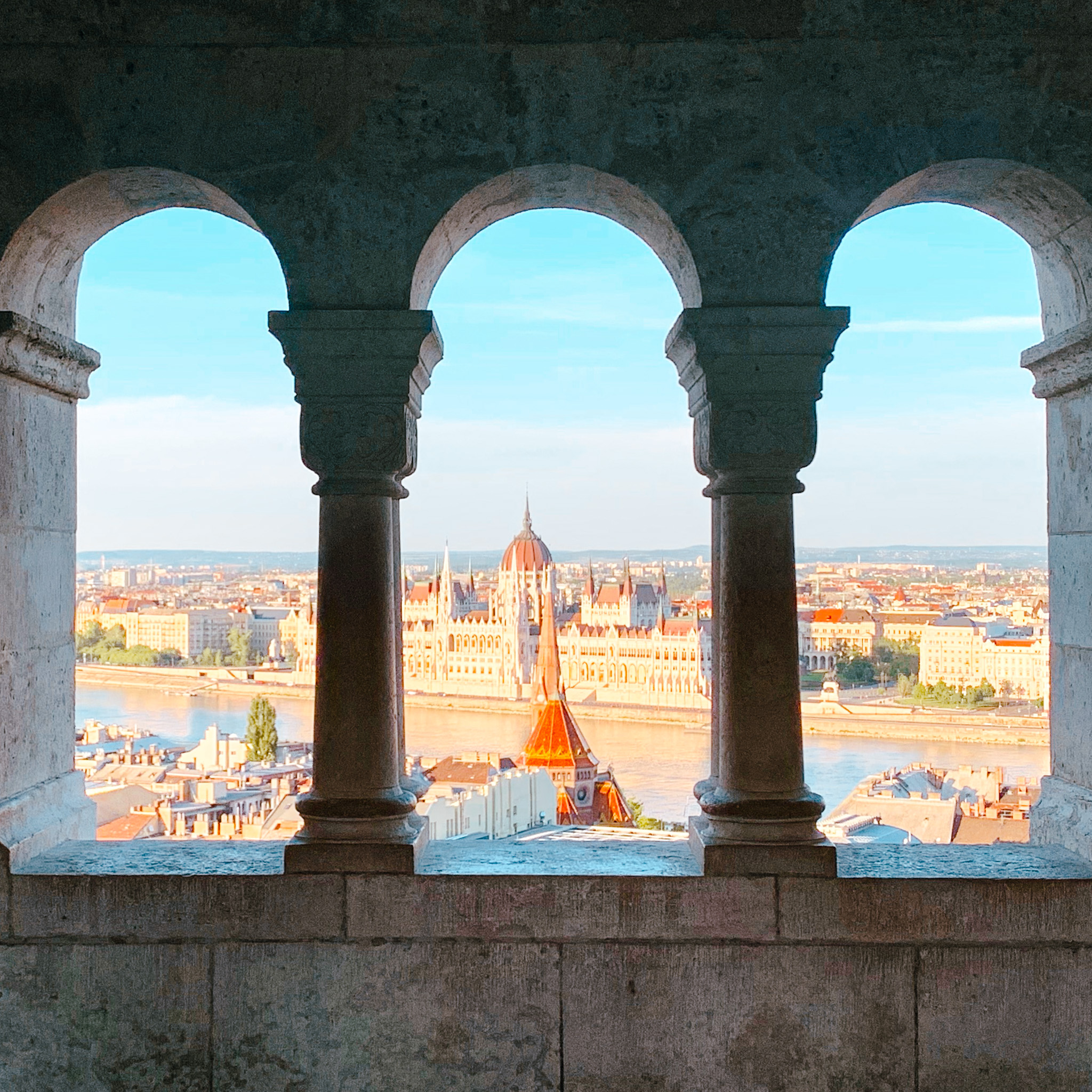
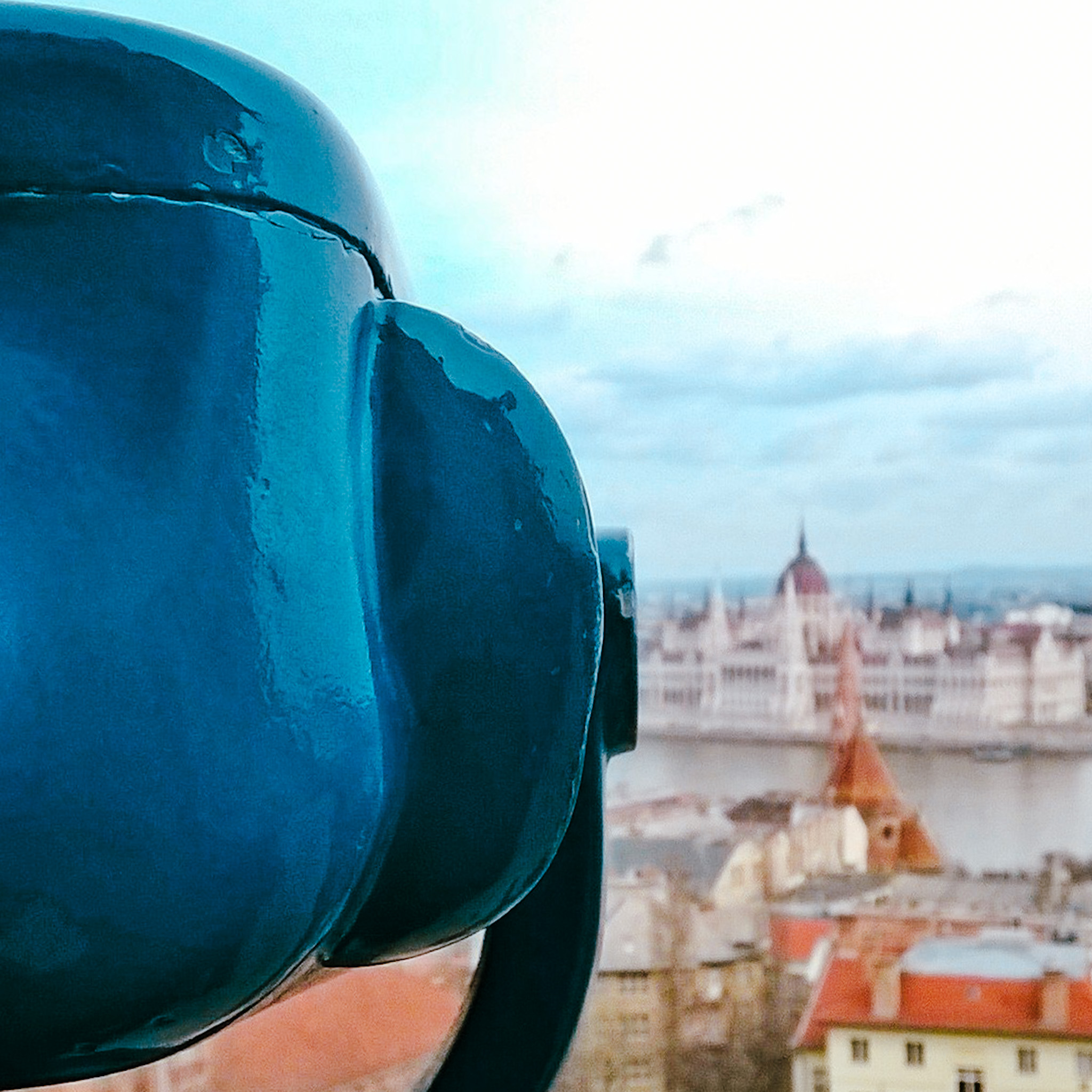
One of the best perspectives is from the banks of the Danube River, where you can capture the full grandeur of the Gothic Revival architecture with the water reflecting the building’s majestic silhouette. A boat tour along the river (I highly recommend Danube Legend) allows for a unique shot from the water, giving you an intimate yet sweeping view of the Parliament and its surrounding bridges. Another fantastic viewpoint is from the Buda side of the city, particularly from Fisherman’s Bastion, where you can beautifully frame the Parliament.

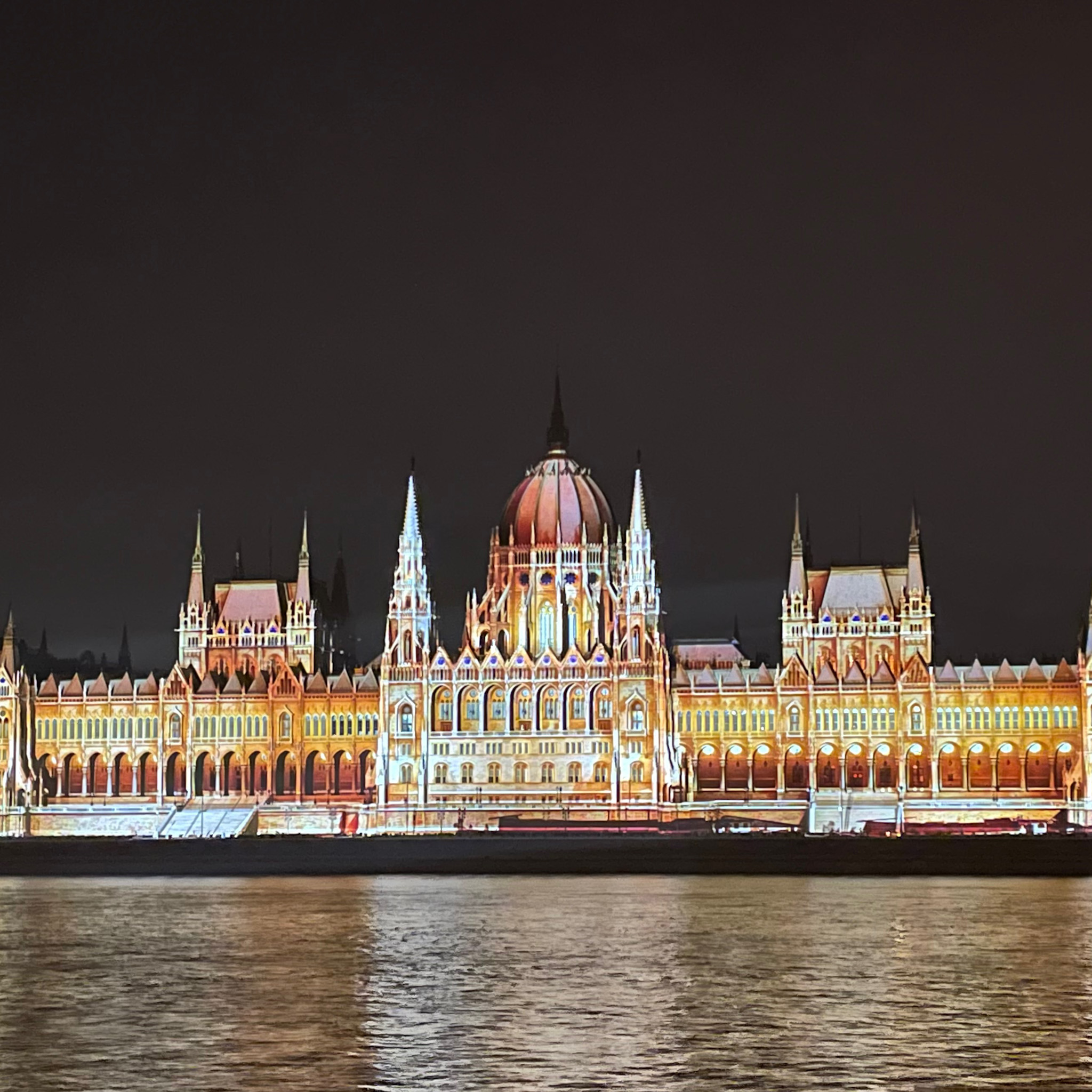
For a more panoramic shot, head to Gellért Hill, offering an elevated vantage point with a wide-angle view of both the Parliament and the sweeping cityscape. A great time to capture the building’s beauty is during golden hour, when the sunlight casts a warm glow on its intricate details, making it shine against the sky. Nighttime photography also offers magical opportunities, as the Parliament is beautifully illuminated, providing a striking contrast to the dark sky. From Margaret Island, you can frame the Parliament against lush green landscapes, making for a peaceful yet grand shot.

Book a private tour to experience the building up close, so that I can reveal hidden details and offer exclusive perspectives that will leave you in awe of its true magnificence.

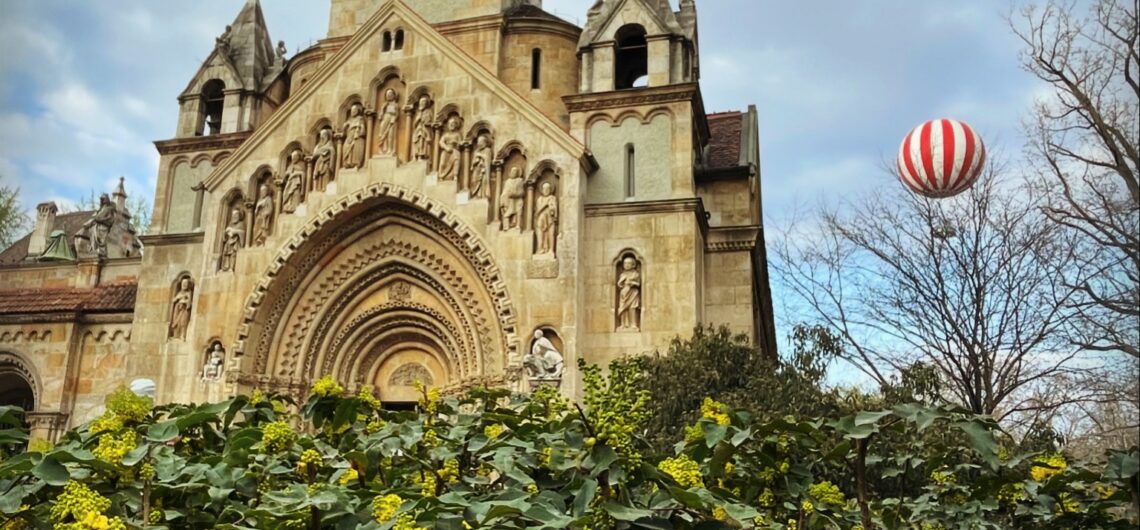
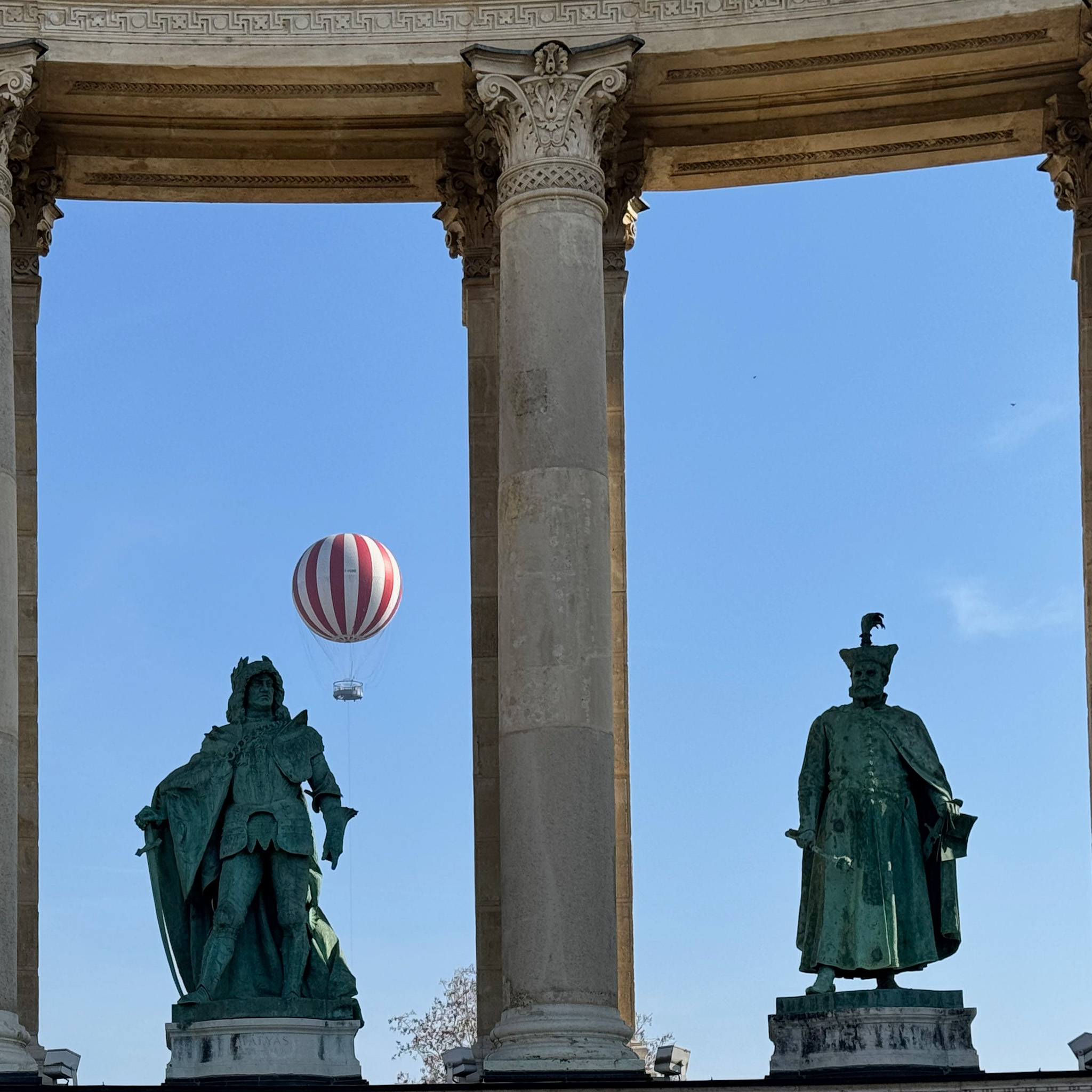
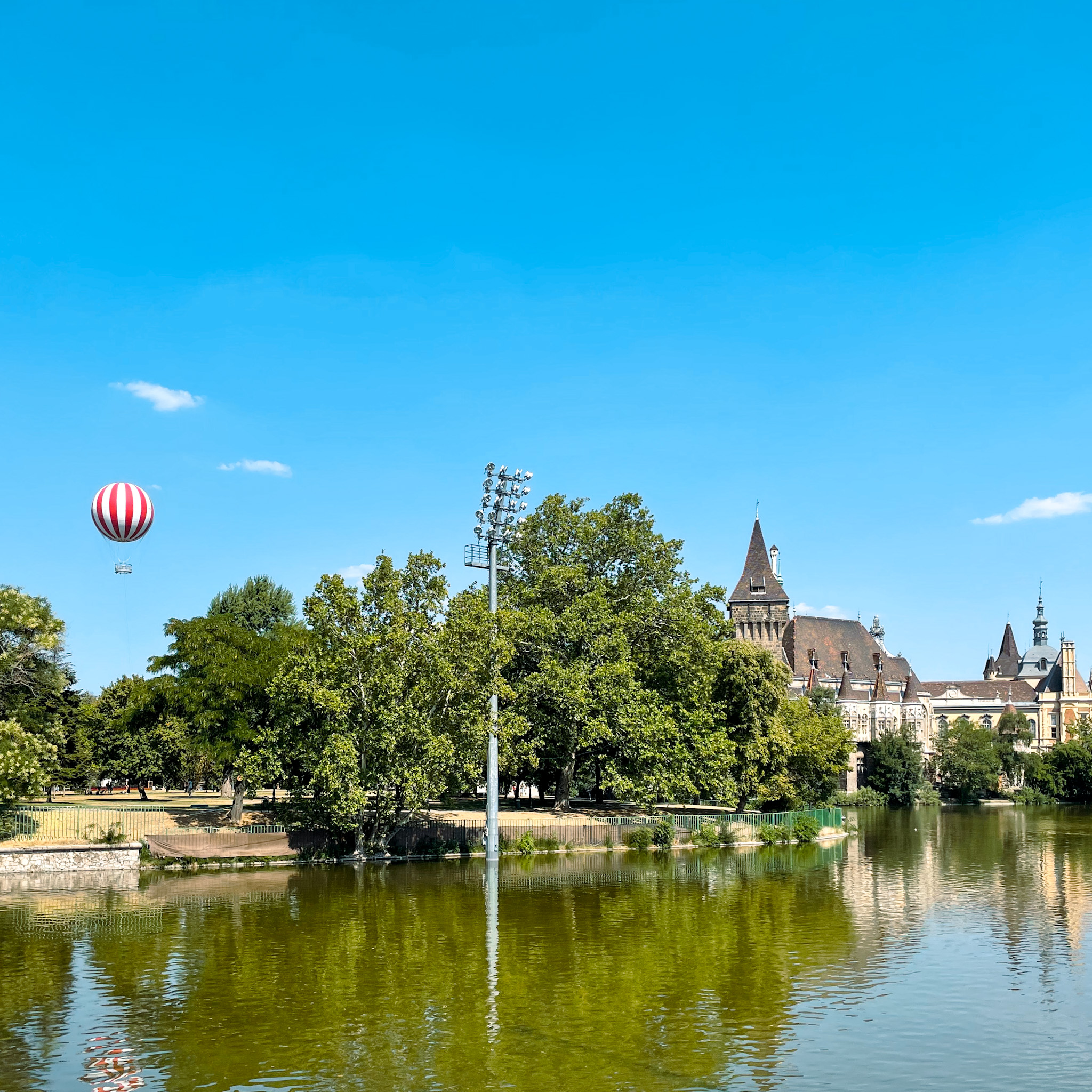
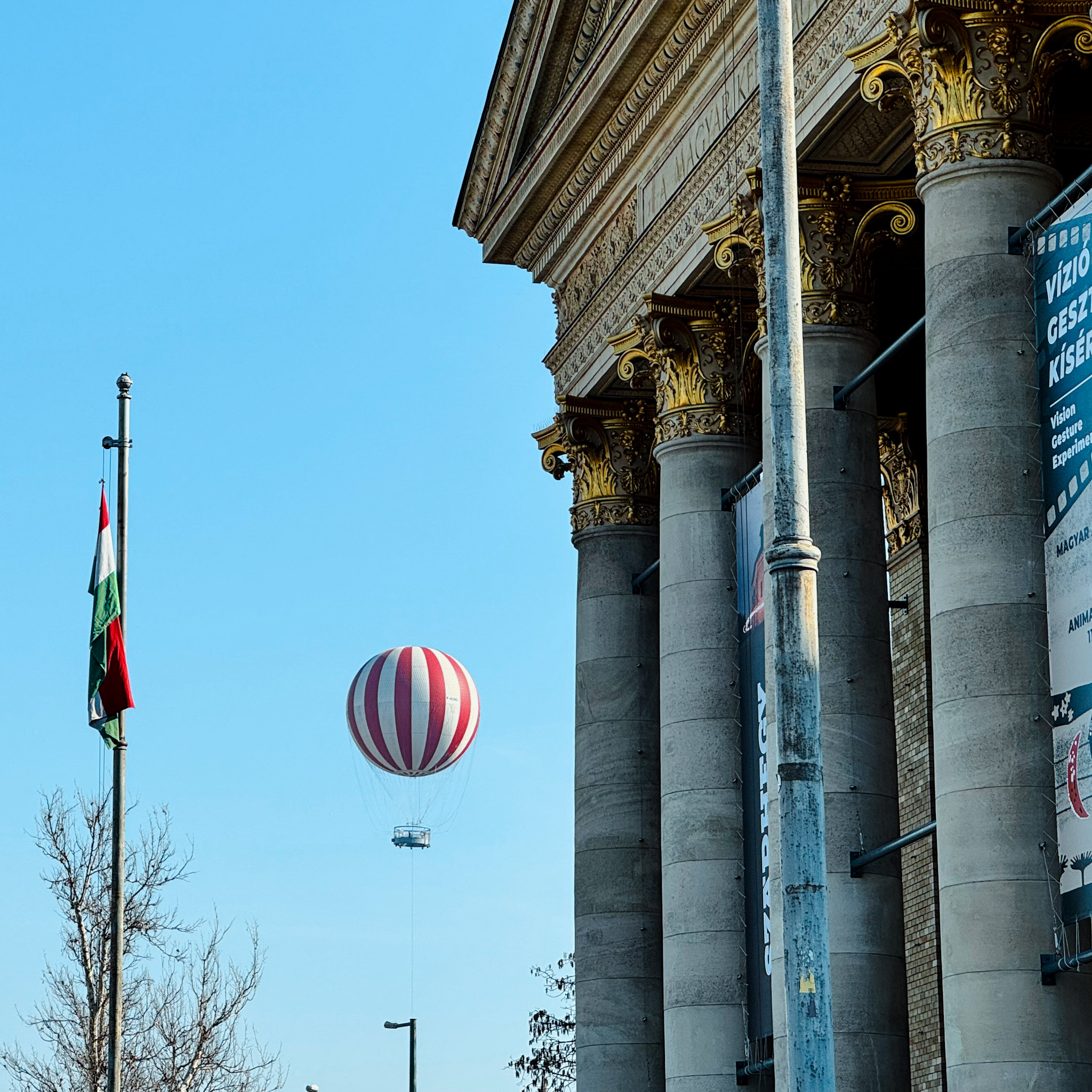
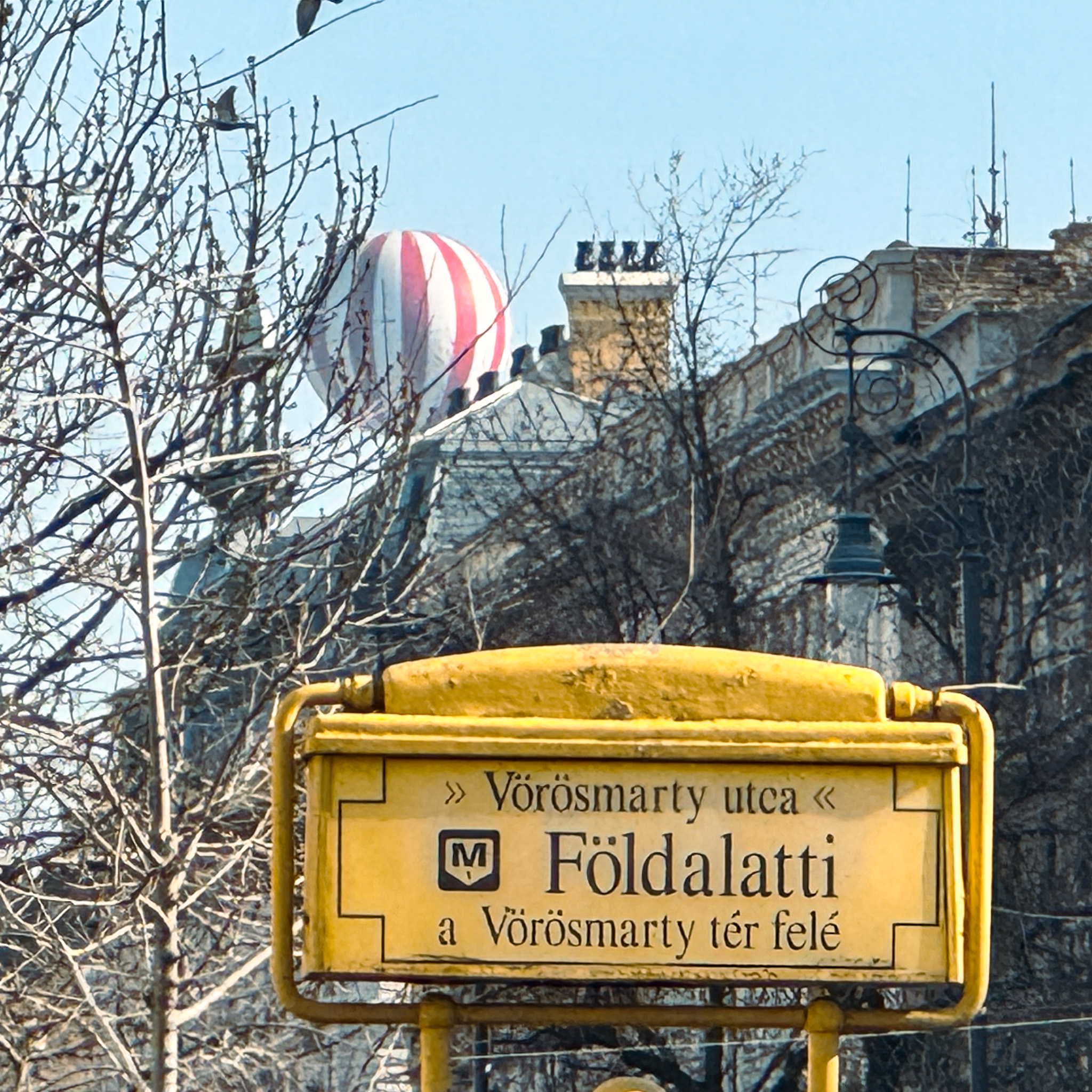
The red and white stripes of the Budapest hot air balloon create a striking visual that catches the eye from various vantage points across Budapest, visitors are often wondering what it is.

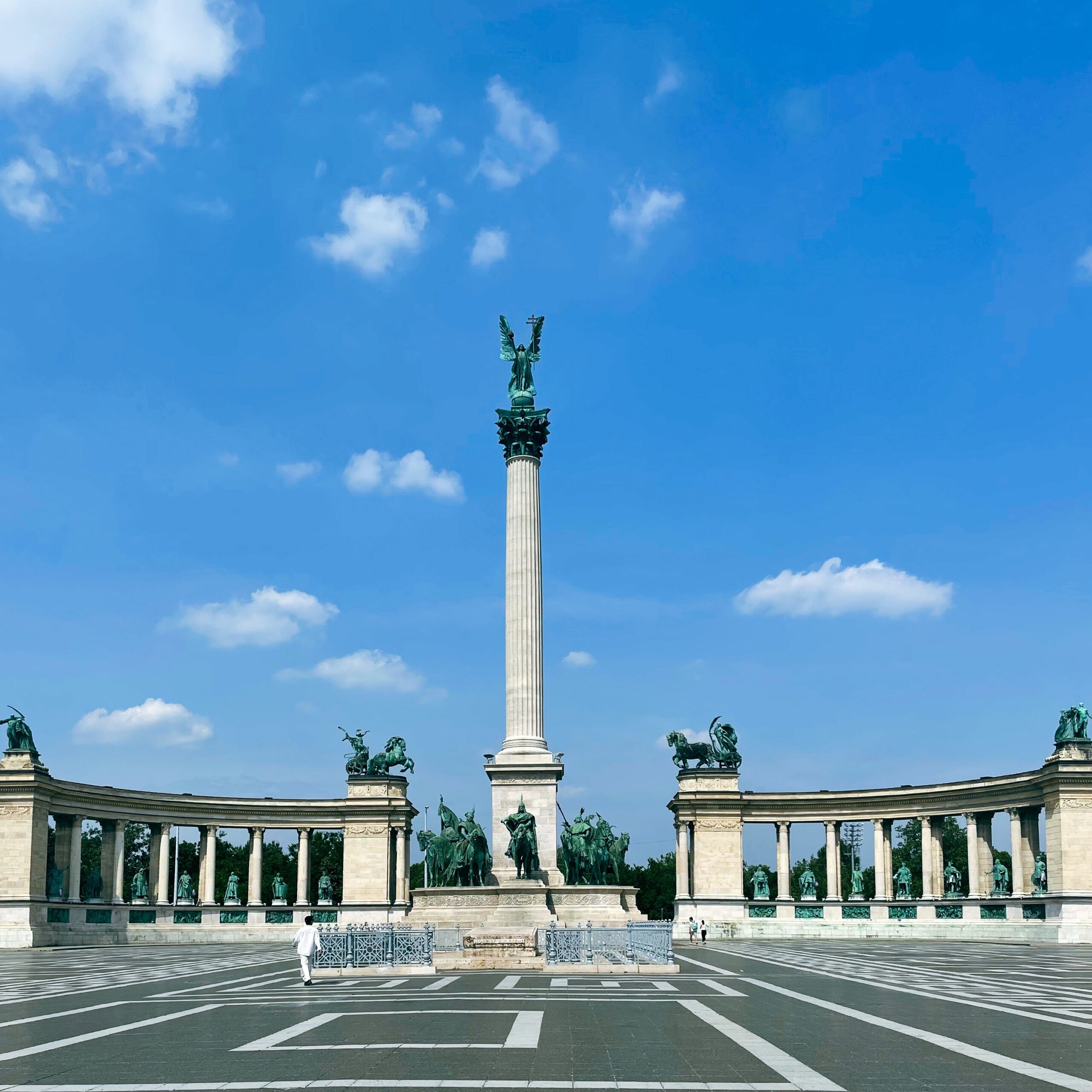
The hot air balloon in City Park offers a unique and breathtaking way to experience Budapest. Rising high above the park, it provides stunning panoramic views of the city’s iconic landmarks, including Heroes Square, Vajdahunyad Castle, and the peaceful expanse of the park itself. This exhilarating experience allows visitors to see Budapest from a completely different perspective, making it a must-do activity for anyone seeking adventure and beautiful vistas.

Visitors might not know that the original version of the hot air balloon first took people to the sky in 1896, it was one of the major attractions of the Millennium celebrations in the City Park, so that people could admire the celebrations from a birds’ eyes view. The creators wanted to pay homage to Hungarian painter Pál Szinyei Merse, it looks very similar to the hot air balloon painted by Szinyei Merse, the original painting is in the National Gallery. The painting was created in 1878, and it is one of his most famous works and a key piece in Hungarian art history. The painting depicts a colourful hot air balloon soaring through the sky over a beautiful, serene landscape, capturing both the grandeur and the delicacy of the moment. Szinyei Merse, known for his mastery in capturing light and nature, uses vibrant colours and dynamic composition to convey the excitement and elegance of flight.

The hot air balloon is impossible to miss, as it stands tall against the backdrop of Budapest’s skyline. From iconic landmarks like Buda Castle and the Parliament, visitors can spot the colourful balloon flying high above the city. Its vibrant presence offers a unique visual contrast to the city’s historic architecture, making it an unforgettable sight for anyone exploring Budapest. Whether from the Chain Bridge or Fisherman’s Bastion, the balloon serves as a constant reminder of the adventure waiting just below in the park.

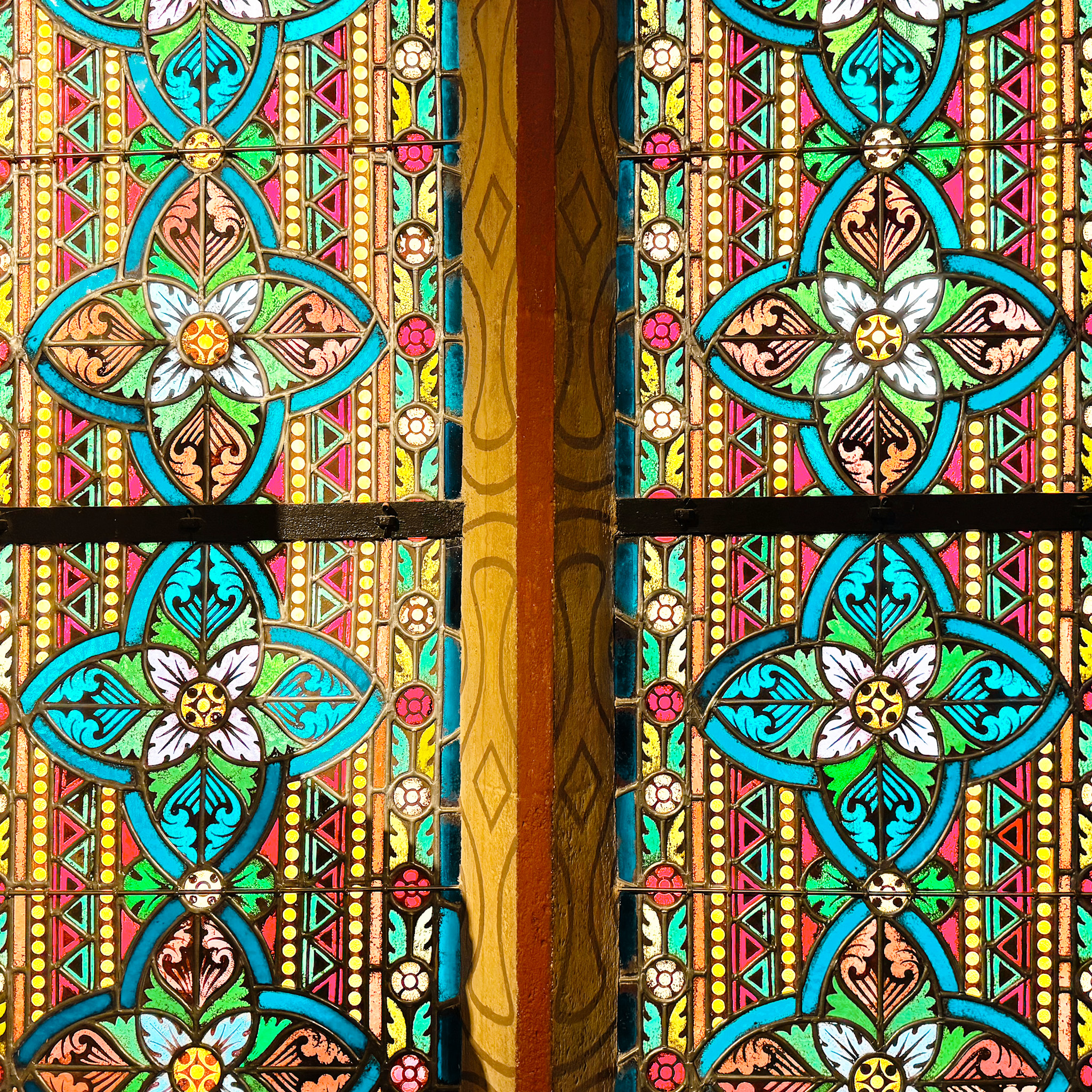
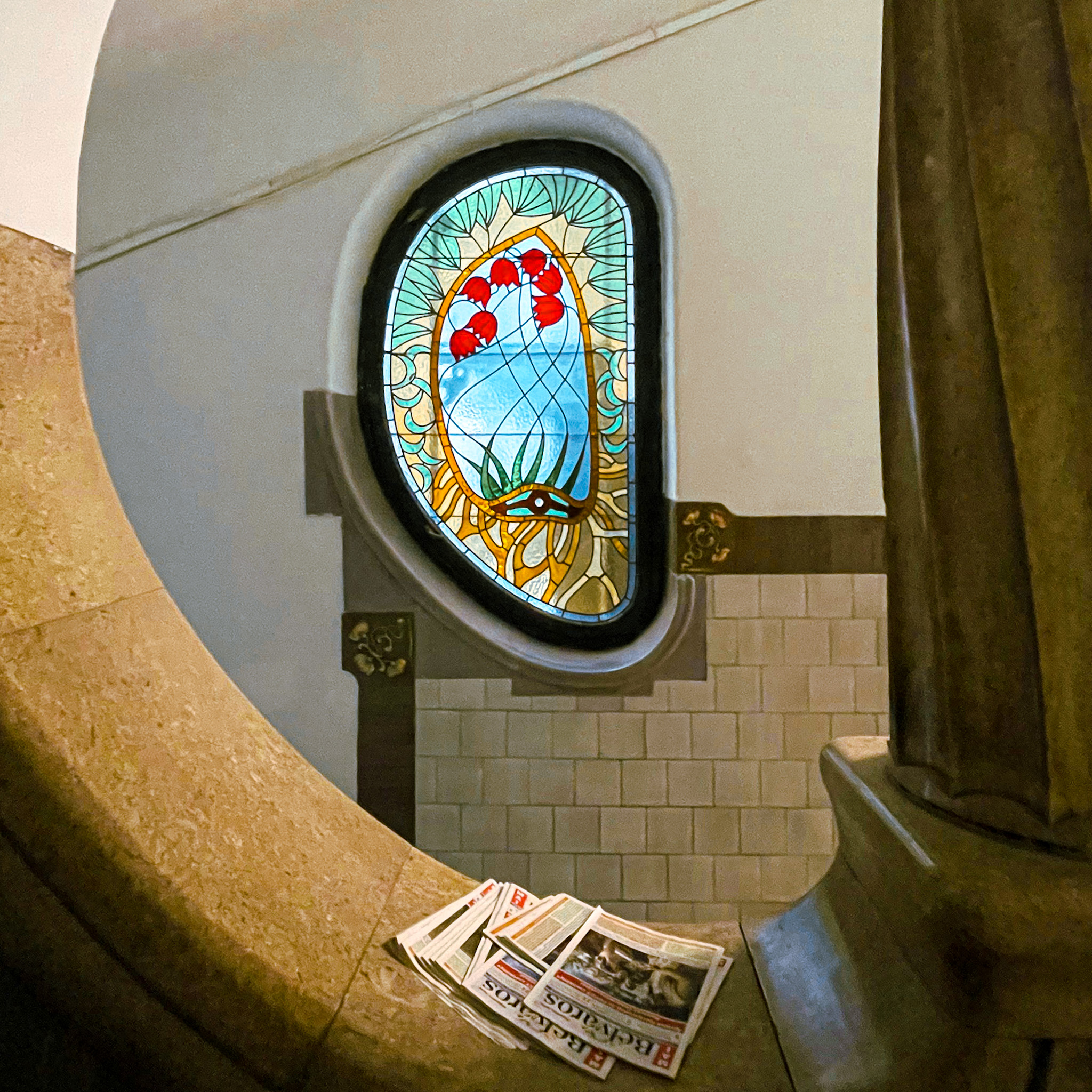
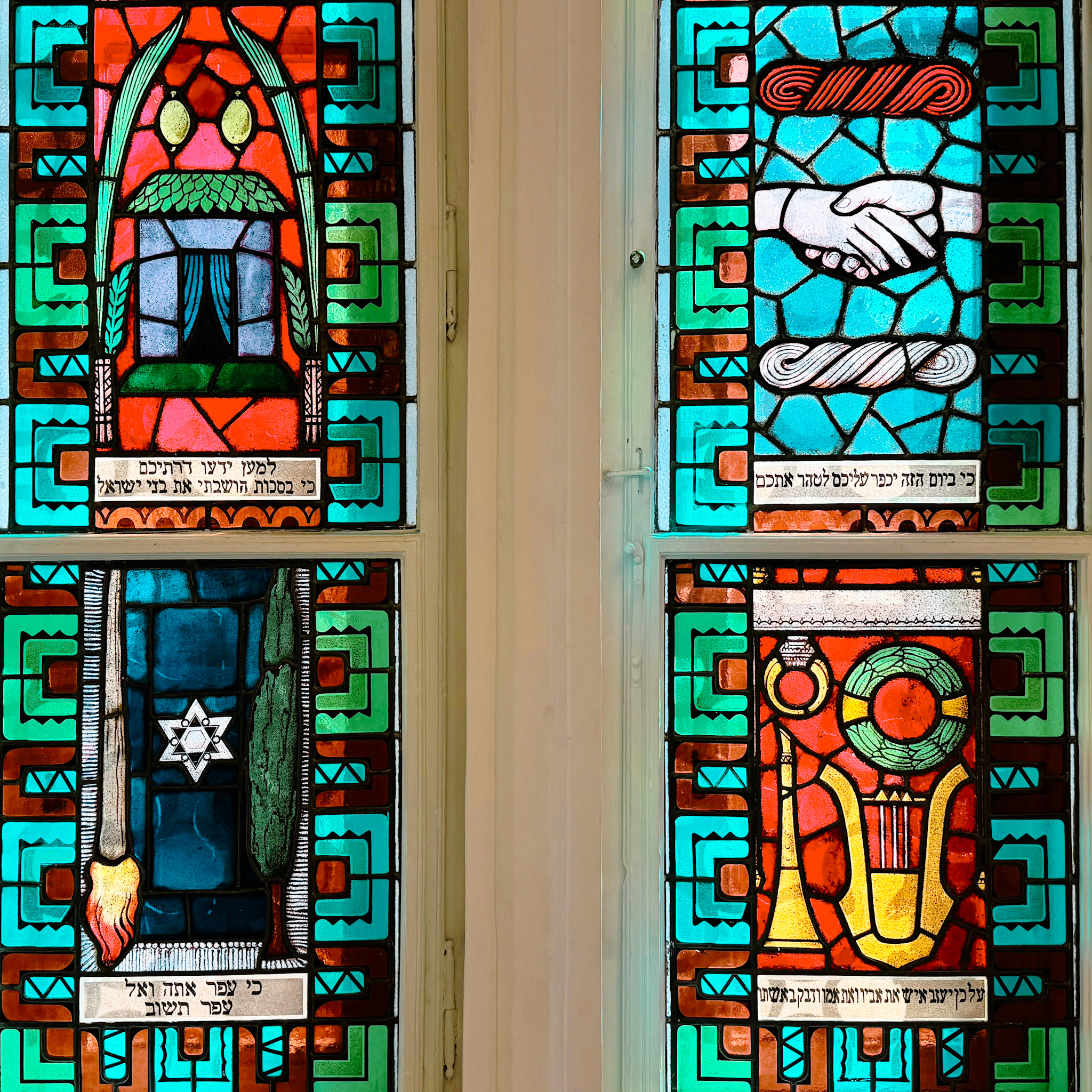
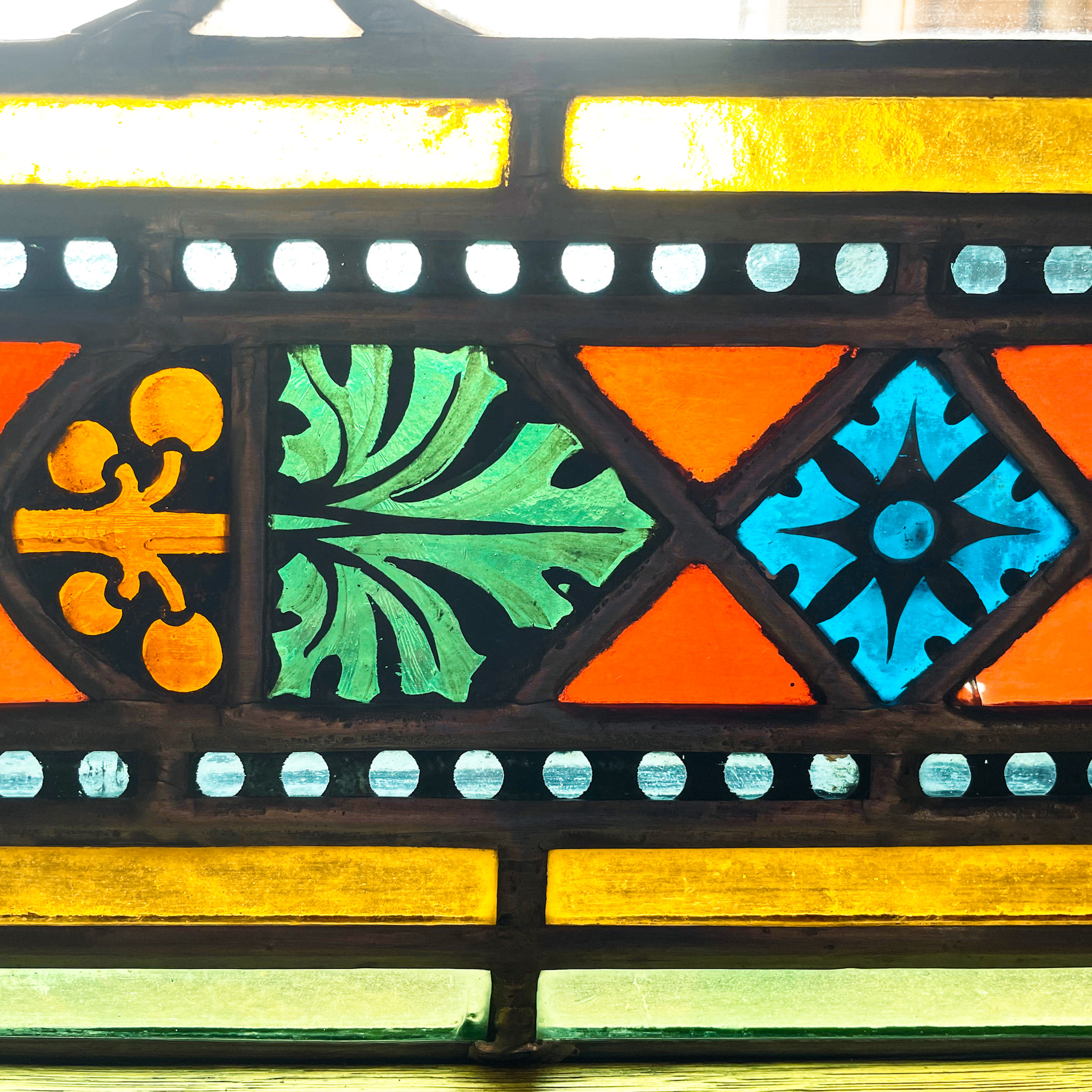
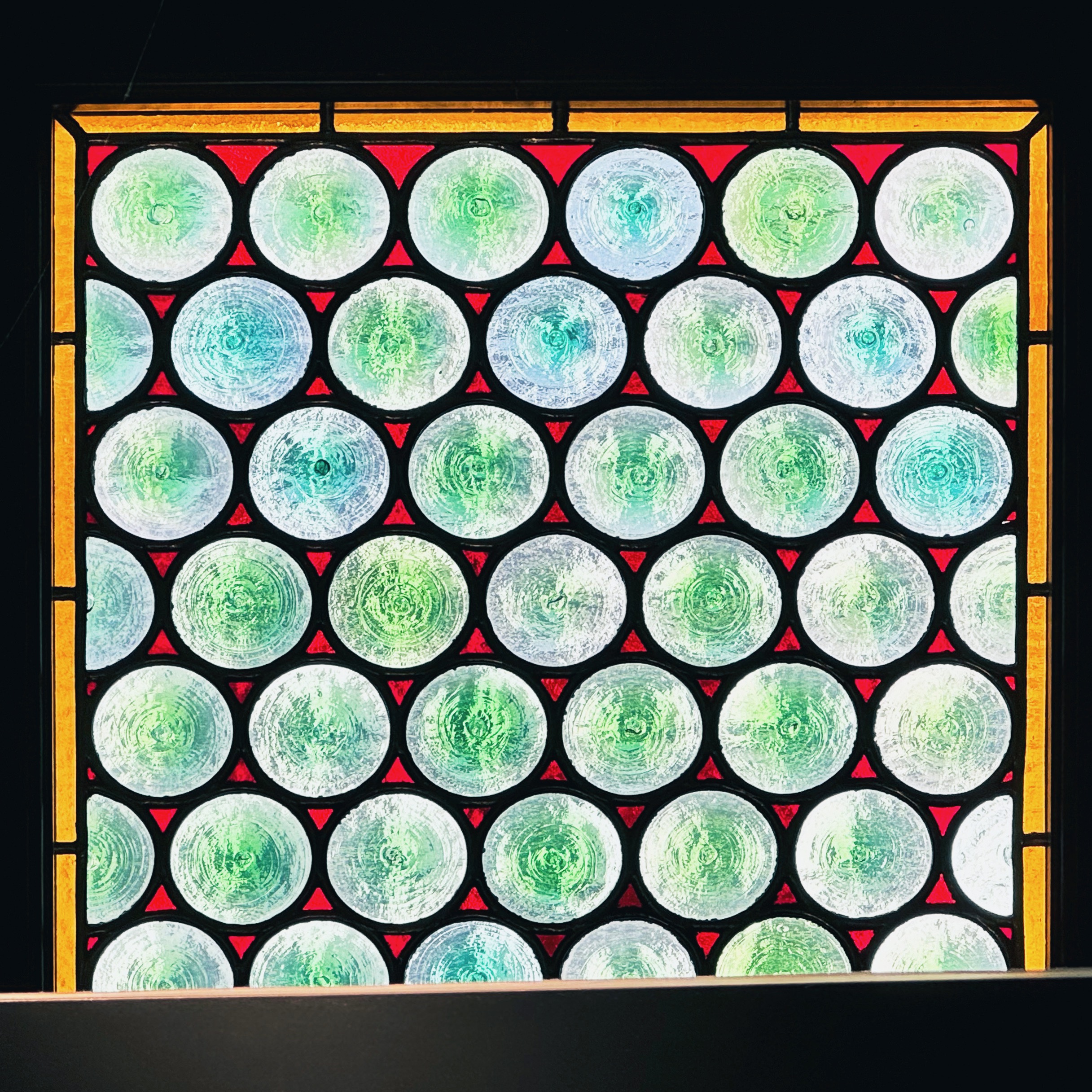
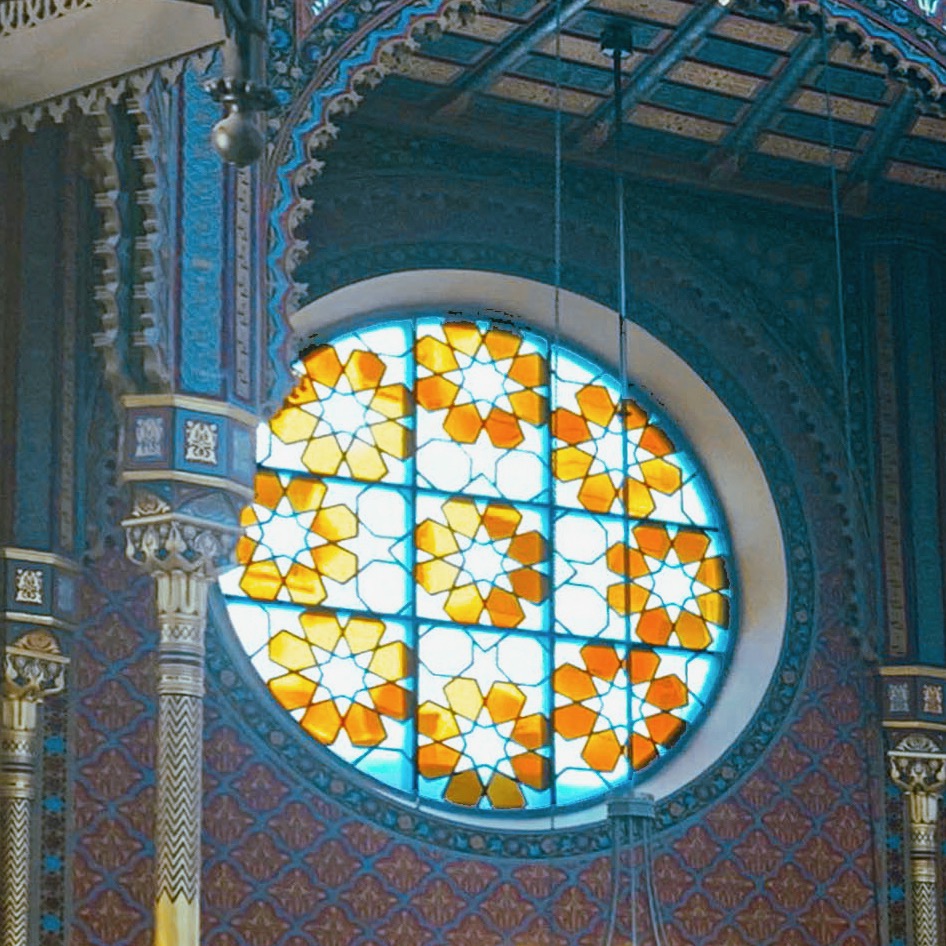
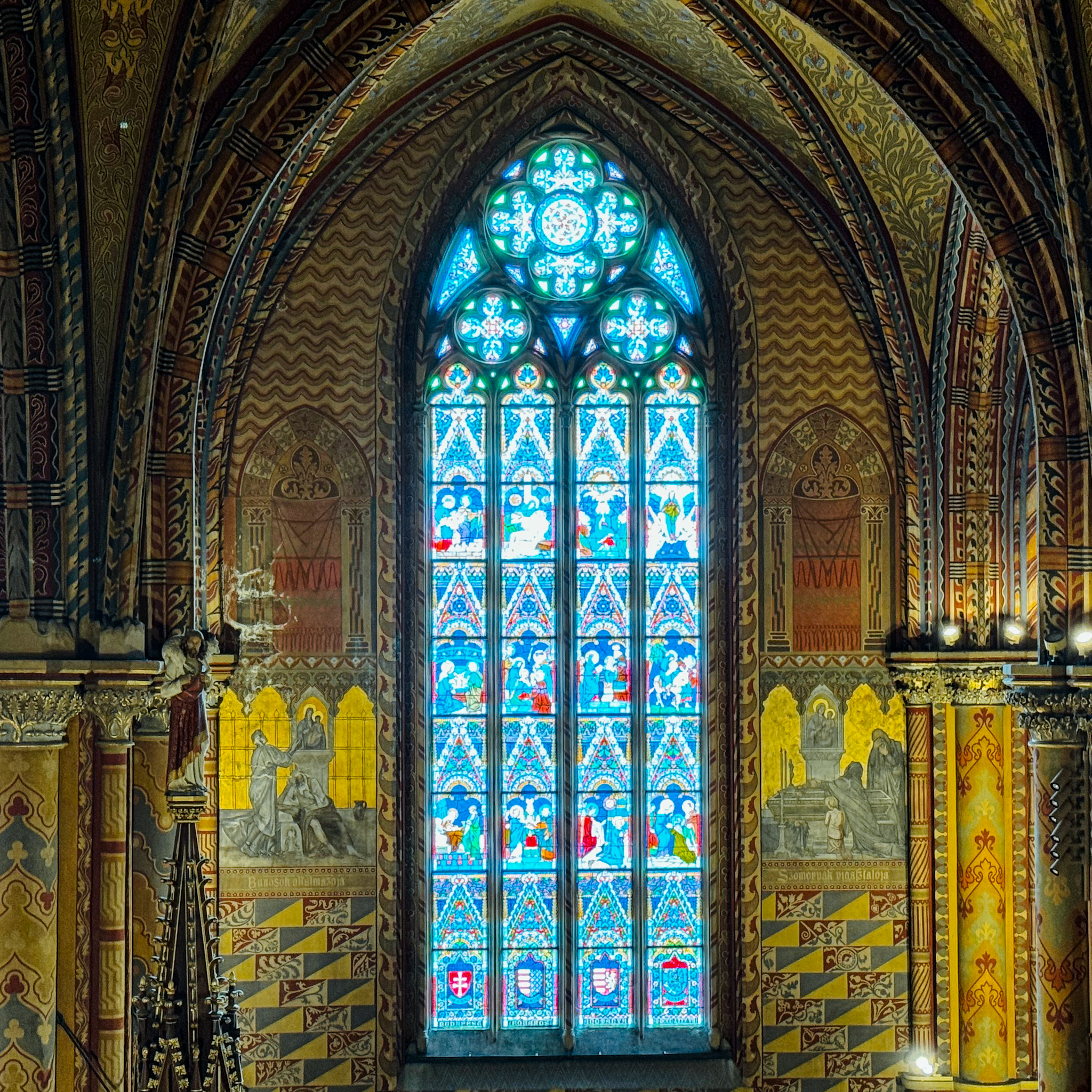
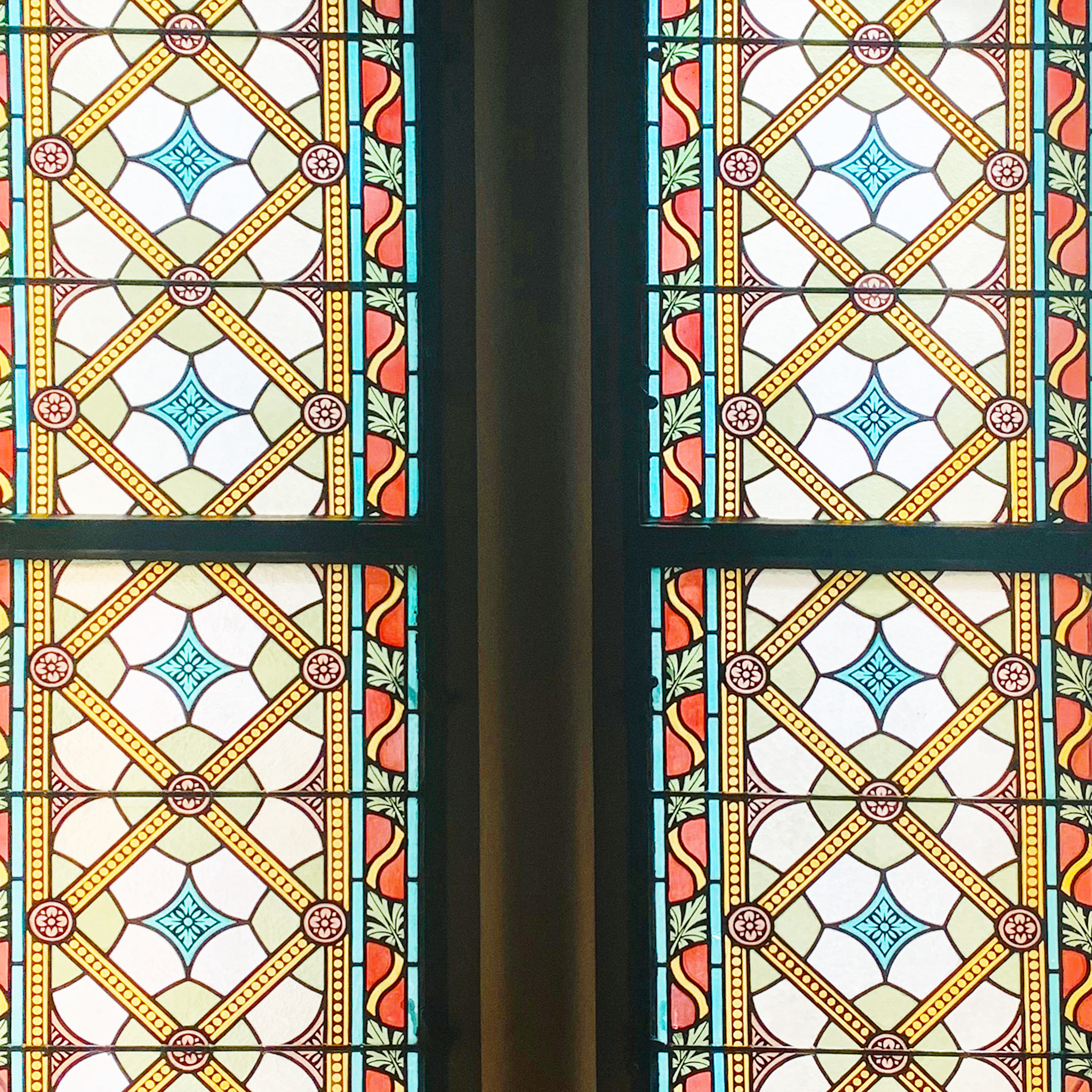
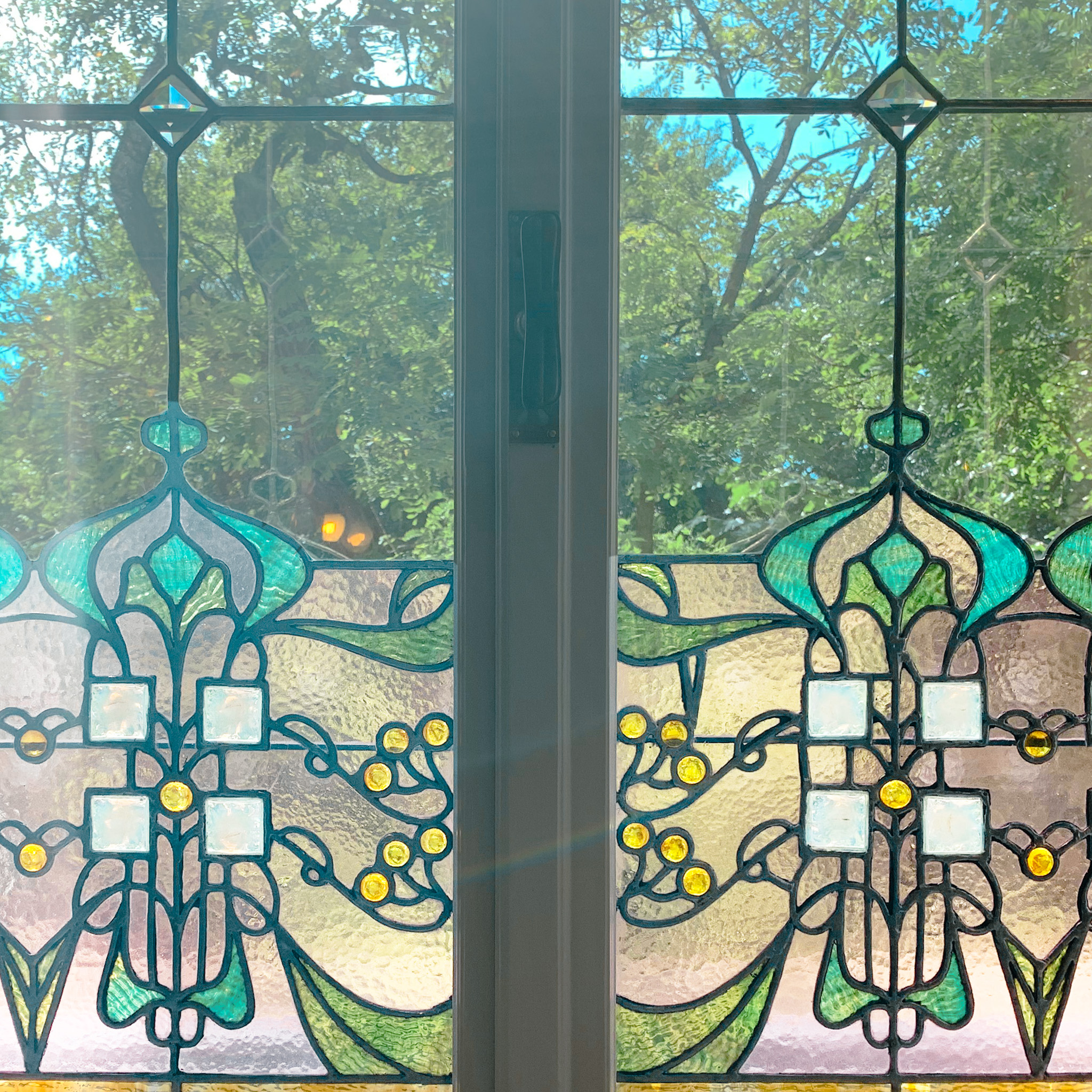
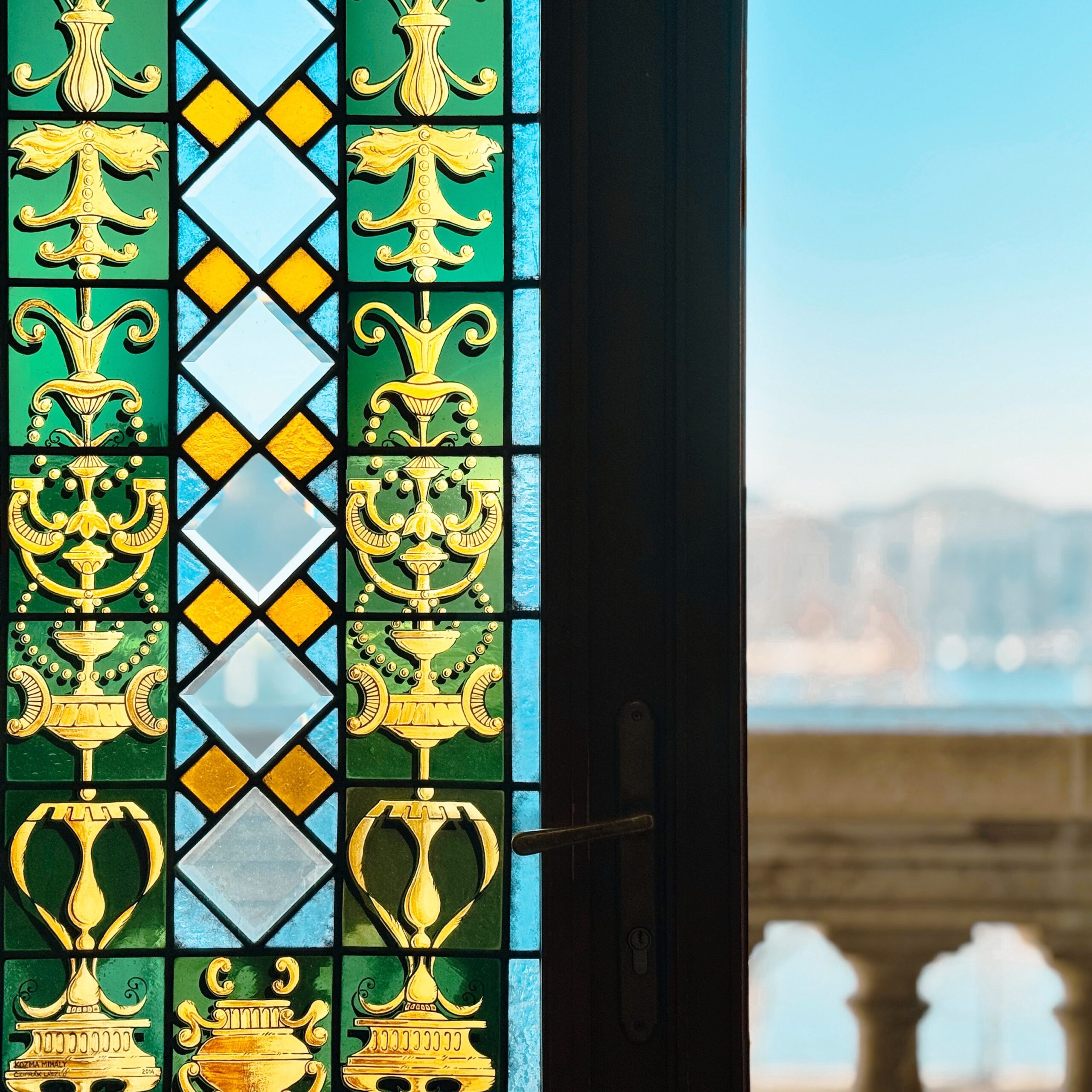
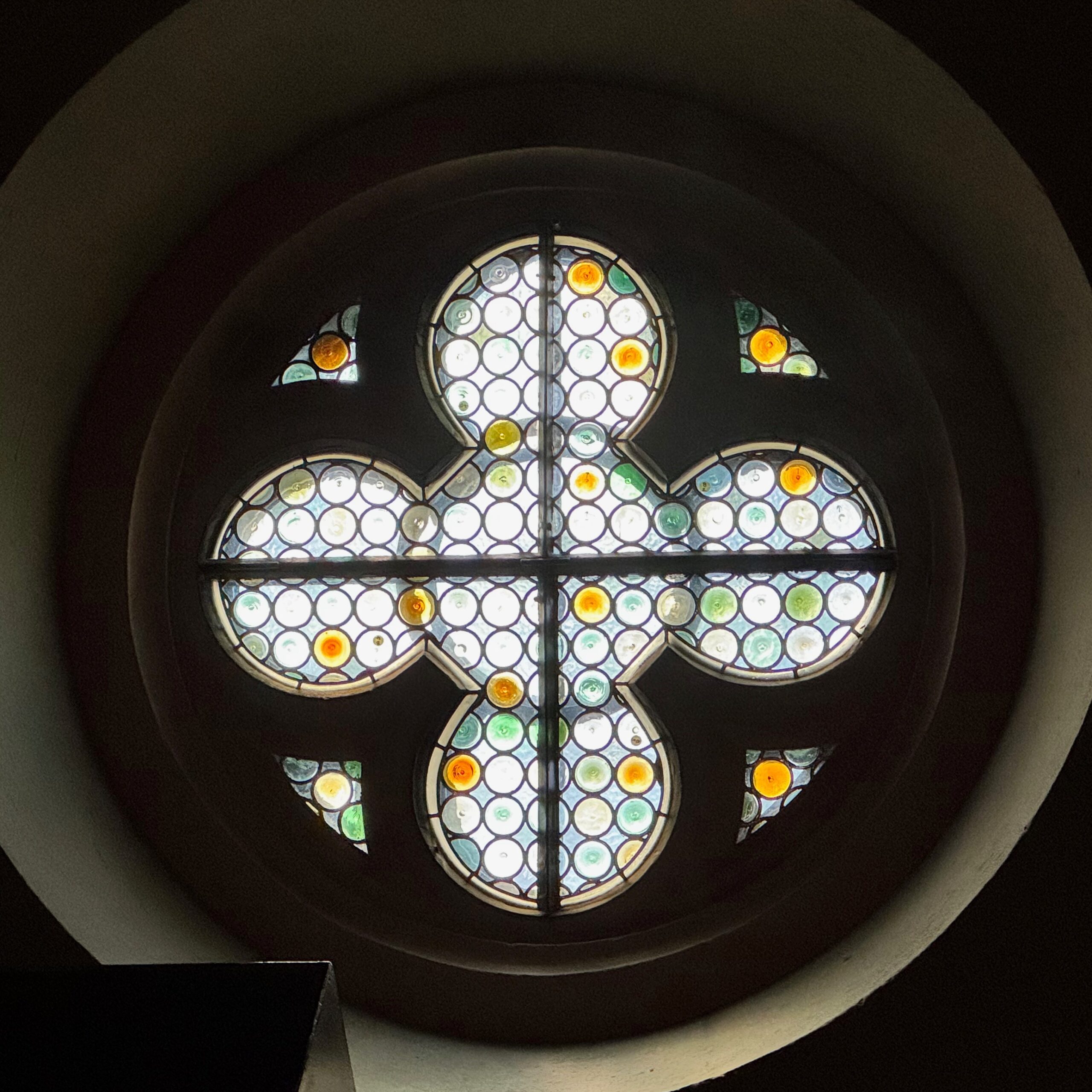
Budapest is a city that dazzles with its architectural wonders, and among its many treasures, stained glass windows stand out as one of its most beautiful and intricate forms of artistry. These stunning windows can be found throughout the city, each piece telling a unique story through its vibrant colors and delicate designs. The tradition of stained glass in Budapest dates back centuries, and it continues to be a significant part of the city’s architectural heritage.

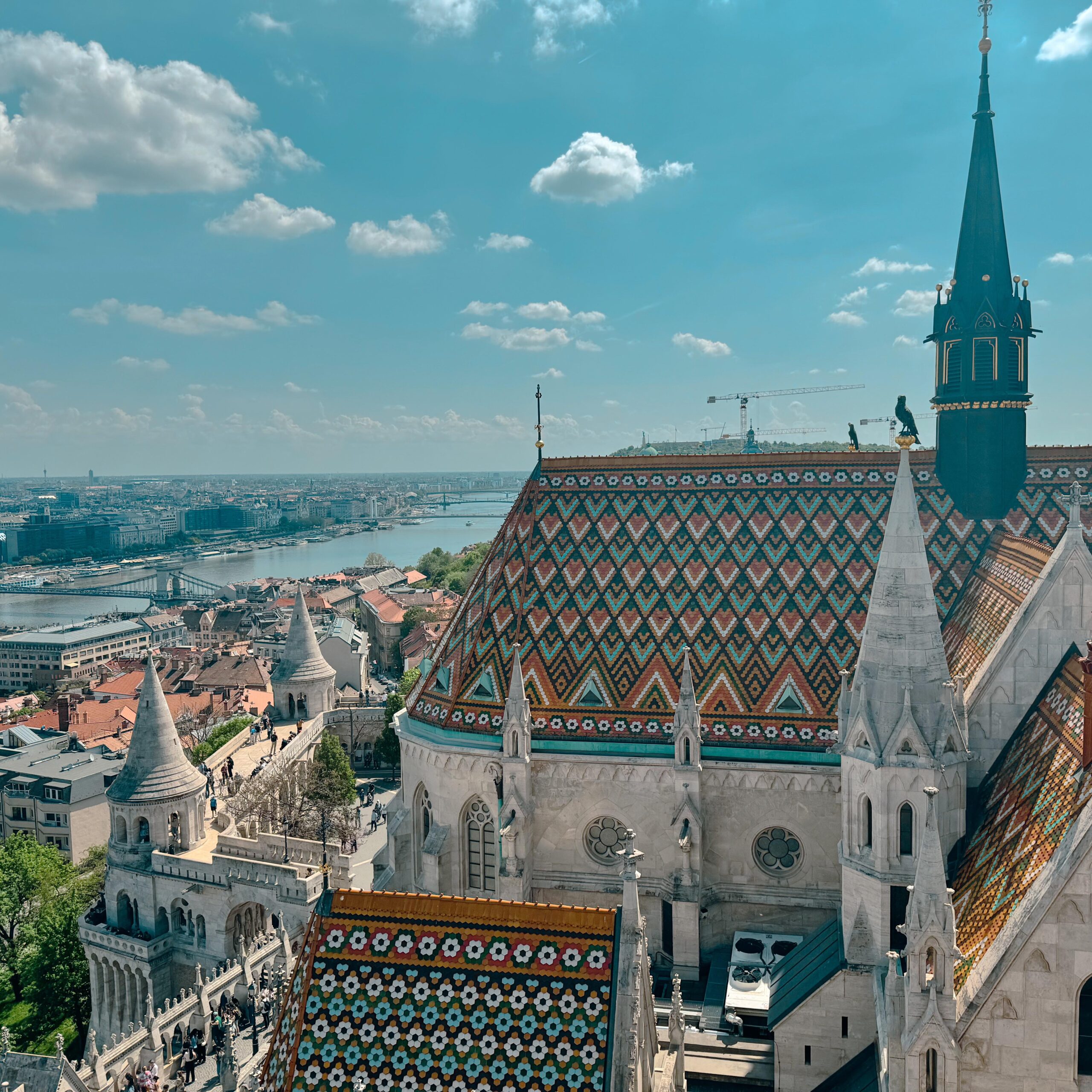
One of the best places to appreciate stained glass in Budapest is the majestic Matthias Church. Inside, visitors can marvel at the intricate stained glass windows that depict biblical scenes and saints, all crafted with painstaking detail. The rich colours and light filtering through the glass create a serene atmosphere that enhances the spiritual experience.

Another iconic location to view stained glass is the Hungarian Parliament Building. Here, you’ll find windows that showcase both historical and symbolic themes, blending art with national identity. The craftsmanship of these windows is a testament to the skilled artisans who worked tirelessly to bring these designs to life.

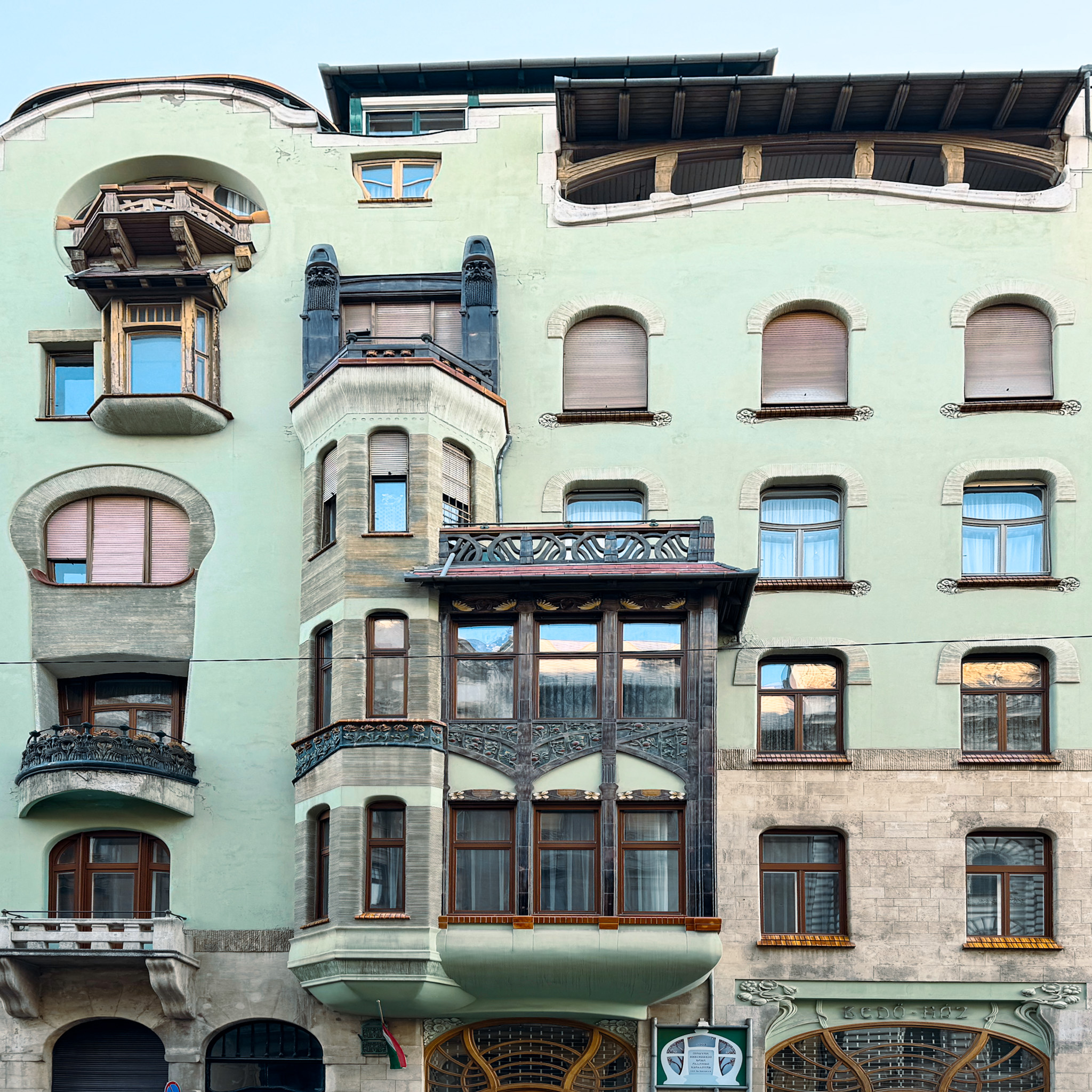
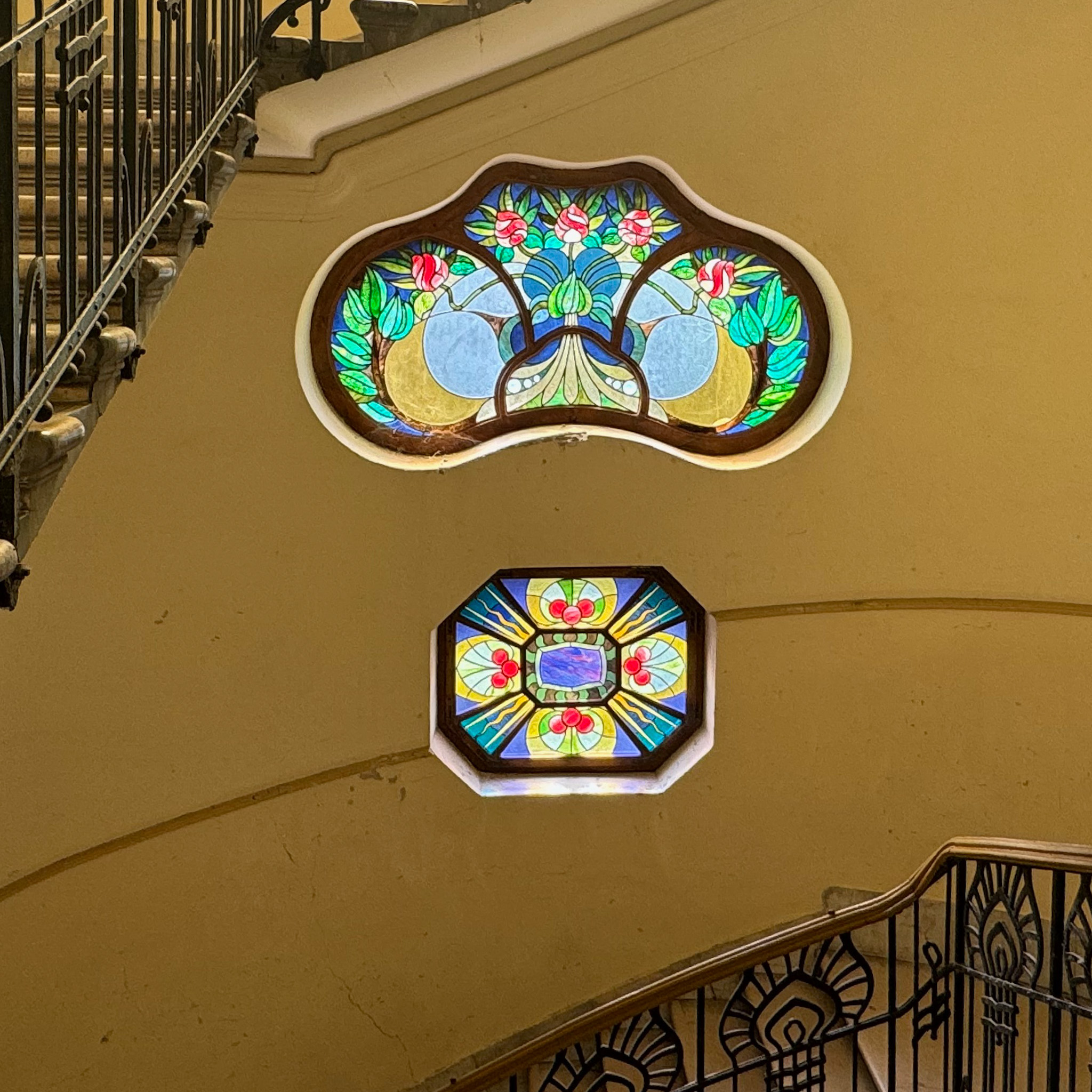
Beyond religious and governmental buildings, stained glass can be found in many of Budapest’s Art Nouveau and eclectic-style buildings. The early 20th century saw a boom in decorative glasswork, with many structures featuring stunning, nature-inspired motifs and modernist designs. These windows not only enhance the beauty of the buildings but also give a glimpse into the cultural and artistic movements of the time. ne of my favourite spots in Budapest is the Róth Miksa Museum, highly recommended for those interested in stunning stained glass art and the city’s history.

For those interested in learning more about this unique art form, the Hungarian National Museum offers exhibitions that explore the history of stained glass in Budapest and Hungary.

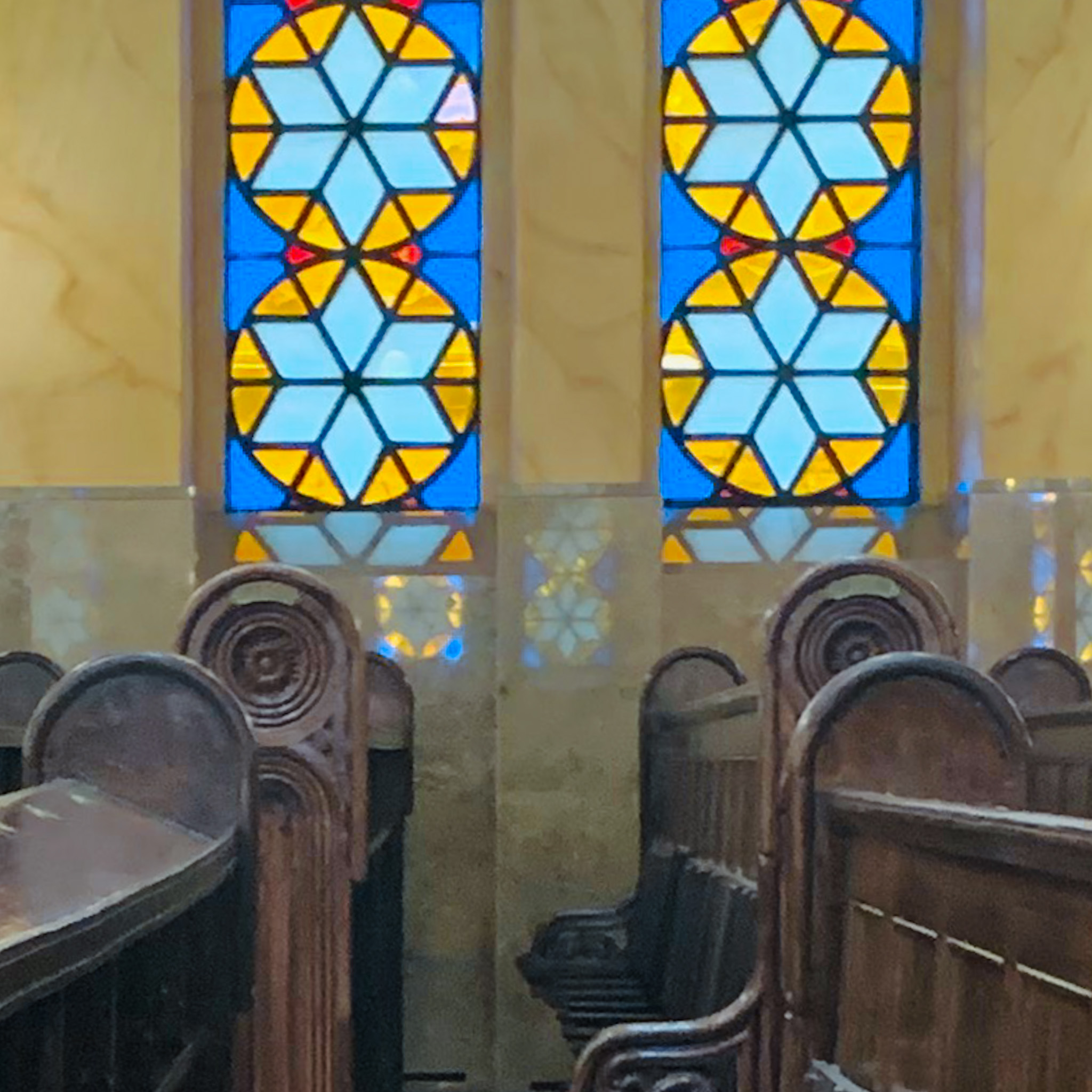
Stained glass in Budapest is more than just a decorative feature—it’s a reflection of the city’s rich history, culture, and artistry. Whether in a grand cathedral, a synagogue or a hidden corner of a historic building, these windows offer a glimpse into the soul of the city. So, next time you’re wandering through Budapest, take a moment to look up and appreciate the vibrant world of stained glass that tells a story centuries in the making or join me for a tour to discover more!

The Wenckheim Palace Budapest story begins quietly—behind heavy doors, beneath chandeliers, and far from the noise of the city outside.

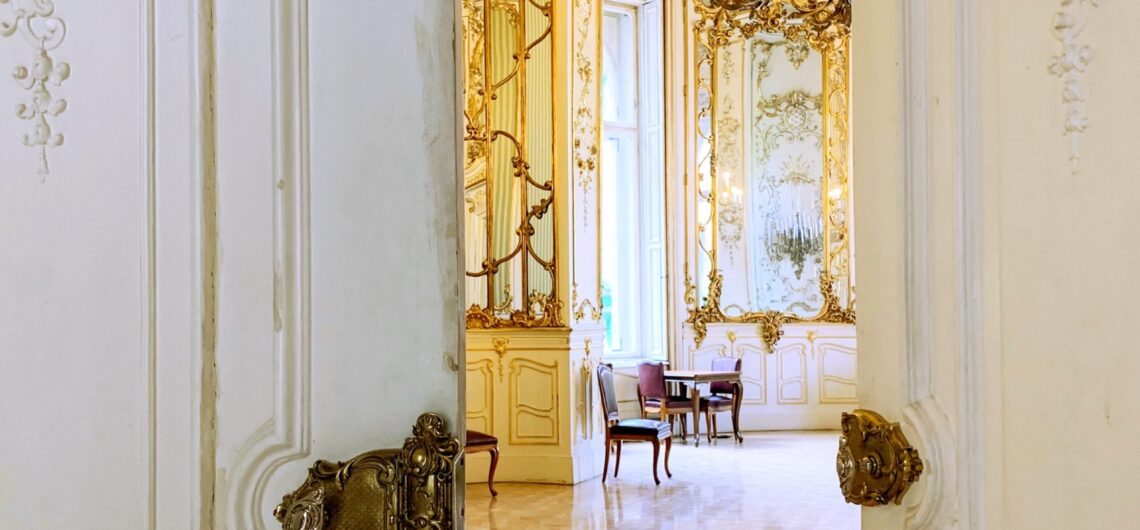
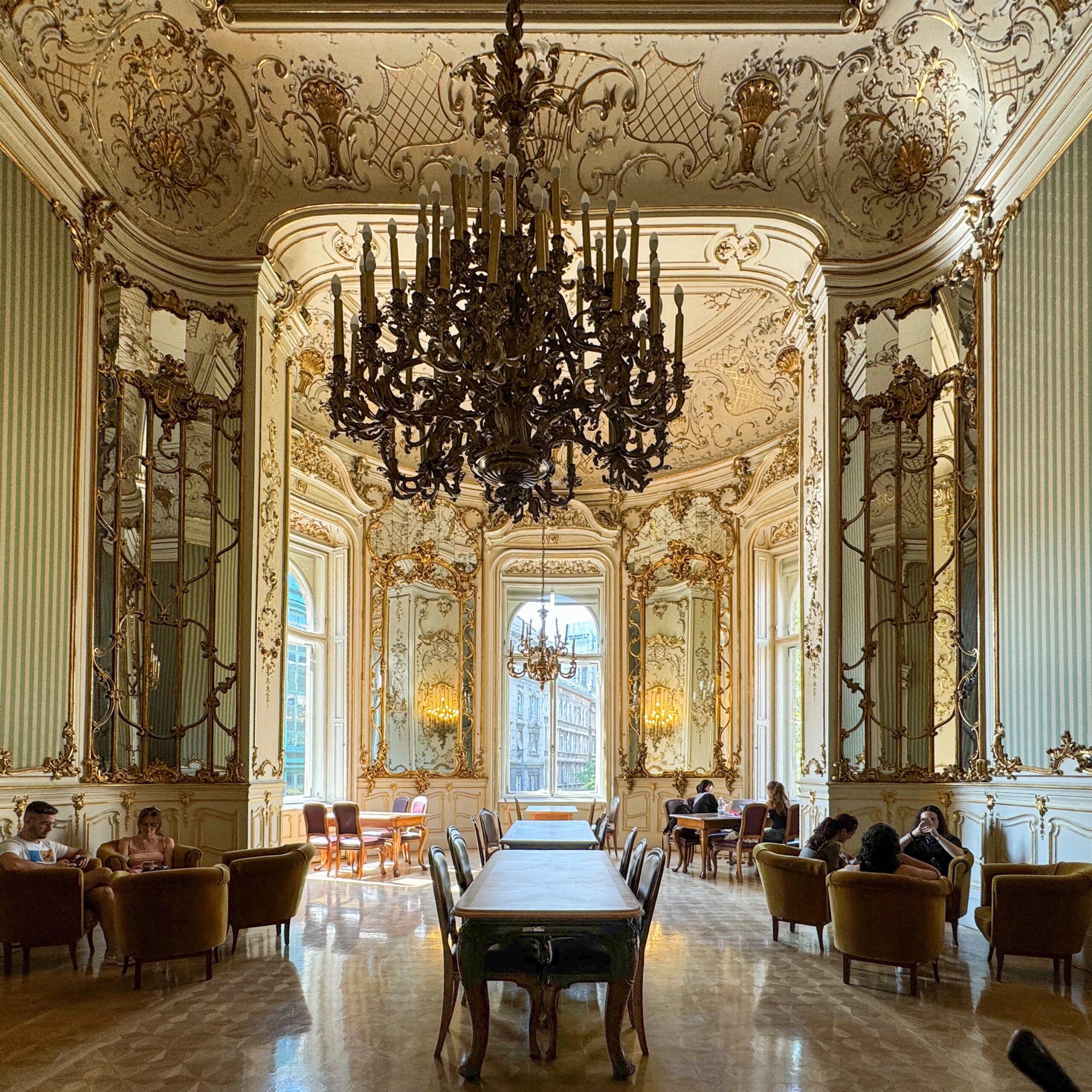
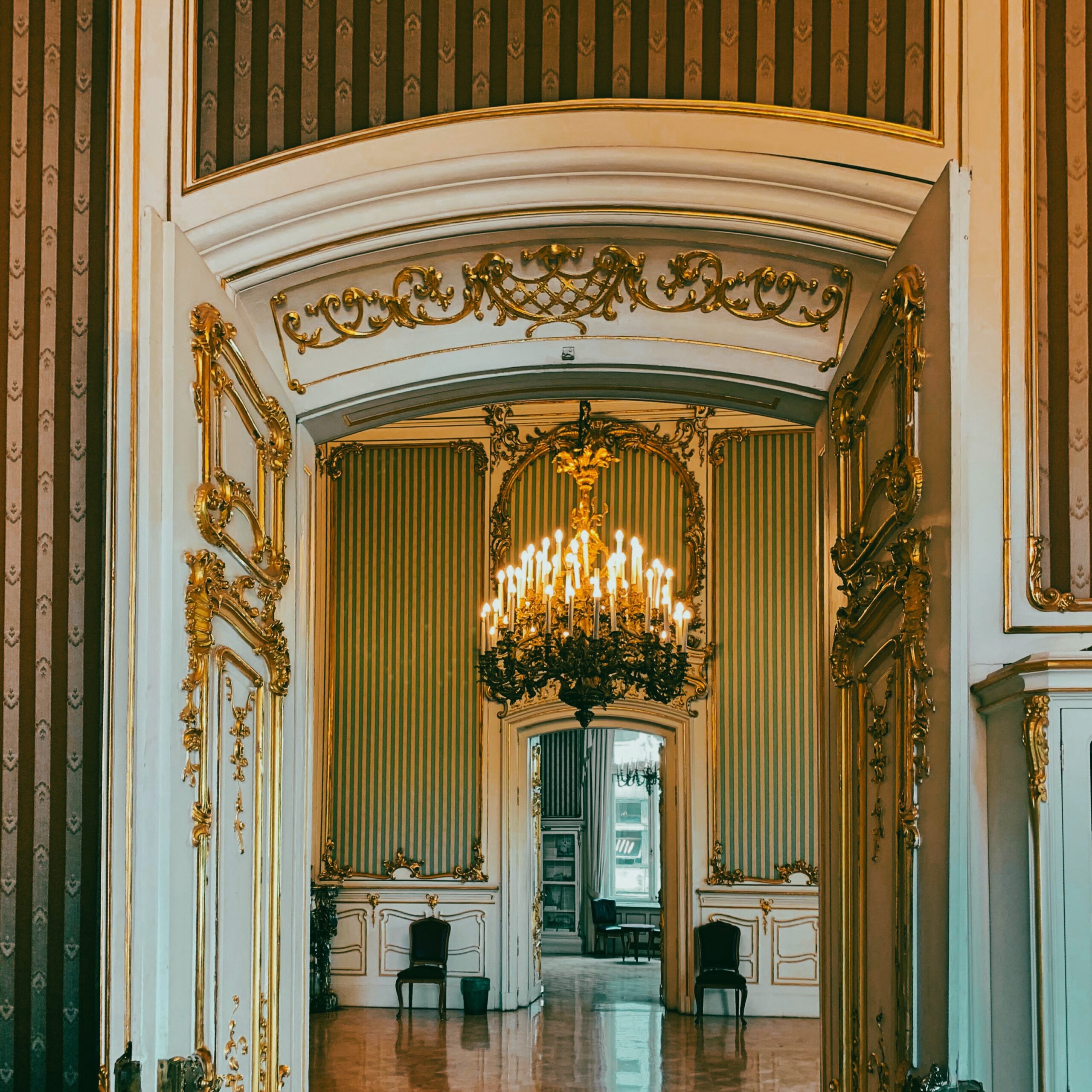
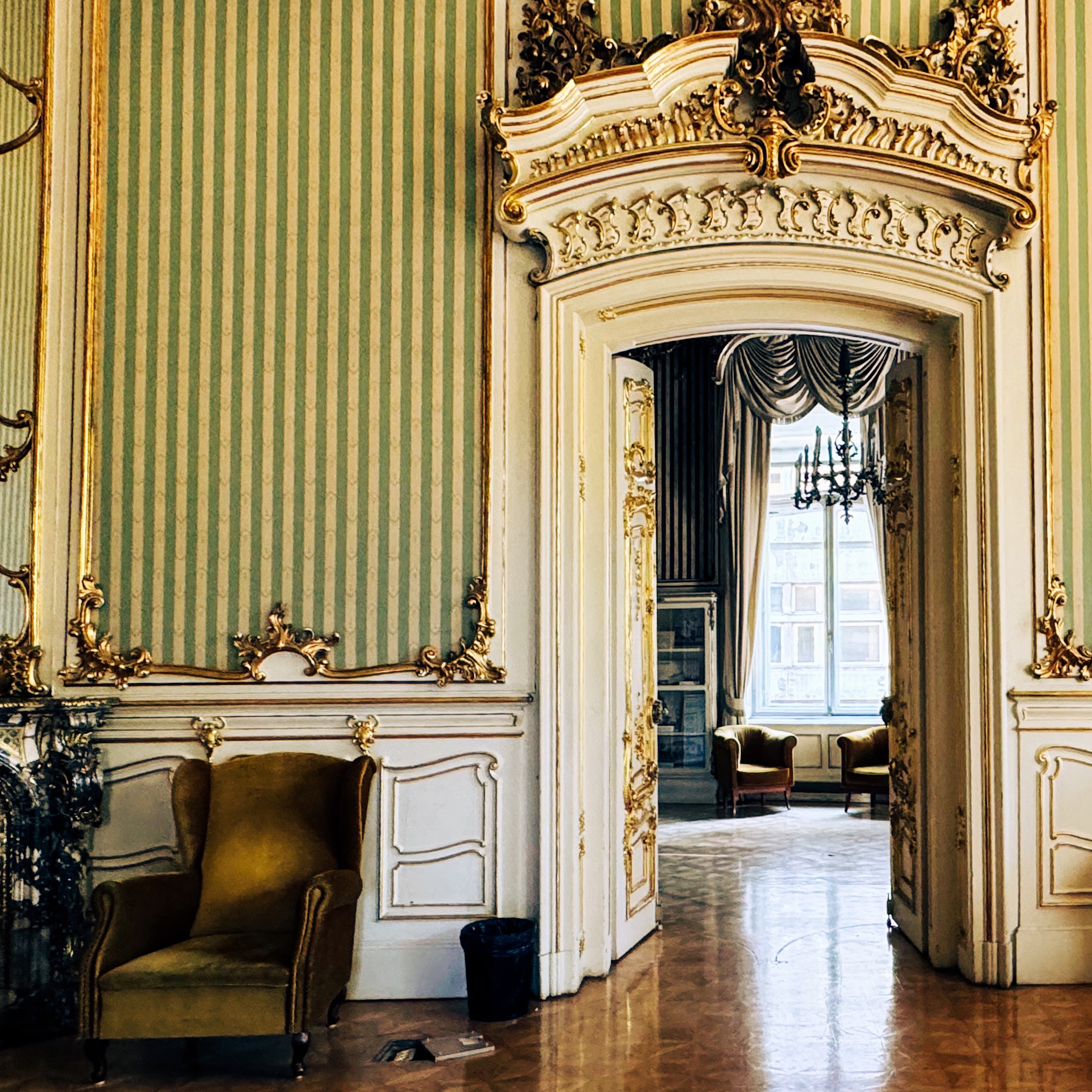
Some buildings in Budapest impress from the outside. Others reveal themselves slowly, once you step inside and let the silence, the light, and the details do the talking. Wenckheim Palace belongs firmly to the second category—a true jewel box hidden in the Palace Quarter.

Built in 1889, the palace was commissioned by Count Frigyes Wenckheim and his wife, Krisztina Wenckheim (yes, they were first cousins), and designed by architect Artúr Meinig. Behind its Neo-Baroque façade, the interiors unfold in an elegant Louis XV style, rich with gilded details, carved woodwork, and soft symmetry. Count Wenckheim was a wealthy landowner and a Member of Parliament, and his Budapest residence quickly became one of the most admired palaces of the 8th district.

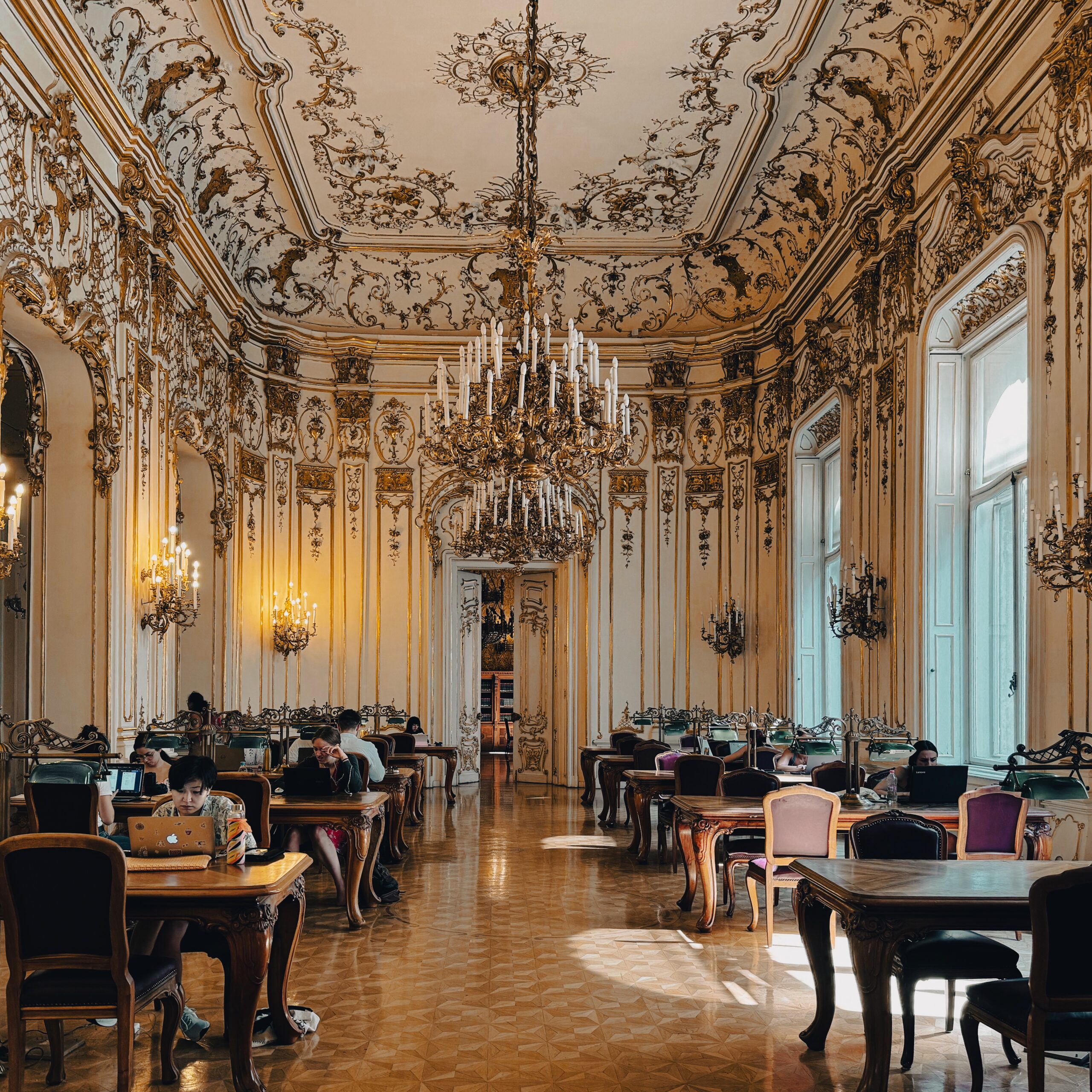
At the heart of the building lies the grand ballroom—ornate, luminous, and surprisingly vast. It could easily host up to 500 guests, and it almost certainly did. The Wenckheim family was known for their magnificent receptions and glittering balls, attended by the elite of the era, including Franz Joseph, Emperor of Austria and King of Hungary. One can still imagine the music, the movement, and the carefully choreographed elegance of late-19th-century high society lingering in the space.

But the Wenckheim Palace story in Budapest is not only one of architecture and aristocratic glamour—it is also rich in drama. The family’s history was so full of passion, scandal, and unexpected turns that it inspired Jókai Mór, one of Hungary’s greatest novelists. Elements of the Wenckheim legacy found their way into his famous novel A Hungarian Nabob, blurring the line between literature and real life in a way that feels quintessentially Budapest.

After Count Wenckheim’s death in 1912, the palace gradually lost its private function and was sold to the city in 1927. A new chapter began in 1931, when it became the central building of the Budapest Metropolitan Library. Since then, the palace has lived a wonderfully dual life: a former aristocratic residence where chandeliers now shine over reading desks, and quiet concentration has replaced the sound of orchestras.

Today, students, researchers, and curious visitors move through the same halls that once hosted lavish balls. The contrast is part of the magic—and perhaps the reason filmmakers are so drawn to the building. Wenckheim Palace has appeared in international productions such as Red Sparrow, The Alienist, Spy, and The Phantom of the Opera.

Wenckheim Palace is one of those places where Budapest’s layers come together effortlessly—aristocratic ambition, literary echoes, everyday life, and cinematic allure, all under one roof. It’s not just a building you visit; it’s a story you quietly step into.

If you’re planning your visit and wondering how to include Wenckheim Palace in your itinerary, you may find my Must-See guide to Wenckheim Palace useful. If you’d like to experience Wenckheim Palace as part of a personalised Budapest walk, I’m always happy to weave it into a tour—because places like this are best discovered through their stories.

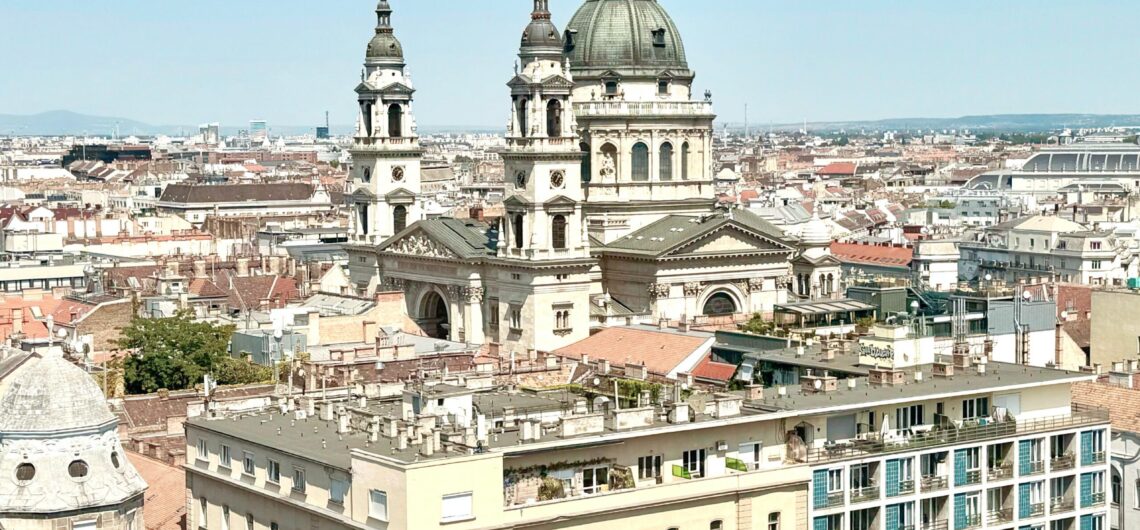
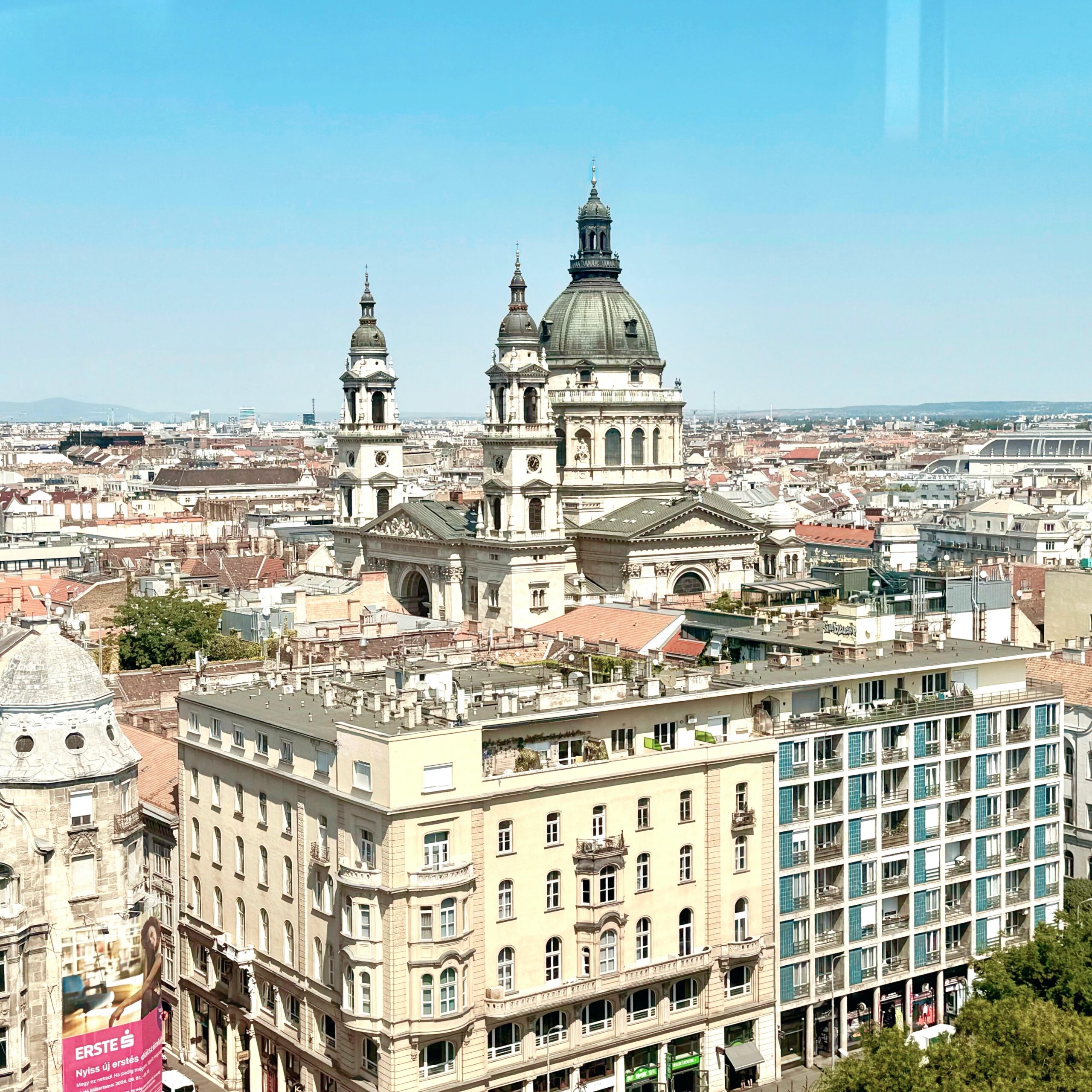
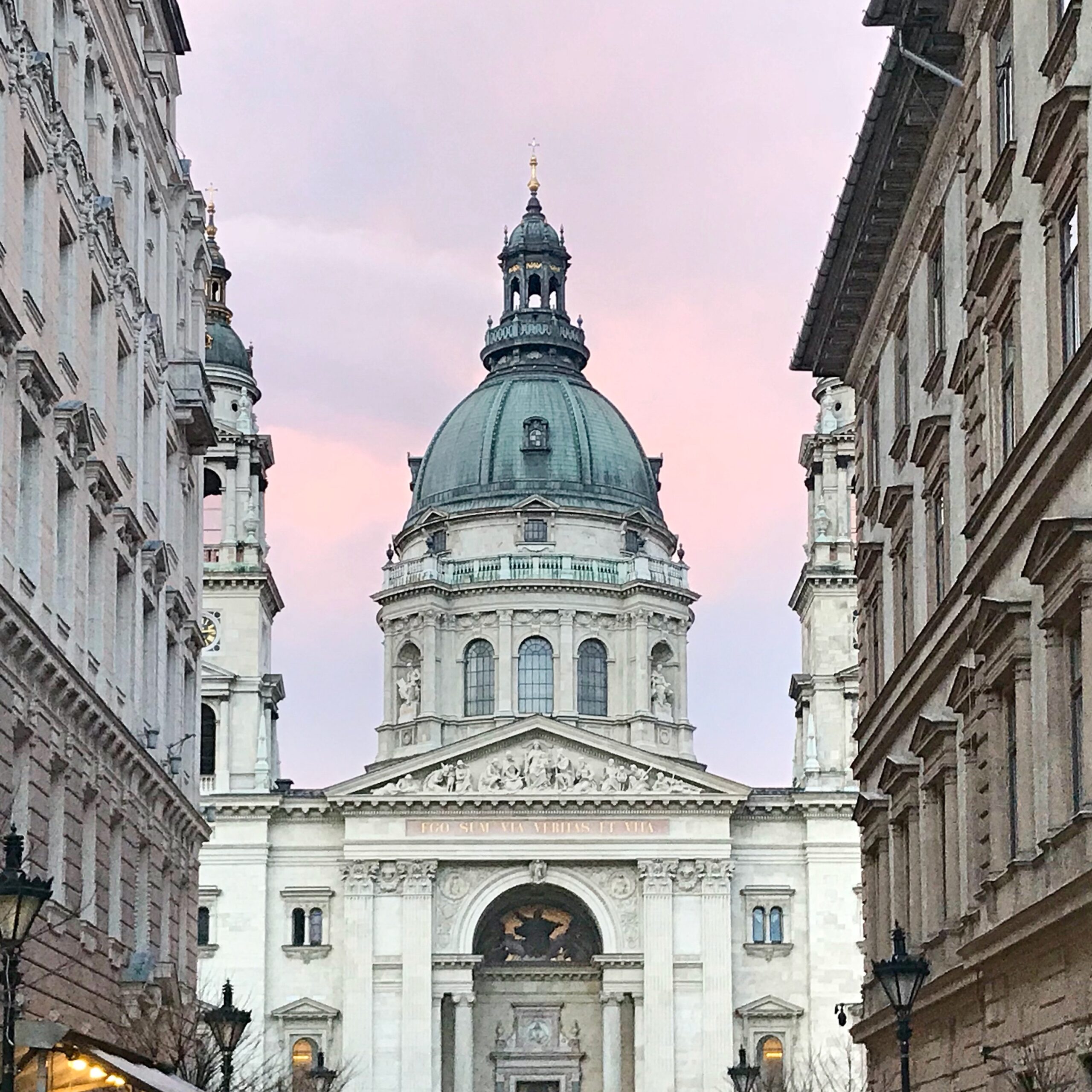
Some of my favourite St Stephen’s Basilica views aren’t the obvious ones. Its monumental dome dominates the Pest skyline, but the building changes remarkably depending on where you see it from.

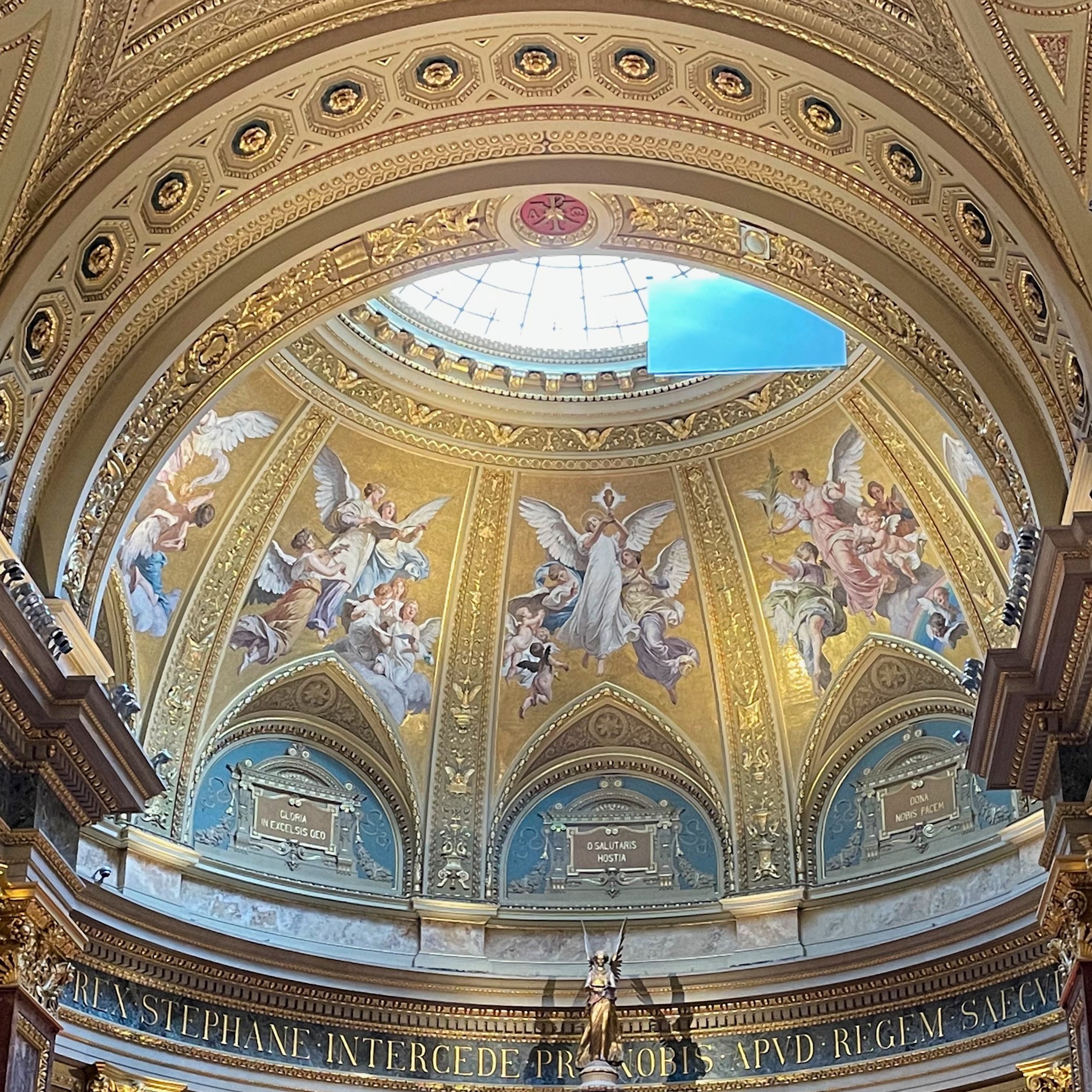
Completed in 1905 after more than half a century of construction, the Basilica combines Baroque, Classicist and Neo-Renaissance elements. Its monumental dome dominates the Pest skyline, while the richly decorated interior contains works by some of Hungary’s best-known artists.

For more about the building’s history, architecture and the Holy Right, read my guide to St Stephen’s Basilica.

My Favourite St Stephen’s Basilica Views

One of the best ways to appreciate the scale of the Basilica is from above. The panoramic terrace around the dome sits 65 metres above the city and offers a spectacular 360-degree view across Budapest.

But some of my favourite perspectives are actually from street level. Walk around the surrounding streets and the Basilica constantly changes. Sometimes the dome appears unexpectedly between buildings; from other angles, the enormous façade suddenly fills the end of a narrow street. The light changes it too — particularly in the early morning and towards the end of the day. It’s part of my favourite walk in Budapest, and even after hundreds of visits, I still find myself looking up when I reach the square.

If time and the itinerary allow, we can also include the Basilica interior on a private tour. You can learn more about the Basilica, visiting hours and ticket prices here.

I spend a lot of time wandering around Budapest, and one of the pleasures of knowing the city so well is seeing familiar buildings from constantly changing angles. St Stephen’s Basilica is a perfect example. Move a few streets away, return at another time of day or simply look up from a different corner, and the building changes. Light reveals details you hadn’t noticed before; the dome appears unexpectedly between rooftops; familiar architecture suddenly feels new again.

It’s one of the reasons I never get tired of walking through Budapest. Sometimes you don’t need to discover a new place — you simply need to look at a familiar one differently.

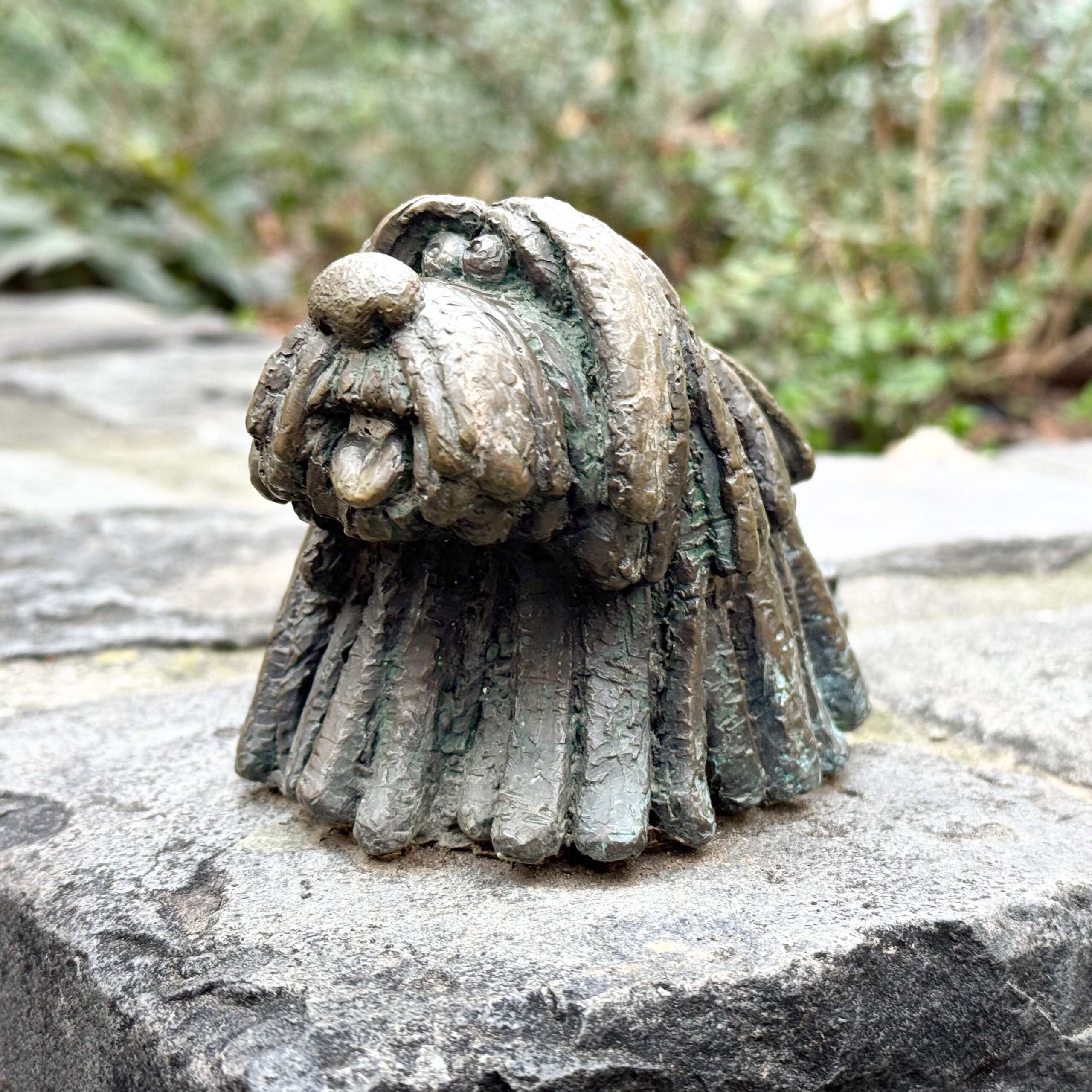
Looking for a Budapest walking tour that includes Kolodko statues? In this guide, you’ll find an interactive Kolodko mini statues map to help you locate 14 of the most interesting sculptures in Budapest.

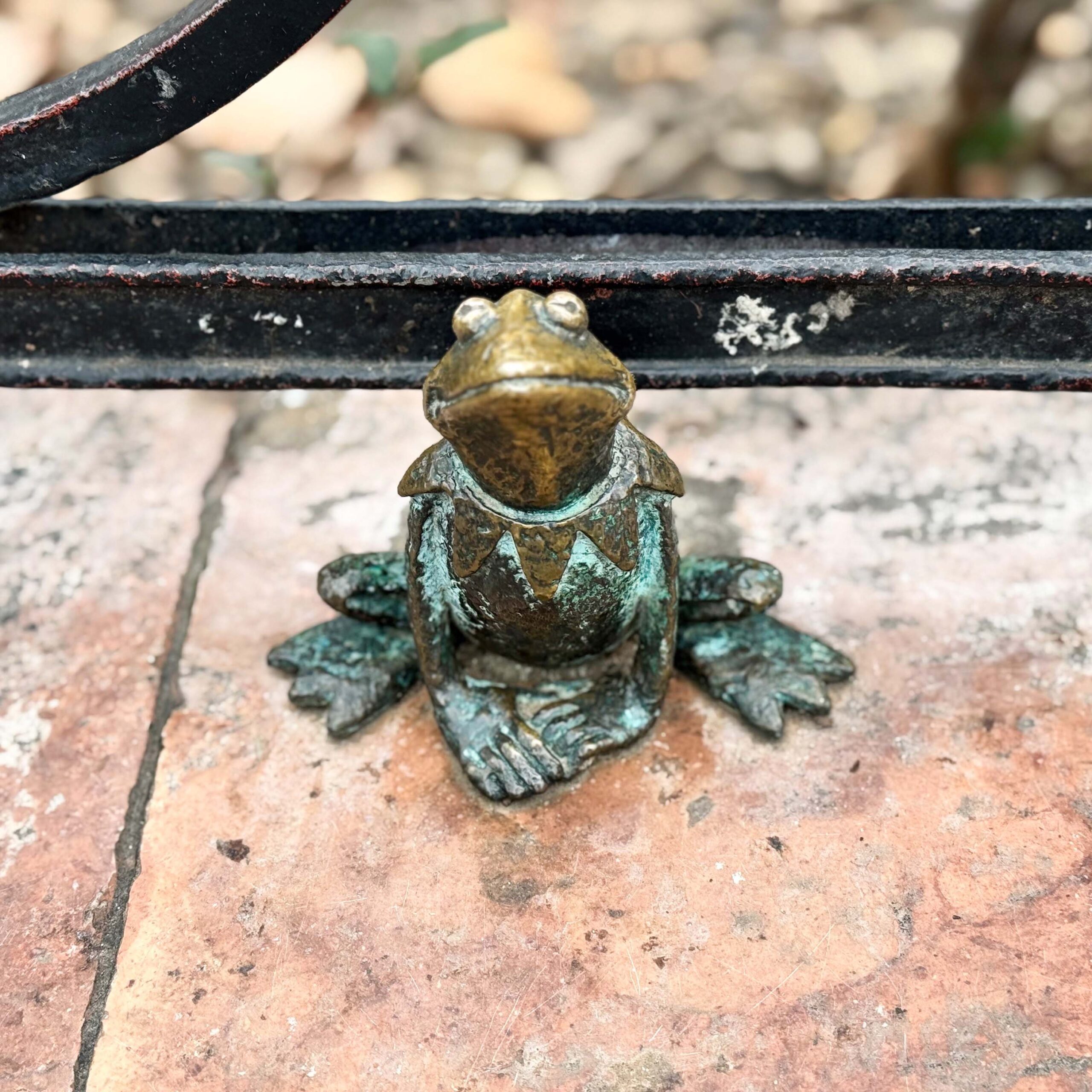
If you have ever noticed a tiny bronze figure sitting quietly on a railing in Budapest, you have likely discovered one of the city’s most delightful secrets: the Kolodko mini statues.

They are small — only about 10–15 cm tall — but they tell monumental stories. Treasure hunting in Budapest begins here.

Who Is Kolodko?

Mihály Kolodko

Mykhailo (Mihály) Kolodko is a Ukrainian-born sculptor who studied monumental sculpture at the Lviv Academy of Arts before moving to Hungary in 2017. Although trained in large-scale art, he became famous for something entirely different: miniature public sculptures placed unexpectedly around cities.

His philosophy is simple:

“Even in small form it is possible to depict a monumental idea.”

And that is exactly what he does.

Why Are Kolodko Statues So Popular in Budapest?

Locals often call his work guerrilla sculpture. The statues appear quietly in public spaces, without official permission. One day they are not there — the next day they are.

People love them because:

  • They feel like hidden discoveries

  • They reference Hungarian history and culture

  • They revive beloved cartoon characters

  • They often carry subtle political symbolism

  • They invite curiosity

During the communist era, Hungarians developed a refined sense for decoding hidden meanings in art, literature and music. Kolodko’s sculptures continue that tradition — playful on the surface, layered underneath.

Some statues have even been stolen. Others are dressed up in winter coats by locals. They are small — but deeply loved.

5 Kolodko Mini Statues You Can Find in Budapest

1️⃣ The Sad Tank (2017)

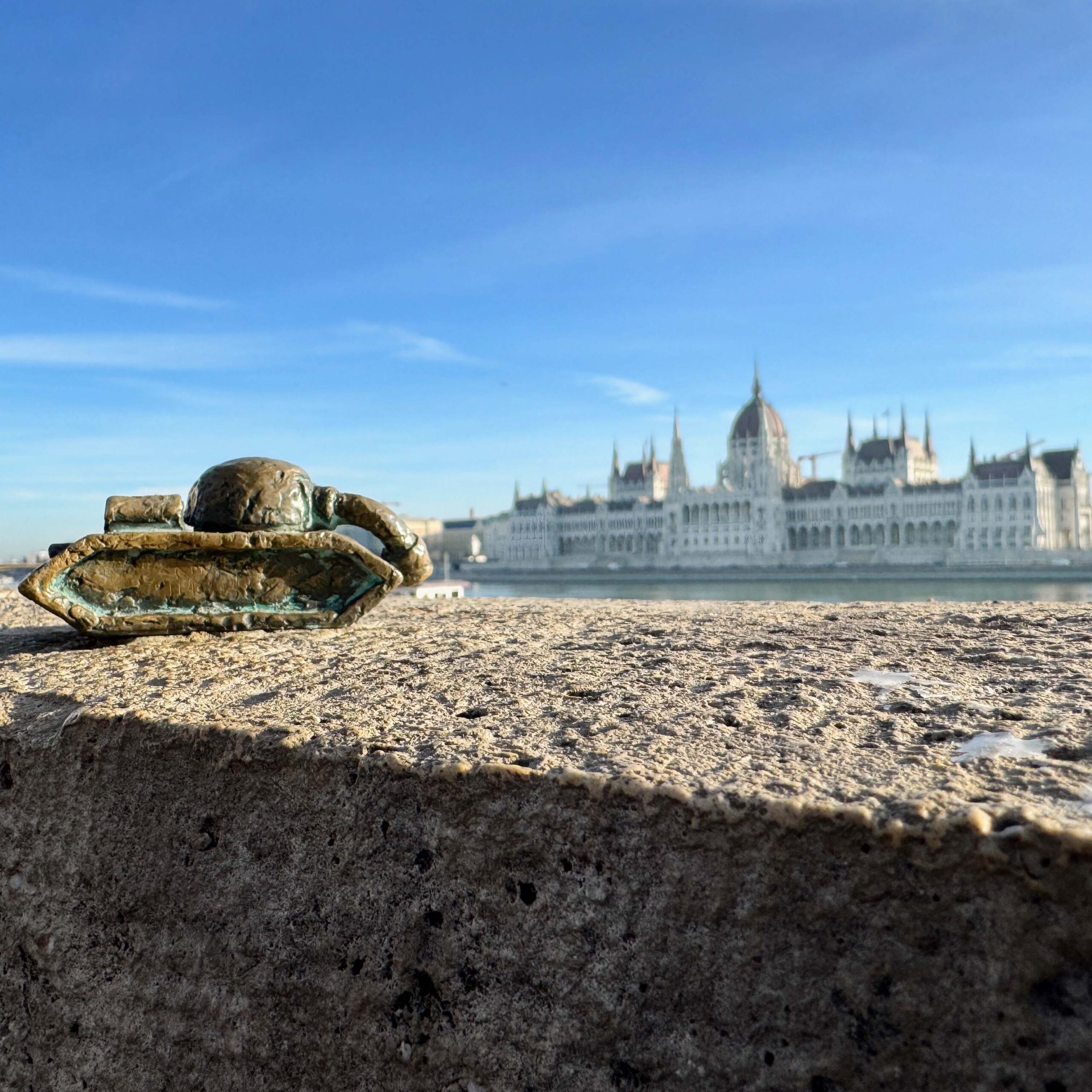
A tiny Russian tank faces the Parliament building. Its muzzle hangs down, shaped like an elephant’s trunk — a symbolic gesture that the war is over.

This sculpture references the 1956 Hungarian Revolution and quietly comments on history.

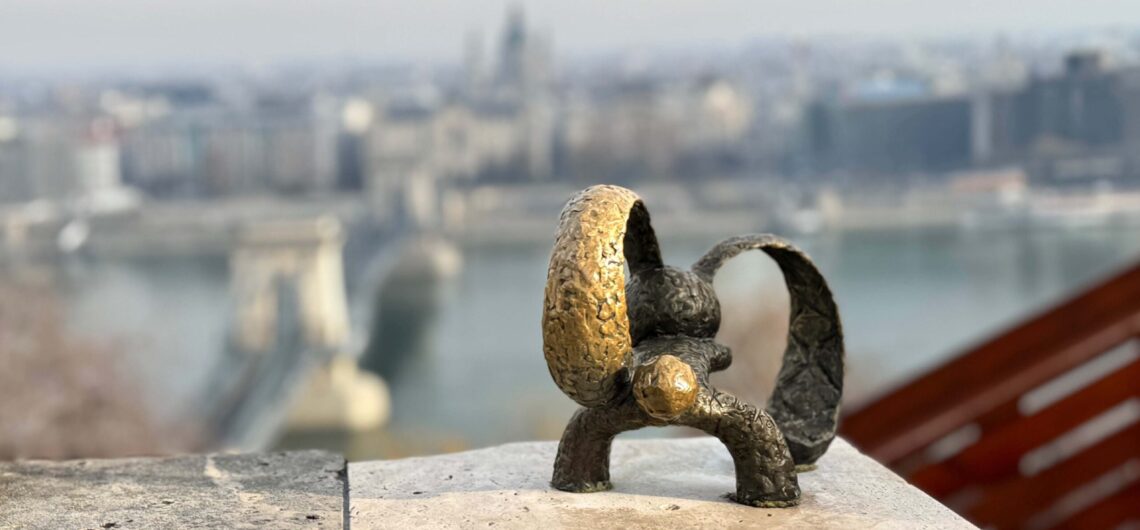
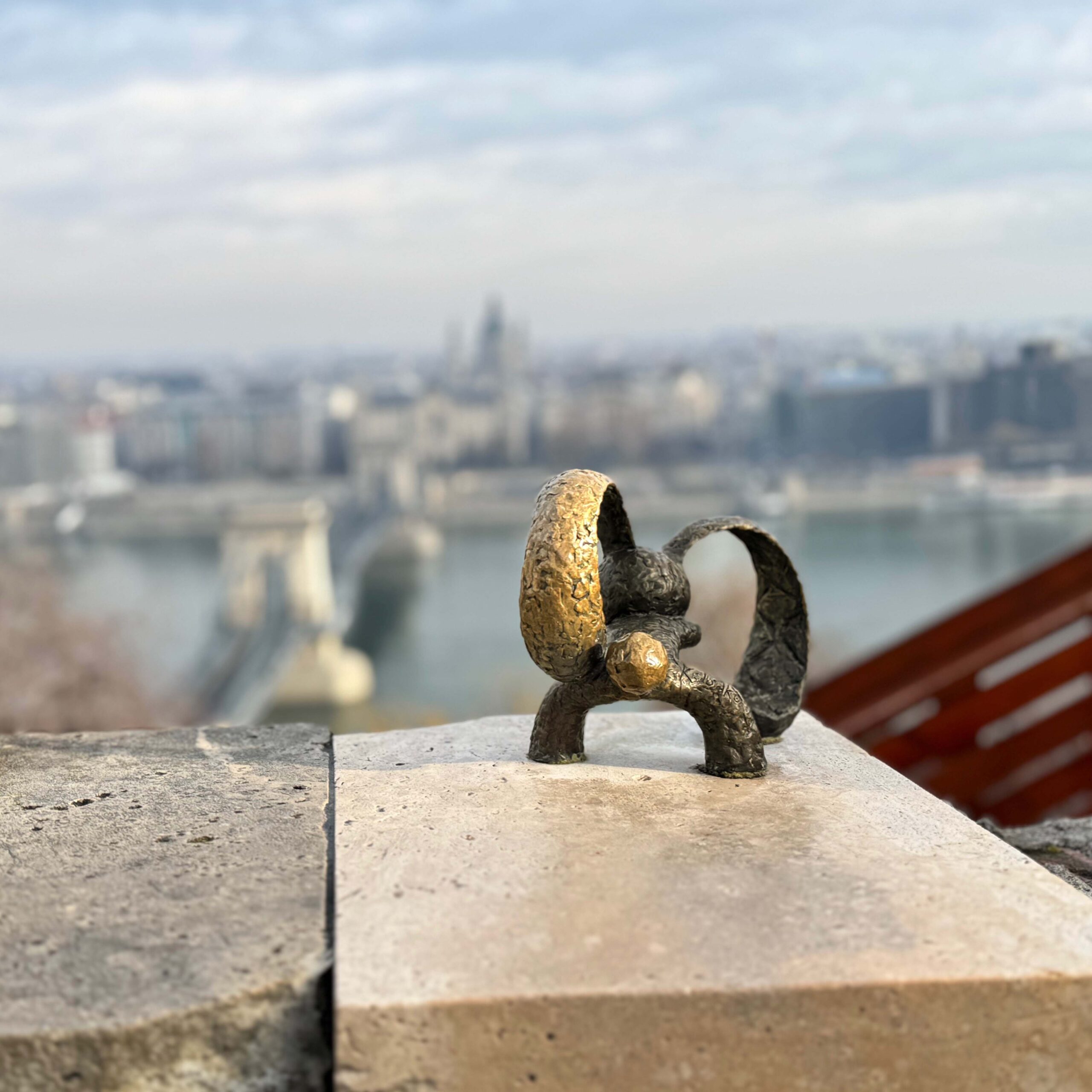
2️⃣ The Rabbit with the Checkered Ears (2018)

Perched on Castle Hill, this beloved character from a 1970s Hungarian animated series enjoys the UNESCO-protected Budapest panorama.

Locals instantly recognise him. Visitors often need the story behind him.

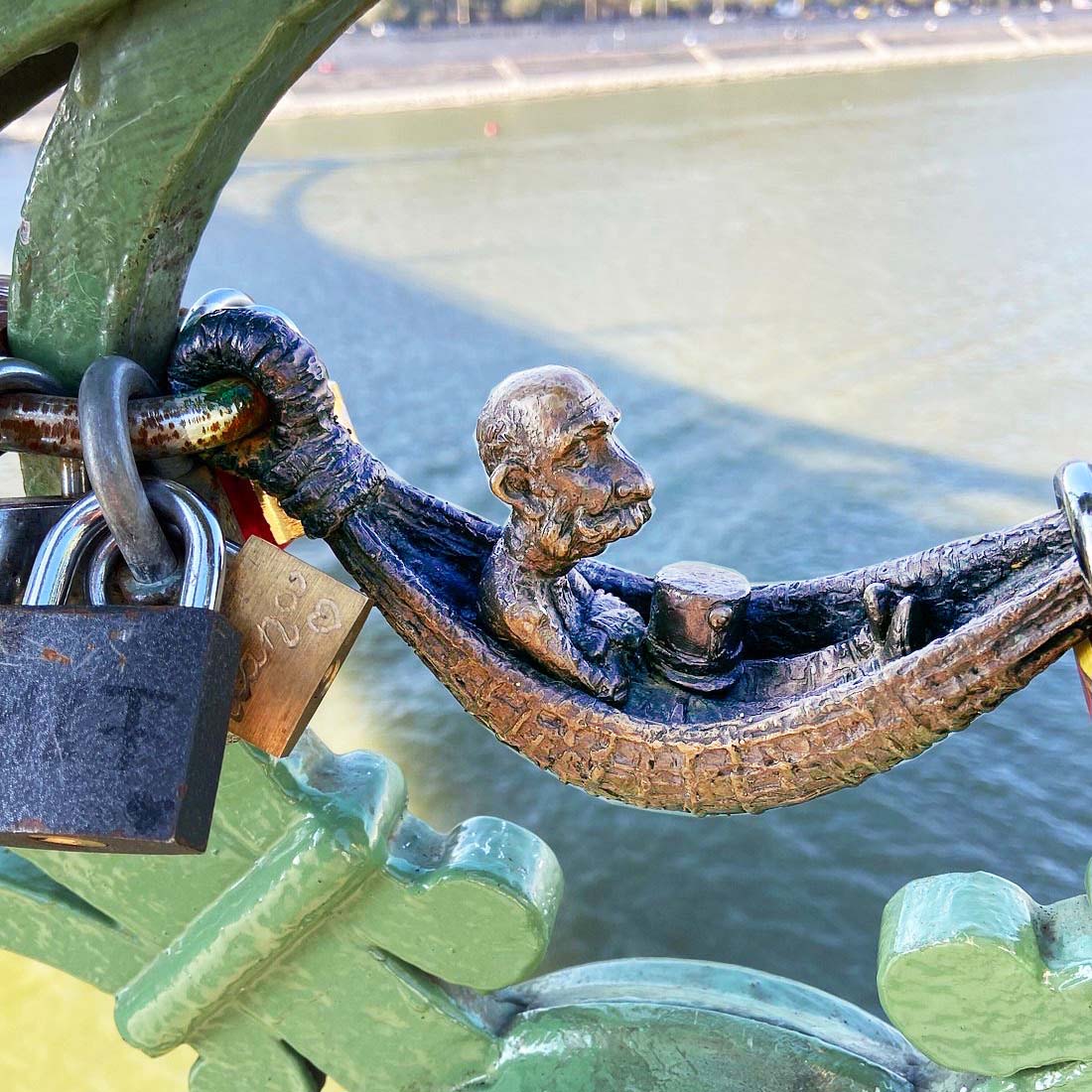
3️⃣ Emperor Franz Joseph in a Hammock (2021)

A peaceful metaphor: the emperor relaxing on Liberty Bridge — originally named after him — symbolising reconciliation through time.

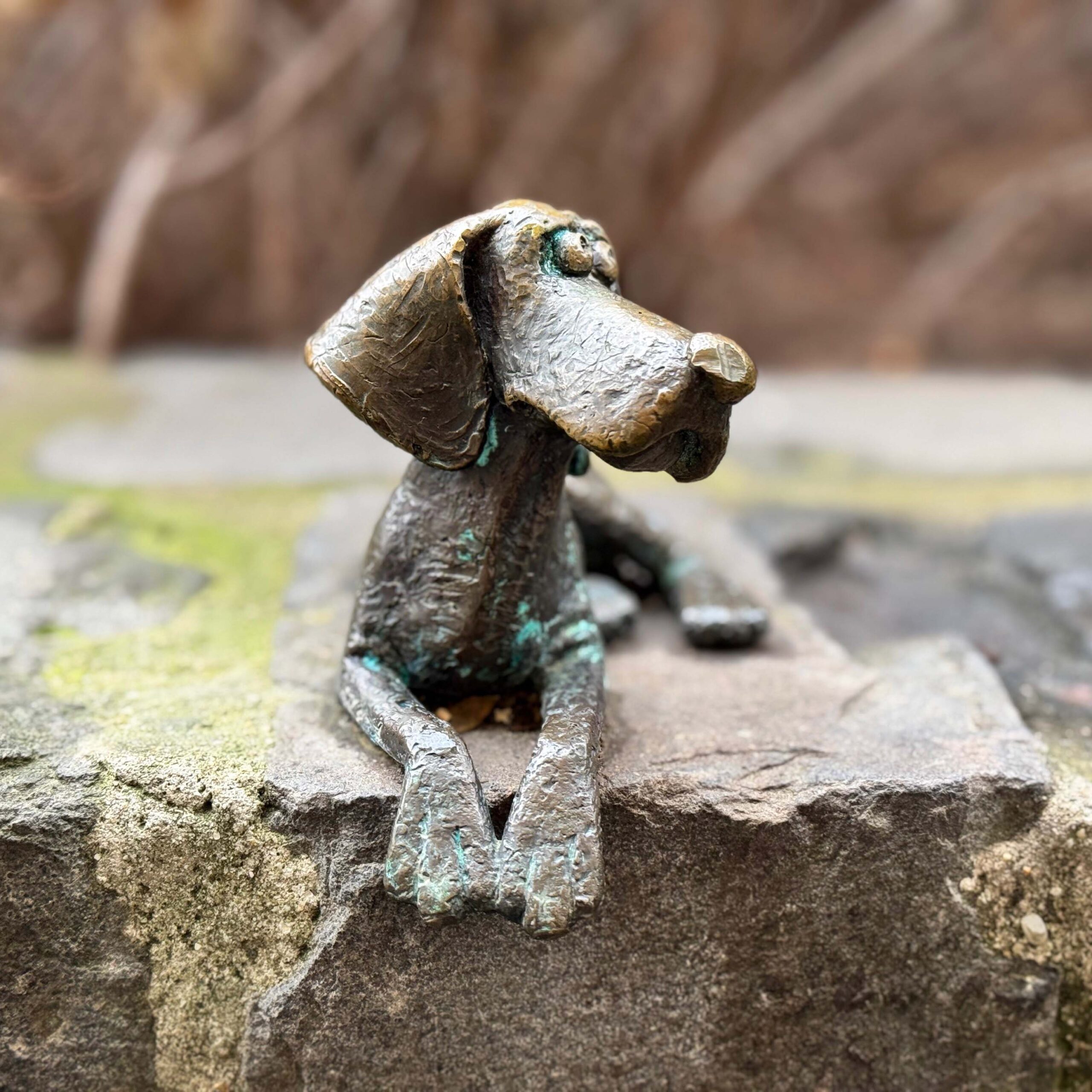
4️⃣ There Was Only One Dog Fair in Buda

Inspired by a popular Hungarian folk tale connected to King Matthias. You’ll recognise traditional Hungarian dog breeds like the puli and the vizsla.

5️⃣ Kermit the Frog

Yes — that Kermit. Sitting in front of the former Hungarian Television headquarters, he playfully nods to media history.

How Many Kolodko Statues Are There in Budapest?

There are dozens scattered across the city centre, and new ones occasionally appear.

Some are near:

  • The Danube promenade

  • Buda Castle

  • Liberty Bridge

  • Central Pest

Part of the magic is that they are not always easy to find. And that is intentional.

Tips for Finding Kolodko Statues in Budapest

Don’t expect them to be immediately obvious — that’s part of the fun. Look at railings, walls, bridges and street furniture rather than searching at eye level. Comfortable shoes help, and because statues can occasionally be moved, damaged or temporarily disappear, treat the map as a treasure-hunting guide rather than a guarantee.

A Treasure Hunt With Stories

When I guide guests through Budapest, one of my favourite moments is watching someone spot their first Kolodko statue.

It changes the way they look at the city.

They begin to slow down.
They begin to notice details.
They start asking questions.

And that is when Budapest truly opens up. If you’d love to discover hidden details like these — and understand the history, symbolism and humour behind them — I’d be delighted to include them in a fully customisable Budapest private walking tour built around the things that interest you most.

Kolodko Mini Statues Map – Self-Guided Walking Route

Below you’ll find my curated map of 14 Kolodko mini statues in central Budapest. Most of them are within walking distance of each other, making it easy to turn your exploration into a relaxed city walk along the Danube, Castle Hill and downtown Pest.

You can use the map for a self-guided treasure hunt — or, if you’d like to discover the stories behind these tiny sculptures, I’d be delighted to show them to you on a private walking tour.

FAQ About Kolodko Mini Statues

Who is Mihály Kolodko?
A Ukrainian-Hungarian sculptor known for placing miniature bronze sculptures in public spaces.

Where can I find Kolodko statues in Budapest?
Many are located near the Danube promenade, Buda Castle and central Pest.

Why are they so small?
Kolodko believes that monumental ideas can be expressed even in miniature form.

Are new statues still appearing?
Yes. Occasionally new sculptures appear unexpectedly.

Many of the travellers that contact me are interested in finding some local restaurants for a nice lunch or dinner. Food is such an important part of your overall experience, so I highly recommend to do a research, so that you find the restaurants that best suit your preferences. My list below is based on my personal experiences and on the feedback I’m getting from travellers:
  • MARUMBA
  • Gettó Gulyás
  • Mazel Tov
  • Menza
  • Rézkakas Bistro
  • Aszú Étterem
  • RETEK Bisztro
  • Stand 25
  • Déryné Bisztro
  • TATI Budapest
  • Szaletly Vendéglő
  • Borkonyha

Bon appétit – Jó étvágyat!


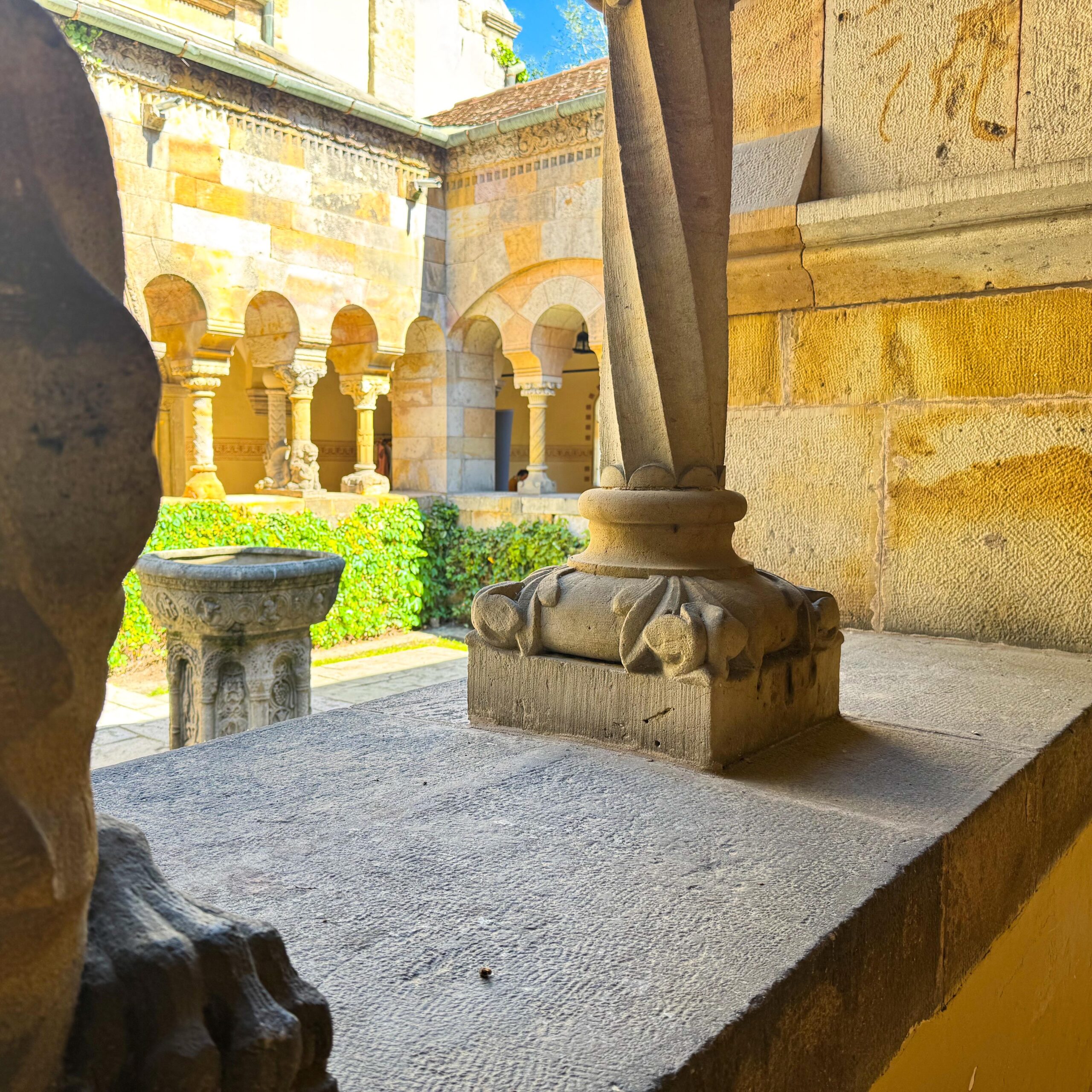
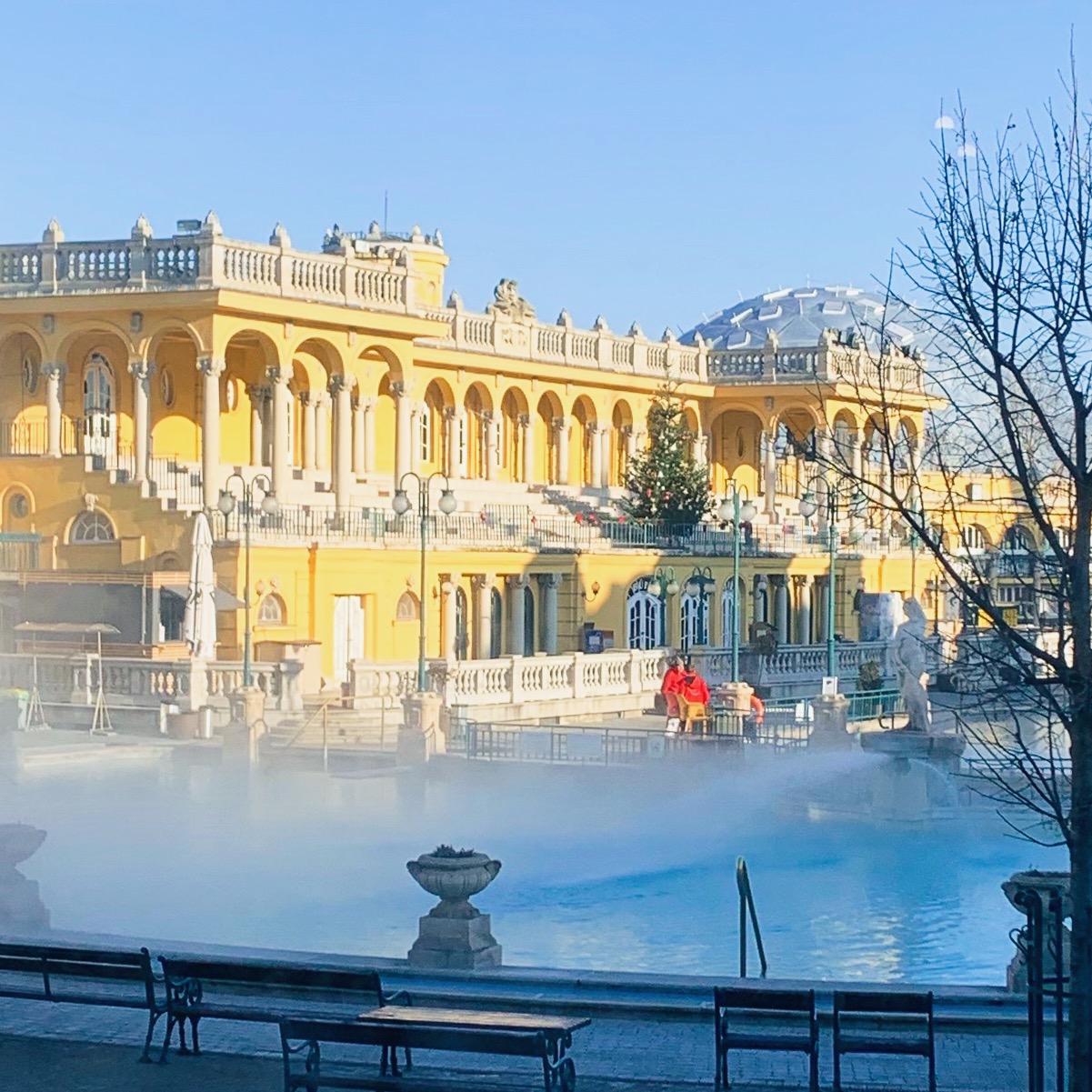
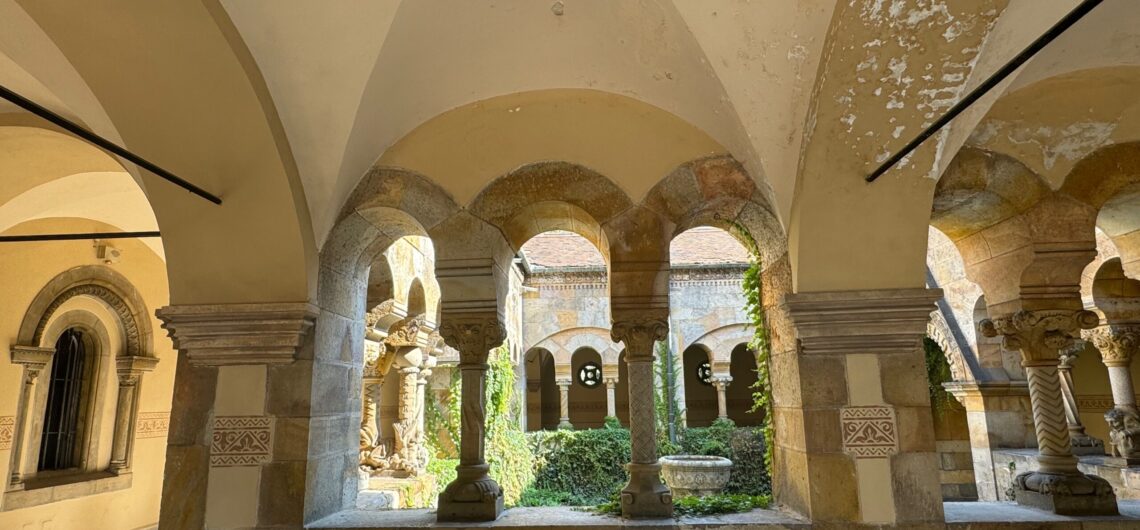
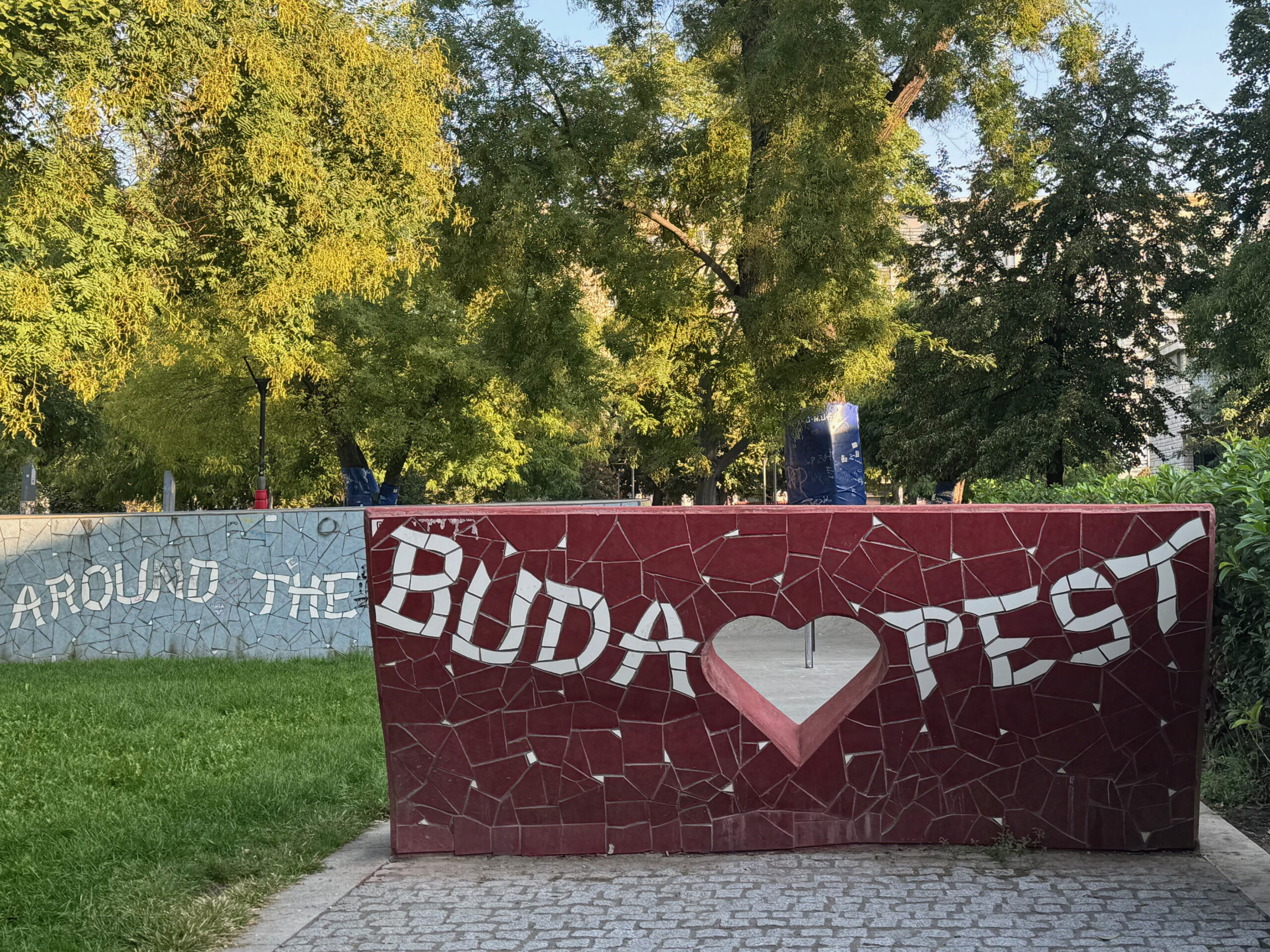
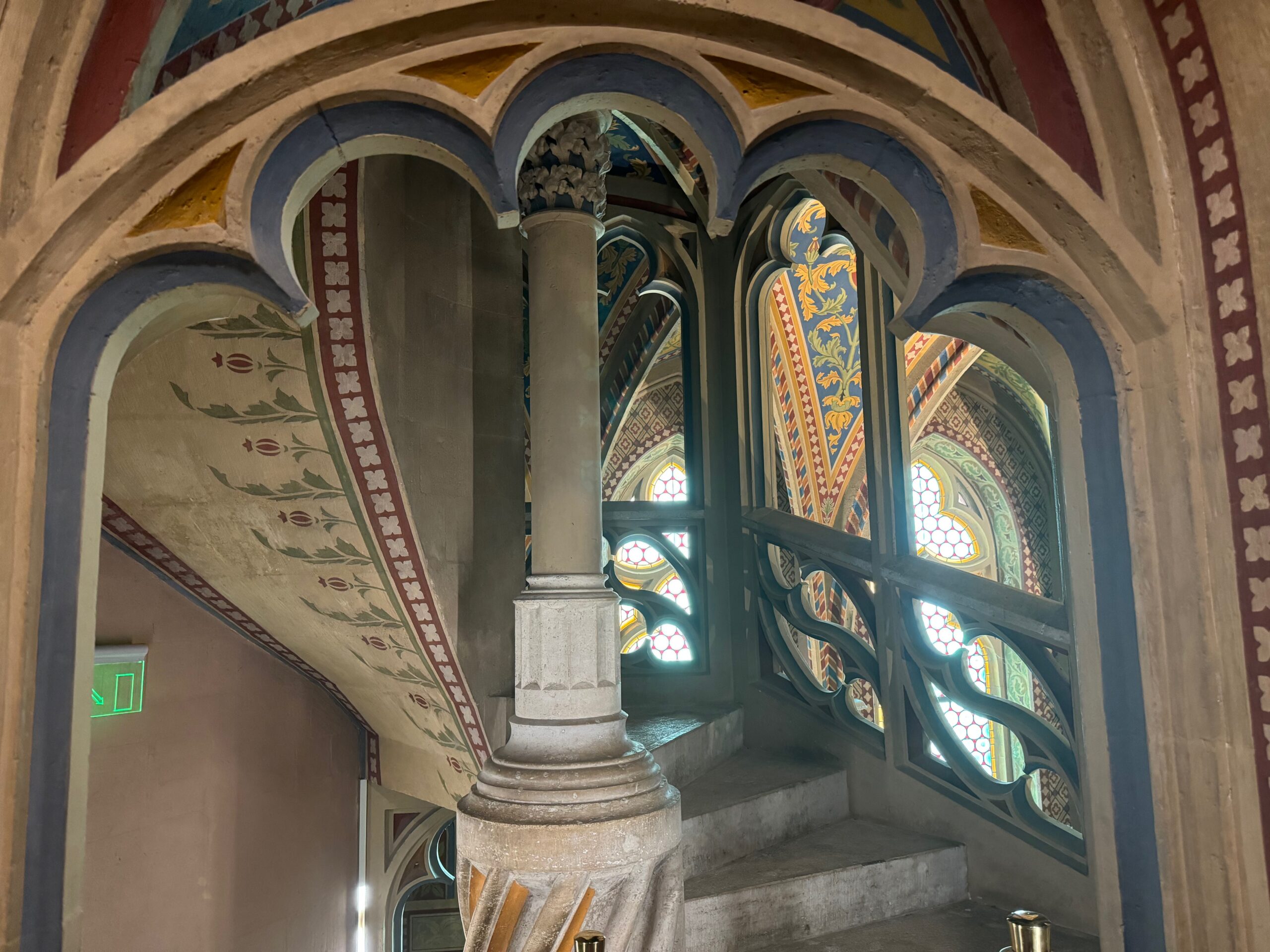
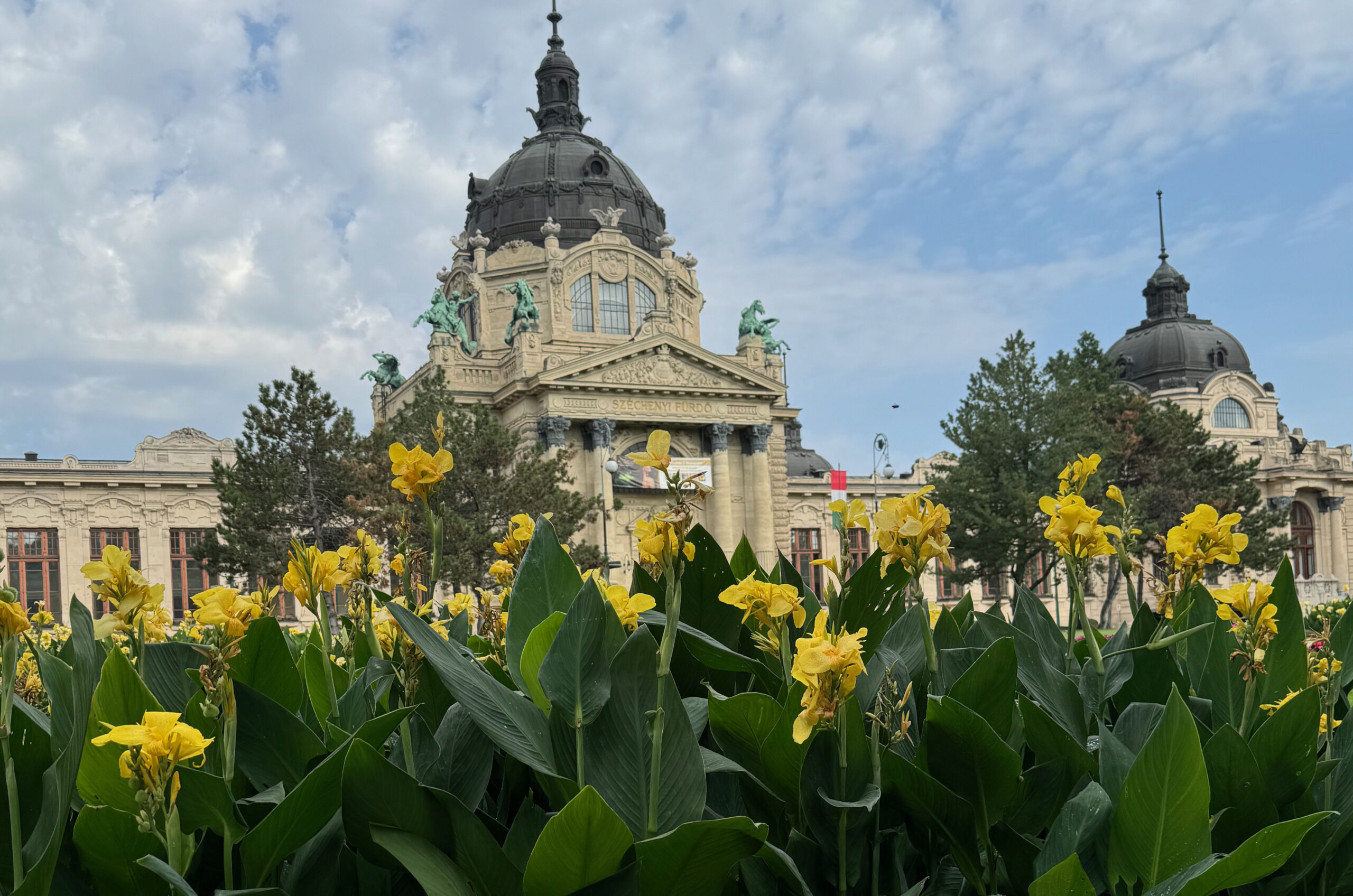
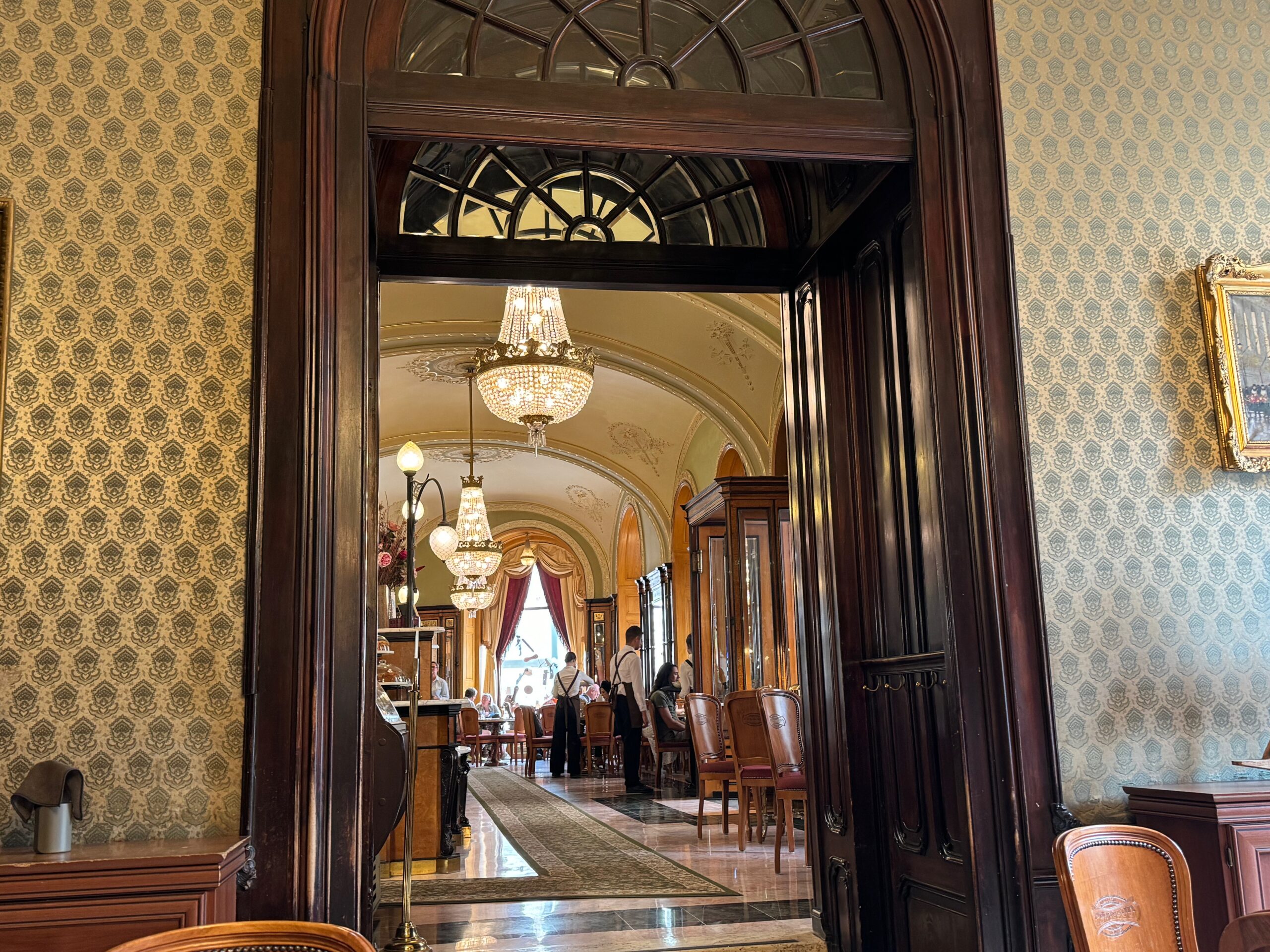
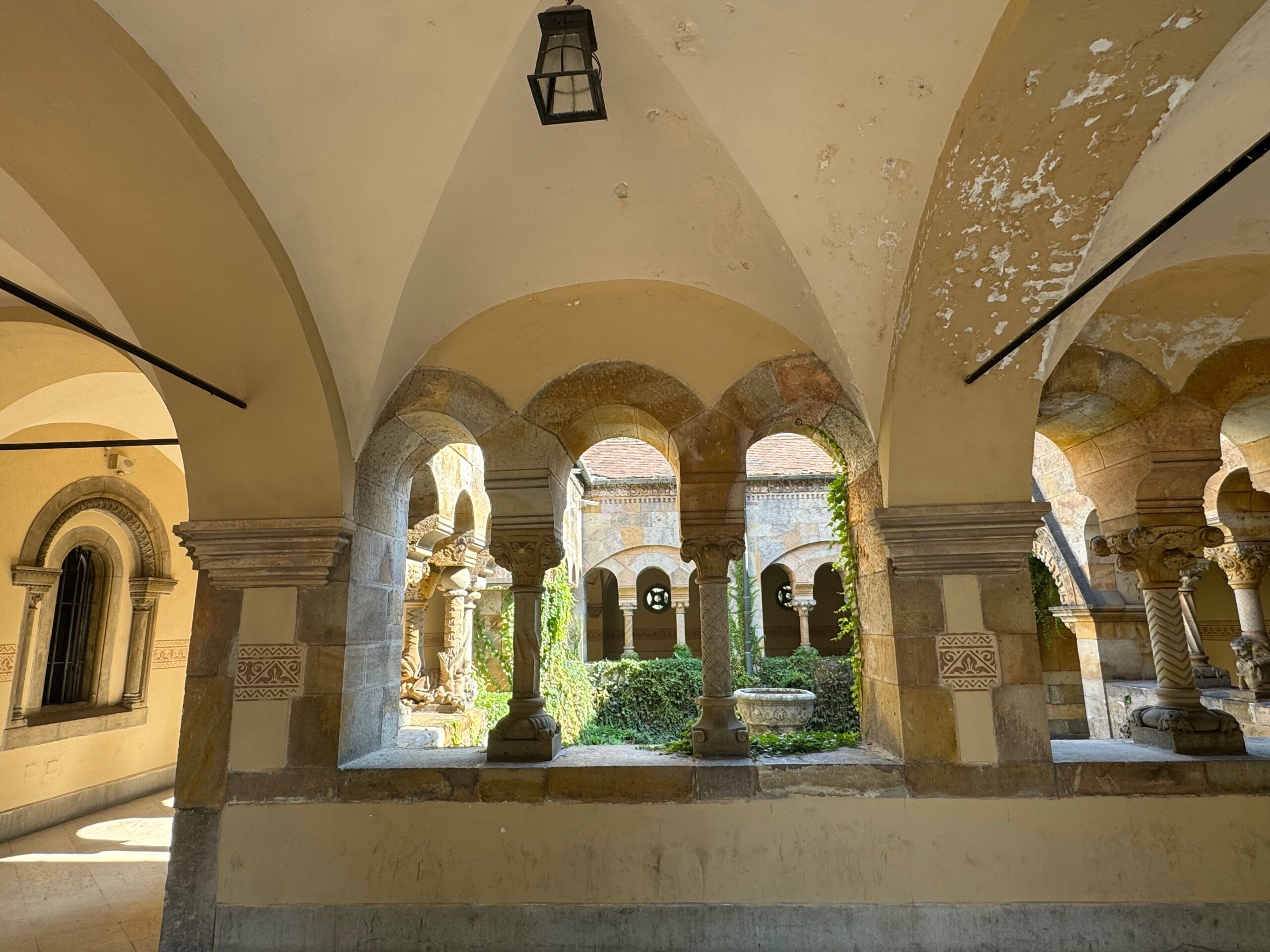
A little photo gallery from the thousands of photographs I’ve been taking while walking around my Beautiful Budapest. These are not the most famous attractions, but some hidden gems that you can discover when you book a tour with me. The reason why I’m sharing these with you is that I very much like the colours, the vibes, the ambience of these places. Feel free to contact me for more details!


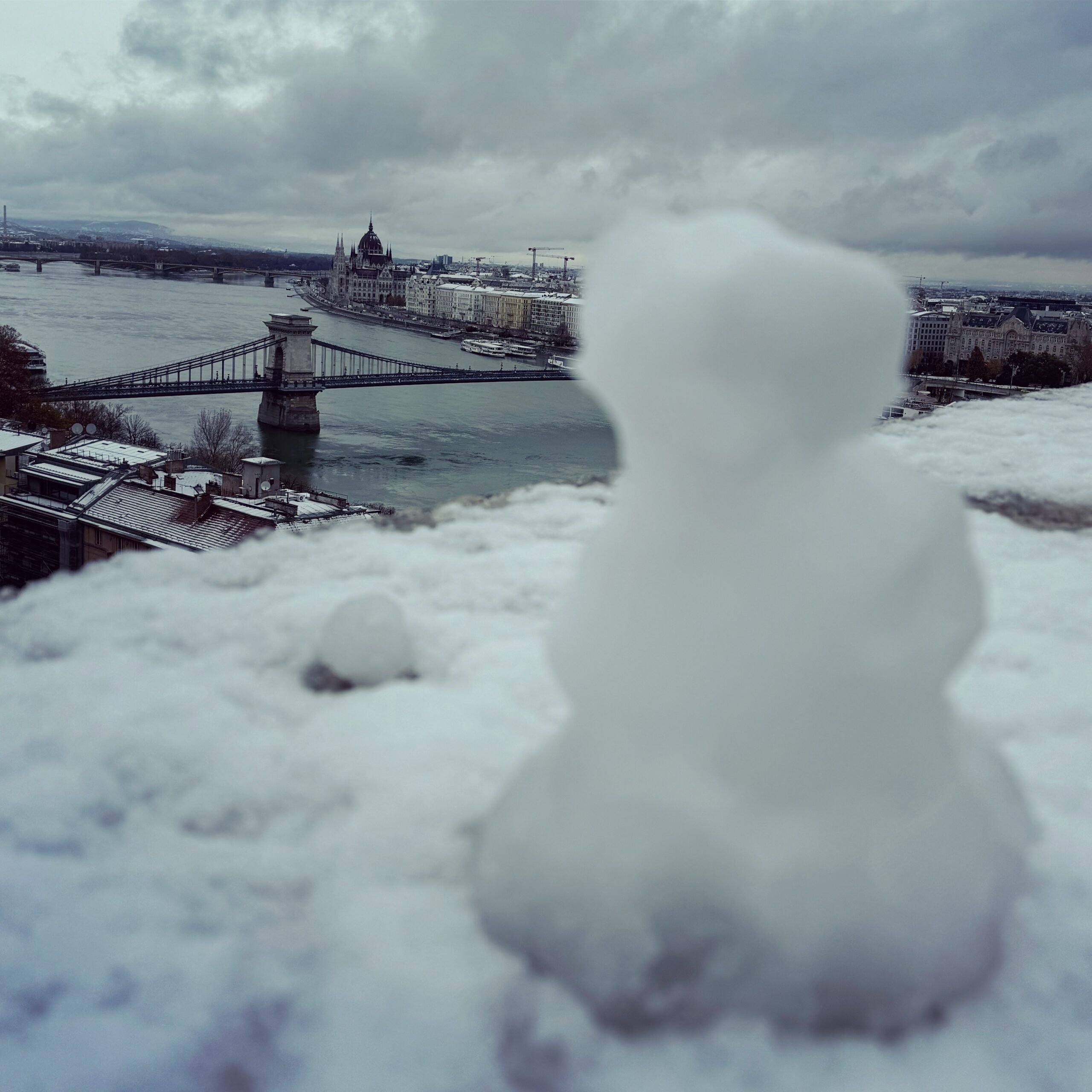
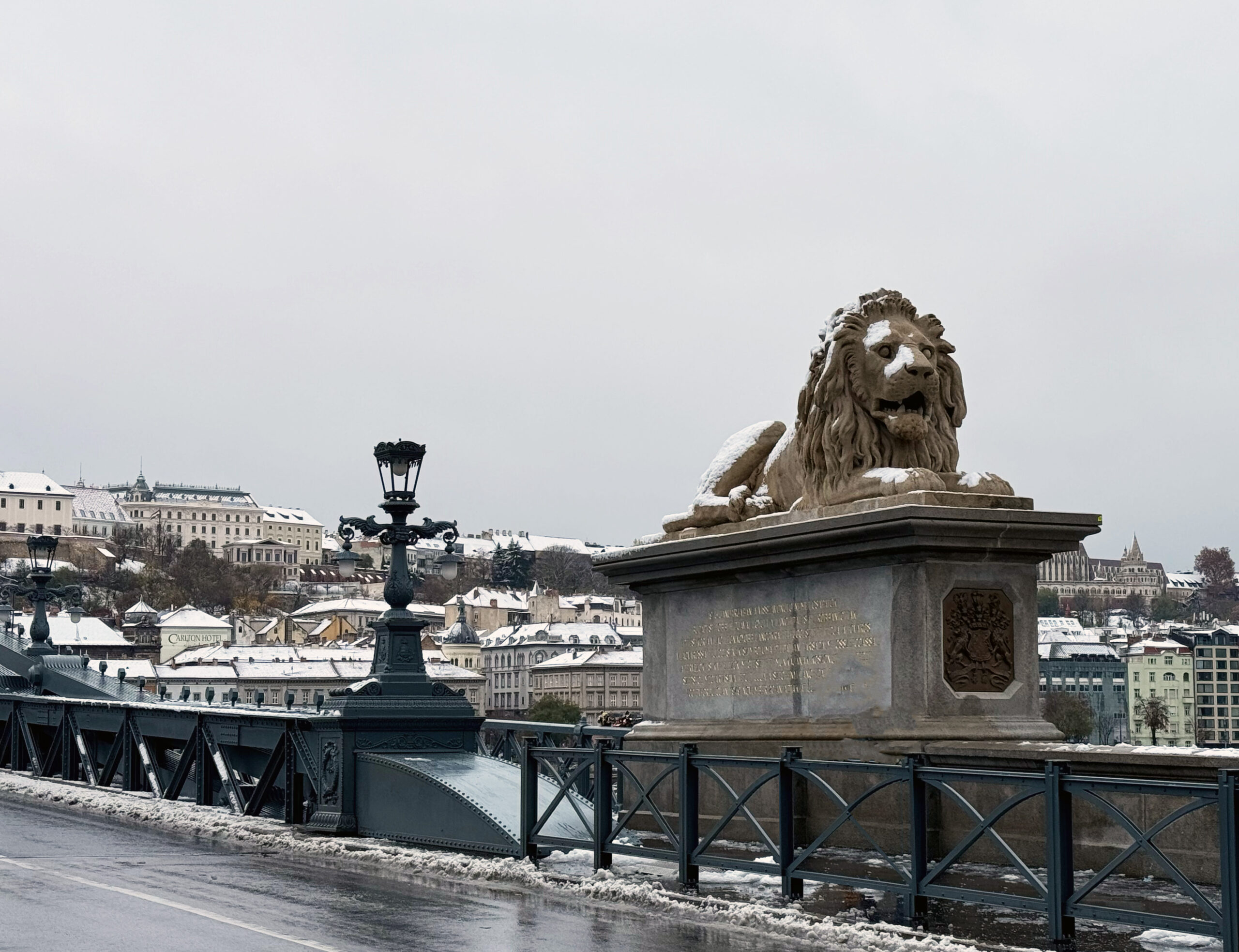
We were very lucky last week because we had some snow in Budapest. As usually, it did not last for long, but it was a great day, Budapest is so beautiful covered in snow. Book a tour with me in January or February and hope for a nice snowy day!