One of Hungary’s Most Famous Crafts

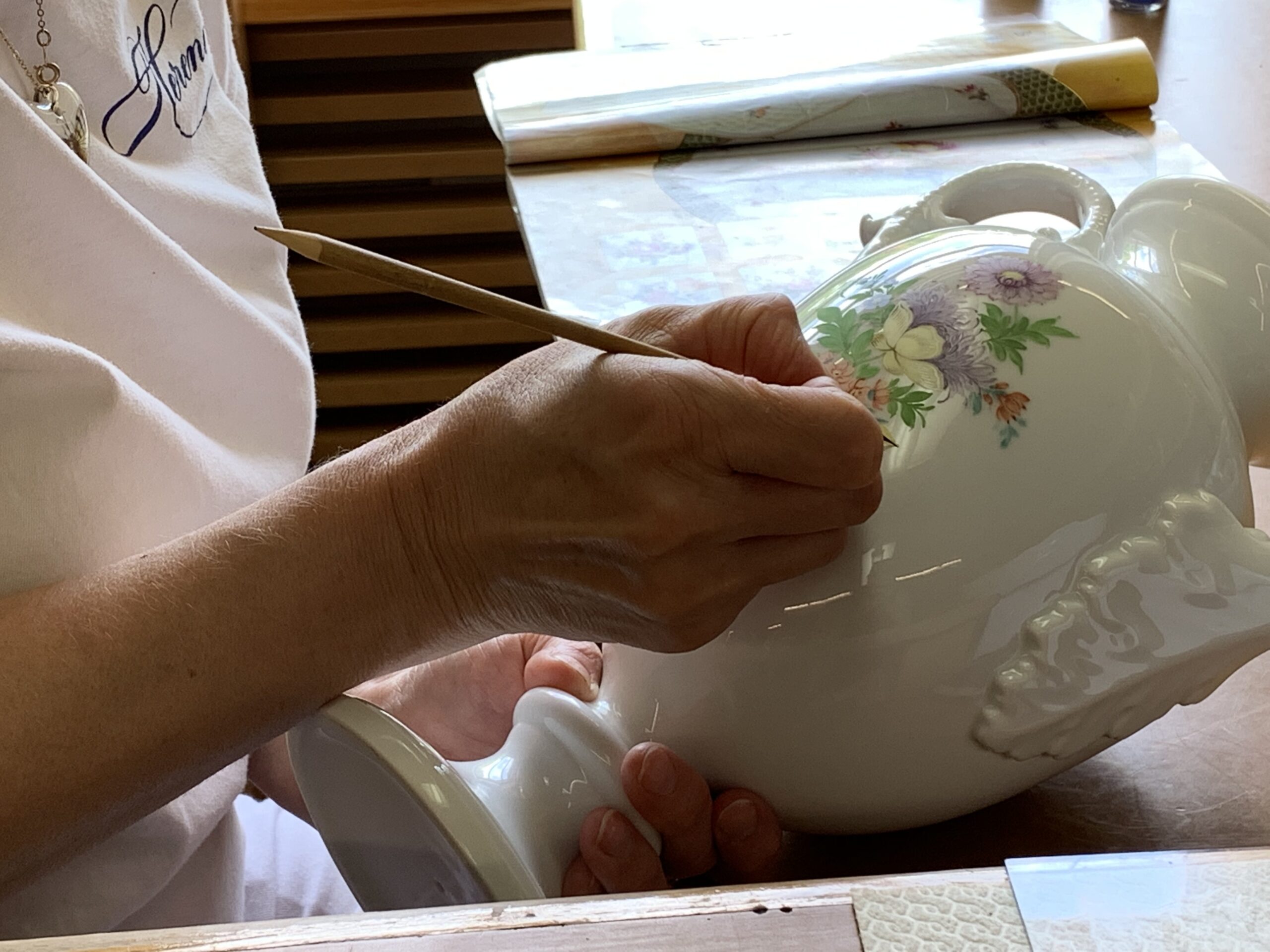
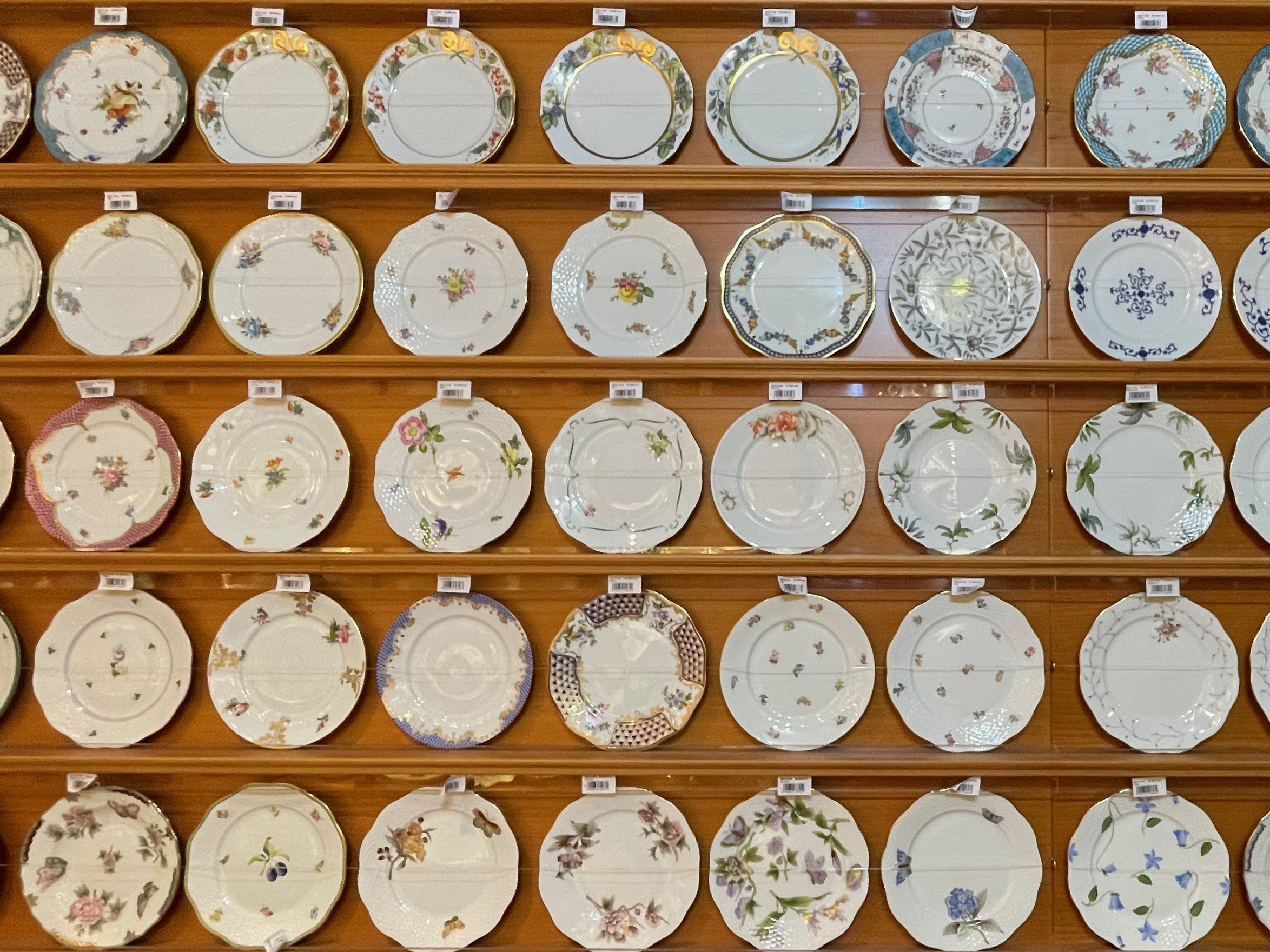
Hungary is internationally renowned for its porcelain production, and Herend porcelain is without doubt its most prestigious name. Founded nearly 200 years ago, the Herend Porcelain Factory continues to produce exquisite, hand-painted porcelain admired by collectors and royal households worldwide.

The factory is located in the small village of Herend, near Veszprém, making it a wonderful cultural stop on a countryside journey or a Lake Balaton tour.

A Porcelain Loved by Royalty

Herend porcelain has won numerous awards at international exhibitions. Its most famous moment came at the Great Exhibition of the Works of Industry of All Nations, where a beautifully decorated dinner set caught the attention of Queen Victoria.

She ordered a full porcelain service for herself, and the pattern was named “Viktória” in her honour — a design that remains one of Herend’s most iconic collections today.

Visiting the Herend Porcelain Museum

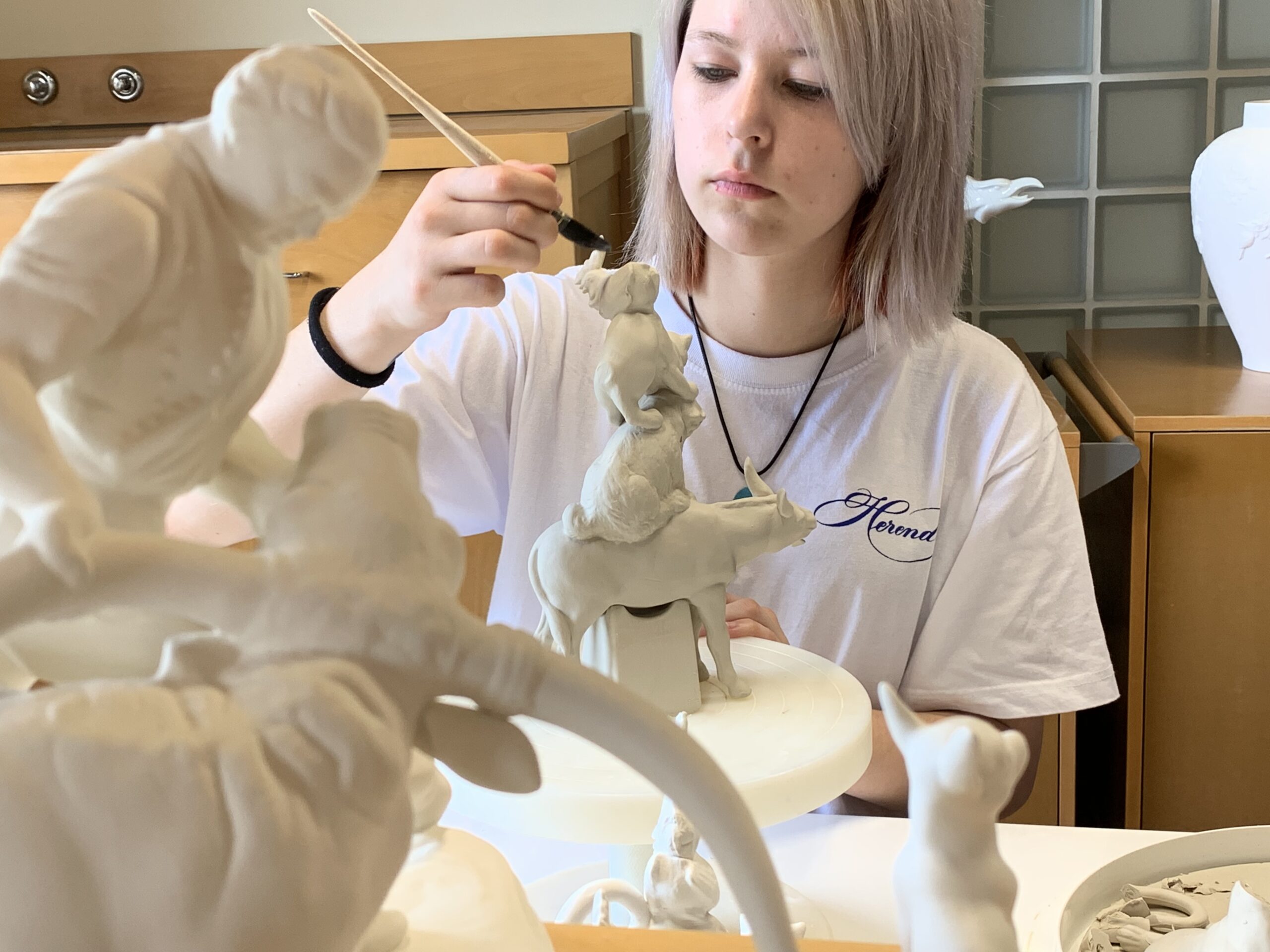
A visit to the Herend Porcelain Museum offers a fascinating behind-the-scenes look at how these delicate masterpieces are created.

One of the highlights is the Mini-Manufactory, where visitors can follow each step of the production process through a series of rooms:

  • preparation of plaster casts

  • shaping and piercing the porcelain

  • delicate flower making

  • hand-painting and gilding techniques

Seeing the artisans at work truly brings home why Herend porcelain is considered a luxury craft rather than mass production.

Coffee or Tea Served in Herend Porcelain

After the museum visit, guests are invited to enjoy a coffee or tea served in genuine Herend porcelain — a charming and memorable detail that perfectly completes the experience.

Including Herend in a Private Tour

I’m happy to include a Herend Porcelain Factory visit as part of:

The Herend visit pairs beautifully with historic towns, scenic viewpoints, and wine or food stops around Lake Balaton. If you’re interested in Hungarian craftsmanship, history, and elegant traditions, Herend is an unforgettable stop.


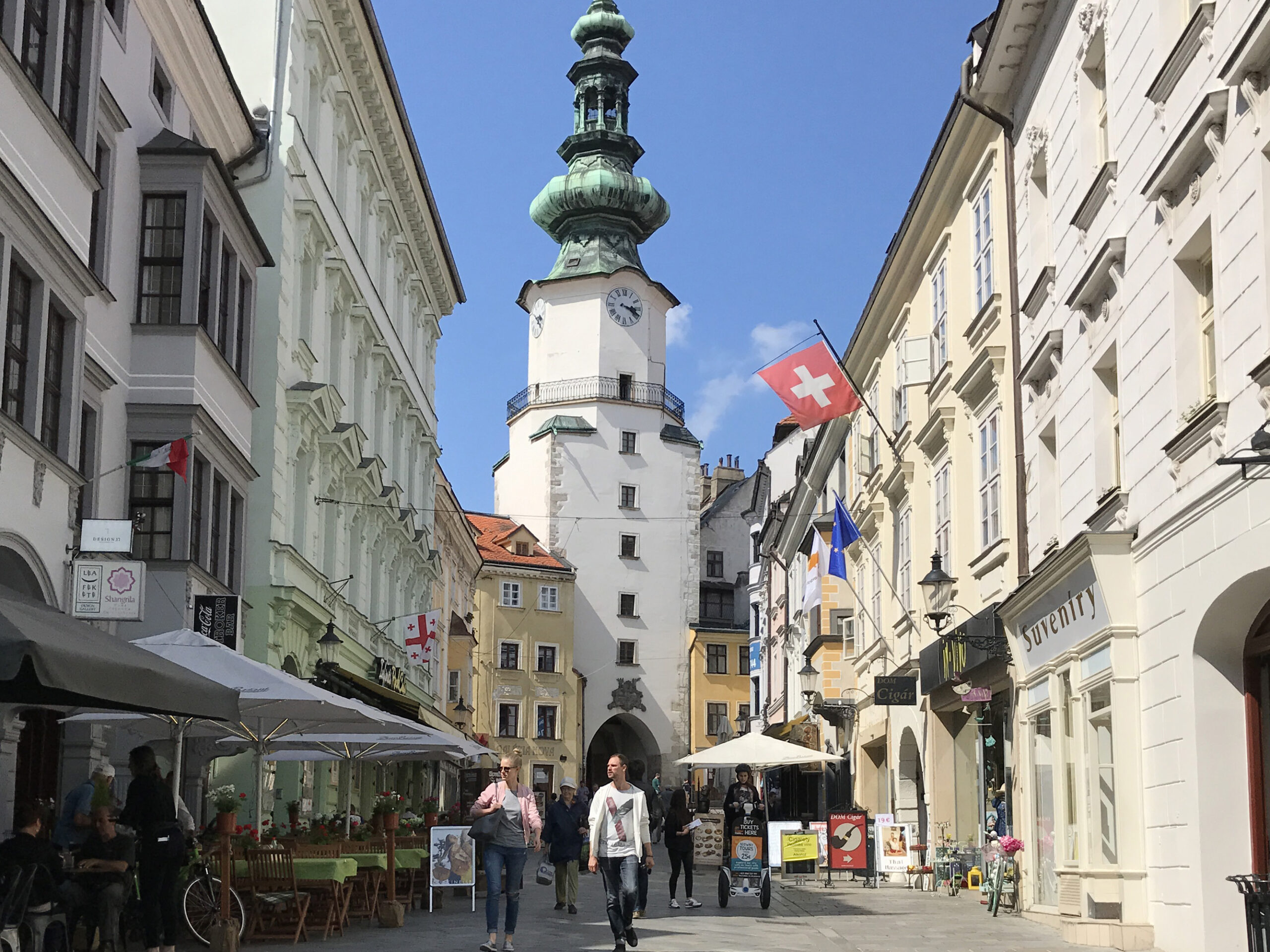
A day trip to Bratislava from Budapest is one of the easiest and most rewarding ways to explore another European capital while staying in Hungary. Located just two hours away by car, Bratislava is compact, walkable, and full of history. It is also the only capital city in Europe that borders two countries — Hungary and Austria — making it a perfect addition to a Central European itinerary.

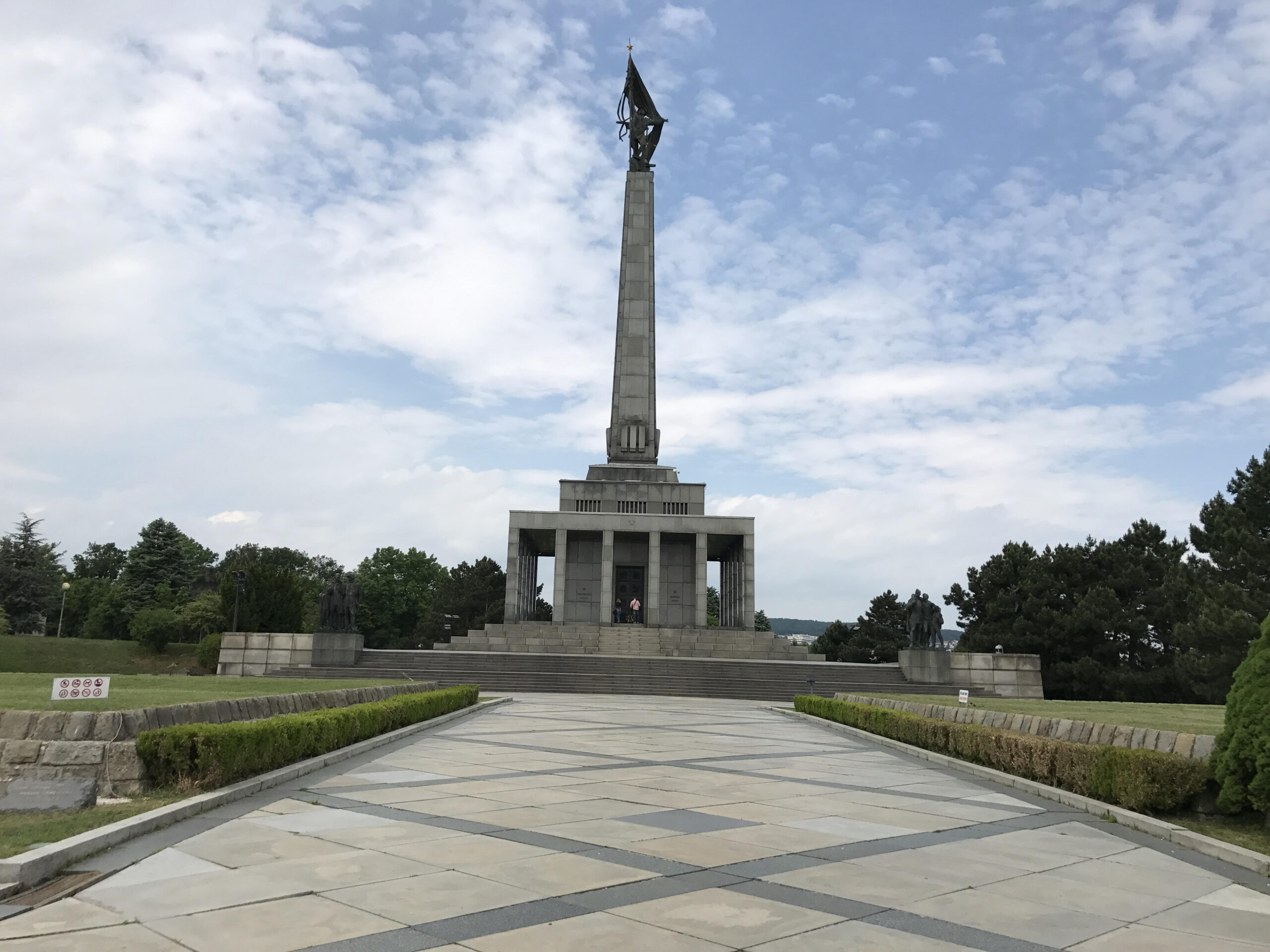
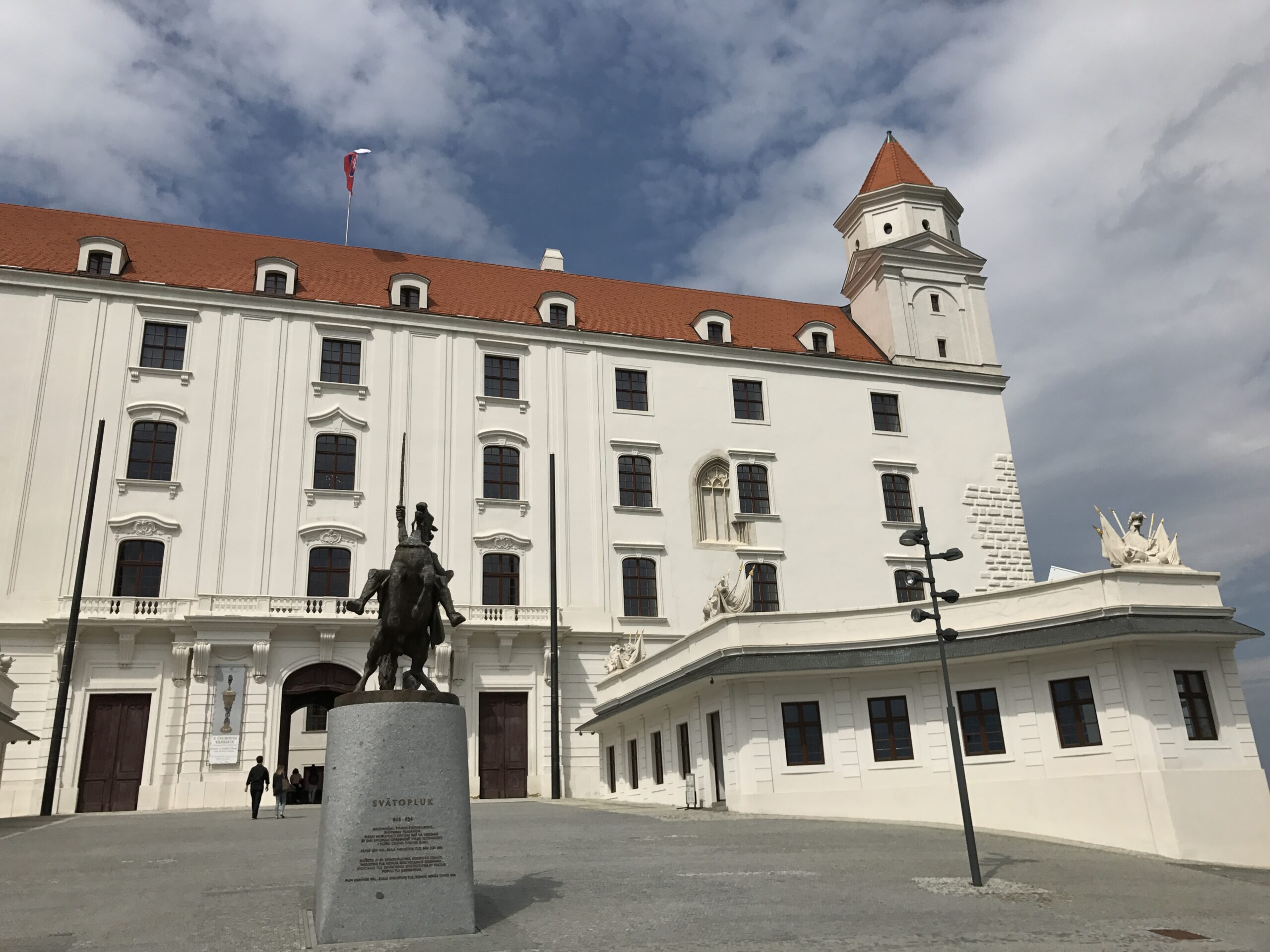
We started our day at Slavín Memorial, a powerful monument dedicated to the liberation of Slovakia in April 1945. From there, we enjoyed a relaxed walk up to Bratislava Castle, often described as looking like an upside-down table — its four towers resembling sturdy table legs.

Although the castle was largely destroyed by fire over 200 years ago, the panoramic views from the hilltop over the city and the Danube are absolutely worth it.

Next came the joy of wandering through Bratislava Old Town — full of narrow streets, pastel façades, and lively squares. We visited St. Martin’s Cathedral, once the coronation church of Hungarian kings, and admired the elegant Primatial Palace, famously topped with a giant cardinal’s hat.

Bratislava’s playful side reveals itself through its quirky street statues:

  • Čumil (the Man at Work)
  • the sneaky Paparazzo
  • and even Napoleon Bonaparte’s soldier resting casually on a bench

We wrapped up the day with a traditional Slovak lunch on the main square, soaking in the easygoing atmosphere before heading back to Budapest.

Bratislava is compact, elegant, and full of surprises — an ideal addition to a Vienna–Bratislava itinerary or a memorable standalone day trip.


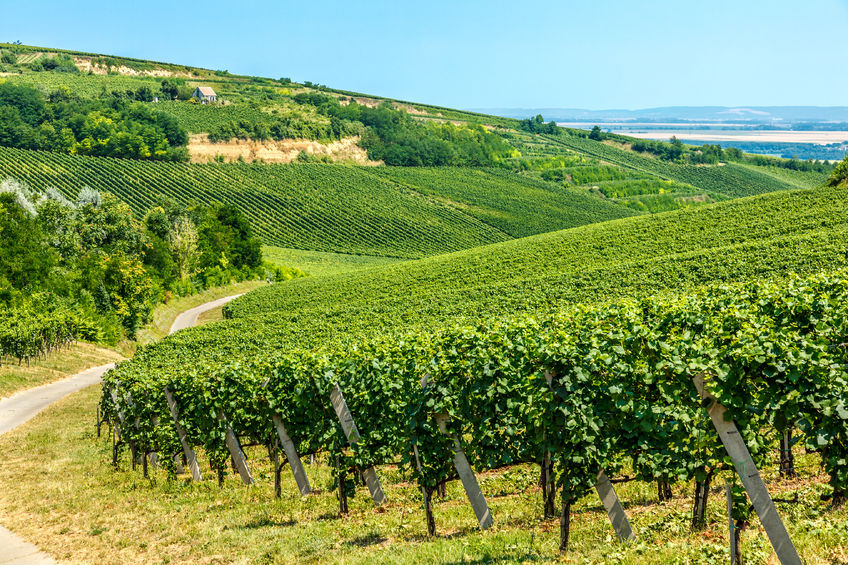
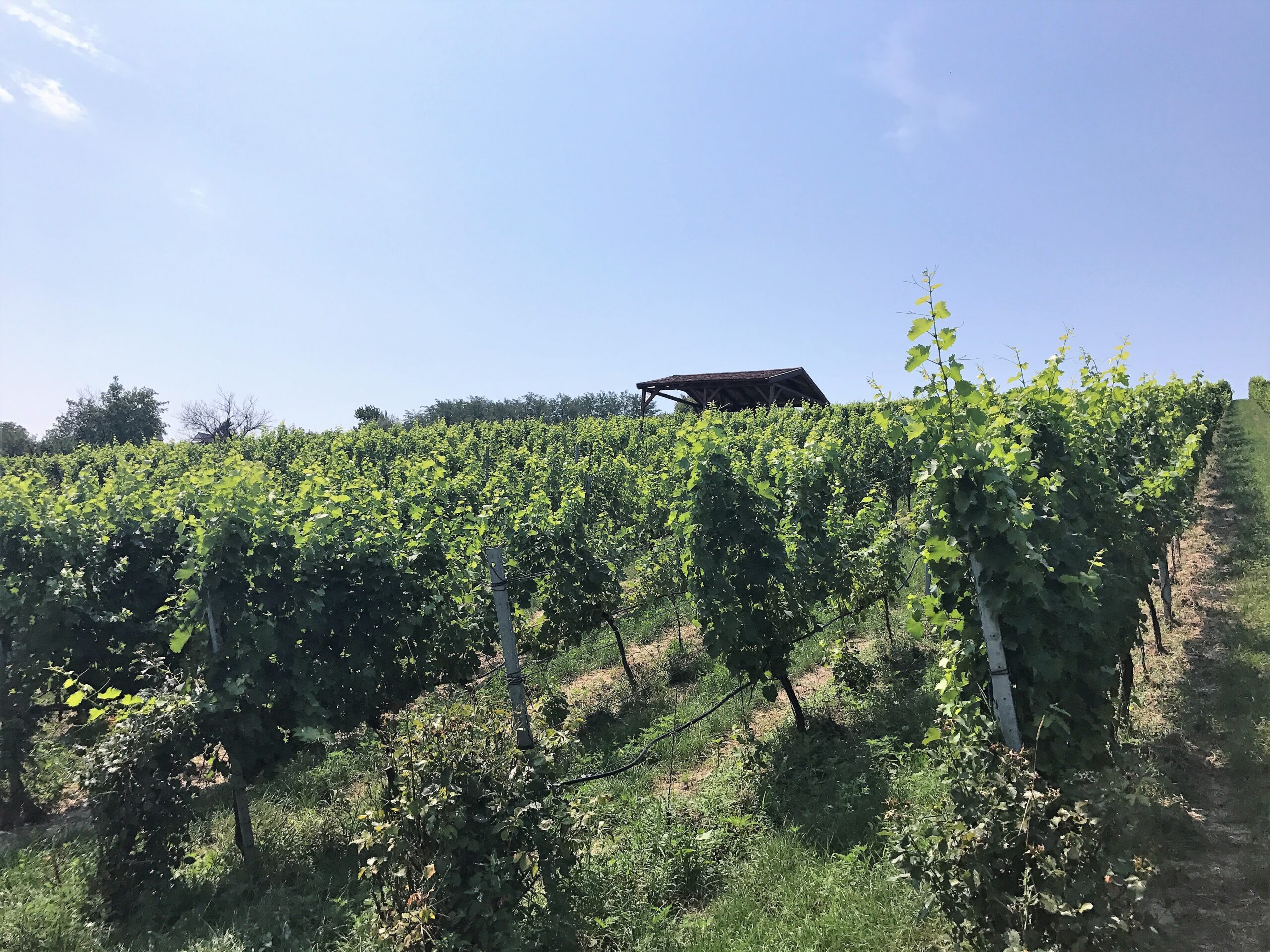
Etyek–Buda Wine Region is often referred to as Budapest’s vineyard, thanks to its close proximity to the Hungarian capital. Although the wine region was officially established in 1997, local wine production dates back to the Middle Ages, making Etyek one of Hungary’s most historic yet forward-looking wine areas.

A Terroir Made for Freshness and Elegance

The defining feature of the Etyek–Buda Wine Region is its calcareous clay soil, which gives the wines their signature freshness and vibrant acidity. Combined with the region’s clean ecological environment and cool climate, these conditions make Etyek particularly well suited for crisp white wines and high-quality sparkling wines.

It’s no coincidence that Etyek has become one of Hungary’s most important centres for traditional-method sparkling wine production.

The Wines of Etyek

Etyek wines are known for their lightness, precision, and lively character. The most important grape varieties of the region include:

  • Chardonnay

  • Sauvignon Blanc

  • Pinot Gris

These grapes thrive in the local terroir, producing elegant, aromatic wines with refreshing acidity.

Red wines remain relatively rare, but curious wine lovers can still discover interesting Pinot Noir and small quantities of Cabernet, offering a different perspective on the region’s potential.

Sparkling Wine: Etyek’s Signature Style

One of the greatest strengths of the Etyek–Buda Wine Region is its exceptional suitability for sparkling wine production. The region’s cool climate, limestone-rich soils, and naturally high acidity create ideal conditions for traditional-method sparkling wines. Grapes such as Chardonnay and Pinot Noir are harvested early to preserve freshness, resulting in elegant, crisp sparkling wines with fine bubbles and vibrant structure. Today, Etyek is widely regarded as Hungary’s leading sparkling wine region, supplying base wines for some of the country’s most respected producers.

Meet the Winemakers of Etyek

One of the greatest charms of Etyek lies in its welcoming, family-run wineries. Local winemakers are known not only for their wines, but also for their hospitality. Visits often include generous tastings and, in many cases, a simple, seasonal lunch made with local ingredients.

This personal connection between winemaker and visitor is what makes Etyek such a rewarding destination.

Explore Etyek on a Guided Wine Tour

Thanks to its location just outside Budapest, Etyek is perfect for a half-day or full-day escape into the countryside.

You can experience the region on my Etyek Tour with Wine Tasting, focusing on local wineries, vineyards, and sparkling wines — or combine it with Budapest’s culinary scene on the Budapest Food Tour & Etyek Wine Tour, a more immersive experience that connects city flavours with rural winemaking traditions.

Why Visit the Etyek–Buda Wine Region?

Etyek offers a unique contrast to Hungary’s larger wine regions:

  • Close to Budapest, yet deeply rural

  • Historic, yet innovative

  • Relaxed, personal, and refreshingly elegant

For wine lovers seeking authentic Hungarian wines without long travel times, Etyek is an ideal choice. Do not hesitate to let me know if you are interested in a local tour!


Don’t forget to check out the Spring and Easter Fair on Vörösmarty square, it’s open until the end of April. You can buy local, artisanal handicraft products, pottery, ceramics, jewellry and leather products. There are workshops and concerts every weekend.

Also, you can taste the most fantastic treats of the Hungarian cuisine, traditional Easter dishes as ham and knuckle, and great cakes, including of course the festive  chimney cake. Enjoy!


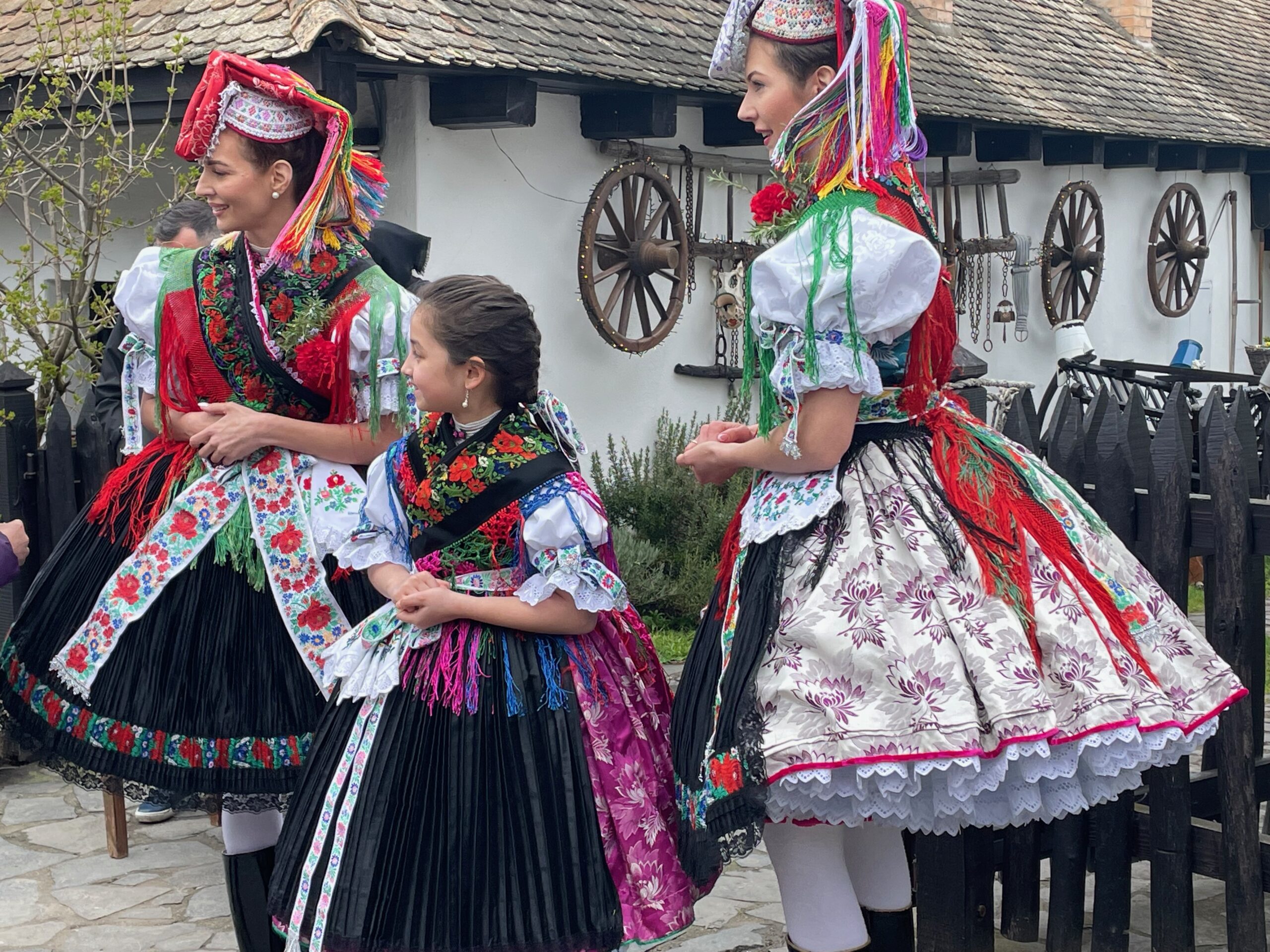
Hungary is home to many colourful folk customs, and the most playful Hungarian Easter tradition is locsolás, the Easter Monday ritual of watering. This unique custom, still practiced today, brings together humour, symbolism, and centuries-old beliefs about renewal and fertility. Celebrating Easter in Hungary is a truly memorable experience.

A Hungarian Easter tradition: Locsolás

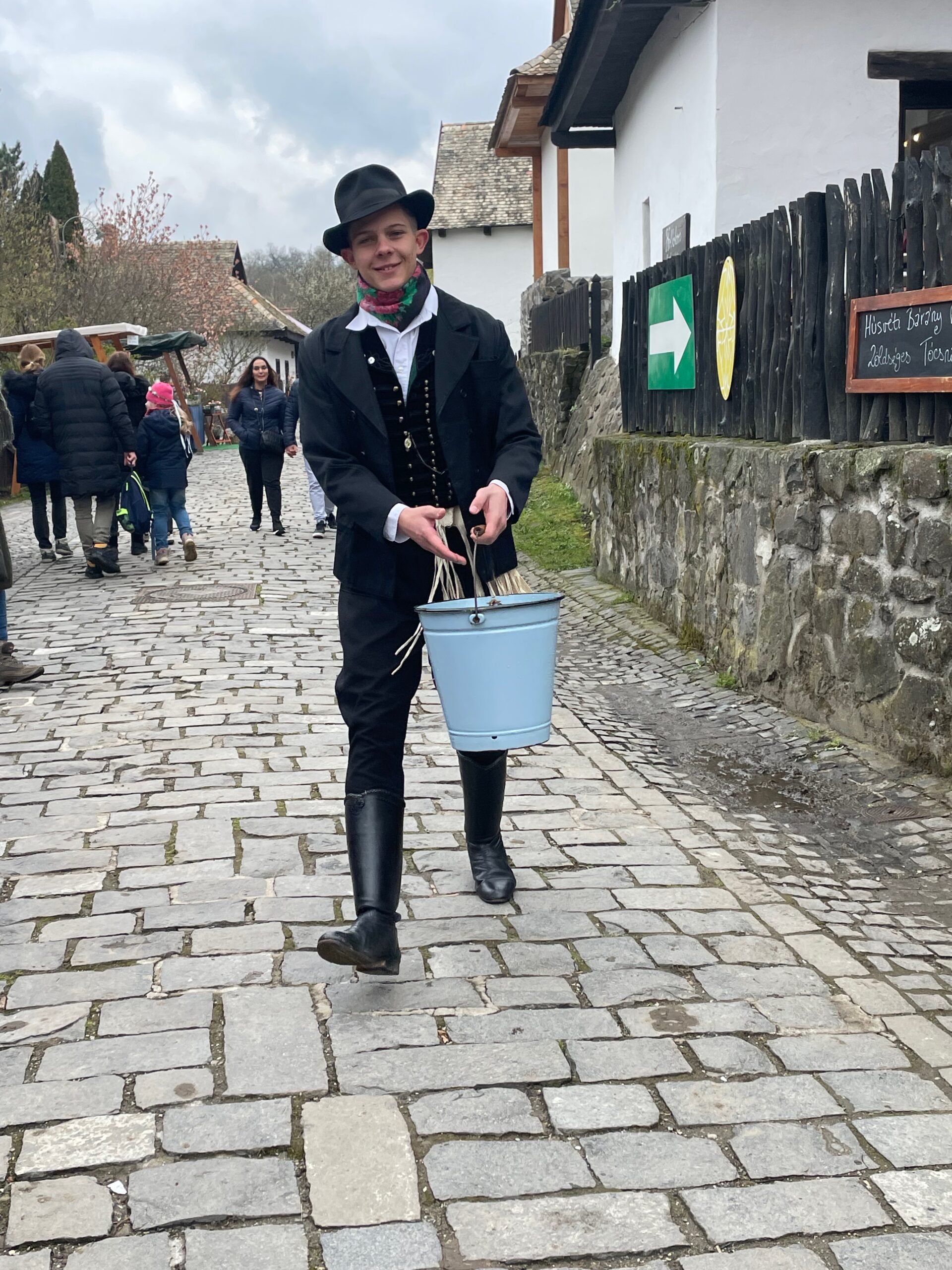
Locsolás takes place on Easter Monday, when men traditionally visit female relatives, friends, and neighbours to sprinkle them with water — or, more commonly today, perfume.

According to old beliefs, water symbolises purification, renewal, and fertility, and the ritual was meant to keep women fresh, healthy, and beautiful throughout the year.

From Buckets of Water to Perfume Bottles

While today most men politely use a splash of perfume, the tradition was once far more dramatic. Just a few decades ago, girls were often doused with large buckets of ice-cold water, sometimes outdoors, to much screaming and laughter.

Thankfully, modern locsolás is gentler — and much more comfortable.

Eggs in Exchange – a local Easter tradition

As a thank-you, women traditionally give men decorated Easter eggs, often hand-painted using folk motifs and traditional techniques. These eggs remain one of the most recognisable symbols of Hungarian Easter celebrations.

A Playful Tradition Still Alive Today

Locsolás is a joyful mix of humour, symbolism, and community spirit. While it’s mostly practiced within families and small communities today, it remains a beloved part of Easter in Hungary. Also, it is a charming reminder of how folklore continues to shape everyday life.


Lake Balaton has been affectionately called the Hungarian Sea for almost a century. For Hungarians, this vast lake is deeply woven into childhood memories and summer traditions: school camping trips, long family holidays, sailing afternoons, and even ice skating during cold winters.

For decades, Lake Balaton has also been Hungary’s favourite holiday destination — a place where generations return again and again.

Central Europe’s Largest Freshwater Lake

Stretching nearly 80 kilometres in length, Lake Balaton is the largest freshwater lake in Central Europe. Its shallow depth gives the water a unique greenish hue and a soft, silky feel — one of the reasons it warms quickly in summer and remains ideal for swimming.

It’s no surprise that Balaton is the number one domestic tourist destination in Hungary, offering something for every pace of travel.

A Lake for Every Mood

Lake Balaton is many things at once:

  • A holiday resort for families and sun-seekers

  • A paradise for sailors, windsurfers, and kitesurfers

  • A lively venue for summer music festivals

  • And, just as easily, a peaceful escape for slow travel, nature lovers, and wine enthusiasts

Whether you’re looking for vibrant lakeside life or quiet vineyard views, Balaton delivers both.

The Northern Shore: Volcanoes, Vineyards & Views

The most diverse and dramatic part of the lake is the Northern Shore, where rolling hills rise from the water and extinct volcanoes shape the landscape. This region is known for its highlands, basalt formations, and historic wine regions, making it ideal for exploration beyond the beach.

Highlights of the Veszprém & Lake Balaton Tour

My Veszprém & Lake Balaton Tour focuses on this picturesque northern side and combines natural beauty with history, architecture, and local flavours.

Charming Towns & Lakeside Walks

We also visit some of the most beloved towns around the lake:

  • Tihany, famous for its abbey and rich cultural heritage

  • Balatonfüred, where we stroll along the marina and lakeside promenade

Each stop reveals a different face of Balaton life — historic, elegant, and deeply local.

Local Food, Wine & the Flavours of Balaton

No visit to Lake Balaton is complete without tasting the region. Along the way, I introduce you to:

  • Local farmers from the Káli Basin

  • Winemakers from the Badacsony Wine Region

This is where volcanic soil meets crisp white wines, seasonal dishes, and a slower rhythm of life.

Experience Lake Balaton Beyond the Beach

Lake Balaton is far more than a summer swimming spot — it’s a landscape shaped by history, nature, and everyday Hungarian life. Exploring it with a local guide allows you to see what lies beyond the shoreline.


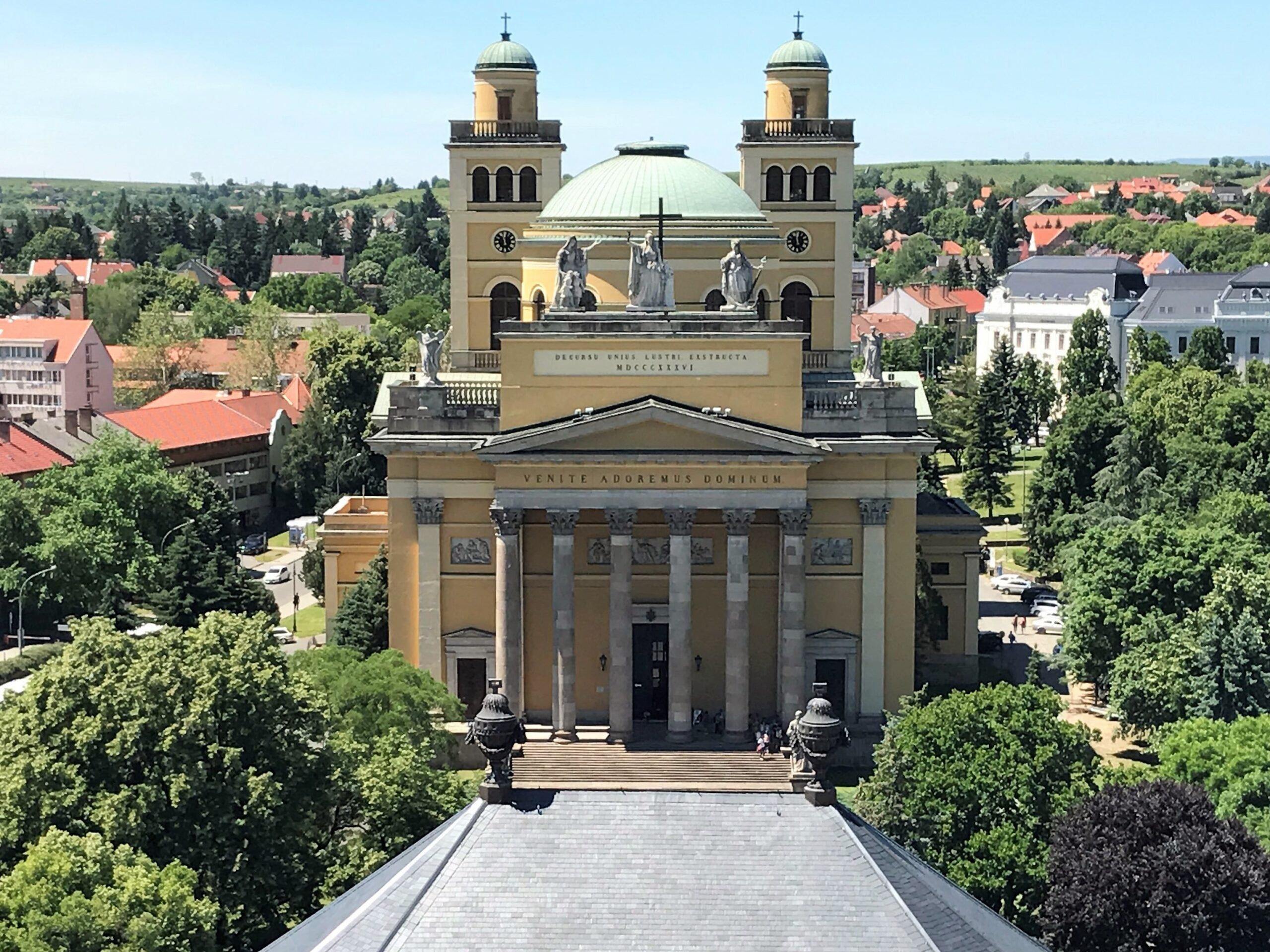
Eger Wine Region is one of Hungary’s most historic and characterful wine areas, with a wine culture that stretches back more than a thousand years. For centuries, viticulture has shaped everyday life here, and today Eger stands proudly among the country’s most important wine destinations.

A Unique Terroir Shaped by Nature

The climate of the Eger wine region is defined by relatively late springs and generally dry conditions, which help grapes ripen slowly and evenly. The soil is equally distinctive: brown forest soil layered over volcanic rhyolite tuff.

This combination of climate and geology gives Eger wines their fresh acidity, mineral backbone, and excellent ageing potential, especially in reds.

From Decline to Renaissance

Like many Central European wine regions, Eger’s story was deeply affected by the Communist era. Following nationalisation, quality-focused winemaking was replaced by mass production. As a result, wines lost their finesse, reputation, and international recognition.

By the late 1970s, many Eger wines were overly acidic, bitter, or diluted. Fortunately, the region experienced a true renaissance in the mid-1990s, when dedicated winemakers returned to traditional methods, lower yields, and quality-driven production. Today, Eger wines once again rank among Hungary’s finest.

Bull’s Blood: Eger’s Most Famous Wine

No introduction to the region would be complete without Bull’s Blood of Eger (Egri Bikavér), Hungary’s best-known red wine style.

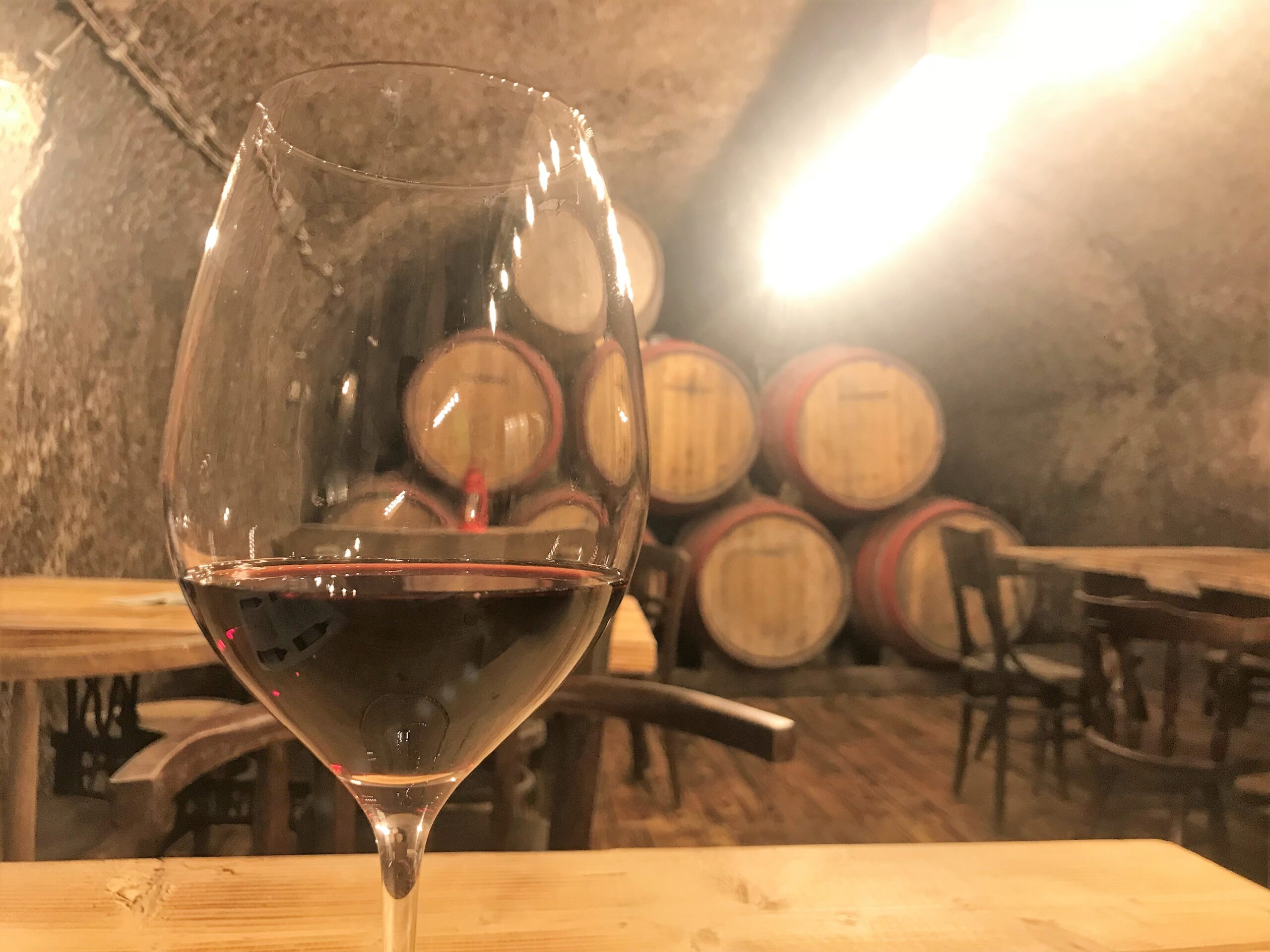
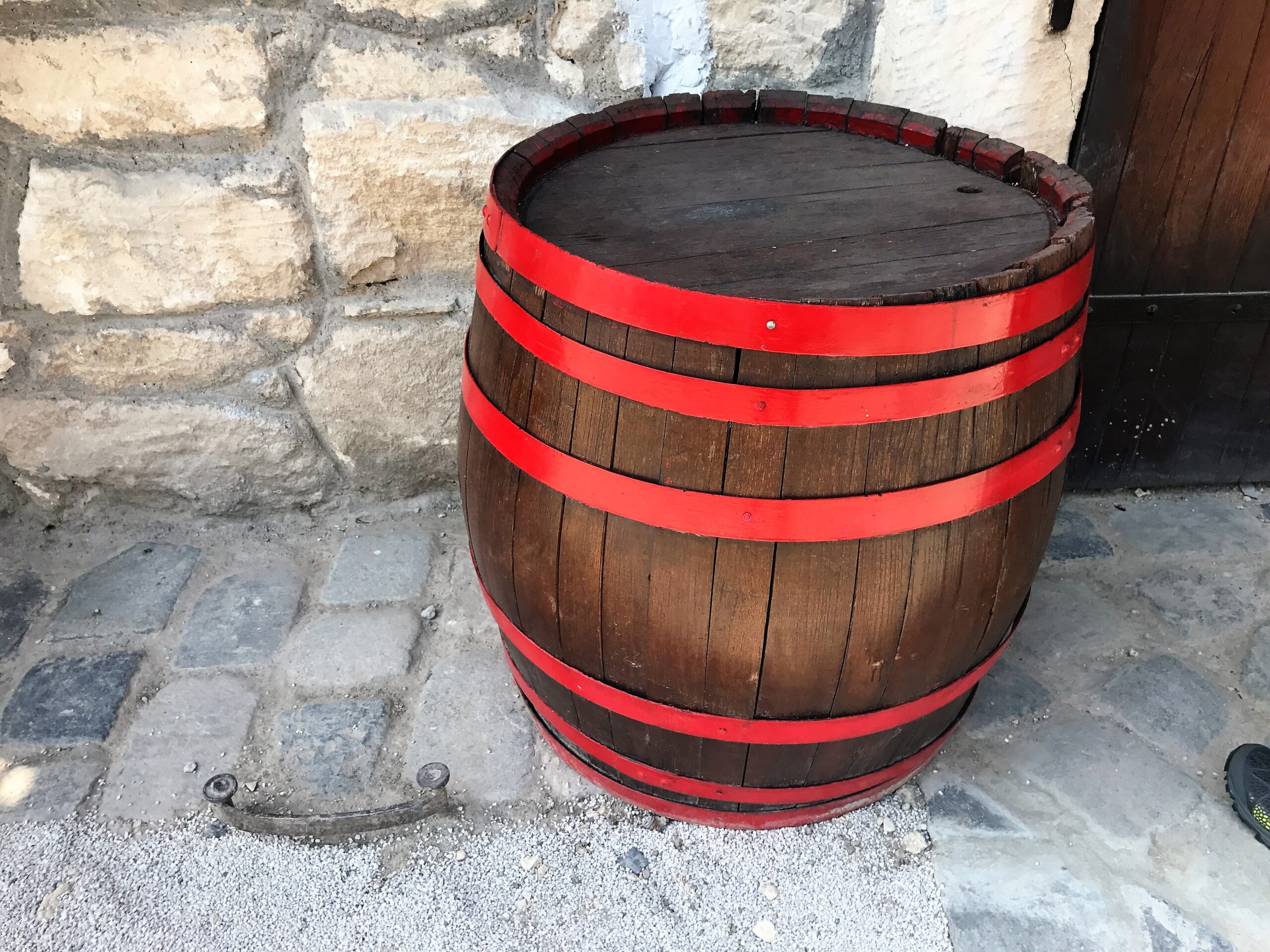
Bull’s Blood is a medium-bodied red cuvée with a deep ruby colour and lively acidity. Its smooth texture comes from extended ageing—usually at least 12 months—in oak barrels. By regulation, authentic Bull’s Blood must be made from at least three different grape varieties, creating a complex, well-balanced wine that reflects both tradition and terroir.

White Wines You Shouldn’t Miss

Although Eger is best known for its reds, the region also produces excellent white wines. Visitors can taste a wide range of styles made from grapes such as:

  • Riesling

  • Chardonnay

  • Muscat Ottonel

  • Traminer

  • Zenit

These whites are typically fresh, aromatic, and elegant, making them perfect companions to Hungarian cuisine.

Experience the Eger Wine Region in Person

The best way to understand Eger wines is to walk among the vineyards, meet the winemakers, and taste the wines where they are made.

On my Eger Wine and History Tour, you’ll explore the historic wine region, talk with local farmers and winemakers, and learn the stories, traditions, and secrets behind the legendary Bull’s Blood—all while discovering the cultural and historical heritage of Eger itself. Contact me for more information or details!

One of the most striking and meaningful landmarks in Budapest is the Great Synagogue, often referred to as the Dohány Street Synagogue. With its distinctive appearance and deep historical significance, it is a place that leaves a lasting impression on nearly every visitor.

Located in the heart of the former Jewish Quarter, the Great Synagogue is not only the largest synagogue in Europe, but also one of the most important cultural and religious centers of the Jewish community in Budapest.

A Unique Architectural Language

From the outside, the Great Synagogue looks unlike any other religious building in the city. Its Moorish Revival style—with colourful brickwork, onion-shaped domes, and decorative arches—often reminds visitors of a mosque.

Step inside, however, and the atmosphere changes. The interior layout, seating arrangement, and monumental scale feel closer to that of a Christian church, reflecting the unique approach of 19th-century synagogue architecture. This blend of influences makes the building architecturally fascinating and entirely unique within Budapest.

More Than a Place of Worship

The Great Synagogue complex is much more than a single building. Visitors are encouraged to explore the Jewish Museum, which shares a wall with the synagogue and offers insight into Jewish life, traditions, and history in Hungary.

Behind the synagogue lies a quiet garden and memorial area, home to deeply moving Holocaust memorials. These spaces invite reflection and remembrance, adding emotional depth to the visit and helping visitors understand the profound impact of 20th-century history on the local Jewish community.

An Essential Stop in the Jewish Quarter

The synagogue stands at the centre of what was once one of Europe’s most vibrant Jewish neighbourhoods. Exploring the surrounding streets reveals layers of history—from everyday life before World War II to the tragic events of the Holocaust, and the revival of the district in recent decades.

This broader context is what makes a visit especially meaningful. On my Jewish Quarter walk, the Great Synagogue is not just a standalone monument, but part of a larger story about Budapest, memory, resilience, and identity.

Visiting With Context

While the building itself is extraordinary, understanding its background adds greatly to the experience. The symbolism, architectural choices, and memorial spaces all carry stories that are easy to miss without explanation.

If you’d like to explore the Great Synagogue and its neighborhood as part of a private tour or a Jewish Quarter walk, I’d be happy to guide you through both the visible beauty and the deeper historical layers of this remarkable place.

Seeing Budapest by Public Transport is a surprisingly enjoyable way to experience the city when walking all day starts to feel a bit too much.

I very often encourage my guests to walk as much as possible. Walking is the best way to discover a city at your own pace, notice small details, and absorb the atmosphere of Budapest. But there are moments when you’re tired—or when a short ride can actually add to the experience. In Budapest, some public transport lines are attractions in their own right and offer wonderful ways to see the city without rushing.

And one important reminder before you hop on: always validate your ticket.

Millennium Underground Railway (Metro Line 1)

This historic underground railway is more than 120 years old and connects the city center with City Park.

Riding Metro Line 1 feels like stepping into the late 19th century. Several stations still preserve their original design, making this short journey a kind of moving museum—perfect for visitors interested in history and atmosphere, not just efficiency.

Tram Line 2

If you take only one tram ride in Budapest, make it Tram 2.

Running along the Pest side of the Danube River, this route offers continuous views of the Hungarian Parliament Building, the river, and the Buda Hills. It’s an easy, relaxed way to enjoy one of the city’s most beautiful panoramas—especially welcome after a long walk.

Bus 16

Bus 16 is the simplest public transport option for reaching the historic Buda Castle District.

Crossing the Chain Bridge and climbing up to Castle Hill, the ride itself becomes part of the sightseeing experience, ending directly among cobblestoned streets and historic buildings.

Budapest Castle Hill Funicular

The Funicular is one of Budapest’s most iconic short rides. Connecting the Chain Bridge area with the top of Castle Hill, it offers lovely views along the way and a touch of old-fashioned charm. This truly is a Wes Anderson moment.

It can get busy, but if you take it from the top down, you’ll often avoid the longest lines and still enjoy the experience.

Walking and Riding: A Balanced Way to Explore

Budapest rewards those who walk—but knowing when to hop on public transport can help you see more without feeling rushed or exhausted. Used thoughtfully, these routes become part of the journey rather than just a means of getting from one place to another.

On my private walking tours, I often suggest or include short public transport rides like these, adapting each day to energy levels, interests, and the rhythm of the city.


A Danube Bend day trip from Budapest is the perfect way to experience countryside landscapes, historic towns, and riverside views — all within easy reach of the capital.

This route follows the gentle curve of the Danube as it turns south toward Budapest, revealing castles, basilicas, and colourful small towns along the way.

Esztergom – Where Hungarian History Begins

Our first stop is Esztergom, once the capital of medieval Hungary and still the spiritual heart of the country.

The town is dominated by Hungary’s largest church, the Esztergom Basilica, whose massive dome shapes the skyline. Inside, visitors discover layers of history — from monumental 19th-century architecture to a beautifully preserved Renaissance chapel dating back to the 16th century.

For those who enjoy panoramic views, climbing to the top of the Basilica rewards you with sweeping vistas over the Danube, the surrounding hills, and the Slovak border beyond.

Visegrád – Medieval Views over the Danube

Next, the journey continues to Visegrád, one of the smallest towns in Hungary, yet one of the most historically important.

Perched high above the river, the ruins of the 13th-century castle offer what many consider the best viewpoint in the Danube Bend. From here, the river’s dramatic curve is fully revealed — a scene that has inspired travellers, artists, and photographers for centuries.

Exploring the castle ruins brings medieval Hungary to life, combining royal history with unforgettable natural scenery.

Szentendre – Art, Colour & Small-Town Charm

The final stop of the Danube Bend tour is Szentendre, a charming riverside town known for its artistic atmosphere.

With its cobblestoned streets, pastel-colored houses, cozy cafés, and independent galleries, Szentendre feels relaxed and welcoming. It has long attracted artists and creatives, giving the town a distinctly Mediterranean mood despite its Central European location.

Visitors can enjoy free time to wander, browse art shops, taste local sweets — including the famous marzipan creations — or simply sit down for a coffee and watch town life unfold.

When conditions and time allow, returning to Budapest by boat adds a memorable finale to the day.

Why Choose a Danube Bend Day Trip from Budapest?

A day trip from Budapest to the Danube Bend offers an ideal balance of:

  • historic landmarks

  • scenic river landscapes

  • relaxed small-town exploration

Without long travel times, you can experience three very different sides of Hungary in one well-paced day — making this one of the most popular and rewarding countryside excursions from Budapest.

If you’re looking for a private Danube Bend tour from Budapest that focuses on atmosphere, history, and local insight rather than rushing from sight to sight, this route offers a beautiful introduction to Hungary beyond the capital. Feel free to let me know may you need more details!