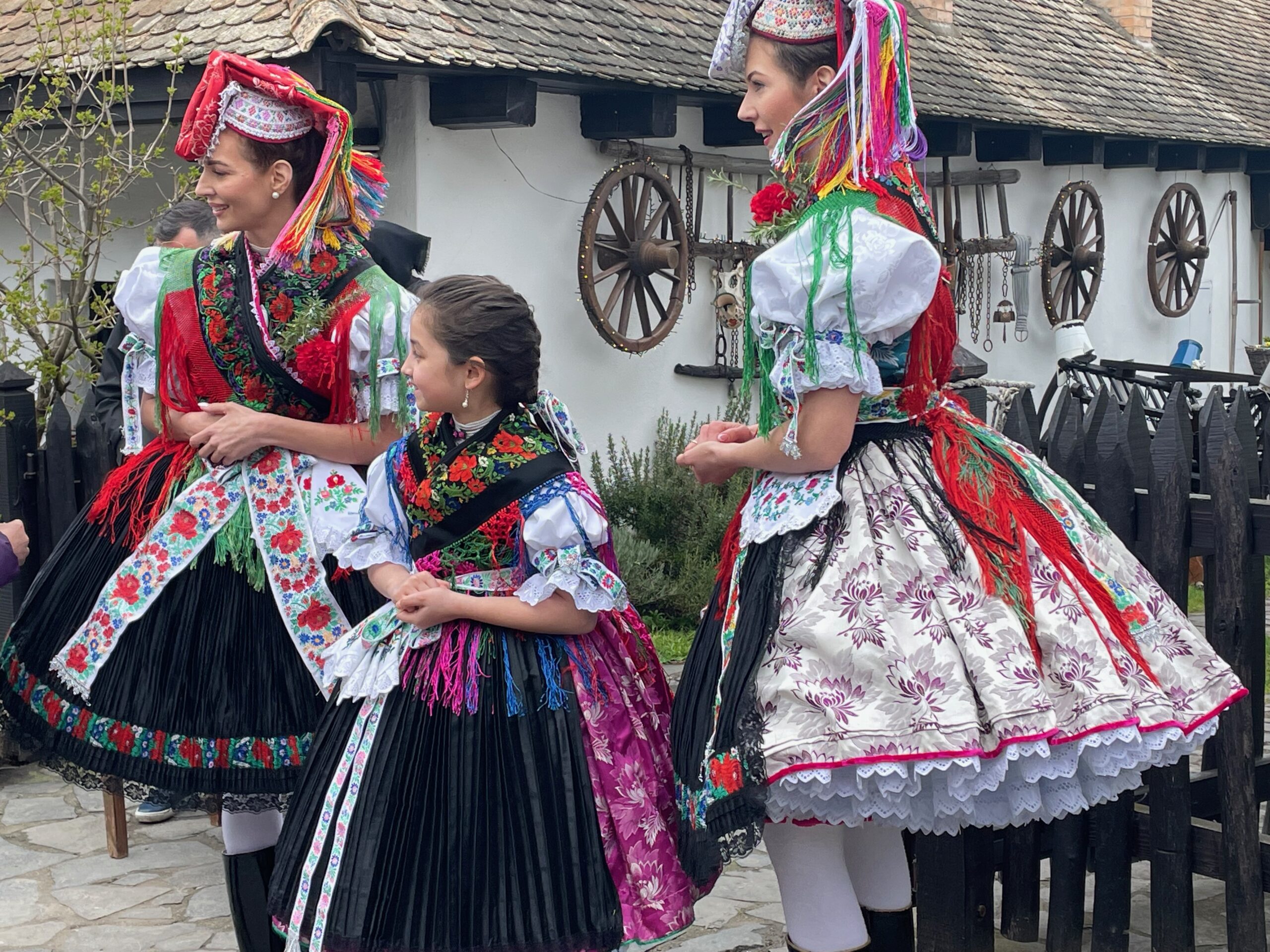
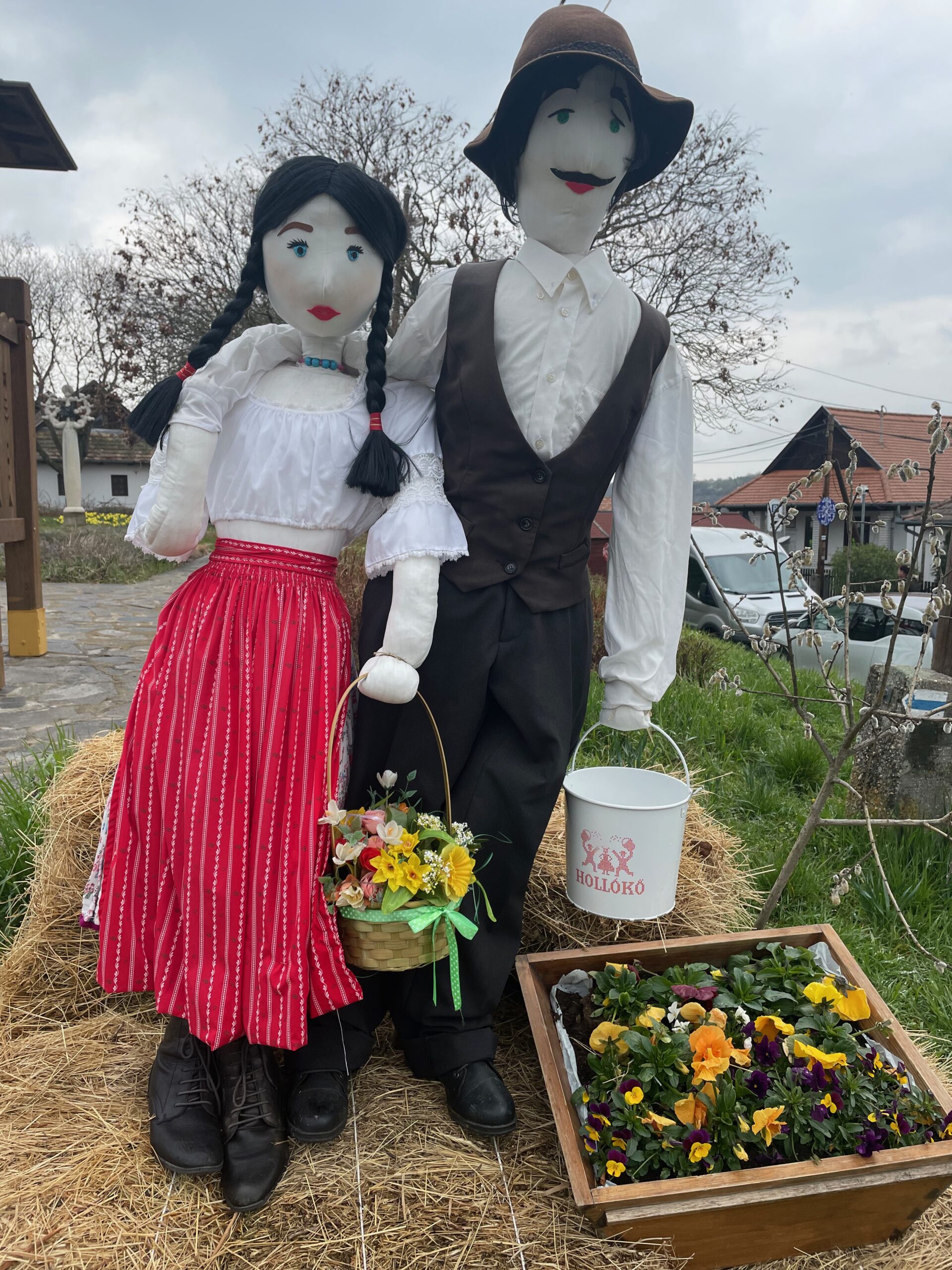
Hungary is home to many colourful folk customs, and the most playful Hungarian Easter tradition is locsolás, the Easter Monday ritual of watering. This unique custom, still practiced today, brings together humour, symbolism, and centuries-old beliefs about renewal and fertility. Celebrating Easter in Hungary is a truly memorable experience.
A Hungarian Easter tradition: Locsolás
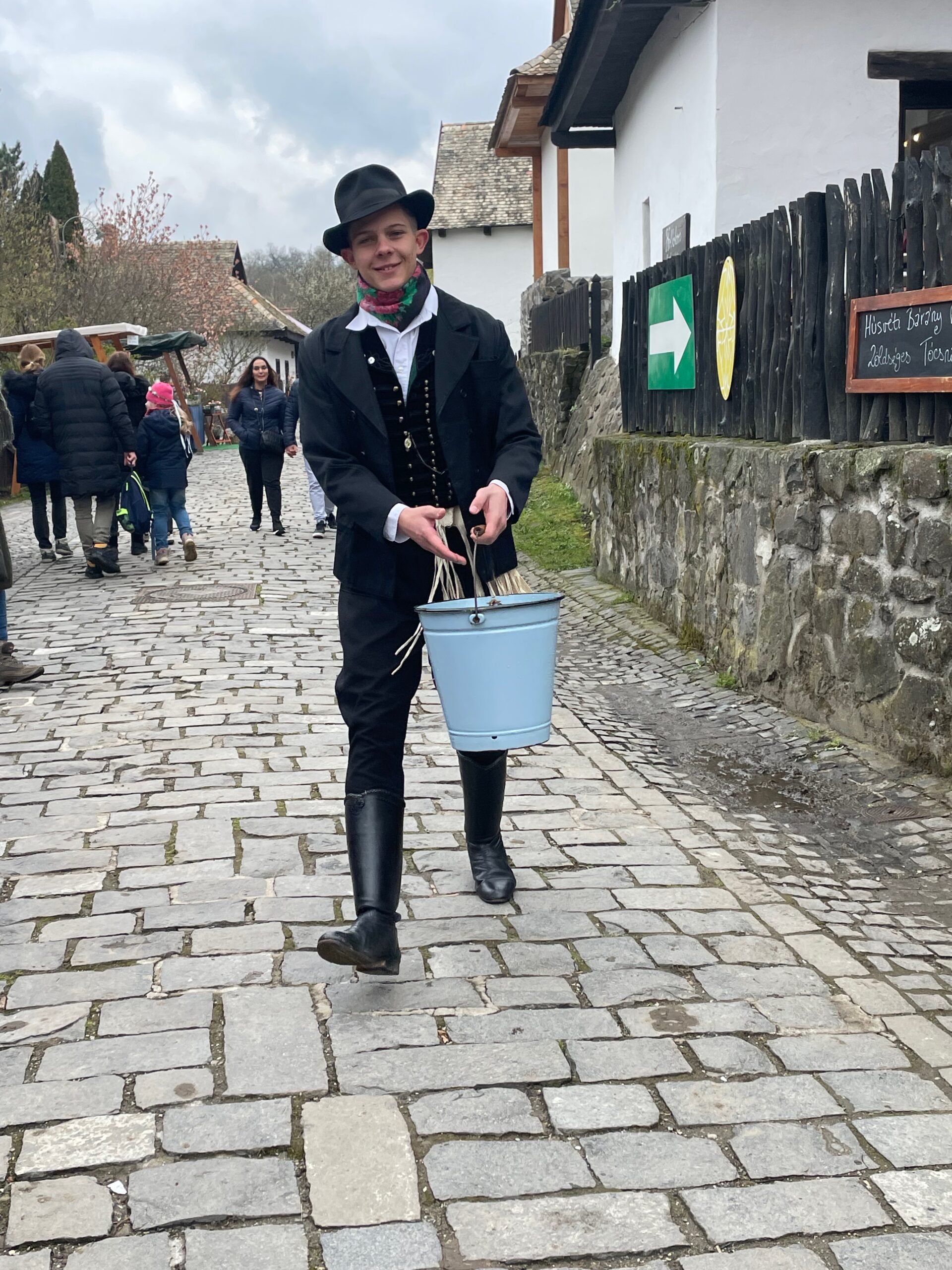
Locsolás takes place on Easter Monday, when men traditionally visit female relatives, friends, and neighbours to sprinkle them with water — or, more commonly today, perfume.
According to old beliefs, water symbolises purification, renewal, and fertility, and the ritual was meant to keep women fresh, healthy, and beautiful throughout the year.
From Buckets of Water to Perfume Bottles
While today most men politely use a splash of perfume, the tradition was once far more dramatic. Just a few decades ago, girls were often doused with large buckets of ice-cold water, sometimes outdoors, to much screaming and laughter.
Thankfully, modern locsolás is gentler — and much more comfortable.
Eggs in Exchange – a local Easter tradition
As a thank-you, women traditionally give men decorated Easter eggs, often hand-painted using folk motifs and traditional techniques. These eggs remain one of the most recognisable symbols of Hungarian Easter celebrations.
A Playful Tradition Still Alive Today
Locsolás is a joyful mix of humour, symbolism, and community spirit. While it’s mostly practiced within families and small communities today, it remains a beloved part of Easter in Hungary. Also, it is a charming reminder of how folklore continues to shape everyday life.