Matthias Church Budapest: Look Closer at One of the City’s Most Iconic Landmarks
- Destinations, General, Reviews
- Buda Castle District, Budapest historic sites, Budapest landmarks, budapest travel guide, budapest travel tips, Budapest viewpoints, Hungarian History, Matthias Church Budapest, Things to do in Budapest, visit Budapest

Few buildings define Budapest as instantly as Matthias Church. Rising above the Buda Castle District with its colourful tiled roof and fairy-tale silhouette, it is one of the most photographed landmarks in the Hungarian capital.
And yet, many visitors admire it from a distance without discovering what makes it truly remarkable.
Taking a closer look reveals centuries of history, architectural details often missed at first glance, and one of the most rewarding cultural experiences in Budapest.
A Church Shaped by Centuries of History
Matthias Church stands on a site where places of worship have existed since the 13th century. Over time, the building has witnessed royal ceremonies, coronations, Ottoman occupation and major reconstructions that shaped its present appearance.
Although commonly known as Matthias Church, its official name is the Church of Our Lady. Its popular name is associated with King Matthias Corvinus, one of Hungary’s best-known rulers, whose reign left an important mark on the church and the surrounding Castle District.
A “New” Church with an Old Soul
At first glance, Matthias Church can look almost too colourful and perfect to be medieval. There is a reason for that.
Although the church has medieval origins, much of what we see today was shaped by a major 19th-century restoration led by architect Frigyes Schulek. Rather than simply recreating one particular moment in the church’s past, the restoration gave it the romantic Neo-Gothic character we recognise today, while incorporating and reinterpreting elements from its long history.
This is one of the things I find fascinating about Matthias Church: it doesn’t belong neatly to a single period. Medieval origins, Ottoman history, 19th-century ideas about the Middle Ages and modern restoration all exist together.
This layered history is part of its charm — Matthias Church reflects the many chapters of Budapest itself rather than belonging to a single era.
Look Closer: Details Many Visitors Miss
From afar, the church almost feels unreal, but its beauty truly appears in the details.
The colourful roof, covered with decorative Zsolnay tiles, changes character depending on the light and weather throughout the day. Walking around the building reveals carved stone figures, patterned surfaces and unexpected viewpoints that many visitors miss when remaining near the main square.
Even a slow walk around the church can feel like discovering a different monument from every angle.
Step Inside Matthias Church
While the exterior alone is impressive, stepping inside offers a completely different experience.
From the outside, Matthias Church appears bright, colourful and almost newly restored. The interior, however, reveals an unexpected contrast — darker, more atmospheric and deeply historic. Medieval architectural elements blend with decorative patterns influenced by the Ottoman period, reminding visitors of the many eras the building has lived through.
Standing inside, Hungarian history feels almost tangible. The richly decorated walls, painted motifs inspired by medieval designs and filtered light from stained-glass windows create a calm and contemplative atmosphere — a striking change from the lively square just outside.
Even visitors with limited time often find that a short visit inside adds depth to their understanding of Budapest’s past and cultural heritage.
Climb the Tower for One of Budapest’s Best Views
While most visitors admire Matthias Church from the square below, one of its most memorable experiences lies above the rooftops.
The tower visit offers a completely different perspective of Budapest — and remains surprisingly overlooked. Reaching the top requires climbing a series of narrow stairs, but the ascent itself becomes part of the experience. On the way up, visitors can see the church bells up close, offering a rare glimpse into the inner workings of this historic landmark.
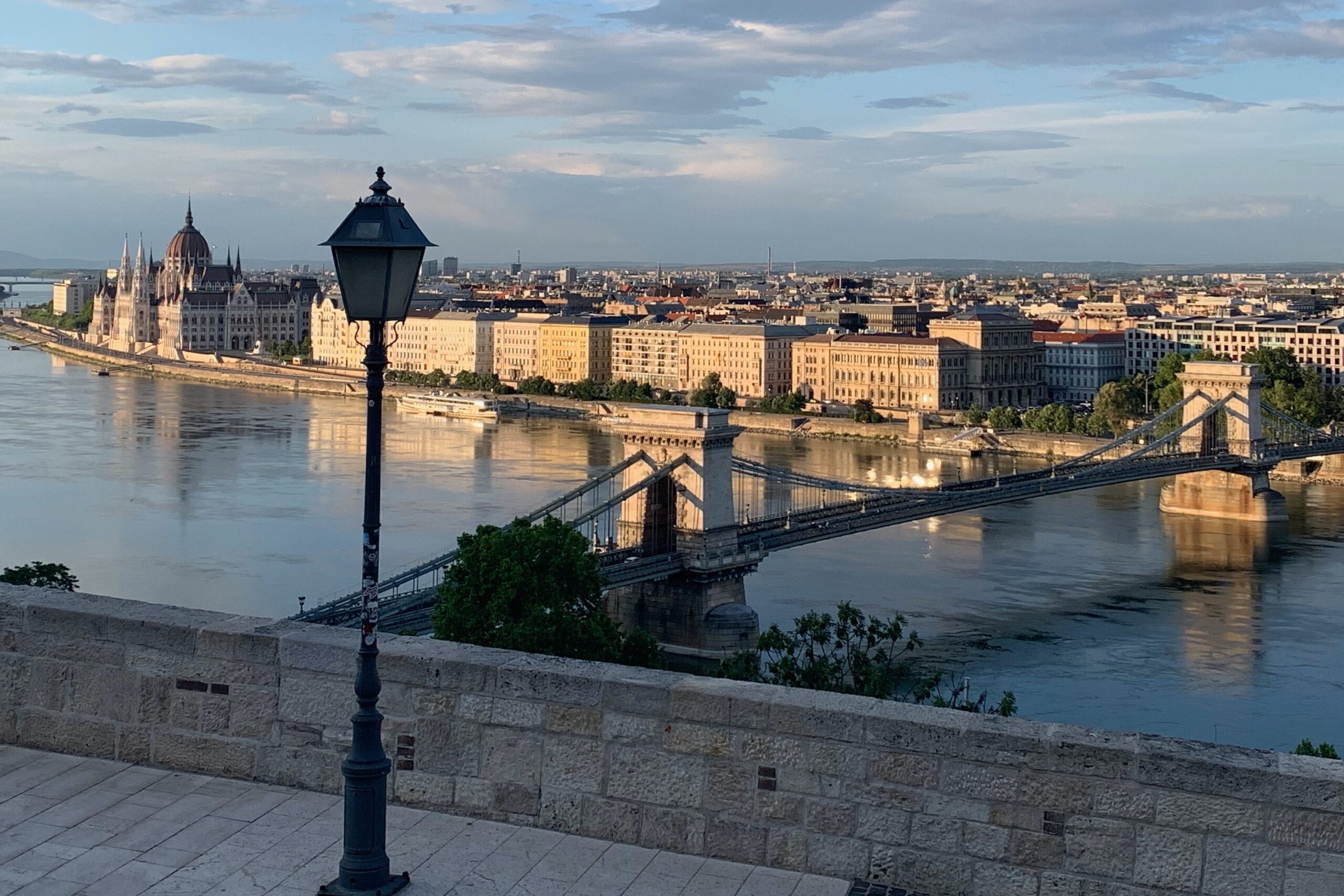
From the very top, panoramic views open over the Buda Castle District, the Danube and the Pest side of the city, including the Hungarian Parliament. The climb also reveals one of the church’s most remarkable features from a completely new angle: the magnificent Zsolnay roof tiles, fully visible only from above, creating a true bird’s-eye view of the building’s intricate patterns and colours.
Unlike larger viewpoints, the experience feels intimate and immersive, allowing you to see Budapest from within one of its most historic monuments rather than simply looking at it from afar.
For visitors willing to take the climb, the tower provides one of the most unique viewpoints in Budapest — and often becomes an unexpected highlight of a visit to Matthias Church.
Visiting Tips for Matthias Church
If you’re planning to visit Matthias Church Budapest, a few practical tips can make the experience much more enjoyable:
- Visit early in the morning or later in the afternoon if you would like to avoid the busiest periods in the Buda Castle District.
- Check the official opening hours before your visit, as Matthias Church is an active place of worship and services, weddings or special events may affect visiting times.
- Walk around the entire building, not just the main entrance area — some of the most beautiful architectural details appear on the quieter sides.
- Don’t miss the interior gallery. From here, you gain a wonderful elevated view over the church’s richly decorated interior. The gallery also includes a small exhibition connected to Hungarian coronations and the church’s important role as a coronation church.
- Climb the tower if you can. Although there are stairs to climb, the panoramic views make it truly worth the effort.
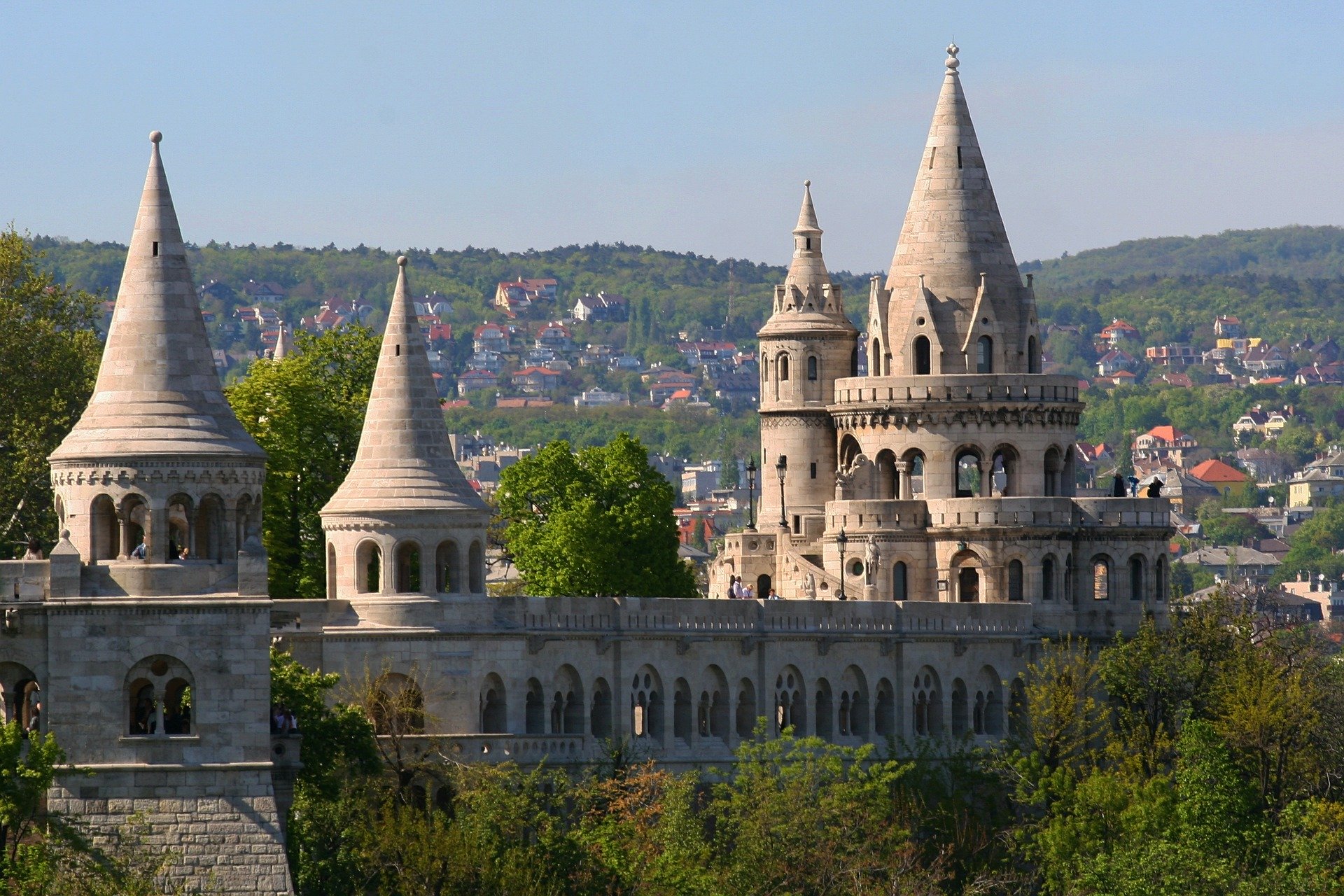
- Combine your visit with Fisherman’s Bastion, located directly beside the church, for iconic views over the Danube and the Hungarian Parliament.
- Comfortable shoes are recommended, as the surrounding streets are historic cobblestones.
Beyond the Postcard View
Budapest’s most famous landmarks often reveal their beauty slowly. Matthias Church is a perfect example — instantly recognisable, yet far richer when experienced with curiosity and time.
Looking beyond the postcard view transforms a quick photo stop into a meaningful moment in the Buda Castle District.
A Local Perspective
When I guide visitors through Budapest, I often encourage them to pause here a little longer. Taking time to notice the details, stepping inside the church or climbing the tower often turns this famous landmark into a personal highlight of the visit.
Matthias Church is one of the places I often include in my private Buda Castle walks, where we can explore the church and the surrounding Castle District at a relaxed pace and focus on the stories and details that interest you most.
Because sometimes, truly knowing a city begins with looking closer.