In the early 20th century fuel and lighting gas used in Hungary was manufactured from coal and because of the increasing consumption there was a need for modern, high capacity gas plants. The location of the gas plants was crucial, as they needed road, rail and waterway connection. The Óbuda Gas Works was inaugurated in 1914, it was the most advanced gas factory of the country producing 250 thousand cubic meters of gas every day. In the 1970’s natural gas became more accessible and cheaper and Budapest switched to natural gas. The Óbuda gas works was decommissioned in 1984.

The factory with its great colours and shapes might remind you of an abandoned castle with its four towers, they originally housed the turbines, control rooms and water towers.

What I personally love about the place is that because of the generosity of the original owners of the factory, residential buildings had also been built for the employees, so that they could live close to their workplace. Two locations were created, a villa neighbourhood for managers and a more simple housing estate for the workers. Walking around the early 20th century buildings is like a real time travel.


I’m delighted to see how many people explore my beautiful Budapest as part of their river cruise. I know that while on a cruise travellers have very limited time to discover each place.

That’s the reason why I offer Shore Excursions, fully customisable driving and walking tours, so that each and every visitor can make the most of their time in Budapest. I know what the cruise companies offer on their tours, and I’ll make sure I see you much more when you decide to book a private tour with me. The tours include driving and walking tours in both Budapest and the beautiful Hungarian countryside.

Don’t hesitate to get in touch with me for further details or to book a tailor-made tour!


I try to publish beautiful pictures of my beautiful Budapest as often as I can, still, I don’t think I reach many people via my Instagram feed. Never mind, this is the selection of my favourite pictures in 2019.


Hungarian strudel is one of those pastries that quietly wins everyone over — and it’s always a favourite on my Foodie tours in Budapest.

Many visitors arrive already knowing Apfelstrudel from Austria or Germany, but the Hungarian version has its own character. The dough is stretched paper-thin, the fillings are generous but never heavy, and the result is not too sweet, just perfectly balanced.

Whether filled with apples, cherries, poppy seeds, or cottage cheese, strudel is a wonderful example of our home-style baking. You can taste it in traditional pastry shops — or, if you’re curious, even try making it yourself and experience the magic of stretching the dough until it’s almost transparent.

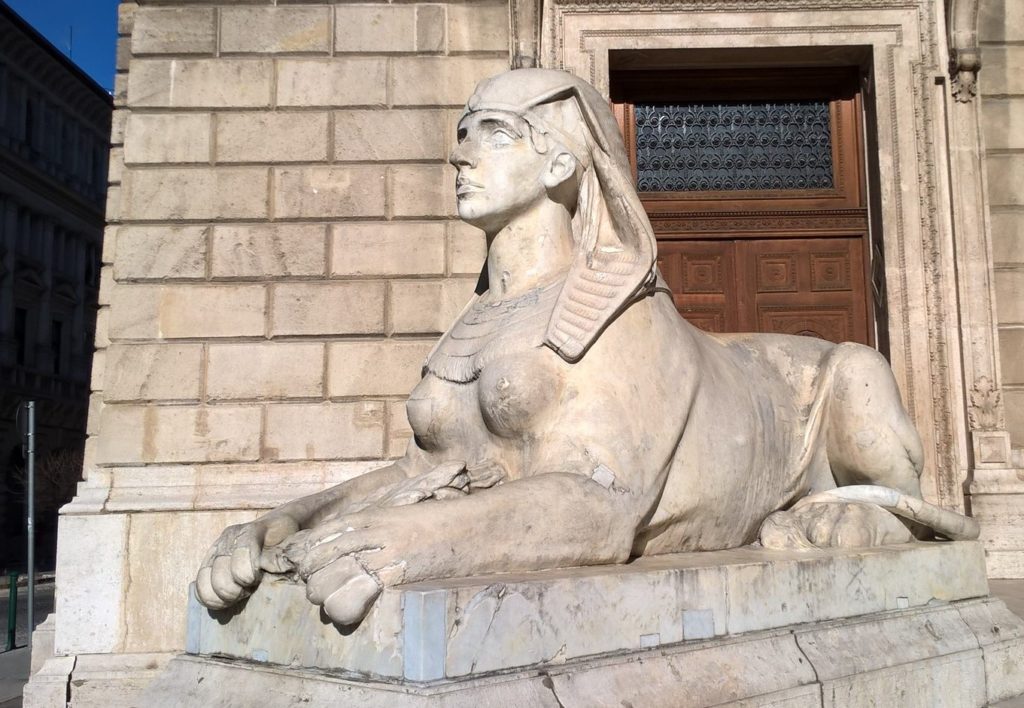
If you’re walking along Andrássy Avenue, one of the most elegant boulevards of Budapest, you might notice a sphinx statue quietly guarding the entrance of the Hungarian State Opera House. At first glance, she looks familiar — mysterious, timeless, and watchful.

But take a closer look, and you’ll realise there’s something unusual about her.

This statue is part of my ongoing Statues of Budapest series, which focuses on both famous monuments and easily overlooked details hidden in plain sight.

Not a typical sphinx

Traditionally, a sphinx is depicted with the head of a woman and the body of a lion. The Budapest sphinx follows this classical form — almost.

If you stop and observe carefully, you’ll notice an unexpected detail: she has breasts, making her far more explicitly feminine than most sphinx representations. This subtle feature sets her apart and gives the statue a distinctive presence.

It’s one of those details many people walk past every day without noticing, yet once seen, it’s impossible to forget.

Why is she here?

The sphinx fits perfectly into the artistic world of the Opera House. She embodies mystery, guardianship, and elegance — qualities closely associated with music, performance, and the dramatic arts.

Placed at the entrance, she feels less like a decoration and more like a silent gatekeeper, watching over one of Budapest’s most important cultural institutions.

A reminder to look closer

The sphinx of Andrássy Avenue is a perfect example of why Budapest rewards attentive visitors. You don’t need grand monuments or dramatic viewpoints — sometimes, the most interesting stories are carved into details just above eye level.

All you have to do is stop, look up, and notice.

Explore more: The Sphinx statue is featured in my Statues of Budapest collection, where famous monuments and easily overlooked details reveal the deeper structure of the city.

Sphinx statue guarding the entrance of the Hungarian State Opera House on Andrássy Avenue


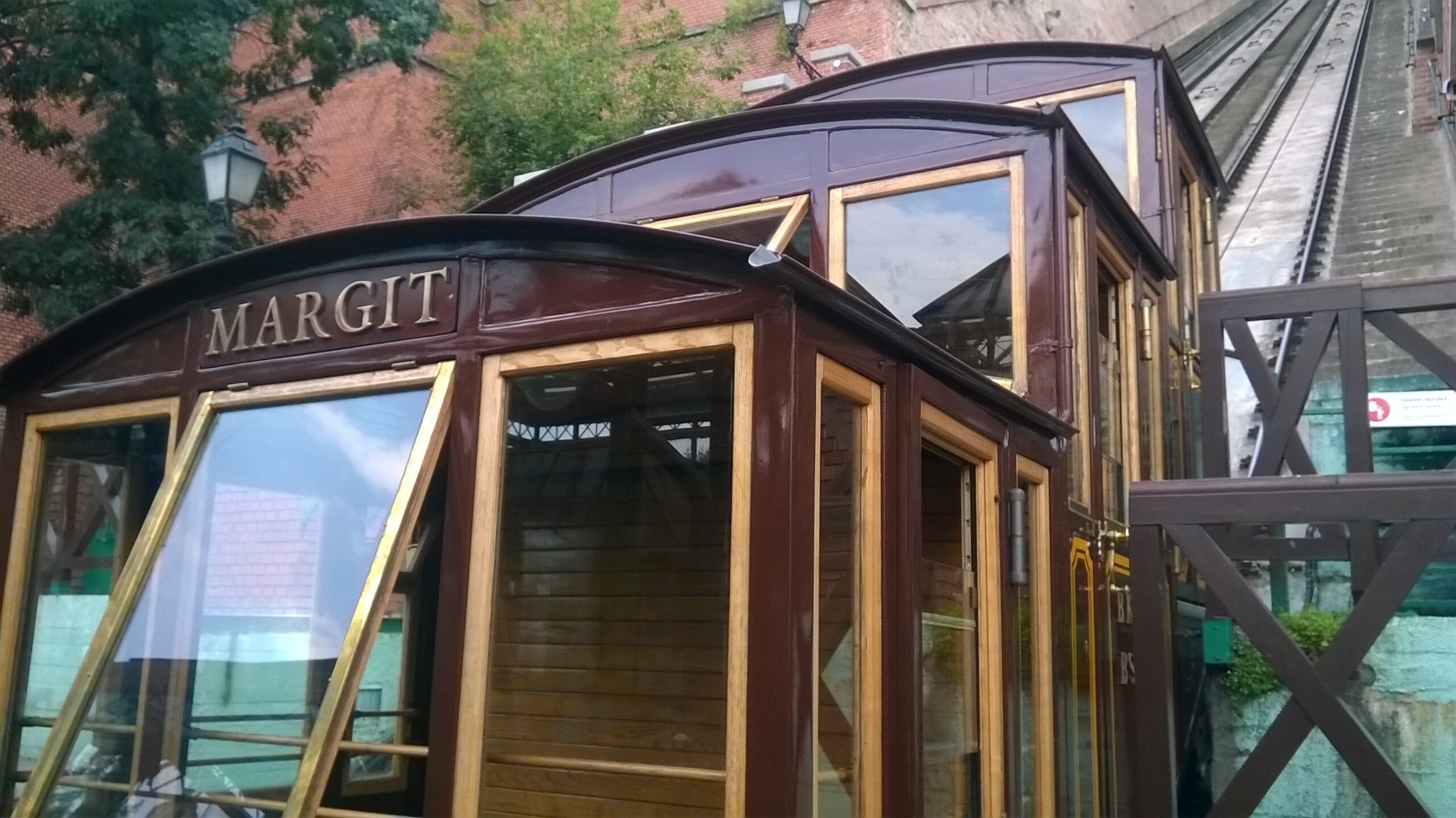
The Buda Castle Funicular is one of those Budapest experiences that is both practical and charming — a short ride that connects the banks of the Danube with the historic heights of Castle Hill.

Since its opening in 1870, this small but iconic cable car has carried millions of passengers between the Chain Bridgeand the Royal Palace above. In just a few seconds, it offers sweeping views over the Danube and Pest, making the journey itself part of the sightseeing.

A bit of history

The Funicular was originally powered by steam and played an important role in everyday city life, helping residents and workers reach Castle Hill quickly. During the Second World War, it was almost completely destroyed.

When it was rebuilt decades later, it returned as an electric cable car, carefully designed to reflect its historic appearance while meeting modern standards. Today, it’s both a nostalgic landmark and a fully functioning part of Budapest’s transport system.

Film lovers may also recognise it from The Grand Budapest Hotel, where it appears briefly — a small but delightful cinematic connection.

How to include it in your visit

The Funicular is a lovely addition to a walk around Buda Castle, whether you’re exploring on your own or joining a Buda Castle Walking Tour, where it can be included as an optional extra depending on interest and timing.

It’s also a great standalone experience if you’re short on time but still want a memorable view.

An insider tip from a local guide

If you’d like to avoid long queues, don’t take the Funicular up to Castle Hill. Instead, walk up and use it for the descent, travelling from the Royal Palace down to the Chain Bridge. Lines are usually shorter — and the view is just as beautiful.

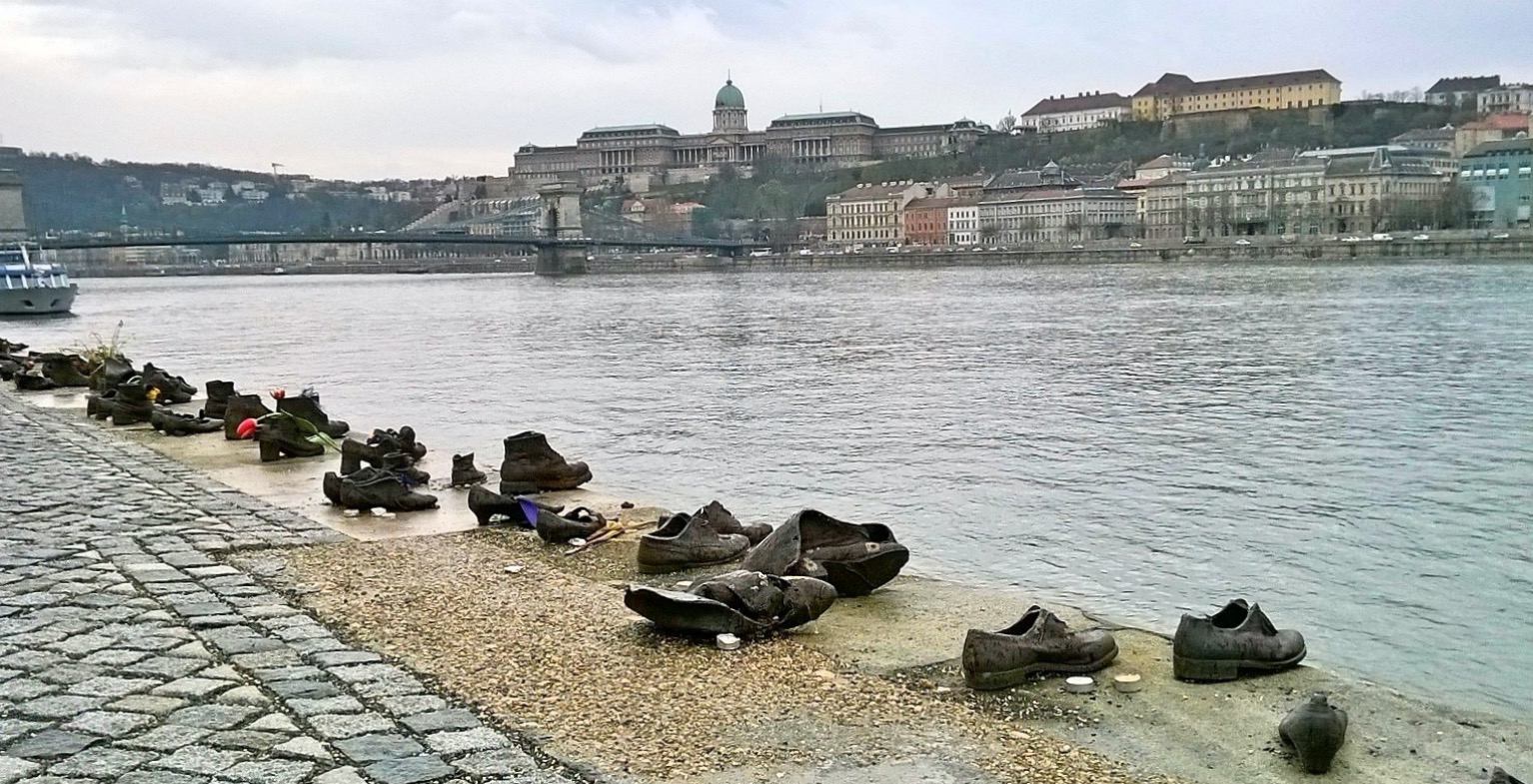
Walking along the Pest side of the Danube, just a few minutes from the Hungarian Parliament, you’ll come across one of the most powerful and moving memorials of Budapest: Shoes on the Danube Bank.

At first glance, the bronze shoes lining the riverbank may seem quiet, almost understated. But their silence speaks volumes.

A place of unimaginable loss

During the winter of 1944–1945, thousands of Hungarian Jews were murdered on this very spot by members of the Arrow Cross Party, the Nazi-aligned regime that ruled Hungary toward the end of World War II.

Victims were marched to the edge of the river, ordered to remove their shoes—valuable items at the time—and then shot. Their bodies fell into the icy Danube and were carried away by the current.

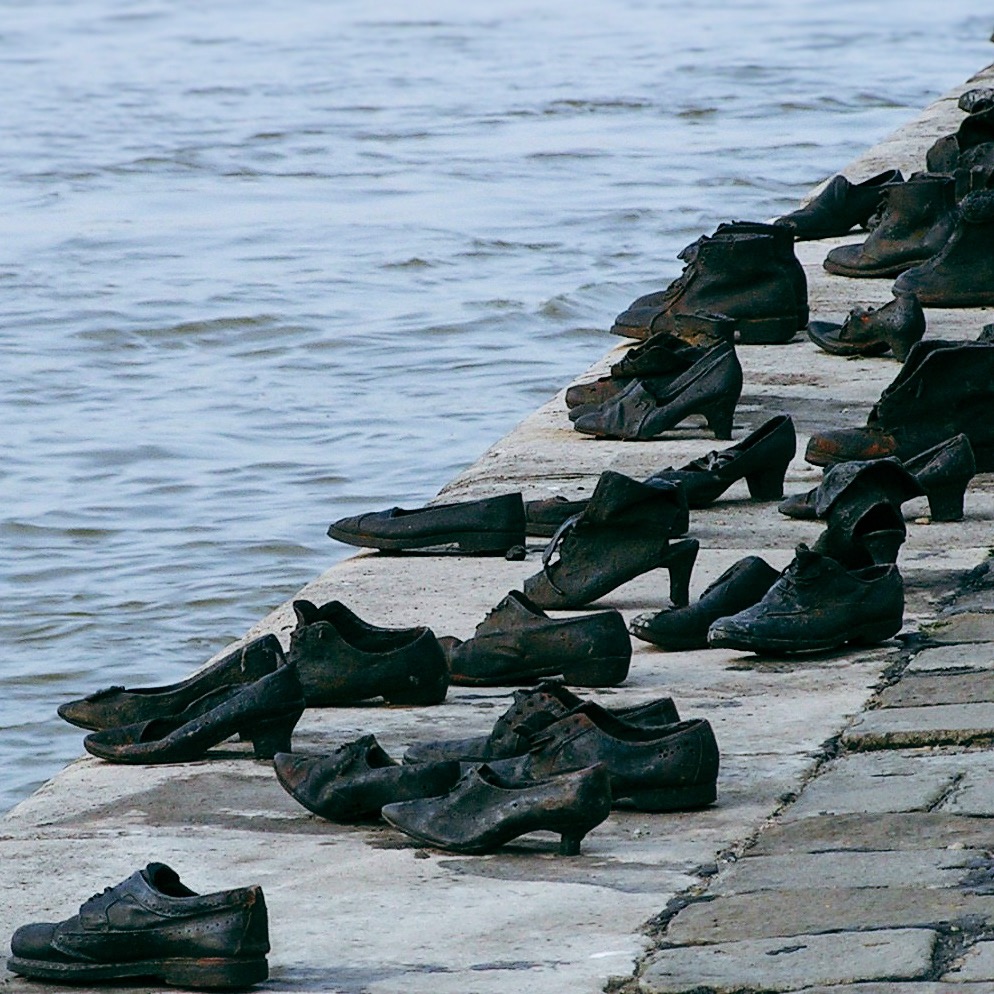
The memorial, created by film director Can Togay and sculptor Gyula Pauer, consists of 60 pairs of bronze shoes: men’s, women’s, and children’s. Each pair represents a life cut short, a family torn apart, a future that never came.

Why this memorial matters

What makes the Shoes on the Danube Bank so striking is its simplicity. There are no towering statues or dramatic inscriptions—just everyday shoes left behind, as if their owners might return at any moment.

Standing here, with the Danube flowing quietly beside you and the Hungarian Parliament Building in the background, history feels painfully close. It’s a place that invites reflection, remembrance, and empathy.

Visitors often leave flowers, stones, or candles in the shoes—small gestures of respect in a place where words often feel insufficient.

Visiting as part of a Jewish Quarter walk

I always recommend visiting this memorial as part of a broader exploration of Budapest’s Jewish history. On my Jewish Quarter walking tour, we place this site into context—connecting it with nearby locations, personal stories, and the wider history of the Jewish community in Budapest before, during, and after the Holocaust.

It’s not an easy stop, but it is an essential one.

If you want to understand Budapest beyond its beauty—its resilience, its scars, and its responsibility to remember—the Shoes on the Danube Bank is truly a must-see.

Budapest is full of statues. Some dominate grand squares and riverbanks, while others quietly occupy street corners, stairways, and promenades, waiting to be noticed. Together, they form an open-air museum that reflects Hungary’s history, myths, political turning points, and sense of humor.

Over the years, I’ve started paying closer attention to these sculptures while walking through the city — not as isolated sights, but as storytellers. Some are impossible to miss, others easy to overlook, yet all of them add depth to understanding Budapest beyond its famous landmarks.

This ongoing collection brings together some of the most interesting statues of Budapest: well-known monuments, playful surprises, and symbolic figures that reveal layers of the city many visitors never see.

Playful & Hidden City Statues

Not all statues in Budapest are solemn or monumental. Some of the city’s most beloved sculptures are informal, approachable, and often discovered by accident. These figures invite interaction, photographs, and sometimes a smile — offering a lighter side of Budapest’s urban landscape.

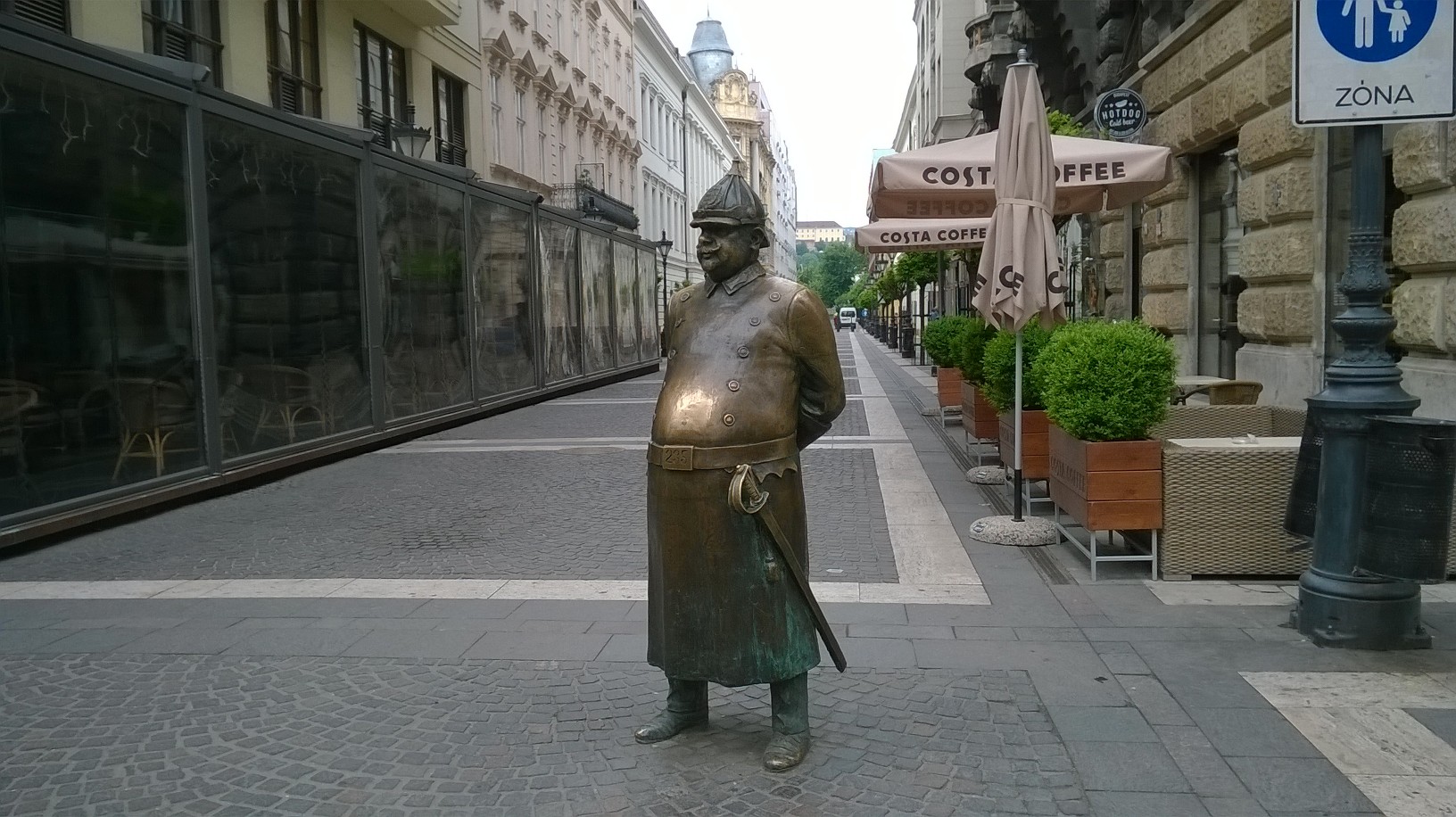
The Fat Policeman

A humorous bronze figure standing near St. Stephen’s Basilica, the Fat Policeman has become one of Budapest’s most photographed statues. Its relaxed posture and exaggerated form make it instantly recognizable, and it perfectly captures the city’s ability to mix history with irony.

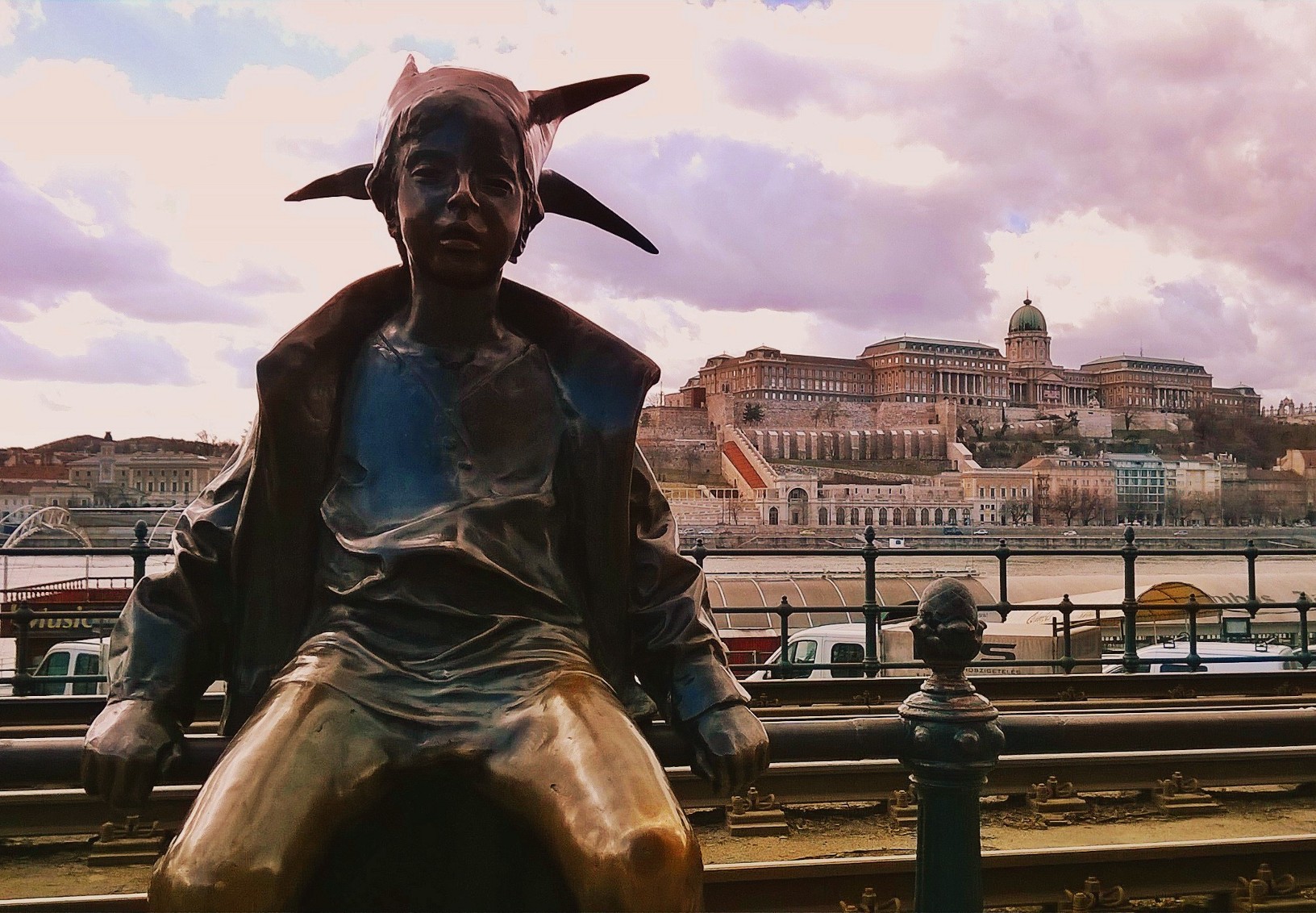
Little Princess

Small in size but big in popularity, the Little Princess sits along the Danube promenade. Inspired by childhood imagination, this statue has become a favorite stop for walkers along the river.

Prince Buda and Princess Pest

This symbolic pair represents the two sides of the city before their unification. Often overlooked, the statue offers a charming reminder of how Budapest came to be.

Historical & Political Monuments

Many statues in Budapest carry much heavier stories. These monuments reflect key historical figures, political eras, and collective memories — sometimes celebratory, sometimes painful.

King Matthias

One of Hungary’s most revered rulers, King Matthias appears in several statues across Budapest. His legacy is closely tied to the country’s golden age and remains deeply embedded in national identity.

Count Gyula Andrássy

A central figure in 19th-century Hungarian politics, Andrássy’s statue reflects the era of reform, modernization, and the Austro-Hungarian Compromise.

Holy Trinity Monument

Found in Buda Castle, this richly decorated column commemorates survival and renewal after devastating plague epidemics. It is both a religious symbol and a historical document carved in stone.

Carl Lutz Memorial

This understated but powerful memorial honors the Swiss diplomat who saved thousands of Hungarian Jews during World War II. It stands as a reminder of moral courage during one of Budapest’s darkest periods.

Stalin’s Boots

All that remains of a once-colossal statue, Stalin’s Boots are among the most symbolic remnants of Hungary’s communist past. Their absence speaks louder than the monument ever did.

Mythical & Symbolic Figures

Some statues draw from legend, mythology, and abstract symbolism rather than specific historical events. These sculptures often blend pagan roots, national identity, and artistic interpretation.

Turul Bird

A mythical creature central to Hungarian origin legends, the Turul appears in multiple locations around the city. It represents strength, protection, and national mythology.

Sphinx

Unusual and unexpected, the Sphinx statue adds a touch of mystery to Budapest’s sculptural landscape. Its presence raises more questions than answers — part of its charm.

0 km Stone

Marking the point from which all road distances in Hungary are measured, the 0 km Stone is both symbolic and practical, quietly anchoring the country’s geography.

Lesser-Known Curiosities

Some statues remain largely unnoticed even by frequent visitors, yet they add richness to the city’s visual and cultural fabric.

Julianus and Gerhardus

This sculpture commemorates medieval monks whose journeys connected Hungary to distant lands. It is a reminder of the country’s early links to the wider European world.

Seeing Budapest Through Its Statues

Taken together, these statues reveal Budapest as a city shaped not only by kings and empires, but also by humor, memory, and symbolism. They reward those who slow down, look closer, and ask questions.

I often point out these sculptures while walking through the city, not as checklist sights, but as conversation starters — details that help make sense of Budapest’s layered past and vibrant present.

This page will continue to grow as more statues and stories are added, forming an evolving portrait of Budapest told through bronze, stone, and imagination.

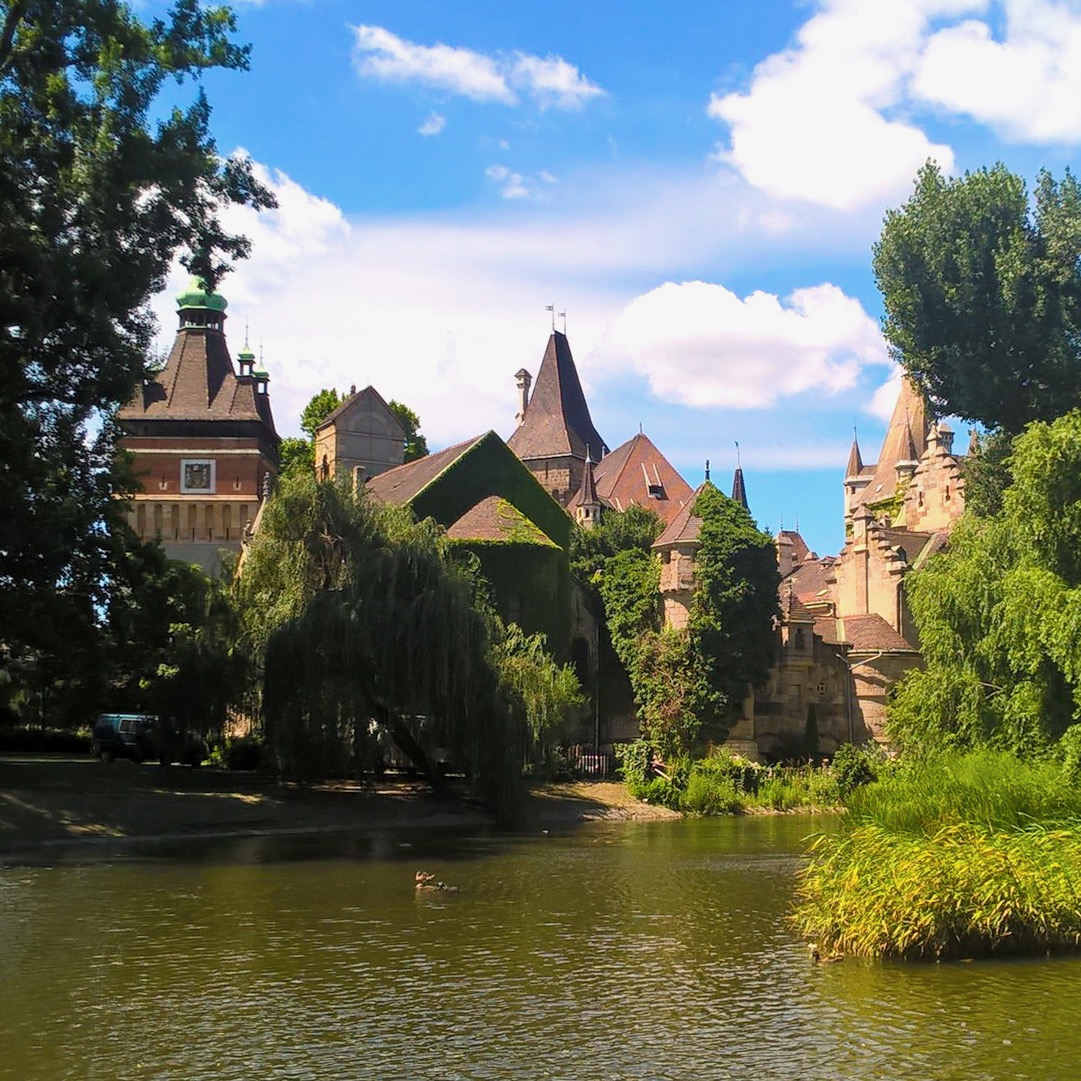
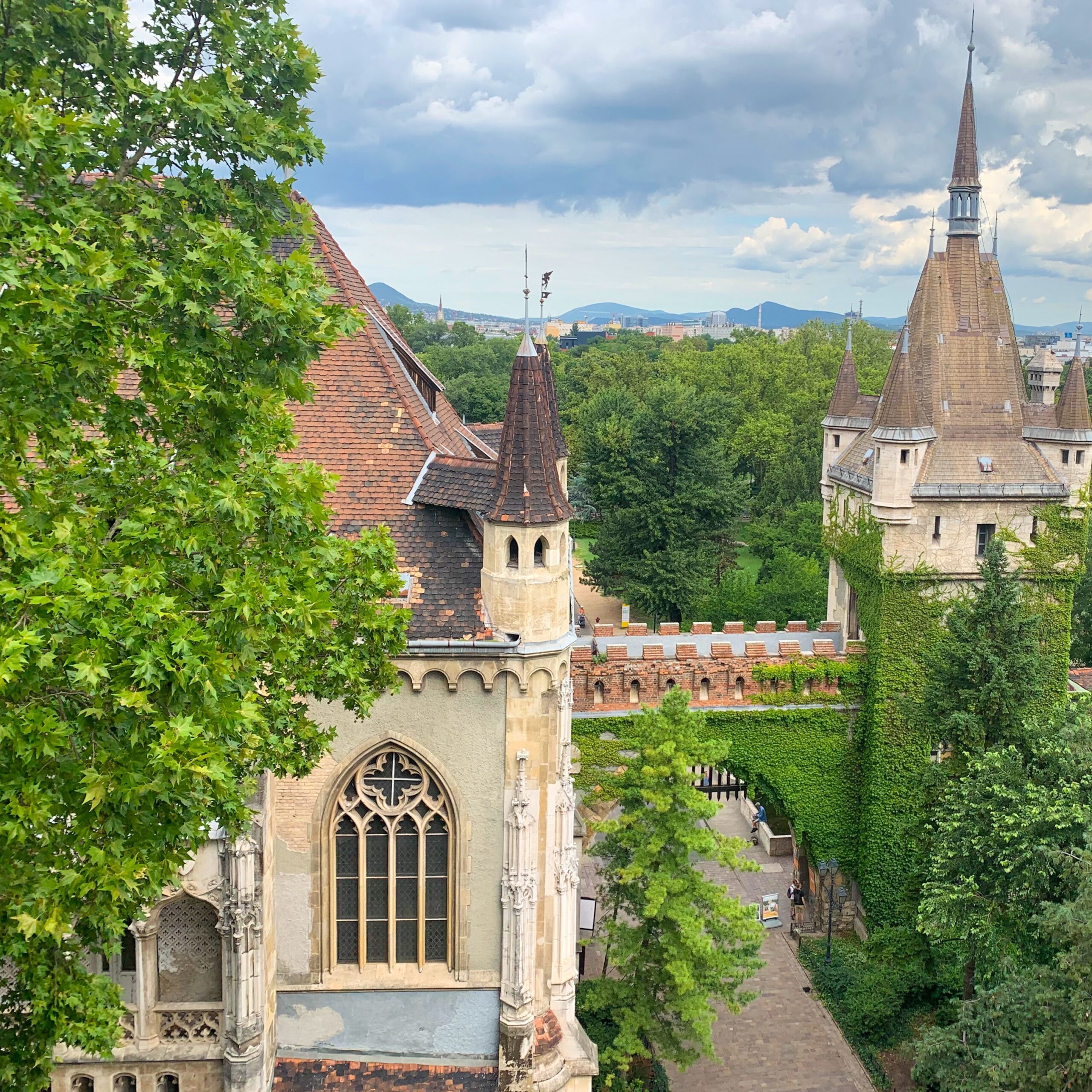
Vajdahunyad Castle in Budapest is one of city’s most distinctive and beloved landmarks, beautifully tucked away in City Park. A visit here feels like stepping into a storybook — yet the castle’s origins are firmly rooted in Hungarian history.

The castle was originally built as a temporary structure for the 1896 Millennium Exhibition, created to showcase Hungary’s rich architectural heritage in a single complex. Its success exceeded all expectations, and after the exhibition ended, the decision was made to rebuild Vajdahunyad Castle in a permanent form — allowing future generations to enjoy it.

What makes Vajdahunyad Castle truly special is its unique blend of architectural styles. Romanesque, Gothic, Renaissance, and Baroque elements appear side by side, representing famous buildings from across the historic Kingdom of Hungary. As you walk through the courtyards, over the bridge, and along the lake, each section reveals a different mood — and endless photo opportunities.

Today, Vajdahunyad Castle is one of the most visited attractions in Budapest. It also frequently appears as a filming location, so keen-eyed visitors may recognise it from international films and series. Inside, the castle houses the Museum of Hungarian Agriculture, while the surrounding grounds invite relaxed walks in every season.

Vajdahunyad Castle is included in many of my Budapest walking and driving tours, often paired with Heroes’ Square, Andrássy Avenue, and other highlights of City Park. It’s a place where architecture, history, and everyday local life meet — and one I’m always happy to introduce to visitors.

If you’d like to explore Vajdahunyad Castle as part of a customised private tour, feel free to get in touch.

That’s a Hungarian saying, that’s probably how Hungarians try to find some comfort when they can’t see the sun for weeks. Budapest really is beautiful all year around but it shows most of its splendor in the sun.