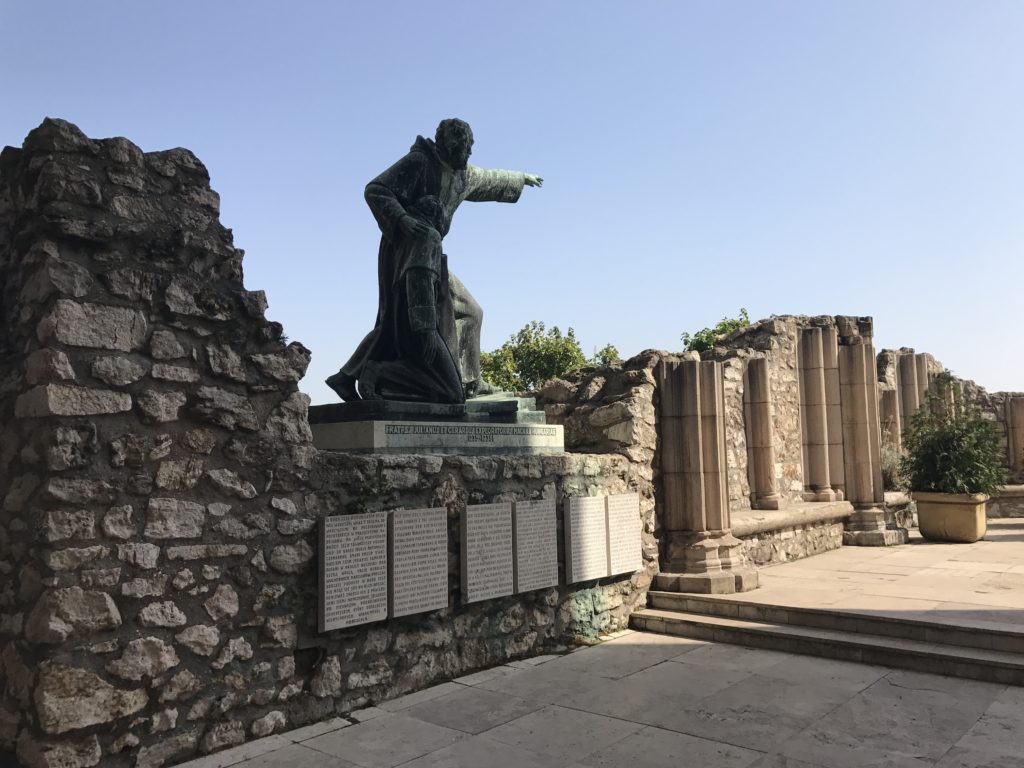
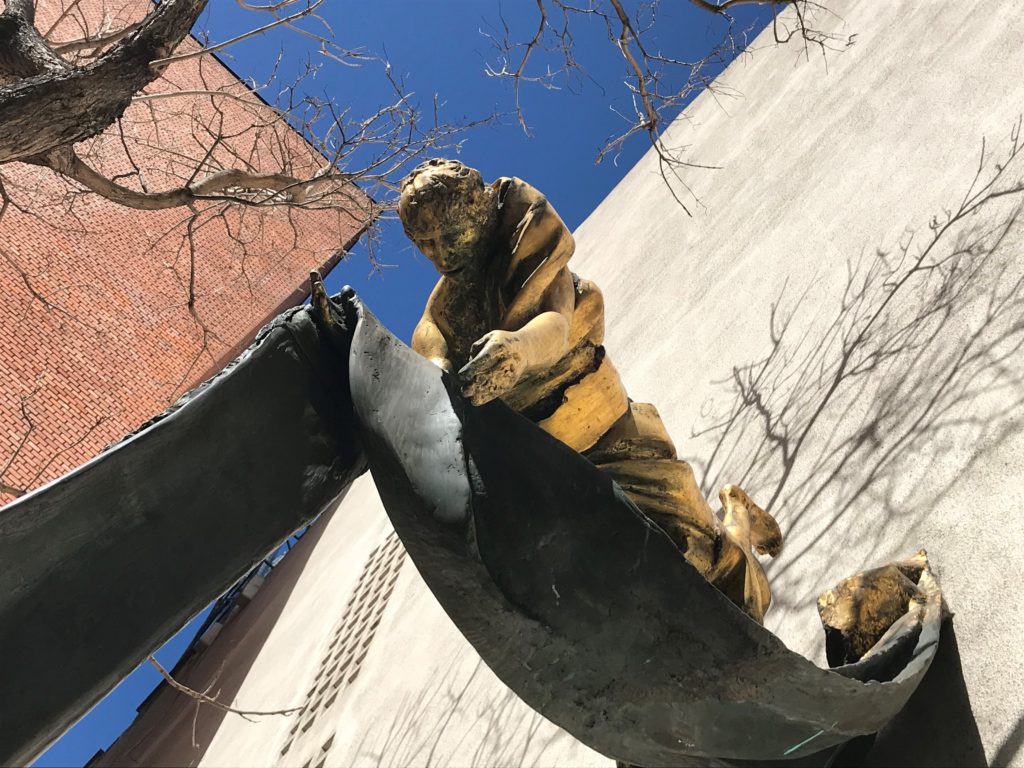
Among Budapest’s lesser-known statues, the monument to Julianus and Gerhardus stands out not for its size, but for the remarkable story it represents.

This sculpture is part of my ongoing Statues of Budapest series, which looks beyond famous monuments to uncover the ideas and journeys that shaped Hungarian identity.

Who were Julianus and Gerhardus?

Julianus and Gerhardus were Hungarian Dominican monks who, in the 13th century, set out on an extraordinary journey eastward. Their mission was to find Magna Hungaria — the ancestral territories where Hungarians were believed to have lived before beginning their long migration toward Europe.

Travelling thousands of kilometers, they reached regions near the Ural Mountains, documenting encounters with people believed to be related to the early Hungarians. At a time when travel was slow, dangerous, and uncertain, their journey was an astonishing feat of endurance and curiosity.

Why does this statue matter?

Unlike statues commemorating kings or battles, this monument celebrates knowledge, exploration, and cultural memory. Julianus and Gerhardus represent a desire to understand origins — to look backward in order to understand the present.

Their story reminds us that Hungarian history is not confined to the Carpathian Basin alone, but stretches far beyond it, across continents and centuries.

A quiet monument with a wide horizon

This statue is easy to overlook, yet it commemorates one of the most ambitious intellectual journeys of medieval Hungary. It invites reflection rather than admiration — and rewards those who pause to read its story.

In a city filled with grand architecture and dramatic monuments, Julianus and Gerhardus quietly point our attention outward, toward distant lands and deep historical roots.

Explore more: Julianus and Gerhardus are part of my Statues of Budapest collection, featuring famous monuments and overlooked sculptures that reveal the city’s layered identity.

Statue of Julianus and Gerhardus, medieval Hungarian monks, in Budapest


Tucked away on a quiet stretch of Dob utca in Budapest, near the lively Gozsdu Courtyard, stands a moving and quietly powerful monument: the Carl Lutz Memorial. It commemorates one of the most extraordinary humanitarian efforts in Budapest during the Second World War.

This statue is part of my ongoing Statues of Budapest series, which explores how public monuments reflect the city’s most difficult — and most meaningful — chapters.

Who was Carl Lutz?

Carl Lutz served as Vice-Consul of the Swiss Embassy in Budapest during the German occupation. Between 1942 and 1945, he used his diplomatic position, ingenuity, and moral courage to save tens of thousands of Hungarian Jewsfrom deportation and death.

By issuing protective documents, establishing safe houses, and repeatedly defying Nazi and Arrow Cross authorities, Lutz became one of the most effective rescuers in Holocaust history.

The meaning of the memorial

The Carl Lutz Memorial does not overwhelm with size or drama. Instead, it invites reflection. Placed in the heart of what was once the Jewish ghetto, its location is as important as the statue itself.

Here, remembrance is woven directly into everyday life — a reminder that courage and humanity existed even in the darkest moments of the city’s past.

Why this statue matters today

In a neighborhood now known for cafés, bars, and cultural life, the Carl Lutz Memorial anchors the Jewish Quarter in its historical reality. It asks visitors to pause, remember, and understand that the stories of survival here are real, personal, and recent.

This memorial often becomes one of the most meaningful stops on my Jewish Quarter walk, where we explore not only architecture and everyday life, but also the human stories behind the streets.

Explore more: The Carl Lutz Memorial is part of my Statues of Budapest collection, featuring monuments that reveal the city’s layered and often complex history.

Statue commemorating Carl Lutz, Swiss diplomat and Holocaust rescuer, in Budapest


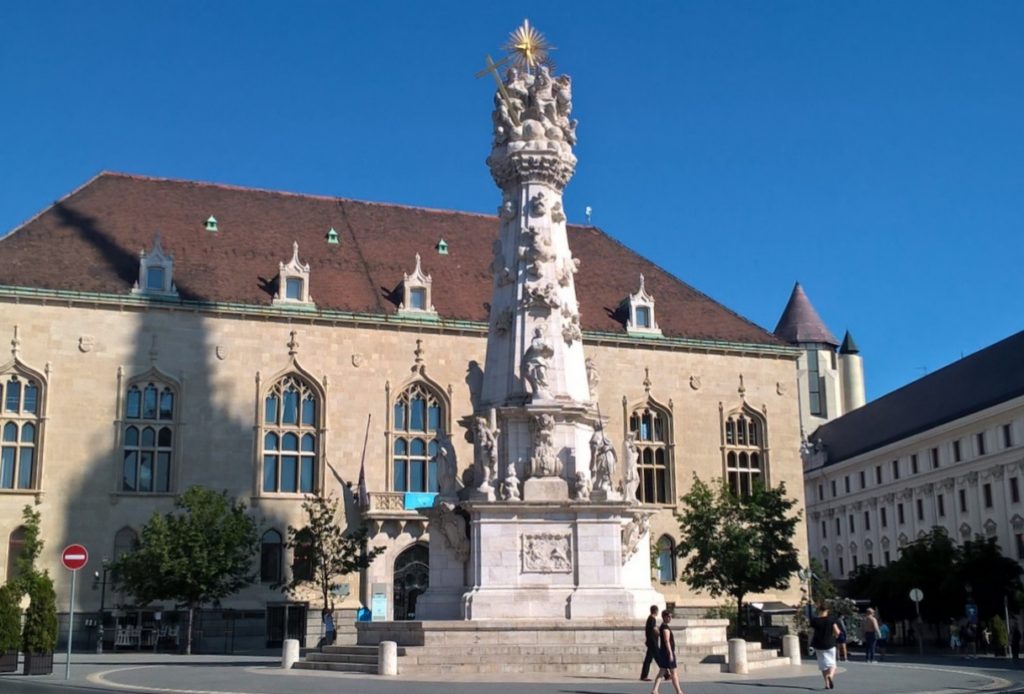
Standing quietly in the heart of the Buda Castle District, near Matthias Church, the Holy Trinity Monument is one of Budapest’s most meaningful historical memorials. Rich in symbolism and emotion, it tells a story of survival, faith, and gratitude.

This monument is part of my ongoing Statues of Budapest series, which explores how public sculptures reflect the city’s deepest historical experiences.

A monument born from survival

The Holy Trinity Monument was erected in the early 18th century by survivors of the Black Plague, one of the most devastating epidemics in European history. After enduring unimaginable loss, those who lived wanted to give thanks — and to commemorate both survival and remembrance in a lasting form.

Plague columns like this one can be found across Central Europe, but the Budapest monument stands out for its location and artistic richness.

Symbolism carved in stone

At the center of the monument rises the Holy Trinity, surrounded by saints traditionally associated with protection against plague. Every figure and detail reflects fear, hope, and faith — emotions deeply felt by those who commissioned it.

Rather than celebrating victory or power, the monument speaks quietly of vulnerability and gratitude, reminding visitors how fragile life once was, and how deeply survival was valued.

Why the Holy Trinity Monument matters

Today, the monument blends almost seamlessly into the postcard-perfect surroundings of Buda Castle. Yet behind its beauty lies a powerful reminder of a time when faith and community were often the only sources of comfort.

It invites reflection — not only on Budapest’s past, but on resilience, memory, and the human need to give thanks after hardship.

Explore more: The Holy Trinity Monument is part of my Statues of Budapest collection, featuring monuments that reveal the city’s layered history, from playful street sculptures to deeply symbolic memorials.

Holy Trinity Column commemorating plague survivors in Budapest


Budapest is full of statues. Some dominate grand squares and riverbanks, while others quietly occupy street corners, stairways, and promenades, waiting to be noticed. Together, they form an open-air museum that reflects Hungary’s history, myths, political turning points, and sense of humor.

Over the years, I’ve started paying closer attention to these sculptures while walking through the city — not as isolated sights, but as storytellers. Some are impossible to miss, others easy to overlook, yet all of them add depth to understanding Budapest beyond its famous landmarks.

This ongoing collection brings together some of the most interesting statues of Budapest: well-known monuments, playful surprises, and symbolic figures that reveal layers of the city many visitors never see.

Playful & Hidden City Statues

Not all statues in Budapest are solemn or monumental. Some of the city’s most beloved sculptures are informal, approachable, and often discovered by accident. These figures invite interaction, photographs, and sometimes a smile — offering a lighter side of Budapest’s urban landscape.

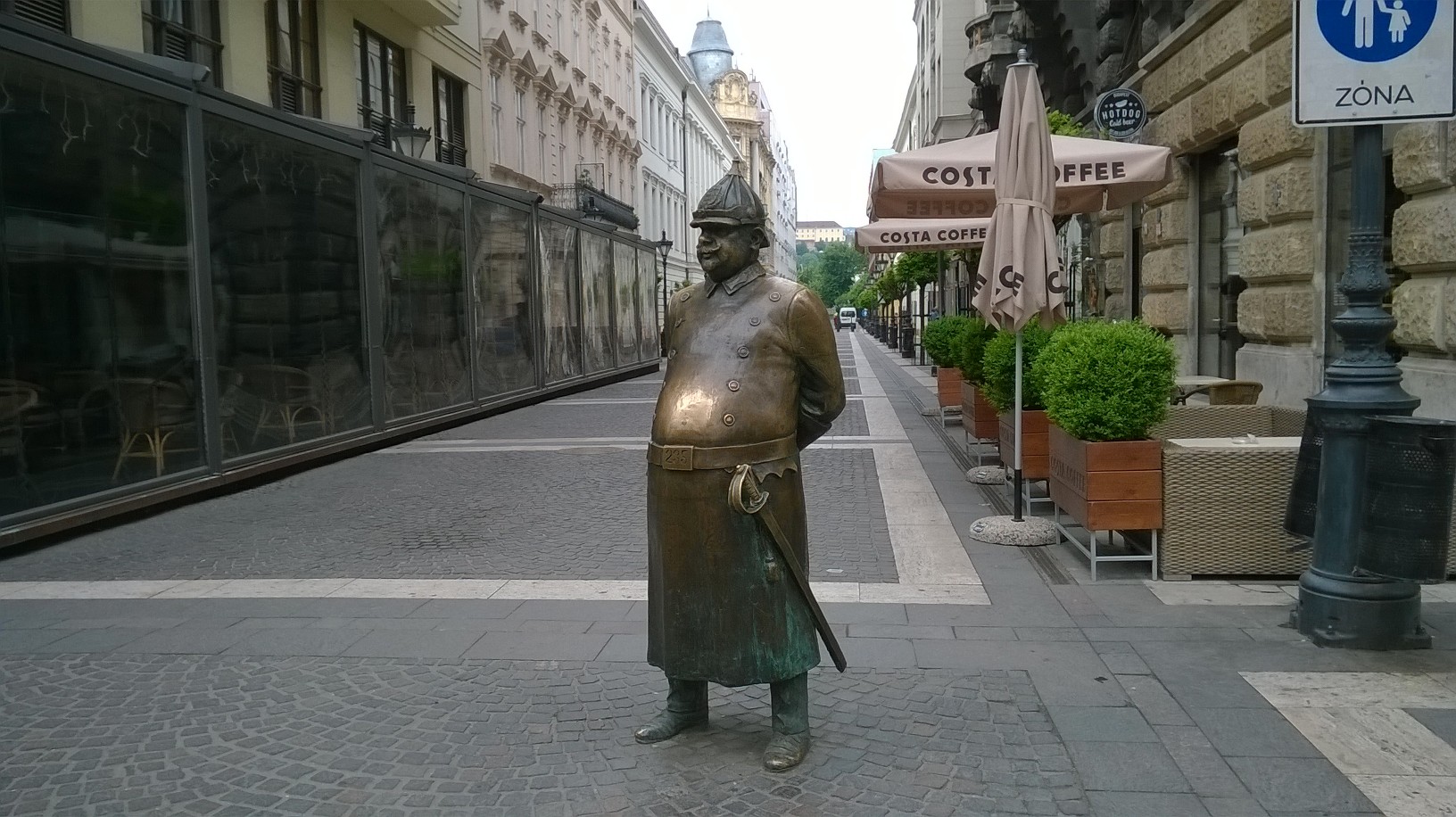
The Fat Policeman

A humorous bronze figure standing near St. Stephen’s Basilica, the Fat Policeman has become one of Budapest’s most photographed statues. Its relaxed posture and exaggerated form make it instantly recognizable, and it perfectly captures the city’s ability to mix history with irony.

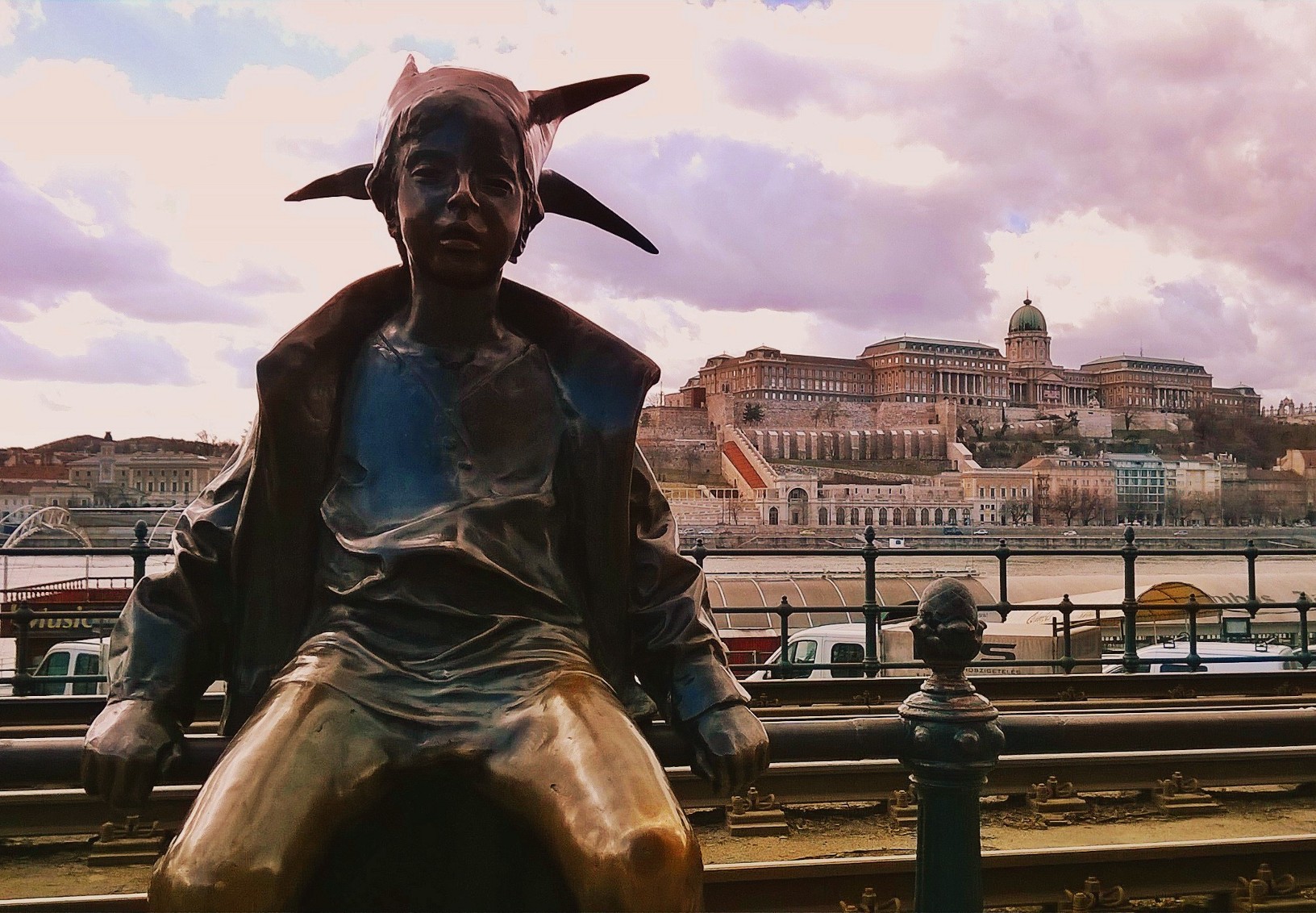
Little Princess

Small in size but big in popularity, the Little Princess sits along the Danube promenade. Inspired by childhood imagination, this statue has become a favorite stop for walkers along the river.

Prince Buda and Princess Pest

This symbolic pair represents the two sides of the city before their unification. Often overlooked, the statue offers a charming reminder of how Budapest came to be.

Historical & Political Monuments

Many statues in Budapest carry much heavier stories. These monuments reflect key historical figures, political eras, and collective memories — sometimes celebratory, sometimes painful.

King Matthias

One of Hungary’s most revered rulers, King Matthias appears in several statues across Budapest. His legacy is closely tied to the country’s golden age and remains deeply embedded in national identity.

Count Gyula Andrássy

A central figure in 19th-century Hungarian politics, Andrássy’s statue reflects the era of reform, modernization, and the Austro-Hungarian Compromise.

Holy Trinity Monument

Found in Buda Castle, this richly decorated column commemorates survival and renewal after devastating plague epidemics. It is both a religious symbol and a historical document carved in stone.

Carl Lutz Memorial

This understated but powerful memorial honors the Swiss diplomat who saved thousands of Hungarian Jews during World War II. It stands as a reminder of moral courage during one of Budapest’s darkest periods.

Stalin’s Boots

All that remains of a once-colossal statue, Stalin’s Boots are among the most symbolic remnants of Hungary’s communist past. Their absence speaks louder than the monument ever did.

Mythical & Symbolic Figures

Some statues draw from legend, mythology, and abstract symbolism rather than specific historical events. These sculptures often blend pagan roots, national identity, and artistic interpretation.

Turul Bird

A mythical creature central to Hungarian origin legends, the Turul appears in multiple locations around the city. It represents strength, protection, and national mythology.

Sphinx

Unusual and unexpected, the Sphinx statue adds a touch of mystery to Budapest’s sculptural landscape. Its presence raises more questions than answers — part of its charm.

0 km Stone

Marking the point from which all road distances in Hungary are measured, the 0 km Stone is both symbolic and practical, quietly anchoring the country’s geography.

Lesser-Known Curiosities

Some statues remain largely unnoticed even by frequent visitors, yet they add richness to the city’s visual and cultural fabric.

Julianus and Gerhardus

This sculpture commemorates medieval monks whose journeys connected Hungary to distant lands. It is a reminder of the country’s early links to the wider European world.

Seeing Budapest Through Its Statues

Taken together, these statues reveal Budapest as a city shaped not only by kings and empires, but also by humor, memory, and symbolism. They reward those who slow down, look closer, and ask questions.

I often point out these sculptures while walking through the city, not as checklist sights, but as conversation starters — details that help make sense of Budapest’s layered past and vibrant present.

This page will continue to grow as more statues and stories are added, forming an evolving portrait of Budapest told through bronze, stone, and imagination.
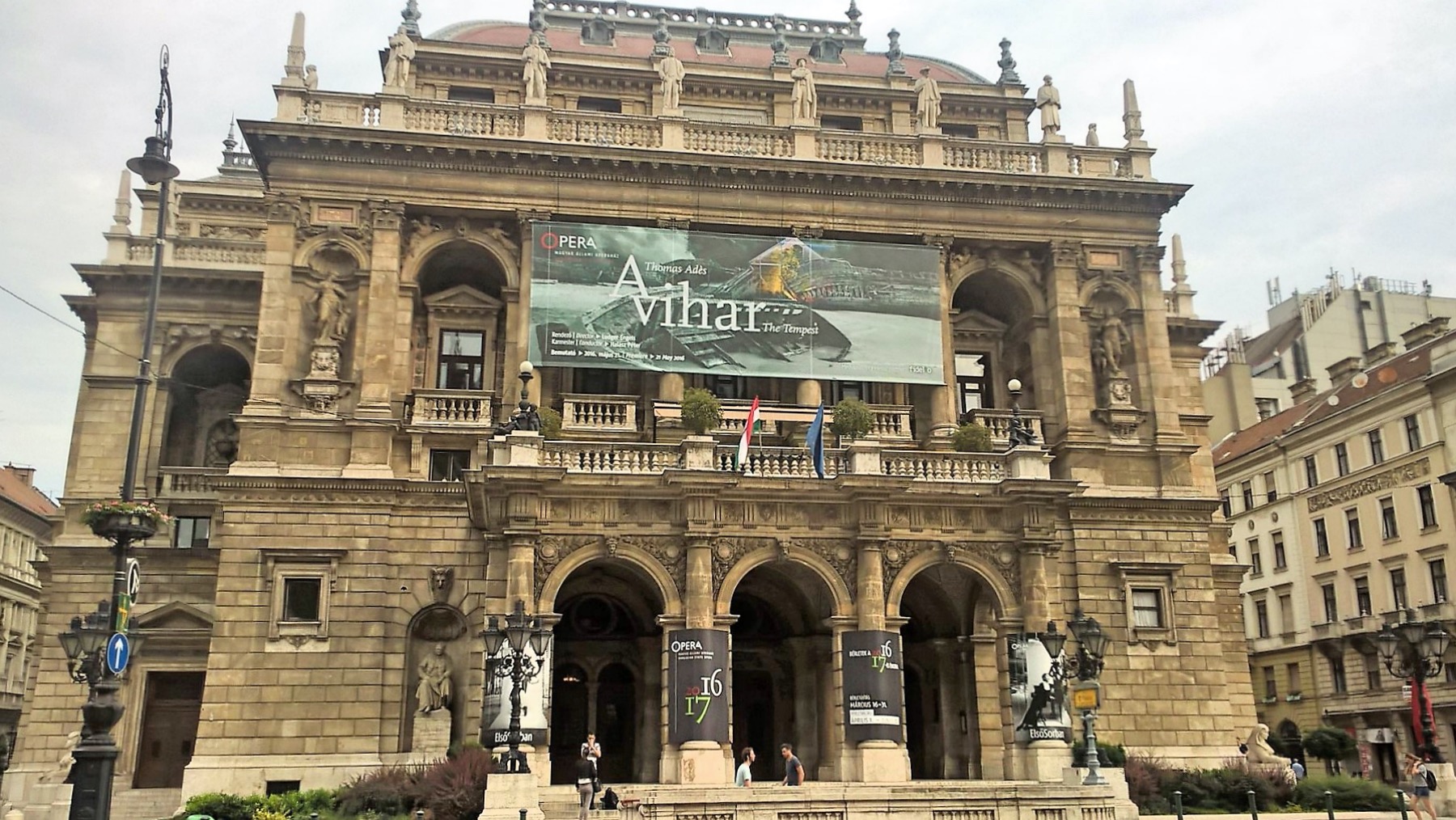
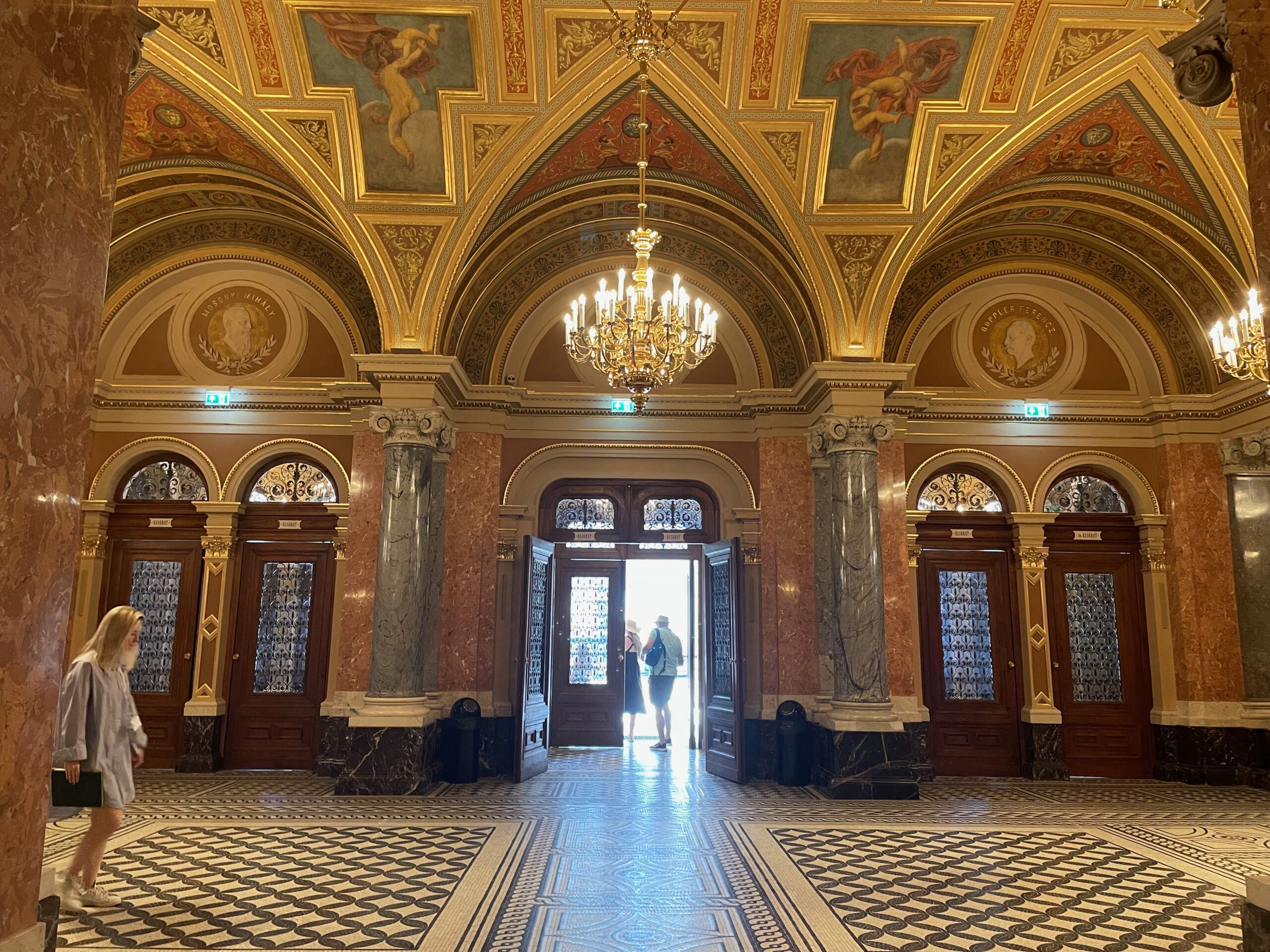
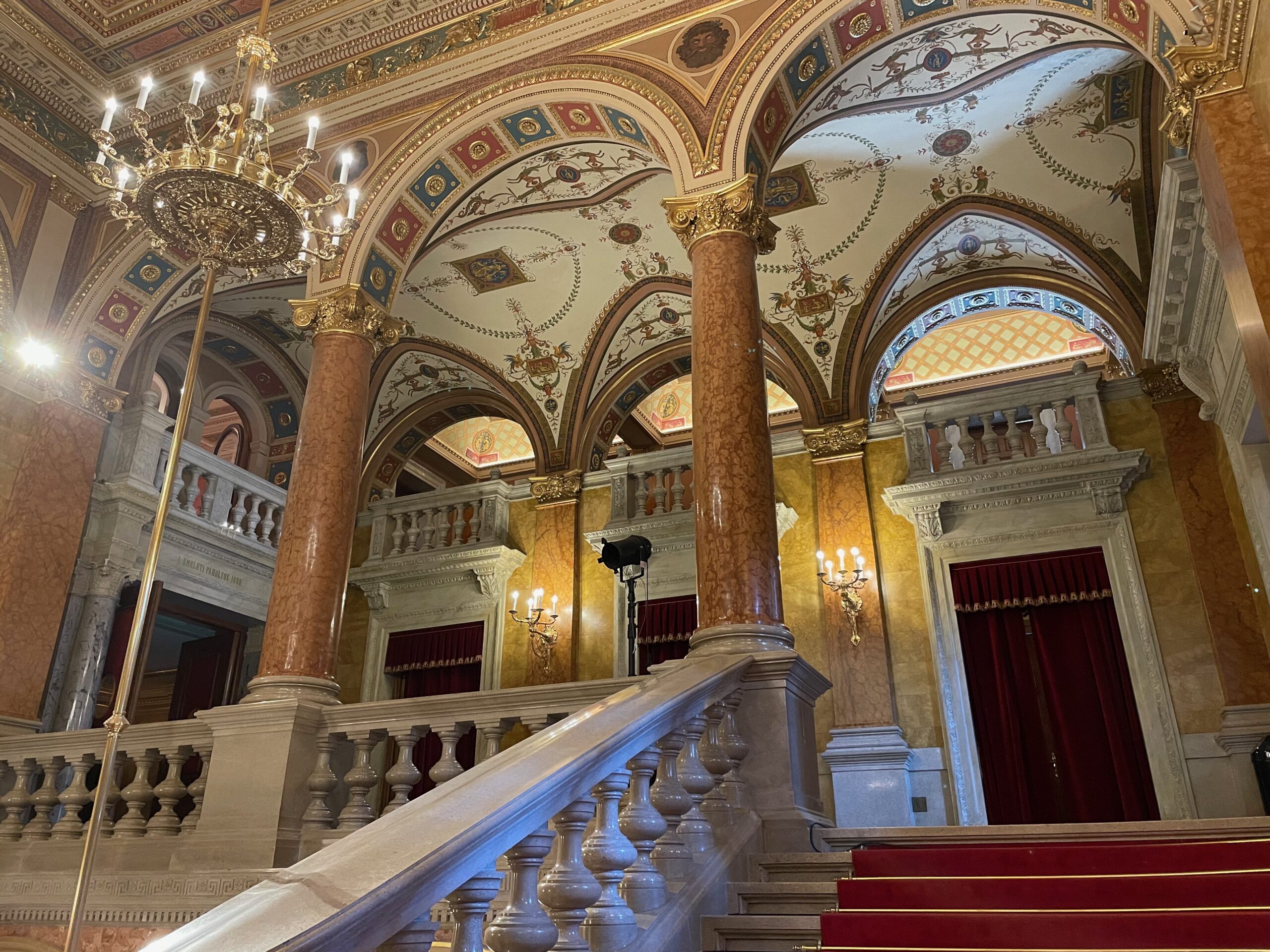
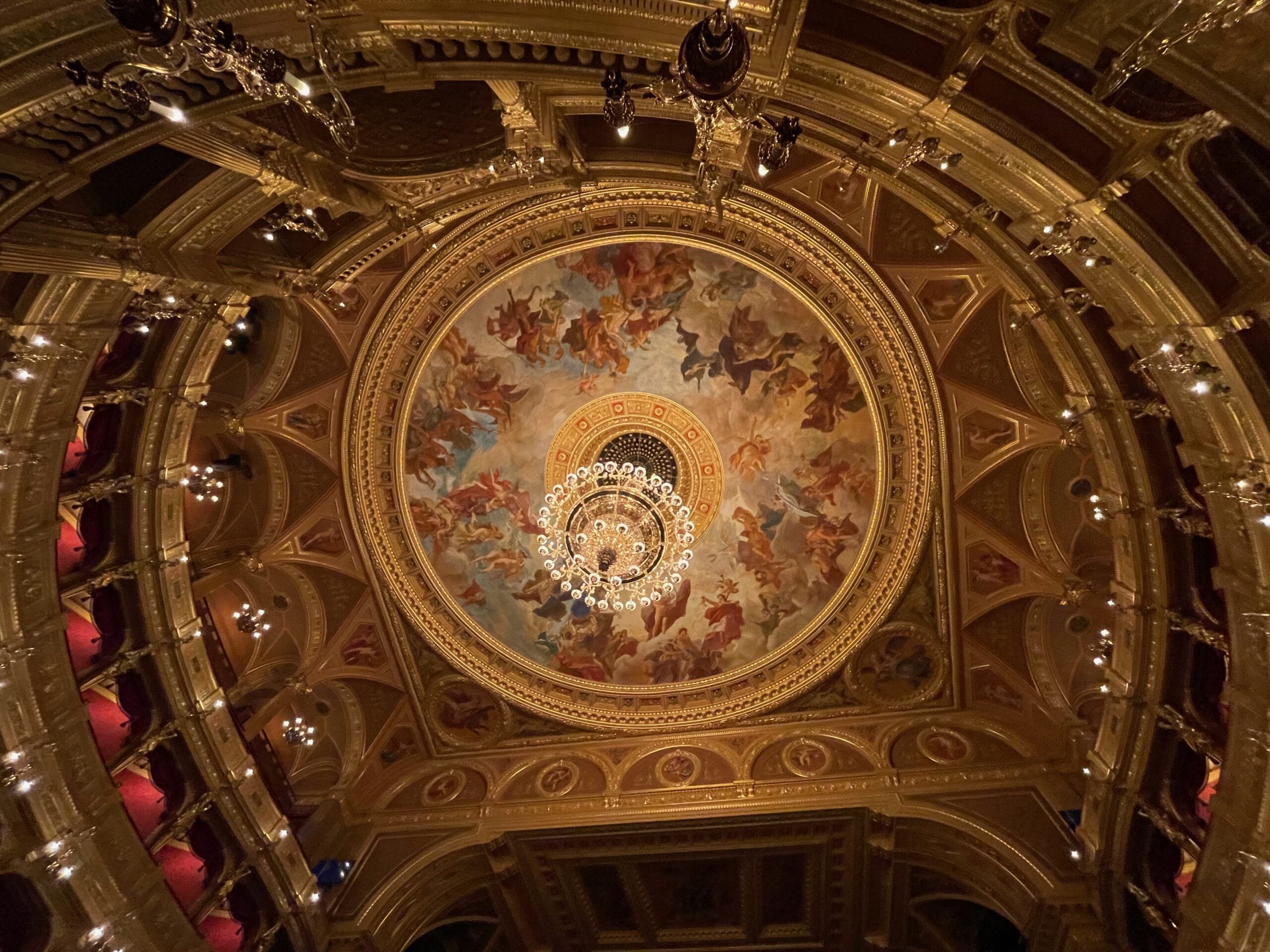
Few buildings capture the spirit of Budapest as perfectly as the Hungarian State Opera House. Elegant, richly decorated, and steeped in history, it is one of the most impressive landmarks along Andrássy Avenue—Budapest’s grand boulevard, often compared to the Champs-Élysées.

At first glance, the Opera House impresses with its Neo-Renaissance façade, ornate statues, and monumental arched entrance. But as with many things in Budapest, the real magic begins once you step inside. Gilded staircases, frescoed ceilings, velvet-lined boxes, and glittering chandeliers create an atmosphere of old-world elegance that instantly transports you back to the golden age of the Austro-Hungarian Empire.

A Symbol of Budapest’s Cultural Ambition

The Opera House was designed by Miklós Ybl, one of Hungary’s most celebrated architects, and opened its doors in 1884. At the time, Budapest was eager to establish itself as a cultural capital equal to Vienna—and the Opera House was a bold statement of that ambition.

Legend has it that Franz Joseph I, the Austro-Hungarian Emperor himself, was both impressed and slightly irritated by the building. While he had light-heartedly supported its construction, he reportedly did not appreciate the fact that Budapest’s Opera House turned out to be even more richly decorated than the Vienna State Opera. True or not, the story perfectly captures the competitive spirit of the era—and the pride Budapest took in its cultural achievements.

More Than Just an Opera House

Today, the Hungarian State Opera House is not only a venue for world-class opera and ballet performances, but also a living museum of architecture, music, and history. Guided tours run regularly and are an excellent way to admire the interior while learning about the building’s design, symbolism, and everyday life behind the scenes.

If you have the chance, attending an evening performance is a truly unforgettable experience. Even for visitors who are not regular opera-goers, the setting alone makes it special—and it offers a rare opportunity to experience Budapest much like locals do.

Hidden Details, Stories & Urban Legends

One of the things I love most about the Opera House is that it rewards those who look closely. Statues, frescoes, and decorative elements are all carefully chosen, often carrying political messages, artistic ideals, or subtle jokes that reflect the mindset of 19th-century Hungary.

These are exactly the kinds of details that tend to go unnoticed without local context—and they come to life when you explore the city on foot. During my Pest walking tour, the Opera House is not just a beautiful stop, but part of a larger story about Budapest’s development, identity, and cultural self-confidence.

A Natural Stop on a Custom Budapest Tour

Because of its location on Andrássy Avenue, the Opera House fits seamlessly into many fully customisable Budapest tours. It pairs beautifully with nearby cafés, historic palaces, and other iconic sights of Pest, making it easy to adapt the visit to your interests—whether you love architecture, music, history, or simply want to understand the city beyond the surface.

Every private tour I offer is tailored to my guests, and the Opera House often becomes a highlight: sometimes as a short architectural stop, sometimes as a deeper historical discussion, and sometimes as the starting point for an evening of culture in Budapest.

Why the Opera House Belongs on Every First Visit

Whether you admire it from the outside, explore it on a guided tour, or attend a performance, the Hungarian State Opera House is one of those places that encapsulates Budapest in a single building: elegant but slightly dramatic, proud of its past, and full of stories waiting to be told.

If you’re planning your visit and would like to explore the Opera House as part of a custom private tour or a Pest walk designed around your interests, I’d be delighted to show you this iconic landmark—and the city around it—through a local’s eyes.