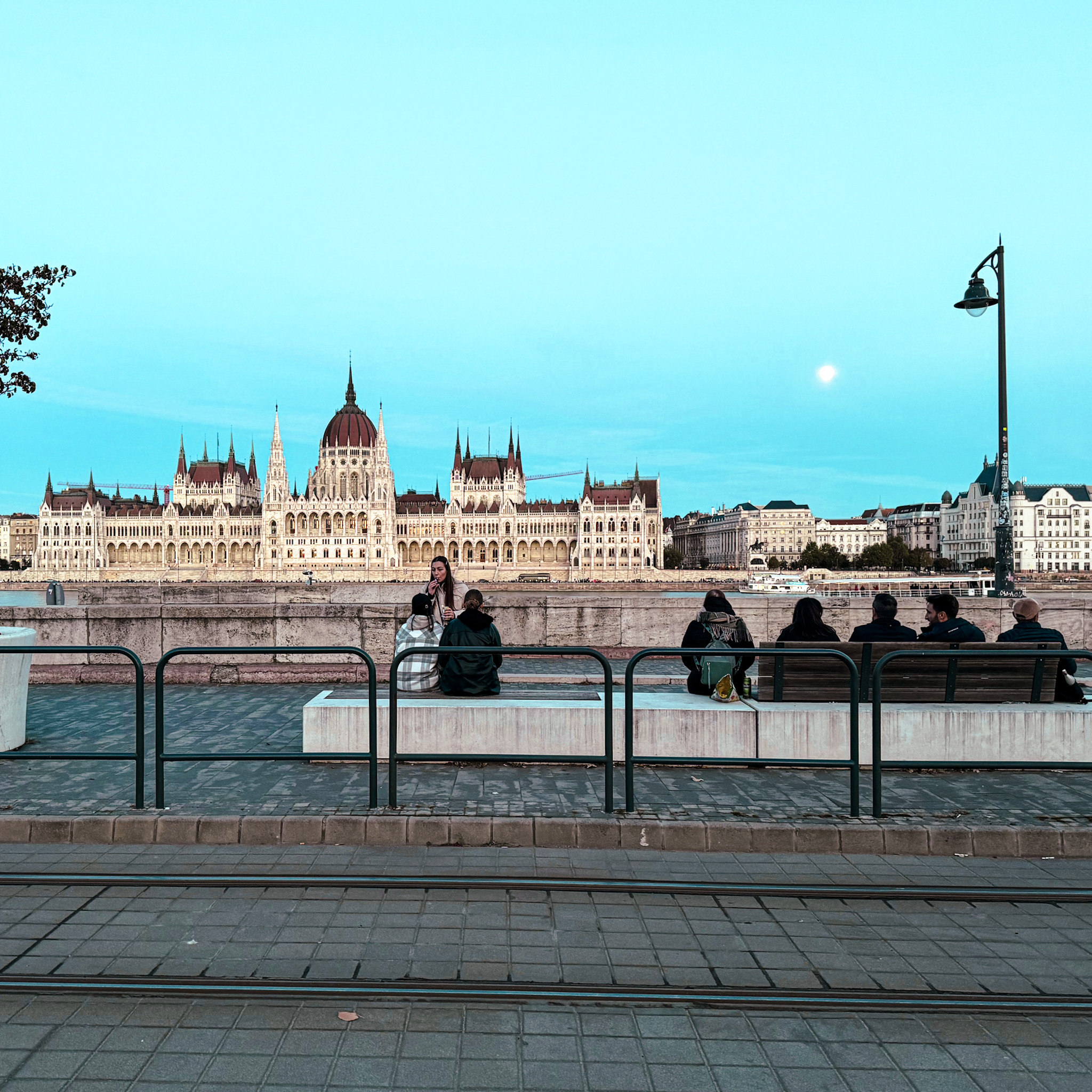
It’s hard to imagine Budapest without the silhouette of the Hungarian Parliament Building. Whenever you see a photograph of the city — especially from across the Danube — chances are high that this magnificent building takes centre stage.

Rising proudly on the Pest side of the river, the Parliament is not only one of Budapest’s most iconic landmarks, but also a powerful symbol of Hungary’s history and identity.

Why Is Hungary’s Parliament So Grand?

At first glance, visitors often wonder why a relatively small country built one of the largest parliament buildings in Europe. The answer lies in history.

When construction began in the late 19th century, Hungary formed one half of the Austro-Hungarian Monarchy, and the Kingdom of Hungary itself stretched far beyond the country’s present-day borders. This was also a period when monumental public buildings were designed to express confidence, strength, and national pride. The Parliament was meant to say something — about Hungary’s place in Europe, its political ambitions, and its cultural importance. And more than a century later, it still does.

Architecture That Tells a Story

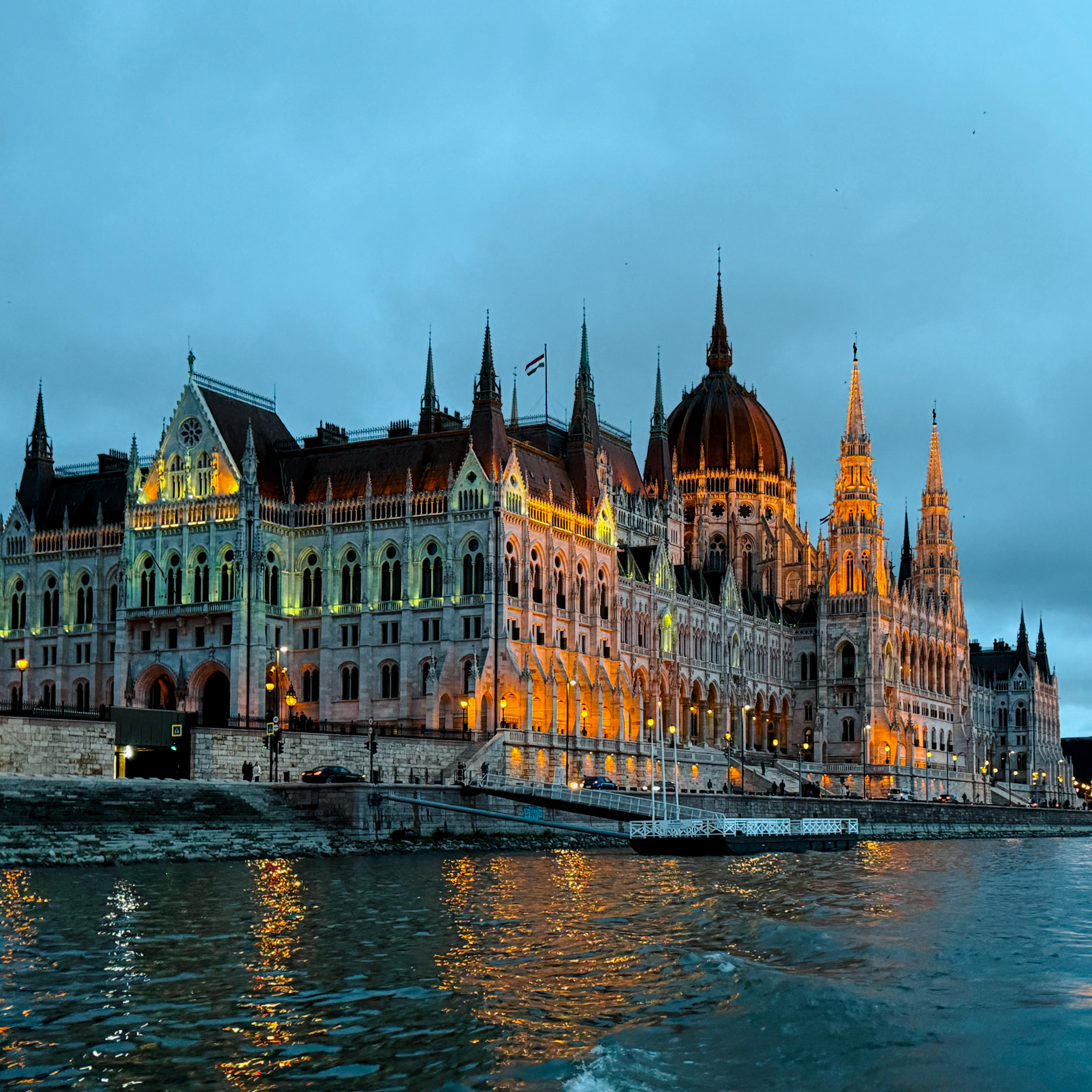
The building’s neo-Gothic style was inspired by great European traditions, yet its scale and ornamentation make it uniquely Hungarian.

From the outside, countless spires, arches, and statues create a sense of rhythm and symmetry. From the river, the Parliament appears almost theatrical — especially at sunset or after dark, when it’s illuminated and reflected in the Danube.

Every detail was carefully designed to impress, not just foreign visitors, but citizens themselves.

What Makes the Interior So Special

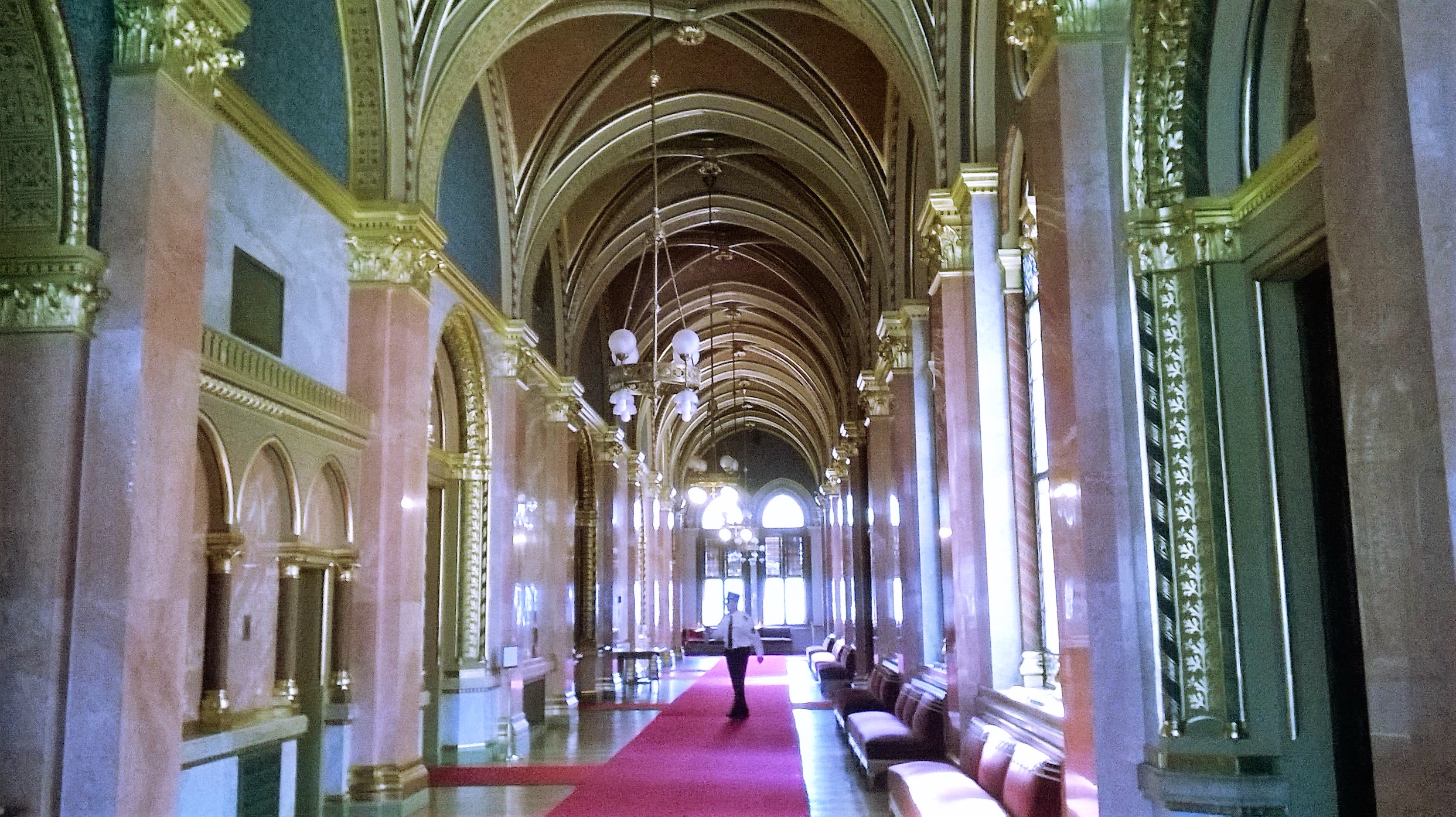
Stepping inside the Parliament reveals a world of ceremonial spaces, rich materials, and symbolism. Ornate staircases, gilded details, and stained glass windows all serve a purpose: to underline the importance of the institution housed within.

One of the most significant elements kept inside is the Holy Crown of Hungary, a powerful national symbol representing more than a thousand years of statehood. Its presence adds a deep historical layer to the building beyond its architectural beauty.

The Parliament and the City

More than just a government building, the Parliament shapes the rhythm of Budapest’s riverfront. It anchors the Pest side of the Danube and forms part of one of the city’s most celebrated panoramas.

Whether seen from a bridge, a river cruise, or from the hills of Buda, it’s a constant point of reference — elegant, imposing, and unmistakably Budapest.

The Parliament is one of the highlights I always enjoy discussing while exploring the Pest side of the city. Seeing it from the outside — with its history, symbolism, and urban context — often adds a new layer of understanding.

It’s also one of the highlights of my favourite walk in Budapest, a route that follows the Danube before continuing through some of the streets and squares I never get tired of exploring.

Discover the Stories Behind Budapest’s Landmarks

Parliament is impressive even if you simply stop to admire it from the Danube, but understanding the history, symbolism and stories behind the building adds another dimension to the experience.

It’s one of the landmarks we can explore on my Best Pest Private Walking Tour, together with the surrounding streets, squares and architectural details that help tell the story of Budapest.

Like all my Budapest private tours, the itinerary is fully customisable, so we can spend more time on history, architecture or any other aspect of the city that particularly interests you.
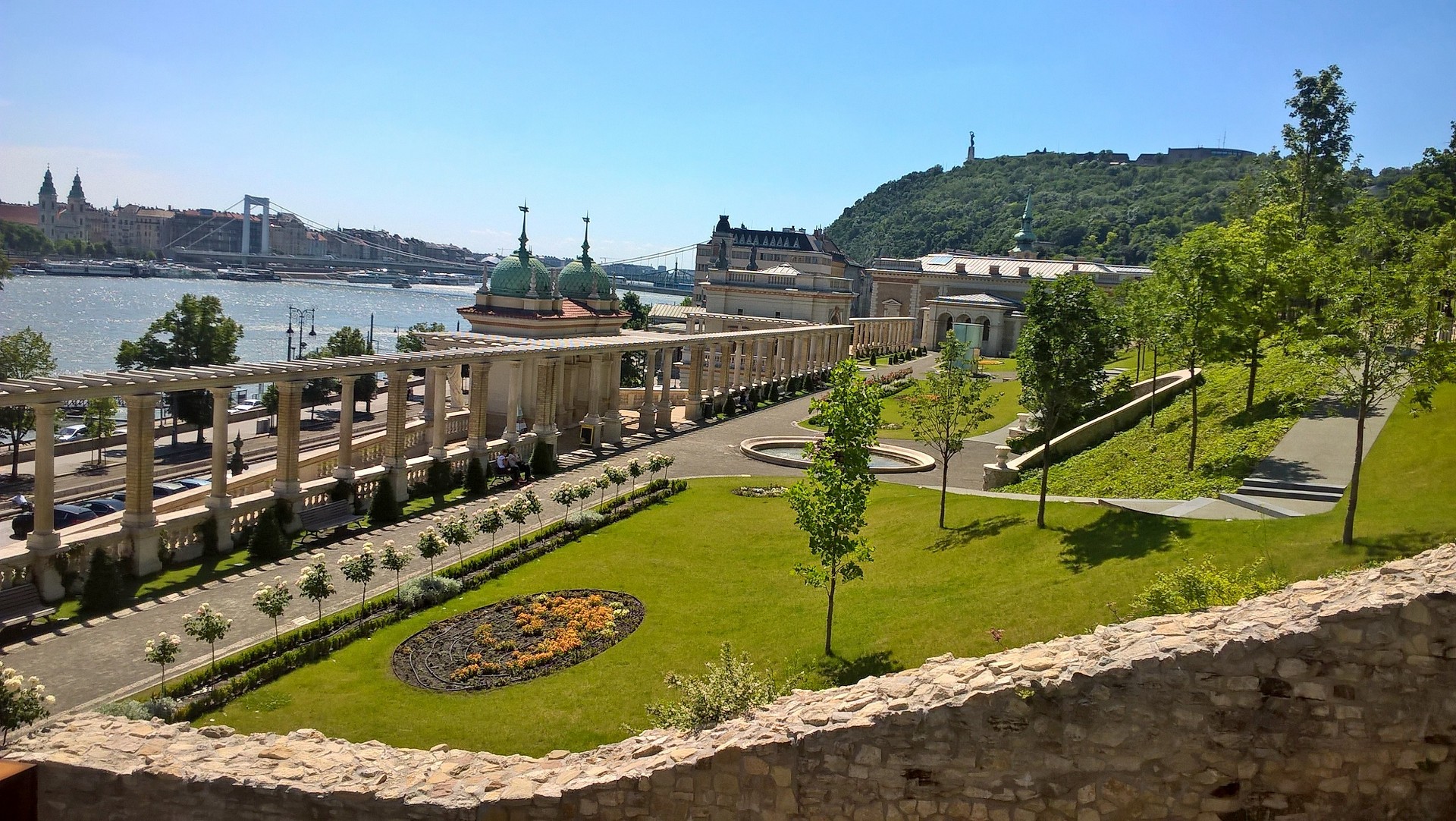
The Buda Castle District is the oldest part of Buda and one of the most atmospheric areas of Budapest. Built high on Castle Hill, it has been the political, religious, and strategic heart of the city since the Middle Ages. Long before Budapest became a unified capital, Buda was already an important royal center. By the mid-13th century, the hilltop was crowned with fortifications, a medieval town, and a royal residence — setting the foundations for the historic district we explore today.

Not a “Real” Castle — and That’s the Story

One small but important clarification often surprises visitors: the Buda Castle District is not a single intact medieval castle.

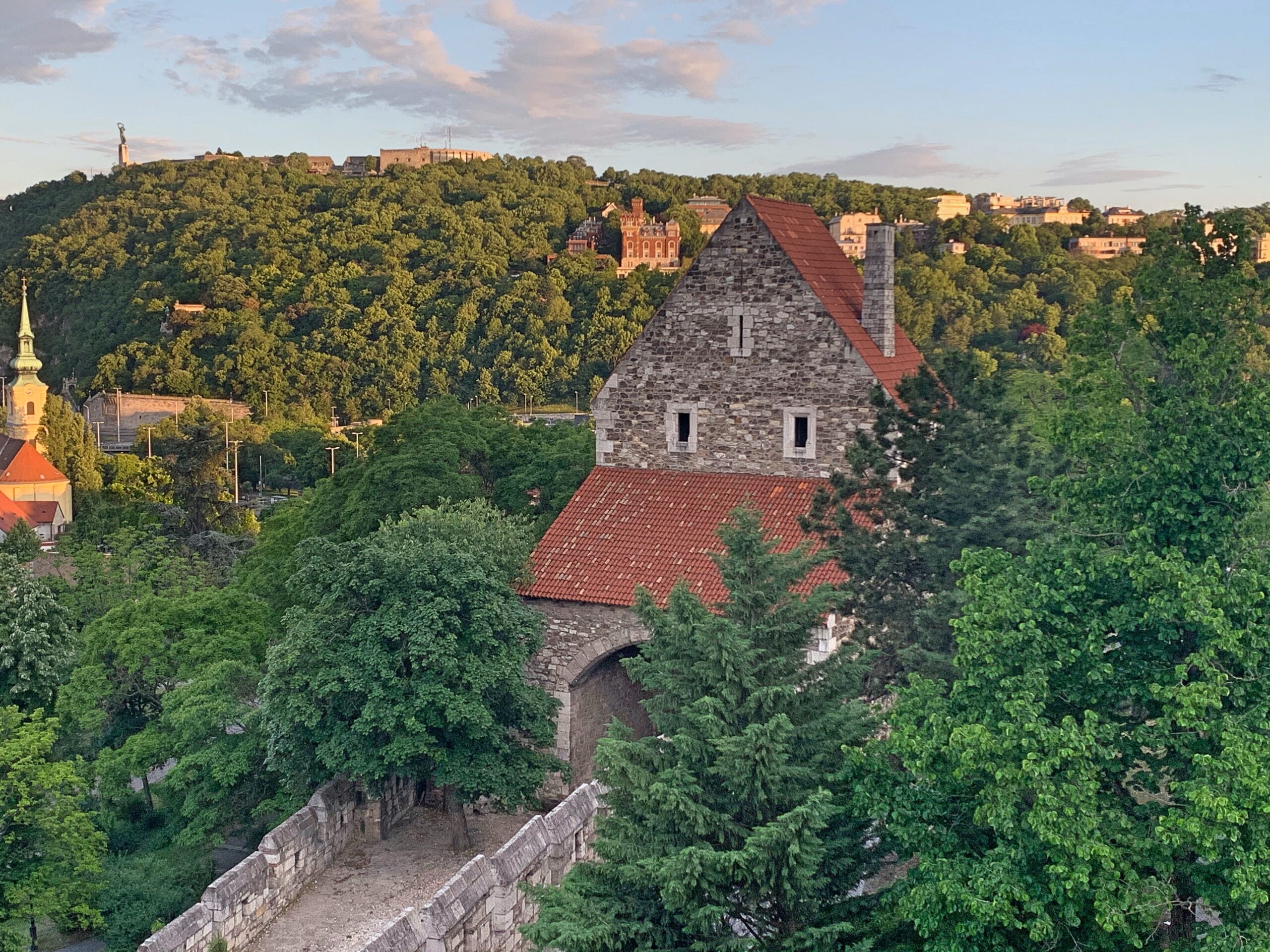
The original Gothic and Renaissance royal palace — once home to Hungarian kings — was largely destroyed during the wars of the 17th century. What survives today are fragments, foundations, and stories. Some of these remains can be seen in the Budapest History Museum, while much of the medieval castle still lies hidden beneath the ground.

What you see above ground today is mostly the result of later rebuilding — especially the grand 18th-century Baroque palace, which now dominates the hilltop.

Walking Through Centuries

One of the best ways to experience the district is simply on foot. As you walk uphill along former ramparts and quiet lanes, the layers of history gradually reveal themselves.

The Baroque palace complex today houses major cultural institutions, including the Hungarian National Gallery, while the surrounding streets form the historic old town of Buda.

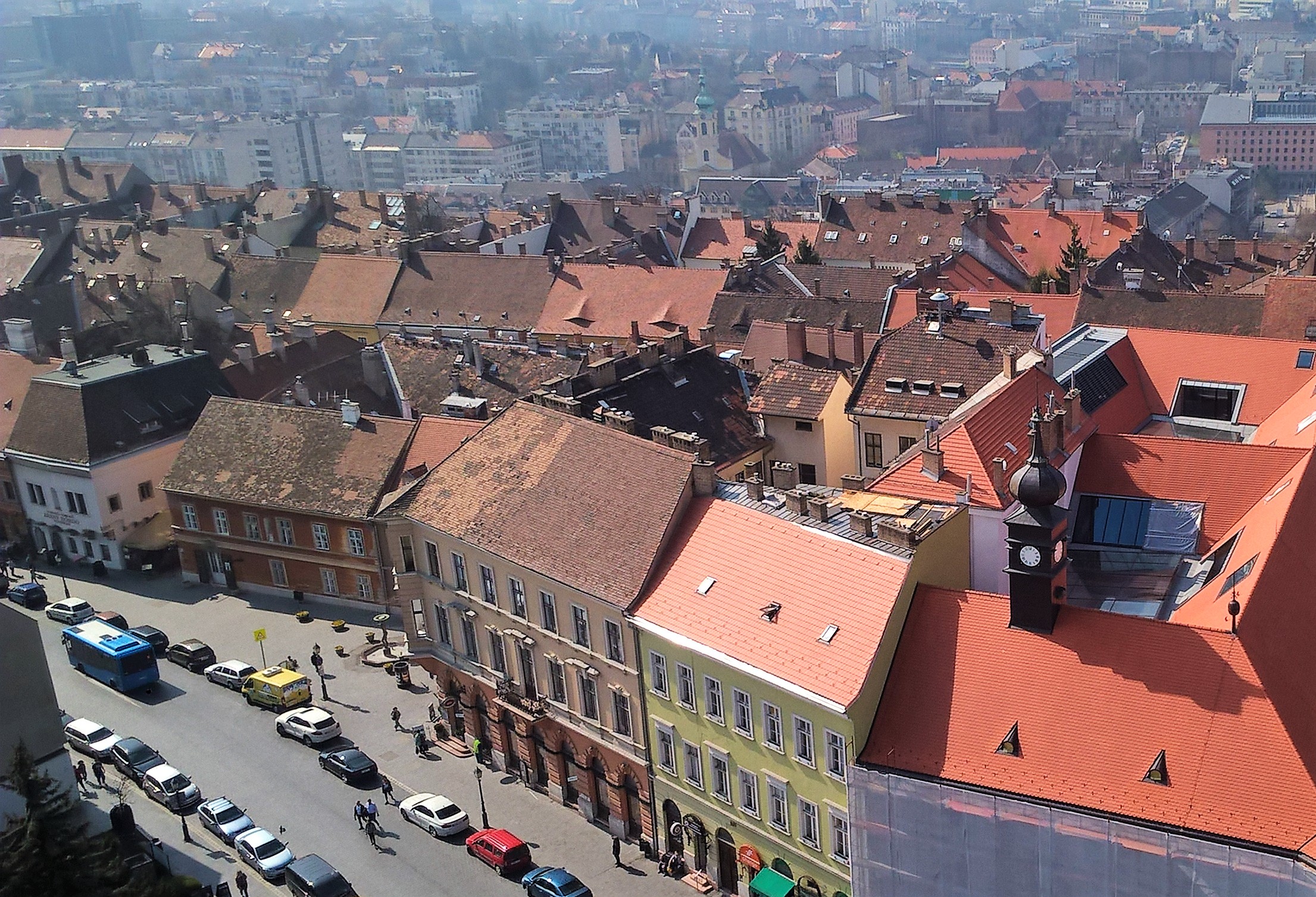
Cobblestoned streets, pastel façades, and hidden courtyards lead naturally toward one of the district’s most iconic landmarks: Matthias Church.

For those willing to climb higher, the church tower rewards you with one of the finest panoramic views over Budapest — a perspective that makes the city’s geography instantly clear.

Views That Define Budapest

Just a few steps away, the Fisherman’s Bastion offers one of the most famous panoramas in Hungary.

From its terraces, the view opens across the Danube to the Pest side, with the Hungarian Parliament building perfectly framed below. It’s a moment that connects medieval Buda with 19th-century Pest — and helps explain why this hill has always been so important.

The Civilian Town and Forgotten Quarters

Beyond the postcard views, the district also tells quieter stories. Walking through the former civilian town, you encounter elegant residences, the striking architecture of the Hungarian National Archives, and traces of communities that once lived side by side here — including the old Jewish quarter of Buda.

These streets feel calmer, more residential, and often reveal details that are easy to miss without context.

A City Beneath the City

Perhaps the most surprising fact about the Buda Castle District lies underground.

Beneath the streets stretches a 12-kilometer-long network of caves and cellars, used over centuries for storage, shelter, and survival. Today, parts of this underground world can be explored through two very different museums.

The Hospital in the Rock served as a military hospital during World War II and later as a nuclear bunker during the Cold War.
The Labyrinth of Buda Castle offers a more theatrical experience — with legends, shadows, and even a brush with Dracula.

The Buda Castle District reveals its true character when explored slowly and with context — beyond just the highlights.

I’d be happy to show you both the famous landmarks and the quieter corners during one of my Budapest walking tours, always adapting the walk to your interests and pace. If you’d like to discover the district through stories, viewpoints, and hidden details, feel free to get in touch.


Private Budapest tours are a wonderful way to experience the city in a truly personal and meaningful way and offer an exclusive and intimate way to explore Budapest . Unlike large group tours, these are designed exclusively for you and your partner, family, or friends — no strangers, no rushing, and no fixed routes.

You tell me what you’re interested in — whether it’s history, food, architecture, or just soaking in the atmosphere of local neighbourhoods — and I tailor the entire experience around your preferences. It’s a flexible, fully customisable way to see the best of Budapest.

Personal, Flexible, and Just for You

With private Budapest tours, you set the pace. Want to stop for a coffee? Prefer to linger at a hidden gem or explore a lesser-known museum? No problem at all. I’ll be your personal guide, sharing stories, answering your questions, and showing you not just the sights, but how locals truly live.

There’s no waiting for a group or following a rigid schedule. Whether you’re travelling as a couple, with young children, or with older family members, I adapt the tour to your comfort and energy level. That’s the beauty of private guiding — it’s all about you.

See Budapest Like a Local!

As someone who was born and raised in Budapest, I love showing people the city I call home. My tours go beyond landmarks — I include local stories, personal memories, and hidden places that don’t appear in typical guidebooks. Whether you want to discover iconic landmarks or hidden gems off the beaten path, I’m here to guide you through an authentic and enriching journey.

Many of my guests have told me they felt like they were exploring with a friend rather than a guide. And truthfully, I’ve made many wonderful friendships through these tours — that’s what makes this work so special to me.

Ready to Plan Your Custom Tour in Budapest?

If you’re looking for a relaxed, personal, and authentic way to explore Hungary’s capital, private Budapest tours are the perfect choice. Contact me to start planning your customised experience today. Let’s create your perfect Budapest adventure together!

For inspiration, check out my Budapest travel blog or visit Budapest Info for more about what the city has to offer.