Yes, it’s snowing! Happy Winter from Budapest!

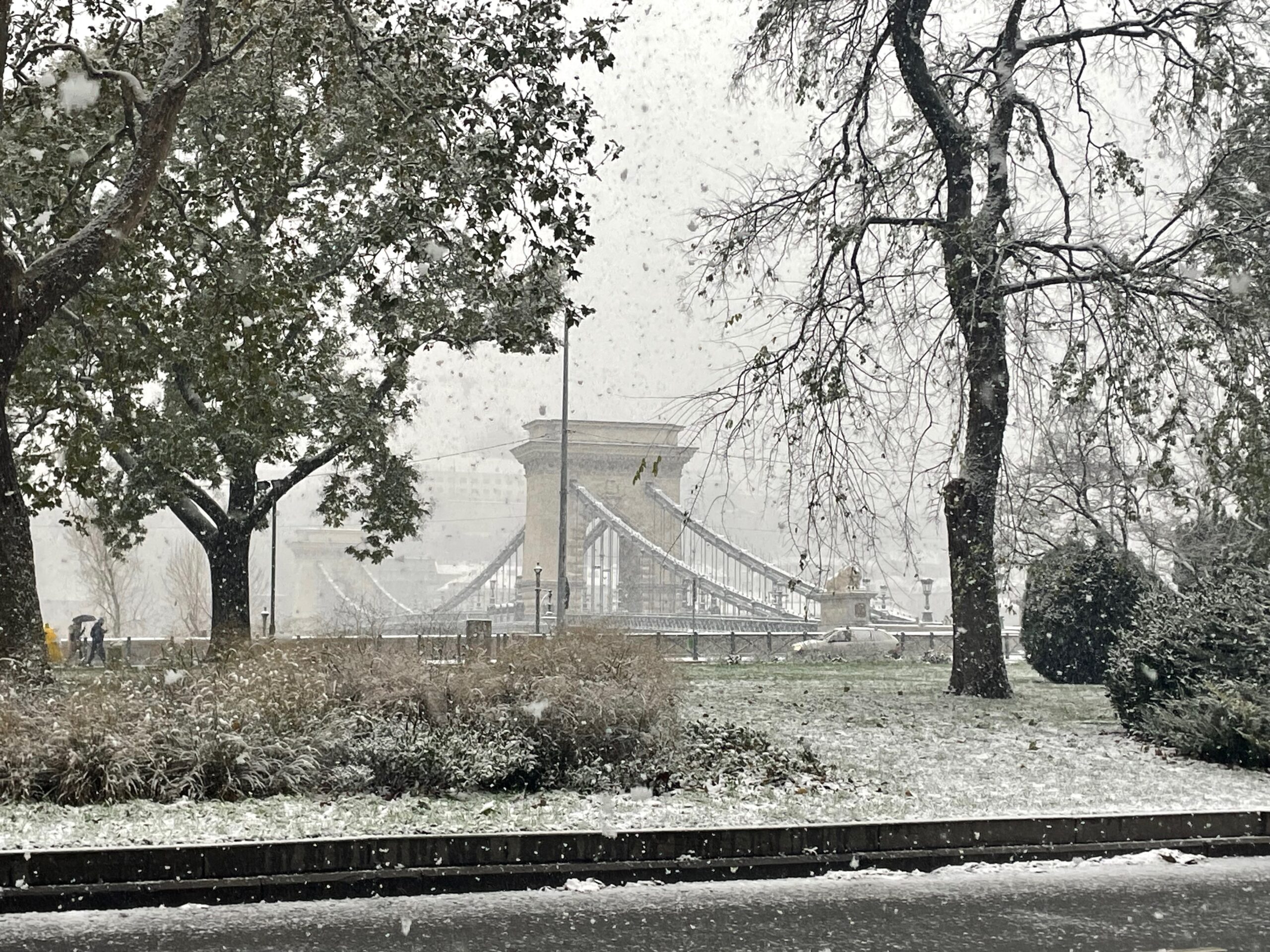
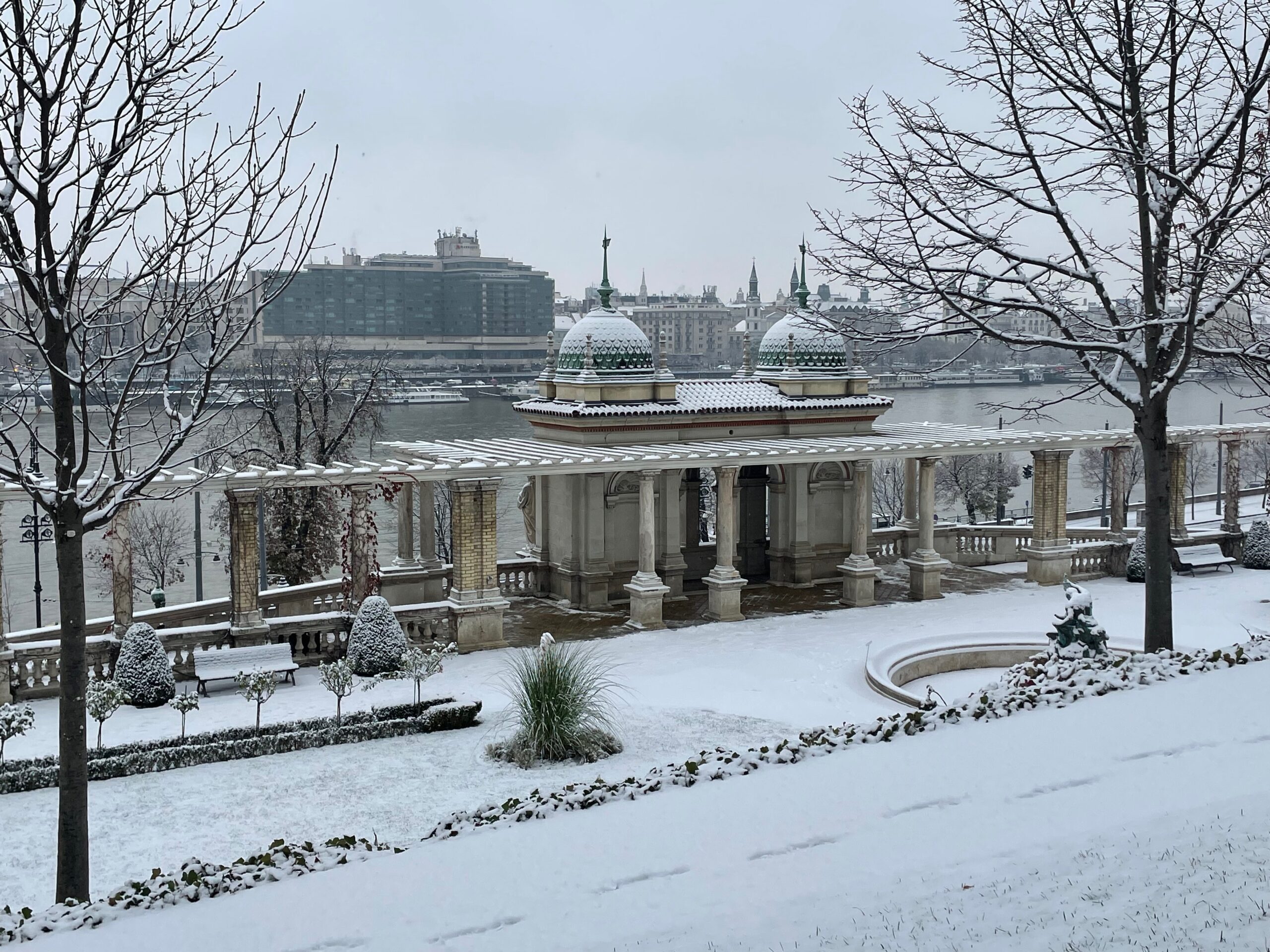
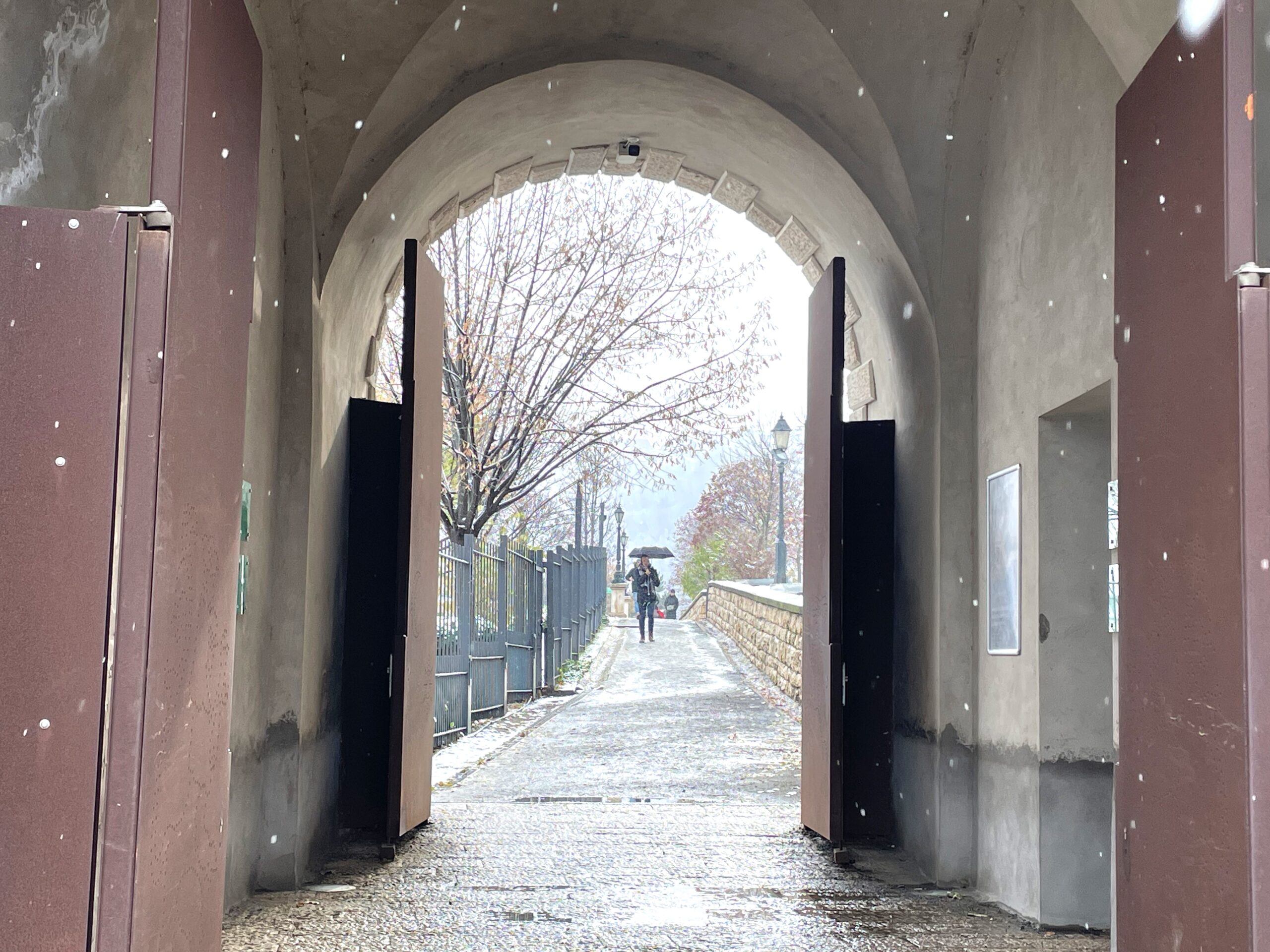
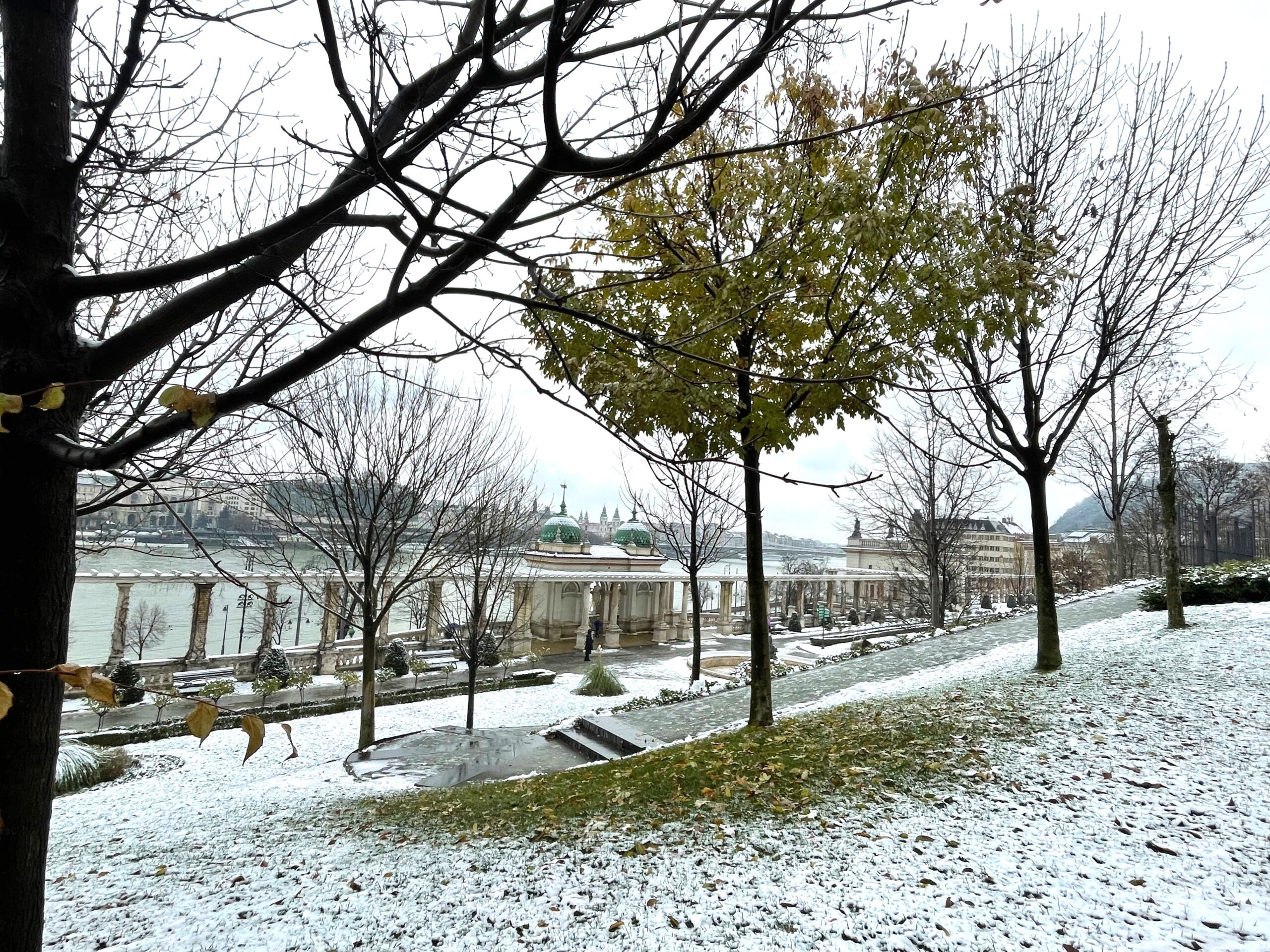
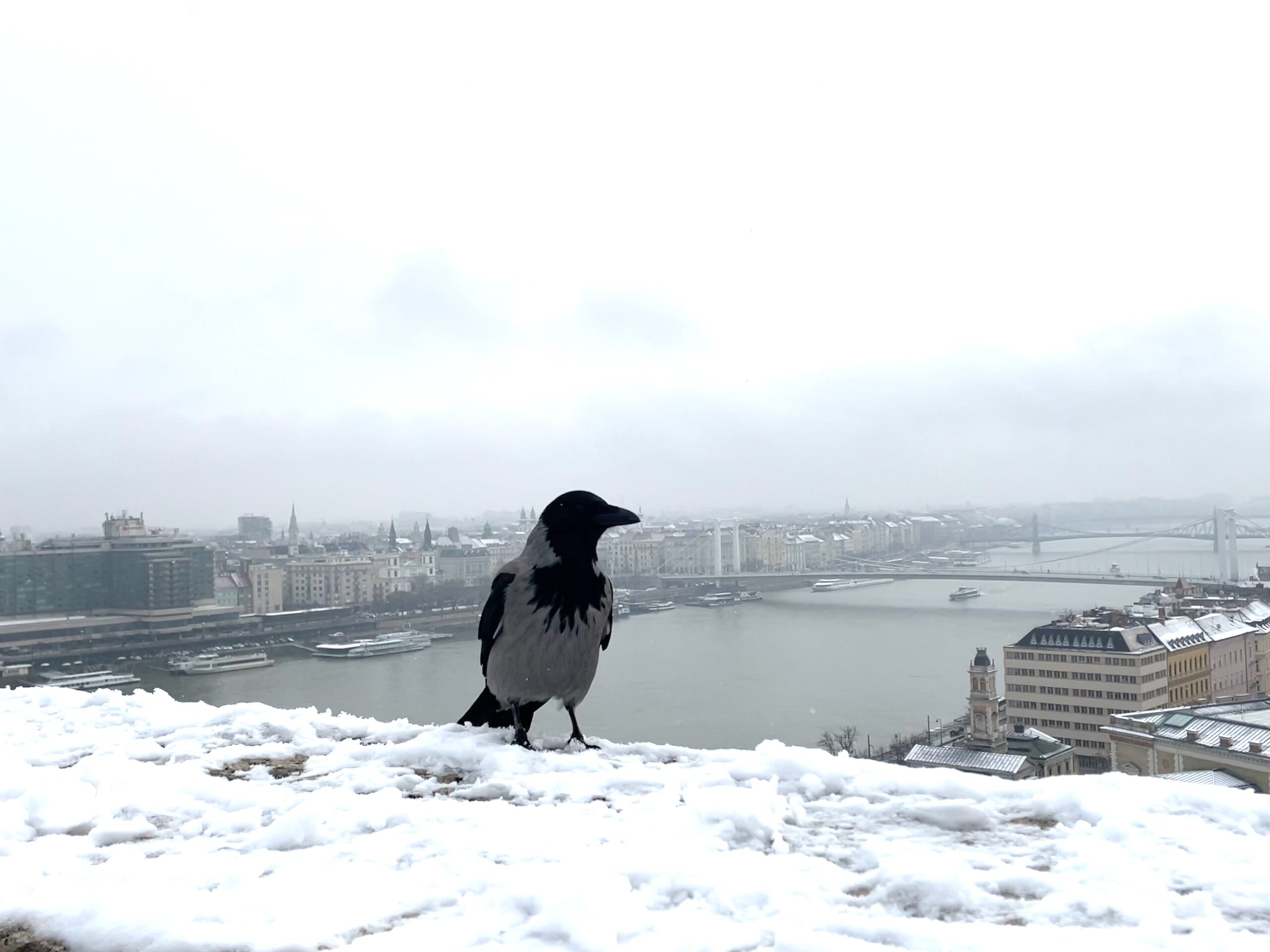
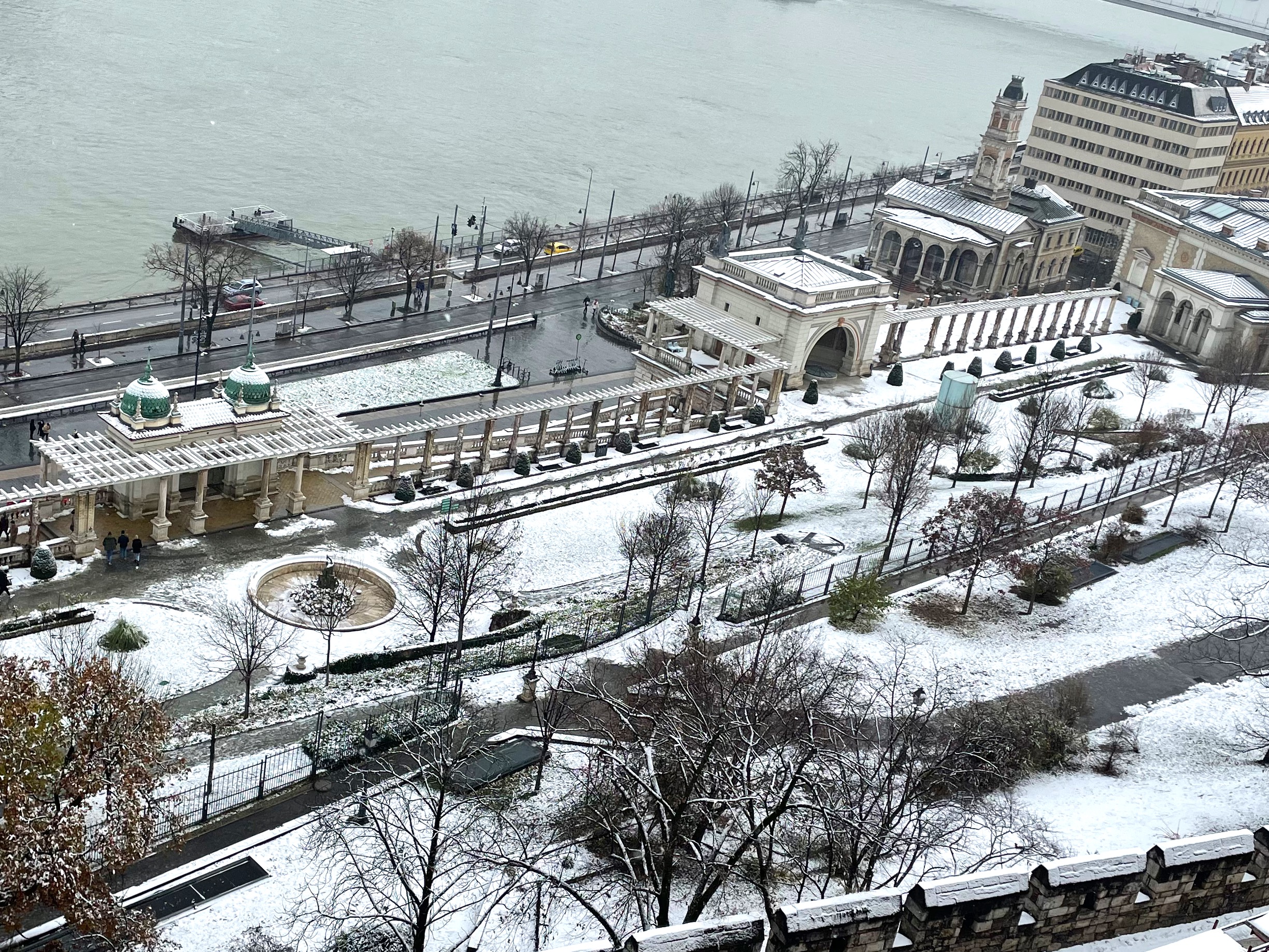
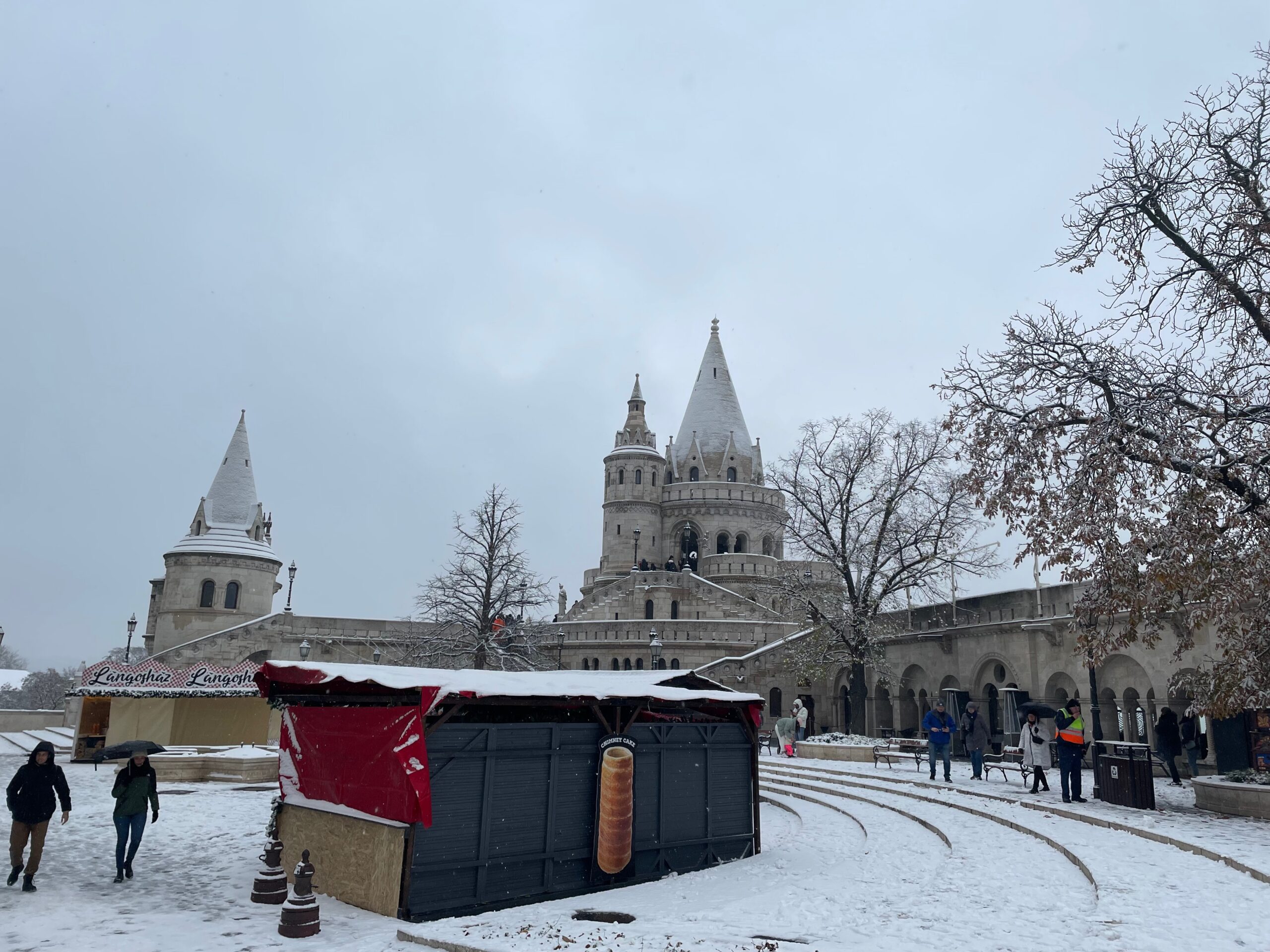
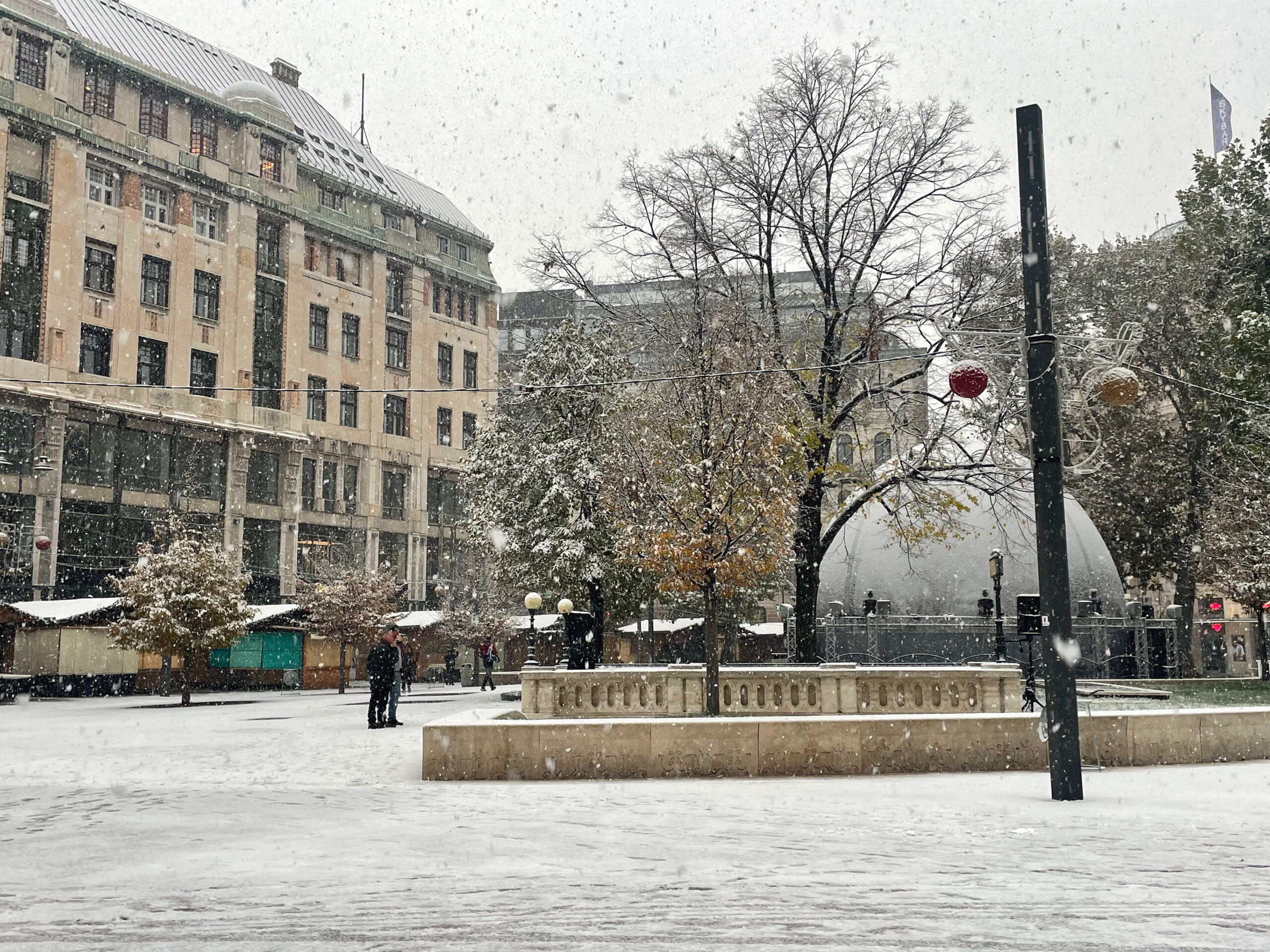
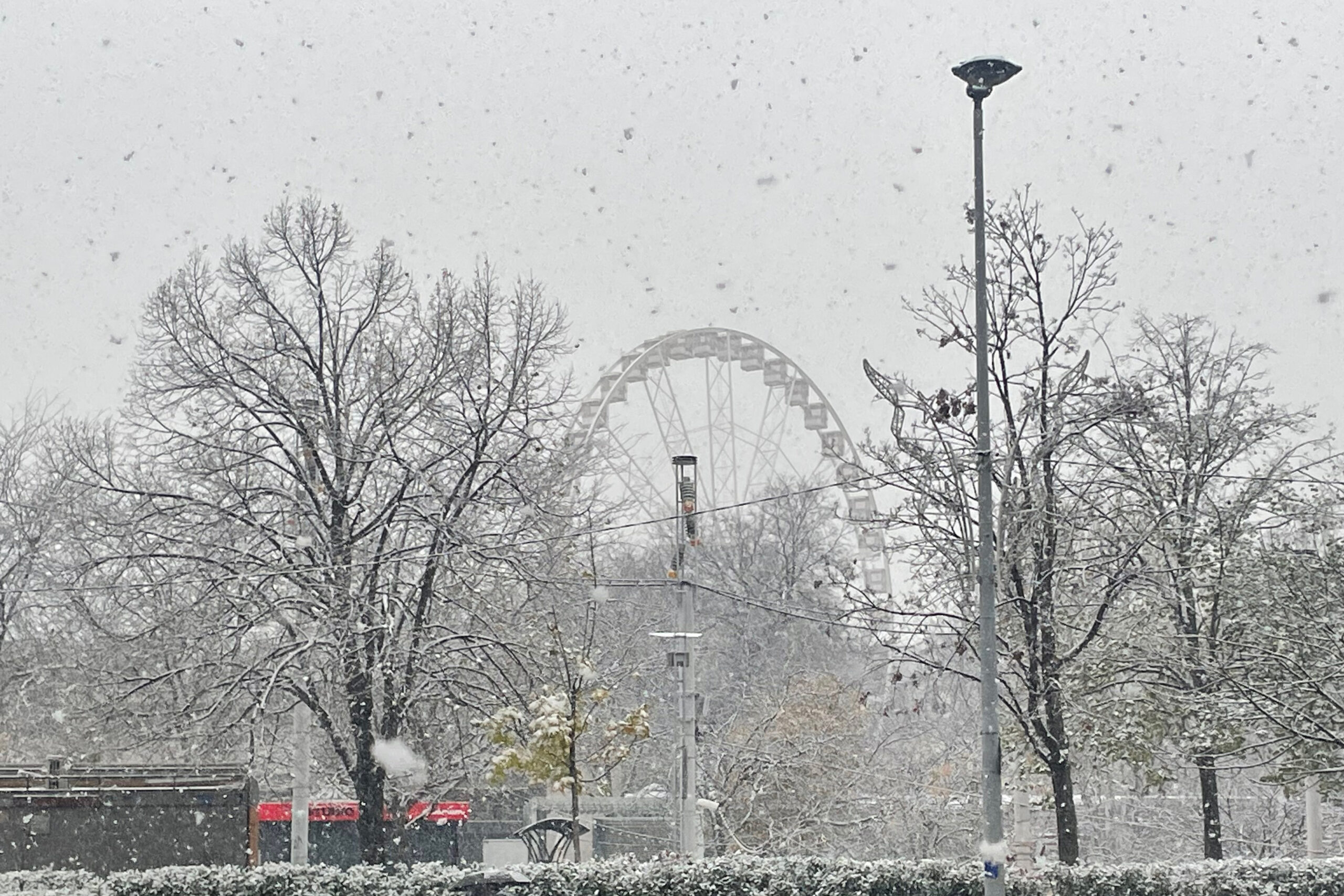
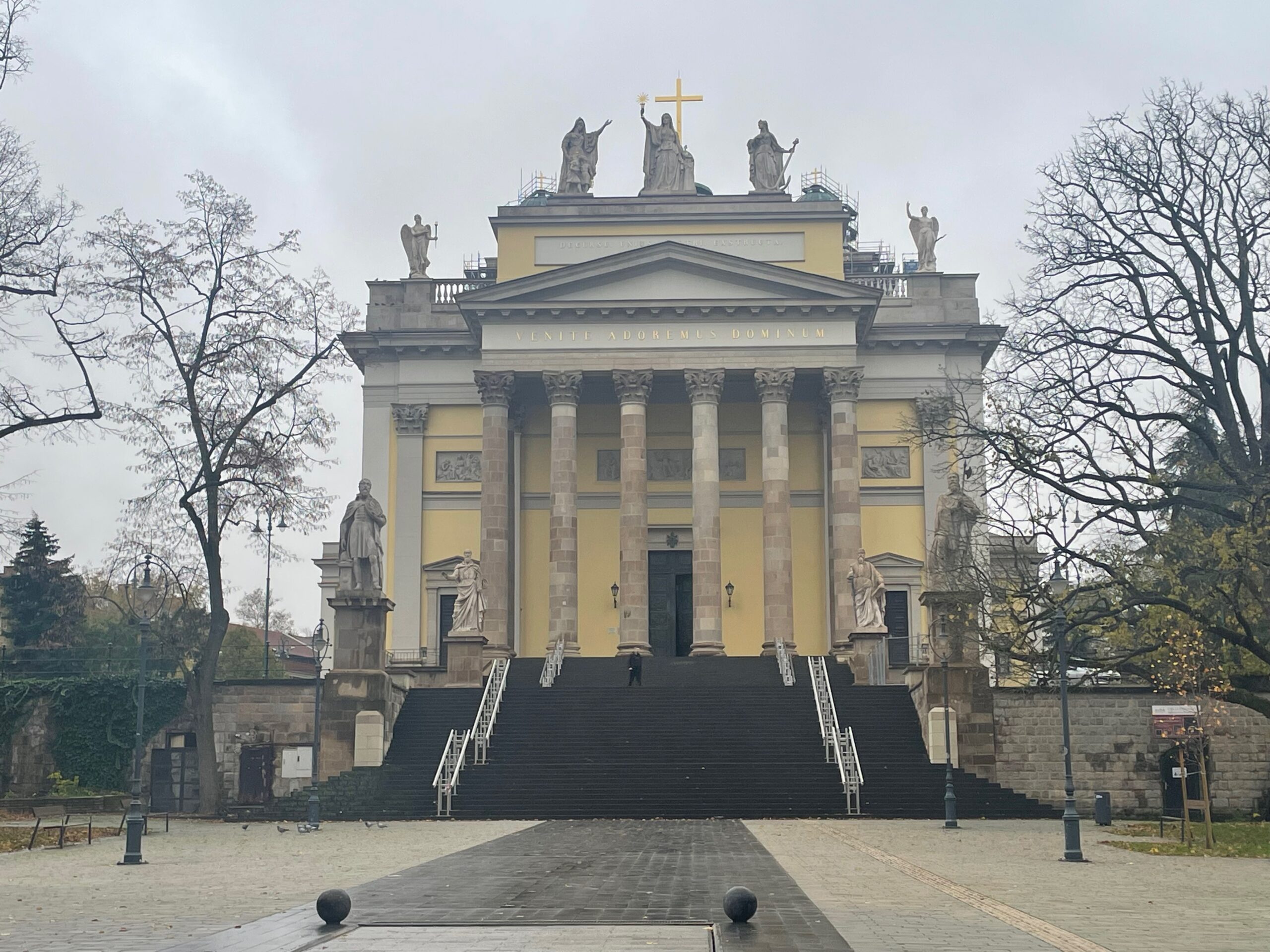
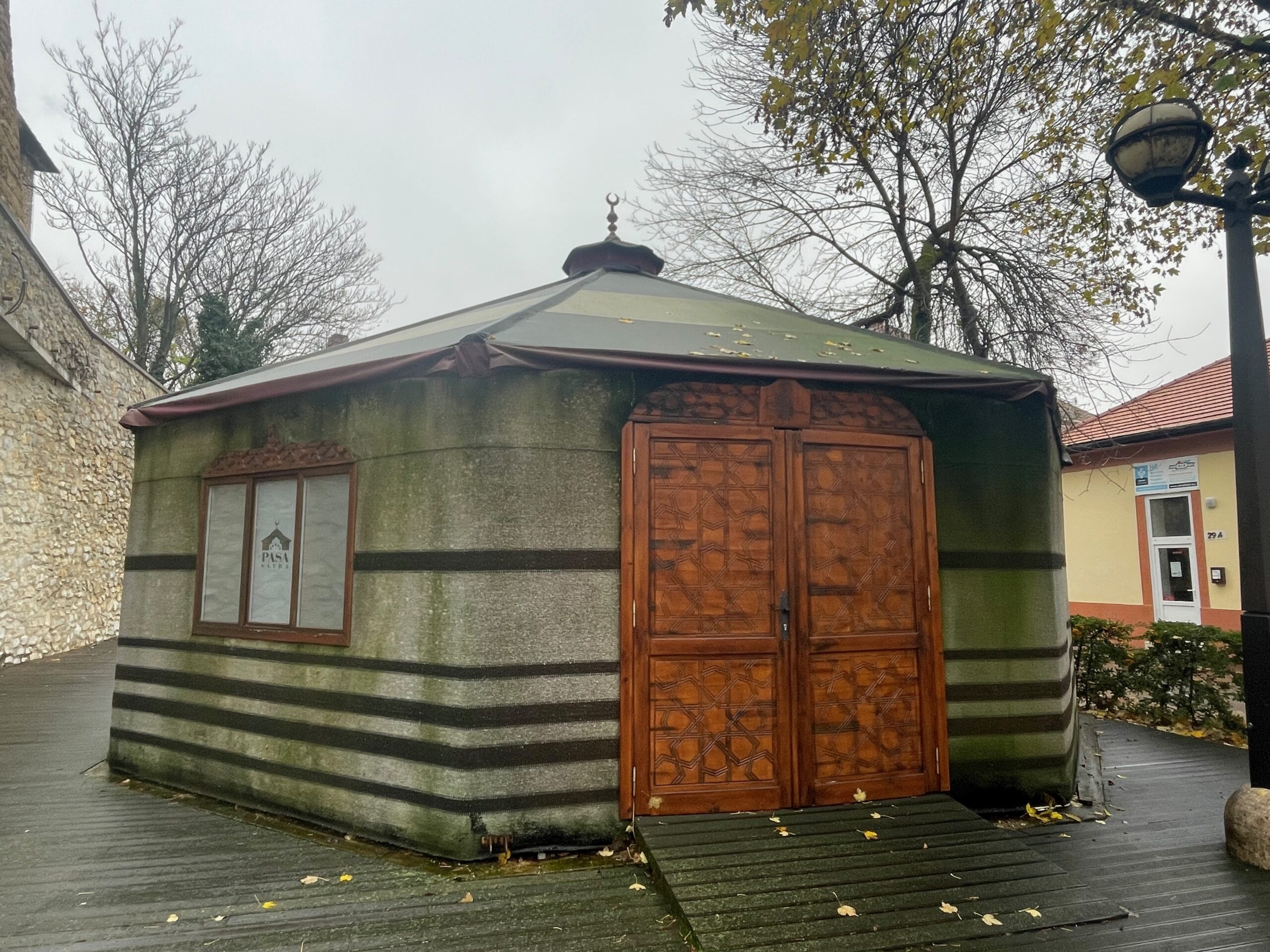
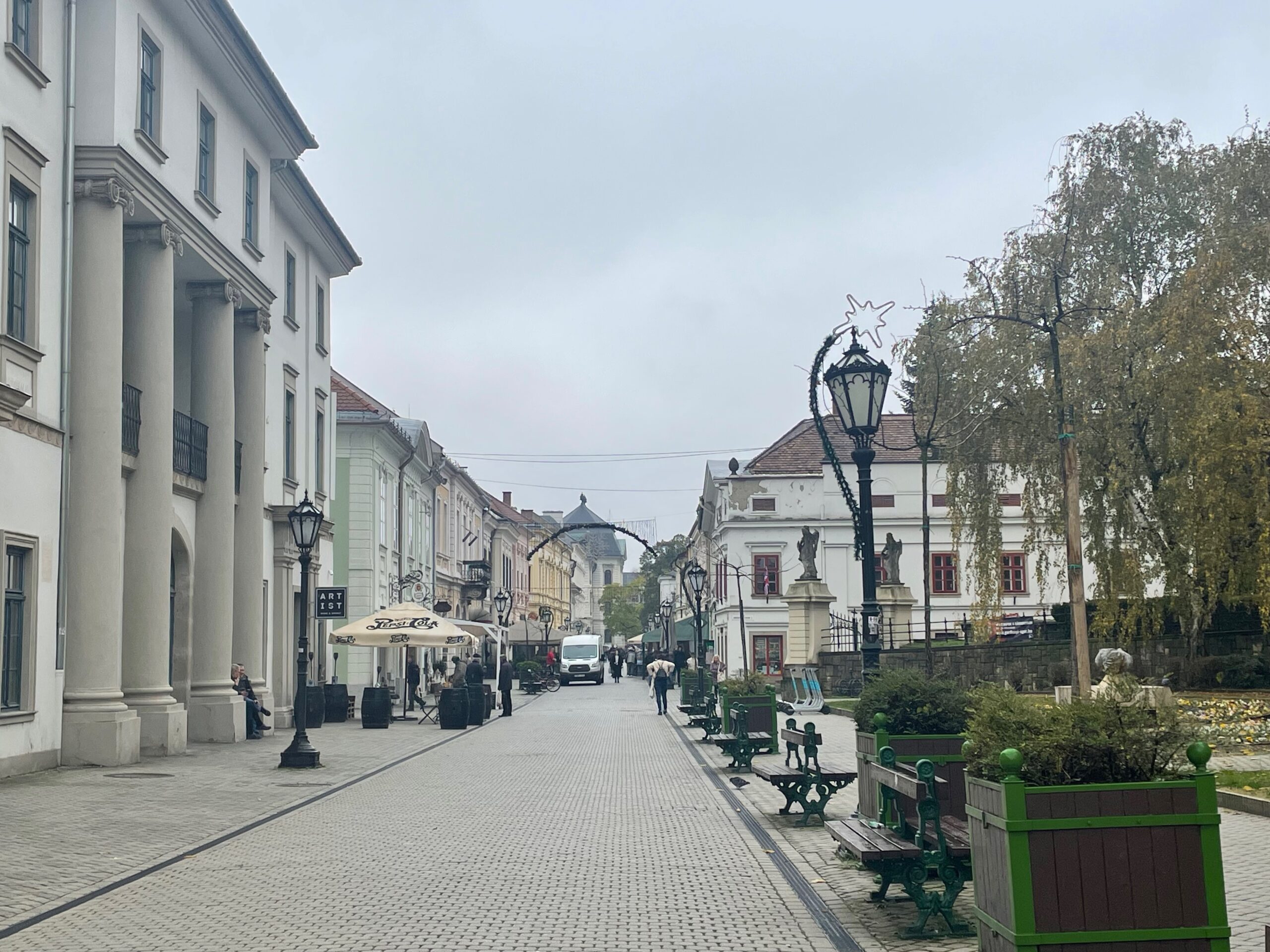
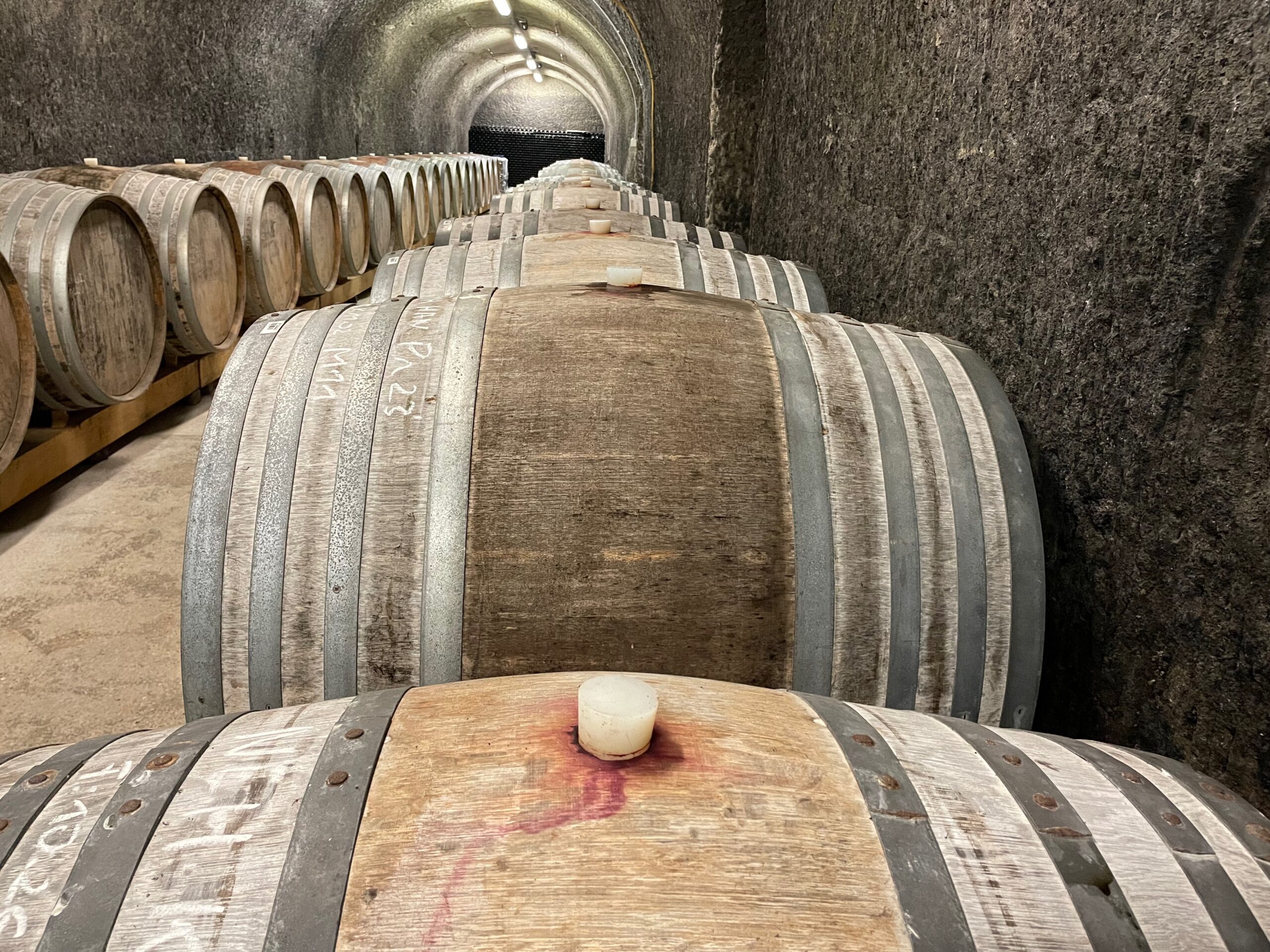
My most popular day trip from Budapest is the full-day Eger and Wine tour, including the visit of the charming Baroque town of Eger and the visit of local wineries and vineyards. This is how Eger looks like in the winter. And, believe me, the wine is just as great in November as it is in the spring or summer. Book the tour and see it for yourself!
Seeing Fisherman’s Bastion empty is one of the rarest experiences in Budapest, a quiet moment when this iconic landmark reveals its most peaceful side. I often say that Fisherman’s Bastion is the most popular tourist attraction in Budapest — and it’s true. Thousands of visitors pass through here every single day, cameras in hand, chasing the same iconic view.
That’s why moments like this are so special.
A rare experience – Fisherman’s Bastion without crowds
Seeing Fisherman’s Bastion almost completely empty is incredibly rare. No lines. No crowds. Just the city waking up below, the Danube flowing quietly, and the silhouette of the Hungarian Parliament Building in the distance.
On this particular morning, I was lucky enough to have the upper terrace almost entirely to myself — something even locals rarely experience.
Why the upper level is worth it
Many visitors don’t realise that part of the Bastion is ticketed during the day. I always recommend going up when possible:
-
the view is higher and more open
-
the crowds thin out
-
the atmosphere is calmer and more intimate
You can skip the on-site queue by buying tickets online, and when time allows, I love taking my guests to the very top during my private tours.
Quiet Fisherman’s Bastion – More than a photo spot
Moments like this remind me why I return here again and again — not just as a guide, but as someone who genuinely loves Budapest. When the crowds disappear, Fisherman’s Bastion feels timeless, peaceful, and deeply moving.
If you’d like to understand why this place is so important — and why it’s a must-see for first-time visitors — start with my main guide:
A Must-See: Fisherman’s Bastion
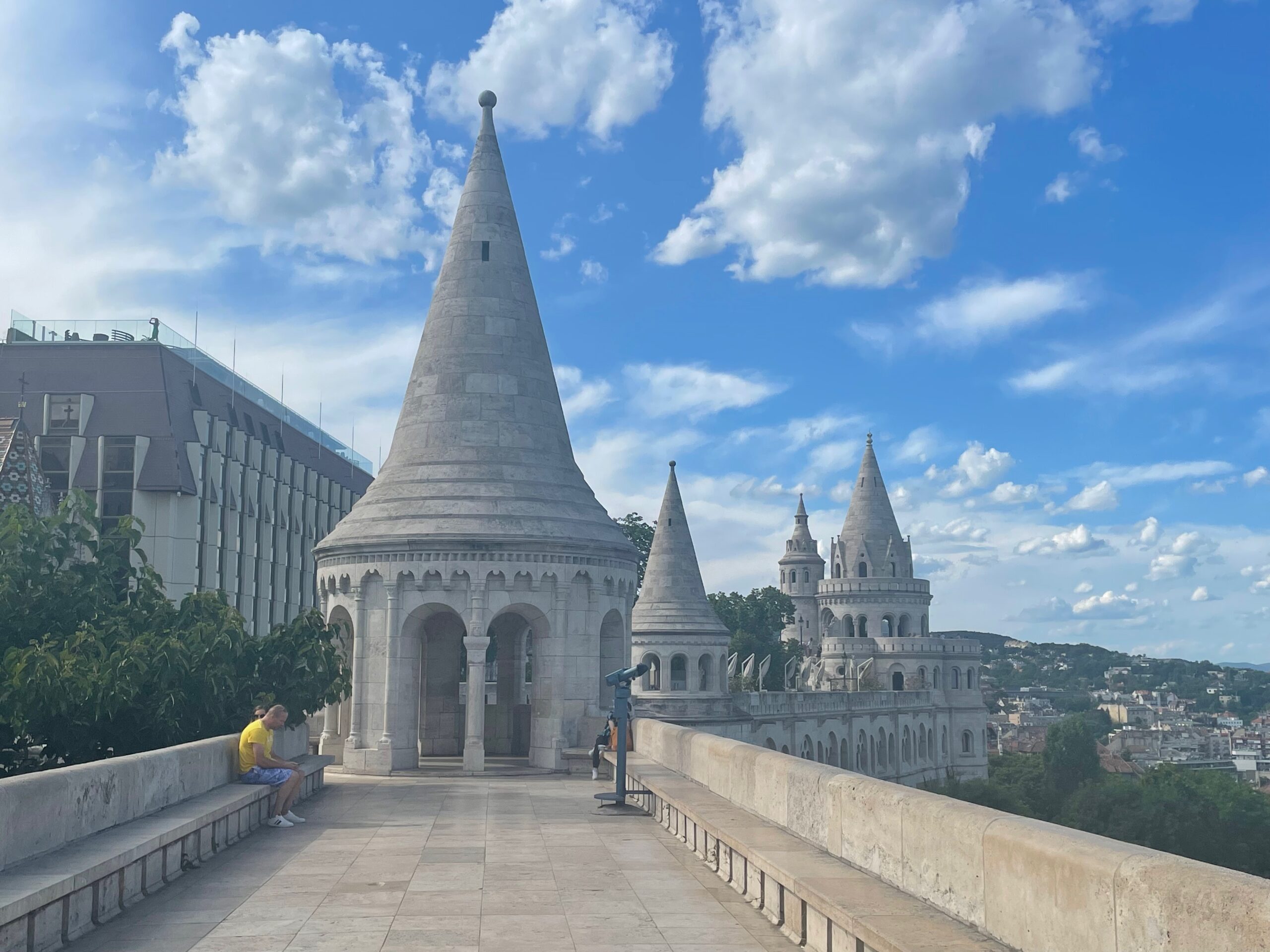
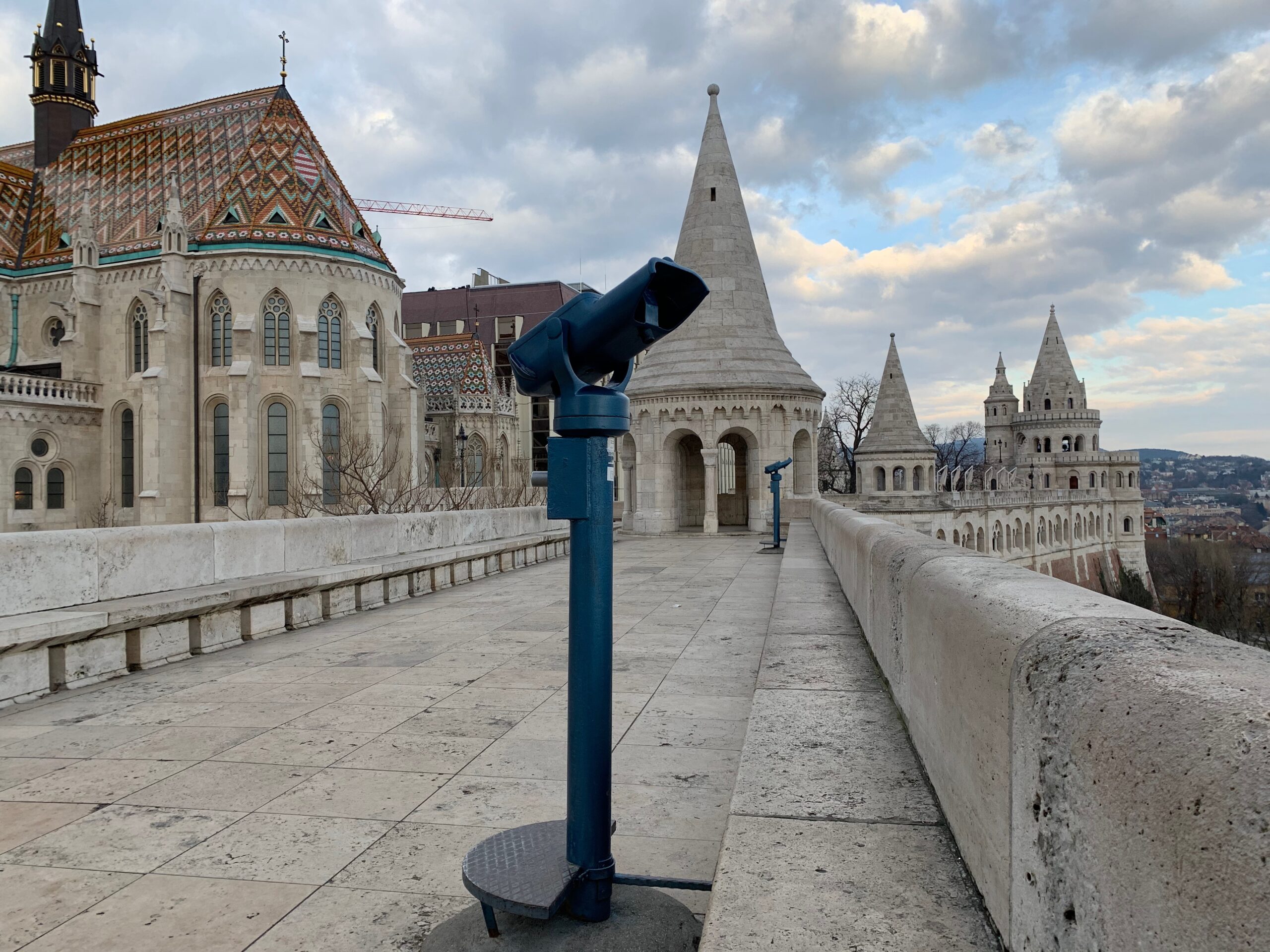
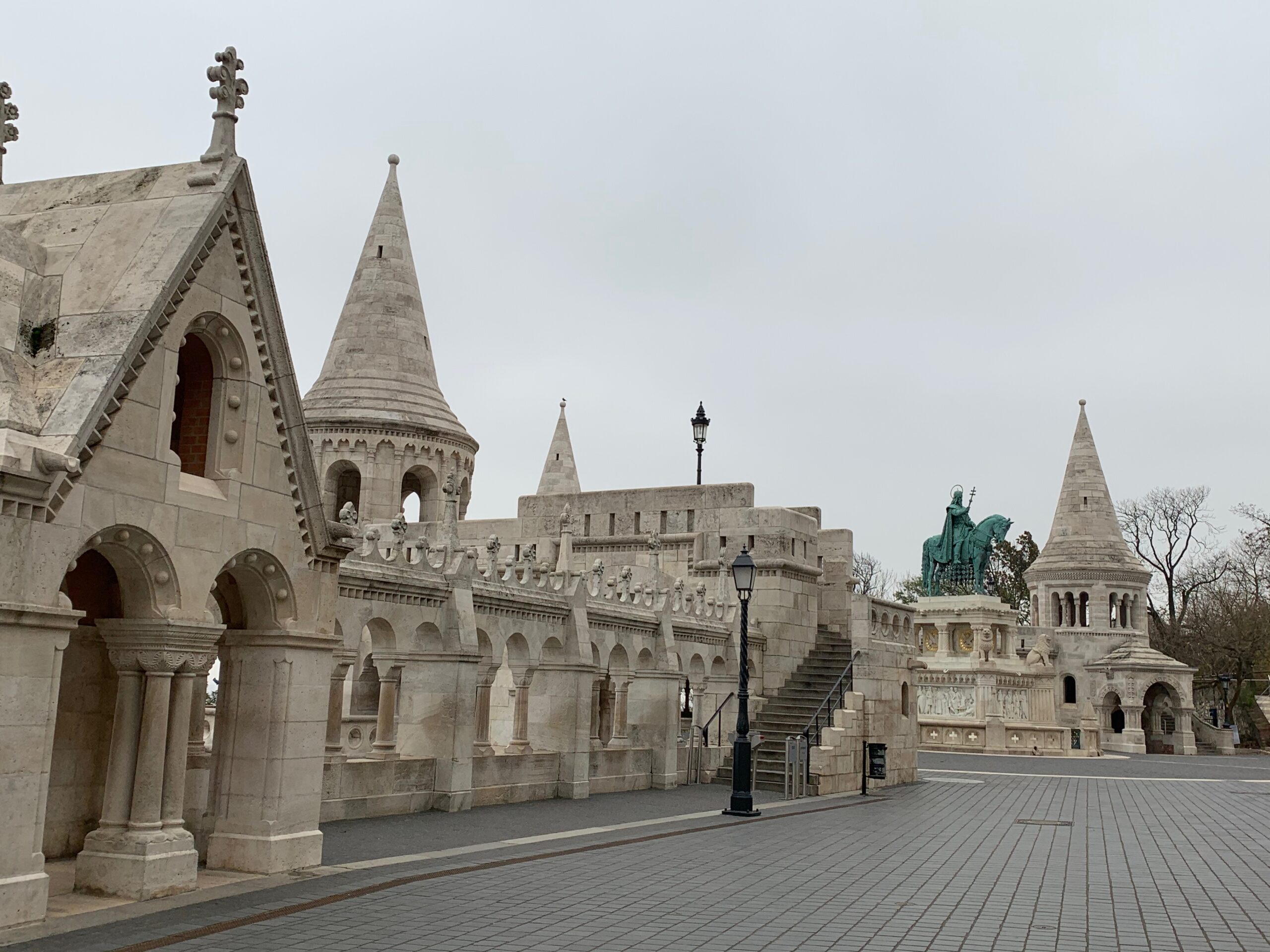
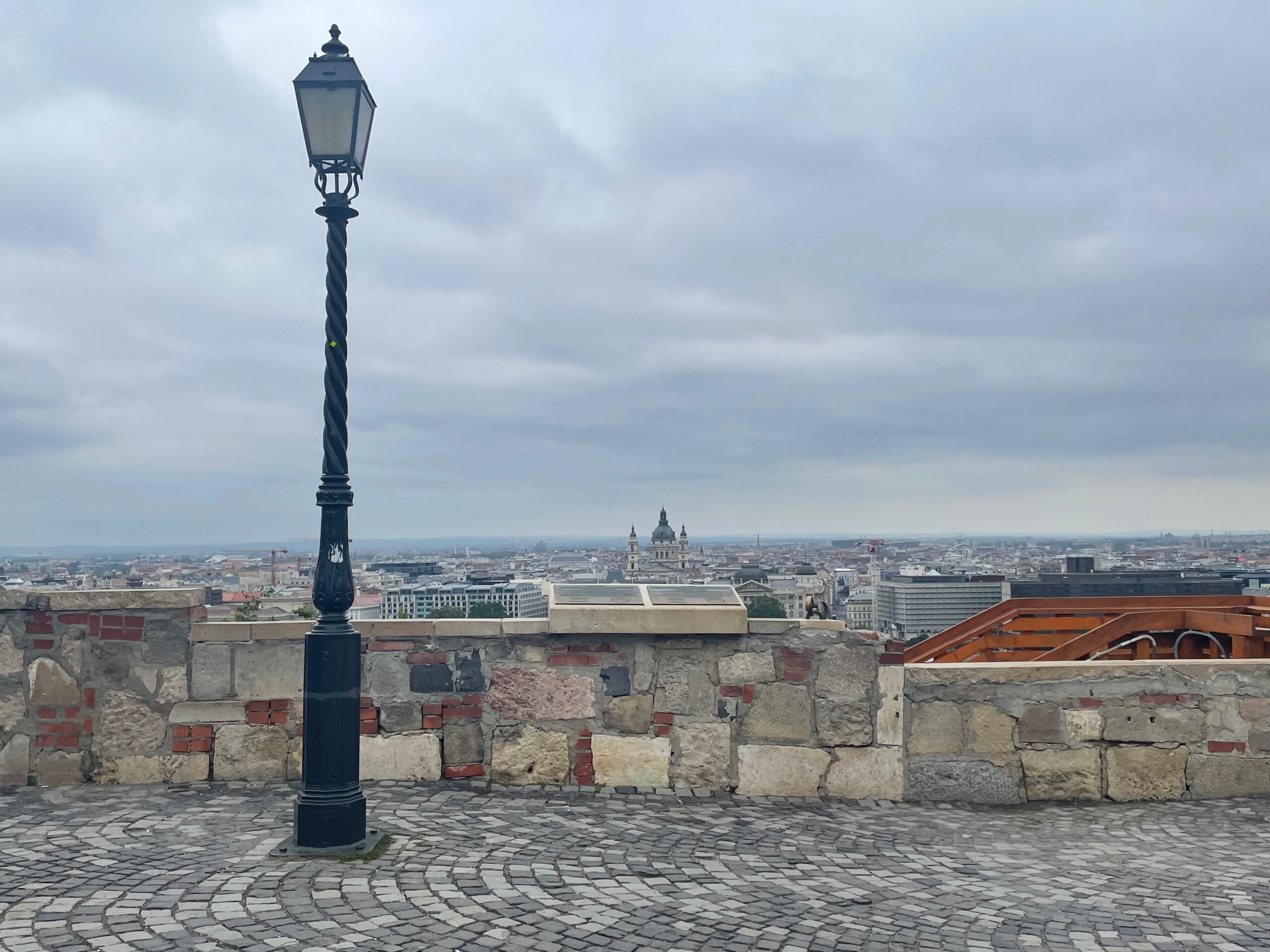
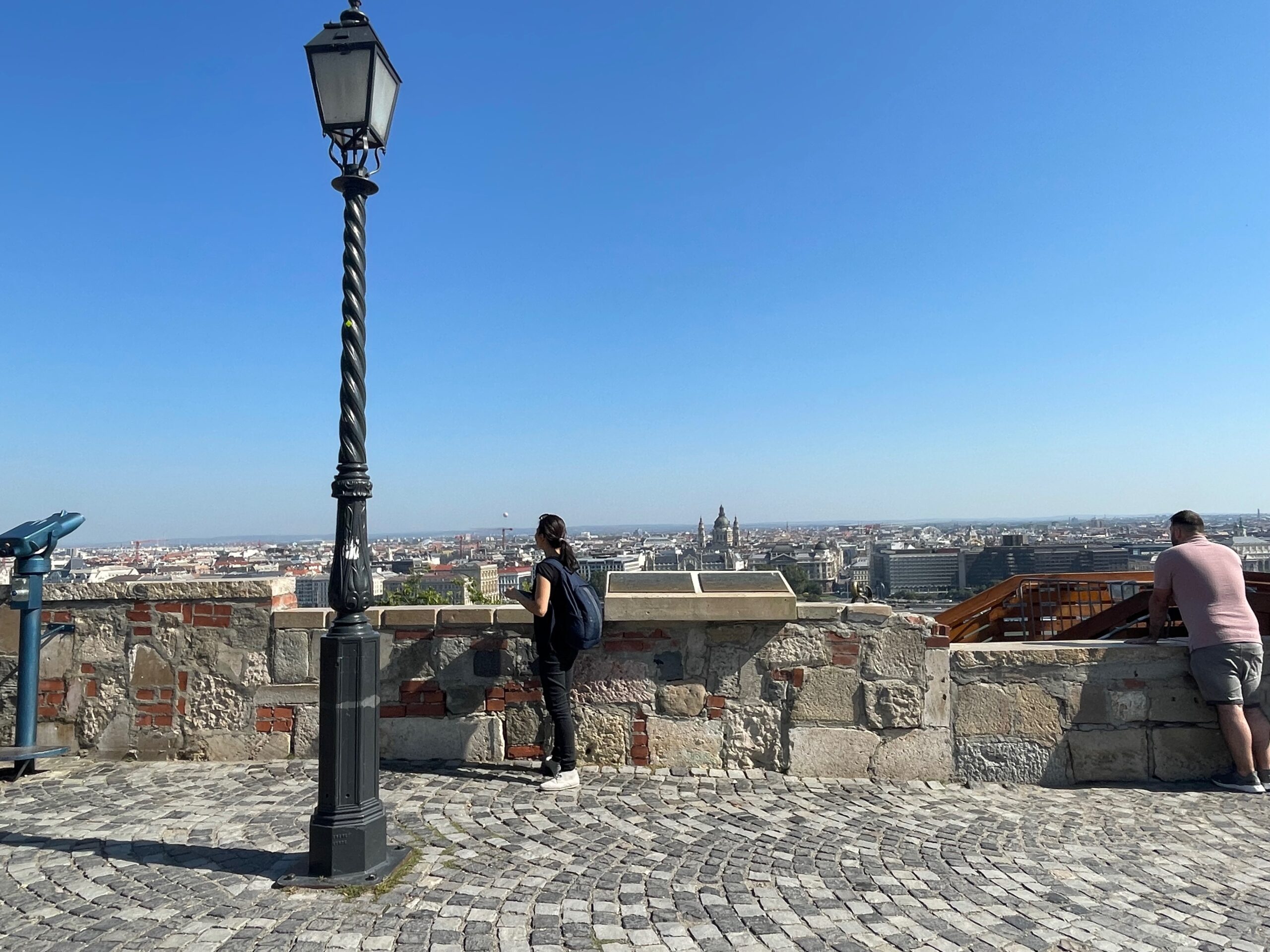
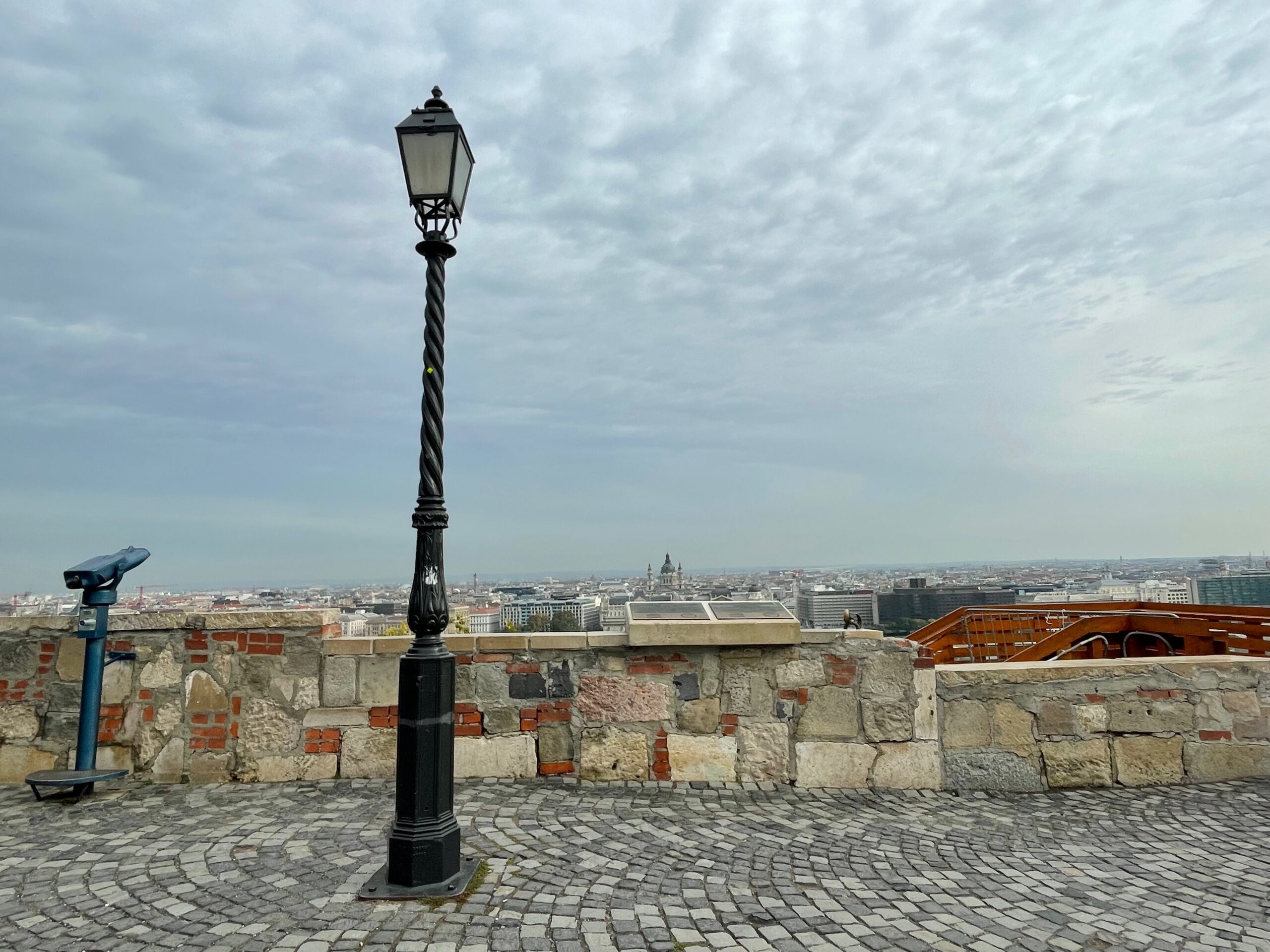
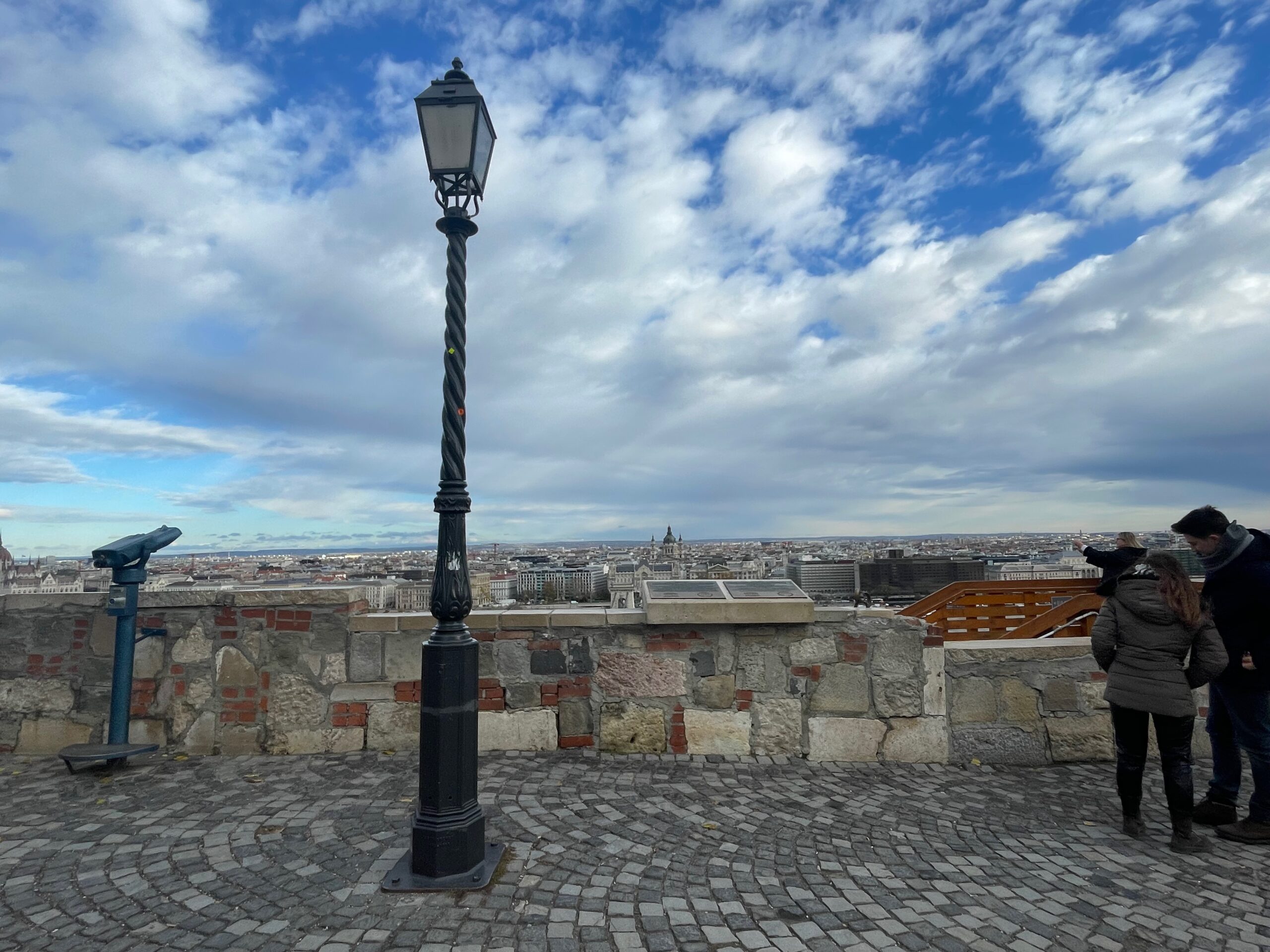
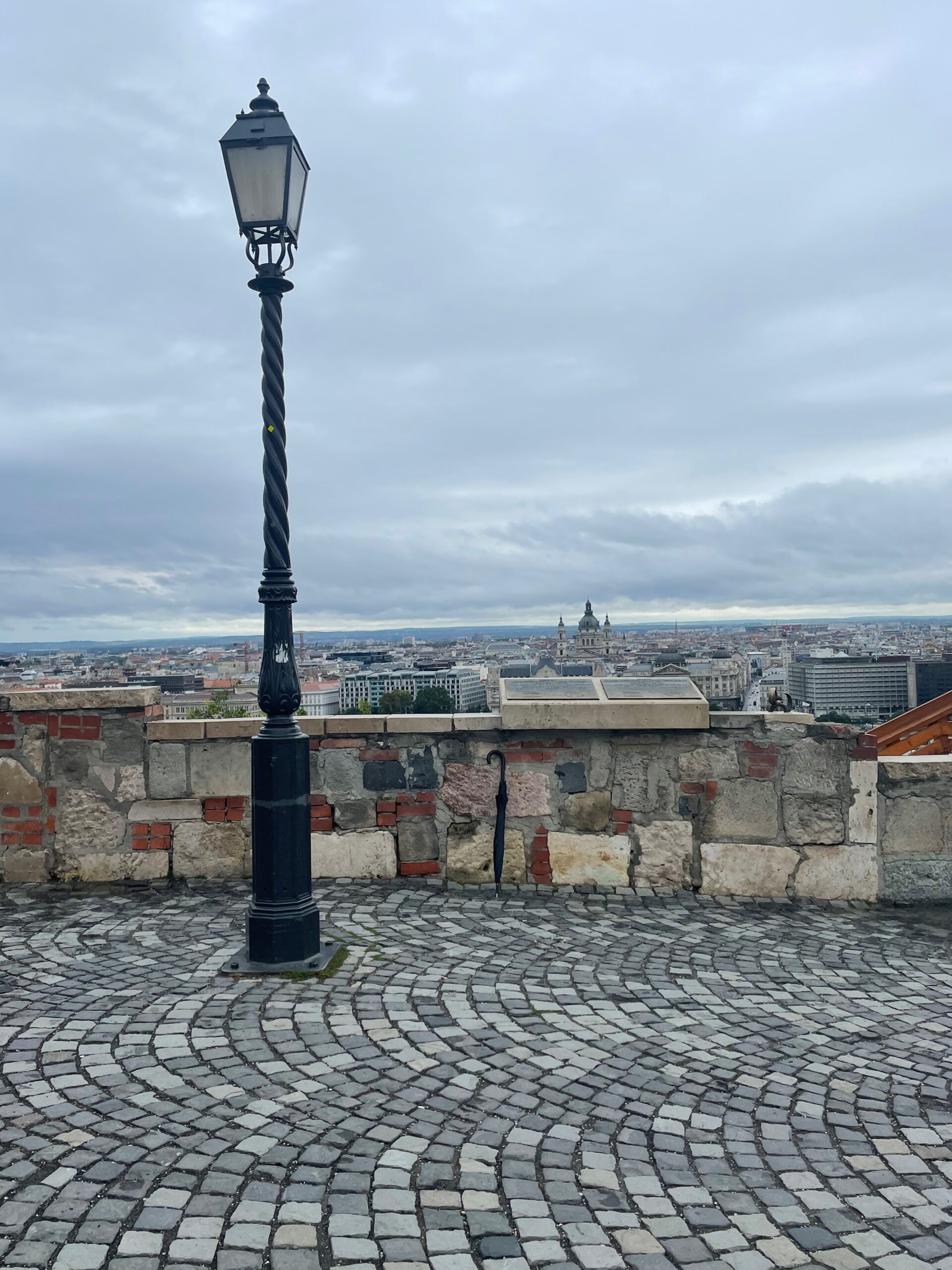
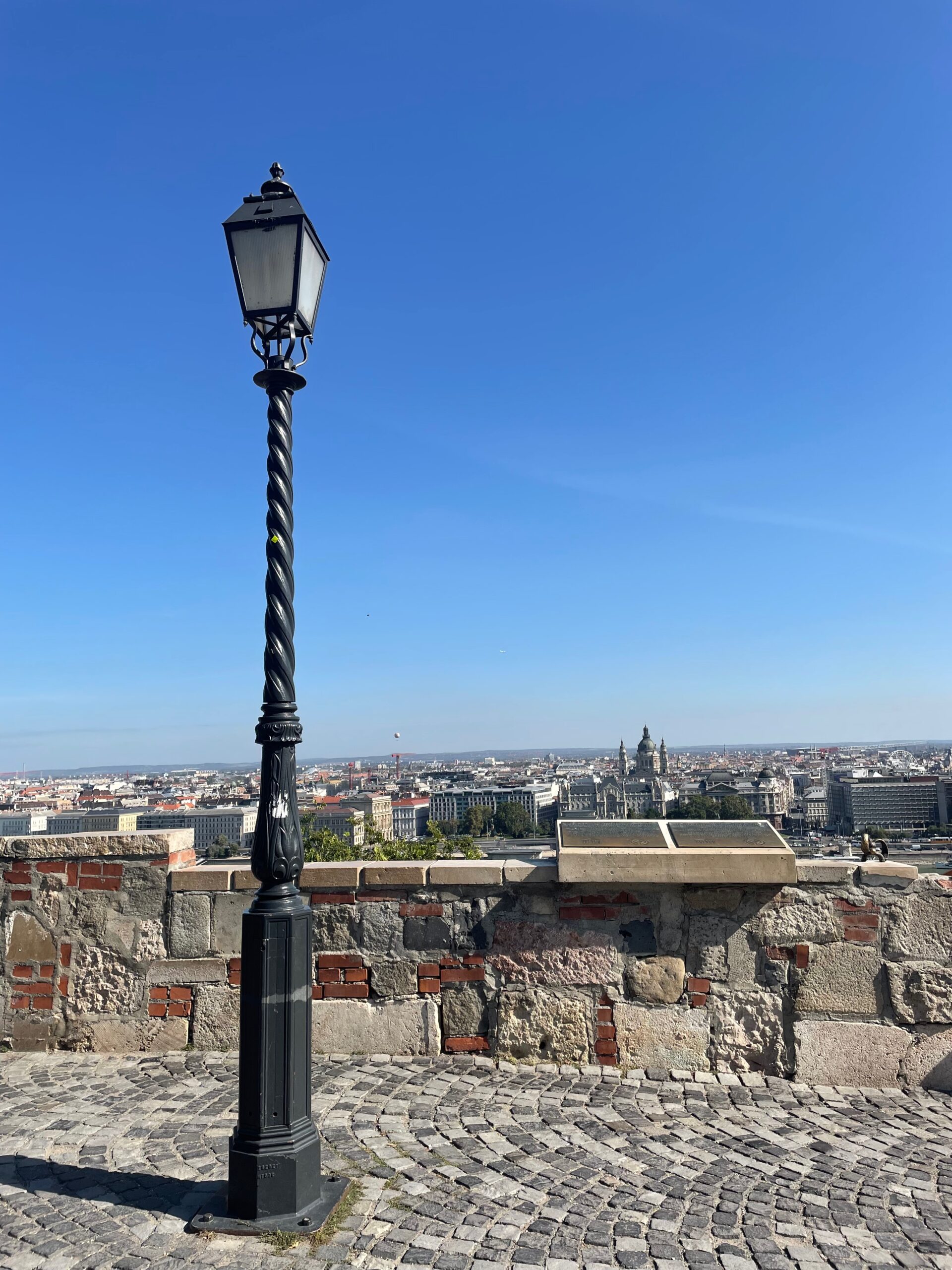
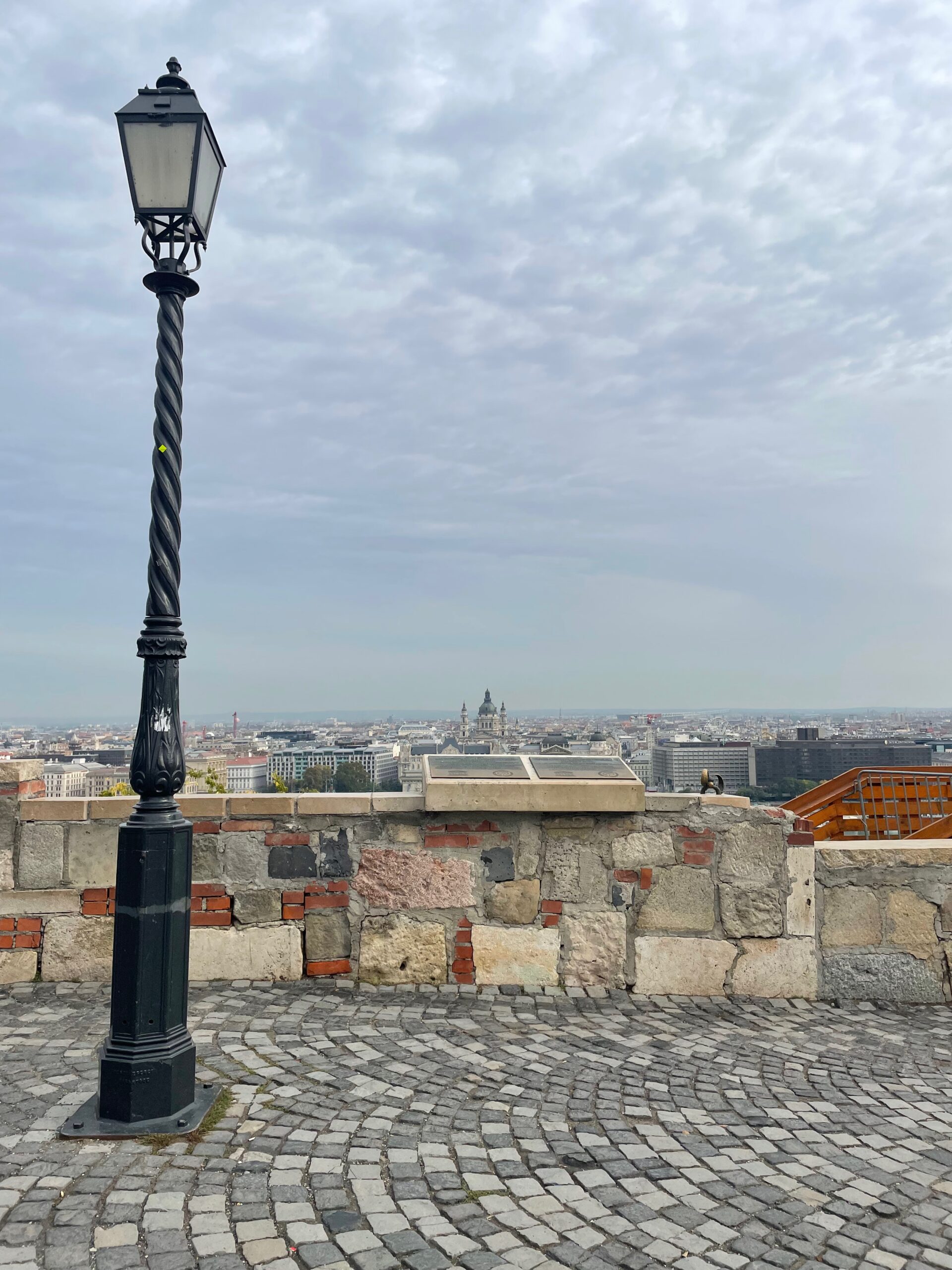
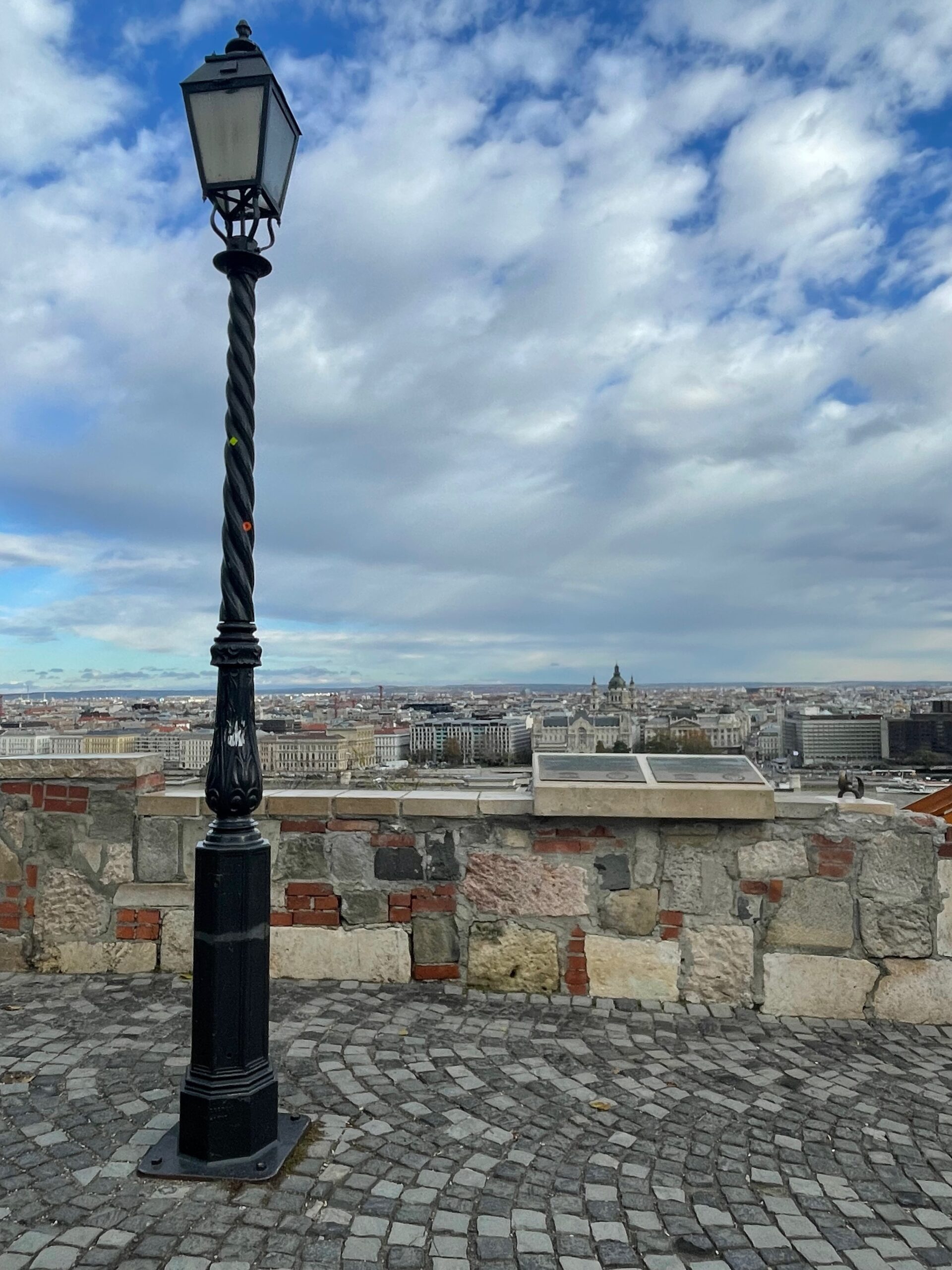
I’m taking thousands of pictures in Budapest every year, and many of them are taken at the very same spot. This is the upper station of the Buda Castle Funicular, close to the Sándor Palace and the Royal Palace. While my travellers are entertained by the changing of the guards, I’m taking pictures. Have a look, how different the pictures are even though they are taken at the same place. Join me for a walk in the Buda Castle District to see it for yourself!
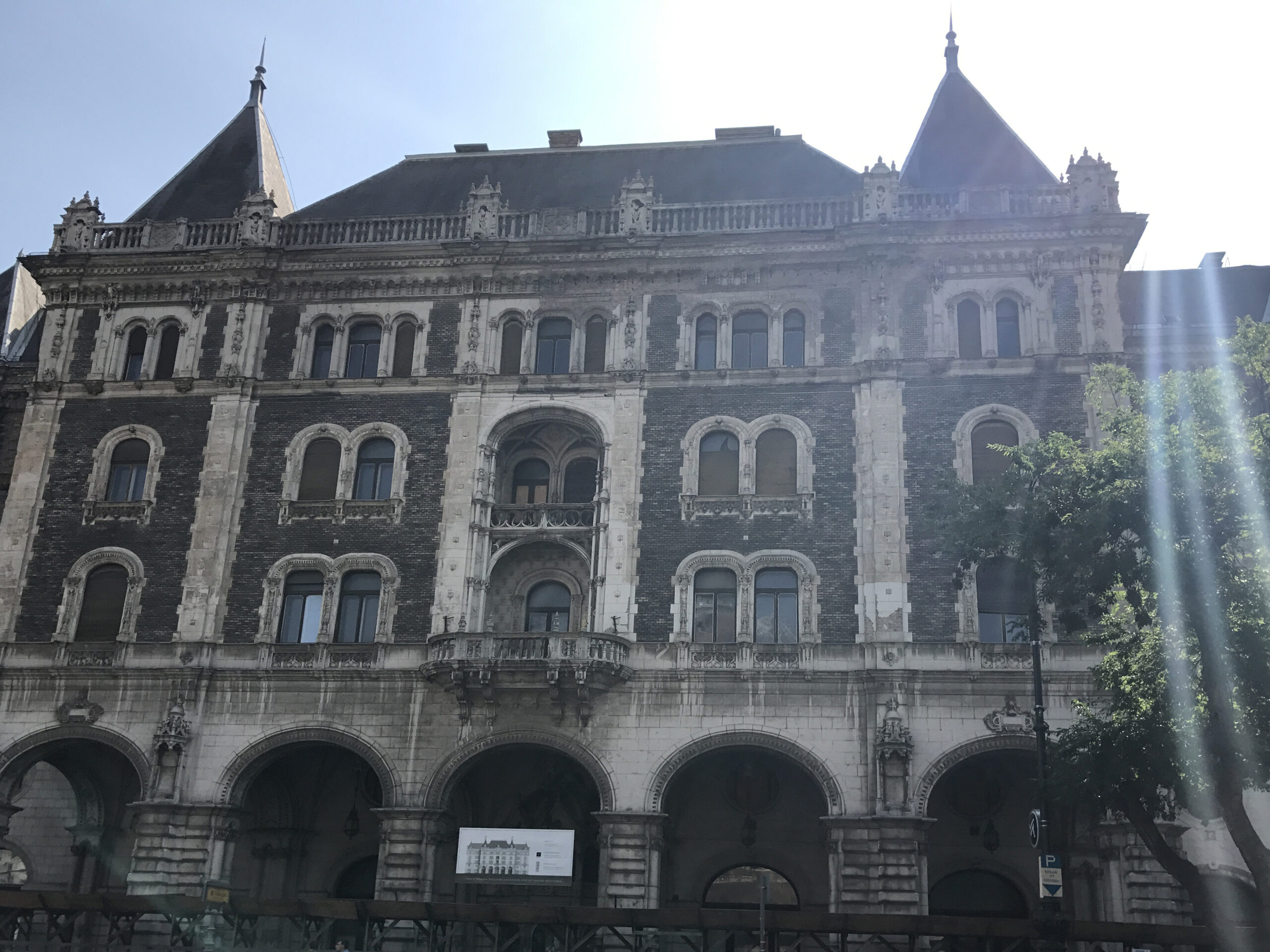
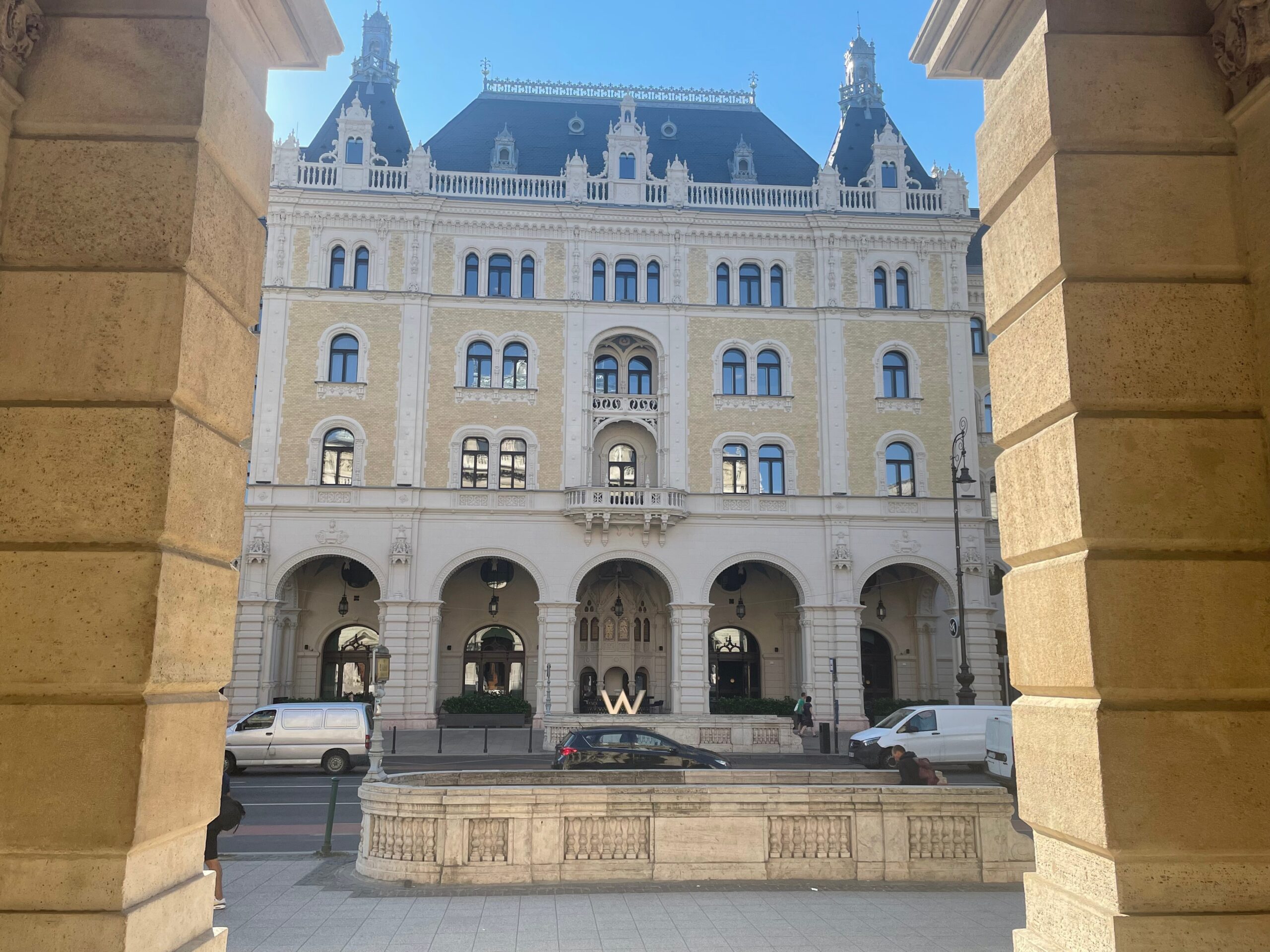
This truly magnificent Neo-Renaissance building is on Andrássy street, right across from the State Opera House. I keep telling stories about the building, home of Drechsler Café, that was originally built for the pensioners of the National Rail Services. For many many long years the building was hiding behind scaffolding and recently it reopened as the W hotel. I hope you agree with me when I say that the renovators made a wonderful job and filled the palace with elegance and charm.
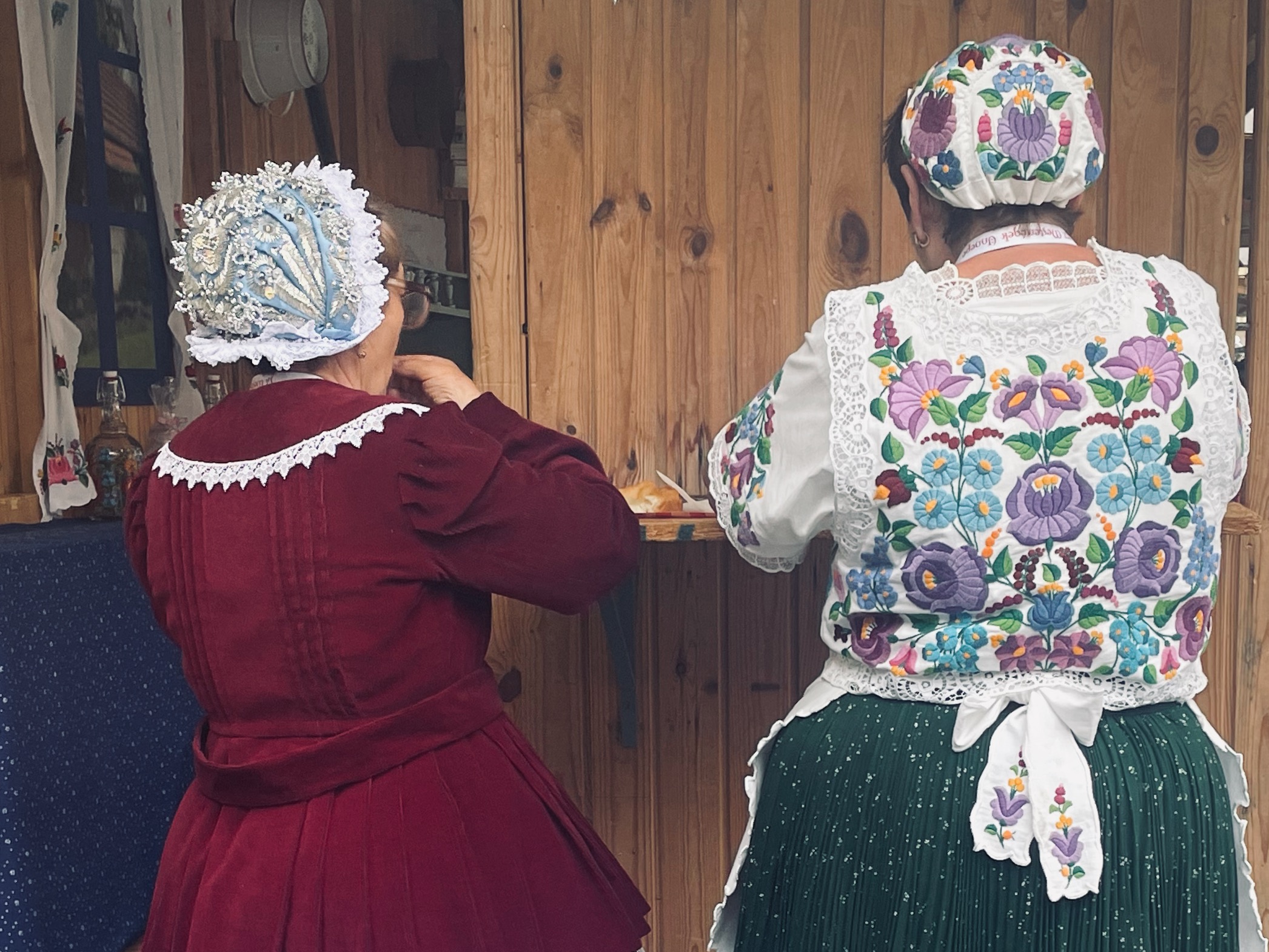
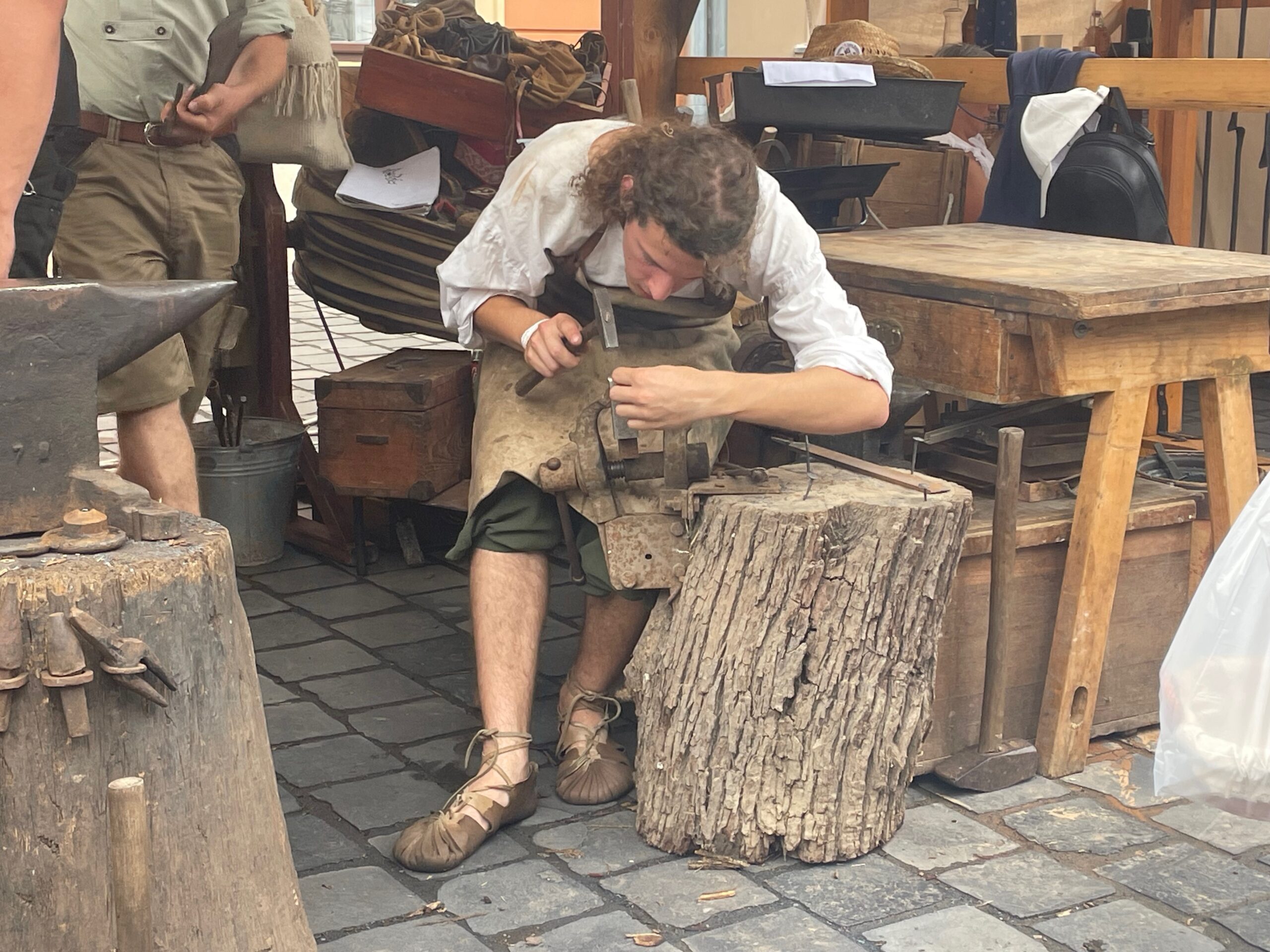
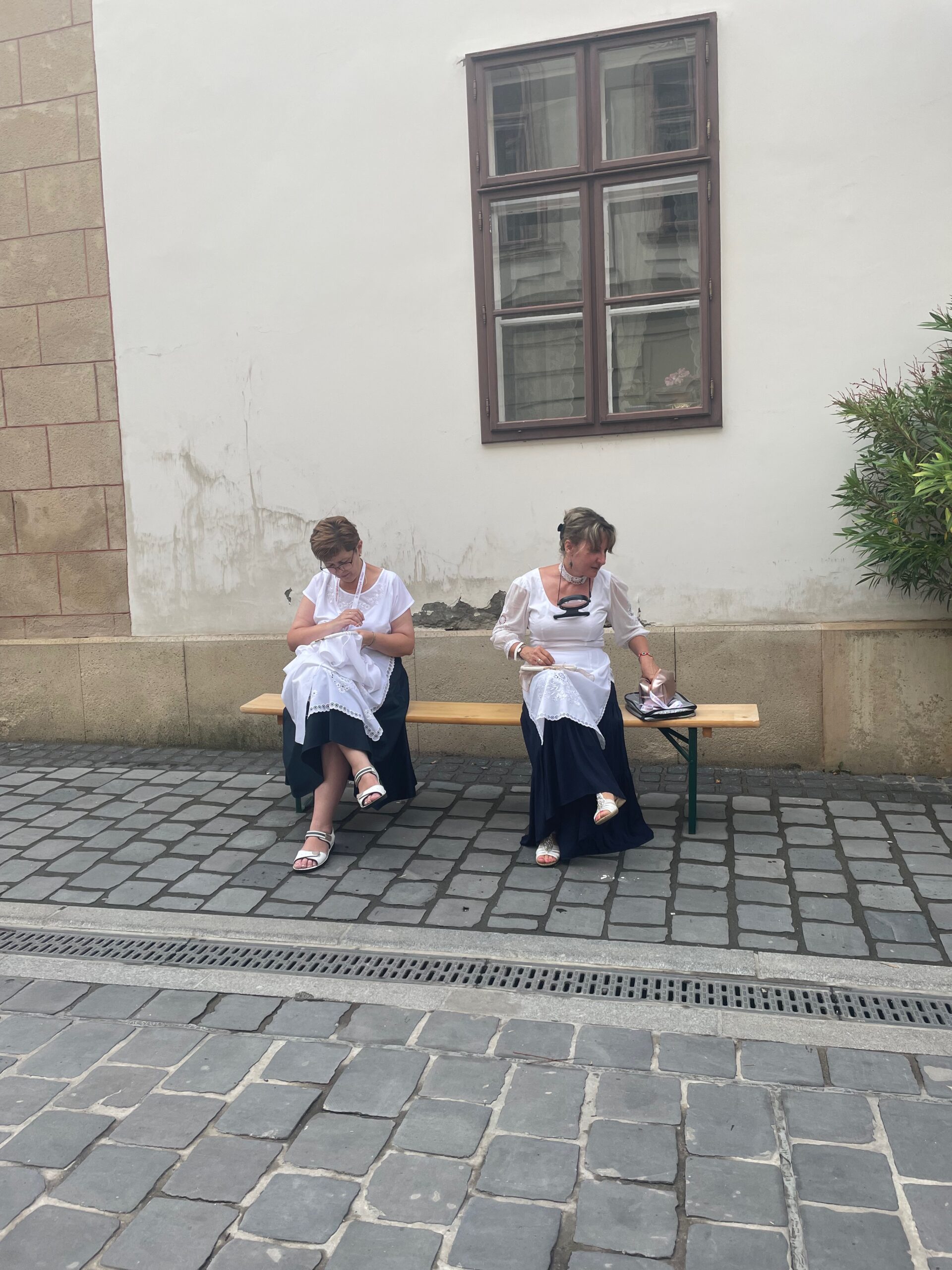
Every year, at the end of August some of the great Hungarian folk artists have a special opportunity to put on display their talent and products: the folk art festival in the Buda Castle district. Visitors can watch and also participate in activities, such as sewing, lace or embroidery making, wood carving and many more. It’s a great occasion to meet local craftsmen and craftswomen, observe their techniques and tricks and also to buy local folk products. I loved the little old ladies teaching me sewing, trust me, they are very patient with visitors much less talented and experienced than they are.









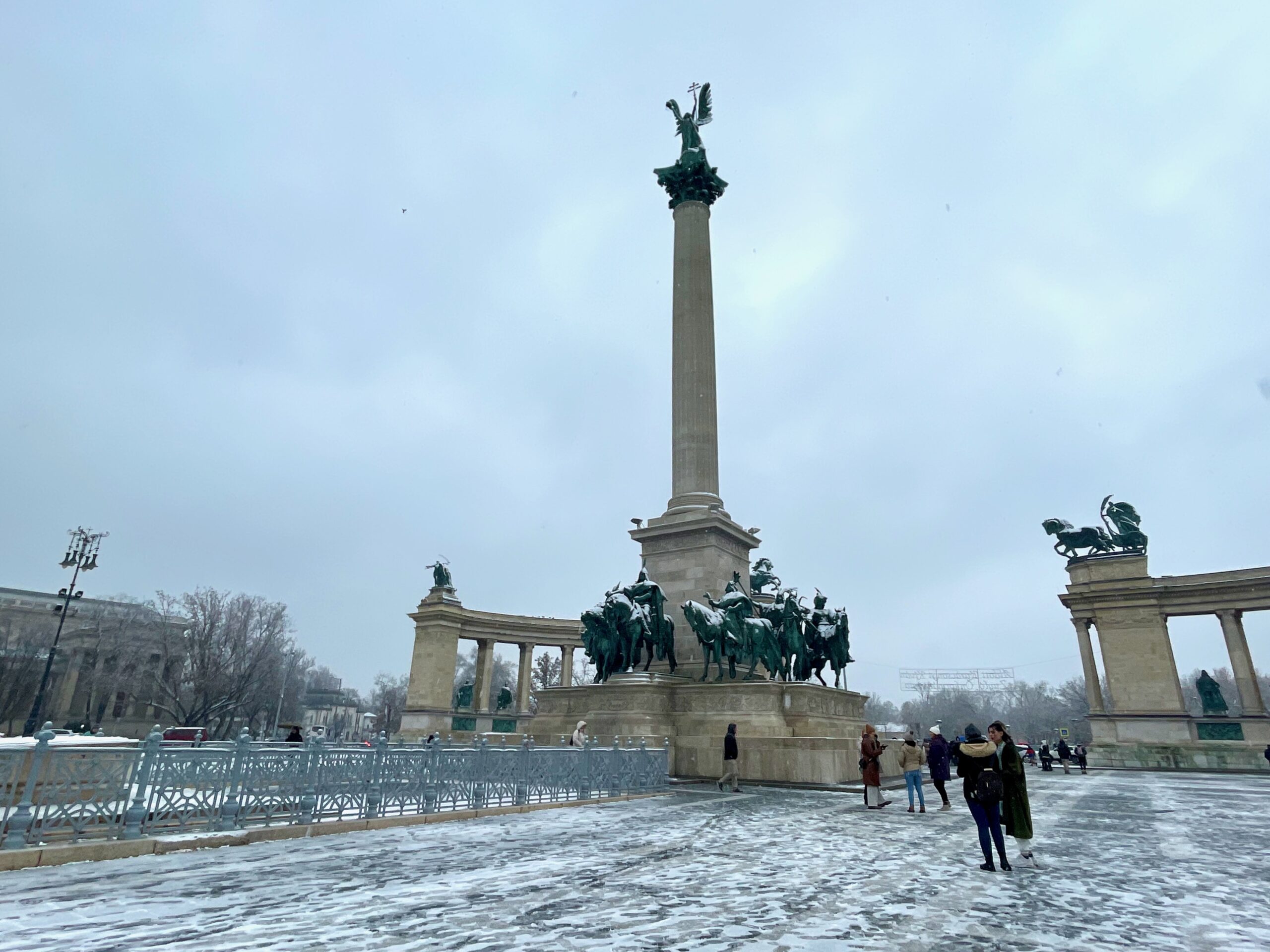
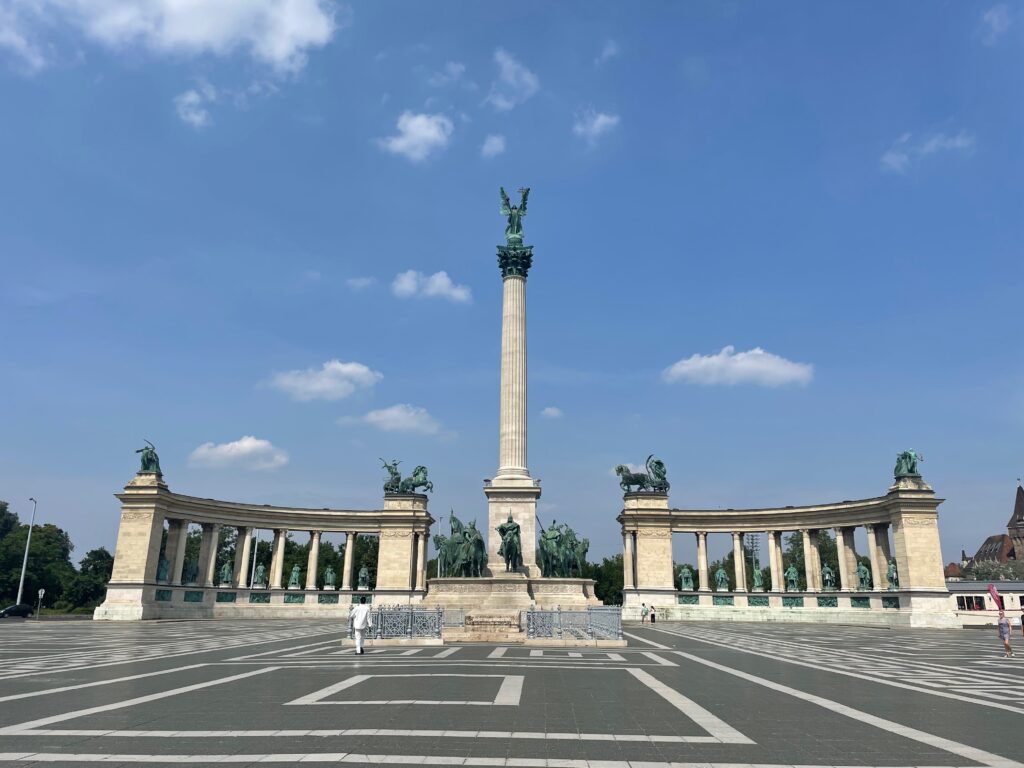
Heroes’ Square truly is the alpha and omega of Budapest sightseeing. Almost every walking or driving tour passes through here — and for good reason. Monumental, symbolic, and visually striking, this grand square tells the story of Hungary in stone and bronze.
At the heart of Heroes’ Square stands the Millennium Monument, crowned by the Archangel Gabriel and surrounded by statues of Hungary’s most important historical leaders. From the arrival of the Magyar tribes in the 9th century to the great kings and national heroes, the entire sweep of Hungarian history unfolds here in a single, powerful composition.
But Heroes’ Square is not only about the past — it’s also a gateway.
The square marks the ceremonial end of Andrássy Avenue, one of Budapest’s most elegant streets, and the entrance to City Park, one of the city’s largest and most loved green spaces. Just a few steps beyond the monuments, Budapest opens up into a world of leisure and culture.
From here, you can easily reach:
-
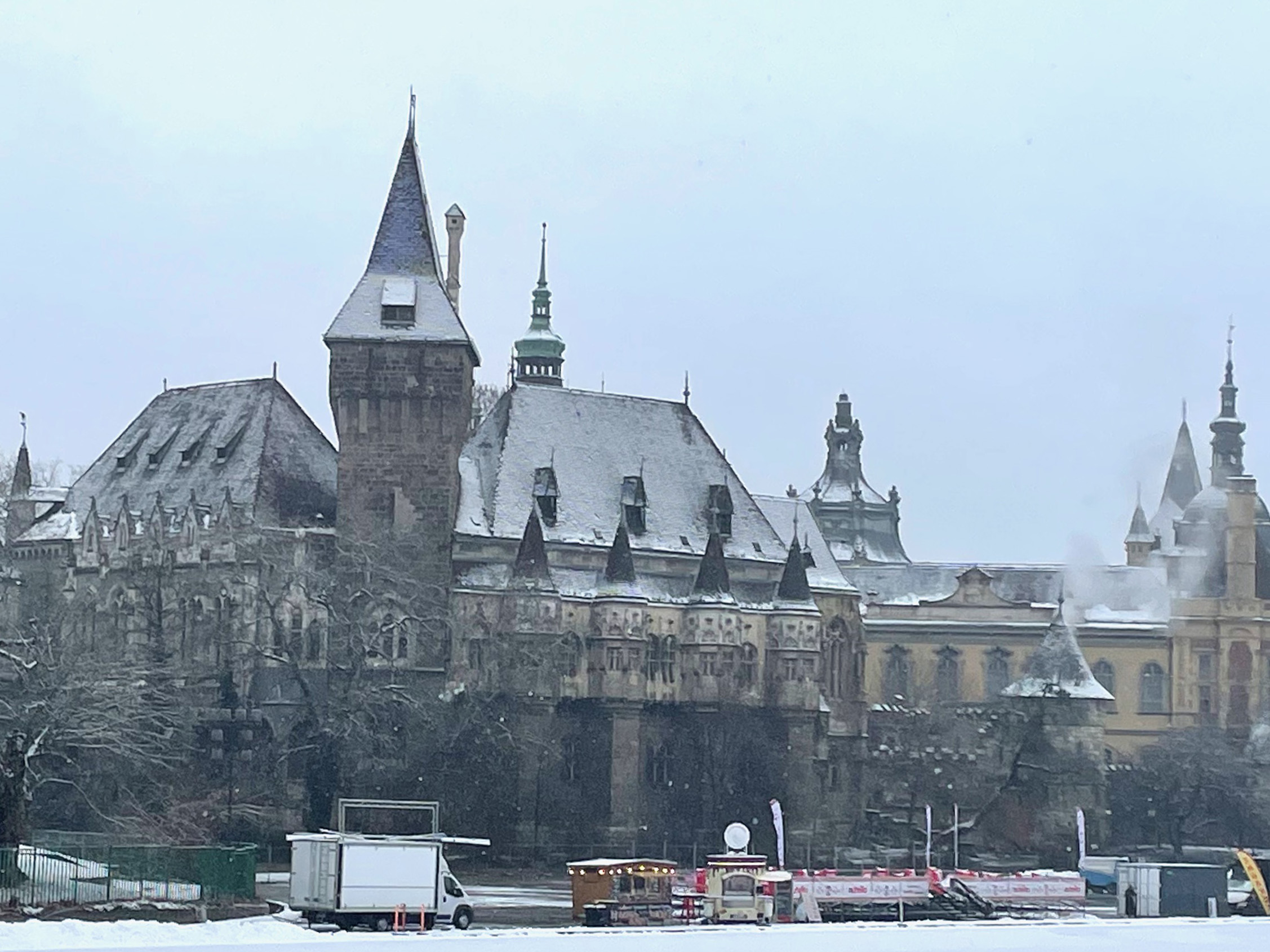
Vajdahunyad Castle, with its fairytale mix of architectural styles
-
Széchenyi Thermal Bath, one of Europe’s largest spa complexes
-
Budapest Zoo, one of the oldest zoos in the world
-
the City Park lake, ice skating rink, museums, circus, and excellent playgrounds for children
Heroes’ Square is rarely quiet. It’s usually alive with visitors, locals, tour groups, and photographers — which makes moments of stillness here especially precious. Seeing the square empty and peaceful, as it was this morning, is a reminder of its timeless, almost theatrical beauty.
As a local guide, I always say this: if you want to understand Budapest, start at Heroes’ Square. It sets the tone for the city — proud, complex, layered, and deeply connected to its history — while inviting you forward into one of its most enjoyable districts.
Heroes’ Square is included in most of my customised walking and driving tours, often paired with Andrássy Avenue and City Park. It’s a perfect starting point for discovering how history, everyday life, and grand architecture come together in Budapest.
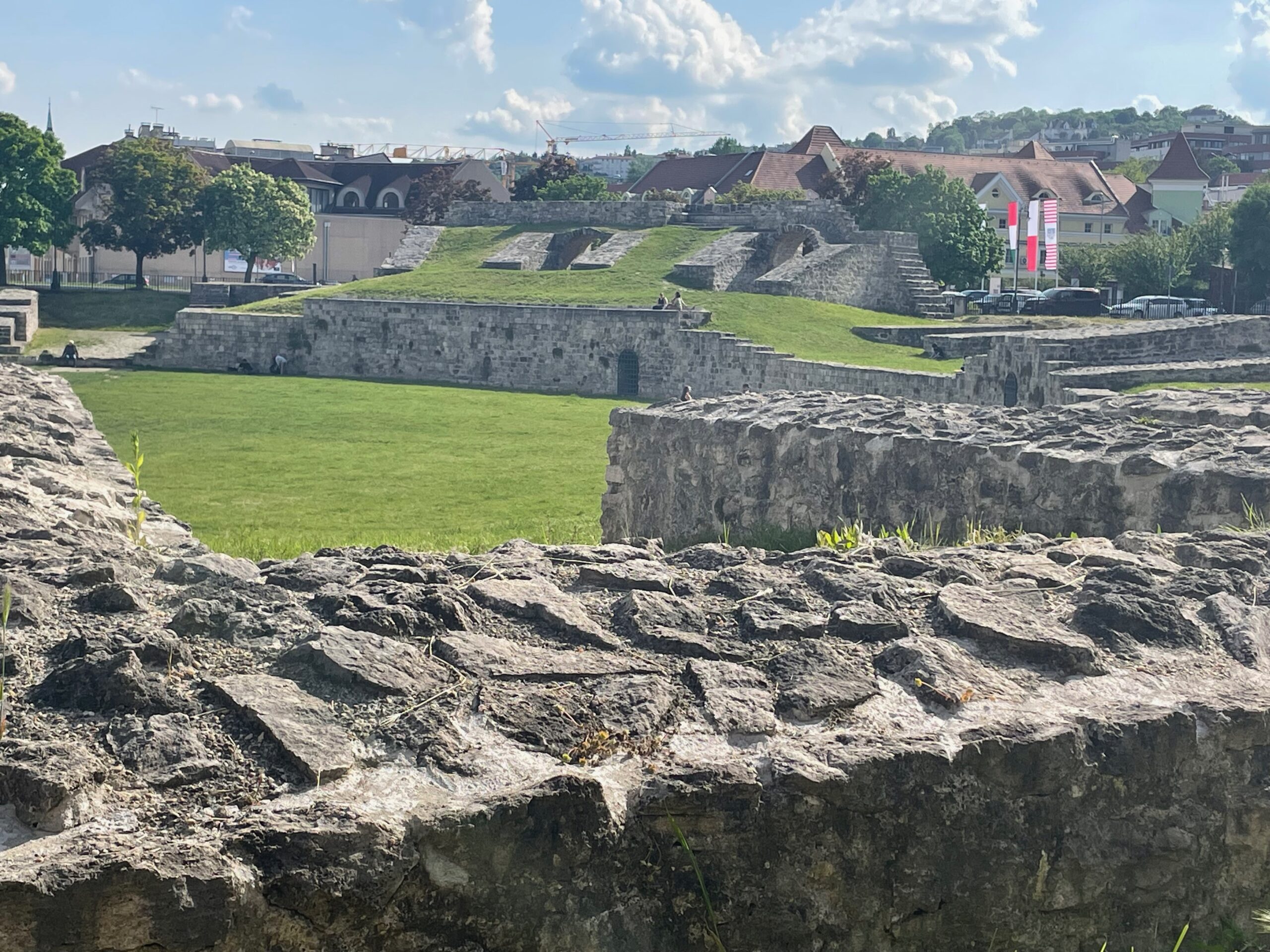
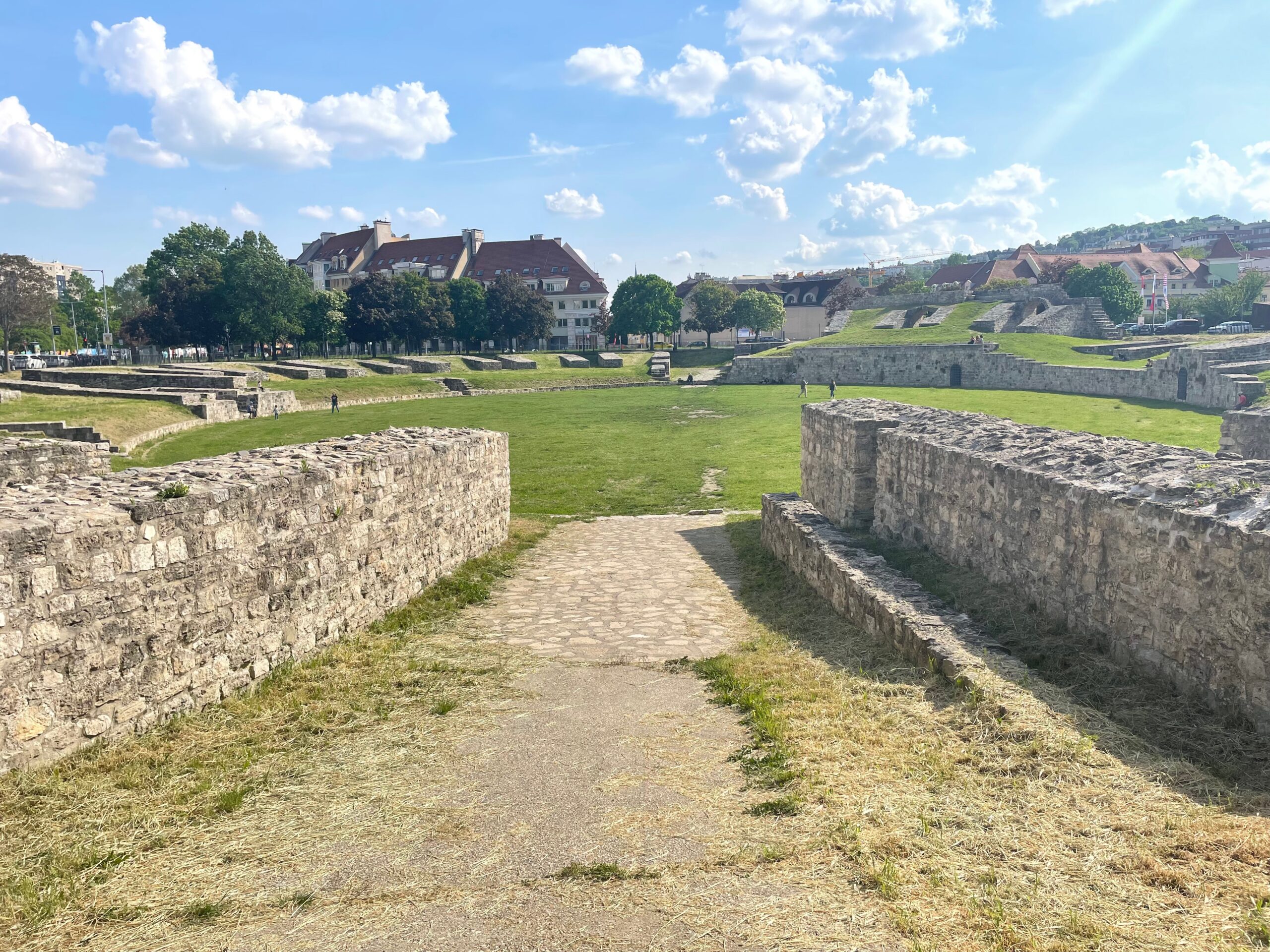
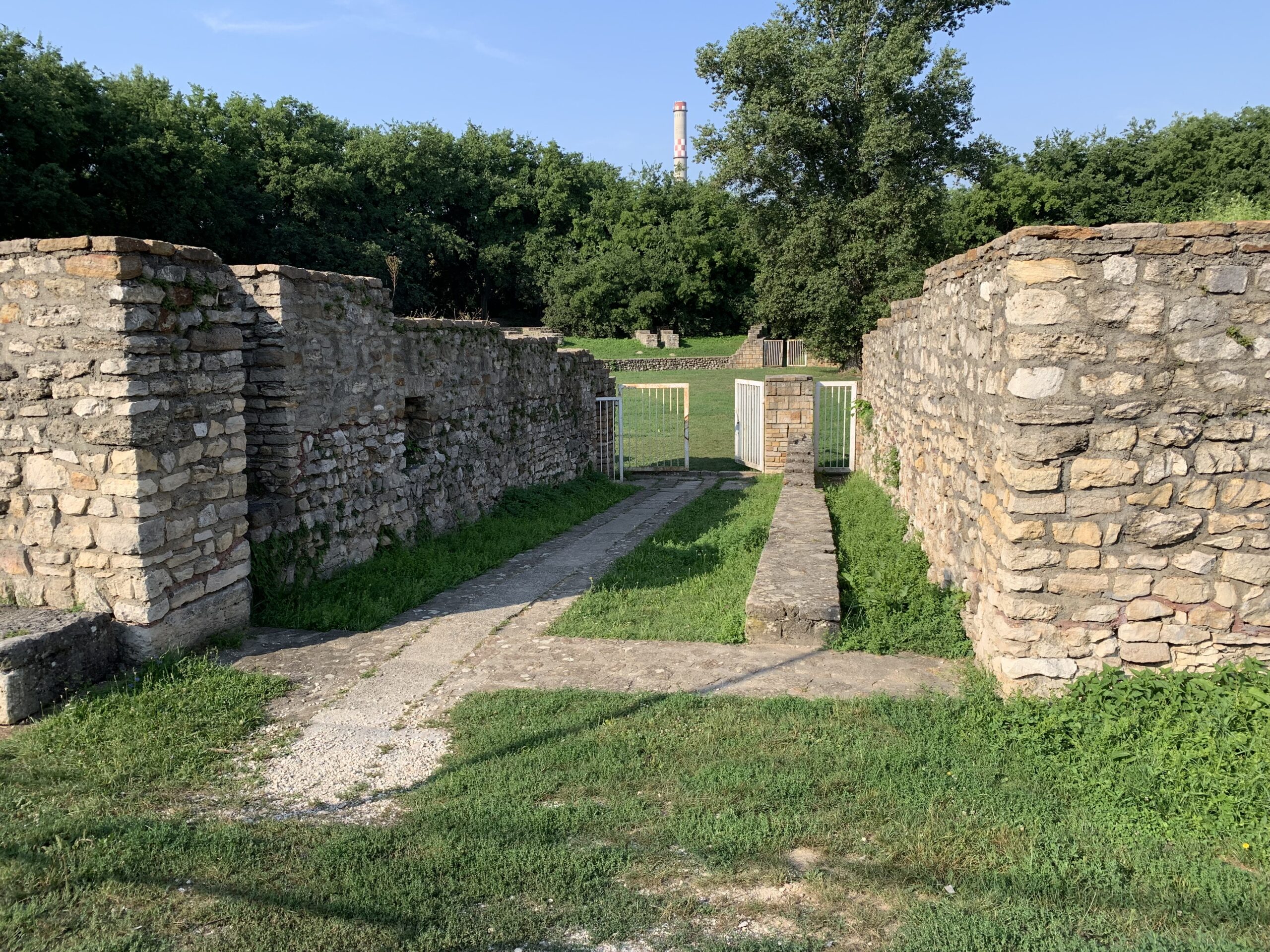
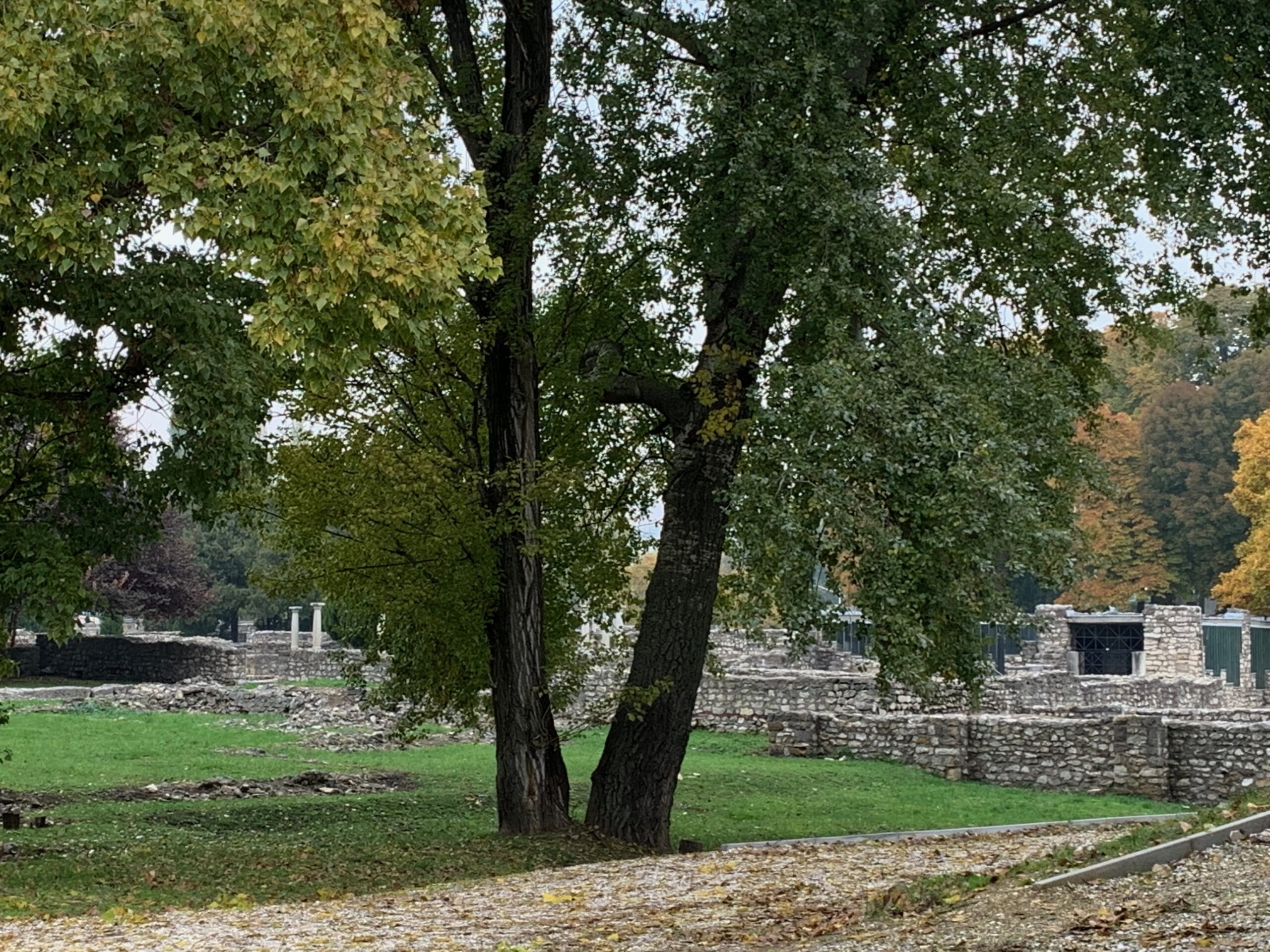
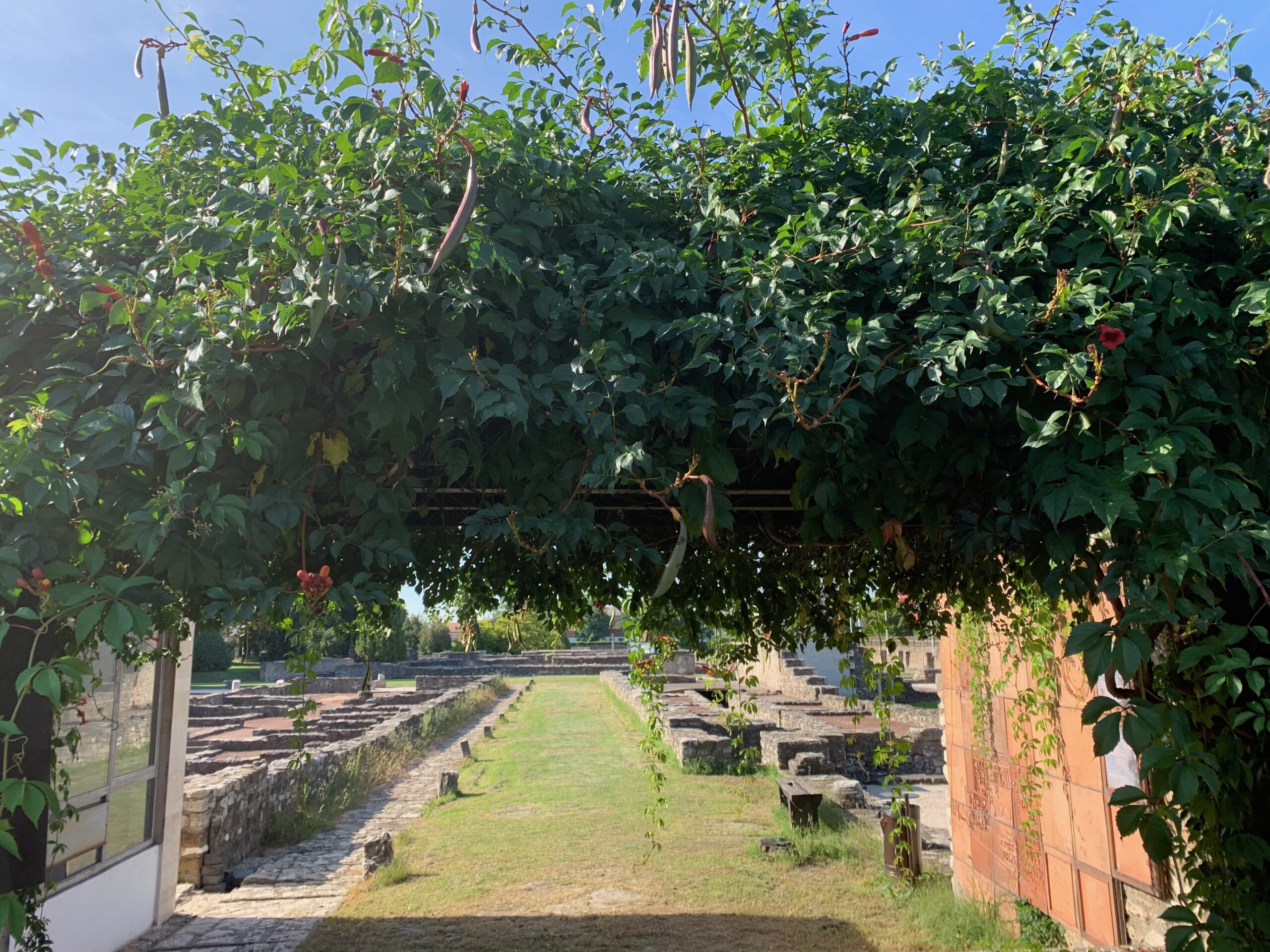
The ancient Roman Empire was the largest empire of the world, at its peak the greatest territorial extent of the empire was almost 2 million square miles with a population from 50 to 90 million people. From the 1st century Romans created settlements along the Danube river to protect the empire from the east. There were several settlements created in the actual territories of Hungary, some ruins can be seen in the Northern part of Buda even today.
You can visit the ruins of an amphitheatre or Aquincum, the centre of the settlement with the remains of the governor’s palace and many residential buildings.
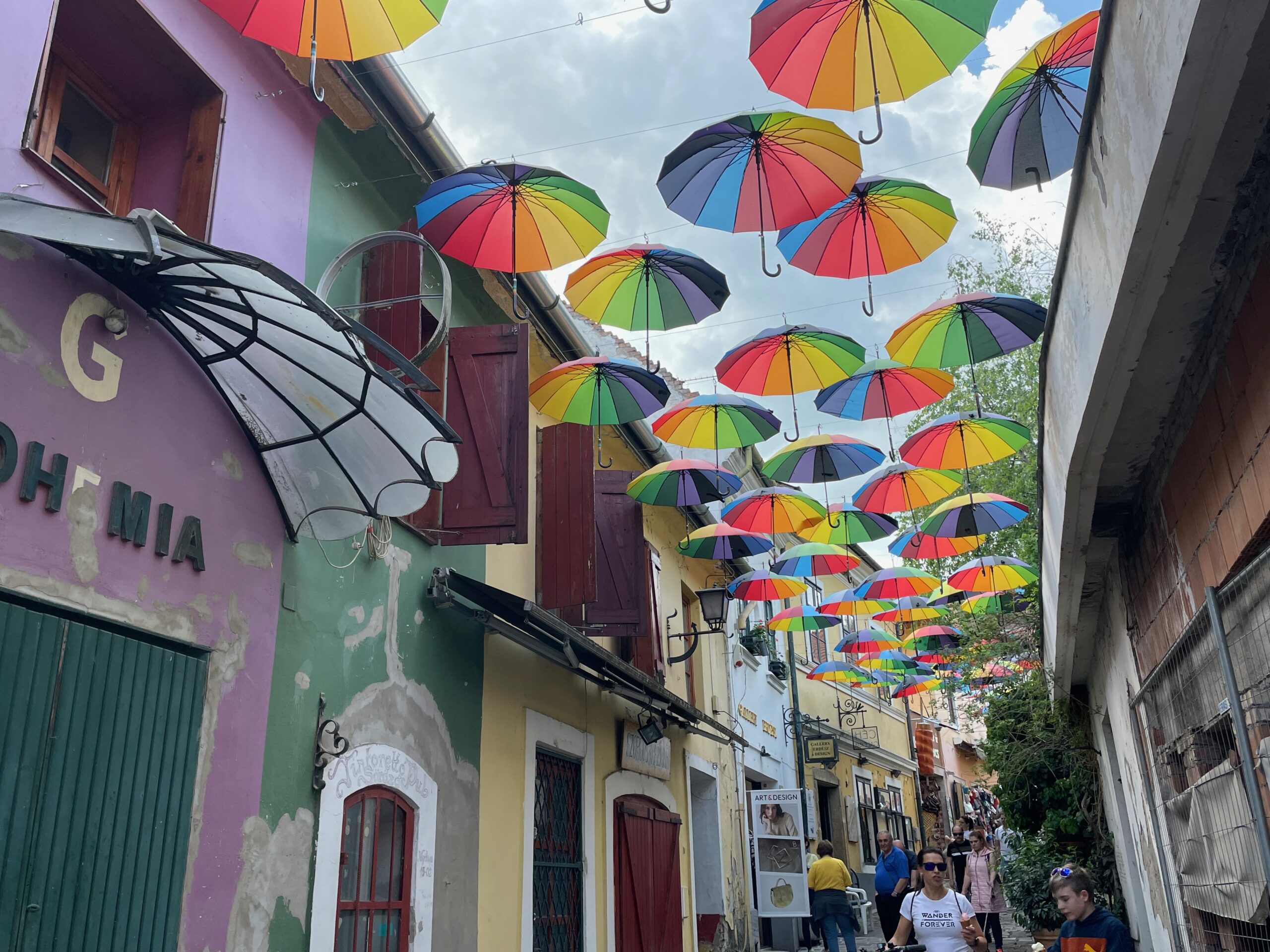
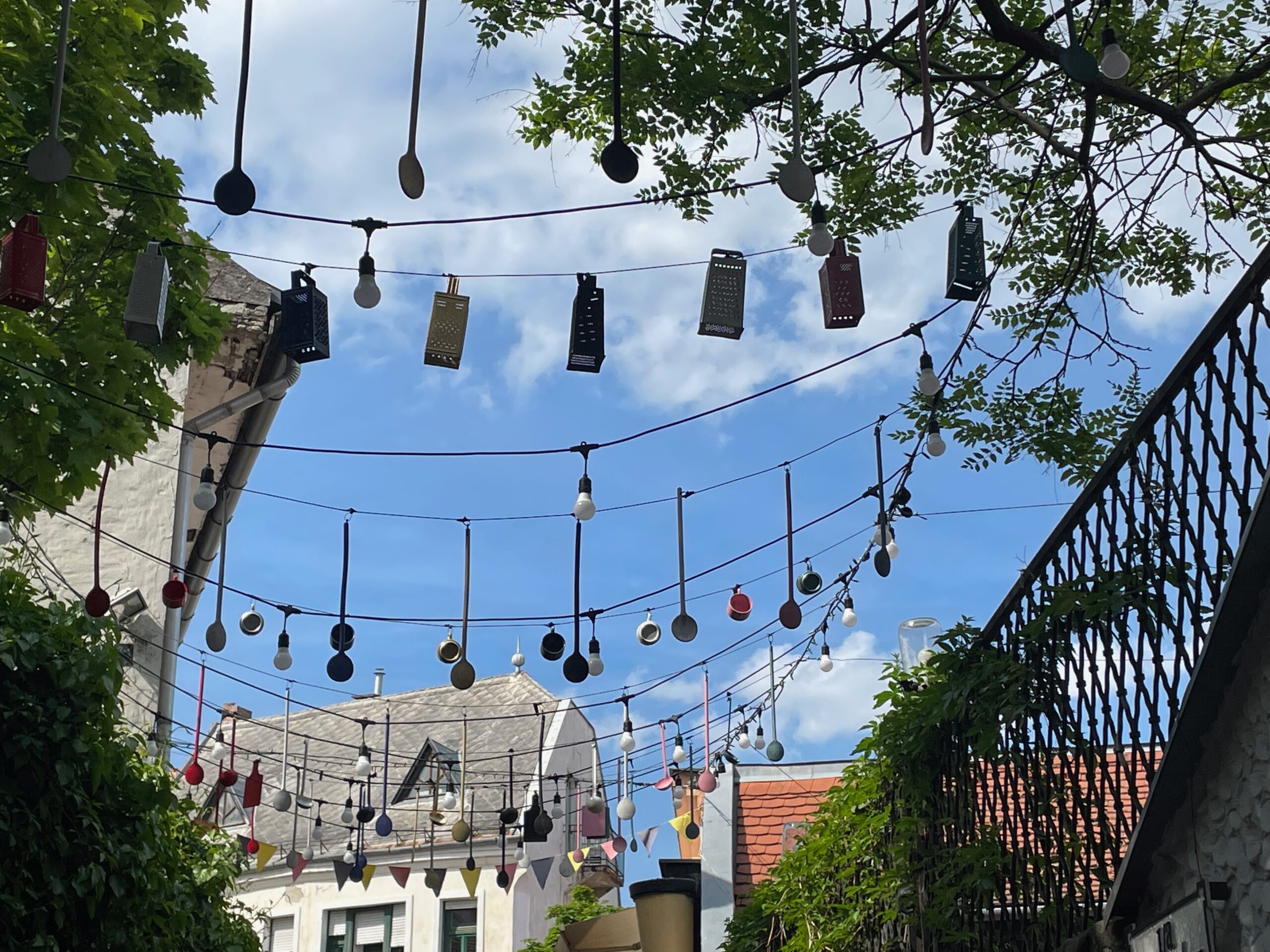
Here are a few pictures I took visiting Szentendre with my travellers yesterday. The photographs don’t do any justice to the spectacular little village, but they give you an idea about what you can expect. Szentendre is only a 20-minute drive from Budapest, also, you can take a local train to get there. I’m offering multiple tours to visit the village, the full-day driving tour to the Danube Bend and the half-day Szentendre driving tour. Book now!