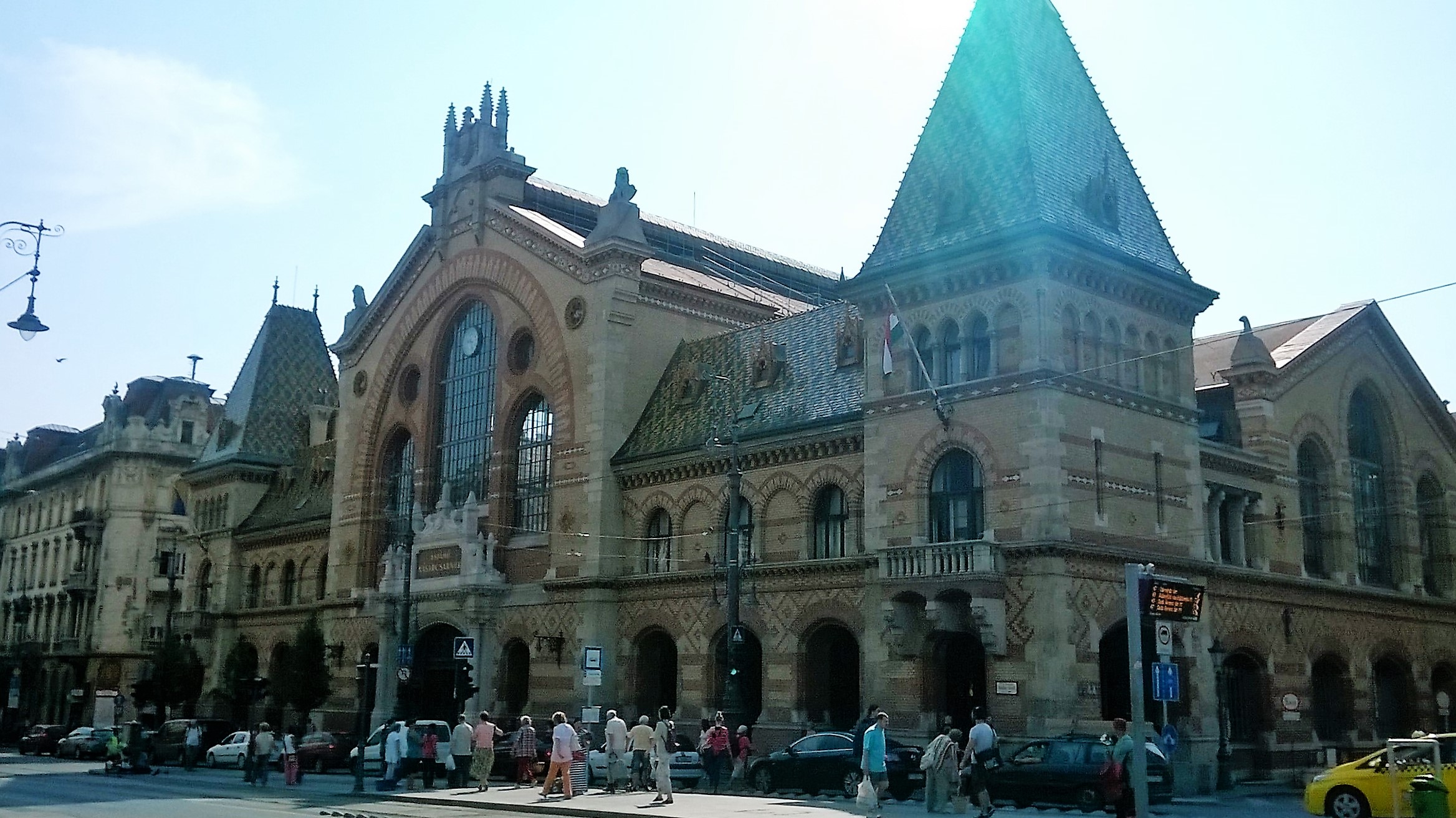
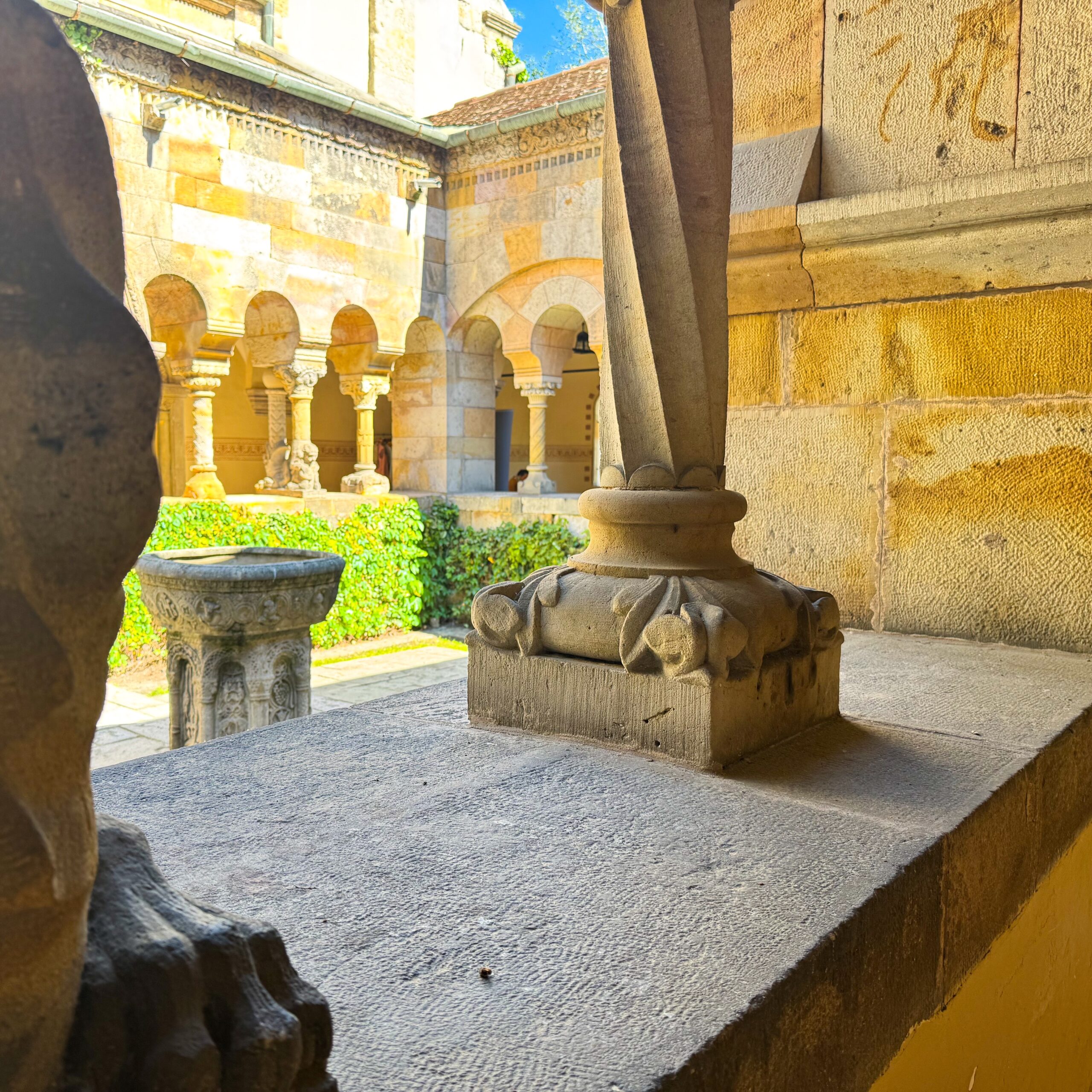
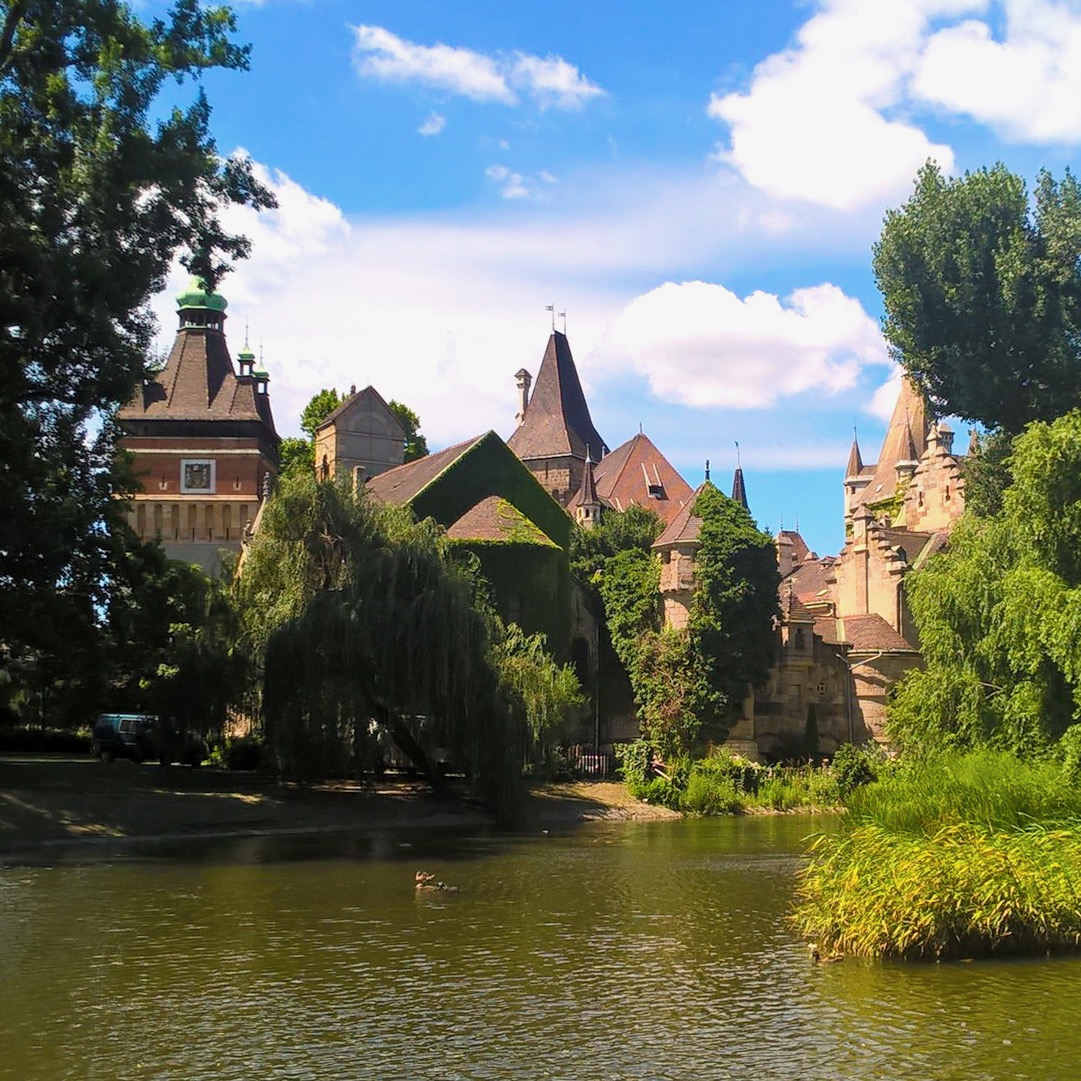
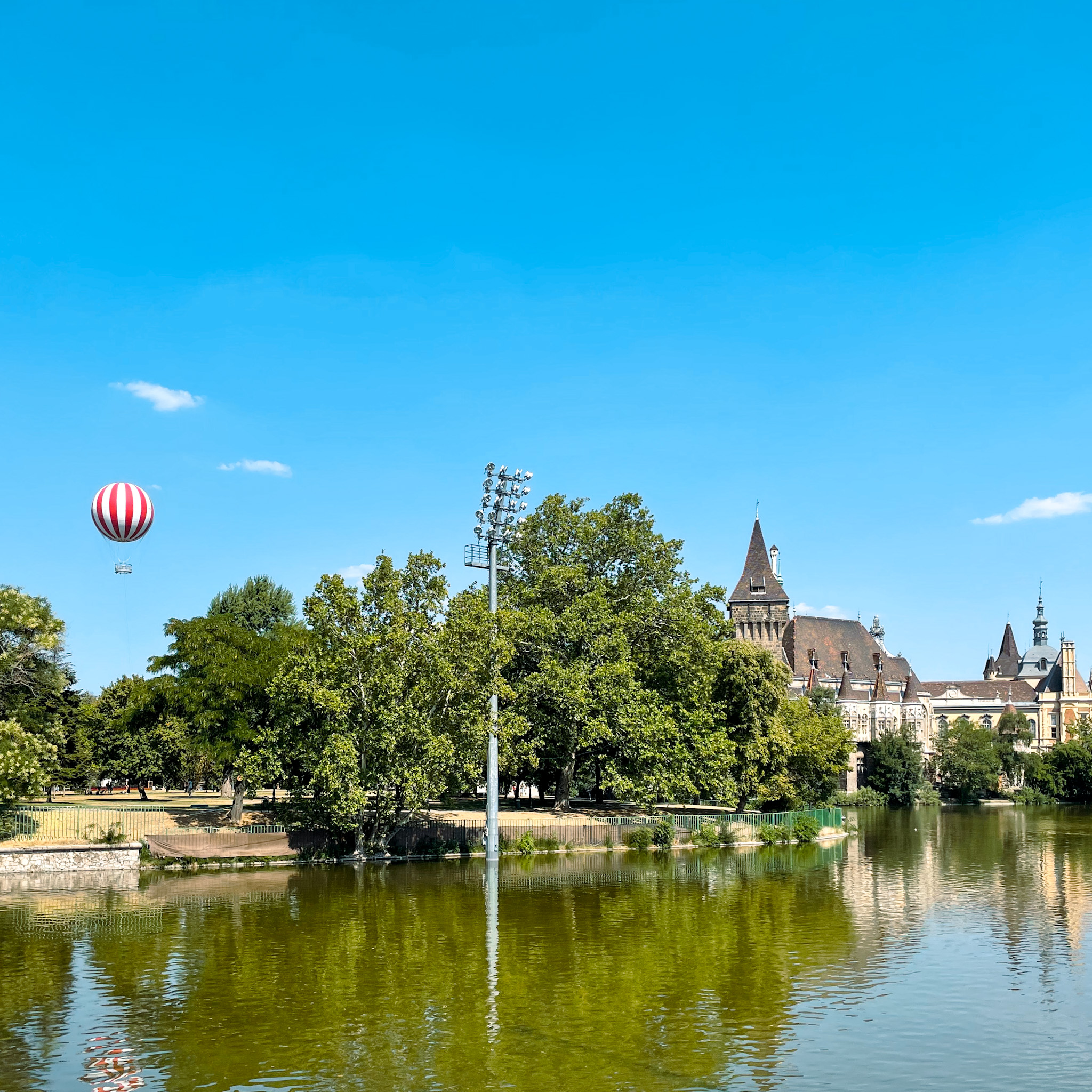
City Park (Városliget) is the second-largest park in Budapest and without question one of the locals’ favourite places to relax. Located at the end of Andrássy Avenue, this vast green space is a perfect mix of nature, culture, leisure, and iconic sights — all in the heart of Pest.

Whether you’re visiting Budapest for the first time or returning for a longer stay, City Park offers something for every pace and interest.

What to see and do in City Park

There are so many things to do in Városliget that it easily fills several hours — or even an entire afternoon. Highlights include:

  • the Budapest Zoo, over 150 years old and one of the oldest zoos in the world

  • the City Circus, a unique cultural institution popular with families

  • the famous Széchenyi Thermal Bath, where you can soak in warm outdoor pools year-round

  • Vajdahunyad Castle, showcasing a fascinating mix of architectural styles

  • the park’s lake, perfect for a boat ride in summer or ice skating in winter

Of course, City Park is also ideal for simpler pleasures: a picnic under the trees, a relaxed walk, or just watching local life unfold.

City Park as part of Budapest sightseeing tours

Thanks to its location, size, and variety, City Park is included in many of my Budapest walking and driving tours. It works beautifully as a stop that combines history, architecture, and everyday local life — all in one place.

Whether paired with Andrássy Avenue, Heroes’ Square, or the thermal baths, Városliget adds a refreshing, green balance to a sightseeing itinerary.

A local tip for visiting City Park

City Park is enjoyable in every season, but it’s especially lovely in spring and summer, when the trees are in full leaf and locals spend long afternoons outdoors. If you’d like to explore it at a relaxed pace or include specific highlights, it can easily be adapted as part of a customised walking or driving tour.

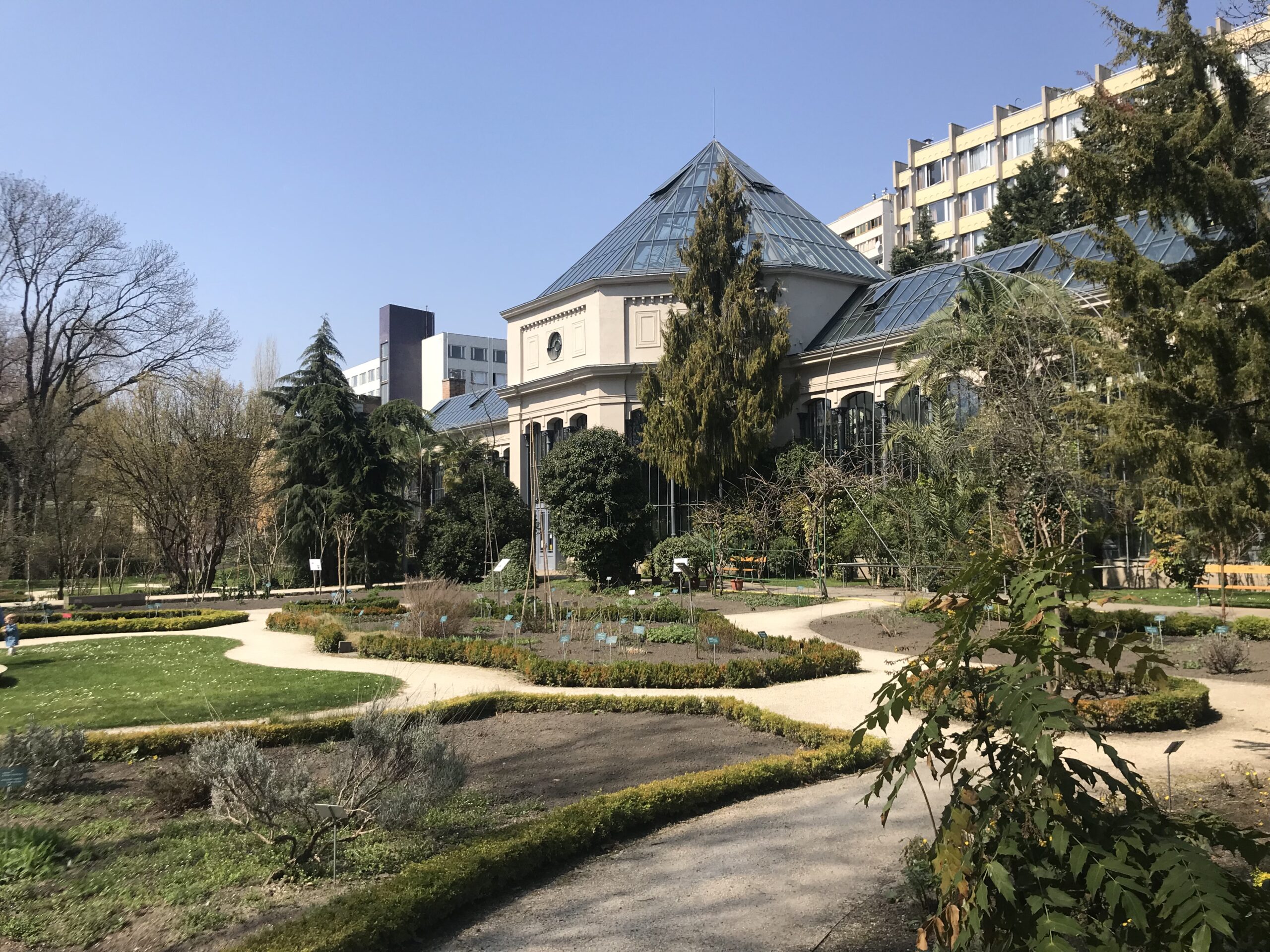
Budapest Füvészkert may look difficult to pronounce at first — but it’s absolutely worth getting to know. Tucked away in Budapest’s 8th district, this peaceful botanical garden is one of the city’s most underrated sights and a true hidden gem for visitors looking beyond the usual landmarks.

Founded in the 1770s, Füvészkert is the oldest botanical garden in Budapest. Despite its compact size — around three acres — it’s home to more than 7,000 plant species, making it surprisingly rich and diverse.

One of its most remarkable residents is a 150-year-old Chinese ginkgo tree, the oldest tree in the garden and a quiet witness to centuries of change around it.

What to see inside Füvészkert

Walking through Füvészkert feels like stepping into several different climates in the middle of the city. Highlights include:

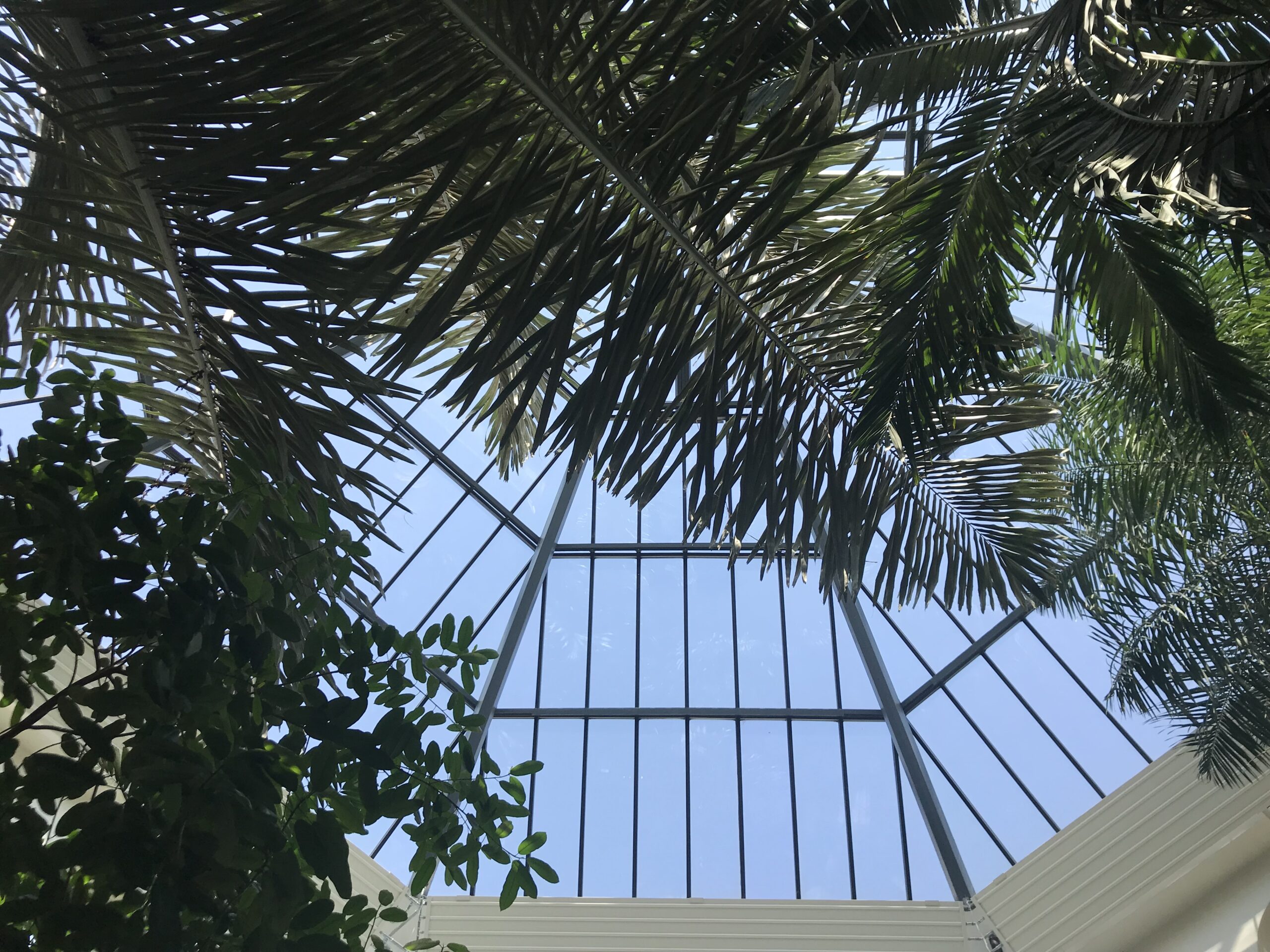
  • the Palm House, filled with tropical and subtropical plants

  • the Victoria Glass House, home to the impressive Amazonian water lily

  • extensive collections of palms, cacti, bromeliads, and orchids

It’s a calm, beautifully maintained space — ideal for slowing down, especially on warm summer days or during a quieter afternoon of sightseeing.

Füvészkert and Hungarian literature

Füvészkert also holds a special place in Hungarian culture. It is one of the key locations in The Paul Street Boys (Pál utcai fiúk), the famous novel by Ferenc Molnár that generations of Hungarians grow up reading. For locals, this literary connection adds an extra emotional layer to an already atmospheric place.

Is Füvészkert included in Budapest tours?

Füvészkert isn’t usually part of standard sightseeing tours, but it can be a wonderful addition to a customised itinerary, especially for travellers interested in gardens, literature, or quieter, off-the-beaten-path experiences.

If you’re exploring Budapest beyond the highlights — or simply need a peaceful break from the city — Füvészkert is well worth a visit.

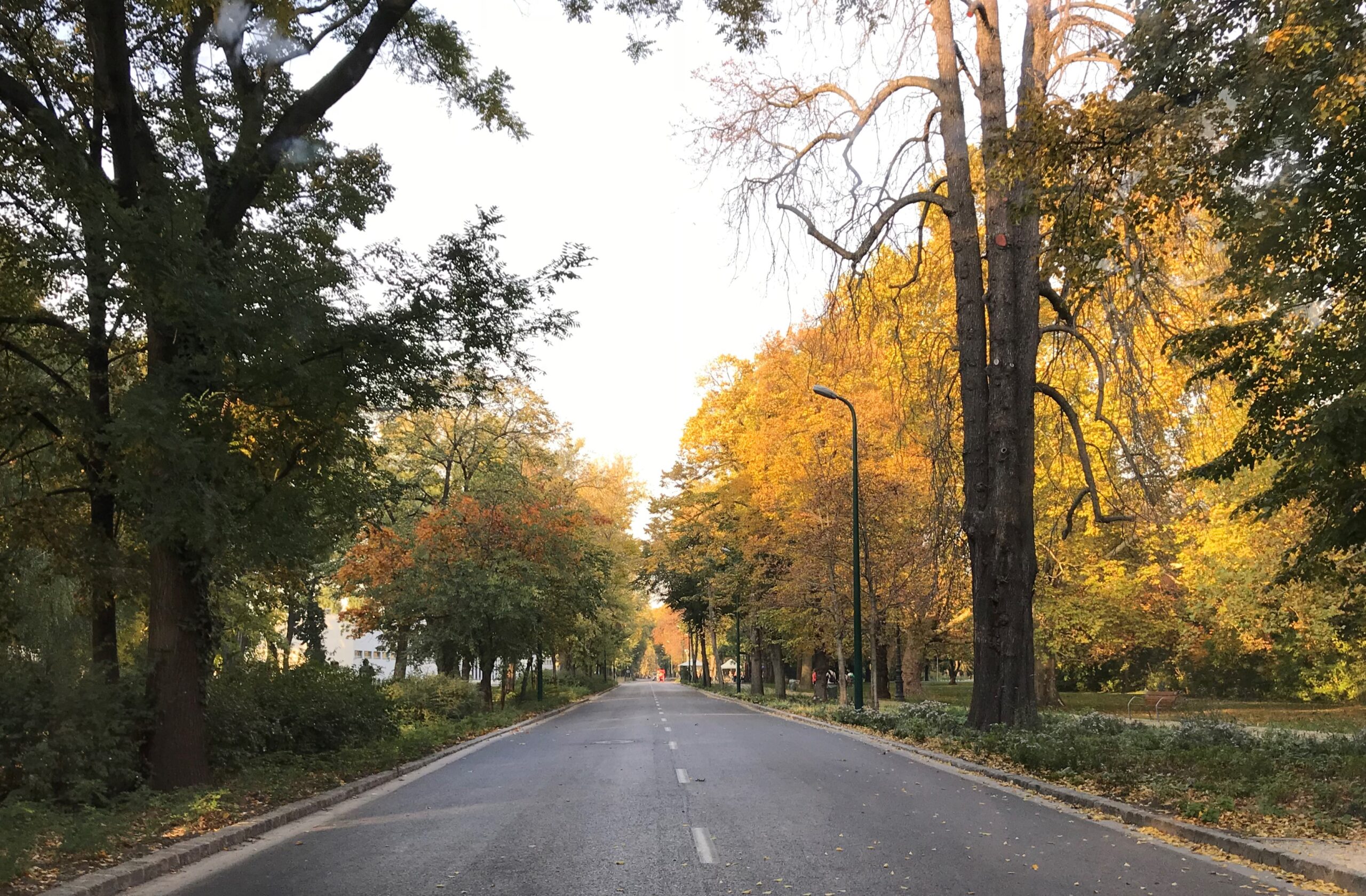
Right in the middle of the Danube lies Margaret Island, the largest and most beloved green space in Budapest. Today it’s a peaceful park, but its past is anything but ordinary.

This island was once home to medieval monasteries, a place of isolation for lepers, and later the refuge of Princess Margaret, who gave up her royal life to live here in devotion. These layers of history add a quiet depth to a place that locals now treasure simply for its beauty and calm.

It’s no surprise that Margaret Island is a firm favourite among Budapesters. I usually avoid comparing places, but if I had to explain it to first-time visitors, I’d say it’s our very own Central Park — greener, calmer, and surrounded by water.

Why it’s not always on my tours (but often recommended)

Margaret Island isn’t usually included in my standard tours, simply because it’s a bit of a walk from the historic city centre. That said, whenever we do include it — as part of a customised walking or driving itinerary — guests always love it. It feels like discovering a different side of Budapest: quieter, more local, and very much off the beaten path.

That’s why I especially recommend visiting in late spring and summer, when the gardens are in full bloom and the island truly comes alive.

The best way to explore Margaret Island

One of my favourite ways to discover the island is by renting one of the special group bicycles that can seat up to six people. It’s fun, relaxed, and perfect for covering more ground without rushing.

I suggest starting at the southern end and making your way north. Along the way, don’t miss:

  • the serene Japanese Garden

  • the colourful Rose Garden

  • the small zoo, especially lovely for families

  • the iconic Water Tower

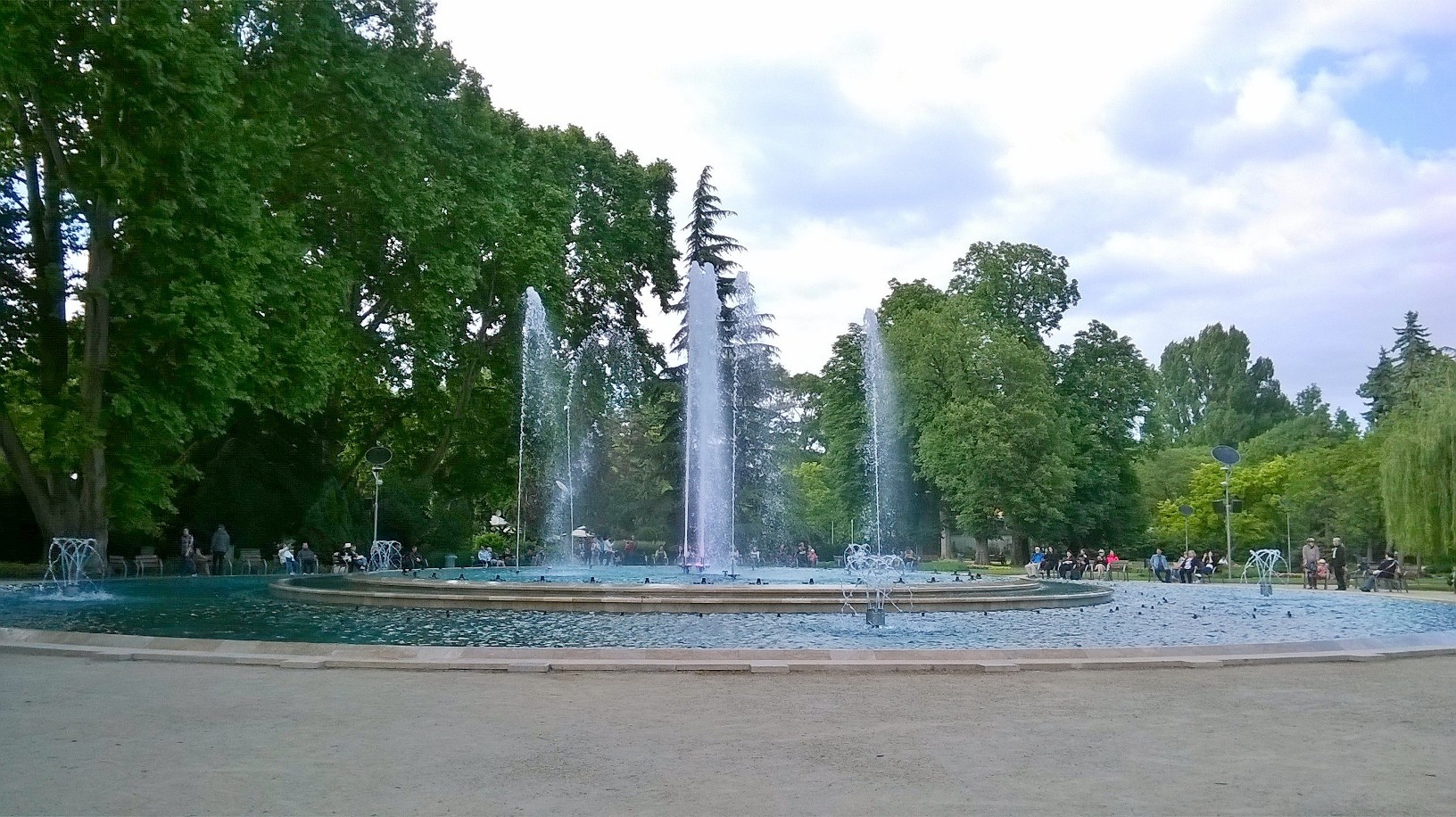
  • and, of course, the Musical Fountain, where it’s worth stopping to simply sit, listen, and enjoy the atmosphere

Margaret Island may not be on every itinerary, but it’s one of those places that stays with you — a green pause in the middle of the city, and a glimpse into how Budapesters like to slow down and enjoy life.

If you’d like to include Margaret Island in a customised walking or driving tour, I’m always happy to adapt the route.

 I’ve received this article from three guests of mine at different occasions – and thank you so much guys for your preparations before your actual trip to Budapest. I need to tell that most of the places recommended by The New York Times are both fun and nice, still, I have the impression I can show you so much more when you come to visit my beautiful city.
Feel free to ask for my special recommendations!

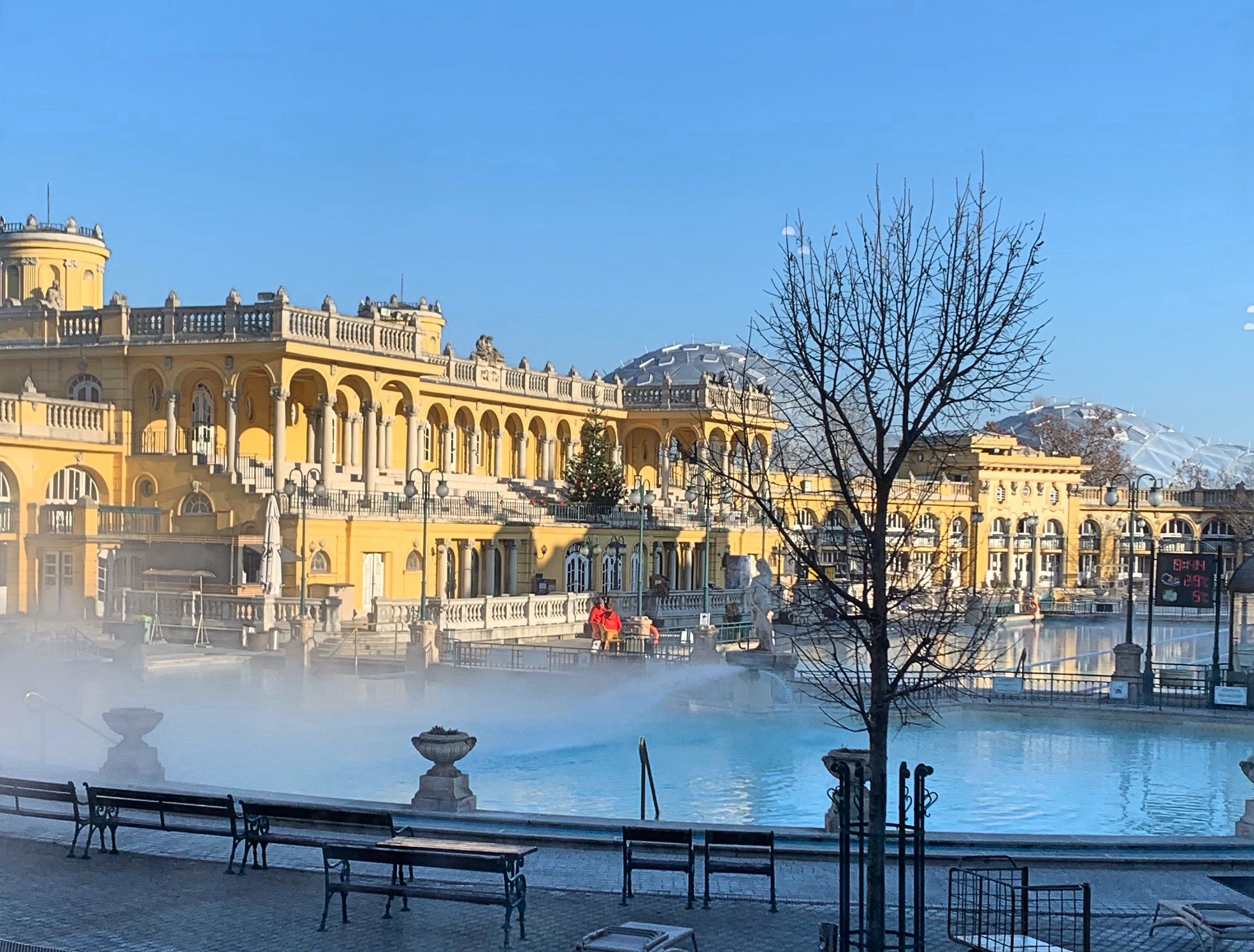
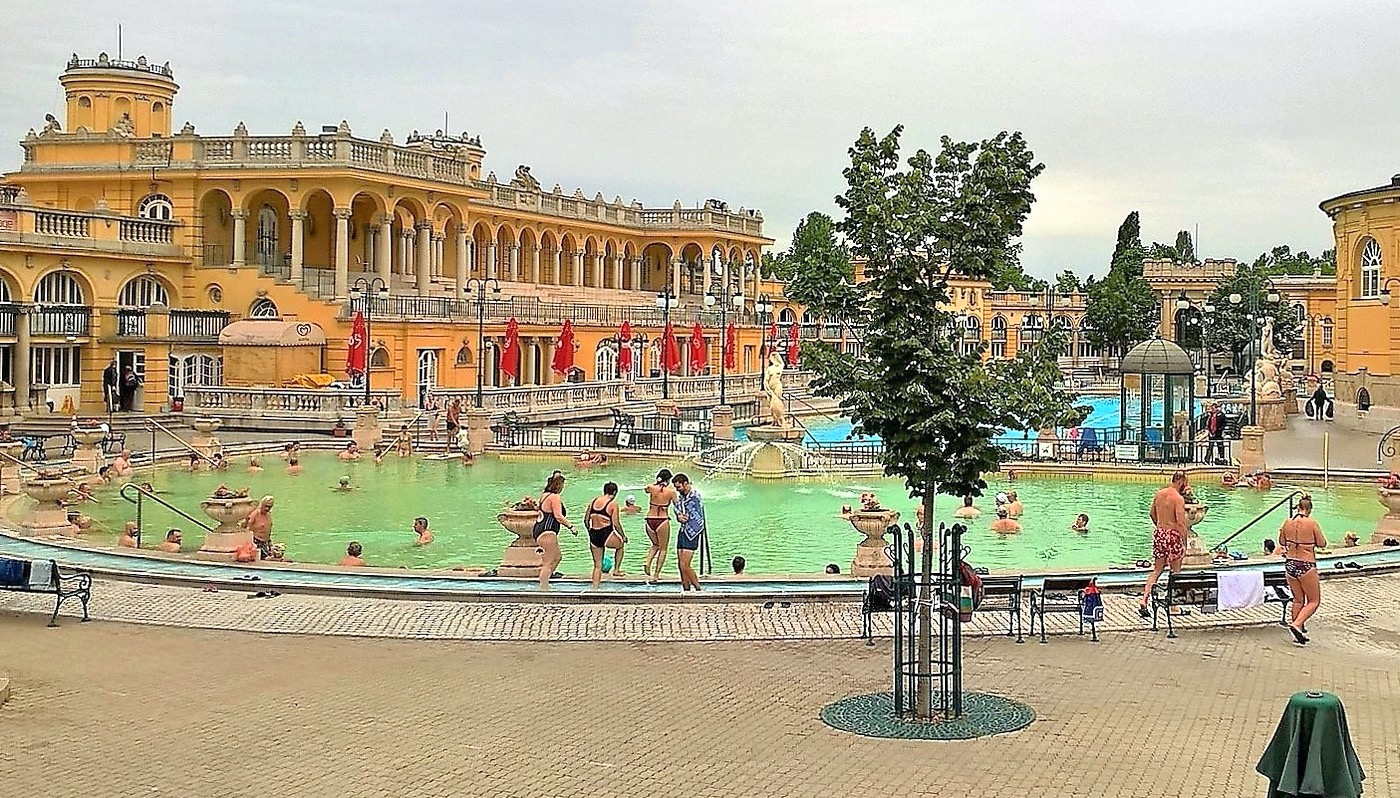
To understand how much locals love the Széchenyi Baths, it’s enough to know that we even have a nickname for it: “Szecska.” Opened in 1913, Széchenyi is not only one of Budapest’s most famous bathhouses, but also the largest thermal bath complex in Hungary.

With a total of 18 indoor and outdoor pools, Széchenyi is a must-see for anyone interested in Budapest’s unique bathing culture.

Architecture Inspired by Water and Wellness

The Széchenyi Baths are housed in one of the city’s most richly decorated buildings. Its architecture blends Neo-Renaissance and Classicist elements, creating a grand yet playful atmosphere that reflects the joy of bathing.

Don’t miss the main foyer, where statues, frescoes, and mosaics are all dedicated to themes of water, healing, and bathing culture — a beautiful introduction to Hungary’s long spa tradition.

Outdoor Pools in Every Season

One of Széchenyi’s greatest attractions is its large outdoor thermal pools, which are open all year round.

  • Summer: lively, social, and energetic — perfect if you don’t mind crowds

  • Winter: surprisingly peaceful and atmospheric, with warm thermal water surrounded by steam and snow

Personally, I recommend visiting Széchenyi in winter, when the contrast between cold air and hot water creates an unforgettable experience.

Visiting Széchenyi on a Guided Bath Tour

Széchenyi is an essential stop on my Baths of Budapest walking tour, where I introduce visitors to the city’s most important bathhouses while explaining:

  • Hungarian bathing traditions

  • how locals use the baths today

  • architectural and historical background

  • practical tips for visiting

A guided visit helps turn a busy bath complex into a meaningful cultural experience.

Practical Information

For up-to-date details on ticket prices and opening hours, it’s best to check official sources before your visit, as these may change seasonally.

We had the most exciting tour today about the Hungarian Samizdat press. I had the privilege to work with Közgazdasági Politechnikum in this great project: Building Democratic Europe Together – http://budet.poli.hu/

My tour’s focus was the illegal, uncensored production, publishing and distribution of books and articles which couldn’t have been published in the Communist regime. It was all about conspiracy, clandestine operations and about how the state and state security tried to liquidate the entire movement, but more importantly my tour was about the desire to exercise free speech and free press, essential pillars of our new democracy.

It was great to see the enthusiasm of both students and teachers and I’m very proud to have been part of it.


Bathing and bathing culture have always been an important part of our everyday life. According to a survey I’ve just read 30% of the locals go to the baths regularly. It’s fun, very relaxing and has healing effects, too. I can show you some of the most authentic Budapest baths if you join me for a tour.

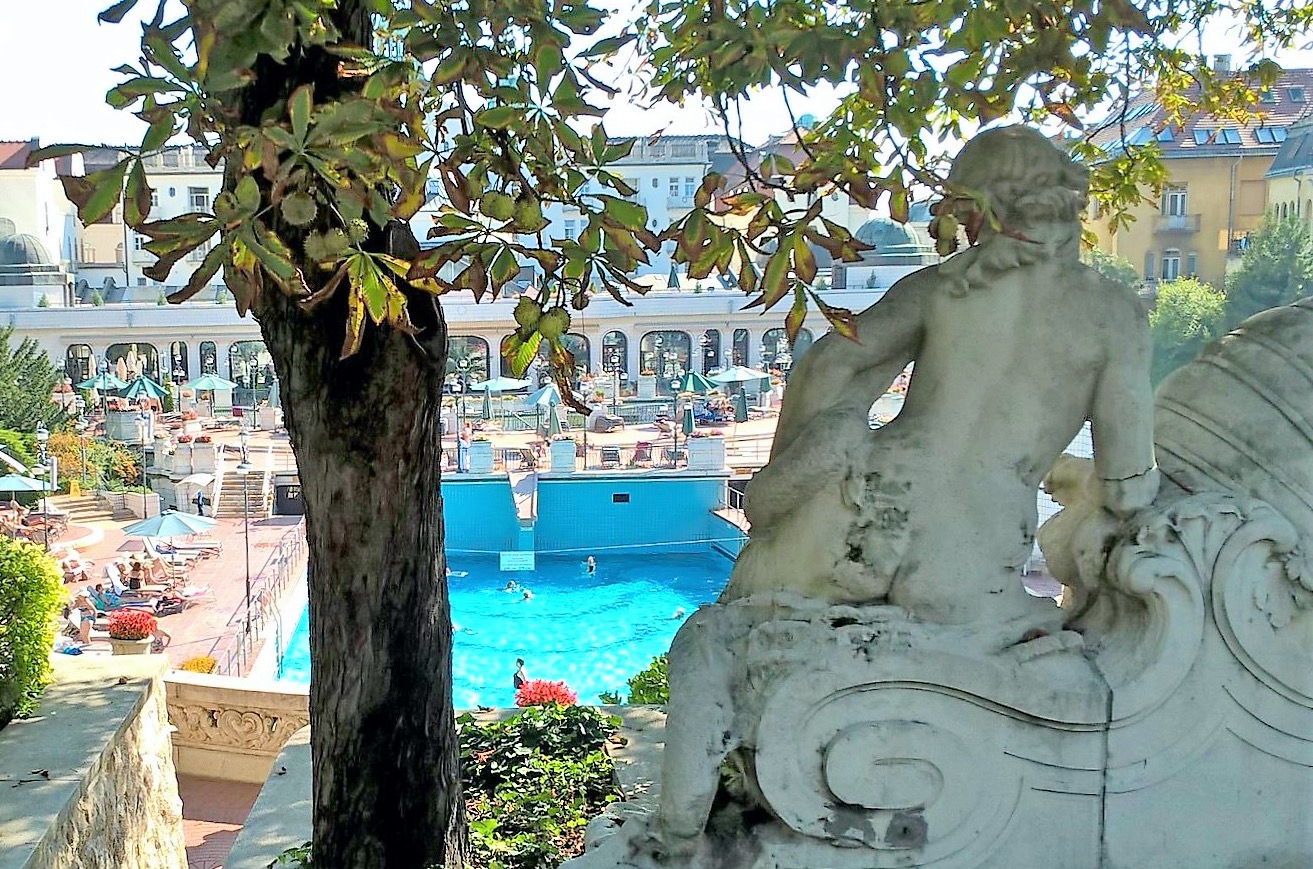
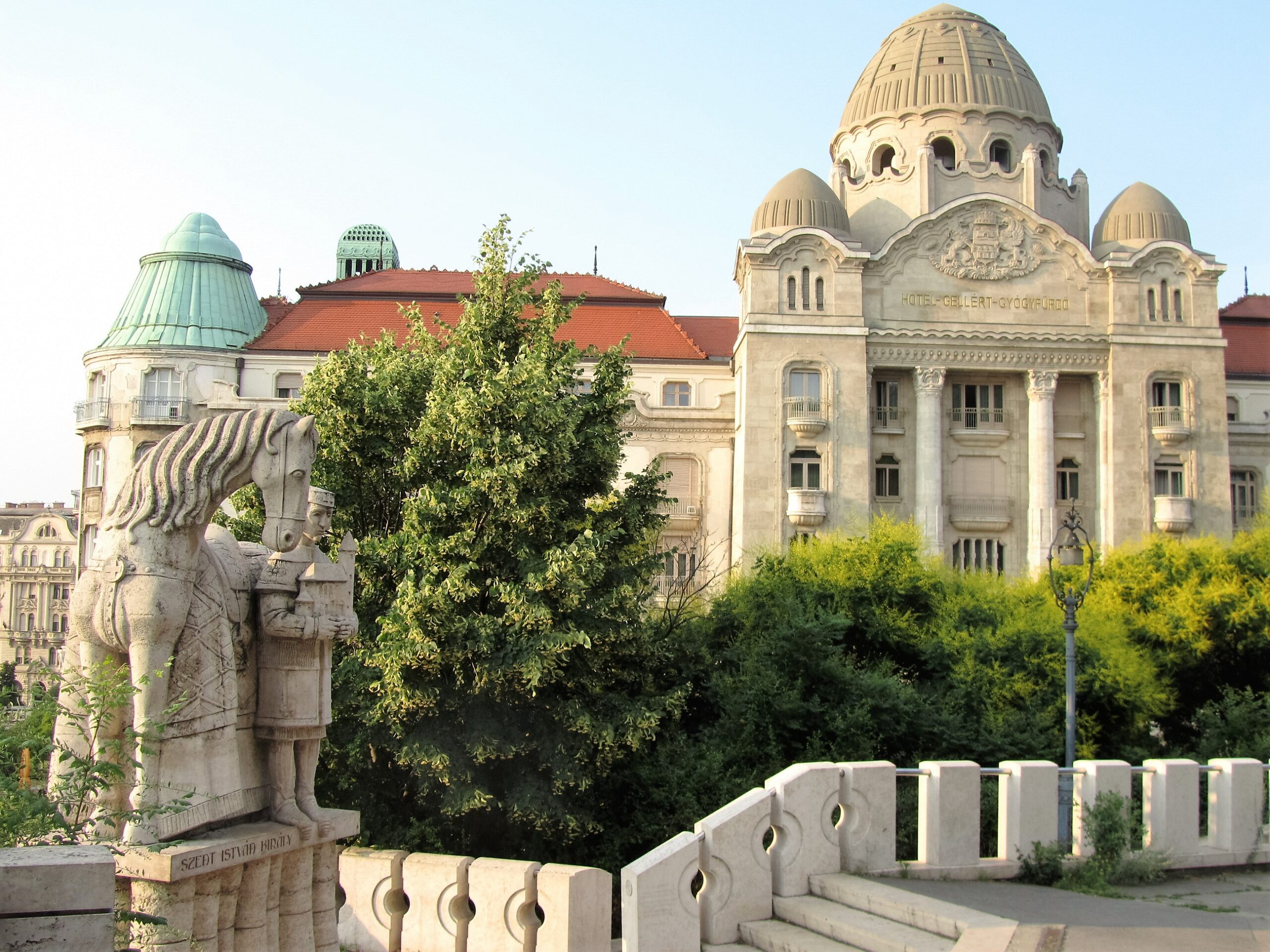
The Gellért bathhouse is the most elegant bath complex of Budapest. The building is one of the most amazing pieces of the Budapest Art Nouveau and  opened in 1918. When you have a look at the richly ornate facade of the building its hard to imagine that before the construction of the elegant hotel, the place had been referred to as to the muddy baths, where both people and animals had their regular bath.

The thermal baths are fed by the mineral hot springs of the Gellért hill. The water is rich in  calcium, magnesium, hydrocarbonate and sulfate. The water temperature varies from 35 °C to 40 °C.

Don’t miss the Turkish section where the walls are so nicely decorated with colorful mosaics. The bath can be visited throughout the year, if you happen to be in Budapest in the summer, you can also take advantage of the outdoor wave pool.

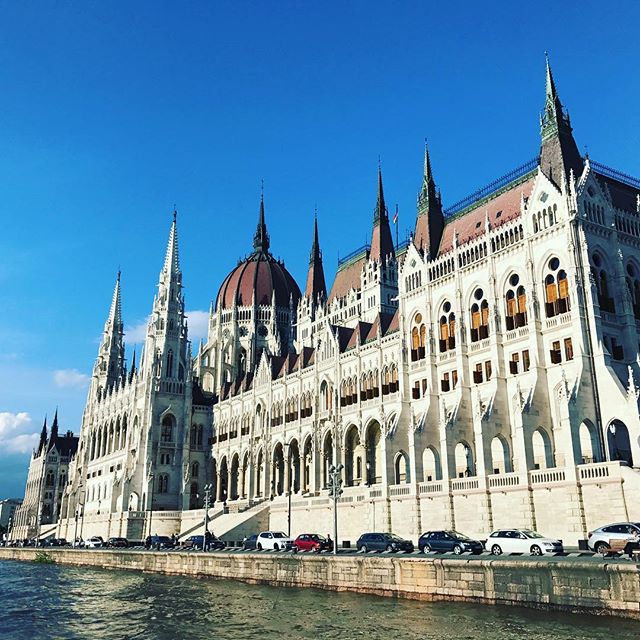
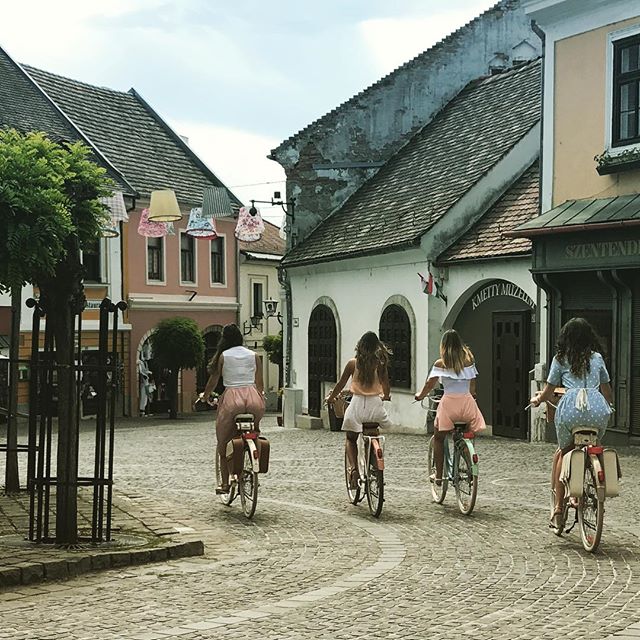
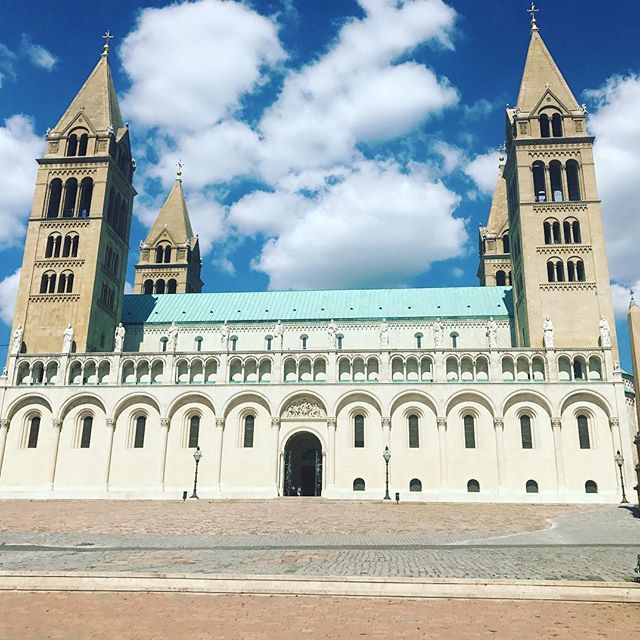
My two greatest passions are tour guiding and photography. I’ve been involved in photography in a way or another my entire adult life and I always try to catch the beauty I see walking around Budapest every day. Some of my pictures are on Instagram, too.