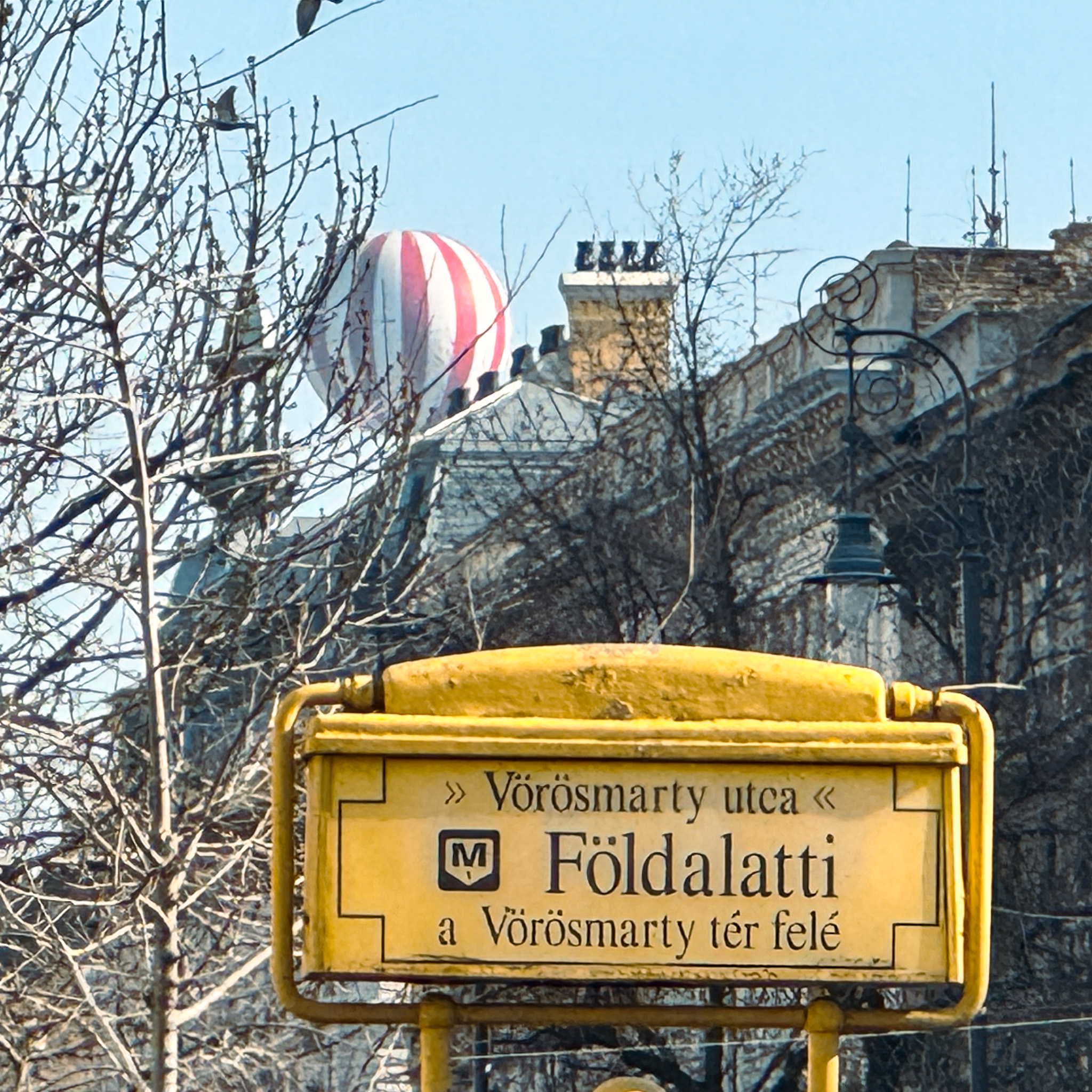
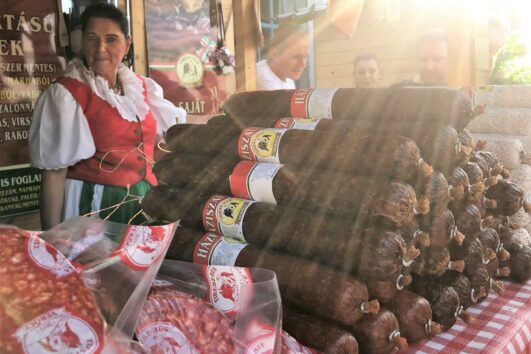
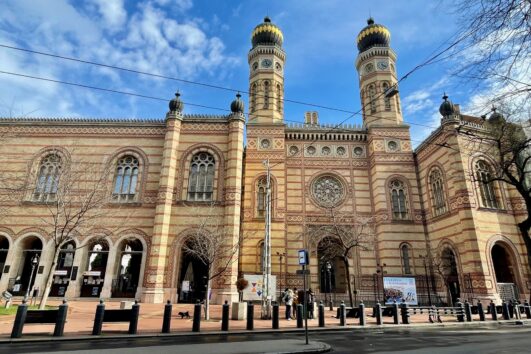
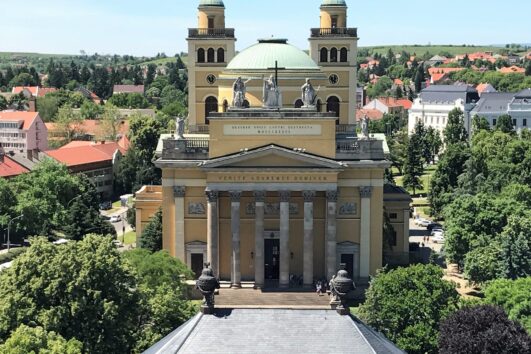
The ruin pubs in the Jewish quarter of Budapest are very popular, I encourage my travellers to visit one or two during their stay in Budapest, it’s always a special experience. The biggest ruin pub is Szimpla in Kazinczy street, it isn’t just a bar, it’s also a great community. There is a farmers’ market every Sunday with some live music, great food and great drinks. Szimpla is open from 3.00 PM on weekdays, 12.00 PM on Saturday and 9.00 AM on Sunday.
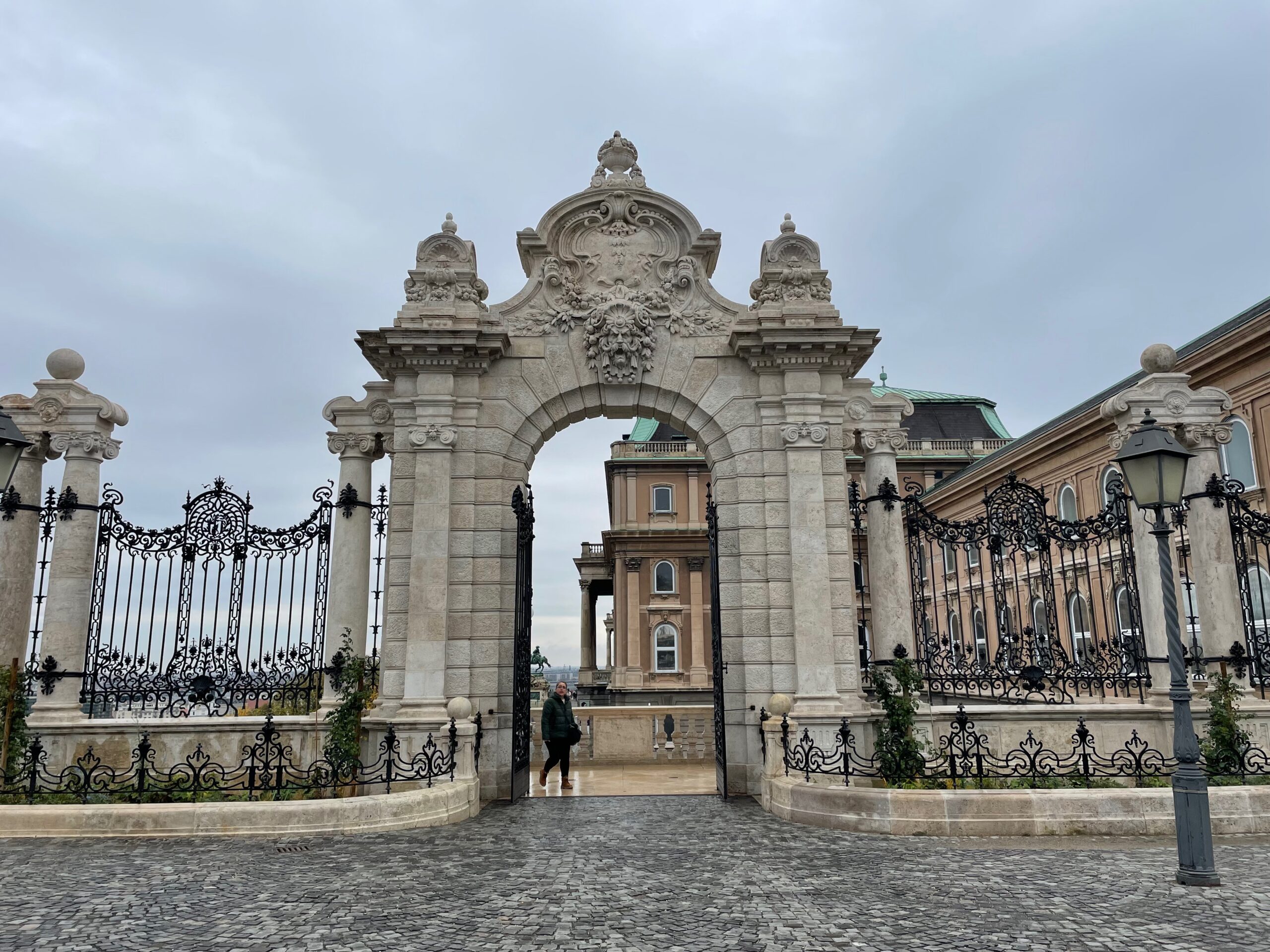
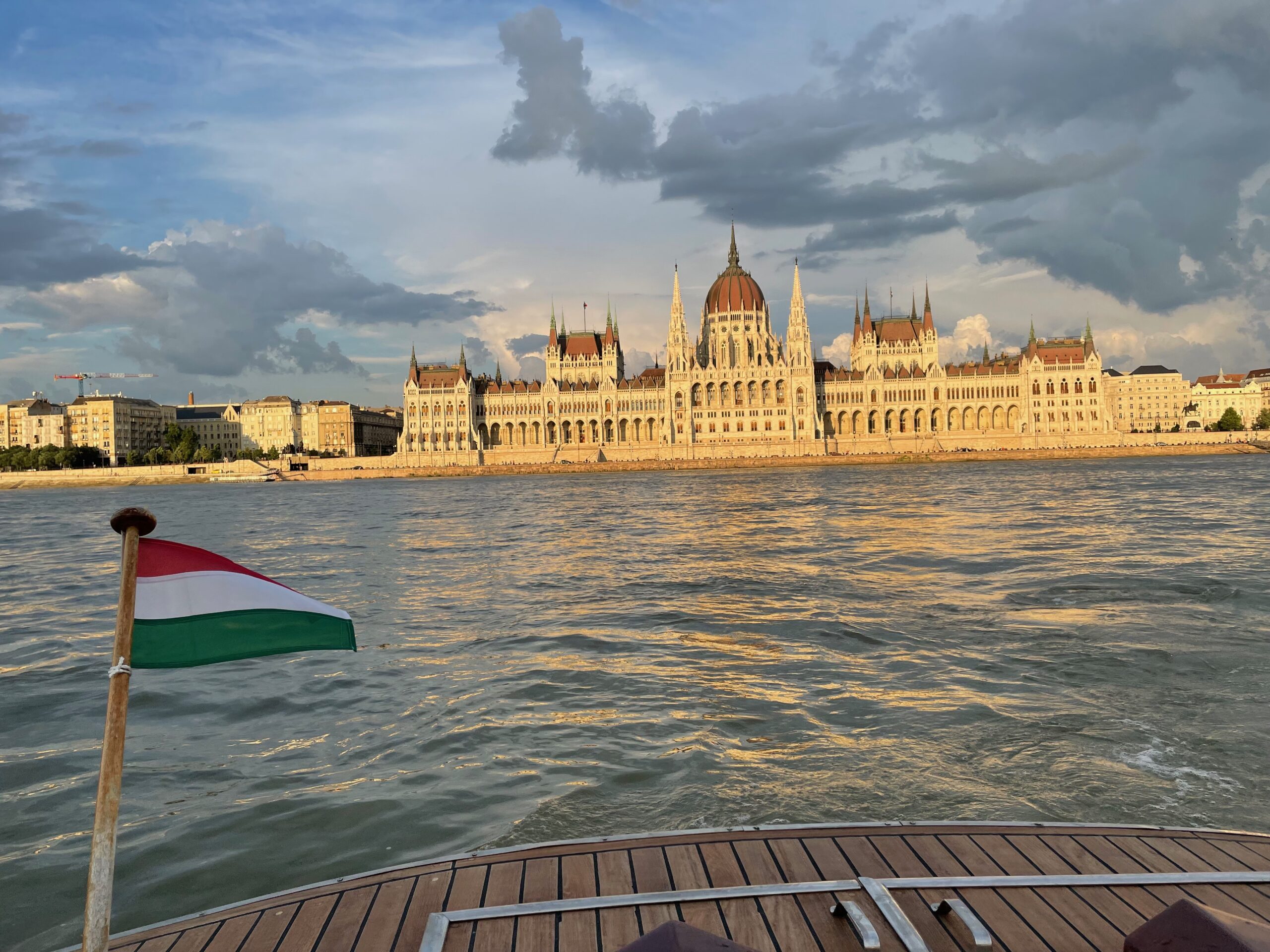
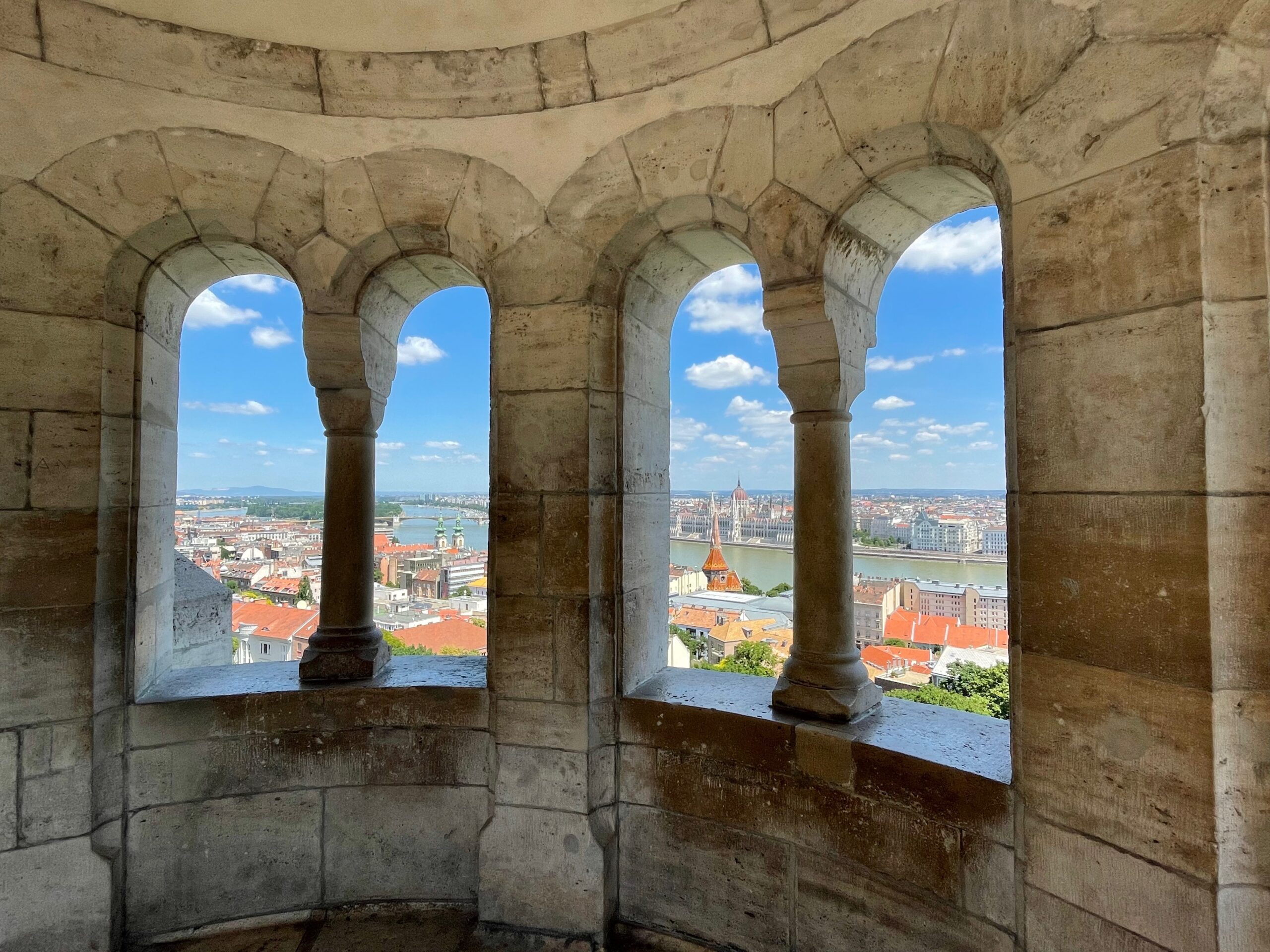
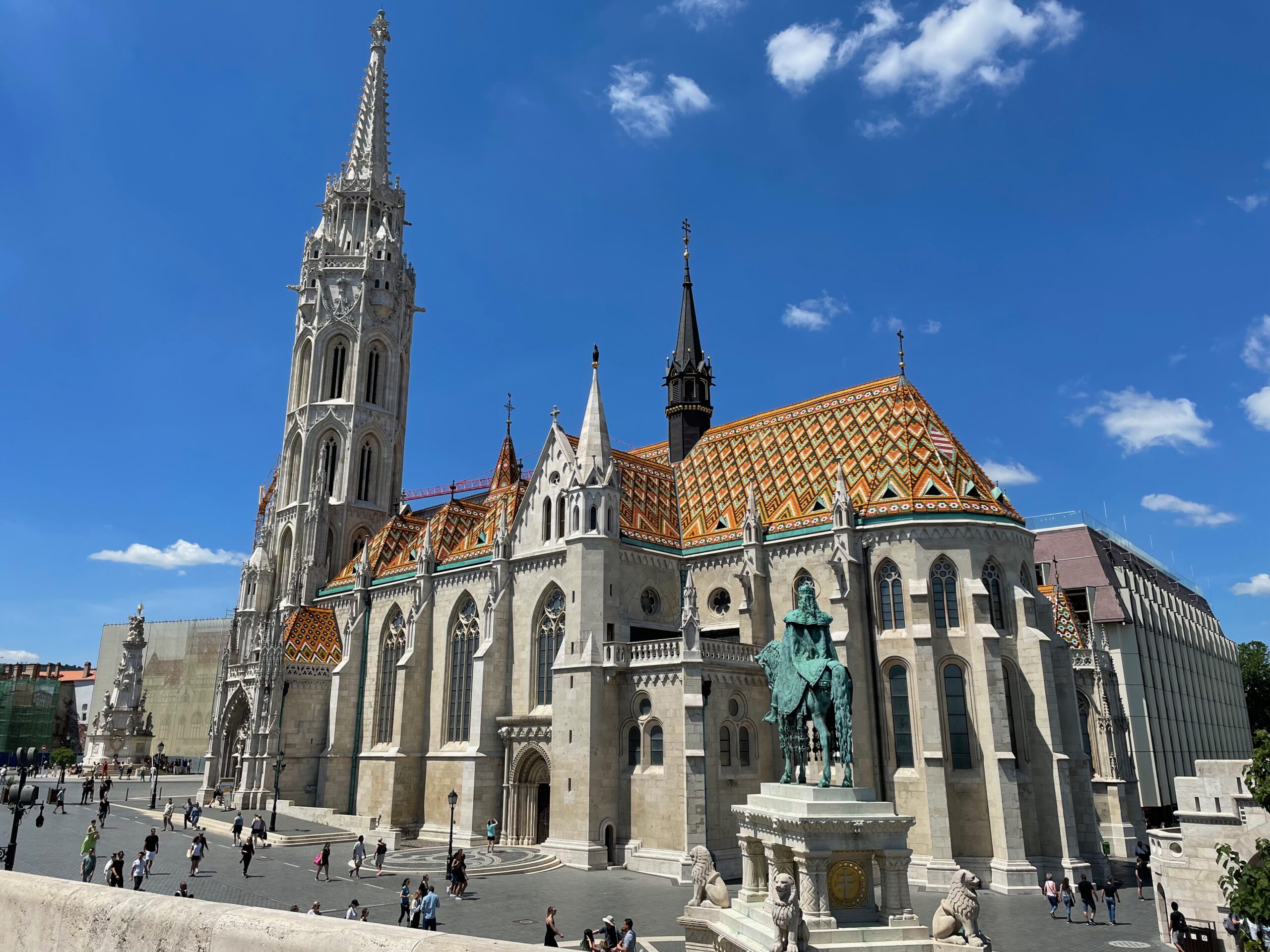
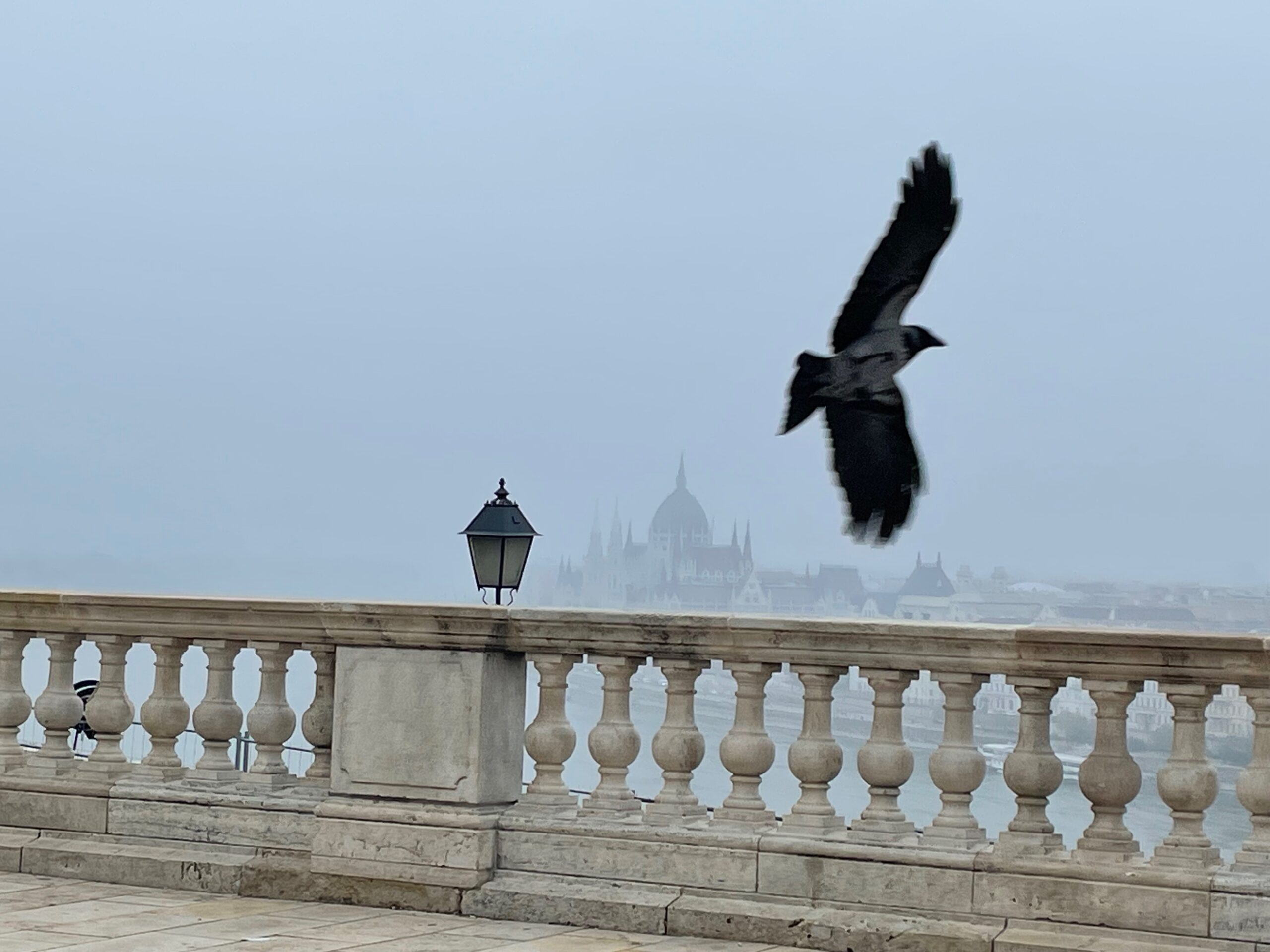
I’m taking a lot of pictures on my tours in Budapest and around Hungary, however, I always forget to post on my Instagram. Especially during high season it’s difficult to post on Facebook, Instagram or my own blog, but believe me, I’m trying hard. Here are some pictures I’ve posted recently.
The newly renovated Hungarian State Opera House
- Destinations, General, Reviews
- Andrassy avenue, beautiful Budapest, Budapest architecture, Budapest Opera House, Budapest performing arts, Budapest private tour, Budapest Private Tours, Budapest Walking Tours, Cultural Budapest, Hungarian State Opera House Budapest, Must-see Budapest, Neo-Renaissance Budapest
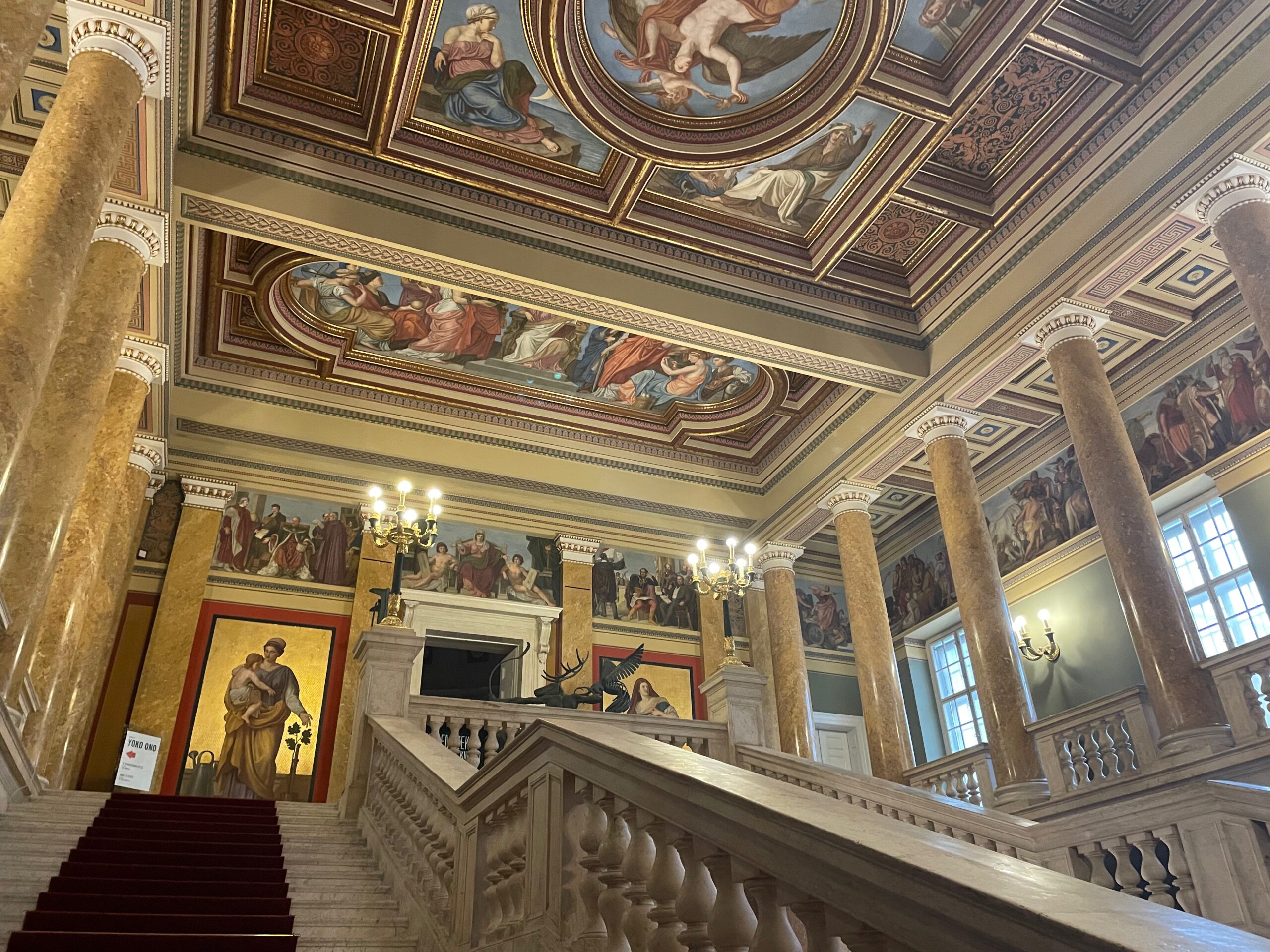
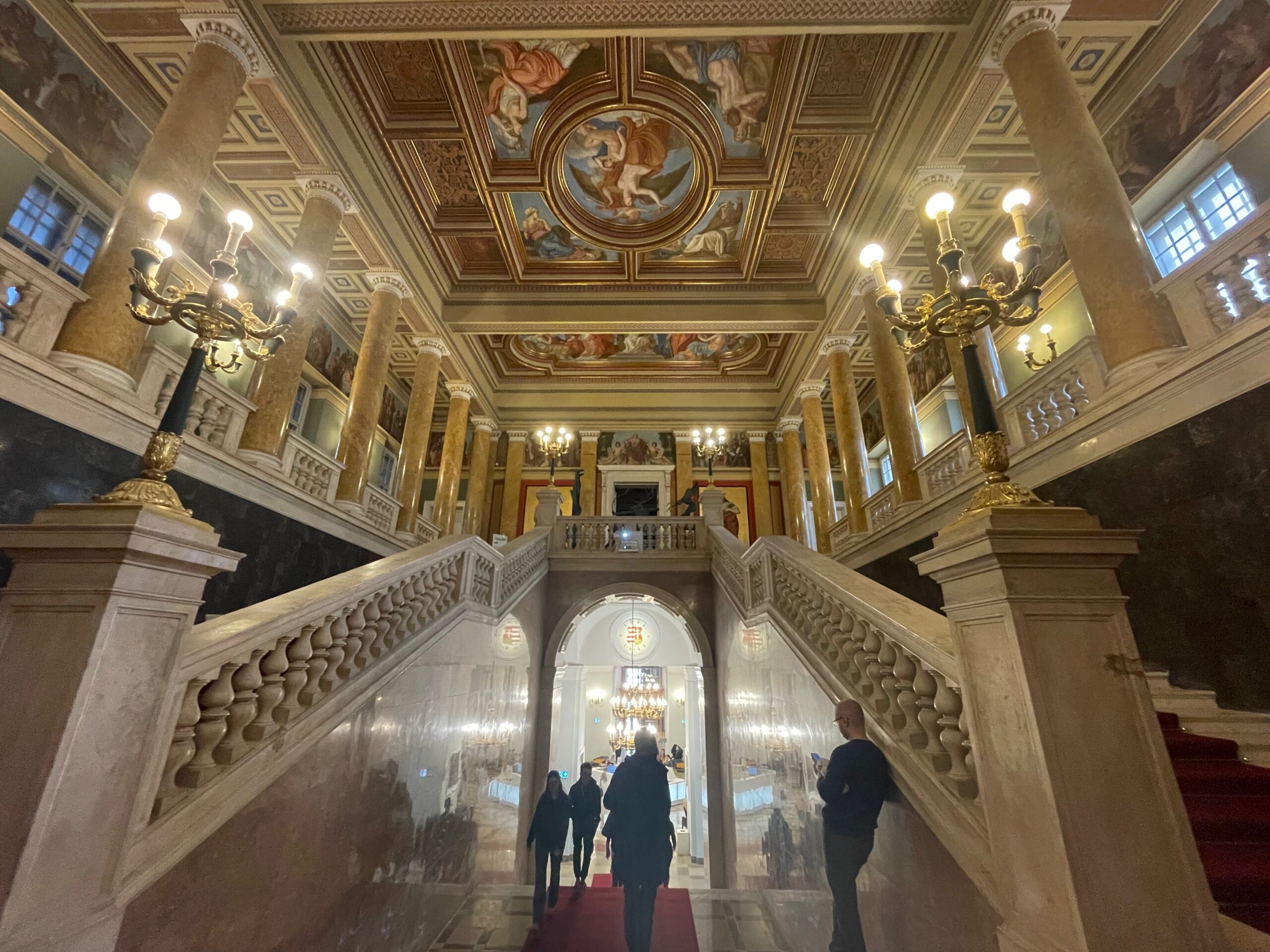
Shortly after the Hungarian State Opera House in Budapest reopened following several years of renovation, I finally had the chance to step inside again — and it was every bit as breathtaking as I had hoped.
I’ve always found the building overwhelming in the best possible way, and the renovation has only enhanced that feeling. The interior is simply magnificent. The colours are rich and harmonious, the decorative details are astonishing, and the Neo-Renaissance ornamentation feels as vibrant and alive as it must have been in the late 19th century.
Walking through the Opera House truly feels like time travel. The atmosphere, the soft lighting, even the familiar scents of the historic interior all contribute to the sensation of stepping back into the golden age of Budapest. Nothing feels over-restored or artificial — instead, the building feels carefully revived, respectful of its original spirit.
A masterpiece reborn
Designed by Miklós Ybl and opened in 1884, the Opera House has always been one of Budapest’s architectural crown jewels. The recent renovation has allowed visitors to experience Ybl’s vision with renewed clarity, revealing details that had faded or disappeared over time.
From the grand staircase to the richly decorated auditorium, every space invites you to slow down and look closer.
How to visit the Opera House
There are several wonderful ways to experience the Hungarian State Opera House:
-
Attend an evening performance – the most immersive option, combining architecture and music
-
Join a guided interior visit, which offers insight into both the building and its history
-
Private visits, which can be incorporated into a customised itinerary
The Opera House can easily be included in a walking or driving tour, especially when exploring Andrássy Avenue and the surrounding area.
If you’re interested in visiting the Opera House during your stay, feel free to contact me — I’m happy to help plan the visit and include it seamlessly in your Budapest itinerary.
An essential experience in Budapest
The renovated State Opera House is not just something to see — it’s something to feel. Elegant, atmospheric, and deeply connected to Budapest’s cultural identity, it remains one of the city’s most unforgettable interiors.
Whether you visit for a performance or simply to admire the architecture, this is a place that stays with you long after you leave.
St Stephen’s Basilica entrance fee often comes as a surprise to visitors who expect free access to one of Budapest’s most famous churches, visiting the interior of St. Stephen’s Basilica is a highlight for many travellers to Budapest.
For many years, visitors could step inside the Basilica by leaving a small donation at the entrance. Today, tourists are asked to purchase a ticket to visit the interior, while the church continues to function as an active place of worship.
Tickets and practical information
Tickets are available at the ticket office located to the right of the Basilica, and prices may change from year to year. For the most accurate and up-to-date information about current ticket prices, opening hours, and special visits, it’s always best to check the official website of St. Stephen’s Basilica before your visit.
Church services and special occasions
Please note that church services, weddings, and religious events take priority. During these times, visitor access may be limited to certain areas, or the Basilica may be temporarily closed to tourists altogether.
This is part of what makes the building special: it is not only one of Budapest’s most impressive landmarks, but also a living, functioning church.
Visiting as part of a guided tour
St. Stephen’s Basilica is often included in Budapest walking and driving tours, and an interior visit can also be arranged when timing allows. Visiting with a guide helps you navigate practical details while also understanding the history, symbolism, and stories behind what you see.
Budapest Museums: György Ráth Villa
- Destinations, General, Reviews
- applied arts, applied arts museum Budapest, Art Nouveau, Art Nouveau museum Budapest, Art Nouveau walking tour, Budapest architecture, Budapest Art Nouveau, Budapest cultural attractions, Budapest Private Tours, Budapest Walking Tours, Gyorgy Rath, György Ráth Villa museum, Museum of Applied Arts Budapest
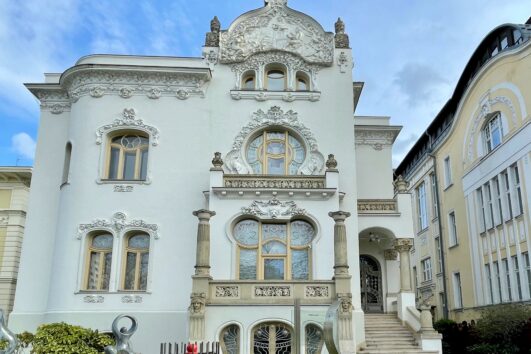
The György Ráth Villa Museum is one of Budapest’s most inspiring small museums, especially for visitors interested in Art Nouveau, interior design, and applied arts. I once brought a group of interior design students from the United States here as part of a private Art Nouveau walking tour, and the villa turned out to be one of the highlights of their visit.
The former home of György Ráth — first director general of the Museum of Applied Arts — feels less like a traditional museum and more like a carefully preserved private residence. The exhibition showcases around 600 pieces representing all branches of applied arts, including:
-
furniture
-
jewellery
-
Zsolnay ceramics
-
Tiffany glassware
-
paintings and sculptures
The collection beautifully illustrates the international influences present in Hungarian Art Nouveau at the turn of the 20th century. British, Austrian, and French styles appear alongside Oriental influences and Transylvanian roots, creating a uniquely Hungarian artistic language.
Practical information – György Ráth Villa museum
The museum is open Tuesday to Sunday, from 10:00 AM to 6:00 PM, and can easily be combined with a walk through City Park or nearby Art Nouveau sites.
I often recommend the György Ráth Villa as an extra stop on custom Budapest walking tours, especially for art lovers, designers, and travellers interested in architecture and interiors.
Just a couple of pictures I’ve taken on my tours to show you how beautiful Budapest and its surroundings are in spring.
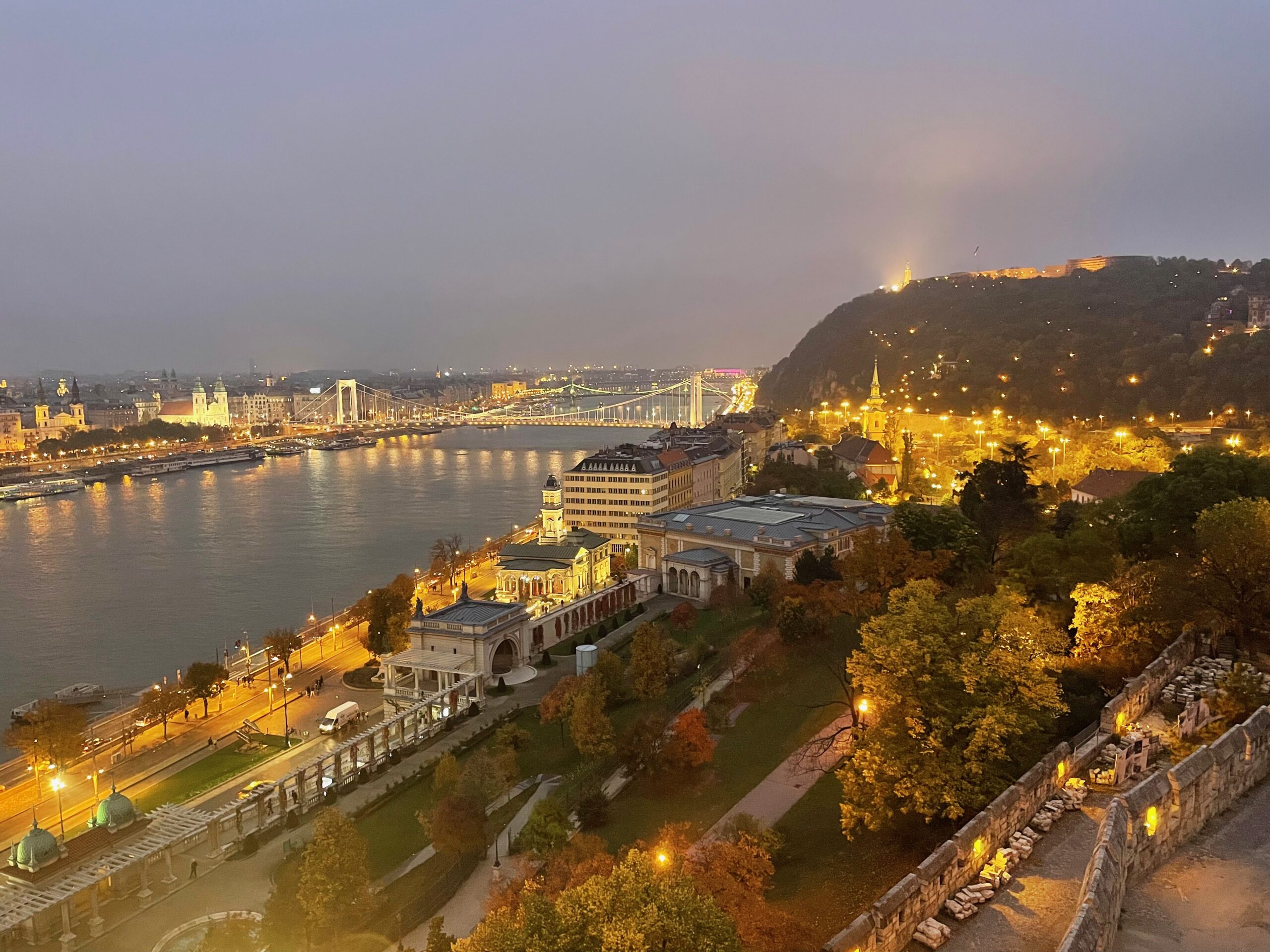
The Citadel on the top of Gellért hill is being renovated, and unfortunately the entire area is closed because of the construction works. It also means that a truly popular tourist attraction of Budapest is closed and it’s impossible to enjoy the most magnificent views over Buda and Pest. The very bad news is that it remains closed for another few years and it’s impossible to estimate when it reopens. It’s just my personal opinion that they could have left a little path open for the tourists to enjoy the view, but that’s not the case.
You can still take a walk on Gellért hill, and you can climb to the statue of Saint Gellért from where you’ll have a great view over the Pest side of the river.
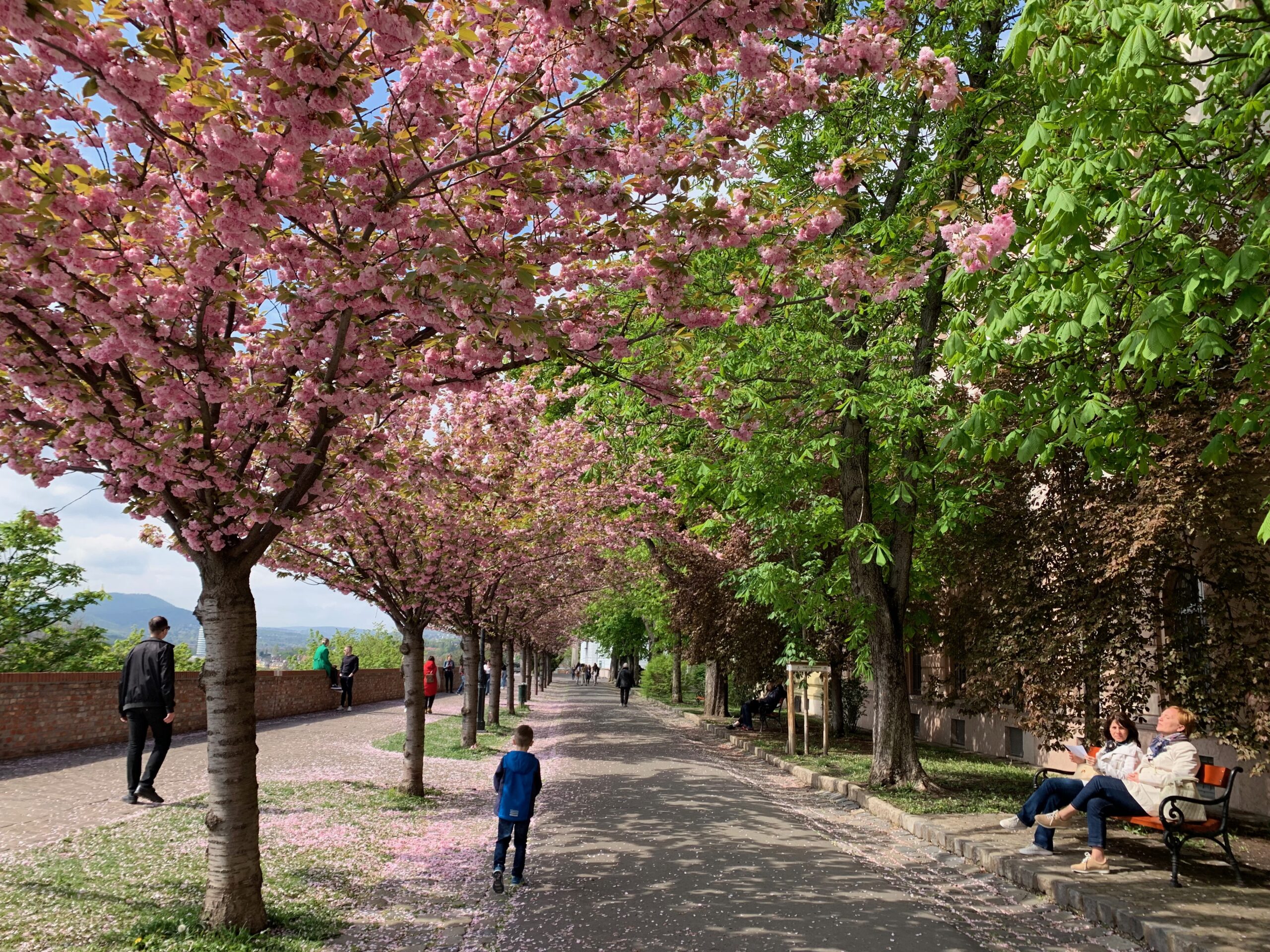
Some of you know how much I love this time of the year, I love the smells and the colours of spring and I’m fascinated by the blossom of the cherry trees all along Tóth Árpád sétány in the Buda Castle district. Walk with me to see more!

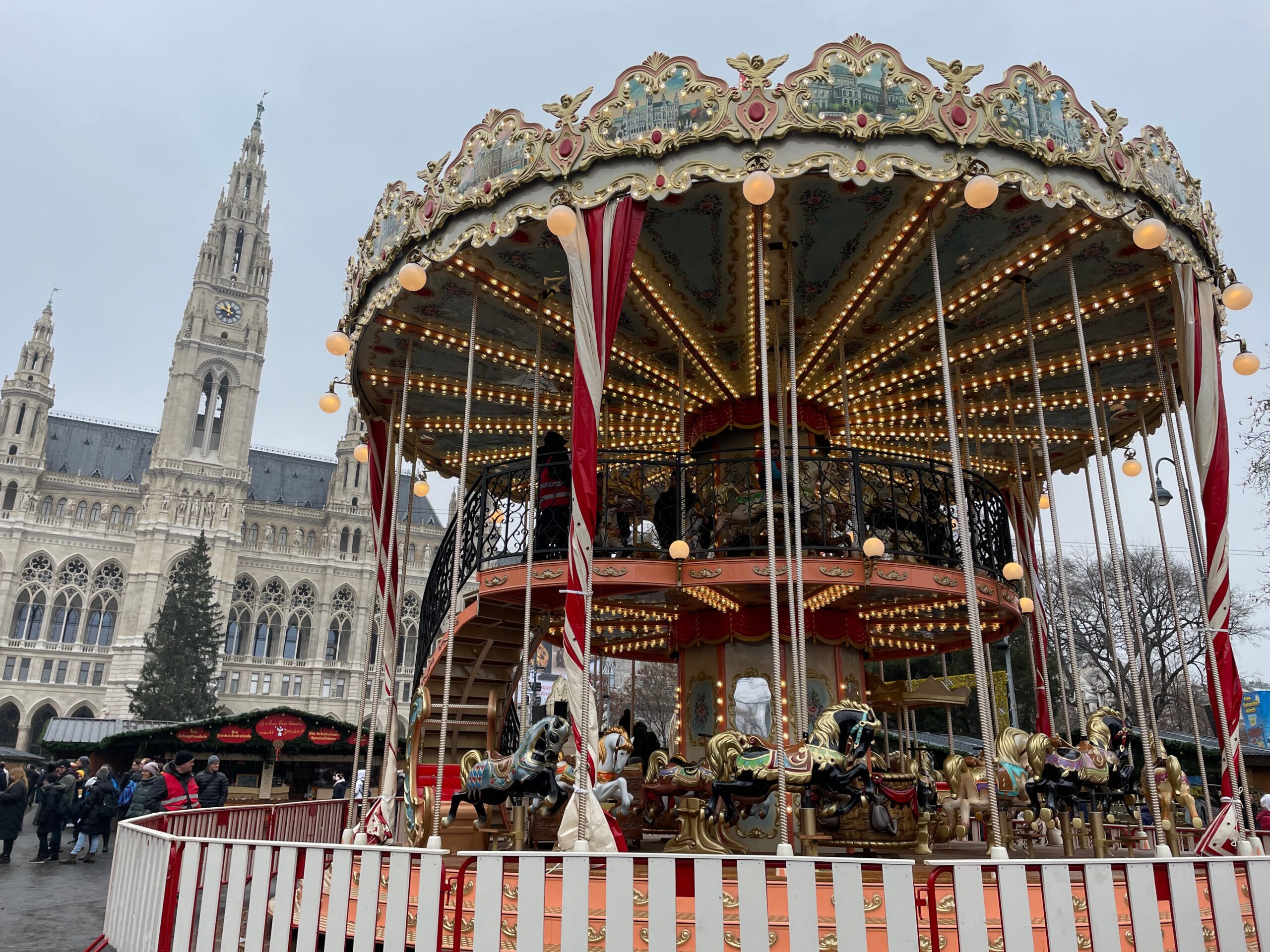
Yes, it’s relatively cold and some days may be foggy and gray but Budapest is still the most beautiful city of the world. However, I’d recommend to book shorter tours if you don’t want to stay out in the cold for a full day 🙂
One of the most impressive statues in Budapest is the King Matthias Fountain, located in the Royal Palace of the Buda Castle District. Monumental, theatrical, and rich in symbolism, it portrays King Matthias — Hungary’s great Renaissance ruler — in a moment of triumph and drama.
This fountain is part of my ongoing Statues of Budapest series, which explores how monuments tell stories far beyond what first meets the eye.
A king on the hunt
At the centre of the composition stands King Matthias, depicted during a hunt. It is a traditional symbol of royal power, leadership, and control over nature. Surrounded by courtiers and hunting dogs, the scene feels almost cinematic, carved in stone against the walls of the palace.
The statue reflects how Matthias wished to be remembered: strong, charismatic, and unquestionably king.
A hidden love story
Look more closely, and the fountain reveals a second narrative. At the lower level of the composition stands a young woman, often identified as Ilonka, a figure from Hungarian folklore. According to legend, she fell in love with the king without knowing his true identity.
This quiet, almost melancholic detail adds emotional depth to the monument. It transforms the fountain from a celebration of power into a layered story of love. It’s about longing, and human vulnerability — a reminder that even great kings were not untouched by romance.
Where history and storytelling meet
Set within the Buda Castle complex, the Matthias Fountain is impossible to ignore, yet many visitors miss its deeper meaning. It perfectly represents how Budapest uses public art to combine history, legend, and national identity in a single visual narrative.
If you’d like to uncover more stories like this — including the legends behind the statues and the lives of the people they depict — this fountain is one of the highlights I often discuss on my Buda Castle walk, where history becomes personal and alive.
Explore more: King Matthias is featured in my broader Statues of Budapest collection, showcasing the city’s most meaningful monuments and hidden details.