Another statue with a quiet kind of magic, the Little Princess is one of Budapest’s most beloved and photographed sculptures. Perched gracefully on the railings of the Danube Promenade, she watches the river flow past with a dreamy, childlike calm.

Created in 1989 by Hungarian sculptor László Marton, the bronze figure depicts a young girl wearing a playful paper crown and a simple robe. The statue was inspired by the artist’s own daughter, captured in a moment of childhood imagination as she played dress-up at home.

With her knees bent and her expression lost somewhere between curiosity and wonder, the Little Princess feels both intimate and universal — a small figure with an outsized emotional presence.

A small statue with a powerful setting

Despite her modest size, the Little Princess sits in one of Budapest’s most iconic locations. Behind her rise the Danube, Buda Castle, and the city’s elegant skyline, creating a contrast that makes her feel even more special.

People passing along the promenade often stop instinctively — to take a photo, to sit beside her, or simply to pause for a moment. She has a way of slowing the city down.

A local tradition: make a wish

According to local tradition, rubbing the Little Princess’s knees brings good luck. Those who believe in her magic say the key is to make a wish with a truly childlike heart.

Whether you believe in wishes or not, the ritual itself is part of the statue’s charm — a small act of hope in the middle of a busy city.

Why the Little Princess matters

The Little Princess is more than a photo opportunity. She’s a gentle reminder of imagination, innocence, and the importance of holding on to wonder, even as we grow older.

Among Budapest’s grand monuments and historic statues, she offers something rare: a quiet, heartfelt moment for anyone who chooses to notice her.

You’ll find the Little Princess near the Danube, close to the Marriott Hotel, sitting patiently on the railing — ready to listen.

Explore more: The Little Princess is part of my ongoing Statues of Budapest series, featuring both famous monuments and easily missed gems across the city.
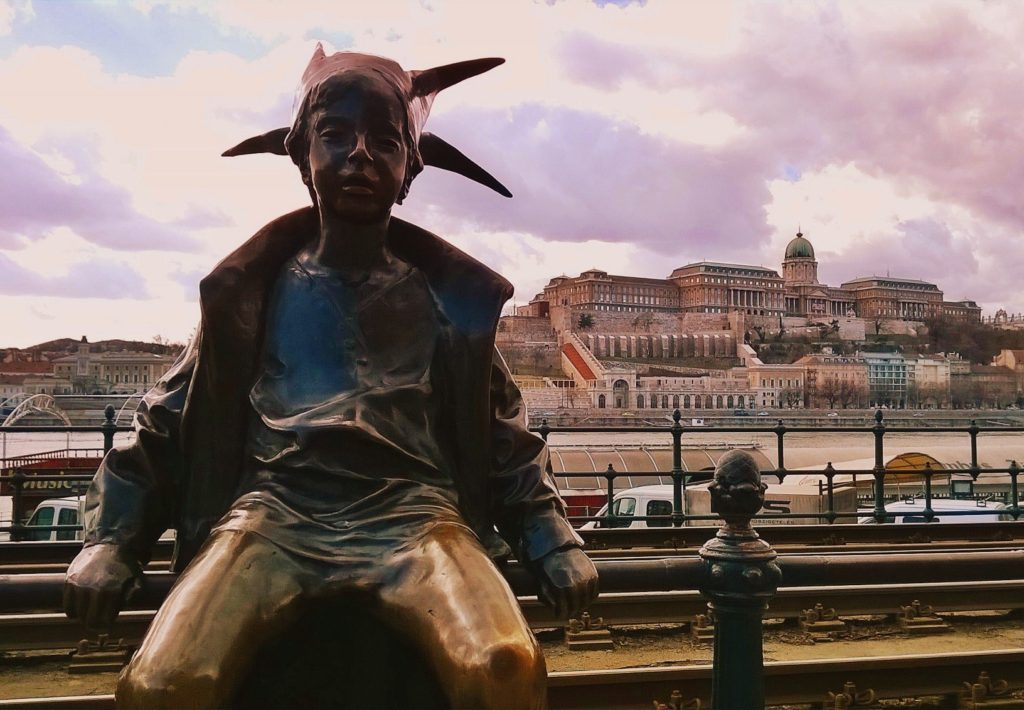
The Little Princess statue sitting on the railing of the Danube Promenade in Budapest


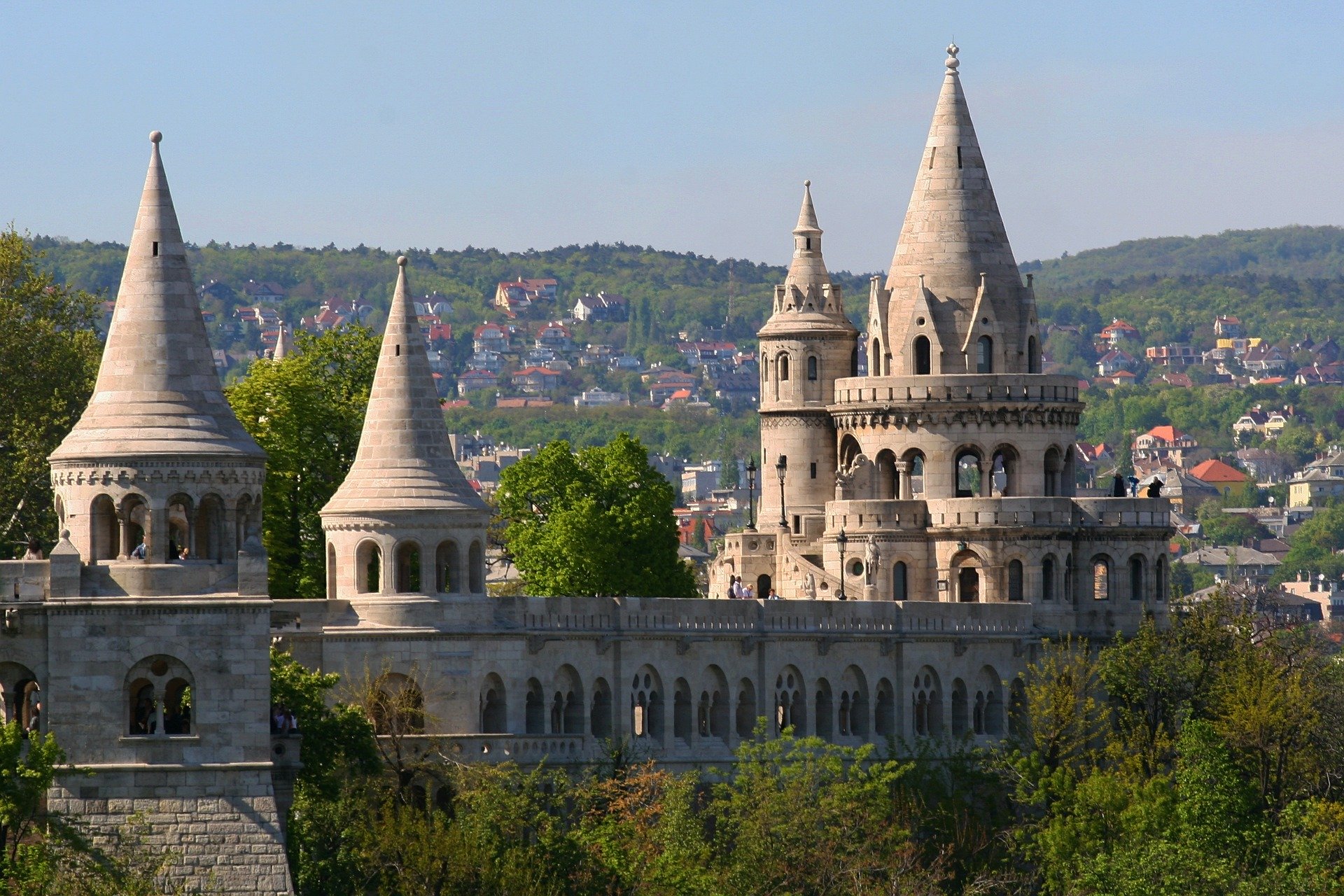
Perched high above the Danube on Castle Hill, Fisherman’s Bastion is one of Budapest’s most iconic and enchanting landmarks. With its fairytale-like towers, sweeping terraces, and breathtaking views over the Pest side of the city, it’s a place that leaves a lasting impression on first-time visitors and returning travellers alike.

What is Fisherman’s Bastion?

Despite its castle-like appearance, Fisherman’s Bastion was never built for defense. Constructed between 1895 and 1902, it replaced part of the medieval town walls of Buda and was designed as a panoramic lookout terrace. Its Neo-Romanesque style was chosen to complement the neighbouring Matthias Church, creating one of the most beautiful architectural ensembles in the city.

The Bastion features seven ornate towers, symbolizing the seven Hungarian tribes who settled in the Carpathian Basin in 896 — a key moment in Hungarian history.

Why is it called Fisherman’s Bastion?

The name comes from the guild of fishermen who, in the Middle Ages, were responsible for defending this section of the city walls. Today, instead of guarding Budapest, the Bastion offers one of the best viewpoints in the city — especially towards the Hungarian Parliament Building across the river.

The views

From the terraces, you’ll enjoy a stunning panorama of:

  • the Danube River

  • the Pest skyline

  • Margaret Island

  • the Parliament building

  • bridges stretching across the city

It’s beautiful at any time of day, but the atmosphere changes constantly with the light, weather, and seasons — which is why I never get tired of visiting it.

Visiting tips from a local guide

  • Upper terrace: Part of the Bastion requires a small entrance fee, and I highly recommend going up — the view is worth it. Tickets can be bought on-site or online.

  • Best time to visit: Early morning is the quietest and most magical, especially if you love photography.

  • Accessibility: Easy to reach on foot within the Buda Castle District, or as part of a guided walk or driving tour.

How to experience it with me

Fisherman’s Bastion is a highlight of my Buda Castle Walk, where I share not only the history, but also the hidden details, legends, and best photo angles. It can also be included in my private Budapest city tours by car, making it an effortless and memorable stop.

If you’re visiting Budapest for the first time, Fisherman’s Bastion is truly a must-see — not just for the views, but for the atmosphere, history, and sense of timeless beauty it offers.