Tucked away in the heart of the Jewish Quarter of Budapest, the recently renovated Rumbach Street Synagogue is one of the city’s most striking and meaningful landmarks. Together with the Dohány Street and Kazinczy Street synagogues, it forms the famous synagogue triangle — a unique concentration of Jewish heritage within just a few streets. After decades of neglect, Rumbach has finally reclaimed its place as one of Budapest’s architectural and cultural treasures. A masterpiece by Otto Wagner The synagogue was designed by the renowned Austrian architect Otto Wagner and built in the early 1870s. At the time, Wagner was already known for pushing architectural boundaries, and Rumbach is a perfect example of his bold vision. The building follows the Moorish Revival style, instantly recognisable through its vibrant colours, geometric patterns, and richly decorated details. Inside, shades of red, blue, purple, and gold create an almost otherworldly atmosphere. The craftsmanship is extraordinary, and every corner invites you to stop and look closer. One of the synagogue’s most distinctive features is its octagonal interior, with eight equal sides. This unusual design was inspired by the Dome of the Rock in Jerusalem, giving the space both architectural balance and symbolic depth. From thriving community to silence Before the Second World War, Rumbach Street Synagogue served a smaller local Jewish community. Like so many Jewish institutions in Hungary, its story was tragically interrupted by the Holocaust. Most members of the congregation were murdered, and after the war the building lost its original function. For decades, the synagogue stood abandoned and deteriorating — a silent witness to the destruction of a once-vibrant community. Its slow decay mirrored the painful absence left behind in the neighbourhood. A long-awaited rebirth After many years of planning and careful restoration, Rumbach Street Synagogue finally reopened in 2021. The renovation
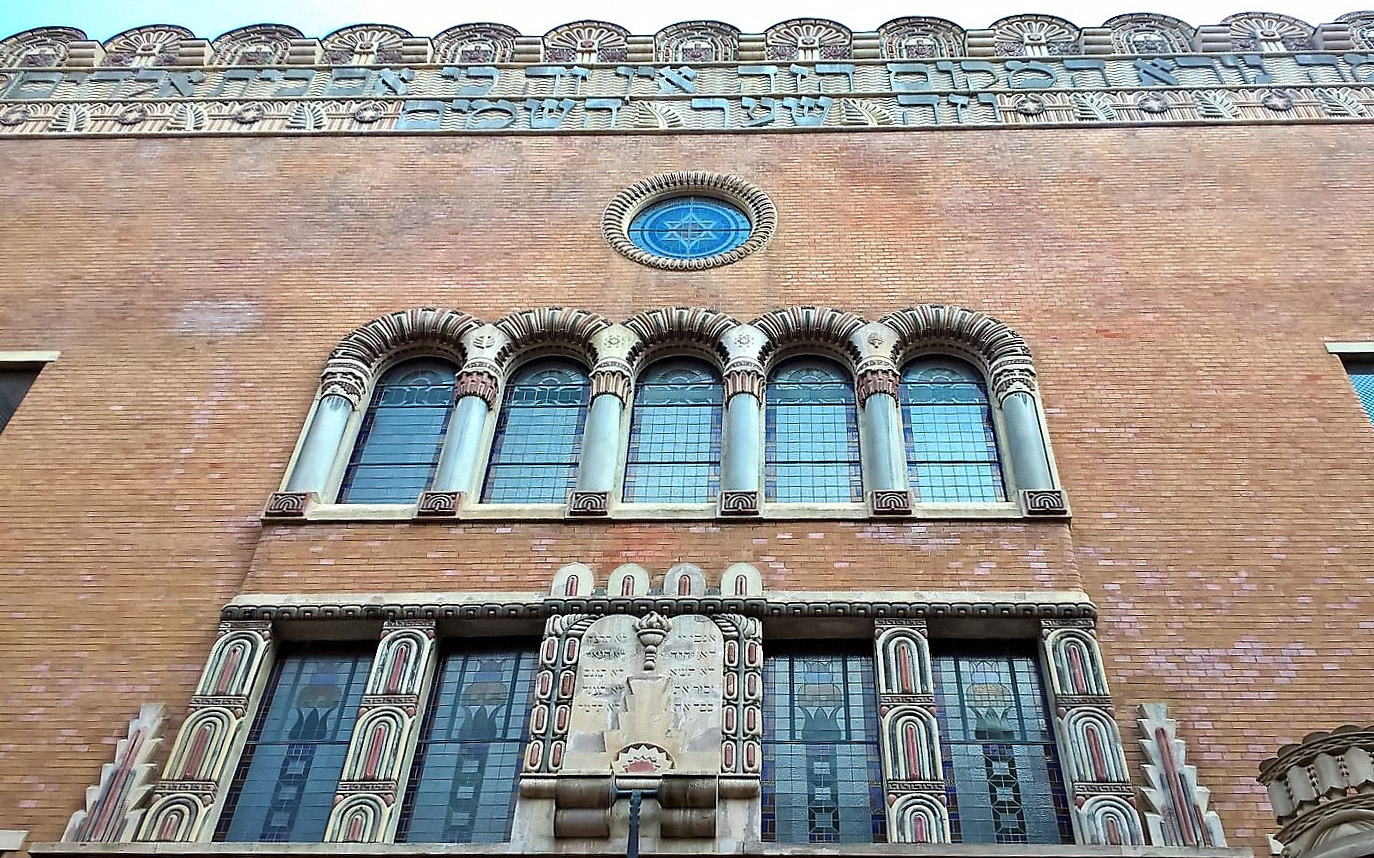
Tucked away in the heart of the Jewish Quarter of Budapest, the recently renovated Rumbach Street Synagogue is one of the city’s most striking and meaningful landmarks. Together with the Dohány Street and Kazinczy Street synagogues, it forms the famous synagogue triangle — a unique concentration of Jewish heritage within just a few streets.
After decades of neglect, Rumbach has finally reclaimed its place as one of Budapest’s architectural and cultural treasures.
A masterpiece by Otto Wagner
The synagogue was designed by the renowned Austrian architect Otto Wagner and built in the early 1870s. At the time, Wagner was already known for pushing architectural boundaries, and Rumbach is a perfect example of his bold vision.
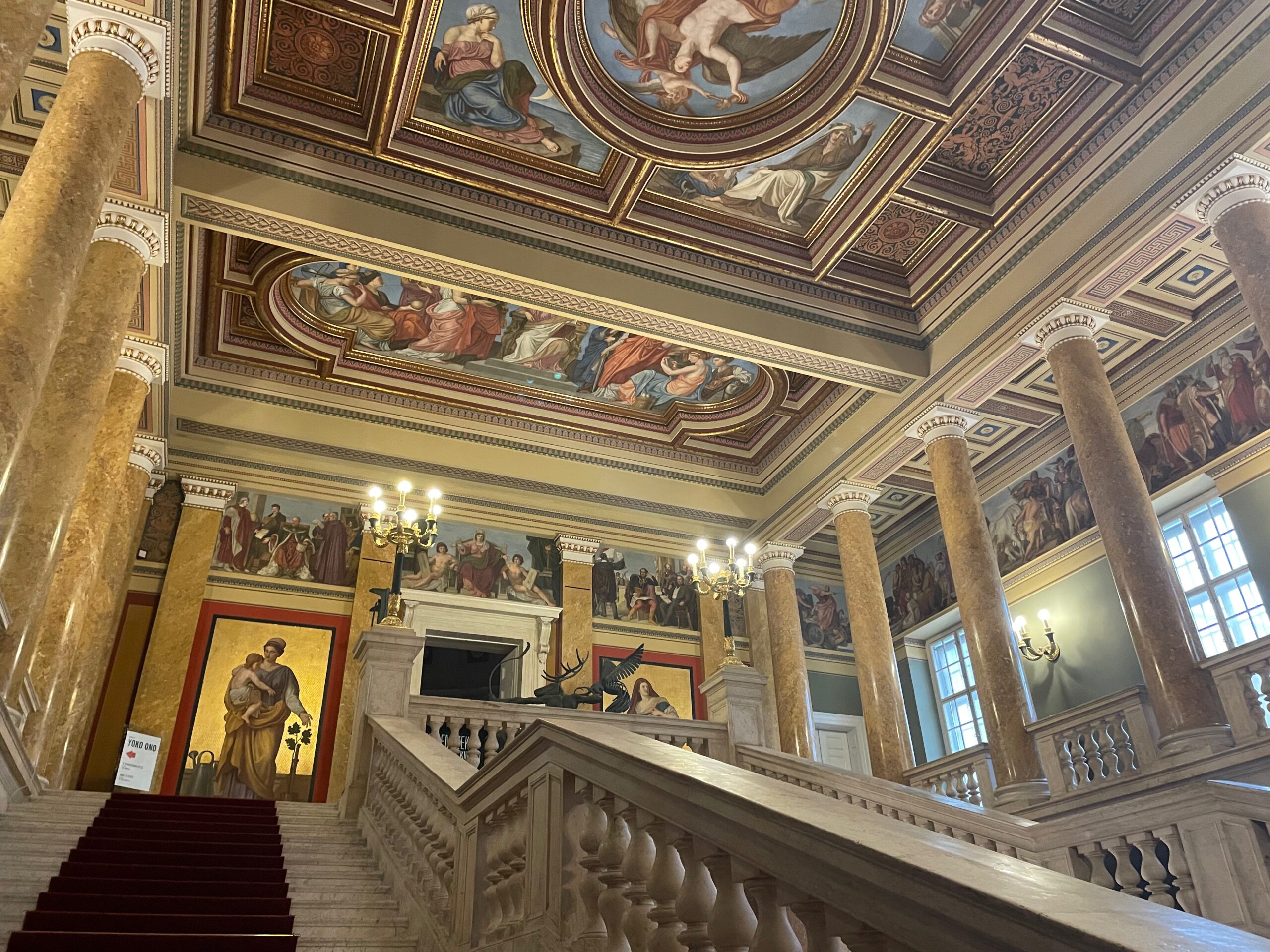
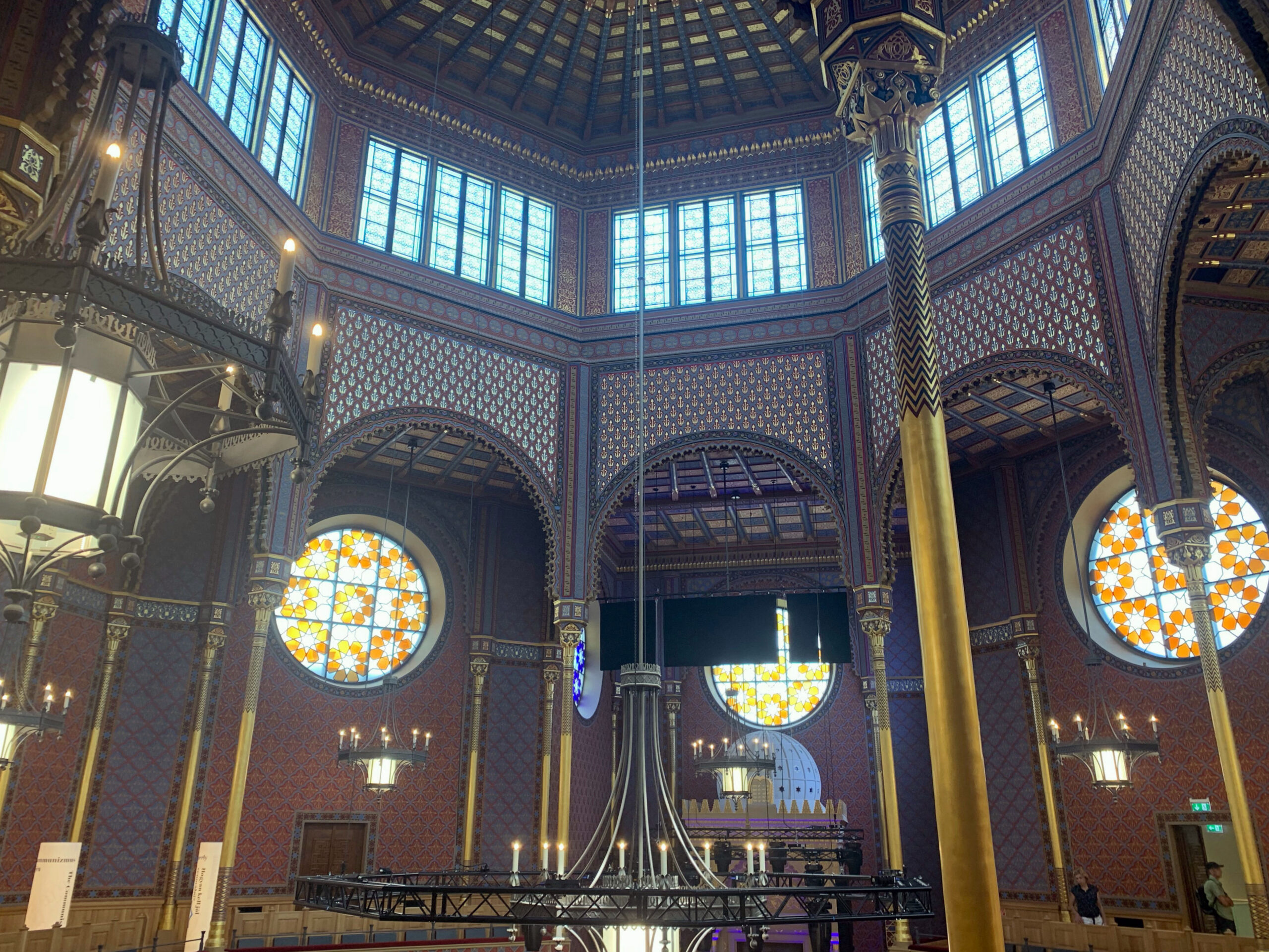
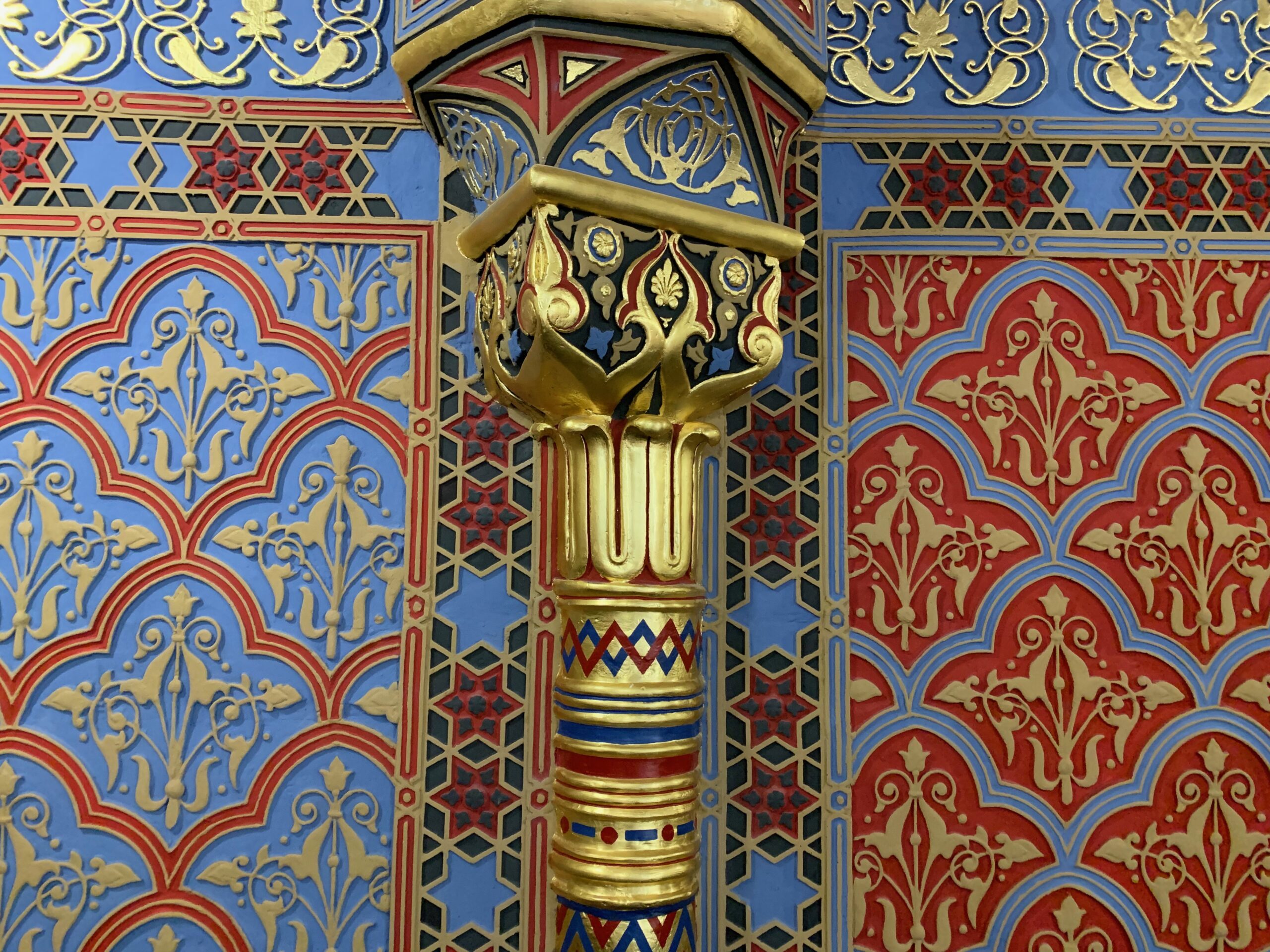
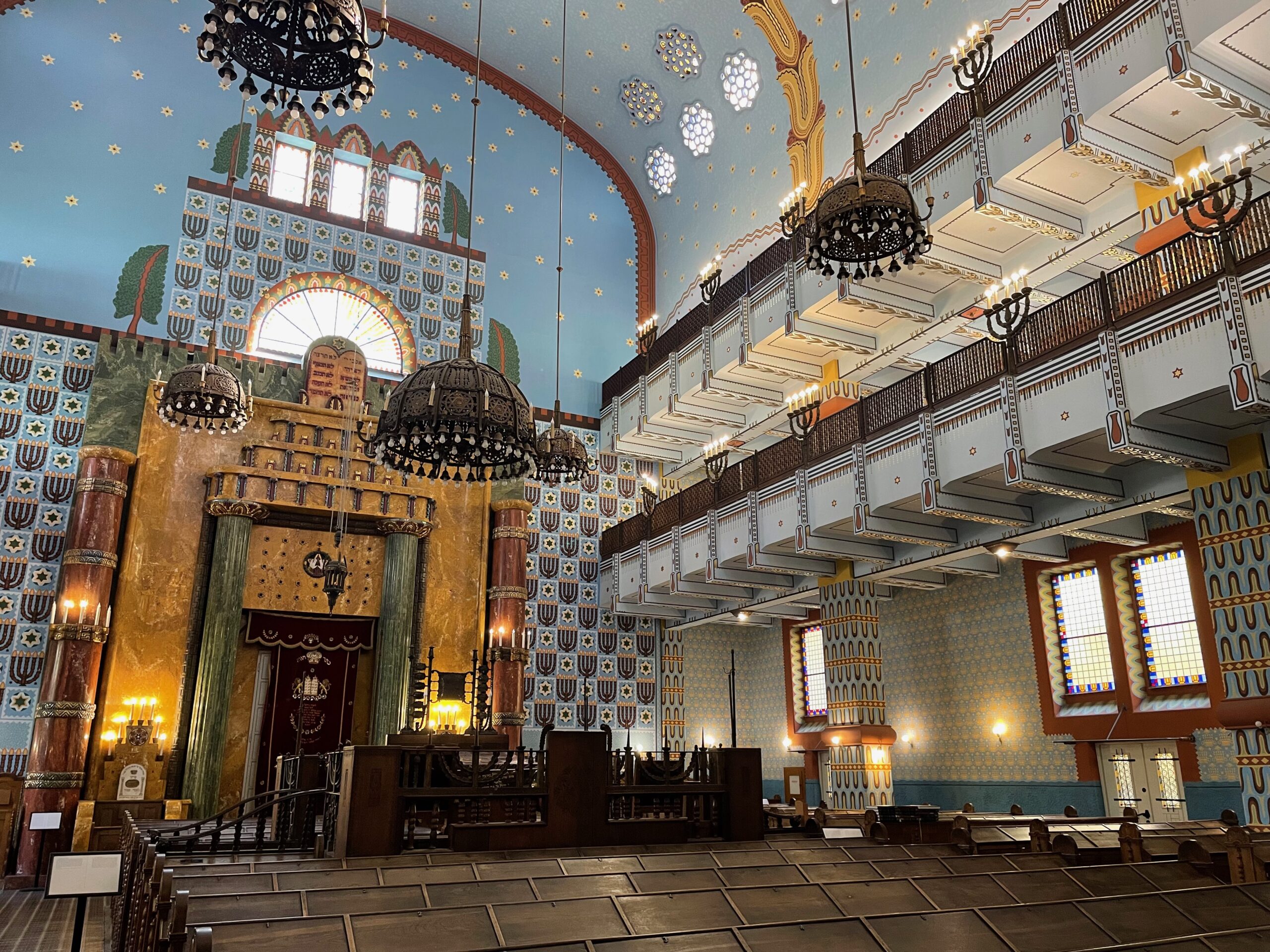
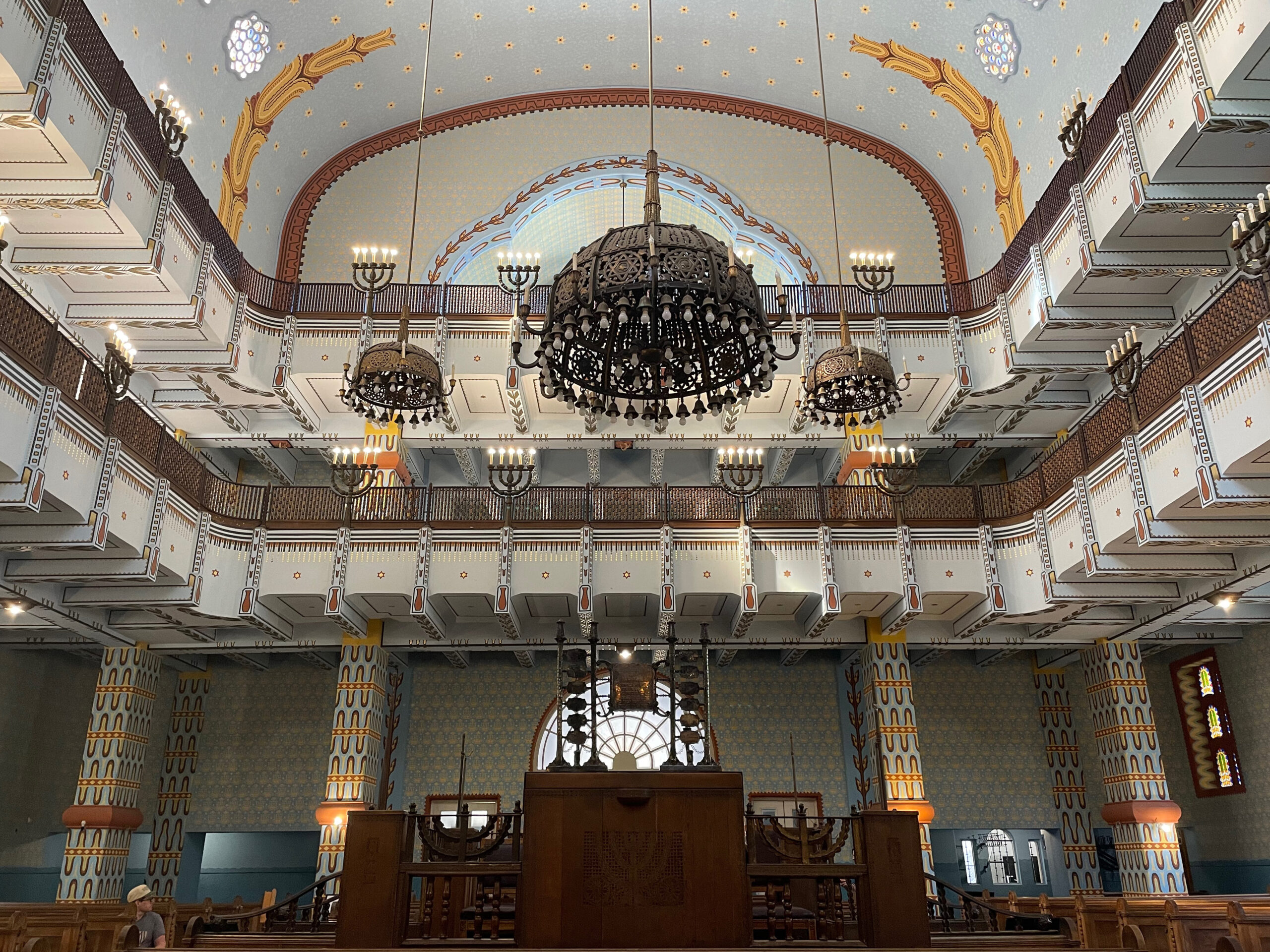
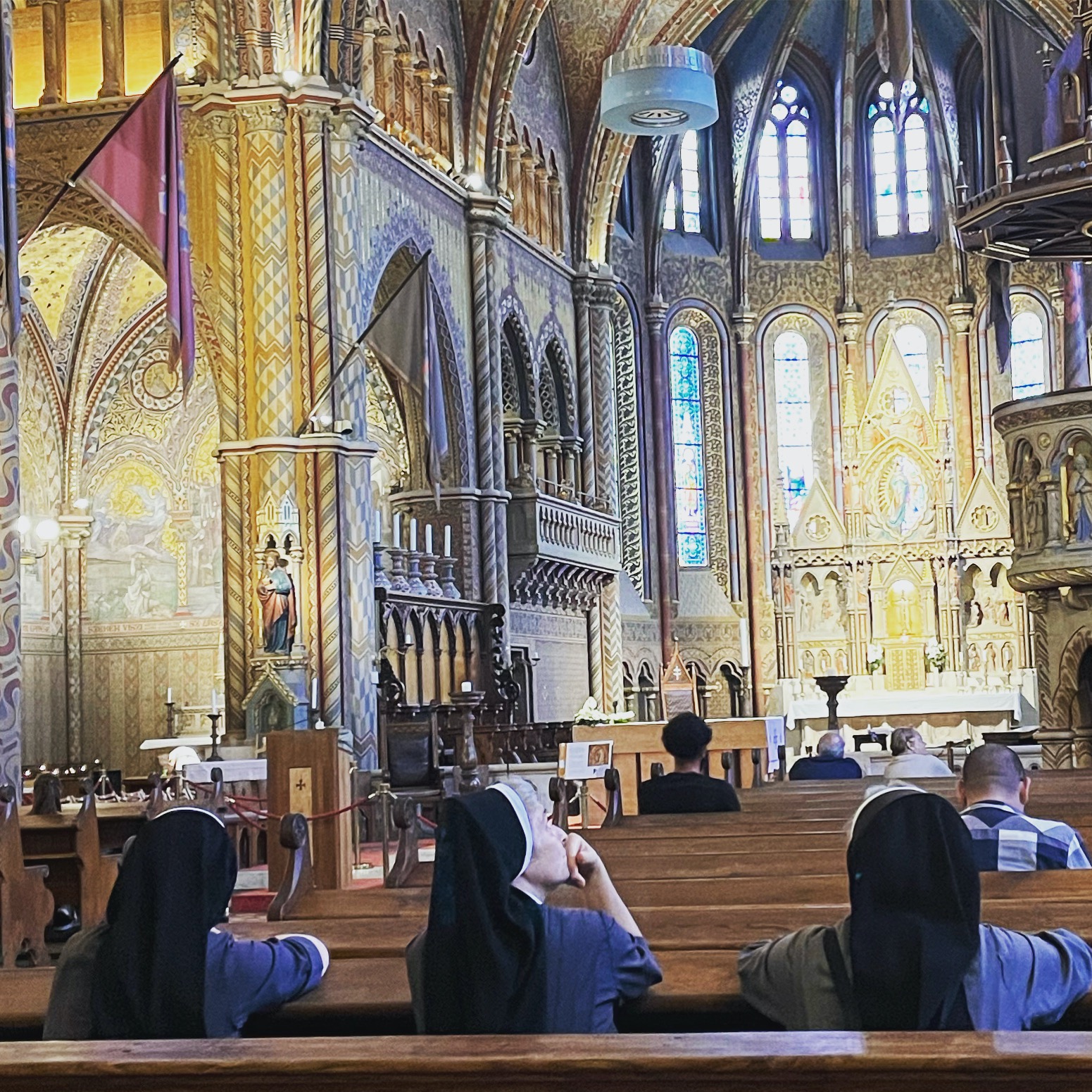
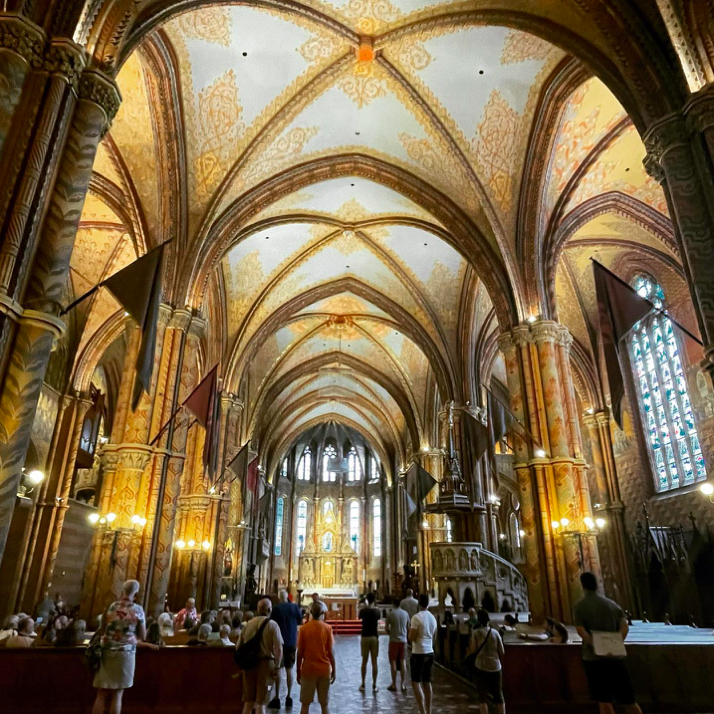
The building follows the Moorish Revival style, instantly recognisable through its vibrant colours, geometric patterns, and richly decorated details. Inside, shades of red, blue, purple, and gold create an almost otherworldly atmosphere. The craftsmanship is extraordinary, and every corner invites you to stop and look closer.
One of the synagogue’s most distinctive features is its octagonal interior, with eight equal sides. This unusual design was inspired by the Dome of the Rock in Jerusalem, giving the space both architectural balance and symbolic depth.
From thriving community to silence
Before the Second World War, Rumbach Street Synagogue served a smaller local Jewish community. Like so many Jewish institutions in Hungary, its story was tragically interrupted by the Holocaust. Most members of the congregation were murdered, and after the war the building lost its original function.
For decades, the synagogue stood abandoned and deteriorating — a silent witness to the destruction of a once-vibrant community. Its slow decay mirrored the painful absence left behind in the neighbourhood.
A long-awaited rebirth
After many years of planning and careful restoration, Rumbach Street Synagogue finally reopened in 2021. The renovation respected the original design while giving the building a new role as a cultural and historical space.
Today, it is once again open to the public — not only as a synagogue, but also as a venue for exhibitions, concerts, and remembrance. Walking inside feels both uplifting and deeply moving: beauty and loss exist side by side here.
Visiting Rumbach Street Synagogue
The synagogue can be visited, but it’s important to know that opening hours are very limited and irregular. Unlike larger attractions, Rumbach is not always open to visitors, and access often depends on events, services, or guided visits.
If you’re planning a trip to Budapest and would like to include Rumbach Street Synagogue in your itinerary, I strongly recommend contacting me in advance. I’m happy to check whether the synagogue will be open during your stay and advise on the best way to visit.
Rumbach and the Jewish Quarter Walk
Rumbach Street Synagogue is an essential stop — or at least a key reference point — on my Jewish Quarter walk, where we explore not only the major synagogues but also the stories of everyday life, survival, and renewal in this historic neighbourhood.
Seeing Rumbach in context, surrounded by former Jewish homes, courtyards, and memorials, adds layers of meaning that go far beyond architecture alone.
If you’re interested in discovering the Jewish Quarter with a licensed private guide, at a relaxed pace and with personal stories woven into the walk, this tour might be a perfect fit for you.
A place that stays with you
Rumbach Street Synagogue is not just beautiful — it’s unforgettable. Its colours, its silence, and its history linger long after you leave. Whether you’re interested in architecture, Jewish heritage, or Budapest’s complex past, this is a place that truly deserves a spot on your list.
If you’d like help planning your visit or booking a Jewish Quarter walk, feel free to get in touch — I’ll be happy to help you make the most of your time in Budapest.