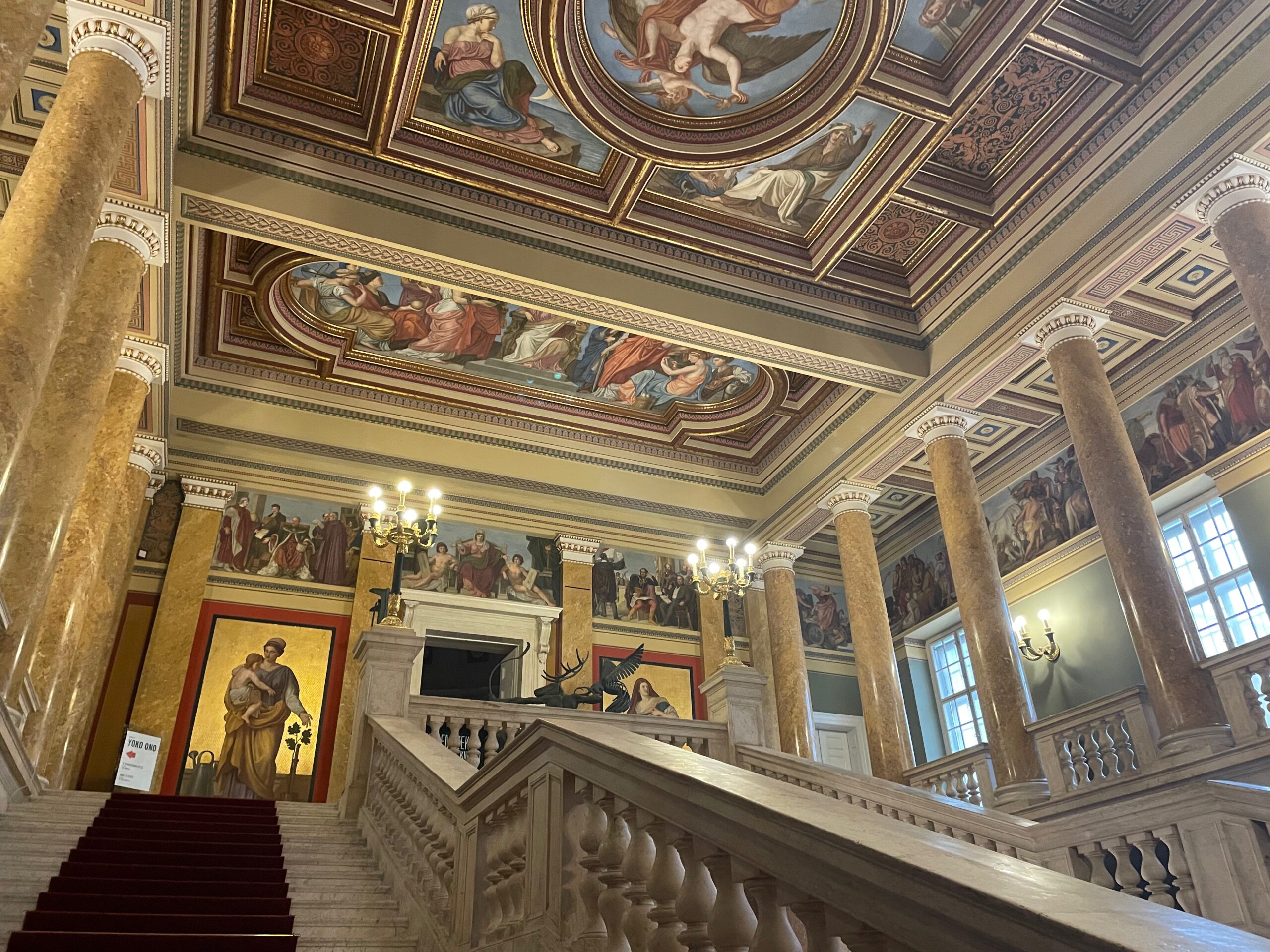
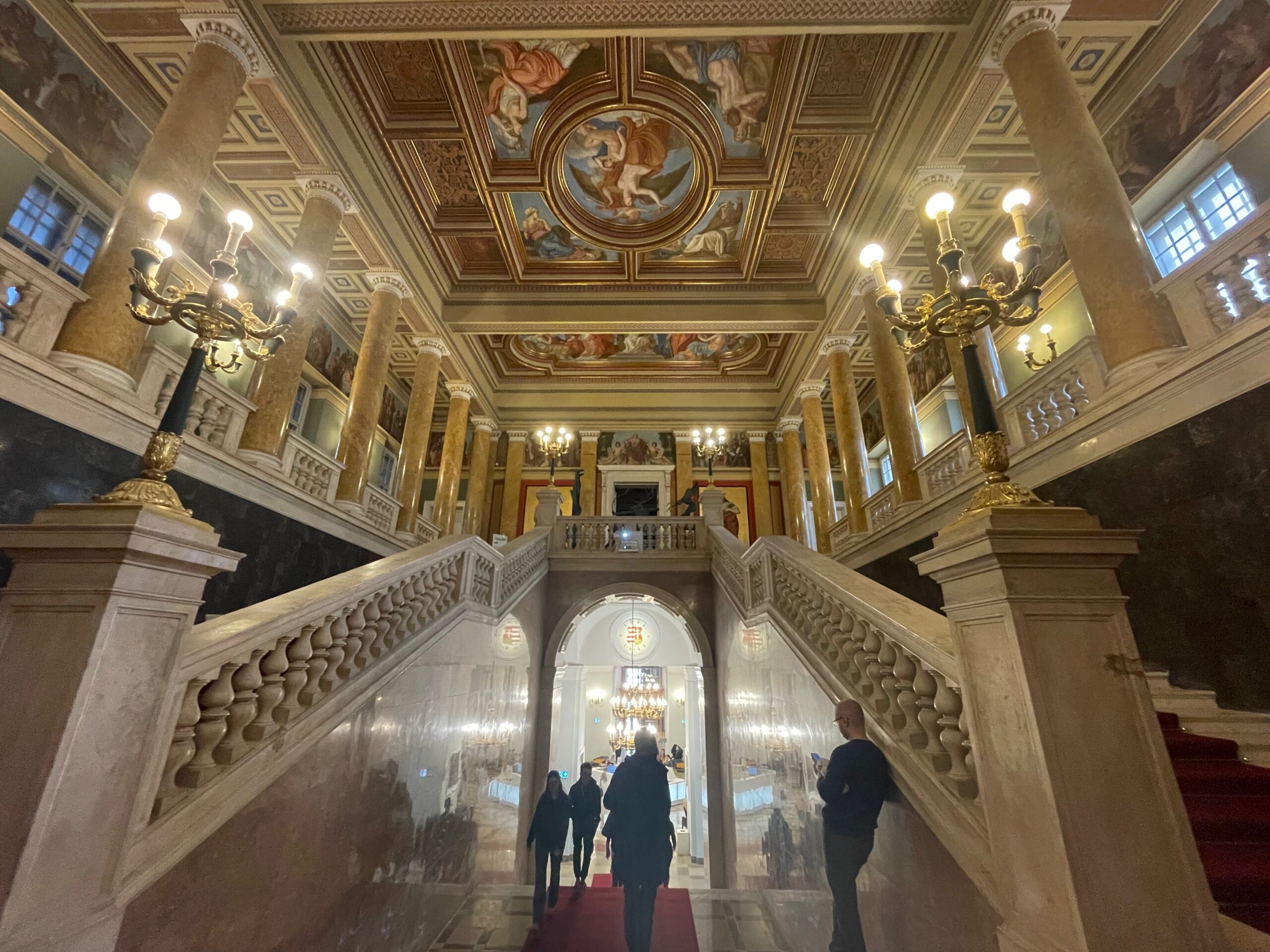
The National Museum is one of the oldest museums of Budapest, founded by Ferenc Széchényi in 1802. It’s one of my favourite museums in the city, not only because it’s beautiful (both the outside and the interiors) but also because there is a beautiful garden around it which serves as a public park. The museum is a special place for Hungarian people, our entire history is on display in an easily digestible manner.
The building is a special place for national pride and heritage, the 1848-49 Hungarian war of independence against the Habsburgs started here, poet Sándor Petőfi read his famous poem on the stairs of the museum.
There are permanent and temporary exhibitions, the coronation robe of the Hungarian kings is on display here, too. A great place to spend a few hours in Budapest in the cold month of January.
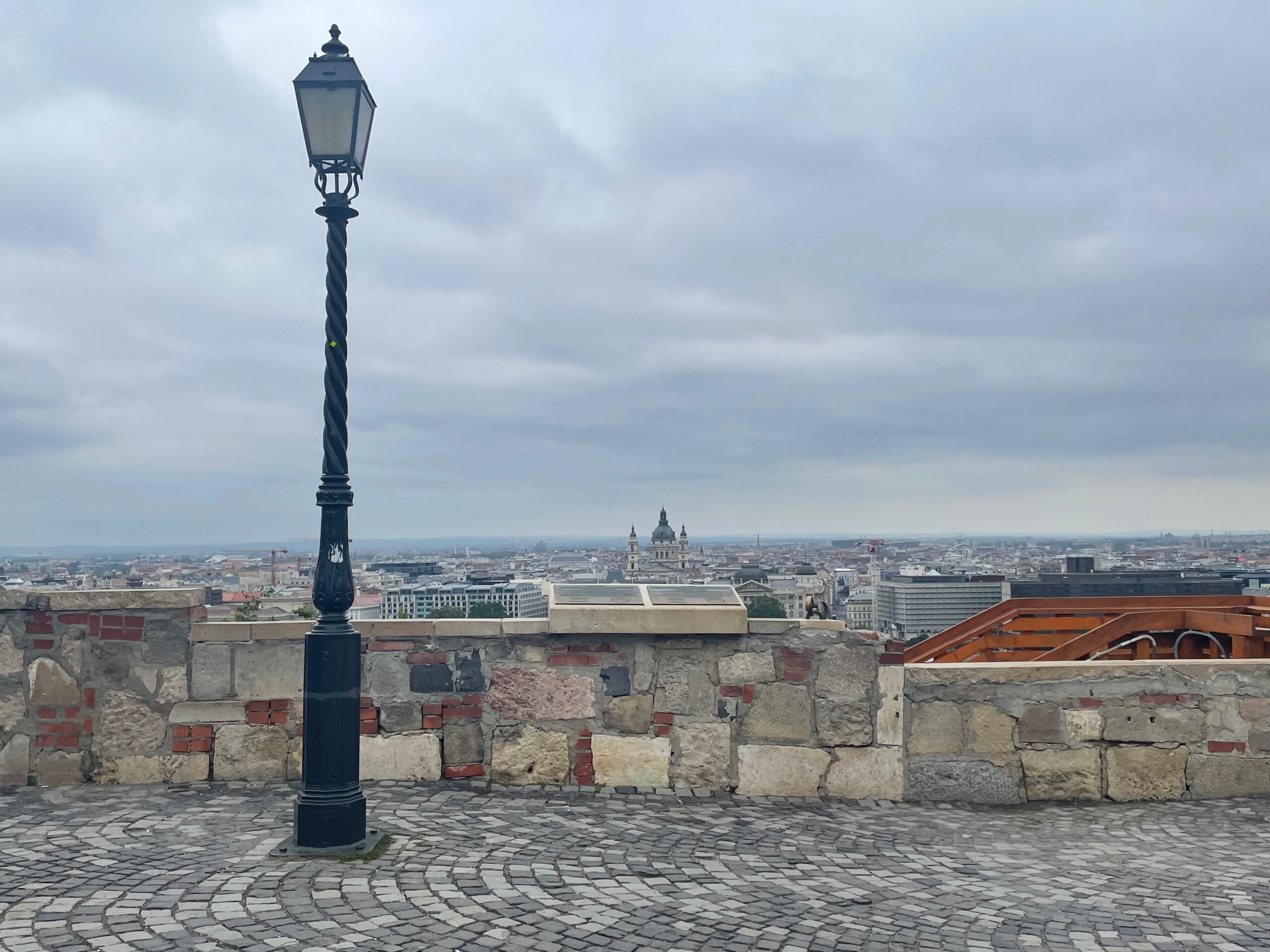
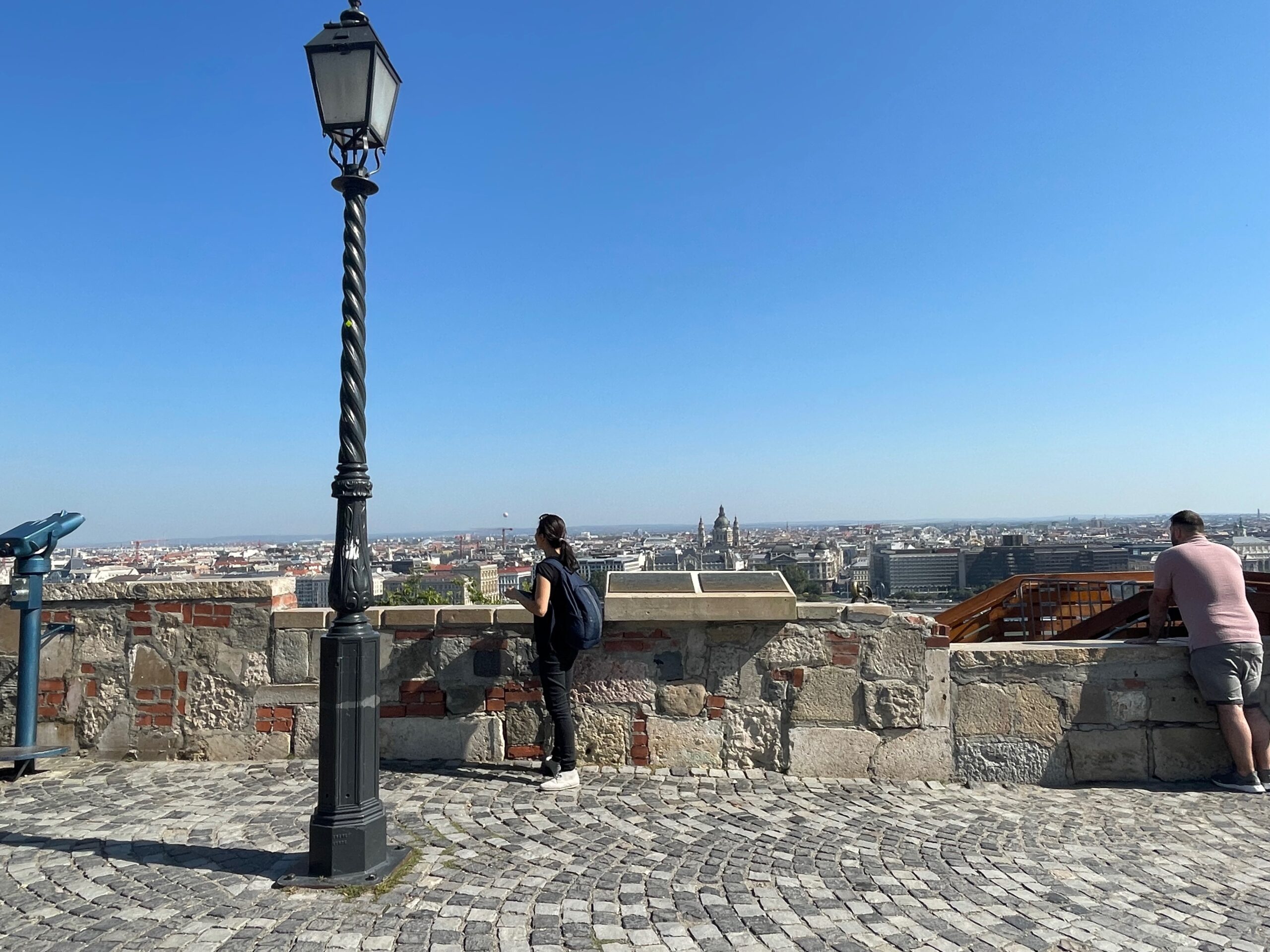
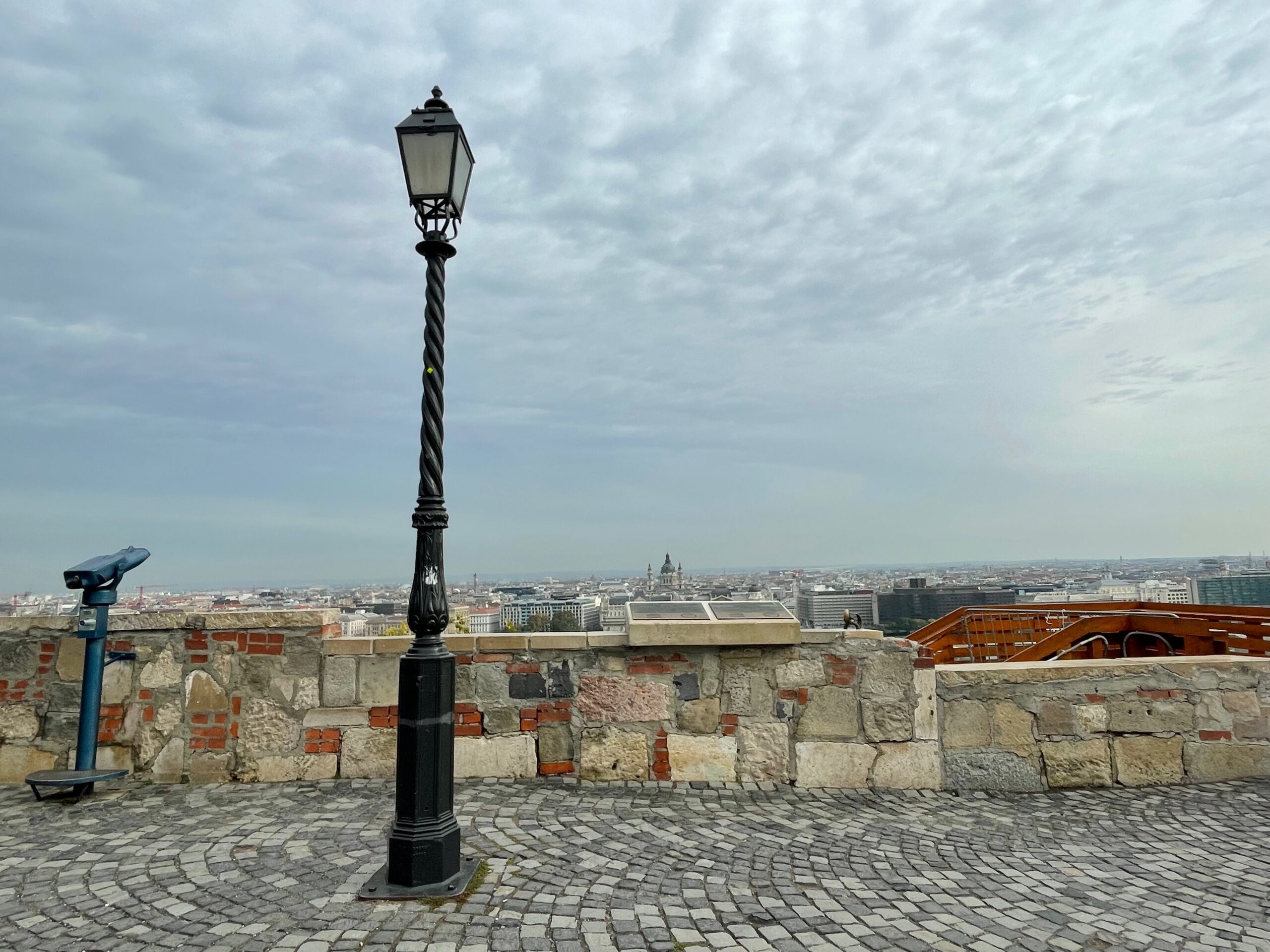
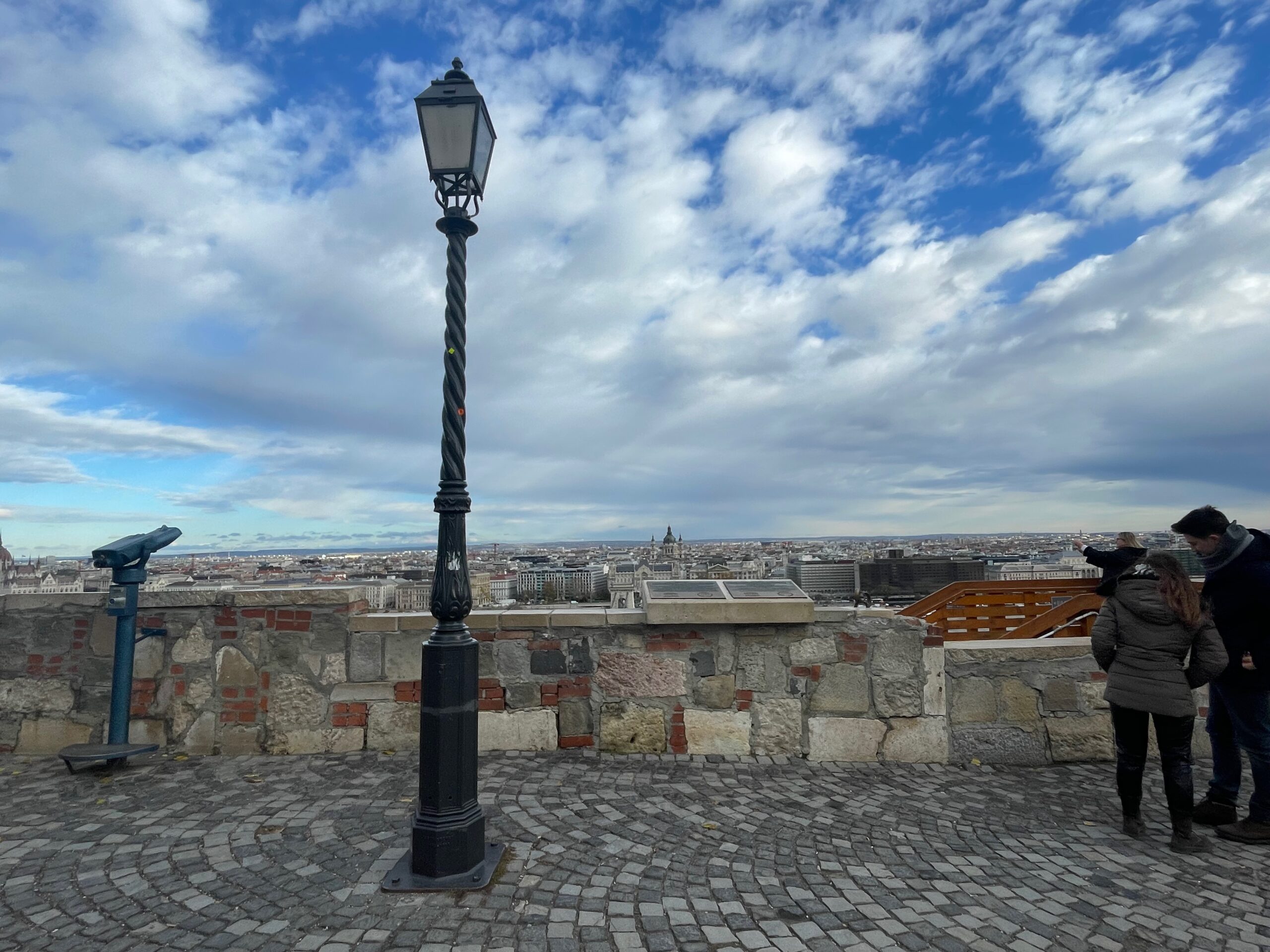
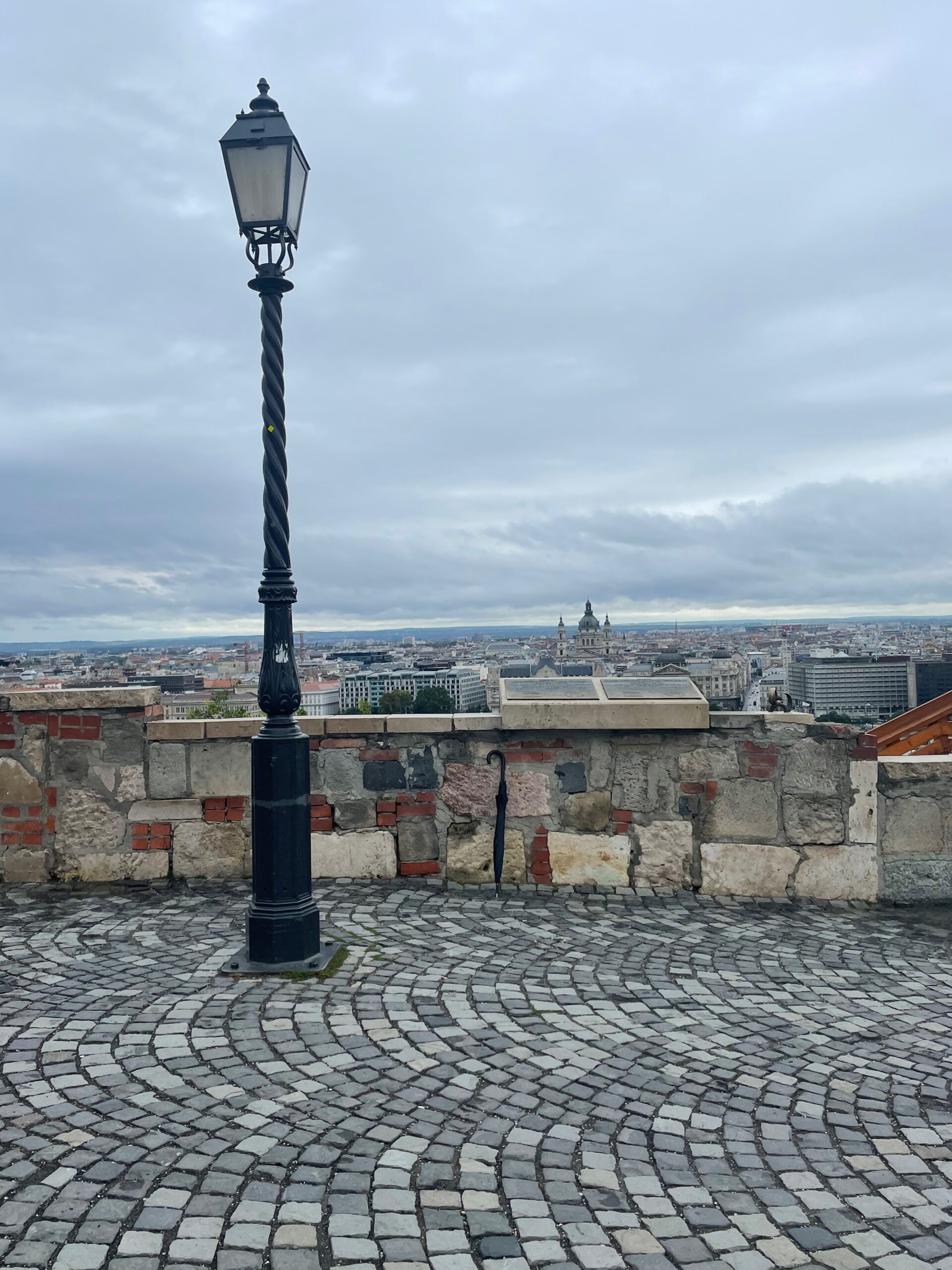
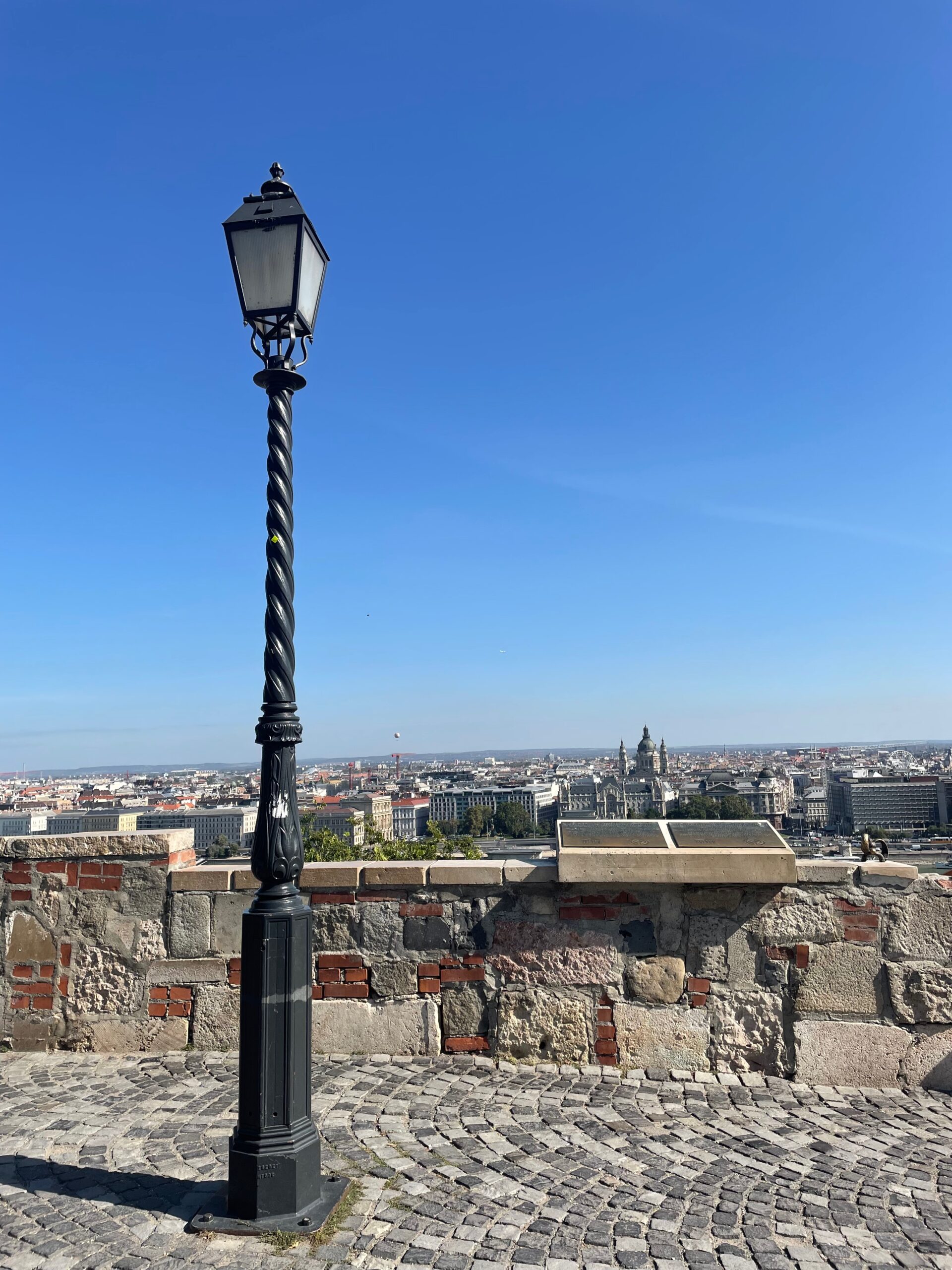
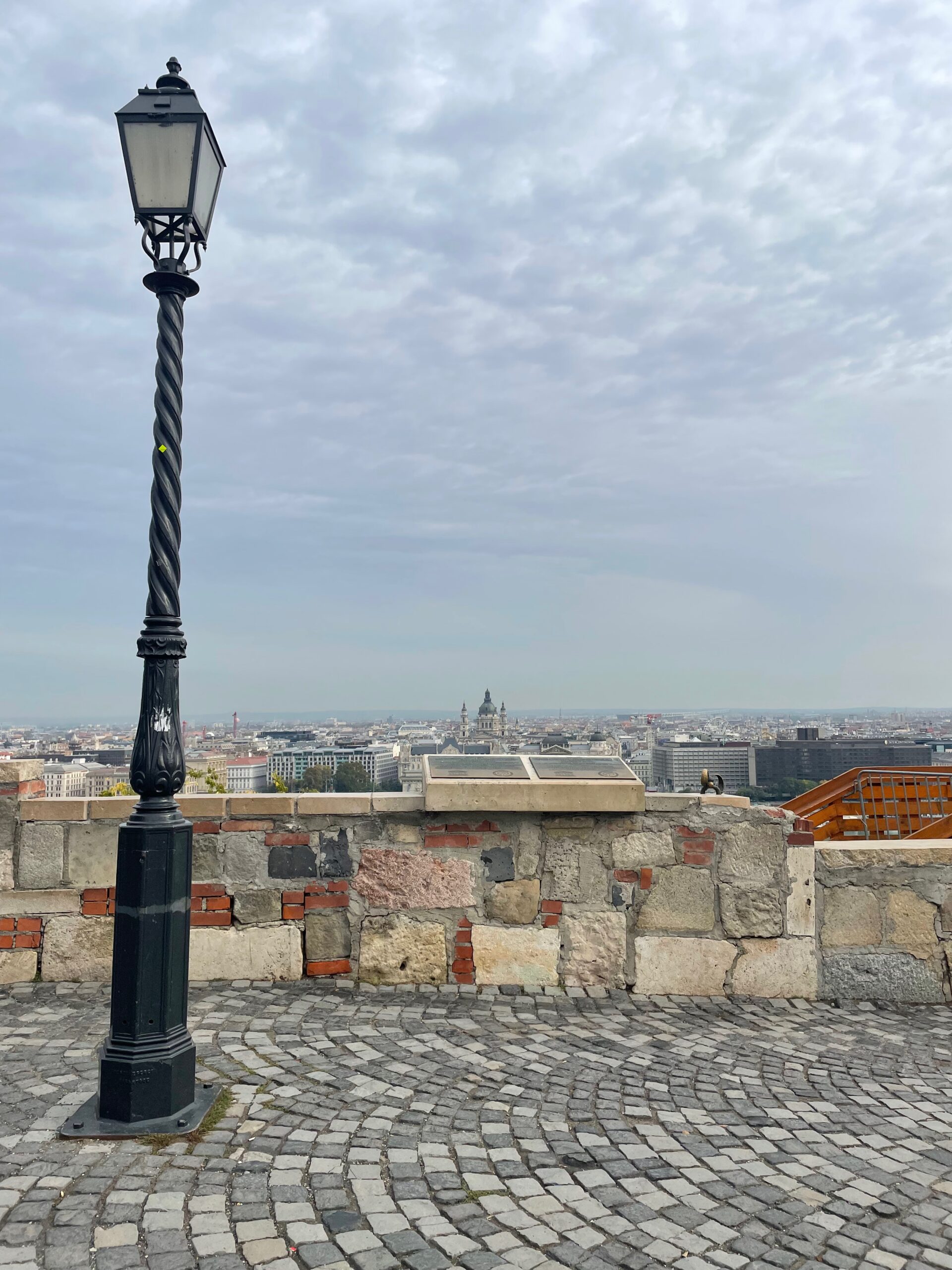
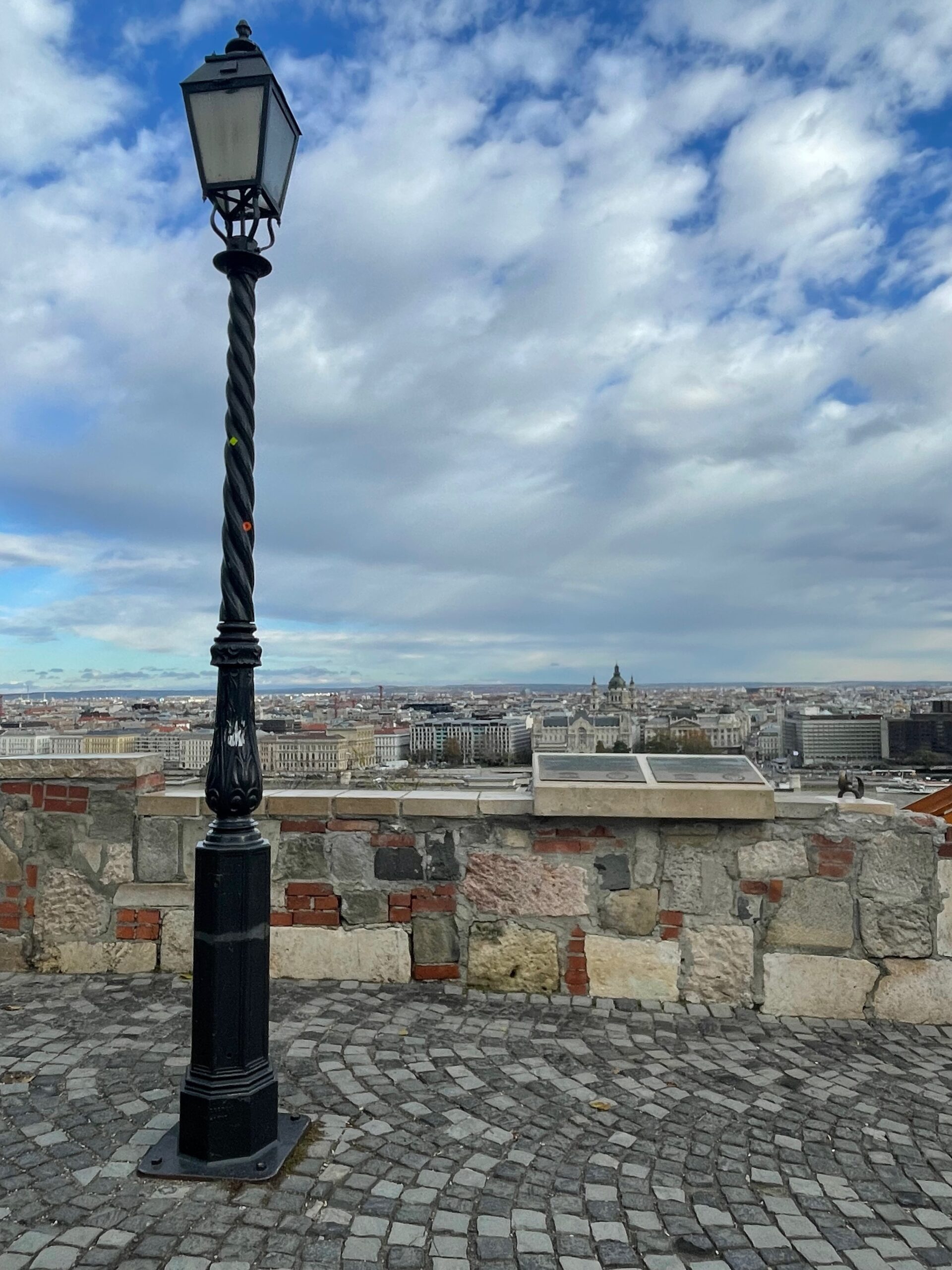
I’m taking thousands of pictures in Budapest every year, and many of them are taken at the very same spot. This is the upper station of the Buda Castle Funicular, close to the Sándor Palace and the Royal Palace. While my travellers are entertained by the changing of the guards, I’m taking pictures. Have a look, how different the pictures are even though they are taken at the same place. Join me for a walk in the Buda Castle District to see it for yourself!
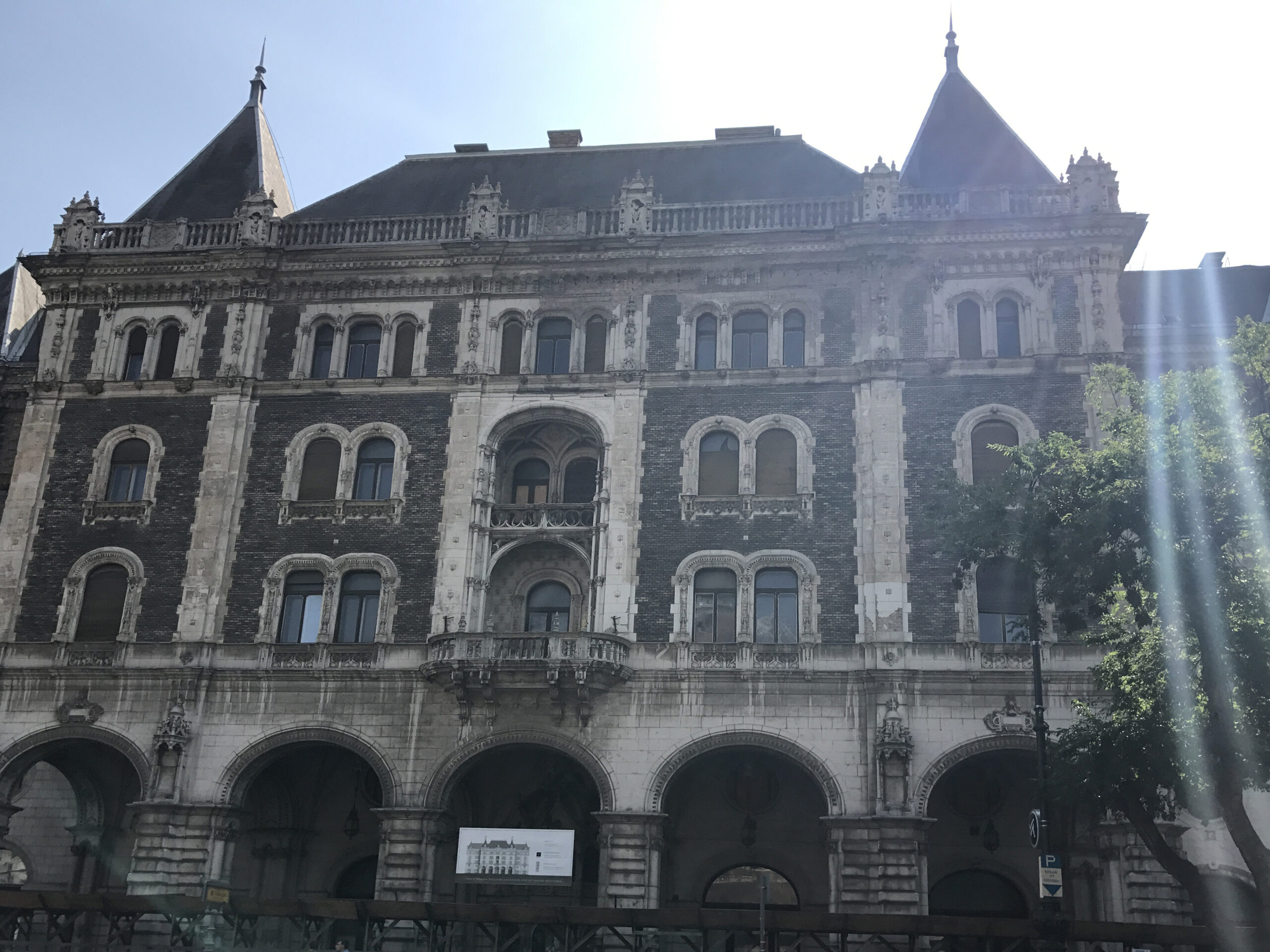
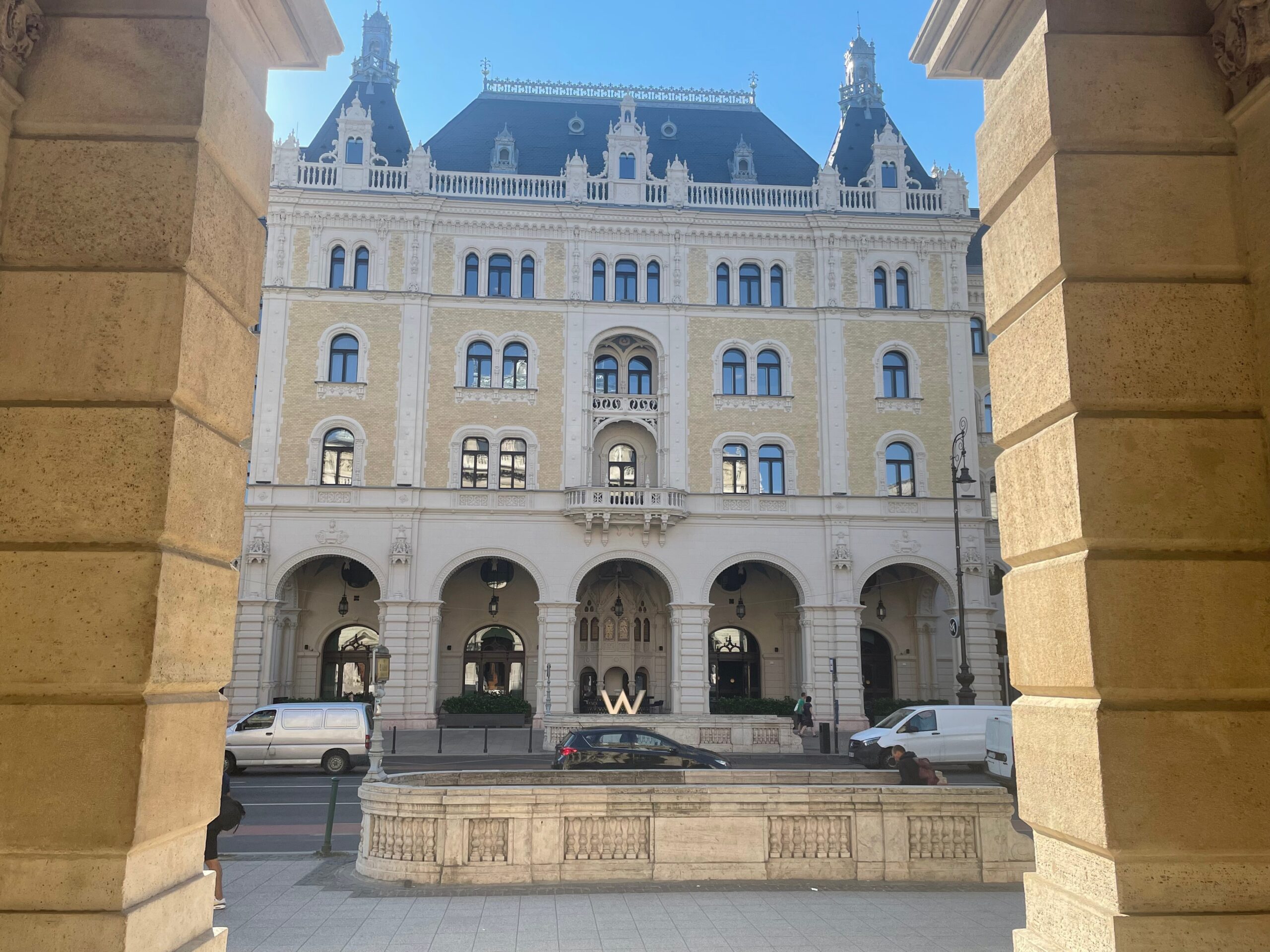
This truly magnificent Neo-Renaissance building is on Andrássy street, right across from the State Opera House. I keep telling stories about the building, home of Drechsler Café, that was originally built for the pensioners of the National Rail Services. For many many long years the building was hiding behind scaffolding and recently it reopened as the W hotel. I hope you agree with me when I say that the renovators made a wonderful job and filled the palace with elegance and charm.
Thank you for all your great reviews and comments, it’s always a pleasure to read your kind words. And, I’m very proud to announce that I just got this very special award from Tripadvisor – Travelers’ Choice 2023.
I’m truly happy and promise to do my best to help you collect the nicest memories while I’m showing you around my Beautiful Budapest. And please keep sharing your comments!

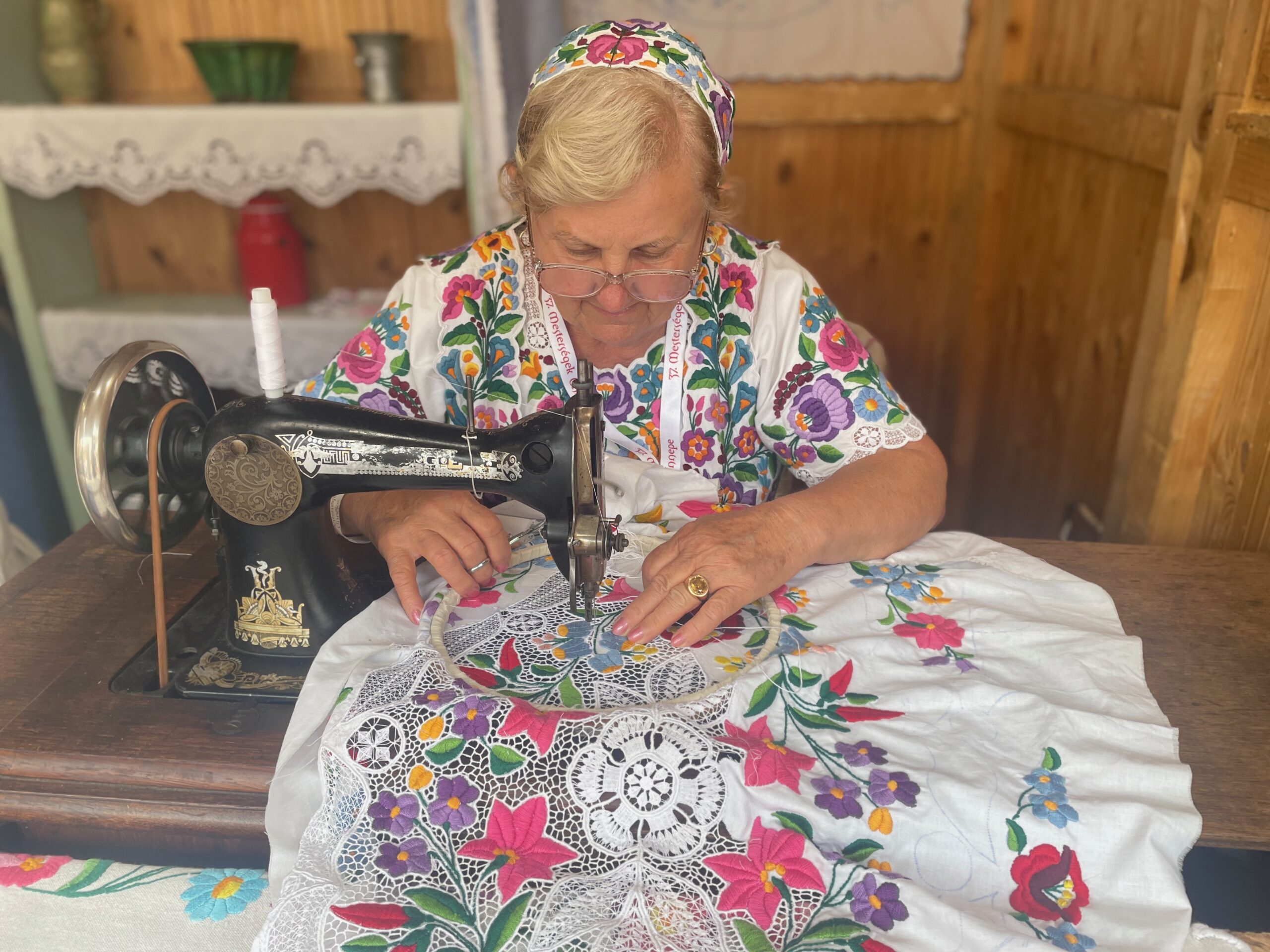
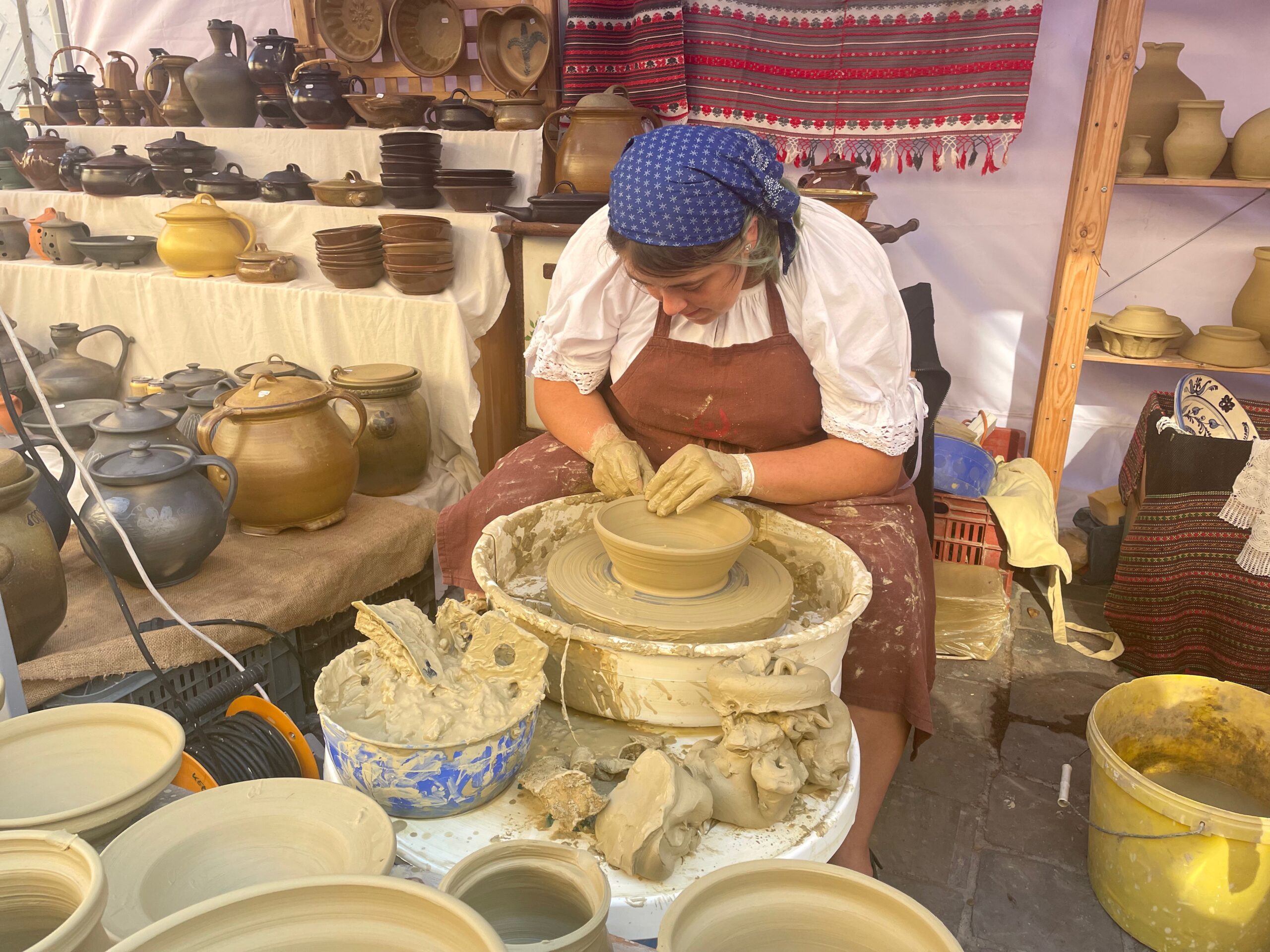
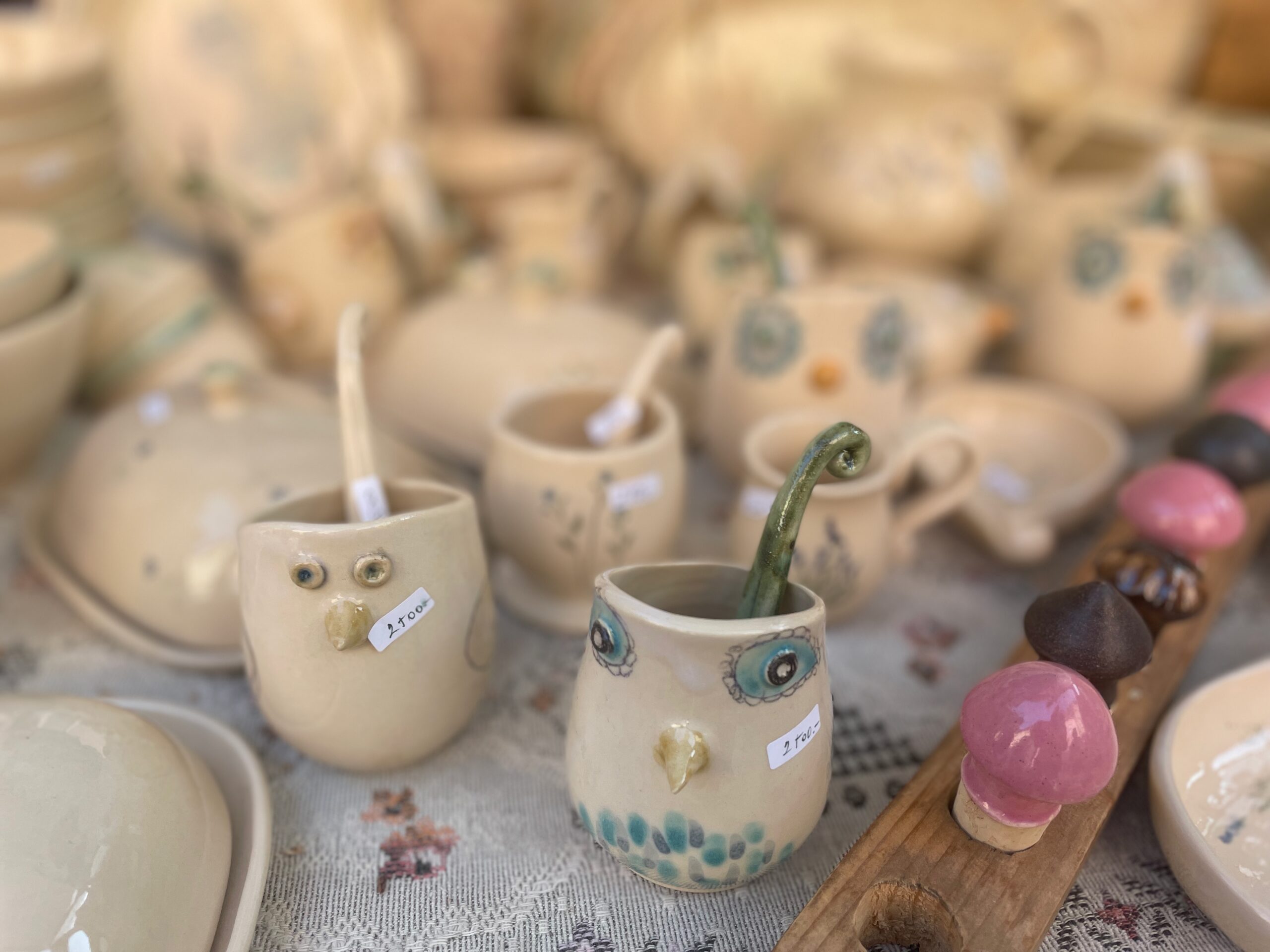
Every year, at the end of August some of the great Hungarian folk artists have a special opportunity to put on display their talent and products: the folk art festival in the Buda Castle district. Visitors can watch and also participate in activities, such as sewing, lace or embroidery making, wood carving and many more. It’s a great occasion to meet local craftsmen and craftswomen, observe their techniques and tricks and also to buy local folk products. I loved the little old ladies teaching me sewing, trust me, they are very patient with visitors much less talented and experienced than they are.
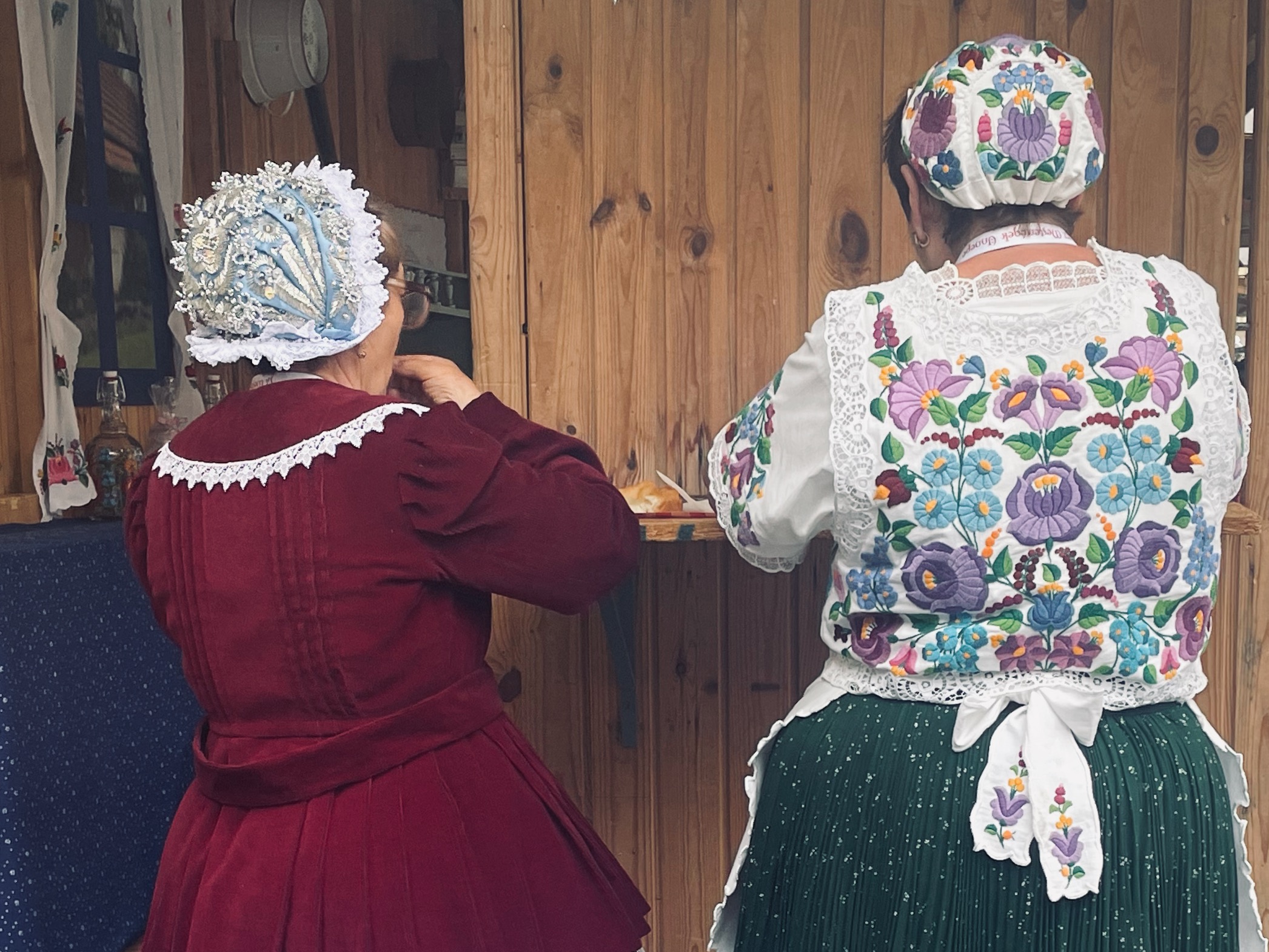
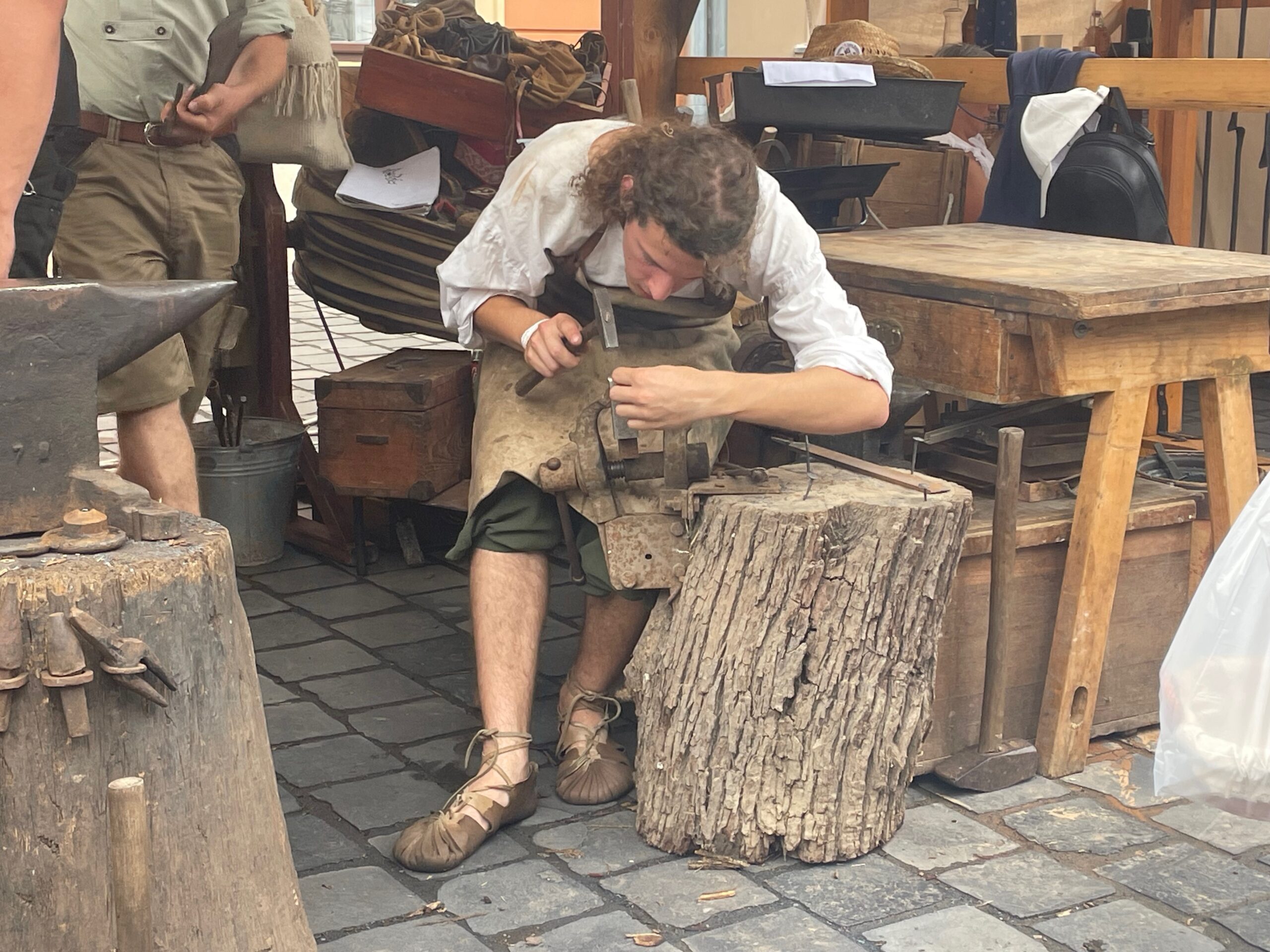
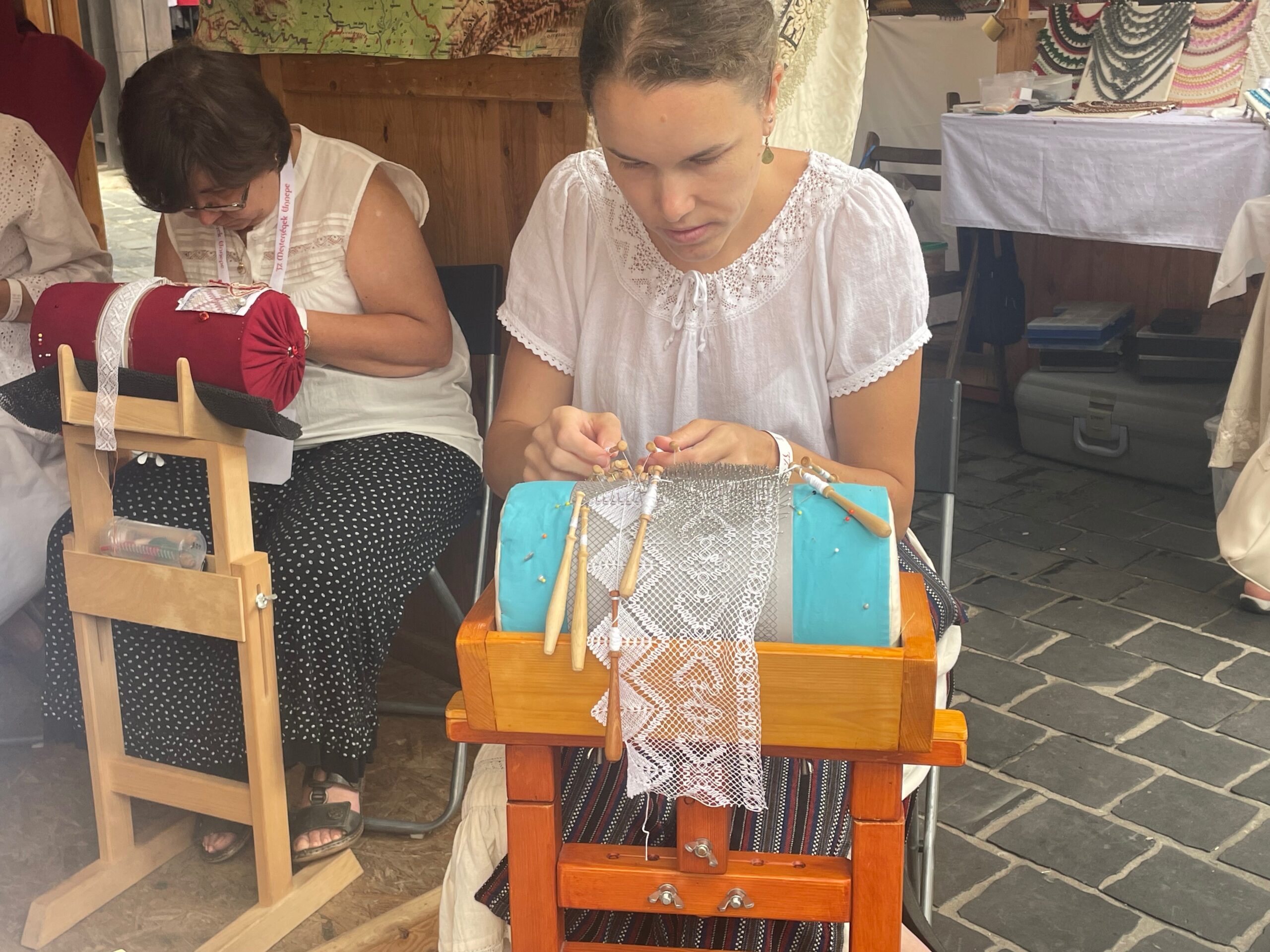
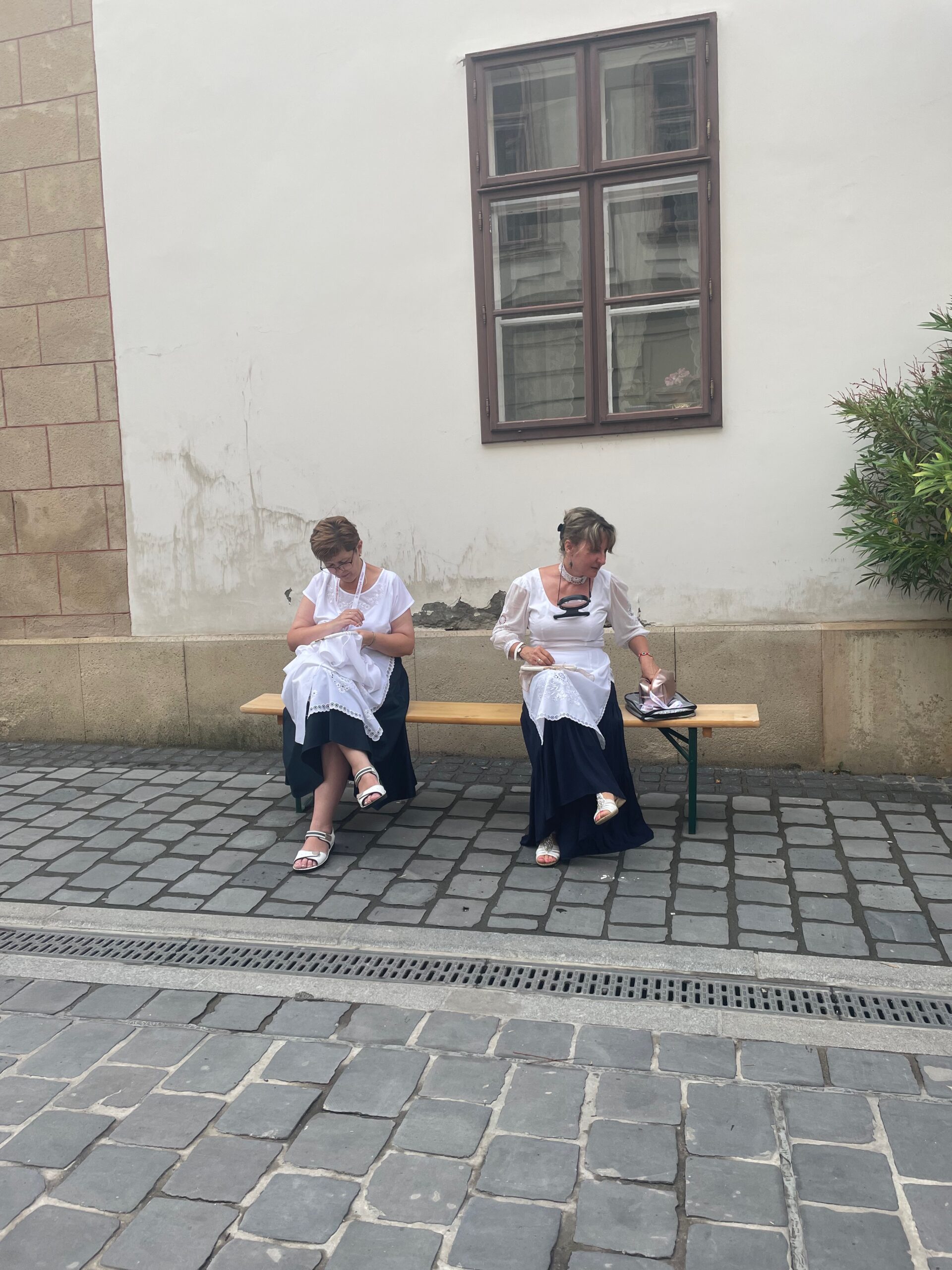
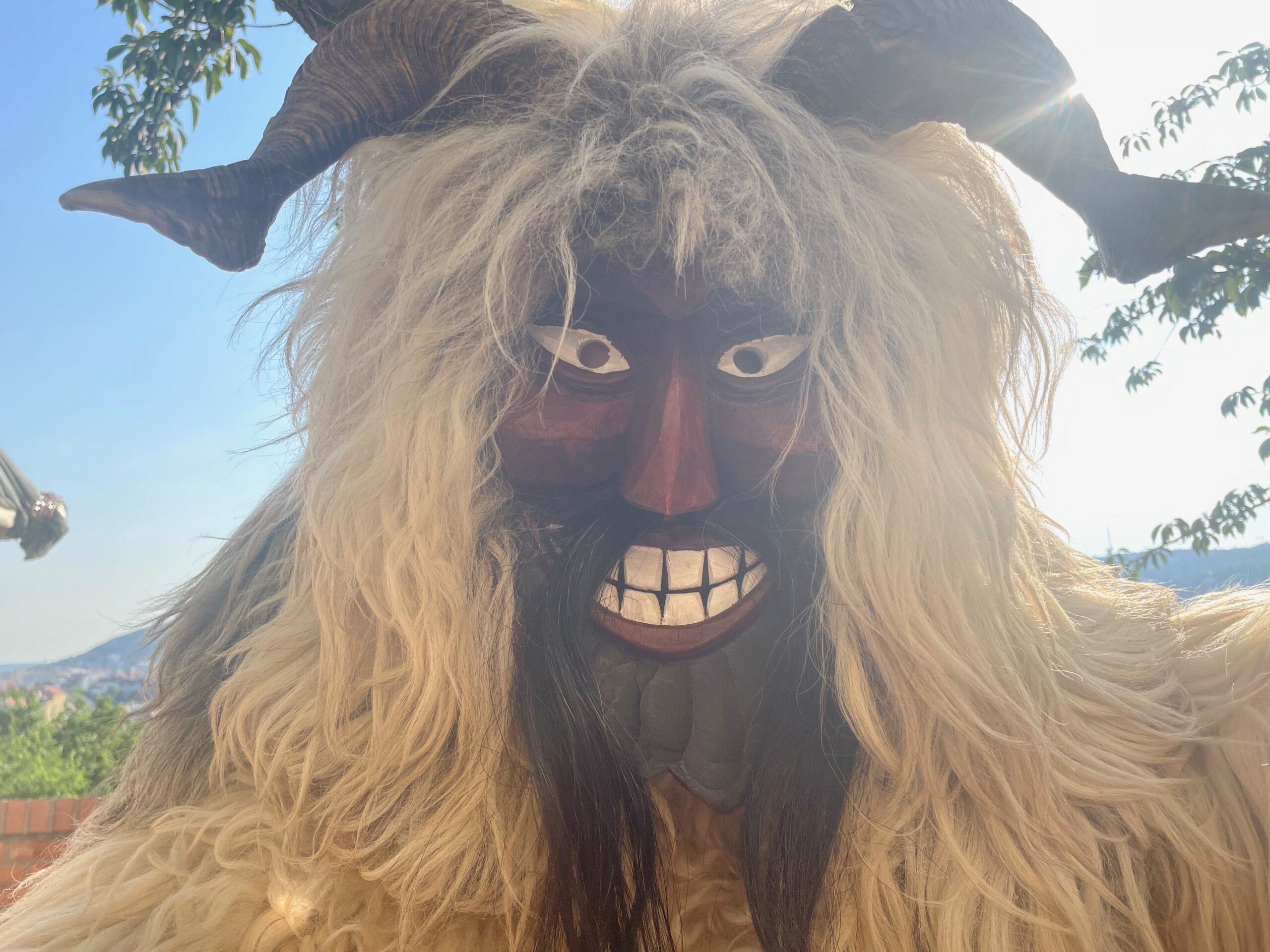
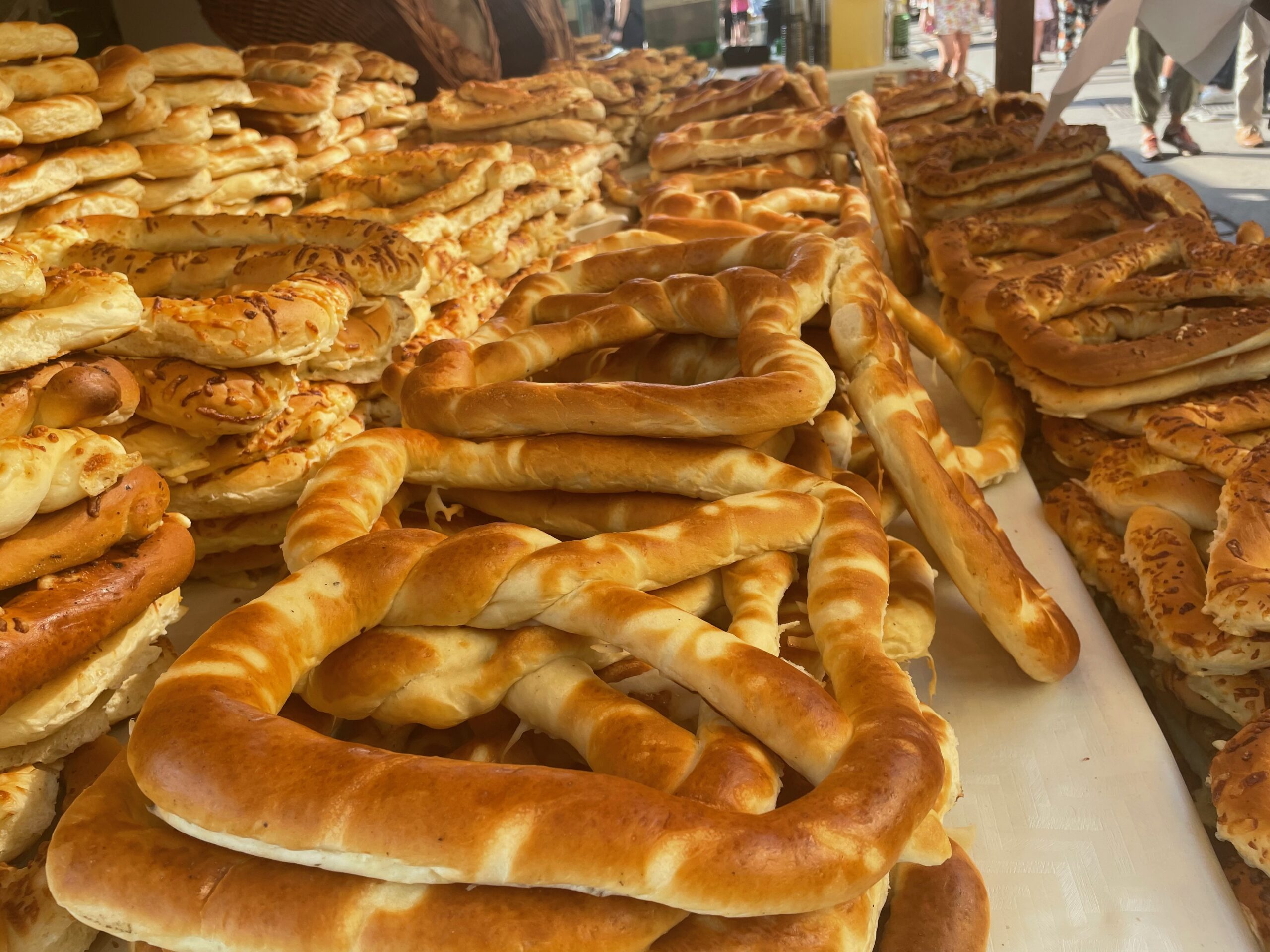

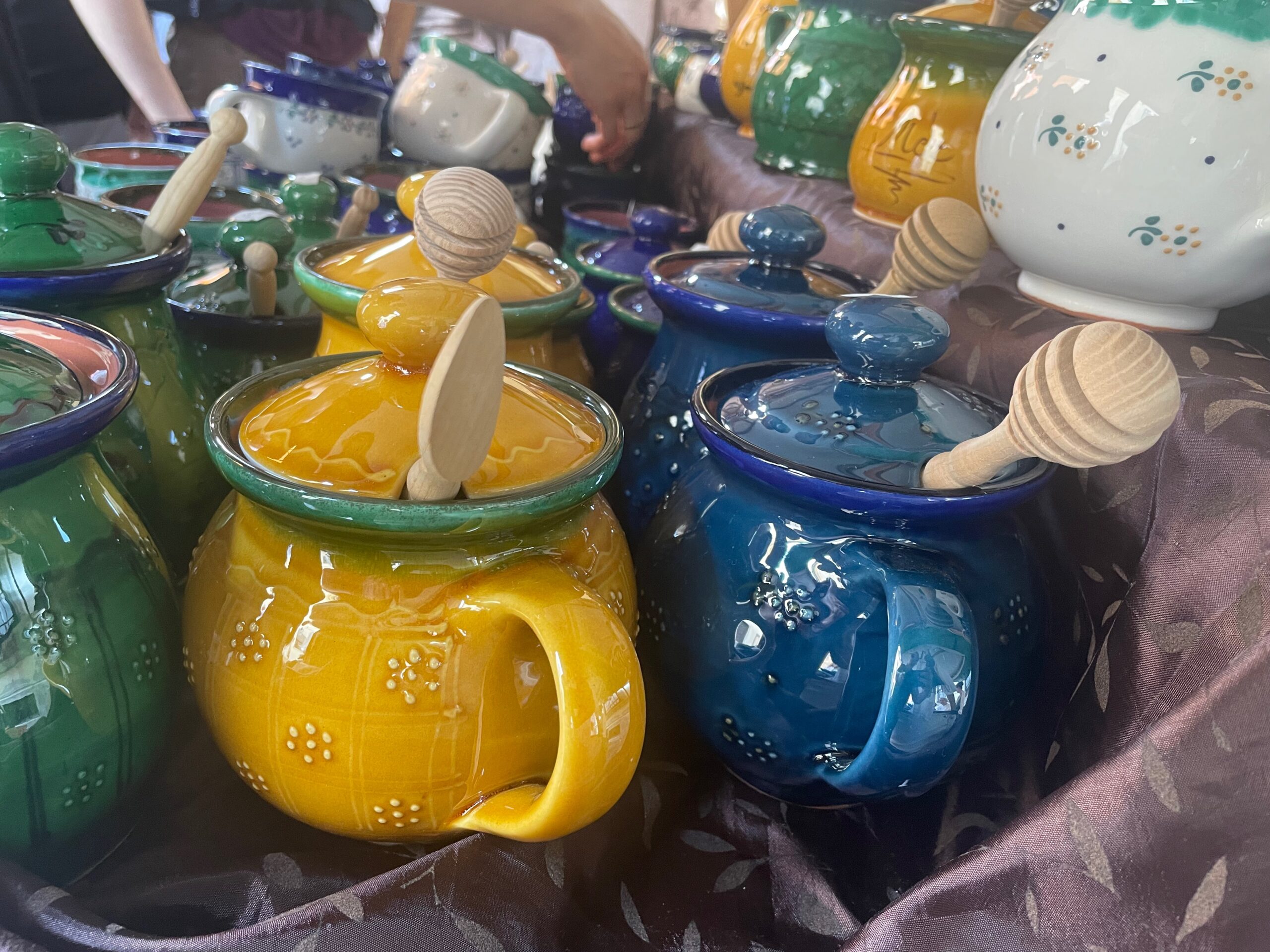
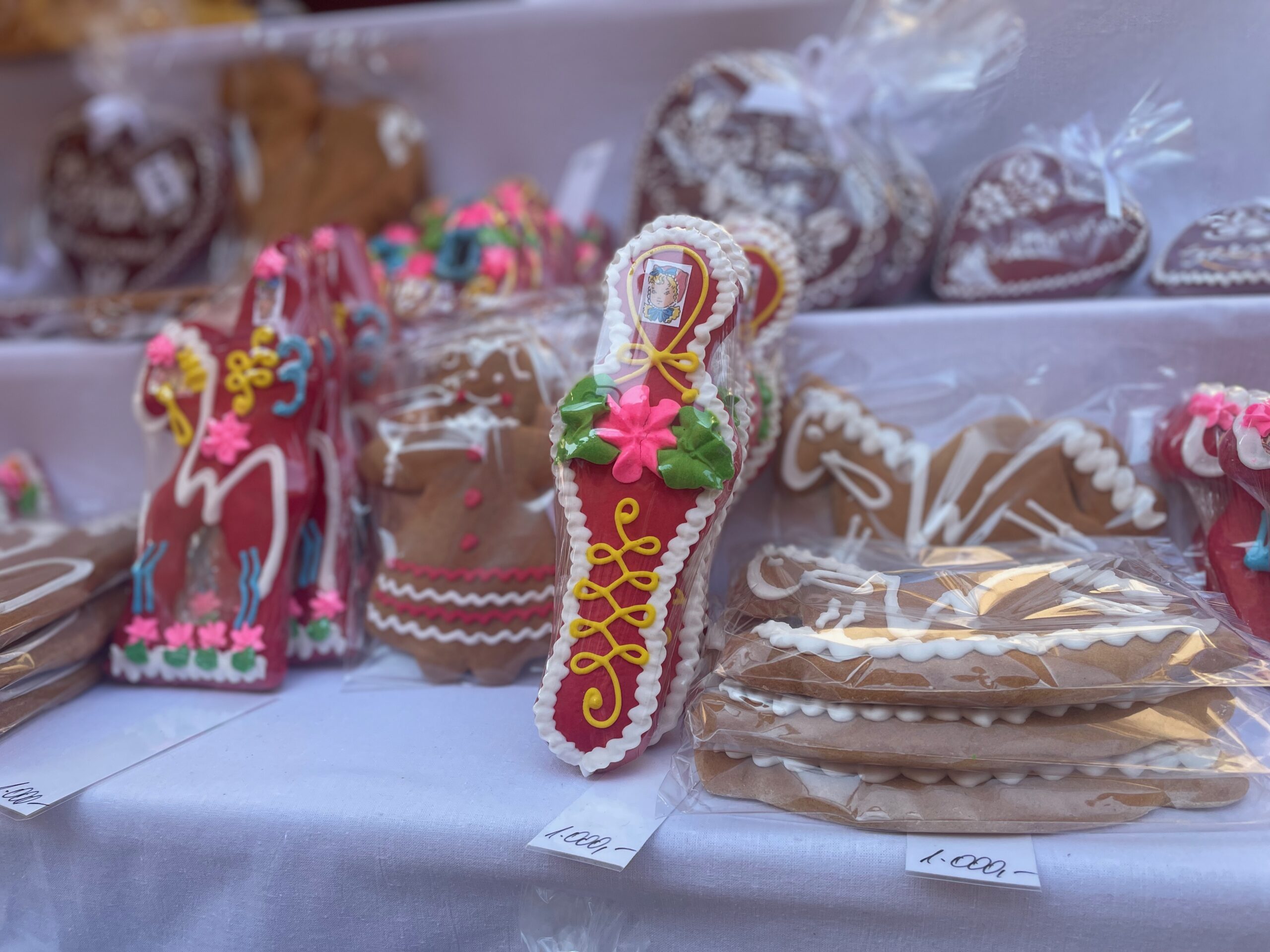
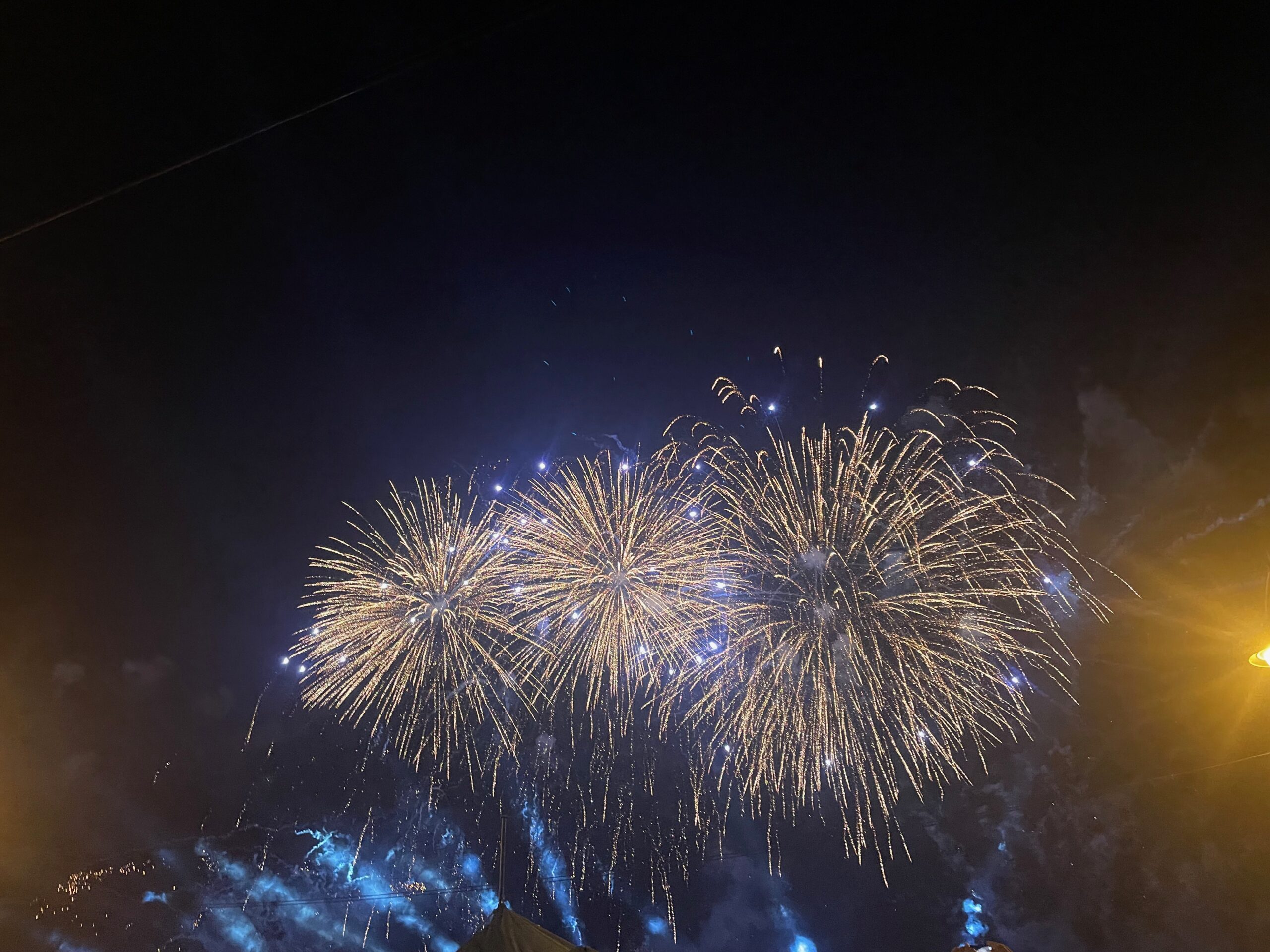
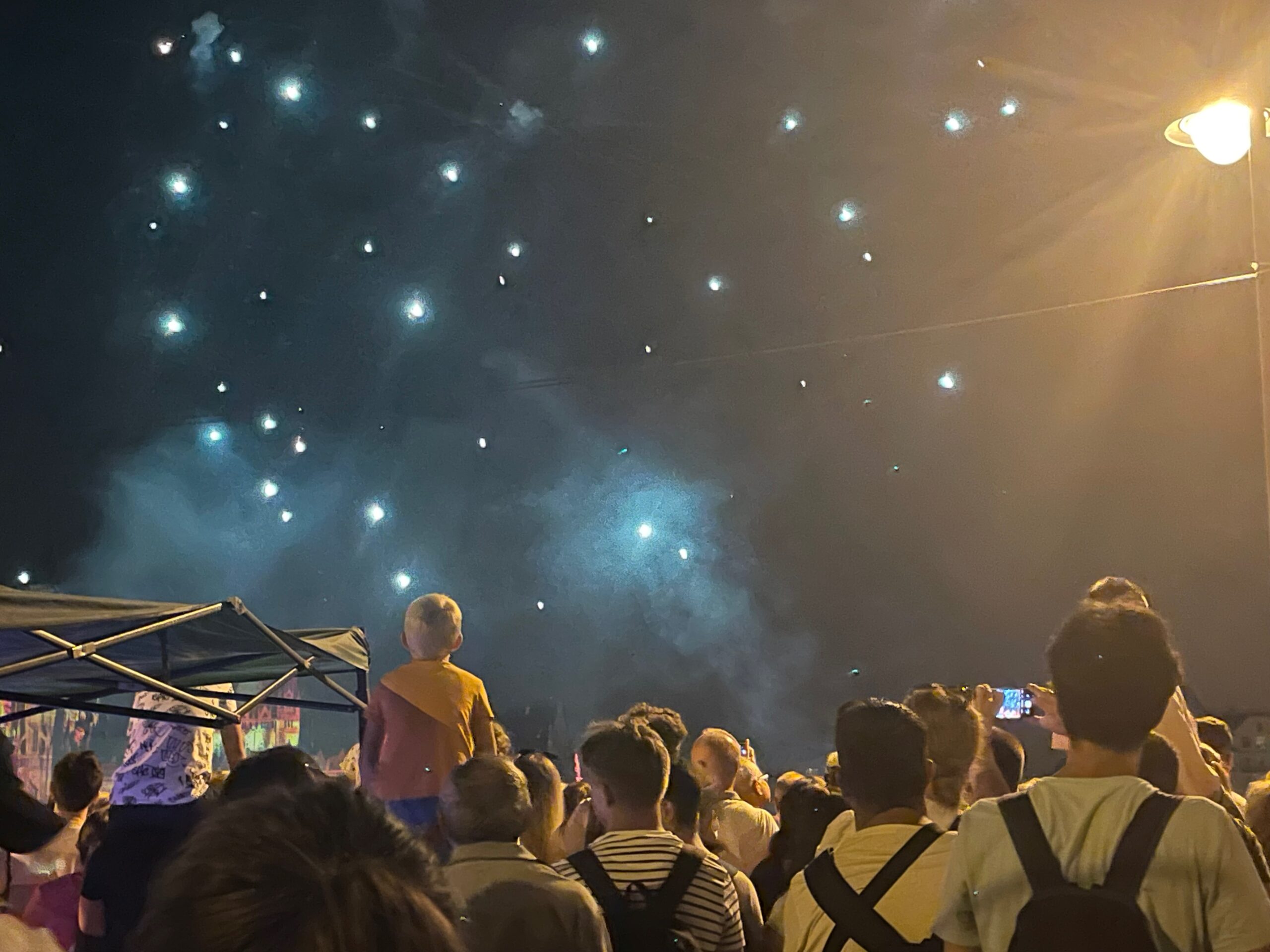
The 20th of August is the only Hungarian national holiday in the summer, celebrations usually go on for days and the city is filled with visitors from all around Hungary and from abroad. The most special attraction every year is the fireworks on the night of the 20th, that can be seen from the banks of the river and the hills around it.
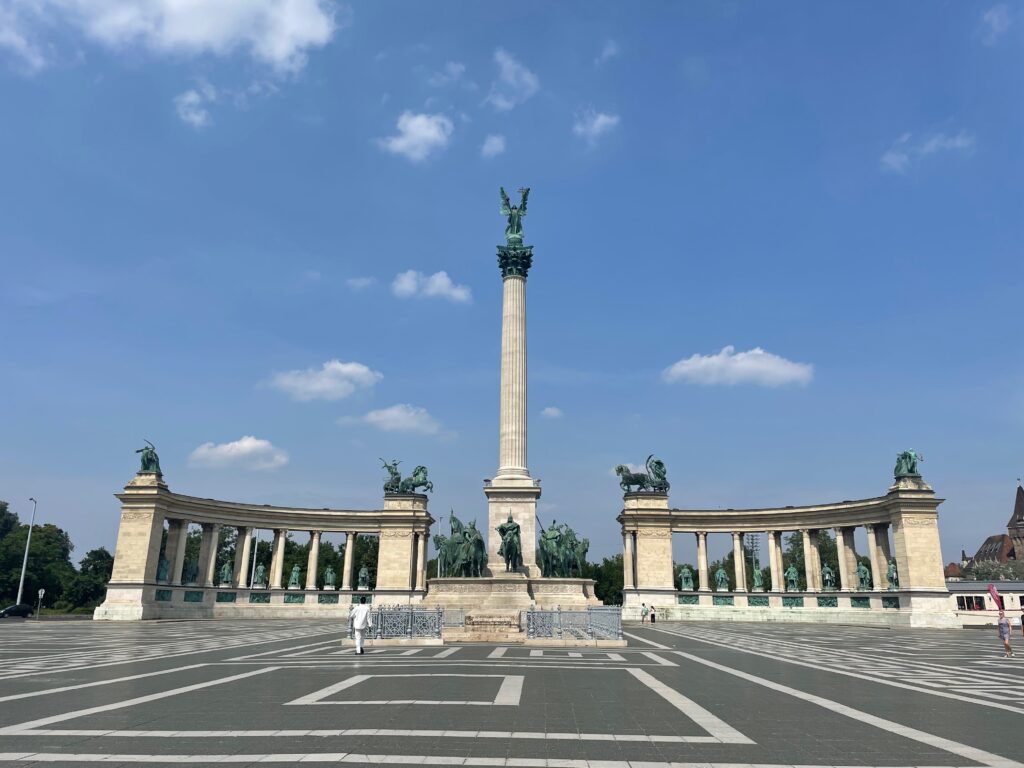
Heroes’ Square truly is the alpha and omega of Budapest sightseeing. Almost every walking or driving tour passes through here — and for good reason. Monumental, symbolic, and visually striking, this grand square tells the story of Hungary in stone and bronze.
At the heart of Heroes’ Square stands the Millennium Monument, crowned by the Archangel Gabriel and surrounded by statues of Hungary’s most important historical leaders. From the arrival of the Magyar tribes in the 9th century to the great kings and national heroes, the entire sweep of Hungarian history unfolds here in a single, powerful composition.
But Heroes’ Square is not only about the past — it’s also a gateway.
The square marks the ceremonial end of Andrássy Avenue, one of Budapest’s most elegant streets, and the entrance to City Park, one of the city’s largest and most loved green spaces. Just a few steps beyond the monuments, Budapest opens up into a world of leisure and culture.
From here, you can easily reach:
-
Vajdahunyad Castle, with its fairytale mix of architectural styles
-
Széchenyi Thermal Bath, one of Europe’s largest spa complexes
-
Budapest Zoo, one of the oldest zoos in the world
-
the City Park lake, ice skating rink, museums, circus, and excellent playgrounds for children
Heroes’ Square is rarely quiet. It’s usually alive with visitors, locals, tour groups, and photographers — which makes moments of stillness here especially precious. Seeing the square empty and peaceful, as it was this morning, is a reminder of its timeless, almost theatrical beauty.
As a local guide, I always say this: if you want to understand Budapest, start at Heroes’ Square. It sets the tone for the city — proud, complex, layered, and deeply connected to its history — while inviting you forward into one of its most enjoyable districts.
Heroes’ Square is included in most of my customised walking and driving tours, often paired with Andrássy Avenue and City Park. It’s a perfect starting point for discovering how history, everyday life, and grand architecture come together in Budapest.
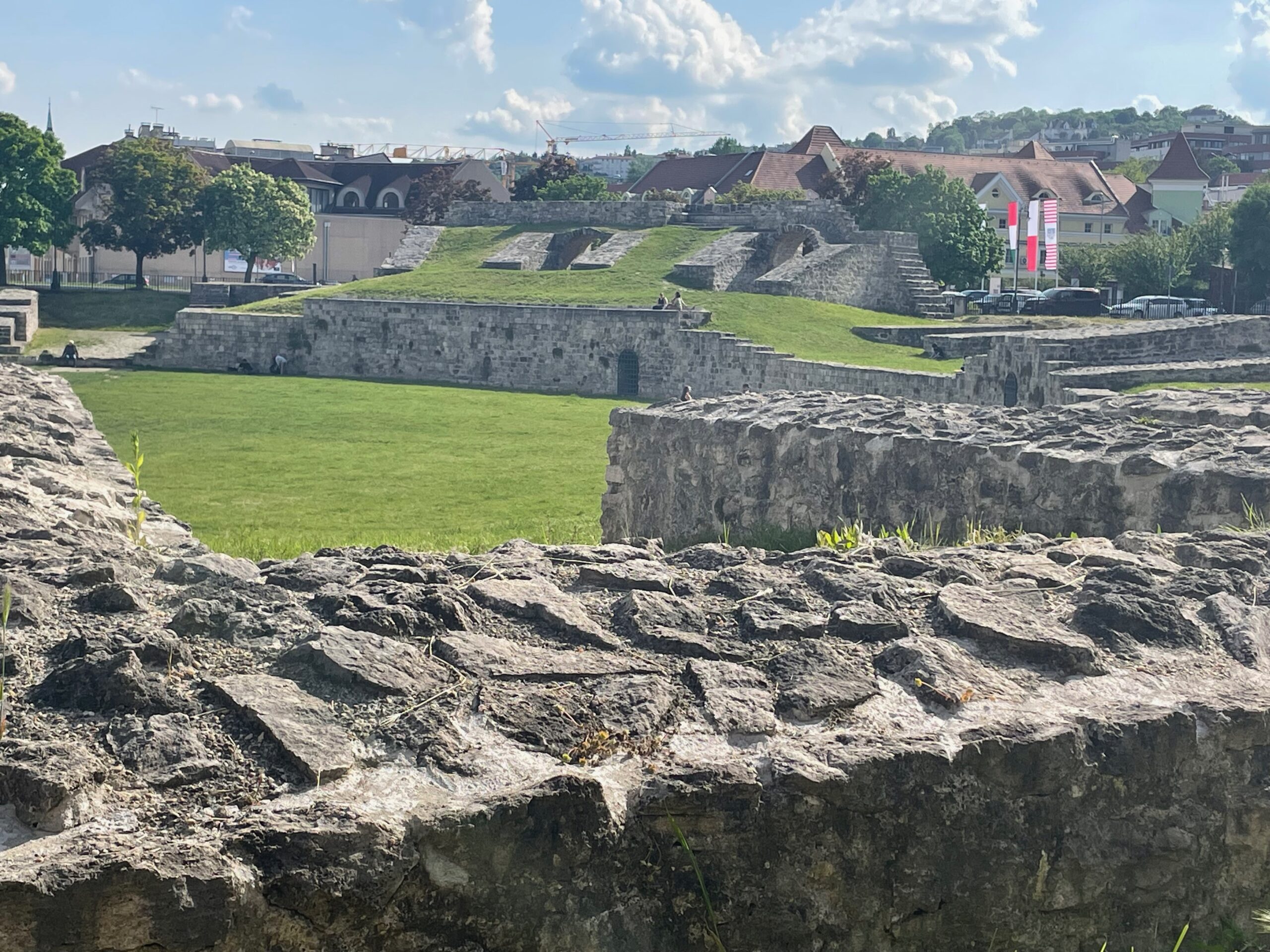
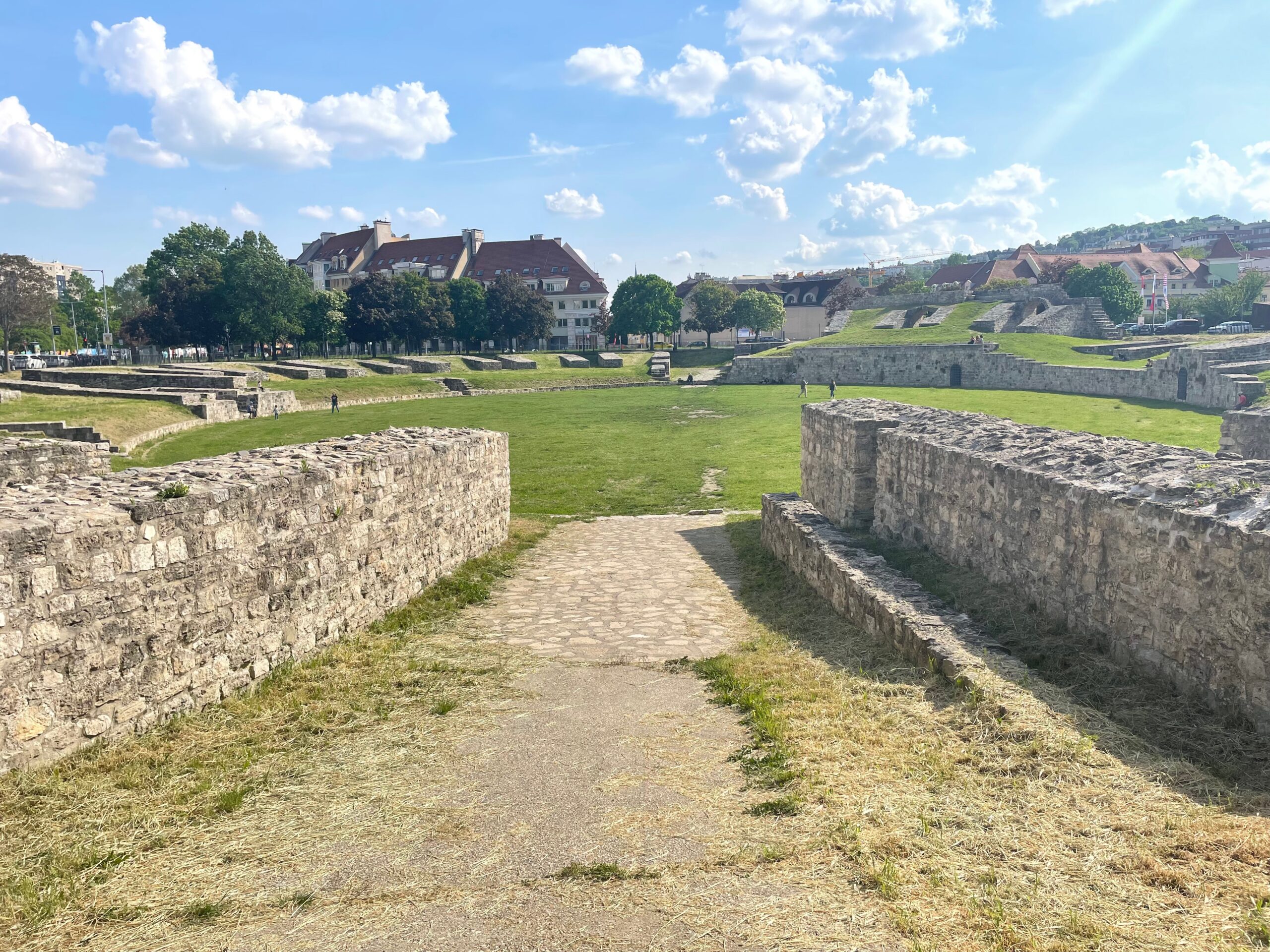
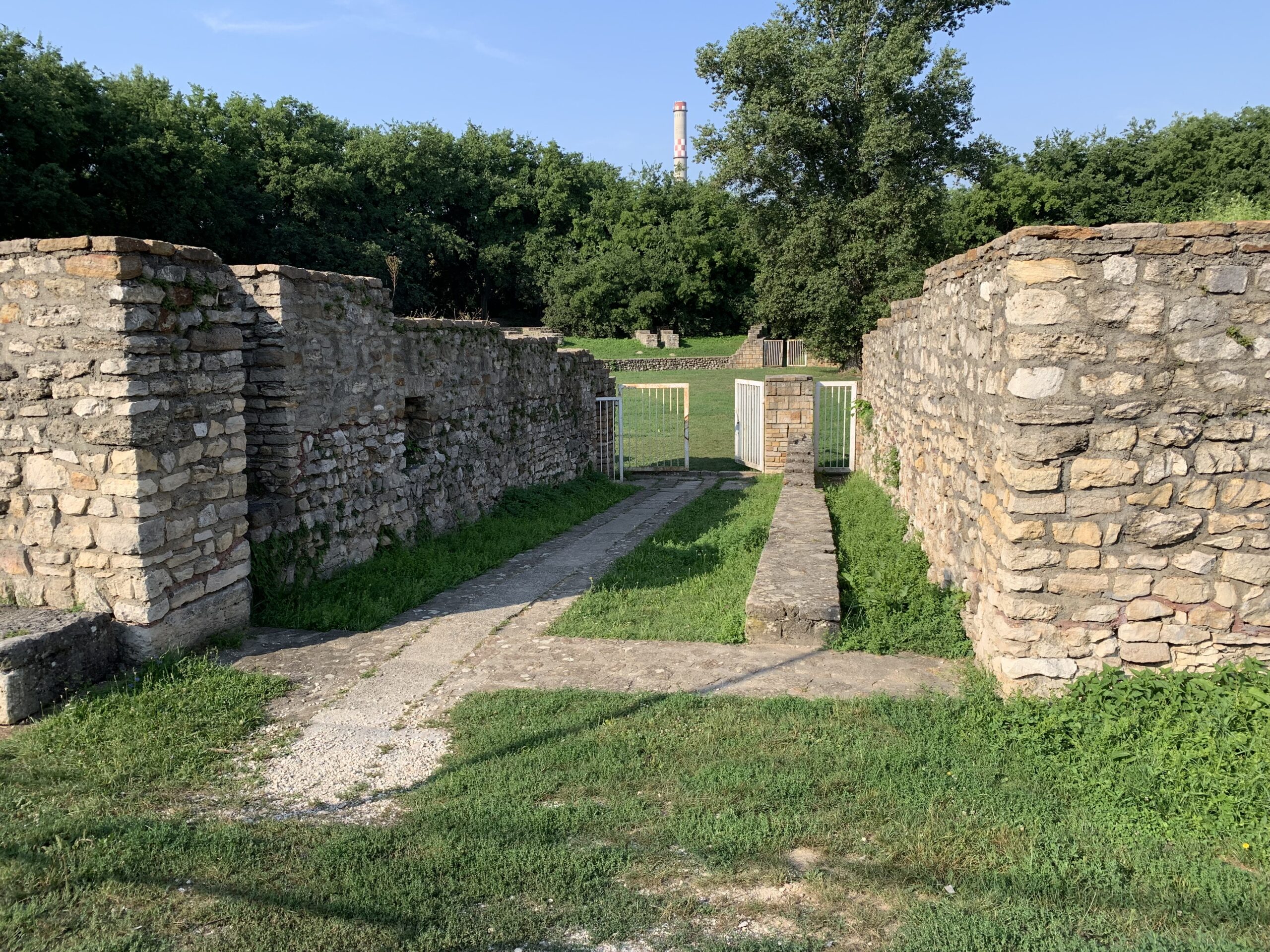
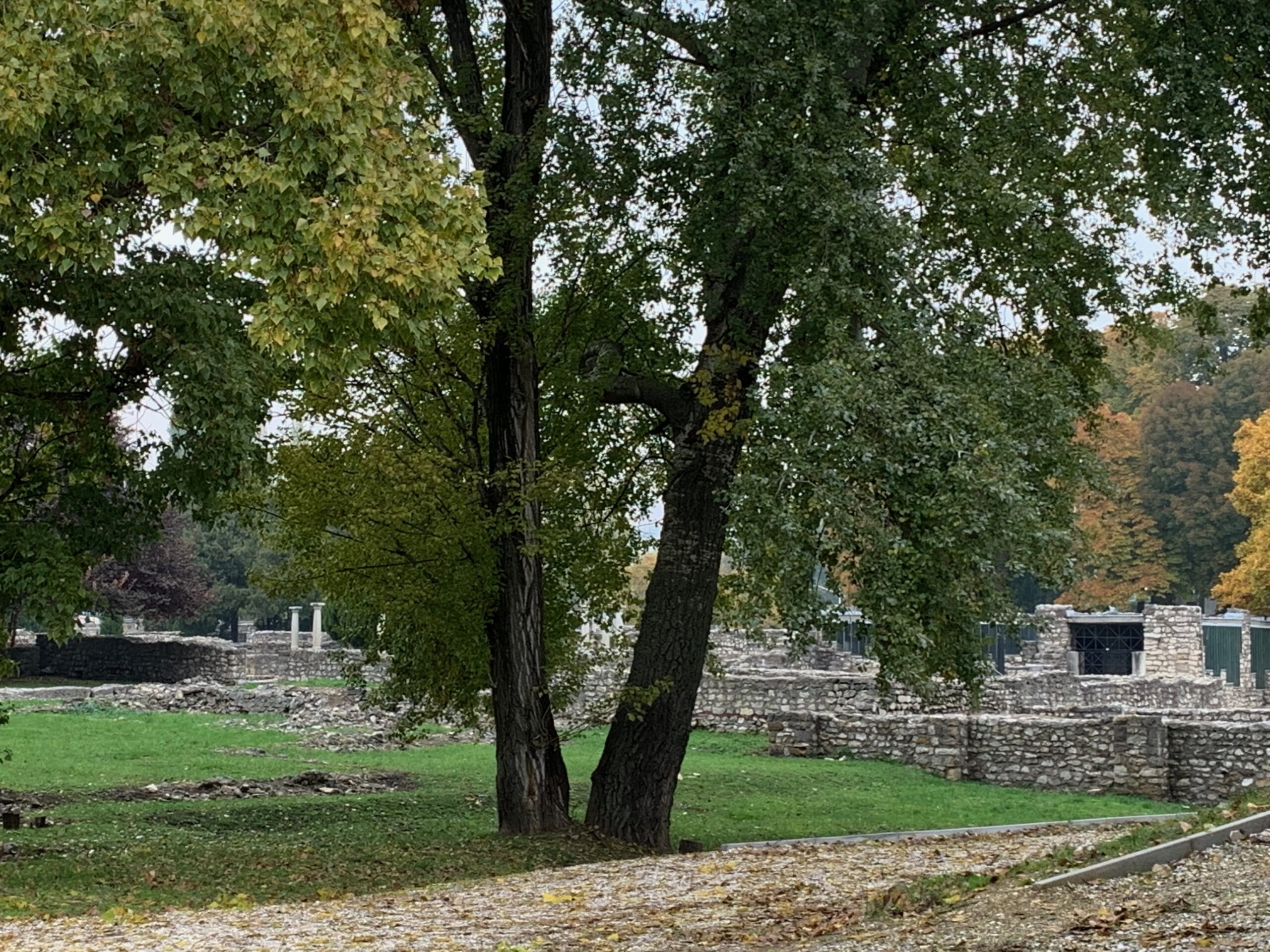
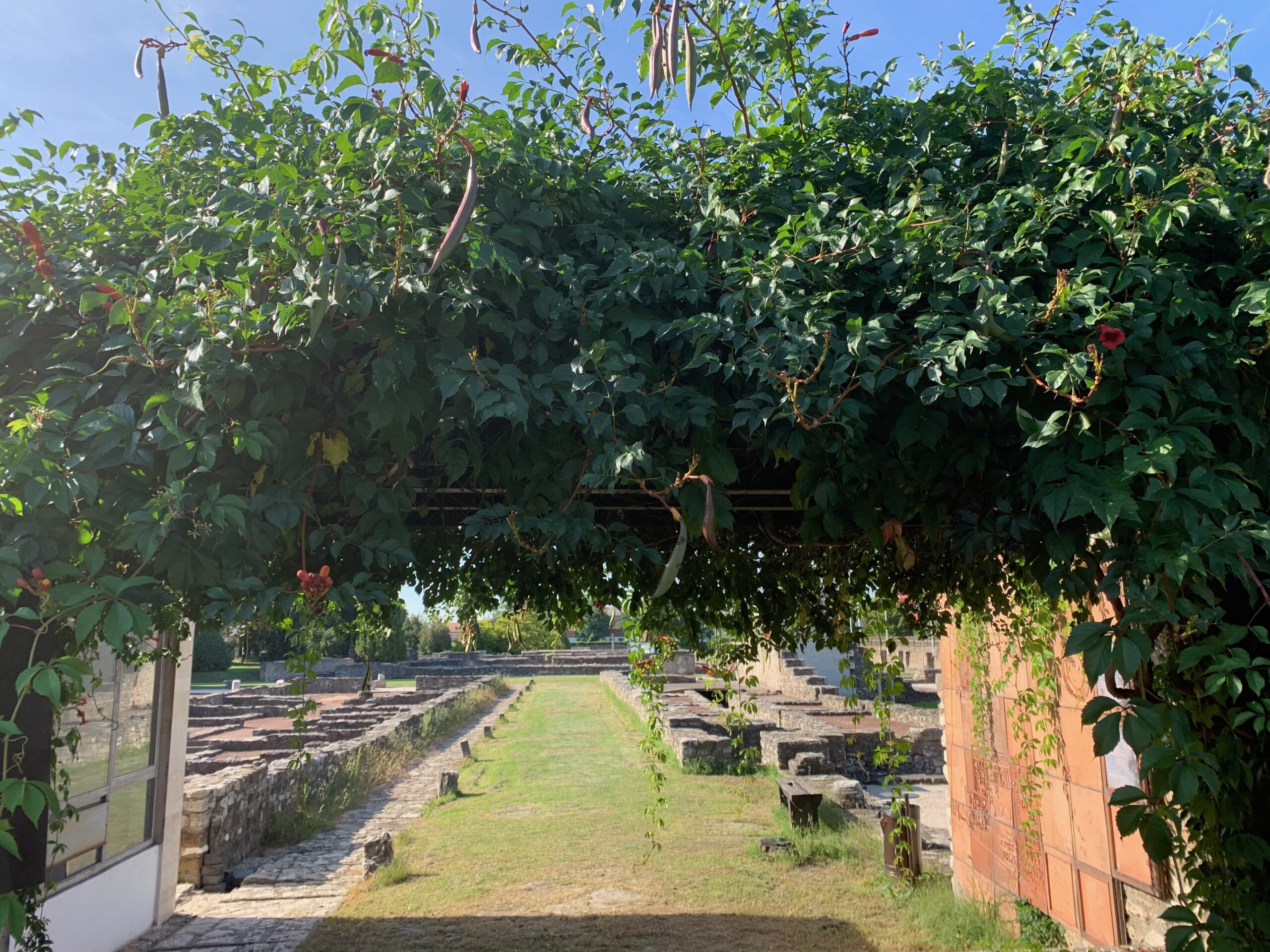
The ancient Roman Empire was the largest empire of the world, at its peak the greatest territorial extent of the empire was almost 2 million square miles with a population from 50 to 90 million people. From the 1st century Romans created settlements along the Danube river to protect the empire from the east. There were several settlements created in the actual territories of Hungary, some ruins can be seen in the Northern part of Buda even today.
You can visit the ruins of an amphitheatre or Aquincum, the centre of the settlement with the remains of the governor’s palace and many residential buildings.
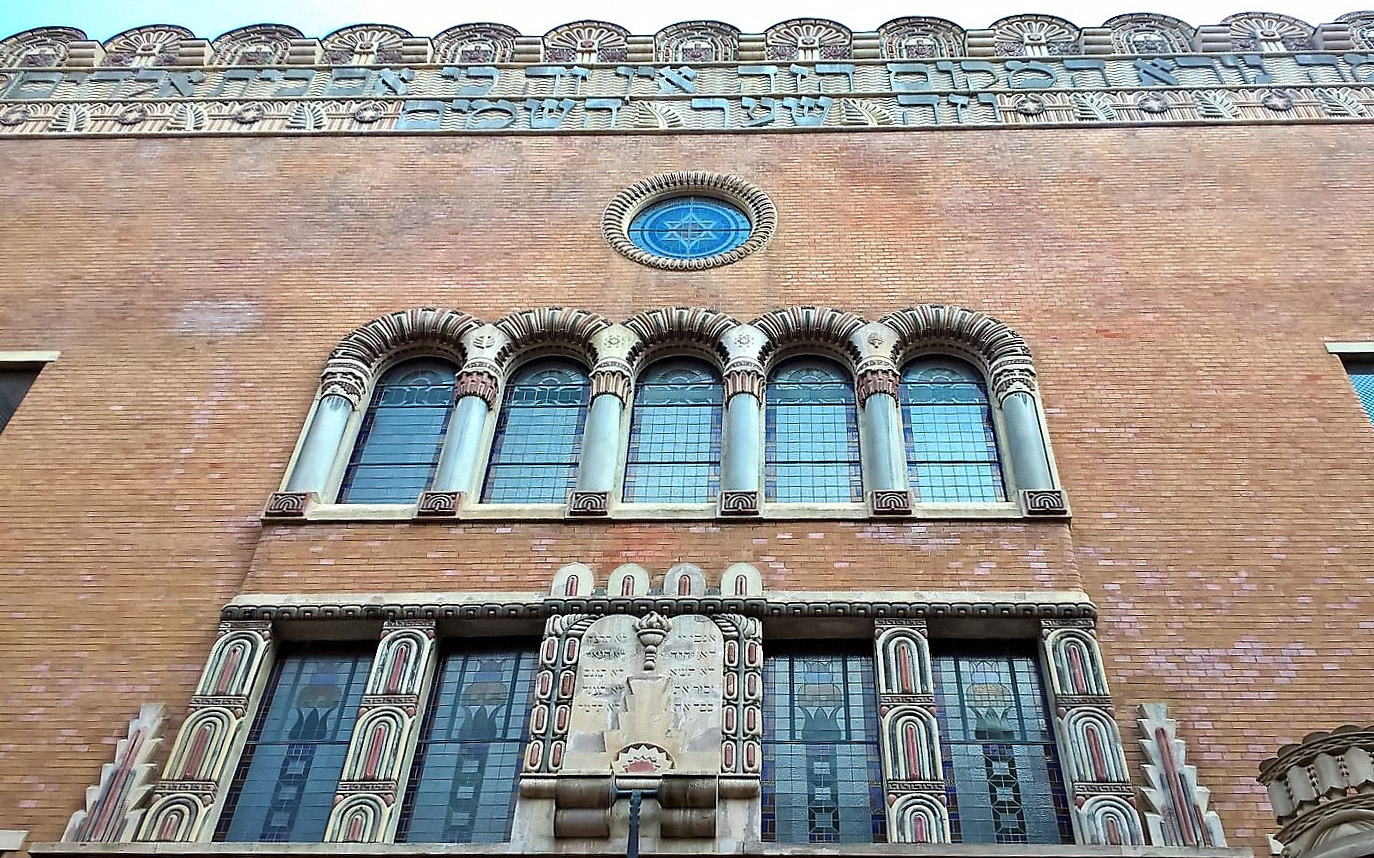
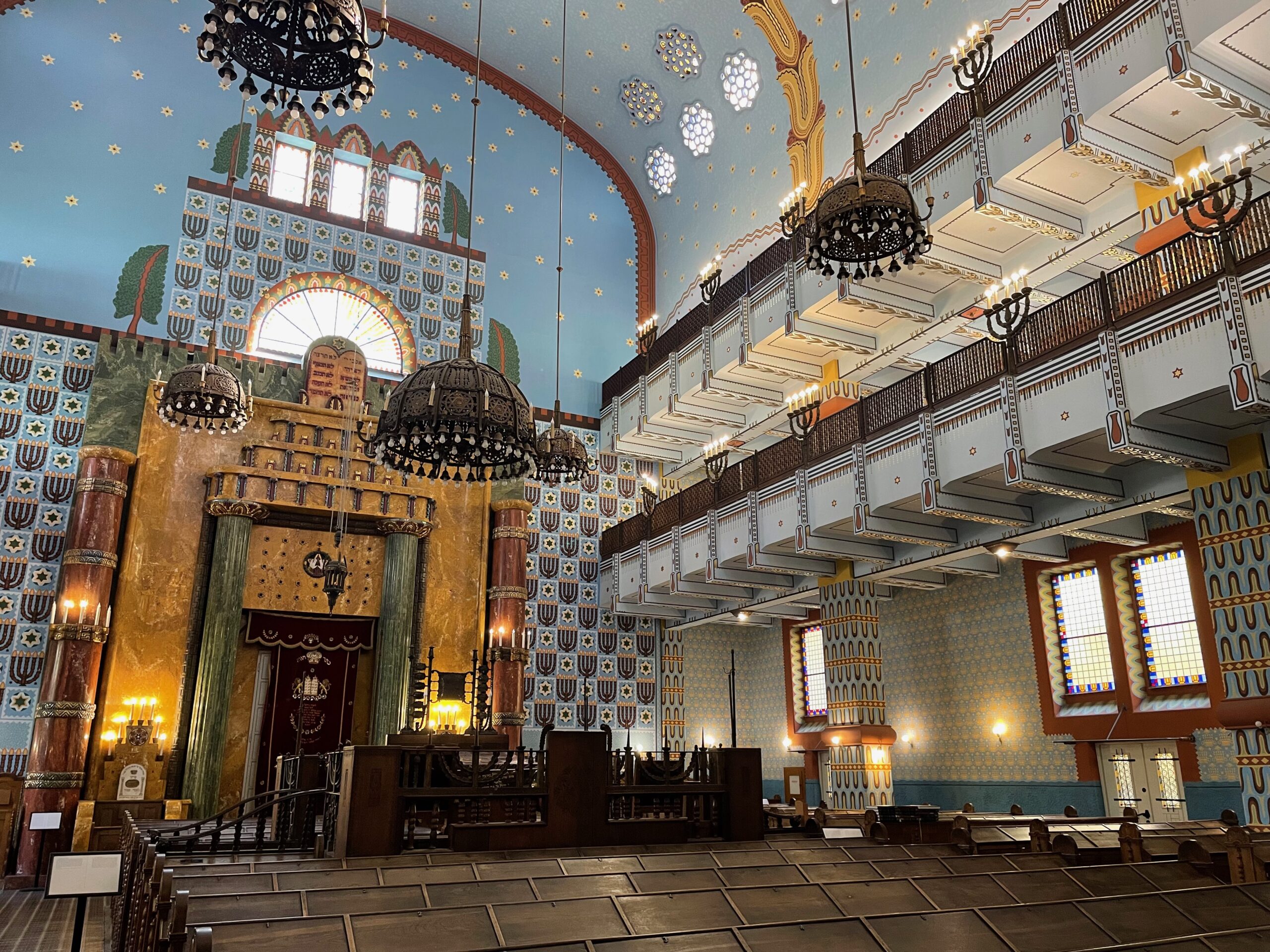
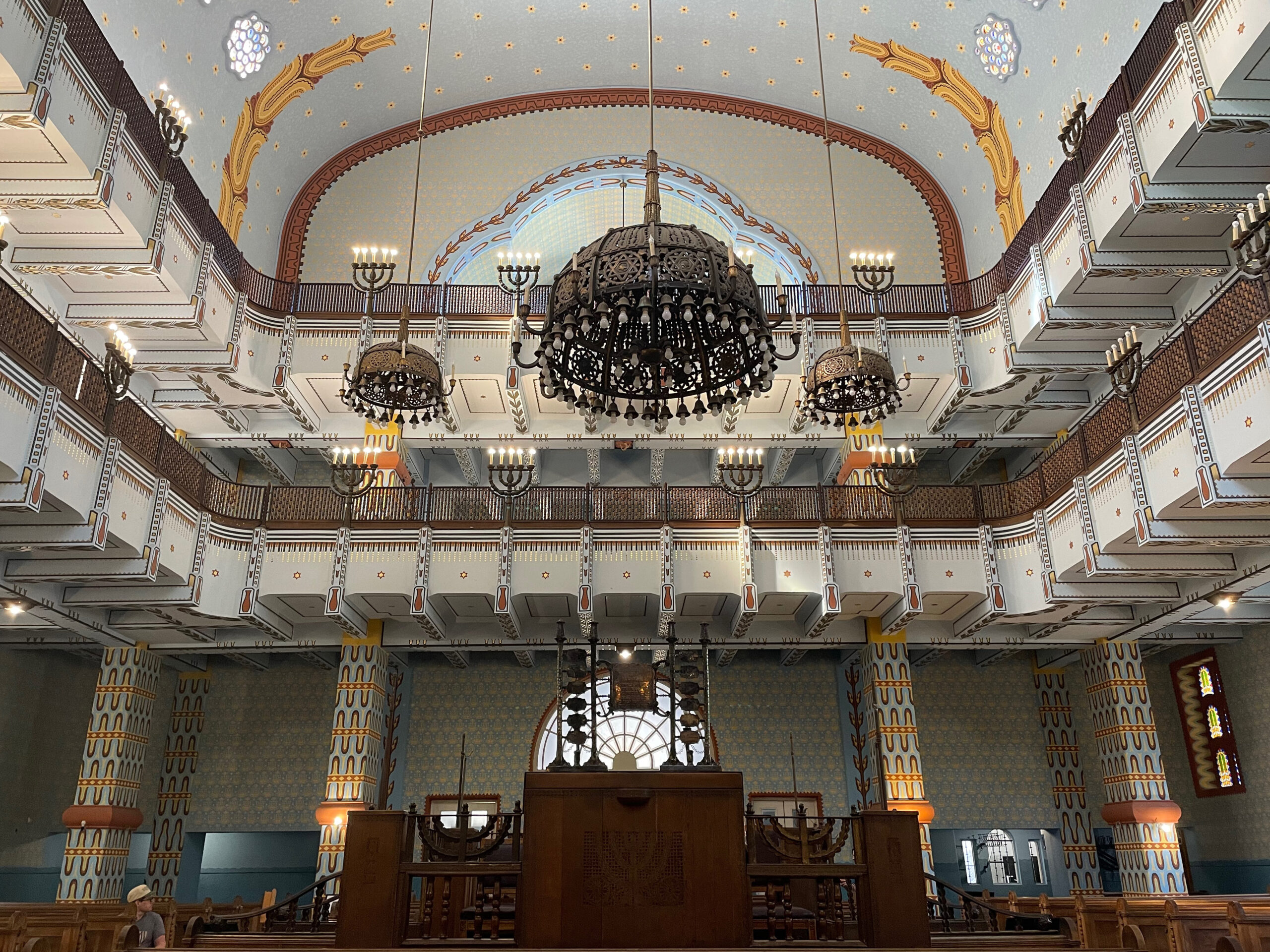
The Orthodox synagogue in Kazinczy street was bulit in Art Nouveau architecture in the early 1900’s. The Art Nouveau characteristics are truly magnificent: the rose window on top of the facade, the various building materials including raw brick and colourful stone pieces, the floral ornaments, the stained-glass windows. The building is a masterpiece of the architects, Sándor and Béla Löffler.
The synagogue was badly damaged during WW2 and the building was restored after the war. It’s part of a complex where there are apartments, two kosher restaurants, a little design shop, a kosher grocery store and offices of the Orthodox community. The visit of the synagogue can be included in the Budapest Jewish district tour.