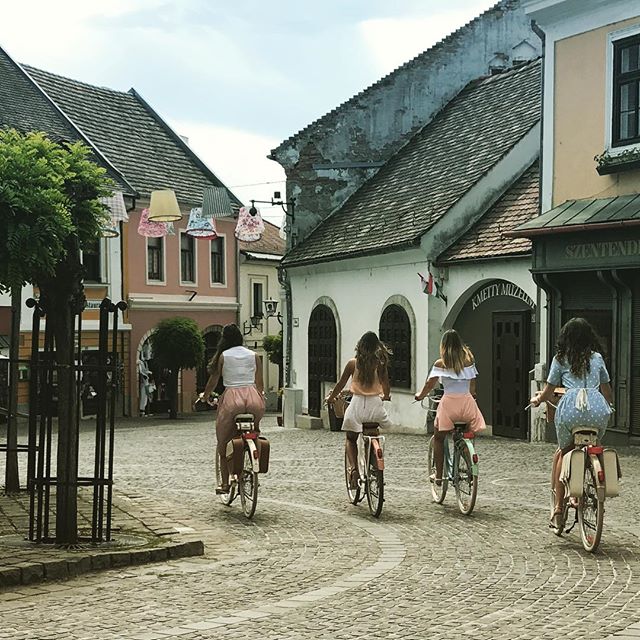
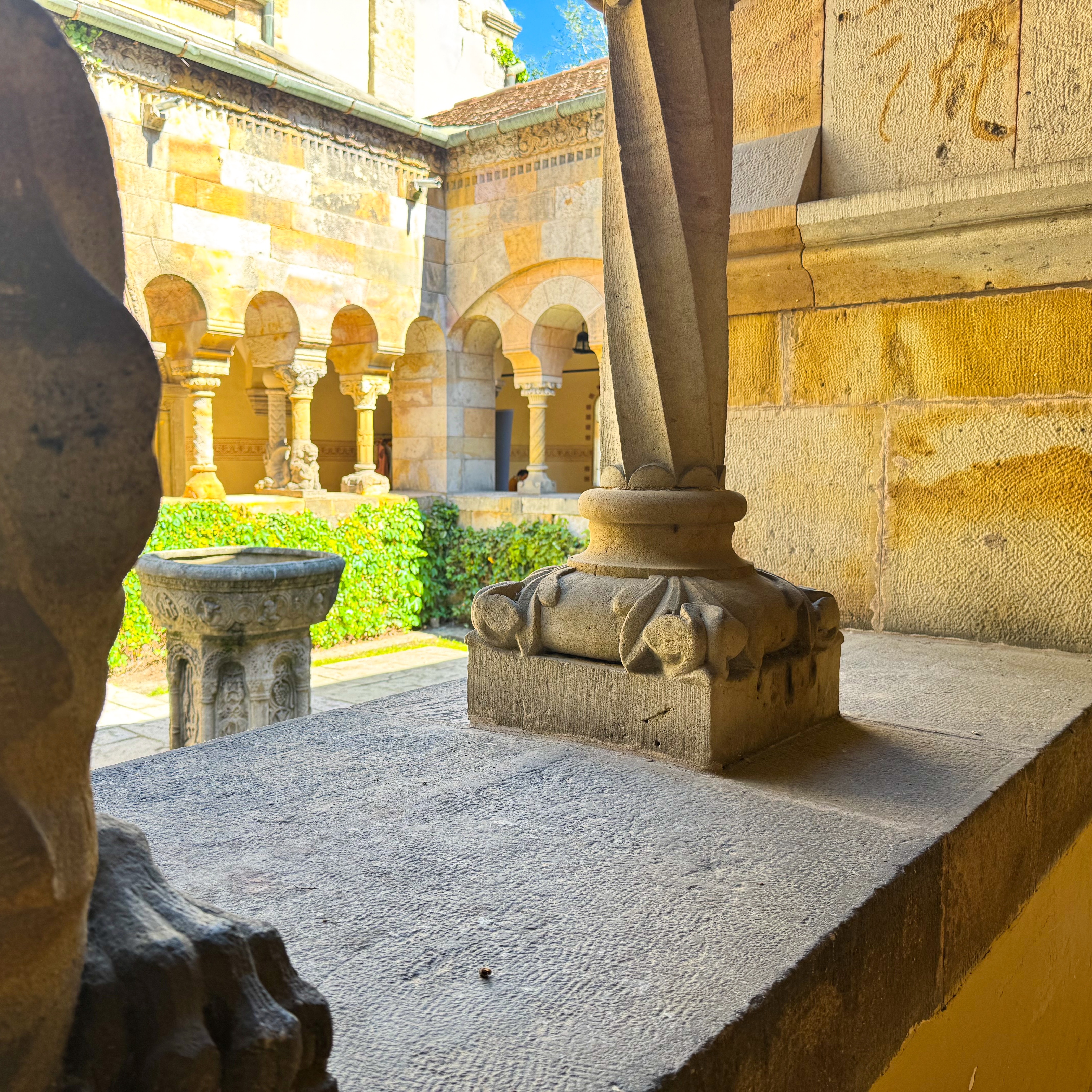
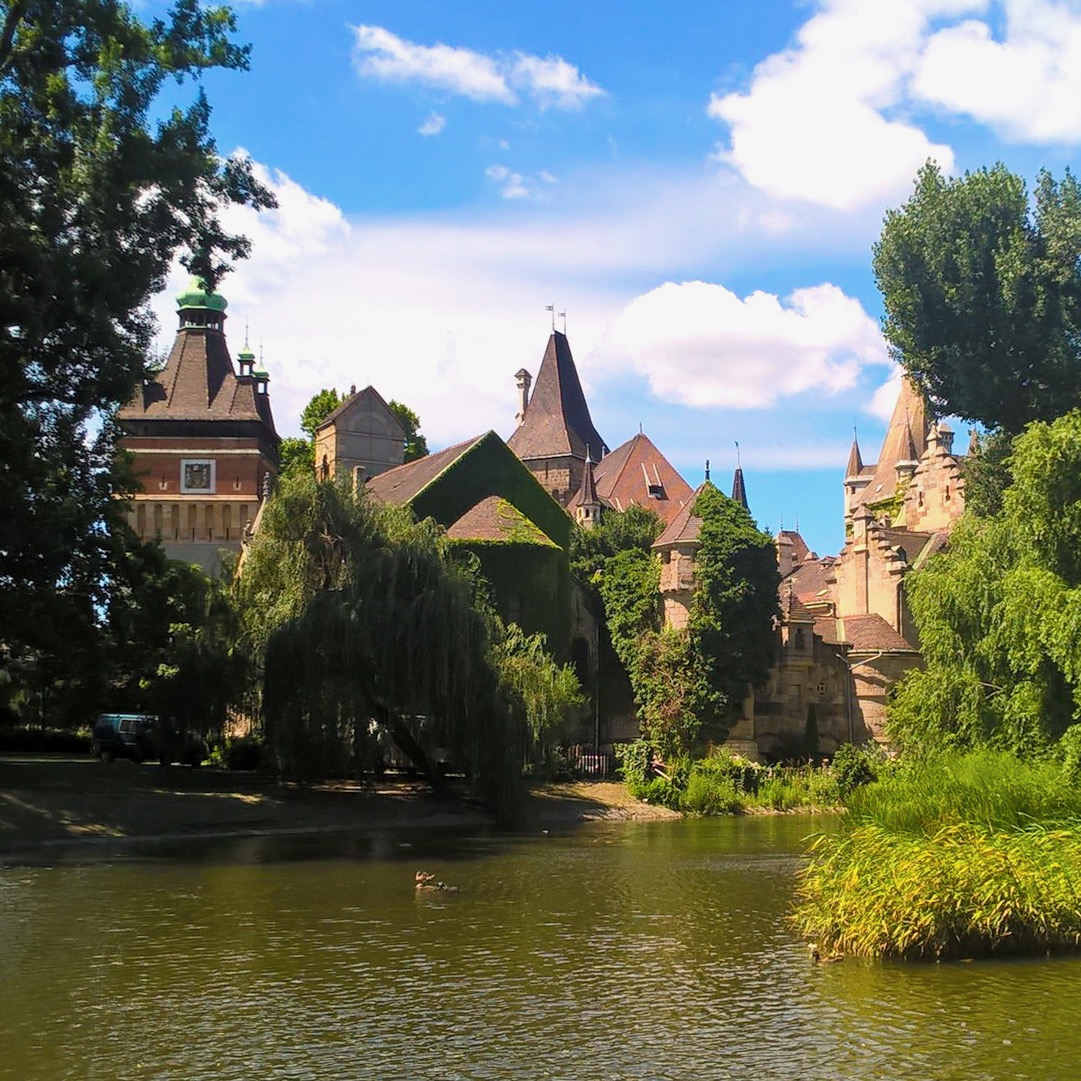
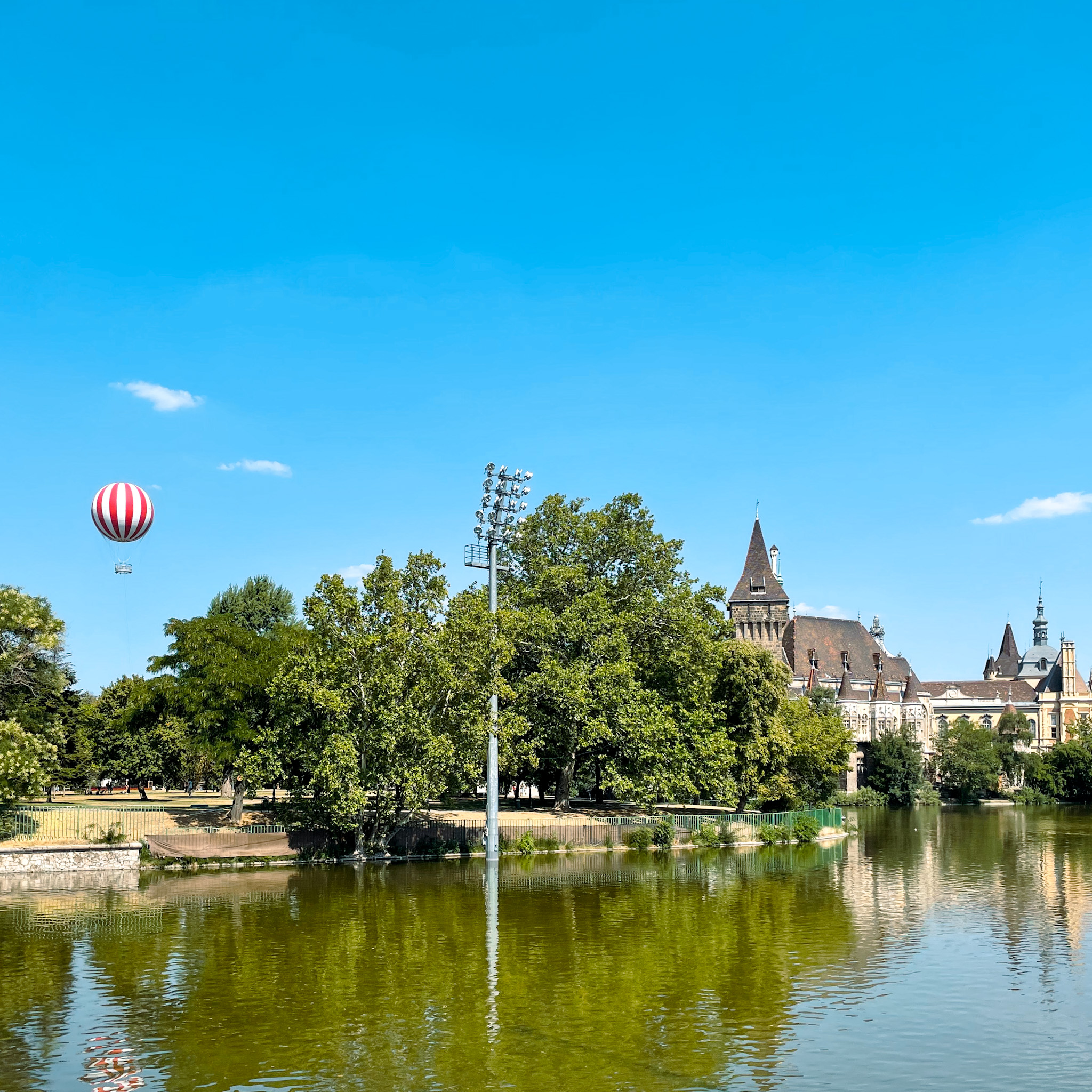
Located near the Austrian border, Sopron has quickly become one of my guests’ most loved day-trip destinations in western Hungary — and it’s easy to see why. Rich in medieval heritage and elegant Baroque architecture, Sopron is a beautifully preserved town that feels both intimate and historically layered.

After guiding several tours in northern Hungary, Sopron naturally became part of my Győr and Sopron private tour, combining two of the region’s most charming historic towns in one memorable itinerary.

Why Sopron Is Called “The Most Loyal Town”

Sopron is often referred to as Hungary’s “most loyal” town, a title earned after World War I. When two-thirds of Hungary’s territory were detached from the country, Sopron’s citizens were offered Austrian citizenship in a referendum.

In 1921, the people of Sopron voted to remain Hungarian — a decision that is still commemorated every year and remains a strong part of the town’s identity and local pride.

Medieval Churches and the Iconic Fire Tower

A guided walk through Sopron reveals architectural treasures from multiple eras. Highlights include:

  • 13th-century churches featuring Romanesque and Gothic elements

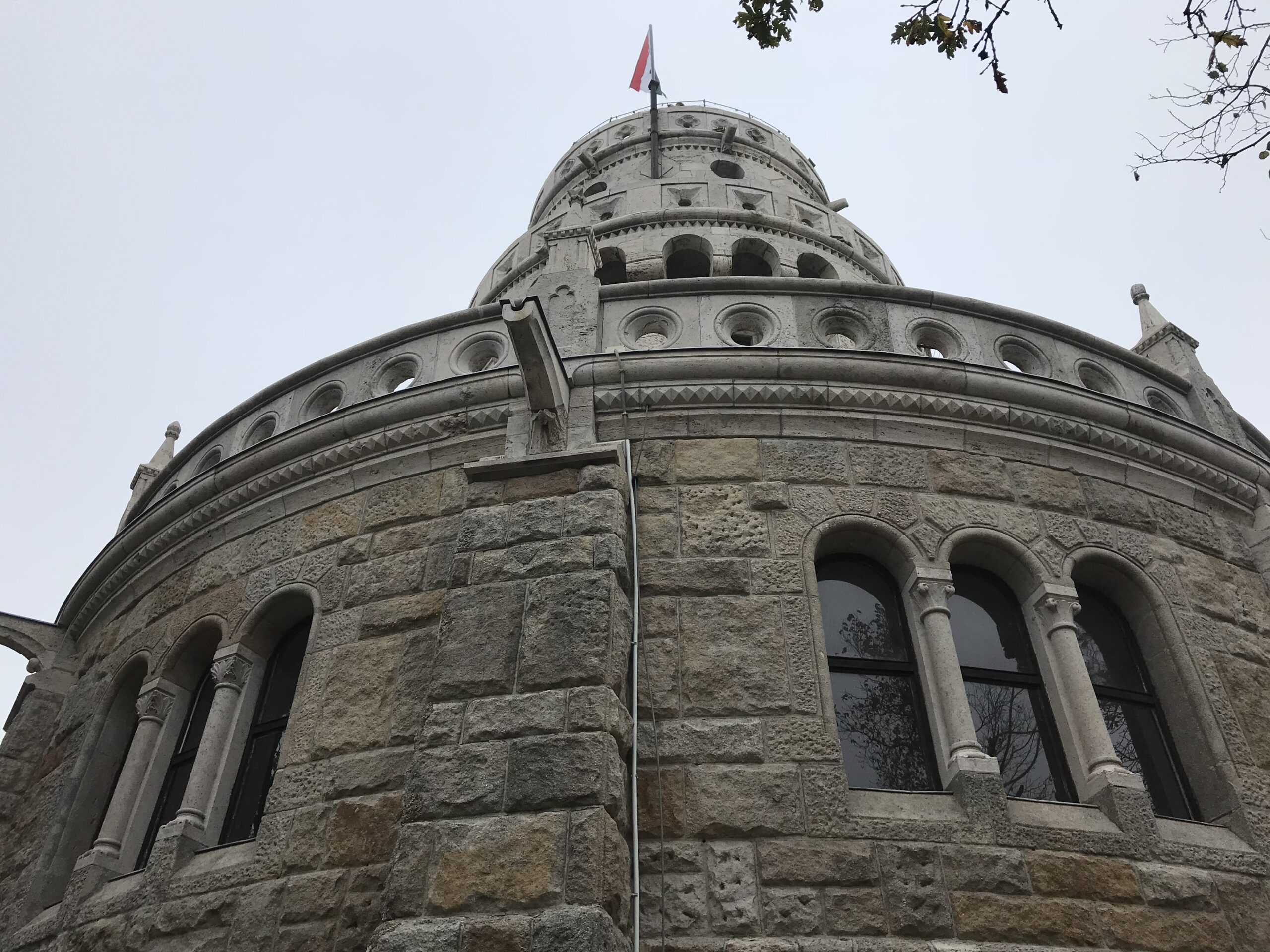
  • the iconic Fire Tower, the symbol of the town since the 17th century

  • elegant 18th-century Baroque townhouses lining narrow streets and hidden courtyards

From the top of the Fire Tower, visitors are rewarded with panoramic views over Sopron’s rooftops and the surrounding countryside.

Kings, Composers, and Roman Roots

Sopron’s streets have hosted remarkable historical figures. During the tour, you’ll see:

  • where Matthias Corvinus stayed while besieging Vienna in 1482

  • buildings associated with concerts given by Franz Liszt in the 19th century

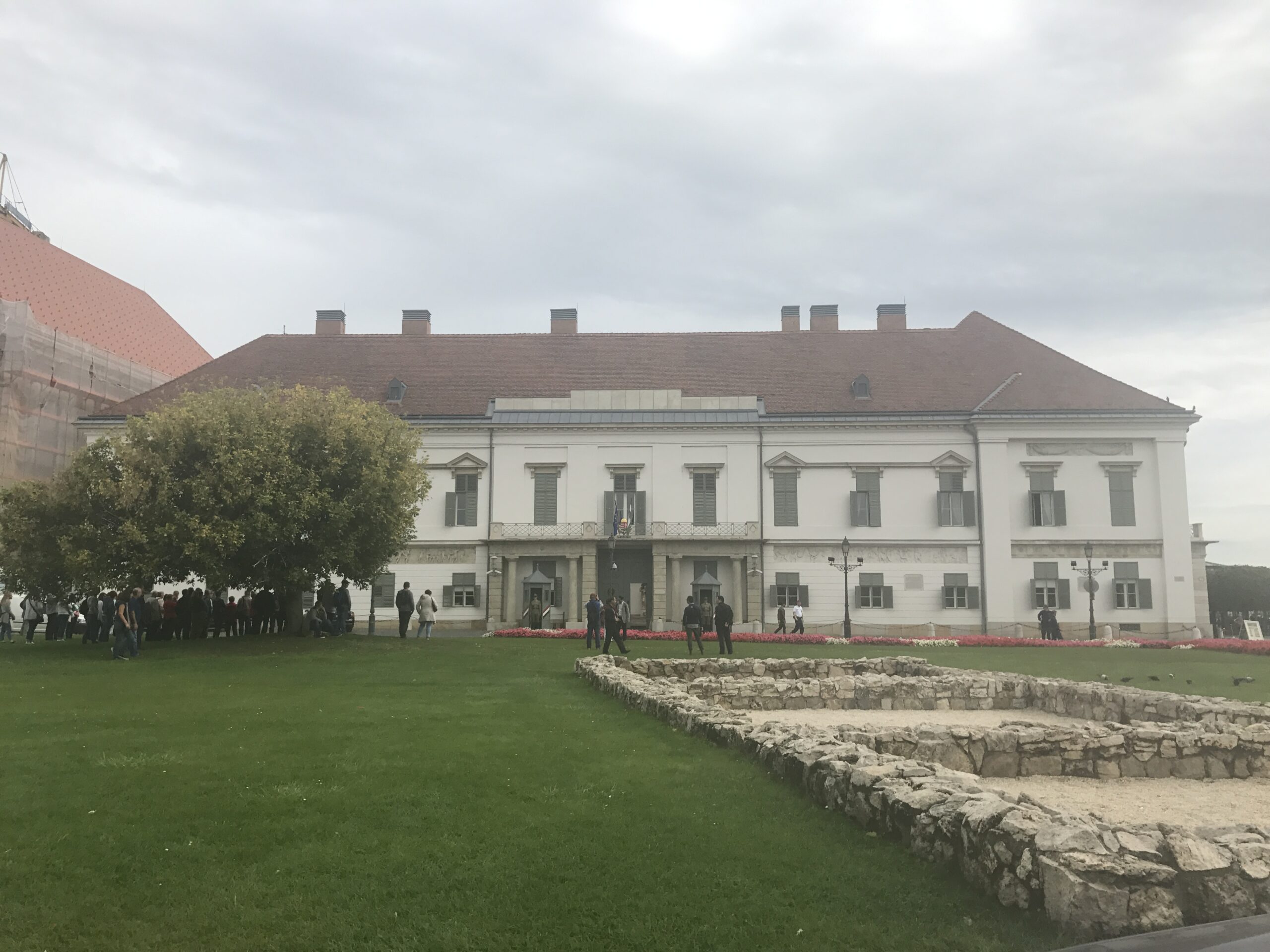
Beneath the medieval and Baroque layers lie even older foundations. Sopron was built on the remains of a Roman settlement, and visitors can still see the ruins of the ancient Roman town hall and market, offering a fascinating glimpse into the city’s earliest past.

Visiting Sopron on a Private Tour

Sopron is an ideal destination for travelers interested in:

  • medieval and Baroque architecture

  • Hungarian history beyond Budapest

  • quiet, walkable historic towns

  • meaningful countryside experiences

It pairs perfectly with a visit to Győr, making the Győr and Sopron tour a well-balanced journey through western Hungary’s cultural highlights.


Budapest Memento Park is one of the most unusual and thought-provoking attractions in Budapest. Often described as an exhibition “in the shadow of Stalin’s boots,” this open-air museum offers a powerful insight into Hungary’s Communist past and the ideology that shaped public life for decades.

A visit here is not just about statues — it’s about understanding history, memory, and how societies deal with difficult legacies.

Why Memento Park Exists

After the political changes of 1989, Communist monuments were removed from Budapest’s streets. For many Hungarians, these statues were painful reminders of dictatorship, oppression, and the cult of personality surrounding Communist leaders.

While some locals supported destroying them altogether, a different solution was chosen. Selected monuments were relocated to a dedicated statue park in the 22nd district of Budapest, where they could be recontextualized rather than erased.

The conceptual designer of the park famously stated that the park is not about the statues or the sculptors, but rather a critique of the ideology that used monumental art as a symbol of absolute power.

Monumental Art and Communist Ideology

Walking through Memento Park, visitors encounter statues that once dominated public squares — heroic figures meant to be admired and obeyed by the proletariat. The exaggerated scale and dramatic poses reflect the monumentality of Communist-era art, whose purpose was to create new political idols.

One of the most striking symbols is the pair of Stalin’s boots, all that remains of a gigantic statue torn down during the Hungarian Revolution of 1956. The boots have since become one of the park’s most iconic and haunting images.

A Personal Perspective

I remember many of these statues standing on Budapest’s streets. They even had nicknames, and people created ironic or humorous stories about them — subtle acts of resistance in a tightly controlled society.

During my Communist and thematic tours, I love sharing these personal memories alongside historical context. I explain:

  • why certain monuments were removed

  • how propaganda worked through public art

  • what everyday life was like under Communism

  • and why Memento Park remains relevant today

Although the Communist era officially ended over three decades ago, its legacy is still close enough to feel personal — and far enough away to be examined critically.

Visiting Memento Park Today

A visit to Memento Park is especially rewarding for travelers interested in:

  • 20th-century European history

  • life behind the Iron Curtain

  • political symbolism and propaganda

  • alternative, off-the-beaten-path sights in Budapest

It’s a powerful addition to a Budapest Communist tour and a place that often sparks meaningful conversations long after the visit ends.

Often considered the most beautiful wine region in Hungary, the Villány Wine Region is famous for its high-quality red and rosé wines, scenic vineyard-covered hills, and outstanding wineries. Located in southern Hungary, Villány is the country’s leading destination for wine tourism and a perfect addition to a Pécs and Villány day tour.

Hungary’s Premier Red Wine Destination

At the heart of the region lies the Villány Wine Trail (Villányi Borút), the first official wine route in Hungary, created to showcase local producers, cellars, and traditions.

If you’d like to explore this region in depth, the Pécs and Villány Tour by Car offers an ideal combination of culture, history, and wine.

Climate and Geography: Ideal Conditions for Wine

The Villány wine region covers approximately 1,800 hectares and enjoys a sub-Mediterranean climate, unusual in Hungary. Summers are hot, winters are mild, and the area benefits from abundant sunshine throughout the year.

The southernmost mountain range of Hungary shelters the vineyards from cool northern winds, creating optimal conditions for ripening grapes — especially red varieties.

A Wine Region with Ancient Roots

Archaeological excavations show that the Romans cultivated grapes here over 2,000 years ago. Hungarian winemaking in the area likely began as early as the 11th century, around the 1060s.

Villány experienced its first golden age in the early 19th century, following the arrival of German settlers. They introduced advanced agricultural techniques and new grape varieties, including Kékoportó, which remains one of the region’s signature grapes today.

From Nationalization to Modern Excellence

During the second half of the 20th century, Villány’s vineyards were nationalized. Large-scale, quantity-focused production left a visible legacy: wide vine rows and low-density plantations designed for heavy machinery.

Today, these contrast clearly with privately owned vineyards, where quality-driven, small-scale production dominates. The revival of craftsmanship and terroir-focused winemaking has played a key role in Villány’s international success.

Villány Grape Varieties and Wines

The Villány wine region is best known for its structured reds, but also produces elegant whites. Key grape varieties include:

  • Kékoportó

  • Kékfrankos

  • Cabernet Sauvignon

  • Hárslevelű

  • Italian Riesling

  • Leányka

Award-Winning Winemakers

Villány winemakers are among the most successful in Hungary, frequently earning top honors at national and international wine competitions. Local producers and cellars have received the titles “Wine Producer of the Year” and “Wine Cellar of the Year” on multiple occasions — clear proof of the region’s prestige.

Visiting Villány on a Private Tour

Villány pairs beautifully with a visit to Pécs, one of Hungary’s most atmospheric historic cities. Together, they create a perfect wine, culture, and gastronomy experience in southern Hungary.

The Pécs and Villány wine tour is ideal for travelers interested in:

  • Hungarian wines and winemaking traditions

  • Scenic countryside and vineyard landscapes

  • Boutique wineries and cellar visits


The most known Hungarian dish is probably the Goulash soup, it’s served with fresh white bread and is a real treat. Find below the recipe, and let me know if you need recommendations about where you can get the best Goulash in Budapest or in Hungary.

In a large soup pot over medium heat saute 2, finely chopped onions in 2 tablespoons lard (or vegetable oil), stirring frequently until lightly browned, don’t let them brown. Add salt and 2 tablespoons of paprika (you can avoid getting the paprika burnt by adding the paprika while the pot is not over heat, stirring it for a few seconds).

Turn the heat high and add beef cubes (2,2 pounds beef chuck roast, tenderloin or sirloin, chopped into 1 inch * 1 inch cubes), stir for 3 minutes until the meat is seared on all sides. Let the meat simmer in its own juice while adding ½ teaspoon caraway seeds, some salt, ground black pepper and 1 bay leaf, pour enough water to cover the content of the pan and let it simmer on low heat, until the meat is almost tender (1,5 – 2 hours), add water if necessary to keep it 1 inch above the level of the meat.

Add 1 bunch parsley, 1 tablespoon tomato paste and vegetables (peeled and cut into ½ inch pieces): 4 carrots, 2 parsley roots, 4 medium potatoes. Add 2 or 3 cups of water (or beef broth) to keep a soup consistency. Add salt if desired. Reduce heat, cover and simmer for 30-40 minutes until the meat is tender.

Serve with freshly made spatzle/spatzel.

We’re just back from another great countryside tour, a beautiful day touring Eger and the Eger wine country. The Eger Castle witnessed the extreme courage and patriotism of its defenders who withstood the Ottomans’ 5-week-long siege in 1542.

We started by discovering Eger’s Basilica and the University, which is home to the Camera Obscura, Eger’s Eye, probably the most interesting thing in town. There are only 3 camera obscuras around the world, it’s so much fun to spy on what’s going on around the city.

We took a pleasant walk in the old town and tasted some Lángos, which was delicious. We visited the castle, the scene of the fight in 1552, I was telling stories from ‘The eclipse of the crescent moon’, a Hungarian novel about the great victory of the Hungarian defenders of the Eger Castle.

After visiting the local wine museum in the afternoon we drove to the Valley of the Beautiful Women and tasted the best red and white wines of the Eger wine country.

One of Hungary’s Most Famous Crafts

Hungary is internationally renowned for its porcelain production, and Herend porcelain is without doubt its most prestigious name. Founded nearly 200 years ago, the Herend Porcelain Factory continues to produce exquisite, hand-painted porcelain admired by collectors and royal households worldwide.

The factory is located in the small village of Herend, near Veszprém, making it a wonderful cultural stop on a countryside journey or a Lake Balaton tour.

A Porcelain Loved by Royalty

Herend porcelain has won numerous awards at international exhibitions. Its most famous moment came at the Great Exhibition of the Works of Industry of All Nations, where a beautifully decorated dinner set caught the attention of Queen Victoria.

She ordered a full porcelain service for herself, and the pattern was named “Viktória” in her honour — a design that remains one of Herend’s most iconic collections today.

Visiting the Herend Porcelain Museum

A visit to the Herend Porcelain Museum offers a fascinating behind-the-scenes look at how these delicate masterpieces are created.

One of the highlights is the Mini-Manufactory, where visitors can follow each step of the production process through a series of rooms:

  • preparation of plaster casts

  • shaping and piercing the porcelain

  • delicate flower making

  • hand-painting and gilding techniques

Seeing the artisans at work truly brings home why Herend porcelain is considered a luxury craft rather than mass production.

Coffee or Tea Served in Herend Porcelain

After the museum visit, guests are invited to enjoy a coffee or tea served in genuine Herend porcelain — a charming and memorable detail that perfectly completes the experience.

Including Herend in a Private Tour

I’m happy to include a Herend Porcelain Factory visit as part of:

The Herend visit pairs beautifully with historic towns, scenic viewpoints, and wine or food stops around Lake Balaton. If you’re interested in Hungarian craftsmanship, history, and elegant traditions, Herend is an unforgettable stop.


A day trip to Bratislava from Budapest is one of the easiest and most rewarding ways to explore another European capital while staying in Hungary. Located just two hours away by car, Bratislava is compact, walkable, and full of history. It is also the only capital city in Europe that borders two countries — Hungary and Austria — making it a perfect addition to a Central European itinerary.

We started our day at Slavín Memorial, a powerful monument dedicated to the liberation of Slovakia in April 1945. From there, we enjoyed a relaxed walk up to Bratislava Castle, often described as looking like an upside-down table — its four towers resembling sturdy table legs.

Although the castle was largely destroyed by fire over 200 years ago, the panoramic views from the hilltop over the city and the Danube are absolutely worth it.

Next came the joy of wandering through Bratislava Old Town — full of narrow streets, pastel façades, and lively squares. We visited St. Martin’s Cathedral, once the coronation church of Hungarian kings, and admired the elegant Primatial Palace, famously topped with a giant cardinal’s hat.

Bratislava’s playful side reveals itself through its quirky street statues:

  • Čumil (the Man at Work)
  • the sneaky Paparazzo
  • and even Napoleon Bonaparte’s soldier resting casually on a bench

We wrapped up the day with a traditional Slovak lunch on the main square, soaking in the easygoing atmosphere before heading back to Budapest.

Bratislava is compact, elegant, and full of surprises — an ideal addition to a Vienna–Bratislava itinerary or a memorable standalone day trip.


Etyek–Buda Wine Region is often referred to as Budapest’s vineyard, thanks to its close proximity to the Hungarian capital. Although the wine region was officially established in 1997, local wine production dates back to the Middle Ages, making Etyek one of Hungary’s most historic yet forward-looking wine areas.

A Terroir Made for Freshness and Elegance

The defining feature of the Etyek–Buda Wine Region is its calcareous clay soil, which gives the wines their signature freshness and vibrant acidity. Combined with the region’s clean ecological environment and cool climate, these conditions make Etyek particularly well suited for crisp white wines and high-quality sparkling wines.

It’s no coincidence that Etyek has become one of Hungary’s most important centres for traditional-method sparkling wine production.

The Wines of Etyek

Etyek wines are known for their lightness, precision, and lively character. The most important grape varieties of the region include:

  • Chardonnay

  • Sauvignon Blanc

  • Pinot Gris

These grapes thrive in the local terroir, producing elegant, aromatic wines with refreshing acidity.

Red wines remain relatively rare, but curious wine lovers can still discover interesting Pinot Noir and small quantities of Cabernet, offering a different perspective on the region’s potential.

Sparkling Wine: Etyek’s Signature Style

One of the greatest strengths of the Etyek–Buda Wine Region is its exceptional suitability for sparkling wine production. The region’s cool climate, limestone-rich soils, and naturally high acidity create ideal conditions for traditional-method sparkling wines. Grapes such as Chardonnay and Pinot Noir are harvested early to preserve freshness, resulting in elegant, crisp sparkling wines with fine bubbles and vibrant structure. Today, Etyek is widely regarded as Hungary’s leading sparkling wine region, supplying base wines for some of the country’s most respected producers.

Meet the Winemakers of Etyek

One of the greatest charms of Etyek lies in its welcoming, family-run wineries. Local winemakers are known not only for their wines, but also for their hospitality. Visits often include generous tastings and, in many cases, a simple, seasonal lunch made with local ingredients.

This personal connection between winemaker and visitor is what makes Etyek such a rewarding destination.

Explore Etyek on a Guided Wine Tour

Thanks to its location just outside Budapest, Etyek is perfect for a half-day or full-day escape into the countryside.

You can experience the region on my Etyek Tour with Wine Tasting, focusing on local wineries, vineyards, and sparkling wines — or combine it with Budapest’s culinary scene on the Budapest Food Tour & Etyek Wine Tour, a more immersive experience that connects city flavours with rural winemaking traditions.

Why Visit the Etyek–Buda Wine Region?

Etyek offers a unique contrast to Hungary’s larger wine regions:

  • Close to Budapest, yet deeply rural

  • Historic, yet innovative

  • Relaxed, personal, and refreshingly elegant

For wine lovers seeking authentic Hungarian wines without long travel times, Etyek is an ideal choice. Do not hesitate to let me know if you are interested in a local tour!


Don’t forget to check out the Spring and Easter Fair on Vörösmarty square, it’s open until the end of April. You can buy local, artisanal handicraft products, pottery, ceramics, jewellry and leather products. There are workshops and concerts every weekend.

Also, you can taste the most fantastic treats of the Hungarian cuisine, traditional Easter dishes as ham and knuckle, and great cakes, including of course the festive  chimney cake. Enjoy!


Hungary is home to many colourful folk customs, and the most playful Hungarian Easter tradition is locsolás, the Easter Monday ritual of watering. This unique custom, still practiced today, brings together humour, symbolism, and centuries-old beliefs about renewal and fertility. Celebrating Easter in Hungary is a truly memorable experience.

A Hungarian Easter tradition: Locsolás

Locsolás takes place on Easter Monday, when men traditionally visit female relatives, friends, and neighbours to sprinkle them with water — or, more commonly today, perfume.

According to old beliefs, water symbolises purification, renewal, and fertility, and the ritual was meant to keep women fresh, healthy, and beautiful throughout the year.

From Buckets of Water to Perfume Bottles

While today most men politely use a splash of perfume, the tradition was once far more dramatic. Just a few decades ago, girls were often doused with large buckets of ice-cold water, sometimes outdoors, to much screaming and laughter.

Thankfully, modern locsolás is gentler — and much more comfortable.

Eggs in Exchange – a local Easter tradition

As a thank-you, women traditionally give men decorated Easter eggs, often hand-painted using folk motifs and traditional techniques. These eggs remain one of the most recognisable symbols of Hungarian Easter celebrations.

A Playful Tradition Still Alive Today

Locsolás is a joyful mix of humour, symbolism, and community spirit. While it’s mostly practiced within families and small communities today, it remains a beloved part of Easter in Hungary. Also, it is a charming reminder of how folklore continues to shape everyday life.


This weekend’s Foodie Tour turned out to be a little unusual — and very memorable. Instead of moving between markets and small food shops across the city, we dedicated the day to one single event: a Pig Slaughtering Festival in Budapest, held on a bright, sunny autumn weekend.

It was intense in the best possible way.

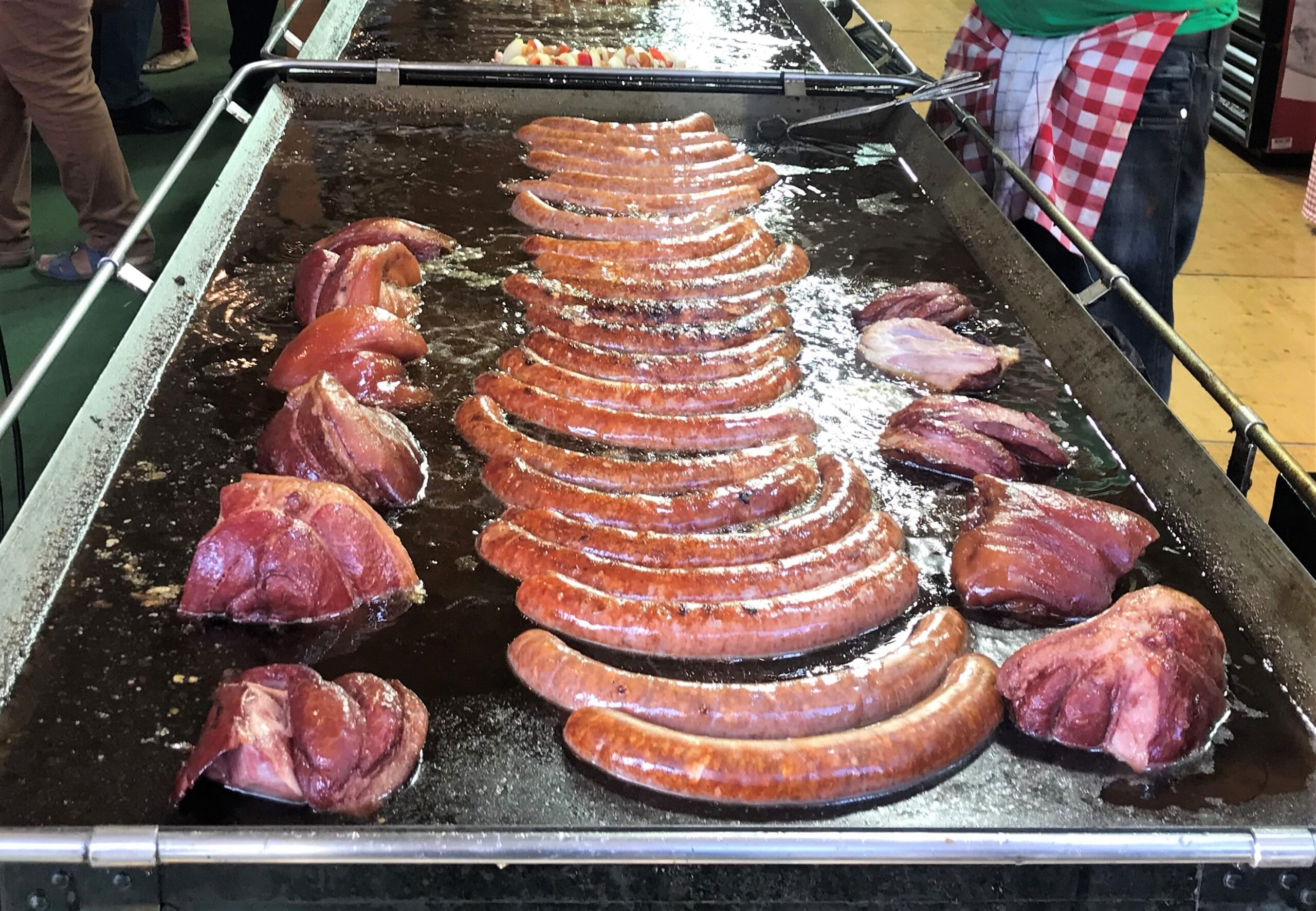
From the moment we arrived, we were surrounded by the unmistakable aromas of grilled meats, freshly made sausages, and slow-cooked Hungarian classics. Stalls lined up one after another, each offering its own version of traditional pork dishes, prepared with pride and confidence.

A true celebration of Hungarian meat traditions

Hungarian cuisine is deeply rooted in pork — and this festival was a perfect snapshot of that tradition. Over the course of just a few hours, we tasted an astonishing variety of sausages, cuts of meat, and rich, comforting flavours. By the end of the tour, I realised I had probably eaten as much in four hours as I normally would in an entire week.

And honestly? I had no regrets.

If there’s one thing I always recommend to visitors, it’s to try mangalica sausage. Made from Hungary’s famous curly-haired mangalica pig, it’s rich, flavourful, and truly in a league of its own — for me, it’s the absolute best of Hungarian sausage-making.

A different kind of Foodie Tour

Experiences like this are exactly why I love customising my Foodie Tours. Sometimes it’s about discovering hidden bakeries or wine bars; other times, it’s about diving headfirst into a local festival and embracing Hungarian food culture at its most authentic and unapologetic.

Food events like pig slaughtering festivals are not staged for tourists — they’re for locals, families, and producers who care deeply about tradition. Sharing this kind of experience with my travellers is always a highlight.

If you’re curious about Hungarian cuisine and want to explore it beyond restaurant menus, I’m always happy to tailor a custom Foodie Tour around seasonal events, markets, or local specialities.

I woke up early this morning and witnessed a most unique moment: the sun rising up over the beautiful buildings of Pest. It was just a few seconds but made my entire day.

Tip: the best location in Budapest to watch sunrise is the top of the Fisherman’s Bastion (I took the video and the picture from there) or the top of Gellért hill.

Floating gently between Buda and Pest, Margaret Island in Budapest is one of those places that feels instantly familiar to locals and surprisingly intimate to visitors. Long before it became Budapest’s most popular park, the island lived many lives — and traces of that past are still quietly present among the trees.

Centuries ago, this was a place of withdrawal and reflection. Medieval monasteries once stood here, followed by periods when the island served as a place of isolation. Its most famous resident was Princess Margaret, daughter of King Béla IV, who chose a life of service and devotion on the island in the 13th century. Today, little remains of those structures, but the sense of calm they left behind is unmistakable.

How locals use the island today

For Budapesters, Margaret Island is less a sightseeing stop and more a way of life. People come here to jog, picnic, read, cycle, or simply sit in the shade on a warm afternoon. It’s where the city exhales — especially in summer.

Because it’s surrounded by the Danube and free from traffic, the island has a slower, softer rhythm than the rest of the city. That’s exactly why many visitors end up calling it one of their favourite unexpected discoveries.

Exploring at an easy pace

Margaret Island is best enjoyed without rushing. One of the most enjoyable ways to explore is by renting one of the pedal-powered group bikes or electric vehicles, which allow you to move comfortably between highlights while still soaking in the atmosphere.

A place that fits beautifully into a custom tour

Margaret Island isn’t part of my standard city walks, mainly because of its location slightly outside the historic centre. However, it fits perfectly into customised walking or driving tours, especially for guests who want to balance sightseeing with relaxed, local experiences.

It’s an ideal addition in late spring or summer, offering a refreshing contrast to the architectural intensity of the city centre. Margaret Island may not demand attention — and that’s exactly its charm. It’s a place to slow down, breathe, and experience Budapest the way locals do.

If you’d like to include Margaret Island in a bespoke tour itinerary, I’m always happy to tailor the route to your interests and pace.

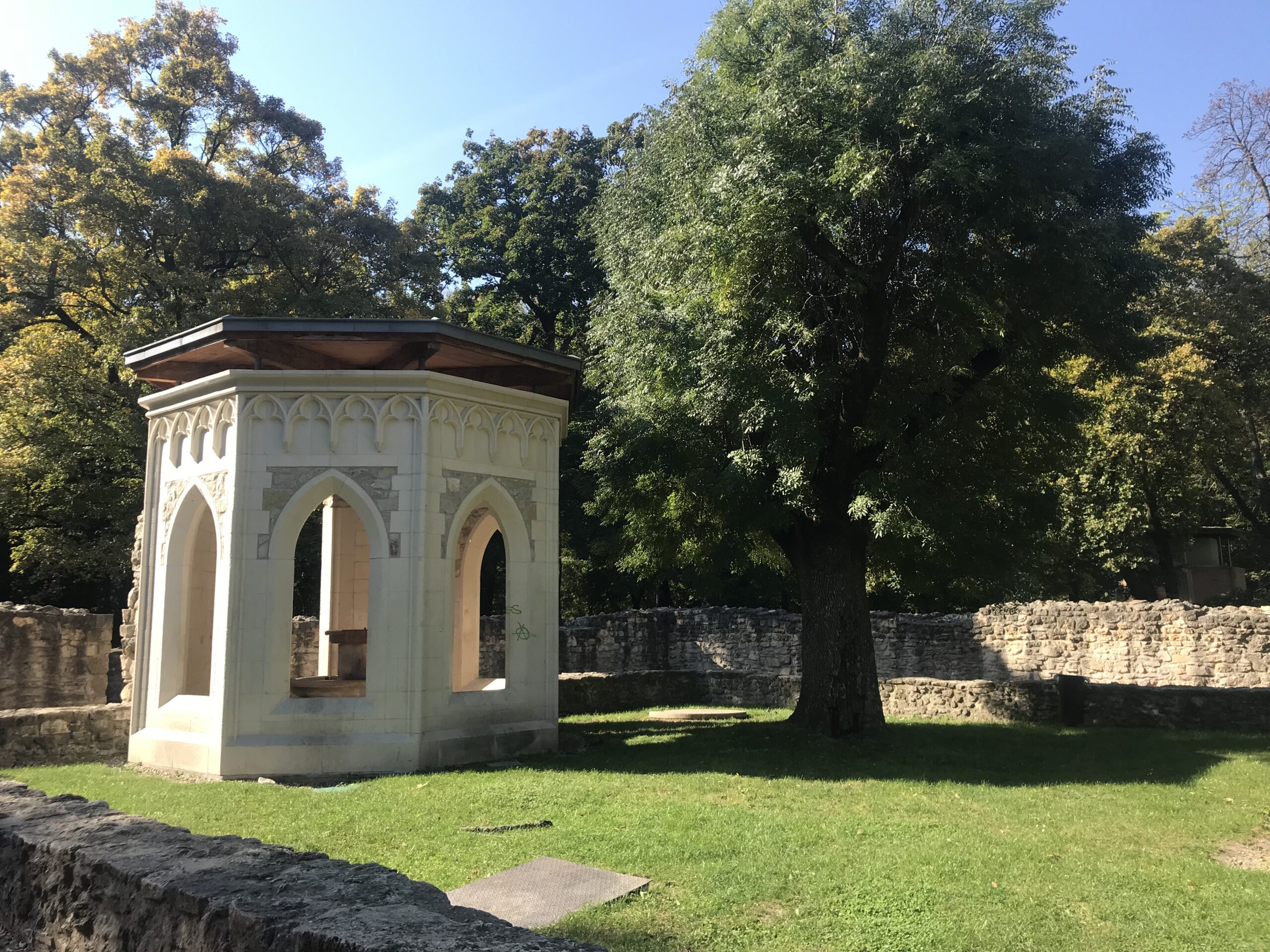
One of the highlights of any visit to Pécs is the Zsolnay Quarter, a unique cultural district dedicated to one of Hungary’s most important artistic legacies.

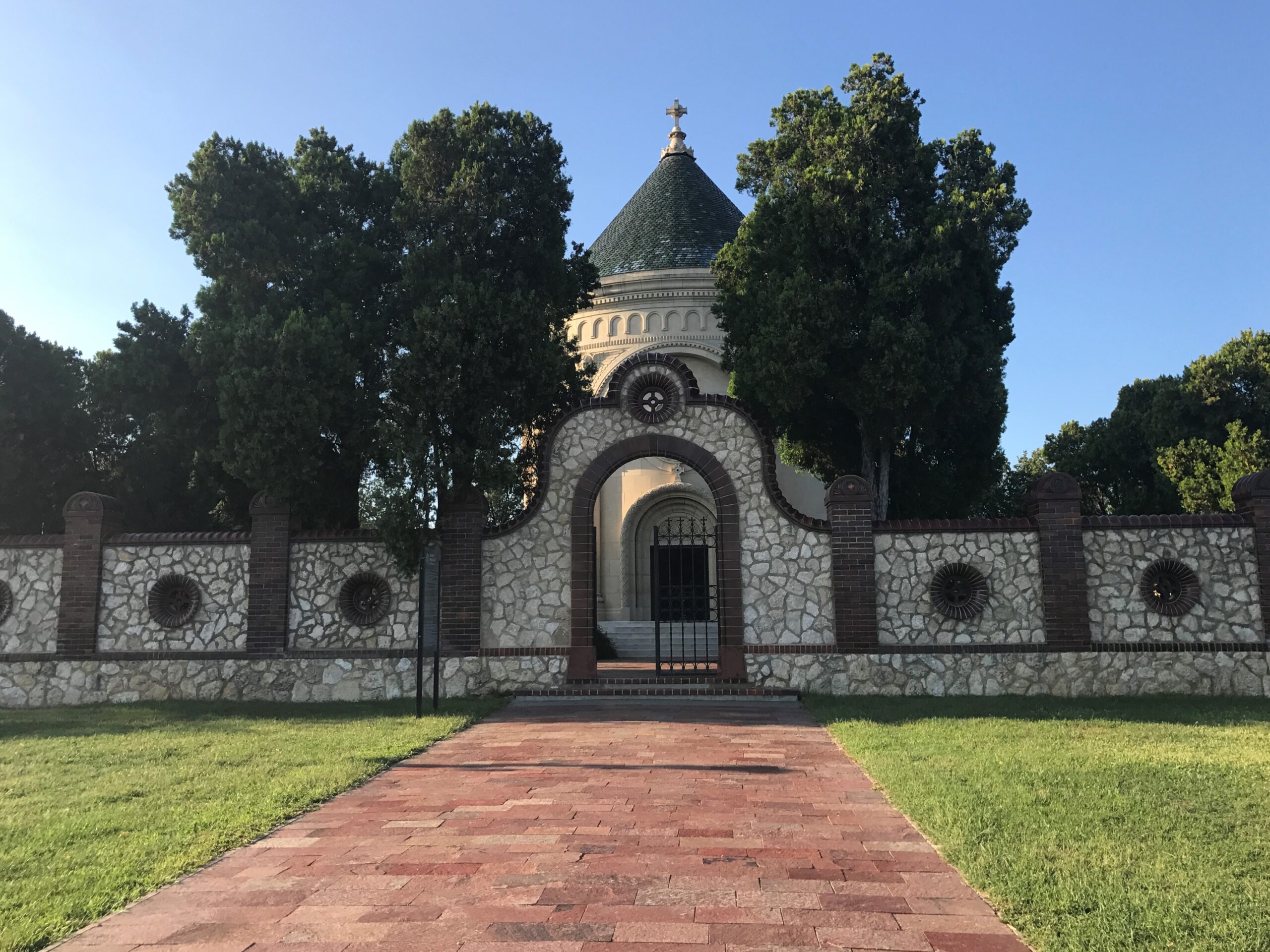
Pécs is a long drive from Budapest—but believe me, it’s absolutely worth the time and energy. This charming southern Hungarian city offers layers of history stretching back almost 2,000 years, with rare early Christian relics, fascinating Ottoman-era architecture, and elegant Baroque buildings all coexisting in a wonderfully human-scale town.

Hungarian Ceramics and the Zsolnay Legacy

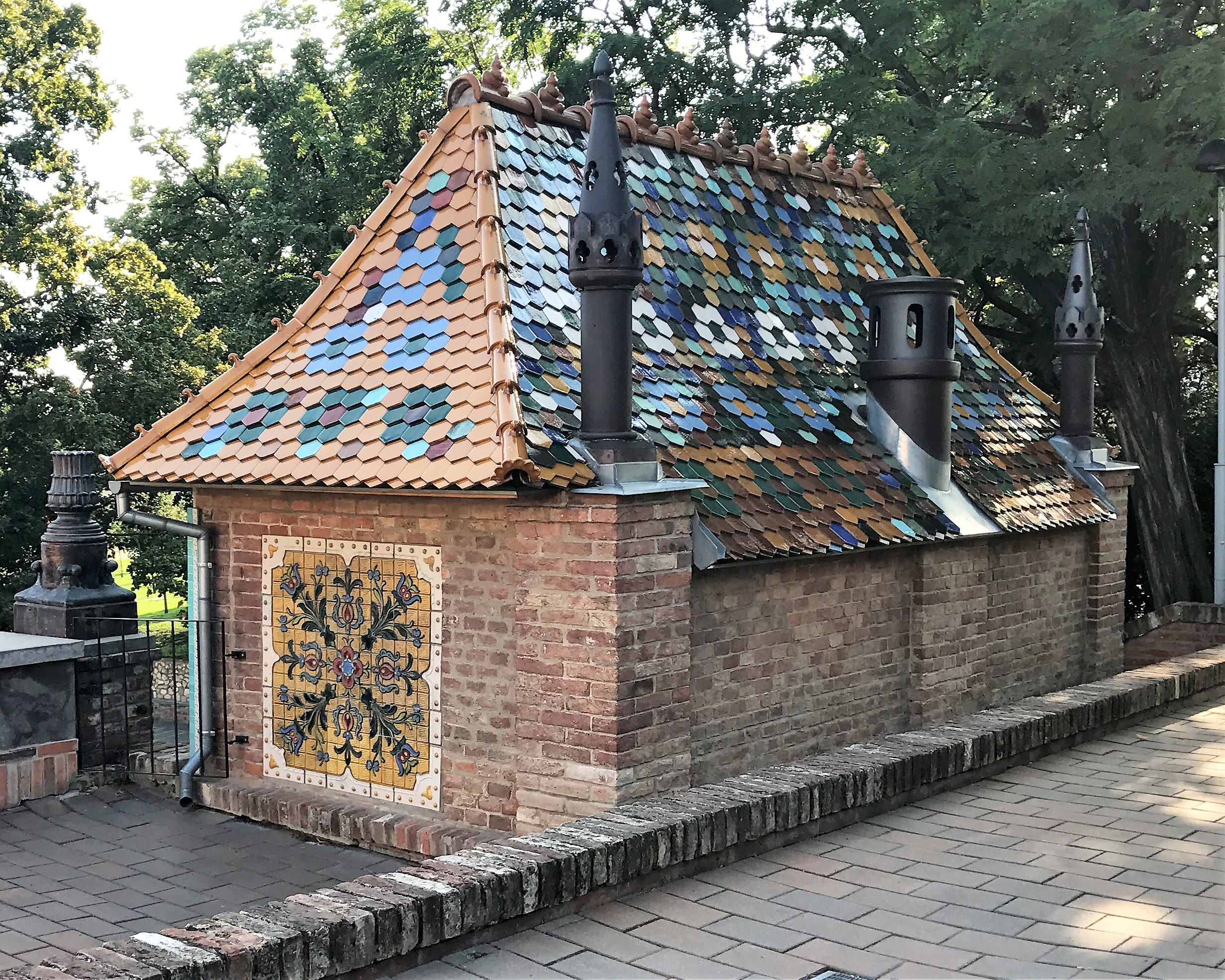
The Zsolnay Quarter is an essential stop on my Pécs and Villány tour, especially for travellers interested in Hungarian ceramics and porcelain. The district celebrates the work of Vilmos Zsolnay, the visionary figure behind the world-famous Zsolnay porcelain.

His innovations—especially the iconic eosin glaze—made Zsolnay ceramics internationally renowned and left a lasting mark on Hungarian applied arts and architecture.

From Factory to Cultural Quarter

The Zsolnay project itself was a monumental industrial heritage reconstruction, transforming the original factory complex—spanning more than five hectares—into a vibrant cultural centre. Rather than creating a static museum, the goal was to reimagine the former industrial site as a living district, where culture, creativity, and production still coexist.

Today, the area feels open, inspiring, and surprisingly relaxed, with colourful buildings, decorative ceramic details, and a strong sense of continuity between past and present.

What You Can Discover There

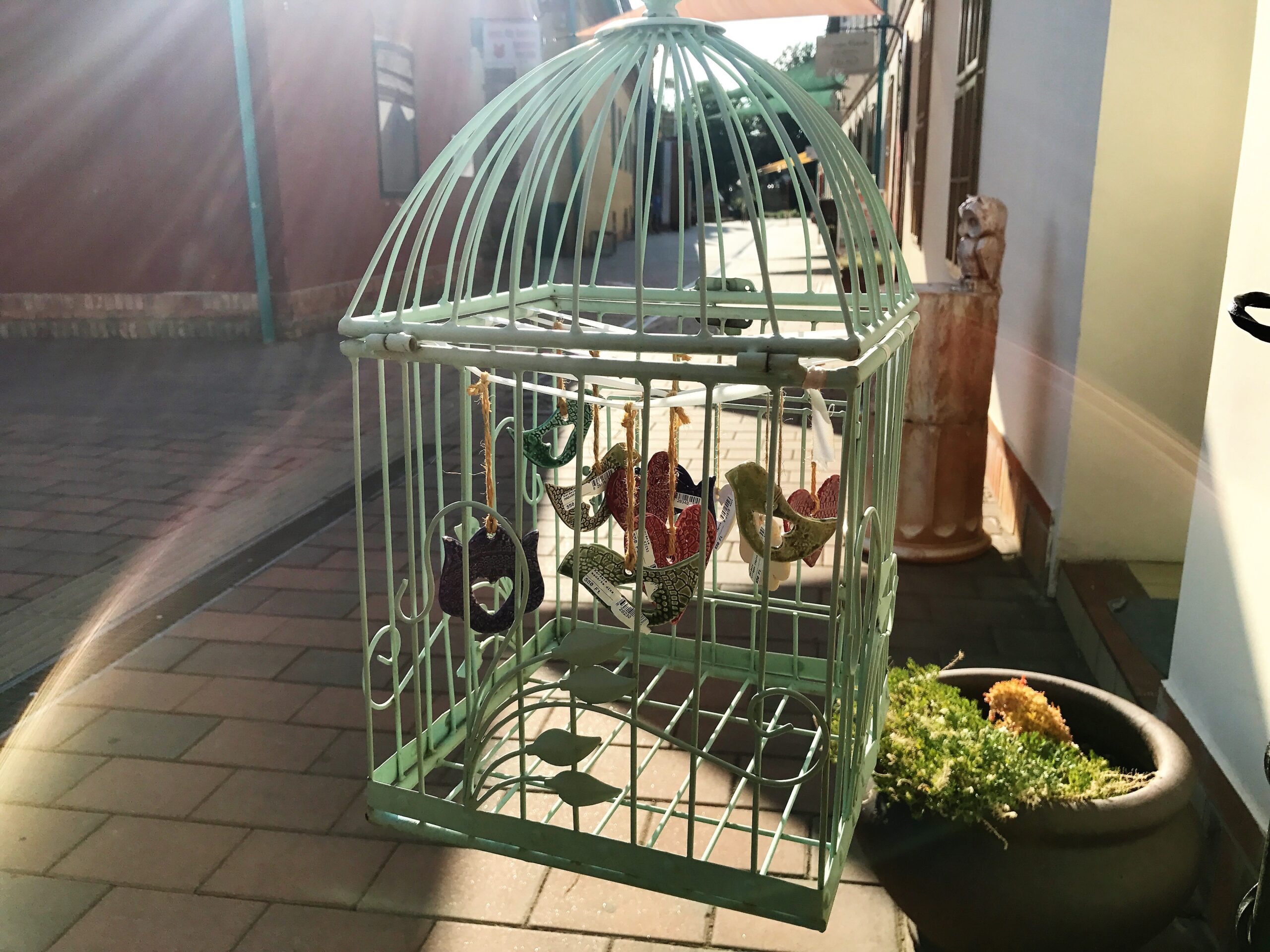
Visitors can explore the Handicraft, Artisan, and Creative districts, where exhibitions and collections highlight both traditional craftsmanship and contemporary creativity. Families will also appreciate the Children and Family district, which adds a playful, interactive dimension to the experience.

My countryside tours are designed for travellers who want to go beyond Budapest and discover Hungary’s cultural heritage, small towns, and artisan traditions at a relaxed pace. The visit to the Zsolnay Quarter is part of my private Pécs and Villány countryside tour, which can be booked as a full-day experience from Budapest.

Whether you’re passionate about ceramics, architecture, or cultural history—or simply enjoy discovering lesser-known Hungarian destinations—the Zsolnay Quarter is a rewarding and memorable stop in Pécs. Don’t hesitate to contact me for more details.
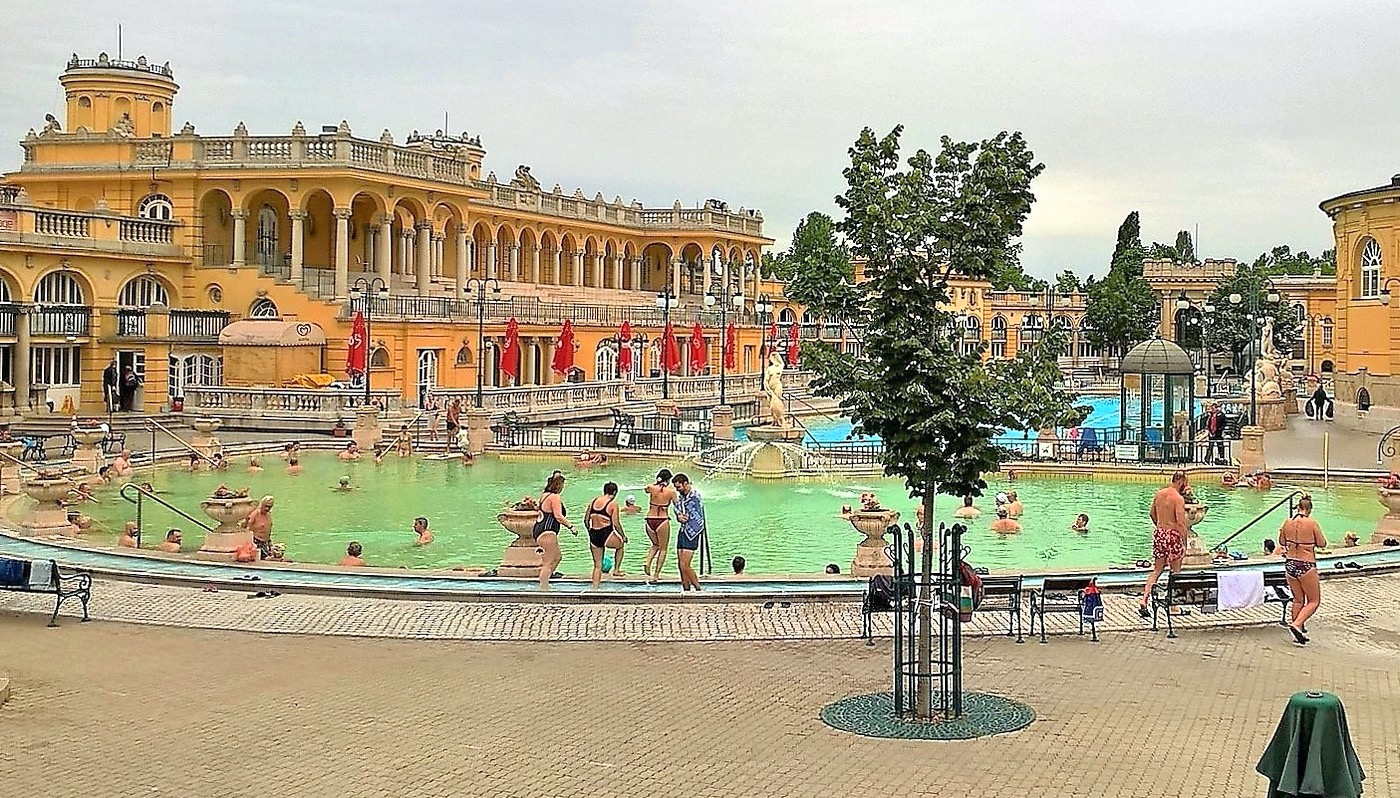
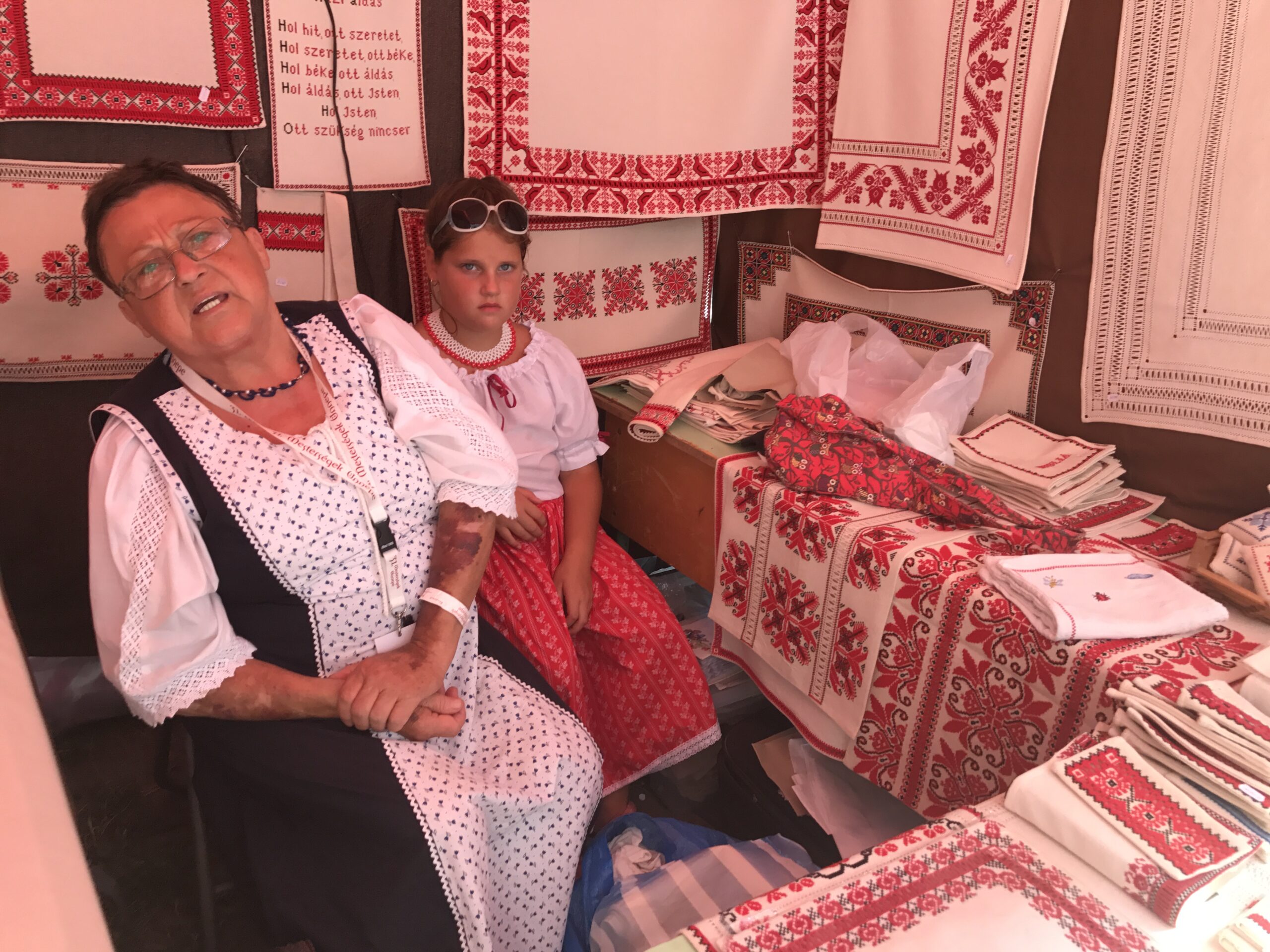
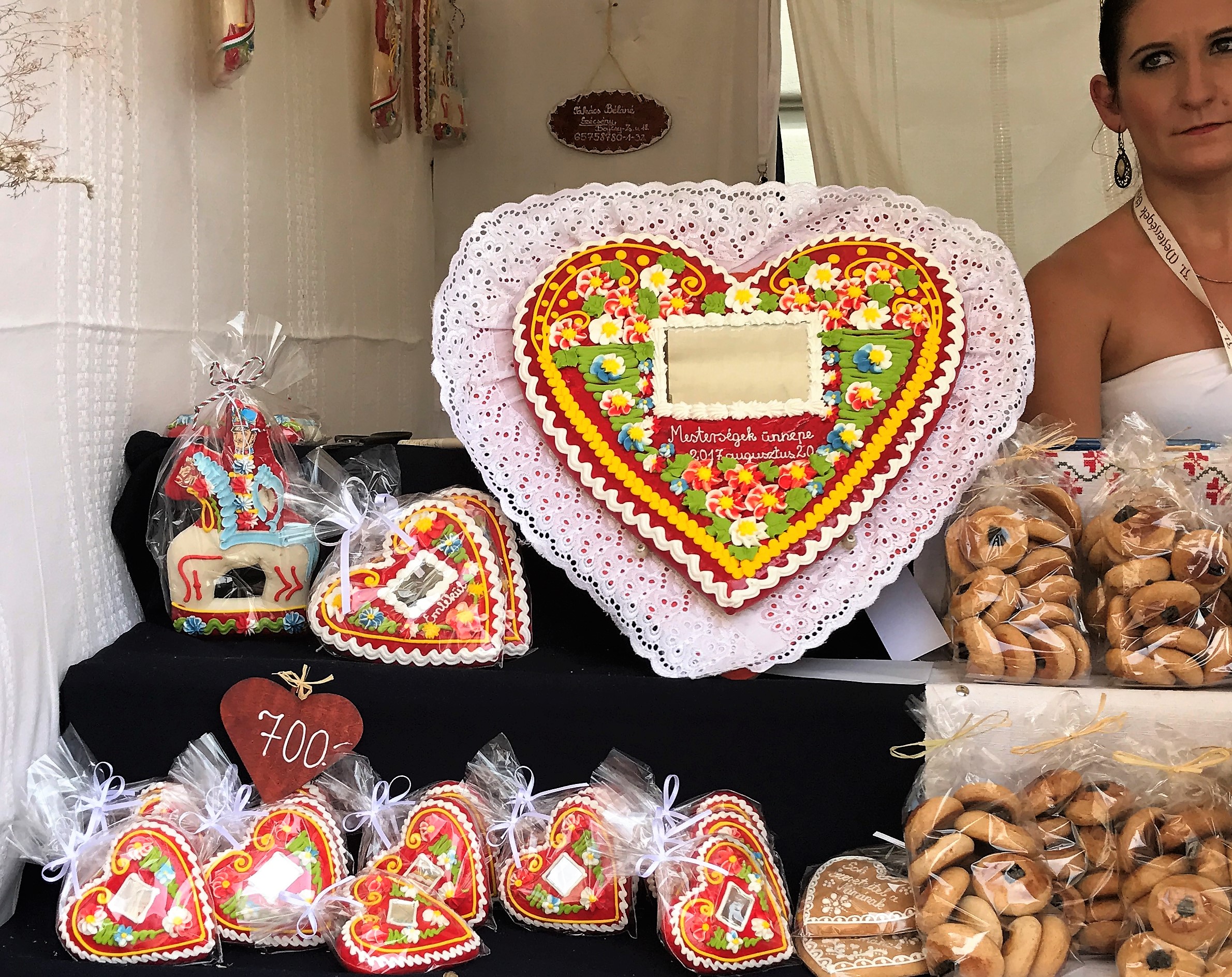
Every year around 20 August, on St. Stephen’s Day, the cobbled streets of the Buda Castle District fill with colours, textures, and the quiet magic of Hungarian folk art. This is the time when some of the country’s most talented folk artists and designers come together for the Summer Folk Art Festival, turning the historic castle area into an open-air celebration of tradition.

What I love most about this festival is that it’s not staged or artificial. Many of the artists you meet are continuing techniques that have been passed down through generations—sometimes within the same family. Their work reflects regional styles from all over Hungary, each with its own patterns, colours, and stories.

Hungarian Folk Art Up Close

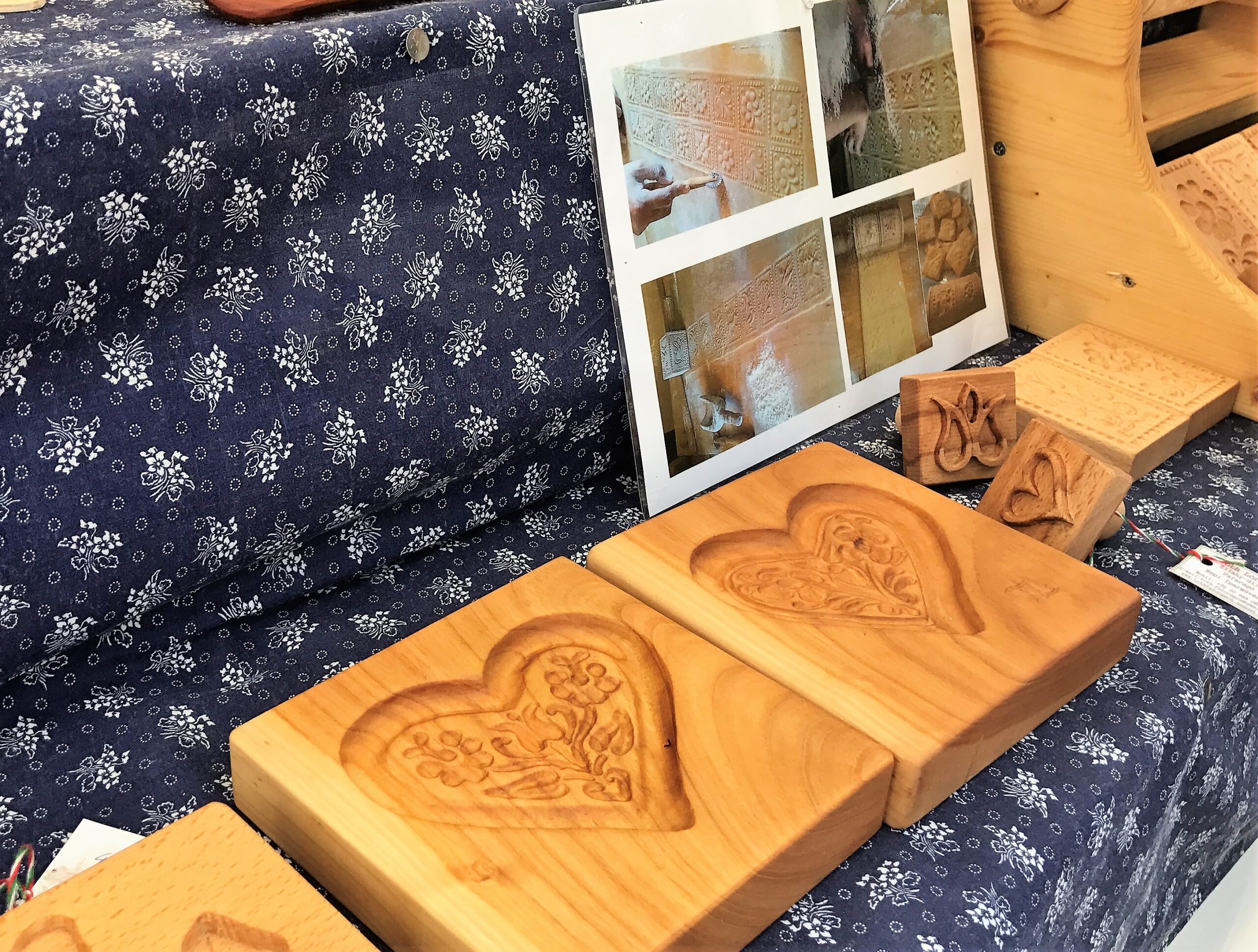
As you wander through the festival, you’ll find beautifully crafted pottery, ceramics, wooden objects, jewellery, embroidered textiles, and woven fabrics. These are not souvenirs made for tourists, but authentic pieces created with patience, skill, and deep respect for tradition.

One of the highlights is that visitors can often try the crafts themselves. Whether it’s weaving, sewing, or embroidery, watching the process (and giving it a go) makes you appreciate just how much work and precision goes into each finished piece.

More Than Just Crafts

Of course, no Hungarian festival would be complete without food. Alongside the artisan stalls, you can taste traditional Hungarian treats, making this event just as enjoyable for food lovers as for art enthusiasts.

Set against the backdrop of Buda Castle’s historic walls and panoramic views over Budapest, the Folk Art Festival is a wonderful way to experience Hungarian traditions in a relaxed, joyful atmosphere. Even if you’ve visited before, it feels slightly different every year—and that’s part of its charm.

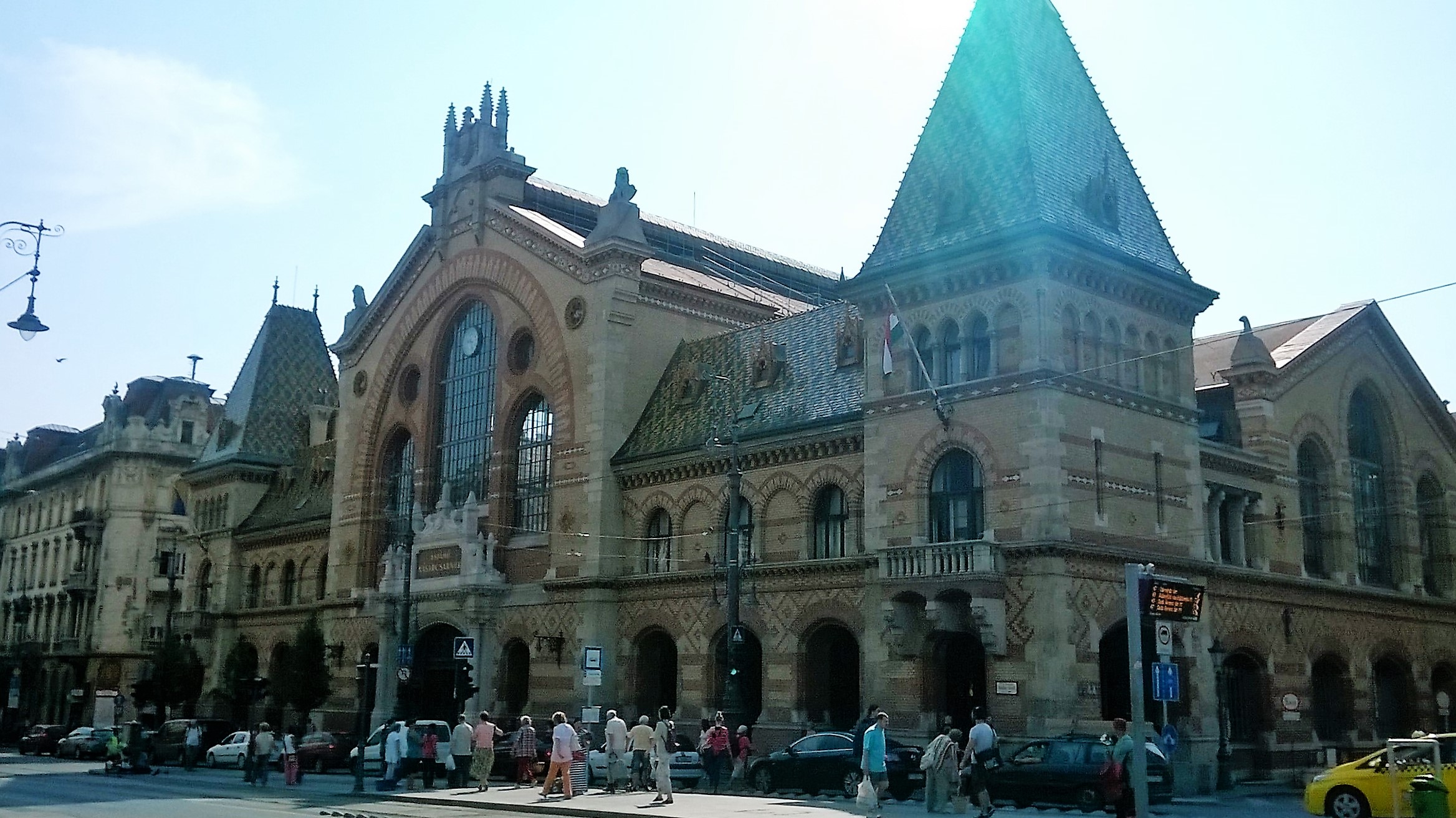
Yes, I agree — the Central Market of Budapest has become a major tourist attraction over the years. And yet, it may come as a surprise that it is still one of the favourite shopping places of locals.

Despite the crowds, the market remains a living, breathing part of everyday Budapest life — and that’s exactly why it’s such a fascinating place to visit.

A Personal Memory of the Central Market

I first visited the market with my grandmother when I was around five years old. At that age, I couldn’t tell the difference between the “aisle of the rich” and the “aisle of the poor” — but I was completely captivated by the smells, colours, and endless variety of products.

That sensory overload is still very much part of the experience today.

The Great Market Hall: 120 Years of History

The Central Market, officially known as the Great Market Hall, opened more than 120 years ago and quickly became the heart of Budapest’s food trade.

The iron structure and glass roof often remind visitors of a 19th-century train station, while the colorful Zsolnay roof tiles make the building unmistakable from the outside.

Inside, you’ll find:

  • Fresh fruits and vegetables from across Hungary

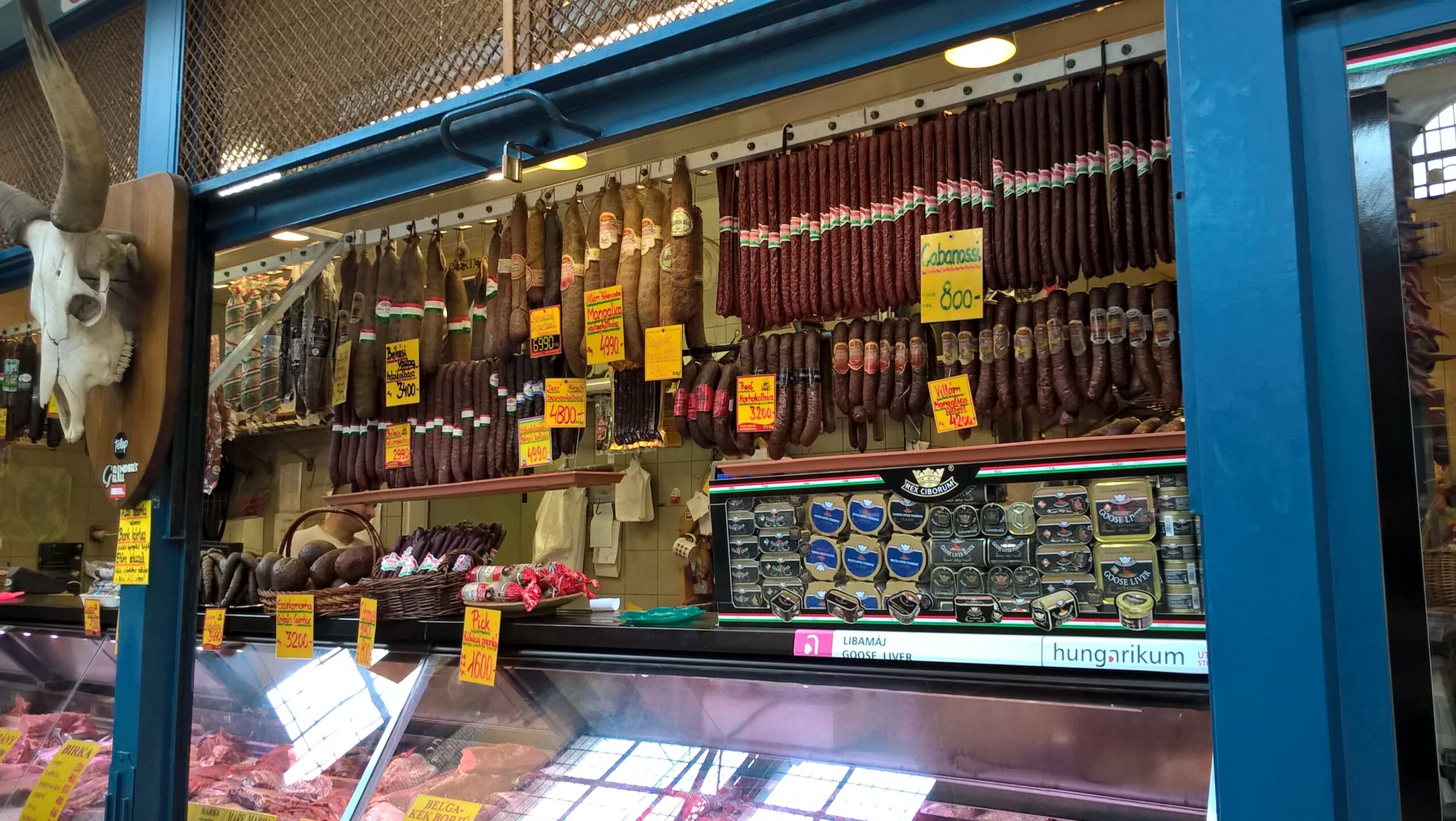
  • Hungarian sausages, salami, and cured meats

  • Paprika in every form imaginable

  • Local cheeses, honey, and preserves

  • Traditional Hungarian pastries and street food

Why the Central Market Is a Foodie Must-See

If you’re curious about Hungarian gastronomy, this market is one of the best places to understand it.

The Central Market showcases:

  • Seasonal Hungarian ingredients

  • Regional food traditions

  • Everyday eating habits of locals

  • The contrast between traditional stalls and modern food counters

It’s lively, noisy, sometimes chaotic — and absolutely authentic.

Visiting the Central Market on a Budapest Food Tour

A visit to the Central Market is part of my Budapest Food Tour (except on Sundays, when the market is closed).

During the tour, I’ll:

  • Help you navigate the market beyond the obvious tourist stalls

  • Explain what locals really buy and why

  • Introduce Hungarian food traditions and shopping habits

  • Make sure you taste one of the best sausages and a proper Hungarian strudel

The market is not just about food — it’s about culture, history, and everyday life.

Combine Market Visit with Wine Tasting

Many guests choose to combine their market experience with a food and wine-focused day, pairing the Budapest food tour with a countryside escape such as the Etyek Wine Tour, Hungary’s closest wine region to the capital.

It’s a wonderful way to connect Budapest’s culinary scene with local wines and rural traditions.

Planning Your Visit to the Central Market of Budapest

If you’d like to explore the Central Market of Budapest with a local guide and truly understand what you’re seeing — and tasting — I’d be happy to show you around as part of one of my private food tours.

Hungary’s food and wine culture is something I’m incredibly proud of, so it always makes me happy to see how popular my food and wine tours are with travellers. Over the years, many guests have asked me to take them beyond Budapest — to the heart of Hungary’s most famous wine region.

That’s how my private day trip to Tokaj Wine Country was born.

Why Tokaj Wine Country is So Special

Tokaj is probably the best-known Hungarian wine region, and for good reason. This UNESCO-listed area in northeastern Hungary is the birthplace of Tokaji Aszú, Hungary’s legendary sweet white wine once praised by kings, poets, and composers as “the wine of kings, the king of wines.”

But Tokaj is much more than dessert wine.

Rolling vineyards, quiet villages, centuries-old wine cellars, and a deep sense of history make this region one of the most atmospheric places in the country.

What This Private Tokaj Wine Tour Includes

This full-day private Tokaj tour from Budapest is designed for travelers who want a slow, authentic experiencerather than a rushed tasting schedule.

During the day, we:

  • Visit small Tokaj villages with traditional architecture

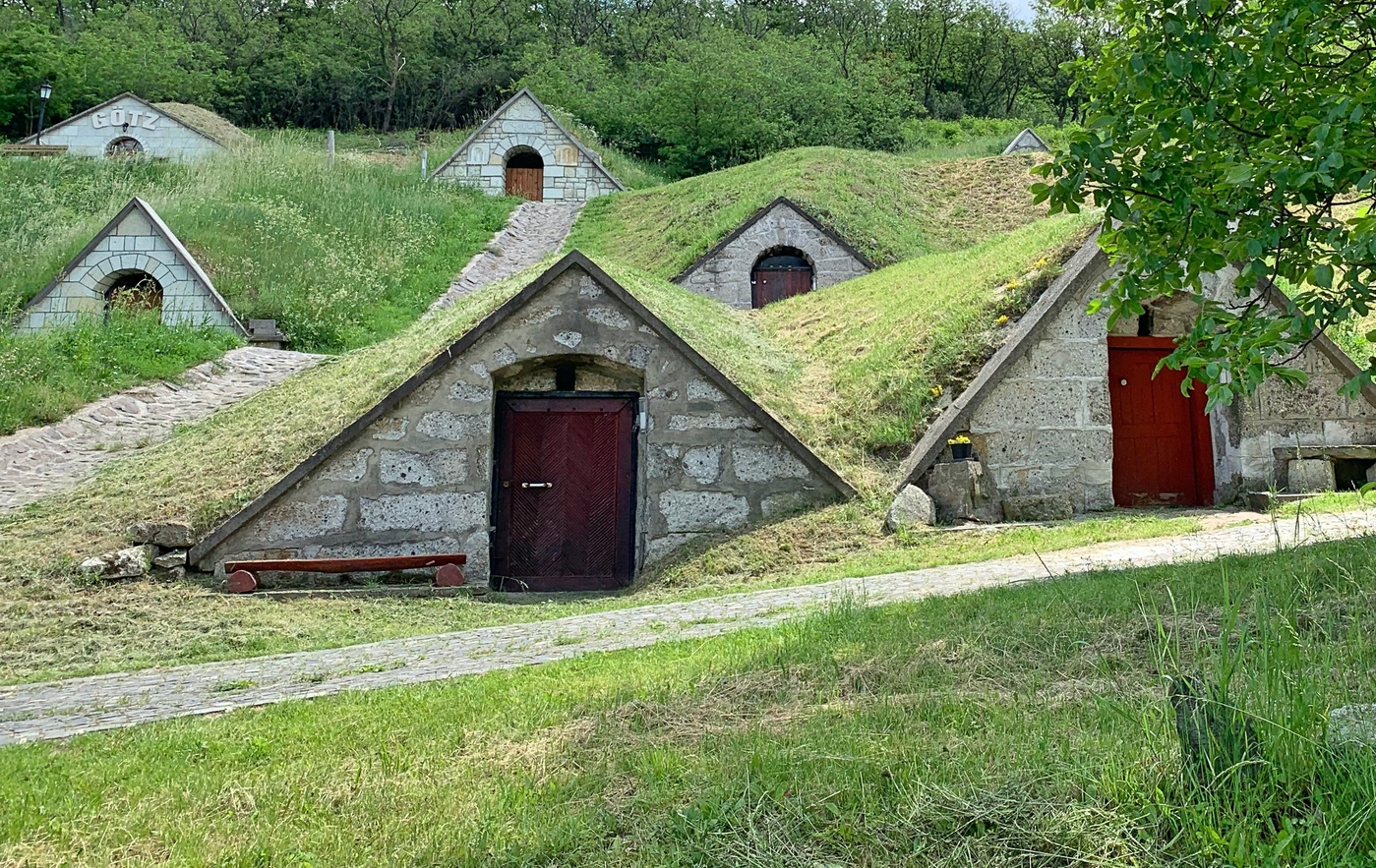
  • Meet local winemakers and taste wines directly in family-run cellars

  • Learn about Tokaj’s unique grape varieties and winemaking traditions

  • Enjoy the peaceful countryside far from the crowds

The focus is always on quality, storytelling, and personal connections — exactly the kind of experience I love to share as a private guide.

Jewish Heritage in the Tokaj Wine Region

One of the lesser-known but deeply fascinating aspects of Tokaj is its Jewish heritage. Jewish merchants and winemakers played a crucial role in building Tokaj’s international reputation in the 18th and 19th centuries.

On this tour, we also explore:

  • Historic Jewish sites and cemeteries

  • The role of Jewish families in wine trade and culture

  • Local traditions that shaped the region’s identity

This cultural layer adds meaningful depth to the wine experience and helps travelers understand Tokaj beyond the glass.

Who Is This Tokaj Day Trip For?

This private Tokaj wine country tour is ideal for:

  • Wine lovers curious about Hungarian wines

  • Couples and small groups looking for a romantic countryside escape

  • Travelers interested in culture, history, and gastronomy

  • Guests who prefer customised private tours over large group trips

Interested in Visiting Tokaj?

If you’d like to learn more about this Tokaj Wine Country day trip from Budapest, I’d be happy to send you detailed information, including itinerary ideas and customization options.

I always encourage my guests to take public transport, it’s cheap, convenient and very easy. What’s more is that you can enjoy such a great view from the trams, buses or boats, don’t miss it!


The Royal Palace of Visegrád is one of the most fascinating stops in the Danube Bend and a highlight I always try to include when touring the area. Together with the Upper Castle, the palace forms a remarkable castle complex that offers insight into how Hungarian royalty lived at the height of their power.

Located above the Danube, in the historic town of Visegrád, this palace allows visitors to step directly into the world of 15th-century royal life.

From ruins to royal splendour

The fact that we can admire the palace today is thanks to the work of a passionate Hungarian archaeologist, who discovered the ruins hidden beneath an orchard. Thanks to decades of archaeological research and careful reconstruction, the palace has been brought back to life as a stunning example of Gothic and Renaissance architecture.

We owe a great deal to the archaeologists and historians who recreated the lavish interiors, gardens, and fountains that once impressed visiting dignitaries from across Europe.

A royal residence fit for King Matthias

The original stone residence, built in the 14th century, was relatively modest — just under 5,000 square feet. However, under the reign of Matthias Corvinus, the palace was transformed into a spectacular royal residence with around 350 rooms.

According to legend, during grand celebrations in the 15th century, marble fountains flowed with red wine — a detail that perfectly captures the wealth and prestige of the Hungarian royal court at the time.

What to see in the Royal Palace of Visegrád

Today, visitors can explore:

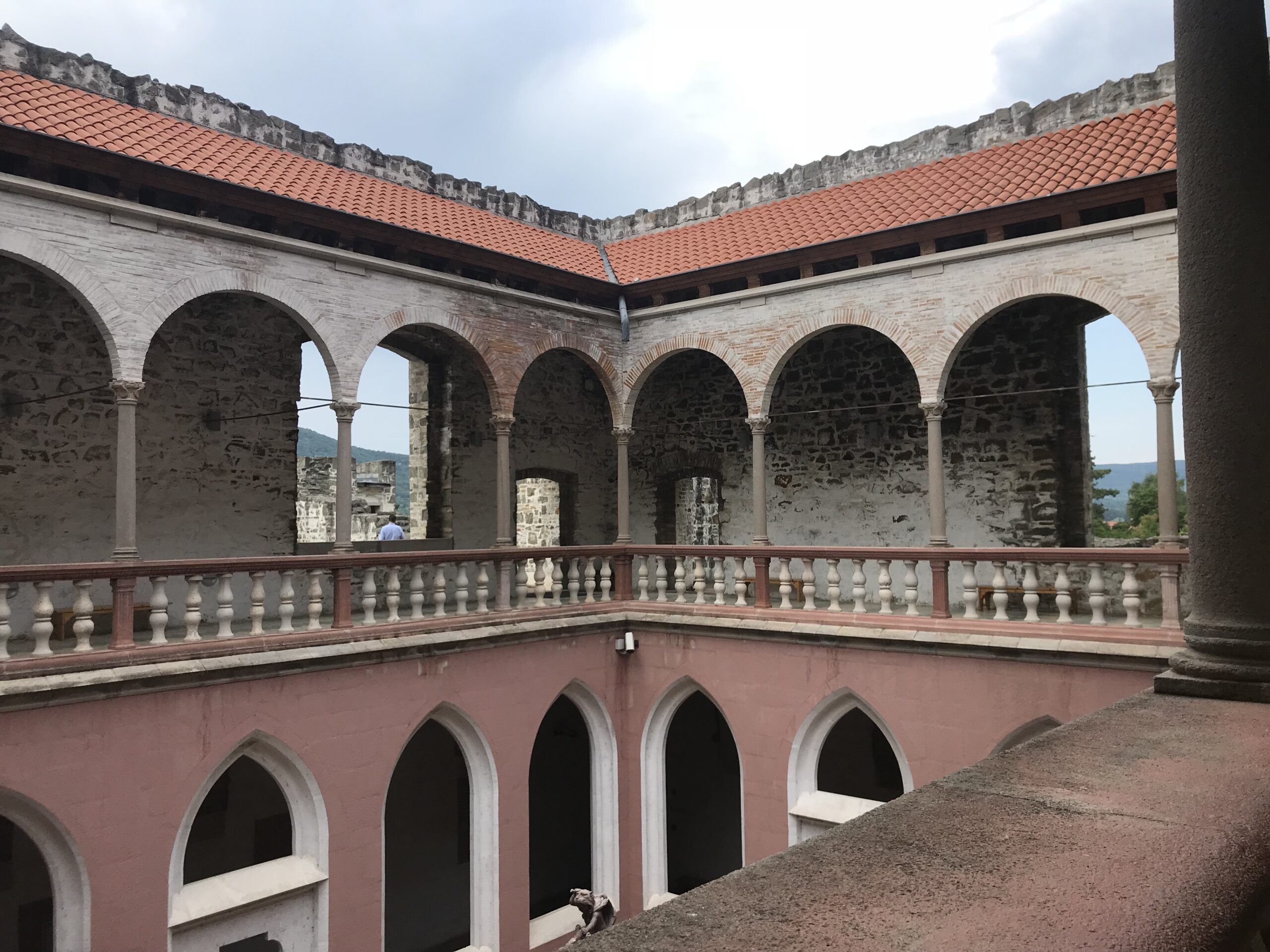
  • elegant Gothic cloisters

  • a refined Renaissance loggia

  • reconstructed living quarters of Hungarian kings and queens

  • decorative fountains and palace gardens

  • original artefacts and relics from the Middle Ages

The palace is beautifully laid out and easy to explore, making it both educational and visually impressive.

Visiting the Royal Palace on a Danube Bend tour

The Royal Palace of Visegrád is an essential stop on many Danube Bend day trips and works especially well as part of a private countryside tour from Budapest. Combined with the Upper Castle and views over the Danube, it offers a perfect balance of history, architecture, and scenery.


City Park (Városliget) is the second-largest park in Budapest and without question one of the locals’ favourite places to relax. Located at the end of Andrássy Avenue, this vast green space is a perfect mix of nature, culture, leisure, and iconic sights — all in the heart of Pest.

Whether you’re visiting Budapest for the first time or returning for a longer stay, City Park offers something for every pace and interest.

What to see and do in City Park

There are so many things to do in Városliget that it easily fills several hours — or even an entire afternoon. Highlights include:

  • the Budapest Zoo, over 150 years old and one of the oldest zoos in the world

  • the City Circus, a unique cultural institution popular with families

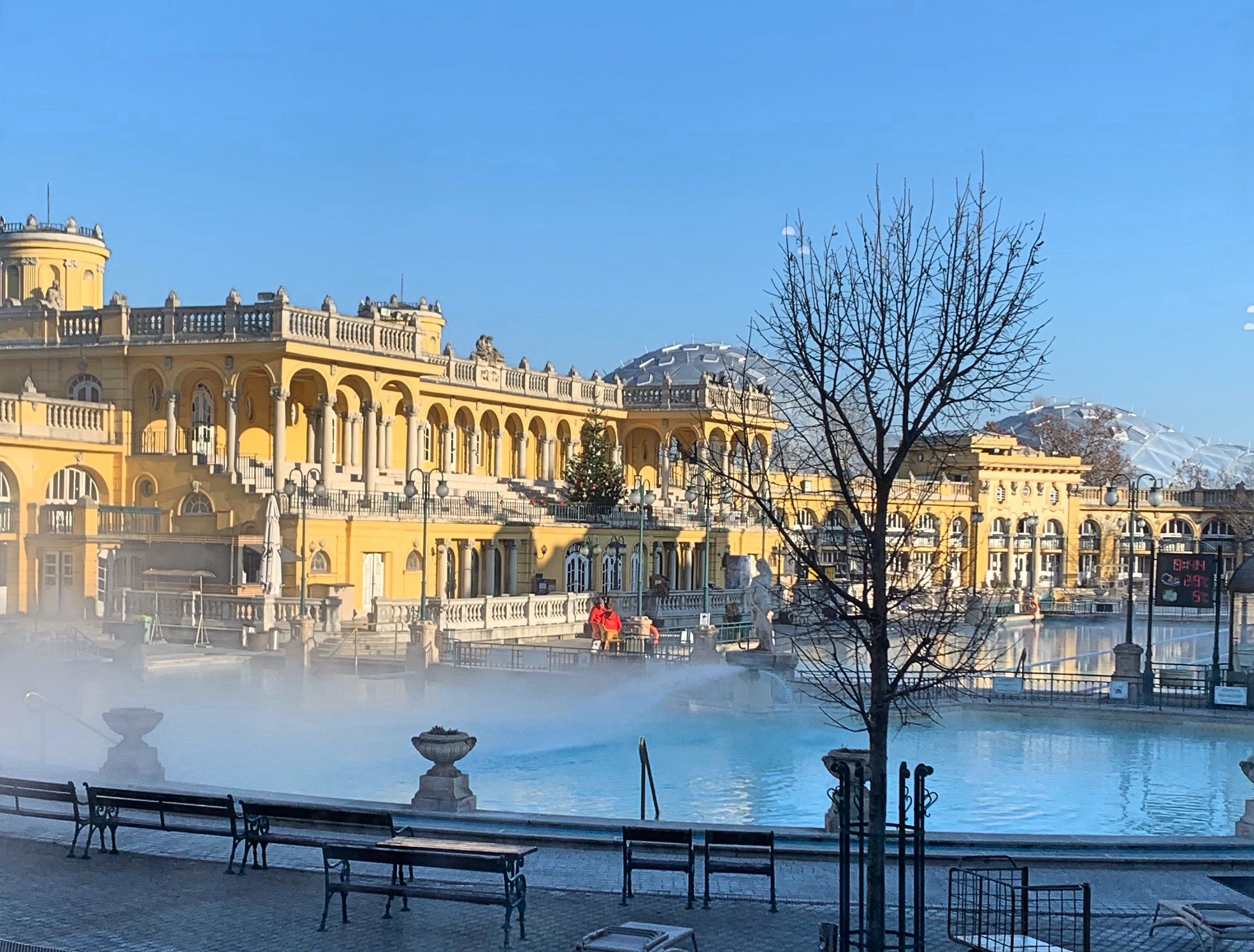
  • the famous Széchenyi Thermal Bath, where you can soak in warm outdoor pools year-round

  • Vajdahunyad Castle, showcasing a fascinating mix of architectural styles

  • the park’s lake, perfect for a boat ride in summer or ice skating in winter

Of course, City Park is also ideal for simpler pleasures: a picnic under the trees, a relaxed walk, or just watching local life unfold.

City Park as part of Budapest sightseeing tours

Thanks to its location, size, and variety, City Park is included in many of my Budapest walking and driving tours. It works beautifully as a stop that combines history, architecture, and everyday local life — all in one place.

Whether paired with Andrássy Avenue, Heroes’ Square, or the thermal baths, Városliget adds a refreshing, green balance to a sightseeing itinerary.

A local tip for visiting City Park

City Park is enjoyable in every season, but it’s especially lovely in spring and summer, when the trees are in full leaf and locals spend long afternoons outdoors. If you’d like to explore it at a relaxed pace or include specific highlights, it can easily be adapted as part of a customised walking or driving tour.