Halloween stands for ‘All Hallows’ Evening’ , the night before the Christian ‘All Saints’ Day’. Although Halloween with all the pumpking carving and trick-or-treating is getting more and more popular in Hungary, still, we celebrate traditionally the two following days; All Saints’ Day and All Souls’ Day.

All Saints’ Day is the day of all of the saint souls, who are not mentioned in the calendar by name. It’s a National Holiday in Hungary, probably because all work has been forbidden on this day for centuries, because of the respect for the dead. According to folk tradition, during the night between All Saints’ Day, and All Souls’ Day deceased go to the house of their loved ones. That’s why in the villages an extra plate was placed on the table, with bread, salt and water on it.

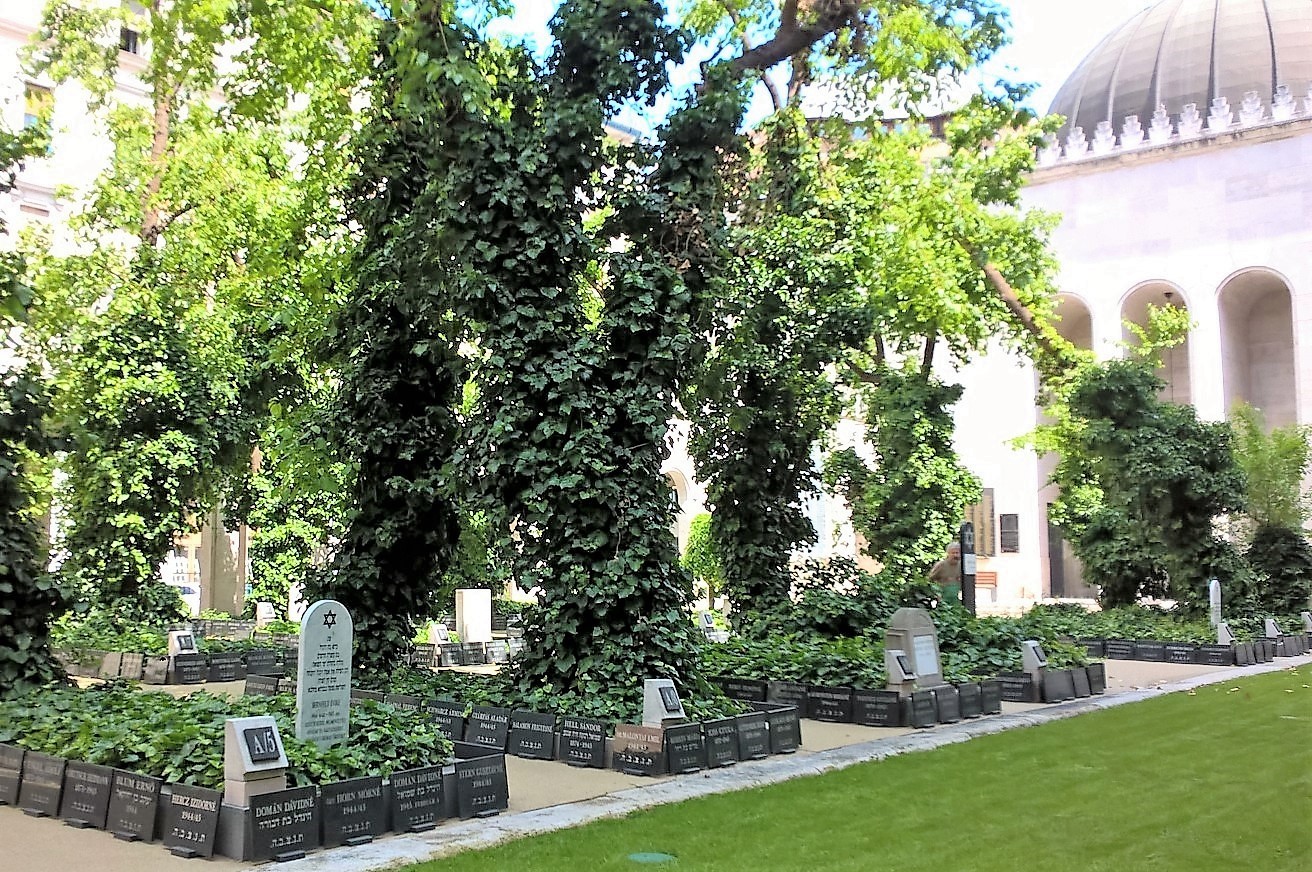
All Souls’ Day is to commemorate and remember one’s beloved ones who had passed away. Local cemeteries are usually crowded and beautiful with tons of fresh flowers, candles and lampions.

Yesterday we celebrated the 60th anniversary of Hungary’s revolution against the Communist dictartorship, the presence of the Soviet troops and the Stalinist totalitarianism.

My father was 5 years old in 1956. This is his story. He was abbout to accompany his uncle to bring a radio to some friends. There were fights all over the streets, all around the city. My father and his uncle tried to get from the city center to another district of Pest. When they reached the Liberty bridge my father spotted a huge tank at the Pest side of the bridge. He was frightened. But then, he saw that there was a piece of cloth stuffed in the muzzle of the tank. He was relieved. He said to himself that he wasn’t going to die that day.
Let me tell you more, book the Communist Budapest Walk!

Private Budapest tours are a wonderful way to experience the city in a truly personal and meaningful way and offer an exclusive and intimate way to explore Budapest . Unlike large group tours, these are designed exclusively for you and your partner, family, or friends — no strangers, no rushing, and no fixed routes.

You tell me what you’re interested in — whether it’s history, food, architecture, or just soaking in the atmosphere of local neighbourhoods — and I tailor the entire experience around your preferences. It’s a flexible, fully customisable way to see the best of Budapest.
Personal, Flexible, and Just for You

With private Budapest tours, you set the pace. Want to stop for a coffee? Prefer to linger at a hidden gem or explore a lesser-known museum? No problem at all. I’ll be your personal guide, sharing stories, answering your questions, and showing you not just the sights, but how locals truly live.

There’s no waiting for a group or following a rigid schedule. Whether you’re travelling as a couple, with young children, or with older family members, I adapt the tour to your comfort and energy level. That’s the beauty of private guiding — it’s all about you.

See Budapest Like a Local!

As someone who was born and raised in Budapest, I love showing people the city I call home. My tours go beyond landmarks — I include local stories, personal memories, and hidden places that don’t appear in typical guidebooks. Whether you want to discover iconic landmarks or hidden gems off the beaten path, I’m here to guide you through an authentic and enriching journey.

Many of my guests have told me they felt like they were exploring with a friend rather than a guide. And truthfully, I’ve made many wonderful friendships through these tours — that’s what makes this work so special to me.

Ready to Plan Your Custom Tour in Budapest?

If you’re looking for a relaxed, personal, and authentic way to explore Hungary’s capital, private Budapest tours are the perfect choice. Contact me to start planning your customised experience today. Let’s create your perfect Budapest adventure together!

For inspiration, check out my Budapest travel blog or visit Budapest Info for more about what the city has to offer.


Welcome — I’m Julia, a licensed private tour guide born and raised in Budapest. I offer personalised private walking tours in English and French for travellers who wish to experience Budapest in a relaxed, meaningful, and authentic way. My goal is to help you discover not only the city’s most important landmarks, but also the hidden details, local stories, and everyday atmosphere that make Budapest truly special.

Whether this is your first visit or a long-awaited return, this blog is here to help you plan your stay with confidence and inspiration.

Planning Your Visit to Budapest

If you are preparing for your trip, these practical tips will help you feel comfortable from the moment you arrive.

Essential Travel Tips for Visiting Budapest
Money, transportation, safety, tipping culture, and useful local advice before your visit.

Experience Budapest Like a Local

Private guiding offers a flexible and personal way to explore Budapest — without crowds, fixed schedules, or rushing from one attraction to another.

Why Choose a Private Tour in Budapest?
Learn how personalised tours work and what makes discovering the city with a local guide such a memorable experience.

Discover Budapest Through Local Insights

Here on the blog you’ll find inspiration for your stay, including:

• hidden viewpoints and peaceful walks
• café culture and culinary discoveries
• neighbourhood stories
• transportation tips
• authentic local experiences

Browse the latest articles or explore by category to start planning your perfect Budapest visit.

Private Tours in Budapest

If you would like to explore Budapest through a personalised experience tailored entirely to your interests, I would be delighted to guide you.

Explore Private Tours & Custom Experiences

I hope to welcome you soon in beautiful Budapest.

EXCURSIONS À LA CAMPAGNE
PROMENADES À BUDAPEST
PROMENADES THÉMATIQUES À BUDAPEST
VISITES DE BUDAPEST EN VOITURE

A few general and helpful information before you arrive to my beautiful city.

Money Exchange: the local currency is HUF (Hungarian Forint), you can pay with credit card in almost every shop and restaurant and in taxis, too. Don’t exchange money at the airport, there are dozens of small exchange offices in the city center (don’t forget to check the exchange rates first) and you can also use the hundreds of ATM machines.

Transportation: don’t be afraid of using public transportation, it’s simple, convenient and cheap. You’ll feel like a local. You can buy tickets at the metro stations, don’t forget to validate your ticket when you start your journey.

Cabs: all the local cabs are registered, they’re yellow. Taking a cab is safe, make sure that the driver puts the meter on at the beginning of the ride, don’t negotiate the price. Feel free to get off the cab if the driver refuses to put the meter on.

Tipping: tip is generally 10-15%, it might be included in the price, always check the receipt to see if the service fee is included.

Safety and security: Budapest is a very safe city, you can walk around during the night without experiencing any problem. There might be pickpockets in crowded places, take care of your belongings!

Tap water: drinking tap water is safe, the water is of great quality and delicious at the same time.

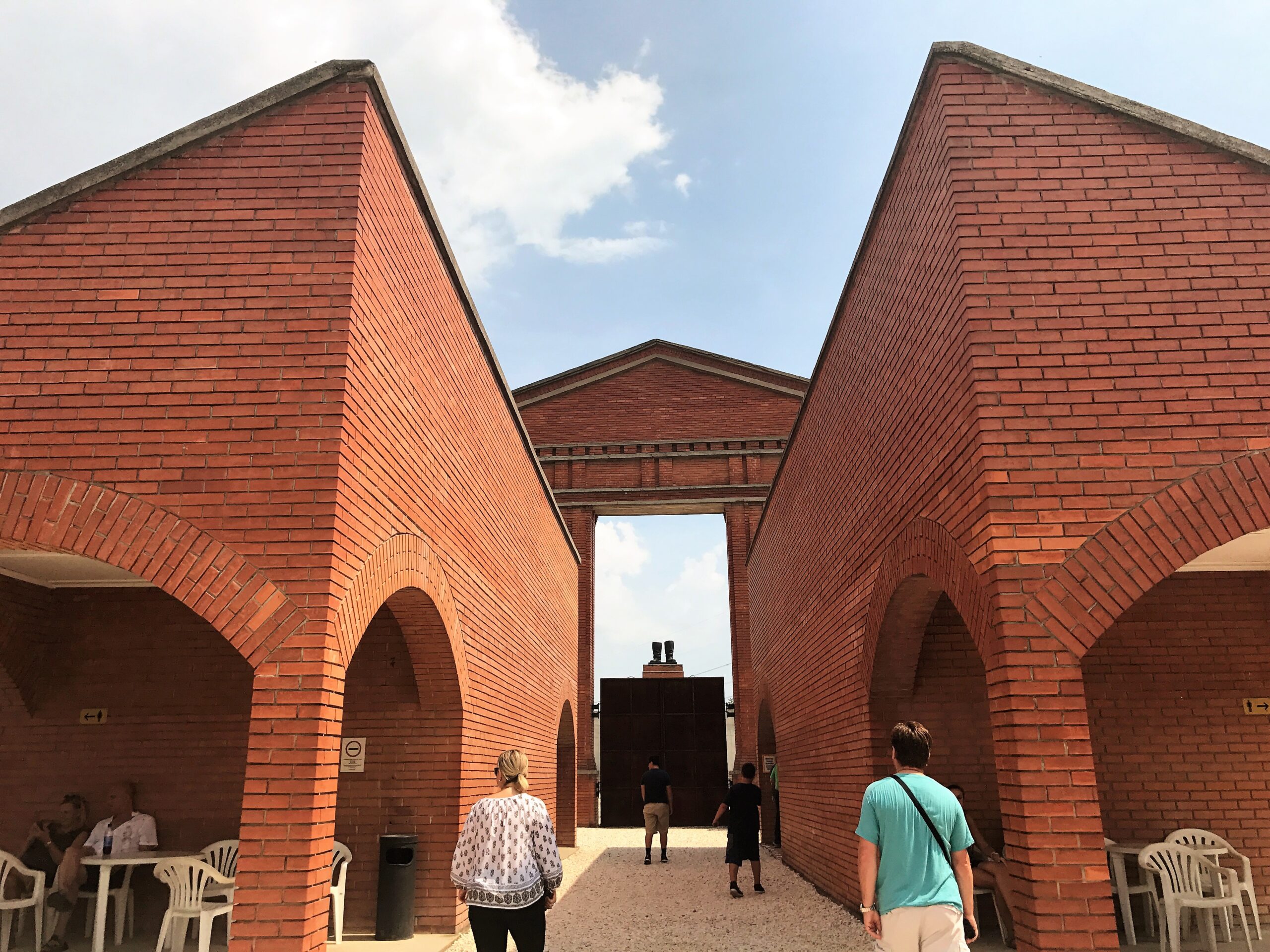
Budapest Memento Park is one of the most unusual and thought-provoking attractions in Budapest. Often described as an exhibition “in the shadow of Stalin’s boots,” this open-air museum offers a powerful insight into Hungary’s Communist past and the ideology that shaped public life for decades.

A visit here is not just about statues — it’s about understanding history, memory, and how societies deal with difficult legacies.

Why Memento Park Exists

After the political changes of 1989, Communist monuments were removed from Budapest’s streets. For many Hungarians, these statues were painful reminders of dictatorship, oppression, and the cult of personality surrounding Communist leaders.

While some locals supported destroying them altogether, a different solution was chosen. Selected monuments were relocated to a dedicated statue park in the 22nd district of Budapest, where they could be recontextualized rather than erased.

The conceptual designer of the park famously stated that the park is not about the statues or the sculptors, but rather a critique of the ideology that used monumental art as a symbol of absolute power.

Monumental Art and Communist Ideology

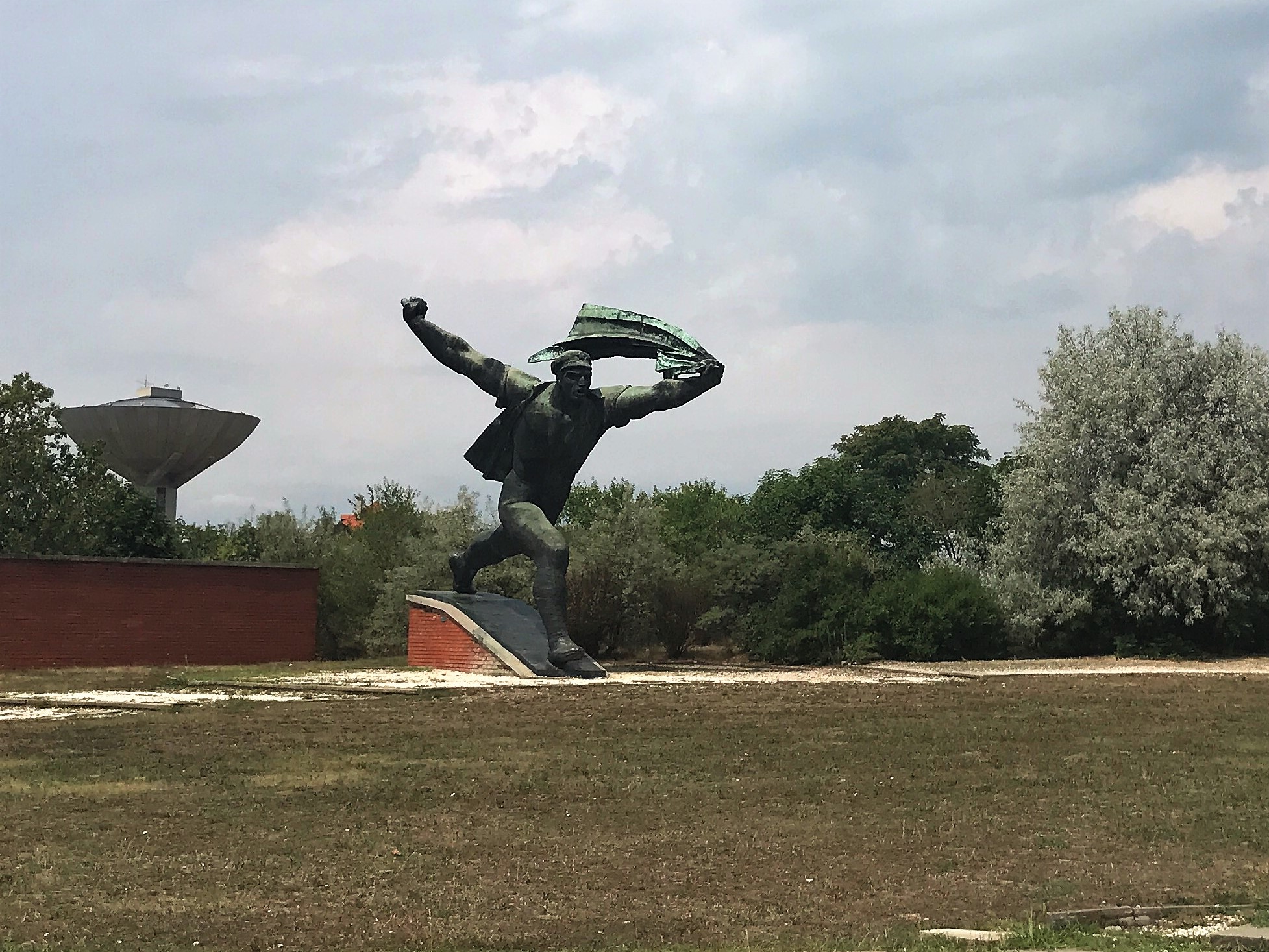
Walking through Memento Park, visitors encounter statues that once dominated public squares — heroic figures meant to be admired and obeyed by the proletariat. The exaggerated scale and dramatic poses reflect the monumentality of Communist-era art, whose purpose was to create new political idols.

One of the most striking symbols is the pair of Stalin’s boots, all that remains of a gigantic statue torn down during the Hungarian Revolution of 1956. The boots have since become one of the park’s most iconic and haunting images.

A Personal Perspective

I remember many of these statues standing on Budapest’s streets. They even had nicknames, and people created ironic or humorous stories about them — subtle acts of resistance in a tightly controlled society.

During my Communist and thematic tours, I love sharing these personal memories alongside historical context. I explain:

  • why certain monuments were removed

  • how propaganda worked through public art

  • what everyday life was like under Communism

  • and why Memento Park remains relevant today

Although the Communist era officially ended over three decades ago, its legacy is still close enough to feel personal — and far enough away to be examined critically.

Visiting Memento Park Today

A visit to Memento Park is especially rewarding for travelers interested in:

  • 20th-century European history

  • life behind the Iron Curtain

  • political symbolism and propaganda

  • alternative, off-the-beaten-path sights in Budapest

It’s a powerful addition to a Budapest Communist tour and a place that often sparks meaningful conversations long after the visit ends.

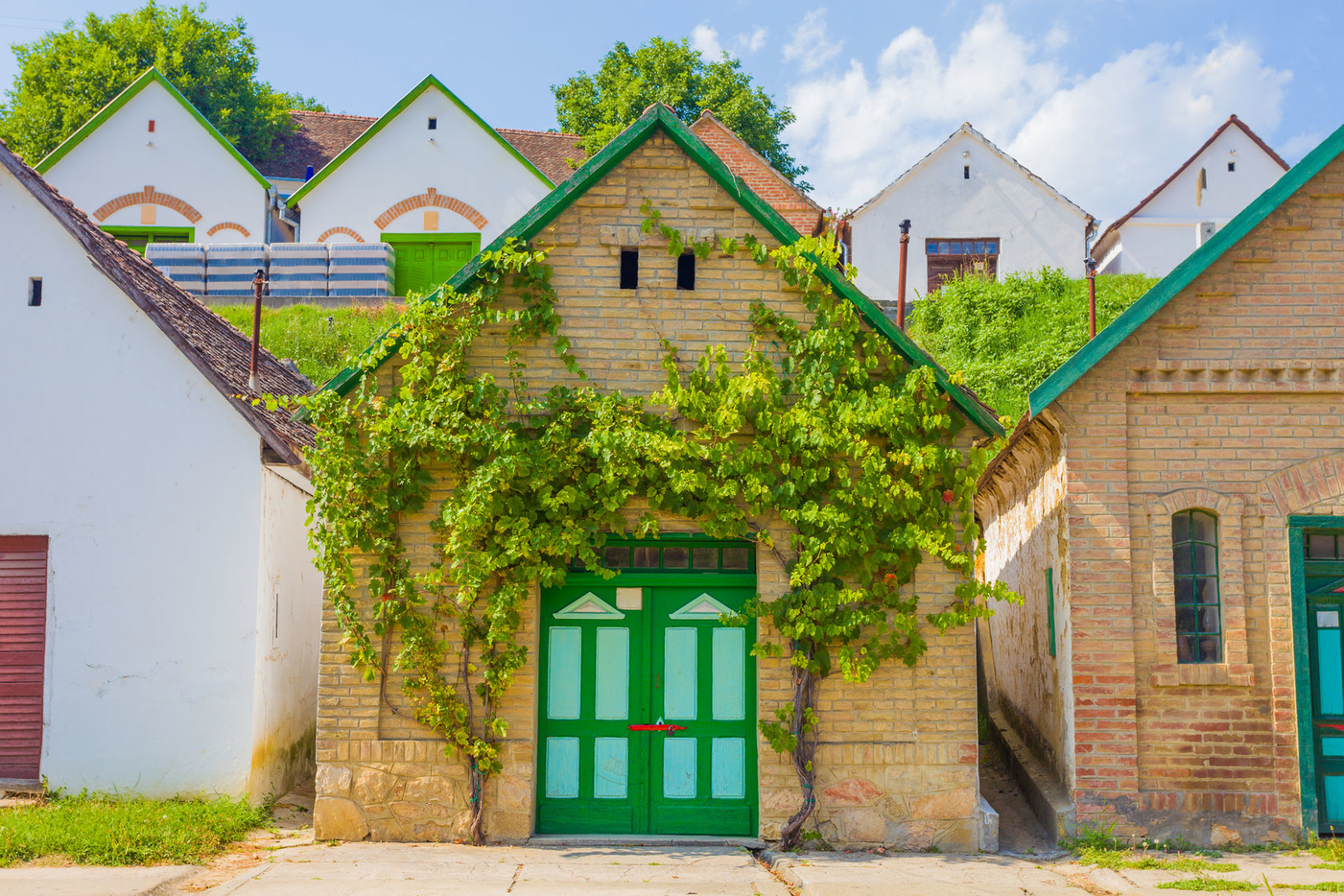
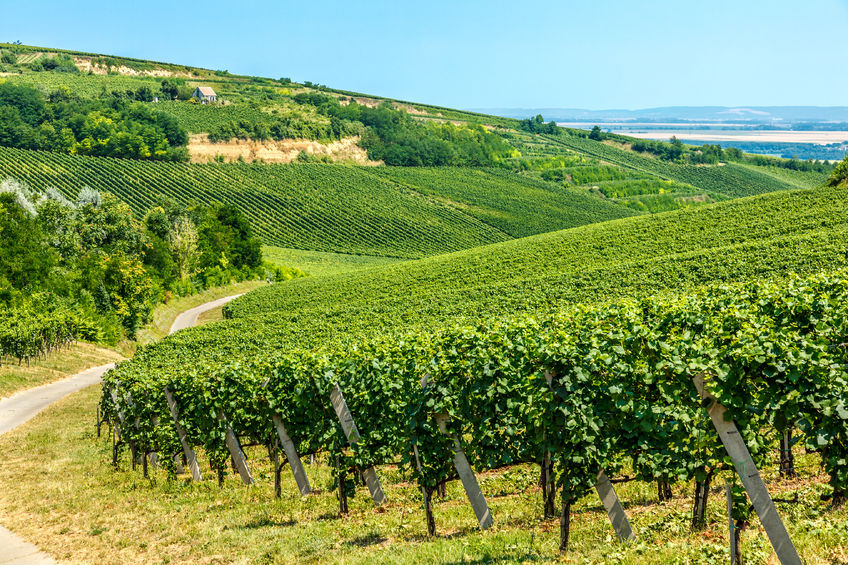
Often considered the most beautiful wine region in Hungary, the Villány Wine Region is famous for its high-quality red and rosé wines, scenic vineyard-covered hills, and outstanding wineries. Located in southern Hungary, Villány is the country’s leading destination for wine tourism and a perfect addition to a Pécs and Villány day tour.

Hungary’s Premier Red Wine Destination

At the heart of the region lies the Villány Wine Trail (Villányi Borút), the first official wine route in Hungary, created to showcase local producers, cellars, and traditions.

If you’d like to explore this region in depth, the Pécs and Villány Tour by Car offers an ideal combination of culture, history, and wine.

Climate and Geography: Ideal Conditions for Wine

The Villány wine region covers approximately 1,800 hectares and enjoys a sub-Mediterranean climate, unusual in Hungary. Summers are hot, winters are mild, and the area benefits from abundant sunshine throughout the year.

The southernmost mountain range of Hungary shelters the vineyards from cool northern winds, creating optimal conditions for ripening grapes — especially red varieties.

A Wine Region with Ancient Roots

Archaeological excavations show that the Romans cultivated grapes here over 2,000 years ago. Hungarian winemaking in the area likely began as early as the 11th century, around the 1060s.

Villány experienced its first golden age in the early 19th century, following the arrival of German settlers. They introduced advanced agricultural techniques and new grape varieties, including Kékoportó, which remains one of the region’s signature grapes today.

From Nationalization to Modern Excellence

During the second half of the 20th century, Villány’s vineyards were nationalized. Large-scale, quantity-focused production left a visible legacy: wide vine rows and low-density plantations designed for heavy machinery.

Today, these contrast clearly with privately owned vineyards, where quality-driven, small-scale production dominates. The revival of craftsmanship and terroir-focused winemaking has played a key role in Villány’s international success.

Villány Grape Varieties and Wines

The Villány wine region is best known for its structured reds, but also produces elegant whites. Key grape varieties include:

  • Kékoportó

  • Kékfrankos

  • Cabernet Sauvignon

  • Hárslevelű

  • Italian Riesling

  • Leányka

Award-Winning Winemakers

Villány winemakers are among the most successful in Hungary, frequently earning top honors at national and international wine competitions. Local producers and cellars have received the titles “Wine Producer of the Year” and “Wine Cellar of the Year” on multiple occasions — clear proof of the region’s prestige.

Visiting Villány on a Private Tour

Villány pairs beautifully with a visit to Pécs, one of Hungary’s most atmospheric historic cities. Together, they create a perfect wine, culture, and gastronomy experience in southern Hungary.

The Pécs and Villány wine tour is ideal for travelers interested in:

  • Hungarian wines and winemaking traditions

  • Scenic countryside and vineyard landscapes

  • Boutique wineries and cellar visits


The most known Hungarian dish is probably the Goulash soup, it’s served with fresh white bread and is a real treat. Find below the recipe, and let me know if you need recommendations about where you can get the best Goulash in Budapest or in Hungary.

In a large soup pot over medium heat saute 2, finely chopped onions in 2 tablespoons lard (or vegetable oil), stirring frequently until lightly browned, don’t let them brown. Add salt and 2 tablespoons of paprika (you can avoid getting the paprika burnt by adding the paprika while the pot is not over heat, stirring it for a few seconds).

Turn the heat high and add beef cubes (2,2 pounds beef chuck roast, tenderloin or sirloin, chopped into 1 inch * 1 inch cubes), stir for 3 minutes until the meat is seared on all sides. Let the meat simmer in its own juice while adding ½ teaspoon caraway seeds, some salt, ground black pepper and 1 bay leaf, pour enough water to cover the content of the pan and let it simmer on low heat, until the meat is almost tender (1,5 – 2 hours), add water if necessary to keep it 1 inch above the level of the meat.

Add 1 bunch parsley, 1 tablespoon tomato paste and vegetables (peeled and cut into ½ inch pieces): 4 carrots, 2 parsley roots, 4 medium potatoes. Add 2 or 3 cups of water (or beef broth) to keep a soup consistency. Add salt if desired. Reduce heat, cover and simmer for 30-40 minutes until the meat is tender.

Serve with freshly made spatzle/spatzel.

We’re just back from another great countryside tour, a beautiful day touring Eger and the Eger wine country. The Eger Castle witnessed the extreme courage and patriotism of its defenders who withstood the Ottomans’ 5-week-long siege in 1542.

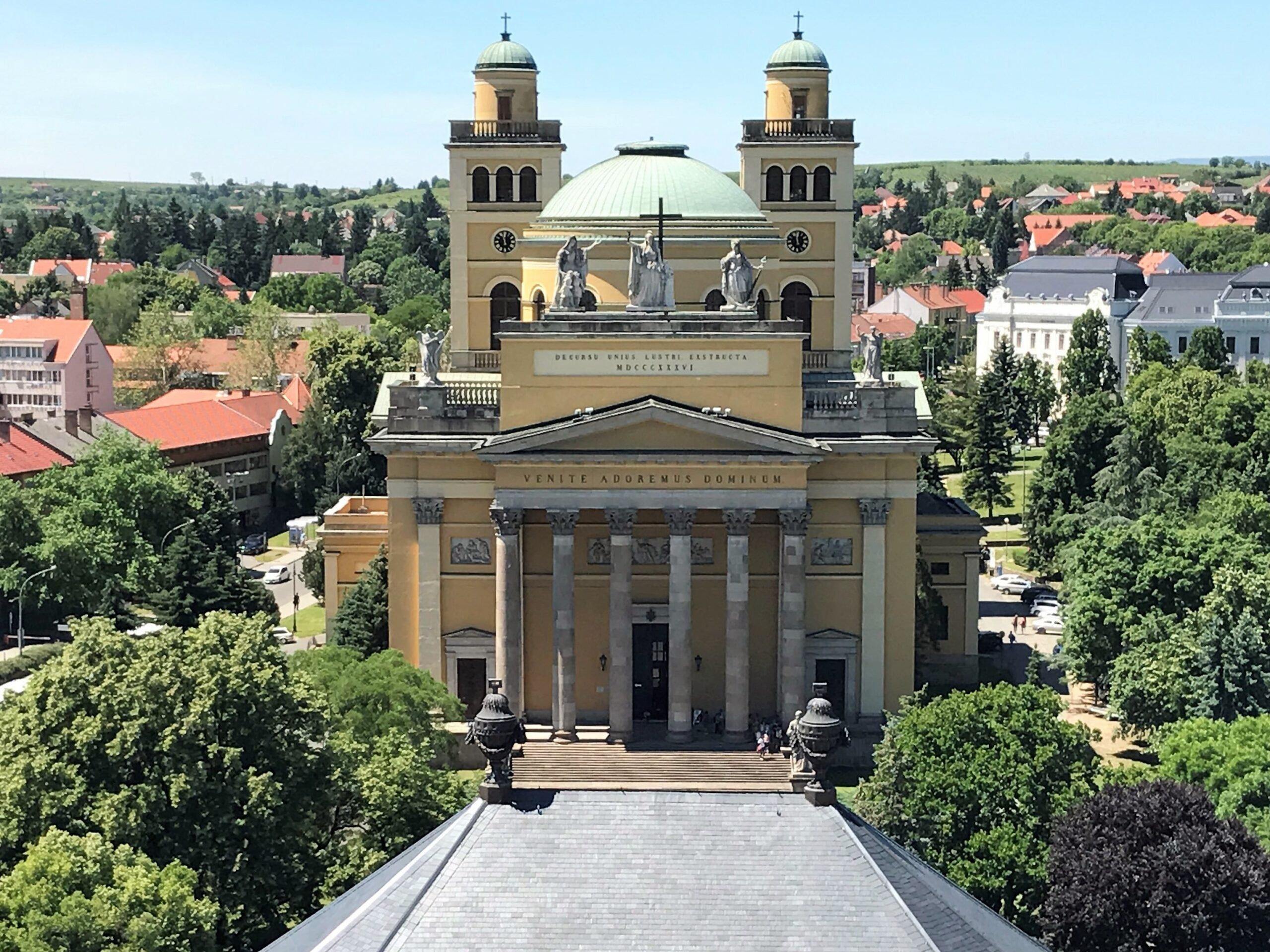
We started by discovering Eger’s Basilica and the University, which is home to the Camera Obscura, Eger’s Eye, probably the most interesting thing in town. There are only 3 camera obscuras around the world, it’s so much fun to spy on what’s going on around the city.

We took a pleasant walk in the old town and tasted some Lángos, which was delicious. We visited the castle, the scene of the fight in 1552, I was telling stories from ‘The eclipse of the crescent moon’, a Hungarian novel about the great victory of the Hungarian defenders of the Eger Castle.

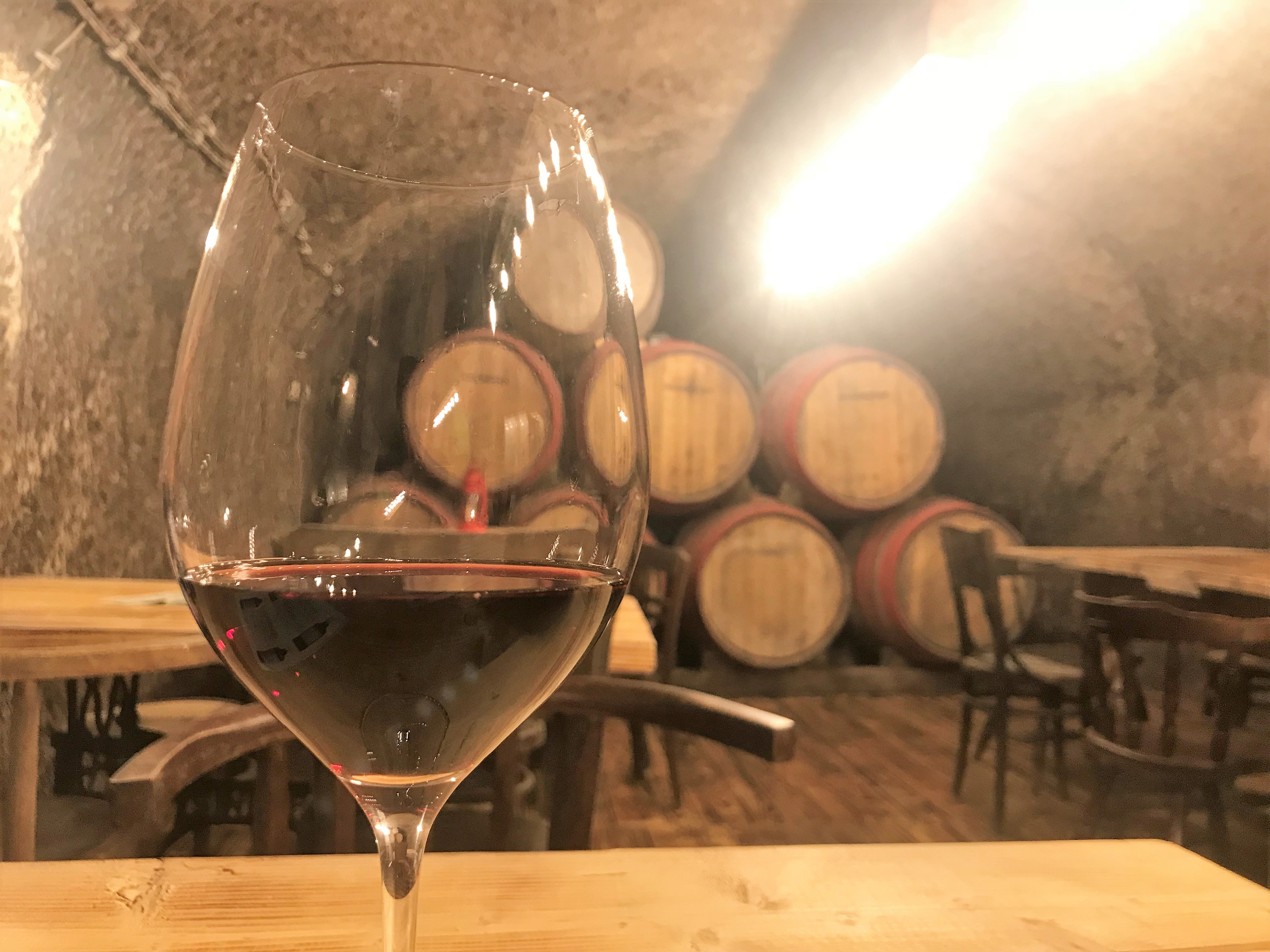
After visiting the local wine museum in the afternoon we drove to the Valley of the Beautiful Women and tasted the best red and white wines of the Eger wine country.

One of Hungary’s Most Famous Crafts

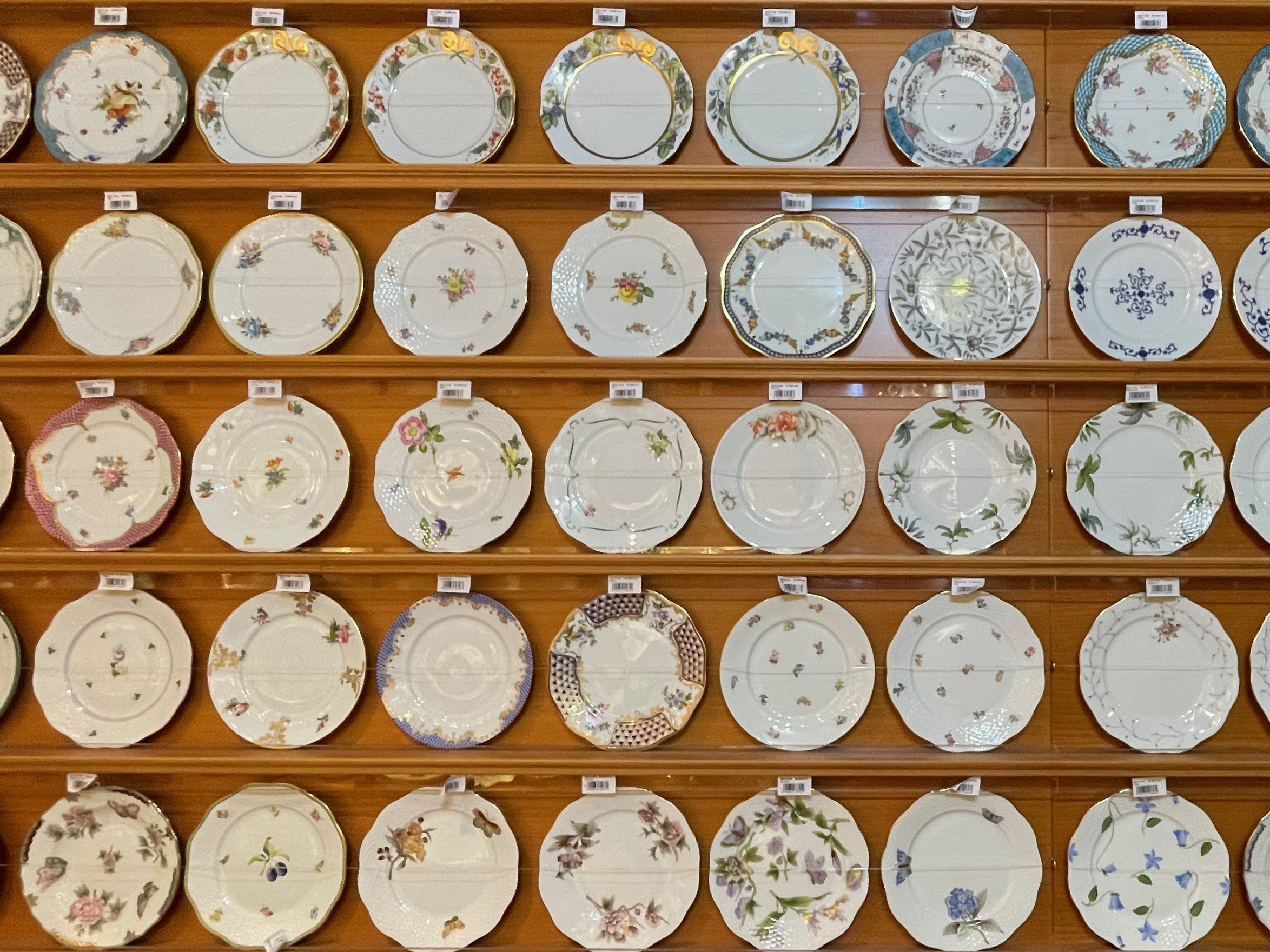
Hungary is internationally renowned for its porcelain production, and Herend porcelain is without doubt its most prestigious name. Founded nearly 200 years ago, the Herend Porcelain Factory continues to produce exquisite, hand-painted porcelain admired by collectors and royal households worldwide.

The factory is located in the small village of Herend, near Veszprém, making it a wonderful cultural stop on a countryside journey or a Lake Balaton tour.

A Porcelain Loved by Royalty

Herend porcelain has won numerous awards at international exhibitions. Its most famous moment came at the Great Exhibition of the Works of Industry of All Nations, where a beautifully decorated dinner set caught the attention of Queen Victoria.

She ordered a full porcelain service for herself, and the pattern was named “Viktória” in her honour — a design that remains one of Herend’s most iconic collections today.

Visiting the Herend Porcelain Museum

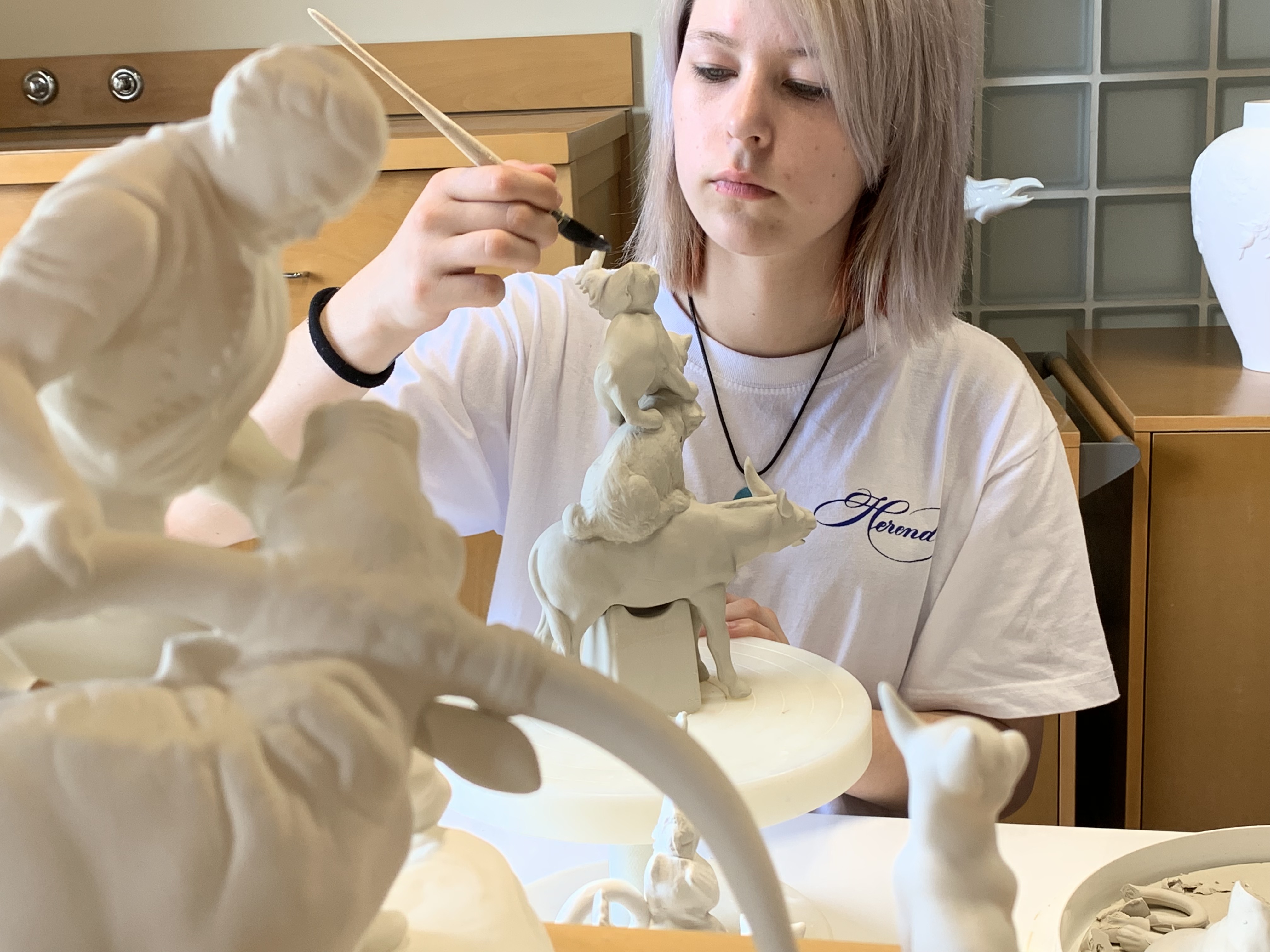
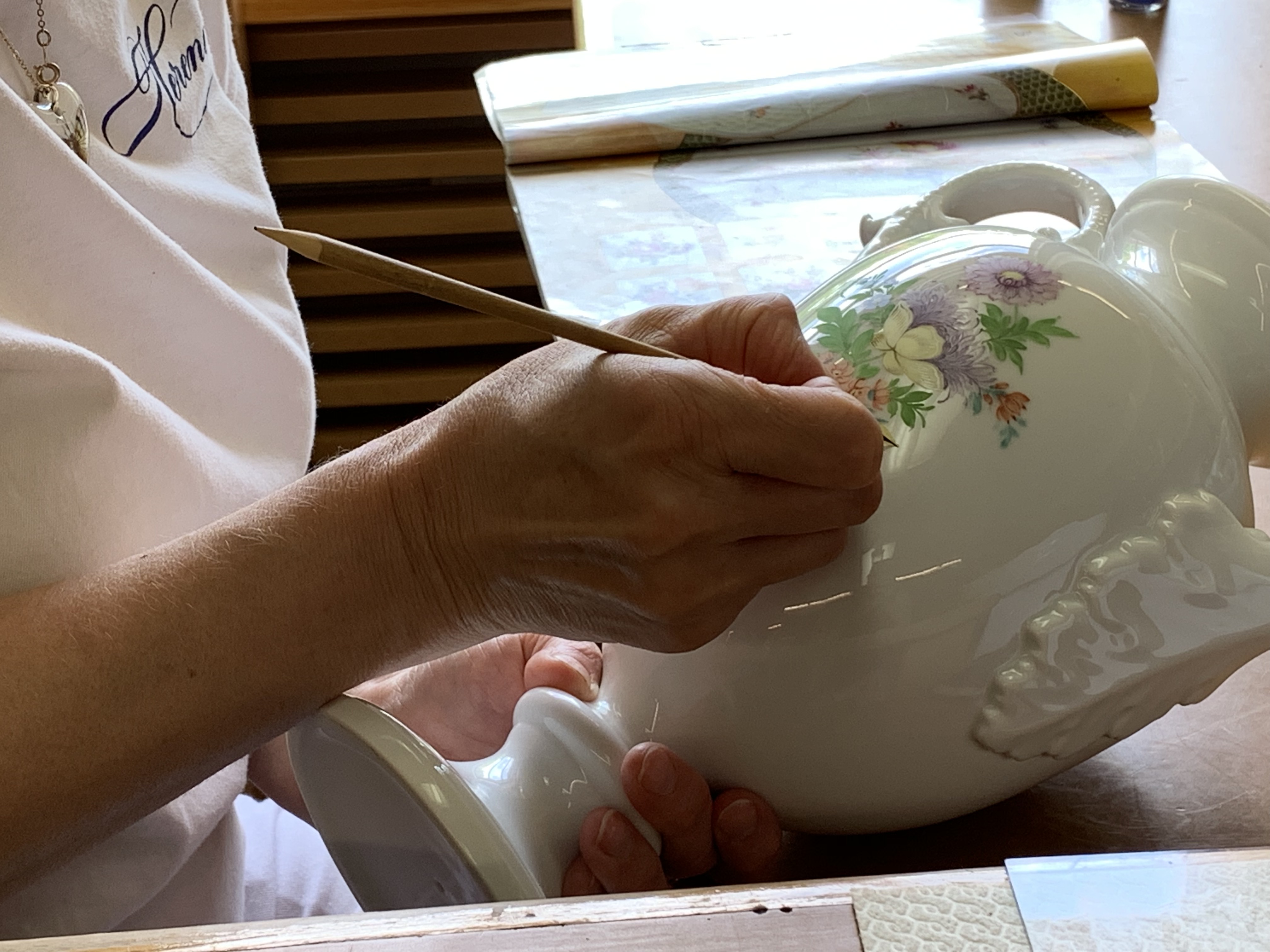
A visit to the Herend Porcelain Museum offers a fascinating behind-the-scenes look at how these delicate masterpieces are created.

One of the highlights is the Mini-Manufactory, where visitors can follow each step of the production process through a series of rooms:

  • preparation of plaster casts

  • shaping and piercing the porcelain

  • delicate flower making

  • hand-painting and gilding techniques

Seeing the artisans at work truly brings home why Herend porcelain is considered a luxury craft rather than mass production.

Coffee or Tea Served in Herend Porcelain

After the museum visit, guests are invited to enjoy a coffee or tea served in genuine Herend porcelain — a charming and memorable detail that perfectly completes the experience.

Including Herend in a Private Tour

I’m happy to include a Herend Porcelain Factory visit as part of:

The Herend visit pairs beautifully with historic towns, scenic viewpoints, and wine or food stops around Lake Balaton. If you’re interested in Hungarian craftsmanship, history, and elegant traditions, Herend is an unforgettable stop.


A day trip to Bratislava from Budapest is one of the easiest and most rewarding ways to explore another European capital while staying in Hungary. Located just two hours away by car, Bratislava is compact, walkable, and full of history. It is also the only capital city in Europe that borders two countries — Hungary and Austria — making it a perfect addition to a Central European itinerary.

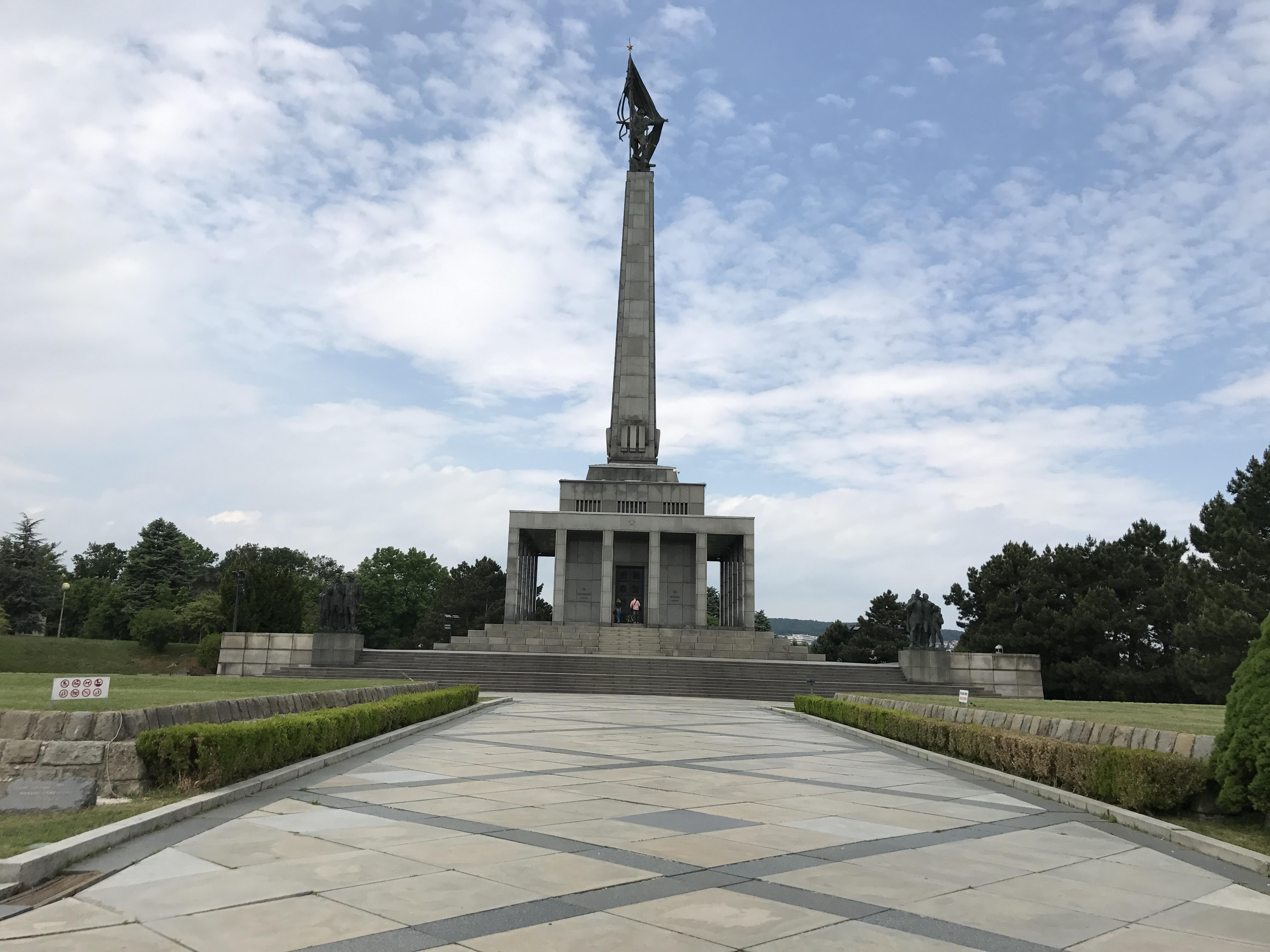
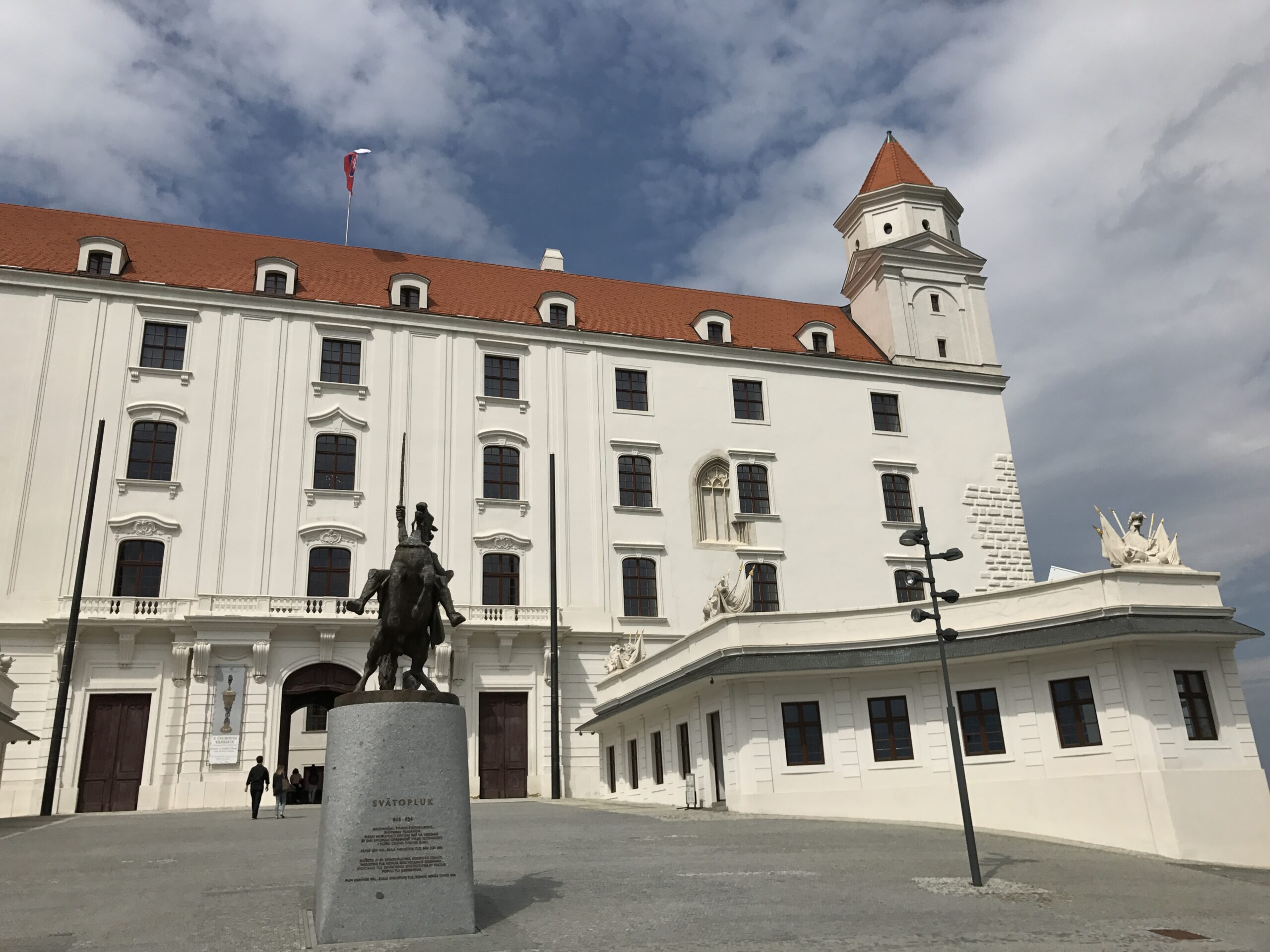
We started our day at Slavín Memorial, a powerful monument dedicated to the liberation of Slovakia in April 1945. From there, we enjoyed a relaxed walk up to Bratislava Castle, often described as looking like an upside-down table — its four towers resembling sturdy table legs.

Although the castle was largely destroyed by fire over 200 years ago, the panoramic views from the hilltop over the city and the Danube are absolutely worth it.

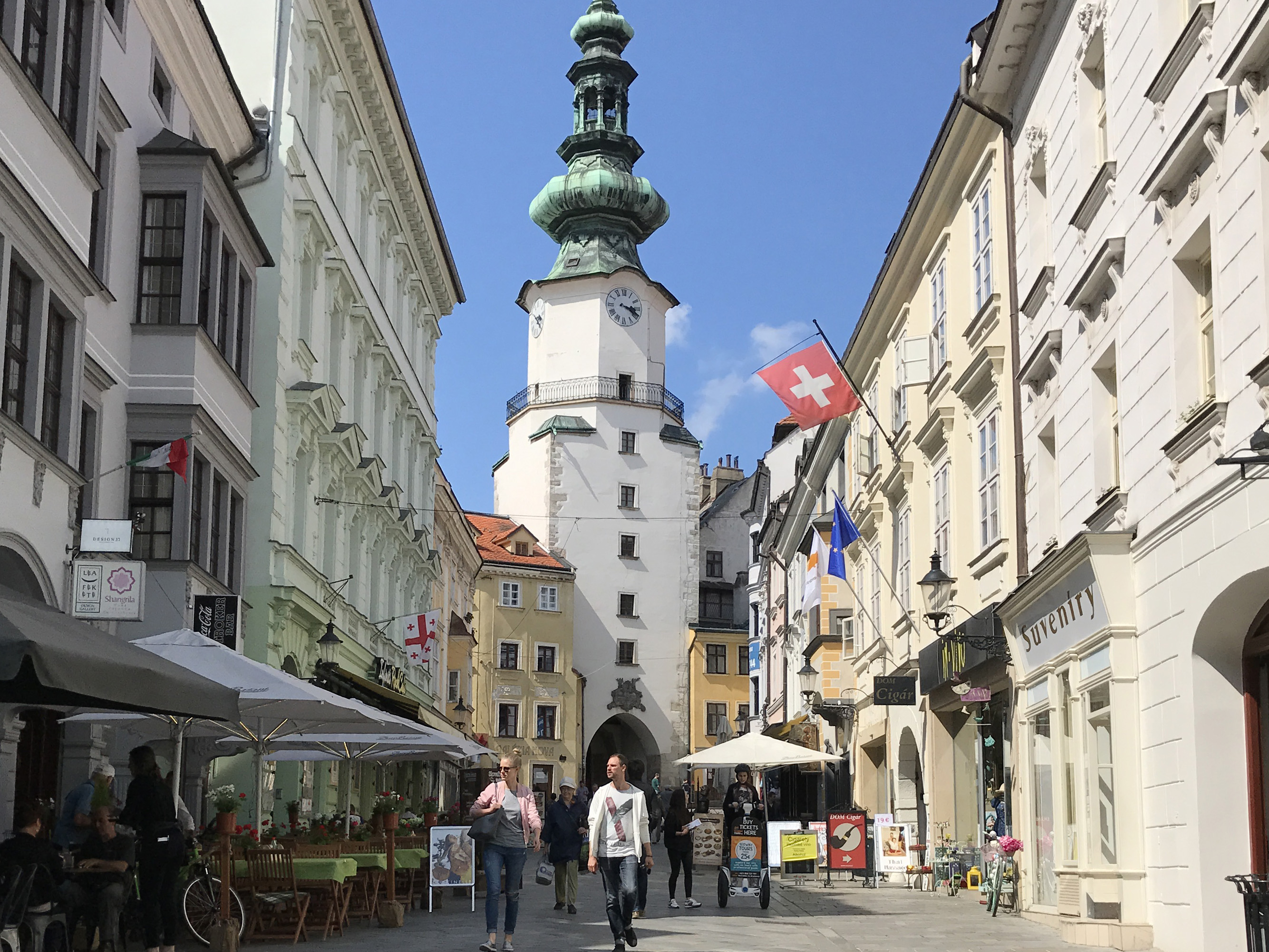
Next came the joy of wandering through Bratislava Old Town — full of narrow streets, pastel façades, and lively squares. We visited St. Martin’s Cathedral, once the coronation church of Hungarian kings, and admired the elegant Primatial Palace, famously topped with a giant cardinal’s hat.

Bratislava’s playful side reveals itself through its quirky street statues:

  • Čumil (the Man at Work)
  • the sneaky Paparazzo
  • and even Napoleon Bonaparte’s soldier resting casually on a bench

We wrapped up the day with a traditional Slovak lunch on the main square, soaking in the easygoing atmosphere before heading back to Budapest.

Bratislava is compact, elegant, and full of surprises — an ideal addition to a Vienna–Bratislava itinerary or a memorable standalone day trip.


Etyek–Buda Wine Region is often referred to as Budapest’s vineyard, thanks to its close proximity to the Hungarian capital. Although the wine region was officially established in 1997, local wine production dates back to the Middle Ages, making Etyek one of Hungary’s most historic yet forward-looking wine areas.

A Terroir Made for Freshness and Elegance

The defining feature of the Etyek–Buda Wine Region is its calcareous clay soil, which gives the wines their signature freshness and vibrant acidity. Combined with the region’s clean ecological environment and cool climate, these conditions make Etyek particularly well suited for crisp white wines and high-quality sparkling wines.

It’s no coincidence that Etyek has become one of Hungary’s most important centres for traditional-method sparkling wine production.

The Wines of Etyek

Etyek wines are known for their lightness, precision, and lively character. The most important grape varieties of the region include:

  • Chardonnay

  • Sauvignon Blanc

  • Pinot Gris

These grapes thrive in the local terroir, producing elegant, aromatic wines with refreshing acidity.

Red wines remain relatively rare, but curious wine lovers can still discover interesting Pinot Noir and small quantities of Cabernet, offering a different perspective on the region’s potential.

Sparkling Wine: Etyek’s Signature Style

One of the greatest strengths of the Etyek–Buda Wine Region is its exceptional suitability for sparkling wine production. The region’s cool climate, limestone-rich soils, and naturally high acidity create ideal conditions for traditional-method sparkling wines. Grapes such as Chardonnay and Pinot Noir are harvested early to preserve freshness, resulting in elegant, crisp sparkling wines with fine bubbles and vibrant structure. Today, Etyek is widely regarded as Hungary’s leading sparkling wine region, supplying base wines for some of the country’s most respected producers.

Meet the Winemakers of Etyek

One of the greatest charms of Etyek lies in its welcoming, family-run wineries. Local winemakers are known not only for their wines, but also for their hospitality. Visits often include generous tastings and, in many cases, a simple, seasonal lunch made with local ingredients.

This personal connection between winemaker and visitor is what makes Etyek such a rewarding destination.

Explore Etyek on a Guided Wine Tour

Thanks to its location just outside Budapest, Etyek is perfect for a half-day or full-day escape into the countryside.

You can experience the region on my Etyek Tour with Wine Tasting, focusing on local wineries, vineyards, and sparkling wines — or combine it with Budapest’s culinary scene on the Budapest Food Tour & Etyek Wine Tour, a more immersive experience that connects city flavours with rural winemaking traditions.

Why Visit the Etyek–Buda Wine Region?

Etyek offers a unique contrast to Hungary’s larger wine regions:

  • Close to Budapest, yet deeply rural

  • Historic, yet innovative

  • Relaxed, personal, and refreshingly elegant

For wine lovers seeking authentic Hungarian wines without long travel times, Etyek is an ideal choice. Do not hesitate to let me know if you are interested in a local tour!


Don’t forget to check out the Spring and Easter Fair on Vörösmarty square, it’s open until the end of April. You can buy local, artisanal handicraft products, pottery, ceramics, jewellry and leather products. There are workshops and concerts every weekend.

Also, you can taste the most fantastic treats of the Hungarian cuisine, traditional Easter dishes as ham and knuckle, and great cakes, including of course the festive  chimney cake. Enjoy!


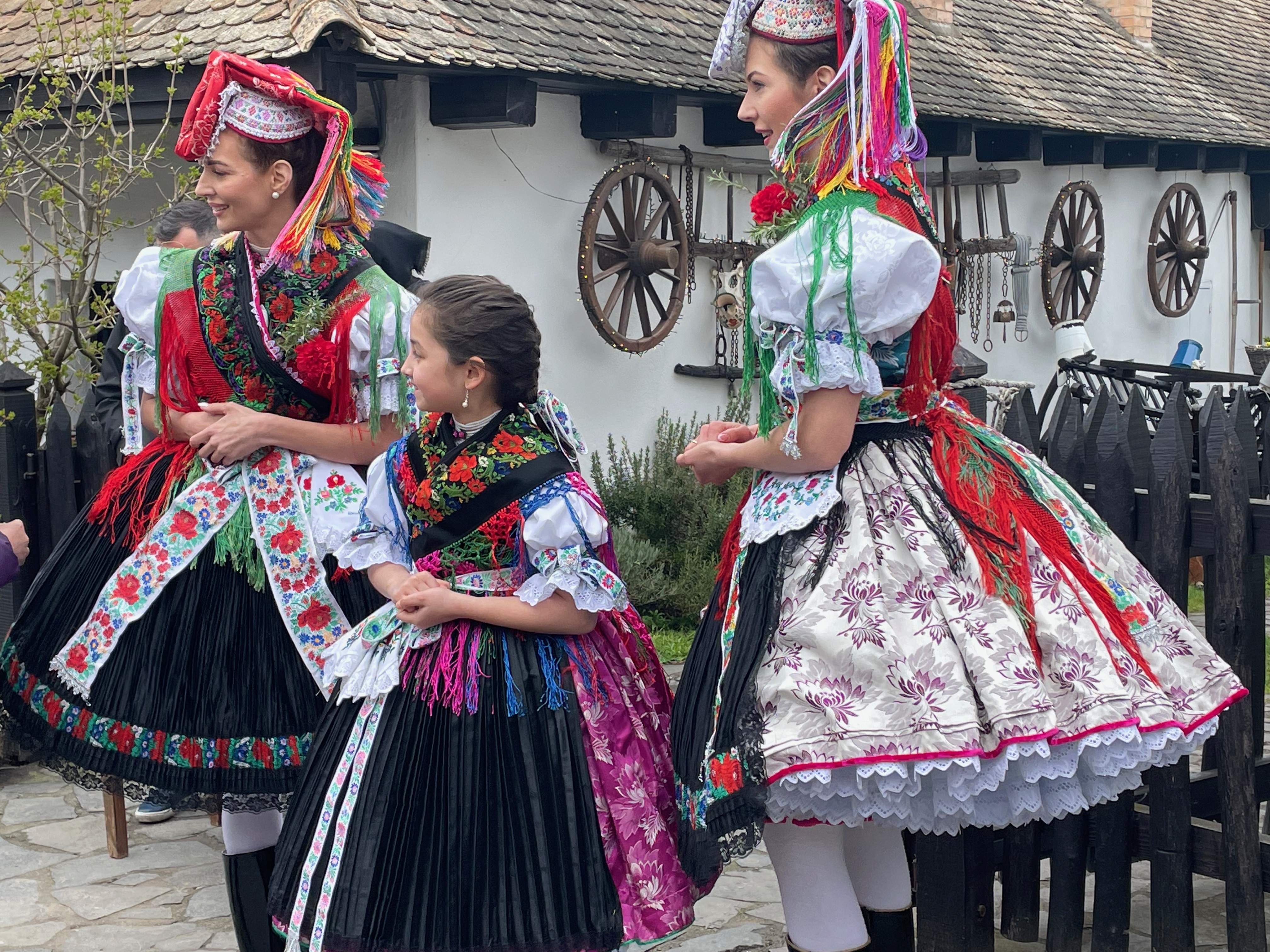
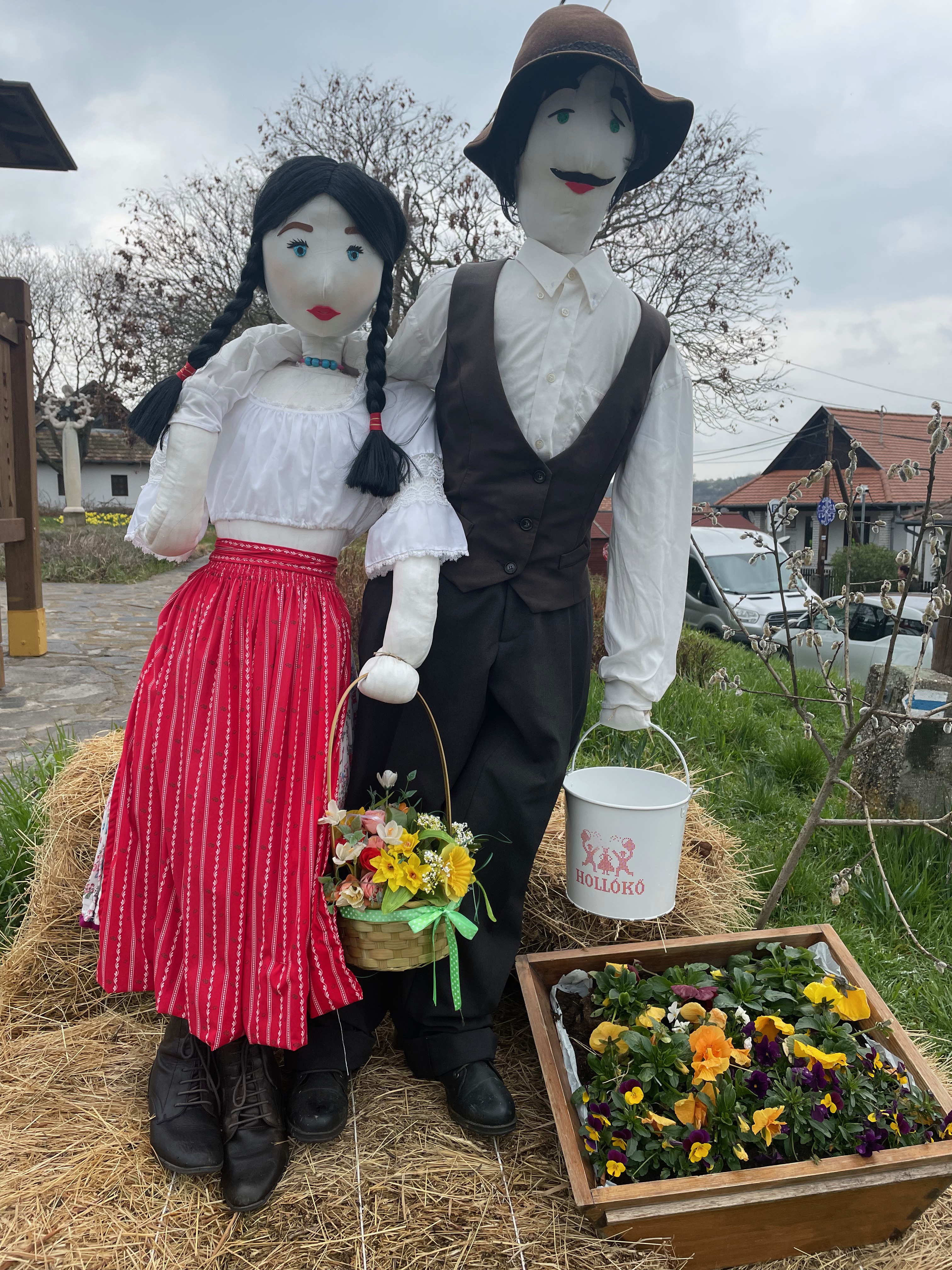
Hungary is home to many colourful folk customs, and the most playful Hungarian Easter tradition is locsolás, the Easter Monday ritual of watering. This unique custom, still practiced today, brings together humour, symbolism, and centuries-old beliefs about renewal and fertility. Celebrating Easter in Hungary is a truly memorable experience.

A Hungarian Easter tradition: Locsolás

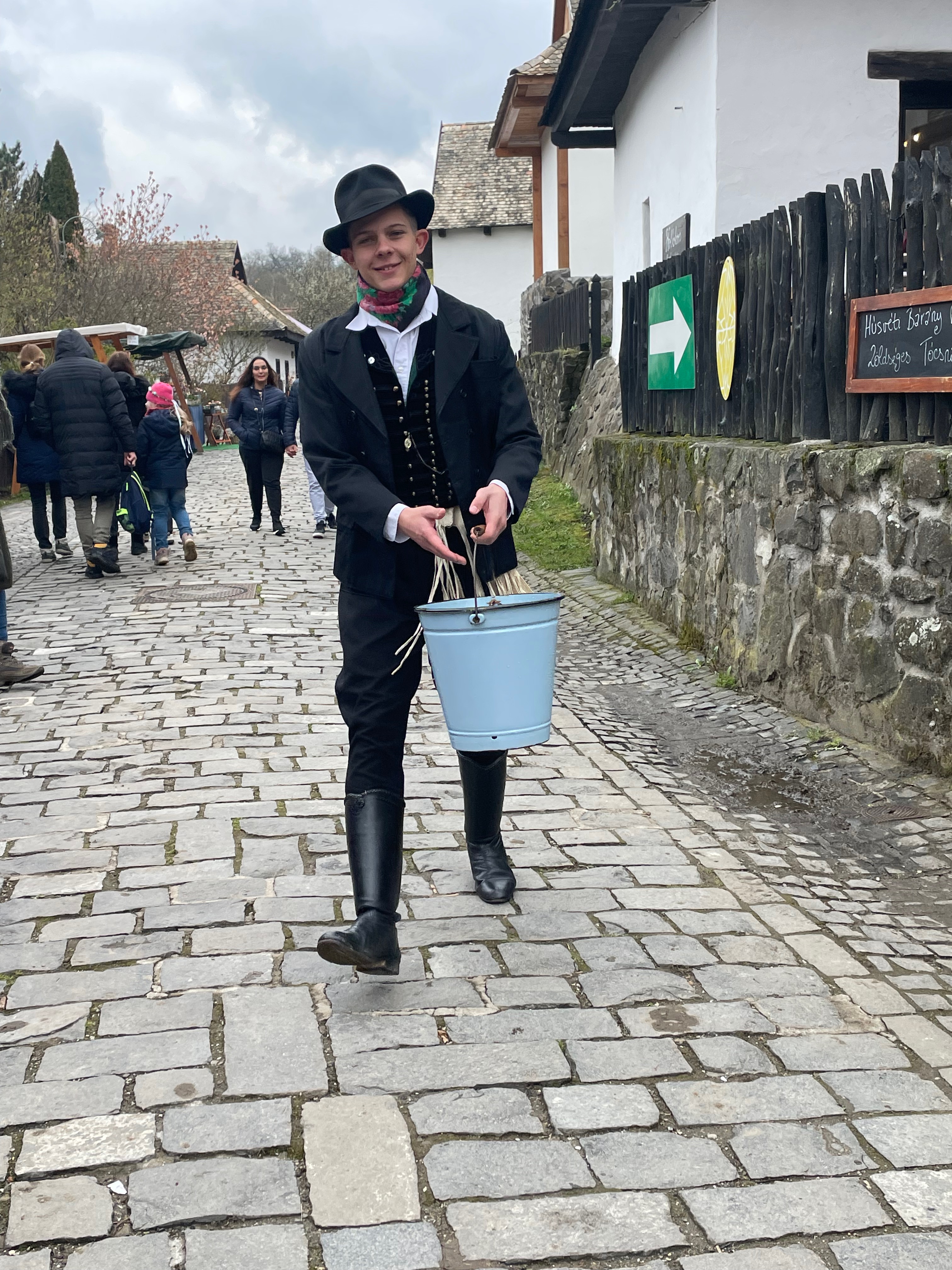
Locsolás takes place on Easter Monday, when men traditionally visit female relatives, friends, and neighbours to sprinkle them with water — or, more commonly today, perfume.

According to old beliefs, water symbolises purification, renewal, and fertility, and the ritual was meant to keep women fresh, healthy, and beautiful throughout the year.

From Buckets of Water to Perfume Bottles

While today most men politely use a splash of perfume, the tradition was once far more dramatic. Just a few decades ago, girls were often doused with large buckets of ice-cold water, sometimes outdoors, to much screaming and laughter.

Thankfully, modern locsolás is gentler — and much more comfortable.

Eggs in Exchange – a local Easter tradition

As a thank-you, women traditionally give men decorated Easter eggs, often hand-painted using folk motifs and traditional techniques. These eggs remain one of the most recognisable symbols of Hungarian Easter celebrations.

A Playful Tradition Still Alive Today

Locsolás is a joyful mix of humour, symbolism, and community spirit. While it’s mostly practiced within families and small communities today, it remains a beloved part of Easter in Hungary. Also, it is a charming reminder of how folklore continues to shape everyday life.


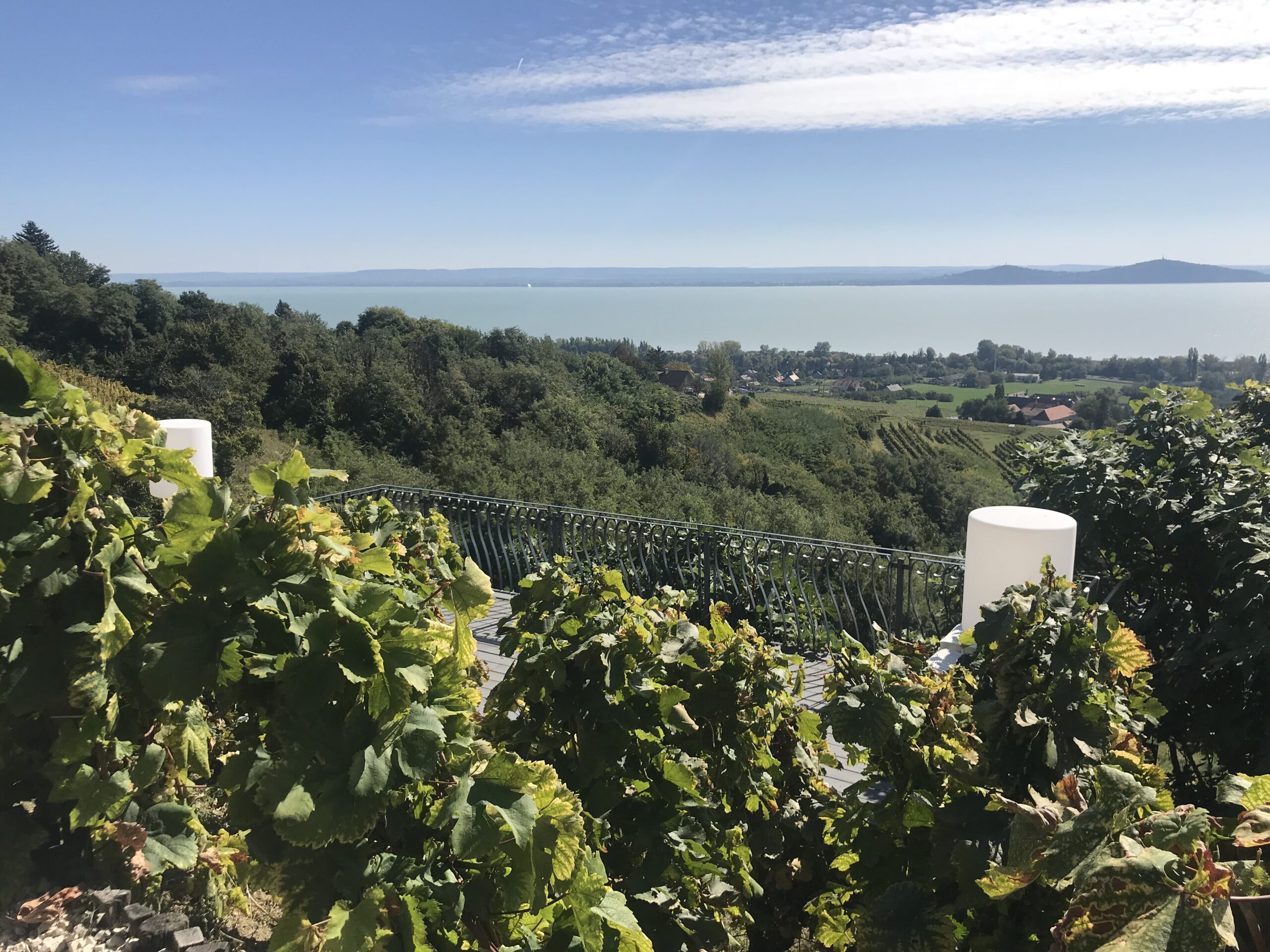
Lake Balaton has been affectionately called the Hungarian Sea for almost a century. For Hungarians, this vast lake is deeply woven into childhood memories and summer traditions: school camping trips, long family holidays, sailing afternoons, and even ice skating during cold winters.

For decades, Lake Balaton has also been Hungary’s favourite holiday destination — a place where generations return again and again.

Central Europe’s Largest Freshwater Lake

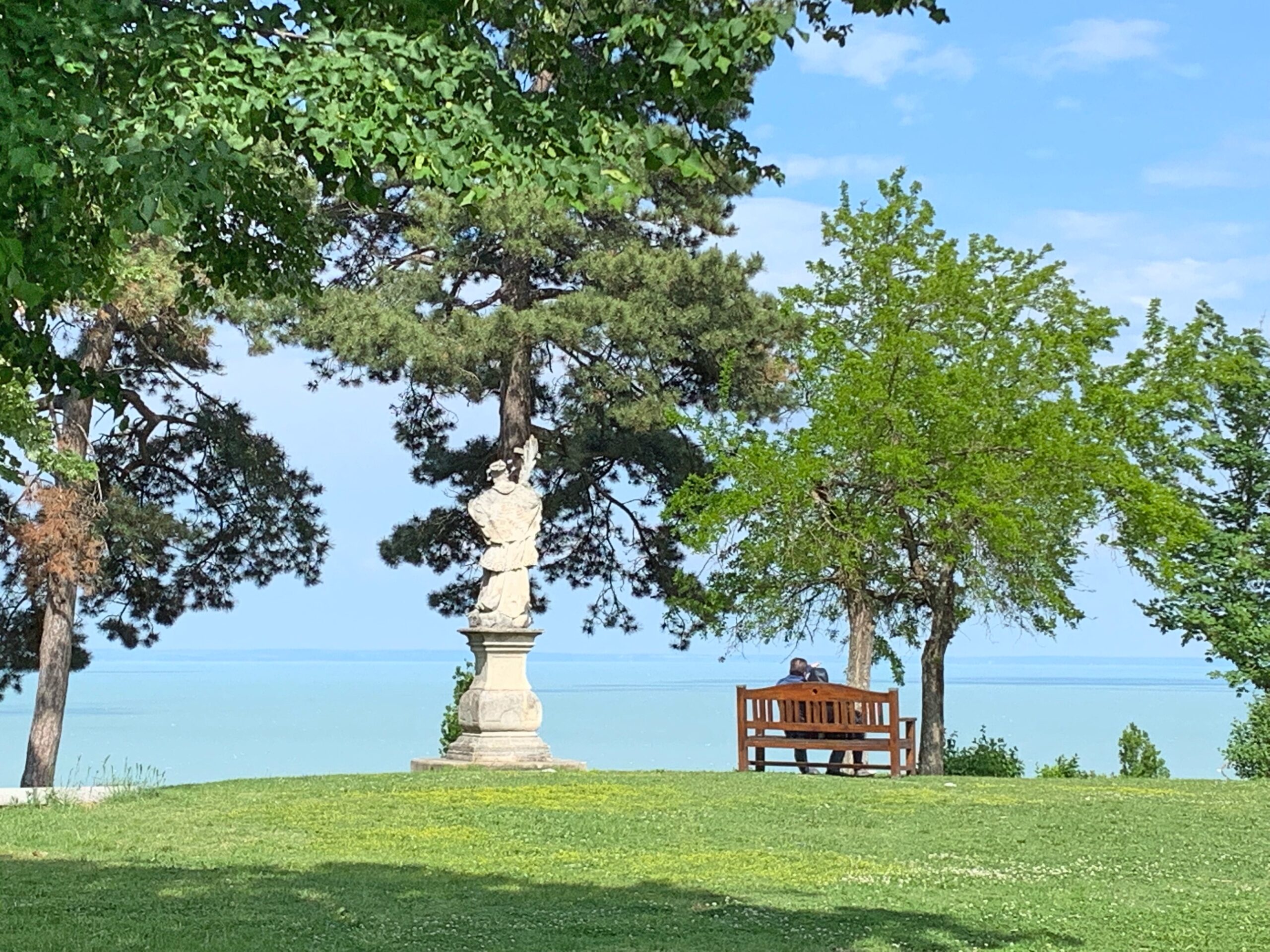
Stretching nearly 80 kilometres in length, Lake Balaton is the largest freshwater lake in Central Europe. Its shallow depth gives the water a unique greenish hue and a soft, silky feel — one of the reasons it warms quickly in summer and remains ideal for swimming.

It’s no surprise that Balaton is the number one domestic tourist destination in Hungary, offering something for every pace of travel.

A Lake for Every Mood

Lake Balaton is many things at once:

  • A holiday resort for families and sun-seekers

  • A paradise for sailors, windsurfers, and kitesurfers

  • A lively venue for summer music festivals

  • And, just as easily, a peaceful escape for slow travel, nature lovers, and wine enthusiasts

Whether you’re looking for vibrant lakeside life or quiet vineyard views, Balaton delivers both.

The Northern Shore: Volcanoes, Vineyards & Views

The most diverse and dramatic part of the lake is the Northern Shore, where rolling hills rise from the water and extinct volcanoes shape the landscape. This region is known for its highlands, basalt formations, and historic wine regions, making it ideal for exploration beyond the beach.

Highlights of the Veszprém & Lake Balaton Tour

My Veszprém & Lake Balaton Tour focuses on this picturesque northern side and combines natural beauty with history, architecture, and local flavours.

Charming Towns & Lakeside Walks

We also visit some of the most beloved towns around the lake:

  • Tihany, famous for its abbey and rich cultural heritage

  • Balatonfüred, where we stroll along the marina and lakeside promenade

Each stop reveals a different face of Balaton life — historic, elegant, and deeply local.

Local Food, Wine & the Flavours of Balaton

No visit to Lake Balaton is complete without tasting the region. Along the way, I introduce you to:

  • Local farmers from the Káli Basin

  • Winemakers from the Badacsony Wine Region

This is where volcanic soil meets crisp white wines, seasonal dishes, and a slower rhythm of life.

Experience Lake Balaton Beyond the Beach

Lake Balaton is far more than a summer swimming spot — it’s a landscape shaped by history, nature, and everyday Hungarian life. Exploring it with a local guide allows you to see what lies beyond the shoreline.