One of the most striking and meaningful landmarks in Budapest is the Great Synagogue, often referred to as the Dohány Street Synagogue. With its distinctive appearance and deep historical significance, it is a place that leaves a lasting impression on nearly every visitor. Located in the heart of the former Jewish Quarter, the Great Synagogue is not only the largest synagogue in Europe, but also one of the most important cultural and religious centers of the Jewish community in Budapest. A Unique Architectural Language From the outside, the Great Synagogue looks unlike any other religious building in the city. Its Moorish Revival style—with colourful brickwork, onion-shaped domes, and decorative arches—often reminds visitors of a mosque. Step inside, however, and the atmosphere changes. The interior layout, seating arrangement, and monumental scale feel closer to that of a Christian church, reflecting the unique approach of 19th-century synagogue architecture. This blend of influences makes the building architecturally fascinating and entirely unique within Budapest. More Than a Place of Worship The Great Synagogue complex is much more than a single building. Visitors are encouraged to explore the Jewish Museum, which shares a wall with the synagogue and offers insight into Jewish life, traditions, and history in Hungary. Behind the synagogue lies a quiet garden and memorial area, home to deeply moving Holocaust memorials. These spaces invite reflection and remembrance, adding emotional depth to the visit and helping visitors understand the profound impact of 20th-century history on the local Jewish community. An Essential Stop in the Jewish Quarter The synagogue stands at the centre of what was once one of Europe’s most vibrant Jewish neighbourhoods. Exploring the surrounding streets reveals layers of history—from everyday life before World War II to the tragic events of the Holocaust, and the revival of the district in recent decades. This
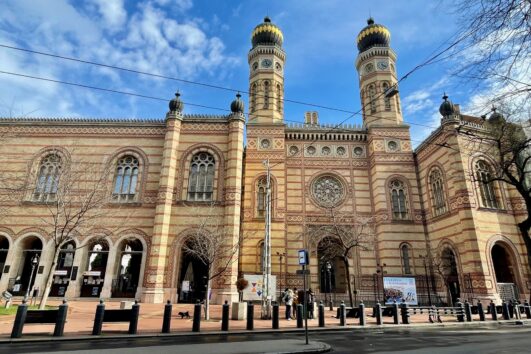
One of the most striking and meaningful landmarks in Budapest is the Great Synagogue, often referred to as the Dohány Street Synagogue. With its distinctive appearance and deep historical significance, it is a place that leaves a lasting impression on nearly every visitor.
Located in the heart of the former Jewish Quarter, the Great Synagogue is not only the largest synagogue in Europe, but also one of the most important cultural and religious centers of the Jewish community in Budapest.
A Unique Architectural Language
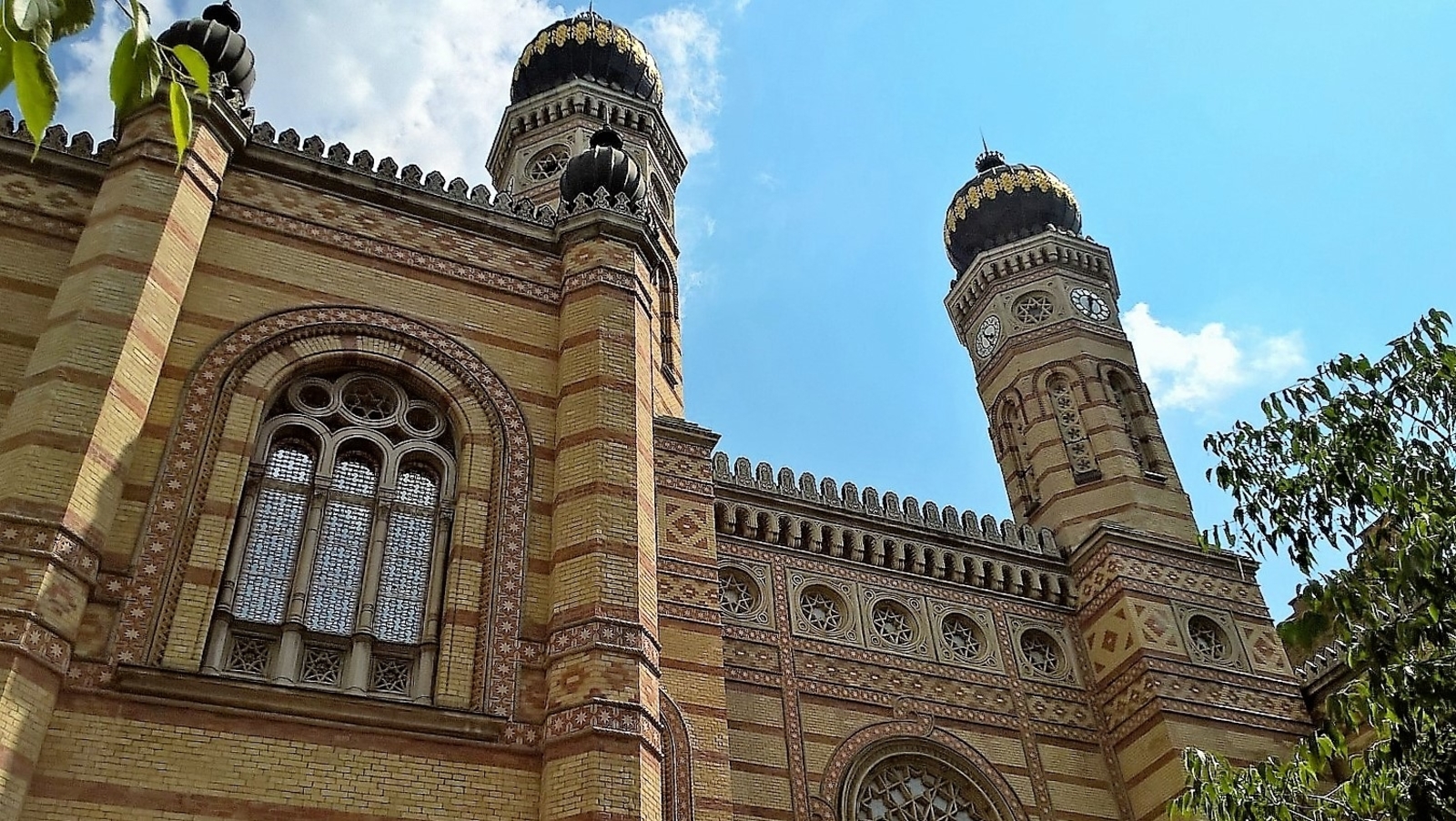
From the outside, the Great Synagogue looks unlike any other religious building in the city. Its Moorish Revival style—with colourful brickwork, onion-shaped domes, and decorative arches—often reminds visitors of a mosque.
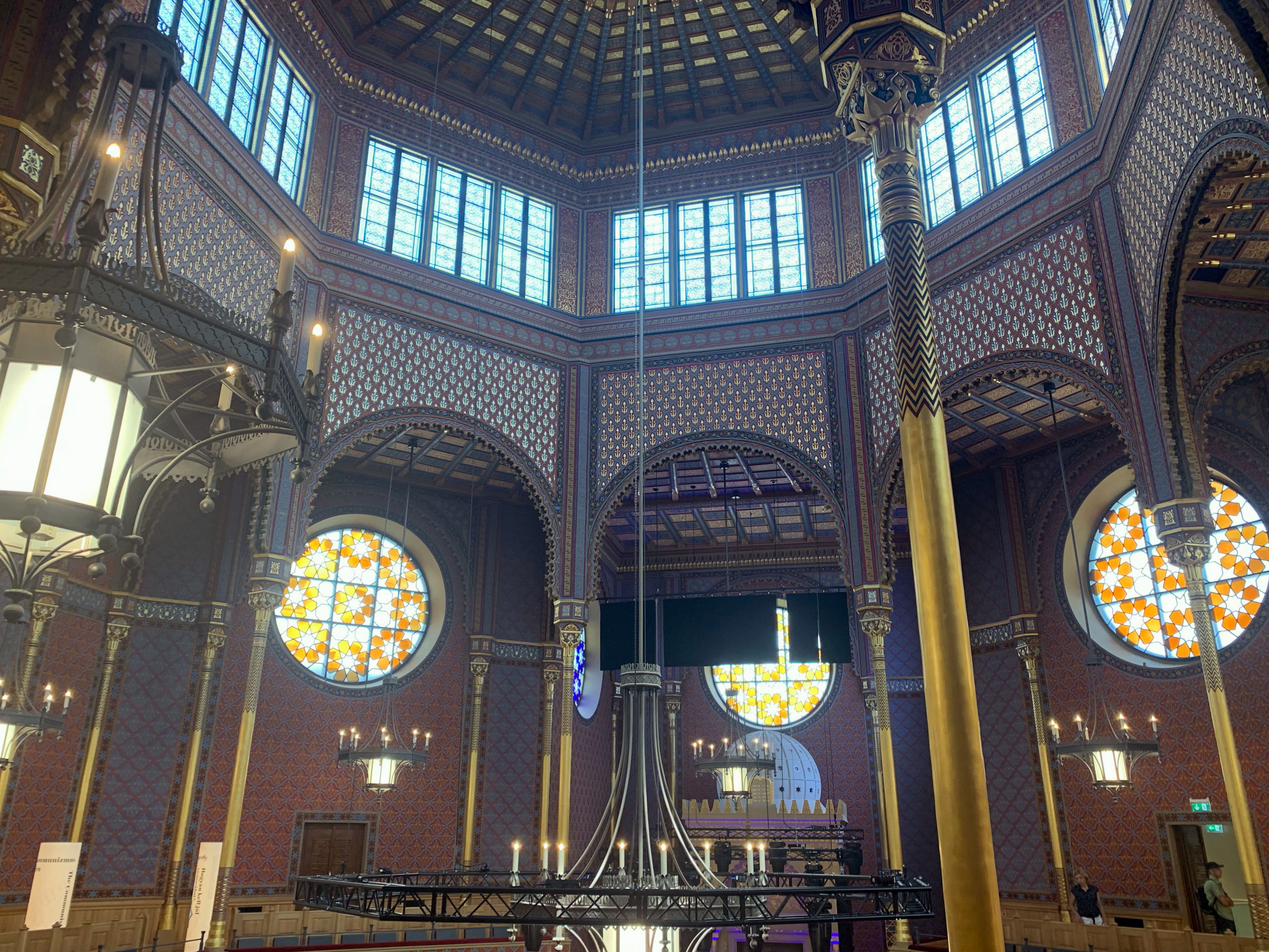
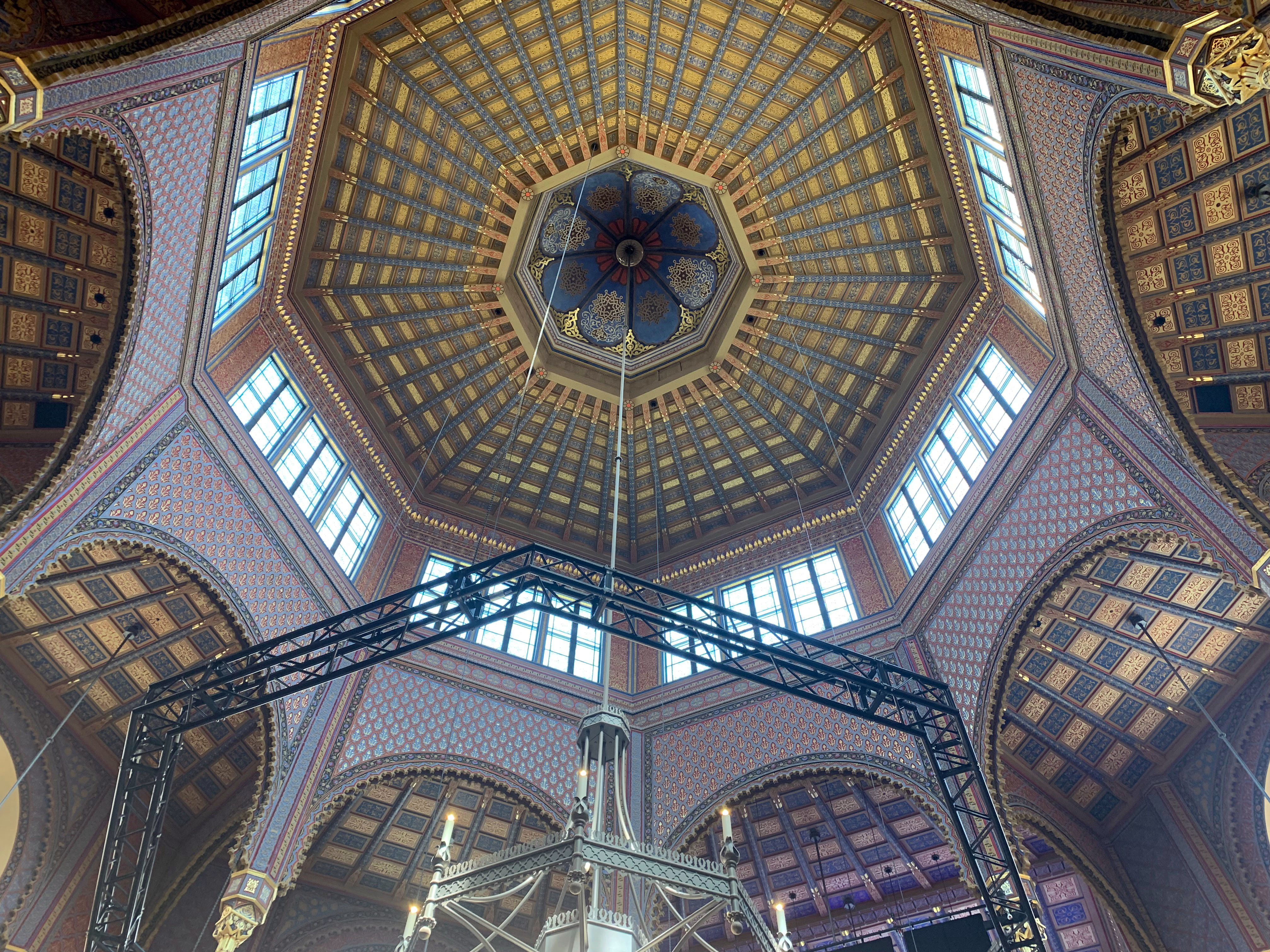
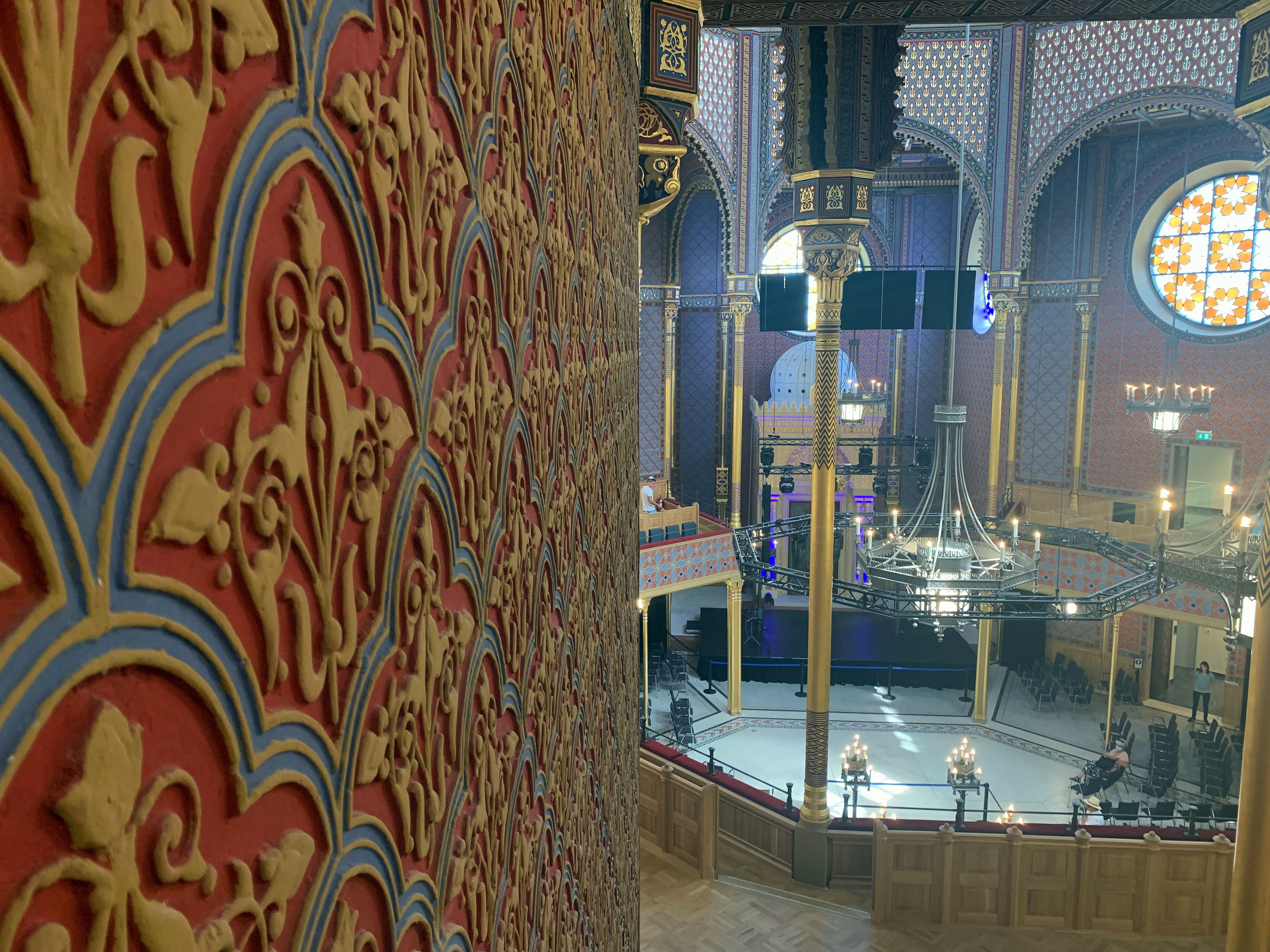
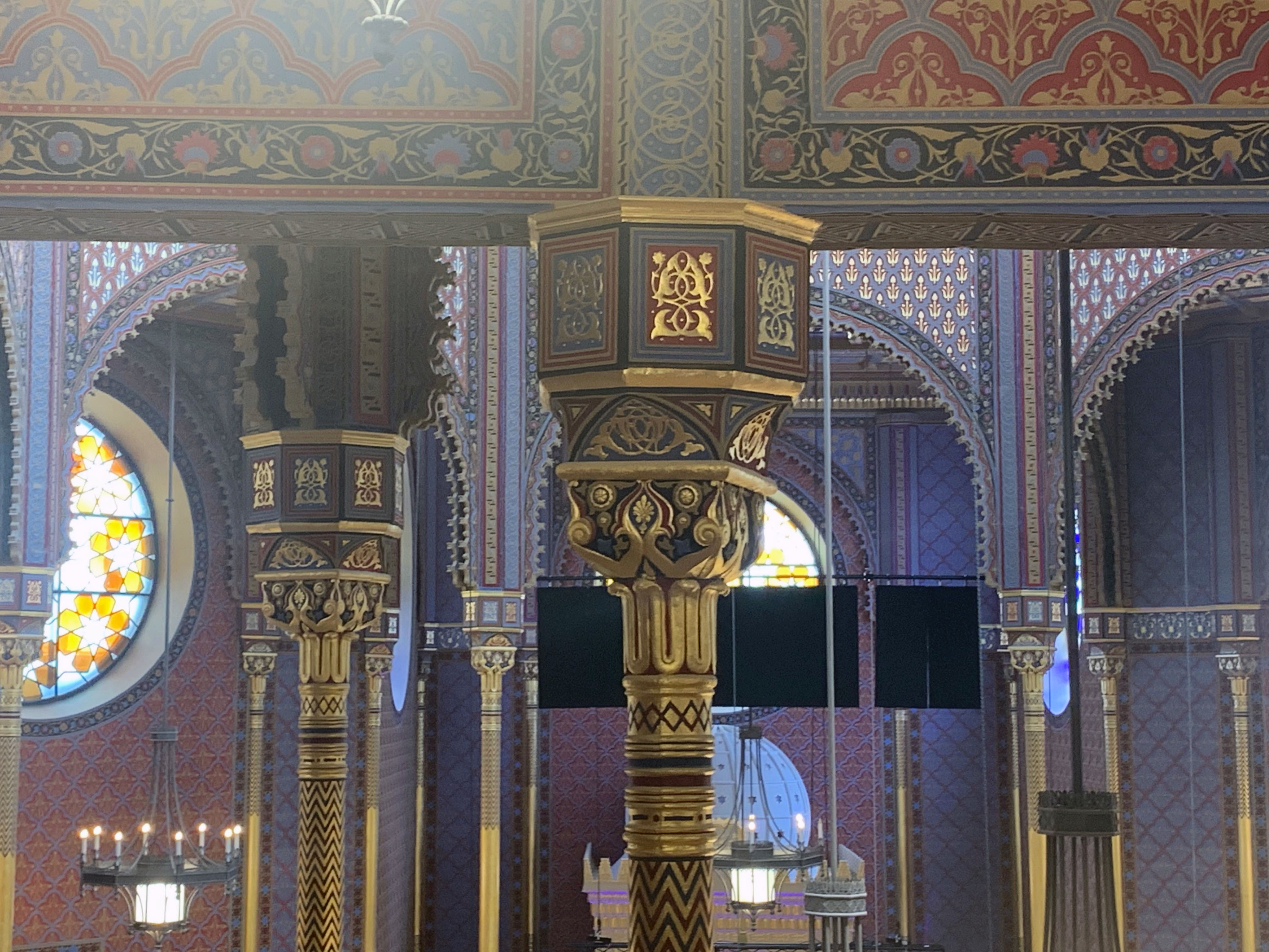
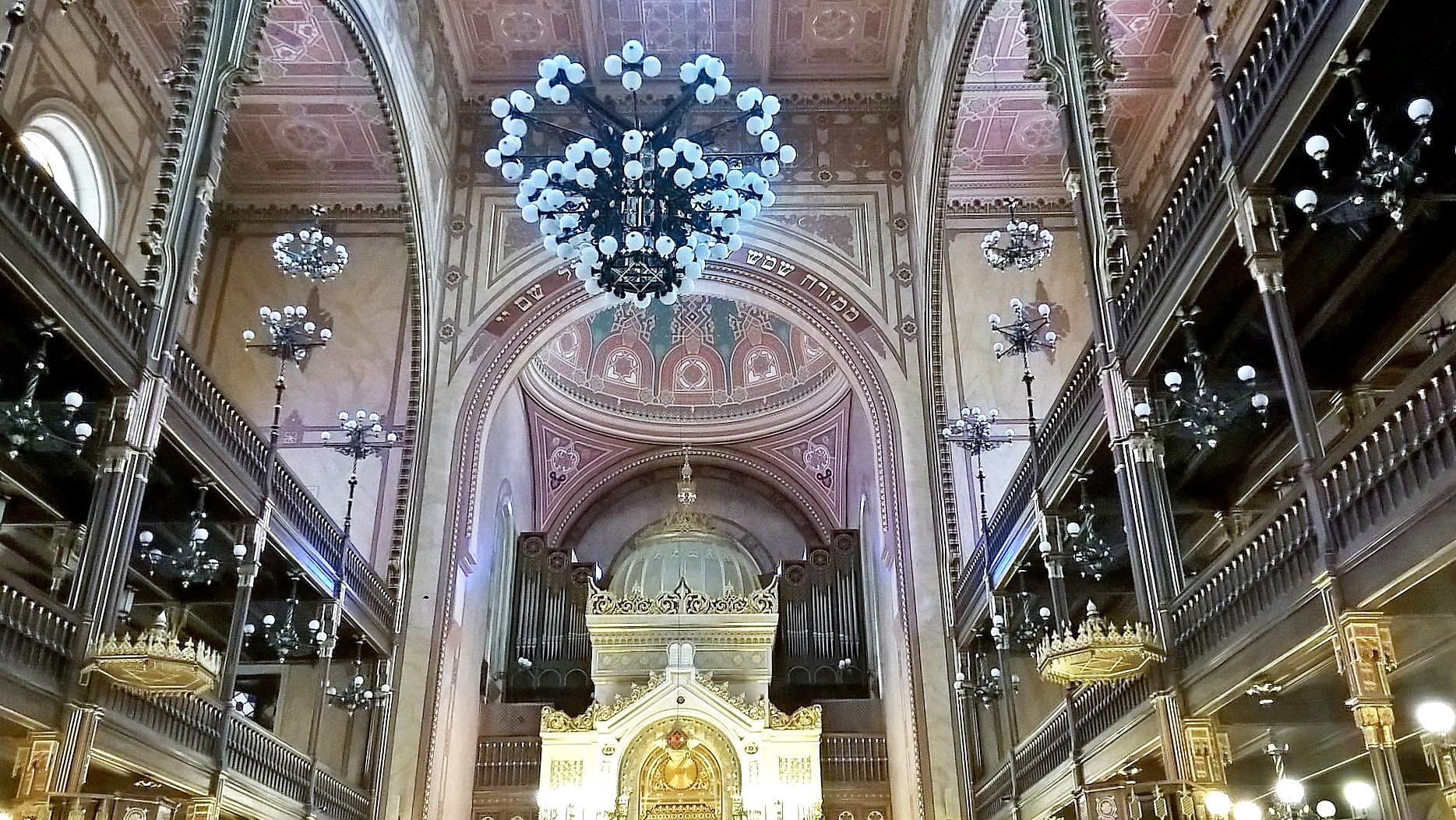
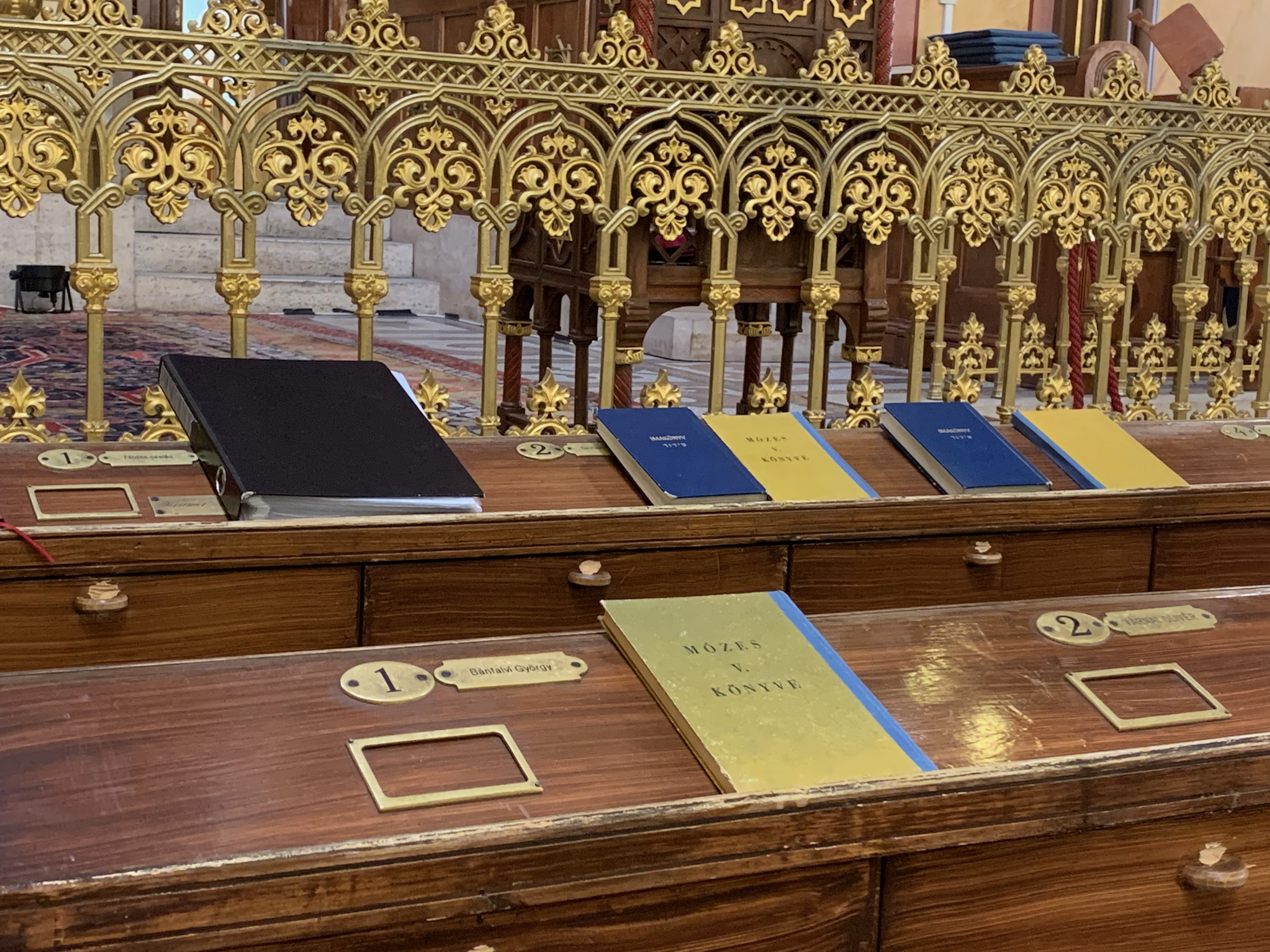
Step inside, however, and the atmosphere changes. The interior layout, seating arrangement, and monumental scale feel closer to that of a Christian church, reflecting the unique approach of 19th-century synagogue architecture. This blend of influences makes the building architecturally fascinating and entirely unique within Budapest.
More Than a Place of Worship
The Great Synagogue complex is much more than a single building. Visitors are encouraged to explore the Jewish Museum, which shares a wall with the synagogue and offers insight into Jewish life, traditions, and history in Hungary.
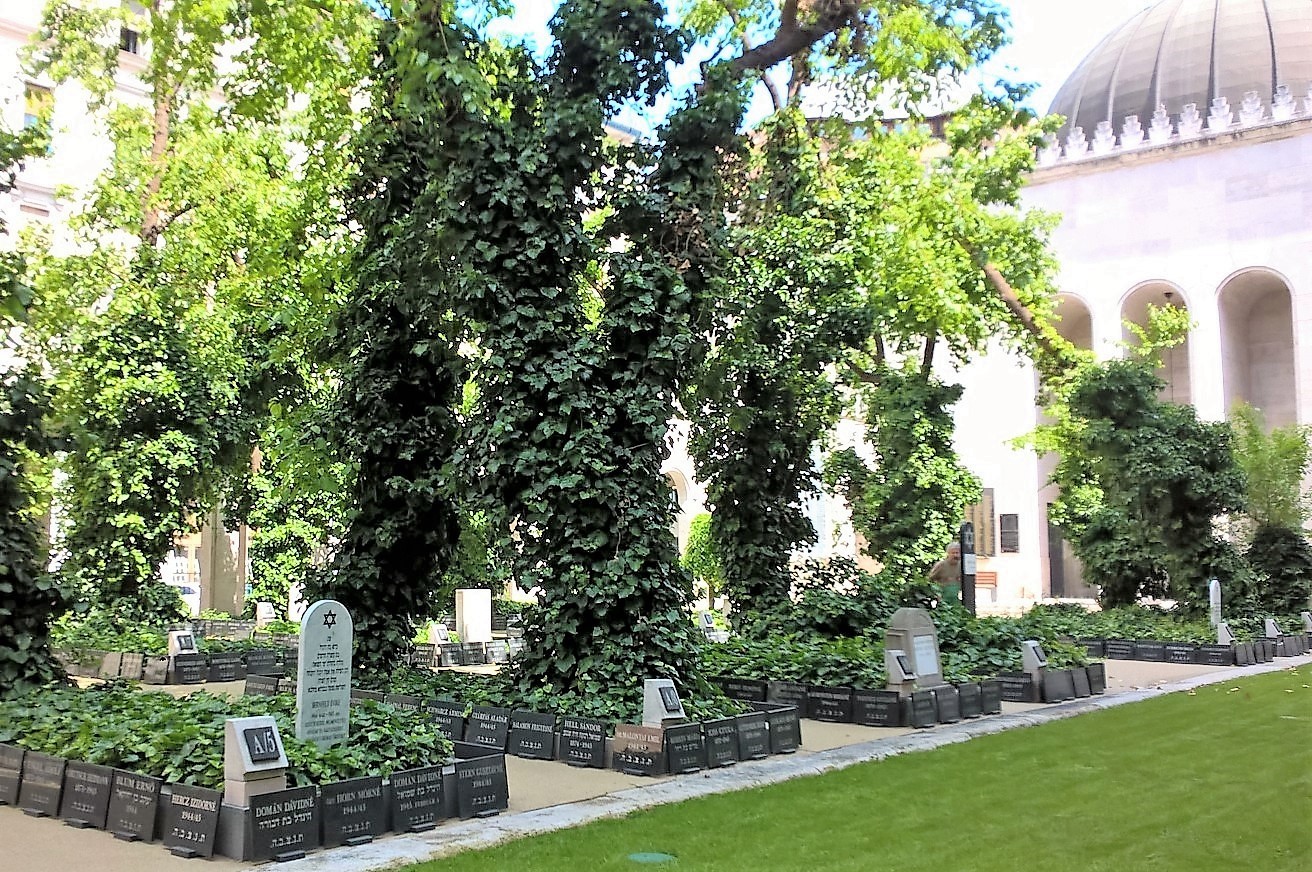
Behind the synagogue lies a quiet garden and memorial area, home to deeply moving Holocaust memorials. These spaces invite reflection and remembrance, adding emotional depth to the visit and helping visitors understand the profound impact of 20th-century history on the local Jewish community.
An Essential Stop in the Jewish Quarter
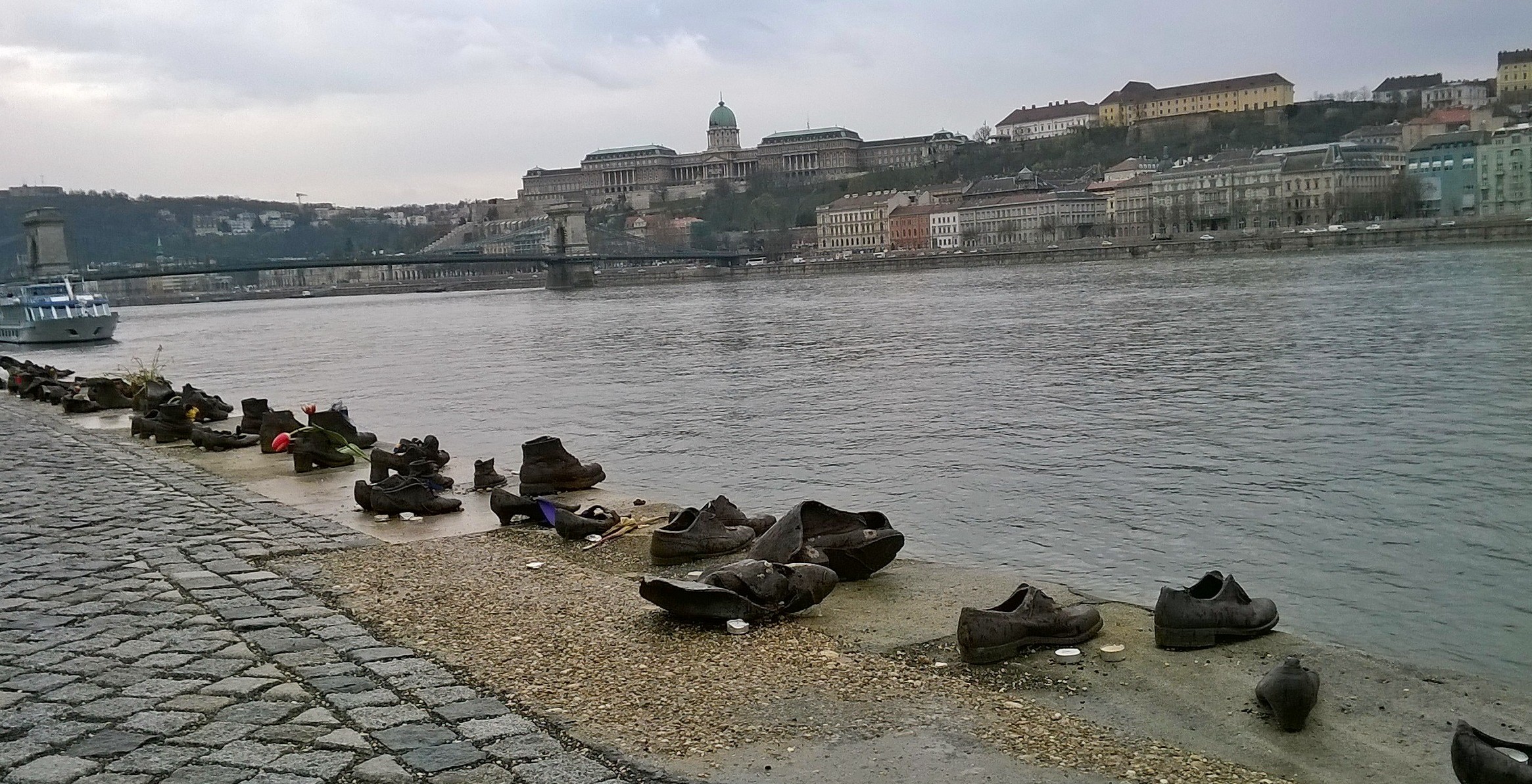
The synagogue stands at the centre of what was once one of Europe’s most vibrant Jewish neighbourhoods. Exploring the surrounding streets reveals layers of history—from everyday life before World War II to the tragic events of the Holocaust, and the revival of the district in recent decades.
This broader context is what makes a visit especially meaningful. On my Jewish Quarter walk, the Great Synagogue is not just a standalone monument, but part of a larger story about Budapest, memory, resilience, and identity.
Visiting With Context
While the building itself is extraordinary, understanding its background adds greatly to the experience. The symbolism, architectural choices, and memorial spaces all carry stories that are easy to miss without explanation.
If you’d like to explore the Great Synagogue and its neighborhood as part of a private tour or a Jewish Quarter walk, I’d be happy to guide you through both the visible beauty and the deeper historical layers of this remarkable place.