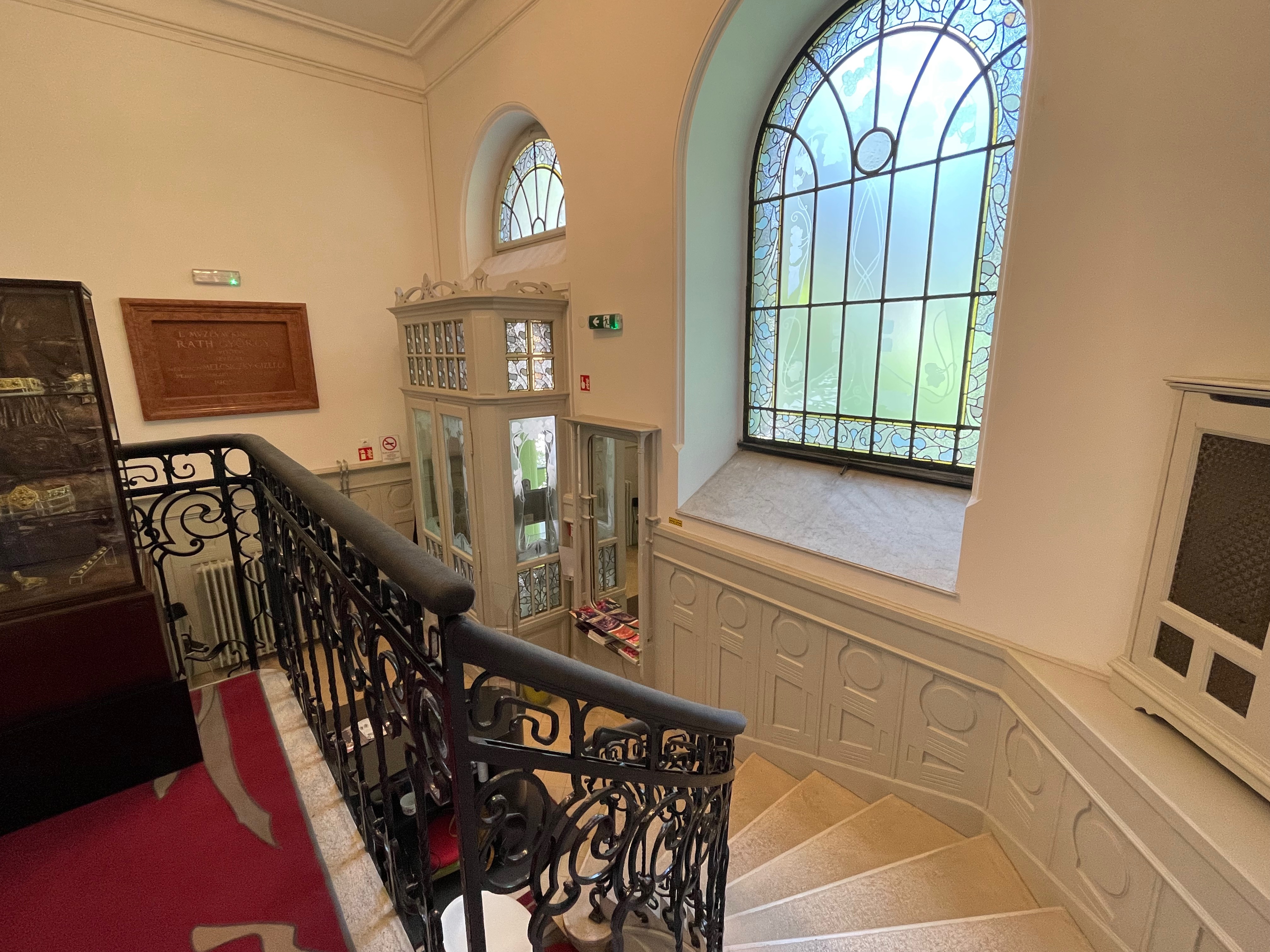
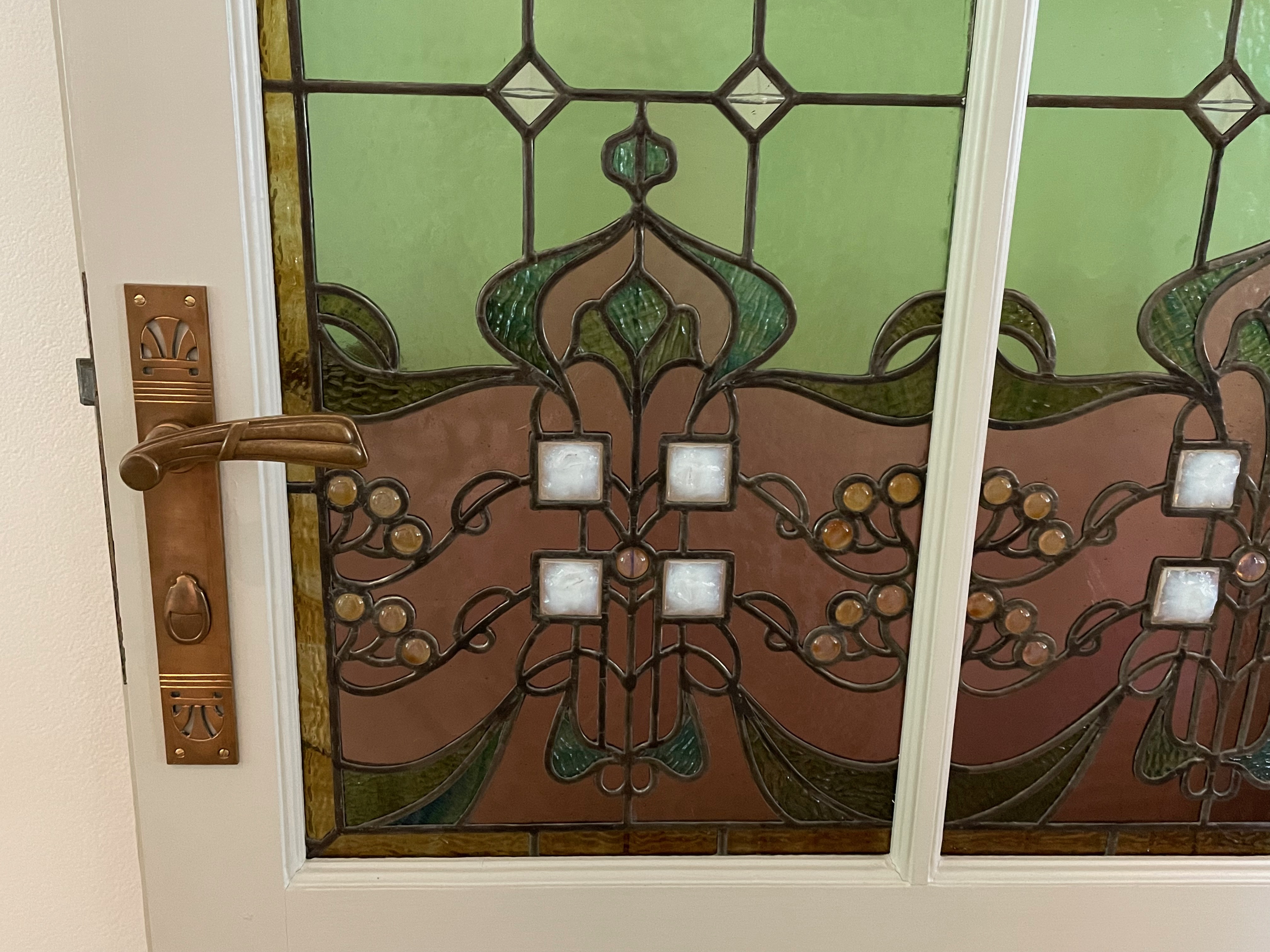
I’m a huge admirer of Hungarian Art Nouveau, and I’m always proud to show travellers some of Budapest’s most beautiful Art Nouveau buildings. For me, the former home of György Ráth, the first director of the Museum of Applied Arts, is a true jewellery box — both the building itself and the artworks and furniture on display are absolutely unique.
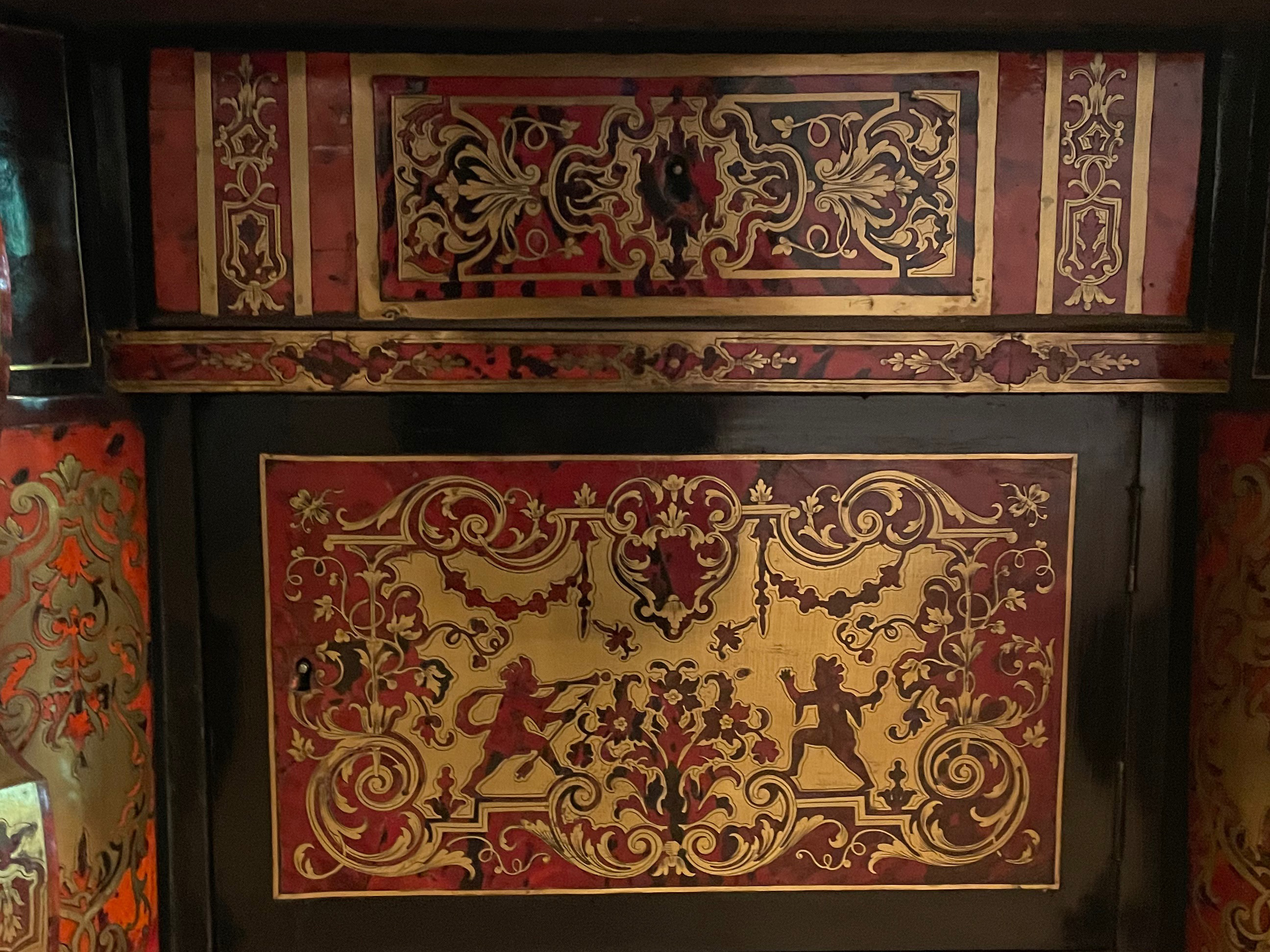
Originally built as the Ráth family home, the villa today houses the permanent exhibition Art Nouveau – A Hungarian Perspective. Every room feels different, yet perfectly harmonious. Furniture, textiles, ceramics, jewellery and artworks have been arranged with such care that visiting the villa feels like stepping into the private world of a cultured, well-travelled family.
I particularly love the way the collection reveals the many influences behind Hungarian Art Nouveau. British, Austrian and French styles appear alongside Oriental influences and Transylvanian traditions, creating something unmistakably Hungarian. Look out for beautiful Zsolnay ceramics and Tiffany glassware among the hundreds of objects on display.
Why I Recommend the György Ráth Villa
Walking through the rooms is an intimate experience — almost like visiting an elderly relative whose home is filled with authentic objects, each telling its own story. Nothing feels staged or distant; everything feels lived-in, warm and deeply personal.
I once brought a group of interior design students from the United States here as part of a private Art Nouveau tour, and the villa turned out to be one of the highlights of their visit. I wasn’t surprised. It’s one of those places where the architecture, interiors and objects work together so beautifully that the entire house becomes part of the exhibition.
That’s also why the György Ráth Villa is one of my favourite small Budapest museums. If you love decorative arts and beautiful interiors but don’t necessarily want to spend half a day in a large museum, this is a wonderful alternative.
Make It Part of an Art Nouveau Walk
When visiting the villa, don’t forget to take a walk along Városligeti fasor, one of Budapest’s most elegant avenues, lined with fascinating Art Nouveau villas. It’s the perfect continuation of the experience and an often-overlooked highlight of the City Park area.
If you’d like to discover more, my Budapest Art Nouveau guide explores some of the city’s most beautiful buildings and the details that make Hungarian Art Nouveau so distinctive.
If Art Nouveau is one of your particular interests, we can also make it the focus of a private Art Nouveau walking tour of Budapest, combining some of the city’s celebrated landmarks with smaller discoveries such as the György Ráth Villa.
For current opening hours, exhibitions and visitor information, I recommend checking the museum’s official website before your visit.