Vác is a cute little town on the left bank of the Danube, it’s some 25 minutes drive from Budapest. The visit of Vác can be included in a customised Danube Bend day trip. It’s such a beautiful Baroque jewellery box, I strongly recommend a short visit. We had been fortunate to tour Vác with my travellers before the borders of Hungary got closed again on the 1st of September.

The mummified remains of 265 people were found in 1994 in the crypt of the Dominican church, they had been laid to rest in hand painted, wooden coffins in the 18th and 19th centuries. The bodies didn’t decompose but were mummified naturally because of the favourable air conditions and dry settings.

The findings were extraordinary and not only because it’s a veritable gold mine for ethnographers about 18th century Hungarian everyday life and funeral traditions. It’s also a fantastic source for medical researches, a large number of tests have been performed by scientists on the mummified remains related to tuberculosis, HIV researches and they could also confirm C section had been performed as early as in the 18th century in Hungary.

The coffins are simply beautiful, all colourful, all hand-painted, all prepared with a lot of care, it’s very much like the fascinating celebration of life and death in a small Vác museum.


Eger Wine Region is one of Hungary’s most historic and characterful wine areas, with a wine culture that stretches back more than a thousand years. For centuries, viticulture has shaped everyday life here, and today Eger stands proudly among the country’s most important wine destinations.

A Unique Terroir Shaped by Nature

The climate of the Eger wine region is defined by relatively late springs and generally dry conditions, which help grapes ripen slowly and evenly. The soil is equally distinctive: brown forest soil layered over volcanic rhyolite tuff.

This combination of climate and geology gives Eger wines their fresh acidity, mineral backbone, and excellent ageing potential, especially in reds.

From Decline to Renaissance

Like many Central European wine regions, Eger’s story was deeply affected by the Communist era. Following nationalisation, quality-focused winemaking was replaced by mass production. As a result, wines lost their finesse, reputation, and international recognition.

By the late 1970s, many Eger wines were overly acidic, bitter, or diluted. Fortunately, the region experienced a true renaissance in the mid-1990s, when dedicated winemakers returned to traditional methods, lower yields, and quality-driven production. Today, Eger wines once again rank among Hungary’s finest.

Bull’s Blood: Eger’s Most Famous Wine

No introduction to the region would be complete without Bull’s Blood of Eger (Egri Bikavér), Hungary’s best-known red wine style.

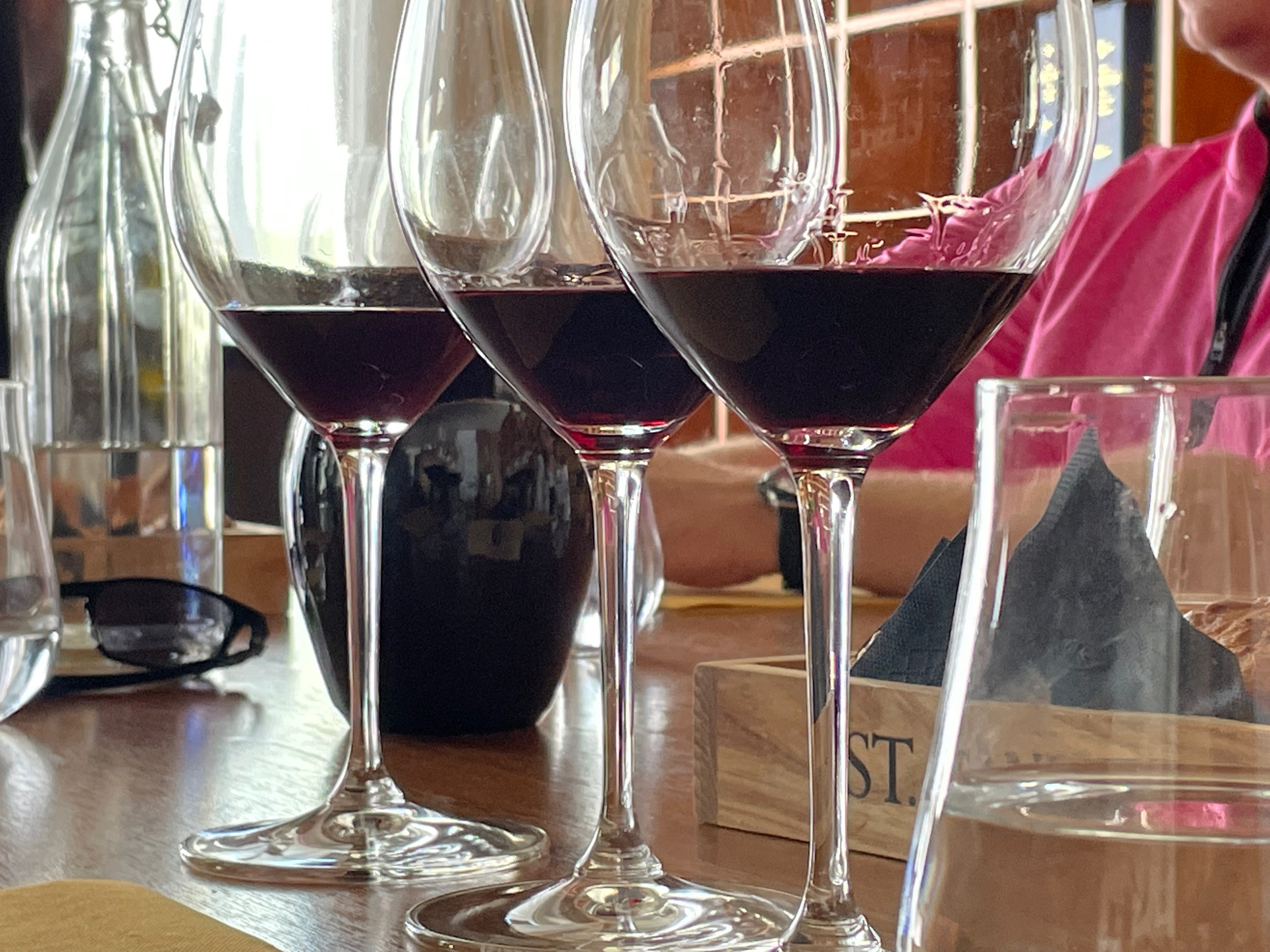
Bull’s Blood is a medium-bodied red cuvée with a deep ruby colour and lively acidity. Its smooth texture comes from extended ageing—usually at least 12 months—in oak barrels. By regulation, authentic Bull’s Blood must be made from at least three different grape varieties, creating a complex, well-balanced wine that reflects both tradition and terroir.

White Wines You Shouldn’t Miss

Although Eger is best known for its reds, the region also produces excellent white wines. Visitors can taste a wide range of styles made from grapes such as:

  • Riesling

  • Chardonnay

  • Muscat Ottonel

  • Traminer

  • Zenit

These whites are typically fresh, aromatic, and elegant, making them perfect companions to Hungarian cuisine.

Experience the Eger Wine Region in Person

The best way to understand Eger wines is to walk among the vineyards, meet the winemakers, and taste the wines where they are made.

On my Eger Wine and History Tour, you’ll explore the historic wine region, talk with local farmers and winemakers, and learn the stories, traditions, and secrets behind the legendary Bull’s Blood—all while discovering the cultural and historical heritage of Eger itself. Contact me for more information or details!

A Danube Bend day trip from Budapest is the perfect way to experience countryside landscapes, historic towns, and riverside views — all within easy reach of the capital.

This route follows the gentle curve of the Danube as it turns south toward Budapest, revealing castles, basilicas, and colourful small towns along the way.

Esztergom – Where Hungarian History Begins

Our first stop is Esztergom, once the capital of medieval Hungary and still the spiritual heart of the country.

The town is dominated by Hungary’s largest church, the Esztergom Basilica, whose massive dome shapes the skyline. Inside, visitors discover layers of history — from monumental 19th-century architecture to a beautifully preserved Renaissance chapel dating back to the 16th century.

For those who enjoy panoramic views, climbing to the top of the Basilica rewards you with sweeping vistas over the Danube, the surrounding hills, and the Slovak border beyond.

Visegrád – Medieval Views over the Danube

Next, the journey continues to Visegrád, one of the smallest towns in Hungary, yet one of the most historically important.

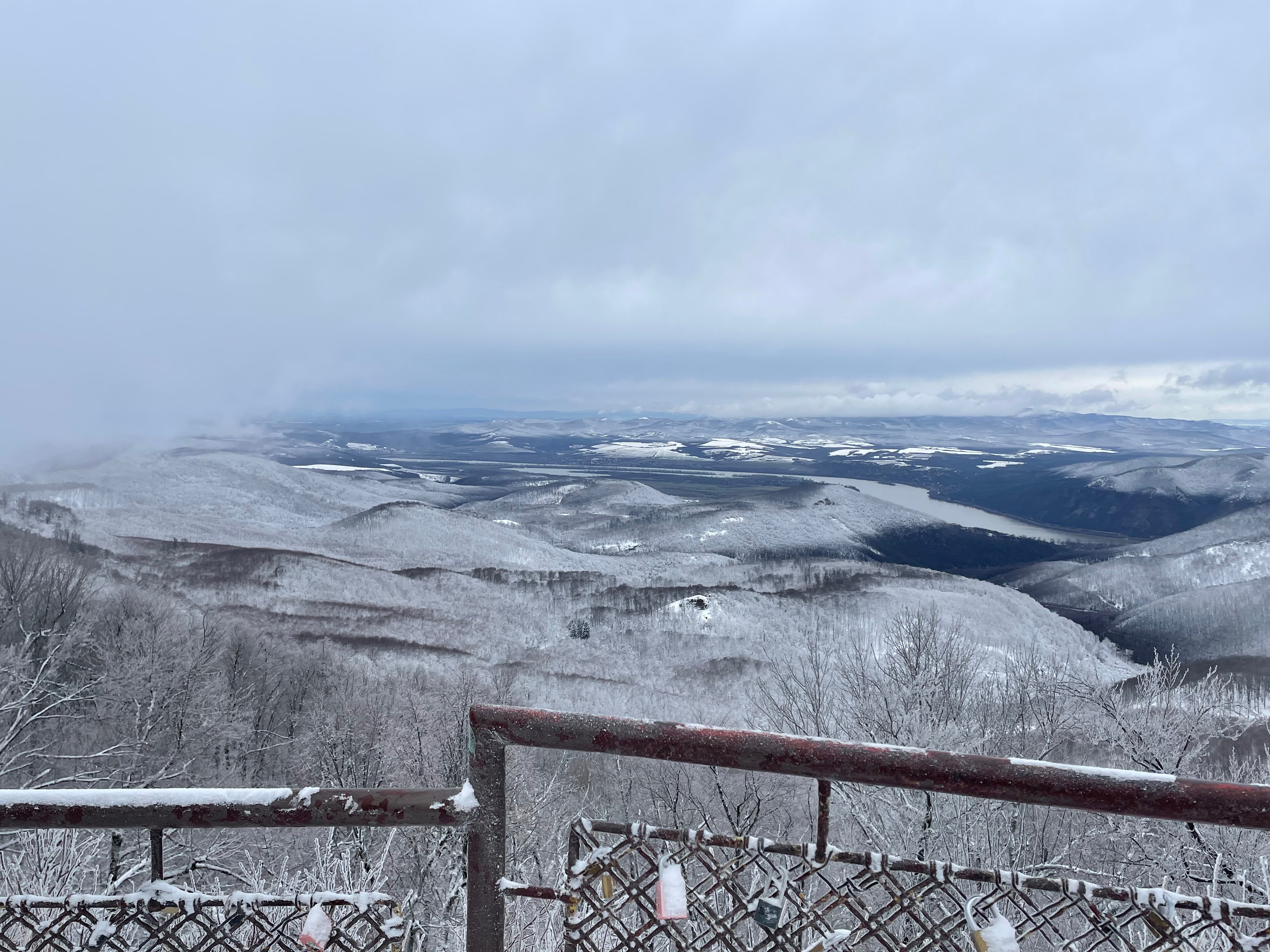
Perched high above the river, the ruins of the 13th-century castle offer what many consider the best viewpoint in the Danube Bend. From here, the river’s dramatic curve is fully revealed — a scene that has inspired travellers, artists, and photographers for centuries.

Exploring the castle ruins brings medieval Hungary to life, combining royal history with unforgettable natural scenery.

Szentendre – Art, Colour & Small-Town Charm

The final stop of the Danube Bend tour is Szentendre, a charming riverside town known for its artistic atmosphere.

With its cobblestoned streets, pastel-colored houses, cozy cafés, and independent galleries, Szentendre feels relaxed and welcoming. It has long attracted artists and creatives, giving the town a distinctly Mediterranean mood despite its Central European location.

Visitors can enjoy free time to wander, browse art shops, taste local sweets — including the famous marzipan creations — or simply sit down for a coffee and watch town life unfold.

When conditions and time allow, returning to Budapest by boat adds a memorable finale to the day.

Why Choose a Danube Bend Day Trip from Budapest?

A day trip from Budapest to the Danube Bend offers an ideal balance of:

  • historic landmarks

  • scenic river landscapes

  • relaxed small-town exploration

Without long travel times, you can experience three very different sides of Hungary in one well-paced day — making this one of the most popular and rewarding countryside excursions from Budapest.

If you’re looking for a private Danube Bend tour from Budapest that focuses on atmosphere, history, and local insight rather than rushing from sight to sight, this route offers a beautiful introduction to Hungary beyond the capital. Feel free to let me know may you need more details!

Pre-cruise post-cruise Budapest experience is something many river cruise travellers look for when their journey starts or ends in Budapest. Budapest is one of the highlights of any Danube itinerary, and for good reason—but time spent in the city during a cruise is often limited.

River cruise companies usually include a general sightseeing tour, designed to give a broad overview of Budapest in a short amount of time. While this is a great introduction, many travellers soon realise that they’ve only scratched the surface.

That’s when they start asking a very common question:
“Can we see more—without repeating what we’ve already done?”

Seeing Beyond the Standard Cruise Tour

The answer is a definite yes. Budapest has layers of history, culture, and everyday life that simply don’t fit into a standard cruise excursion. Having guided many of these official sightseeing tours myself, I know exactly what they include—and, just as importantly, what they leave out.

This makes it easy to design pre-cruise or post-cruise experiences that feel fresh, personal, and genuinely different.

Tailored Experiences Before or After Your Cruise

Depending on how much time you have and what interests you most, I can recommend:

Whether you arrive a day early or stay on after your cruise ends, these experiences are designed to complement—not compete with—your river cruise.

Ideal Shore Excursions for Curious Travelers

Pre-cruise and post-cruise experiences are especially popular with travellers who enjoy:

  • Slower-paced, in-depth exploration

  • Context and storytelling rather than checklist sightseeing

  • Flexibility and personal attention

  • Seeing places most cruise groups don’t reach

Instead of repeating highlights, you’ll discover the Budapest that locals know—through stories, neighborhoods, and carefully chosen routes.

A Seamless Addition to Your Cruise Itinerary

If you’re planning a river cruise that starts or ends in Budapest and would like to make the most of your time here, I’d be happy to help you plan a private pre- or post-cruise experience that fits seamlessly into your journey.

Budapest deserves more than just a few hours—and with a little extra time, it can easily become one of the most memorable stops of your entire cruise.

Hungarians have a well-known sweet tooth, and among the many beloved treats, marzipan holds a special place. This smooth almond paste appears not only in cakes and pastries, but also in something far more unexpected: tiny — and sometimes life-size — works of art. In Hungary, marzipan is not just something you eat. It’s something you admire.

When Michael Jackson Meets the Hungarian Parliament

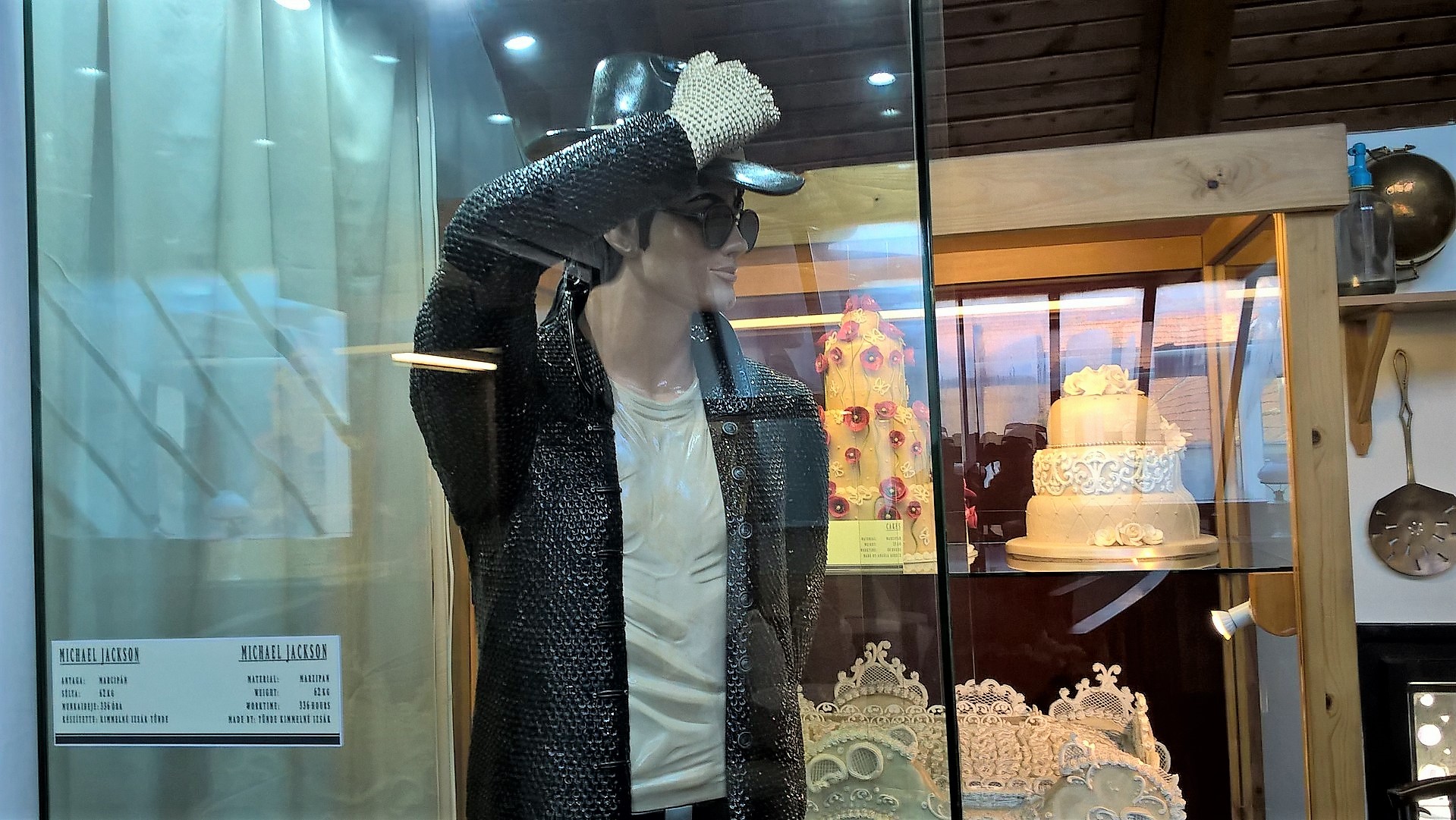
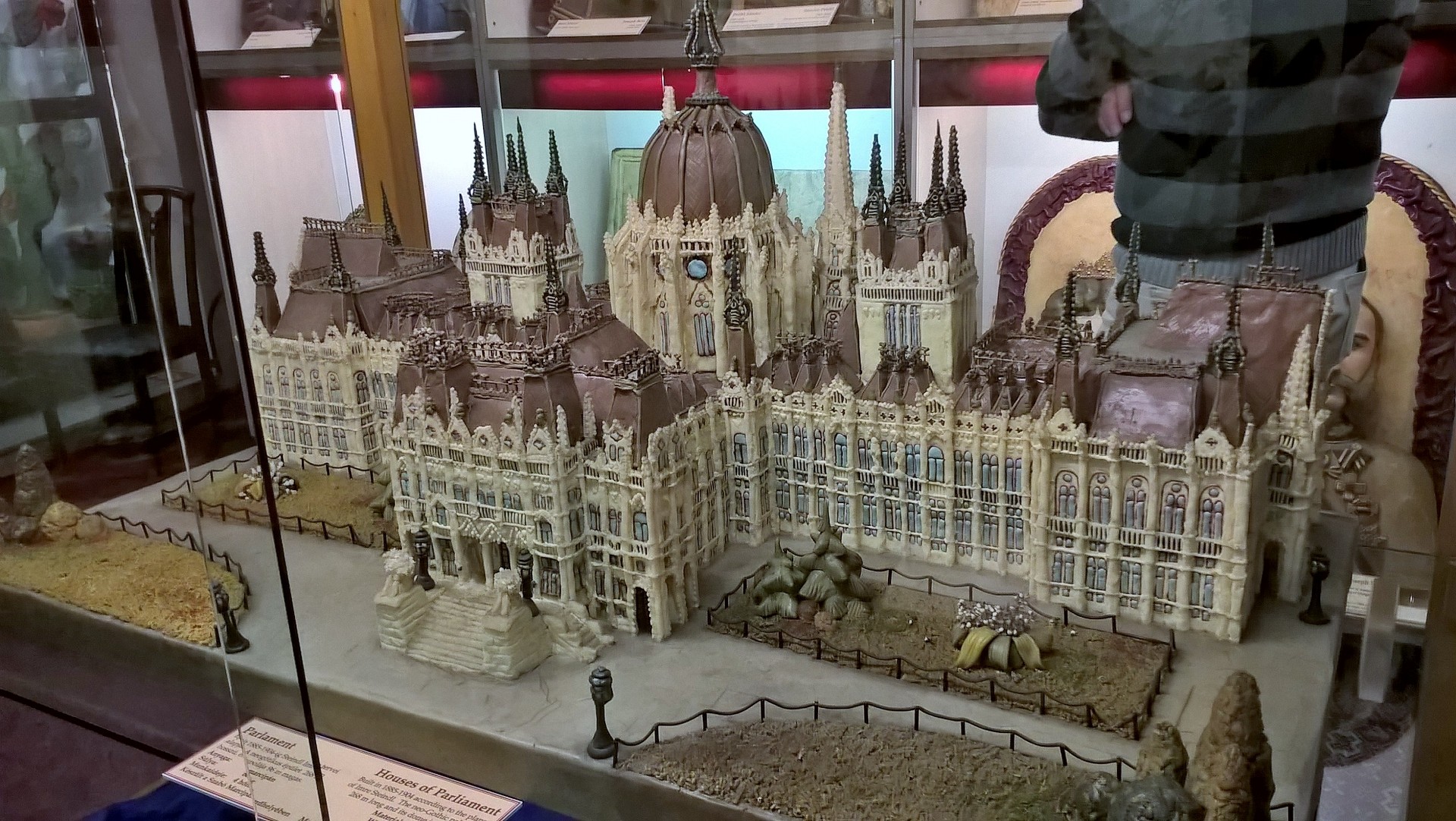
So, what do Michael Jackson and the Hungarian Parliament building have in common? In Szentendre, the answer is simple: they can both be made of marzipan.

The Szentendre Marzipan Museum is one of the most unusual — and sweetest — museums in Hungary. Located in the heart of Szentendre, it displays dozens of marzipan sculptures ranging from famous Hungarian historical figures to international celebrities and iconic buildings.

Some of the figures are small and intricate, others surprisingly large — all made with astonishing detail and patience.

More Than a Museum: A Working Atelier

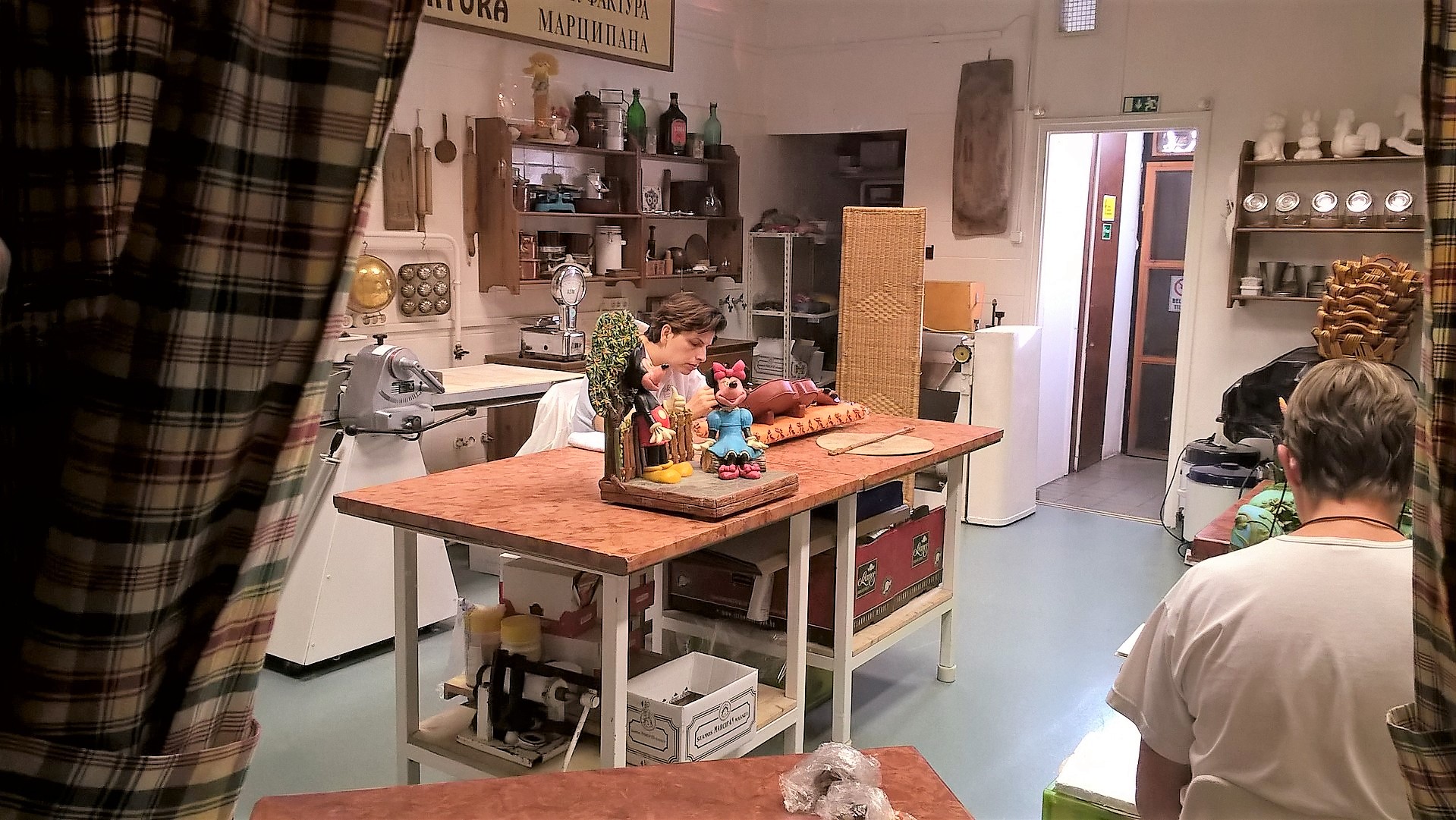
What makes the Szentendre Marzipan Museum especially engaging is that it’s not just a static exhibition. Visitors can also peek into the atelier, where new marzipan figures are still being created by hand.

Watching the process gives a new appreciation for the craft behind these playful sculptures — and for the amount of time and skill required to turn sugar and almonds into recognizable faces, buildings, and scenes.

A Small Museum with Big Personality

The Marzipan Museum is not large, but that’s part of its charm. It fits perfectly into a relaxed stroll through Szentendre, adding a lighthearted and slightly quirky stop between galleries, cafés, and cobblestoned streets.

And of course, no visit is complete without stepping into the small shop at the end, where you can buy beautifully made marzipan sweets — far too pretty to eat… at least at first.

The Marzipan Museum is one of those small surprises I’m always happy to include when showing guests around Szentendre. It’s also a delightful stop on my Danube Bend  and Szentendre tours, especially for travellers who enjoy local traditions with a playful twist.

If you’d like to explore Szentendre — from its art scene to its sweetest corners — feel free to get in touch, and we can shape a day that suits your interests and pace.