Budapest Memento Park is one of the most unusual and thought-provoking attractions in Budapest. Often described as an exhibition “in the shadow of Stalin’s boots,” this open-air museum offers a powerful insight into Hungary’s Communist past and the ideology that shaped public life for decades.
A visit here is not just about statues — it’s about understanding history, memory, and how societies deal with difficult legacies.
Why Memento Park Exists
After the political changes of 1989, Communist monuments were removed from Budapest’s streets. For many Hungarians, these statues were painful reminders of dictatorship, oppression, and the cult of personality surrounding Communist leaders.
While some locals supported destroying them altogether, a different solution was chosen. Selected monuments were relocated to a dedicated statue park in the 22nd district of Budapest, where they could be recontextualized rather than erased.
The conceptual designer of the park famously stated that the park is not about the statues or the sculptors, but rather a critique of the ideology that used monumental art as a symbol of absolute power.
Monumental Art and Communist Ideology
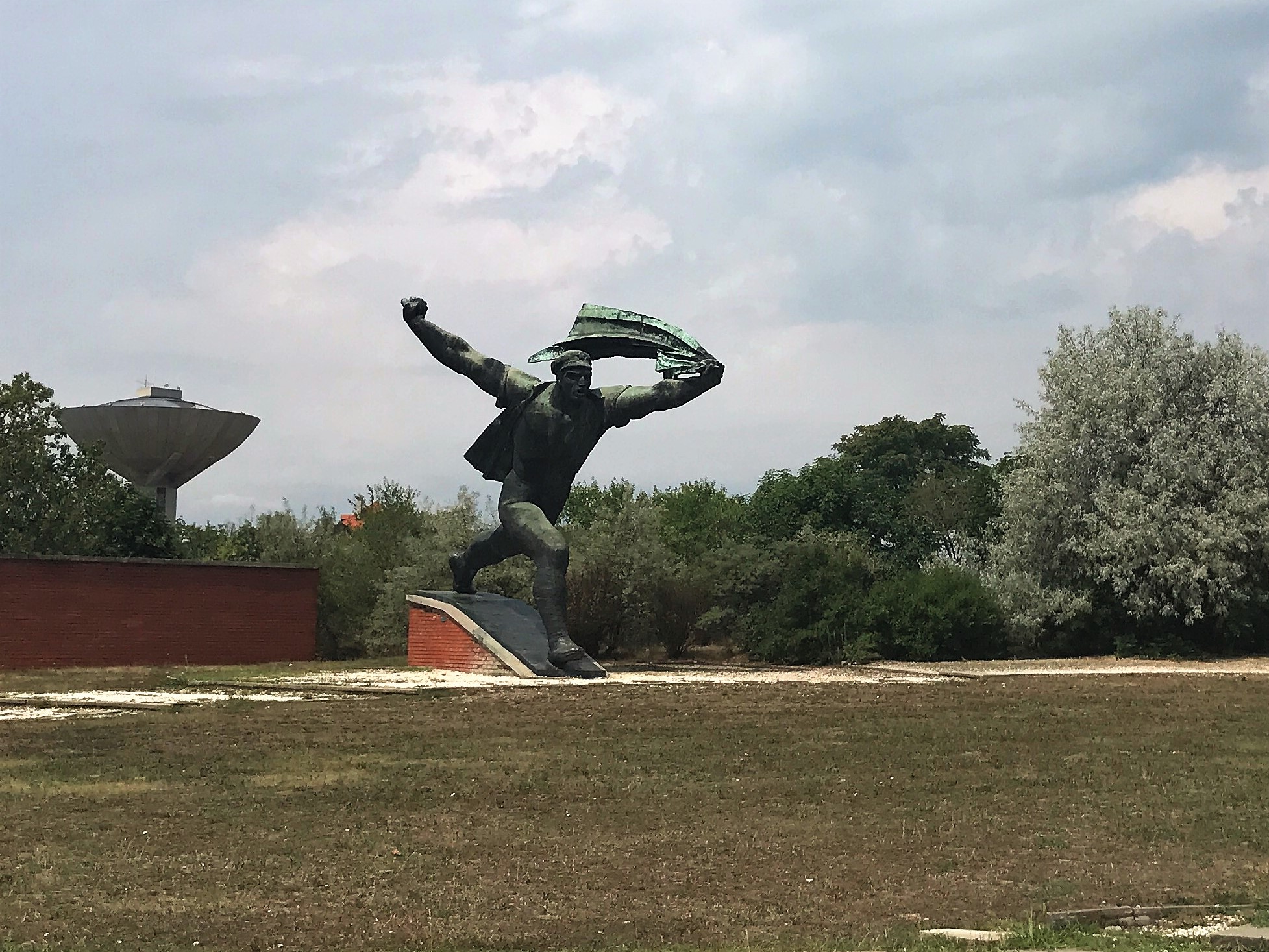
Walking through Memento Park, visitors encounter statues that once dominated public squares — heroic figures meant to be admired and obeyed by the proletariat. The exaggerated scale and dramatic poses reflect the monumentality of Communist-era art, whose purpose was to create new political idols.
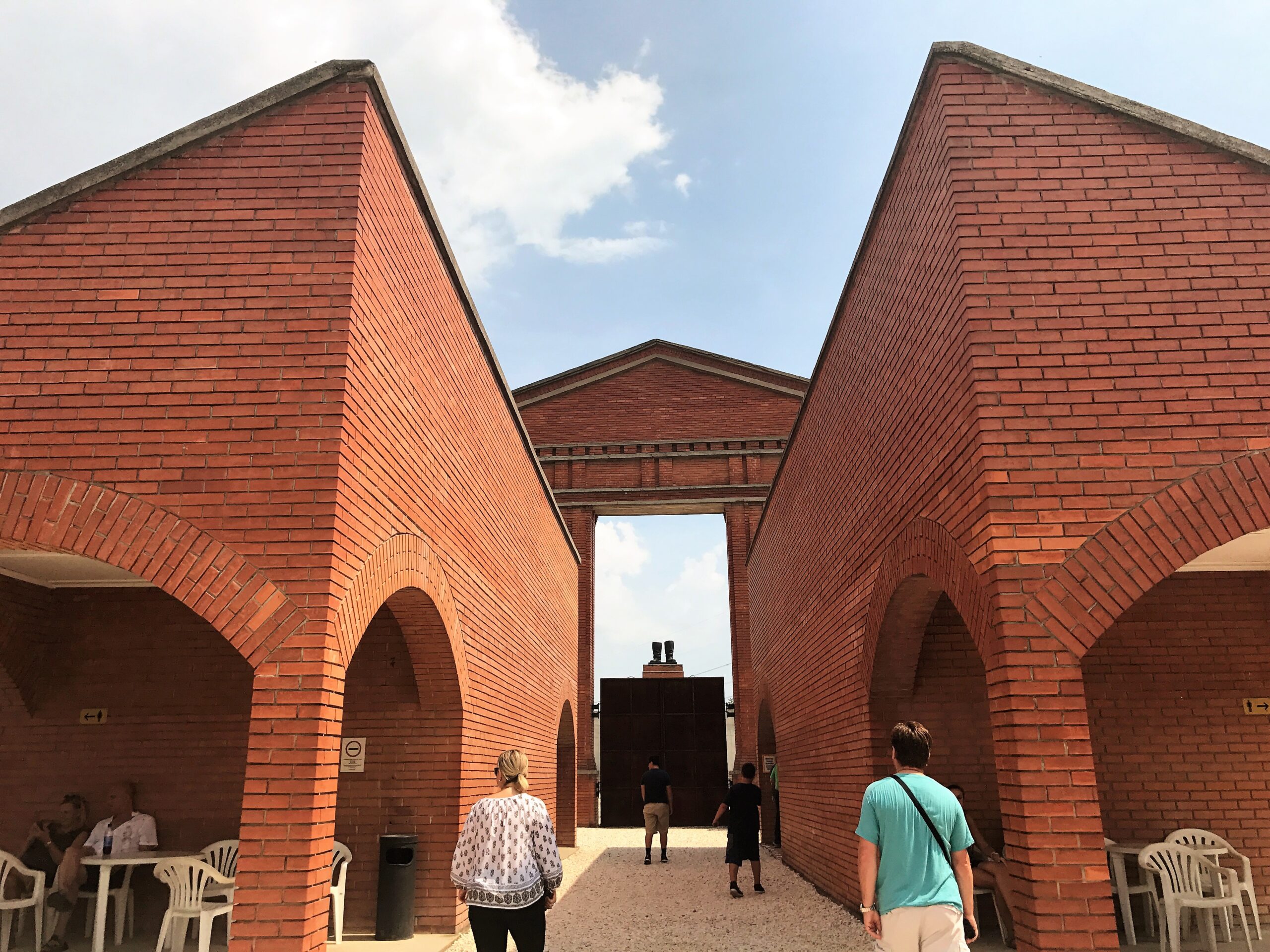
One of the most striking symbols is the pair of Stalin’s boots, all that remains of a gigantic statue torn down during the Hungarian Revolution of 1956. The boots have since become one of the park’s most iconic and haunting images.
A Personal Perspective
I remember many of these statues standing on Budapest’s streets. They even had nicknames, and people created ironic or humorous stories about them — subtle acts of resistance in a tightly controlled society.
During my Communist and thematic tours, I love sharing these personal memories alongside historical context. I explain:
-
why certain monuments were removed
-
how propaganda worked through public art
-
what everyday life was like under Communism
-
and why Memento Park remains relevant today
Although the Communist era officially ended over three decades ago, its legacy is still close enough to feel personal — and far enough away to be examined critically.
Visiting Memento Park Today
A visit to Memento Park is especially rewarding for travelers interested in:
-
20th-century European history
-
life behind the Iron Curtain
-
political symbolism and propaganda
-
alternative, off-the-beaten-path sights in Budapest
It’s a powerful addition to a Budapest Communist tour and a place that often sparks meaningful conversations long after the visit ends.