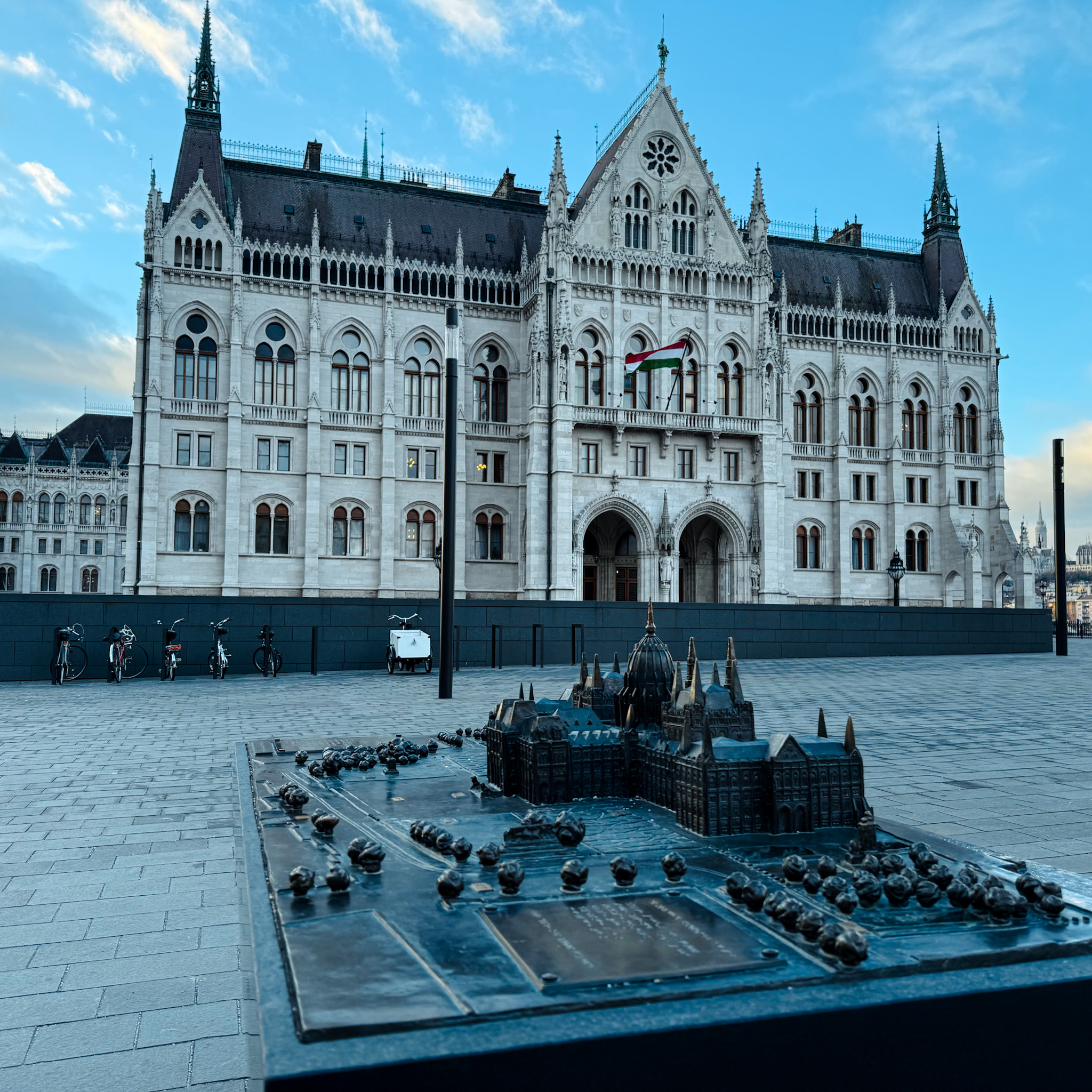
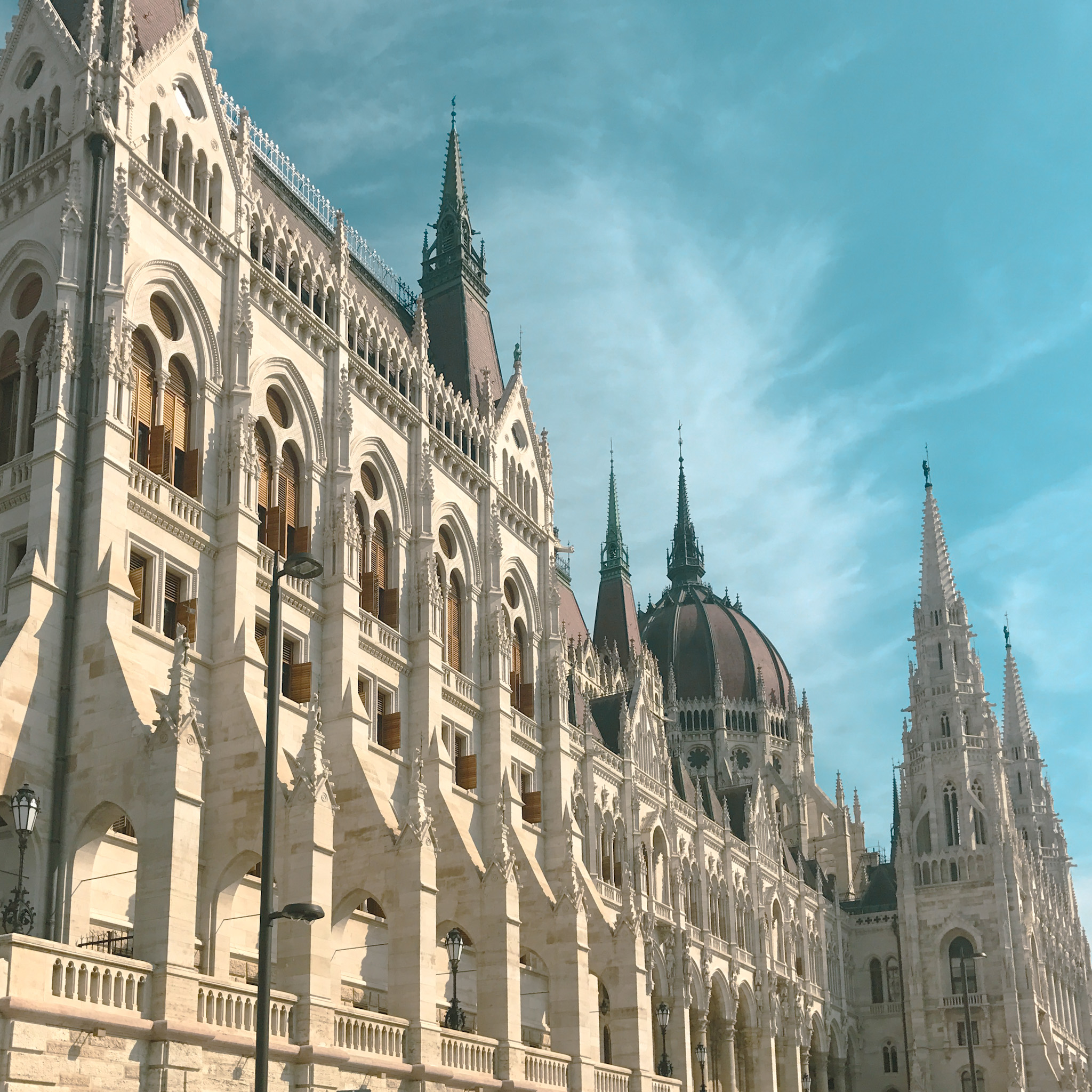
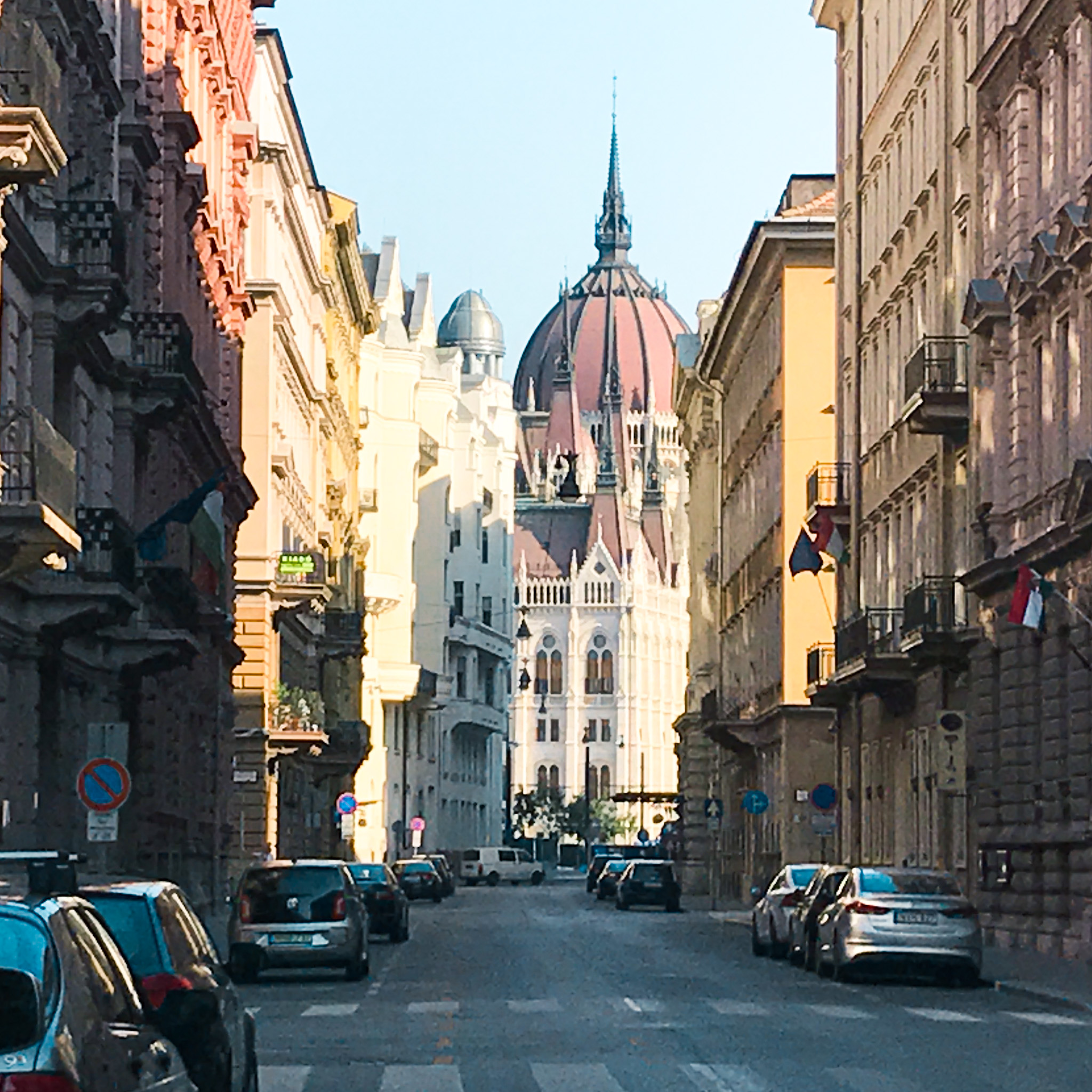
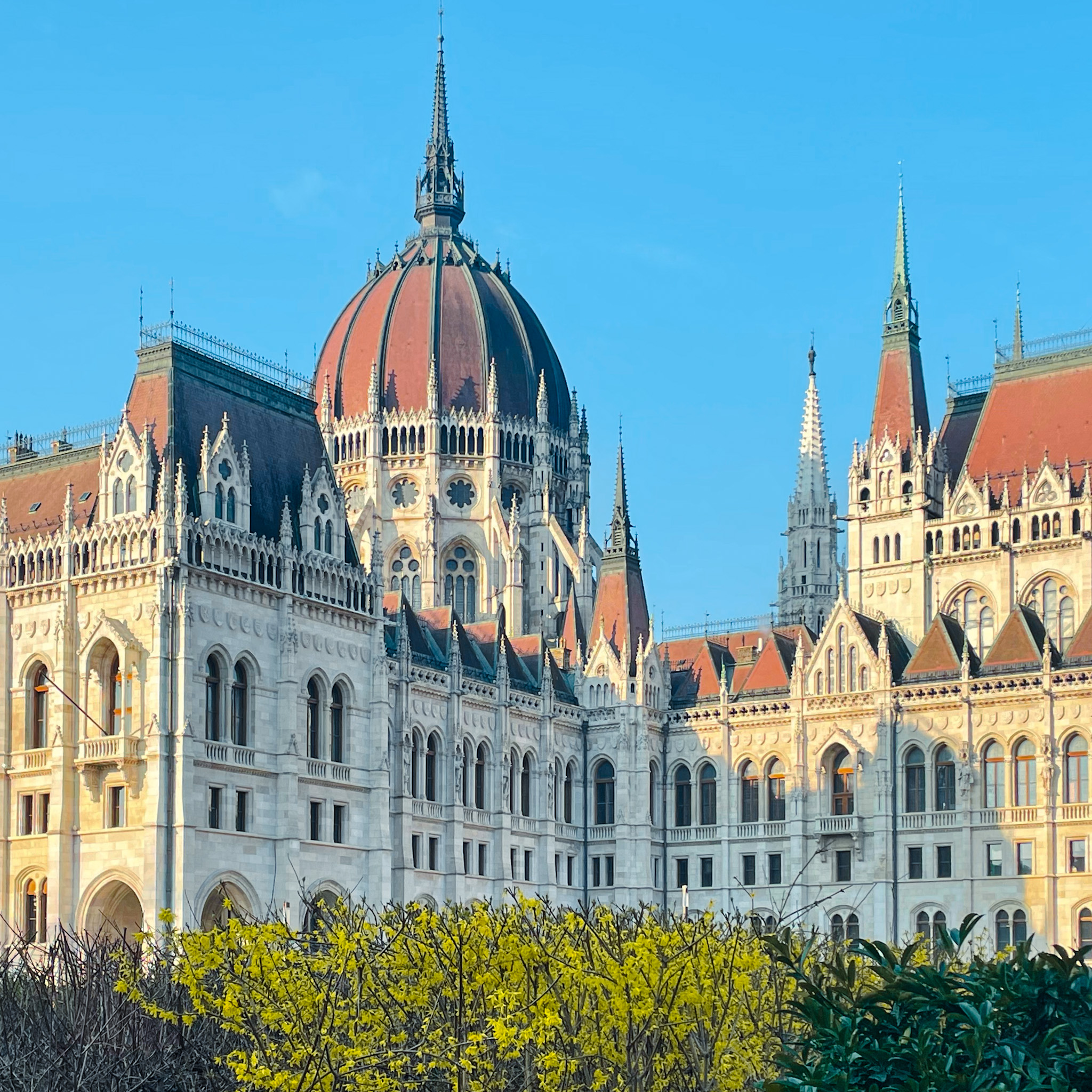
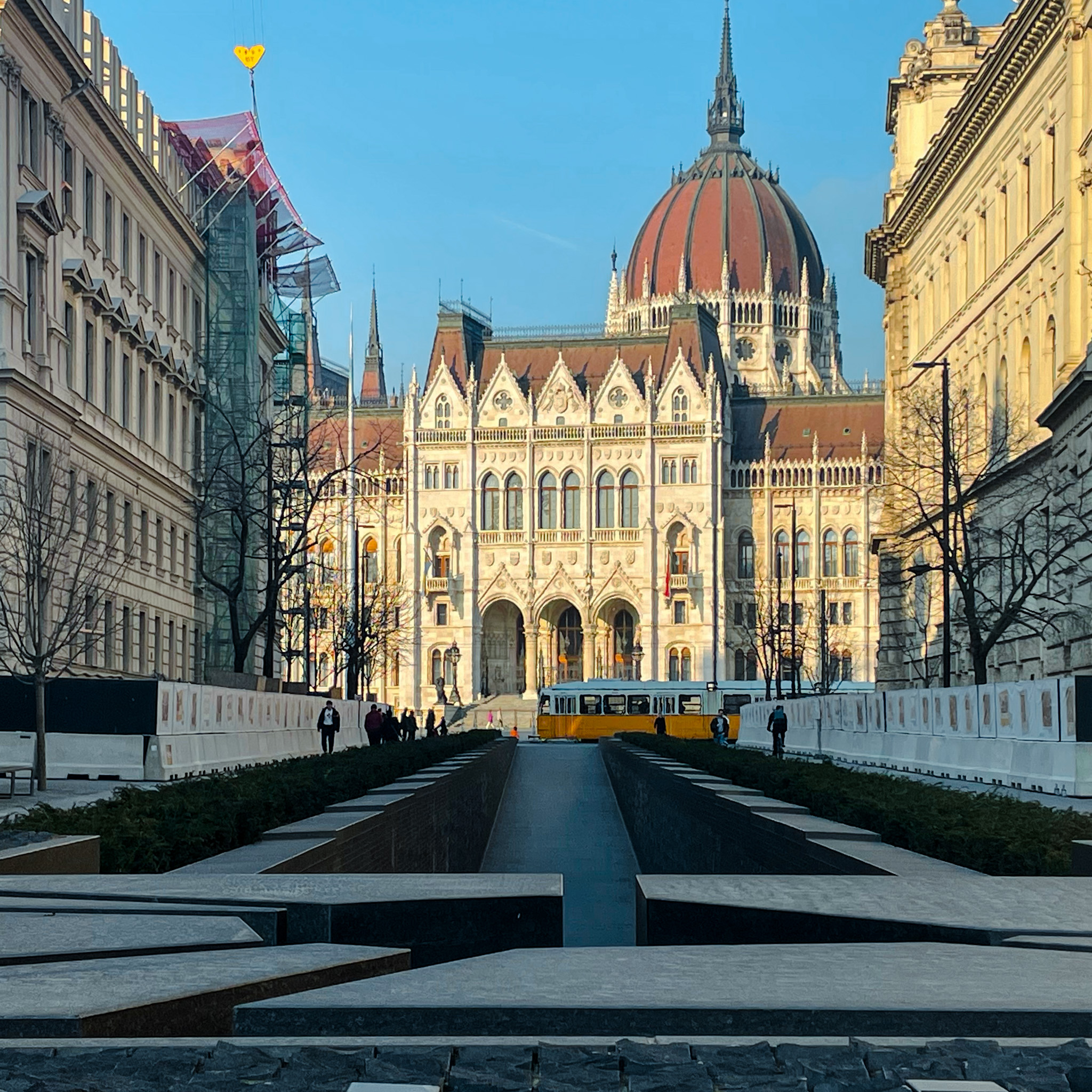
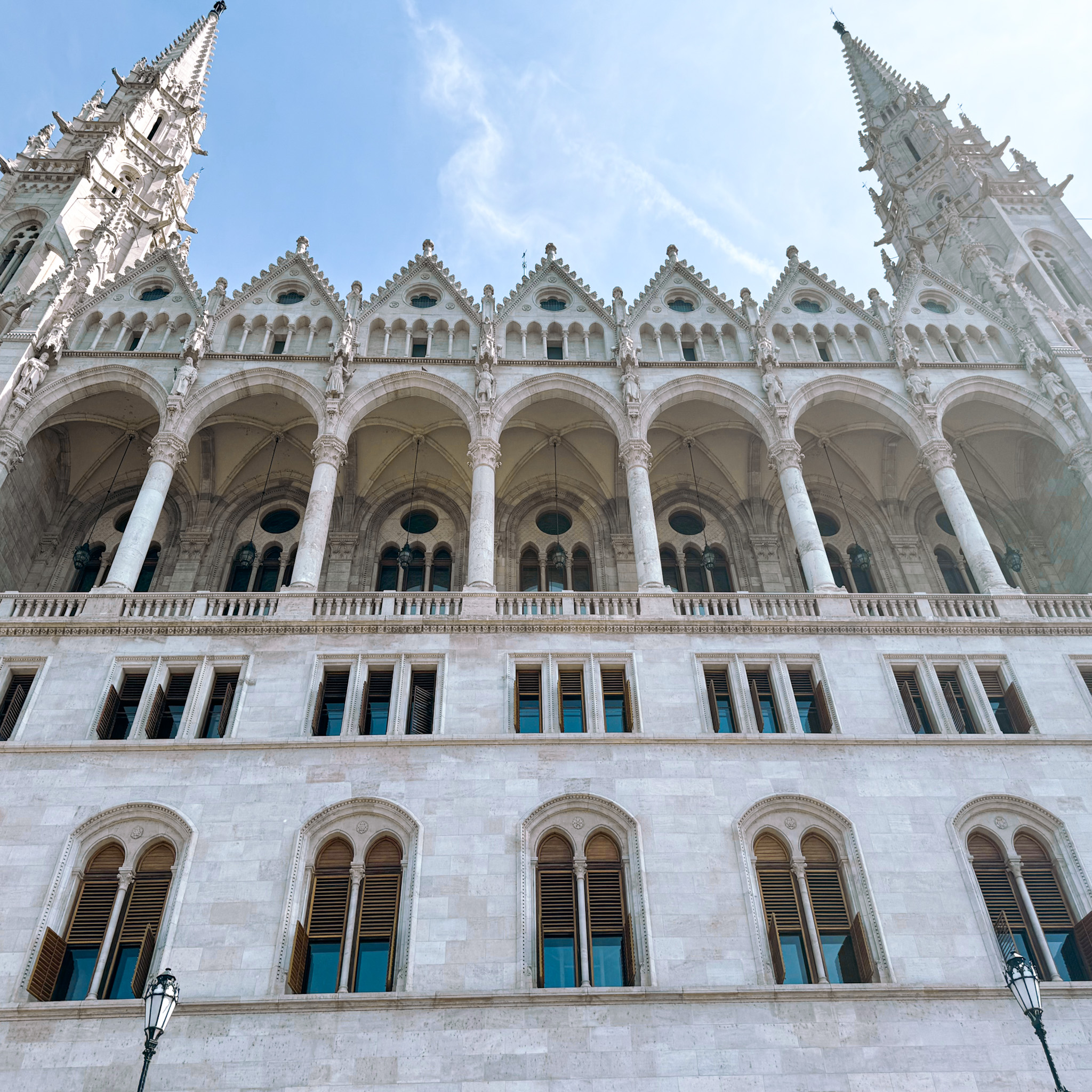
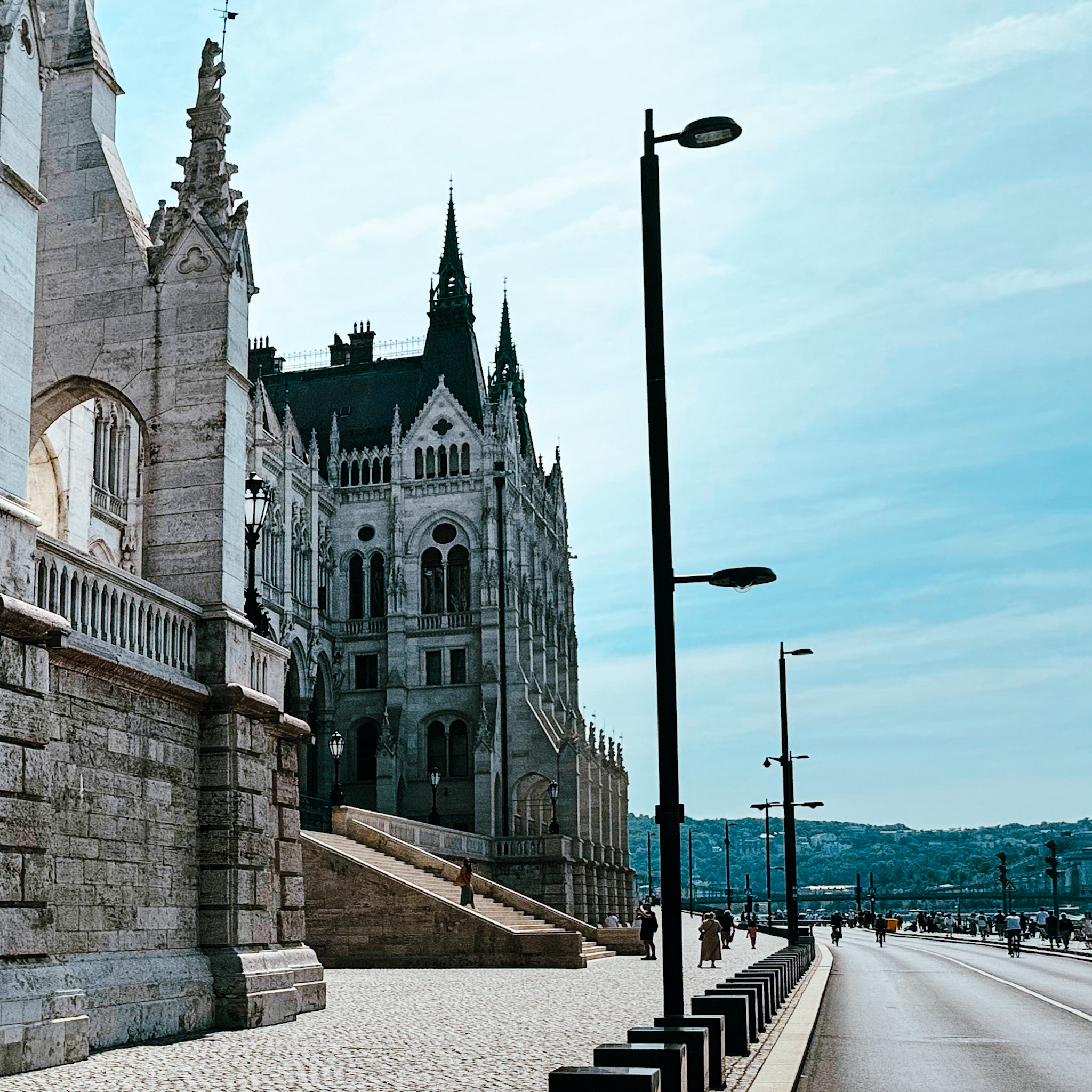
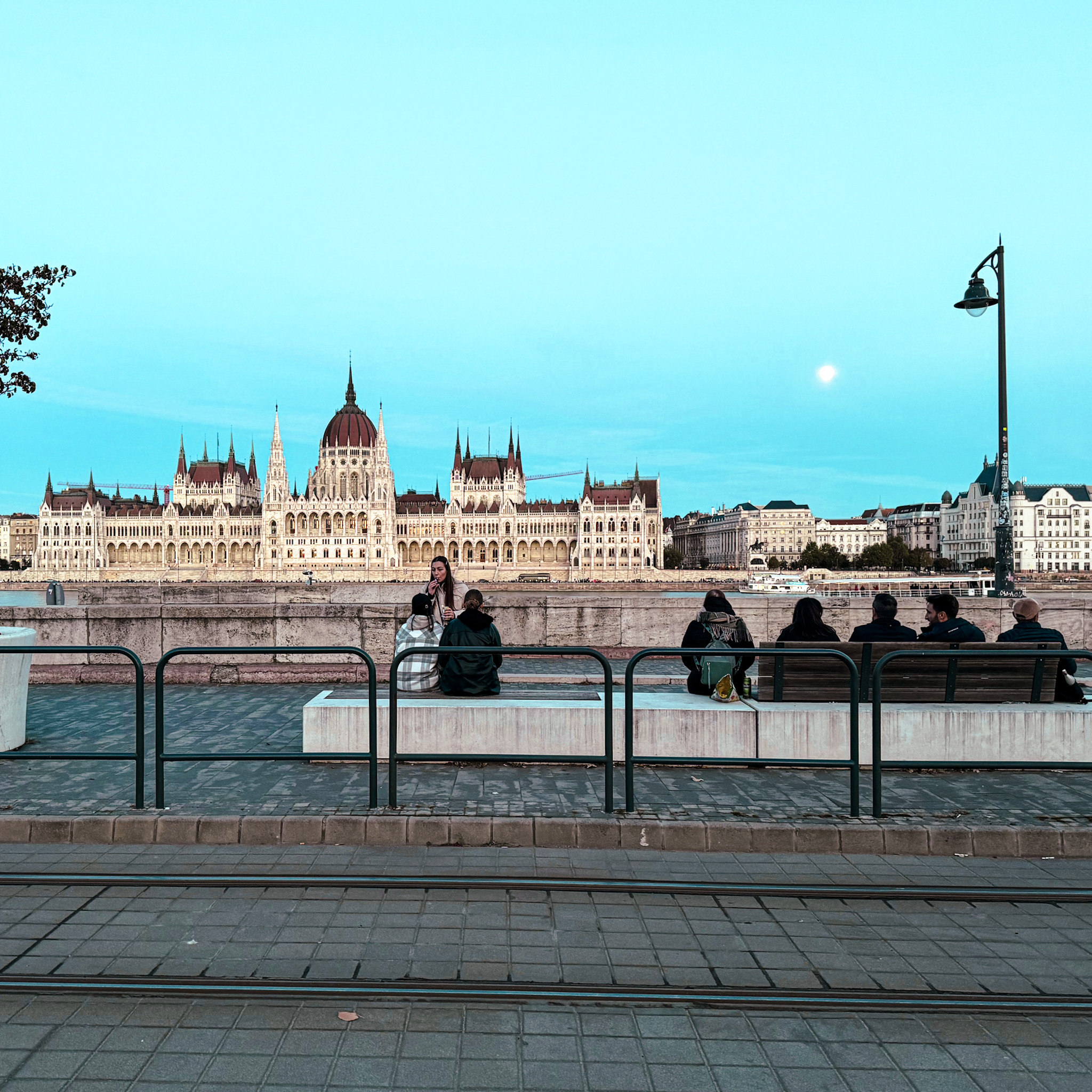
Budapest Parliament Building is one of the most iconic landmarks in Europe, offering stunning views from various angles. Admiring a building from different angles unveils new perspectives and highlights details often overlooked from a single viewpoint. Each shift in position allows for a deeper appreciation of its design, offering unique opportunities to capture its beauty in fresh, unexpected ways.

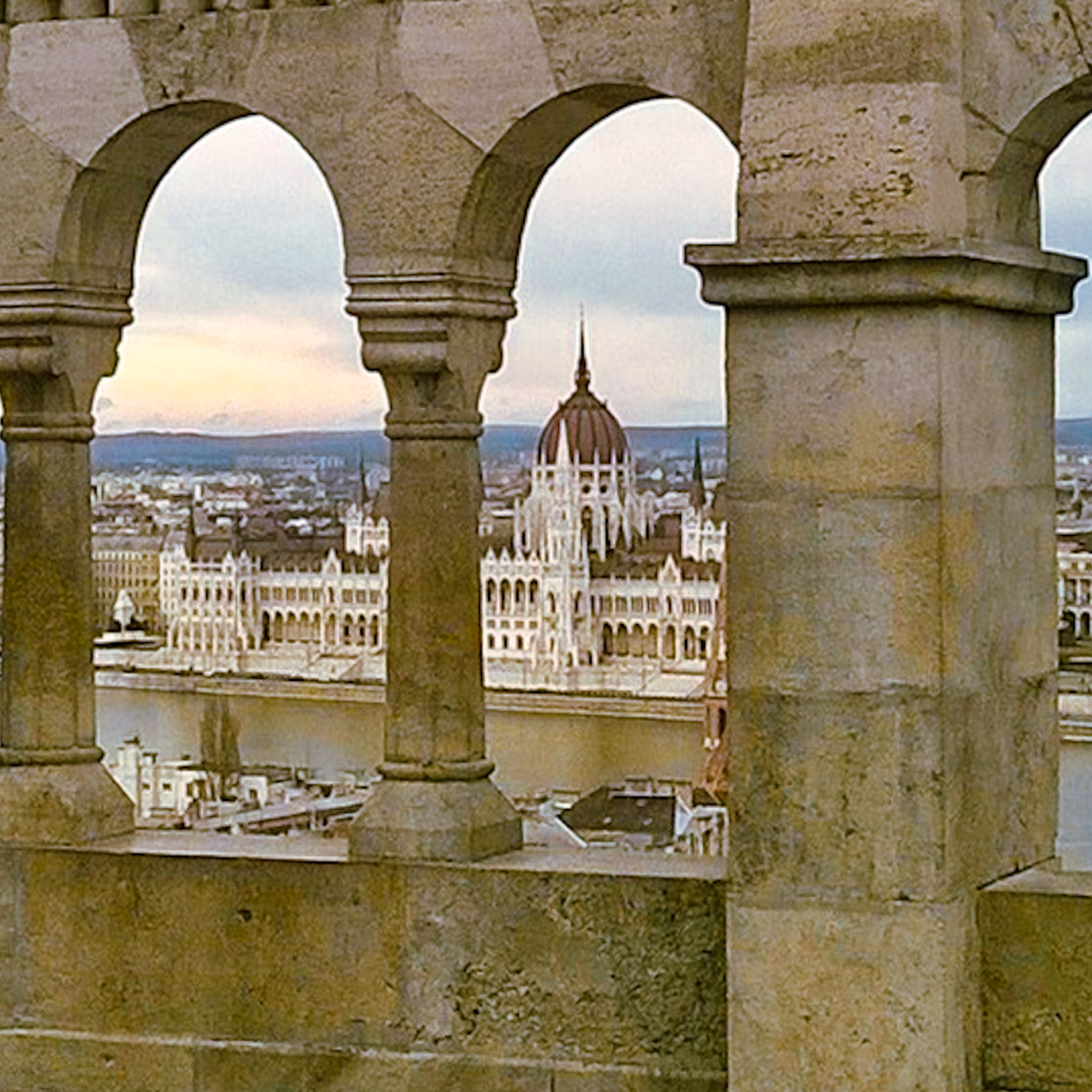
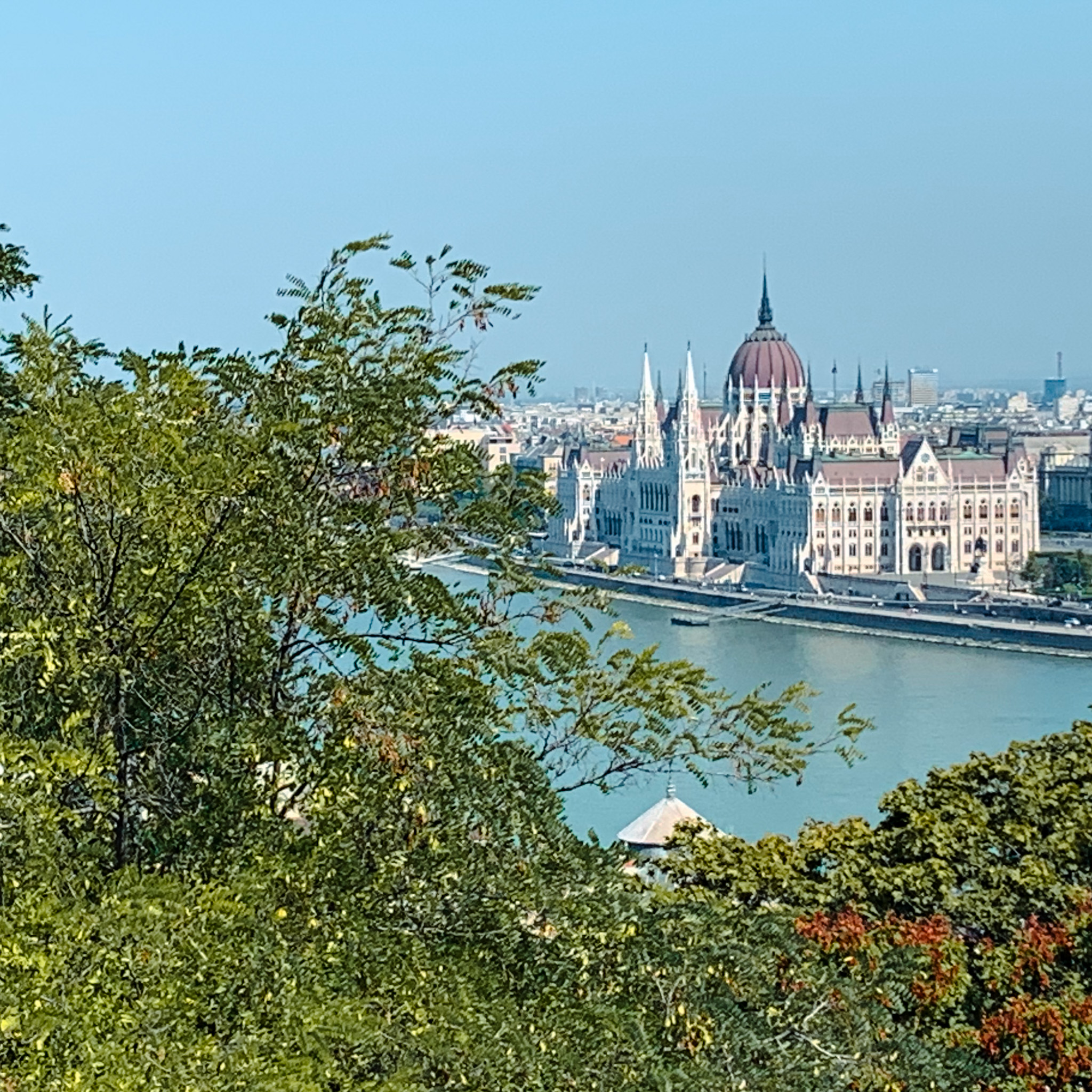
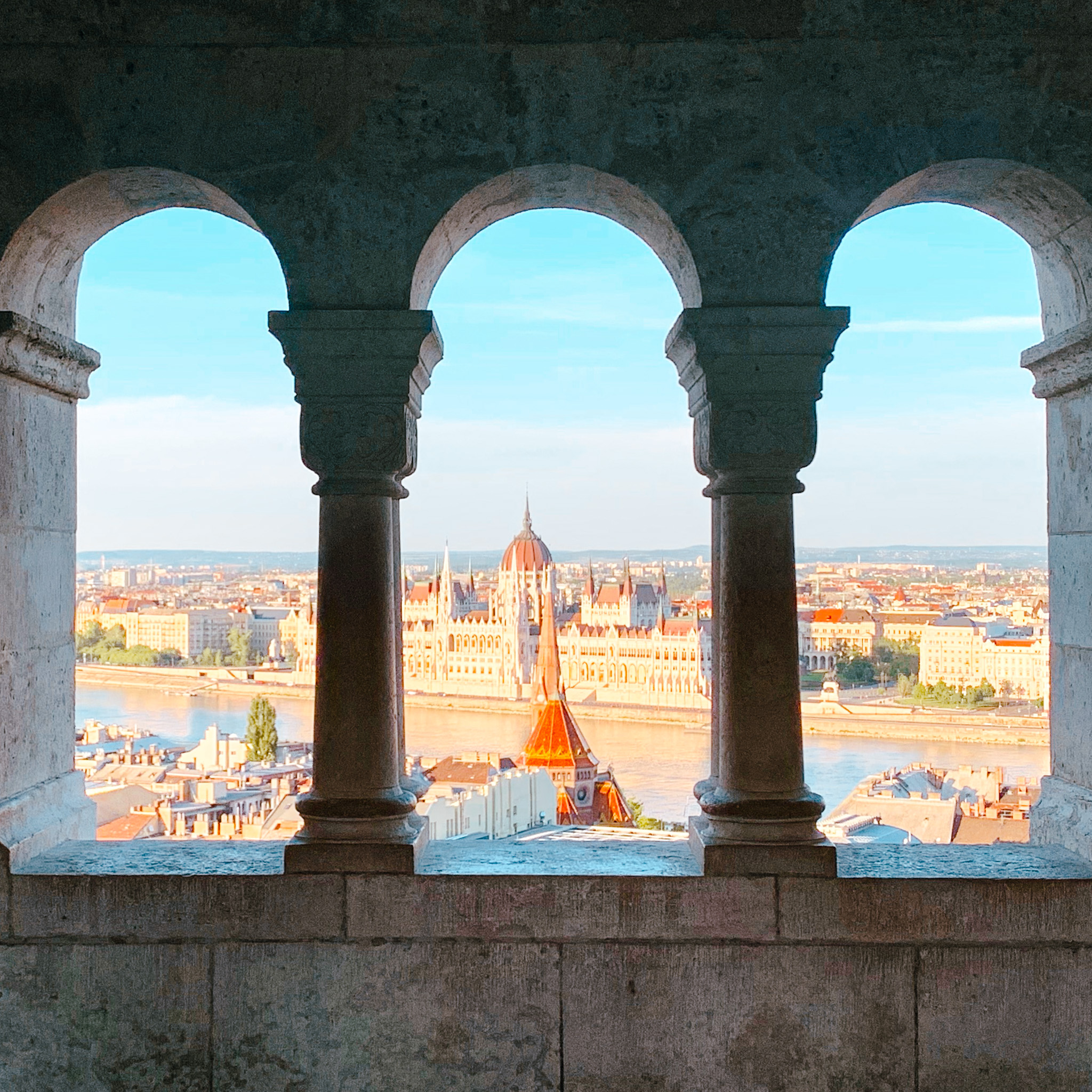
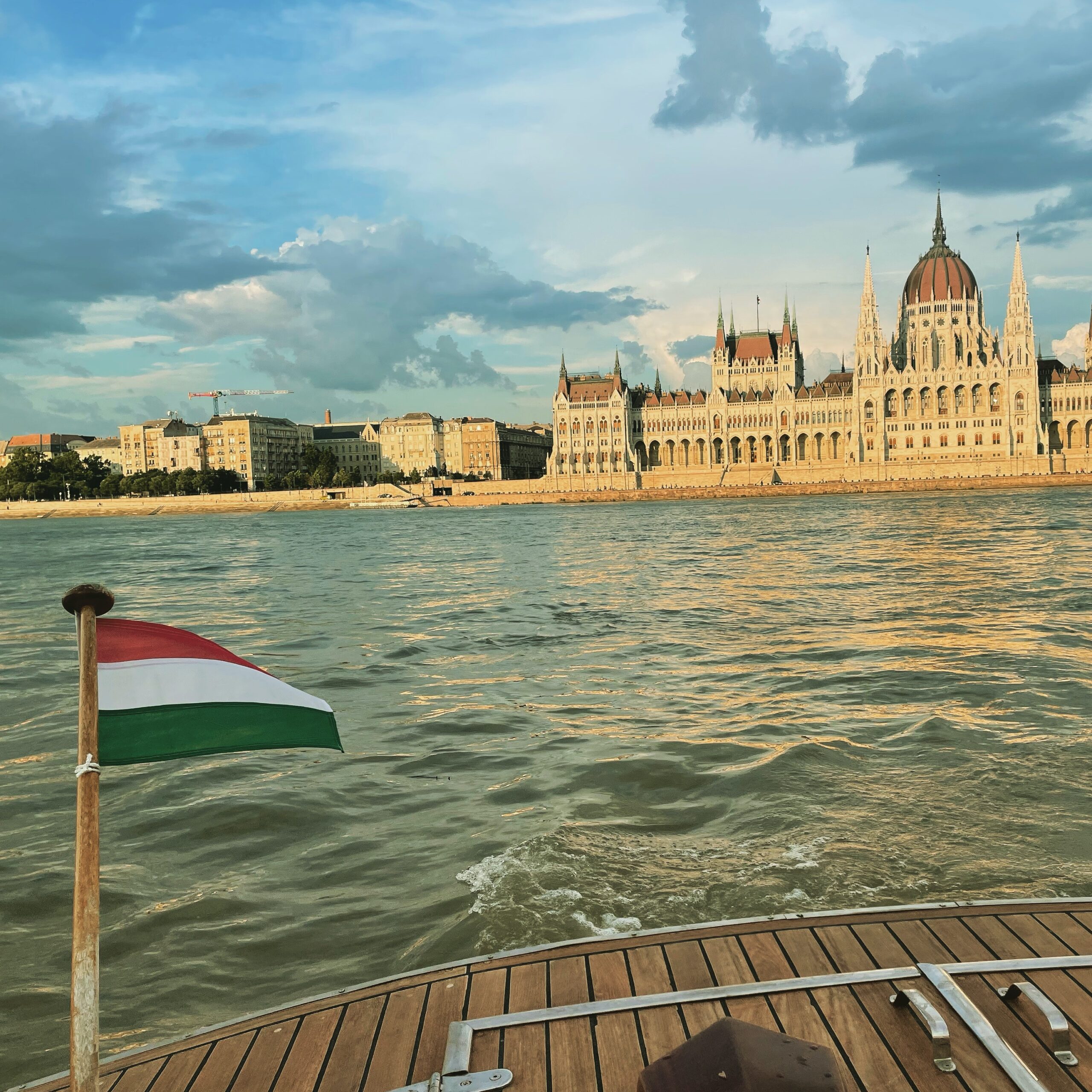
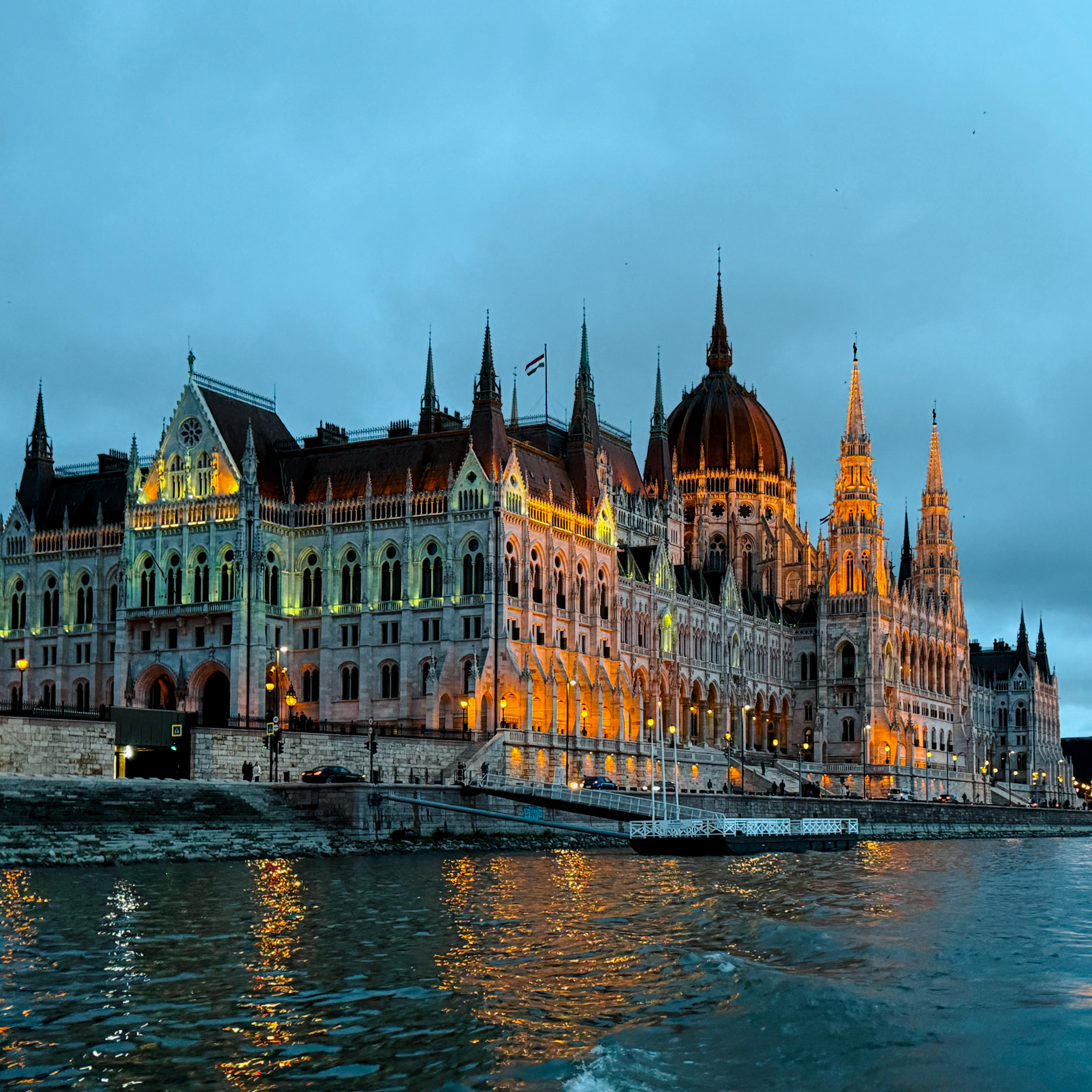
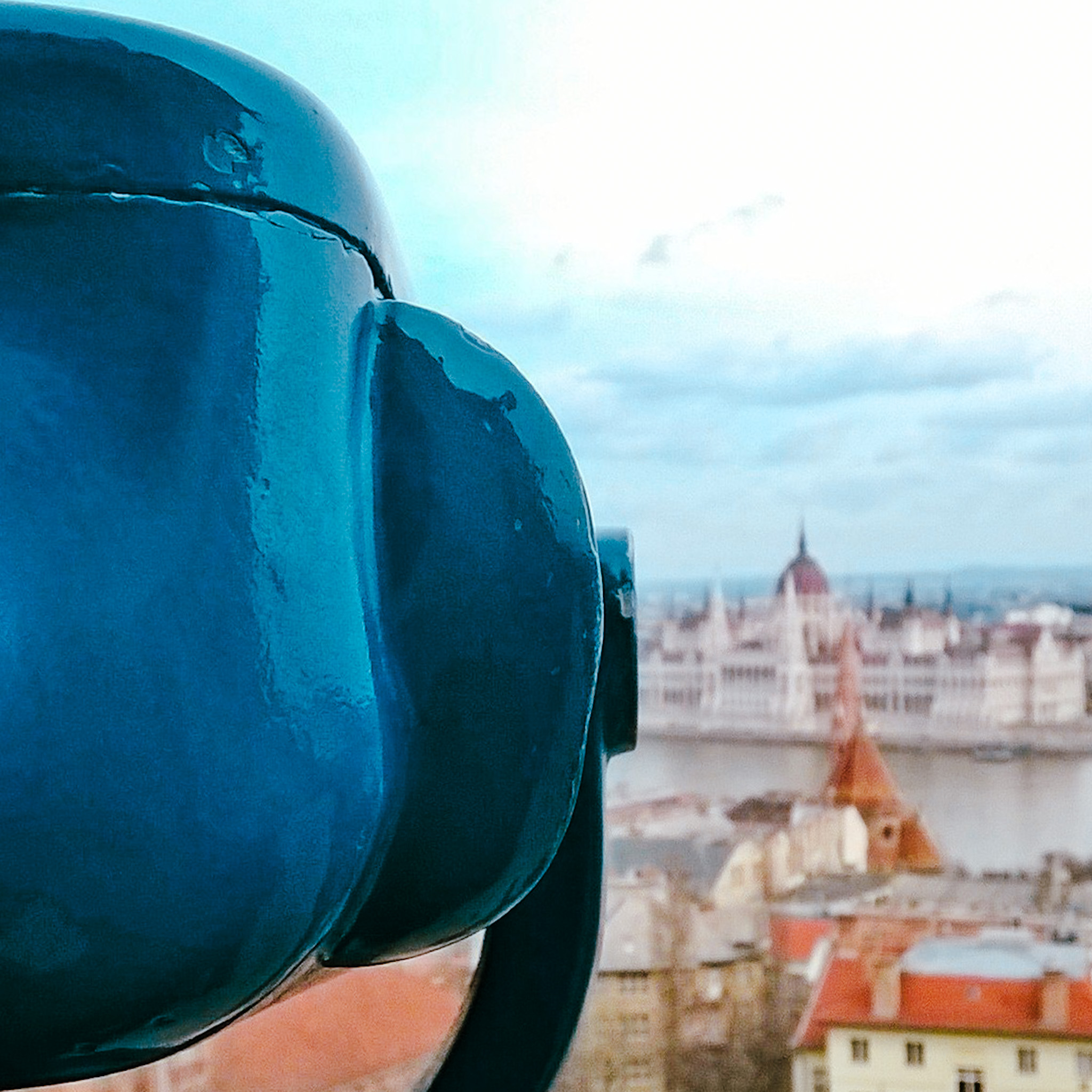
One of the best perspectives is from the banks of the Danube River, where you can capture the full grandeur of the Gothic Revival architecture with the water reflecting the building’s majestic silhouette. A boat tour along the river (I highly recommend Danube Legend) allows for a unique shot from the water, giving you an intimate yet sweeping view of the Parliament and its surrounding bridges. Another fantastic viewpoint is from the Buda side of the city, particularly from Fisherman’s Bastion, where you can beautifully frame the Parliament.

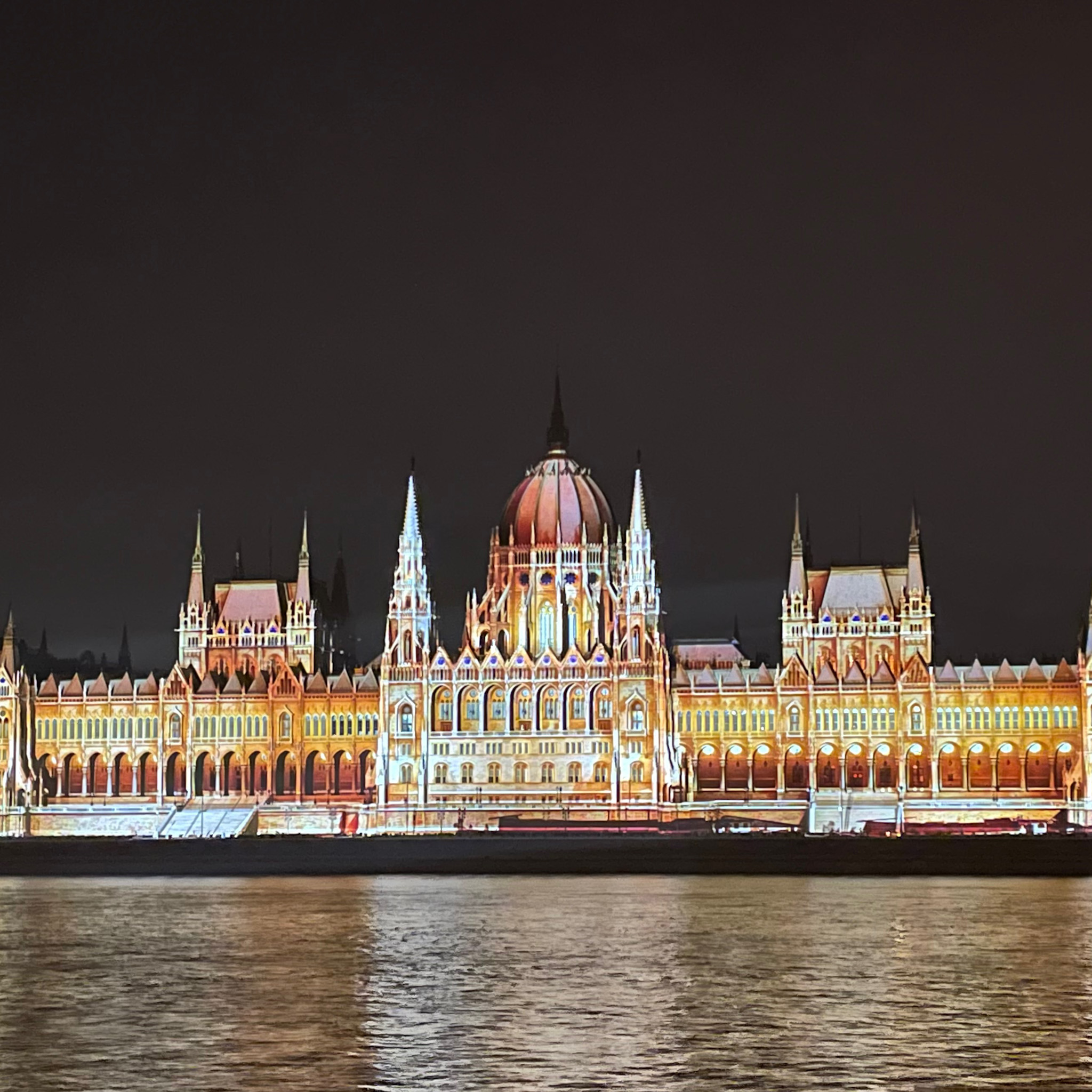
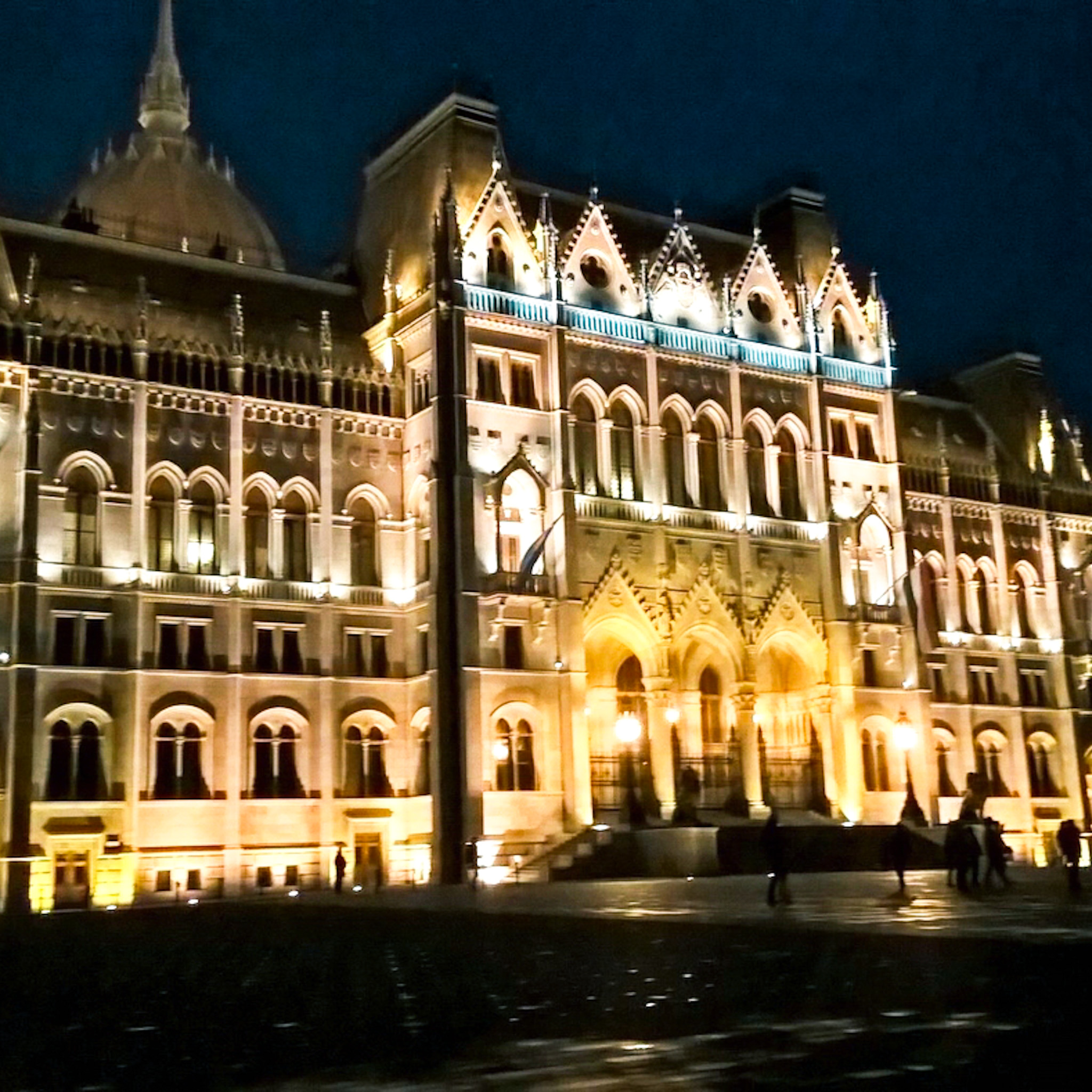
For a more panoramic shot, head to Gellért Hill, offering an elevated vantage point with a wide-angle view of both the Parliament and the sweeping cityscape. A great time to capture the building’s beauty is during golden hour, when the sunlight casts a warm glow on its intricate details, making it shine against the sky. Nighttime photography also offers magical opportunities, as the Parliament is beautifully illuminated, providing a striking contrast to the dark sky. From Margaret Island, you can frame the Parliament against lush green landscapes, making for a peaceful yet grand shot.

Book a private tour to experience the building up close, so that I can reveal hidden details and offer exclusive perspectives that will leave you in awe of its true magnificence.
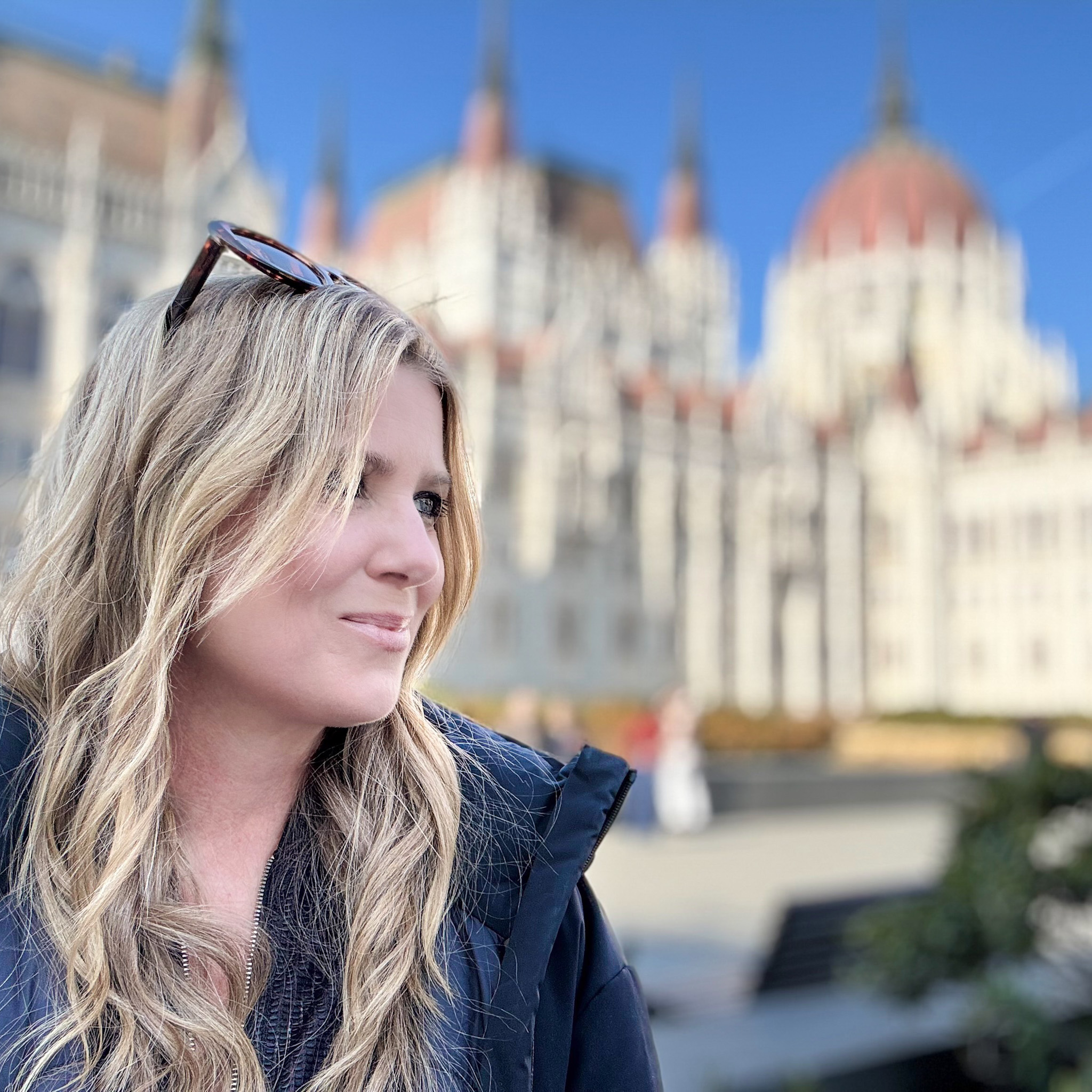
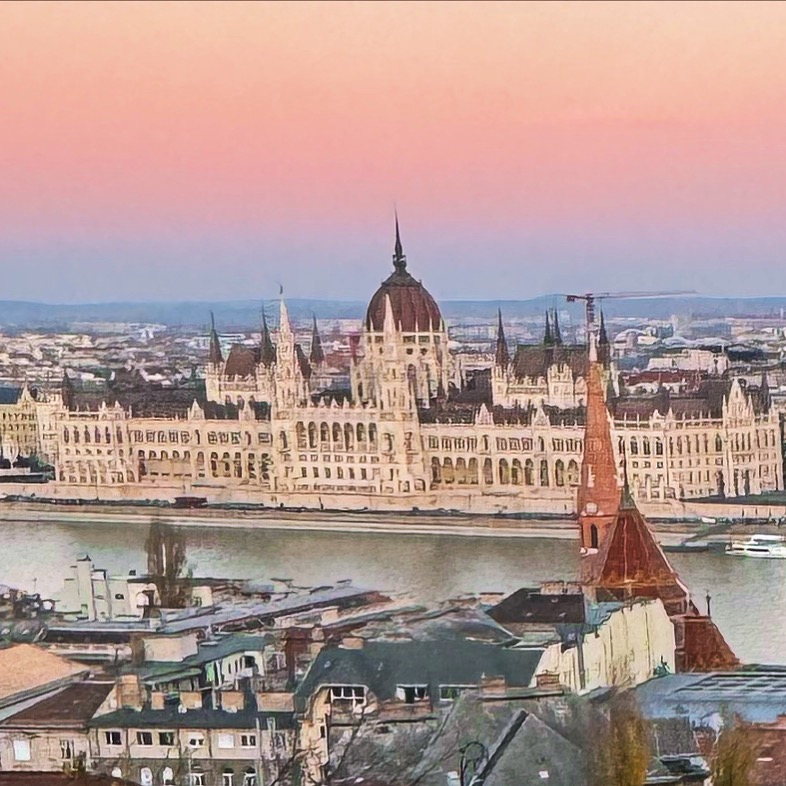
Great news from Budapest: from the 14th of May the fascinating building of the Parliament of Hungary can be visited again, there are tours every day between 9.00 AM and 3.00 PM. What’s more important is that the ticket prices have been reduced by 50%:

EU citizens: HUF 1600 / person

non-EU citizens: HUF 3200 / person

I think it’s a great opportunity to visit the Parliament now, I often tell that this really is one of the most spectacular buildings of Beautiful Budapest and definitely is a must-see when you visit my city.

As for now the COVID regulations are very strict: “The House of Parliament is open for visitors with an immunity certificate or immunity certificate application as well as for minors under their supervision; after their body temperatures are taken. The use of hand sanitisers installed in the Parliament building and the Visitor Centre is mandatory. Wearing a mask covering the nose and mouth is recommended. Please observe the social distancing rule and keep a 1.5-metre distance from others. Visits are to be undertaken on the sole responsibility of the visitors.”

The only problem is that it’s impossible for individuals to book a tour in advance, tickets can only be purchased on the spot on the day of the visit. I’m an official Tour Guide partner of the Parliament Visitor Center with special permissions so if you book a Full-day tour with Parliament visit with me I can book your Parliament tickets in advance. The Parliament visit can be incorporated in other tours, too, just let me know about your preferences!

 It’s hard to imagine Budapest without the silhouette of the Hungarian Parliament Building. Whenever you see a photograph of the city — especially from across the Danube — chances are high that this magnificent building takes centre stage.

Rising proudly on the Pest side of the river, the Parliament is not only one of Budapest’s most iconic landmarks, but also a powerful symbol of Hungary’s history and identity.

Why Is Hungary’s Parliament So Grand?

At first glance, visitors often wonder why a relatively small country built one of the largest parliament buildings in Europe. The answer lies in history.

When construction began at the end of the 19th century, Hungary was part of a much larger kingdom, stretching far beyond today’s borders. This was also a period when monumental public buildings were designed to express confidence, strength, and national pride. The Parliament was meant to say something — about Hungary’s place in Europe, its political ambitions, and its cultural importance. And more than a century later, it still does.

Architecture That Tells a Story

The building’s neo-Gothic style was inspired by great European traditions, yet its scale and ornamentation make it uniquely Hungarian.

From the outside, countless spires, arches, and statues create a sense of rhythm and symmetry. From the river, the Parliament appears almost theatrical — especially at sunset or after dark, when it’s illuminated and reflected in the Danube.

Every detail was carefully designed to impress, not just foreign visitors, but citizens themselves.

What Makes the Interior So Special

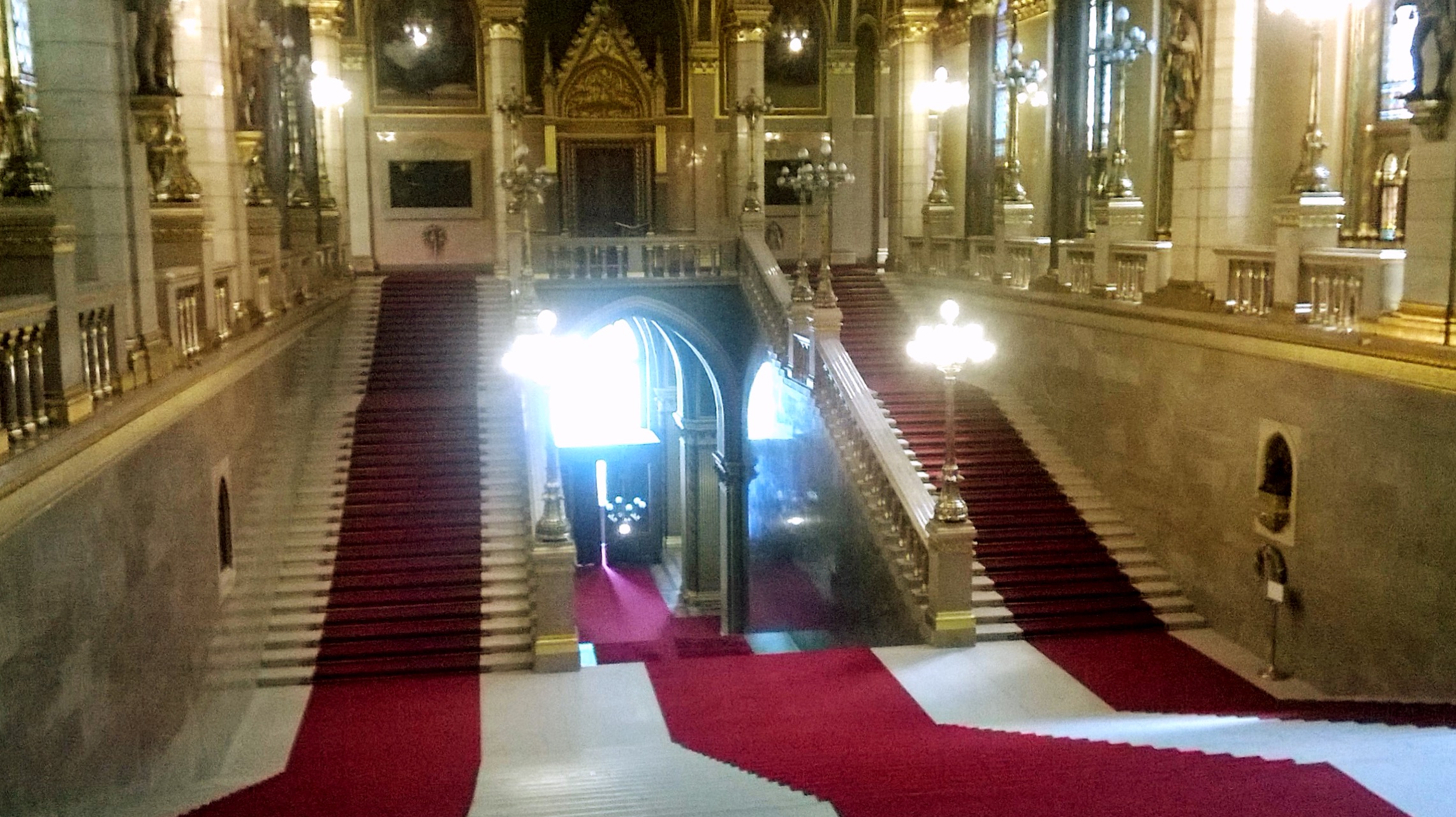
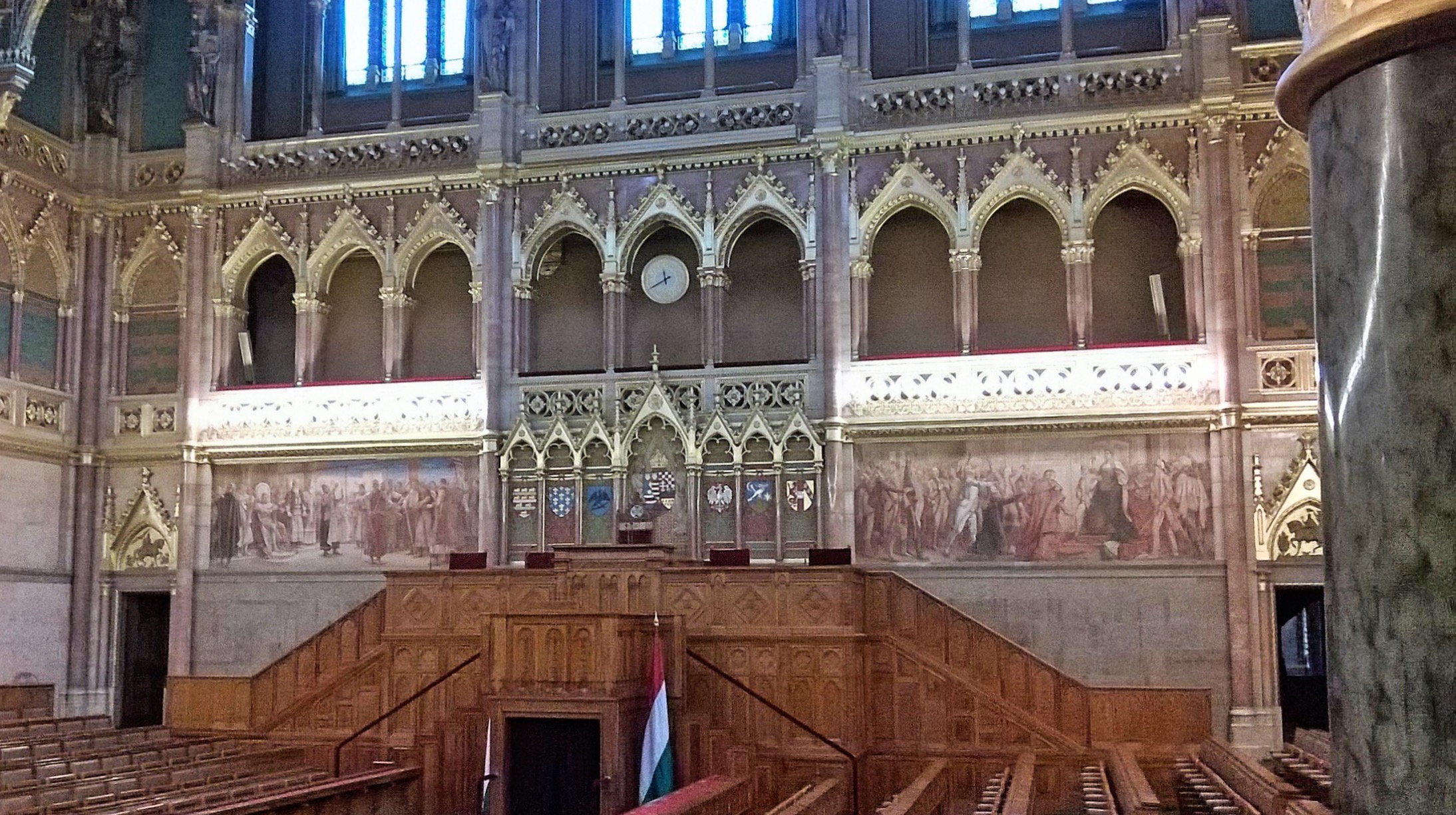
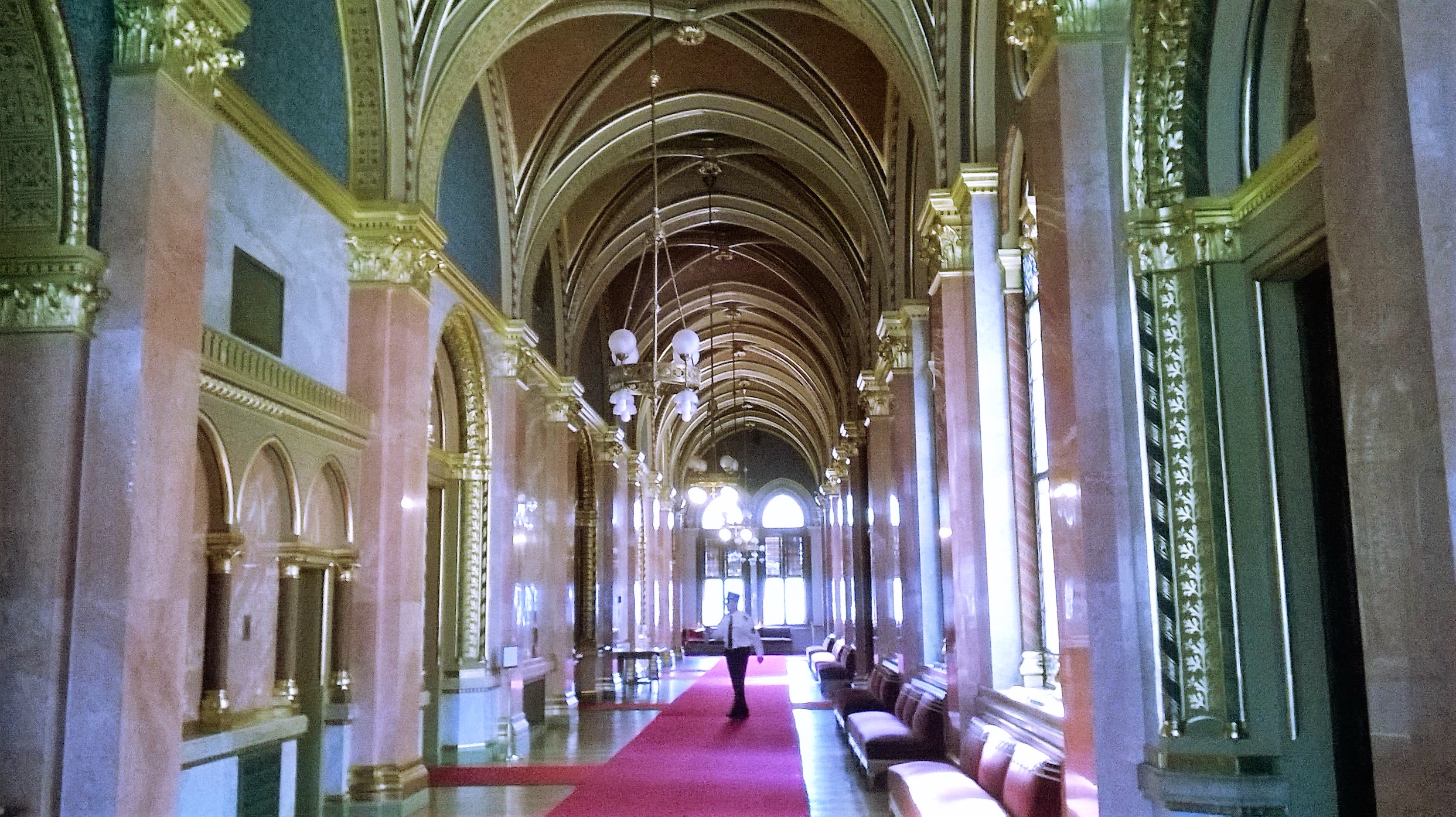
Stepping inside the Parliament reveals a world of ceremonial spaces, rich materials, and symbolism. Ornate staircases, gilded details, and stained glass windows all serve a purpose: to underline the importance of the institution housed within.

One of the most significant elements kept inside is the Holy Crown of Hungary, a powerful national symbol representing more than a thousand years of statehood. Its presence adds a deep historical layer to the building beyond its architectural beauty.

The Parliament and the City

More than just a government building, the Parliament shapes the rhythm of Budapest’s riverfront. It anchors the Pest side of the Danube and forms part of one of the city’s most celebrated panoramas.

Whether seen from a bridge, a river cruise, or from the hills of Buda, it’s a constant point of reference — elegant, imposing, and unmistakably Budapest.

The Parliament is one of the highlights I always enjoy discussing while exploring the Pest side of the city. Seeing it from the outside — with its history, symbolism, and urban context — often adds a new layer of understanding.

If you’d like to discover the stories behind Budapest’s landmarks during a relaxed walking tour, feel free to get in touch. I’d be happy to show you the city through its most iconic — and sometimes overlooked — details.