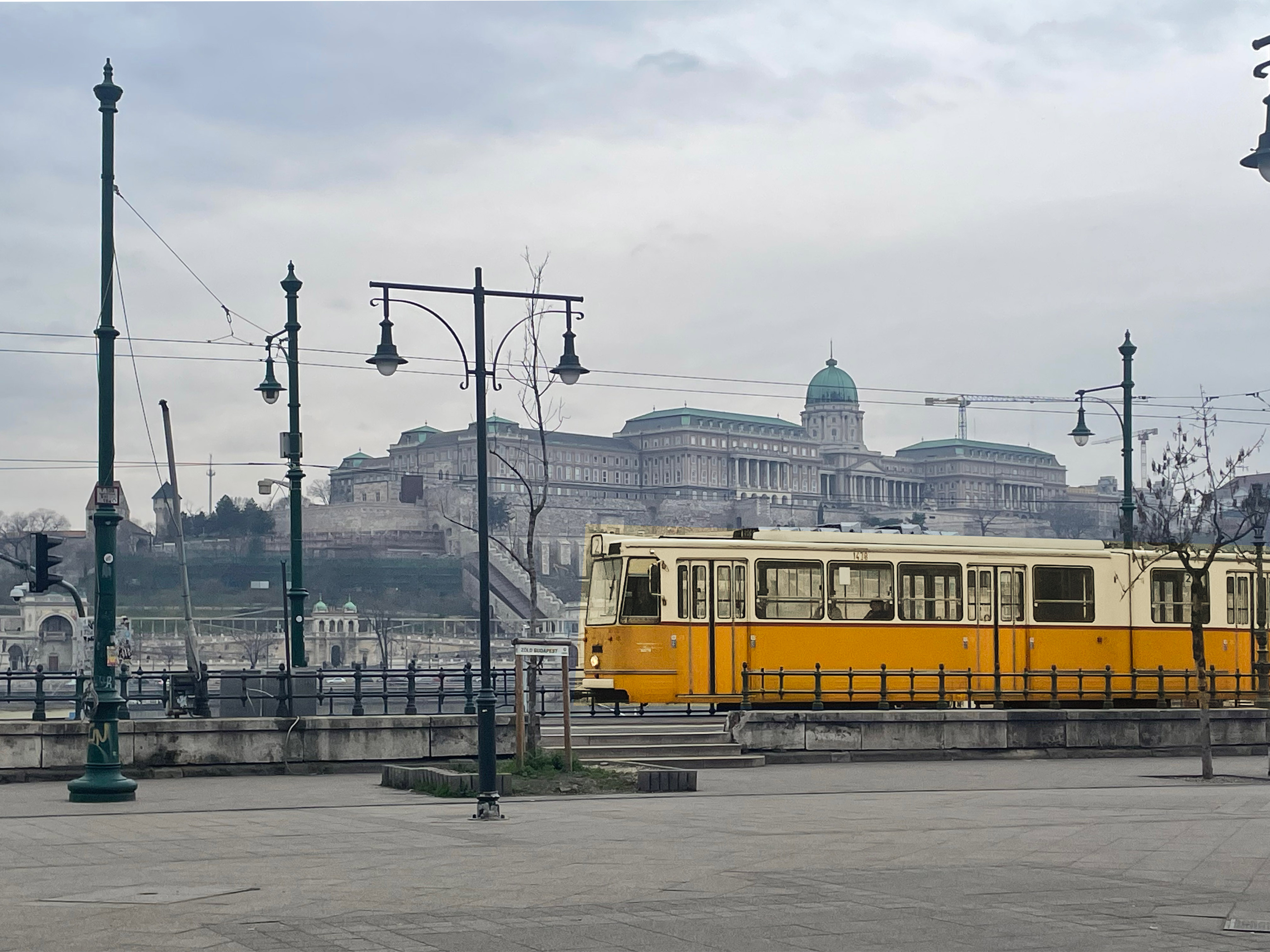
Still looking for the best views in Budapest? You’ll probably hear about rooftop bars, river cruises, or the Fisherman’s Bastion—but if you want a truly panoramic view of the city, there’s one place that stands above the rest: Gellért Hill.

Rising high above the Danube on the Buda side, this viewpoint offers one of the most iconic vistas in the Hungarian capital—and it’s not just beautiful, it’s also part of a UNESCO World Heritage Site.

Why Gellért Hill Has the Best Views in Budapest

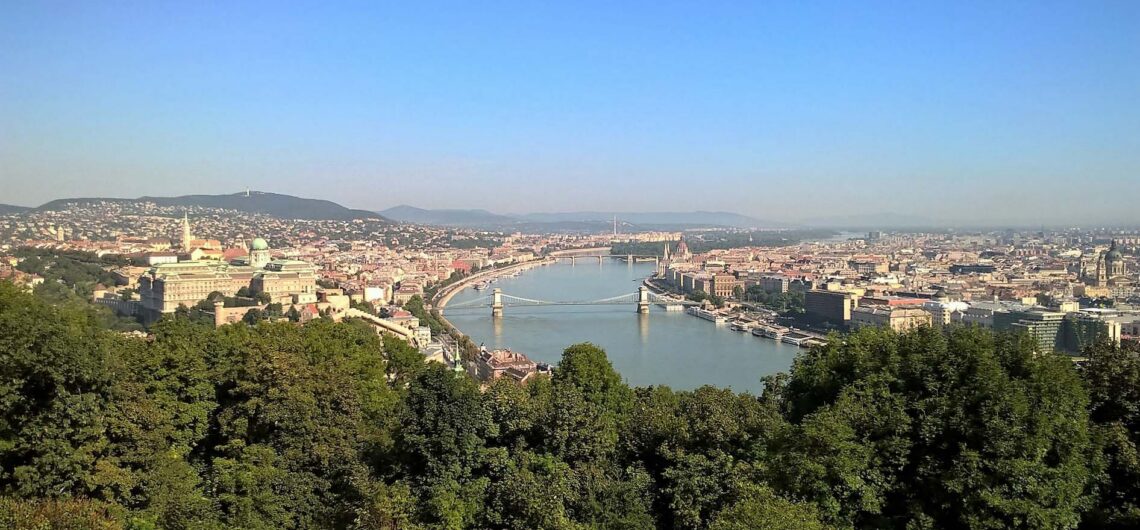
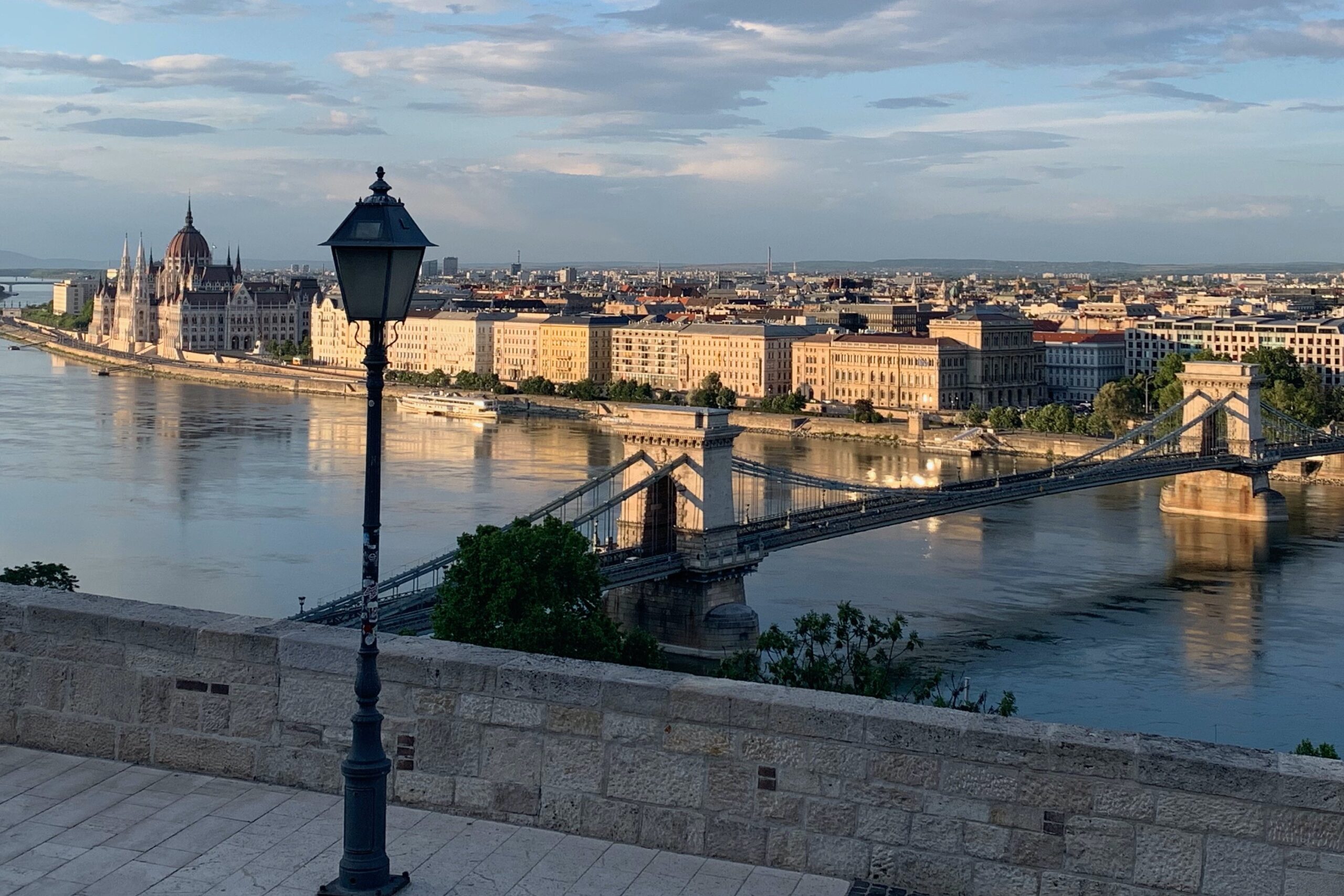
From the top, Budapest unfolds in front of you. You’ll see:
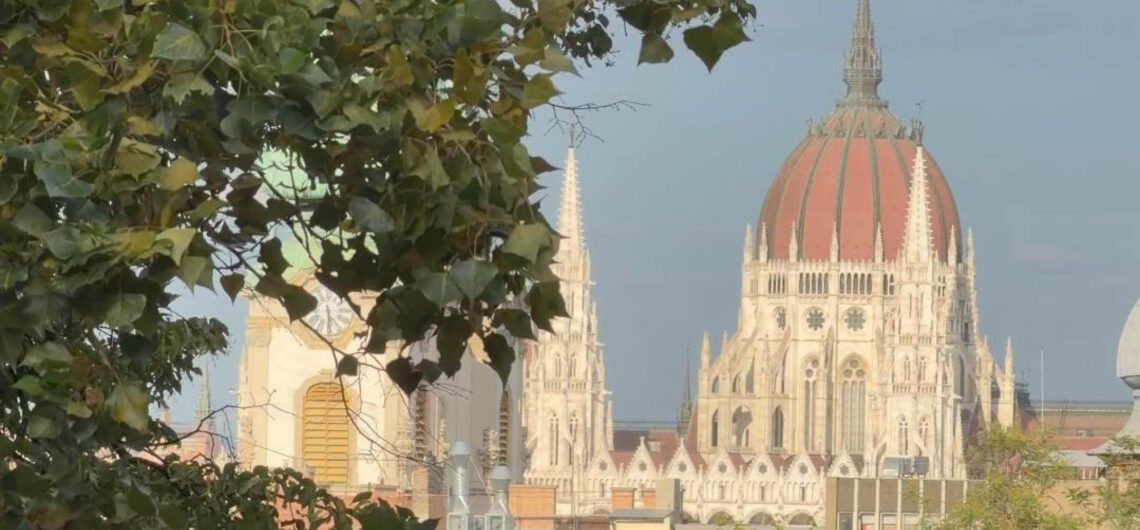
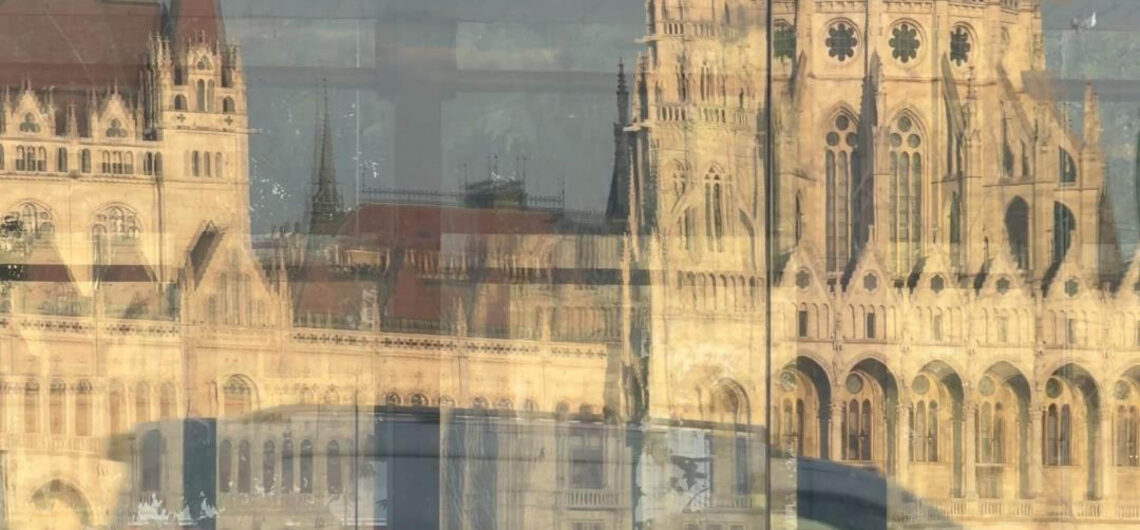
  • The majestic Hungarian Parliament Building
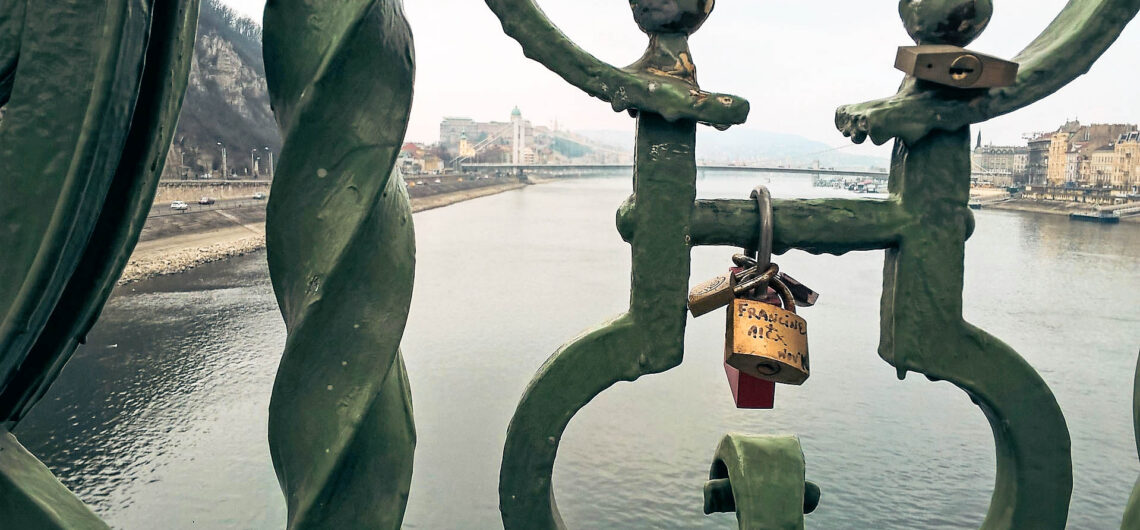
  • The Danube cutting through the city
  • The elegant Chain Bridge and other historic bridges
  • Both Buda and Pest in one sweeping panorama

What makes this view special is its scale—you’re not just looking at one landmark, but the entire city layout, exactly where history and geography meet.

A UNESCO-Protected Panorama

The view from Gellért Hill is part of the “Budapest, including the Banks of the Danube, the Buda Castle Quarter and Andrássy Avenue” UNESCO listing.

That means what you’re looking at isn’t just pretty—it’s considered globally significant. Few cities in the world offer a panorama where:

  • A historic river divides two distinct city halves
  • Architectural styles span centuries
  • And the overall composition remains so beautifully intact

How to Get to Gellért Hill

Getting to the top is easier than it looks—but there is a bit of a climb. Here are your main options:

From Liberty Bridge

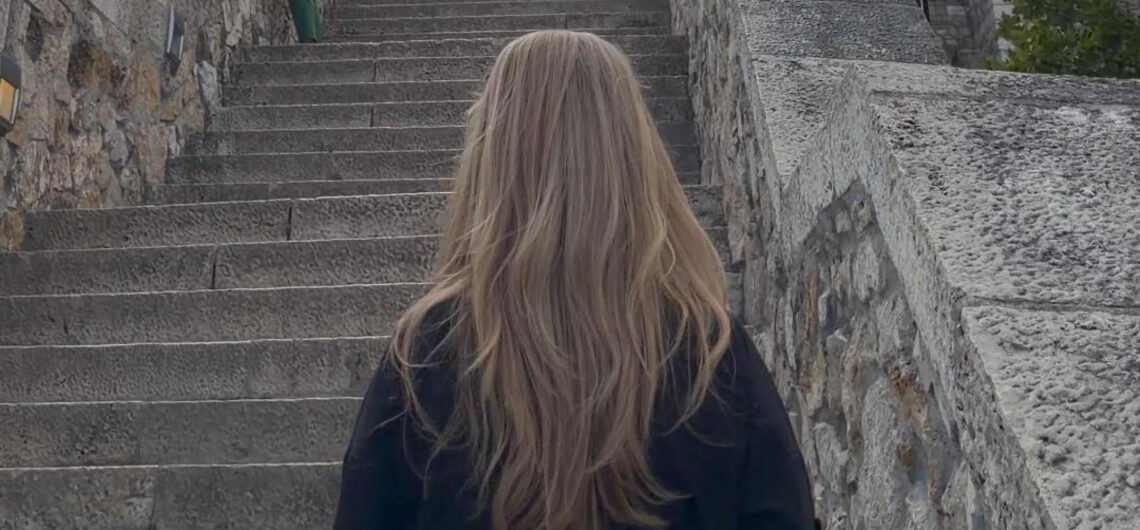
  • 15–20 minute walk uphill
  • Includes stairs
  • Slightly more scenic, a bit more effort

From Elizabeth Bridge

  • 15–20 minute walk
  • Fewer stairs, but still uphill
  • A more gradual climb

By bus (Bus 27)

  • Short ride uphill
  • About a 10-minute walk from the stop
  • Best option if you want to save energy

Tip: Wear comfortable shoes—the paths can be uneven in places.

Visiting Gellért Hill as Part of a Tour

Gellért Hill is a stop I almost always include when I design a custom itinerary—especially for first-time visitors.

It’s one of the few places where, within minutes, you can truly understand Budapest: the layout of the city, the Danube, and the relationship between Buda and Pest.

Because it’s easily accessible by car, it works perfectly as a short stop during a driving tour, or as part of a tailor-made experience. Even a brief visit here can add a lot of context to the rest of your time in the city.

What Is the Citadel?

At the top of Gellért Hill, you’ll find the Citadel, a fortress built in the 19th century.

Today, most visitors come here not for the history—but for the viewpoints surrounding it, which offer some of the best photo opportunities in Budapest.

Is Gellért Hill Worth It?

Absolutely.

Yes, there’s a short uphill walk.
Yes, it can get a bit busy.

But standing above the Danube, with the entire city spread out below you, you’ll understand why this view is protected—and why it’s one of the most unforgettable experiences in Budapest.

Final Tip

If you’re already on Gellért Hill, don’t rush back down.

Take a few extra minutes to explore:

  • a quieter corner away from the crowds
  • a hidden garden nearby
  • or even a small statue with a story to tell

Budapest always rewards those who slow down.

Discover Budapest with a Local Guide

If you’d like to experience places like Gellért Hill in a more personal and meaningful way, I offer private, tailor-made tours in Budapest.

Whether you’re interested in iconic views, hidden corners, or the stories behind the city, I design each tour around your interests and pace—so you can see Budapest in a way that truly feels your own.

Feel free to get in touch to start planning your experience.

Best View in Budapest? Gellért Hill

[/vc_column][/vc_row]

There are moments in Hungary when you feel like time slows down. Not in the grand, obvious places—but in the quiet ones. In workshops where hands have been repeating the same movements for generations. In patterns that have been printed again and again, unchanged for centuries.

This is where you find kékfestés—Hungarian blue dyeing.

A Craft Passed Down Through Generations

Kékfestés is not just a technique. It’s a family tradition. For centuries, workshops across Hungary were run by families who guarded their knowledge carefully. The patterns, the tools, even the recipes for the resist paste were often passed down from parent to child—sometimes for five or six generations.

In a world where everything moves fast, this kind of continuity feels almost unbelievable. And yet, it still exists.

The Human Side Behind the Patterns

When you look at these deep blue fabrics, it’s easy to focus on the beauty—the delicate white motifs, the rich indigo shades. But what makes them truly special is what you don’t immediately see.

Each pattern is applied by hand using carved wooden blocks, each piece is dipped, dried, and treated with care, each imperfection tells you: this was made by a person, not a machine.

It’s slow. It’s precise. And it’s deeply human.

A UNESCO-Protected Tradition

In 2018, kékfestés was officially recognised by UNESCO as part of the Intangible Cultural Heritage of Humanity. This recognition is not just about preserving a technique—it’s about protecting a way of life.

Because crafts like this don’t survive on efficiency. They survive on dedication, identity, and community.

My Visit to the Kékfestő Múzeum

Recently, I visited the blue dyeing museum in the charming town of Pápa—and it felt like stepping into another century. What makes this place so special is that it’s not just a museum. It’s a perfectly preserved workshop.

The vats are still there.
The tools are still in place.
The fabrics still hang as if someone had just left the room.

You don’t just learn about the craft—you feel it.

Why Experiences Like This Matter

When people visit Hungary, they often focus on the big highlightsBudapest, the Parliament, the famous sights. But the real stories of a country often live elsewhere.

In small towns, local traditions and crafts like “kékfestés”.

These are the experiences I love sharing during my tours—moments that connect you not just to a place, but to its people and its history.

Curious to Explore Something Like This?

What I love most about my work is that no two tours are ever the same. This visit to Pápa and the blue dyeing workshop actually came from a traveller’s request—they were curious about local crafts and wanted to discover something beyond the usual sights. And that’s how we ended up here, surrounded by centuries-old traditions and deep indigo patterns.

If you’d like to explore Hungary in a more personal way, you can book one of my general tours directly on my website. Or… simply tell me what you’re curious about.

Whether it’s hidden gardens, local cafés, history, or traditional crafts like kékfestés, I’m always happy to create something tailored just for you.

A Tradition That Lives On

Kékfestés is not just something to admire in a museum. It’s still alive—quietly, patiently, carried forward by those who choose to continue it. And maybe that’s what makes it so special.

Not just that it survived… but that it still matters.

This Is a UNESCO Treasure from Hungary 🇭🇺💙

There is something magical about spring in Budapest.

After months of grey skies and chilly mornings, the city begins to wake up. The terraces slowly fill with conversation, the parks turn green again, and warm breezes drift through the streets carrying the promise of brighter days ahead.

And then, almost suddenly, the cherry blossoms arrive.

For a few short but unforgettable days each year, delicate pink blossoms bloom across Budapest, transforming quiet corners of the city into scenes that feel almost dreamlike. One of the most beautiful places to experience this is in the Buda Castle District, where soft petals frame historic streets and centuries-old buildings in shades of springtime pink.

But this year, spring feels a little different.

Perhaps it is the sunshine, perhaps it is the blossoms, or perhaps it is the feeling that something new is in the air—not just in nature, but in the city itself. Budapest seems to be stepping into spring with a little more energy, a little more joy, and a quiet sense of optimism for the season ahead.

Cherry blossoms have long symbolized renewal, hope, and the beauty of fleeting moments. And somehow, this year, they feel especially fitting.

There is laughter in the air, music drifting from open windows, and the unmistakable sense that Budapest is welcoming not only a new season, but perhaps a new chapter as well.

Why Spring Is One of the Best Times to Visit Budapest

If you are planning to visit Budapest, spring may be the perfect season.

The weather is mild, the city is colourful, and locals seem to spend every possible moment outdoors enjoying the sunshine after the long winter months. Café terraces overflow onto the sidewalks, flowers bloom in the parks, and the golden evening light makes the city even more photogenic than usual.

If you want to experience Budapest at its most vibrant, spring is when the city truly shines.

Where to See Cherry Blossoms in Budapest

One of my favourite places to admire cherry blossoms in Budapest is the Buda Castle District. The contrast of soft pink petals against the grand historic buildings creates one of the most romantic spring scenes in the city.

If you enjoy hidden viewpoints and peaceful walks, you might also love visiting Gül Baba’s tomb, one of Budapest’s secret gardens with stunning Parliament views.

Experience Budapest in Bloom

Spring is one of my favorite seasons for private tours because Budapest simply feels happier. The streets are lively, the weather is comfortable, and the whole city seems to glow with fresh energy.

If you would like to discover Budapest’s hidden corners, local stories, and beautiful spring atmosphere with a local guide, explore my private Budapest tours.

And if you are looking for the perfect coffee stop after your spring walk, don’t miss my guide to Budapest Coffeehouses.

Because in Budapest, spring is not just a season. It is a feeling.

And when the cherry blossoms bloom, the warm winds return, and the city fills with hope again, Budapest somehow feels more beautiful than ever.

Budapest in Bloom: Cherry Blossom Season at Buda Castle

Easter in Hollókő is one of Hungary’s most beautiful living traditions, where culture, community, and history come together each spring. There are places where traditions are remembered… and places where they are still lived.

Hollókő is one of them.

Every Easter, this small UNESCO-listed village in Northern Hungary transforms into something truly special — a celebration of culture, community, and heritage that feels untouched by time.

A Village That Feels Like Stepping Back in Time

Just 1.5 hours from Budapest, Hollókő is famous for its beautifully preserved white houses, wooden details, and peaceful village atmosphere.

But at Easter, it becomes something else entirely. The streets fill with locals dressed in traditional Palóc costumes, music echoes between the houses, and the whole village comes alive with movement and colour.

This isn’t a performance for tourists — it’s a tradition that has been passed down through generations.

Folk Traditions, Music & Craftsmanship

What makes Easter in Hollókő so special is the authenticity. You’ll see:
  • traditional folk dancing in the streets
  • intricate embroidered costumes unique to the Palóc region
  • beautifully decorated Easter eggs
  • local artisans showcasing handmade crafts

Every detail tells a story — of identity, history, and pride.

Why It’s One of Hungary’s Most Unique Experiences

In a world where many traditions are recreated for visitors, Hollókő stands out because it feels real

It’s not staged.
It’s not polished.
It’s lived.

And that’s exactly what makes it unforgettable.

Visiting Hollókő from Budapest

Hollókő is an easy day trip from Budapest, but visiting during Easter requires a bit of planning:

  • Best time to arrive: early morning
  • Travel time: approx. 1.5 hours
  • Expect crowds: it’s one of the most popular spring events

If you’d like a more relaxed and meaningful experience, joining a guided visit can make all the difference — especially when combined with nearby cultural highlights.

You can explore this as part of a Hollókő & Gödöllő day trip, which blends rural traditions with royal history.

Discover Hungary Beyond Budapest

Experiences like this are a reminder that Hungary is so much more than its capital.

If you’re looking to go deeper — beyond the main sights and into real local culture — take a look at my private tours in and around Budapest, designed to show you a more personal side of the country.

Final Thoughts

Easter in Hollókő is not just something you visit. It’s something you feel. A moment where past and present meet — and where tradition still lives.

Easter in Hungary | Hollókő Tradition

If you only have a few hours in Budapest, planning is everything.

The city is full of stunning architecture, rich history, and beautiful viewpoints — but without a clear route, it’s easy to waste time going back and forth.

This guide will help you focus on the essential Budapest highlights, so you can experience the best of the city even on a tight schedule.

1. Heroes’ Square & City Park

Start your visit at one of the most important squares in Hungary: Heroes’ Square. The statues here represent Hungary’s most important historical figures, making it a perfect introduction to the country’s past.

Just behind the square, you’ll find City Park, a green oasis with hidden gems like Vajdahunyad Castle — ideal for a short, relaxed stroll before heading into the city center.

Read more:  A Must-See in Budapest: City Park

2. Andrássy Avenue & the Opera House

From Heroes’ Square, follow Andrássy Avenue, one of Budapest’s most elegant boulevards and a UNESCO World Heritage site. Lined with historic buildings, cafés, and embassies, it leads you straight toward the city center.

On the way, you’ll pass the stunning Hungarian State Opera House, a masterpiece of 19th-century architecture.

Read more: Budapest public transport tips (Metro Line 1 runs here)

3. St. Stephen’s Basilica

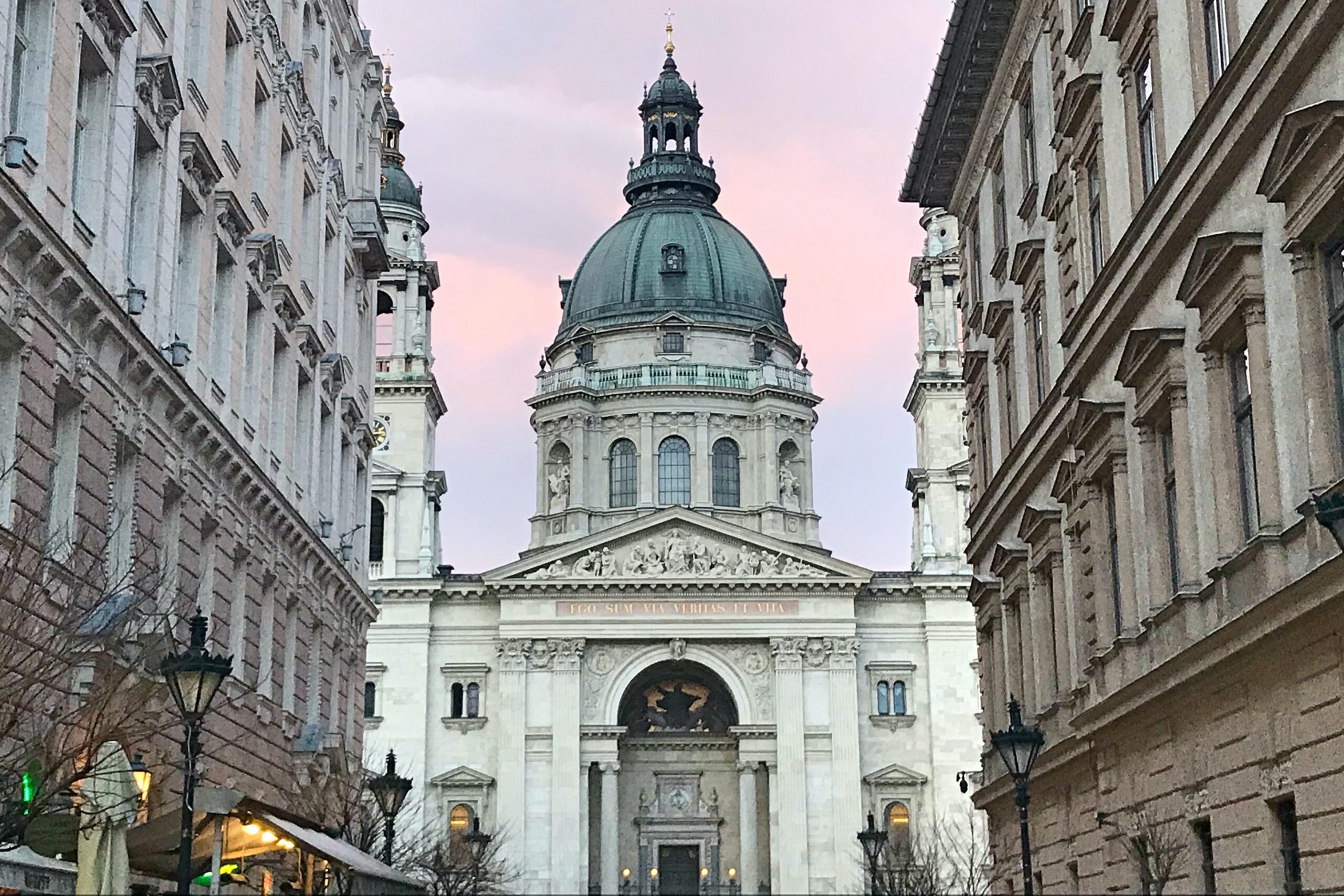
Next, head to St. Stephen’s Basilica, the largest Catholic church in Budapest.

The interior is impressive — but if you have time, go up to the dome. The panoramic view offers one of the best perspectives over the city.

Local tip: Visit in the late afternoon for softer light and fewer crowds.

4. The Hungarian Parliament

No visit to Budapest is complete without seeing the Hungarian Parliament Building.

Standing right on the Danube, it’s one of the most iconic buildings in Europe. For the best view, take a short walk along the river — or admire it from the Buda side for a full panoramic perspective.

Read more: A Must-See in Budapest: Houses of Parliament

5. Buda Castle District

Cross the Danube and explore the historic Buda Castle District.

This area feels completely different from Pest — quieter, more atmospheric, and full of history. Wander through cobblestone streets, discover hidden corners, and enjoy some of the best views in Budapest.

Read more: the Buda Castle District.

Can You See All This in a Few Hours?

Yes — but it’s not always as easy as it looks on the map. Distances, hills (especially on the Buda side), and the depth of history at each stop can make it difficult to truly enjoy the experience without rushing.

Want to Make the Most of Your Time?

This route is exactly what I cover in my half-day tours — designed for travelers who want to see the highlights without the stress of planning.

Whether you prefer walking or a more relaxed pace by car, you’ll experience Budapest through stories, local insights, and carefully chosen viewpoints.

Final Thoughts

Budapest is a city that rewards curiosity. Even if you only have a few hours, you can experience its beauty — especially if you focus on the right places. And if you’d like to go beyond the surface, I’d be happy to show you the Budapest I know and love.

Budapest in a Few Hours 🇭🇺 Must-See Highlights

The Budapest half marathon might just be one of the most scenic races in Europe. There are many beautiful races in the world—but how many let you run past a Parliament that looks like a fairytale, along the Danube, with castles watching from above?

Yesterday, Budapest showed its best side during the Vivicittá Half Marathon—and honestly, it felt less like a race and more like a moving postcard.

Running Through History

The route takes you through some of the most iconic UNESCO-listed sights in the city. As you run, you’re not just chasing kilometres—you’re moving through centuries.

You pass:

It’s one of those rare experiences where you actually forget you’re running.

Perfect Conditions, Perfect Energy

This year, the weather couldn’t have been better—sunshine, blue skies, and just the right temperature.

But what really makes this race special is the atmosphere:

  • Locals cheering from the sidelines
  • Music along the route
  • Runners from all over the world

There’s a feeling of connection that’s hard to describe unless you’ve experienced it.

Why Budapest Is a Dream Destination for Runners

If you’re a runner, Budapest is more than just a race destination—it’s a place to explore on foot.

Some of my favourite running spots:

  • Margaret Island – car-free, green, and peaceful
  • Danube promenade – iconic views with every step
  • Gellért Hill – for a challenge + reward

More Than a Race

The Vivicittá isn’t just about finishing times. It’s about:

  • Seeing Budapest in a completely different way
  • Feeling part of something bigger
  • And creating memories that stay with you long after the race is over

If you’re thinking about combining travel with running—Budapest should absolutely be on your list. And if you’d like to explore the city beyond the race route, I’d love to show you my favourite hidden corners.

Would You Run This? Budapest Half Marathon

Every year on the 15th of March, Hungary commemorates one of the most important moments in its history: the beginning of the Revolution of 1848.

It is a day when Hungarian flags appear across Budapest, red-white-green cockades are pinned to jackets, and the city remembers the courage of those who demanded freedom.

But this national holiday is not only about remembering a historical event. It is about remembering a moment when words, ideas, and determination changed the course of a nation’s history.

The Day the Revolution Began

The events of the 15th of March, 1848 began in Pest with a group of young intellectuals known as the March Youth. Among them was the poet Sándor Petőfi, whose passionate poem Nemzeti Dal (National Song) became the voice of the revolution.

Standing before a growing crowd, Petőfi recited the poem beginning with the powerful words:

“Talpra magyar, hí a haza!”
“Rise up, Hungarians, the homeland calls!”

The poem captured the spirit of the moment. Inspired by revolutionary movements spreading across Europe in 1848, the crowd demanded political reform and national independence. Their demands were summarized in a document known as the Twelve Points, which called for:

  • freedom of the press

  • equality before the law

  • a Hungarian government independent from Vienna

  • civil rights and national sovereignty

  • the end of feudal privileges

Remarkably, the revolution in Pest began without violence. Printing presses produced copies of the Twelve Points without censorship, crowds gathered peacefully, and political prisoners were freed.

For a brief moment, it seemed that a new chapter of Hungarian history had begun.

The Hungarian Flag and the Cockade

One of the most recognizable symbols of the revolution was the red-white-green tricolour, the Hungarian national flag.

These colours had appeared earlier in Hungarian history, but during the revolution they became a powerful symbol of unity and national identity.

Even today, on March 15, many Hungarians wear a cockade made from these colours — a small circular ribbon pinned to clothing. This tradition connects modern Hungary with the revolutionaries of 1848 who wore the same symbol of patriotism.

Walking through Budapest on this day, you see flags hanging from historic buildings, bridges, and balconies across the city.

The red, white, and green colours remind people not only of the past, but also of the enduring importance of freedom. The three colours of the Hungarian flag tell a story of their own: red symbolises the blood and passion of those who fought for freedom, white represents honesty and integrity, and green reflects hope for the nation’s future.

The Revolution and Its Legacy

Although the revolution eventually led to a war with the Habsburg Empire and was ultimately suppressed in 1849, its ideals continued to shape Hungarian identity.

Many of the political and social reforms demanded in 1848 eventually became reality. More importantly, the revolution became a lasting symbol of the Hungarian desire for independence and self-determination.

Hungarian history includes several moments when people stood up for freedom.

One of the most powerful examples was the 1956 uprising against Soviet rule, another event that deeply shaped modern Budapest and the national memory.

Understanding these moments helps visitors see Budapest not only as a beautiful city, but also as a place where history was lived with extraordinary courage.

Experiencing the 15th of March in Budapest

If you happen to visit Budapest around the 15th of March, you will see a very special atmosphere in the city.

Public squares host commemorations, historic locations connected to the revolution are visited by locals, and Hungarian flags appear everywhere. The holiday is both festive and reflective — a quiet but powerful reminder of the ideals that shaped the country.

For visitors interested in the deeper layers of Hungarian history, these stories often come alive when walking through the city itself. Many of the historic streets connected to Budapest’s past — including areas like the Jewish Quarter — reveal how layers of history shaped the city we see today.

Many of the places connected to Hungary’s struggles for freedom can still be seen today — from the streets where the revolution began to the monuments remembering later events such as the 1956 uprising. Fortunately, many of these historic sites are easy to reach thanks to Budapest’s excellent public transportation system, which makes exploring the city simple for visitors.

Why This History Matters Today

One of the most moving aspects of the 15th of March is that the revolution was not only fought with weapons.

It was fought with poetry, ideas, and courage. The words spoken in the streets of Pest in 1848 continue to echo through Hungarian history, reminding people that freedom often begins with the courage to imagine a different future.

Every Hungarian flag displayed on this day carries that message forward. Whenever I walk through Budapest on the 15th of March, I can’t help wondering what the young revolutionaries of 1848 would expect from us today. Reading the Twelve Points, it is striking how timeless their message remains. The ideals of freedom, equality before the law, and responsible government still resonate deeply, reminding us that the spirit of 1848 continues to challenge and inspire every generation.

Budapest is a city where history is not only remembered — it is lived in its streets, squares, and stories. If you would like to explore these layers of history while discovering the city with a local guide, I would be delighted to show you around on one of my private tours.

March 15 Budapest 🇭🇺 Nemzeti Menet | Hungary’s National Day

The Budapest mini statues by artist Mihály Kolodko are some of the city’s most delightful hidden surprises. These tiny bronze figures are scattered across Budapest, often in unexpected places, turning a walk through the city into a real-life treasure hunt.

If you’ve walked around Budapest recently, you may have noticed something tiny but very special hiding in unexpected places. They are small — sometimes only a few centimeters tall — but they have become one of Budapest’s most charming modern traditions.

Finding them has turned into a kind of urban treasure hunt for both locals and visitors.

Kolodko originally started placing these statues as a personal artistic project, but today there are dozens of them around the city, often referencing Hungarian culture, history, or pop culture in playful ways.

Some are easier to find than others. A few are right next to famous landmarks, while others are hidden in places you might easily walk past.

If you’re curious where to start, I created a map of the Kolodko mini statues in Budapest that helps you track them down.

But honestly, the fun part is spotting one unexpectedly during a walk around the city.

Once you notice your first Kolodko statue, you’ll probably start looking for them everywhere.

And trust me — after the first one, you can’t stop. Budapest is full of small details most visitors walk past.
If you enjoy discovering these hidden stories, I’d be delighted to show you some of my favourite ones on a private walk through the city.

Kolodko mini statues in Budapest

If you’re wondering what to eat in Budapest, the answer goes far beyond goulash and paprika.

Budapest is often described as one of Europe’s most beautiful cities. Visitors fall in love with the Parliament, the bridges over the Danube, the cafés with their historic interiors.

But what many travellers don’t expect is how memorable the city tastes.

Hungarian food is comforting, generous, and deeply rooted in tradition. Before becoming a private guide, I worked as a photo editor for Hungary’s most popular food magazine — so food has always been part of how I see the world. Today, when I show guests around Budapest, I often say: if you really want to understand this city, taste it.

Because Budapest is not just pretty — it’s delicious.

Comfort Classics

Hungarian cuisine is built on warmth and patience.

A bowl of goulash is more than just a soup. It carries the story of shepherd traditions, open-fire cooking, and Hungary’s love affair with paprika. Slow-simmered meat, vegetables, and that unmistakable deep red colour create something that feels both humble and rich at the same time.

Then there are the sausages — smoky, paprika-spiced, often sliced fresh at the market — and hot lángos, fried until golden and topped with sour cream and cheese. Crisp on the outside, soft inside, slightly indulgent and impossible to resist.

These dishes aren’t trendy. They are timeless. They are the flavours many Hungarians grew up with — recipes passed down from grandparents, cooked slowly, shared around the table.

Market Flavours

If you want to see Hungarian food culture at its most authentic, step into a market.

Markets in Budapest are not just places to shop — they are social spaces, easily accessible by public transport. Stalls overflow with strings of dried paprika, cured meats, cheeses, and colorful savanyúság — the pickled vegetables that bring freshness and balance to richer dishes.

Pickles might not sound exciting at first. But in Hungary, they are essential. Crunchy cabbage, sharp cucumbers, sweet-sour peppers — they cut through the depth of goulash and sausage beautifully. Locals rarely eat without something fresh and tangy on the side.

Wandering through a market, tasting small bites, talking to vendors, noticing what is in season — this is where the city feels alive and unfiltered.

Sweet Finale

No Hungarian food experience ends without something sweet.

Budapest’s café culture carries strong Austro-Hungarian influences, and pastries are part of everyday life — not just special occasions. A slice of strudel with delicate, flaky layers. A rich layered cake in a historic café. Or something simpler, like a warm kakaós csiga — a soft spiral of cocoa and sugar enjoyed with coffee.

Dessert here is not rushed. It’s savoured. It’s an excuse to sit a little longer, to talk, to observe the rhythm of the city.

And often, it becomes the most memorable bite of the day.

Why Food Is the Best Way to Discover Budapest

Architecture impresses. Food connects.

Some of my favourite moments as a guide happen around a table — when visitors stop feeling like tourists and start feeling at home. Sharing bread dipped into goulash. Comparing favourite pastries. Laughing over which pickle surprised them most.

Food slows you down. It invites conversation. It tells stories about history, geography, and everyday life in a way that monuments never can.

Budapest may capture your heart with its beauty, but it stays with you through its flavors.

If you’d like to experience the city beyond the guidebooks — tasting traditional Hungarian dishes, exploring local markets, and discovering the stories behind each bite — I would be happy to share my favorite places with you.

And yes, I always recommend coming hungry.

Frequently Asked Questions

What is the most famous food in Budapest?
Goulash is one of the most iconic Hungarian dishes, along with lángos and traditional pastries like strudel.

Is Hungarian food very spicy?
Hungarian cuisine uses paprika for flavor and depth, but most dishes are not overly spicy.

Budapest Is Not Just Pretty — It’s Delicious

Few buildings define Budapest as instantly as Matthias Church. Rising above the Buda Castle District with its colourful tiled roof and fairy-tale silhouette, it is one of the most photographed landmarks in the Hungarian capital.

And yet, many visitors admire it from a distance without discovering what makes it truly remarkable.

Taking a closer look reveals centuries of history, architectural details often missed at first glance, and one of the most rewarding cultural experiences in Budapest.

A Church Shaped by Centuries of History

Matthias Church stands on a site where places of worship have existed since the 13th century. Over time, the building has witnessed royal ceremonies, coronations, Ottoman occupation, and major reconstructions that shaped its present appearance.

Despite its medieval origins, much of what visitors see today comes from a careful 19th-century restoration led by architect Frigyes Schulek, who created the distinctive Neo-Gothic character while preserving earlier historical elements.

This layered history is part of its charm — Matthias Church reflects the many chapters of Budapest itself rather than belonging to a single era.

Look Closer: Details Many Visitors Miss

From afar, the church almost feels unreal, but its beauty truly appears in the details.

The colourful roof, covered with decorative Zsolnay tiles, changes character depending on the light and weather throughout the day. Walking around the building reveals carved stone figures, patterned surfaces, and unexpected viewpoints that many visitors miss when remaining near the main square.

Even a slow walk around the church can feel like discovering a different monument from every angle.

Step Inside Matthias Church

While the exterior alone is impressive, stepping inside offers a completely different experience.

From the outside, Matthias Church appears bright, colourful, and almost newly restored. The interior, however, reveals an unexpected contrast — darker, more atmospheric, and deeply historic. Medieval architectural elements blend with decorative patterns influenced by the Ottoman period, reminding visitors of the many eras the building has lived through.

Standing inside, Hungarian history feels almost tangible. The richly decorated walls, painted motifs inspired by medieval designs, and filtered light from stained glass windows create a calm and contemplative atmosphere — a striking change from the lively square just outside.

Even visitors with limited time often find that a short visit inside adds depth to their understanding of Budapest’s past and cultural heritage.

Climb the Tower for One of Budapest’s Best Views

While most visitors admire Matthias Church from the square below, one of its most memorable experiences lies above the rooftops.

The tower visit offers a completely different perspective of Budapest — and remains surprisingly overlooked. Reaching the top requires climbing a series of narrow stairs, but the ascent itself becomes part of the experience. On the way up, visitors can see the church bells up close, offering a rare glimpse into the inner workings of this historic landmark.

From the very top, panoramic views open over the Buda Castle District, the Danube, and the Pest side of the city, including the Hungarian Parliament. The climb also reveals one of the church’s most remarkable features from a completely new angle: the magnificent Zsolnay roof tiles, fully visible only from above, creating a true bird’s-eye view of the building’s intricate patterns and colours.

Unlike larger viewpoints, the experience feels intimate and immersive, allowing you to see Budapest from within one of its most historic monuments rather than simply looking at it from afar.

For visitors willing to take the climb, the tower provides one of the most unique viewpoints in Budapest — and often becomes an unexpected highlight of a visit to Matthias Church.

Visiting Tips for Matthias Church

If you’re planning to visit Matthias Church, a few practical tips can make the experience much more enjoyable:

  • Visit early in the morning or later in the afternoon to avoid peak crowds in the Buda Castle District.

  • Check opening hours carefully. The church interior may be closed on Saturday afternoons due to weddings, and it is closed on Sunday mornings during church services.

  • Walk around the entire building, not just the main entrance area — some of the most beautiful architectural details appear on the quieter sides.

  • Don’t miss the interior gallery. From here, you gain a stunning elevated view over the church’s richly decorated interior. The gallery also includes a small exhibition dedicated to Hungarian coronations, reflecting the church’s important role as a coronation church in the 19th and 20th centuries.
  • Climb the tower if you can. Although there are stairs to climb, the panoramic views make it truly worth the effort.

  • Combine your visit with Fisherman’s Bastion, located directly beside the church, for iconic views over the Danube and the Hungarian Parliament.

  • Comfortable shoes are recommended, as the surrounding streets are historic cobblestones.

Beyond the Postcard View

Budapest’s most famous landmarks often reveal their beauty slowly. Matthias Church is a perfect example — instantly recognisable, yet far richer when experienced with curiosity and time.

Looking beyond the postcard view transforms a quick photo stop into a meaningful moment in the Buda Castle District.

If you’re planning your first visit to the city, you can also find Matthias Church featured in my guide to Budapest’s must-see sights.

A Local Perspective

When I guide visitors through Budapest, I often encourage them to pause here a little longer. Taking time to notice the details, stepping inside the church, or climbing the tower often turns this famous landmark into a personal highlight of the visit.

Because sometimes, truly knowing a city begins with looking closer.

Matthias Church Budapest: Look Closer at This Icon

Welcome — I’m Julia, a licensed private tour guide born and raised in Budapest. I offer personalised private walking tours in English and French for travellers who wish to experience Budapest in a relaxed, meaningful, and authentic way. My goal is to help you discover not only the city’s most important landmarks, but also the hidden details, local stories, and everyday atmosphere that make Budapest truly special.

Whether this is your first visit or a long-awaited return, this blog is here to help you plan your stay with confidence and inspiration.

Planning Your Visit to Budapest

If you are preparing for your trip, these practical tips will help you feel comfortable from the moment you arrive.

Essential Travel Tips for Visiting Budapest
Money, transportation, safety, tipping culture, and useful local advice before your visit.

Experience Budapest Like a Local

Private guiding offers a flexible and personal way to explore Budapest — without crowds, fixed schedules, or rushing from one attraction to another.

Why Choose a Private Tour in Budapest?
Learn how personalised tours work and what makes discovering the city with a local guide such a memorable experience.

Discover Budapest Through Local Insights

Here on the blog you’ll find inspiration for your stay, including:

• hidden viewpoints and peaceful walks
• café culture and culinary discoveries
• neighbourhood stories
• transportation tips
• authentic local experiences

Browse the latest articles or explore by category to start planning your perfect Budapest visit.

Private Tours in Budapest

If you would like to explore Budapest through a personalised experience tailored entirely to your interests, I would be delighted to guide you.

Explore Private Tours & Custom Experiences

I hope to welcome you soon in beautiful Budapest.

EXCURSIONS À LA CAMPAGNE
PROMENADES À BUDAPEST
PROMENADES THÉMATIQUES À BUDAPEST
VISITES DE BUDAPEST EN VOITURE

If you’re searching for unique selfie spots in Budapest, you’ve come to the right place. Of course, the city is famous for its postcard-perfect views of the Parliament, Chain Bridge, and Fisherman’s Bastion — but if you’re looking for something different, modern, and a little unexpected, this guide is for you.

Here are six selfie spots that bring out the city’s creative side, from colourful murals to futuristic architecture.

Jewish Quarter Murals – Colourful & Playful

The old Jewish Quarter is full of life — not only in its cafés and ruin bars but also on its walls. Many buildings are decorated with large murals that change from time to time, making each photo unique. They’re bold, vibrant, and the perfect backdrop if you want a splash of colour in your Budapest memories.

Pro tip: Explore Kazinczy Street and its side streets for the best mural finds.

House of Music – Organic & Flowing

Set in City Park, the House of Music is one of Budapest’s newest and most impressive buildings. Its wavy, perforated roof looks like it grew out of the trees, blending architecture with nature. A dream location if you’re looking for something modern yet organic.

Pro tip: Visit during the golden hour — the light through the trees adds a magical touch.

Filatorigát Graffitis – Urban & Creative

By the suburban railway station at Filatorigát, you’ll find Budapest’s biggest open-air graffiti wall. It’s raw, ever-changing, and bursting with creativity. The perfect spot if you’re into street art or want a truly urban background.

Pro tip: Check it out on weekends when local artists often add new works.

Bálna (“The Whale”) – Geometric & Edgy

This glass-and-steel building on the Danube is impossible to miss. Its sharp angles and striking design make it one of the most eye-catching modern landmarks in Budapest. Geometric, edgy, and bold — ideal for a dramatic selfie.

Pro tip: Step inside for unique angles and reflections.

Hajógyári Sziget – Industrial & Raw

Best known as the site of the Sziget Festival, this island also has some quirky industrial corners. Old structures, pipes, and urban details provide a cool contrast to the city’s historic architecture. Perfect if you want something unusual and gritty.

Pro tip: Pair your visit with a walk along the Danube or a picnic in the park areas of the island.

MÜPA – Palace of Arts – Futuristic & Elegant

MÜPA is one of Budapest’s main cultural hubs, and its building is just as impressive as the performances inside. With its glass walls and striking lines, it’s a futuristic and elegant selfie spot that works day and night.

Pro tip: Visit in the evening when the building is beautifully lit.

Final Thoughts about Unique Selfie Spots in Budapest

Budapest is more than its classic sights. These modern, colourful, and sometimes quirky locations are perfect if you want your photos to stand out. Whether you’re drawn to colourful murals, organic architecture, urban graffiti, edgy glass buildings, raw industrial corners, or futuristic elegance, there’s a selfie spot waiting for you.

Want to discover even more hidden and unique selfie spots in Budapest? Follow me on Instagram, and book a private tour with me — I’ll show you the best photo backdrops and authentic local experiences in the city. Contact me here to plan your tour!

If you’re planning a trip and looking for the best photo spots in Budapest, you’ll quickly realize that most guides send you straight to Fisherman’s Bastion. While it’s beautiful, there are so many other iconic locations where you can capture unforgettable pictures. Budapest is one of the most photogenic cities in Europe, I can help you exploring some of the best Budapest spots.

Whether you’re a professional photographer, a casual Instagrammer, or just looking for great selfies, here are 7 classic photo spots in Budapest that go beyond the usual tourist clichés.

1. Parliament from Trianon Monument – Dramatic Backdrop

The Hungarian Parliament is the most recognizable landmark in Budapest. From the Trianon Monument on the Buda side, you’ll get a dramatic view across the Danube — ideal for wide shots and portraits.
Best time to visit: late afternoon for golden light.

2. Vajdahunyad Castle – Fairy-Tale Vibes

Located inside City Park, Vajdahunyad Castle looks straight out of a storybook. Its towers and courtyards provide romantic settings for photos in every season.
Best time to visit: autumn foliage or winter with the ice rink.

3. Philosopher’s Garden – Peaceful with a Panoramic View

On Gellért Hill, Philosopher’s Garden offers both tranquility and sweeping views of Budapest. With statues symbolizing famous thinkers, it’s a thoughtful and unique photo location.
Best time to visit: early morning for soft light and fewer people.

4. National Gallery Dome – Grand & Elevated Perspective

For one of the best panoramic views of Budapest, climb the dome of the Hungarian National Gallery in Buda Castle. It’s an elevated perspective that photographers love.
Note: Dome access is seasonal and ticketed.

5. Margaret Bridge (Middle) – Romantic Riverside Shot

The midpoint of Margaret Bridge offers incredible angles of Parliament, the Chain Bridge, and the Castle District. It’s one of the most romantic riverside spots for pictures.
Best time to visit: sunset for magical light over the Danube.

6. Gül Baba’s Tomb – Rose-Covered and Serene

A hidden gem in Budapest, Gül Baba’s Tomb is surrounded by rose gardens and history. It’s the northernmost Islamic pilgrimage site, and a peaceful place for unique photos.
Best time to visit: late spring or early summer for blooming roses.

7. Cave Church & Liberty Bridge – Spiritual + Edgy Contrast

The Cave Church inside Gellért Hill offers a mysterious and spiritual backdrop. Just outside, Liberty Bridge provides a colorful, urban edge — a great combination for creative photos.
Pro tip: Photograph both the church entrance and the bridge for variety.

Final Thoughts

These classic photo spots in Budapest prove that the city offers much more than Fisherman’s Bastion. From dramatic river views to hidden gardens, each location has its own unique mood. These are just a few of my favorite spots — join one of my private tours to explore more, or get in touch for personalized recommendations.

💡 Save this list for your trip and discover your favorite angles of Budapest. Don’t forget: sometimes the best photo is just around the corner!


How many Budapest bridges can fit into 30 seconds? More than you’d think! The Danube divides the city into Buda and Pest, and its bridges each carry their own personality: historic, modern, romantic, or simply practical. Whether you’re chasing the perfect Parliament view, a quiet sunset, or even an emperor’s silver nail, there’s a bridge waiting to share its secret.

Chain Bridge

“Budapest’s bridge has a twin”
The Chain Bridge was the first permanent crossing of the Danube, opened in 1849. But did you know it has a smaller twin in Marlow, England? Both were designed by William Tierney Clark, with the Marlow Bridge crossing the River Thames. Stroll across it and you’ll feel like you’ve stepped into a miniature Budapest, a little echo of the Danube in the English countryside. I’m happy to cross this beautiful bridge with you when you book a walking tour with me.

Liberty Bridge

“An emperor’s silver nail”
When Liberty Bridge was inaugurated in 1896, Emperor Franz Joseph himself hammered in the last, and only silver, nail. That ceremonial gesture gave the green bridge a unique story among its siblings. Today it’s beloved by locals and students, sometimes even closed for open-air picnics. And, it still carries the emperor’s mark in its foundation. We usually stop for a few minutes to admire the bridge from the Pest side of the river when we go to the Great Market during a Foodie Tour. Also, this is my all time favourite of all Budapest bridges.

Margaret Bridge

“A princess on an island”
Margaret Bridge doesn’t just connect Buda and Pest — it also bends gracefully toward Margaret Island. The island itself was once home to a royal convent, where young Princess Margaret, daughter of King Béla IV, was sent to live. Choosing the island meant giving up courtly life forever, but her presence left a story of sacrifice and faith woven into the bridge’s path. I love taking travellers to the Margaret bridge and island on a customised tour.

Elizabeth Bridge

“Modern white frame of Gellért”
The original Elizabeth Bridge, named after Queen Sisi, was destroyed during World War II. What stands today is a sleek, modern suspension bridge — its white lines perfectly framing Gellért Hill and the Citadel behind it. It’s the only one of the Budapest bridges that was not rebuilt to the original style. It’s a striking contrast to the ornate Budapest bridges nearby, and a favourite spot for photographers chasing symmetry. Want to learn more about the bridge and the story of Gellért? I’m happy to include those in any Budapest driving tour.

Petőfi Bridge

“The Danube’s lost blue bridge”
Before World War II, the bridge that stood here gleamed in a bold shade of blue — a flash of colour across the Danube. After its destruction, the rebuilt Petőfi Bridge was painted grey, practical but subdued. It does its job, but sometimes I wonder how different Budapest’s skyline would feel today if that vibrant blue had survived.

Rákóczi Bridge

“Budapest’s bold red pylons”
The newest bridge across the central Danube, Rákóczi is defined by its industrial steel and striking red pylons. It may not carry centuries of history, but it connects the city to its growing cultural quarter — the National Theatre and Palace of Arts — showing how Budapest keeps building its future across the river.


From twins in England to emperors’ nails, princesses, and lost colors, Budapest’s bridges are full of stories that go far beyond stone and steel. Next time you’re here, don’t just admire them from a tram window — walk across. Each crossing is a chance to step into the city’s history, one story at a time.

Budapest is magical at any time of day, but after sunset, the city transforms into something truly unforgettable, that is Budapest at night for you. The golden domes and bridges light up, the Danube sparkles with reflections, and the streets come alive with locals and visitors enjoying food, drinks, and vibrant nightlife. Whether you’re looking for romance, culture, or just a good time, Budapest at night has it all.

Why Budapest at Night is Special

  • Golden Danube Reflections – Both riverbanks are part of a UNESCO World Heritage site, and at night the view becomes pure magic.

  • Fairy-tale Landmarks – The Parliament glows like a palace, the Chain Bridge twinkles, and Fisherman’s Bastion looks straight out of a storybook.

  • Lively Atmosphere – Cafés, ruin pubs, and wine bars buzz with energy late into the night.

  • Safe & Walkable – The historic center is compact and safe, making it perfect for evening strolls.

Top Experiences After Dark

1. The Parliament & Chain Bridge Lit Up

The most iconic postcard view of Budapest. From either side of the Danube, the glowing Parliament and illuminated Chain Bridge create a breathtaking panorama.

2. Evening Walk or Danube River Cruise

A stroll along the Danube Promenade is always a treat, but for the ultimate night experience, hop on a Danube Legend river cruise. You’ll float past the Parliament, Buda Castle, and the bridges shimmering in gold.

3. Ruin Pubs & Wine Bars in the Jewish Quarter

Budapest is famous for its ruin pubs—quirky bars built inside abandoned buildings and courtyards. For a more refined evening, try a Hungarian wine tasting at Doblo Wine Bar, my favourite in the Jewish Quarter.

4. Gellért Hill & the Citadel Views

For those who don’t mind a short climb, the reward is one of the most spectacular panoramic views of Budapest by night. The entire city glitters at your feet.

5. Night Trams & Metros (Bonus Tip)

Budapest’s public transport is not just practical—it’s scenic, too. Tram 2 along the Danube is often called one of the world’s most beautiful tram rides, and it’s especially magical after dark.

Practical Tips for Enjoying Budapest at Night

  • Best Time for Photos: Start at blue hour (just after sunset) for the perfect golden glow, then stay as the city lights come on.

  • Safety: Central Budapest is generally very safe, even at night. Just keep an eye on your belongings in crowded bars.

  • Photography: Bring a tripod or use a steady surface for night shots.

  • What to Wear: Even in summer, evenings by the Danube can be breezy, so a light jacket is handy.

Final Thoughts

Budapest truly shines after dark. Whether you’re sipping wine in the Jewish Quarter, cruising the Danube, or watching the Parliament sparkle from Fisherman’s Bastion, the city offers a unique and unforgettable nighttime experience. Reach out if you have questions or would like to learn more about Budapest or private tours!

So next time you’re here, don’t call it a night too early—that’s when Budapest is just getting started.

Herend porcelain is more than just fine china — it’s a living piece of Hungarian cultural heritage. Located in the small town of Herend, about 1.5 hours from Budapest, the factory has been producing hand-painted porcelain since 1826. Today it’s one of the most famous porcelain makers in the world, treasured by collectors, royals, and anyone who appreciates timeless craftsmanship.

A Walk Through the Factory

On a factory tour, you’ll see every step of the porcelain-making process. Skilled artisans shape the pieces, then pass them on to painters who spend hours — sometimes days — adding delicate patterns by hand. Finally, the porcelain is glazed and fired, creating that distinctive shine.

Every brushstroke is unique, which means no two Herend pieces are ever exactly the same.

My Favourite Pattern — The Rothschild

Of all the designs, my personal favourite is the Rothschild pattern. It was created in the 19th century for the famous banking family and features colourful songbirds perched on leafy branches. The design was inspired by a romantic story: birds returning a lost pearl necklace in the Rothschild garden.

To me, it perfectly combines elegance with a touch of playfulness.

The Herend Museum & Shop

After your tour, you can visit the Herend Porcelain Museum, where historic pieces are on display — from rare royal commissions to everyday designs that have stood the test of time. The shop next door is a dream for collectors: you’ll find everything from traditional tea sets to modern pieces.

Visiting Tips

  • 📍 Location: Herend, Hungary

  • 🚆 Travel: About 1.5–2 hours from Budapest by car or train

  • 🎟️ Tours: Offered in several languages, including English

  • 🏺 Tickets include: A guided factory tour, entry to the museum, and a short introductory film

Why Visit Herend?

Herend porcelain is part of Hungary’s living heritage. A visit here isn’t just about beautiful ceramics — it’s about meeting the people who keep centuries-old traditions alive.

If you’d like to include Herend in your trip, I offer a private guided tour or can tailor a custom tour that combines the factory visit with other highlights of the region.

📌 Follow me on Instagram for more Hungarian travel and café tips!

📌 Watch my video version here:

Looking for the perfect Budapest café? The city’s coffee culture is as rich as its history, offering everything from cozy book-filled corners to elegant, chandelier-lit spaces. As a local guide and coffee lover, I’ve chosen four Budapest cafés that each have a completely different atmosphere — so no matter your mood, you’ll find a place to enjoy a great cup of coffee.

1. Massolit Books & Café Budapest — Cozy & Quiet

If you’re dreaming of a Budapest café where you can truly relax, head to Massolit Books & Café in the Jewish Quarter. Part English-language bookstore, part café, it’s a warm, inviting spot with shelves of books and a peaceful little garden.

This café is perfect for reading, journaling, or simply escaping the city buzz for a while. Order a coffee or a pot of tea, pair it with homemade cake, and let the hours pass by.

Local tip: Browse their second-hand book selection — you might find the perfect travel read.

2. Lumen Café — Creative & Local

For a Budapest café with a strong local vibe, Lumen Café in the Palotanegyed (District VIII) is a must. It’s a gathering place for artists, students, and anyone who loves a creative, slightly bohemian atmosphere.

Set around a courtyard, Lumen also doubles as a cultural space, hosting exhibitions, talks, and music events. The coffee is excellent, but the real draw is its friendly, creative energy.

Local tip: Try one of their seasonal specialties, like hibiscus soda in summer or a spiced latte in winter.

3. Madal Café — Trendy & Buzzing

Madal Café is one of the most popular Budapest cafés among locals and visitors alike. Known for its third-wave coffee and minimalist design, it’s perfect for meeting friends, working remotely, or simply enjoying people-watching in the heart of the city.

The coffee here is ethically sourced and consistently great — their flat white is a top choice. With multiple locations, the one at Király utca is especially bright and inviting.

Local tip: Their matcha latte is an excellent alternative if you’re not in the mood for coffee.

4. Művész Kávéház — Elegant & Timeless

If you want a Budapest café with history and elegance, visit Művész Kávéház on Andrássy Avenue, right across from the Hungarian State Opera House. This iconic café has been serving guests since the late 19th century and still boasts chandeliers, marble tables, and an old-world charm that’s hard to resist.

It’s the perfect place for a slow coffee paired with a slice of Dobos torte or Sacher cake.

Local tip: Ask for a table by the window to enjoy one of the most beautiful streets in Budapest.

Final Thoughts on Budapest Cafés

Budapest’s café culture offers something for everyone — from quiet reading corners to bustling creative hubs and elegant classics. These four Budapest cafés are my personal favourites, and each one is worth visiting for its unique atmosphere. Book a foodie tour with me if you’re interested in learning more!

Follow me on Instagram for more Budapest café tips

Summer in Budapest is magical—but let’s be honest, it can get hot. Here are eight ways to enjoy a true coolcation in Budapest. Luckily, locals know exactly how to handle it. Instead of hiding inside, we embrace the season in the most refreshing ways possible. If you’re planning a visit and want to stay cool while soaking up the city’s charm, this guide is for you.

1. Chill Out in the Shade of Historic Parks

Budapest’s tree-lined parks are natural air conditioners. Head to Károlyi Kert (my personal favourite spot) or City Park (Városliget) for shaded walkways, a lake, and peaceful spots to relax. Margaret Island is another favourite, right in the middle of the Danube—perfect for a picnic or a nap under ancient trees. For a hilltop breeze and forest paths, try Normafa, a local escape into nature with stunning views.

2. Stay Hydrated at Budapest’s Public Drinking Fountains

You don’t have to carry gallons of water around town. Budapest has dozens of public drinking fountains, many of them tucked into parks and squares. Keep a refillable bottle with you and look out for these small, life-saving oases—often beautifully designed and easy to miss if you’re not paying attention.

3. Hit the Beach—Yes, in Budapest!

Craving a beach day? Budapest has a few surprising options. At Római-part, the relaxed riverside area in northern Buda, you can dip your toes in the Danube, lounge in the shade, or sip drinks at waterside bars. Kopaszi-gát, on the south side of the city, offers a modern take with grassy lawns, stylish cafes, and urban beach vibes. For a full pool day, head to Palatinus Strand on Margaret Island.

4. Sip a Fröccs, Hungary’s Favorite Summer Drink

When the sun hits its peak, Hungarians reach for a fröccs: a light, fizzy mix of wine and sparkling water. It’s refreshing, customizable, and a total Budapest essential. You can try it at bars like Fröccsterasz, Élesztő, or any cozy neighborhood spot. Want to order like a local? Try a kisfröccs (small spritz) or hosszúlépés (“long step”) depending on your ratio preference.

5. Treat Yourself to Artisan Gelato

Ice cream is a must in Budapest summers—but go beyond the touristy rose cones. Head to Cioccolatte for award-winning flavours. Fragola is beloved for rotating fruit sorbets and Hungarian specialties like túró (sweet cottage cheese). For something more traditional, visit Artigiana Gelati on the Buda side.

6. Walk Through a Cloud: Mist Gates in the City

As you stroll through the city, especially around Erzsébet tér, Deák tér, or near the Bálna, you might stumble into a mist gate: a dreamy cloud of chilled vapor that cools you instantly. Kids love them, adults secretly love them, and they make for great slow-motion videos.

7. Too Hot? Go Underground

Budapest has a whole world beneath the surface—and it stays cool all year round. Here’s your underground checklist:

  • Hospital in the Rock: a WWII emergency center turned Cold War museum
  • Cave Church: spiritual and silent, carved into Gellért Hill
  • Pál-völgyi & Szemlő-hegyi Caves: natural limestone formations, tours at 10-12°C

Bring a light jacket—you’ll be glad you did.

8. Soak in the Golden Hour by the Danube

Evenings in Budapest are pure magic. As the heat fades, locals flock to the riverbanks. Watch the sunset behind Parliament, stroll across the Liberty Bridge, or sip something cool on a rooftop terrace. It’s the perfect way to end a heat-filled day: slow, golden, and full of atmosphere.

Final Thoughts: Your Budapest Coolcation Starts Here

Summer doesn’t have to mean sticky sidewalks and sunburns. In Budapest, it means shady parks, fizzy drinks, misty streets, and underground adventures. Whether you’re lounging at the beach, walking through a cloud of mist, or escaping into a cave, there’s always a refreshing way to enjoy the city.

Save this post, watch the Instagram Reel for inspiration, and plan your chill-out trip to Budapest.


Hungarian Kids’ Favourite: the Dobos Cake

As a kid growing up in Budapest, I truly believed the Dobos cake (Dobos torta) was named after drummers—because that glossy caramel top is so crunchy, you could literally drum on it. Dobos means “drummer” in Hungarian, and in my world, it made perfect sense.

Little did I know at the time that József C. Dobos, the master confectioner and inventor of this iconic cake, simply lent his name to one of Hungary’s most famous pastries. His creation debuted in 1885, at the National Exhibition in Budapest, won over Emperor Franz Joseph I and Empress Elisabeth, and quickly became a symbol of elegance and innovation in confectionery.

What Makes the Dobos Cake So Special

In 1884, Dobos set out to create a cake that would last longer than most pastries, in a time before refrigeration. He layered six thin sponge cakes with rich chocolate buttercream, coated the sides with nuts, and crowned it with a shiny caramel crust. That hard top wasn’t just decorative—it sealed in freshness and made long‑distance shipping possible.

The final product was minimalistic yet elegant—a departure from the lacy pastries of the era. The unusual combination of sponge, buttercream, and caramel earned the cake a permanent place in European culinary history. In 1906, Dobos generously released the recipe to the local pastry guild, ensuring its legacy for generations.

Why Our Childhood Misbelief Was Perfect

That crunchy caramel top was so distinct, even adults joked that it looked—and sounded—like a drum. Tapping it with a finger gave a crisp, satisfying crack. I’ve heard many fellow locals say they once thought Dobos literally meant “drummer cake.” That childhood myth made every bite feel a bit like play, and I still smile thinking of those memories.

My Favourite Spot: Művész Kávéház

When I want to relive that sugary nostalgia, I head to Művész Kávéház, located on Andrássy Avenue—Budapest’s elegant boulevard, lined with neo‑Renaissance mansions and steeped in café culture. Founded in 1898, Művész was a beloved haunt for artists and intellectuals, and its interiors still reflect that bohemian grandeur.

There, the Dobos is served exactly as tradition intended: crisp caramel, tender sponge, rich buttercream—and you’re invited to tap it gently before diving in. The ambiance, the history, the taste—it’s one of those perfect moments I love creating with guests on my foodie tours of Budapest.

Why I Share This Story on My Tours

Whenever I bring guests to Művész not just for a cake, but for the story behind it:

  • The infamous childhood myth everyone laughed at.

  • The real history of József Dobos and the cake’s European fame.

  • The sensory experience: tap the caramel, taste the layers, feel its place in Budapest’s café legacy.

It’s these layered stories—much like the layers of the cake—that make Budapest feel alive and personal for visitors.

Final Thoughts

So next time you see a slice of Dobos cake glistening under café lights, you don’t just eat it—you drum it. It’s a small gesture that connects childhood wonder, historic pride, and Budapest’s irresistible sweetness. Also, have a look at my tours or reach out if you have questions!

Tag someone you’d tap it with… and keep the tradition going.

Avoid the most common tourist mistakes with these local Budapest metro tips — from ticket validation to which tram has the best view.

Budapest’s metro system is not only a fast and affordable way to get around — it’s a piece of European history. But if you’re new to the city, navigating the underground can be trickier than it seems. These Budapest metro tips will help you use the system confidently, avoid fines, and even enjoy the ride like a local.

As a local tour guide and frequent metro rider, I’ve put together this quick guide to help you use the Budapest metro like a pro — no stress, no fines, and no getting lost.

One of the most important Budapest metro tips? Always Validate Your Ticket

Always validate your paper ticket before boarding — even if you’ve already purchased it. Use the small orange (or sometimes red) machines near the escalators or on the platform.

If you don’t? You could be fined on the spot by one of Budapest’s famously stealthy ticket inspectors. Fine can be as much as 60 EUR, so it really is not worth the risk.

Local tip: If you use a 24-hour, 72-hour, or weekly travel pass, you don’t need to validate it — just keep it with you.

The Escalators Are No Joke

Some metro lines — especially the red M2 and blue M3 — have long, fast-moving escalators that can surprise you. They move at high speed and descend steeply, especially in deeper stations like Kossuth Lajos tér or Nyugati pályaudvar.

Hold the handrail, stand on the right, and enjoy the ride. It’s almost like a mini rollercoaster!

Take a Ride on the Historic Yellow M1 Line

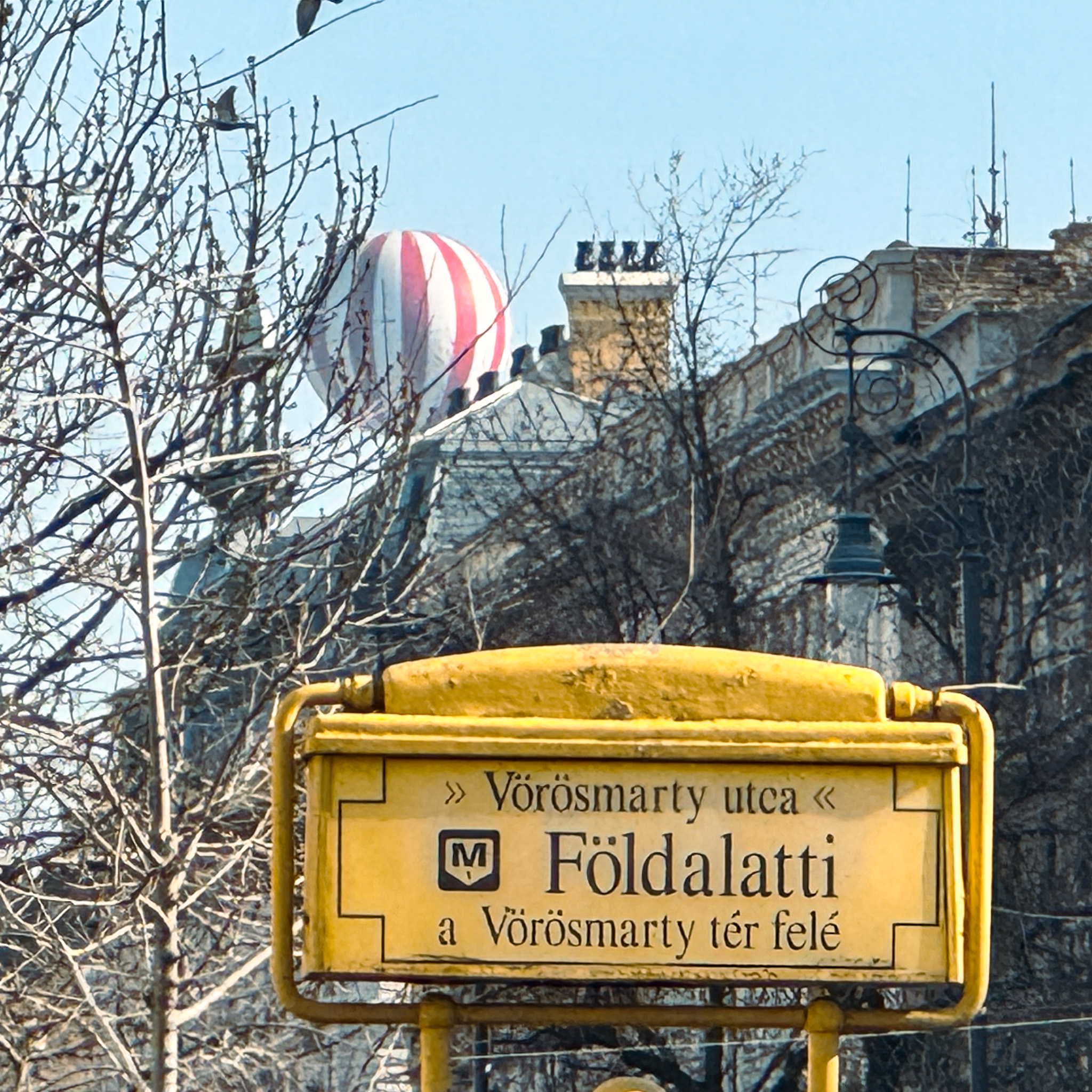
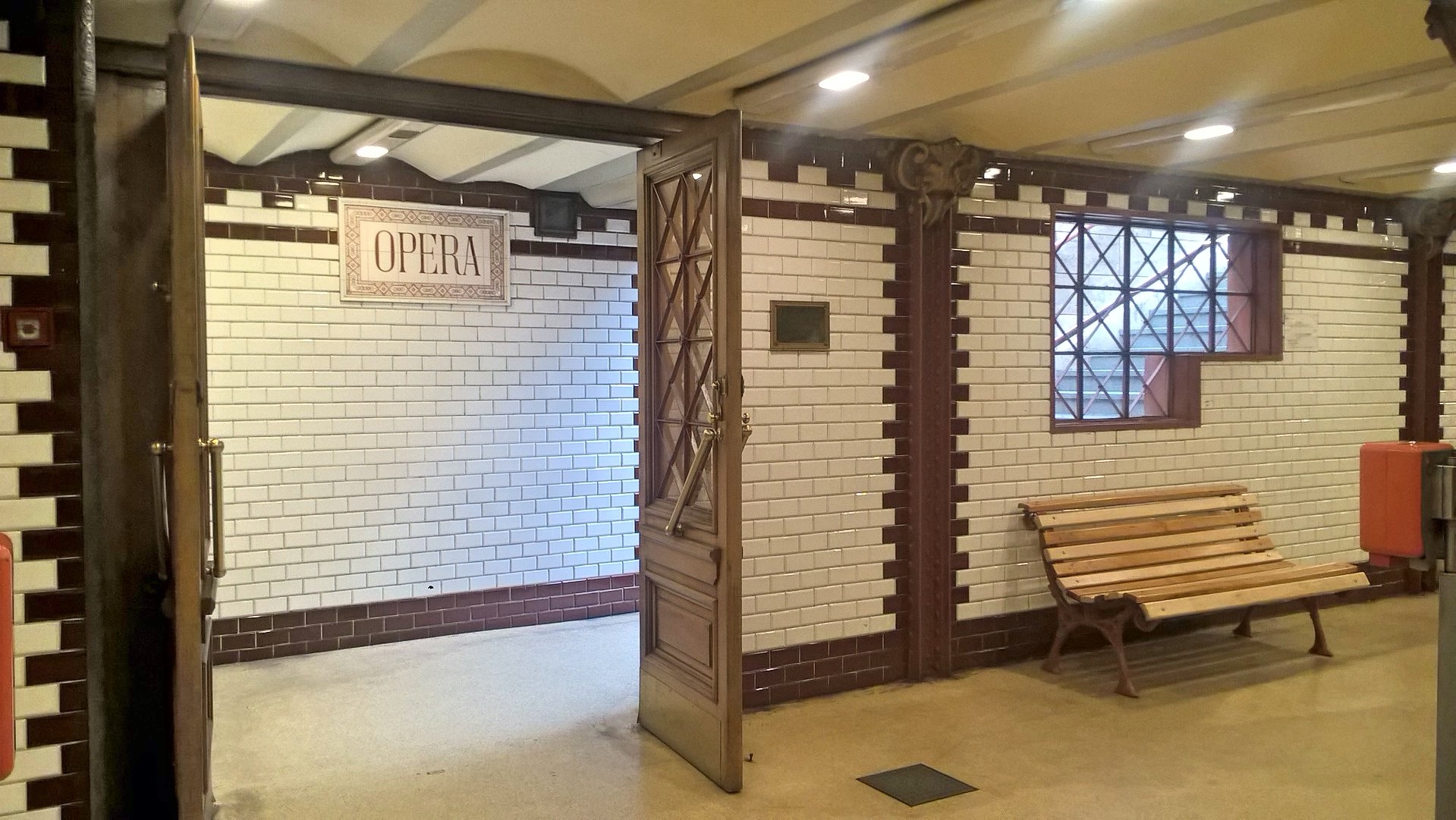
Budapest’s yellow M1 line, known as the Millennium Underground, is the first underground railway in continental Europe. It runs just under Andrássy Avenue and connects Heroes’ Square to Vörösmarty tér.

With its tiled stations, wooden interior panels, and charming old-world feel, riding the M1 is like stepping back in time.

Don’t miss: Opera Station — it’s the most photogenic stop on the line!

Skip the Metro for a Scenic Tram Ride

While the metro is efficient, sometimes you’re better off above ground — especially for sightseeing.

My favorite? Tram 2, which glides along the Danube on the Pest side and offers unforgettable views of Parliament, Buda Castle, and the Chain Bridge. It’s like a moving postcard!

Best route: Jászai Mari tér to Fővám tér
Best time: Golden hour or just after sunset

Get a Travel Pass

If you plan to use public transport more than a few times a day, a 24-hour, 72-hour, or 7-day BKK pass is a much better deal than buying single tickets.

These passes cover all metros, trams, buses, and even the suburban HÉV trains within city limits.

You can buy passes at:

Bonus Local Budapest Metro Tips

  • Download the BudapestGO app for real-time transit updates in English.

  • Metro runs approx. 4:30 AM to 12:30 PM.

  • Stand on the right side of escalators; the left is for walking.

  • No food or loud calls on metro cars — it’s considered impolite.

  • Some older stations don’t have elevators — plan ahead if you need one.

Want to Explore Budapest Like a Local?

I include these kinds of travel tips — and many more! — on my private walking tours of Budapest. Whether it’s your first time or your fifth, I’ll help you discover the city beyond the guidebooks.

Check out my custom tour options here

Save this post for your trip or share it with someone planning to visit Budapest. And if you’ve had your own metro misadventure, let me know in the comments — I’ve heard some good ones!


Sometimes, the best views in Budapest don’t come with a crowd

Hidden above the city, tucked between trees and stone paths, there’s a quiet secret garden with a view that will stop you in your tracks — Mansfeld Péter Park.

Locals love it. Tourists rarely find it. And the short, romantic walk to get there makes the moment even more unforgettable.

A Walk Worth Taking to a secret garden

To reach this secret garden, you’ll follow a gentle hike through the winding streets of Buda. It’s not a difficult walk — but it feels like a storybook path, lined with quiet villas, staircases, and leafy alleys. It only takes about 15 minutes, but once you arrive, you’ll feel like you’ve left the city far behind.

Why Mansfeld Péter Park Is So Special

Mansfeld Péter Park is more than just peaceful. It offers one of the most breathtaking and underrated views of the Hungarian Parliament — and unlike the popular spots in Pest, you won’t be surrounded by crowds or street noise. It’s a place where I love to finish my days to enjoy the quiet beauty of Budapest, not just the busy sights. Locals bring dogs. Couples bring wine. I bring stories.

Who Was Mansfeld Péter?

This hidden gem carries a powerful story. The park is named after Péter Mansfeld, one of the youngest heroes of the 1956 Hungarian Revolution. He was just 18 years old when he was executed by the regime for his part in resisting Soviet forces.

There’s a simple but meaningful memorial here — and standing at the edge of the park, looking out toward Parliament, you feel the quiet presence of history.

From Your Guide

I sometimes end my private tours right here — especially if my guests are looking for something more peaceful, more personal, and more unforgettable. This is where Budapest whispers instead of shouts.
And I never leave without taking one last photo of the river.

Local Tip to explore a secret garden

Come in the late afternoon for the golden light — when the Parliament glows across the Danube and the trees rustle softly in the breeze. It’s ideal for couples, solo travellers, photographers, and anyone who just wants to pause and breathe.

Want to explore it with me?

This secret garden is one of many hidden gems I might include in my private Budapest tours — always custom-tailored to your pace, interests, and curiosity. If you want to see the quieter, more authentic side of Budapest — I’d love to guide you there. Contact me for more details about my private tours, or simply to ask a question. Let’s plan something unforgettable.

If you loved this quiet corner of the city, you might enjoy discovering even more green spaces, hikes, and hidden viewpoints. Check out this list of outdoor programs in Budapest. It’s a great way to plan your time between sightseeing and slow moments in nature.