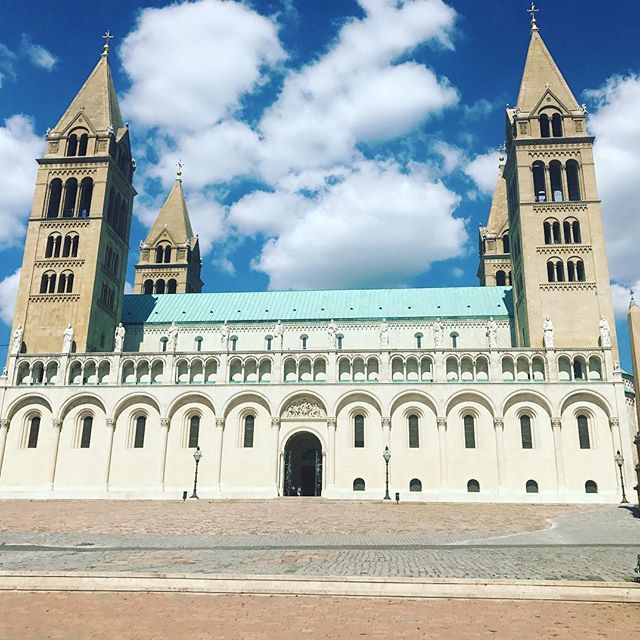
Lake Balaton has been affectionately called the Hungarian Sea for almost a century. For Hungarians, this vast lake is deeply woven into childhood memories and summer traditions: school camping trips, long family holidays, sailing afternoons, and even ice skating during cold winters.

For decades, Lake Balaton has also been Hungary’s favourite holiday destination — a place where generations return again and again.

Central Europe’s Largest Freshwater Lake

Stretching nearly 80 kilometres in length, Lake Balaton is the largest freshwater lake in Central Europe. Its shallow depth gives the water a unique greenish hue and a soft, silky feel — one of the reasons it warms quickly in summer and remains ideal for swimming.

It’s no surprise that Balaton is the number one domestic tourist destination in Hungary, offering something for every pace of travel.

A Lake for Every Mood

Lake Balaton is many things at once:

  • A holiday resort for families and sun-seekers

  • A paradise for sailors, windsurfers, and kitesurfers

  • A lively venue for summer music festivals

  • And, just as easily, a peaceful escape for slow travel, nature lovers, and wine enthusiasts

Whether you’re looking for vibrant lakeside life or quiet vineyard views, Balaton delivers both.

The Northern Shore: Volcanoes, Vineyards & Views

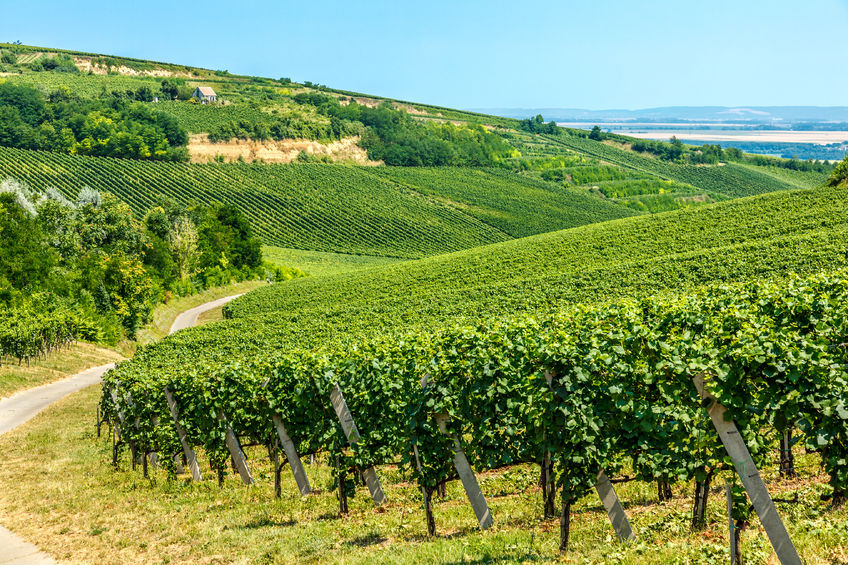
The most diverse and dramatic part of the lake is the Northern Shore, where rolling hills rise from the water and extinct volcanoes shape the landscape. This region is known for its highlands, basalt formations, and historic wine regions, making it ideal for exploration beyond the beach.

Highlights of the Veszprém & Lake Balaton Tour

My Veszprém & Lake Balaton Tour focuses on this picturesque northern side and combines natural beauty with history, architecture, and local flavours.

Charming Towns & Lakeside Walks

We also visit some of the most beloved towns around the lake:

  • Tihany, famous for its abbey and rich cultural heritage

  • Balatonfüred, where we stroll along the marina and lakeside promenade

Each stop reveals a different face of Balaton life — historic, elegant, and deeply local.

Local Food, Wine & the Flavours of Balaton

No visit to Lake Balaton is complete without tasting the region. Along the way, I introduce you to:

  • Local farmers from the Káli Basin

  • Winemakers from the Badacsony Wine Region

This is where volcanic soil meets crisp white wines, seasonal dishes, and a slower rhythm of life.

Experience Lake Balaton Beyond the Beach

Lake Balaton is far more than a summer swimming spot — it’s a landscape shaped by history, nature, and everyday Hungarian life. Exploring it with a local guide allows you to see what lies beyond the shoreline.


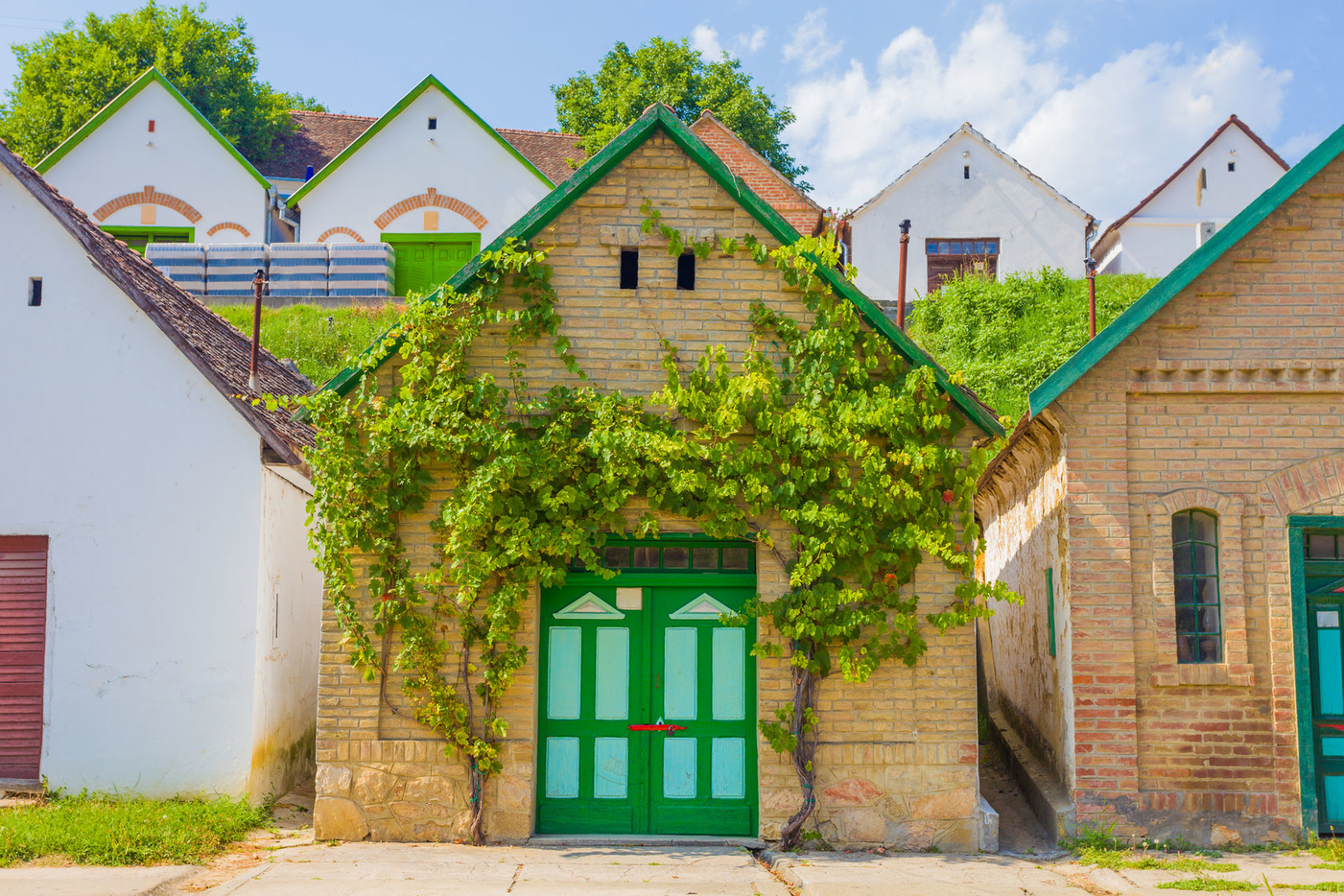
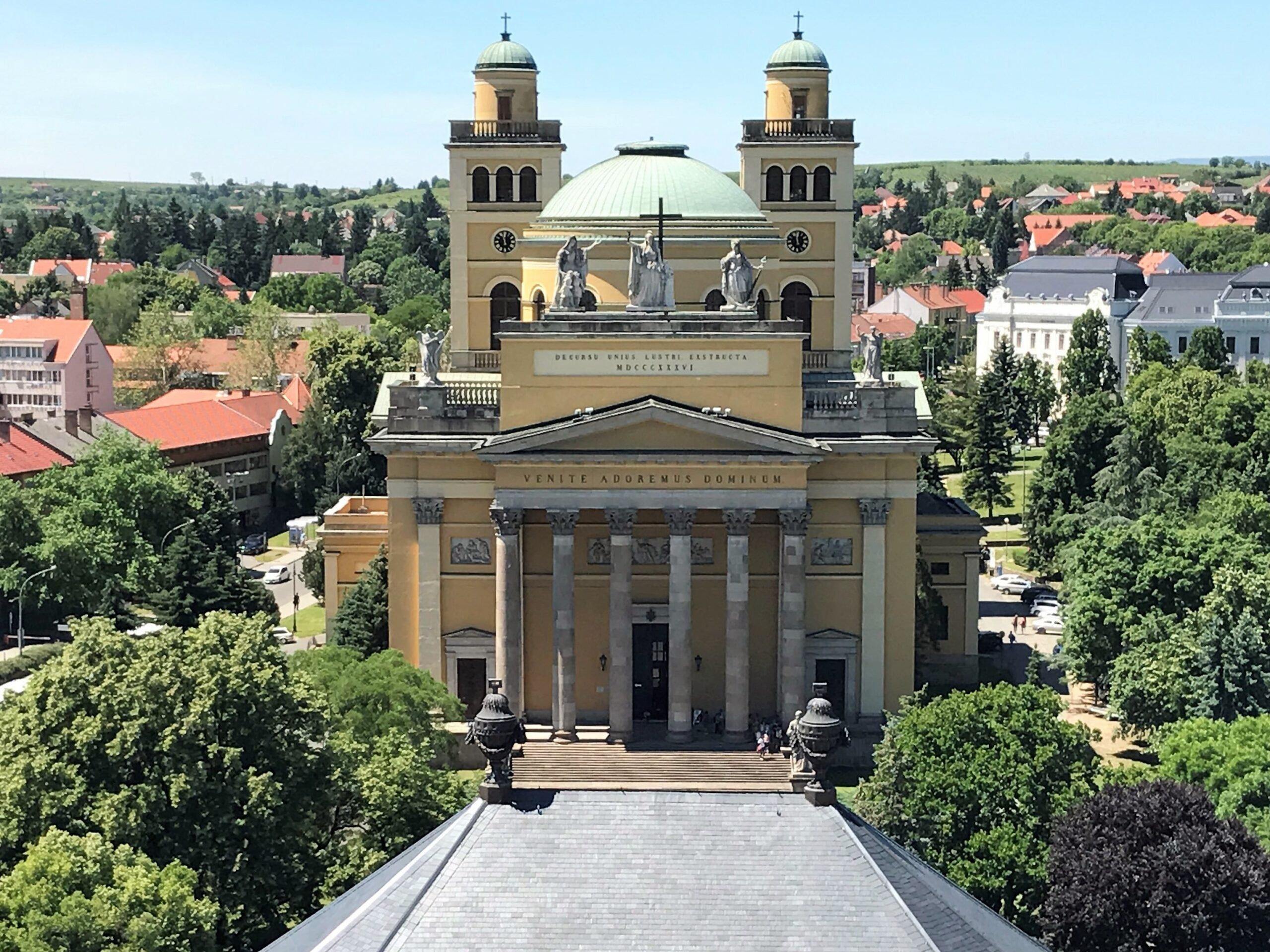
Eger Wine Region is one of Hungary’s most historic and characterful wine areas, with a wine culture that stretches back more than a thousand years. For centuries, viticulture has shaped everyday life here, and today Eger stands proudly among the country’s most important wine destinations.

A Unique Terroir Shaped by Nature

The climate of the Eger wine region is defined by relatively late springs and generally dry conditions, which help grapes ripen slowly and evenly. The soil is equally distinctive: brown forest soil layered over volcanic rhyolite tuff.

This combination of climate and geology gives Eger wines their fresh acidity, mineral backbone, and excellent ageing potential, especially in reds.

From Decline to Renaissance

Like many Central European wine regions, Eger’s story was deeply affected by the Communist era. Following nationalisation, quality-focused winemaking was replaced by mass production. As a result, wines lost their finesse, reputation, and international recognition.

By the late 1970s, many Eger wines were overly acidic, bitter, or diluted. Fortunately, the region experienced a true renaissance in the mid-1990s, when dedicated winemakers returned to traditional methods, lower yields, and quality-driven production. Today, Eger wines once again rank among Hungary’s finest.

Bull’s Blood: Eger’s Most Famous Wine

No introduction to the region would be complete without Bull’s Blood of Eger (Egri Bikavér), Hungary’s best-known red wine style.

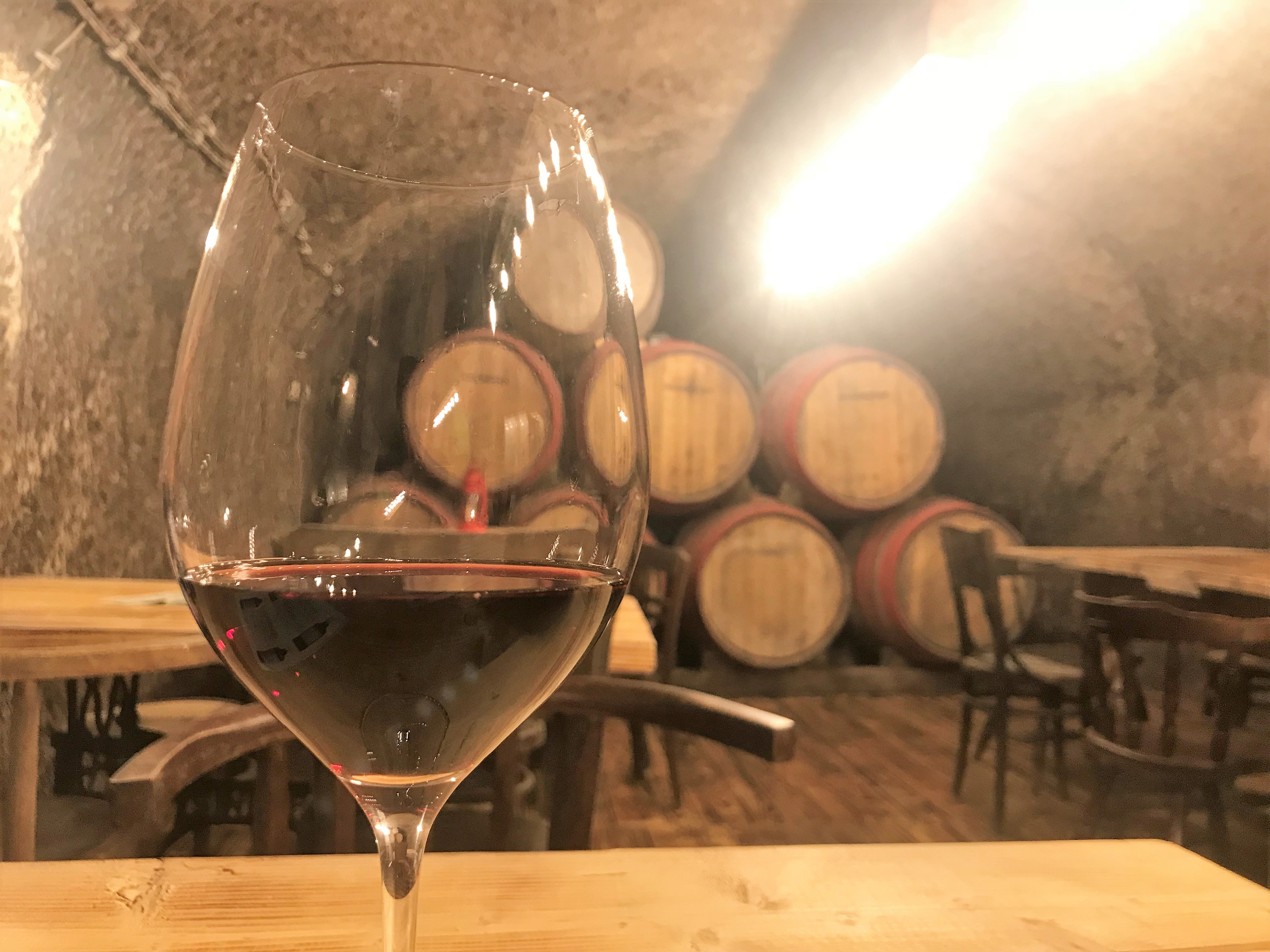
Bull’s Blood is a medium-bodied red cuvée with a deep ruby colour and lively acidity. Its smooth texture comes from extended ageing—usually at least 12 months—in oak barrels. By regulation, authentic Bull’s Blood must be made from at least three different grape varieties, creating a complex, well-balanced wine that reflects both tradition and terroir.

White Wines You Shouldn’t Miss

Although Eger is best known for its reds, the region also produces excellent white wines. Visitors can taste a wide range of styles made from grapes such as:

  • Riesling

  • Chardonnay

  • Muscat Ottonel

  • Traminer

  • Zenit

These whites are typically fresh, aromatic, and elegant, making them perfect companions to Hungarian cuisine.

Experience the Eger Wine Region in Person

The best way to understand Eger wines is to walk among the vineyards, meet the winemakers, and taste the wines where they are made.

On my Eger Wine and History Tour, you’ll explore the historic wine region, talk with local farmers and winemakers, and learn the stories, traditions, and secrets behind the legendary Bull’s Blood—all while discovering the cultural and historical heritage of Eger itself. Contact me for more information or details!

One of the most striking and meaningful landmarks in Budapest is the Great Synagogue, often referred to as the Dohány Street Synagogue. With its distinctive appearance and deep historical significance, it is a place that leaves a lasting impression on nearly every visitor.

Located in the heart of the former Jewish Quarter, the Great Synagogue is not only the largest synagogue in Europe, but also one of the most important cultural and religious centers of the Jewish community in Budapest.

A Unique Architectural Language

From the outside, the Great Synagogue looks unlike any other religious building in the city. Its Moorish Revival style—with colourful brickwork, onion-shaped domes, and decorative arches—often reminds visitors of a mosque.

Step inside, however, and the atmosphere changes. The interior layout, seating arrangement, and monumental scale feel closer to that of a Christian church, reflecting the unique approach of 19th-century synagogue architecture. This blend of influences makes the building architecturally fascinating and entirely unique within Budapest.

More Than a Place of Worship

The Great Synagogue complex is much more than a single building. Visitors are encouraged to explore the Jewish Museum, which shares a wall with the synagogue and offers insight into Jewish life, traditions, and history in Hungary.

Behind the synagogue lies a quiet garden and memorial area, home to deeply moving Holocaust memorials. These spaces invite reflection and remembrance, adding emotional depth to the visit and helping visitors understand the profound impact of 20th-century history on the local Jewish community.

An Essential Stop in the Jewish Quarter

The synagogue stands at the centre of what was once one of Europe’s most vibrant Jewish neighbourhoods. Exploring the surrounding streets reveals layers of history—from everyday life before World War II to the tragic events of the Holocaust, and the revival of the district in recent decades.

This broader context is what makes a visit especially meaningful. On my Jewish Quarter walk, the Great Synagogue is not just a standalone monument, but part of a larger story about Budapest, memory, resilience, and identity.

Visiting With Context

While the building itself is extraordinary, understanding its background adds greatly to the experience. The symbolism, architectural choices, and memorial spaces all carry stories that are easy to miss without explanation.

If you’d like to explore the Great Synagogue and its neighborhood as part of a private tour or a Jewish Quarter walk, I’d be happy to guide you through both the visible beauty and the deeper historical layers of this remarkable place.

Seeing Budapest by Public Transport is a surprisingly enjoyable way to experience the city when walking all day starts to feel a bit too much.

I very often encourage my guests to walk as much as possible. Walking is the best way to discover a city at your own pace, notice small details, and absorb the atmosphere of Budapest. But there are moments when you’re tired—or when a short ride can actually add to the experience. In Budapest, some public transport lines are attractions in their own right and offer wonderful ways to see the city without rushing.

And one important reminder before you hop on: always validate your ticket.

Millennium Underground Railway (Metro Line 1)

This historic underground railway is more than 120 years old and connects the city center with City Park.

Riding Metro Line 1 feels like stepping into the late 19th century. Several stations still preserve their original design, making this short journey a kind of moving museum—perfect for visitors interested in history and atmosphere, not just efficiency.

Tram Line 2

If you take only one tram ride in Budapest, make it Tram 2.

Running along the Pest side of the Danube River, this route offers continuous views of the Hungarian Parliament Building, the river, and the Buda Hills. It’s an easy, relaxed way to enjoy one of the city’s most beautiful panoramas—especially welcome after a long walk.

Bus 16

Bus 16 is the simplest public transport option for reaching the historic Buda Castle District.

Crossing the Chain Bridge and climbing up to Castle Hill, the ride itself becomes part of the sightseeing experience, ending directly among cobblestoned streets and historic buildings.

Budapest Castle Hill Funicular

The Funicular is one of Budapest’s most iconic short rides. Connecting the Chain Bridge area with the top of Castle Hill, it offers lovely views along the way and a touch of old-fashioned charm. This truly is a Wes Anderson moment.

It can get busy, but if you take it from the top down, you’ll often avoid the longest lines and still enjoy the experience.

Walking and Riding: A Balanced Way to Explore

Budapest rewards those who walk—but knowing when to hop on public transport can help you see more without feeling rushed or exhausted. Used thoughtfully, these routes become part of the journey rather than just a means of getting from one place to another.

On my private walking tours, I often suggest or include short public transport rides like these, adapting each day to energy levels, interests, and the rhythm of the city.


A Danube Bend day trip from Budapest is the perfect way to experience countryside landscapes, historic towns, and riverside views — all within easy reach of the capital.

This route follows the gentle curve of the Danube as it turns south toward Budapest, revealing castles, basilicas, and colourful small towns along the way.

Esztergom – Where Hungarian History Begins

Our first stop is Esztergom, once the capital of medieval Hungary and still the spiritual heart of the country.

The town is dominated by Hungary’s largest church, the Esztergom Basilica, whose massive dome shapes the skyline. Inside, visitors discover layers of history — from monumental 19th-century architecture to a beautifully preserved Renaissance chapel dating back to the 16th century.

For those who enjoy panoramic views, climbing to the top of the Basilica rewards you with sweeping vistas over the Danube, the surrounding hills, and the Slovak border beyond.

Visegrád – Medieval Views over the Danube

Next, the journey continues to Visegrád, one of the smallest towns in Hungary, yet one of the most historically important.

Perched high above the river, the ruins of the 13th-century castle offer what many consider the best viewpoint in the Danube Bend. From here, the river’s dramatic curve is fully revealed — a scene that has inspired travellers, artists, and photographers for centuries.

Exploring the castle ruins brings medieval Hungary to life, combining royal history with unforgettable natural scenery.

Szentendre – Art, Colour & Small-Town Charm

The final stop of the Danube Bend tour is Szentendre, a charming riverside town known for its artistic atmosphere.

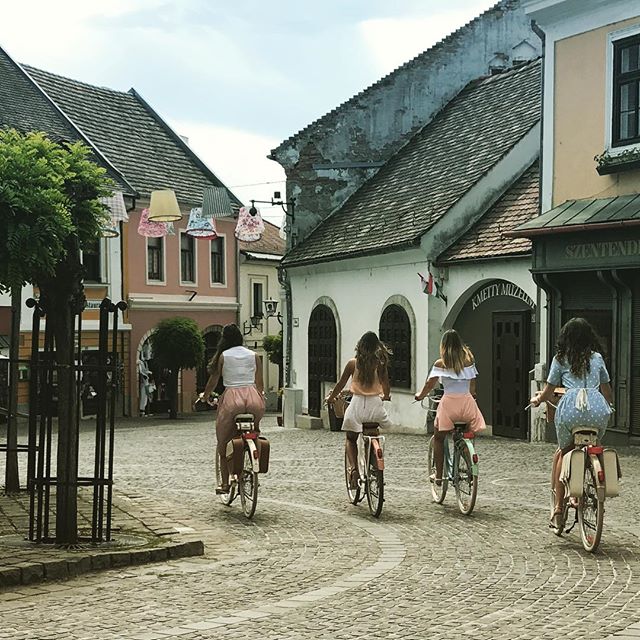
With its cobblestoned streets, pastel-colored houses, cozy cafés, and independent galleries, Szentendre feels relaxed and welcoming. It has long attracted artists and creatives, giving the town a distinctly Mediterranean mood despite its Central European location.

Visitors can enjoy free time to wander, browse art shops, taste local sweets — including the famous marzipan creations — or simply sit down for a coffee and watch town life unfold.

When conditions and time allow, returning to Budapest by boat adds a memorable finale to the day.

Why Choose a Danube Bend Day Trip from Budapest?

A day trip from Budapest to the Danube Bend offers an ideal balance of:

  • historic landmarks

  • scenic river landscapes

  • relaxed small-town exploration

Without long travel times, you can experience three very different sides of Hungary in one well-paced day — making this one of the most popular and rewarding countryside excursions from Budapest.

If you’re looking for a private Danube Bend tour from Budapest that focuses on atmosphere, history, and local insight rather than rushing from sight to sight, this route offers a beautiful introduction to Hungary beyond the capital. Feel free to let me know may you need more details!

Dominating the skyline of Budapest, St. Stephen’s Basilica is one of the city’s most important landmarks—and a building that reveals something new every time you visit.

It is the largest church in Budapest and the third largest in Hungary, both a spiritual center and a powerful symbol of Hungarian history. Whether admired from the outside, explored inside, or viewed from above, the Basilica is an essential stop on any walk through the heart of the city.

A Church Built Over Generations

Construction of St. Stephen’s Basilica took more than 54 years, and the long building process is reflected in its architectural richness. The final result combines elements of Baroque, Neo-Renaissance, and Classicism, shaped by the visions of three different architects.

From the outside, the symmetrical façade and towering dome create a sense of balance and grandeur. Inside, the atmosphere shifts to one of quiet opulence: red marble columns, richly decorated chapels, mosaics, and ornaments highlighted with 22-carat gold make this the most lavishly decorated church in Budapest.

A Living Part of the City

Despite its monumental appearance, the Basilica is very much a working church. Regular services, wedding ceremonies, and organ concerts take place here, and the building plays an active role in both religious and cultural life.

One of the most memorable experiences is ascending to the dome—either by climbing the steps or using the elevator. From the top, you’re rewarded with one of the finest panoramic views over the Pest side of Budapest, with rooftops, boulevards, and landmarks unfolding beneath you.

Hungary’s Most Important Relic

St. Stephen’s Basilica is not only architecturally impressive; it also houses one of Hungary’s most treasured national relics: the Holy Right—the mummified right hand of Saint Stephen of Hungary, the country’s first king and founder of the Hungarian state.

This nearly 1,000-year-old relic is deeply symbolic and plays a central role in national celebrations, especially on St. Stephen’s Day in August. Even for visitors without a religious background, understanding its significance offers valuable insight into Hungarian history and identity.

A Key Stop on a Pest Walk

Because of its central location, St. Stephen’s Basilica fits naturally into many Budapest walking tours. But the building is best appreciated in context—through the surrounding streets, squares, and stories that explain how this part of the city developed.

On my private tours, the Basilica is more than just a photo stop. It becomes a gateway to conversations about architecture, religion, everyday life, and the layers of history that shaped modern Budapest. Each visit is adapted to the interests and pace of my guests, whether they’re drawn to history, culture, or simply the beauty of the city.

Why St. Stephen’s Basilica Belongs on Every Visit

Few places in Budapest combine grandeur, history, spirituality, and everyday life as seamlessly as St. Stephen’s Basilica. It’s a landmark you can admire from afar—but one that truly comes alive when you step inside and explore its surroundings.

If you’d like to discover the Basilica and its neighborhood as part of a fully customisable private tour or a Budapest walking tour, I’d be delighted to show you this iconic building through local stories and personal insights.

The Budapest coffeehouse culture is more than 150 years old, and for generations cafés have been the beating heart of intellectual life, creativity, and social connection. These were not places for a quick espresso and takeaway cup, but living rooms of the city—spaces where people met to talk, debate, dream, write, and sometimes even change history.

Coffee in Budapest is never just about coffee.

Coffeehouses as the Soul of Budapest

In the late 19th and early 20th centuries, Budapest coffeehouses were places where writers, poets, journalists, and artists spent hours every day. Many of them practically lived there. Coffeehouses provided warmth, light, newspapers, ink, conversation, and inspiration—often all night long.

Legend has it that one Hungarian writer famously stole the keys of his favourite café and threw them into the Danube, ensuring the coffeehouse would stay open 24 hours a day. Whether entirely true or slightly exaggerated, the story perfectly captures how essential these places were to everyday life.

Even politics found its way into cafés. One of the most important moments of the Hungarian War of Independence began not on a battlefield, but with young revolutionaries gathering in a Pest coffeehouse, fuelled by coffee, ideas, and enthusiasm.

Grand Cafés and Everyday Rituals

Budapest’s historic coffeehouses are famous for their elegant interiors: chandeliers, marble tables, mirrors, plush seating, and a sense of faded grandeur that still feels alive today. Some cafés became symbols of luxury and refinement, others of literary life or bohemian freedom—but all shared the same role as social spaces.

If you’d like to explore individual cafés in more detail, you can read more about some of the city’s most iconic places:

Each of these cafés tells a slightly different story—but together, they form the unique coffeehouse culture that still defines Budapest today.

Experiencing Coffeehouse Culture Today

What makes Budapest cafés special is that they are not just museums of the past. Locals still meet here to talk, read, work, and linger. Sitting down for coffee is an experience meant to be enjoyed slowly, ideally with a slice of cake and no rush to leave.

This is why coffeehouses fit so naturally into my Budapest Foodie Tour. Exploring the city through its cafés allows you to understand Budapest not only through sights, but through tastes, stories, and everyday rituals.

A Taste of Budapest Beyond Sightseeing

Whether you’re visiting for the first time or returning to the city, taking time for a café stop is one of the best ways to connect with Budapest’s atmosphere. Coffeehouses reveal how the city thinks, remembers, and relaxes.

So enjoy our coffee.
Enjoy the special atmosphere of Budapest cafés.
And if you’d like to discover the best places—historic and contemporary alike—I’d be delighted to show them to you on a Foodie Tour designed around your interests.


The Jewish Quarter Budapest is where past and present meet: vibrant cafés and street art beside synagogues and memorials. It’s hip, busy and full of surprises—but also a place of remembrance. Here’s what to see on a thoughtful walk—and how to explore with a private guide.

Highlights at a glance

The synagogue “triangle”

Start at the Great (Dohány Street) Synagogue, one of the largest in the world, with its Moorish Revival façade and peaceful courtyard. Continue to the beautifully restored Rumbach Street Synagogue and the colourful, Art Nouveau-inspired Kazinczy Street Synagogue (limited opening hours). Interior visits are possible—just check opening times or join a private Jewish Quarter tour for a smoother experience.
Remembrance in the neighborhood

During WWII, the area became the Budapest ghetto. You can still find a short section of the former ghetto wall and several memorials that honour victims and rescuers. I approach these sites with care, sharing context and personal stories that make history easier to grasp without overwhelming younger visitors.

Ruin pubs, cafés and street art

Today’s Quarter is also a creative hub. Ruin pubs and courtyard cafés bring life to once-empty buildings; murals and small galleries pop up on side streets. Between stops, I like to detour for a coffee or a slice of flódni and point out small architectural details many miss.

A reflective ending by the river

I often end this walk at the Shoes on the Danube Bank memorial. Simple and powerful, it’s a moment to pause after a day filled with stories.

Practical tips

  • Timing: Mornings are quieter; evenings are lively. Synagogues are closed on Saturday!

  • Pace & access: Flat route with frequent stops; easy to adapt for most visitors.

  • Inside visits: Synagogue interiors on request; entry tickets are separate (see the Great Synagogue’s opening hours).

  • Dress & respect: Synagogues are active places of worship—modest attire helps.

  • Private option: Prefer a tailored route at your pace? Book a private Jewish Quarter tour in English or French.

Explore the Jewish Quarter of Budapest with a private guide

Want deeper stories and stress-free logistics? I guide private tours for your group only (prices cover up to 4 people; ask for larger groups). If booking looks unavailable—or if you run into any issues—please contact me and I’ll try to accommodate.

👉 Book your private Jewish Quarter tour (4 hours; flexible start)


Pre-cruise post-cruise Budapest experience is something many river cruise travellers look for when their journey starts or ends in Budapest. Budapest is one of the highlights of any Danube itinerary, and for good reason—but time spent in the city during a cruise is often limited.

River cruise companies usually include a general sightseeing tour, designed to give a broad overview of Budapest in a short amount of time. While this is a great introduction, many travellers soon realise that they’ve only scratched the surface.

That’s when they start asking a very common question:
“Can we see more—without repeating what we’ve already done?”

Seeing Beyond the Standard Cruise Tour

The answer is a definite yes. Budapest has layers of history, culture, and everyday life that simply don’t fit into a standard cruise excursion. Having guided many of these official sightseeing tours myself, I know exactly what they include—and, just as importantly, what they leave out.

This makes it easy to design pre-cruise or post-cruise experiences that feel fresh, personal, and genuinely different.

Tailored Experiences Before or After Your Cruise

Depending on how much time you have and what interests you most, I can recommend:

Whether you arrive a day early or stay on after your cruise ends, these experiences are designed to complement—not compete with—your river cruise.

Ideal Shore Excursions for Curious Travelers

Pre-cruise and post-cruise experiences are especially popular with travellers who enjoy:

  • Slower-paced, in-depth exploration

  • Context and storytelling rather than checklist sightseeing

  • Flexibility and personal attention

  • Seeing places most cruise groups don’t reach

Instead of repeating highlights, you’ll discover the Budapest that locals know—through stories, neighborhoods, and carefully chosen routes.

A Seamless Addition to Your Cruise Itinerary

If you’re planning a river cruise that starts or ends in Budapest and would like to make the most of your time here, I’d be happy to help you plan a private pre- or post-cruise experience that fits seamlessly into your journey.

Budapest deserves more than just a few hours—and with a little extra time, it can easily become one of the most memorable stops of your entire cruise.

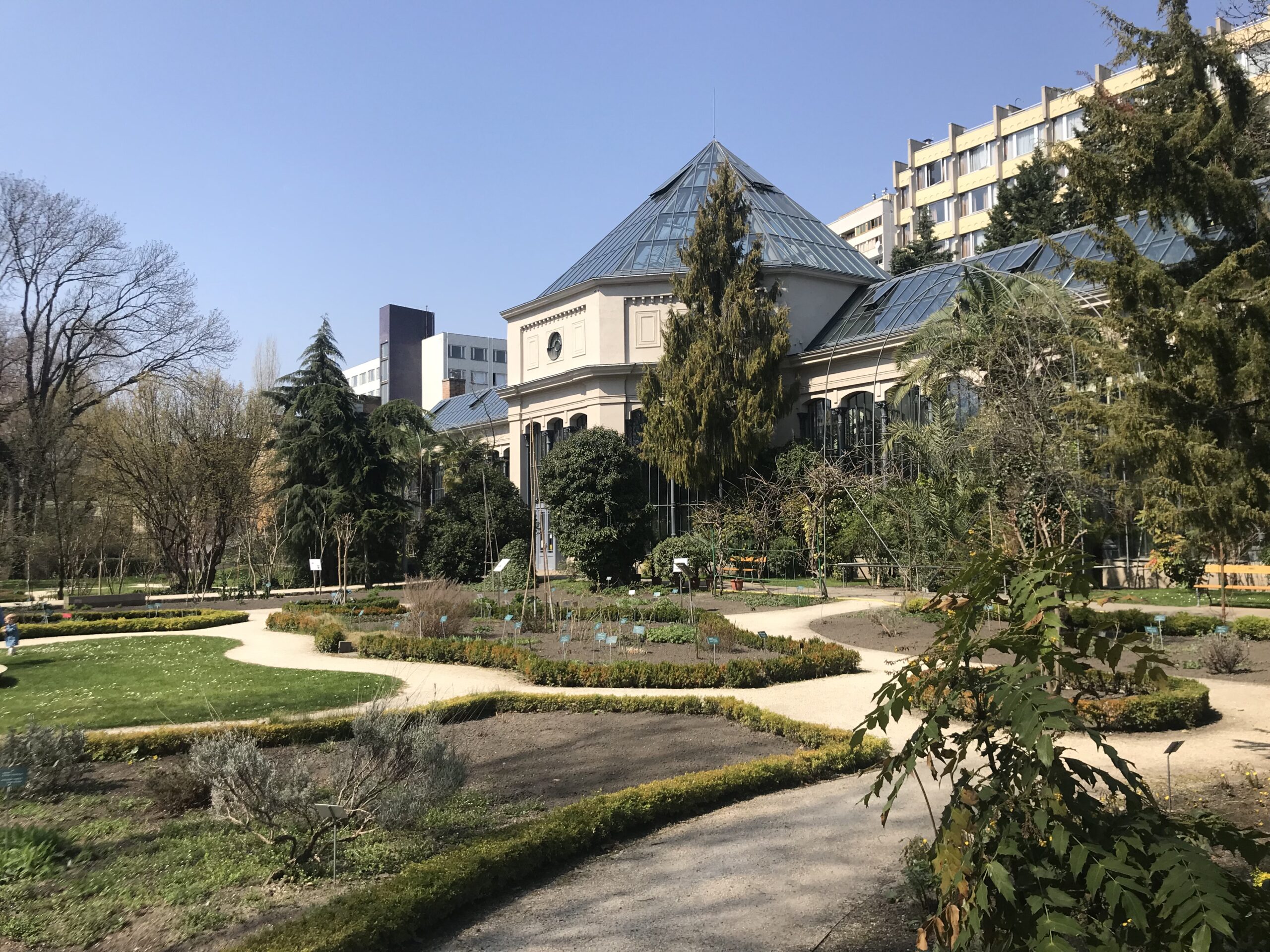
Budapest Füvészkert may look difficult to pronounce at first — but it’s absolutely worth getting to know. Tucked away in Budapest’s 8th district, this peaceful botanical garden is one of the city’s most underrated sights and a true hidden gem for visitors looking beyond the usual landmarks.

Founded in the 1770s, Füvészkert is the oldest botanical garden in Budapest. Despite its compact size — around three acres — it’s home to more than 7,000 plant species, making it surprisingly rich and diverse.

One of its most remarkable residents is a 150-year-old Chinese ginkgo tree, the oldest tree in the garden and a quiet witness to centuries of change around it.

What to see inside Füvészkert

Walking through Füvészkert feels like stepping into several different climates in the middle of the city. Highlights include:

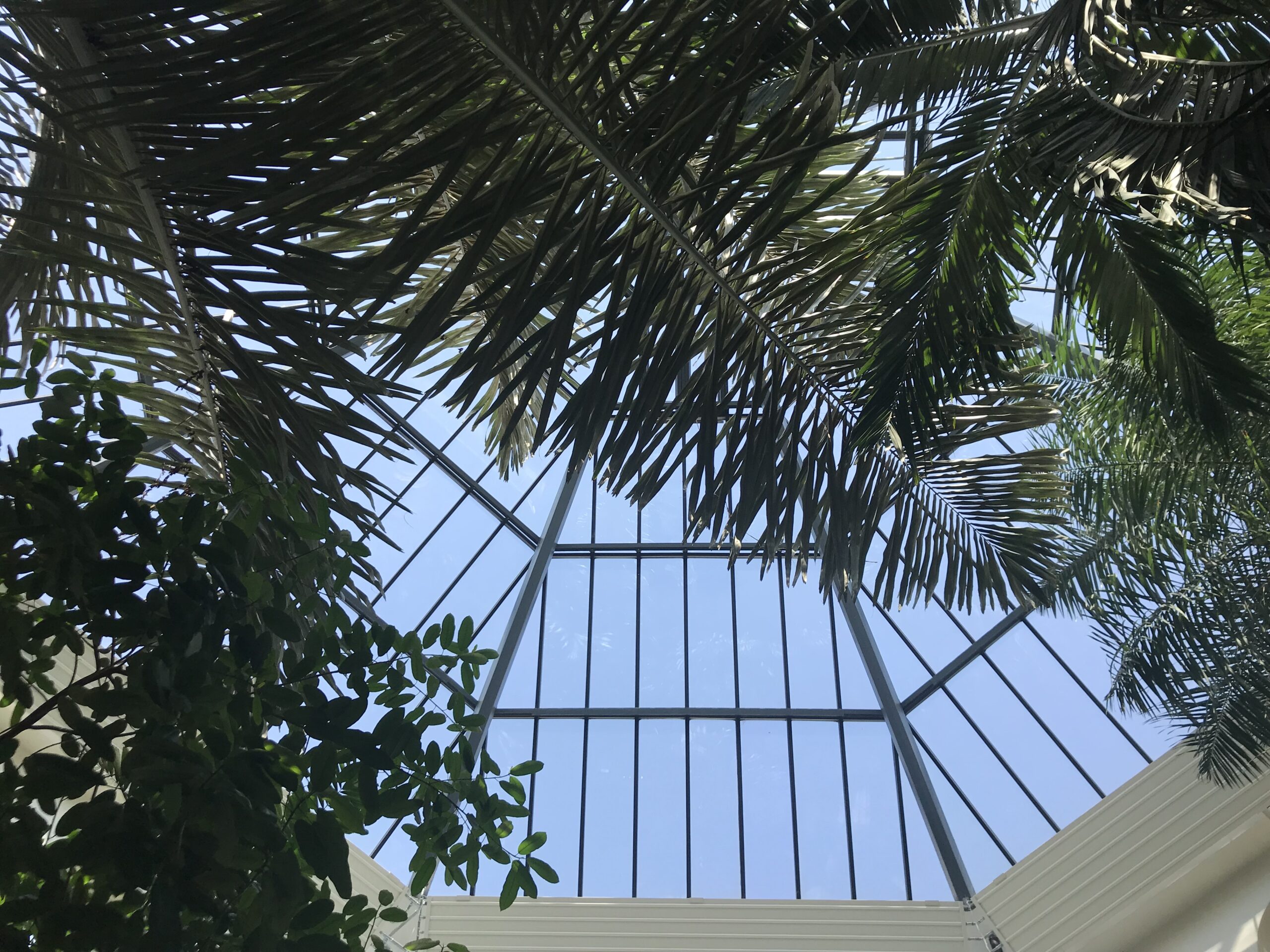
  • the Palm House, filled with tropical and subtropical plants

  • the Victoria Glass House, home to the impressive Amazonian water lily

  • extensive collections of palms, cacti, bromeliads, and orchids

It’s a calm, beautifully maintained space — ideal for slowing down, especially on warm summer days or during a quieter afternoon of sightseeing.

Füvészkert and Hungarian literature

Füvészkert also holds a special place in Hungarian culture. It is one of the key locations in The Paul Street Boys (Pál utcai fiúk), the famous novel by Ferenc Molnár that generations of Hungarians grow up reading. For locals, this literary connection adds an extra emotional layer to an already atmospheric place.

Is Füvészkert included in Budapest tours?

Füvészkert isn’t usually part of standard sightseeing tours, but it can be a wonderful addition to a customised itinerary, especially for travellers interested in gardens, literature, or quieter, off-the-beaten-path experiences.

If you’re exploring Budapest beyond the highlights — or simply need a peaceful break from the city — Füvészkert is well worth a visit.

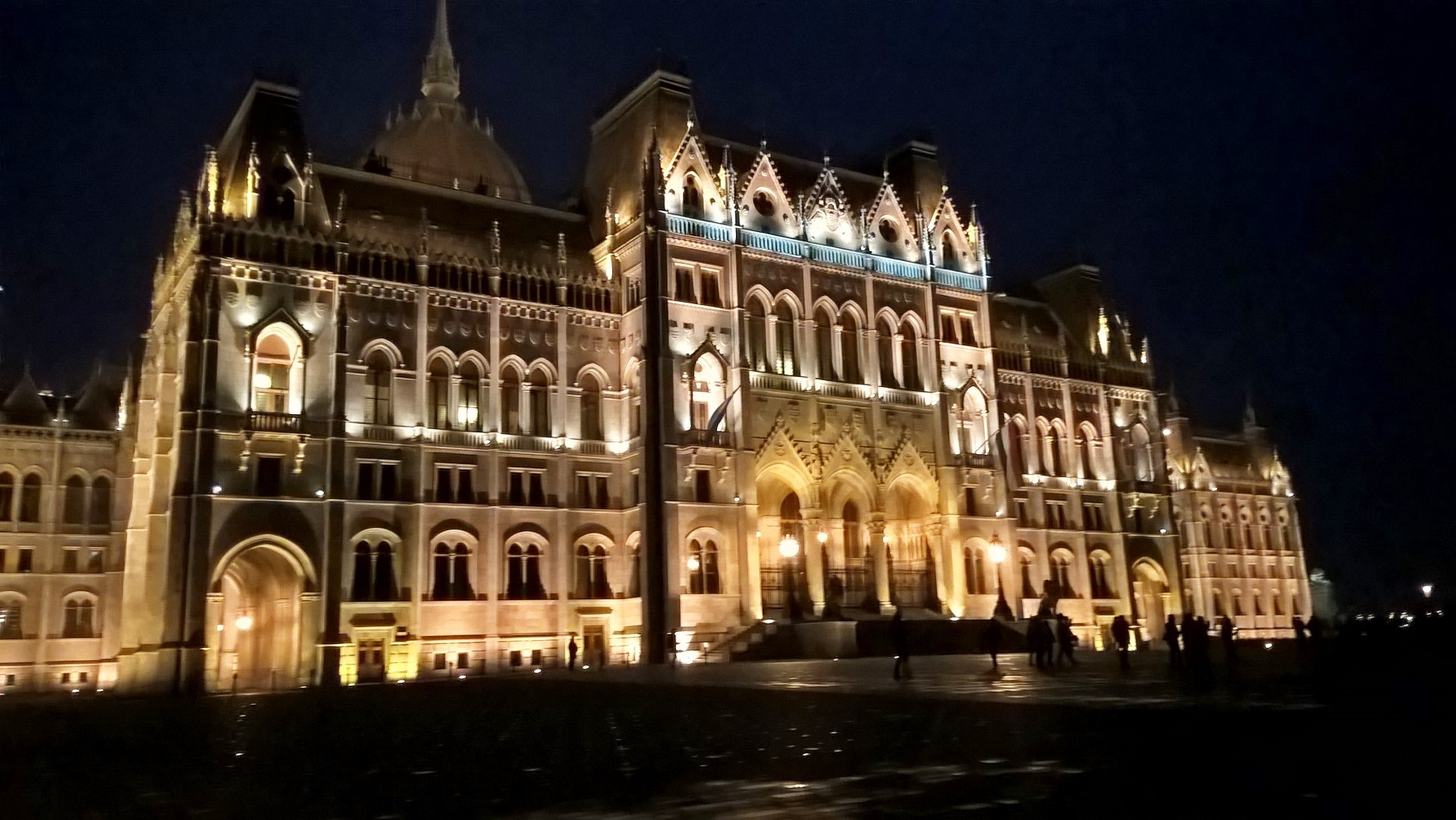
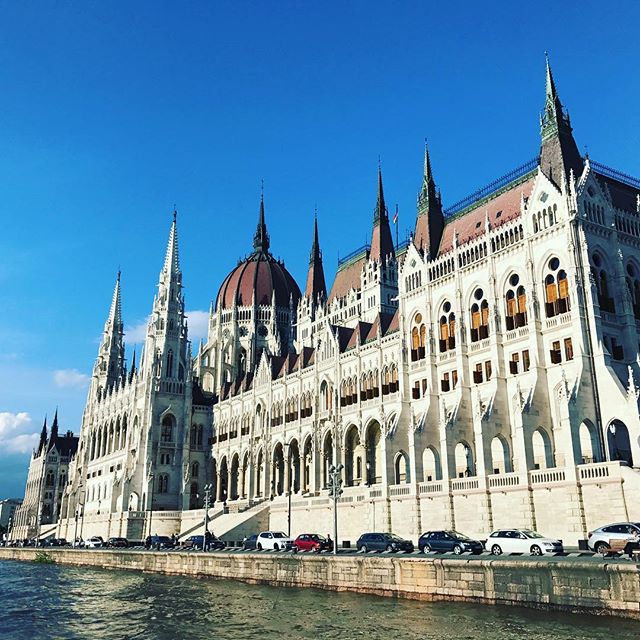
I love the evening tours, I tell my guests all the time that Budapest has two entirely different faces as it looks different during the day and during the night. My favorite building is the Parliament, it looks like a magnificent gingerbread cake with all the lights and colors of the night.

Right in the middle of the Danube lies Margaret Island, the largest and most beloved green space in Budapest. Today it’s a peaceful park, but its past is anything but ordinary.

This island was once home to medieval monasteries, a place of isolation for lepers, and later the refuge of Princess Margaret, who gave up her royal life to live here in devotion. These layers of history add a quiet depth to a place that locals now treasure simply for its beauty and calm.

It’s no surprise that Margaret Island is a firm favourite among Budapesters. I usually avoid comparing places, but if I had to explain it to first-time visitors, I’d say it’s our very own Central Park — greener, calmer, and surrounded by water.

Why it’s not always on my tours (but often recommended)

Margaret Island isn’t usually included in my standard tours, simply because it’s a bit of a walk from the historic city centre. That said, whenever we do include it — as part of a customised walking or driving itinerary — guests always love it. It feels like discovering a different side of Budapest: quieter, more local, and very much off the beaten path.

That’s why I especially recommend visiting in late spring and summer, when the gardens are in full bloom and the island truly comes alive.

The best way to explore Margaret Island

One of my favourite ways to discover the island is by renting one of the special group bicycles that can seat up to six people. It’s fun, relaxed, and perfect for covering more ground without rushing.

I suggest starting at the southern end and making your way north. Along the way, don’t miss:

  • the serene Japanese Garden

  • the colourful Rose Garden

  • the small zoo, especially lovely for families

  • the iconic Water Tower

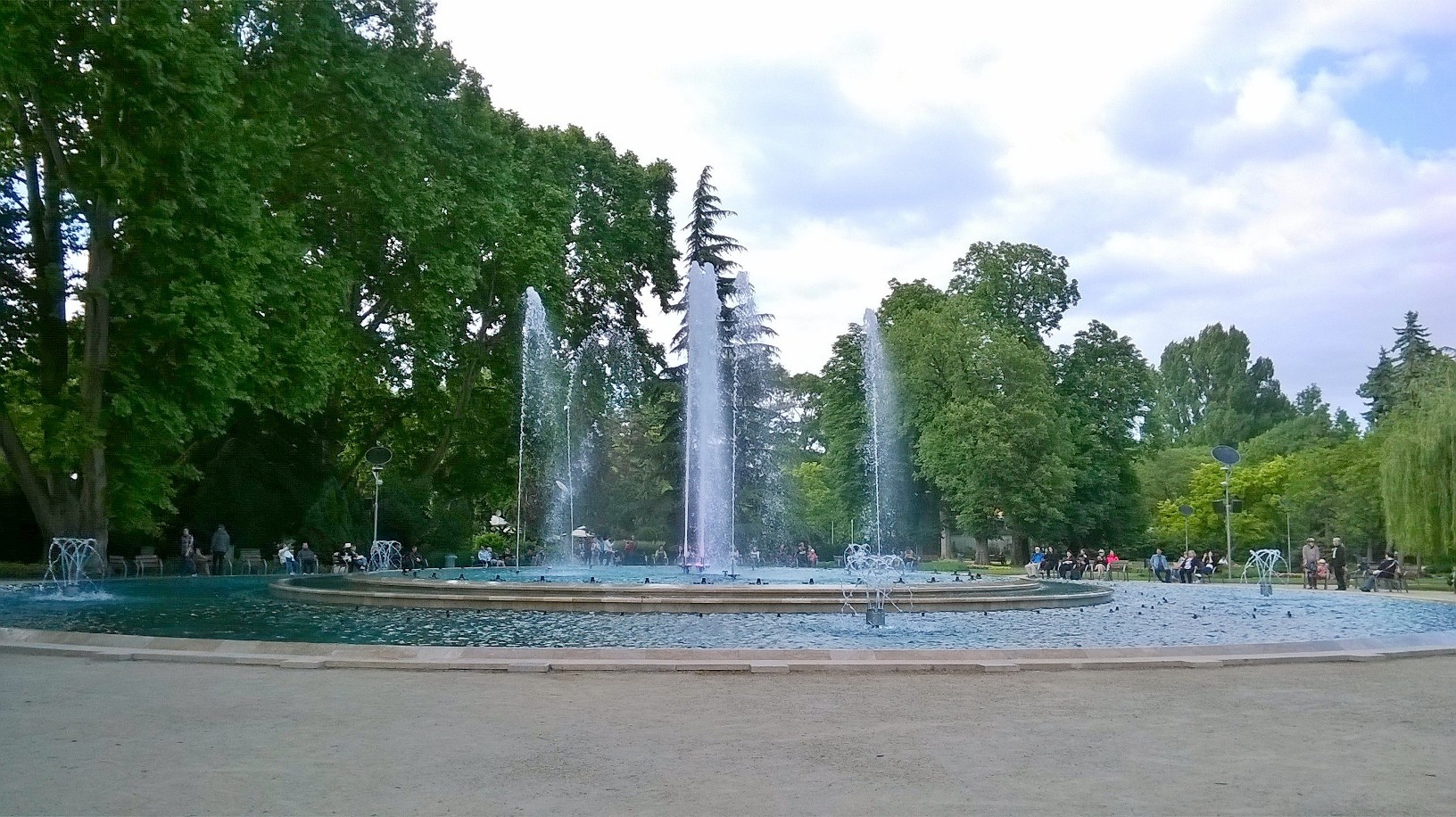
  • and, of course, the Musical Fountain, where it’s worth stopping to simply sit, listen, and enjoy the atmosphere

Margaret Island may not be on every itinerary, but it’s one of those places that stays with you — a green pause in the middle of the city, and a glimpse into how Budapesters like to slow down and enjoy life.

If you’d like to include Margaret Island in a customised walking or driving tour, I’m always happy to adapt the route.

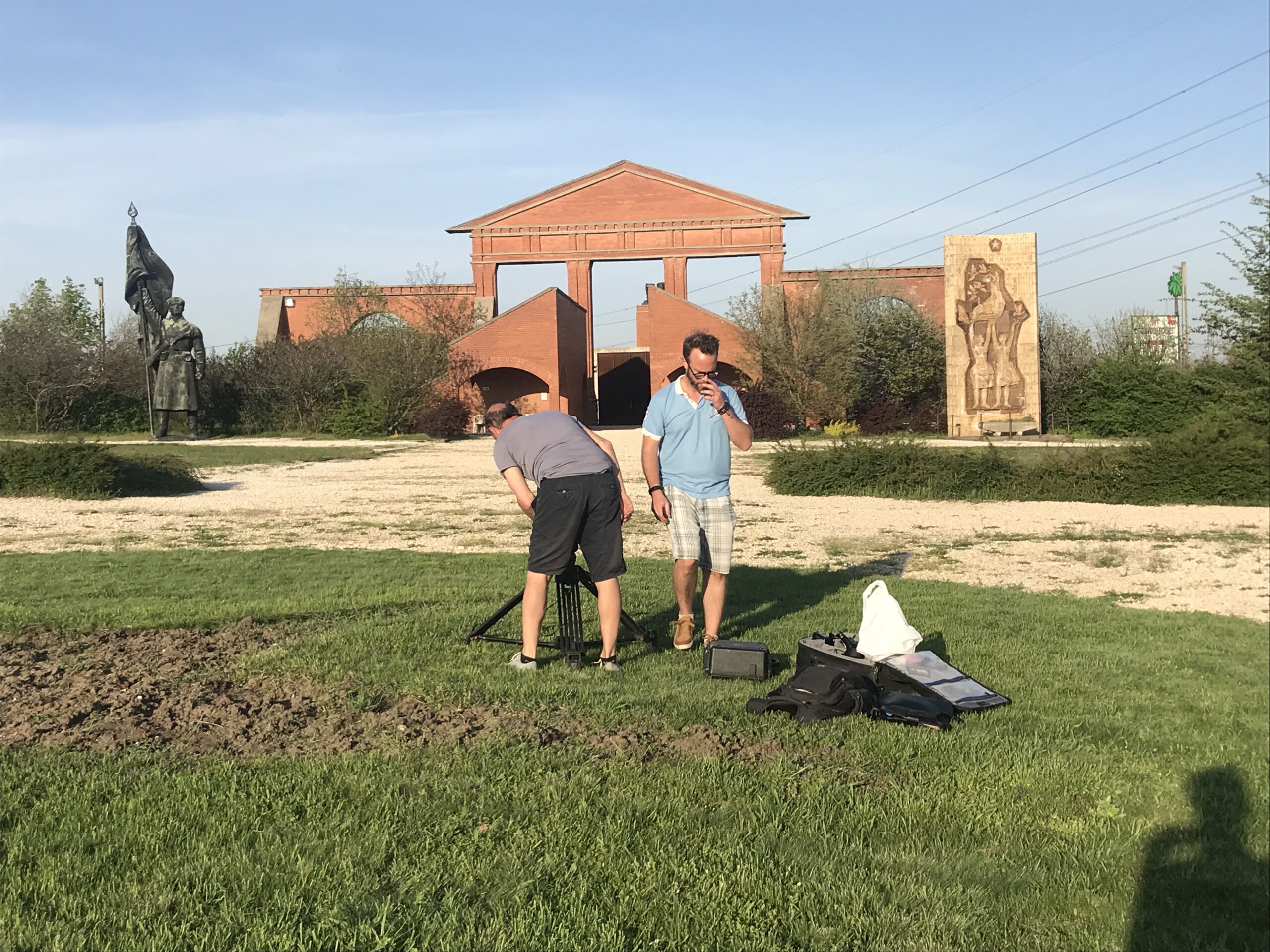
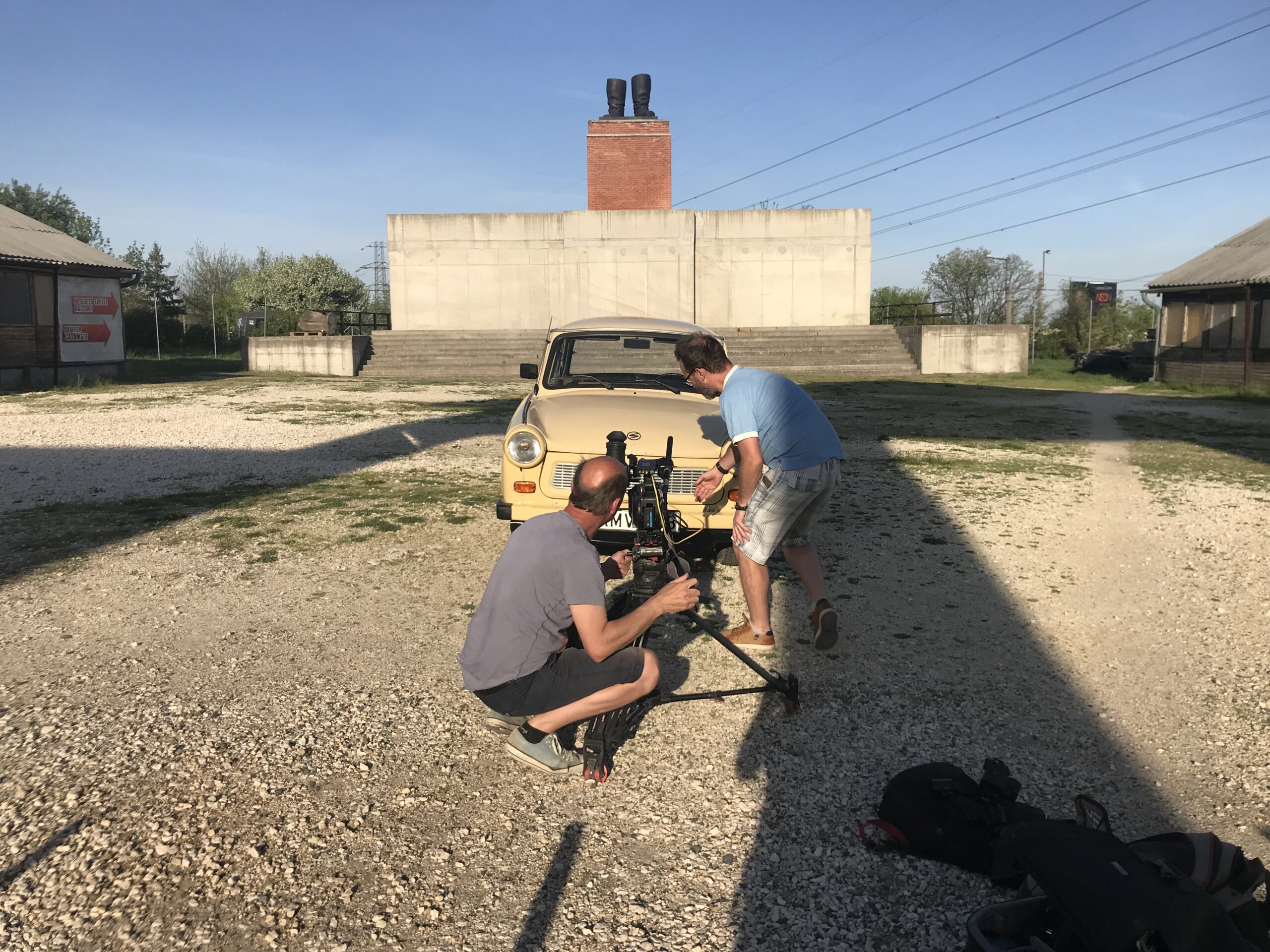
I’m very much honoured because my Trabant tour will be included in a French TV show about Budapest. The idea is a really good one, it gives tips and recommendations about what to do in my lovely city when you visit Budapest for 2-3 days.

The filming was a very special experience for me, I can’t wait to see the cut version which I’ll share once I have it.


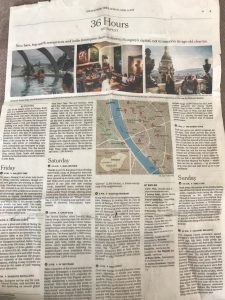
 I’ve received this article from three guests of mine at different occasions – and thank you so much guys for your preparations before your actual trip to Budapest. I need to tell that most of the places recommended by The New York Times are both fun and nice, still, I have the impression I can show you so much more when you come to visit my beautiful city.
Feel free to ask for my special recommendations!

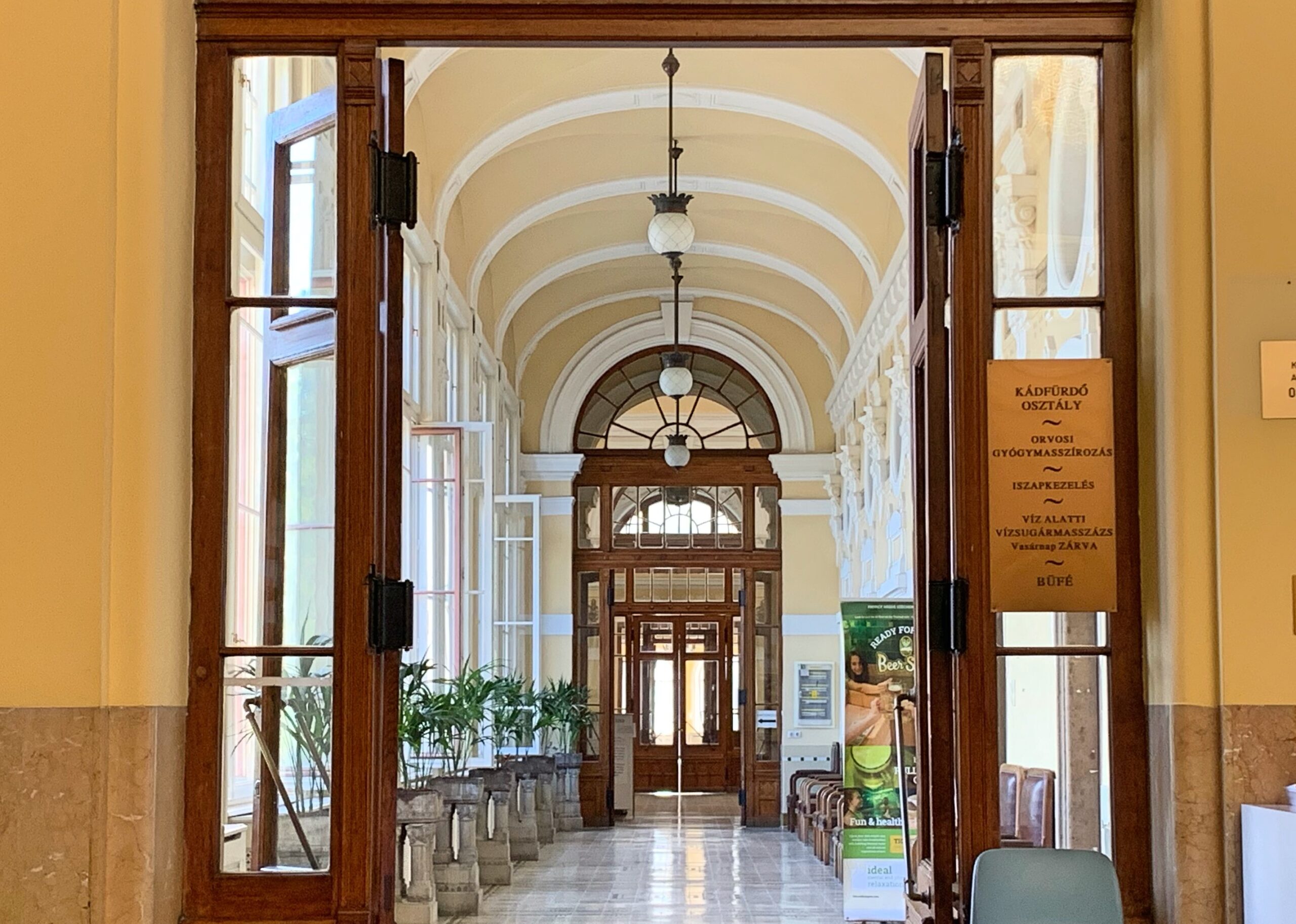
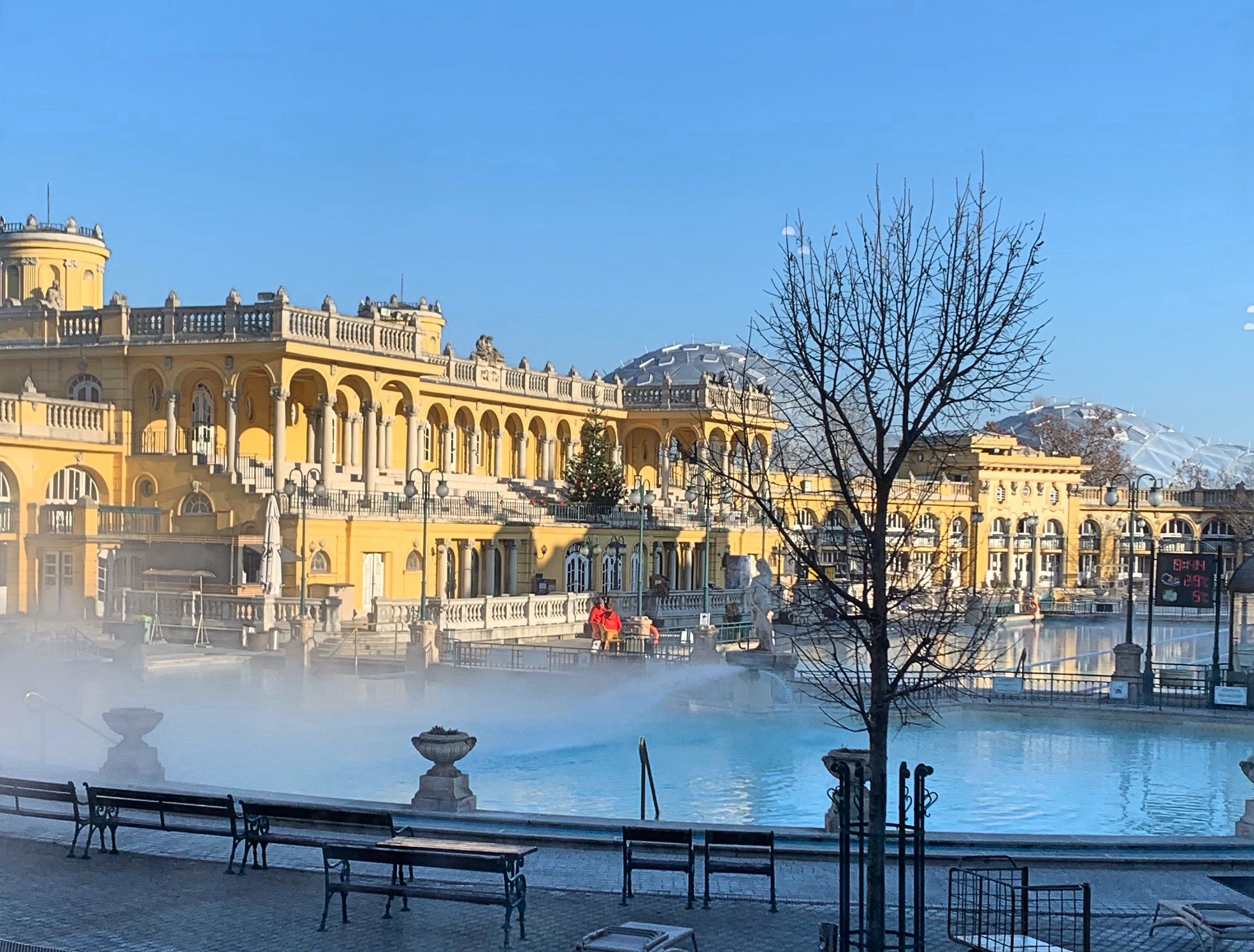
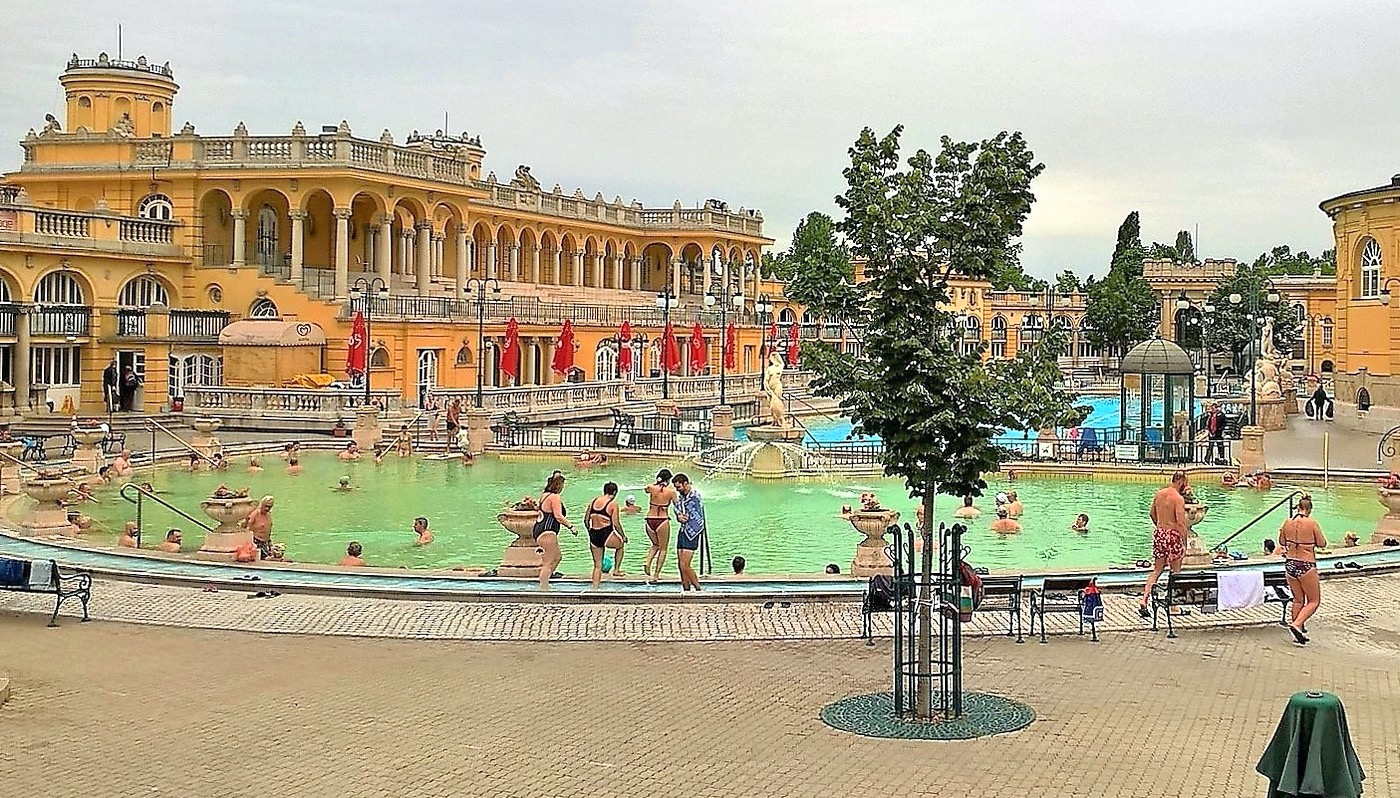
To understand how much locals love the Széchenyi Baths, it’s enough to know that we even have a nickname for it: “Szecska.” Opened in 1913, Széchenyi is not only one of Budapest’s most famous bathhouses, but also the largest thermal bath complex in Hungary.

With a total of 18 indoor and outdoor pools, Széchenyi is a must-see for anyone interested in Budapest’s unique bathing culture.

Architecture Inspired by Water and Wellness

The Széchenyi Baths are housed in one of the city’s most richly decorated buildings. Its architecture blends Neo-Renaissance and Classicist elements, creating a grand yet playful atmosphere that reflects the joy of bathing.

Don’t miss the main foyer, where statues, frescoes, and mosaics are all dedicated to themes of water, healing, and bathing culture — a beautiful introduction to Hungary’s long spa tradition.

Outdoor Pools in Every Season

One of Széchenyi’s greatest attractions is its large outdoor thermal pools, which are open all year round.

  • Summer: lively, social, and energetic — perfect if you don’t mind crowds

  • Winter: surprisingly peaceful and atmospheric, with warm thermal water surrounded by steam and snow

Personally, I recommend visiting Széchenyi in winter, when the contrast between cold air and hot water creates an unforgettable experience.

Visiting Széchenyi on a Guided Bath Tour

Széchenyi is an essential stop on my Baths of Budapest walking tour, where I introduce visitors to the city’s most important bathhouses while explaining:

  • Hungarian bathing traditions

  • how locals use the baths today

  • architectural and historical background

  • practical tips for visiting

A guided visit helps turn a busy bath complex into a meaningful cultural experience.

Practical Information

For up-to-date details on ticket prices and opening hours, it’s best to check official sources before your visit, as these may change seasonally.

We had the most exciting tour today about the Hungarian Samizdat press. I had the privilege to work with Közgazdasági Politechnikum in this great project: Building Democratic Europe Together – http://budet.poli.hu/

My tour’s focus was the illegal, uncensored production, publishing and distribution of books and articles which couldn’t have been published in the Communist regime. It was all about conspiracy, clandestine operations and about how the state and state security tried to liquidate the entire movement, but more importantly my tour was about the desire to exercise free speech and free press, essential pillars of our new democracy.

It was great to see the enthusiasm of both students and teachers and I’m very proud to have been part of it.


Bathing and bathing culture have always been an important part of our everyday life. According to a survey I’ve just read 30% of the locals go to the baths regularly. It’s fun, very relaxing and has healing effects, too. I can show you some of the most authentic Budapest baths if you join me for a tour.

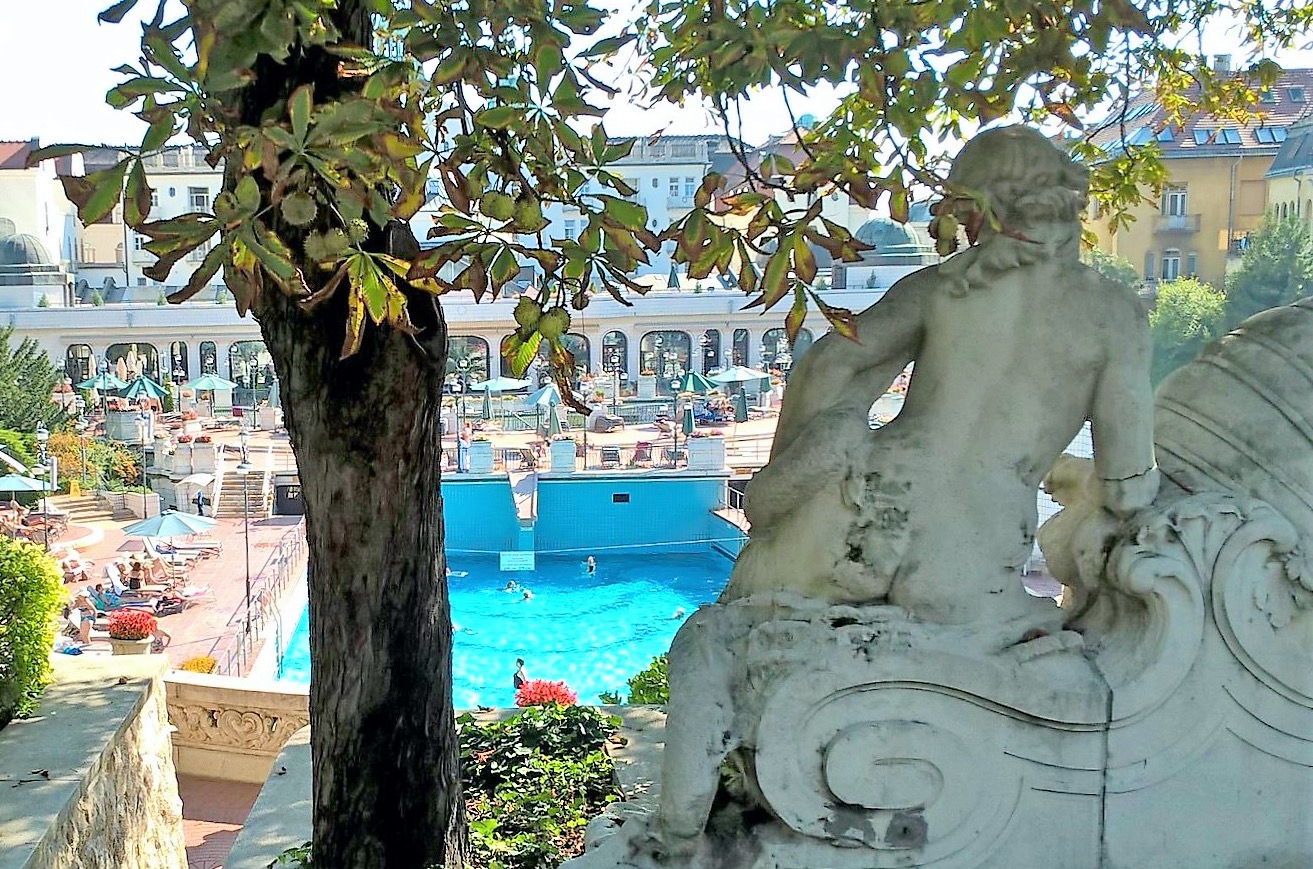
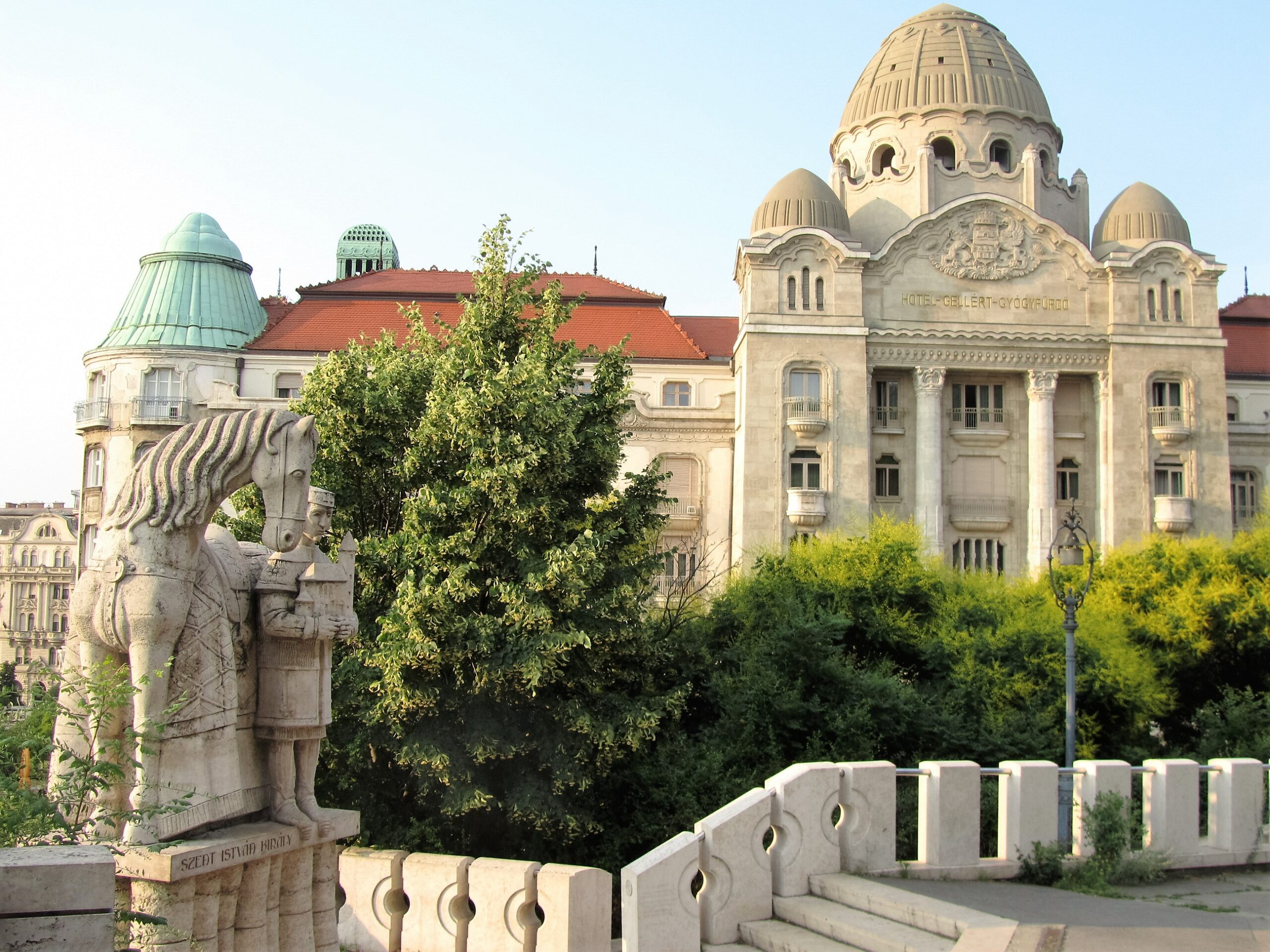
The Gellért bathhouse is the most elegant bath complex of Budapest. The building is one of the most amazing pieces of the Budapest Art Nouveau and  opened in 1918. When you have a look at the richly ornate facade of the building its hard to imagine that before the construction of the elegant hotel, the place had been referred to as to the muddy baths, where both people and animals had their regular bath.

The thermal baths are fed by the mineral hot springs of the Gellért hill. The water is rich in  calcium, magnesium, hydrocarbonate and sulfate. The water temperature varies from 35 °C to 40 °C.

Don’t miss the Turkish section where the walls are so nicely decorated with colorful mosaics. The bath can be visited throughout the year, if you happen to be in Budapest in the summer, you can also take advantage of the outdoor wave pool.

My two greatest passions are tour guiding and photography. I’ve been involved in photography in a way or another my entire adult life and I always try to catch the beauty I see walking around Budapest every day. Some of my pictures are on Instagram, too.